
Free visual inspection and a written scope of work before any mitigation begins - photos, moisture readings, and drying logs go in your claim file
The scope we write is the scope we bill. Anything new gets shown to you, in writing, before we touch it.
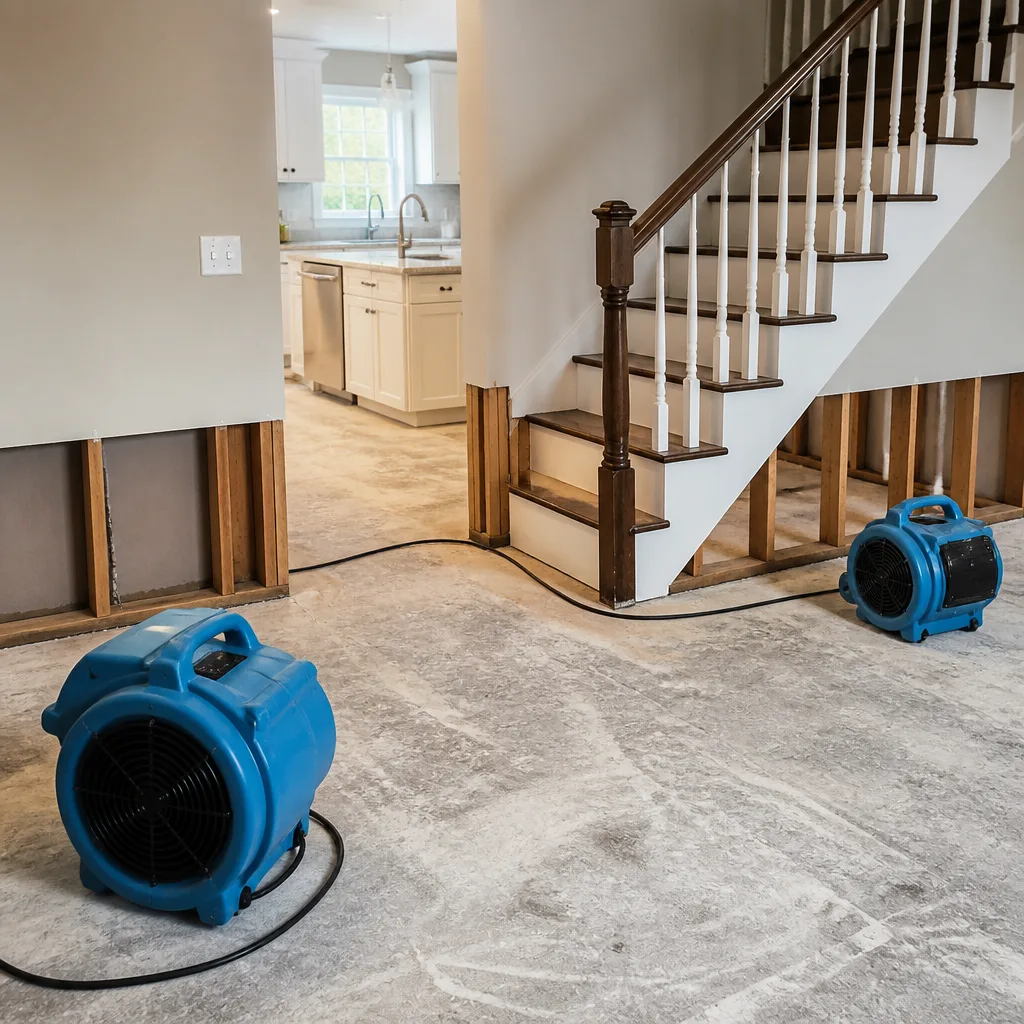
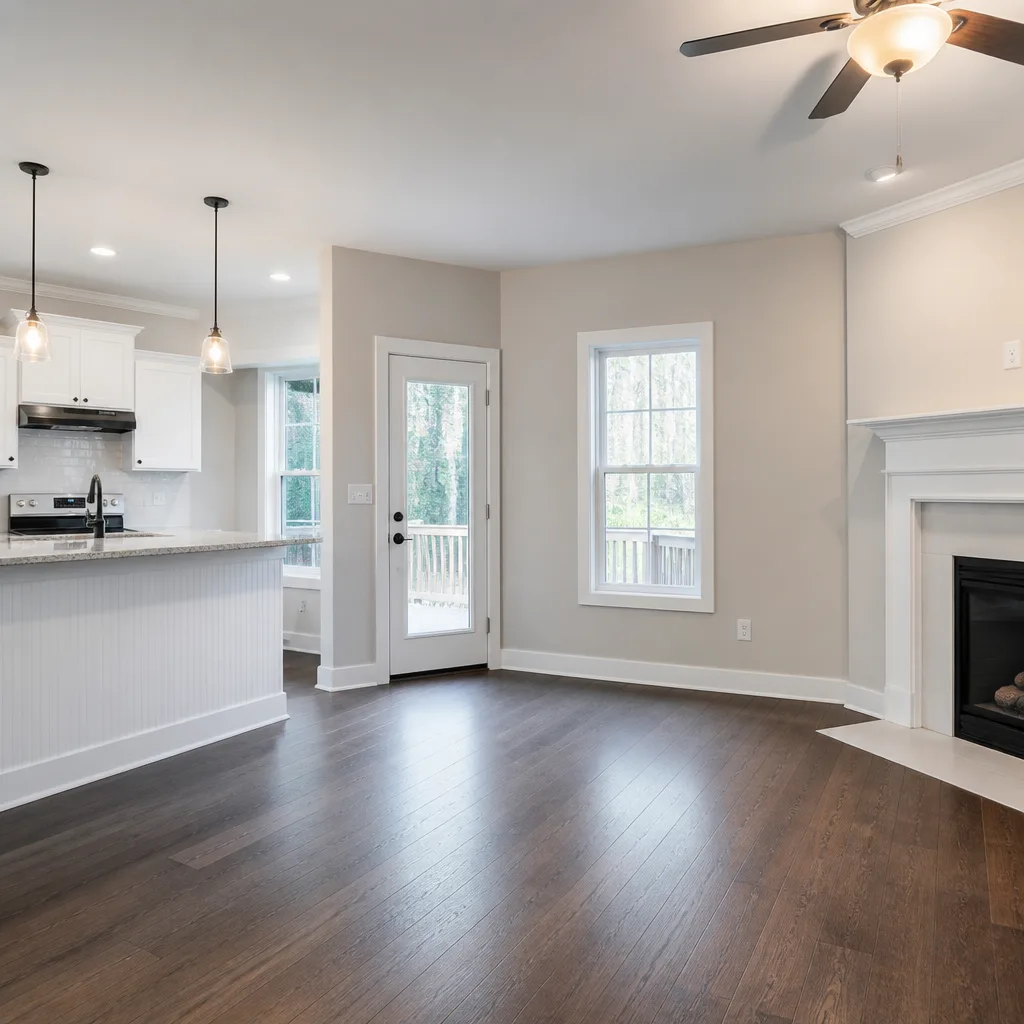
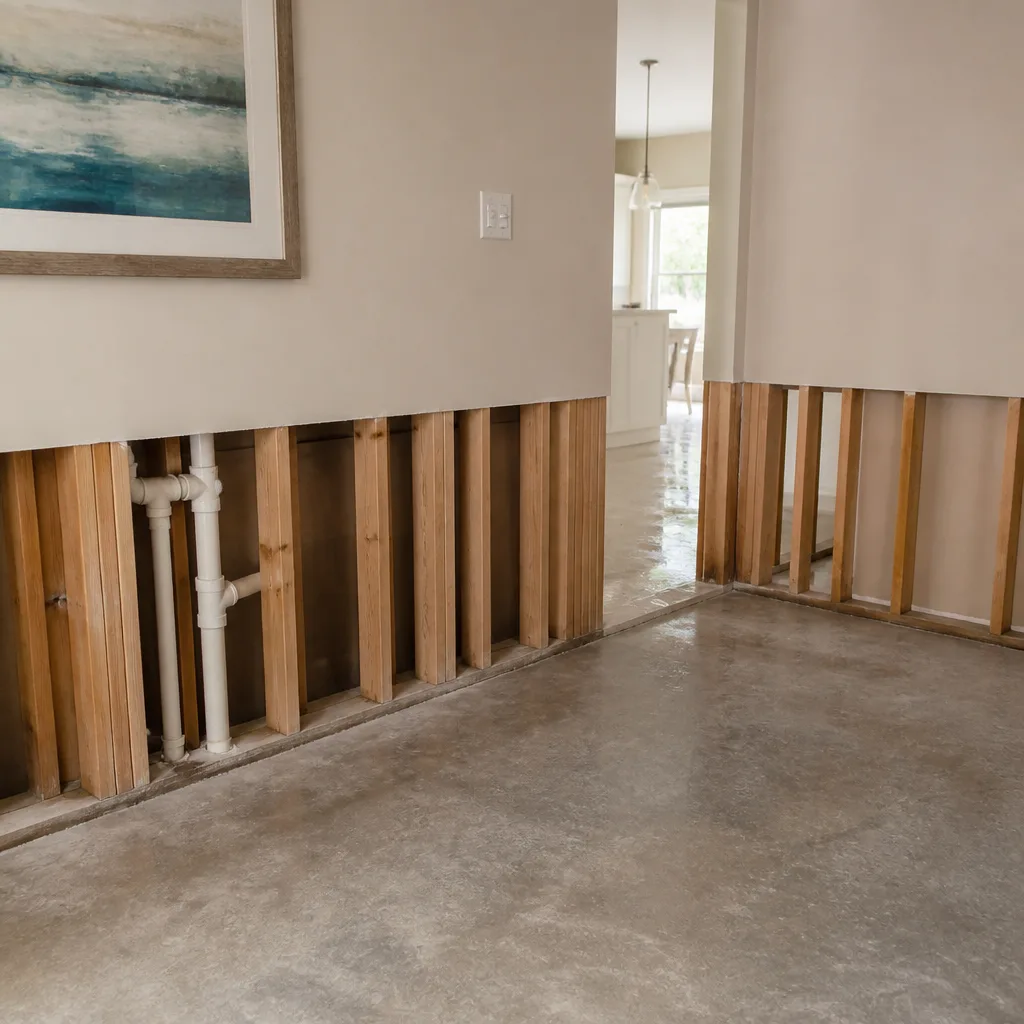
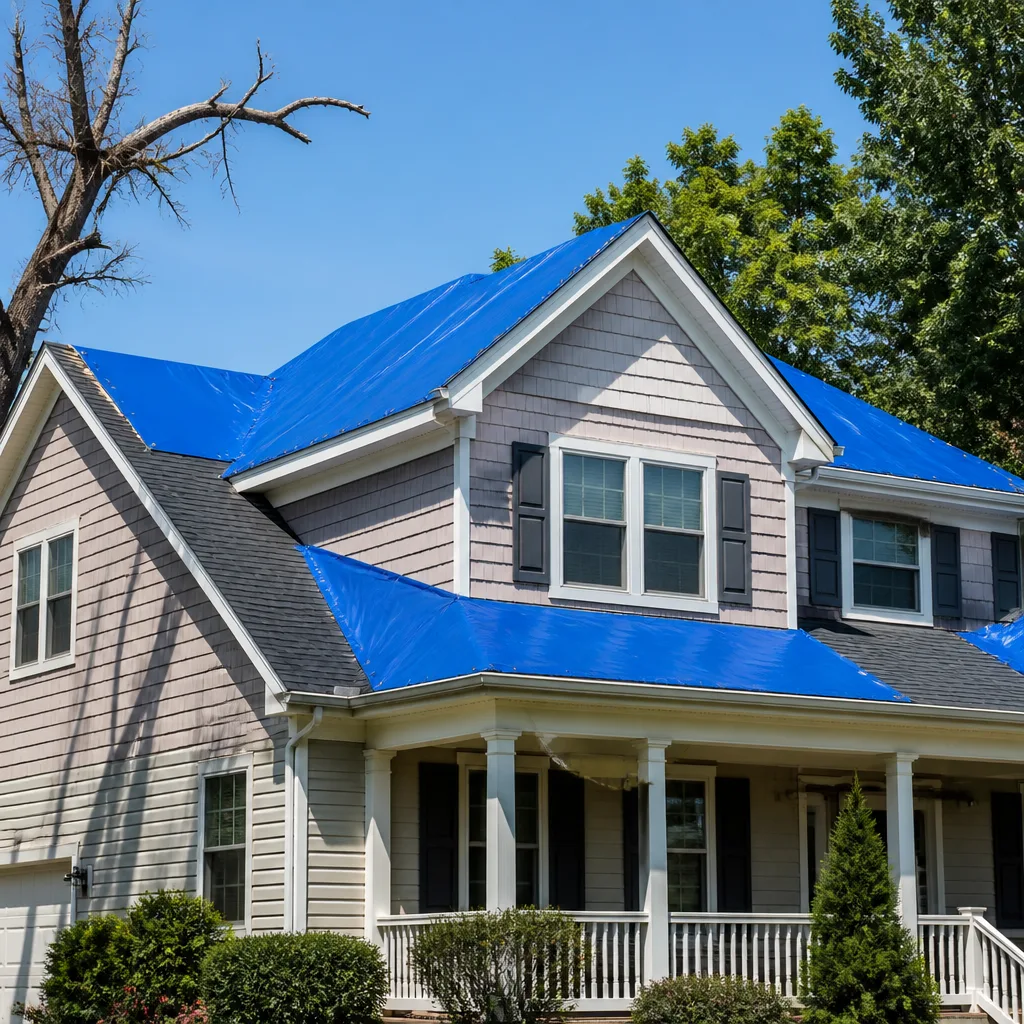
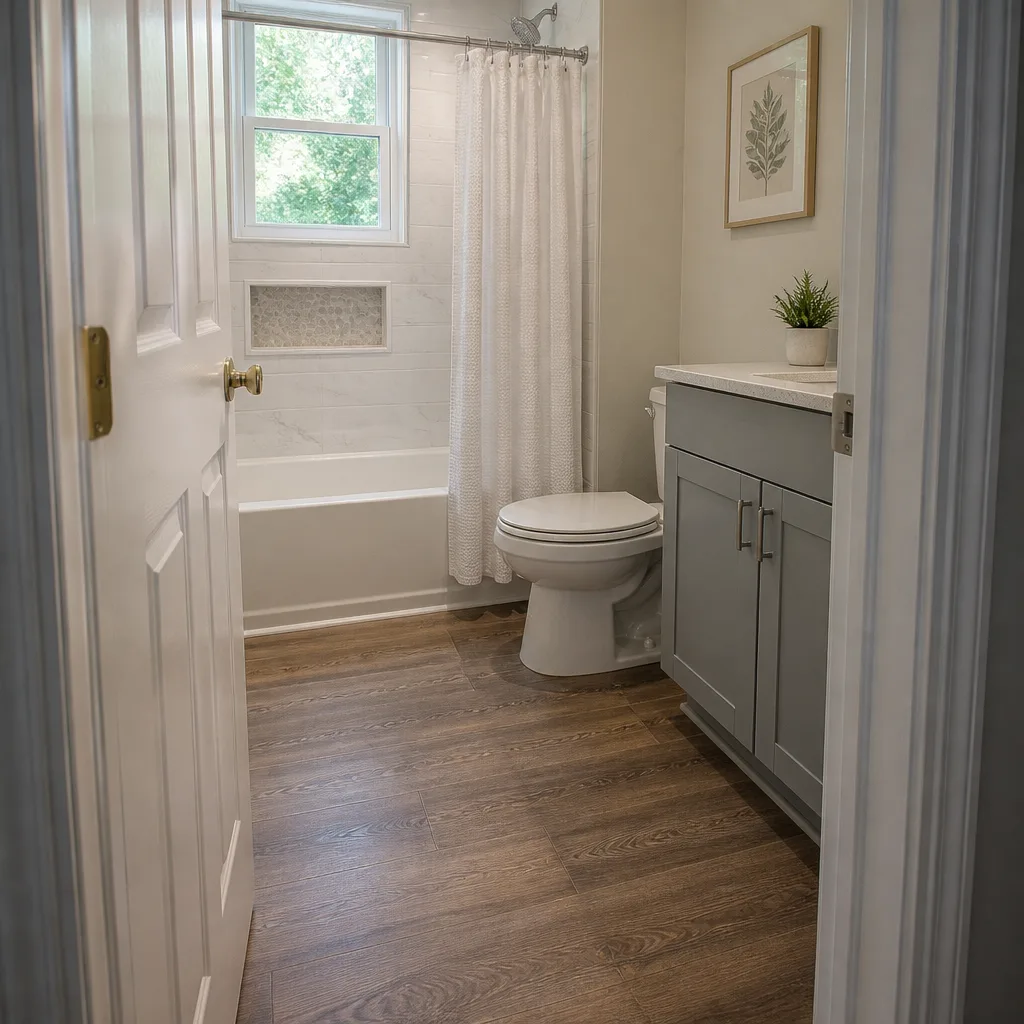
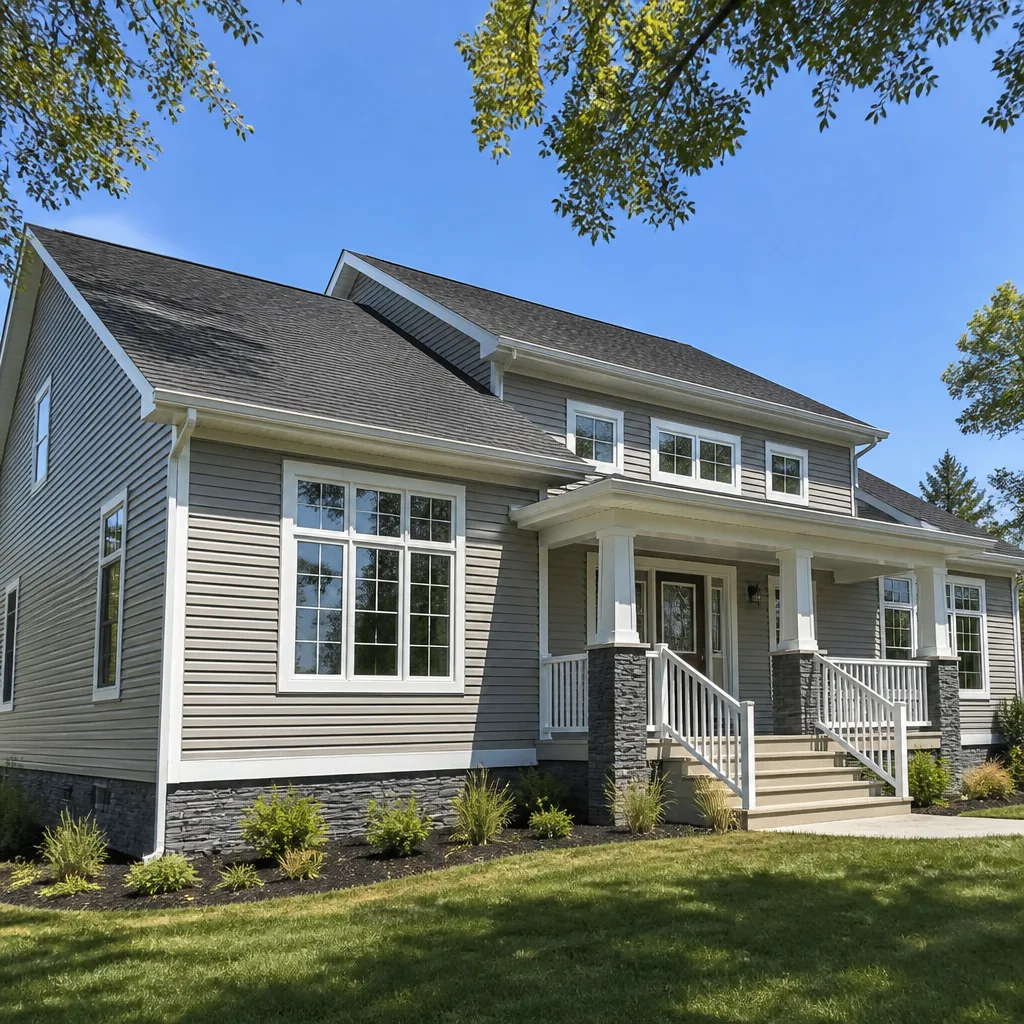
 Before
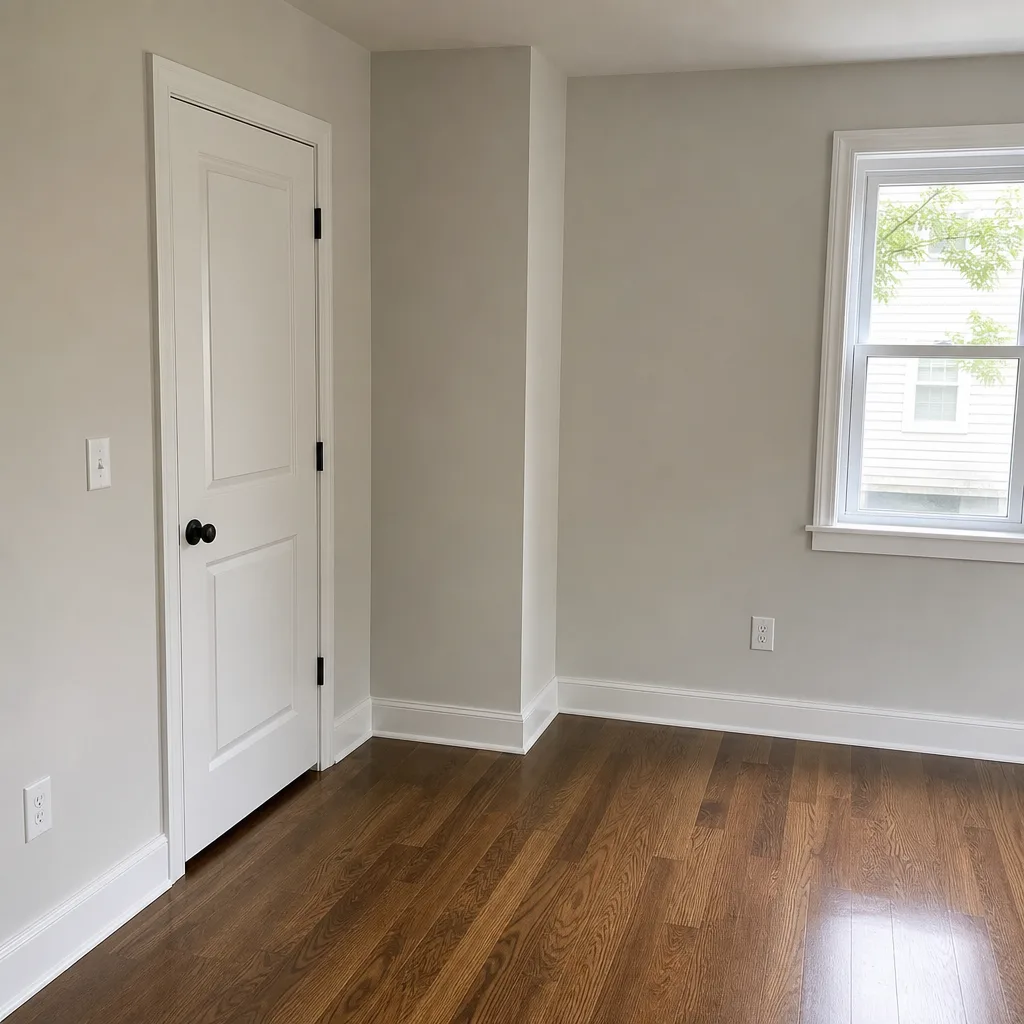 After
After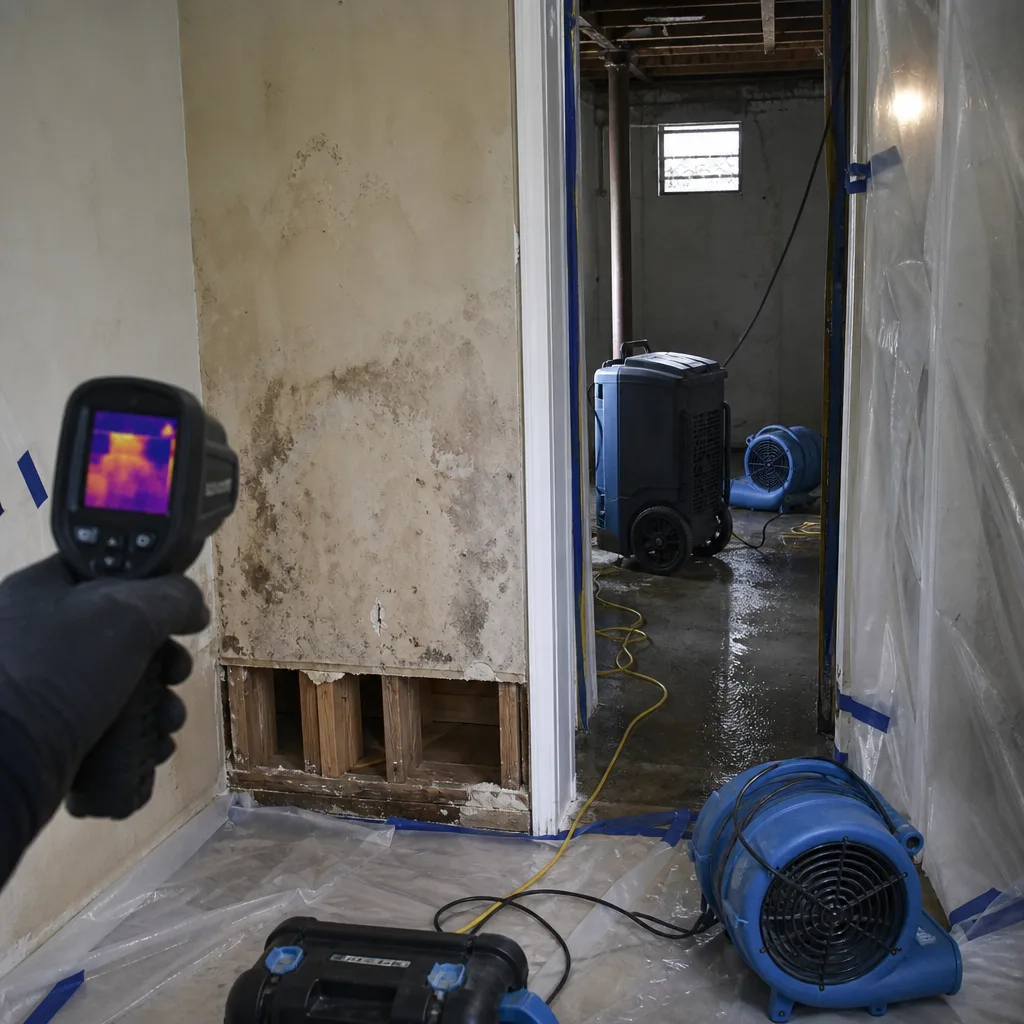 Before
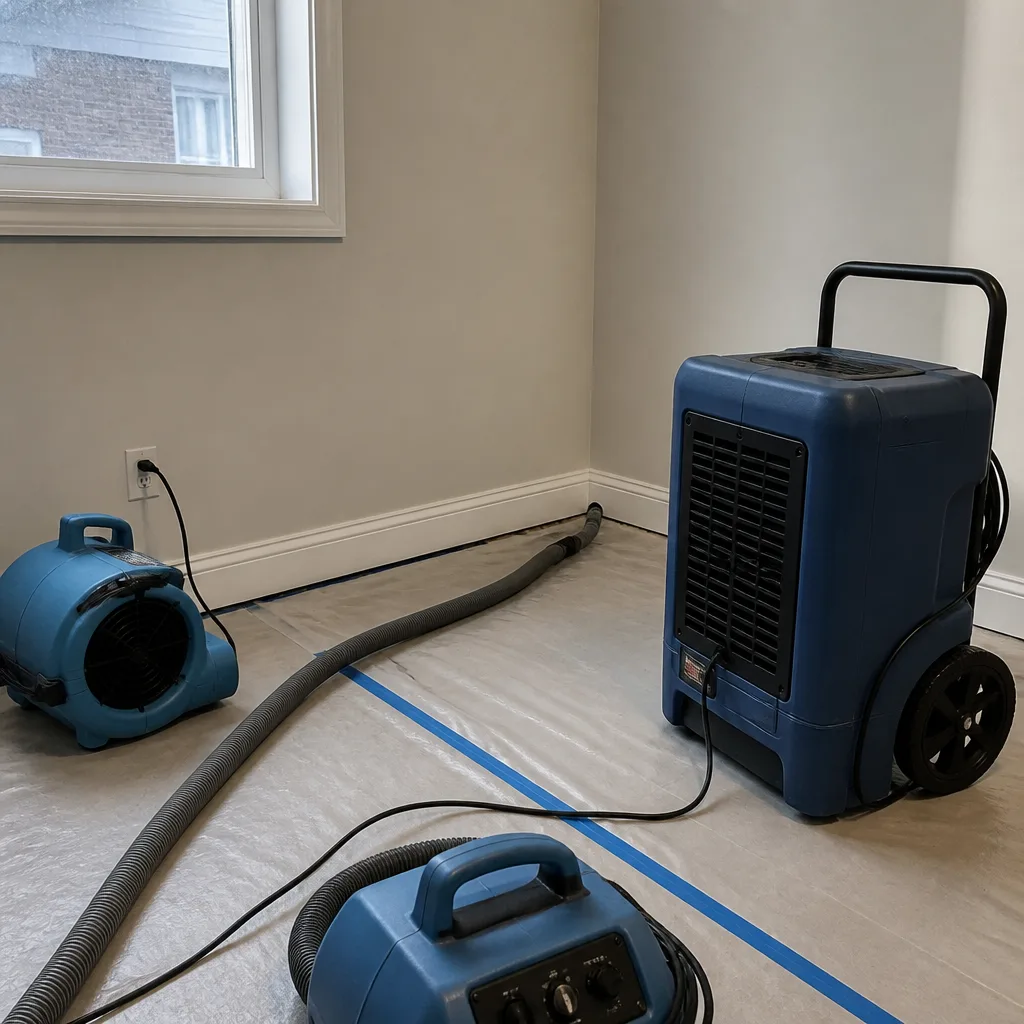 After
After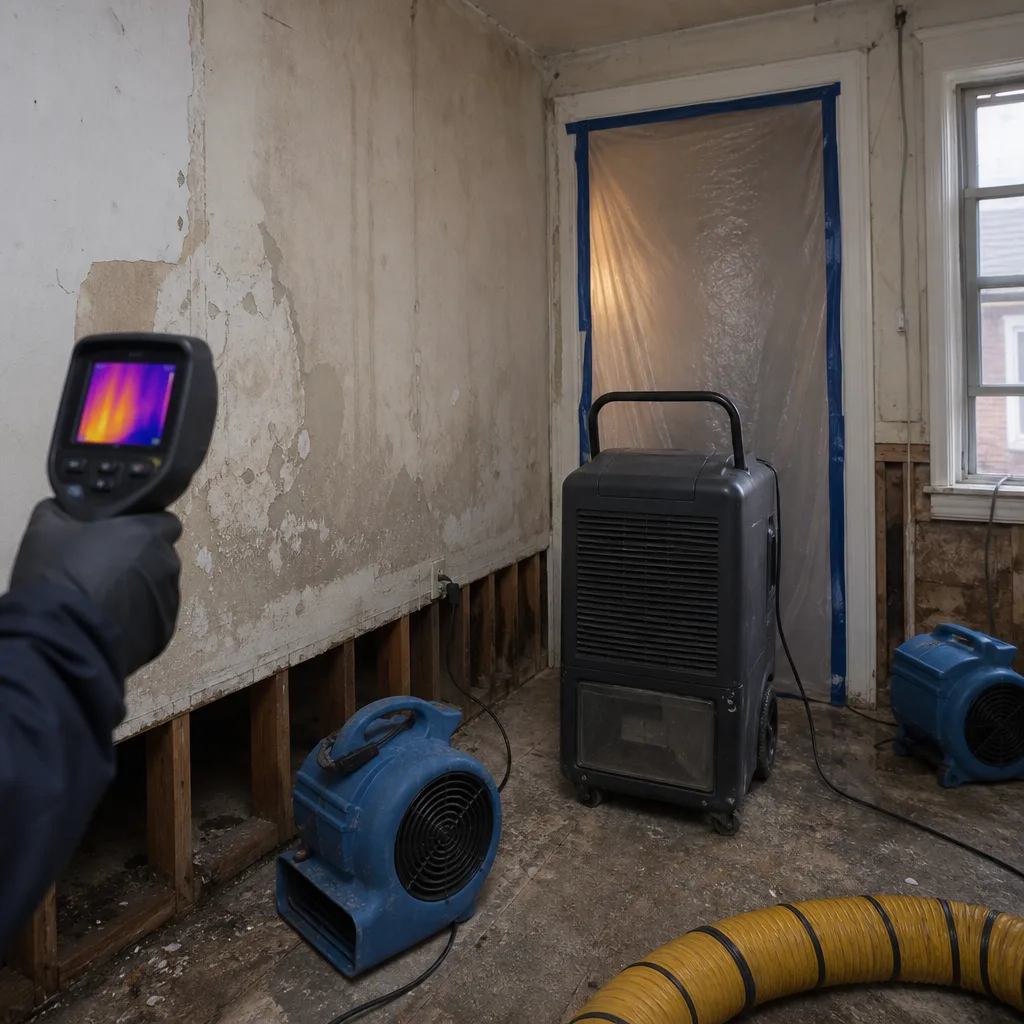 Before
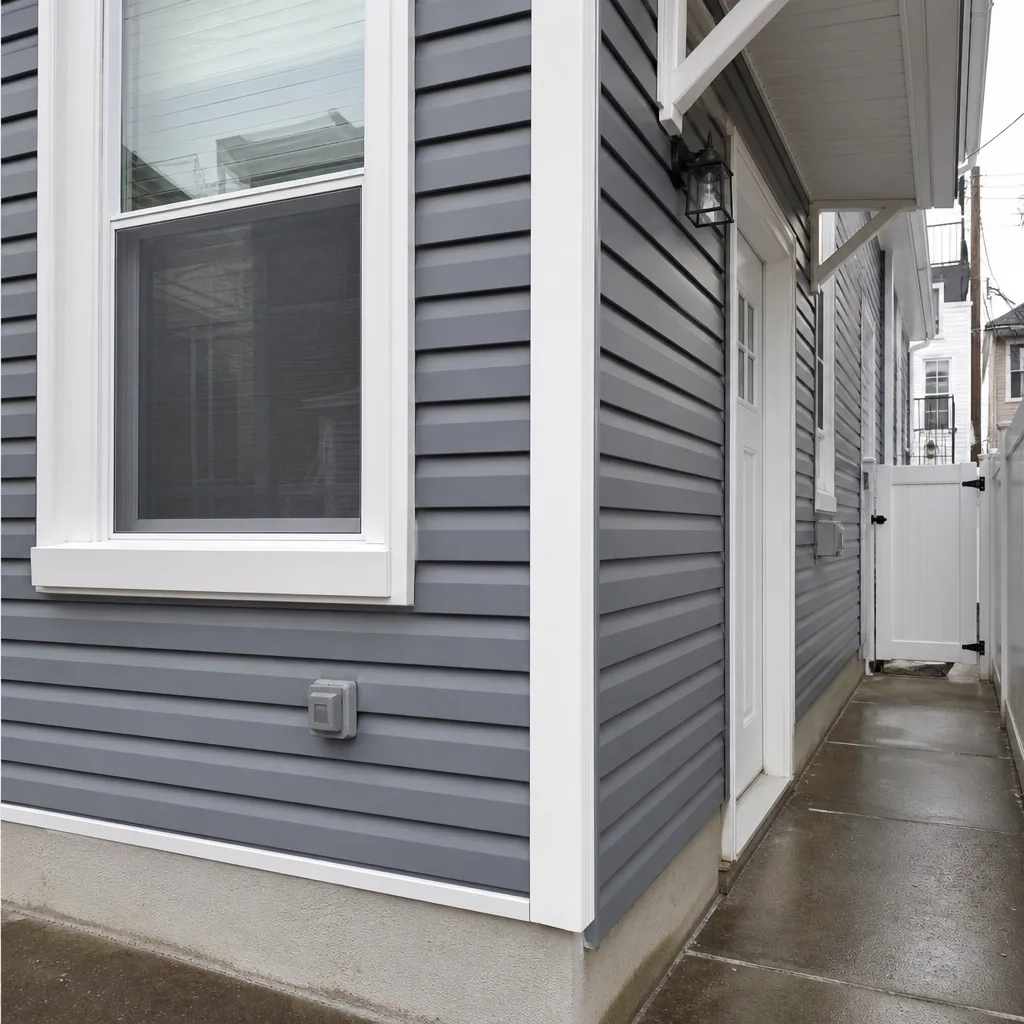 After
After24/7 Emergency Mold Remediation in West New York
Mold remediation in West New York typically runs $1,800 to $6,500 for a contained multi-room job in one of the town’s older brick apartment buildings, and the work is usually underway within 45 minutes of your call. We answer live around the clock at (201) 903-9581. Not an answering service. A real person picks up, and the owner Wade Ferris is often the one on the other end of the line.
Here’s what matters in the first hour: mold in a West New York apartment building doesn’t sit still. The concrete slab floors and shared walls in these 1940s-to-1970s walk-ups let moisture travel down and sideways long before you see staining. So when you call, we don’t just send a crew. We send someone who knows that a fourth-floor radiator leak is probably already a second-floor problem by the time you notice it. Free visual inspection, no trip charge inside our county. We’ll tell you what’s actually happening before we touch anything.
Understanding Mold Remediation Severity in West New York Properties
Mold in West New York’s housing stock behaves differently than in a single-family suburban home across the river. Why? The buildings themselves. Most of the residential fabric here is 4-to-7-story brick apartment buildings constructed between the 1940s and 1970s. Shared concrete slab floors, brick party walls, aging steam radiator systems, and limited cross-ventilation in interior hallways create conditions where mold moves between units faster than tenants realize.
Severity levels break down like this. A Category 1 water source, clean water from a supply line, becomes a mold driver within 24 to 48 hours if the concrete slab under it isn’t dried to pre-loss condition. Category 2, meaning water with some contamination such as radiator fluid or detergent-laden washer discharge, requires antimicrobial treatment and often drywall removal. Category 3, sewage or floodwater, is a different job entirely: full containment, HEPA air scrubbing, and disposal of affected porous materials. In West New York, we regularly find garden-level and below-grade units sitting at Category 2 or 3 because Palisades runoff keeps humidity elevated long after the visible water is gone. Moisture mapping tells us which category we’re actually dealing with, and in these buildings, the map usually covers more square feet than the visible stain suggests.
Why West New York Property Owners Choose Wade’s Restoration
- 45-minute response commitment. Wade heads out himself or sends a uniformed, background-checked crew from our local West New York dispatch. You won’t wait on a national outfit’s queue.
- Live answer, 24/7, real human. No voicemail, no “press 2 for emergency.” Wade answers his own phone. Ask anyone in West New York who’s called us at 2 a.m.
- IICRC-certified crews. Our mold remediation techs hold AMRT and WRT certifications. We know containment, air scrubbing, and clearance testing, not just wiping down walls.
- Free visual inspection. No charge to look, and no charge to tell you whether you even need full remediation. Sometimes a cleaning plus moisture control is enough, and we’ll say so.
- Direct insurance billing. We document everything from the first hour and deal with your adjuster directly. You’re never the one relaying messages between two sides.
- One team from start to finish. From the first containment wall to the last coat of paint on the repaired drywall, it’s our crew. No handing you off to a subcontractor who never saw the moisture log.
Our Mold Remediation Process
Inspection & Assessment
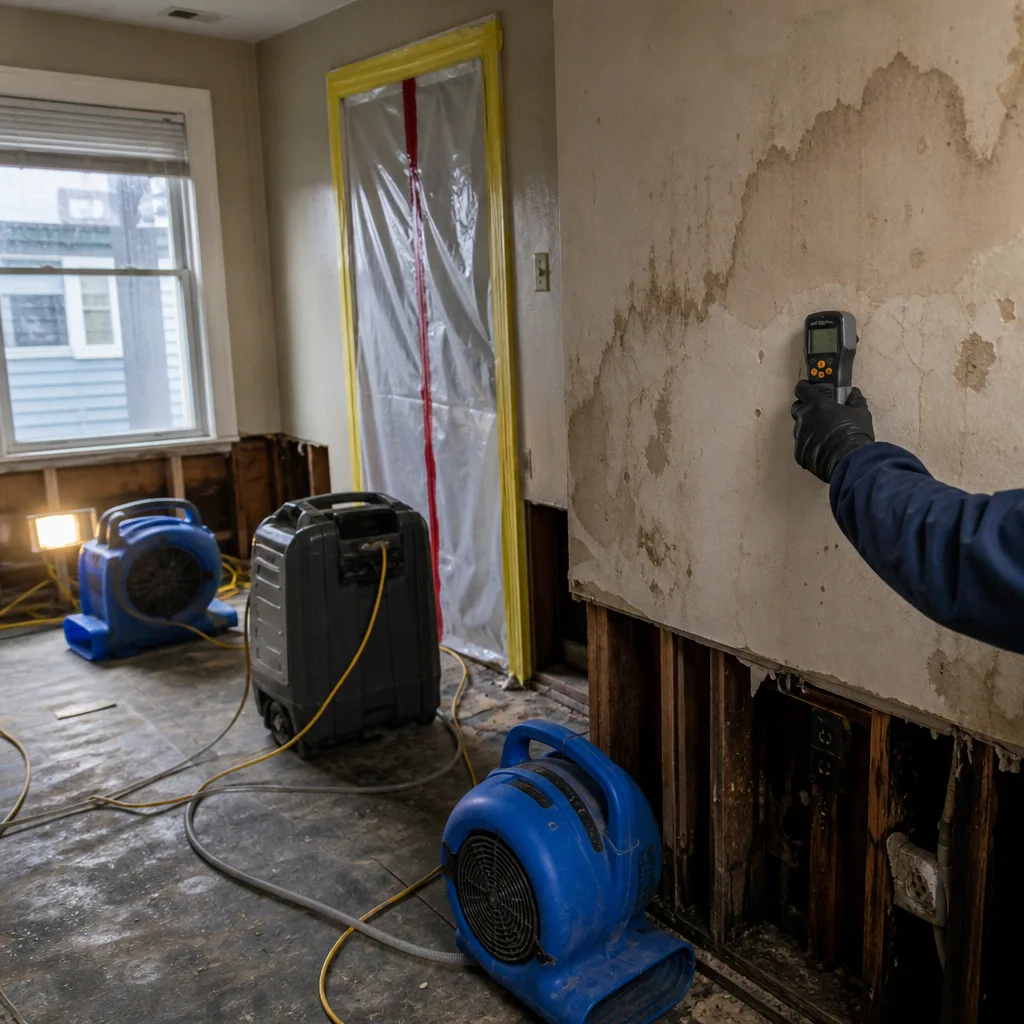
We start with thermal imaging and moisture meters to map where water actually went, not just where you saw the stain. In West New York’s stacked units, that means checking the floor above, the ceiling below, and the shared walls on both sides.
Stabilization & Containment
We seal off the affected area with 6-mil poly sheeting and negative air pressure so spores don’t spread through the hallways and into neighboring apartments while we work.
Drying & Dehumidification
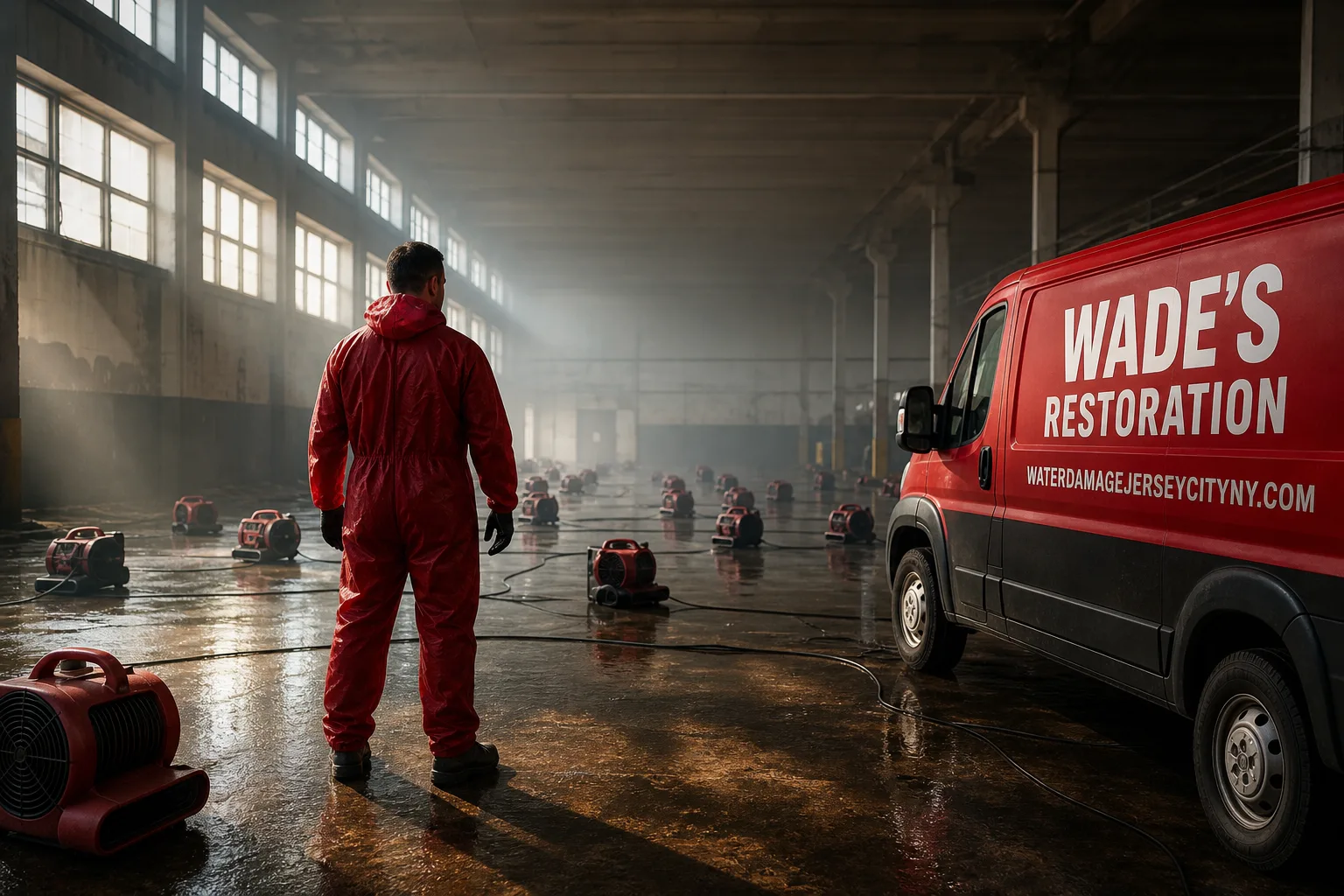
Dri-Eaz dehumidifiers and Phoenix air movers run continuously, and we take moisture readings every single day. That daily log is yours at the end of the job, and we send it to your adjuster too.
Cleaning & Sanitization
We remove affected drywall, insulation, and flooring that can’t be salvaged, then treat framing and cavities with EPA-registered antimicrobials. HEPA scrubbers with XPOWER air movers run throughout.
Specialty Treatment for Mold Remediation
This is where moisture and humidity control comes in. In West New York’s garden-level units and crawl spaces, we address the source: drainage, vapor barriers, and dehumidification so the mold doesn’t come back next season.
Repairs & Restoration
New drywall, insulation, paint, and trim, matched to your unit. We leave the place looking like we were never there, except the moisture log we hand you proves the work underneath.
Need Emergency Mold Remediation in West New York Now?
Crews minutes away, answering live 24 hours a day. The sooner we start, the less it costs.
Working With Your Insurance Company
Mold claims in West New York’s multi-unit buildings are messy. One leak, one slab, and suddenly there are four adjusters from four different policies asking questions. We’ve handled enough of these to know that documentation is what separates a covered claim from a denial. The owner, Wade Ferris, has been dealing with insurance adjusters directly since 2007, and he’ll handle yours the same way: straight talk, line-item scopes, and no games.
Here’s what we provide your insurer, and what we’ll walk your adjuster through on site:
What We Provide Your Insurer
- Thorough documentation of the loss
- Photos of all damage, room by room
- Moisture readings and drying logs
- A detailed, line-item scope of work
- Direct coordination with your carrier
Built for West New York’s Loss Calendar
West New York has a seasonal rhythm to mold problems, and it follows the town’s geography. January and February bring deep freezes that snap aging galvanized supply lines in uninsulated exterior walls, flooding top-floor and garden-level units alike. Spring thaw on the Palisades slope sends runoff into below-grade apartments along Boulevard East’s lower blocks, where drainage was never designed for modern storm intensity. Summer brings Hudson County humidity that sits in poorly ventilated interior hallways and lets mold colonize behind baseboards within days of any minor leak. And nor’easters in fall and winter hammer the riverside blocks, pushing storm surge into street-level entrances along River Road and Port Imperial.
One thing ties all of it together: in West New York’s stacked brick buildings, the damage never stays where it started. The question isn’t whether mold will travel through the slab. It’s how many floors down we need to map by the time you call.
Mold Remediation Across West New York’s Neighborhoods
West New York packs over 50,000 people into barely one square mile, and the building stock shifts as you move from the river to the top of the Palisades. Along the Boulevard East corridor, the pre-war and early post-war buildings have cast-iron waste lines and steam radiator systems that fail at the fittings, sending water down interior chases and through stacked kitchens on multiple floors. Closer to Kennedy Boulevard and 60th Street, the 1950s-to-1970s walk-ups share flat tar-and-gravel roofs that pond water when fall debris clogs the drains, and by the time a top-floor tenant sees a ceiling stain, moisture has wicked through two more floors.
Down near Donnelly Park and the lower grid around 49th Street, garden-level units ride the Palisades grade and fight constant humidity from surface runoff. We’ve moisture-mapped units there where the visible mold patch in a closet traced back to a drainage issue outside the building’s foundation line. Over near Memorial High School and the residential blocks along 57th Street, the pattern is familiar: aging galvanized supply lines buried in concrete slabs finally let go, and the water follows the slab to the units below. Different parts of town, same lesson: in West New York, mold remediation means drying the building, not just the room.
Specialized Mold Remediation Services We Offer in West New York
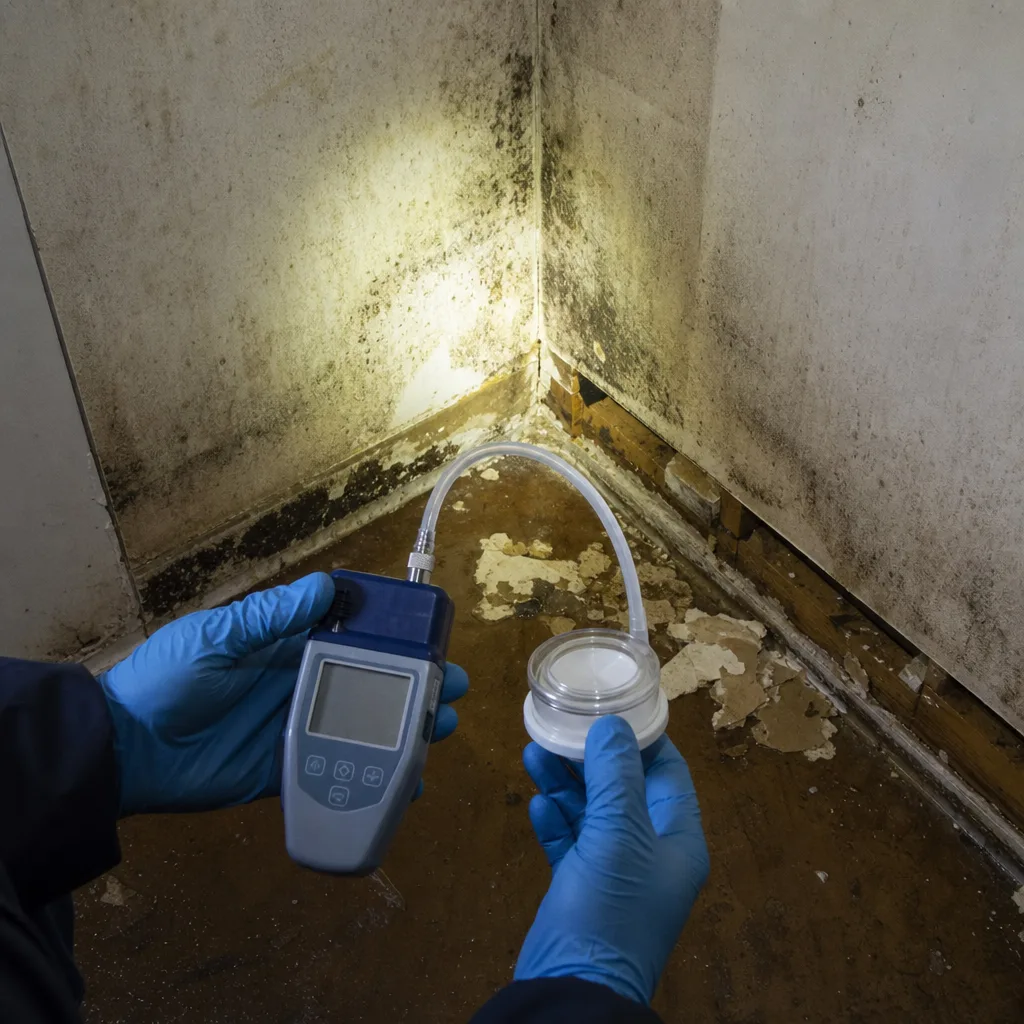
Mold Inspection & Testing
Before we recommend remediation, we test. Air samples, surface samples, and moisture readings tell us whether what you’re seeing is cosmetic mildew or a real colonization issue. In West New York’s stacked apartments, we also test adjacent units when the moisture pattern suggests migration.
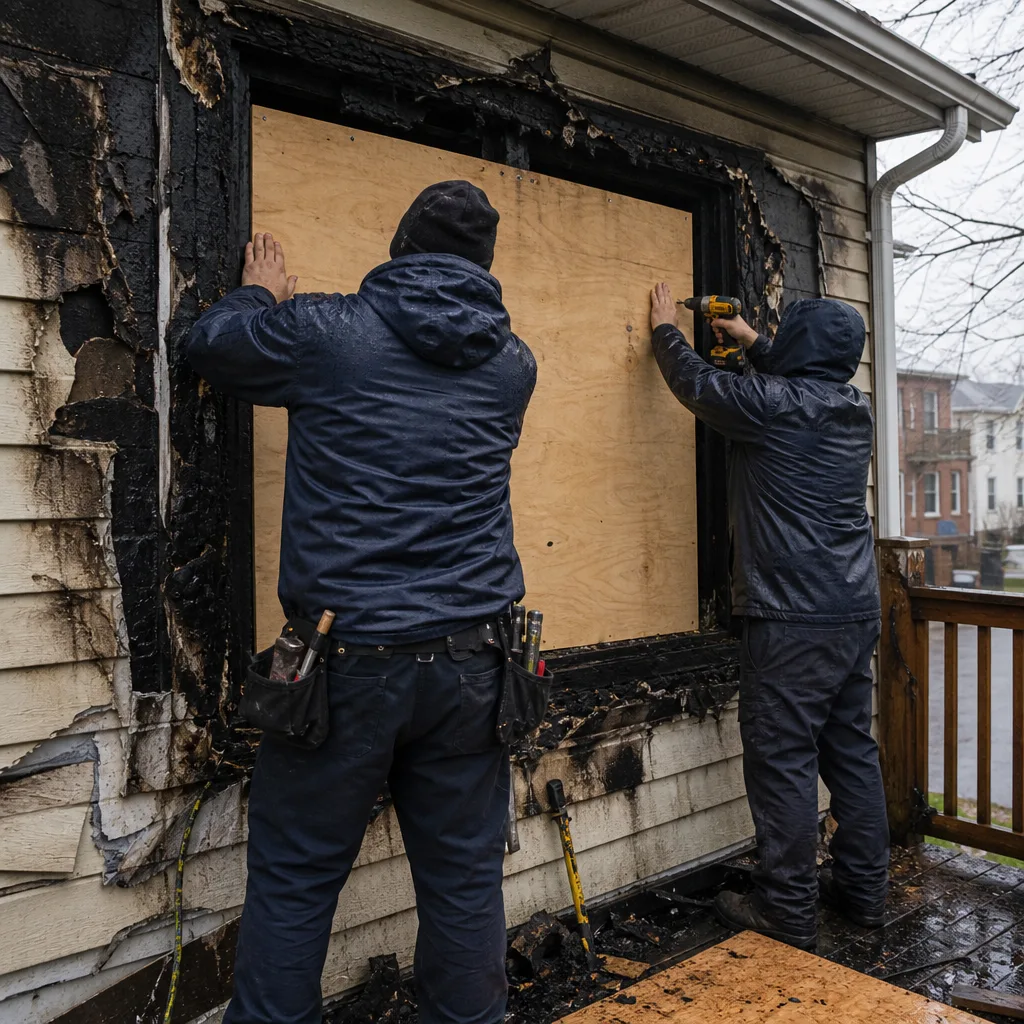
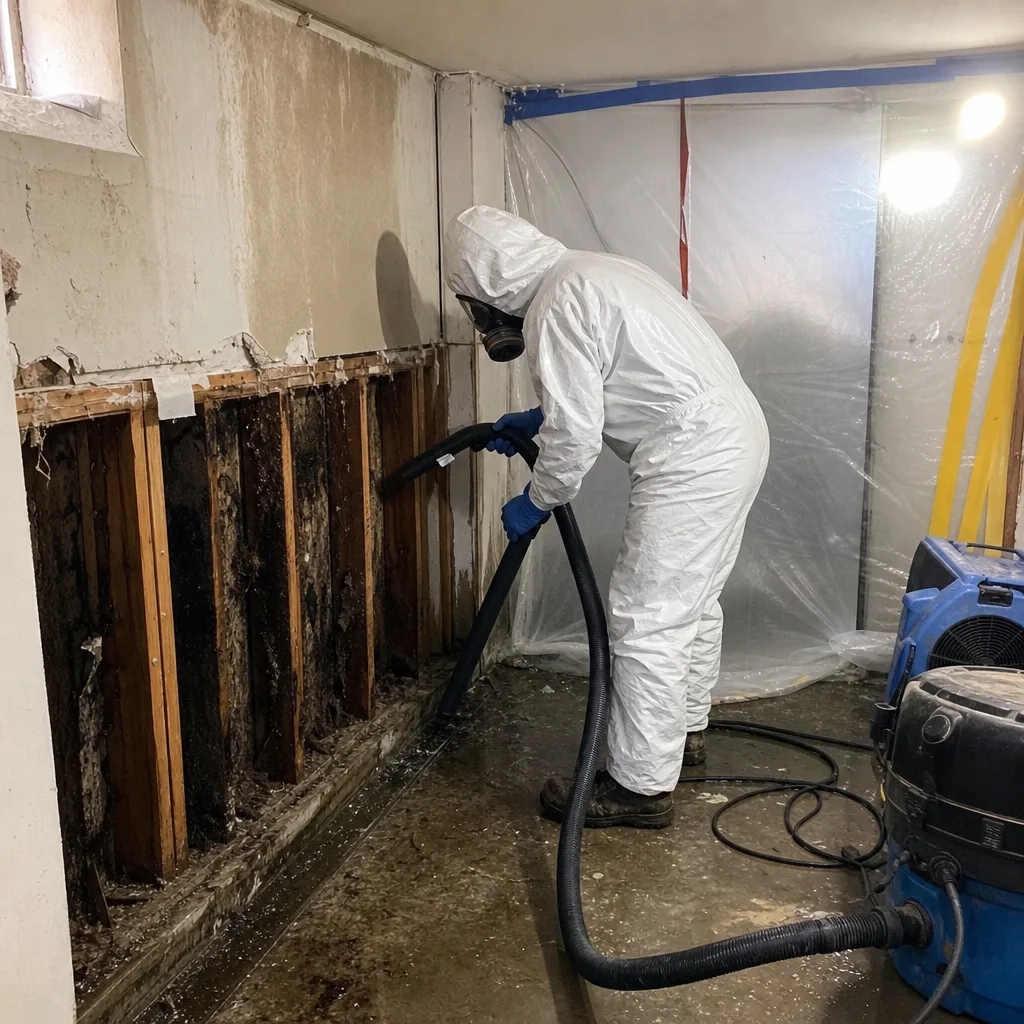
Mold Removal
Physical removal of affected drywall, insulation, and flooring, done under containment so spores don’t spread through shared hallways. We pull what can’t be saved and keep what can, which matters when you’re looking at a four-unit claim and every dollar counts.
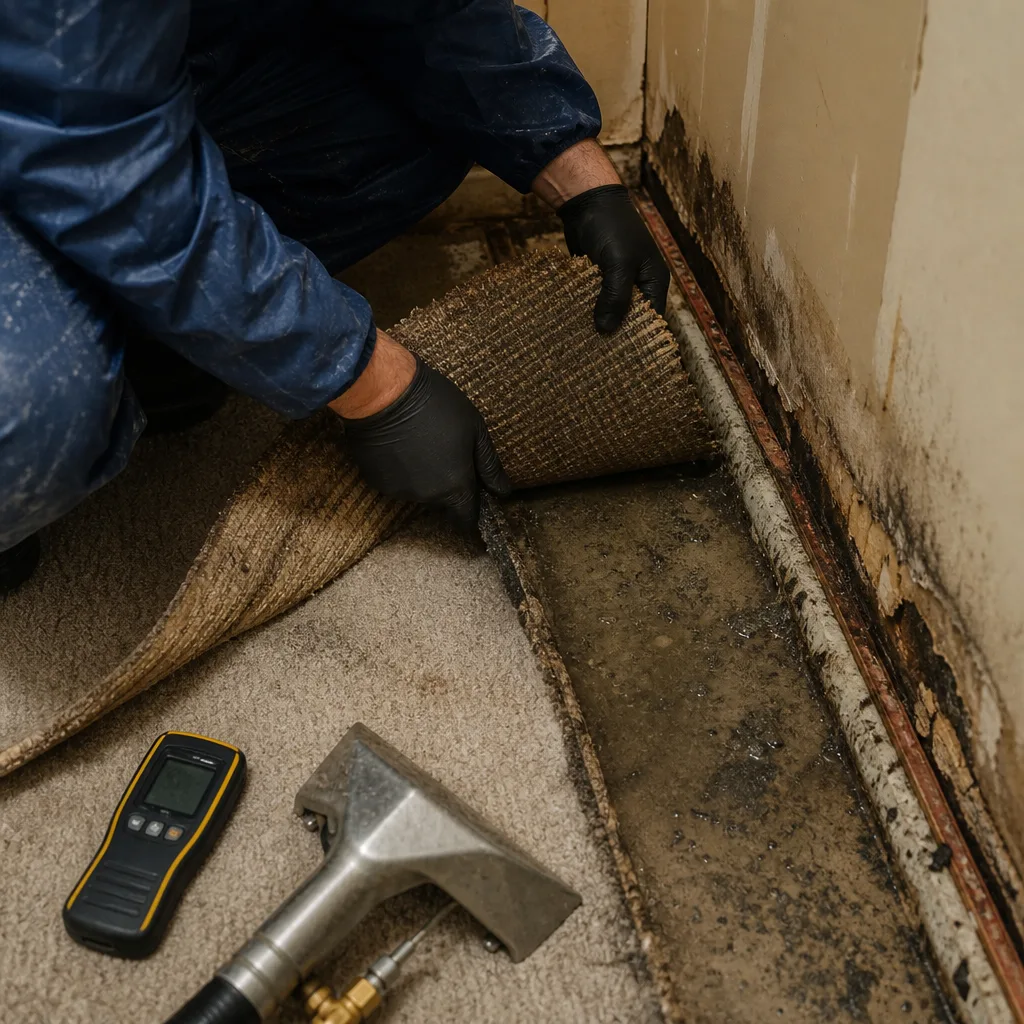
Black Mold Remediation
Stachybotrys gets the headlines, but the truth is any mold can make a family sick. If testing confirms black mold, we run full containment, HEPA air scrubbing with Dri-Eaz filtration, and clearance testing before we call the job done. This is the work IICRC AMRT certification was built for.
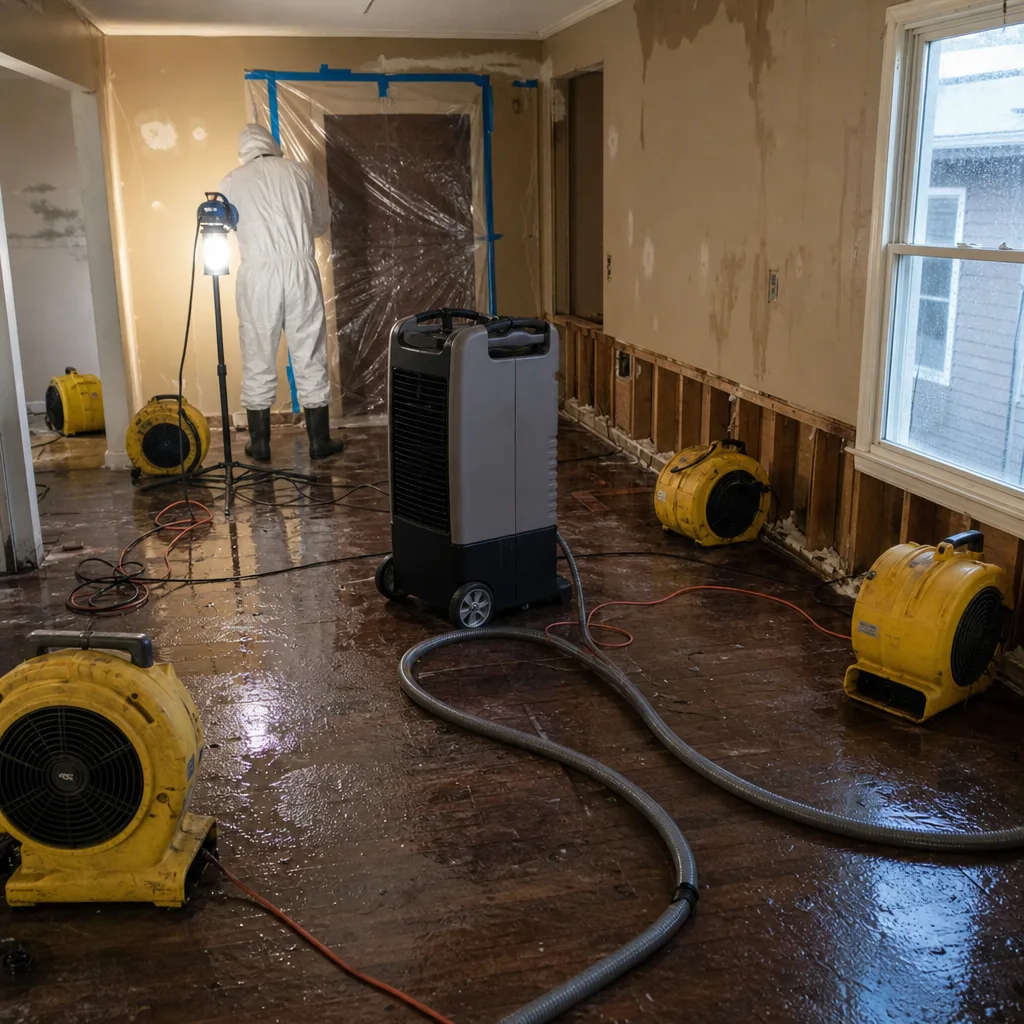
Air Quality Restoration
After any mold job in a tight urban building, the air itself needs work. We run HEPA air scrubbers and negative air machines long after the drywall is replaced. In buildings without cross-ventilation, which is most of West New York’s interior apartments, this step is the difference between done and done right.
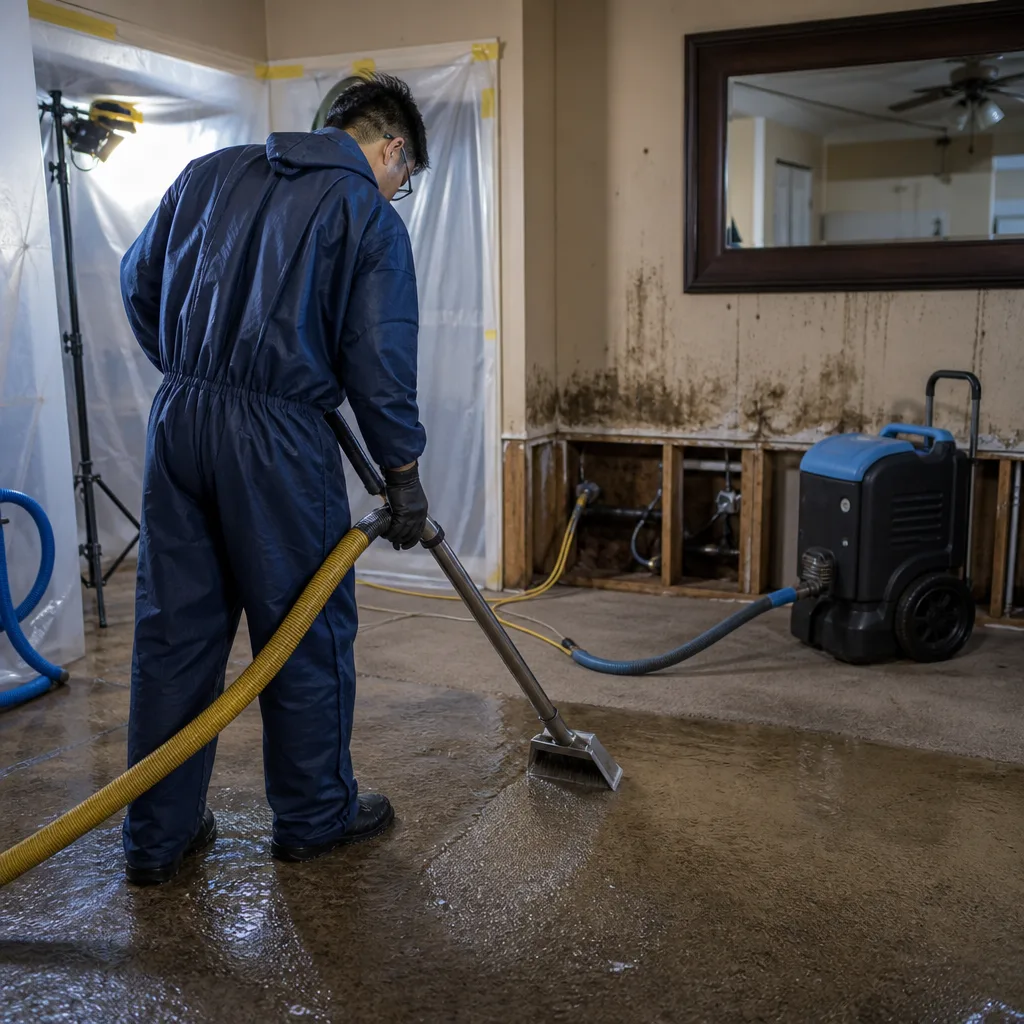
Crawl Space Treatment
Garden-level and below-grade units often have crawl spaces that are mold factories waiting for humidity. We treat them with vapor barriers, dehumidification, and antimicrobial application, then give you a moisture log so you can track conditions through the next rainy season.
Moisture & Humidity Control
This is the service that keeps the mold from coming back. In West New York’s Palisades slope buildings, runoff and humidity are the root cause of most recurring mold problems. We address drainage, sealing, and dehumidification so remediation actually lasts.
What happens when you call
- 1
A real person answersNo phone trees - you reach a local pro.
- 2
You get an upfront price rangeHonest numbers before anyone is dispatched.
- 3
A background-checked tech heads outLicensed & insured, dispatched right away.
- 4
You approve before work beginsNothing starts until you say go.
Mold Remediation Costs in West New York, NJ
What does mold remediation actually cost in West New York? Here are honest numbers from our work in these buildings. A single contained bathroom or closet job runs $1,200 to $2,800. A standard kitchen or single-room remediation with drywall removal and HEPA scrubbing runs $2,500 to $5,000. Full multi-room containment in one of the older brick walk-ups, especially when mold has migrated through a slab into the unit below, runs $5,000 to $12,000.
What moves the price: the category of water that caused it, how many surfaces need removal, whether we’re building containment for one room or three units, and how long the drying phase runs. Insurance covers most mold work when it stems from a sudden, covered water event. We’ll tell you straight what’s covered and what isn’t before you sign anything. Free visual inspection, no trip charge inside our county, and a written scope of work before we start. Call (201) 903-9581 and we’ll give you a firm number, not a maybe.
We Also Serve Cities Near West New York
If you’re in Jersey City, Hoboken, Harrison, or Kearny and dealing with mold in an older building, our crews serve those communities too. Same live answer, same 45-minute response, same documentation we hand to your adjuster. Call (201) 903-9581 and we’ll be there.
West New York Mold Remediation Questions, Answered
How does mold spread between apartments in West New York’s older brick buildings?
Mold spreads through moisture migration, and in West New York’s 1940s-to-1970s brick apartment buildings, moisture moves through concrete slab floors and shared walls. A leak in a fourth-floor radiator fitting travels down through the slab into the unit below, carrying mold spores with it. By the time you see staining, the moisture has already been feeding hidden mold in the cavities between floors for days or weeks.
Do I need to involve my building’s management or neighbors for mold remediation in a West New York condo or co-op?
Almost always yes. Because moisture and mold migrate through shared slabs and party walls, remediation in one unit usually requires access to and coordination with adjacent units. We’ll document everything in writing and coordinate with your building management, your neighbors, and their insurance carriers so you’re not the one stuck explaining moisture logs to three different adjusters.
Why does mold grow so fast in West New York apartments after a leak?
Two reasons: building construction and humidity. The concrete slab floors in West New York’s stacked brick buildings hold moisture and release it slowly, keeping wall cavities damp for weeks. The town’s dense housing stock also limits cross-ventilation in interior hallways and units, so humidity stays elevated. Mold colonizes within 24 to 48 hours of a moisture event in these conditions, which is why speed matters.
What’s different about mold remediation in West New York’s garden-level units?
Garden-level and below-grade units on the Palisades slope fight constant groundwork of runoff and high humidity. The visible mold is usually just the tip. We moisture-map these units to find what’s happening behind walls and under floors, and we address drainage and humidity control at the source. Skipping that step means you’re just cleaning mold that will come back after the next nor’easter.
How do I know if the mold in my West New York apartment is from clean water or contaminated water?
You don’t, not for sure, until it’s tested. Clean water from a supply line is Category 1. Radiator water or washer discharge is Category 2. Sewage or storm surge flooding is Category 3. The category determines the remediation scope, whether drywall gets removed or just dried, and what your insurance covers. Our inspection includes testing so you know what you’re dealing with. Call (201) 903-9581 for a free visual inspection.
Will insurance cover mold remediation in West New York?
If the mold stems from a sudden and accidental water event that’s covered under your policy, most carriers will cover the remediation and repairs. The key is documentation: moisture readings, photos, a line-item scope, and prompt reporting. We handle all of that and deal with your adjuster directly, so the claim doesn’t stall because you’re stuck translating between two sides.
Can I stay in my apartment during mold remediation?
It depends on the scope. For small contained jobs with negative air pressure and HEPA scrubbing, sometimes yes. For full containment with drywall removal, especially in units without cross-ventilation, it’s usually safer to stay elsewhere for a few days. We’ll tell you straight before we start, and we’ll write it into the scope so your adjuster knows too.
What should I do in the first 30 minutes after finding mold in my West New York apartment?
Stop the water source if you can do so safely. Turn off the supply valve to the leaking fixture. Don’t run box fans, which just blow spores into the air and spread them through the unit. If the building’s shared systems are involved, call your building management. Then call us at (201) 903-9581. The sooner we start moisture mapping and containment, the less wall we remove and the less it costs.
Serving West New York, NJ - Our Local Coverage Area
We’re based in the West New York area and know this community well. Use the map below to see our service coverage - if you’re nearby, we can almost certainly help.
Mold Remediation That Actually Fits West New York’s Buildings
Most mold remediation companies treat the visible stain and leave. That works in a suburban house with a dry basement and a single owner. It doesn’t work in West New York, where a 1960s brick walk-up on 60th Street near Boulevard East can hide moisture in a concrete slab, where the unit below starts smelling musty before you even see a stain, and where four insurance policies are paying for what started as one radiator fitting leak.
Our crew was called to that exact building after a fourth-floor radiator fitting let go. By the time the tenant noticed ceiling discoloration, moisture mapping showed Category 2 water had wicked down through the concrete slab into the third and second floors. We set containment on all three levels, removed affected drywall, and ran air movers and dehumidifiers for six days. Separate drying logs and scopes of work for each of the three adjusters involved. That’s what Mold Remediation looks like when it’s done for the building you actually live in.
Wade Ferris started this business in 2007 and put his name on it. He answers the phone himself, publishes his address, and is going to run into you again on a Saturday. That’s the oldest accountability mechanism there is, and it’s why property owners across West New York call us first. If it’s not done right, we make it right. In writing. Every single mold job.
Call (201) 903-9581 for your free visual inspection. No trip charge inside our county. And if you’re a senior or a veteran, you get 10% off, always.
Written by Wade Ferris, Owner at Wade’s Restoration, serving West New York and all of Hudson County since 2007.