

Free visual inspection and a written scope of work before any mitigation begins - photos, moisture readings, and drying logs go in your claim file
The scope we write is the scope we bill. Anything new gets shown to you, in writing, before we touch it.
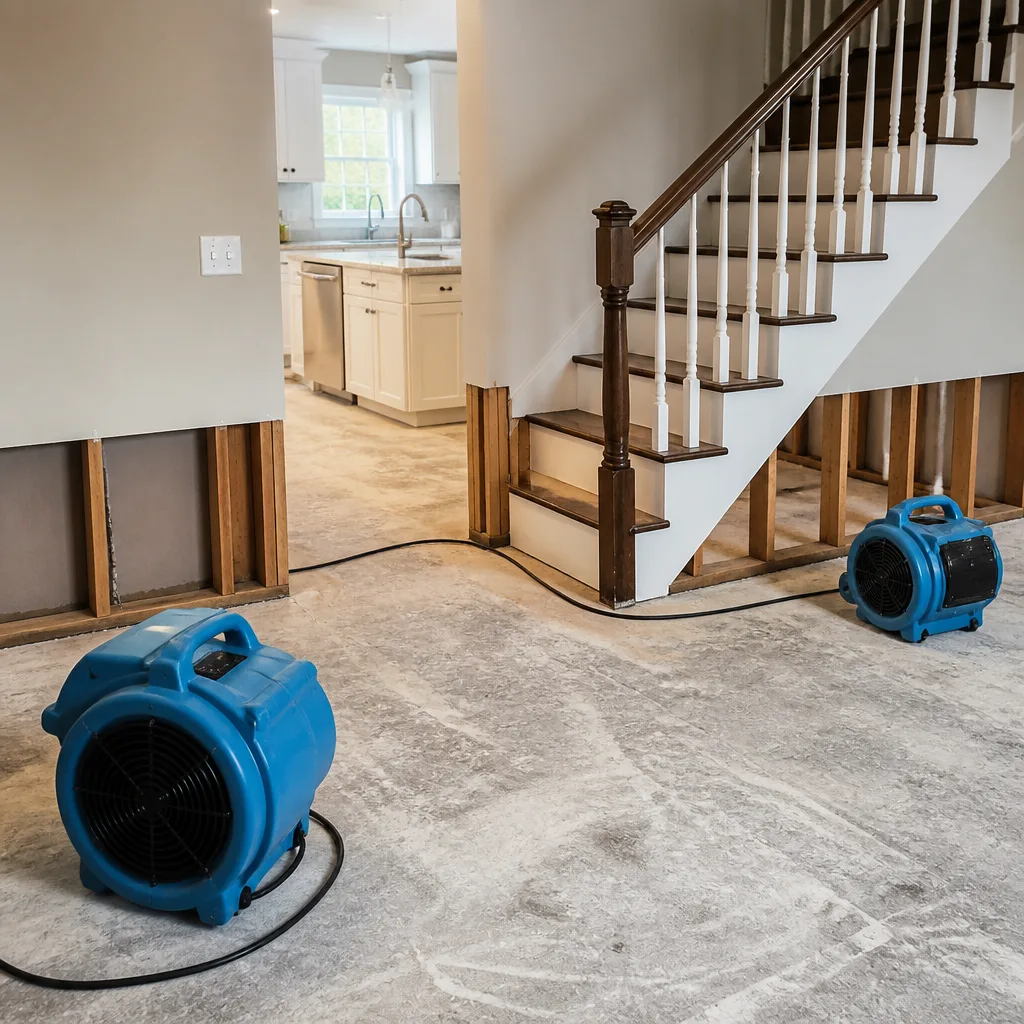
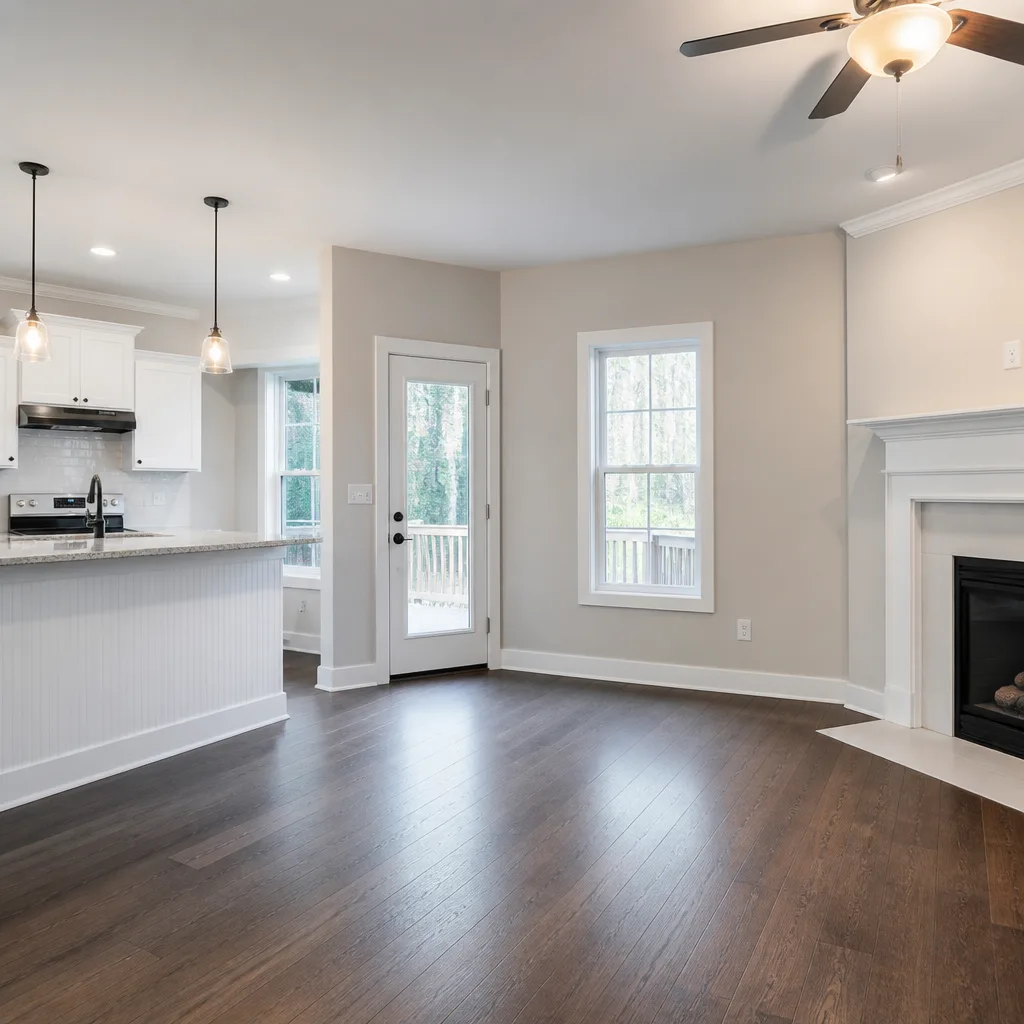
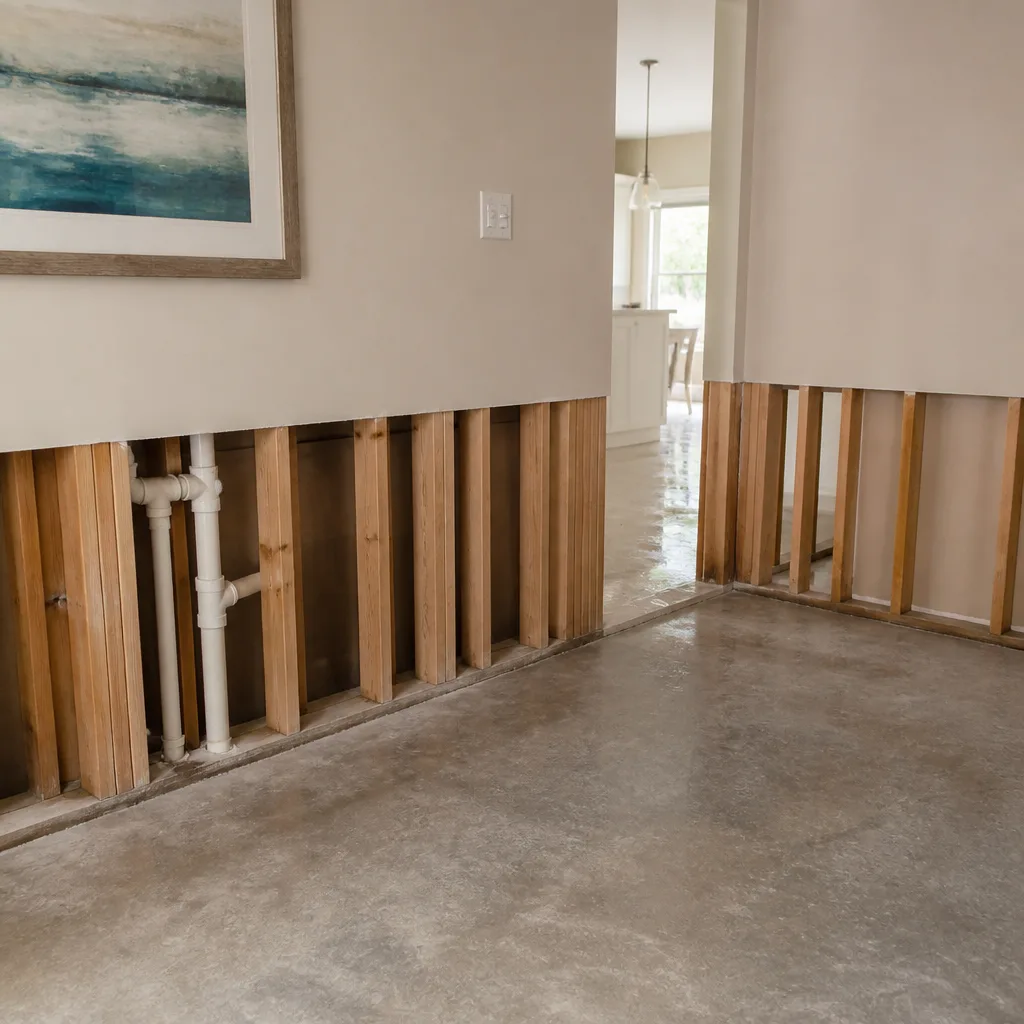
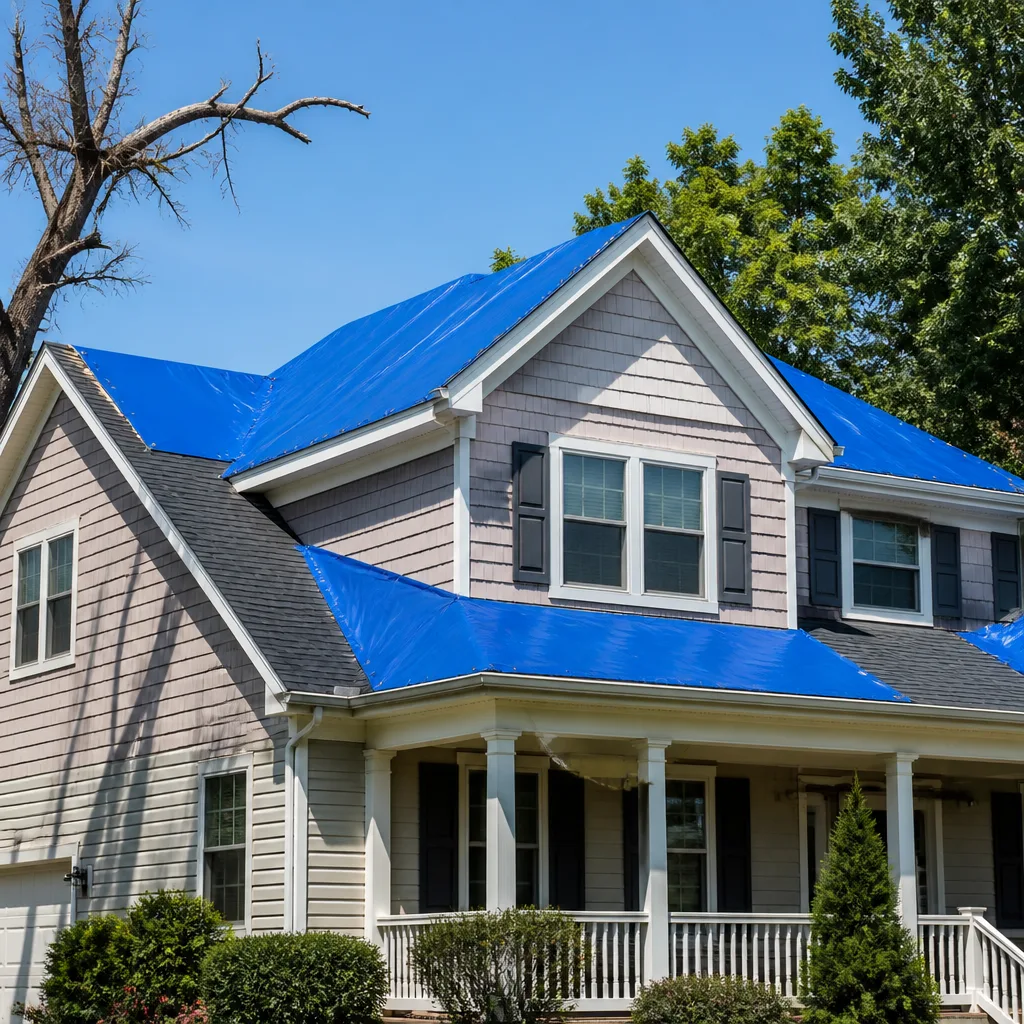
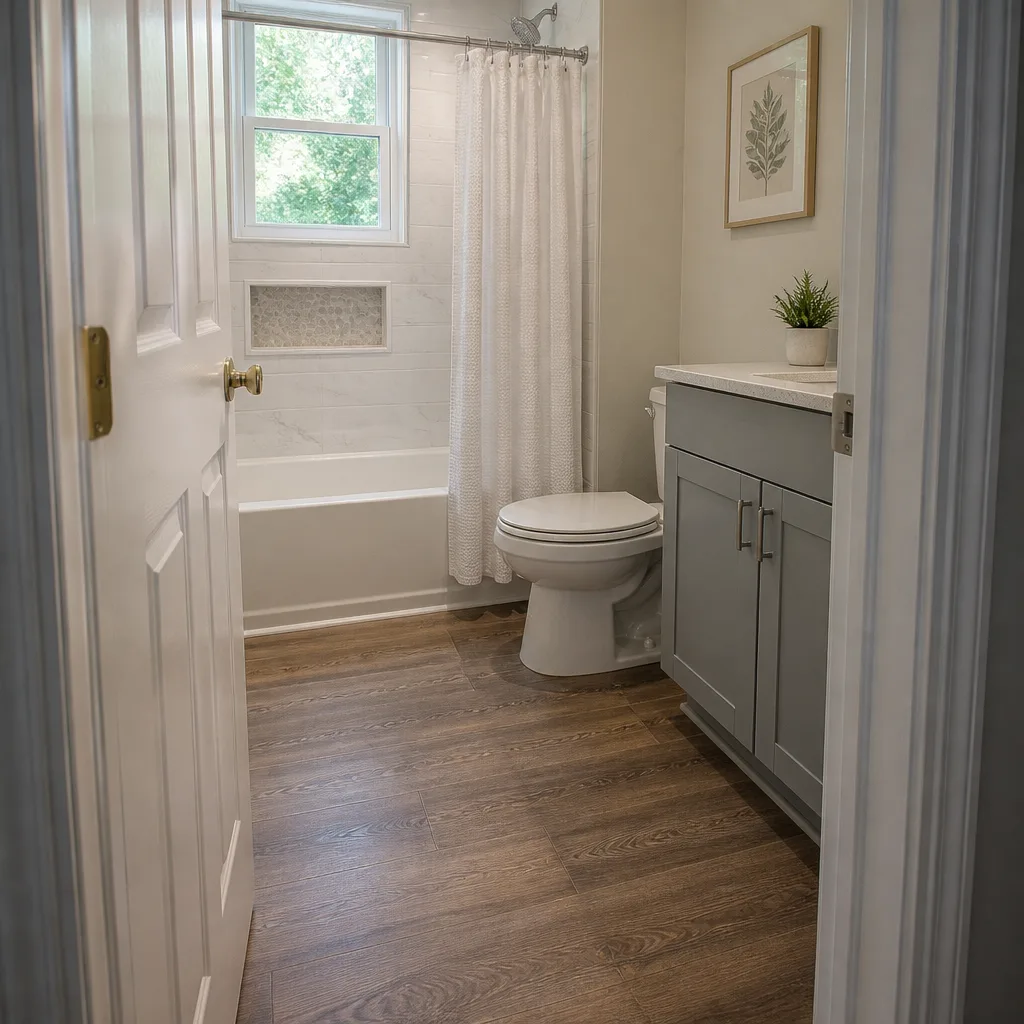
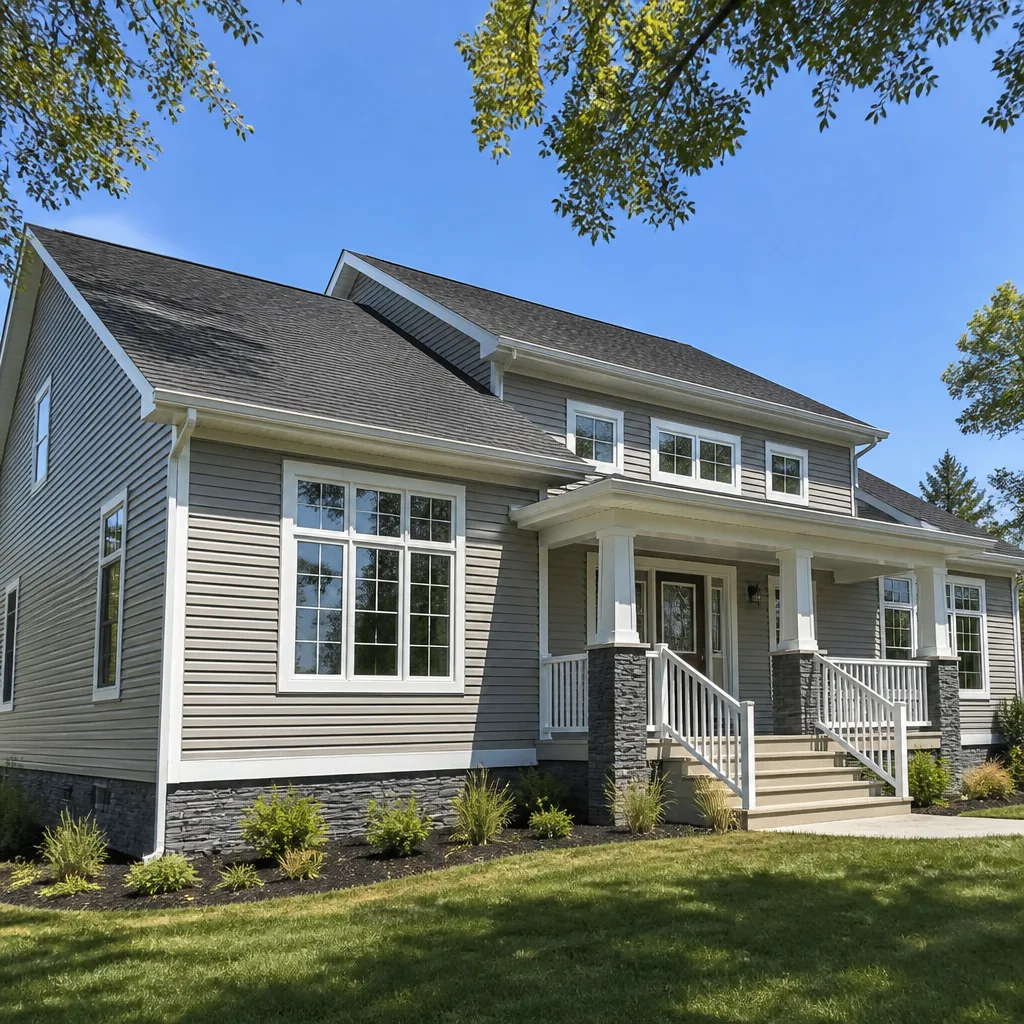
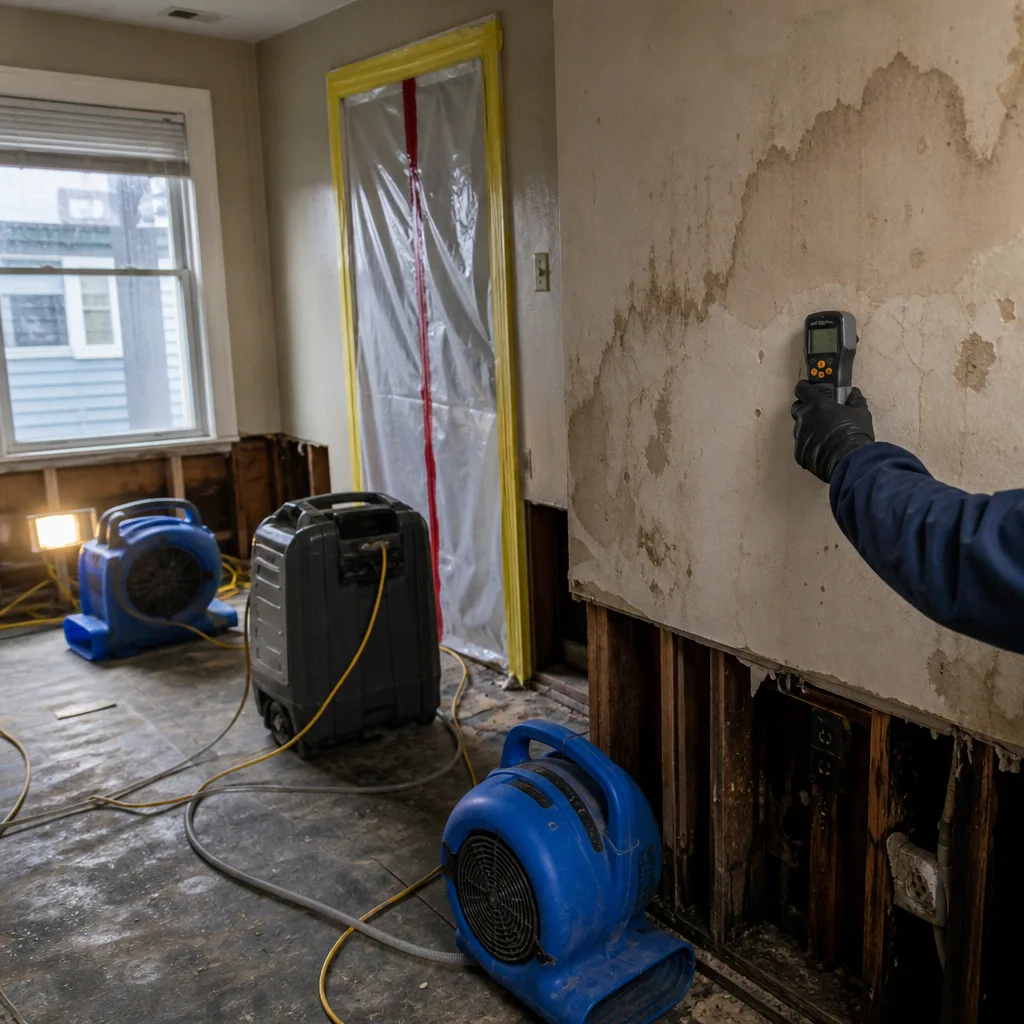 Before
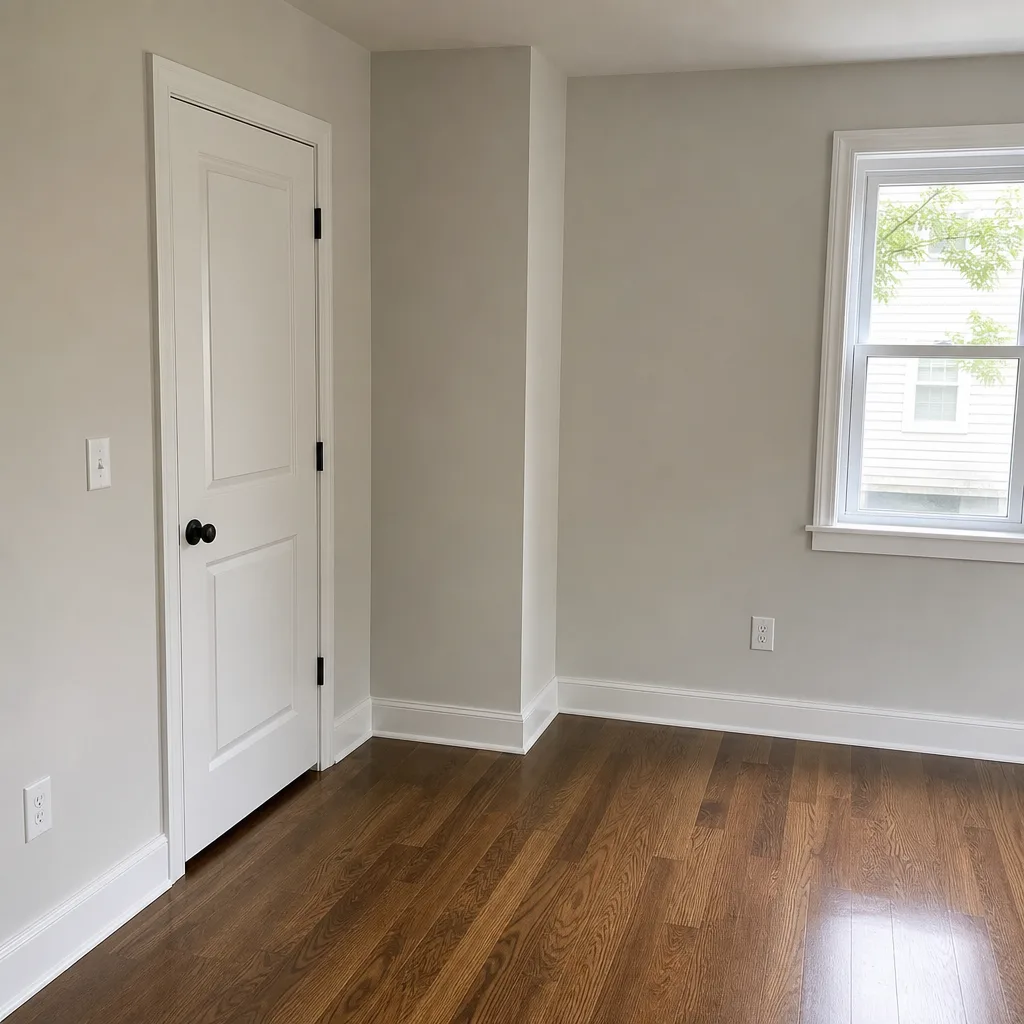 After
After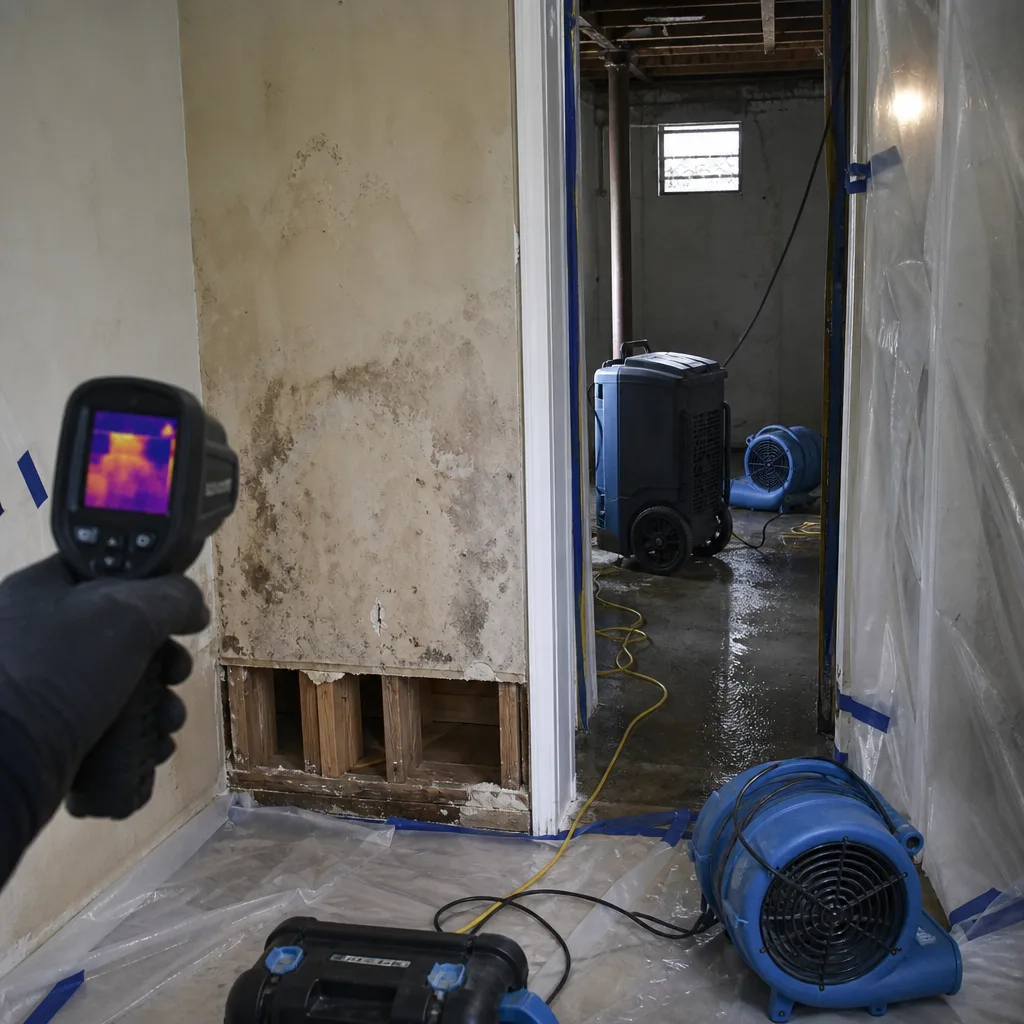 Before
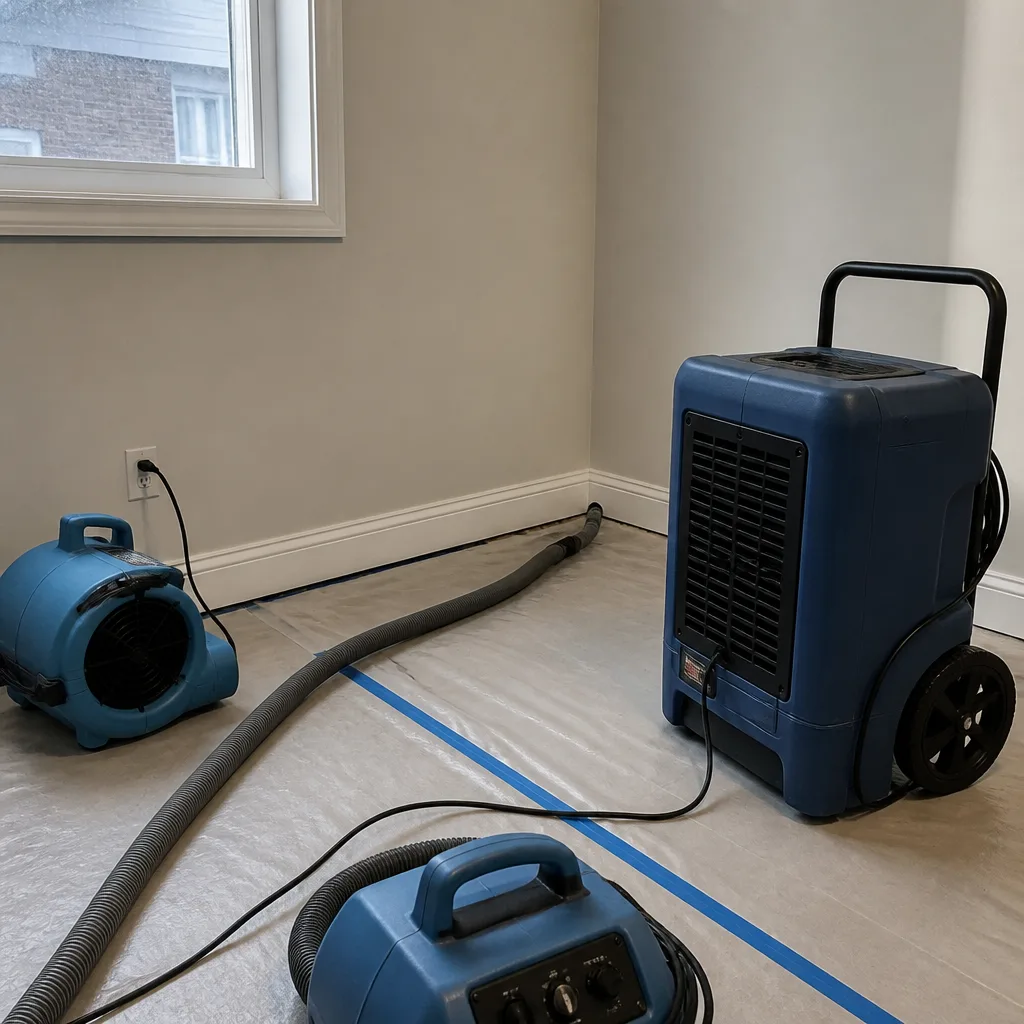 After
After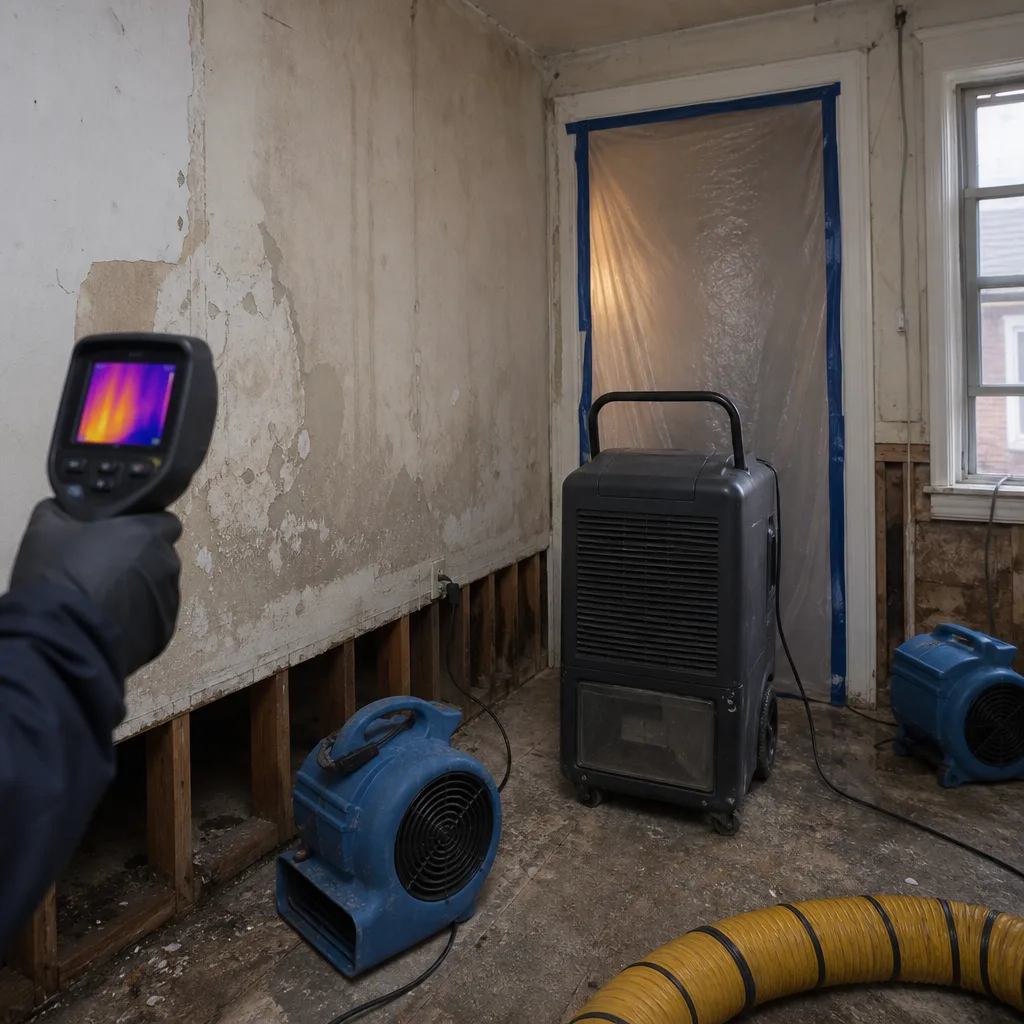 Before
 After
After24/7 Emergency Mold Remediation in Hoboken
Mold remediation in Hoboken costs between $1,800 and $6,500 for a typical basement or garden-level unit, with black mold and sewage-contaminated jobs running $4,000 to $12,000 when full containment and structural drying are required. We answer live around the clock, and crews can be on site in Hoboken within 45 minutes for a free visual inspection. If you see mold or smell that musty, earthy odor in your basement, call (201) 903-9581 right now. The first hour matters because mold spreads through spores, and every day you wait, the colony digs deeper into old brick and mortar where removal gets harder and more expensive. In a rowhouse, it’s not just your unit at stake, either. Spores travel through shared walls and floor joists into the neighbors’ spaces.
The longer moisture sits, the more surface area the remediation covers. A small patch behind a baseboard becomes a full gut-and-rebuild when left for two weeks. We’d rather catch it early, tell you honestly what you’re dealing with, and stop the spread before it gets there.
Understanding Mold Remediation Severity in Hoboken Properties
Not all mold jobs are the same, and Hoboken’s housing stock makes the distinction sharper than most places. Mold severity breaks into three general tiers. The first is surface-level growth on drywall or plaster from humidity, usually no deeper than the paint and paper layer. The second is colonized material, where the mold has penetrated drywall, baseboards, carpet pad, or insulation and those materials need to come out. The third is the one we see constantly in Hoboken’s older buildings: mold feeding on sewage-contaminated wood, brick, and mortar after a Category 3 water event, where the framing itself holds contamination.
Here is why the age and construction of Hoboken buildings changes the math. Those late-19th and early-20th century attached brick row houses were built with lime mortar and unreinforced brick that wicks water upward from the foundation. Once moisture enters, it moves through the wall like a sponge. A flood that wets the bottom two feet of a basement wall will typically show elevated moisture readings five or six feet up within days. You can’t see it. You can’t always smell it yet. But the moisture is there, and mold follows it.
That’s why we run a moisture meter across base plates, sill plates, and masonry before we ever talk about rebuilding. If the brick is holding 20% moisture and the standard is below 15%, no amount of surface bleach will fix the problem. The wall has to dry, or the mold comes back inside the new drywall within months. That’s the exact pattern we keep finding in garden-level units across Hoboken.
Why Hoboken Property Owners Choose Wade’s Restoration
- 45-minute response commitment for Hoboken calls – When you call, Wade heads out. Not a call center, not a dispatcher in another state. The owner of the company is on the road and can be at your door inside the hour.
- 24/7 live answer, always a real person – No voicemail, no automated phone tree. You call, someone picks up, and that someone is usually Wade himself. At 3 a.m. or 3 p.m., it’s the same phone.
- IICRC-certified mold remediation crews (AMRT, WRT) – The people Wade sends carry Applied Microbial Remediation Technician and Water Restoration Technician certifications, and they work under IICRC S520 mold remediation standards. If a company can’t tell you what S520 is, keep looking.
- Free visual inspection in Hoboken – We’ll come look, take moisture readings, and tell you what you’re actually dealing with. No charge for the visit. No obligation. Just straight information so you can make a real decision.
- Direct insurance billing and adjuster coordination – Wade talks to your adjuster directly. You shouldn’t have to be the middleman translating moisture logs for an insurance company. That’s our job. Photo documentation starts the first hour, and the drying log goes to your carrier as we go.
- One team from first inspection to final reconstruction – You don’t get handed off between three subcontractors who don’t talk to each other. The same crew that pulls containment and removes contaminated material is the crew that rebuilds the wall when it’s dry. One scope, one team, one name on the line.
Our Mold Remediation Process
Inspection & Assessment
We start with visual inspection and moisture mapping across every surface in the affected area. Thermal imaging shows us where water is hiding behind walls without opening anything up. We test the materials, identify the moisture source, and document everything with photos before anyone touches a wall.
Containment & Source Control
Before removal starts, we stop the water at the source and set up full containment with negative air. Plastic sheeting, HEPA-filtered negative air machines, and sealed doorways keep spores from spreading into the rest of your home or into attached neighboring units. In a Hoboken rowhouse, this step is non-negotiable.
Drying & Dehumidification
We don’t rebuild over wet materials. Dri-Eaz dehumidifiers and XPOWER air movers run continuously while we log moisture readings every single day. For Hoboken’s old brick and lime mortar, drying often takes longer than homeowners expect. We hand you the full moisture log at job’s end so you can see the numbers yourself.
Cleaning & Sanitization
We remove colonized material, HEPA-vacuum every surface, and apply antimicrobial treatment to the framing and masonry that stays. If the water that caused the mold was Category 3 sewage, this step is especially aggressive because the contamination isn’t just mold. It’s biological.
Air Quality Restoration
We run HEPA air scrubbers throughout the containment period and after removal to pull airborne spores down. When the work is complete, we can take clearance samples to confirm the air is back to normal. This matters more in attached buildings where shared air space is a real concern.
Repairs & Restoration
Once moisture readings confirm the structure is actually dry, we rebuild. Drywall, insulation, trim, paint, whatever was removed. We handle the full scope so you don’t have to coordinate a second contractor. The final walkthrough includes the complete photo log and moisture documentation for your records and your insurer.
Need Emergency Mold Remediation in Hoboken Now?
Crews minutes away, answering live 24 hours a day. The sooner we start, the less it costs.
Working With Your Insurance Company
Mold claims are where insurance gets tricky, and we’ve seen too many Hoboken homeowners get shortchanged because they didn’t understand their policy language. Most policies cover mold remediation when it’s the direct result of a covered water loss, like a burst pipe or a storm that pushed river water into your basement. But the key is proving the chain: the water event happened, you responded promptly, and the mold grew as a direct result. That’s why documentation from the first hour is what wins claims.
We photograph the affected areas before we move anything, take initial moisture readings, and log every day of the drying process. That daily log is what most contractors skip. Insurance adjusters know the difference between a company that measured moisture every day and one that just ran fans for a week. When Wade is on your job, he handles the adjuster conversation directly. You don’t relay messages between two sides. That’s our work, and it’s part of every remediation we do.
What We Provide Your Insurer
- Thorough documentation of the loss
- Photos of all damage, room by room
- Moisture readings and drying logs
- A detailed, line-item scope of work
- Direct coordination with your carrier
Built for Hoboken’s Loss Calendar
Hoboken’s mold problems follow a predictable rhythm, and it’s tied to weather systems that have been hammering this city since before anyone alive today was born. Summer thunderstorms push storm surge up through street drains and overwhelm the combined sewer system, backing Category 3 water into basements from the 1st Ward up through the low streets near ShopRite. Those summer events are the biggest mold generator in the city, because warm temperatures speed up mold growth dramatically. A basement that floods in July will show visible mold within 48 to 72 hours if not dried immediately.
Fall and winter bring nor’easters that push Hudson River surge into the same low-lying blocks. The water is cold, which slows mold growth, but the damage doesn’t disappear. It sits in brick and mortar all winter, and when spring arrives and the walls warm up, the mold blooms. We get calls every March and April from homeowners who thought they’d dodged a problem after a November storm. January deep freezes crack supply lines in unheated garden units and old plumbing chases, and those slow leaks drip into floor cavities for weeks before anyone notices the smell.
The same streets flood year after year. The same garden units. The same basements. That’s not bad luck. That’s Hoboken’s topography. This city sits in a bowl, its center lower than its perimeter, and when water comes in, it has nowhere to go. This is a Mold Remediation market shaped by geography and a hundred-year-old sewer system. Both facts determine how we work here.
Mold Remediation Across Hoboken’s Neighborhoods
The buildings differ block to block, and so does the mold we find inside them. Along Washington Street and the numbered cross streets through the center of town, we see mostly converted brownstones and brick rowhouses with garden-level apartments. These units sit below grade, often with original brick foundations and no waterproofing. After a heavy storm, the water table rises and moisture seeps through the floor and walls from the ground up. The mold there is usually slow and deep, feeding on joists and sill plates rather than surface drywall.
West of Willow Avenue toward the low-lying blocks near the 14th Street corridor, the issues shift to sewer backup. These are some of the deepest parts of Hoboken’s bowl, and the combined sewer system pushes sewage back into basements during routine rain events. Mold calls in this part of town almost always involve Category 3 water, which means we open with full biohazard containment and antimicrobial treatment before anything else happens.
Up in the northeast blocks near Stevens Institute of Technology, we see more condensation and humidity-driven mold in older brick buildings that were retrofitted with modern windows and insulation but no ventilation. The buildings sweat. Moisture gets trapped inside walls, and mold grows in the cavities where you’d never think to look. Harbor-facing properties along Sinatra Drive and the waterfront have their own pattern: wind-driven rain against brick facades, repeated wetting of interior walls over decades, and hidden colonies behind layers of old paint and plaster.
Each of these neighborhoods requires the same core protocol, but the specifics change. The moisture source we trace in a garden unit near 14th Street is not the same as the one we trace in a top-floor brownstone near Church Square Park. That local knowledge is what gets the job done right the first time, and it’s experience you only get from working these blocks year after year.
Specialized Mold Remediation Services We Offer in Hoboken
Mold Inspection & Testing
If you’re not sure whether you have a mold problem, start with an inspection. We do visual assessments, moisture mapping, and air or surface sampling when the situation calls for it. In attached Hoboken buildings, a neighbor’s long-ignored leak can become your mold problem through a shared wall, so testing that confirms what you’re breathing matters.
Mold Removal
Removal means physically taking out contaminated material, not spraying bleach on it. Drywall, insulation, carpet, padding, baseboards – anything colonized goes out in sealed bags through containment. What’s left gets HEPA-vacuumed, antimicrobial-treated, and verified dry before rebuild.
Black Mold Remediation
Black mold, or Stachybotrys, is the one homeowners ask about most, and in Hoboken it’s usually the result of prolonged moisture on cellulose materials like drywall paper or wood. It grows in the dark, damp cavities of garden-level units and behind walls that never dried properly after flooding. Remediation for black mold requires the same protocol as any other toxic mold, with a heavier emphasis on containment and air scrubbing because the spore load is typically higher.
Air Quality Restoration
After the contaminated material is out and the surfaces are clean, the air itself needs work. We run HEPA air scrubbers throughout the job and, when needed, take clearance air samples at the end. In a row house, where your air space connects to neighbors through floor joists and chase walls, air quality restoration isn’t optional. It’s how you know the spore count is actually back to normal.
Crawl Space Treatment
Some Hoboken row houses have shallow crawl spaces under the front or rear parlor. These spaces trap moisture, and untreated crawl space mold sends spores up into living areas through floorboards. We treat the space directly: remove debris, dry the soil and structure, apply antimicrobial treatment, and seal the ground with vapor barrier where the construction allows.
What happens when you call
- 1
A real person answersNo phone trees - you reach a local pro.
- 2
You get an upfront price rangeHonest numbers before anyone is dispatched.
- 3
A background-checked tech heads outLicensed & insured, dispatched right away.
- 4
You approve before work beginsNothing starts until you say go.
Mold Remediation Costs in Hoboken, NJ
Most mold remediation jobs in Hoboken run between $2,500 and $8,000. A small contained patch, say a bathroom wall or a closet corner, might land around $1,200 to $2,000. Full basement or garden-level remediation with containment, structural drying of brick and mortar, antimicrobial treatment, and rebuild of removed materials runs $6,000 to $15,000 depending on square footage and how deep the contamination runs. Black mold jobs with heavy spore loads and air quality restoration in attached rowhouses can exceed $20,000 when multiple rooms are involved.
What moves the price: whether the source water was Category 3 sewage, how long the moisture sat before remediation started, whether the brick and lime mortar need extended drying time, and how much material must be removed and rebuilt. The sooner you call, the less you spend. That’s not a sales line. That’s just the arithmetic of mold.
Insurance-covered jobs differ from out-of-pocket scenarios, and the free visual inspection is how you find out which one you’re looking at. We’ll write a firm scope of work with line-item pricing before anything starts. You’ll know exactly what it costs and exactly what’s covered. Call (201) 903-9581 and say you need a mold inspection in Hoboken. The visit is free.
We Also Serve Cities Near Hoboken
Our crews cover the surrounding area daily, including Union City, Weehawken, Jersey City, and North Bergen. Same response commitment, same 90-Day Done Right Promise on every job. If you’re in one of those towns and you’re dealing with mold, call (201) 903-9581 and Wade will head out himself.
Serving Hoboken, NJ - Our Local Coverage Area
We’re based in the Hoboken area and know this community well. Use the map below to see our service coverage - if you’re nearby, we can almost certainly help.
Hoboken Mold Remediation Questions, Answered
Why does Hoboken require more aggressive mold remediation than other nearby cities?
Hoboken’s combined sewer system backs sewage into basements during routine rain events, which means most basement mold here grows on materials contaminated with Category 3 water. Standard drying without biohazard containment leaves that contamination in the framing, and the mold comes right back behind new drywall. The geography hasn’t changed, so the protocol can’t either.
How do I know if the water that caused my mold was Category 3?
If the water came from a sewer backup, river flooding, or any water that mixed with sewage, treat it as Category 3 from the start. In Hoboken, the sewer system backs up into basements during heavy rain even when the water looks mostly clear. If you’re in the low-lying western wards near 14th Street or ShopRite and the water came up through a floor drain, assume it’s Category 3 and call us at (201) 903-9581.
What is the risk of hidden mold behind fresh drywall in a Hoboken row house?
The risk is high when the structure wasn’t dried below 15% moisture content before rebuild. Old brick and lime mortar hold water for weeks longer than modern materials, and if you seal wet walls behind new drywall, mold grows in the dark cavity behind it. We’ve opened new drywall in Hoboken units and found black mold on framing that was never properly dried by the first contractor.
Can mold remediation be done without contaminating attached neighboring units?
Yes, with proper containment. Negative air, sealed doorways, and HEPA air scrubbing keep spores from drifting through shared walls, floor joists, and stairwells. In attached Hoboken buildings, this step is essential and we treat it as a hard requirement on every job, not an upsell.
Do Hoboken building codes require anything special for mold remediation?
Hoboken follows New Jersey state requirements for mold assessment and remediation, which require that a remediation company follow IICRC S520 standards and that the work be performed by certified technicians. We’re IICRC-certified under AMRT and WRT codes, and our documentation meets what the city and your insurer expect.
How fast can you get to a Hoboken property?
Within 45 minutes for emergency calls, day or night. Wade picks up his own phone, and crews are positioned to serve Hoboken directly. For non-emergency inspections, we’ll schedule within 24 hours. Call (201) 903-9581 and you’ll talk to a real person who can tell you when someone will be at your door.
How long does mold remediation take in Hoboken?
Small contained jobs finish in 3 to 5 days. Full basement or garden-level remediation in older brick buildings runs 7 to 14 days, because the brick and mortar have to actually dry before rebuild can start. We don’t cut corners on drying time. The moisture log tells the truth, and we hand it to you at the end.
Can we stay in our home during mold remediation?
Usually yes, for contained jobs in one area of the home. If the affected area includes your only bathroom or kitchen, or if the mold load is high enough that we recommend temporary relocation, we’ll tell you straight. For most Hoboken garden-level and basement jobs, the rest of the home stays livable while we work under containment.
On a garden-level unit near 14th Street, our crew responded to a musty smell just three weeks after the owners had finished a DIY basement rebuild. We pulled moisture readings that were still above 20% in the base plates, opened the new drywall, and found black mold feeding on sewage-contaminated wood that had never been properly dried. We set up full containment with negative air, ran Dri-Eaz dehumidifiers and XPOWER air movers for nine days, and then applied antimicrobial treatment before rebuild. The owners needed a second scope of work because the first contractor had skipped structural drying entirely.
That’s the cycle we keep seeing in Hoboken: a flood, a quick cosmetic fix, and a mold problem that comes back angrier than before. The right fix is slower. It’s drying the brick and mortar to below 15% moisture content, removing every piece of contaminated material, treating what stays with antimicrobial, and only then rebuilding. That’s how we do every job. It’s the only way that works in this city’s buildings.
If you’ve got a musty smell, visible mold, water stains, or a basement that flooded and never quite felt right afterward, call us. The inspection is free. The conversation is honest. And the person on the other end of the line is the same person whose name is on the truck.
Wade’s Restoration
Mold Remediation in Hoboken, NJ
Call (201) 903-9581 for a free inspection. Crews available 24 hours a day, 7 days a week.
Written by Wade Ferris, Owner at Wade’s Restoration, serving Hoboken and surrounding Hudson County communities. Founded in 2007, locally owned and owner-operated, with a 90-Day Done Right Promise on every restoration contract.