

Free visual inspection and a written scope of work before any mitigation begins - photos, moisture readings, and drying logs go in your claim file
The scope we write is the scope we bill. Anything new gets shown to you, in writing, before we touch it.
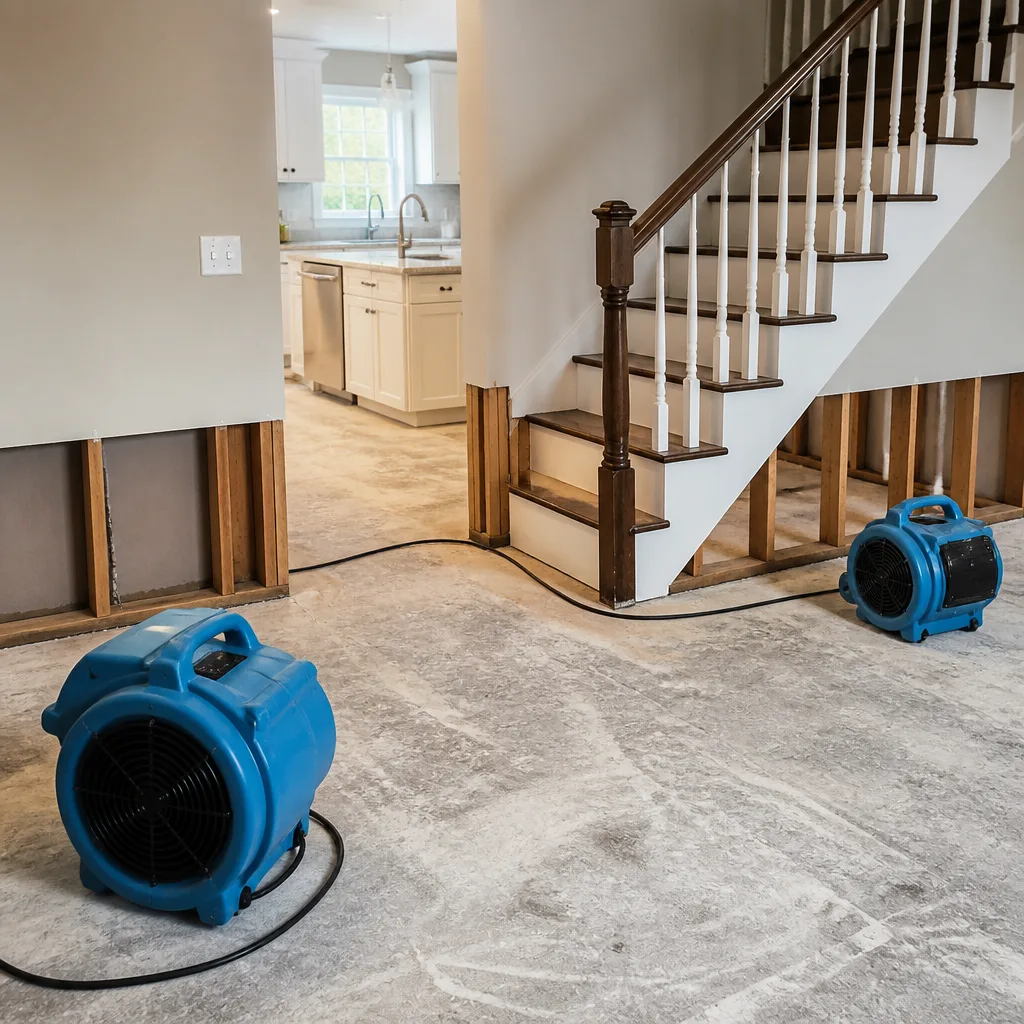
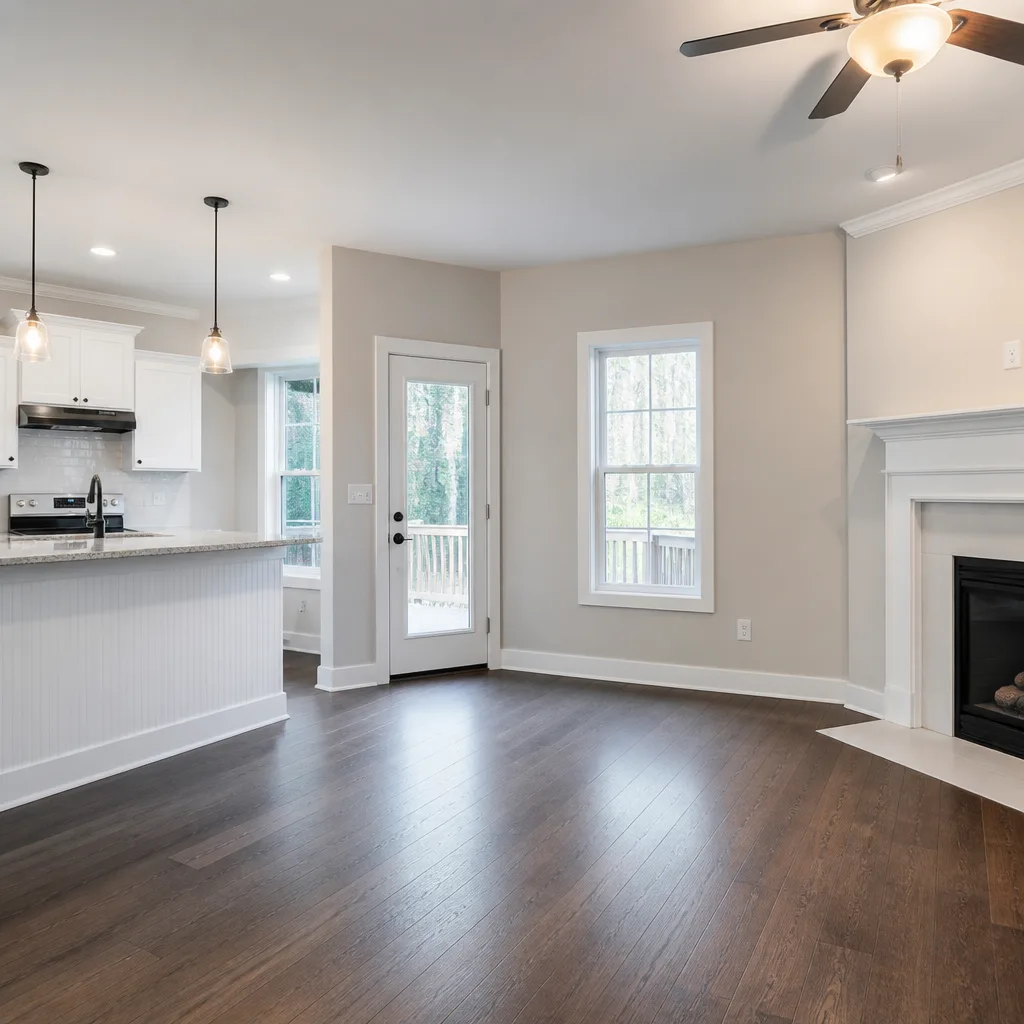
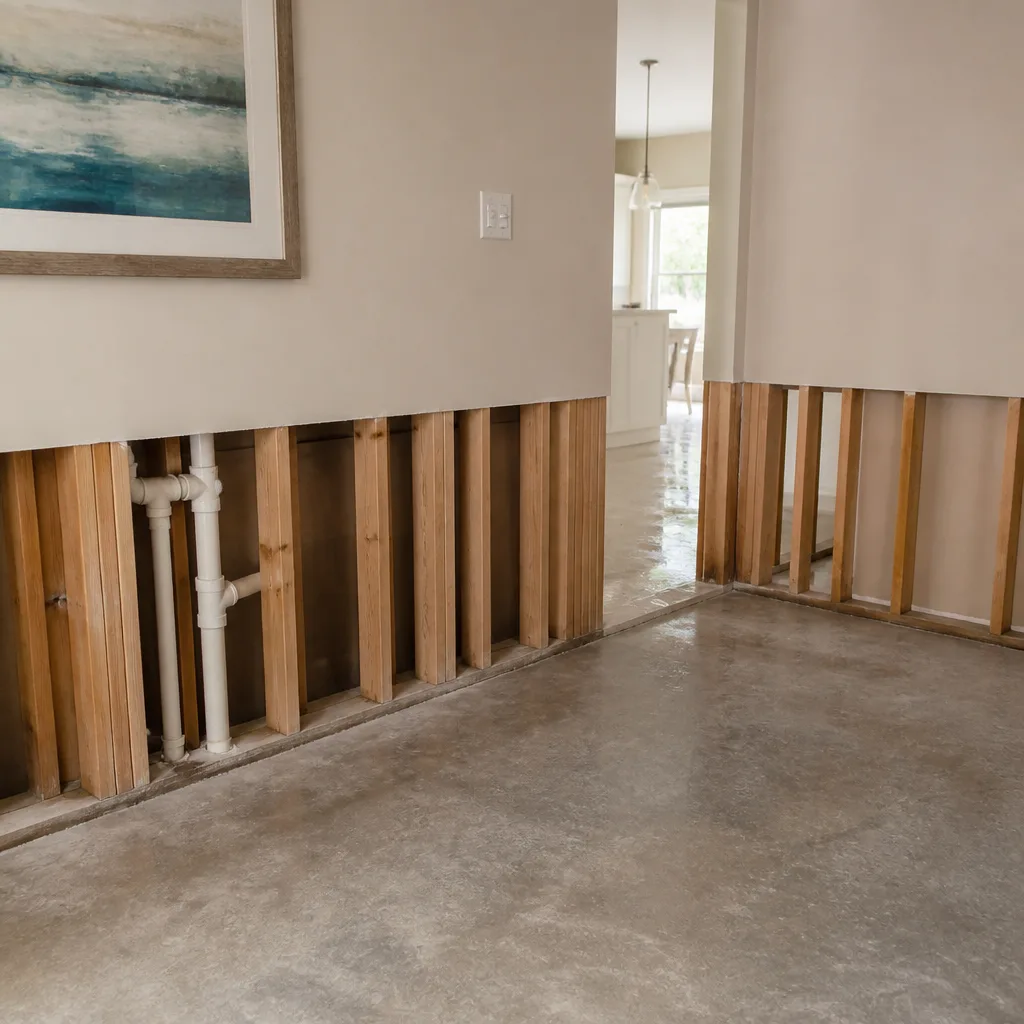
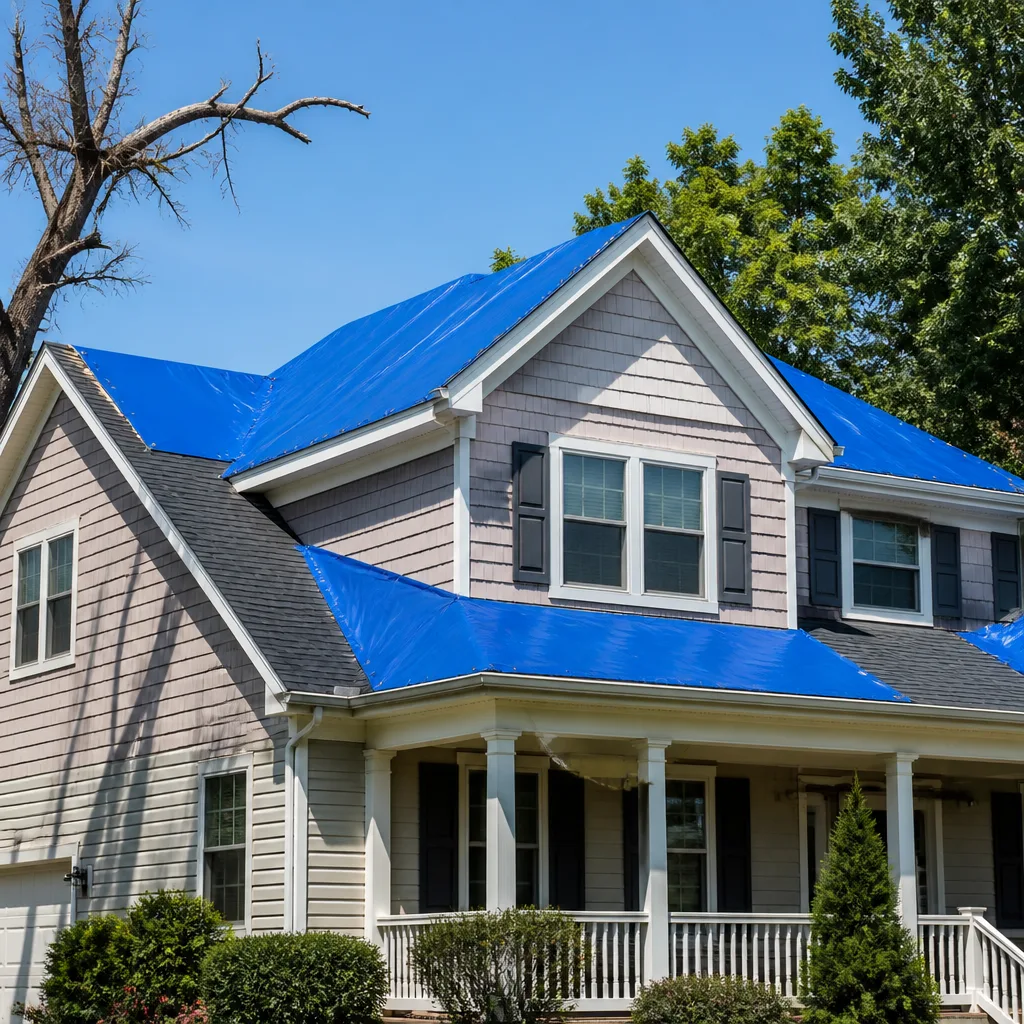
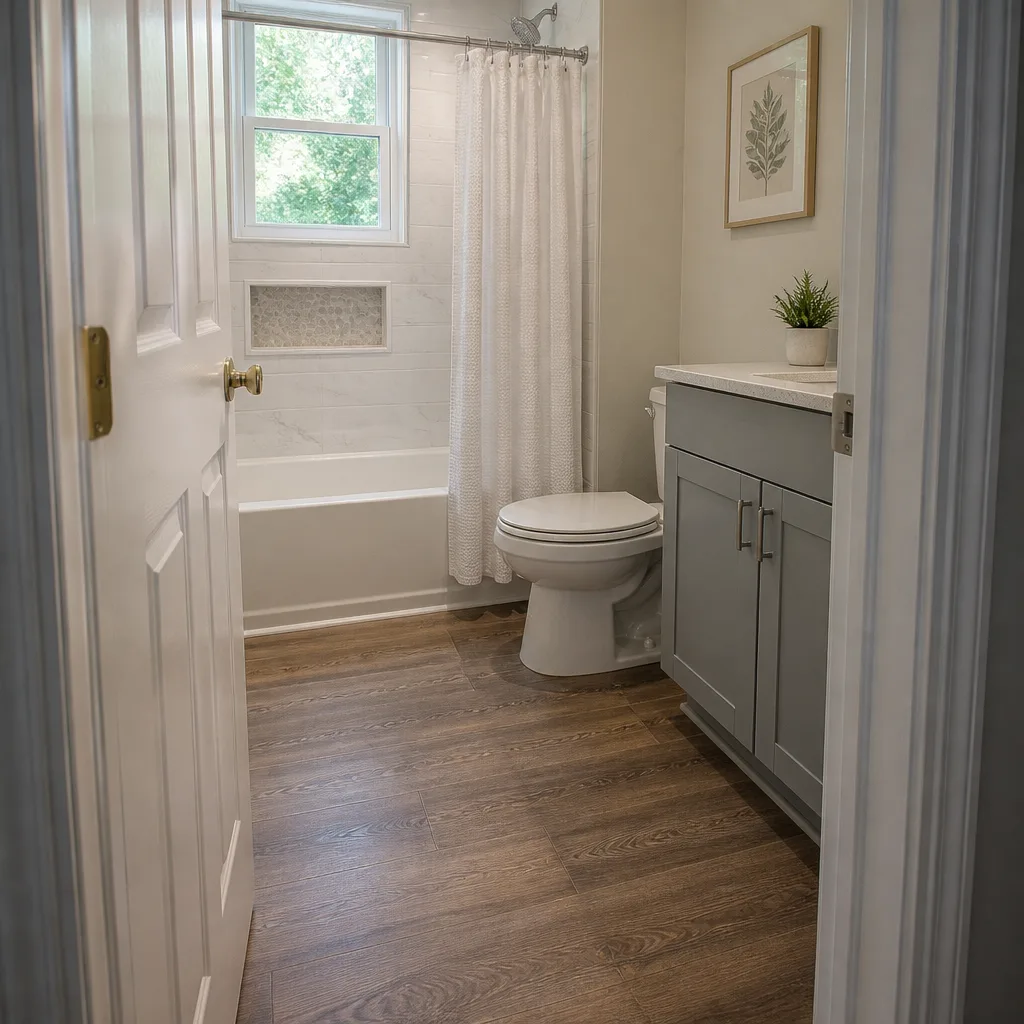
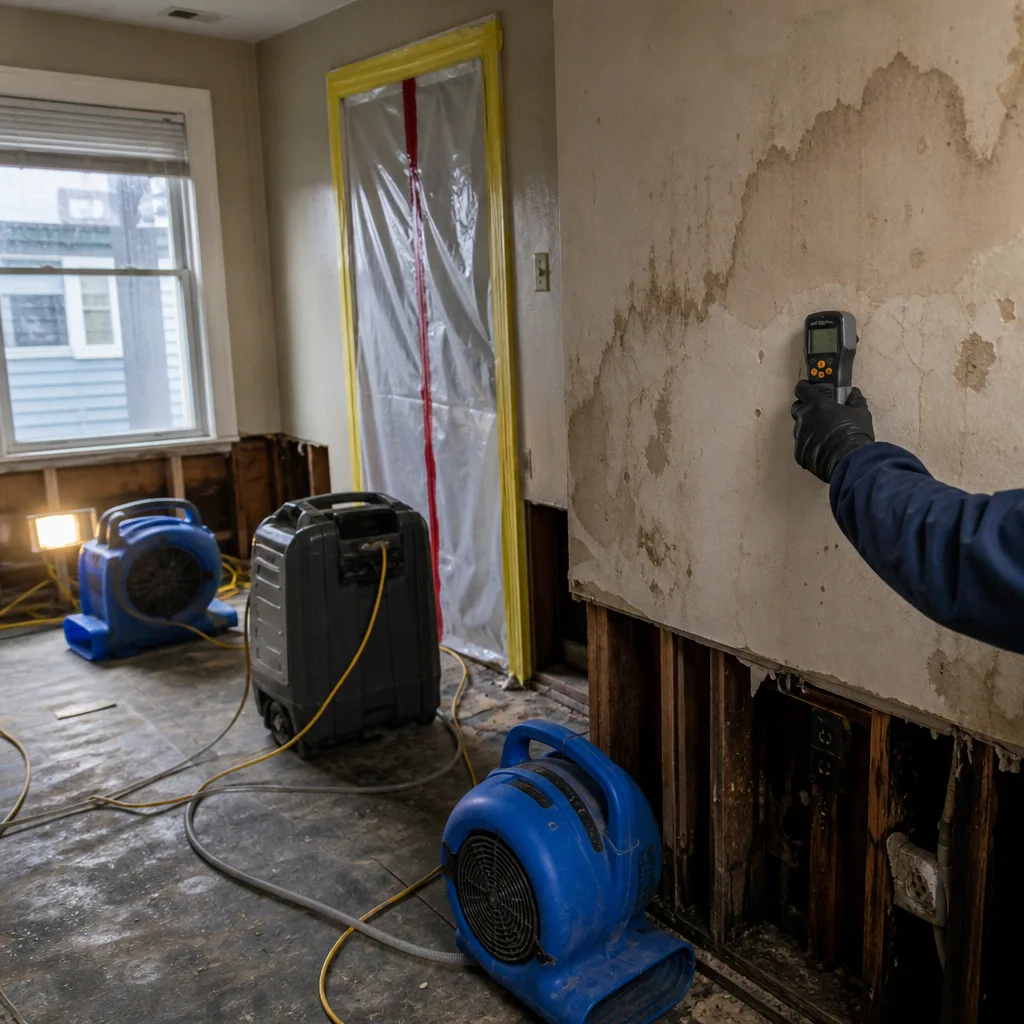 Before
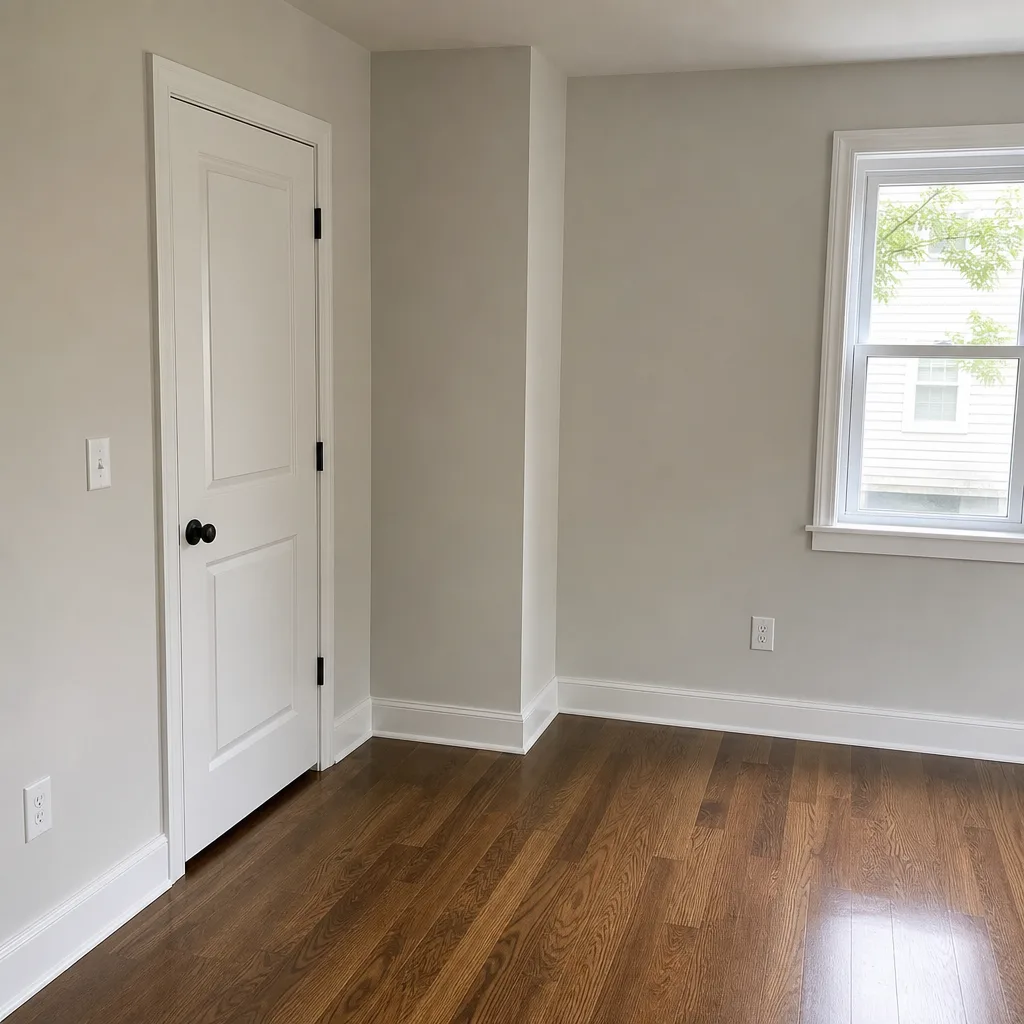 After
After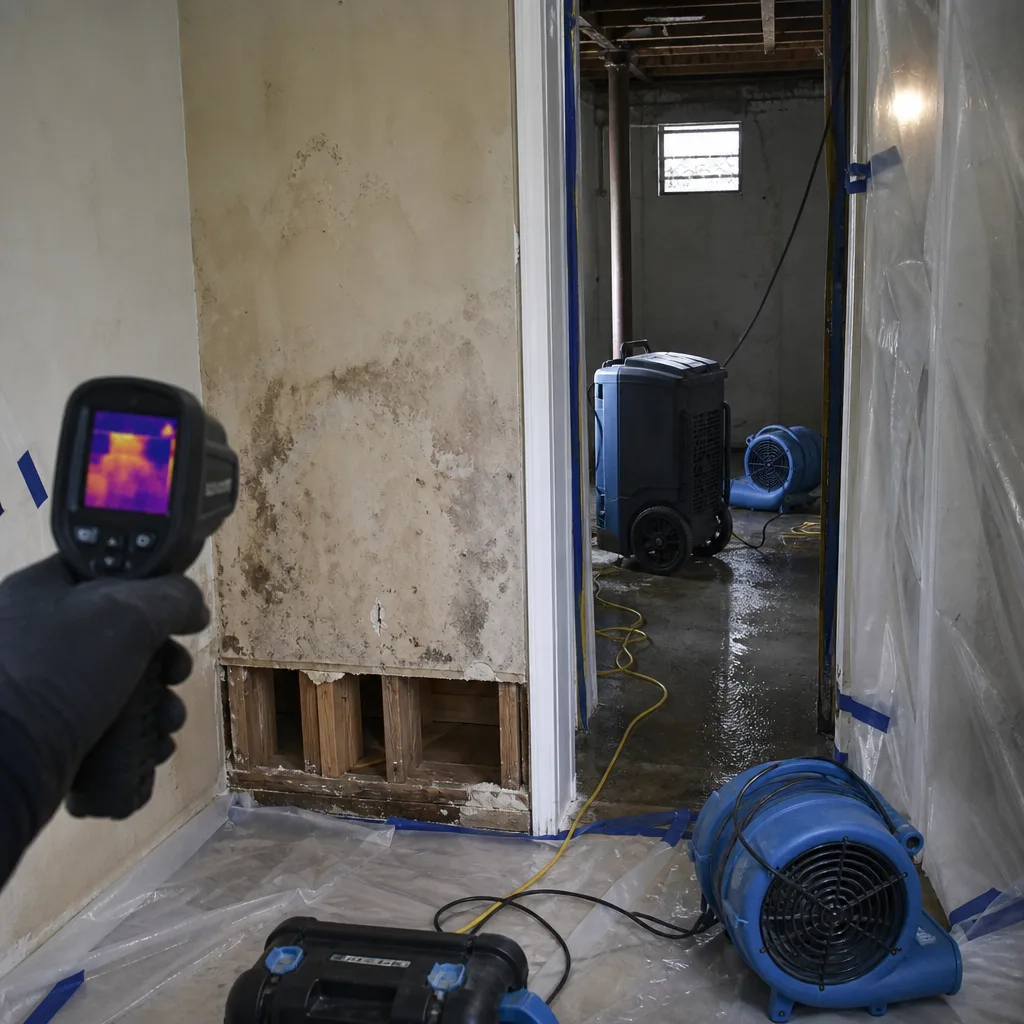 Before
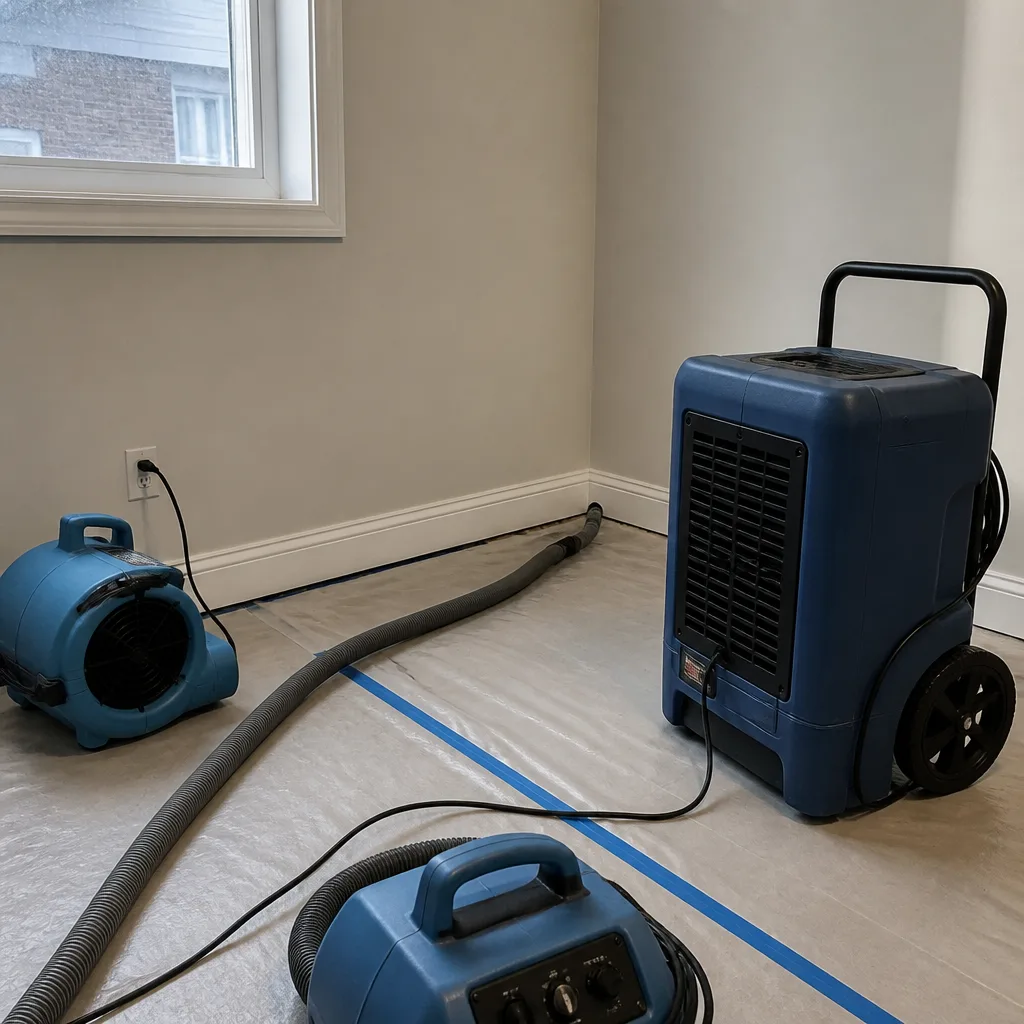 After
After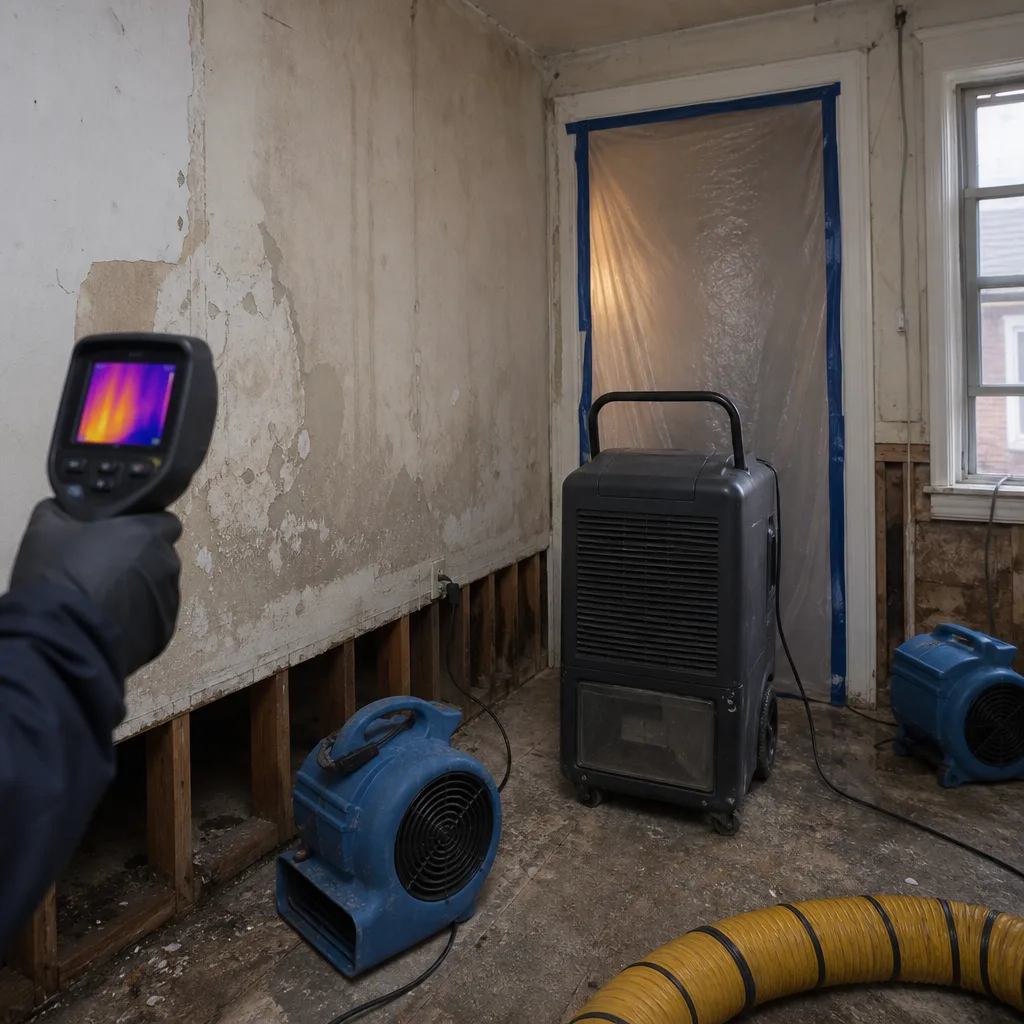 Before
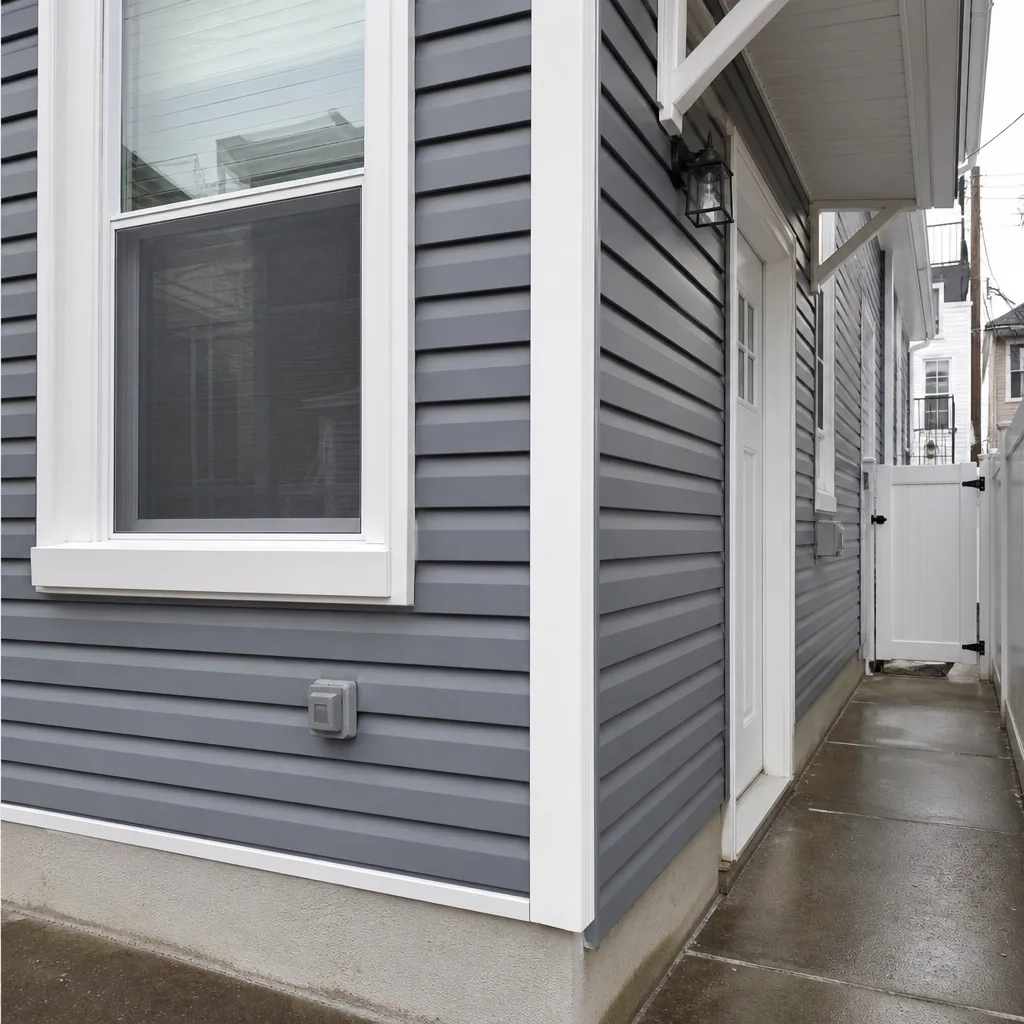 After
After24/7 Emergency Mold Remediation in Kearny
If you’ve spotted mold in your Kearny home, the answer is simple: call (201) 903-9581 and Wade heads out. We answer live around the clock, and our crews are inside the Kearny area every single day. Mold doesn’t wait for business hours, especially in this town where basement moisture is a year-round condition, not a rare event. When you call, we schedule a free visual inspection fast, and if there’s an active leak behind the mold, we start containment that same visit. The first hour matters because mold colonies double in size every 24 to 48 hours once they have moisture, and in Kearny’s row houses with shared walls, that means it’s reaching your neighbor’s side before you’ve finished reading this page. Call (201) 903-9581 now, and Wade or one of his trained people will be on the road.
Understanding Mold Remediation Severity in Kearny Properties
Mold in Kearny rarely shows up as a simple surface patch. Because this town sits in the Passaic River flood plain between the Passaic and Hackensack rivers, the moisture source is almost always deeper than what you can see. We categorize mold work by how far the water traveled and how long it sat. That’s the difference between cleaning wallboard and cutting out entire wall cavities. In Kearny’s early- to mid-20th century row houses, many with original lath and plaster, water wicks upward through the walls for weeks after the visible flood recedes. We use moisture mapping with penetrating hygrometers to find pockets holding 60% to 90% relative moisture behind plaster that looks dry on the surface. If we find mold behind the walls, we seal the work area with 6-mil polyethylene containment and run HEPA air scrubbers so spores don’t move into attached units. That containment step is non-negotiable in a two-family house where your neighbor’s kitchen is twelve feet away. Clearance testing afterward documents that spore counts returned to normal outdoor levels before we call the job done.
Why Kearny Property Owners Choose Wade’s Restoration
- Wade answers his own phone. Not a call center, not an answering service. At 2 a.m. on a Sunday, you get Wade Ferris, the owner, and he is on the road to Kearny before the call ends.
- 45-minute response commitment in Kearny. We know every route through town, from Kearny Avenue to Belgrove Drive. When mold is spreading, forty-five minutes is enough to make a real difference.
- IICRC-certified crews, AMRT the relevant code. Applied Microbial Remediation Technician certification means the people Wade sends know how to remove mold without cross-contaminating your home or your neighbor’s.
- Free visual inspection, no trip charge in county. You shouldn’t pay to find out if you have a problem. We come out, take a look, and tell you straight what we see.
- Direct insurance billing and adjuster coordination. Wade talks to your adjuster, not you relaying messages. We document everything so your claim is solid.
- One team from containment to reconstruction. No handing you off to a different company mid-job. Wade’s people open the walls, treat the mold, and put the walls back.
Our Mold Remediation Process
Inspection & Assessment
We walk your Kearny property, check every wall, floor, and ceiling cavity with thermal imaging and moisture meters, and document what we find with photos. If we suspect hidden mold, we take air samples from inside the wall cavity, not just the room. You get a written scope of work before anything gets touched.
Containment Setup
We seal off the work area with 6-mil polyethylene and create negative air pressure using HEPA air scrubbers. This is the step that prevents mold spores from drifting into your living room or through the shared wall into the attached unit next door.
Drying & Dehumidification
We run Dri-Eaz dehumidifiers and Phoenix air movers at the right rate for your wall assembly. In Kearny’s older row houses, drying too fast curls lath and cracks plaster. Drying too slow gives mold time to spread. We read moisture levels multiple times a day until every surface is stable.
Cleaning & Sanitization
We physically remove mold with HEPA vacuums, antimicrobial treatments, and when needed, we cut out and dispose of affected wallboard, insulation, and any material that can’t be cleaned. We don’t paint over mold. We remove it.
Air Quality Restoration
After the mold is gone, we run HEPA filtration continuously for the duration of the job, then take clearance air samples to confirm spore counts are back to normal before we remove containment. You get a copy of those lab results.
Repairs & Restoration
Wade’s people rebuild what we opened. New drywall, new lath where the original was too far gone, new insulation, new trim, paint. The same crew that found the mold fixes the damage it left behind.
Need Emergency Mold Remediation in Kearny Now?
Crews minutes away, answering live 24 hours a day. The sooner we start, the less it costs.
Working With Your Insurance Company
Mold coverage depends on your policy and how the moisture got there. If the mold came from a covered water loss, like a burst pipe or a storm that flooded your basement, your insurer typically covers the mold remediation as part of that claim. If the mold grew slowly from years of high humidity in a crawl space, that’s more likely a maintenance issue and may not be covered. Wade deals with adjusters every day. He knows what language they need, what documentation closes a claim, and how to negotiate when the initial approval is too low. We photograph everything, log every moisture reading, and write the scope in the line-item format insurers recognize. You don’t translate between Wade and your adjuster. They talk directly.
What We Provide Your Insurer
- Thorough documentation of the loss
- Photos of all damage, room by room
- Moisture readings and drying logs
- A detailed, line-item scope of work
- Direct coordination with your carrier
Built for Kearny’s Loss Calendar
Kearny’s mold season never really ends. January and February bring deep freezes that burst supply lines in uninsulated crawl spaces of pre-war row houses. Spring thaw pushes groundwater up through old stone foundations along Belgrove Drive and the numbered streets over by the Meadowlands edge. Summer thunderstorms dump two inches of rain in an hour, and with the storm drains backing up due to tidal pressure from Newark Bay, basements take on water even when the rain doesn’t seem that heavy. Fall nor’easters combine wind-driven rain with river backflow, and the Passaic rises faster than the tide can drain. By the time a weather event hits in a town where water recedes slowly over filled-wetland soils, the mold growth window is already wide open. That’s the calendar in Kearny: every season has a moisture event, and every moisture event leaves behind the next mold problem if the walls never dried right the first time.
Mold Remediation Across Kearny’s Neighborhoods
Over by the Arlington section near the Passaic River, we see what tidal backflow does to basement apartments that sit below the storm-sewer overflow threshold. The streets off Schuyler Avenue toward the Meadowlands side take the worst of the slow-draining floodwater, and that’s where we find the most layered mold: fresh water damage on top of a prior event that never fully dried. In the two-family row houses along Kearny Avenue from Belgrove Drive down toward the Harrison border, shared party walls mean mold in one unit is rarely contained to that unit for long. The dense blocks near Franklin School and Washington School are mostly early-20th century construction, with cast-iron drain lines that crack and clay tile that shifts, letting groundwater seep into basements and crawl spaces. When we get called to a three-family on Hoyt Street or Devon Street, we almost always find the mold started in the lowest unit and worked upward through wall cavities that were rebuilt without moisture barriers after the last flood. Our Mold Remediation team knows these blocks because Wade and his people have been in and out of them for flood work, fire work, and everything else since 2007.
Specialized Mold Remediation Services We Offer in Kearny
Mold Inspection & Testing
We inspect for mold the way a doctor looks for what’s wrong, not just what hurts. In Kearny, that means checking behind lath and plaster, inside wall cavities, under basement stairs, around rim joists. We take air samples and send them to an independent lab. If the mold is hidden but the air quality is bad, the lab results tell us exactly what species we’re dealing with and how far it’s spread.
Mold Removal
Removing mold in a Kearny row house is more than scrubbing what you can see. It means cutting out contaminated wallboard, bagging it in 6-mil polyethylene before it leaves the room, HEPA-vacuuming every surface, and treating the framing with antimicrobial chemistry that won’t off-gas into a family’s living space. We do it right and we back it with the 90-Day Done Right Promise in writing.
Black Mold Remediation
Black mold, usually Stachybotrys chartarum, grows on materials that have been wet for a long time: weeks, not days. In Kearny, that’s the wall cavity behind a finished basement that flooded in Ida and never got opened up. Stachybotrys releases mycotoxins that affect respiratory health, especially in older adults and children. This is not a bleach-and-scrub job. It’s a containment-and-removal job, done with HEPA filtration and clearance testing at the end.
Air Quality Restoration
After the mold is physically removed, the air in your house still carries spores and mycotoxin fragments. We run HEPA air scrubbers throughout the job and bring in Dri-Eaz dehumidifiers to pull the indoor humidity down to where mold can’t regrow, usually below 50% relative humidity. Then we sample the air again. If it’s clean, you get the lab report. If it’s not, we keep working until it is.
Crawl Space Treatment
Kearny’s older homes sit on dirt or stone crawl spaces that wick moisture up from the ground year-round. We install vapor barriers, seal foundation vents, and set dehumidifiers sized for the space. In a town where the water table sits high under filled-wetland soil, crawl space humidity is the engine that feeds mold in the floor joists and the first-floor walls above. Kill the moisture, and the mold stops coming back.
What happens when you call
- 1
A real person answersNo phone trees - you reach a local pro.
- 2
You get an upfront price rangeHonest numbers before anyone is dispatched.
- 3
A background-checked tech heads outLicensed & insured, dispatched right away.
- 4
You approve before work beginsNothing starts until you say go.
Mold Remediation Costs in Kearny, NJ
A mold inspection with air testing in Kearny typically runs $350 to $600 for a full walkthrough plus lab analysis of one or two samples. That’s the diagnostic step, and it’s worth every dollar on this town’s housing stock because the problem is often hidden. Surface mold removal with containment usually runs $1,200 to $3,500 for a single room or small basement section. Full mold remediation in a finished basement apartment with wall cavity removal and structural drying typically falls between $4,000 and $12,000 depending on how much of the wall assembly has to come out and how long the drying takes. If the mold started from a covered water event, your insurer may pay most of that after your deductible. If you want a firm number before committing, that’s what the free inspection is for: we come out, take readings, and hand you a written scope with a fixed price. No estimate-by-phone games. You see the number in writing before any work starts.
We Also Serve Cities Near Kearny
We run mold jobs throughout northern Hudson County. You’ll find our crews in Kearny every day, plus Harrison, Jersey City, Secaucus, and Union City. The same live 24/7 answer, the same 45-minute response, the same 90-Day Done Right Promise in writing.
Serving Kearny, NJ - Our Local Coverage Area
We’re based in the Kearny area and know this community well. Use the map below to see our service coverage - if you’re nearby, we can almost certainly help.
Kearny Mold Remediation Questions, Answered
How does Kearny’s location between the Passaic and Hackensack rivers affect mold growth timelines after a basement flood?
Mold growth starts within 24 to 48 hours of water sitting on drywall or wood, and in Kearny the water recedes more slowly because it’s held back by tidal backflow from Newark Bay and the poor drainage of filled-wetland soils. That extended saturation window means mold can be established in wall cavities by the time the floor is finally dry, which is why we recommend starting containment and drying within hours, not days, after the water recedes. Call (201) 903-9581 and we can be there inside the hour.
Is the black mold I see on my basement wall in Kearny from the latest flood, or could it be from an earlier event that was never properly dried?
In our experience on Kearny’s row houses, most of what we find is layered. The mold you see on the surface is often growing on wallboard that was wet during Hurricane Ida in 2021 and never fully dried because the studs behind it never fully dried. We use moisture probes that read through the wall surface to find the old moisture, then open the wall to see how far the previous event reached. That’s the only way to know. The free inspection gets you the answer in person.
Do Kearny building codes require any special mold remediation practices for basement apartments that flood repeatedly?
Kearny follows New Jersey state standards for mold remediation, which require containment, proper material removal, and clearance documentation in rental and multi-family units, but the town’s unique geography means practical code compliance often falls short: a basement apartment that floods three times a year needs more aggressive drying and moisture control than the minimum standard assumes. We write our scopes to exceed the state minimum because the conditions here demand it. That’s the only honest way to work in this town.
Why does mold keep coming back in my Kearny crawl space even after I’ve cleaned it with bleach?
Bleach kills surface mold but does not solve the moisture source, and in Kearny’s crawl spaces the moisture source is the ground itself. High groundwater from the nearby rivers wicks through dirt floors and into the air, where the humidity feeds mold on joists and subflooring regardless of how many times you clean the surfaces. You need a vapor barrier, sealed vents, and a properly sized dehumidifier running continuously, not a bottle of bleach. We install all three, and we show you the moisture readings before and after.
Can mold in one unit of my Kearny two-family house spread to the other side through the shared walls?
Yes, and we see it regularly. Kearny’s two- and three-family row houses share party walls with void spaces between the studs, and air moves through those voids, carrying spores from the flooded unit into the attached unit’s walls. That’s why containment and negative air pressure are non-negotiable on any multi-family mold job in this town. We seal the work area before we open a single wall.
What should I do in the first 30 minutes after I discover mold in my Kearny home?
First, stop the moisture if you can safely: shut off the water, turn off the affected appliance, or cover a leaking window. Second, call (201) 903-9581. Third, don’t disturb the mold. Bleach, scrubbing, or even running a box fan spreads spores through the room and into the rest of the house. Wade answers his own phone, and he will tell you exactly what to do until one of his people arrives.
How long does mold remediation take in a typical Kearny basement?
For a finished basement with mold behind the wallboard, plan on three to seven days from containment setup through final clearance testing. If the original wall assembly is lath and plaster and the mold reaches the framing, it may take longer because the drying has to be slower to avoid cracking the plaster. We give you a timeline in writing with the scope of work before we start, and we hold to it.
Can my family stay in the house during mold remediation in Kearny?
It depends on the extent of the mold and where it sits. For contained jobs like a single basement wall, we often set up negative air containment and you can stay upstairs without concern. For heavy mold throughout a basement apartment or in a main living area, we recommend temporary separation, especially for anyone with respiratory conditions or compromised immunity. We give you a straight answer at the inspection, and we follow IICRC standards on every call.
Wade’s Restoration is headquartered in the New York City metro area with crews serving Kearny locally. All dispatch and scheduling for this area coordinate from that office.
Written by Wade Ferris, Owner at Wade’s Restoration, serving Kearny since 2007.