
Free visual inspection and a written scope of work before any mitigation begins - photos, moisture readings, and drying logs go in your claim file
The scope we write is the scope we bill. Anything new gets shown to you, in writing, before we touch it.
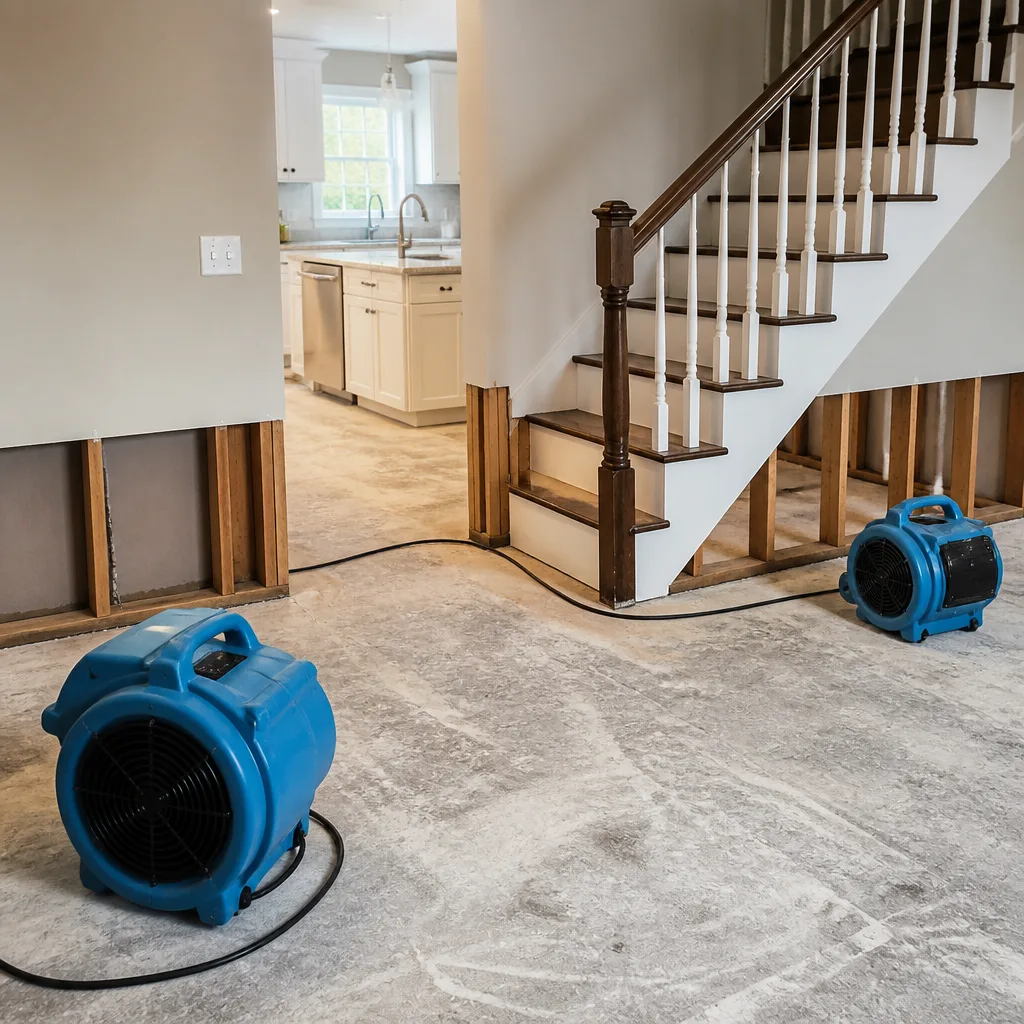
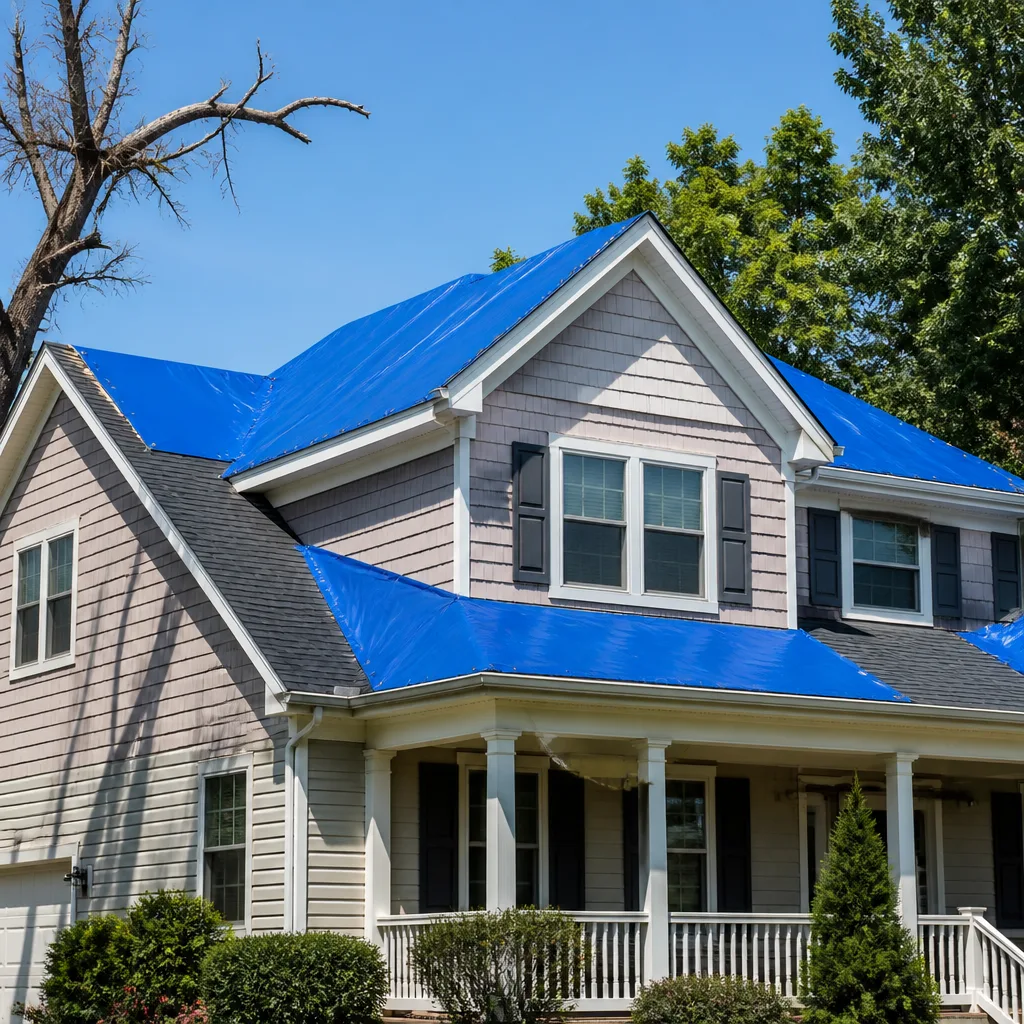
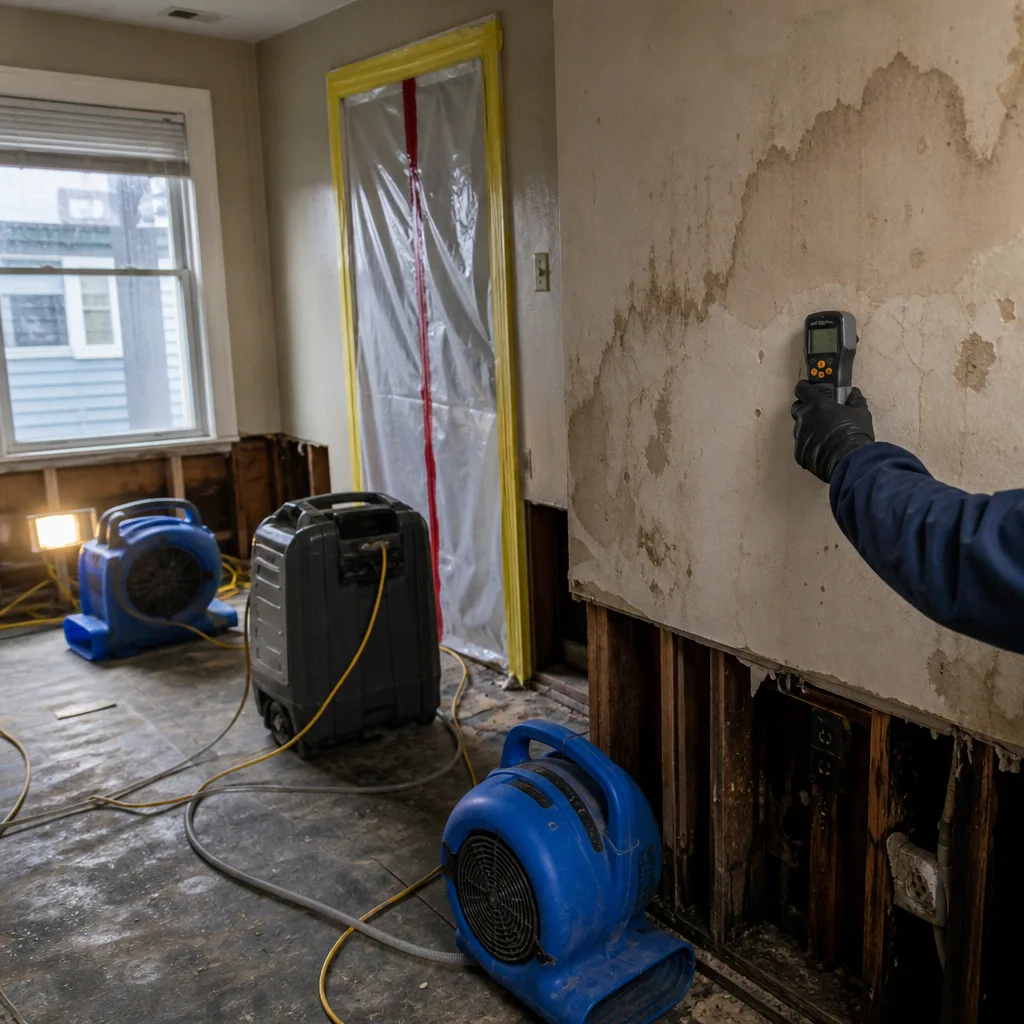 Before
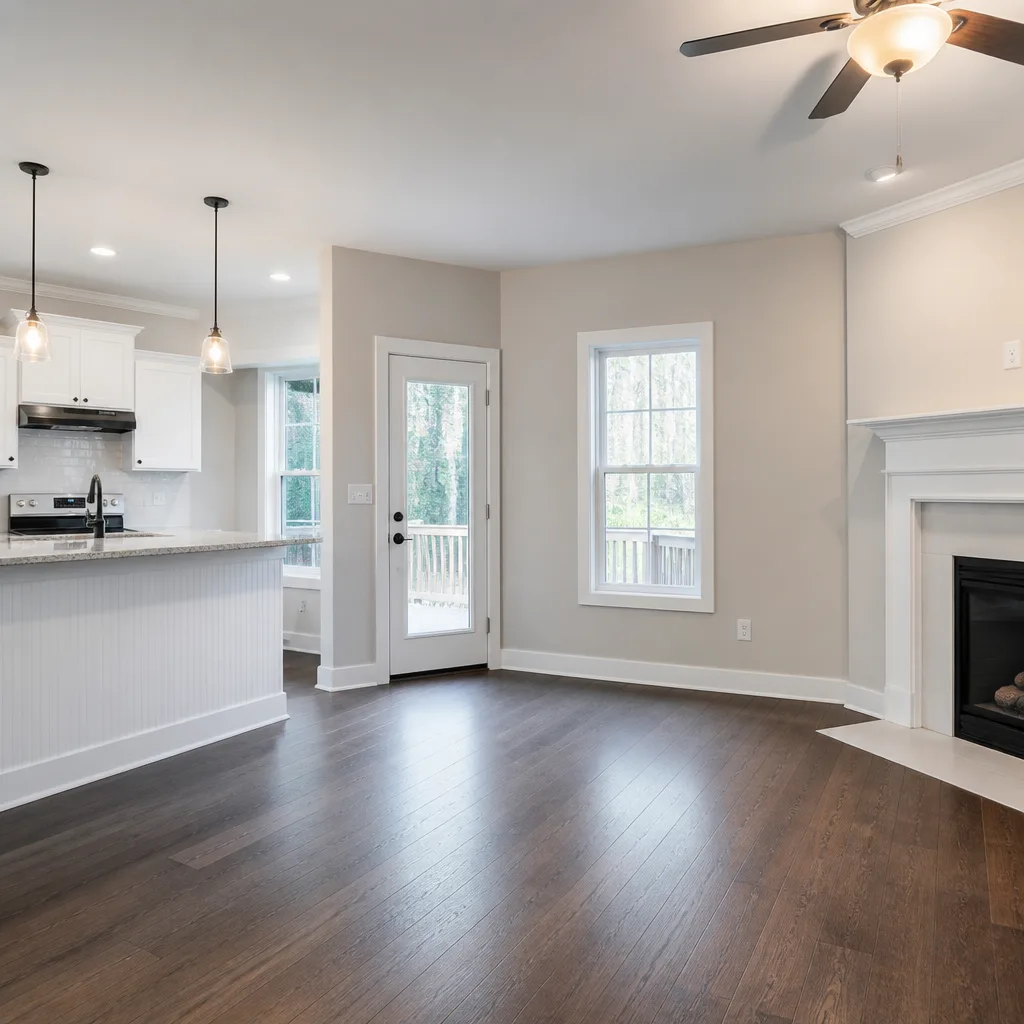
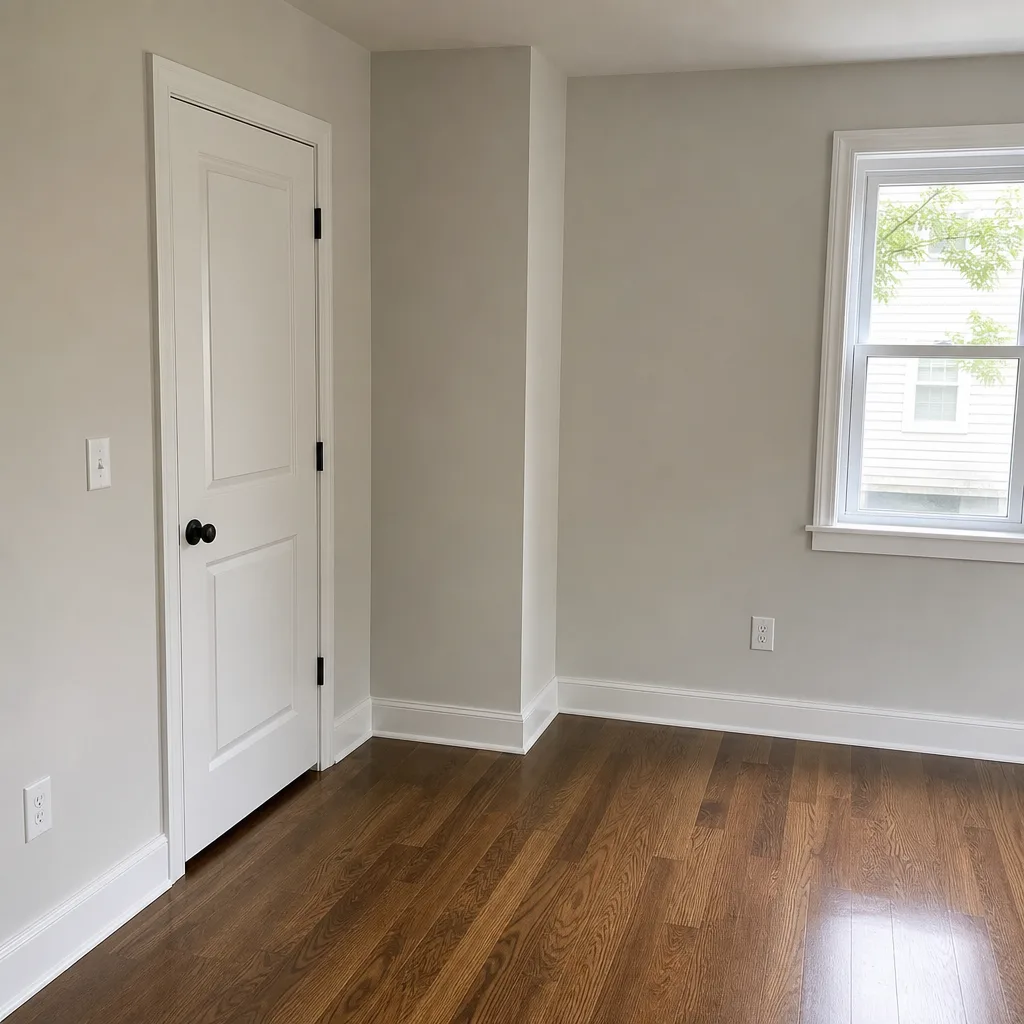 After
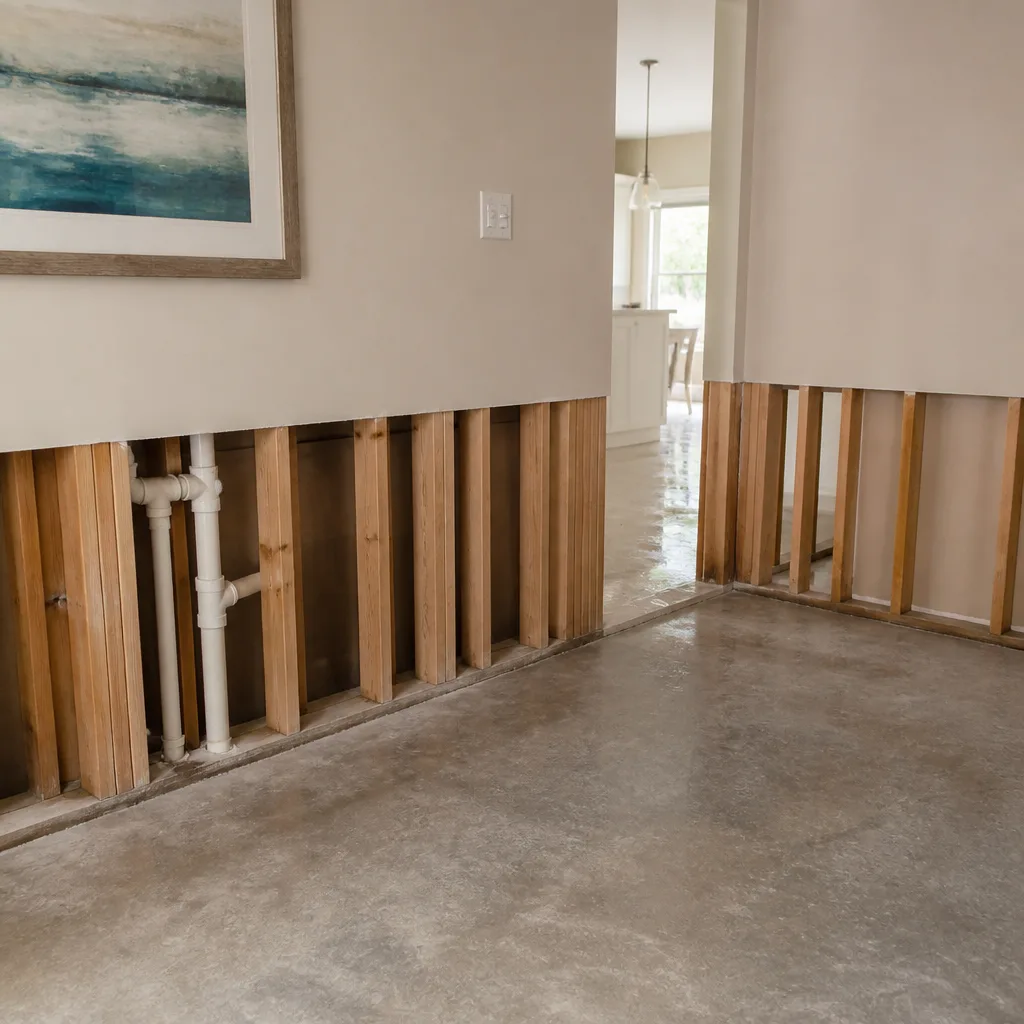
After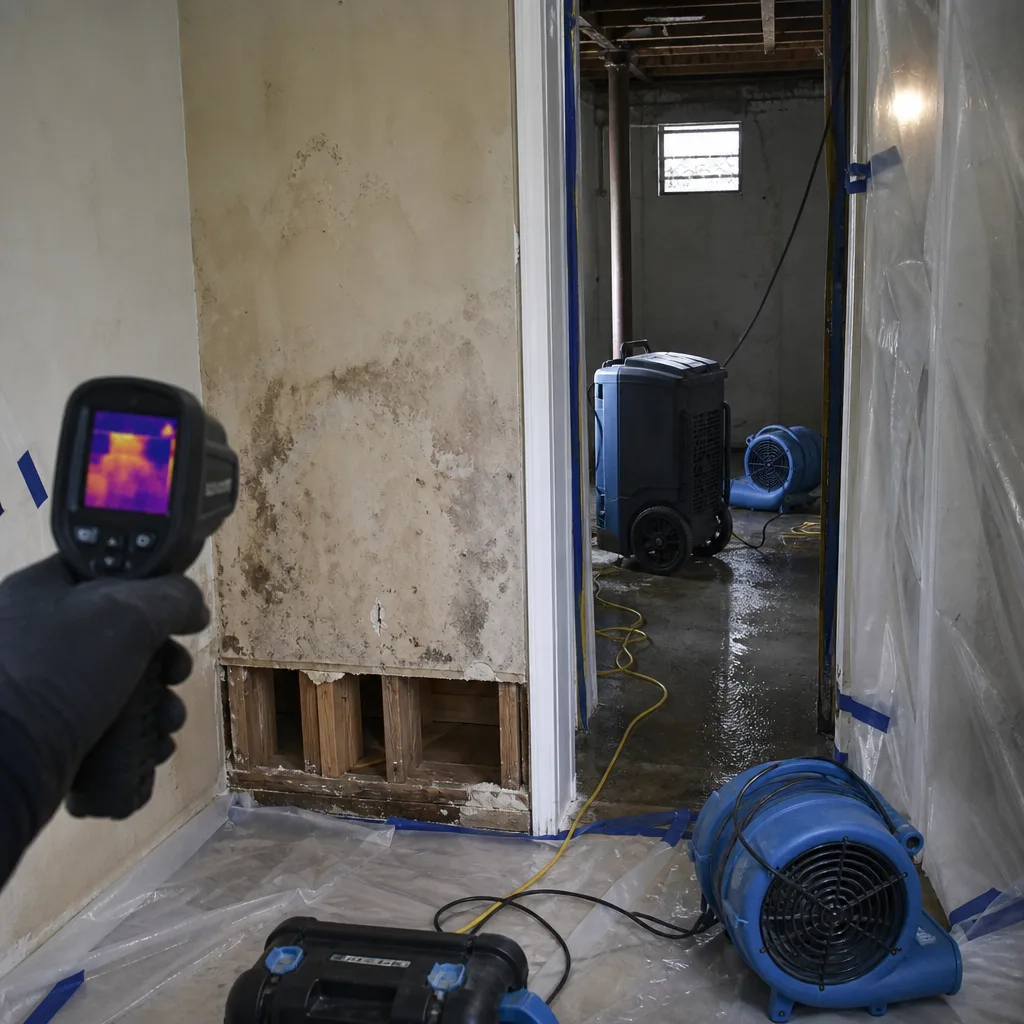 Before
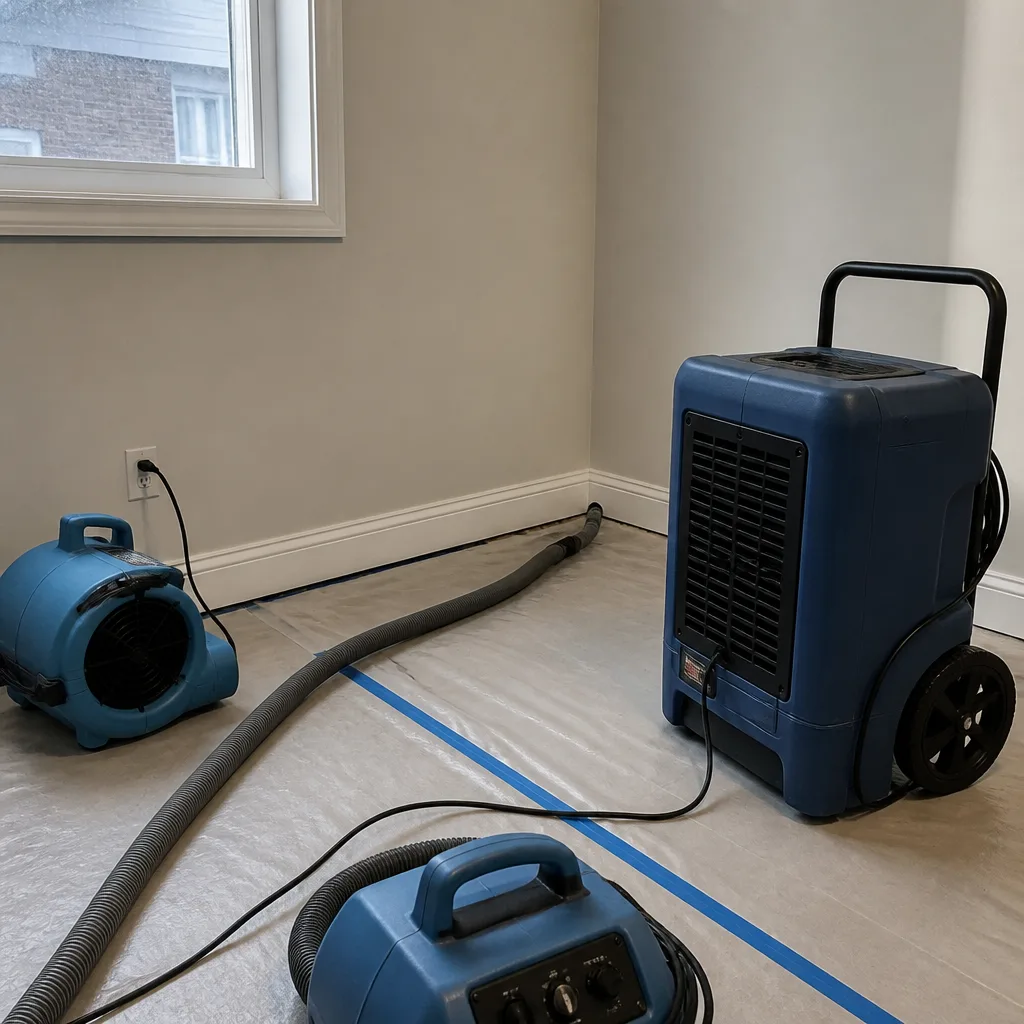 After
After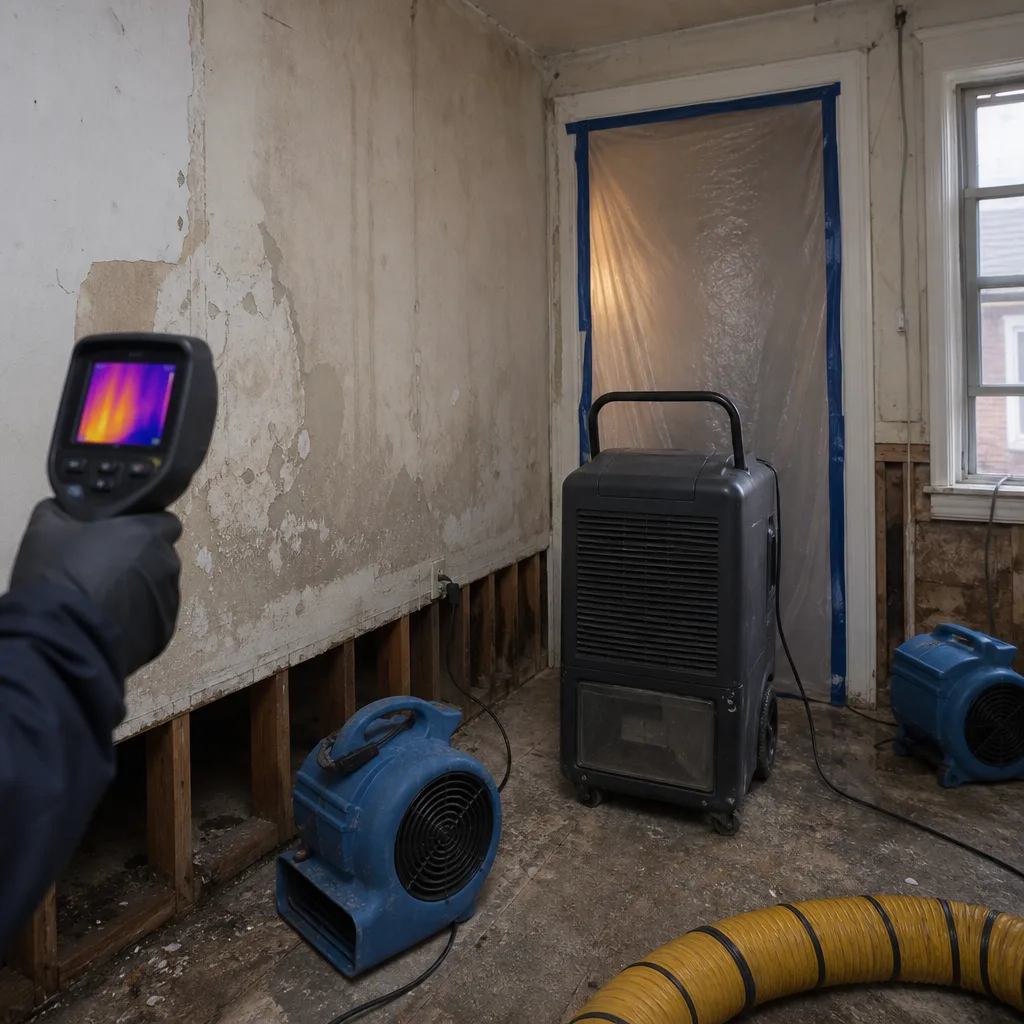 Before
 After
After24/7 Emergency Sewage Cleanup in West New York
Sewage cleanup in West New York typically runs $1,800-$4,200 for a single-unit backup, but stacked-unit building jobs with multiple affected apartments routinely hit $8,000-$18,000 depending on how many floors the water traveled. We answer the phone live at (201) 903-9581, 24 hours a day, and Wade’s crews can be on-site in West New York within the hour. When black water sits in a garden-level apartment off Bergenline Avenue, every hour that passes means deeper contamination into concrete slab, drywall, and the units below you. That’s the reality of sewage in a dense Hudson County building, and it’s why we treat every West New York sewage call as an urgent, multi-unit scope from the first look.
If you’ve got sewage backing up right now, call (201) 903-9581. Wade Ferris answers his own phone, and he’ll tell you straight what you’re dealing with before anyone shows up. The first visual inspection is free, and there’s no trip charge inside the county.
Understanding Sewage Cleanup Severity in West New York Properties
Your sewage backup isn’t just dirty water. It’s Category 3 water, which carries bacteria, viruses, and parasites from human waste. That classification means anything it touches has to be removed and disposed of, not just dried: carpet, pad, baseboards, drywall up to the moisture line, sometimes cabinetry depending on how long it sat. In West New York’s 4-to-7-story brick apartment buildings, severity compounds fast. A toilet overflow on the fourth floor of a 1960s building doesn’t stay on the fourth floor. It follows the shared drain stack down through concrete slab floors and into the apartment below, then the one below that, with each level adding its own insurance policy and its own claim. We’ve walked into buildings where a single clogged vent stack became a four-unit Category 3 job inside an afternoon.
Mold colonization is another time bomb in West New York’s housing stock. Older brick buildings with limited cross-ventilation and steam heat hold humidity tight. After sewage saturates drywall and concrete, mold takes hold within 24 to 48 hours in the right conditions, and aerosolized particles from contaminated water can travel through shared hallways and stairwells. Containment isn’t optional here. We set 6-mil poly barriers and run HEPA air scrubbers before we start disturbing contaminated materials, not after.
Why West New York Property Owners Choose Wade’s Restoration
- 45-minute response commitment. When you call about sewage in West New York, Wade’s crew is on the road immediately. We know exactly how to get through the Lincoln Tunnel approaches and up Bergenline Avenue at any hour.
- A real person answers, 24/7. No automated system, no answering service, no voicemail. Wade Ferris answers his own phone, including at two in the morning when your basement’s flooding.
- IICRC-certified crews trained in WRT and ASD standards. The people Wade sends understand Category 3 water protocols, containment, and structural drying for dense, stacked-unit buildings, not just suburban basements.
- Free visual inspection. Before any money changes hands, we look at the damage, tell you what’s actually wrong, and give you a written scope. No surprises at the door.
- Direct insurance billing. We write estimates in the industry-standard Xactimate format your carrier recognizes, and we deal with the adjuster directly so you’re never stuck relaying information between two parties.
- One team, start to finish. Extraction, drying, sanitization, and reconstruction all handled by Wade’s own crew. You’re not juggling three vendors while sewage water is in your walls.
Our Sewage Cleanup Process
Inspection & Assessment
We map the full path of the water, including units below and adjacent walls, using thermal imaging and moisture meters. In West New York’s stacked buildings, that means checking the apartment below you, the hallway outside your door, and any shared wall cavities. We document everything with photos before we touch anything.
Extraction & Source Repair
We pull standing black water using truck-mounted extraction and portable units built for tight apartment interiors. We also identify what actually caused the backup, whether it’s a corroded cast-iron stack, a clogged line, or a flat-roof drain issue, so it doesn’t happen again next month.
Containment & Air Scrubbing
Before we remove contaminated material, we seal each affected area with 6-mil poly and run HEPA air scrubbers to capture aerosolized particles. In a West New York brick building, this keeps black water contamination from migrating through shared hallways and stairwells into your neighbors’ units.
Drying & Dehumidification
We run Dri-Eaz LGR 7000XLi dehumidifiers and XPOWER air movers sized to each room’s square footage and the moisture load in the slab. For concrete slab floors, we drill weep holes and use a drying mat system to pull trapped moisture before it feeds mold growth. Moisture readings are logged daily.
Sanitization & Disinfection
After contaminated material is removed, we treat all affected framing, concrete, and remaining surfaces with EPA-registered antimicrobials. This step isn’t optional for Category 3 water. We treat every inch the water touched, including subfloor cavities and wall interiors.
Repairs & Restoration
Reconstruction is scoped and scheduled in writing, priced like a remodel, not an emergency dispatch. We replace drywall, flooring, and trim to match your unit, and if your building’s management needs documentation for their own insurance, we provide it.
Need Emergency Sewage Cleanup in West New York Now?
Crews minutes away, answering live 24 hours a day. The sooner we start, the less it costs.
Working With Your Insurance Company
Sewage backups in West New York often involve multiple insurance policies at the same time. Your landlord’s policy covers the building’s structure. Your renters policy covers your personal property. The condo board’s policy covers common lines, while your HO-6 covers everything inside your unit’s walls. Wade’s Restoration handles the adjuster communication for you. We document the loss from the first hour with photos, moisture readings, and a clear scope of work so your carrier doesn’t have a leg to stand on when it comes to what actually happened. Wade deals with the adjuster directly and hands you the full moisture log at job’s end. For a multi-unit loss in a West New York building, that documentation is what keeps your claim from stalling while four different adjusters argue.
What We Provide Your Insurer
- Thorough documentation of the loss
- Photos of all damage, room by room
- Moisture readings and drying logs
- A detailed, line-item scope of work
- Direct coordination with your carrier
Built for West New York’s Loss Calendar
West New York’s sewage losses follow a seasonal rhythm that any long-time resident knows. January and February deep freezes crack aging cast-iron and galvanized supply lines in the 1950s-1970s brick buildings that dominate the housing stock. Then spring thaw brings surface runoff pouring down the Palisades grade into garden-level units and below-grade mechanical rooms. Summer thunderstorms overwhelm the town’s combined storm-sewer system, and when nor’easters hit in fall and early winter, the lower riverside blocks face Hudson River storm-surge flooding that backs sewage up through floor drains in basement and garden-level apartments. Each season has a signature failure in West New York, and we’ve worked through all of them. When you call us in October about a sewage smell in a garden-level apartment, we already know the roof drains on the flat-roofed building above you have likely been clogged for weeks. That’s not a guess. That’s West New York.
Sewage Cleanup Across West New York’s Neighborhoods
West New York packs 50,000-plus people into just over one square mile, which means every neighborhood has its own sewage failure pattern. Along the flat riverside streets below Boulevard East, like the blocks near Donnelly Park and 60th Street, garden-level units bear the brunt of storm-surge backups and combined sewer overflows during heavy rain. On the steep interior blocks off Bergenline Avenue, where pre-war and mid-century brick apartment buildings butt against the Palisades grade, surface runoff funnels into below-grade entrances and mechanical rooms, carrying debris into floor drains and backing up lines. Up on Boulevard East itself and the high-rise streets east of it, where you find the larger co-op buildings and condominium towers with underground parking, sewage migration through shared plumbing chases means a single unit’s backup can involve the building’s entire vertical stack. And in the residential streets between 49th and 60th, the four-to-seven-story brick buildings built from the 1940s through the 1970s share the same aging infrastructure: cast-iron stacks, steam-radiator supply lines, and flat roofs that channel water into vent stacks. Our crews know the traffic patterns, the parking restrictions on permit streets, and the building superintendents on several blocks. That local knowledge means we don’t waste 30 minutes looking for an address or waiting for building access.
Specialized Sewage Cleanup Services We Offer in West New York
Sewage Backup Cleanup
When a drain line backs up into a West New York apartment, the scope is rarely contained to one room. We treat the source, extract the Category 3 water, and check the units below and the shared wall cavities before we call the job done. This is the cleanup we recommend after any toilet, tub, or floor drain backup in a multi-story brick building.
Black Water Extraction
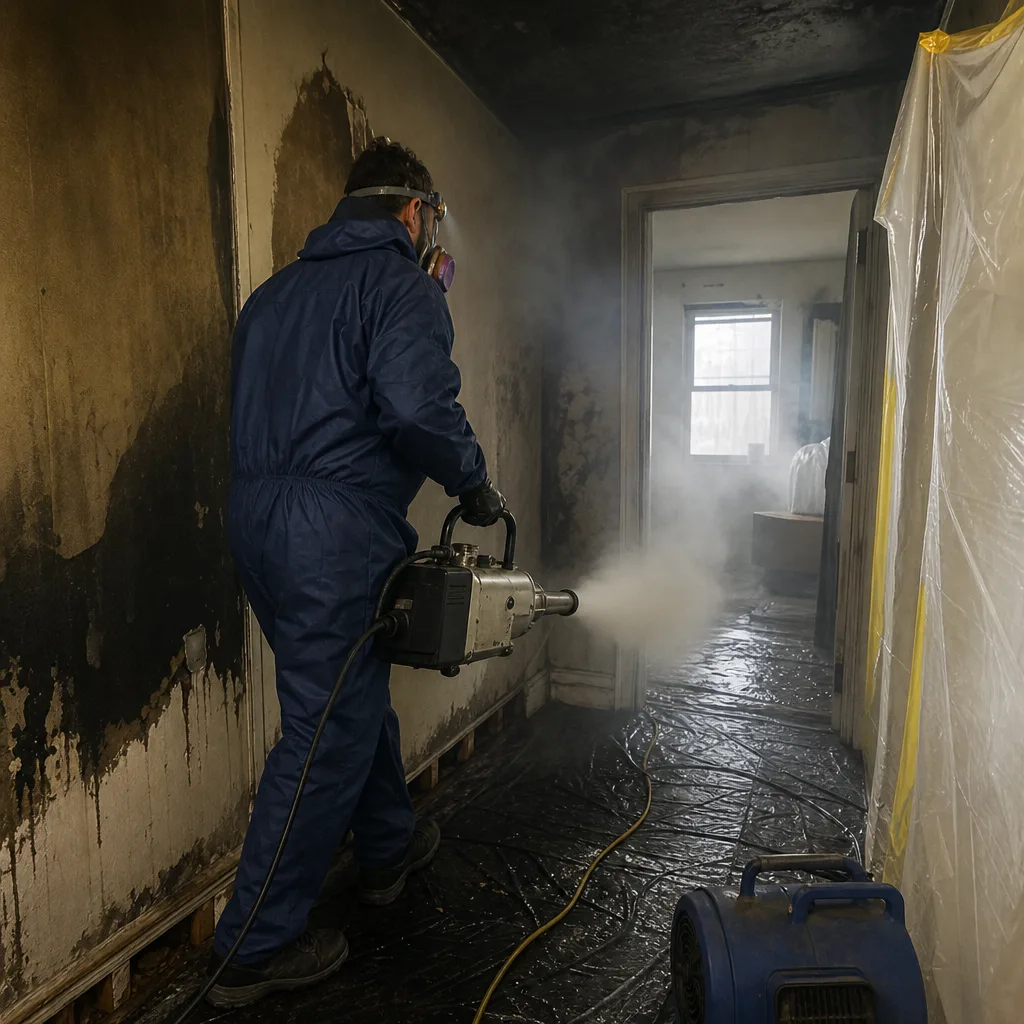
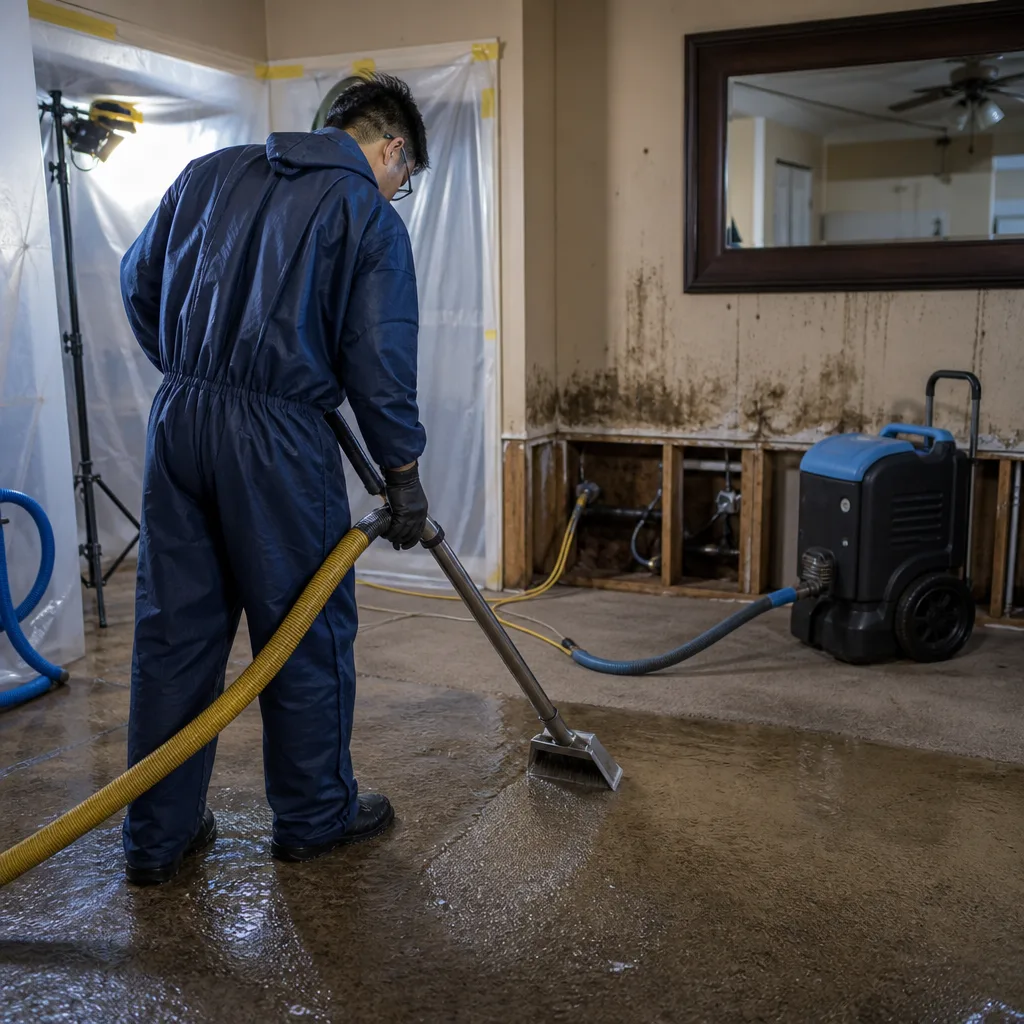
Black water from sewage is the worst classification of water damage. It carries human waste pathogens, and it requires full PPE, containment, and controlled removal. In garden-level West New York apartments where water pools on concrete slab, quick extraction is critical because concrete wicks moisture laterally, beneath baseboards, and into wall framing faster than most people expect.
Sanitization & Disinfection
After sewage water is gone, the surfaces it touched still carry bacteria. We apply EPA-registered antimicrobials to affected framing, slab, and any remaining surfaces, and we treat hidden cavities where moisture was mapped. If your apartment was flooded by a neighbor’s overflow, we recommend sanitization of your walls even if your floor never got wet. Shared drains mean shared contamination.
Toilet Overflow Cleanup
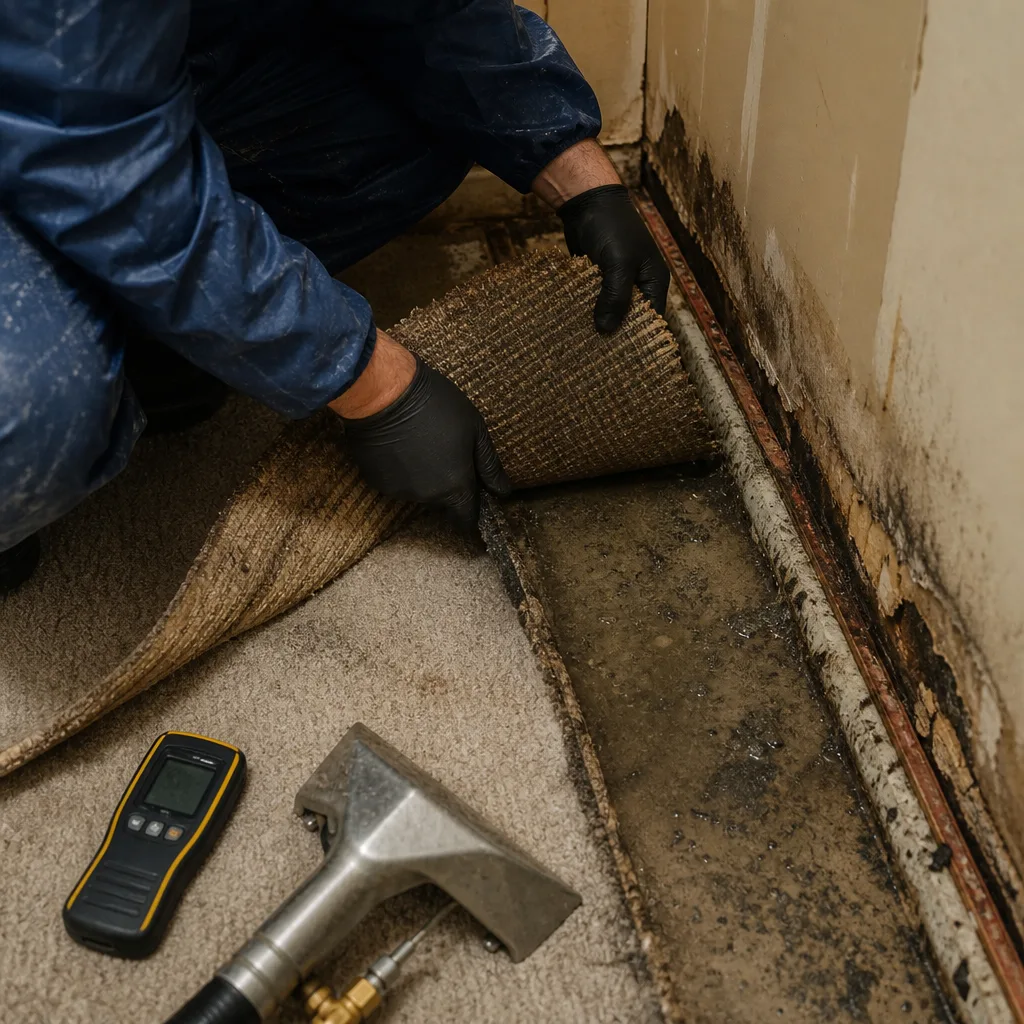
A single toilet overflow in a 1960s brick building on a Palisades side street can become a four-unit sewage job. Toilet overflows are often the result of the building’s aging cast-iron stack, not just a single fixture problem. We clean the affected unit, check the stack, and map moisture into the slab below before mold takes hold.
Crawl Space Sewage Removal
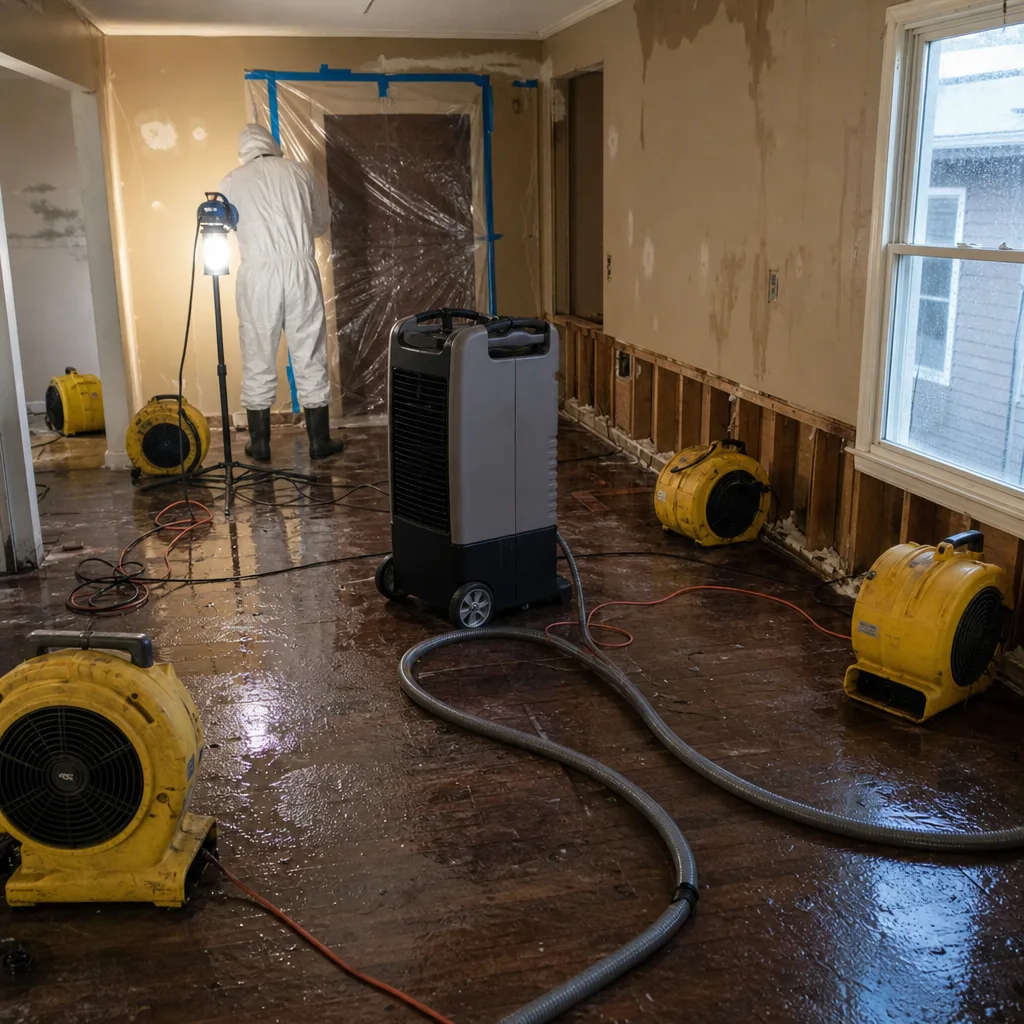
Some West New York buildings have shallow crawl spaces under the first-floor units, and sewage backups in those spaces are among the hardest jobs we handle. Tight access, standing water, and contaminated soil require specialized extraction and disposal. We handle removal, drying, and sanitization without shutting down the building’s parking or walkways longer than necessary.
What happens when you call
- 1
A real person answersNo phone trees - you reach a local pro.
- 2
You get an upfront price rangeHonest numbers before anyone is dispatched.
- 3
A background-checked tech heads outLicensed & insured, dispatched right away.
- 4
You approve before work beginsNothing starts until you say go.
Sewage Cleanup Costs in West New York, NJ
Here’s what you’re actually looking at in West New York. A contained toilet overflow in a single apartment runs $1,200-$2,800 for extraction, containment, drying, and sanitization. A sewage backup affecting a garden-level apartment with slab saturation runs $3,500-$7,500 depending on square footage, whether the water reached wall cavities, and how long it sat. A multi-unit stacked-building job, which is the most common scenario in West New York’s four-to-seven-story brick buildings, runs $8,000-$18,000 because we’re dealing with containment at multiple points of entry, slab drying across several units, and separate documentation for each insurance claim. What moves the price most is time. The longer Category 3 water sits, the more material has to be removed and replaced. Call (201) 903-9581 for a free visual inspection and a written scope before you agree to anything.
If you’ve already got an estimate from another company, bring it to us. We’ll give you a free second opinion, and if we can do the work for less, we’ll tell you straight.
We Also Serve Cities Near West New York
Wade’s Restoration serves West New York and the surrounding Hudson County communities. We’re on the road daily in Jersey City, Hoboken, Harrison, and Kearny. If you’re in one of those towns and dealing with sewage cleanup, call the same number, (201) 903-9581, and we’ll get moving.
Serving West New York, NJ - Our Local Coverage Area
We’re based in the West New York area and know this community well. Use the map below to see our service coverage - if you’re nearby, we can almost certainly help.
West New York Sewage Cleanup Questions, Answered
How does sewage cleanup in a West New York 1960s brick apartment building differ from a single-family home?
In a single-family home, sewage hits one floor, one foundation, and one insurance policy. In a West New York brick apartment building, sewage follows the shared drain stack down through concrete slab floors, and a backup on the fourth floor becomes four separate Category 3 jobs with four separate insurance claims before anyone even calls. We approach every stacked-building job as a multi-unit scope from the first look.
What happens when a garden-level apartment on a West New York side street takes sewage backup during a nor’easter?
Storm surge and combined sewer overflow push sewage back up through floor drains into garden-level units near the Hudson River. In these apartments, the concrete slab wicks moisture laterally, often saturating baseboards and wall framing without any visible evidence at first. We map moisture with thermal imaging before we cut anything, and we contain the unit to prevent aerosolized contamination from reaching neighbors through shared hallways.
How fast must sewage cleanup start in a West New York brick building to prevent mold?
Mold colonization begins within 24 to 48 hours in the warm, humid conditions inside older brick buildings with limited cross-ventilation, and West New York’s 1940s-1970s apartment stock is exactly that. If sewage water sits for more than a day, the contamination footprint expands from what you can see to what you can’t: behind baseboards, inside wall cavities, and under slab floors. Call (201) 903-9581 immediately, and we’ll have extraction running within the hour.
Do I need to involve my landlord or condo board for sewage cleanup in West New York?
Yes, and the sooner the better. The building’s plumbing stack, roof drains, and common lines are the landlord’s or board’s responsibility, while your unit’s interior and personal property fall under your policy. We document everything in a format that works for both claims, and Wade deals with the adjusters directly so you’re not stuck as the go-between while sewage water is still in your walls.
Can you dry out a sewage-flooded crawl space under a West New York apartment building without shutting down parking?
Yes. We use portable extraction units and drying systems sized for tight crawl space access, and we stage equipment in a way that keeps the building’s parking area and walkways usable. In most cases, we can contain the work area without interrupting the building’s daily routines for more than a few hours.
How long does sewage cleanup and drying take in West New York?
For a single-unit sewage backup, extraction and containment happen the same day, with drying typically running 2 to 4 days depending on the slab saturation and the building’s ventilation. Multi-unit jobs in older brick buildings can run 5 to 10 days because we’re drying multiple units with separate moisture loads, and we hold until moisture readings confirm the concrete and framing are back to normal equilibrium. You get the full moisture log at the end of every job.
Can I stay in my apartment during sewage cleanup?
Usually not during active cleanup and drying. Category 3 water presents real health risks, and the equipment noise plus containment barriers make the space uninhabitable for a few days. Talk to your adjuster about loss-of-use coverage, which is often available under renters and condo policies. We can document the conditions to support that claim.
What should I do in the first 30 minutes after discovering a sewage backup in West New York?
Stop using water in the affected unit and the units directly above if you can. Shut off the main water supply if you have access. Move personal items out of the affected area if it’s safe to do so without walking through contaminated water. Take photos of everything, including the water line and any visible sewage. Then call (201) 903-9581. The first call sets everything in motion, and what you do in that first half hour determines how much material has to be removed later.
Written by Wade Ferris, Owner at Wade’s Restoration, serving West New York since 2007.