
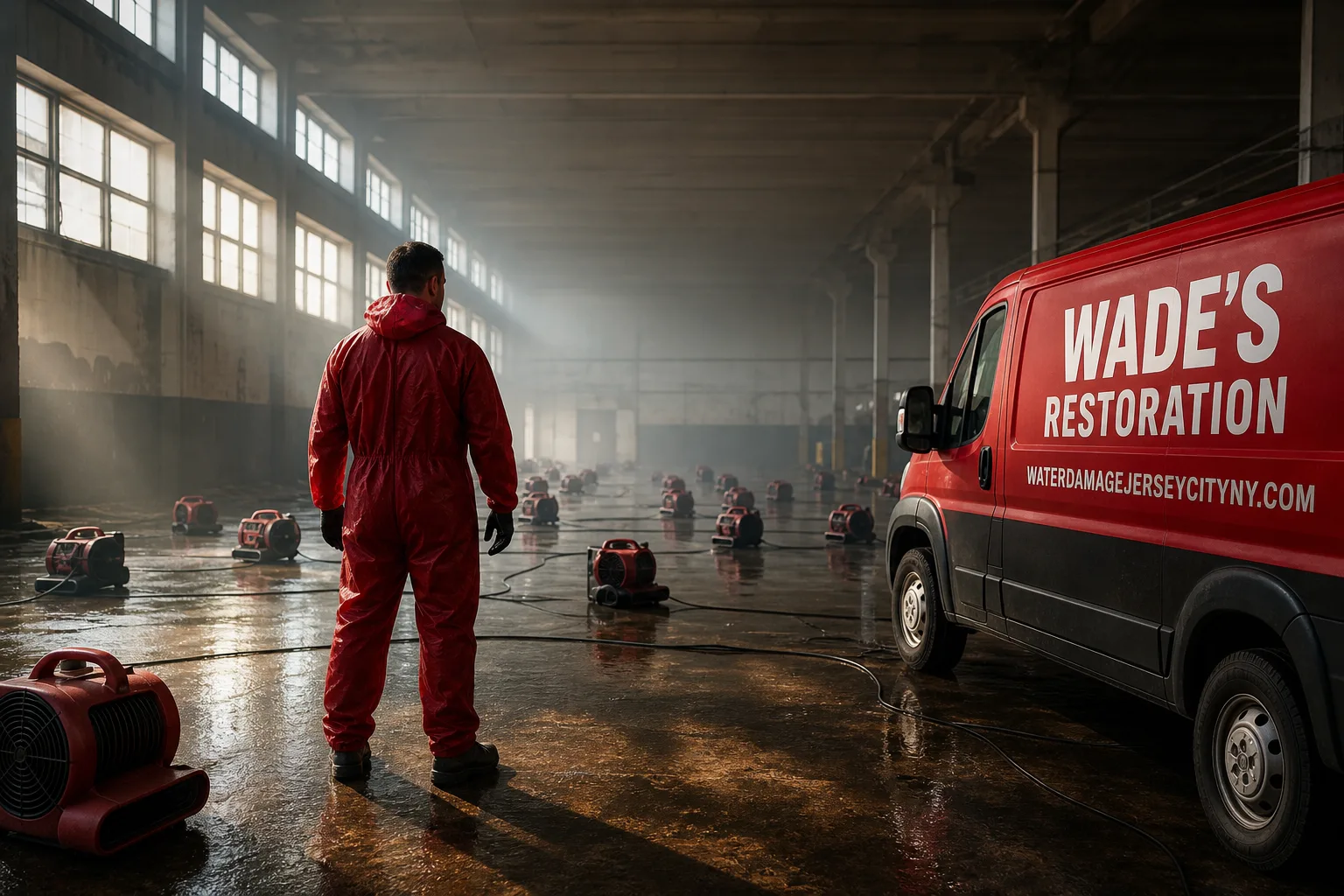
Free visual inspection and a written scope of work before any mitigation begins - photos, moisture readings, and drying logs go in your claim file
The scope we write is the scope we bill. Anything new gets shown to you, in writing, before we touch it.
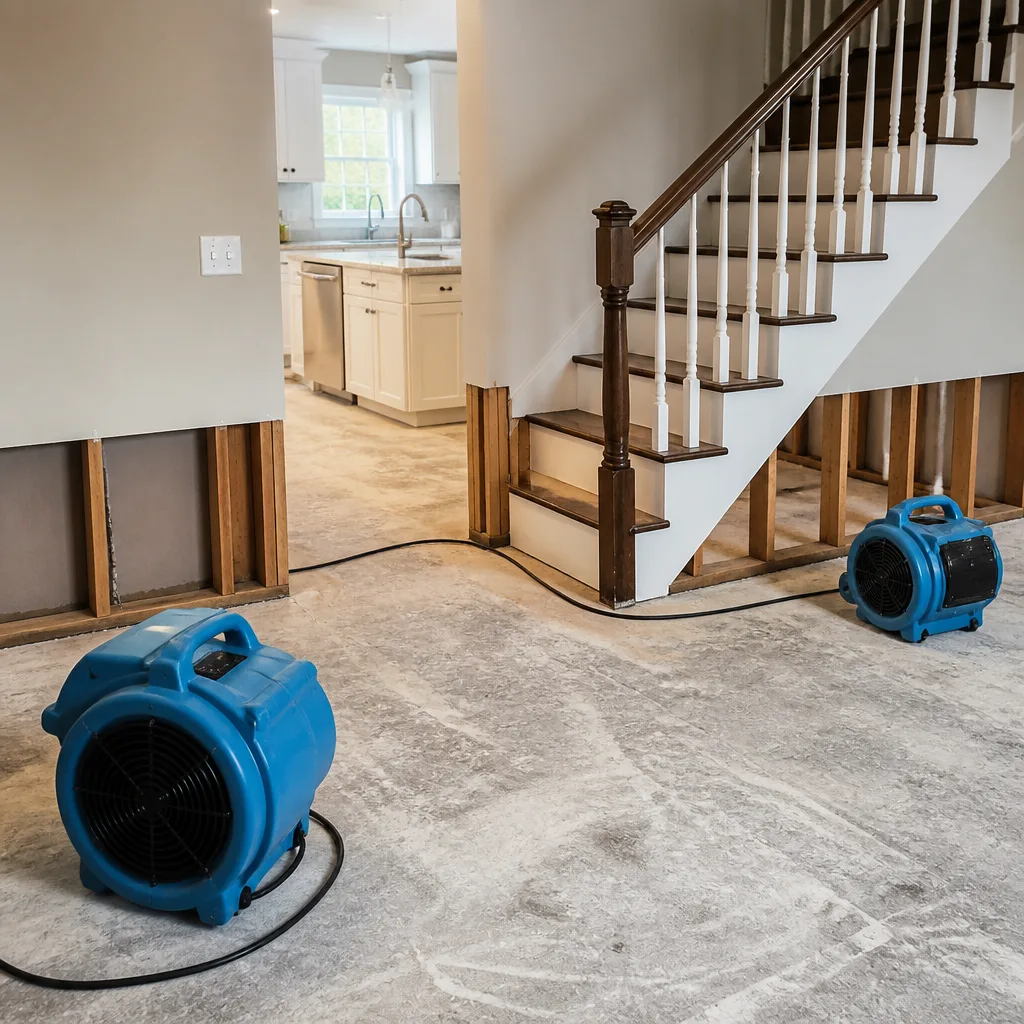
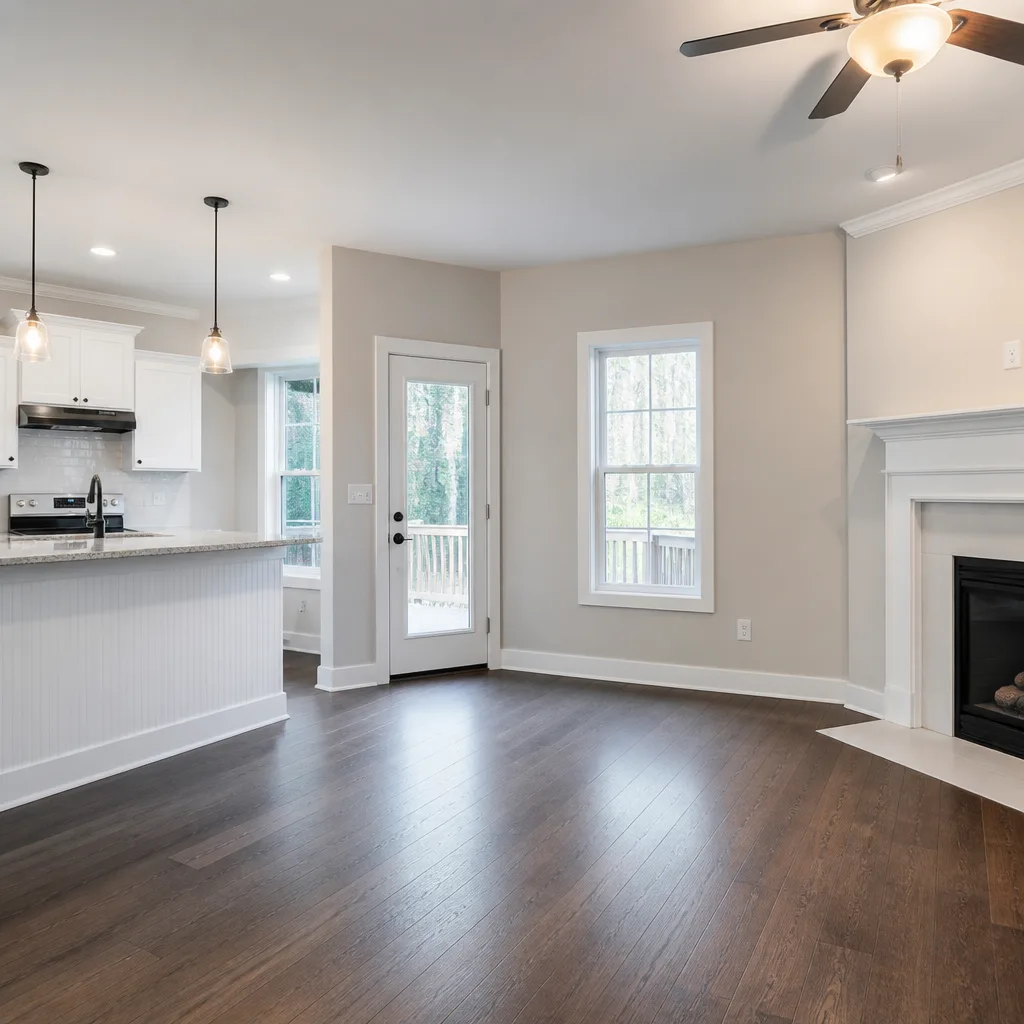
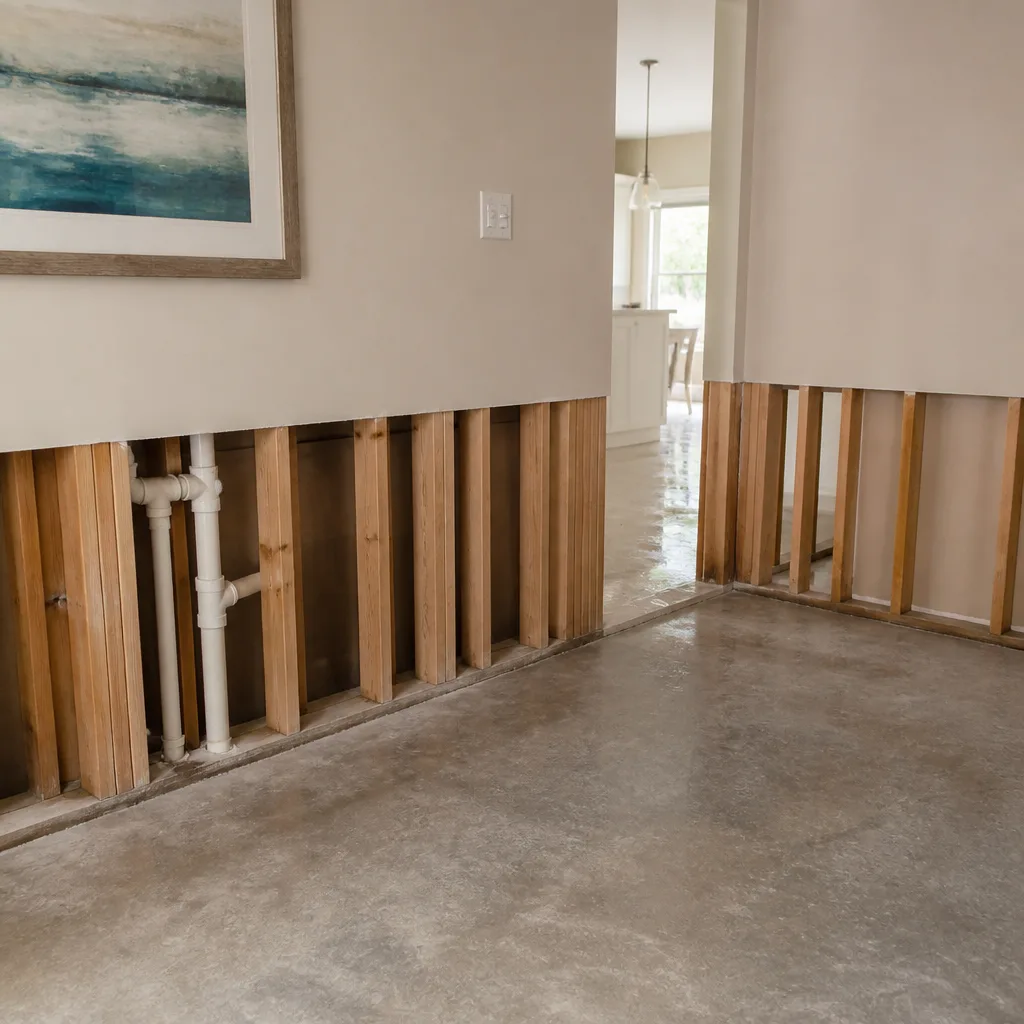
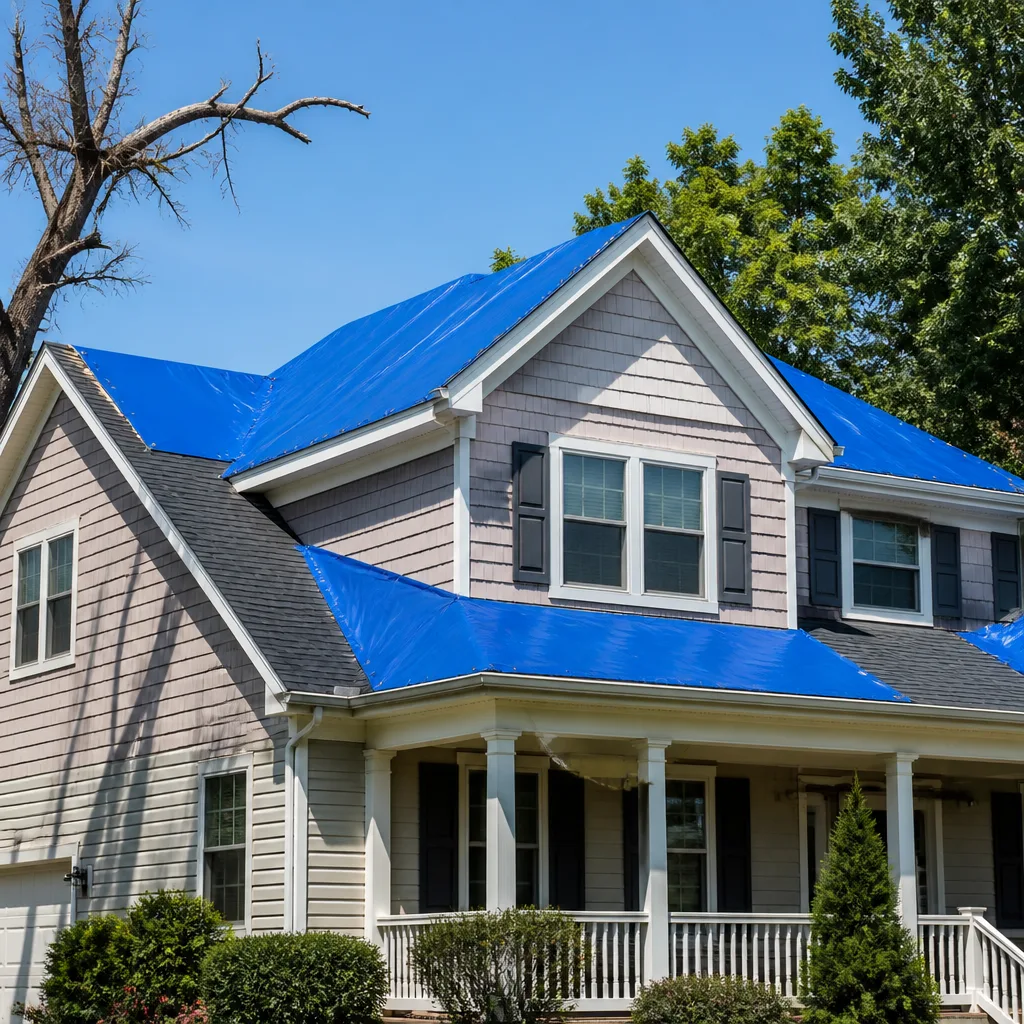
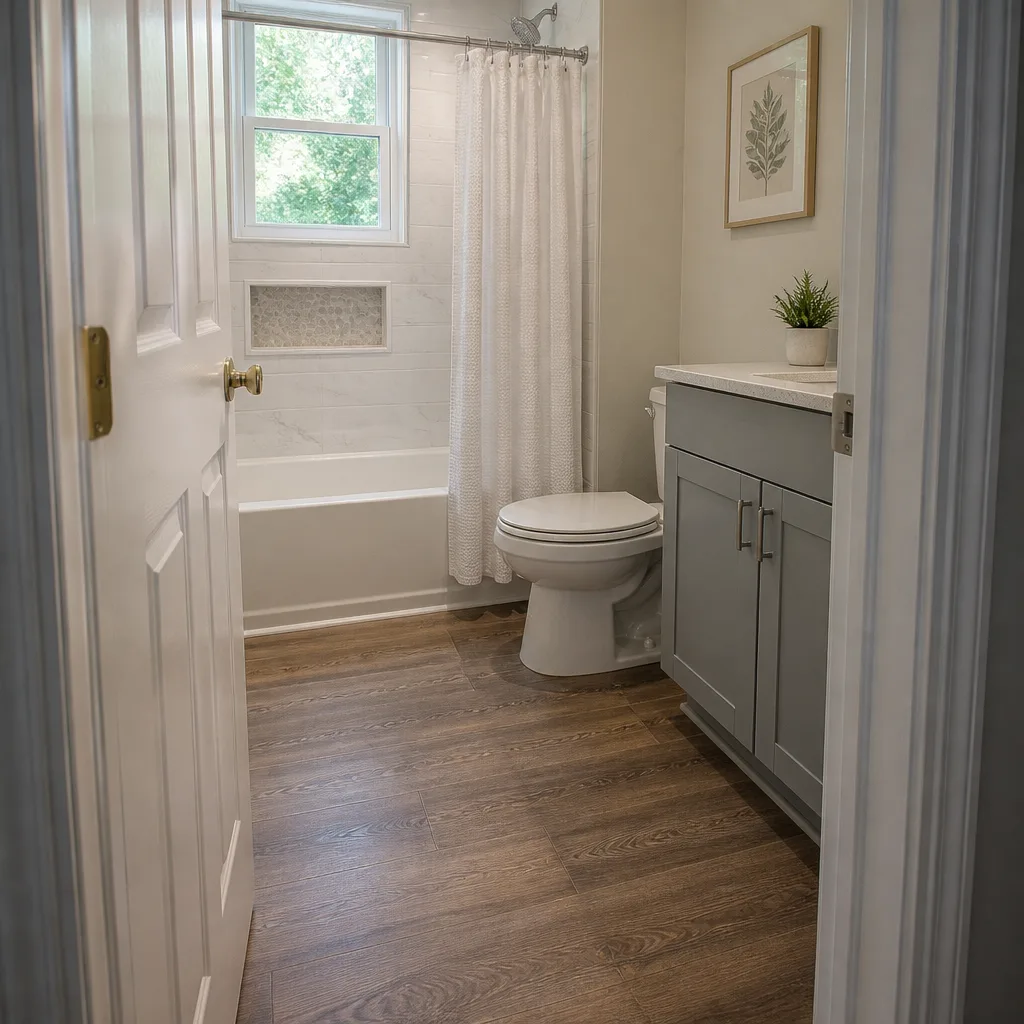
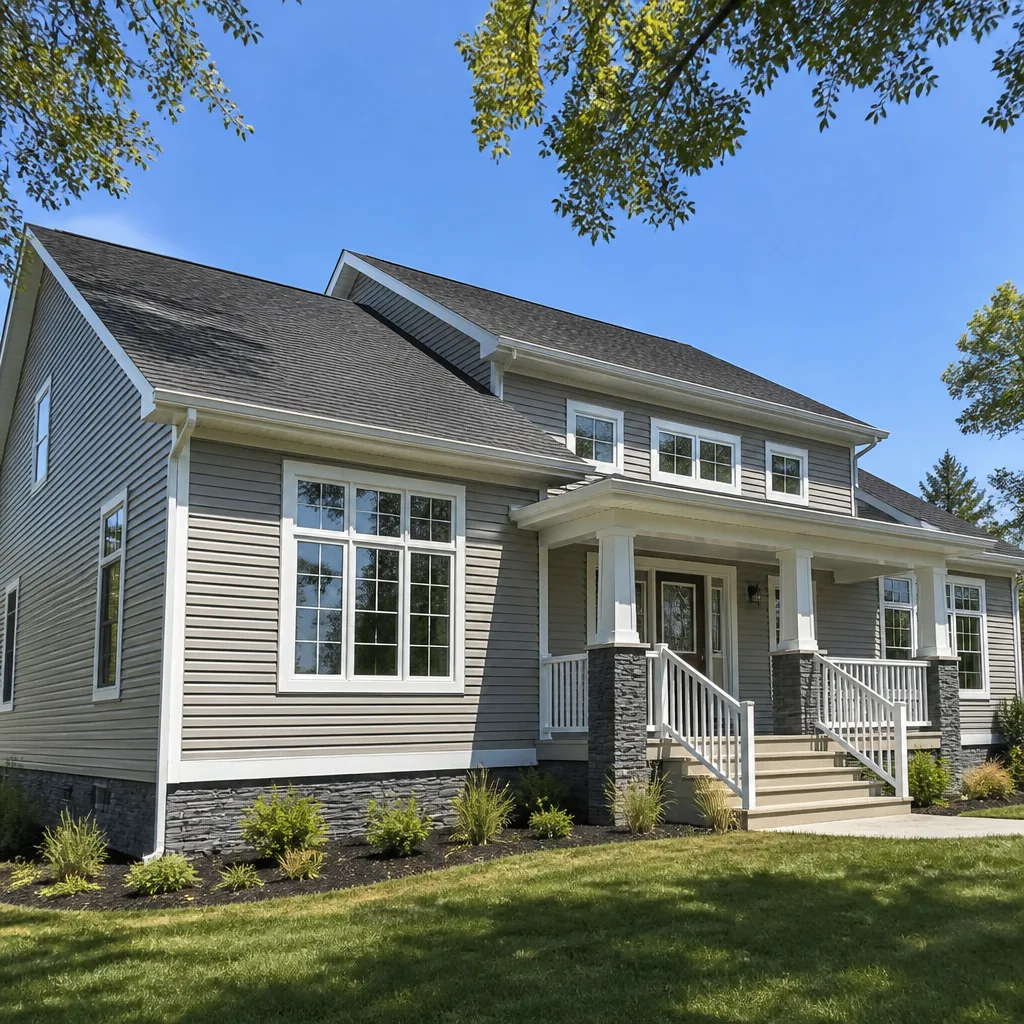
 Before
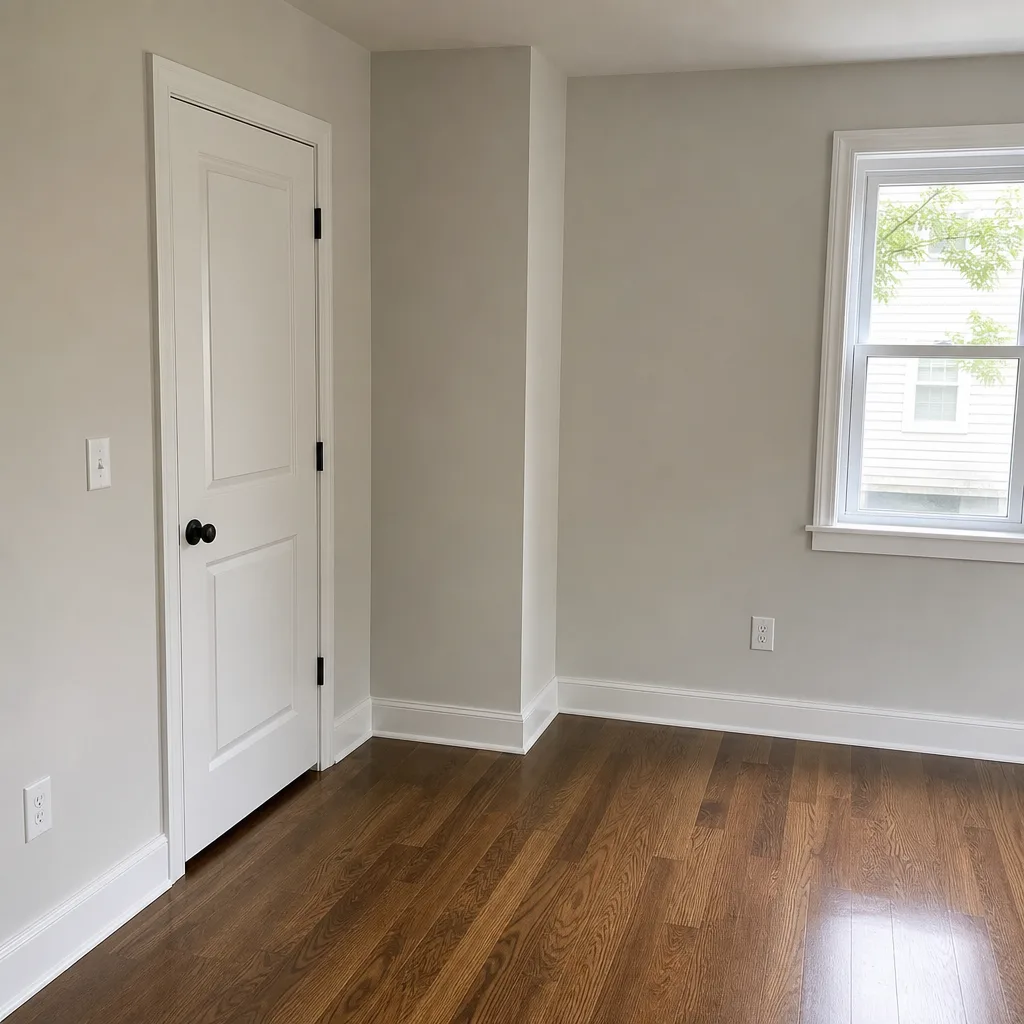 After
After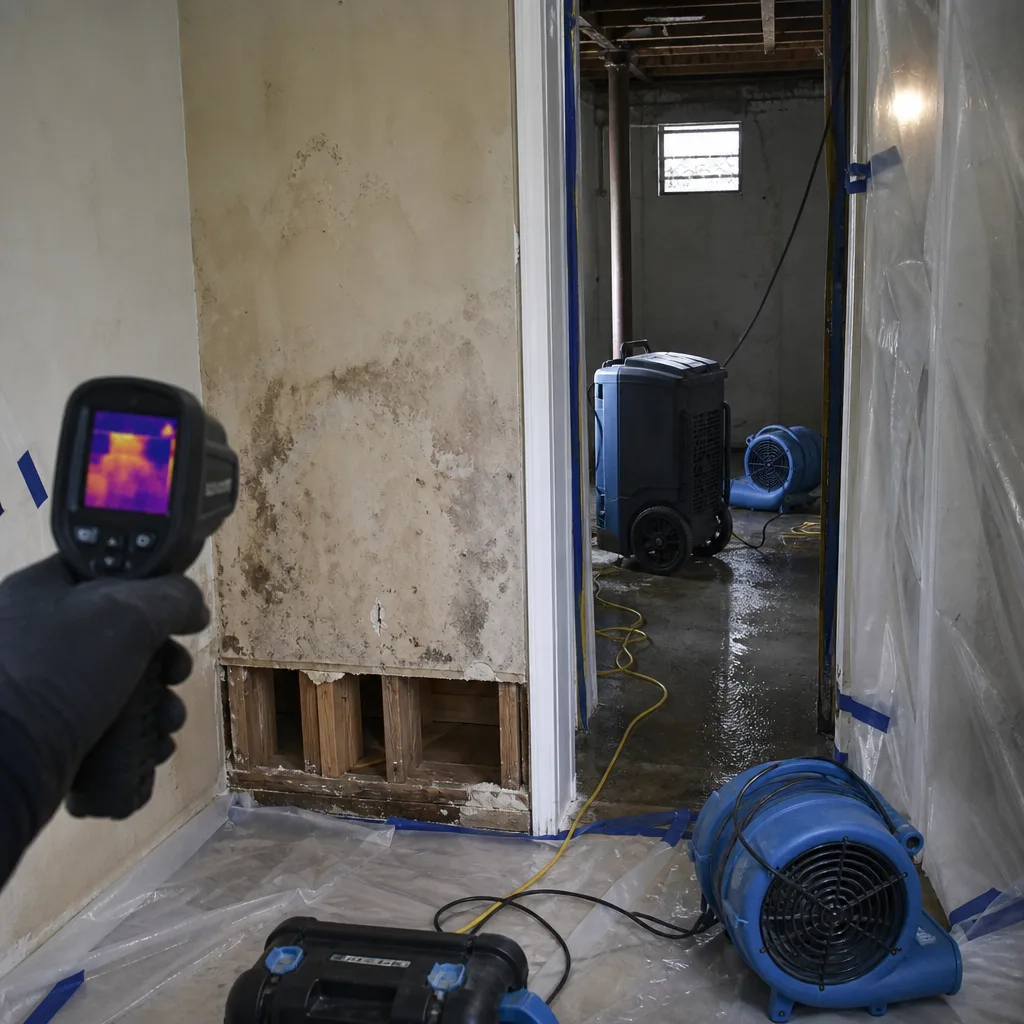 Before
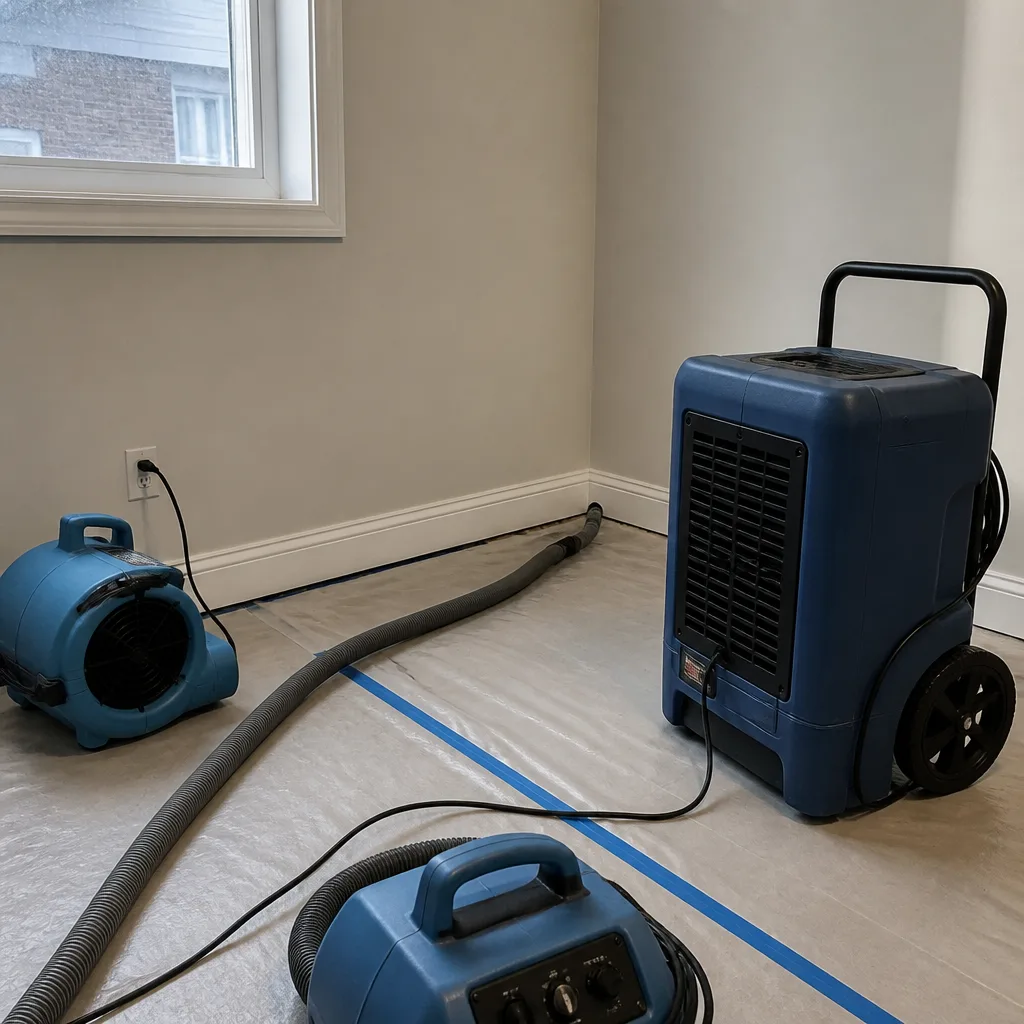 After
After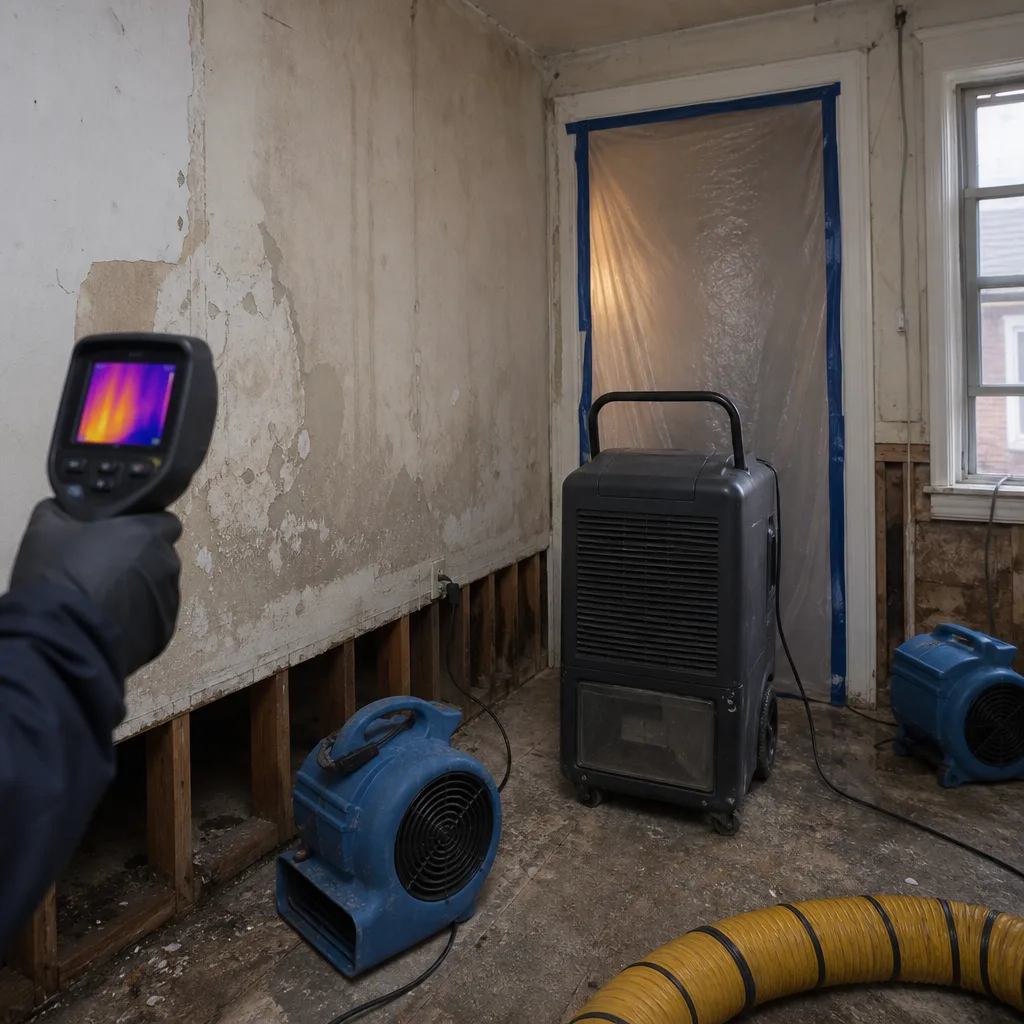 Before
 After
After24/7 Emergency Water Damage Restoration in West New York
Water damage restoration in West New York typically costs $1,200-$4,800 for a standard apartment-level incident, and emergency extraction crews can usually be on site within 45 minutes of your call. If you’re standing in water right now, call (201) 903-9581. Wade Ferris answers his own phone, day or night, and he can have extraction running inside the hour.
Here’s what matters in the first hour: water in West New York’s stacked brick apartment buildings doesn’t sit still. It moves. Down through concrete slabs, sideways through shared walls, into the unit below you before you’ve even found the shutoff valve. The faster we pull standing water and get air moving, the less chance that a simple pipe break becomes a four-unit mold remediation with four separate insurance claims. We offer a free visual inspection, no trip charge inside the county, and we’ll tell you straight if you actually need full restoration or just aggressive drying. One call, and Wade heads out.
Understanding Water Damage Restoration Severity in West New York Properties
Not all water damage is equal. We classify incoming water by its source and contamination level because it changes everything about how we treat it. Category 1 water comes from clean supply lines and is the most straightforward: a burst pipe under a kitchen sink, a failed supply line to a washing machine. Category 2 carries some contamination: dishwasher overflows, steam radiator condensate, sump failures. Category 3 water is grossly contaminated: sewage backups, Hudson River storm surge, street runoff that’s picked up whatever’s on the ground. In West New York’s older buildings, the classification matters even more because moisture moves through materials that were never designed for drying.
West New York’s 1940s-to-1970s brick apartment buildings are notorious for concealed leaks. A supply line fails on the fifth floor, water pools in a ceiling cavity, and nobody knows until a stain blooms on the third-floor tenant’s ceiling. By then the damage footprint is three units wide, not one. That’s why we run moisture mapping with thermal imaging on every job: we need to see where the water went, not just where you can see the damage. Structural drying in these buildings means treating concrete slab floors, plaster-on-masonry walls, and hardwood laid directly over subflooring that’s been soaked for days. The building envelope matters: those interior brick walls hold moisture like a sponge, and the limited cross-ventilation in apartment towers slows natural drying dramatically.
Why West New York Property Owners Choose Wade’s Restoration
- Wade answers his own phone, 24/7. Not an answering service, not a voicemail queue. A real person, usually the owner, picking up at 2 a.m. when your ceiling just opened up.
- 45-minute response commitment. For emergency water extraction in West New York, we target on-site arrival in under 45 minutes. The sooner extraction starts, the less damage you’re fighting.
- IICRC-certified crews. Our technicians hold WRT (Water Damage Restoration Technician) and ASD (Applied Structural Drying) certifications, and we run RIA-affiliated protocols on every job.
- Free visual inspection. No charge to look, no charge to tell you what you’re actually dealing with. We hand you a written scope before any work starts.
- Direct insurance billing. We document everything from the first hour, work directly with your adjuster, and handle the claim paperwork so you’re not stuck relaying information.
- One team from extraction to reconstruction. We pull the water, dry the structure, and rebuild it. No handoffs, no subs you’ve never met, no finger-pointing between companies.
Our Water Damage Restoration Process
Inspection & Assessment
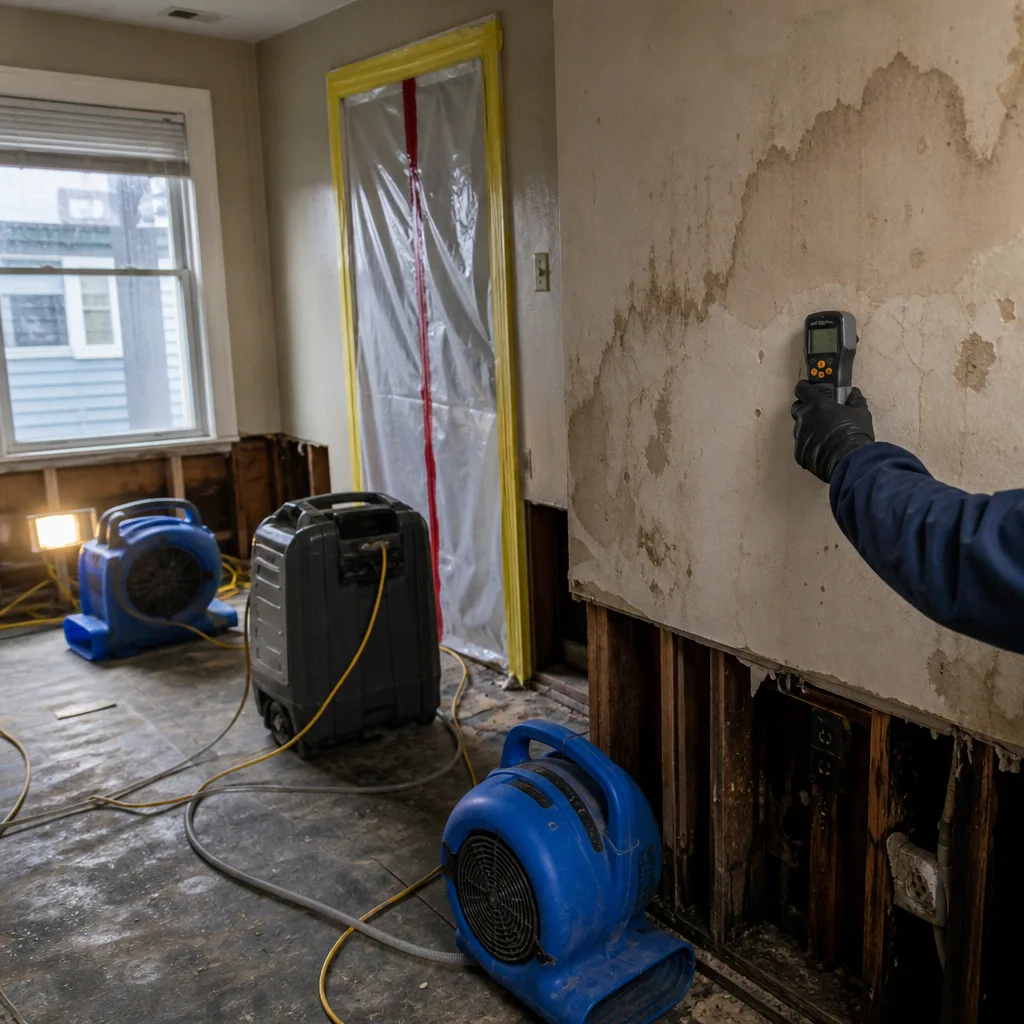
We start with a full visual inspection plus thermal imaging and moisture meters. In West New York apartment buildings, we check not just the obvious wet area but adjacent units, shared walls, and ceiling cavities above and below. You get a written scope and firm price before any work begins.
Extraction & Stabilization
Standing water comes out fast, using truck-mounted and portable extraction units. In multi-story buildings, we stabilize the affected area by containing the spread and shutting down water sources upstream. Every wet porous material gets evaluated for salvage vs. replacement.
Drying & Dehumidification
We set up air movers and dehumidifiers sized to the cubic footage of each affected space, not a one-size-fits-all fan setup. In West New York’s low-ventilation apartment buildings, we monitor drying progress daily with hygrometers and adjust placement until the wood, concrete, and gypsum hit their target moisture content.
Cleaning & Sanitization
Category 2 and 3 losses get antimicrobial treatment and HEPA air scrubbing to knock down airborne particulates. We clean salvageable contents on site where possible. For sewage or surge water, full containment and negative air pressure are standard before we disturb anything.
Targeted Treatment
West New York’s flat-roofed brick buildings have specific failure patterns: clogged rooftop drains saturating top-floor ceilings, steam radiator fitting leaks in aging supply lines, storm surge in below-grade garden units. Our crew treats the source, not just the symptom, so the problem doesn’t come back next season.
Repairs & Restoration
Drywall cuts, insulation replacement, hardwood refinishing, paint, trim: we bring the unit back to pre-loss condition with the same crew that did the drying. No passing you off to a stranger’s truck. One team, one name on the door.
Need Emergency Water Damage Restoration in West New York Now?
Crews minutes away, answering live 24 hours a day. The sooner we start, the less it costs.
Working With Your Insurance Company
We do this every day, and we do it well. From the first hour on site, we document everything: moisture readings, thermal images, damage photos room by room, and a line-item scope that speaks the insurer’s language. We work with your adjuster directly, so you’re never stuck in the middle translating between our crew and your carrier. In West New York apartment buildings, the most complicated part is multi-unit losses, where one pipe break touches four owners and four policies. We coordinate that mess so you don’t have to. The goal is always the same: get the claim paid at a fair amount and get the building dried right.
What We Provide Your Insurer
- Thorough documentation of the loss
- Photos of all damage, room by room
- Moisture readings and drying logs
- A detailed, line-item scope of work
- Direct coordination with your carrier
Built for West New York’s Loss Calendar
West New York’s water damage patterns follow the seasons, and we’ve seen every month on that calendar. January and February bring deep freezes that burst supply lines in uninsulated walls and riser closets. Buildings from the 1950s and 60s in West New York often have original galvanized piping that’s been corroding for half a century. A freeze event that wouldn’t faze a newer building will split those pipes wide open. The Bergenline Avenue corridor and surrounding blocks have a concentration of these aging systems.
Spring brings nor’easter rain events. The steep grade of the Palisades funnels surface runoff aggressively into below-grade and garden-level units. Sump pumps run hard, window wells fill, and flat roofs with clogged drains start ponding. Summer thunderstorms dump an inch of rain in twenty minutes, overwhelming roof drains on the flat-roofed brick apartment buildings and backing water into top-floor units. Fall is rooftop drain season: leaves and debris block scuppers, water ponds on tar-and-gravel roofs, and the first good rain sends it through the membrane into whatever’s below. All year round, steam radiator systems leak at fittings and soak the floor assembly under them.
Water Damage Restoration Across West New York’s Neighborhoods
West New York packs a lot of housing into barely one square mile, and the damage patterns shift block by block. Along Bergenline Avenue, the commercial corridors on the lower floors of brick apartment buildings mean a restaurant or shop leak above you goes straight into residential units below. The Boulevard East corridor overlooks the Hudson and offers a different challenge: high-rise buildings where pipe chases and riser walls run the full height of the structure, letting a single supply-line failure cascade through ten floors if the shutoff valve is hidden behind a locked riser room door.
The lower riverside blocks near Donnelly Park and along the waterfront sit in the Hudson River storm-surge zone. A nor’easter storm surge pushing into below-grade lobbies and basement utility rooms carries Category 3 water loaded with river silt and harbor contaminants. Not a clean water problem. The mid-town blocks between Bergenline and Palisade Avenue, dense with mid-century six-story brick buildings, are where we see the most multi-unit pipe breaks: shared stacks, aging galvanized risers, and concrete slab floors that transmit water laterally to the units next door. Over toward the Union City border, garden-level units on the westward blocks bear the brunt of surface runoff from the Palisades grade. Each area needs a different playbook.
Specialized Water Damage Restoration Services We Offer in West New York
Emergency Water Extraction
Standing water in a West New York apartment gets pulled quickly, before it migrates through slab floors into the unit below. We arrive with truck-mounted extractors for larger commercial or building-wide losses and portable units for tight apartment spaces. Fast extraction is the single biggest factor in whether your hardwood survives.
Structural Drying & Dehumidification
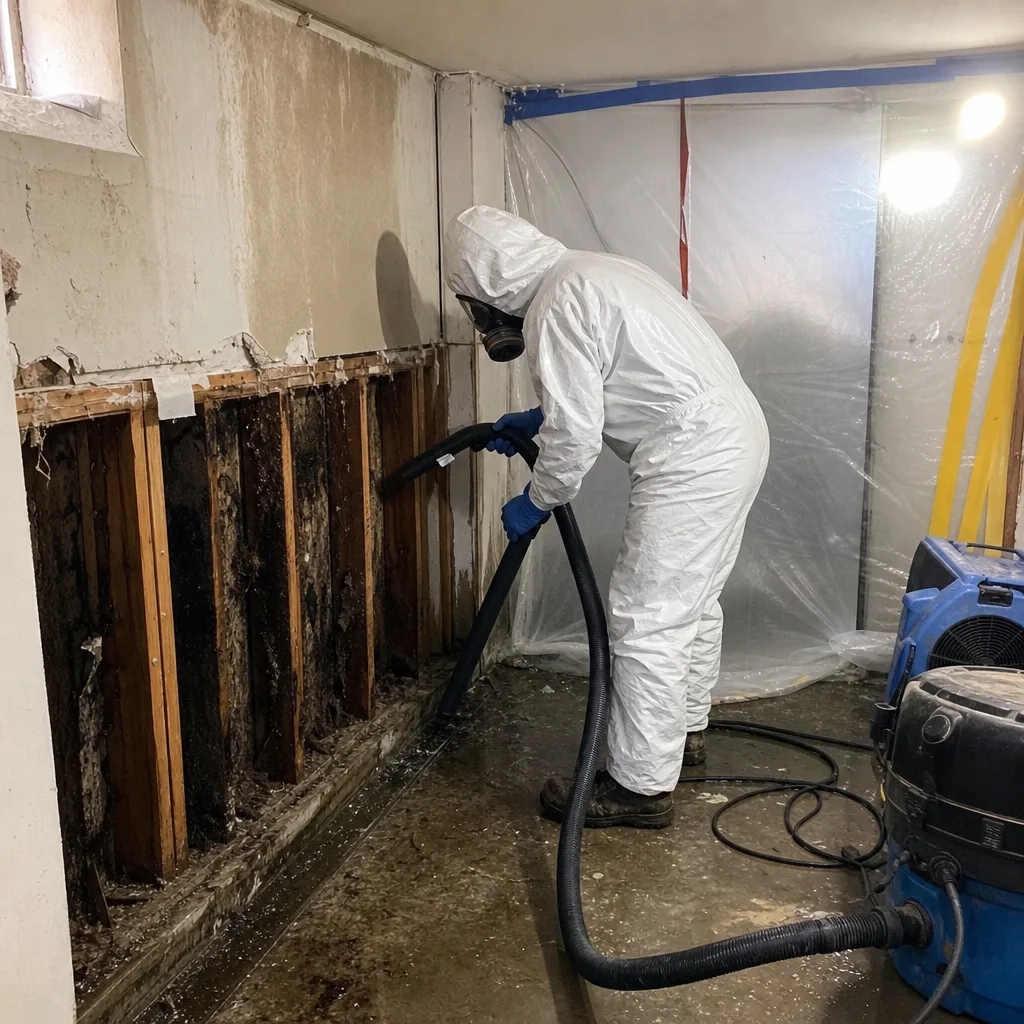
West New York’s older brick buildings need aggressive, engineered drying. We calculate cubic footage per room and place Dri-Eaz Phoenix and XPOWER air movers plus commercial dehumidifiers accordingly. Daily moisture readings are logged and shared with you and your adjuster. In a multi-unit building, we monitor adjacent spaces too, because drying one unit with contained air pressure pushing into another apartment creates secondary claims.
Flood Cleanup
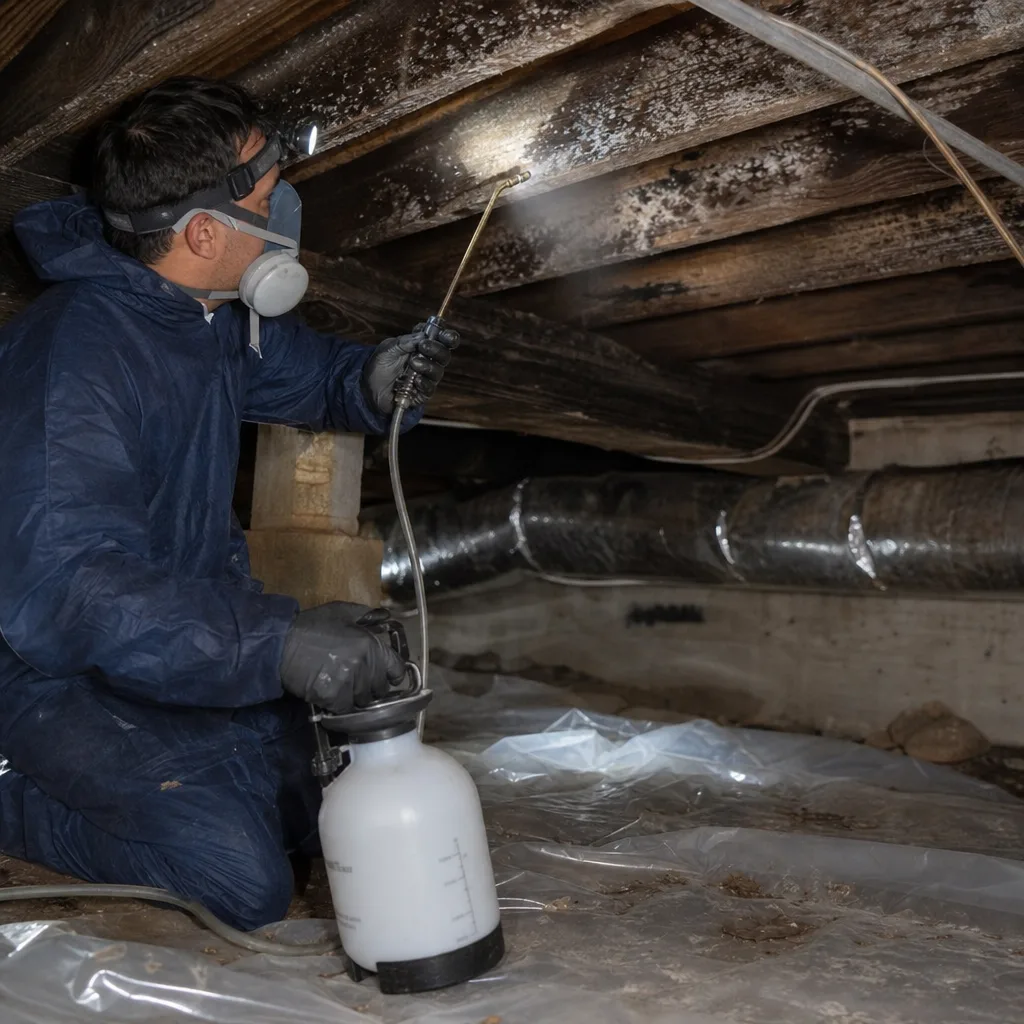
For storm surge in lower riverside blocks or flash flooding off the Palisades grade in West New York, flood cleanup means Category 3 water protocols: full containment, HEPA air scrubbers, antimicrobial treatment, and disposal of saturated porous materials that can’t be salvaged. Saltwater saturation is particularly aggressive on sheetrock and hardwood: materials that seem dry in two weeks can fail in six months if not properly treated.
Burst Pipe Restoration
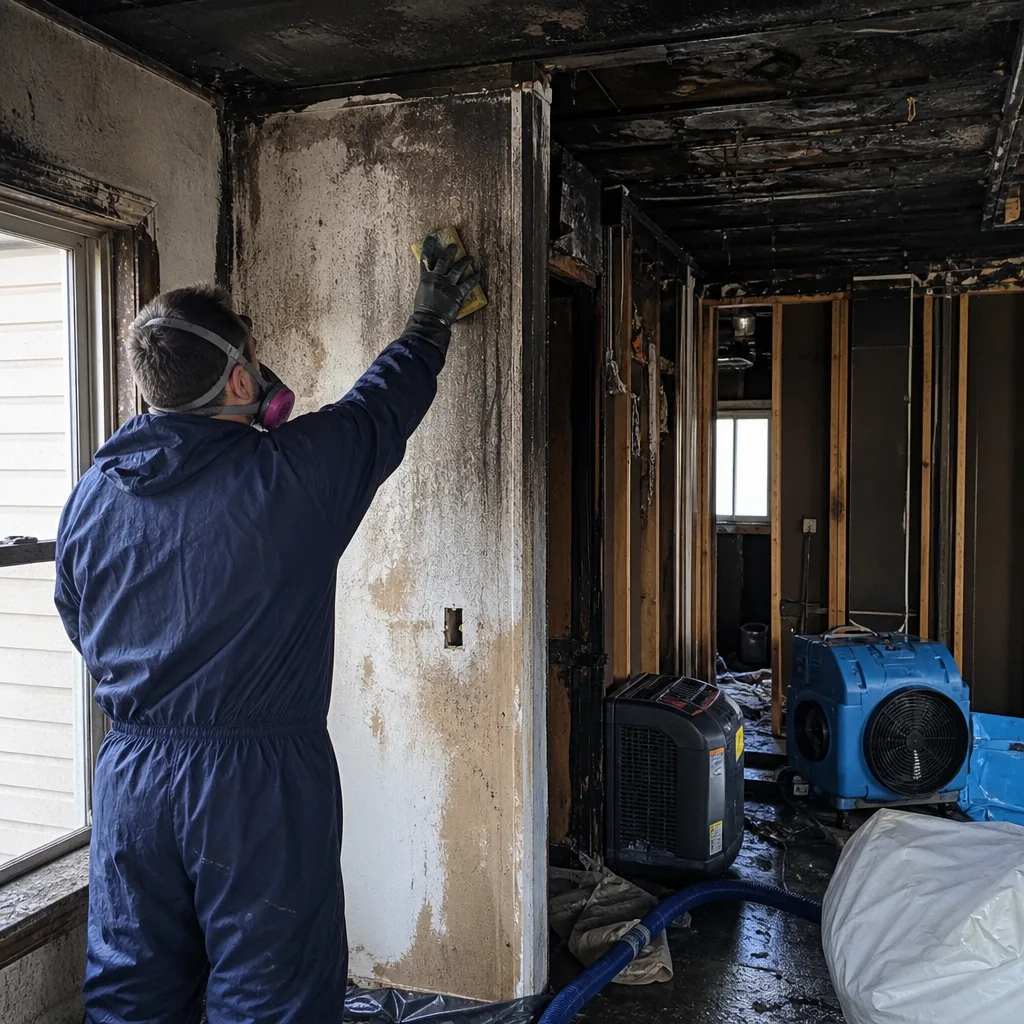
Frozen supply lines and failed fittings in West New York’s aging galvanized and cast-iron systems are our bread and butter. We shut down the source, extract, map the moisture path, and dry the affected structure. In stacked units, we coordinate with your neighbors and the building owner so extraction in your unit doesn’t just push water into theirs.
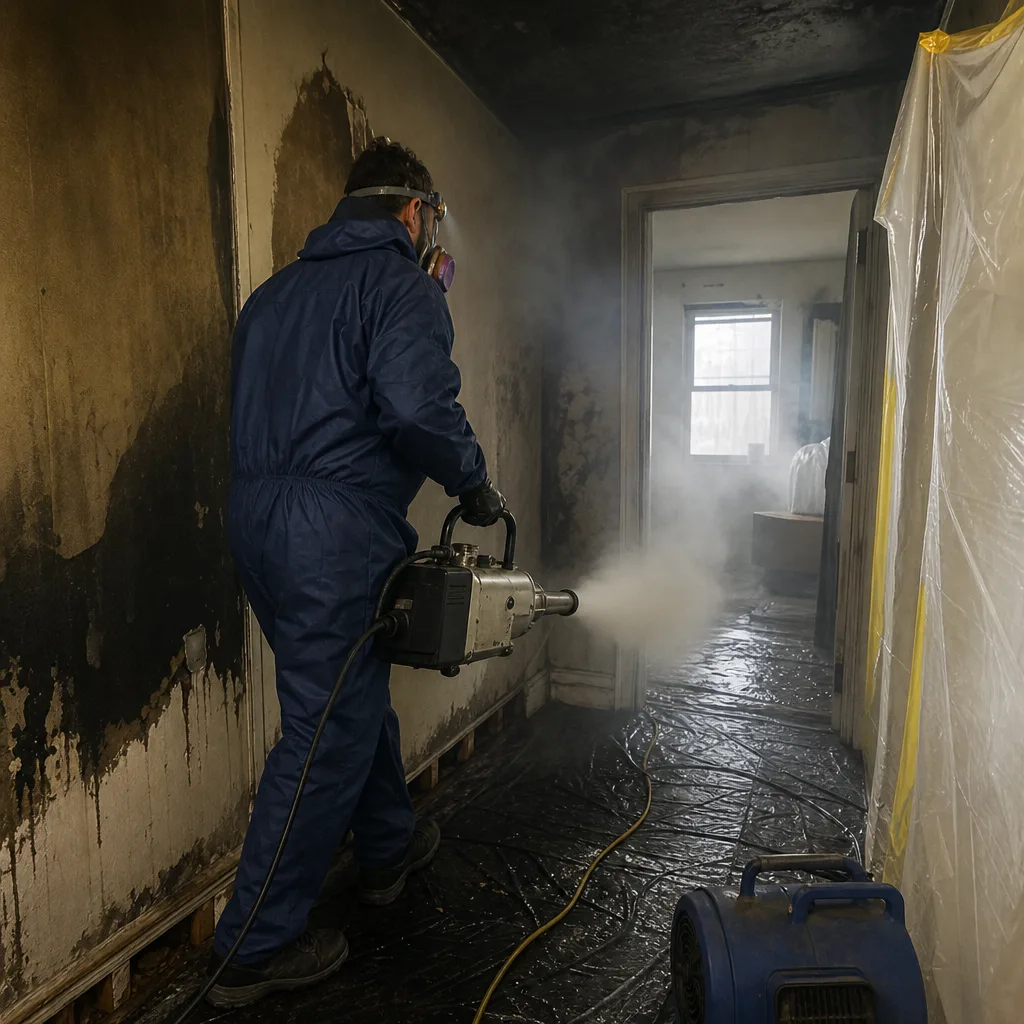
Basement Water Removal
For the lower-level units in West New York that face Hudson River surge risk or runoff from the Palisades, basement water removal starts with extraction and doesn’t stop until concrete moisture levels read acceptable. Saltwater and sewage-affected spaces get full decontamination before drying begins.
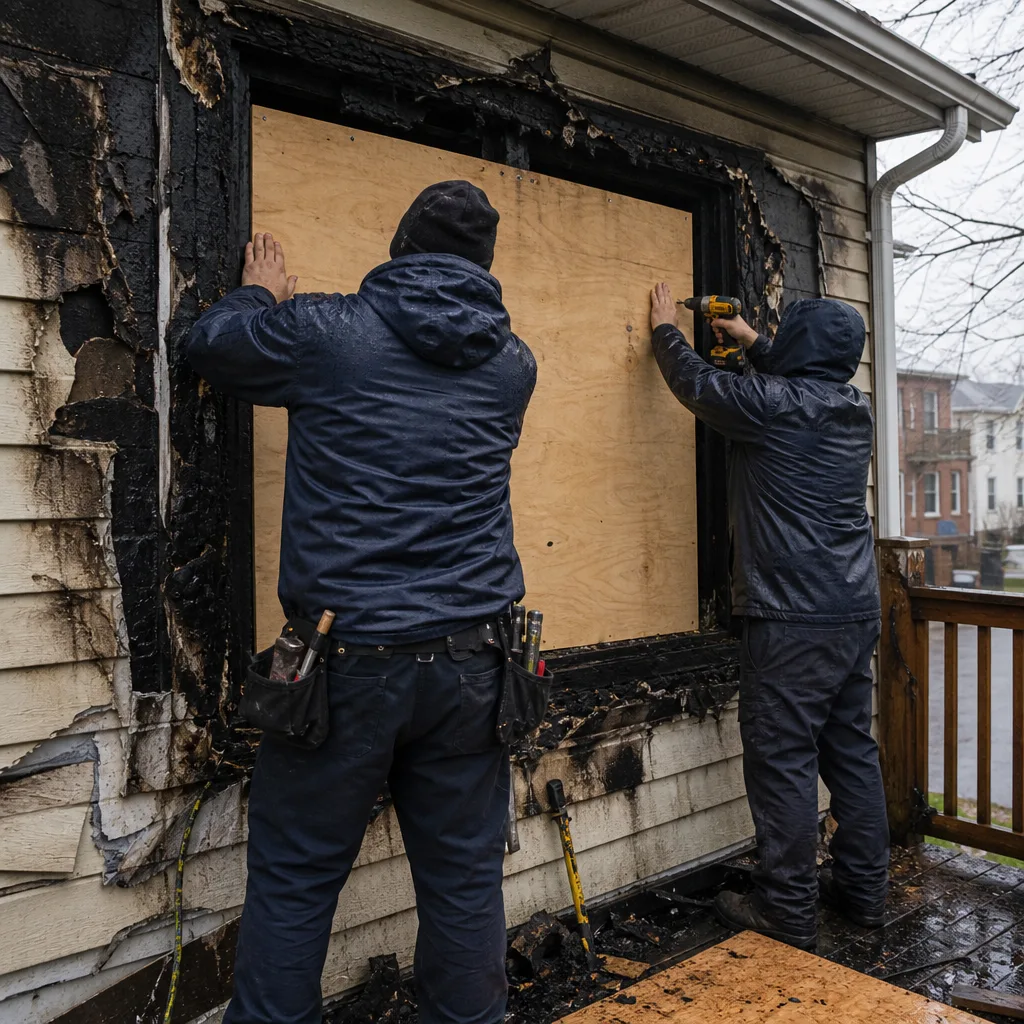
Ceiling & Roof Leak Water Damage
A ceiling stain from a clogged rooftop drain in West New York is never just a ceiling stain. By the time the stain appears on the top floor, water has been moving through the membrane and the gypsum for days or weeks. We trace the true moisture path with thermal imaging, open the ceiling, dry the cavity, and repair the source connection before patching and refinishing.
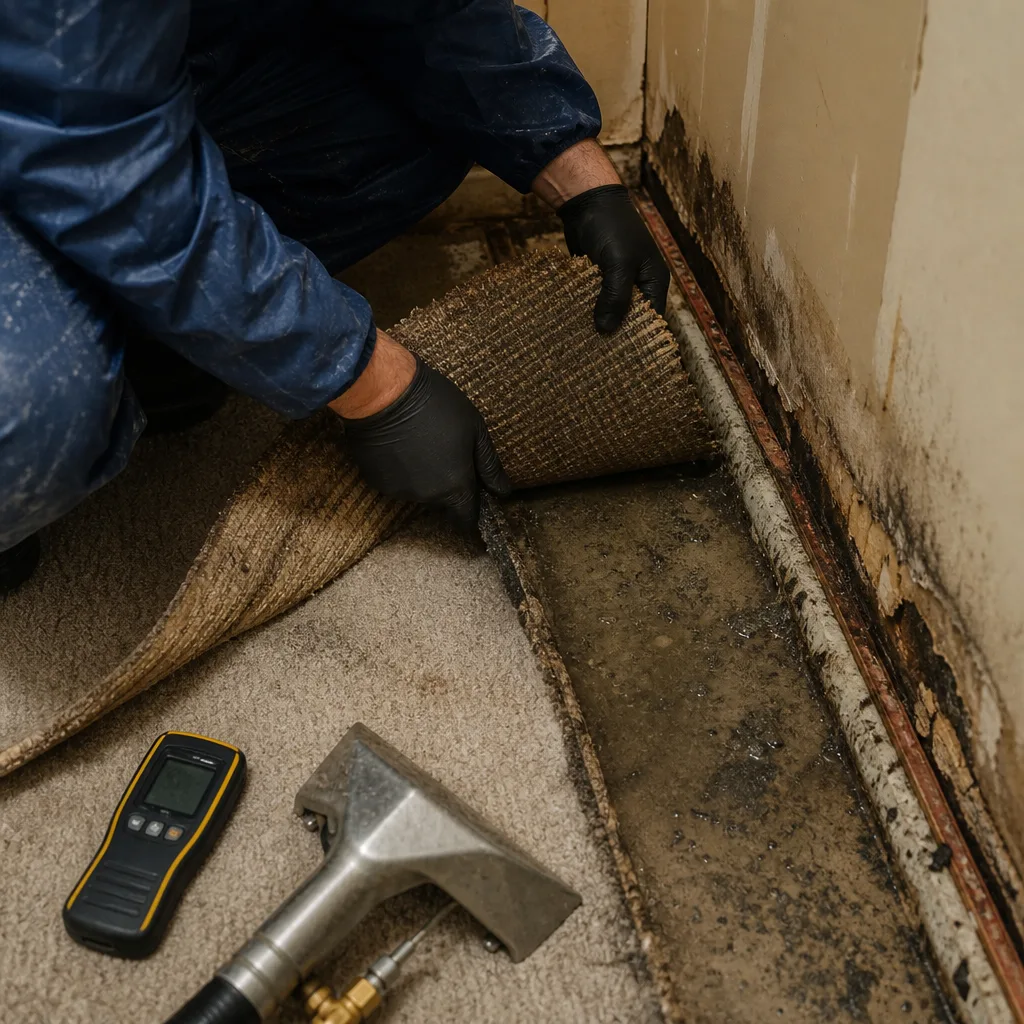
What happens when you call
- 1
A real person answersNo phone trees - you reach a local pro.
- 2
You get an upfront price rangeHonest numbers before anyone is dispatched.
- 3
A background-checked tech heads outLicensed & insured, dispatched right away.
- 4
You approve before work beginsNothing starts until you say go.
Water Damage Restoration Costs in West New York, NJ
Here’s what you can expect in West New York. Emergency water extraction for a single apartment unit typically runs $1,200-$3,500 depending on the size of the affected area and how long the water has been sitting. Structural drying adds $1,500-$4,000 for multi-room drying with equipment placement and daily monitoring. A full burst-pipe restoration in a mid-century West New York apartment, including drywall, insulation, and flooring, usually lands between $4,000 and $12,000. Ceiling and roof leak repairs, when the source is a clogged rooftop drain or failed membrane seam, run $1,800-$5,500 including drying the ceiling cavity and rerouting moisture away from the living space below.
Multi-unit losses cost more because containment and coordination are bigger jobs. A four-unit stacked-pipe break can easily hit $25,000-$60,000 across the building, split among owners and insurers. What moves the price: Category 3 water vs. clean water, the number of floors the water traveled, whether hardwood is salvageable, and whether containment is required. Most West New York policies cover sudden and accidental water damage, but gradual leaks are often excluded. Our free inspection gives you a firm number and a written scope before you spend a dollar. Call (201) 903-9581.
We Also Serve Cities Near West New York
We regularly work in Jersey City, Hoboken, Harrison, and Kearny. The damage patterns differ in each, but the process is the same: fast extraction, honest assessment, and drying done right. If you’re in a neighboring town with water in your building, the same crew and the same 45-minute response commitment apply.
Serving West New York, NJ - Our Local Coverage Area
We’re based in the West New York area and know this community well. Use the map below to see our service coverage - if you’re nearby, we can almost certainly help.
West New York Water Damage Restoration Questions, Answered
Why does a water leak in one West New York apartment usually require access to units above and below?
Because water in West New York’s 1940s-to-1970s brick apartment buildings travels through shared walls and concrete slab floors faster than anyone realizes. A pipe break on the fifth floor can saturate ceiling cavities and wall assemblies that drain into the fourth and third floors before a stain appears on anyone’s ceiling. To properly dry the structure and prevent secondary mold claims, we need access to every affected unit. Building management or the condo board typically coordinates this. Call (201) 903-9581 and we’ll walk you through what’s needed.
How quickly does mold grow in West New York’s older brick buildings after a leak?
Mold colonization can begin within 24 to 48 hours of a moisture event in West New York’s older brick buildings, especially in the warm months when humidity is high and cross-ventilation is limited. The concrete slab floors and plaster-on-masonry walls hold moisture longer than drywall in a suburban home. If a leak has gone undetected for more than a couple of days, we treat it as a mold risk and recommend containment with HEPA air scrubbing during drying. The quicker extraction starts, the less chance mold has to take hold.
Are lower riverside blocks in West New York more prone to Category 3 water damage?
Yes. The lower riverside blocks of West New York, near the waterfront and around Donnelly Park, sit in the Hudson River storm-surge zone. During nor’easters and severe coastal storms, surge water carries river silt, salt, and urban contaminants into below-grade lobbies, utility rooms, and garden-level units. That’s Category 3 water, requiring full decontamination, not just drying. Saltwater saturation also attacks sheetrock and hardwood aggressively, meaning materials that seem dry may need replacement within months.
What should a condo board in West New York do when a rooftop drain clogs and water reaches multiple top-floor units?
The board should shut off water to the affected riser if possible, clear the clogged roof drain immediately to stop additional ponding, and call a restoration company with multi-unit experience. In West New York’s flat-roofed brick apartment buildings, a clogged rooftop drain on a six-story building can send water down through four or more units. Containment on each floor, moisture mapping with thermal imaging, and daily drying logs shared with all affected owners and their insurers are essential. Call (201) 903-9581 and we can be on site within the hour to stabilize the building.
Do West New York building permits require anything special for water damage restoration in high-rise brick apartments?
West New York requires permits for structural repairs that go beyond cosmetic restoration, particularly in multi-family buildings. For most restoration work that involves replacing drywall and flooring, permits may not be required, but if the water damage exposed structural framing, compromised fire-rated assemblies, or affected common areas like stairwells or riser rooms, the building department will want to review the work. We coordinate with your building management and the town building office so the job stays compliant.
How fast can you actually get to West New York for a water emergency?
We target on-site arrival within 45 minutes for emergency extraction in West New York. Wade Ferris or one of his senior crew members is usually already in the Hudson County area on any given day. For middle-of-the-night emergencies, the phone still gets answered by a live person, and someone heads out immediately.
What should I do in the first 30 minutes after discovering water damage?
Shut off the water source if you can locate the shutoff valve safely. Move small valuables and electronics out of the water. Don’t use a vacuum cleaner to remove water. Don’t turn on ceiling fans in the wet area, which can spread mold spores. Call your building management if you’re in an apartment, and call (201) 903-9581. Extraction in the first hour is the single biggest factor in how much damage you’re ultimately repairing.
What certifications does Wade’s Restoration carry?
We hold IICRC certifications including WRT (Water Damage Restoration Technician) and ASD (Applied Structural Drying), and we’re affiliated with the RIA and recognized by the IFA. Our crews train on Dri-Eaz and Phoenix equipment protocols, and we follow industry standards for moisture mapping, structural drying, and decontamination on every job.
Water damage in West New York doesn’t wait, and neither do we. Call (201) 903-9581 for a free estimate, a free visual inspection, and a straight answer from the owner. Wade Ferris built Water Damage Restoration on a simple promise: show up fast, tell the truth, and do the job right. Serving West New York and the surrounding communities, one apartment building at a time. The 90-Day Done Right Promise is in writing on every contract. If it’s not done right, Wade makes it right. No fine print, no runaround.
Written by Wade Ferris, Owner at Wade’s Restoration, serving West New York since 2007.