
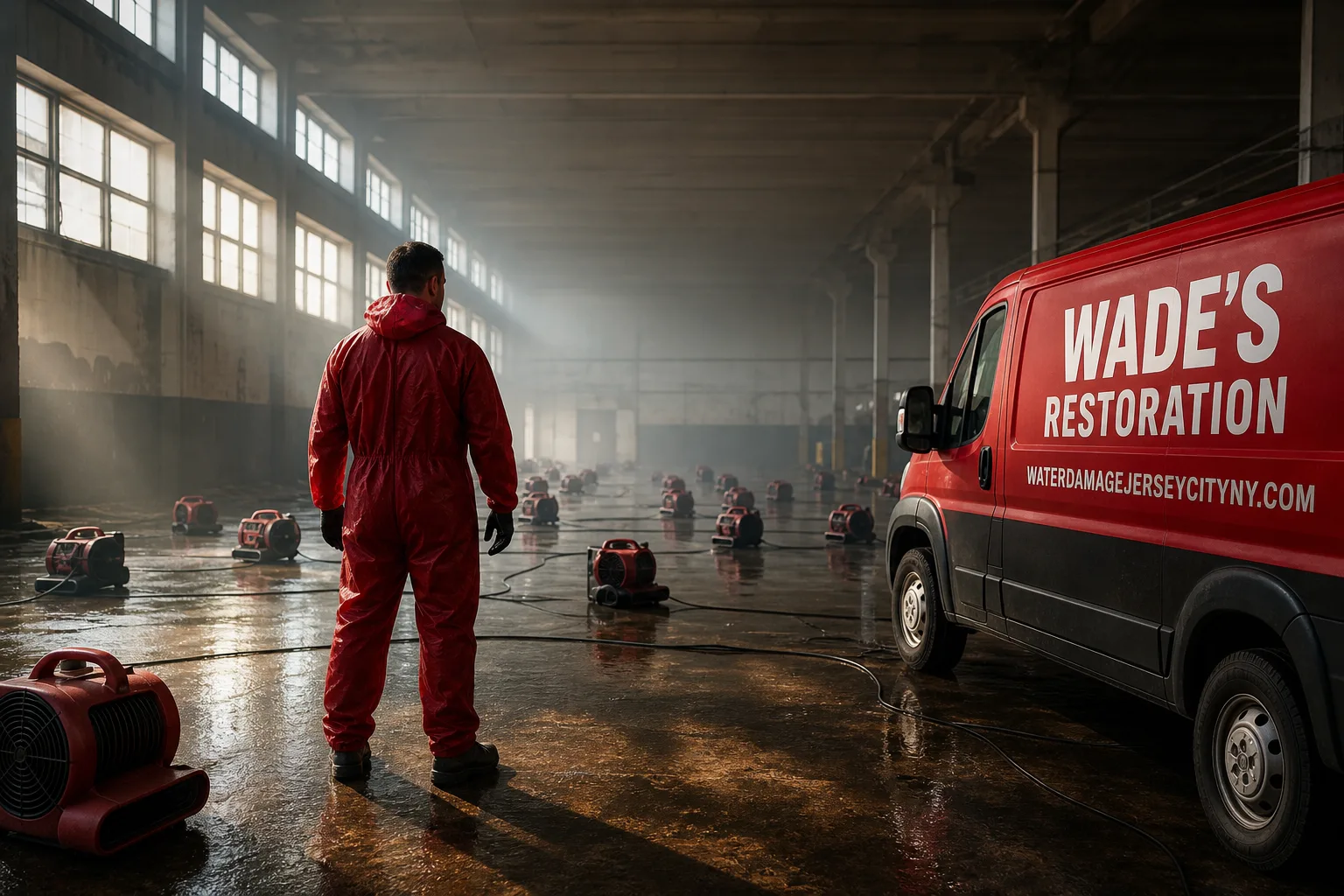
Free visual inspection and a written scope of work before any mitigation begins - photos, moisture readings, and drying logs go in your claim file
The scope we write is the scope we bill. Anything new gets shown to you, in writing, before we touch it.
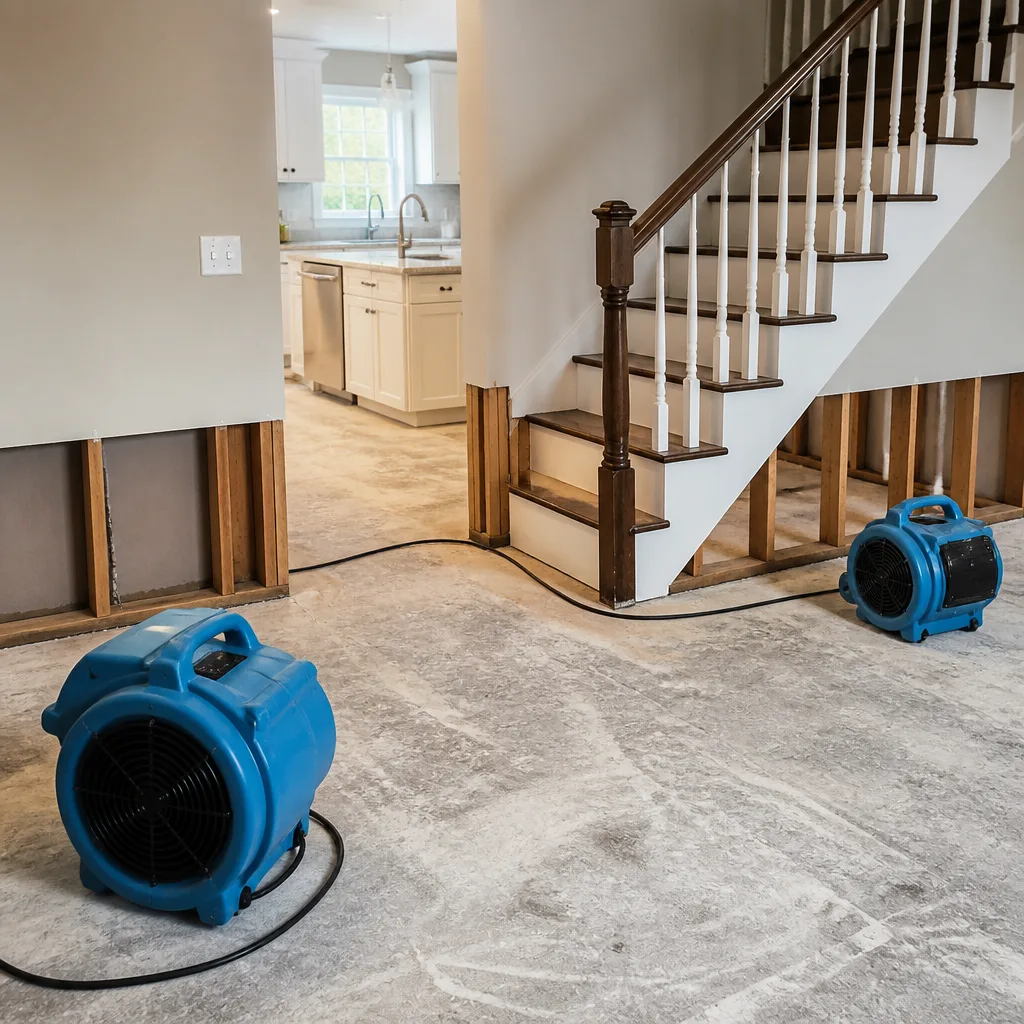
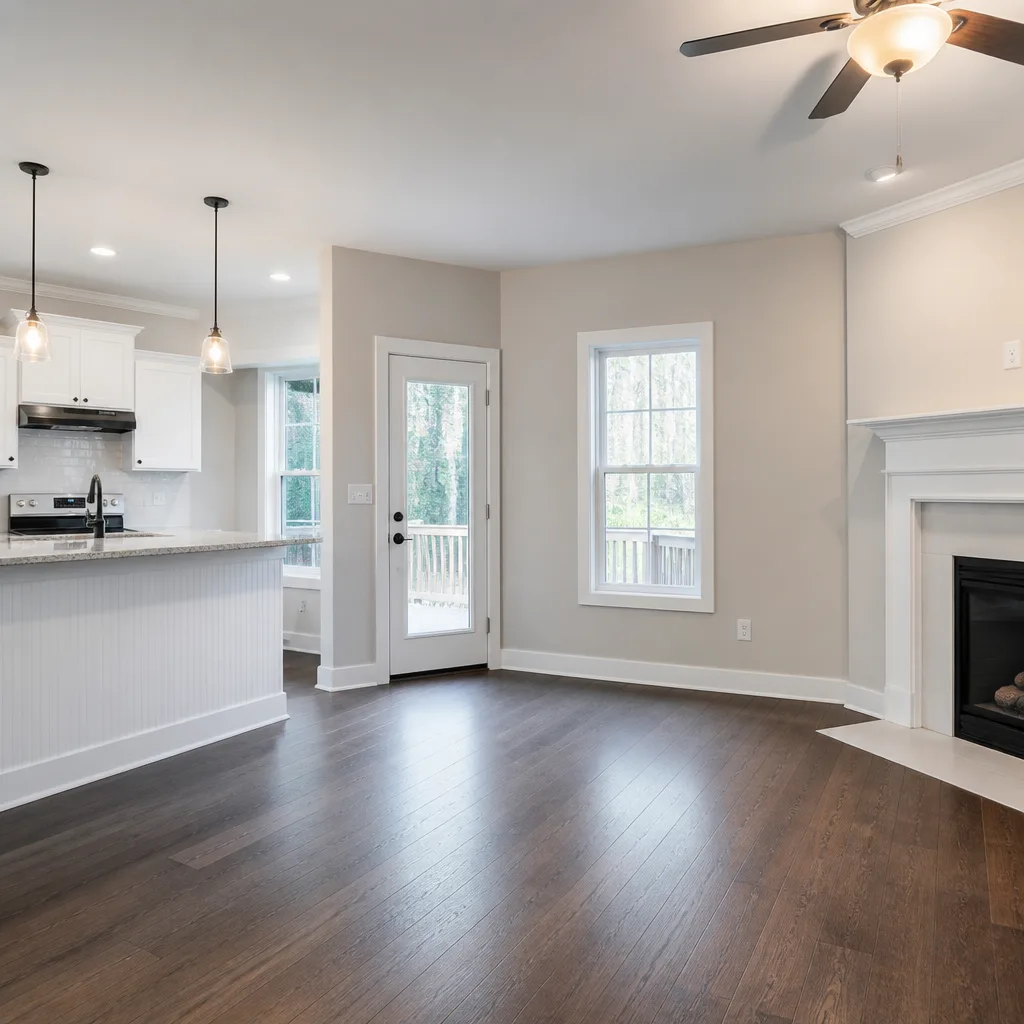
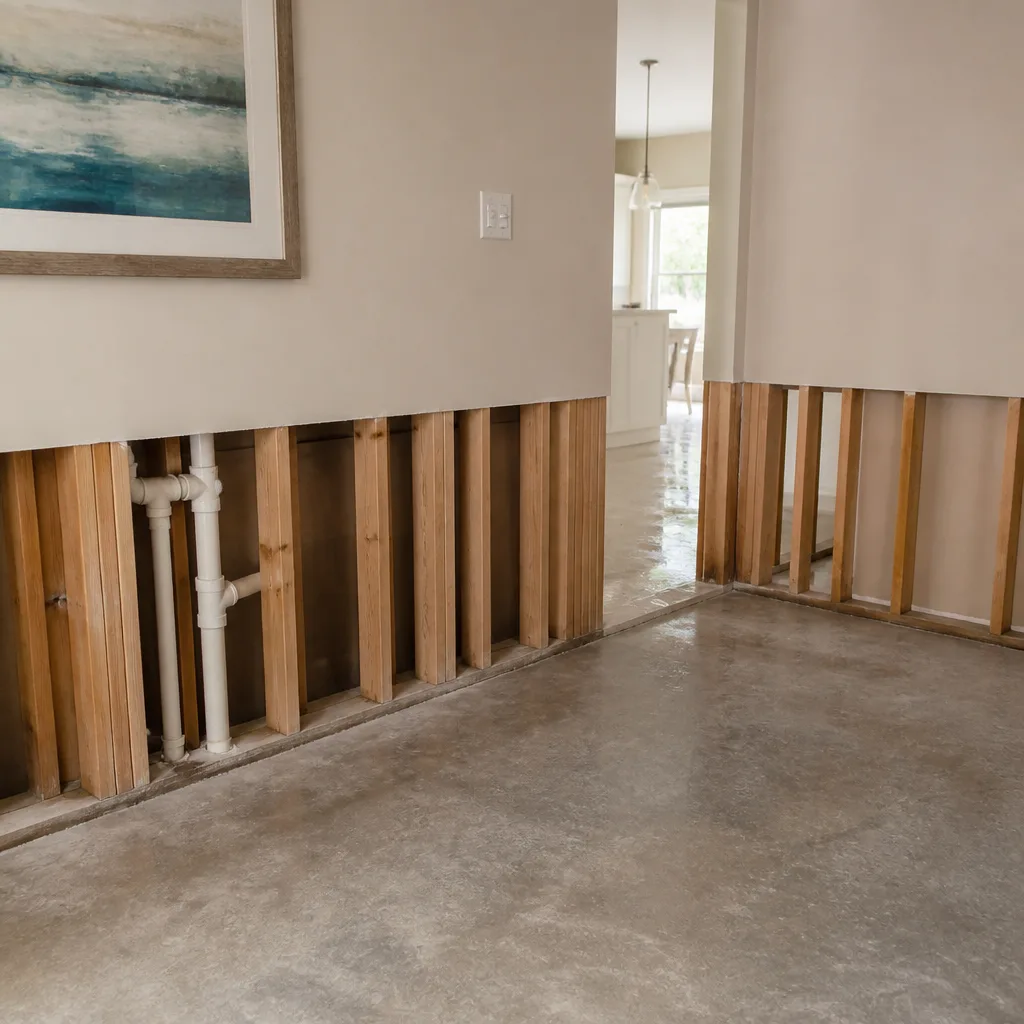
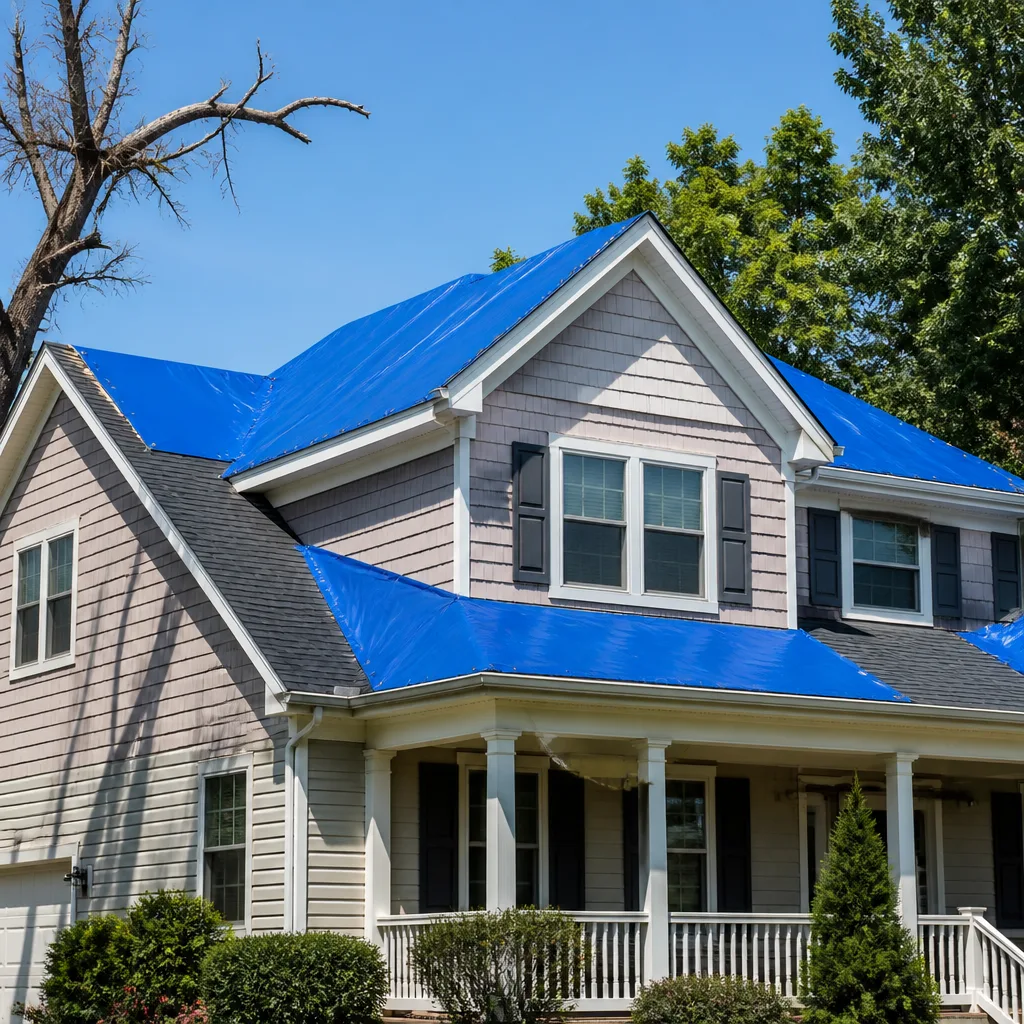
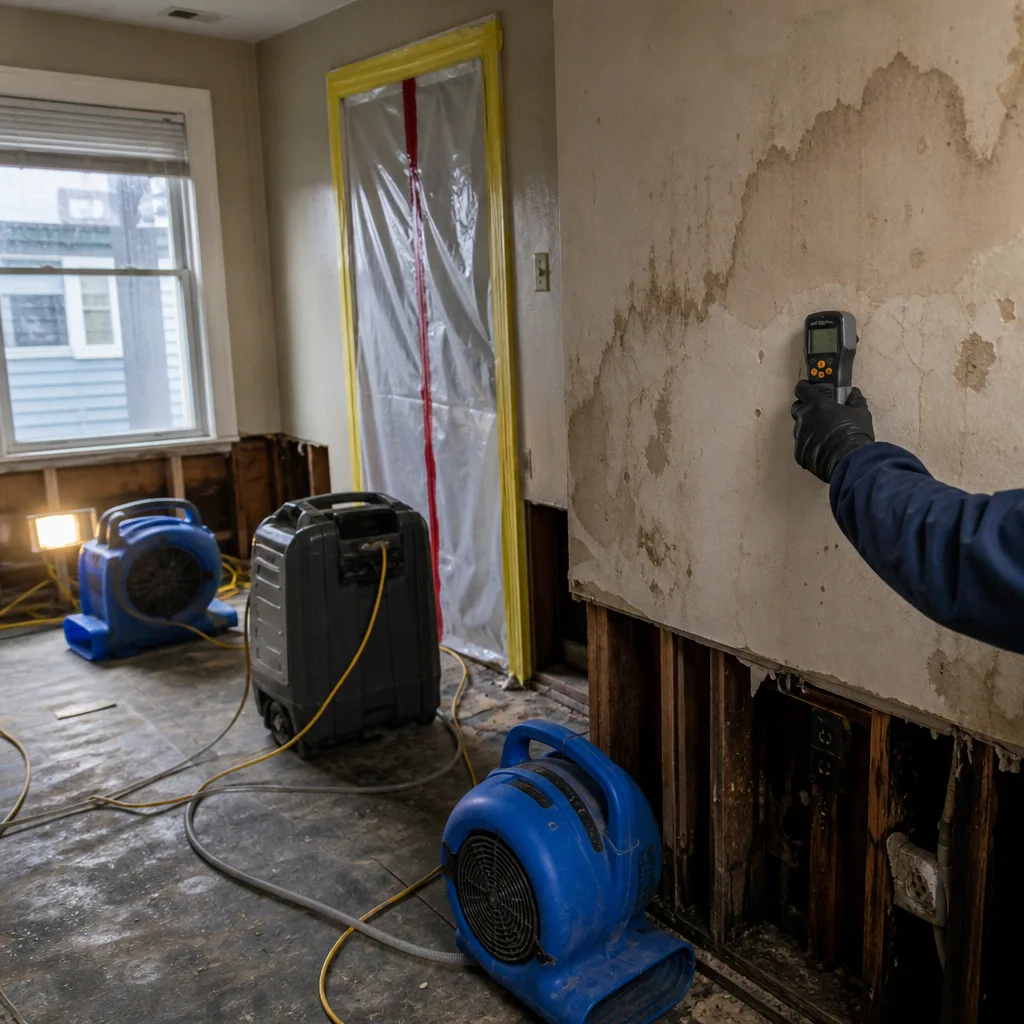 Before
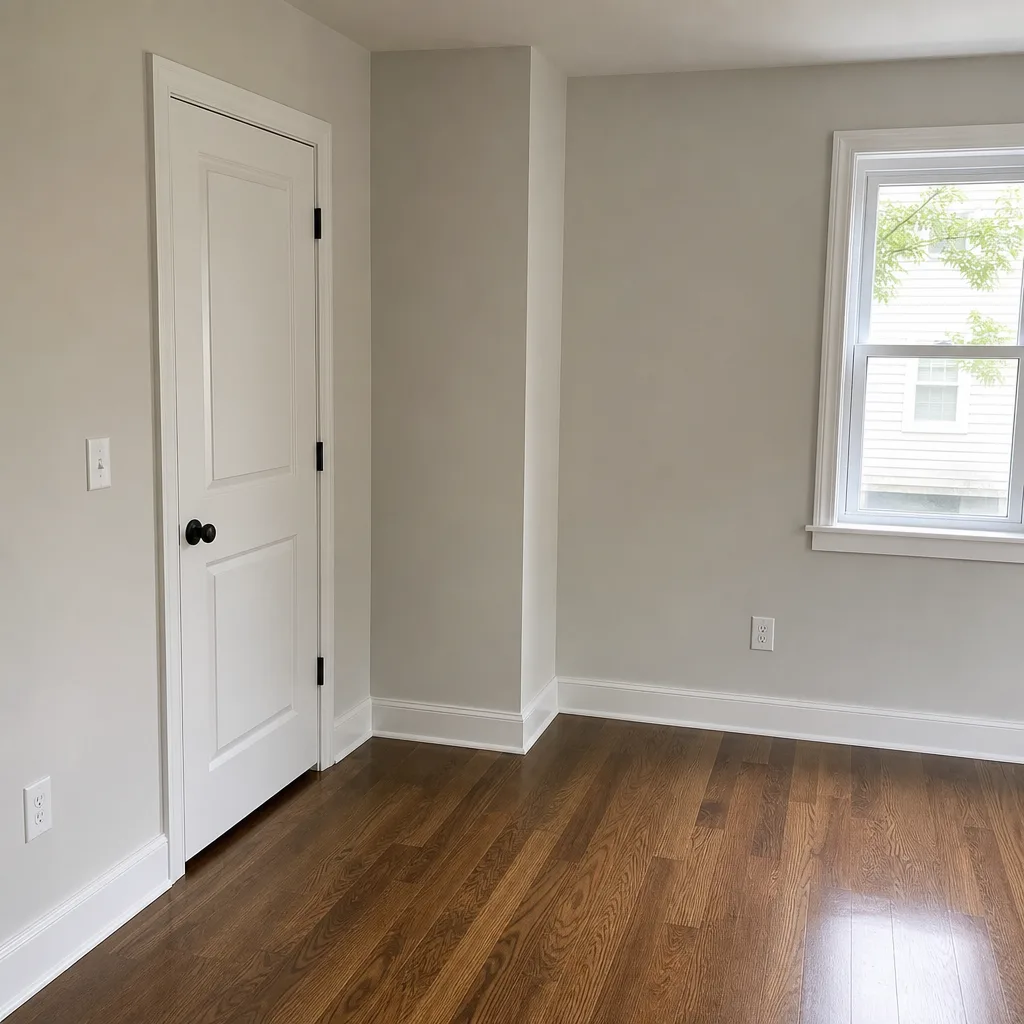 After
After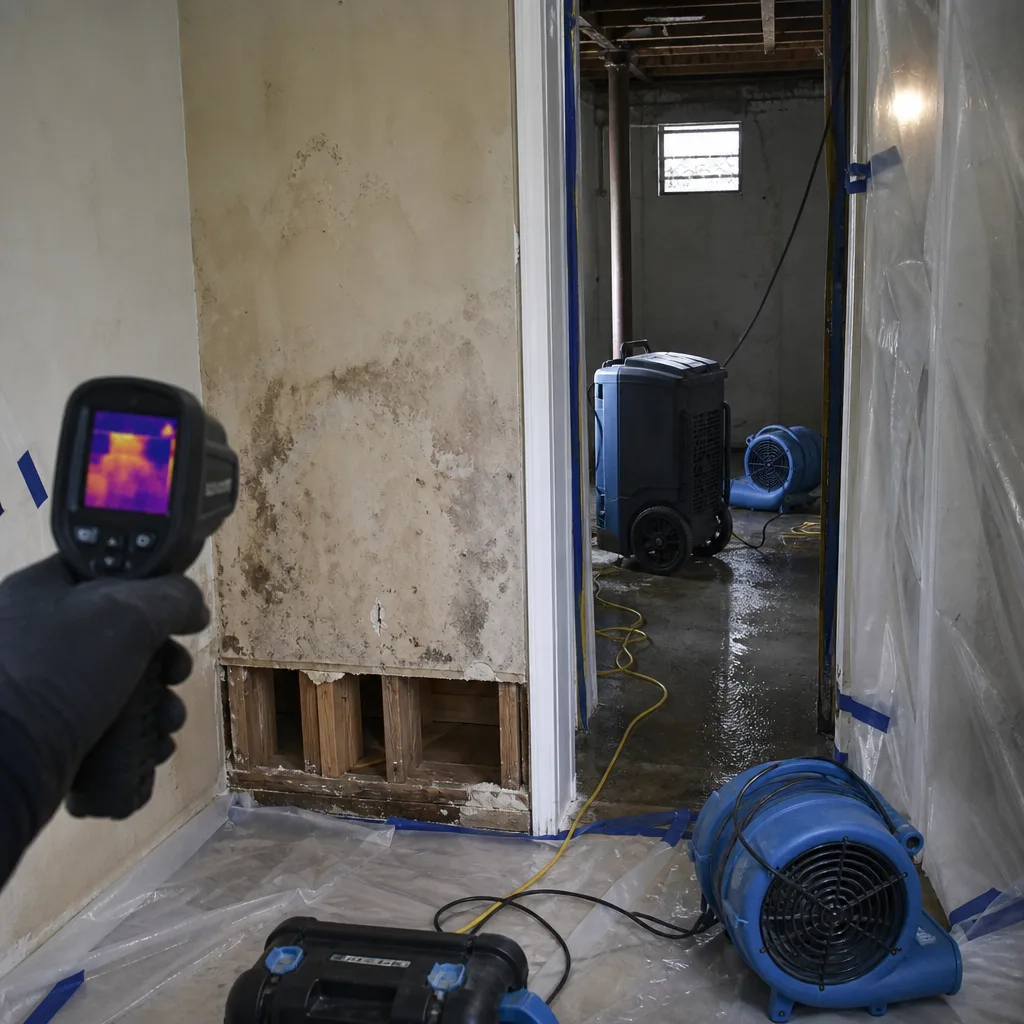 Before
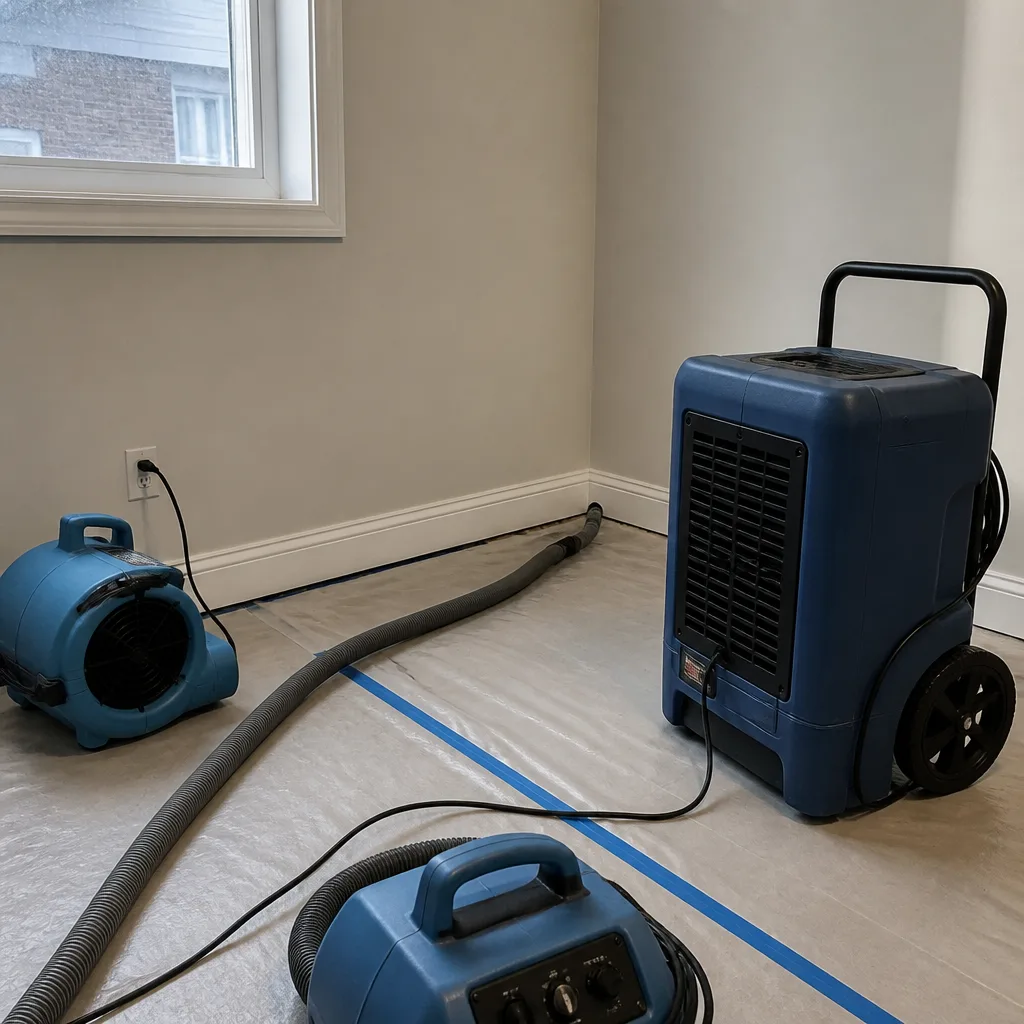 After
After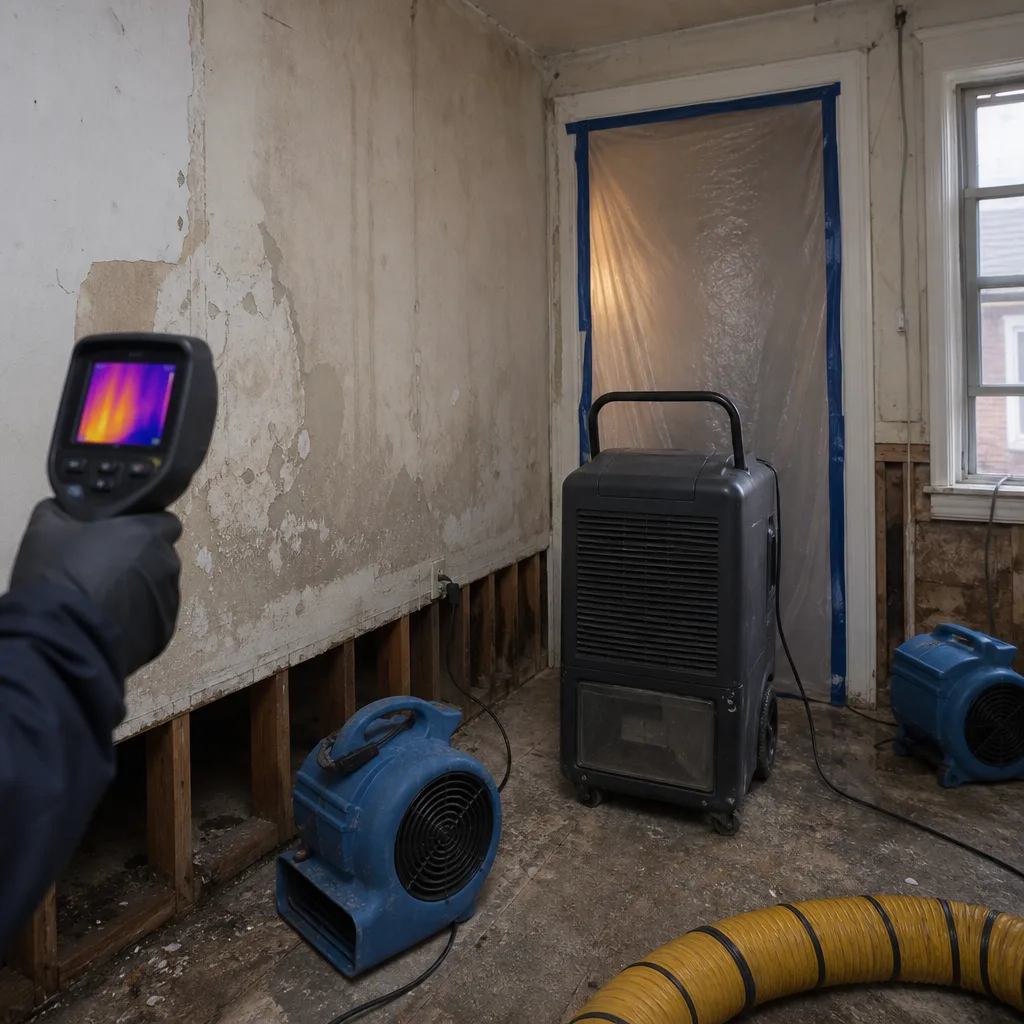 Before
 After
After24/7 Emergency Fire & Smoke Damage Restoration in West New York
Fire and smoke damage restoration in West New York typically runs $1,200 to $8,500 depending on how far the smoke traveled and whether firefighting water saturated lower floors. Our crews respond inside 45 minutes and start mitigation the same hour you call. If your apartment or building just had a fire on Boulevard East, Bergenline Avenue, or anywhere in West New York, call (201) 903-9581 right now. The first hour decides whether smoke odor becomes permanent in your walls, your neighbors’ units, or your building’s shared stairwells. We arrive, assess, contain, and start pulling contaminated air out before the soot finishes settling into every porous surface you own.
Understanding Fire & Smoke Damage Restoration Severity in West New York Properties
West New York’s building stock changes everything about how Fire & Smoke Damage Restoration has to be handled. A small kitchen fire on the fourth floor of a 1950s brick walk-up does not stay on the fourth floor. Smoke travels through shared wall cavities, electrical chases, pipe penetrations, and floor joists that were never designed to be isolated from your neighbors’ units. The soot residue classes matter here: dry soot from a grease fire settles fast and is relatively straightforward, but wet soot from a smoldering couch or a fire hosed down by the fire department bonds to painted plaster and requires chemical action, not just wiping. Then there is protein residue from burned food, which is nearly invisible but leaves a rancid smell that forces tenants out of adjacent units weeks after the fire is out. In mid-century brick apartment buildings with concrete slab floors, the fire’s heat and smoke get trapped between floors, and the firefighting water runs down through slab penetrations into the apartments below. That means the unit below the fire almost always has Category 2 or 3 water damage hidden behind its ceiling before anyone even looks up.
Why West New York Property Owners Choose Wade’s Restoration
- 45-minute response commitment. Wade Ferris or a member of his crew is on the road to West New York the moment you hang up, and the first containment goes up inside the hour.
- 24/7 live voice, not a queued robot. You call, a person picks up. Wade answers his own phone, including at 2 a.m. from a tenant who just discovered smoke in the stairwell.
- IICRC-certified field crews. Fire and smoke technicians hold FSRT and OCT designations, and the water side holds WRT. This is not a franchise with subcontractors.
- Free visual inspection, every fire job. We walk the entire affected building, not just the burned room, before anyone agrees to a scope.
- Direct insurance billing. We document the fire loss from the first hour and send the carrier what they need without you relaying a thing.
- One team from first board-up to final paint. You do not get handed to a different contractor between mitigation and reconstruction.
Our Fire & Smoke Damage Restoration Process
Inspection & Assessment
We stop first at the fire source, then walk every adjacent apartment, the hallway, the stairwell, and the basement. Thermal imaging shows where heat and smoke traveled inside wall cavities. We test for soot type, moisture from firefighting water, and which contents can be cleaned versus packed out.
Emergency Board-Up & Containment
Broken windows and a burned roof membrane get secured the first day. Then containment: heavy plastic sheeting and negative air pressure to stop smoke from migrating into clean units while we work.
Smoke Extraction & Air Scrubbing
HEPA scrubbers from Dri-Eaz and Phoenix pull soot particles out of the air while exhaust fans vent smoke-laden air to the outside. You cannot just open a window on a windy Palisades day; West New York’s cross-ventilation is too limited for that to work.
Structural Drying & Dehumidification
Firefighting water runs down through floors and walls. We map moisture with penetrating and non-penetrating meters, then set air movers and dehumidifiers, including Injectidry panels where water is trapped behind plaster on brick.
Smoke, Soot & Odor Treatment
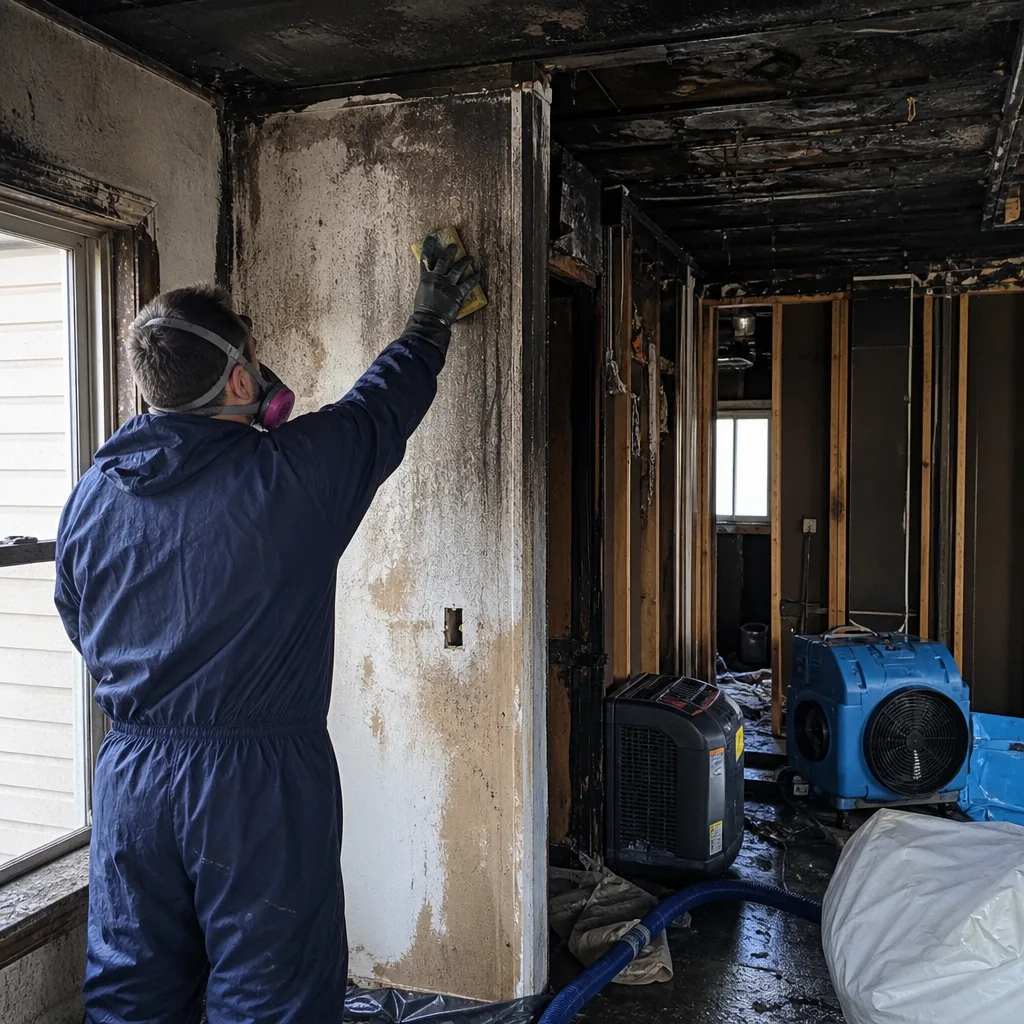
Dry soot gets vacuumed with HEPA-equipped machines, then wiped with chemically matched cleaners. Wet soot on painted plaster gets emulsified. Odor is treated at the source with thermal fogging or ozone in sealed, unoccupied spaces, never as a shortcut over actual cleaning.
Contents Cleaning, Pack-Out & Repairs
Textiles, books, artwork, and anything porous gets sorted on site. We pack out what needs off-site cleaning or storage, and we handle our Reconstruction & Cleanup in West New York: plaster repair, flooring, paint, trim. You get a written scope before any of this starts.
Need Emergency Fire & Smoke Damage Restoration in West New York Now?
Crews minutes away, answering live 24 hours a day. The sooner we start, the less it costs.
Working With Your Insurance Company
West New York fires are rarely single-claim events. The unit that burned has its own policy, the neighbor below has a different policy, and the building owner’s master policy sits behind both. Sorting out what gets billed to whom is not your job, but it becomes your headache if the documentation is thin. We photograph everything from the first hour, map moisture readings in every affected floor, and write a line-item scope using the same estimating software your adjuster uses. Then Wade talks to the adjuster directly. No relaying. No “they said to ask you.” You get a copy of every log at the end.
What We Provide Your Insurer
- Thorough documentation of the loss
- Photos of all damage, room by room
- Moisture readings and drying logs
- A detailed, line-item scope of work
- Direct coordination with your carrier
Built for West New York’s Loss Calendar
West New York’s fire-loss year follows the town’s seasons and its building systems. January and February bring portable space heaters into underheated pre-war apartments, and old steam radiators get pushed past their limits. Grease fires spike in November and December as tenants in small galley kitchens cook big holiday meals with limited ventilation. Spring and summer bring electrical fires in window AC units on aging wiring, and candle fires during storm-related brownouts on the Hudson. Fall is when rooftop drains above top-floor units clog with Palisades leaf litter; a building fire started by a faulty ventilation motor on a flat tar-and-gravel roof is not rare in this town. The common thread is always the same: the fire starts small, but the smoke does not stay small in a stacked brick building with shared walls.
Fire & Smoke Damage Restoration Across West New York’s Neighborhoods
West New York is one square mile, but the response routes and building types change block to block. Along Boulevard East, the high-rise co-op buildings with doormen and elevator access need dust containment in common corridors before tenants walk through. On Bergenline Avenue, the fire in a street-level commercial space sends smoke up through two or three residential floors above the store; that means coordinating access with a store owner, a building owner, and multiple tenants on the same day. Over near 60th Street and P.S. 1, the walk-up brick apartment buildings have narrow stairwells and no service elevator, so pack-out crews carry contents down flights of stairs by hand. Down toward the waterfront side below River Road, the garden-level and basement units in small brick buildings have their own risk: firefighting water from above collects in those low rooms and needs aggressive structural drying with mold prevention built in. And in the 54th Street corridor west of Park Avenue, the older frame dwellings mixed into the brick rows are the ones where a fire in one structure can spread to the house next door before the fire department even gets both hoses charged.
Specialized Fire & Smoke Damage Restoration Services We Offer in West New York
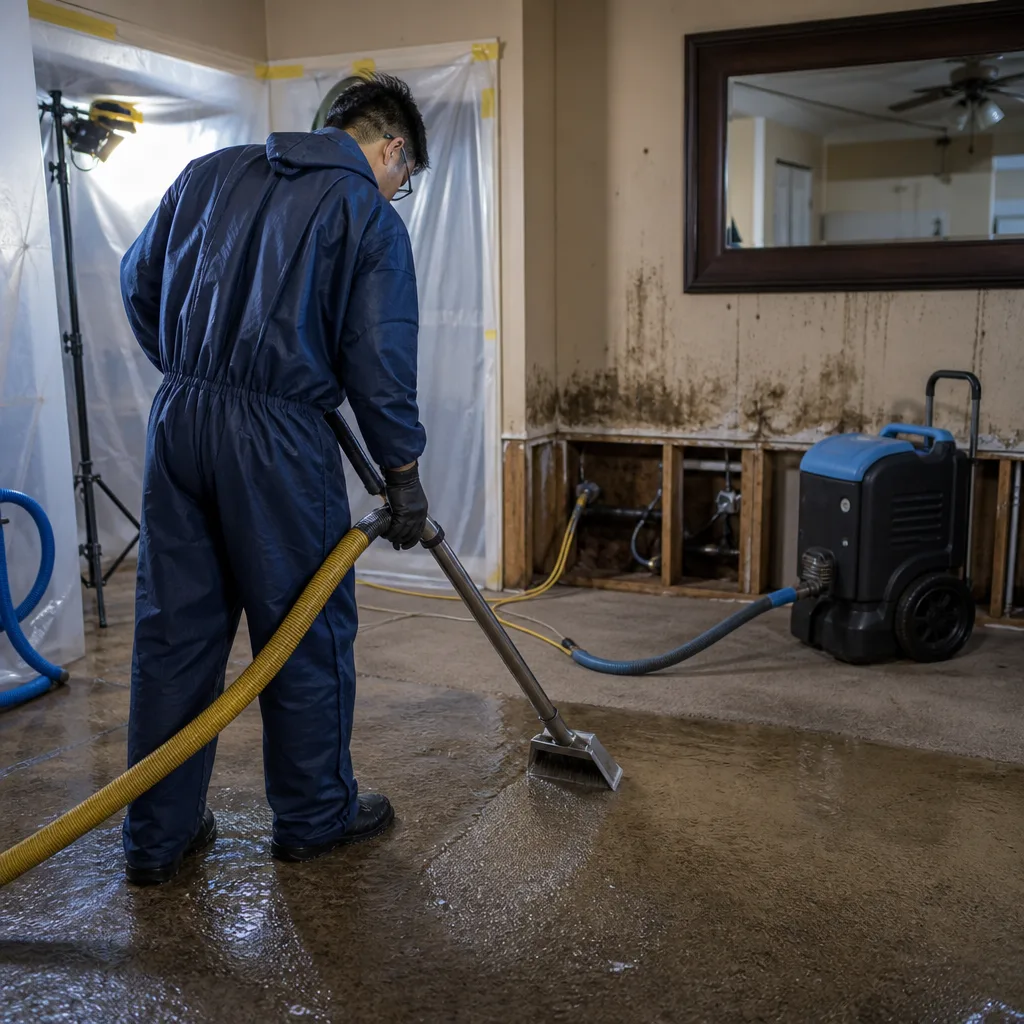
Smoke & Soot Removal
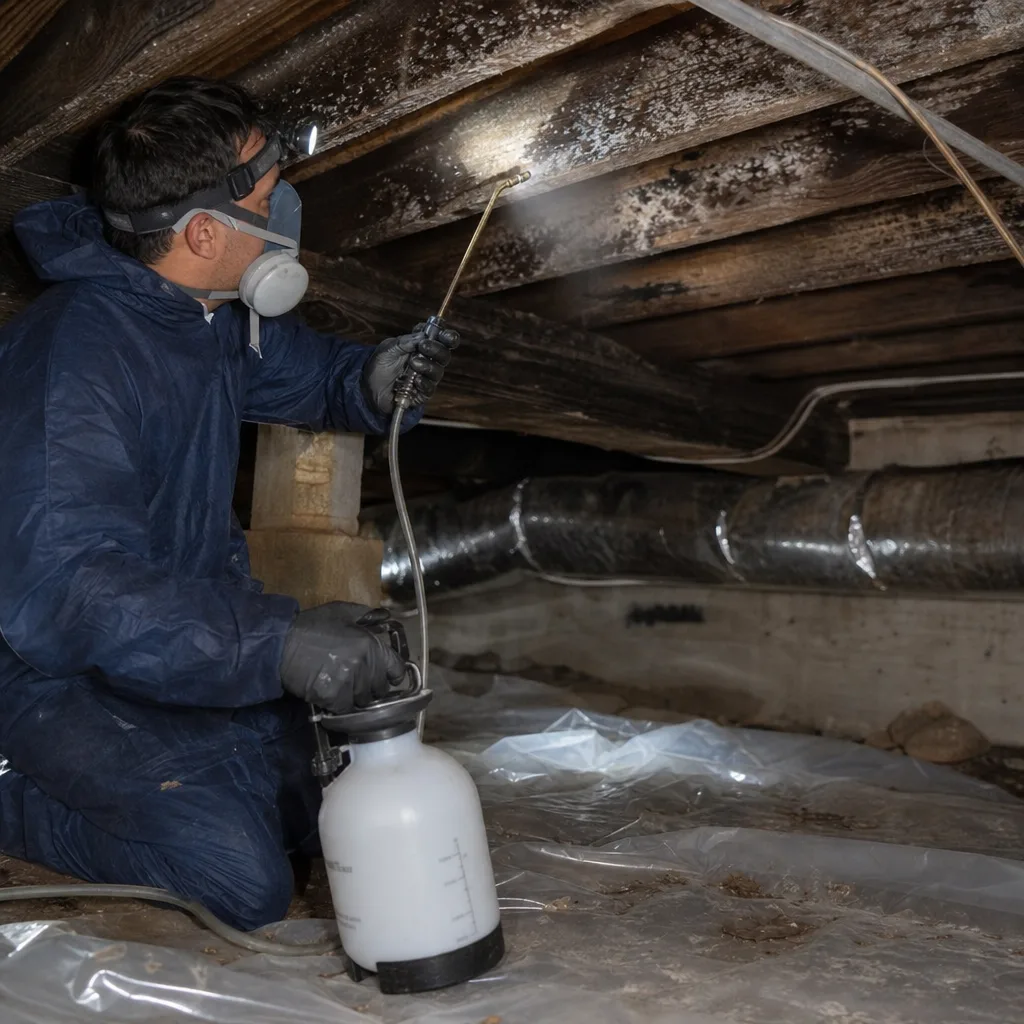
We treat soot by residue type, and in West New York apartments, that almost always means wet soot on painted plaster and dry soot on wood trim and floors. Wet soot from a hosed-down fire must be emulsified before it sets permanently into the paint film. Dry soot gets HEPA-vacuumed first, never wiped dry, which would smear the carbon into the wall finish. In a 1960s brick walk-up on 60th Street near Bergenline Avenue after a stovetop fire, our crew set containment and ran air movers with HEPA filtration to pull smoke out of three adjacent apartments before the odor could get behind the shared plaster walls.
Contents Cleaning & Pack-Out
West New York closets and built-ins are packed tight, and that density works against you after a fire. A partial pack-out that leaves smoke-affected textiles, books, or upholstery in place means a second trip and a second claim six weeks later when the smell resurfaces. We do a full contents inventory with photos and condition notes, pack out affected items, clean what can be cleaned, and store what needs off-site care until reconstruction is finished. The pre-war built-ins in these apartments hold decades of accumulated fabric and paper; all of it is a potential odor reservoir.
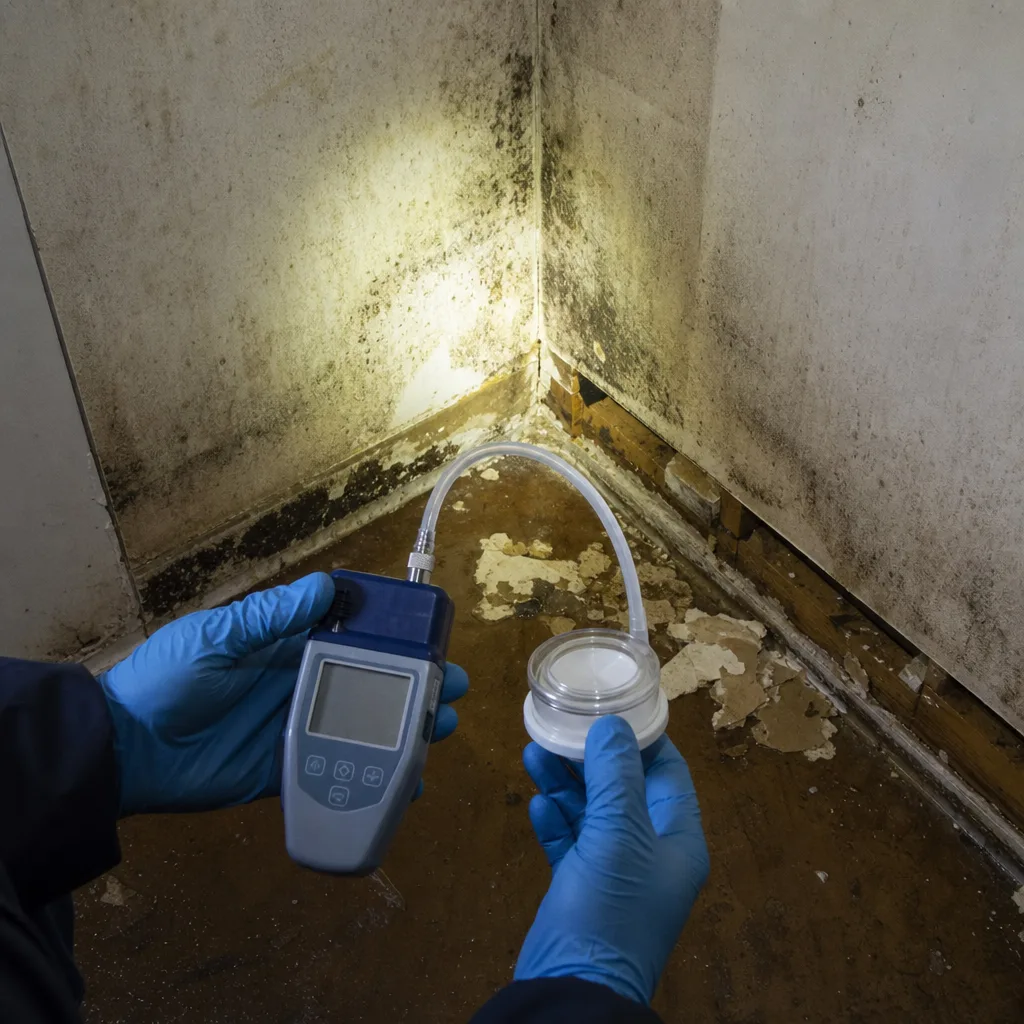
Odor Removal & Deodorization
Smoke odor in a West New York brick apartment building lingers long after the soot is gone because the porous materials here are old and dense. Plaster on lath, original hardwood floors, and shared wall cavities all trap odor molecules. We treat at the source with thermal fogging and sealed-space ozone treatment in vacant or contained areas, never as a substitute for actual removal of the charred material. If the smoke got into a shared wall cavity, that cavity has to be accessed and treated, or the smell comes back through the neighbor’s outlet covers within a month.
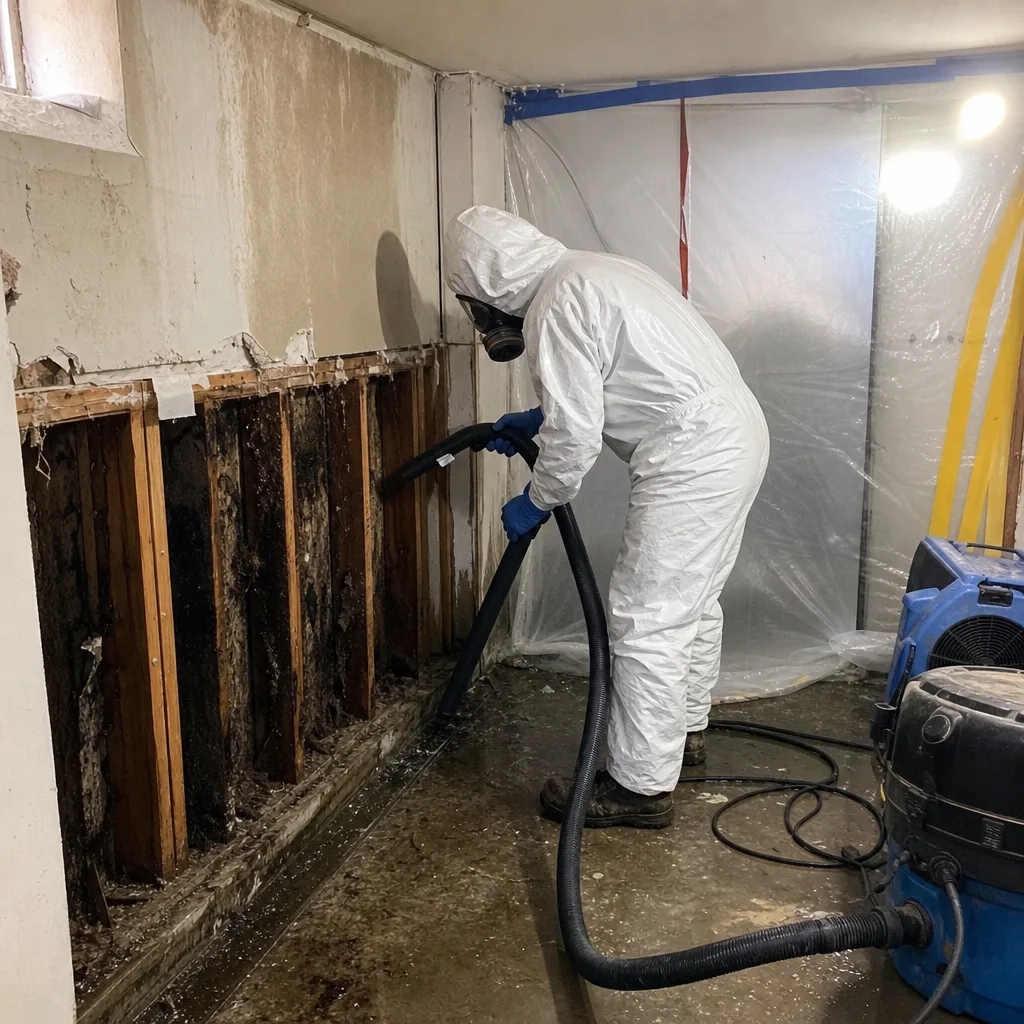
Emergency Board-Up & Tarping
After a fire, the building envelope is open: windows blown out, roof scuttles melted, walls breached by the fire department. West New York’s wind off the Hudson drives rain directly into those openings. We board and tarp the same day, even before insurance approvals come through, because a boarded building is secure and a secure building keeps the fire loss from becoming a water loss too.
Structural Fire Repair
Once mitigation is done, the rebuilding starts. Plaster repair on brick, new flooring over concrete slab, replacement trim and doors, kitchen reconstruction. We handle the reconstruction on the same scope, so you are not managing a mitigation contractor and a builder who have never met. The 90-Day Done Right Promise covers this work too: if it is not done right, we make it right, in writing.
What happens when you call
- 1
A real person answersNo phone trees - you reach a local pro.
- 2
You get an upfront price rangeHonest numbers before anyone is dispatched.
- 3
A background-checked tech heads outLicensed & insured, dispatched right away.
- 4
You approve before work beginsNothing starts until you say go.
Fire & Smoke Damage Restoration Costs in West New York, NJ
Here are honest numbers for the West New York market in 2025. A small kitchen grease fire with smoke damage in one and a half rooms typically runs $1,200 to $3,800 for cleanup and odor work. A fire that forces full pack-out of a two-bedroom apartment with structural drying in the unit below will land between $5,000 and $12,000. A fire affecting three or more units in a stacked brick building on Bergenline, with firefighting water in the lowers, commonly reaches $15,000 to $45,000 across all the involved units and policies before reconstruction even starts. Every fire is different, and the only way to get a real number is a visual inspection, which is free. Call (201) 903-9581 and we will walk the building and put a written scope in front of you, not a guess.
We Also Serve Cities Near West New York
We work throughout the Hudson Palisades and the neighboring towns: Jersey City, Hoboken, Harrison, and Kearny. Same 45-minute response, same live-answer phone, same owner-operated team. If you are in any of those towns and have smoke in your stairwell, call the same number.
West New York Fire & Smoke Damage Restoration Questions, Answered
How does a fire in one West New York apartment affect the units above and below it?
Smoke travels through shared wall cavities, pipe chases, and ceiling penetrations into the units beside, above, and below the fire source.
In mid-century brick buildings with concrete slab floors, the heat rises into the flat roof or upper floor cavity and moves laterally through open joist bays. Firefighting water simultaneously runs down through slab penetrations into lower units. By the time the fire is out, every adjacent unit typically has some level of smoke residue, and the unit directly below usually has a hidden water problem inside its ceiling. We inspect all of these spaces, not just the burned room, because cleanup in only the fire unit means odor complaints and secondary claims from neighbors within weeks. Call (201) 903-9581 for a full building assessment.
What kind of pack-out is needed after a kitchen fire in a pre-war West New York apartment?
Every porous item in the affected apartment and often in adjacent units needs to be inventoried, cleaned, and stored or discarded.
West New York’s pre-war apartments tend to have closets and built-ins packed with decades of textiles, books, and paper. Smoke odor gets into all of it. A partial pack-out leaves a reservoir of odor that will re-contaminate the apartment after the walls are repainted. We do a full contents inventory with photos, pack out affected items, and clean or store them until the structure is ready. The free visual inspection includes a contents assessment, so you know the pack-out scope before anything leaves the building.
Can firefighting water from an upper-floor fire cause damage in lower West New York units?
Yes, and it almost always does in stacked brick apartment buildings.
Water runs down through slab penetrations, light fixtures, pipe chases, and the same wall cavities the smoke used. Lower-unit ceilings and walls hold that water inside plaster on brick, where it becomes Category 2 or 3 water damage and eventually mold if not dried within 48 to 72 hours. We moisture-map every floor below a fire, not just the fire unit, and set structural drying equipment where the water actually traveled. After a stovetop fire in a 1960s walk-up on 60th Street, the three floors below needed our Sewage Cleanup in West New York and extensive drying before the building could be reoccupied.
Why does smoke odor linger in West New York’s older brick apartment buildings after visible soot is cleaned?
Because the smoke got into the wall cavities, the floor structure, and the plaster, not just the room where the fire happened.
Older brick buildings have shared wall cavities and original porous materials like plaster on lath and unfinished wood framing. Once smoke enters those spaces, surface cleaning of the walls will not remove the odor. The cavity itself has to be accessed, cleaned, and treated, or the smell returns through outlet and switch plates within weeks. We use thermal fogging and sealed-space ozone in vacant, contained areas, and we open wall cavities wherever the odor penetrated. A quick spray-and-wipe over painted surfaces will not solve a cavity odor problem.
How quickly should smoke and soot cleanup start after a fire in a West New York apartment?
Within the first 24 to 48 hours, and ideally the same day.
Soot is acidic and begins etching painted surfaces, flooring, and metal fixtures within hours. Smoke odor sets into porous materials and shared cavities quickly, and in a town where neighbors are connected by walls, delayed cleanup in one unit means contamination in units that were never touched by flame. The sooner containment goes up and air scrubbing starts, the less gets permanently damaged and the smaller the total claim. If a fire just happened anywhere in West New York, call (201) 903-9581 now; waiting until Monday for a callback is how a small kitchen fire becomes a building-wide restoration.
Will my insurance cover fire and smoke damage in a West New York apartment building?
Most policies cover fire and smoke damage, but the claim structure here is complicated.
The burned unit’s renters or condo policy, the building owner’s master policy, and the policies of every adjacent unit all interact. Coverage typically extends to smoke and soot cleanup, contents cleaning and pack-out, and structural drying from firefighting water. What differs is whose policy pays for what, and that depends on the building’s ownership structure and the origin of the fire. We document everything from the first hour and talk to adjusters directly, so the question of who pays does not delay the mitigation work. Estimates are free and the inspection is free.
Can we stay in our West New York apartment during fire and smoke restoration?
Usually not in the fire unit, and often not in immediately adjacent units during the first days.
Smoke particles and soot are respiratory irritants, and our Biohazard & Crime Scene Cleanup in West New York requires ozone treatment or thermal fogging in sealed, unoccupied spaces. Wet plaster and structural drying equipment also make a unit unlivable during the active mitigation phase. In a stacked brick building, the containment barriers and air scrubbers may affect the hallway serving adjacent units too. We tell you honestly on the first visit whether you can stay, and we work with your adjuster on temporary housing if your policy covers it. Safety and air quality come first; nobody should sleep in a unit with active soot residue still being treated.
What should I do in the first 30 minutes after a fire in my West New York building?
Call (201) 903-9581, then stay out of the affected areas and do not turn on the building’s HVAC or open every window.
Fires are chaotic, but the first 30 minutes decide how much contamination spreads. Running the central air or opening hallway windows can push smoke into clean units faster than the fire did. Do not wipe any surface; dry soot smears permanently into paint. Keep apartment and stairwell doors closed. If the fire department used water, put a bucket under any visible drips if it is safe to do so, but do not move furniture or try to clean anything. Our 45-minute response to West New York means you are not managing this alone for long, and the first containment goes up fast.
Serving West New York, NJ - Our Local Coverage Area
We’re based in the West New York area and know this community well. Use the map below to see our service coverage - if you’re nearby, we can almost certainly help.
Why This Page Is Different
Most fire restoration pages tell you how a crew cleans a burned house. This page tells you why Fire & Smoke Damage Restoration in West New York means treating an entire stacked brick apartment building, not just the burned unit. The town’s shared-wall, concrete-slab construction guarantees multi-floor contamination that generic fire pages never address. The unit above, below, and beside the fire is part of the loss, and the pack-out, the odor work, the drying, and the insurance structure all have to account for that. If you are standing in a stairwell on Bergenline Avenue right now and smell smoke that is not from your apartment, call (201) 903-9581. Wade will be there.
Written by Wade Ferris, Owner at Wade’s Restoration, serving West New York and the Hudson Palisades.