
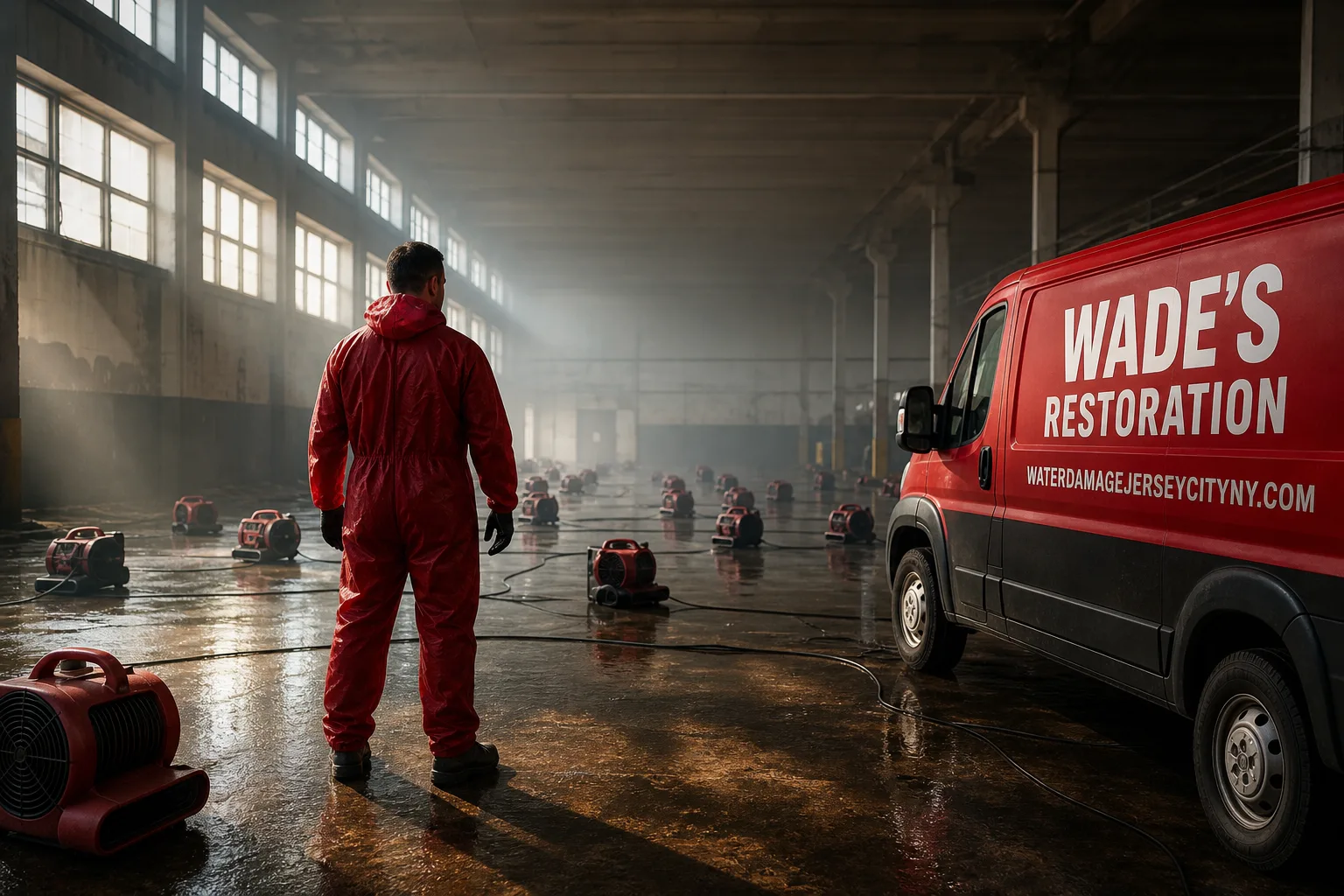
Free visual inspection and a written scope of work before any mitigation begins - photos, moisture readings, and drying logs go in your claim file
The scope we write is the scope we bill. Anything new gets shown to you, in writing, before we touch it.
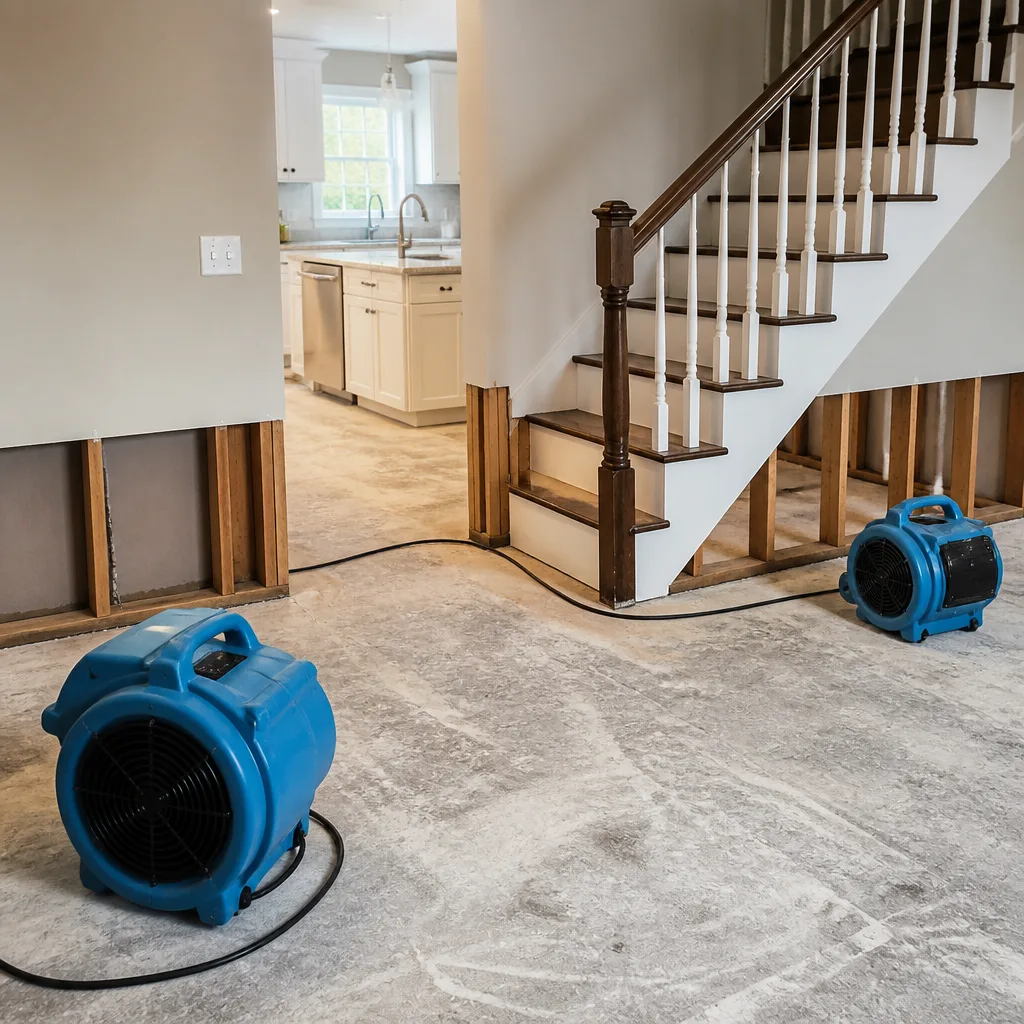
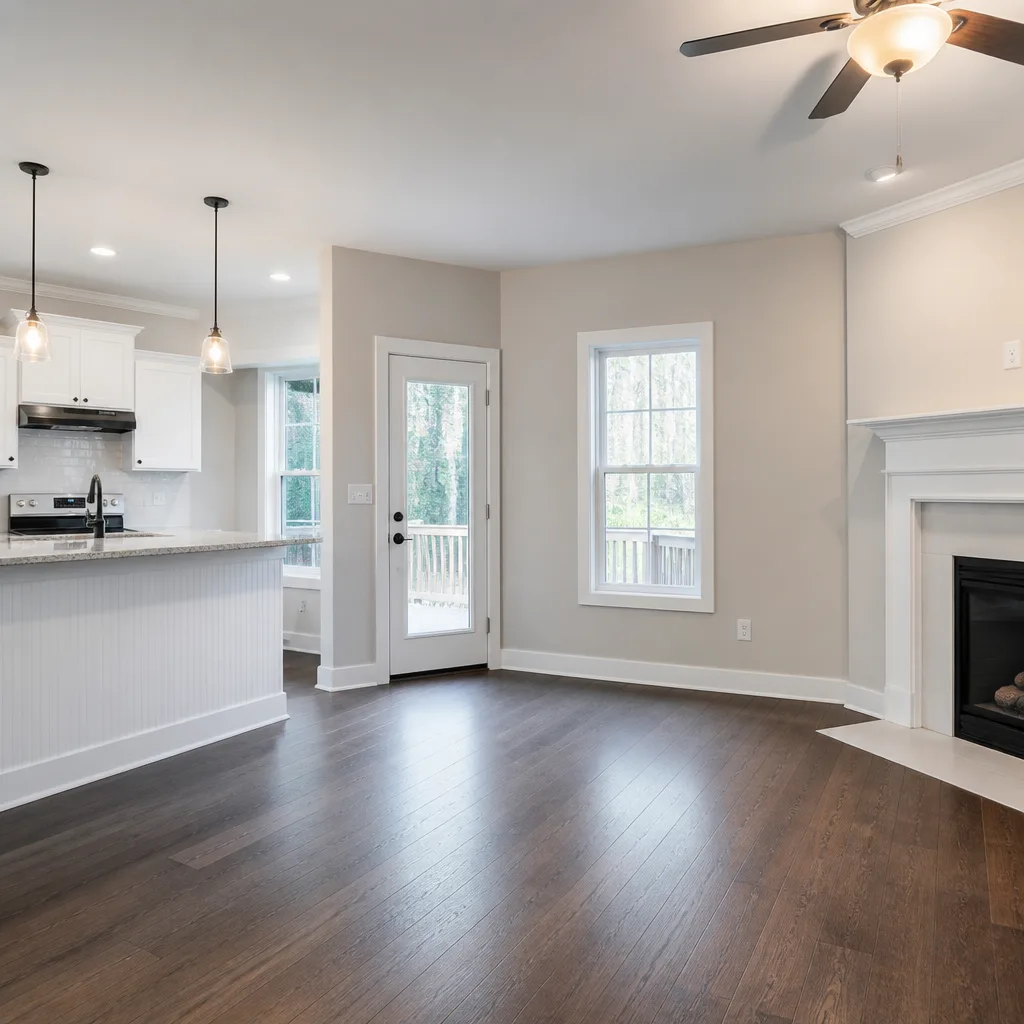
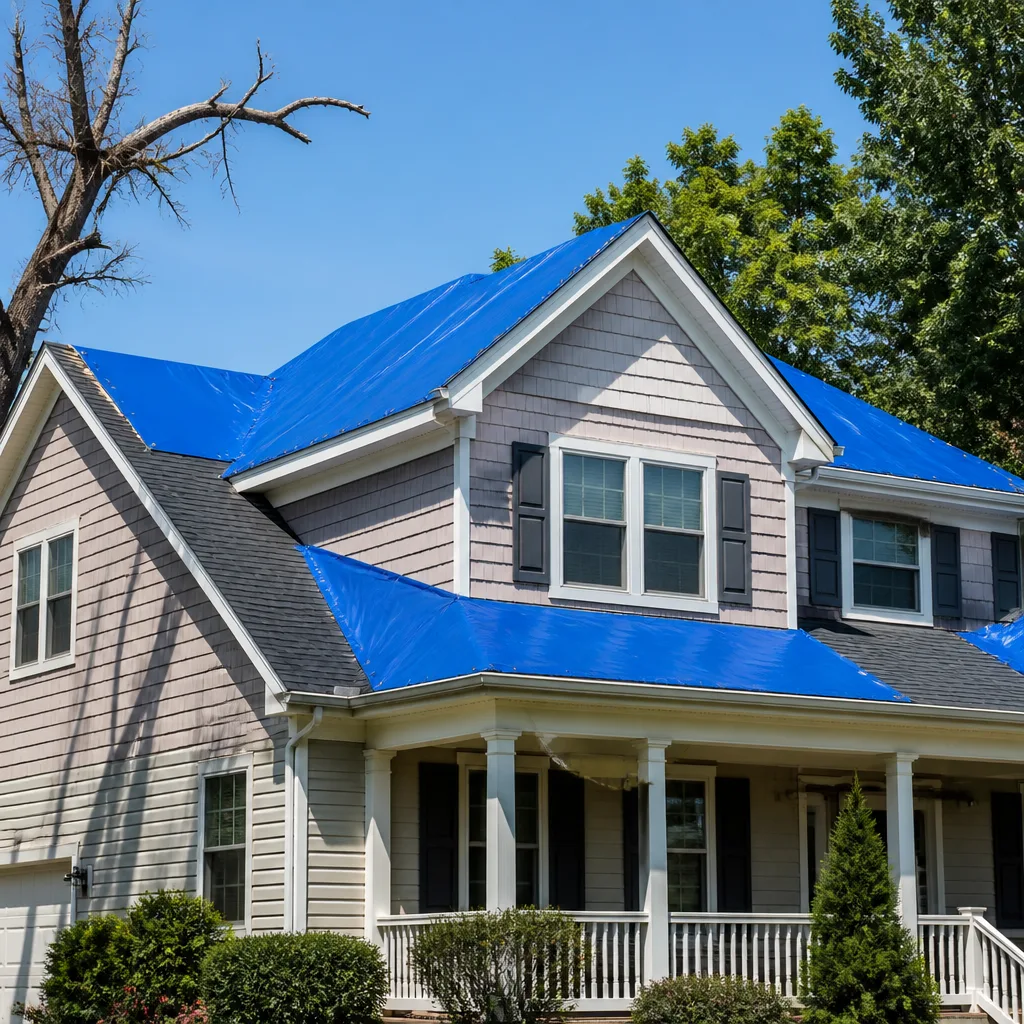
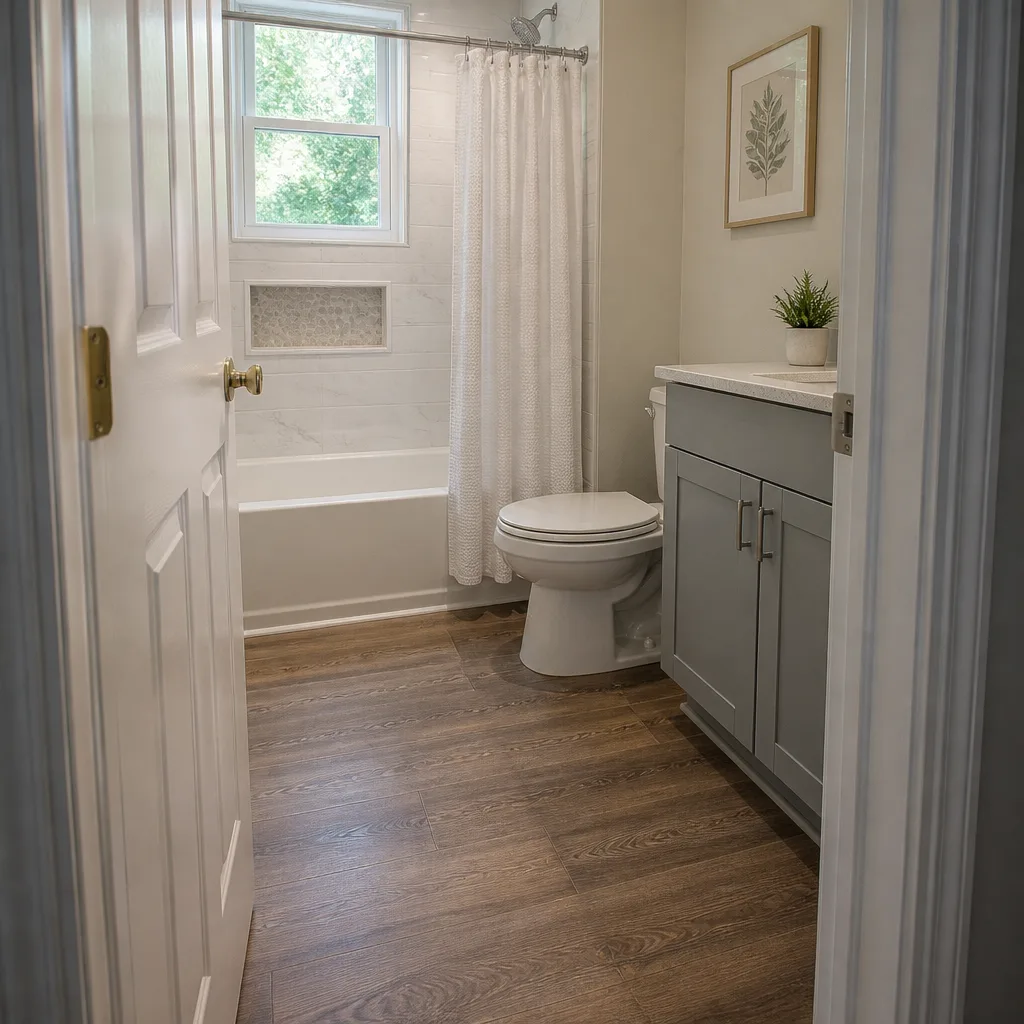
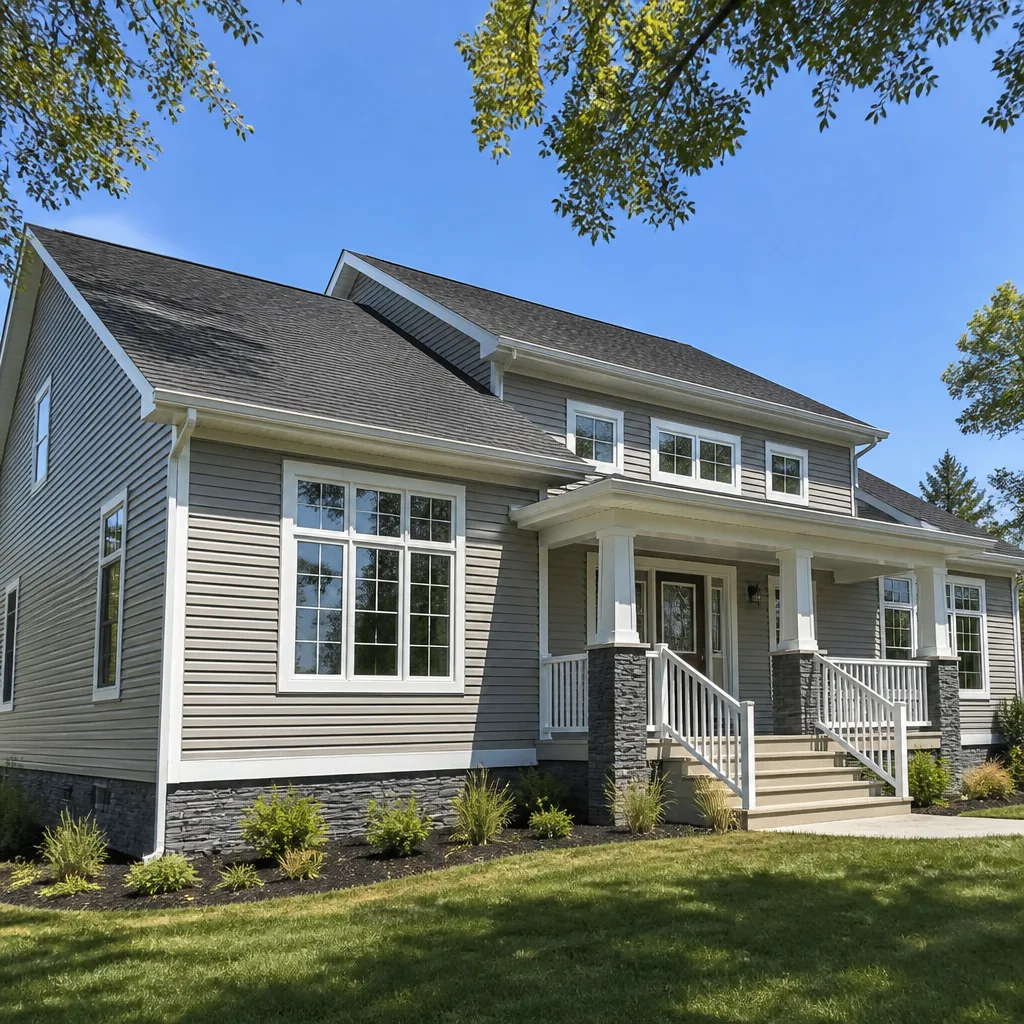
 Before
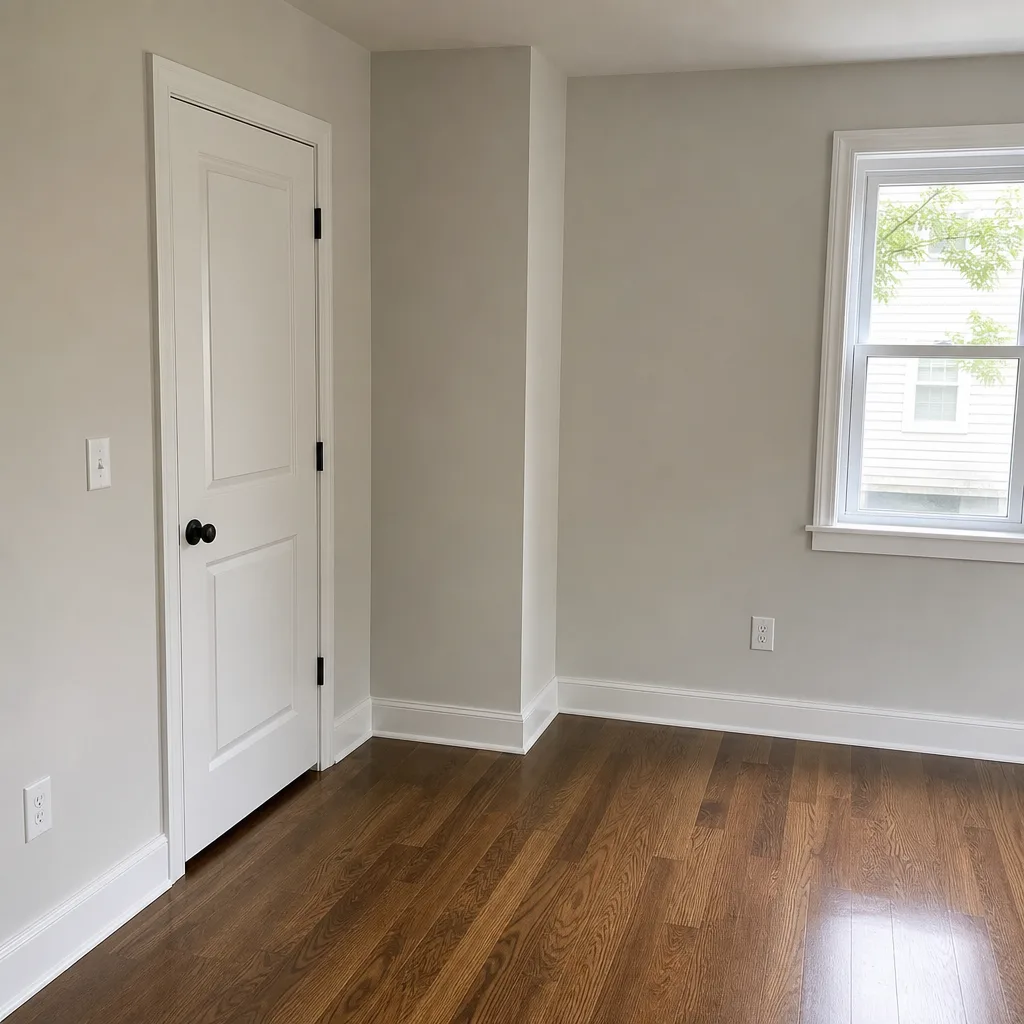 After
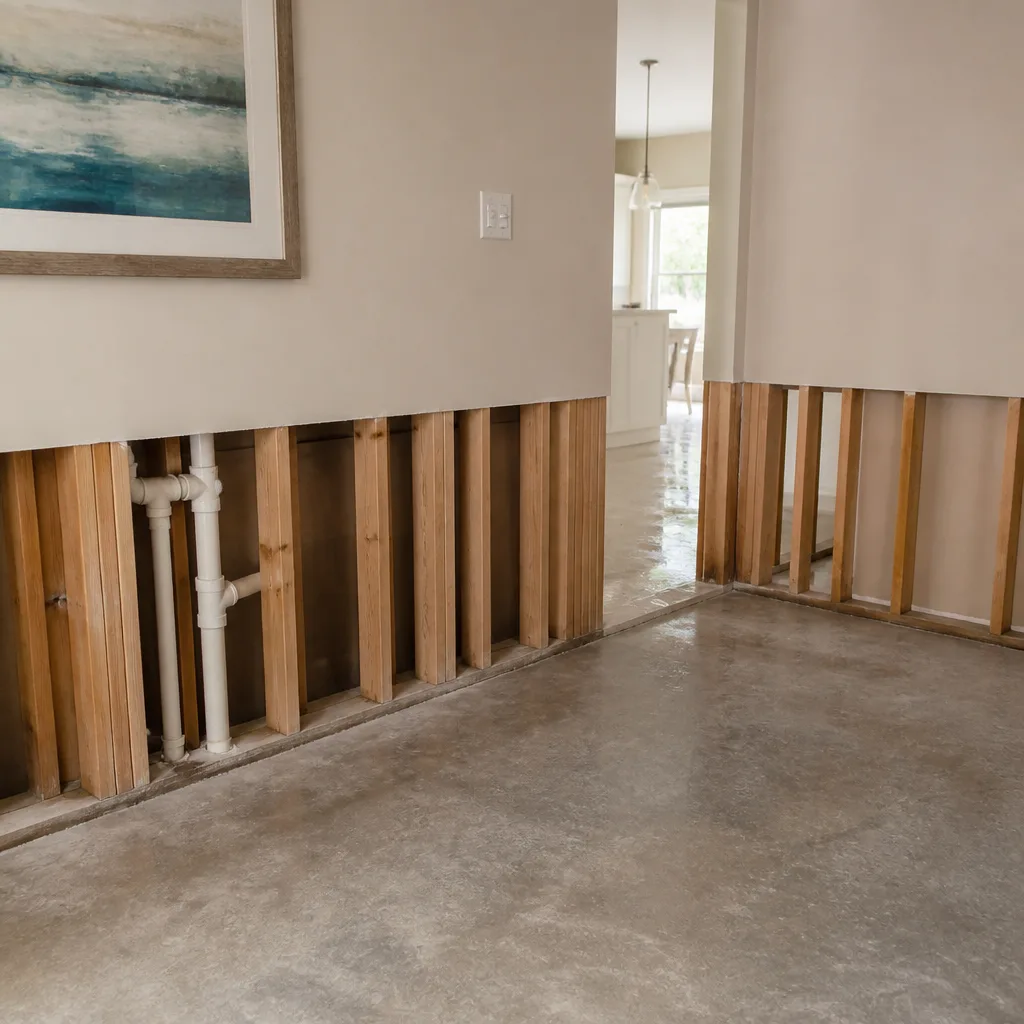
After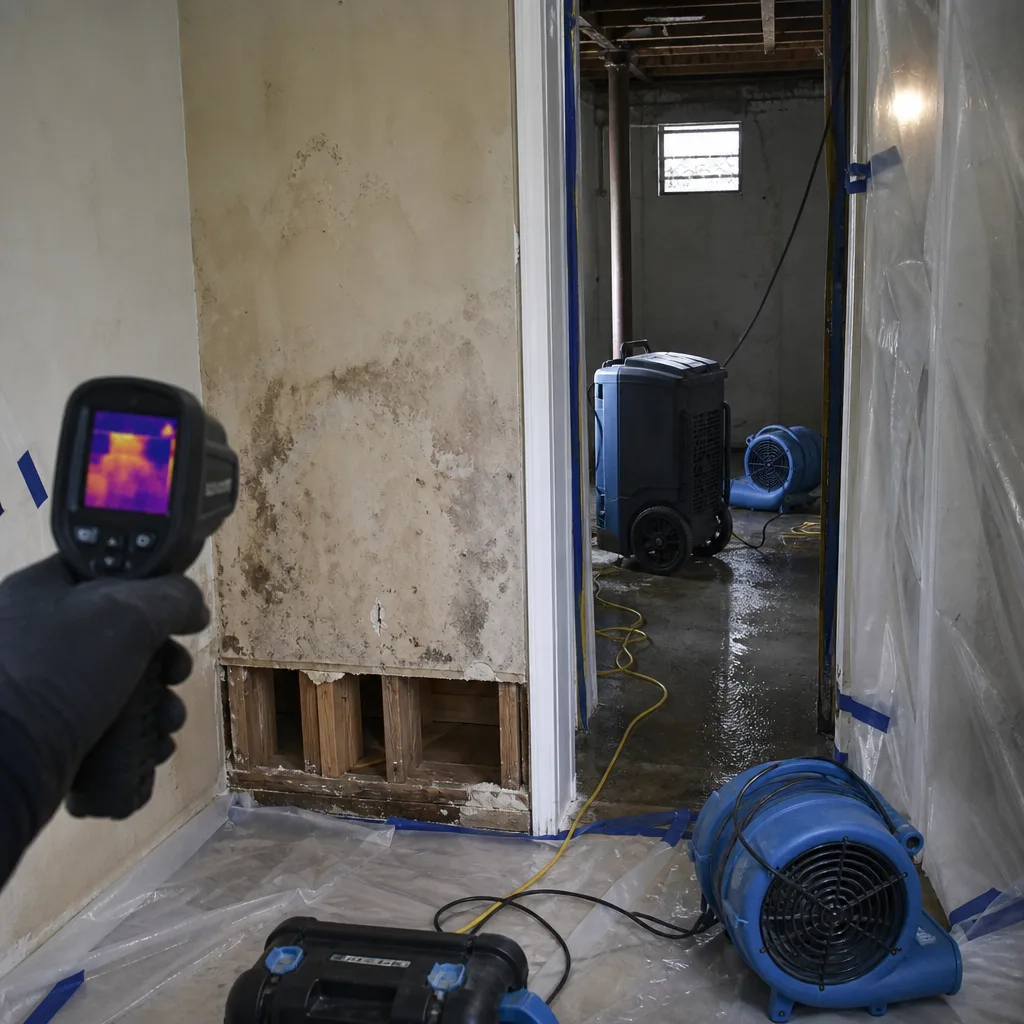 Before
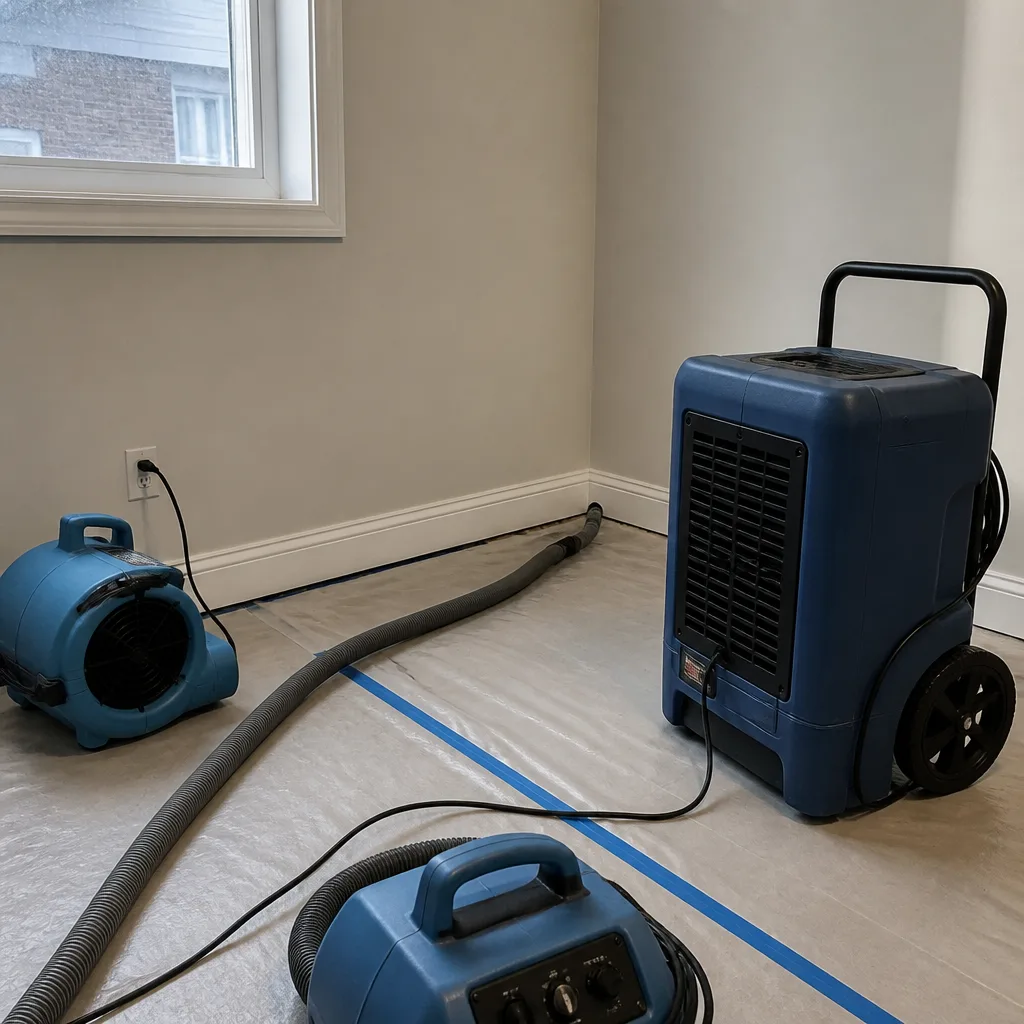 After
After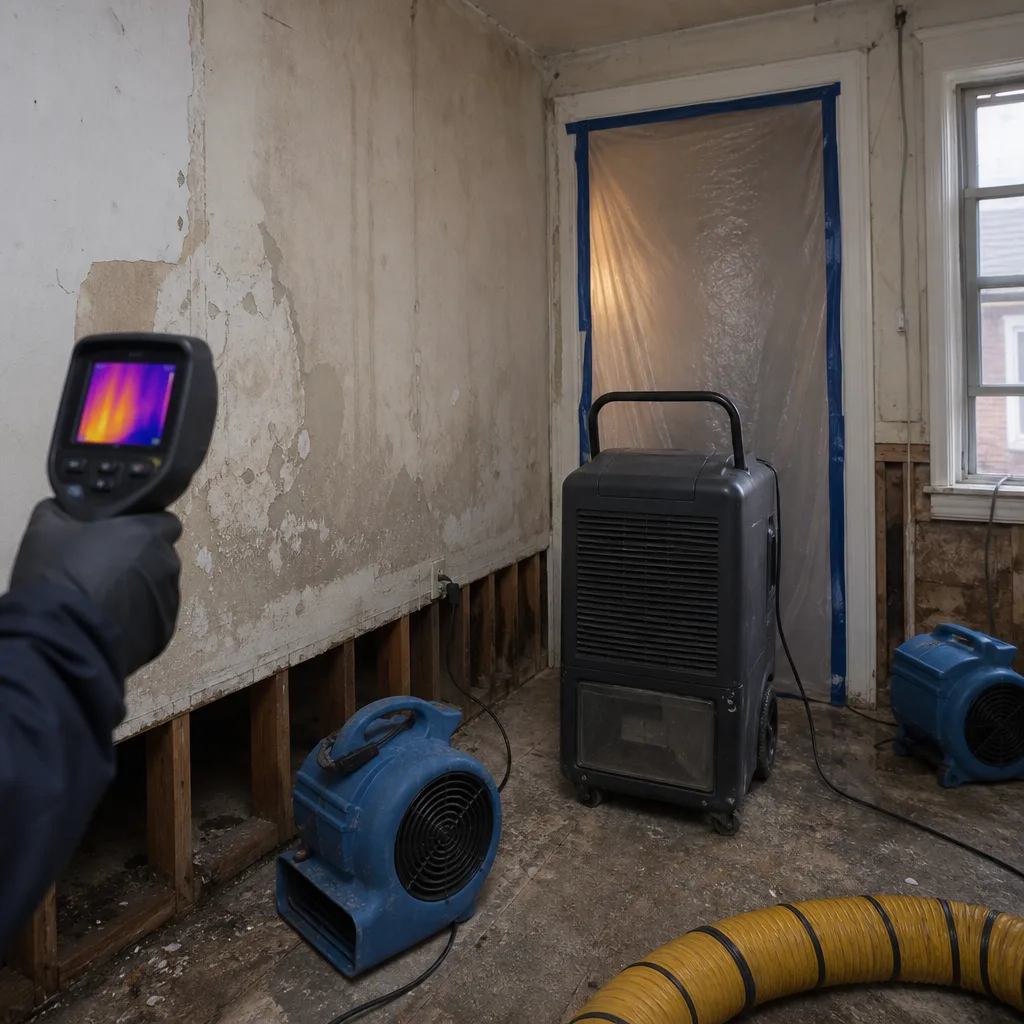 Before
 After
After24/7 Emergency Commercial Restoration in West New York
Commercial water, fire, or mold damage in West New York needs a crew that understands dense, stacked buildings, and that crew needs to move fast. Call Wade’s Restoration at (201) 903-9581 any hour, any day. Wade answers his own phone. We head out immediately, and a crew can be on site in West New York within the hour, because every minute water sits in a mid-century brick building it is wicking through concrete slabs into the units below. The free visual inspection tells you exactly what you’re dealing with before you spend a dime.
Understanding Commercial Restoration Severity in West New York Properties
In West New York, severity is never contained to one room. The town’s commercial stock is dominated by 4-to-7-story brick buildings from the 1940s through 1970s, with concrete slab floors and shared walls between units. Water does not sit politely. It moves laterally through grout lines and vertically through floor assemblies. A category 1 water loss, clean supply water, becomes category 2 within 48 hours as it picks up drywall dust, adhesives, and whatever is living in a 60-year-old slab. Category 3 water, the kind that comes up from a Hudson River storm surge or a backed-up sanitary line, carries sewage and pathogens. We classify the water before we touch anything. That classification dictates containment, PPE, demolition scope, and what gets dried versus cut out and replaced. Mold follows a different clock. In West New York’s limited cross-ventilation, mold colonization starts in 24 to 48 hours after any moisture event. By 72 hours you are looking at air scrubbing, HEPA-filtered containments, and post-remediation clearance testing, not just drying. Commercial restoration here is a race against the building’s age and its geometry.
Why West New York Property Owners Choose Wade’s Restoration
- 45-minute response commitment: From the moment you call, a crew is on the road. In a town this dense, speed is the difference between one affected unit and four.
- 24/7 live answer, always: No voicemail, no answering service, no call center. Wade answers, even at 2 a.m. That is not a perk. It is the job.
- IICRC-certified crews: WRT, FSRT, and AMRT certifications back every technician. The people in your building have trained for exactly this kind of stacked-building loss.
- Free visual inspection: We come out, assess, and tell you what is actually needed. If it does not need full restoration, Wade says so. No charge for that.
- Direct insurance billing: We work with your carrier from day one. You are not stuck relaying estimates between two sides.
- One team, start to finish: Extraction, drying, reconstruction. The same crew you met on day one is the crew that finishes the job. No passing you to a subcontractor.
Our Commercial Restoration Process
Inspection & Assessment
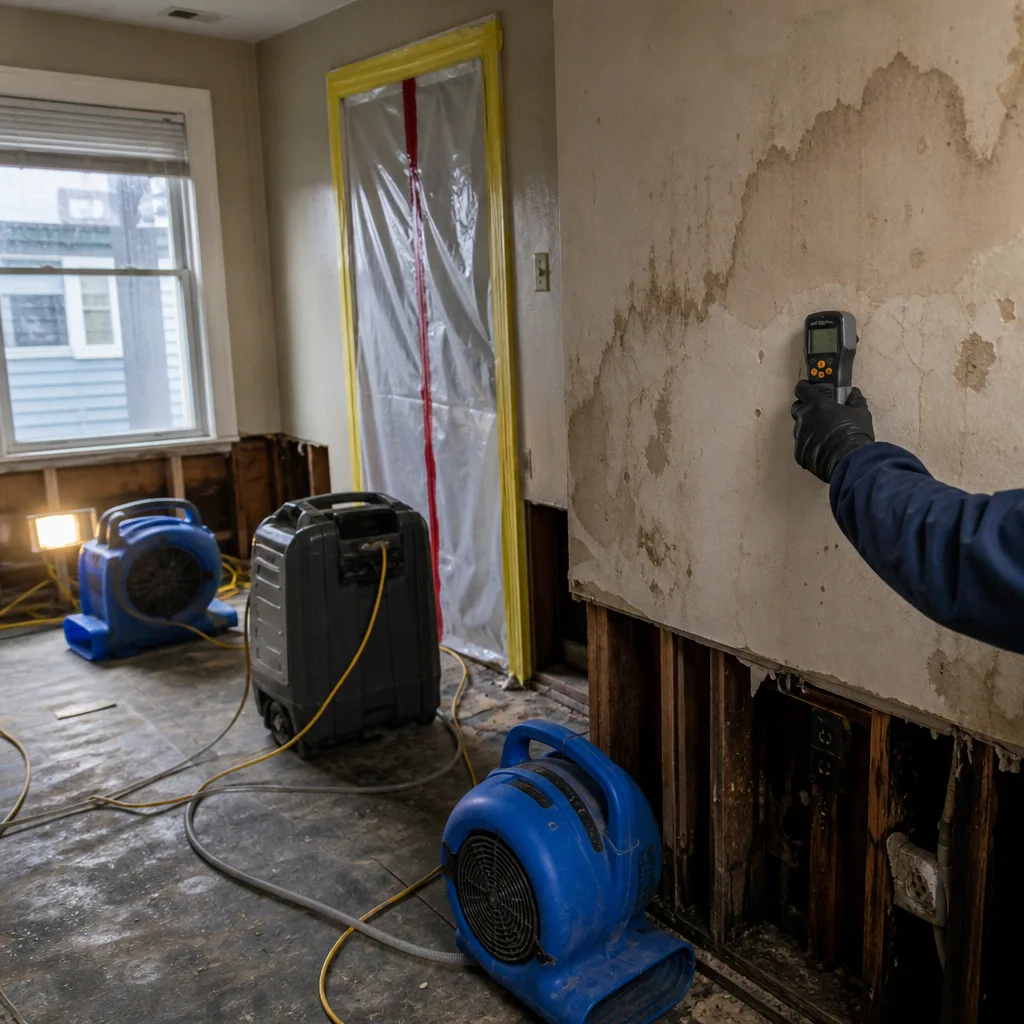
We map every affected floor, wall cavity, and shared surface. Thermal imaging and moisture meters from Dri-Eaz and Phoenix tell us where water has traveled, even where you cannot see it. In West New York buildings, that means checking the unit below and the unit below that.
Extraction & Stabilization
Commercial extraction pumps pull standing water fast. We stabilize the space so the loss stops growing. In garden-level units, that includes sealing around foundation penetrations where Palisades runoff enters through shared walls.
Drying & Dehumidification
Commercial-grade air movers and dehumidifiers run on a calculated layout, not a guess. Daily moisture readings track progress on every floor. Wade hands you the full drying log when the job ends. Almost nobody in this trade does that.
Cleaning & Sanitization
HEPA air scrubbers run continuous filtration. Surfaces are cleaned and sanitized to the classification of the water involved. For retail spaces, inventory is triaged for cleaning versus disposal, and every item is documented.
Specialty Treatment for Commercial Restoration
Large-loss response for multi-unit buildings includes staging container placement, vertical access planning, and coordination with HOAs and property managers. Document and inventory recovery is handled on-site where possible, off-site when needed.
Repairs & Restoration
Drywall, flooring, paint, and structural framing come back to pre-loss condition. Wade’s reconstruction crew handles the full scope, so there is one accountable party from the first phone call to the final walkthrough.
Need Emergency Commercial Restoration in West New York Now?
Crews minutes away, answering live 24 hours a day. The sooner we start, the less it costs.
Working With Your Insurance Company
Commercial losses in West New York often touch multiple carriers. A pipe burst on the fourth floor of a 60th Street rental building frequently means three or four separate policies, three or four adjusters, and a property manager stuck in the middle. Wade’s Restoration removes that middle role. From the first hour, we document everything: photos room by room, moisture readings, drying logs, a line-item scope of work. Wade talks directly to your adjuster, so you are never the one relaying technical details between a restoration crew and an insurance desk. The 90-Day Done Right Promise is in writing on every contract. If something is not done right, Wade makes it right.
What We Provide Your Insurer
- Thorough documentation of the loss
- Photos of all damage, room by room
- Moisture readings and drying logs
- A detailed, line-item scope of work
- Direct coordination with your carrier
Built for West New York’s Loss Calendar
West New York’s commercial losses move with the seasons, and the building stock decides the details. January and February deep freezes burst aging galvanized supply lines in exposed wall cavities of 1950s and 1960s brick buildings. The steep Palisades grade means thaw water does not drain away, it drains down, into garden-level retail and office spaces. Spring and summer bring nor’easters and thunderstorm flash flooding, and the flat tar-and-gravel rooftops that cover so many interior-block commercial buildings clog with debris and pond water until a membrane seam fails. By the time a ceiling stain shows on the top floor, water has already wicked down through two or three additional floors. Fall is rooftop drain season again. Year-round, the shared walls and concrete slabs of stacked construction mean no loss is ever truly single-unit. The building’s geometry does the damage; we do the drying, cleaning, and rebuilding.
Commercial Restoration Across West New York’s Neighborhoods
Response changes block by block in West New York. Along Bergenline Avenue, retail spaces sit under residential units, so a third-floor apartment leak becomes a storefront ceiling collapse by morning. We know the loading zones and side-street access lanes that keep commercial extraction moving without getting a truck boxed in. Up on the higher Palisades blocks near 60th Street and Boulevard East, pre-war and mid-century brick buildings share party walls, and water from one building’s failed supply line infiltrates the neighboring building through the masonry. That changes the entire scope: containment has to happen on both sides of the property line. Down near the lower waterfront blocks, below River Road, storm-surge flooding brings category 3 water into garden-level commercial spaces, and the salt and sediment content changes drying strategy and sanitization chemistry. Around the high-rise co-ops and condos near Port Imperial, property managers need restoration crews that understand HOA documentation requirements and can run a large-loss response without disrupting three hundred residents. No two West New York blocks are the same, and a crew that treats them as interchangeable will cost you time and money.
Specialized Commercial Restoration Services We Offer in West New York
Multi-Unit & HOA Restoration
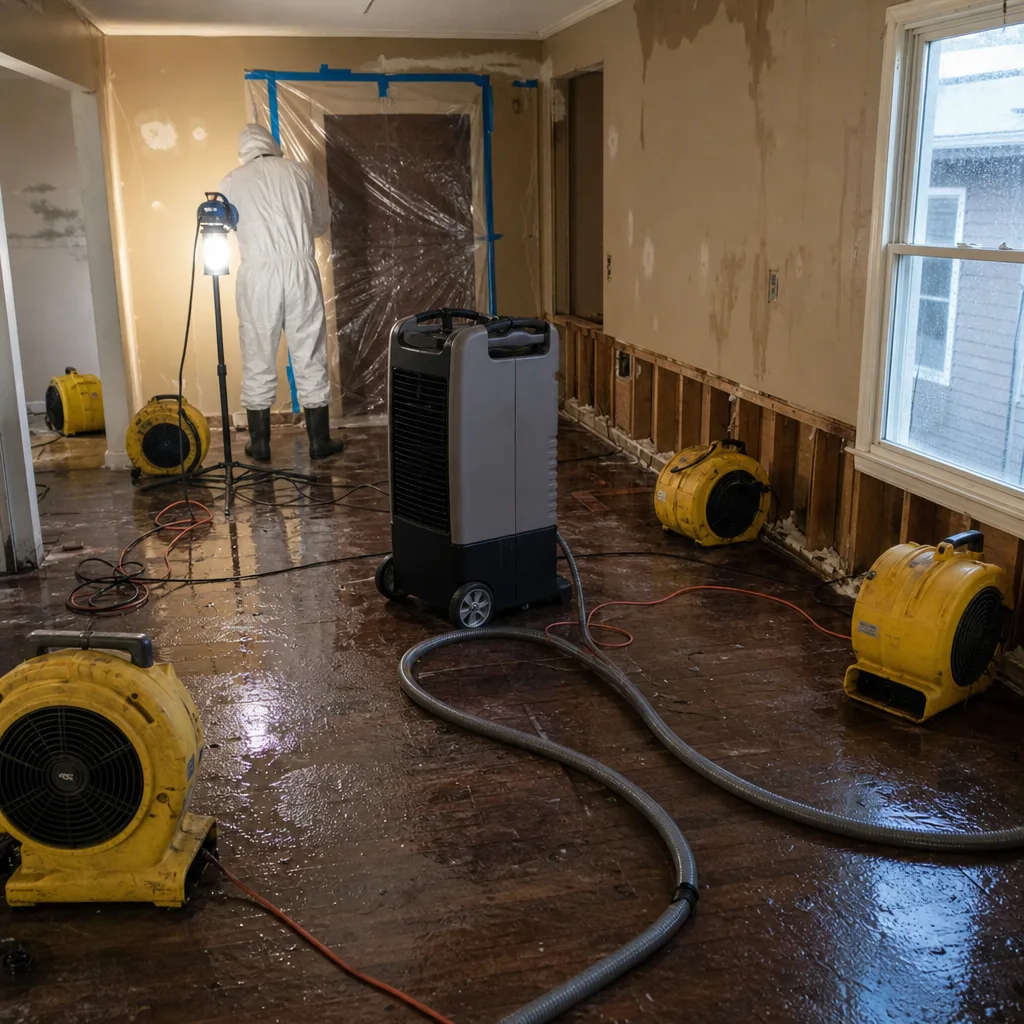
This is the core of West New York restoration work. A pipe burst in one unit of a six-story brick apartment building becomes a four-unit, four-carrier job before anyone opens a wall. We handle vertical moisture mapping across stacked units, coordinate with property managers and HOA boards, and produce separate drying logs and scopes for each affected owner. One call to our Commercial Restoration team starts the whole process.
Business Interruption Minimization
Every hour a Bergenline Avenue storefront stays closed is revenue lost. We prioritize drying strategies that let retail, office, and restaurant tenants reopen partial operations while the work continues. Contains are set tight, negative air is maintained, and the scope is sequenced so the front-of-house can stay open behind plastic.
Large-Loss Response
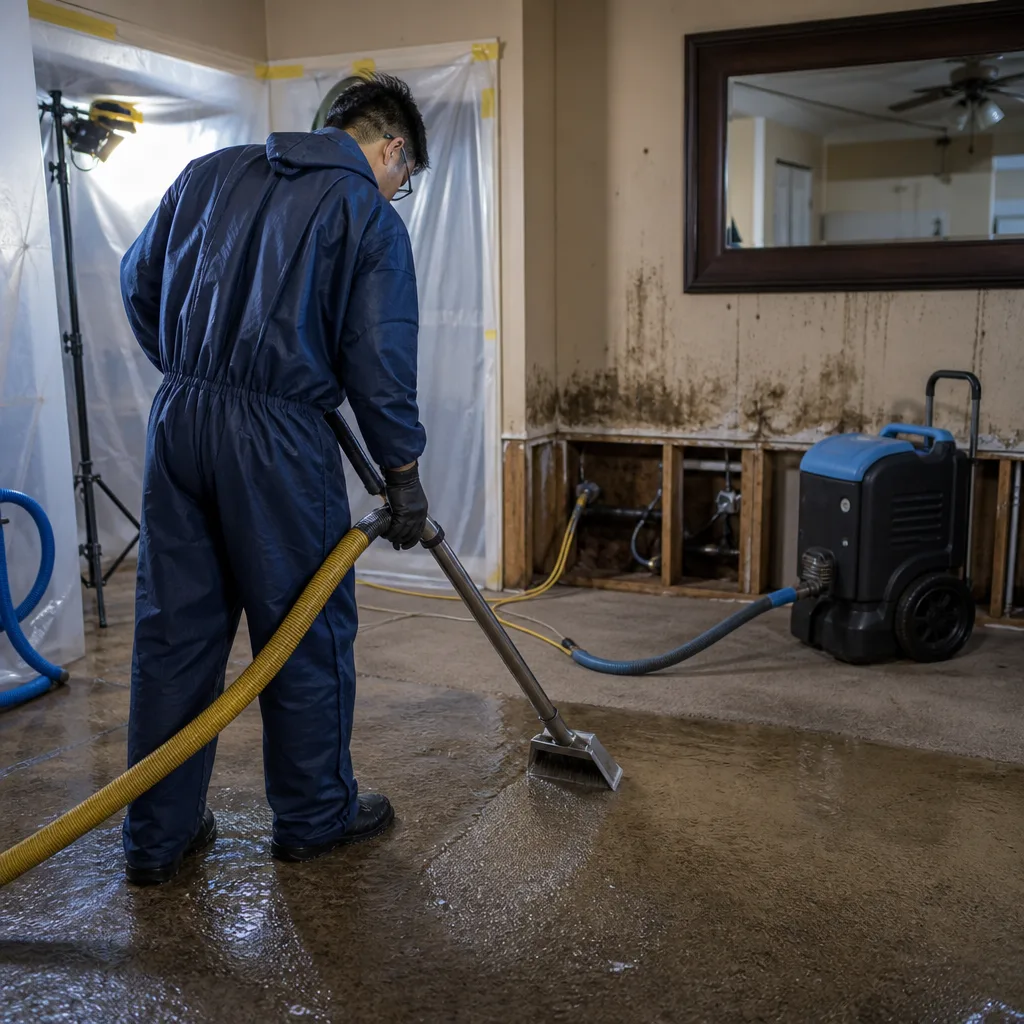
When a rooftop drain clog on a flat-roofed 1960s building has soaked three floors, or a storm surge has flooded six garden-level commercial units at once, the response has to be scaled right. We stage equipment at the curb, plan vertical access before we arrive, and put enough Dri-Eaz dehumidifiers and Phoenix air movers on the job to move real air volume, not a token amount.
Office & Retail Restoration
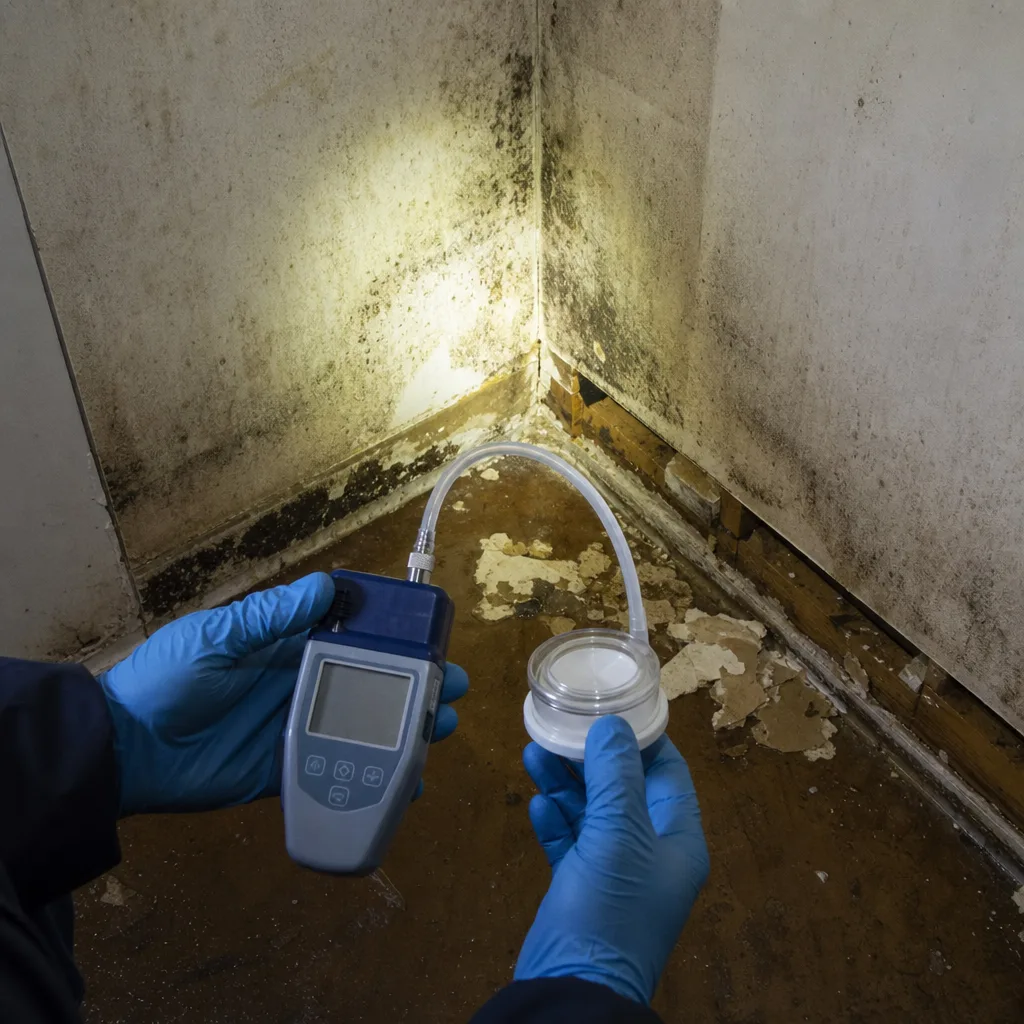
Document recovery, inventory triage, and electronics assessment happen alongside structural drying. We photograph everything for your insurer. Tenant spaces get the same line-item treatment as owner-occupied units, because in West New York, they often are not the same thing.
Industrial Facility Cleanup
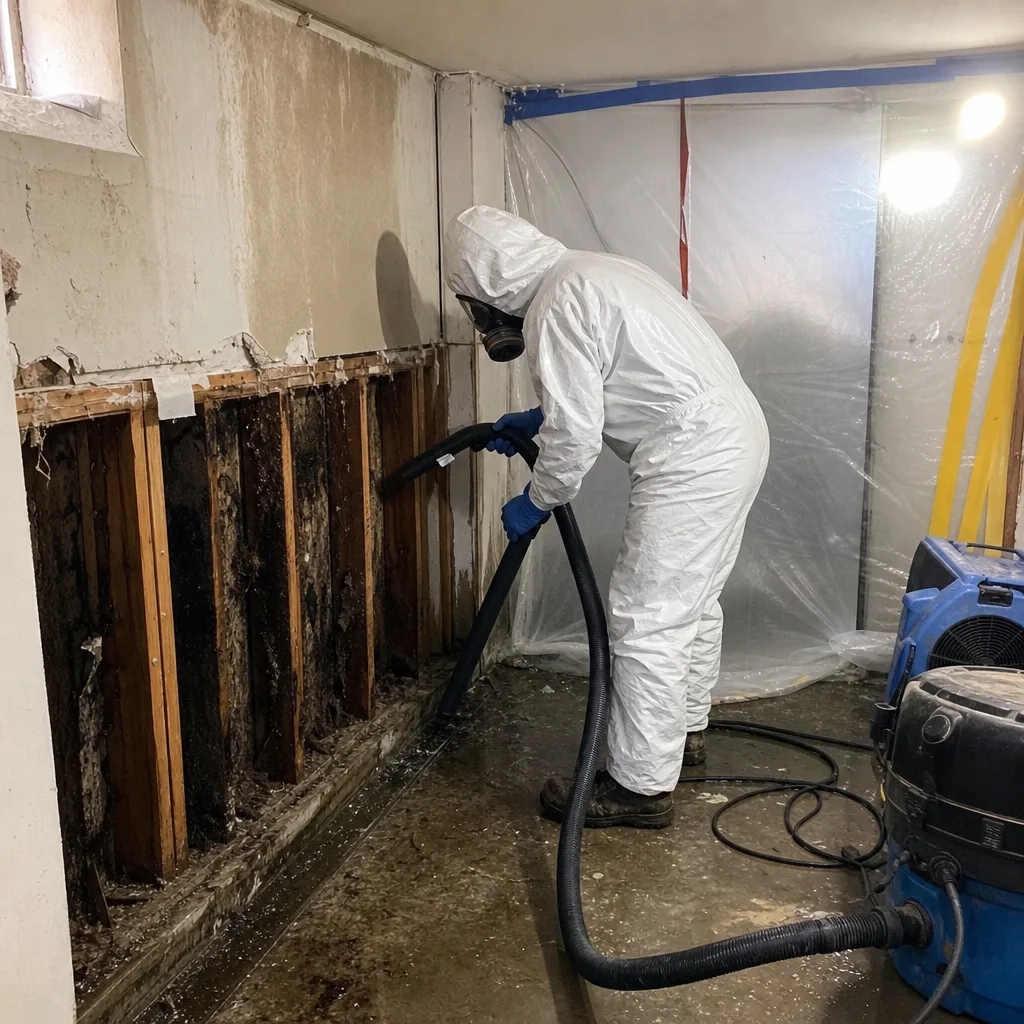
Warehouse and light-industrial spaces near the lower blocks face a different challenge: large floor plates, concrete slab construction, and drains that back up when the municipal system surcharges. We bring in flood pumps, high-capacity dehumidification, and industrial air movement, then chase residual moisture with hygrometers and thermal imaging until the slab reads dry.
What happens when you call
- 1
A real person answersNo phone trees - you reach a local pro.
- 2
You get an upfront price rangeHonest numbers before anyone is dispatched.
- 3
A background-checked tech heads outLicensed & insured, dispatched right away.
- 4
You approve before work beginsNothing starts until you say go.
Commercial Restoration Costs in West New York, NJ
Honest numbers help property owners plan. In West New York, a single-story commercial water extraction with drying typically runs $2,800 to $6,500 depending on affected square footage and water classification. A multi-unit stacked loss, like a fourth-floor supply line break that damages two or three units below, often lands between $12,000 and $38,000 across all affected spaces, and that number climbs if asbestos abatement or brick repointing is required on older stock. Mold remediation in a commercial space with full containment and air scrubbing runs $4,000 to $14,000 for a contained area, more if clearance testing reveals contamination in adjacent units. Rooftop drain failures with saturated ceiling assemblies on multiple floors are the expensive ones: $18,000 to $55,000 when three or more floors are involved. Insurance covers most of these when documentation is complete from hour one. That is exactly what we provide. The free visual inspection gives you a firm scope before any billing starts. Call (201) 903-9581 for an exact quote, and ask about the free second opinion on any written estimate.
We Also Serve Cities Near West New York
Our crews cover the full Hudson County corridor: Jersey City high-rises, Hoboken brownstones and ground-floor retail, Harrison multi-family buildings near the Passaic River, and Kearny industrial spaces along the Belleville Turnpike. Same 45-minute response commitment, same live answer.
Serving West New York, NJ - Our Local Coverage Area
We’re based in the West New York area and know this community well. Use the map below to see our service coverage - if you’re nearby, we can almost certainly help.
West New York Commercial Restoration Questions, Answered
How do you handle a water loss in a West New York apartment building where the leak started one floor above but the visible damage is in three stacked units?
We treat it as one loss with multiple affected spaces, not four separate jobs. Our crew maps moisture on every floor, sets containment at the source, and runs drying logs for each unit. Each affected owner gets their own line-item scope for their own insurance carrier. Call (201) 903-9581 and we will get the mapping started before the water travels further.
What exactly is category 2 water, and why does it show up so often in West New York commercial spaces?
Category 2 water is contaminated water that has picked up chemicals, dirt, or biological material but does not contain sewage. It shows up constantly in West New York because water from a burst pipe in an aging brick building picks up decades of dust, drywall adhesives, and slab residue as it moves through floor assemblies. Once water has passed through a concrete slab and picked up what lives in that slab, it is no longer category 1. Category 2 requires antimicrobial treatment, not just drying. Call us for a free visual inspection if you suspect any contaminated water in your building.
Can you start drying a flooded retail store on Bergenline Avenue before the insurance adjuster even visits?
Yes. We can start extraction and drying immediately, because the documentation we generate from the first hour satisfies adjuster requirements after the fact. Photos, moisture readings, and a line-item scope are all logged as we work. Waiting for an adjuster to visit first just lets the damage spread, and no carrier expects you to do that. Call (201) 903-9581 and we can be on Bergenline within the hour.
A rooftop drain clogged on our flat-roofed 1960s building and water has already soaked through three floors. What does your large-loss response look like for an HOA?
We stage equipment based on building access, often loading Dri-Eaz dehumidifiers and Phoenix air movers through the front entrance or a side access point, then work floor by floor from the source downward. The HOA gets a consolidated damage map, and each affected unit gets its own scope for its own carrier. The process is documented daily, and the board gets a full drying log at the end. Call (201) 903-9581 for a free visual inspection before the moisture migrates any further.
Our office is in a garden-level commercial unit on a lower West New York block near the riverside. Does storm-surge flooding count as category 3 water?
Yes. Hudson River storm surge carries sewage, fuel residue, salt, and sediment. That is category 3 water by definition, and it requires full containment, PPE for every technician, aggressive demolition of porous materials, and sanitization chemistry designed for biohazard-level contamination. Garden-level units on the lower blocks share foundation walls, so surge water moves laterally through shared masonry and into neighboring units. Call (201) 903-9581 immediately if you have floodwater in a below-grade commercial space.
How fast can you actually get here?
We are on the road within minutes of your call, and our crews are typically on site in West New York within 45 minutes. Wade answers his own phone, day or night. In a town this dense, we know the access routes and parking constraints before we leave, so we arrive ready to work. Call (201) 903-9581 and the clock starts now.
How long does drying take in a mid-century brick building like most of West New York’s commercial stock?
Drying in a 1950s or 1960s brick building with concrete slab floors and plaster walls typically takes 3 to 7 days. Concrete slabs hold water longer than wood framing, and the limited cross-ventilation in dense urban blocks slows evaporation. We take daily moisture readings and adjust air mover placement until every floor reads dry, not just the visible surface. The drying log comes to you at the end.
What should we do in the first 30 minutes after discovering a commercial water loss?
Shut off the water at the source if you can do so safely. Kill electrical power to the affected area if water has reached outlets or equipment. Move inventory, documents, and electronics up and out of the wet zone. Then call (201) 903-9581. Do not wait for a ceiling stain to darken. In West New York’s stacked buildings, the water is already two floors down by the time you see it.
Written by Wade Ferris, Owner at Wade’s Restoration, serving West New York since 2007.