
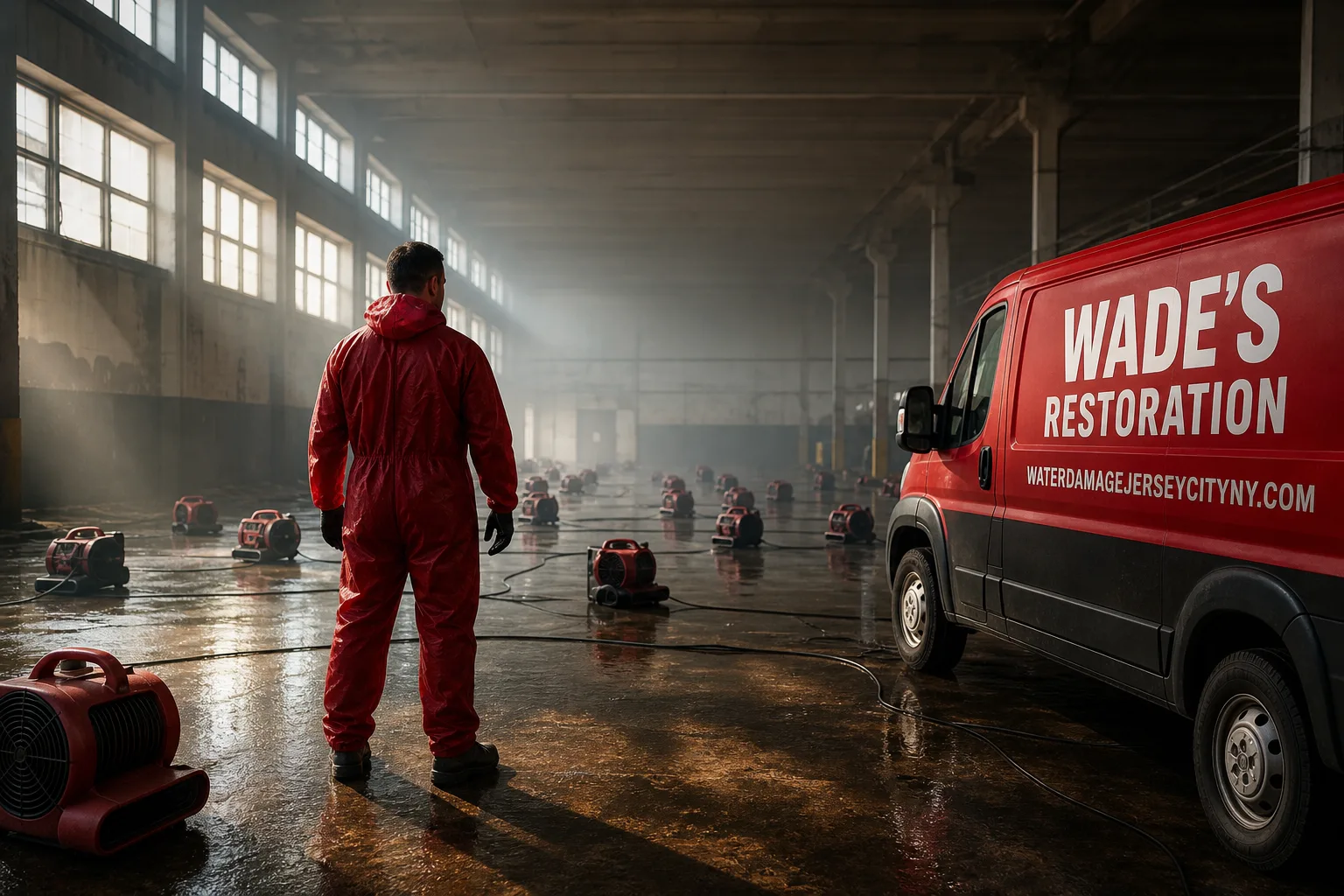
Free visual inspection and a written scope of work before any mitigation begins - photos, moisture readings, and drying logs go in your claim file
The scope we write is the scope we bill. Anything new gets shown to you, in writing, before we touch it.
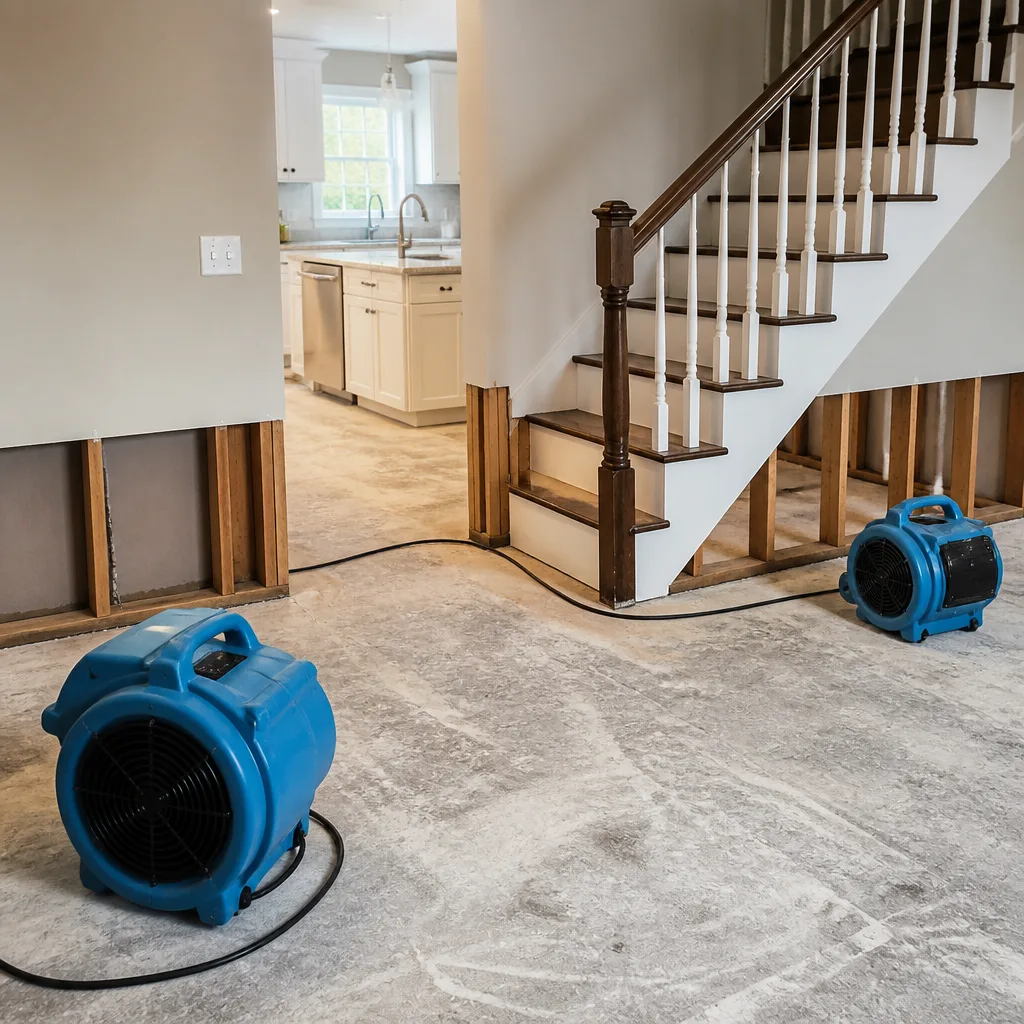
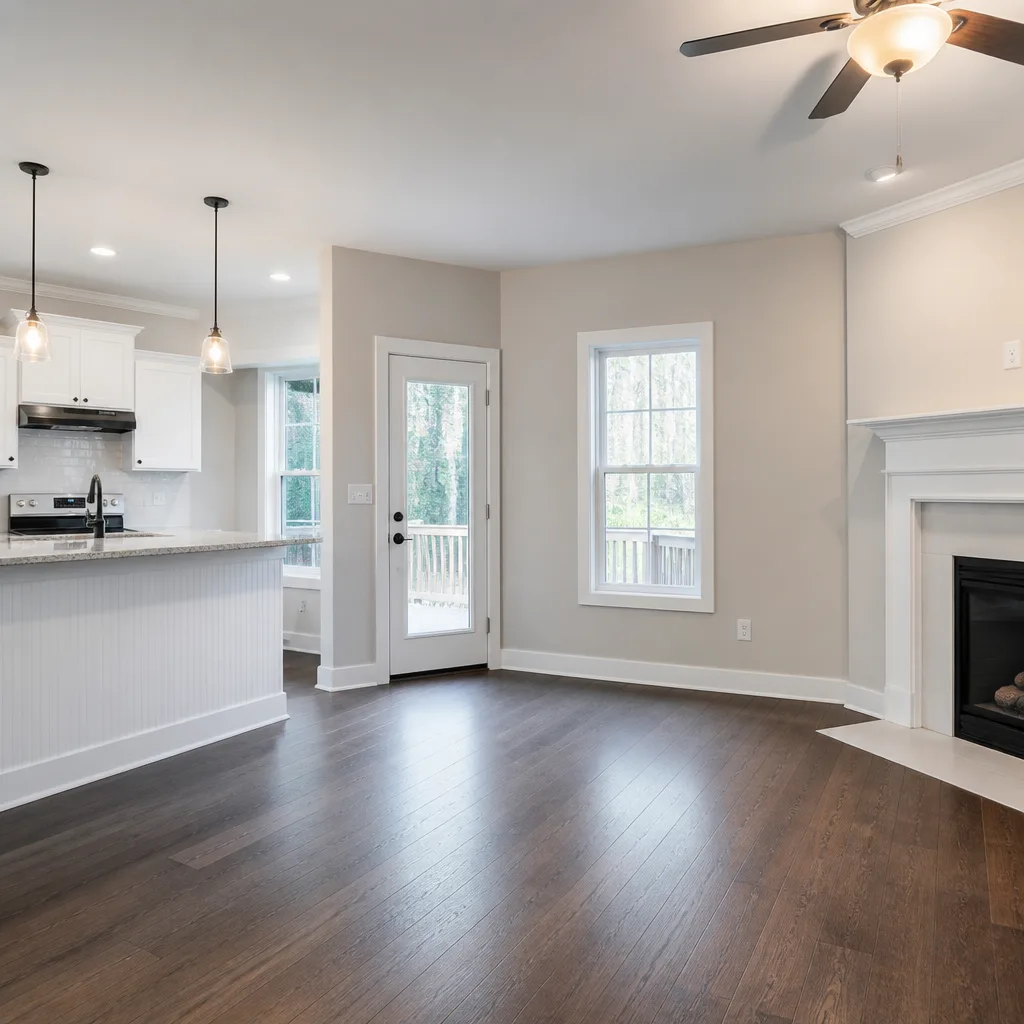
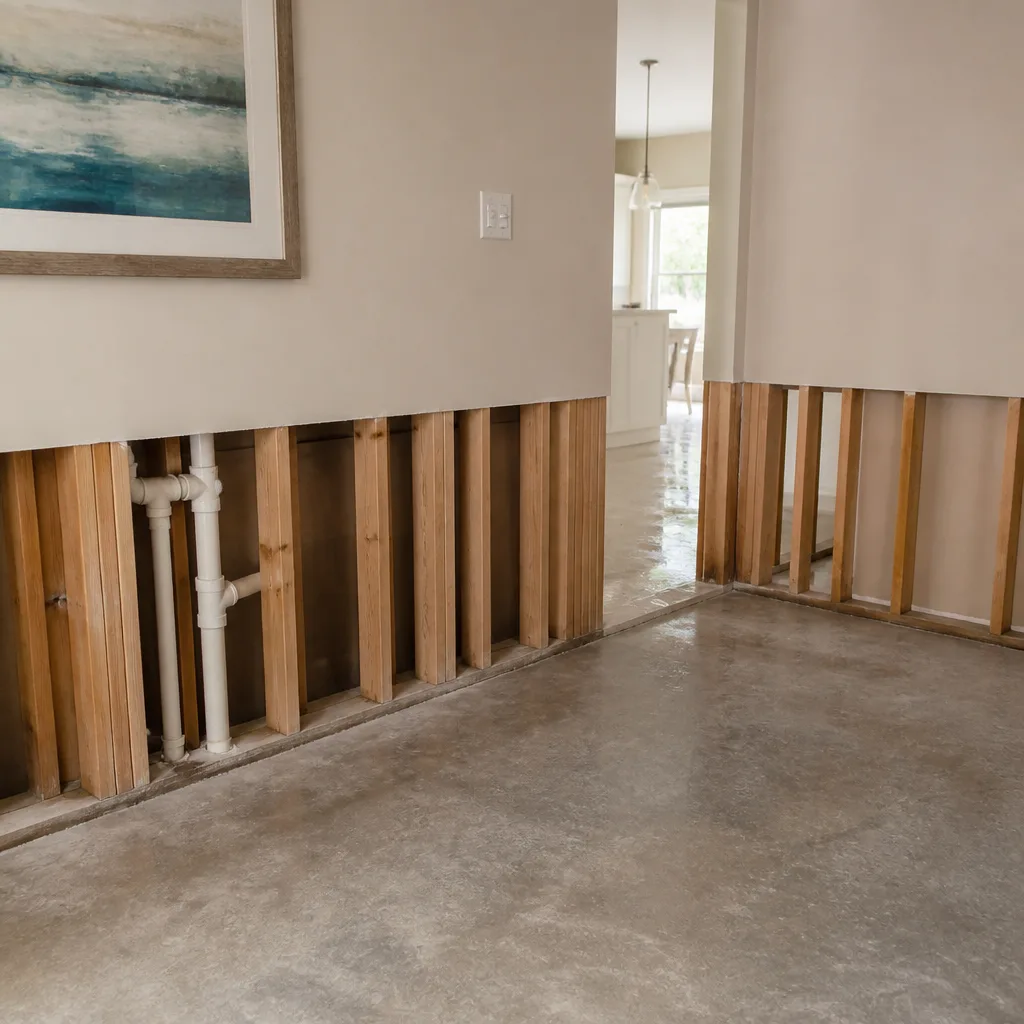
 Before
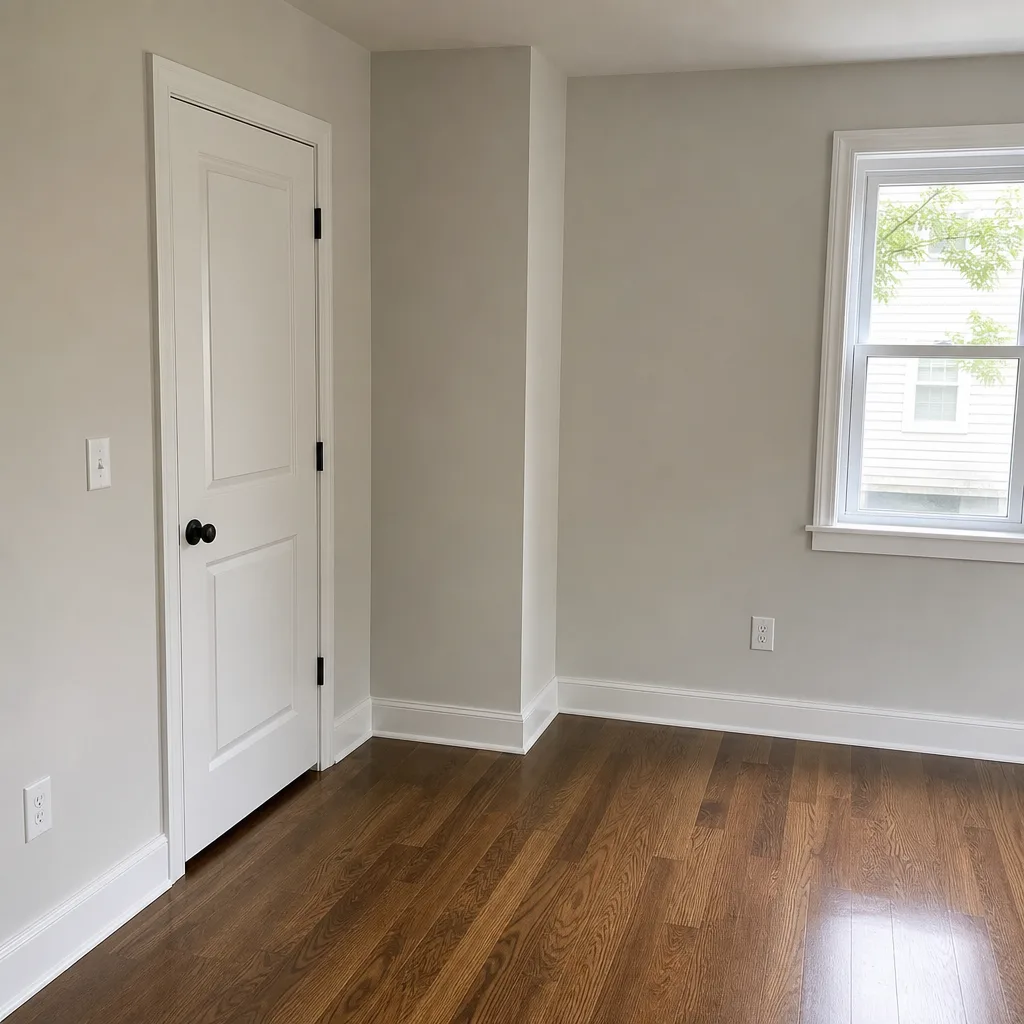 After
After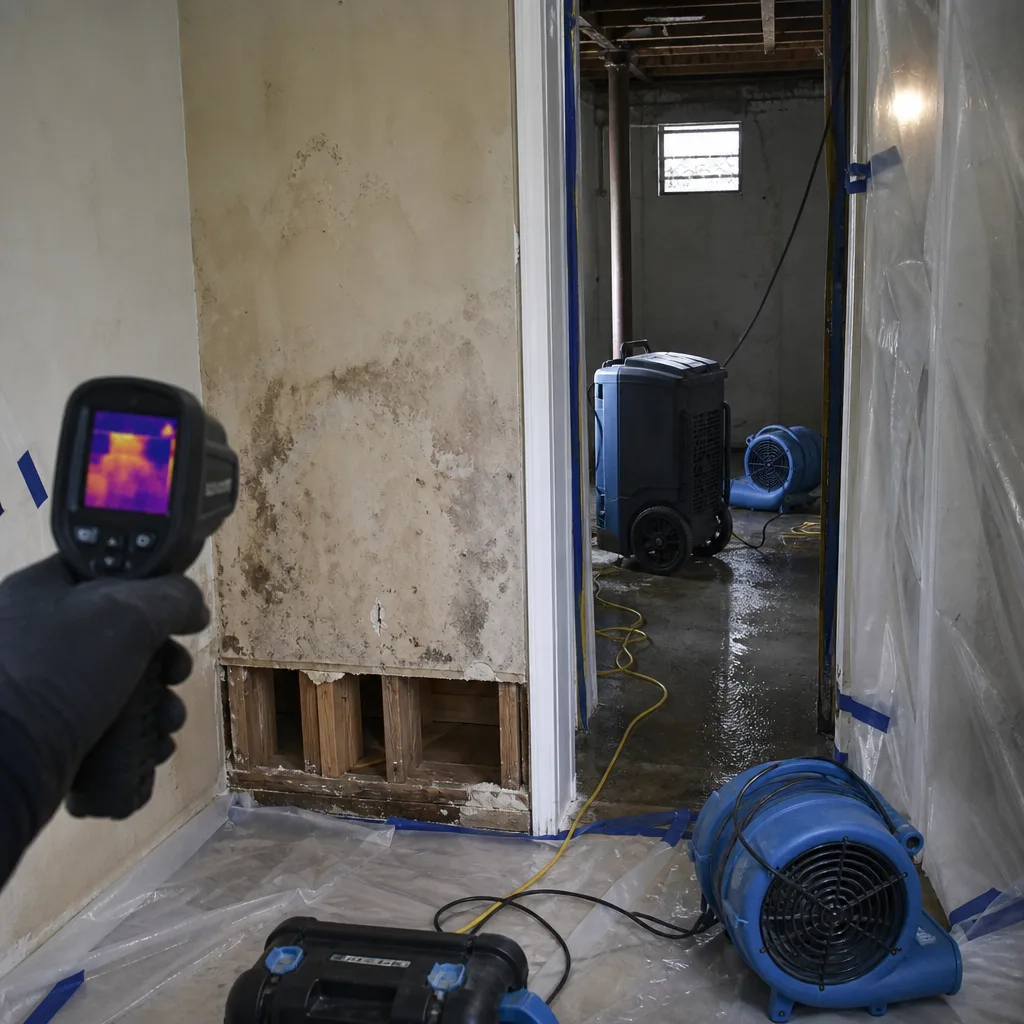 Before
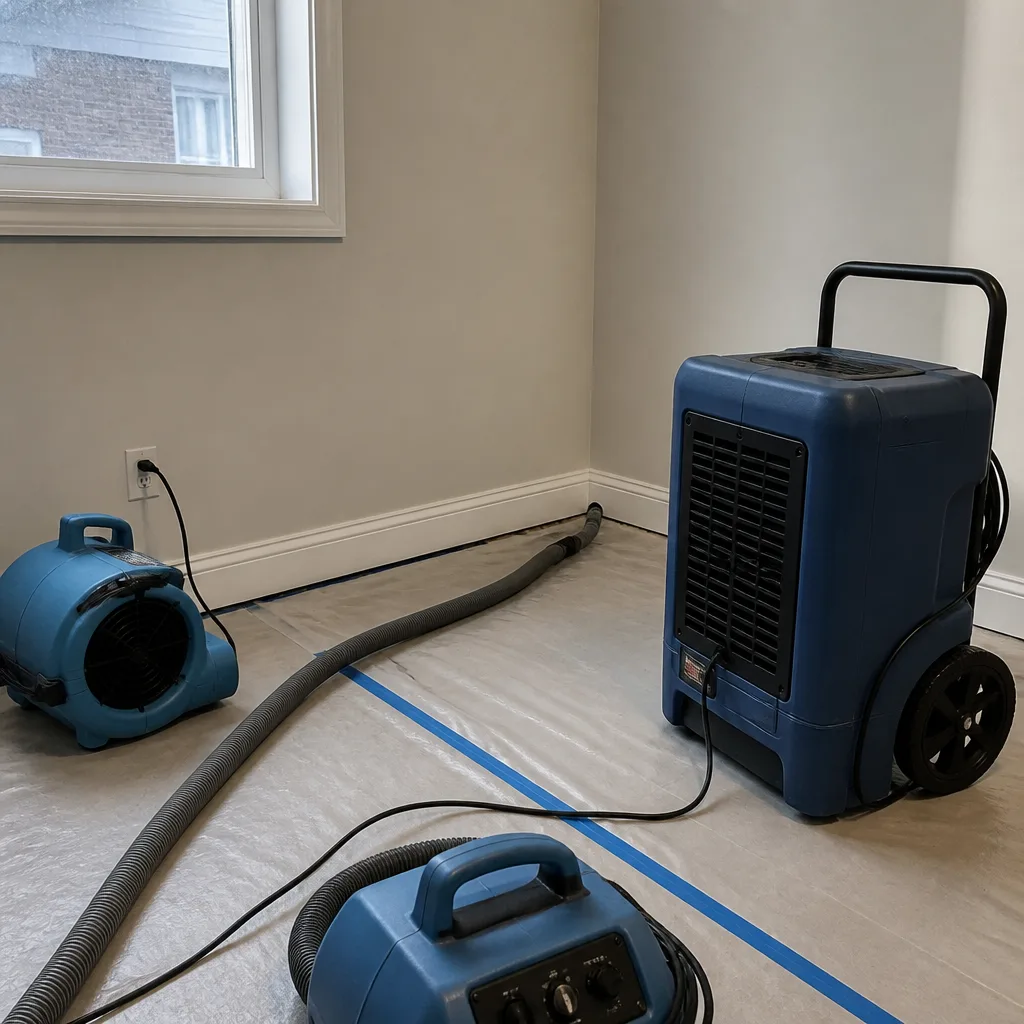 After
After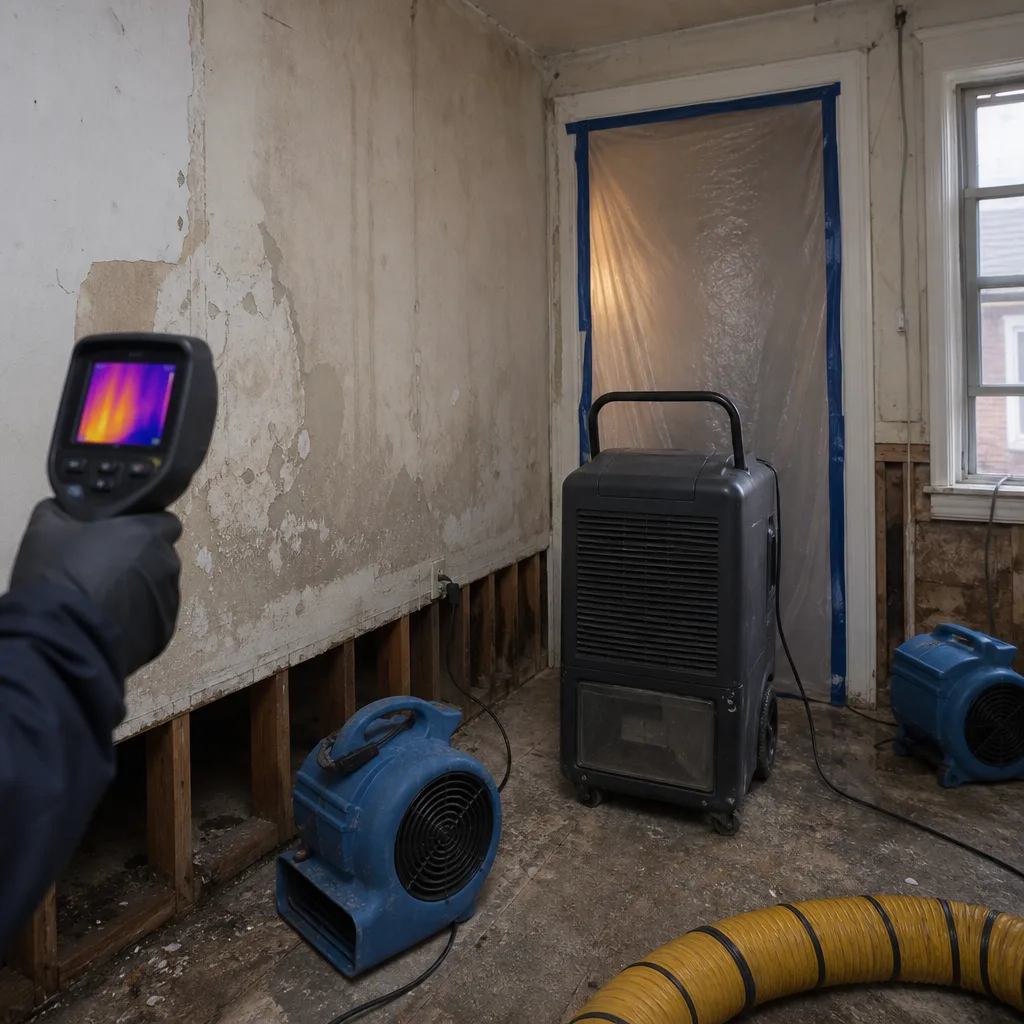 Before
 After
After24/7 Emergency Sewage Cleanup in Midtown Manhattan
Sewage backup in a Midtown Manhattan high-rise is not a wait-until-morning problem. Category 3 water carries pathogens that start degrading drywall, subflooring, and electrical systems immediately, and we answer live around the clock at (201) 903-9581. Our crews staging out of the New York City office can be inside your building within 45 minutes of the call, with extraction pumps running before the water finds the next floor down. Call the moment you see a toilet bowl refilling on its own, water pooling around a floor drain, or that unmistakable odor coming up from a basement mechanical room. The first hour determines whether this is a pump-out and sanitization job or a full gut-and-rebuild across three units. We do a free visual inspection on every call before you owe us a dollar.
Key Takeaways:
- Midtown Manhattan sewage backups often involve pre-war cast-iron waste lines and Con Edison steam infrastructure, not just a clogged toilet
- We answer the phone live 24/7, including Wade himself, and aim to have extraction running within 45 minutes
- Free visual inspection, direct insurance billing, and a written scope before any work starts
- Freight-elevator scheduling and building-management protocols are part of every Midtown job we do
Understanding Sewage Cleanup Severity in Midtown Manhattan Properties
Not all standing water is the same animal. Category 1 water comes from clean supply lines. Category 2 is gray water from appliances and sinks. But when a sanitary line backs up, a toilet overflows beyond the fixture, or a floor drain reverses, you are dealing with Category 3 water: sewage, bacteria, viruses, and whatever else came up with it. This is the water that requires full antimicrobial treatment, containment zones, and HEPA air scrubbing, not just drying. Walking through it without the right gear – and then walking through your living room – is how a contained backup becomes a building-wide contamination event.
Midtown’s building stock makes severity calls harder than they look. A 1930s office tower near Sixth Avenue has original cast-iron waste stacks with decades of interior scaling. When one line backups on the 14th floor, the water does not stay on the 14th floor. It travels down wall cavities, wets the original plaster, and pools in the tenant space below. Moisture mapping with thermal imaging tells us where the water actually went, and in these buildings the answer is usually further than the visible staining suggests. Pre-war structures hold water in ways modern drywall construction does not.
Need Emergency Sewage Cleanup in Midtown Manhattan Now?
Crews minutes away, answering live 24 hours a day. The sooner we start, the less it costs.
Why Midtown Manhattan Property Owners Choose Wade’s Restoration
- 45-minute response commitment. Crews are staged around Midtown so a backup near Grand Central or Times Square gets equipment rolling inside the hour, not after a three-hour callback delay.
- Live answer, always. No answering service, no voicemail queue. Wade Ferris answers his own phone, and so does his crew, 24/7. You talk to the person who signs the work order.
- IICRC-certified crews. Our people carry WRT and ASD credentials, trained on Category 3 water protocols and containment. Not a franchise crew learning on your building.
- Free visual inspection. We look, we measure, we show you the readings. Then we give you a written scope. You do not commit until you have seen what we see.
- Direct insurance billing. We submit directly to your carrier with photos, moisture logs, and line-item estimates. One less thing for you to relay between two parties.
- One team from extraction to reconstruction. We pump it out, dry it, sanitize it, and rebuild it. No handoff to a sub you never met.
Our Sewage Cleanup Process
Inspection & Assessment
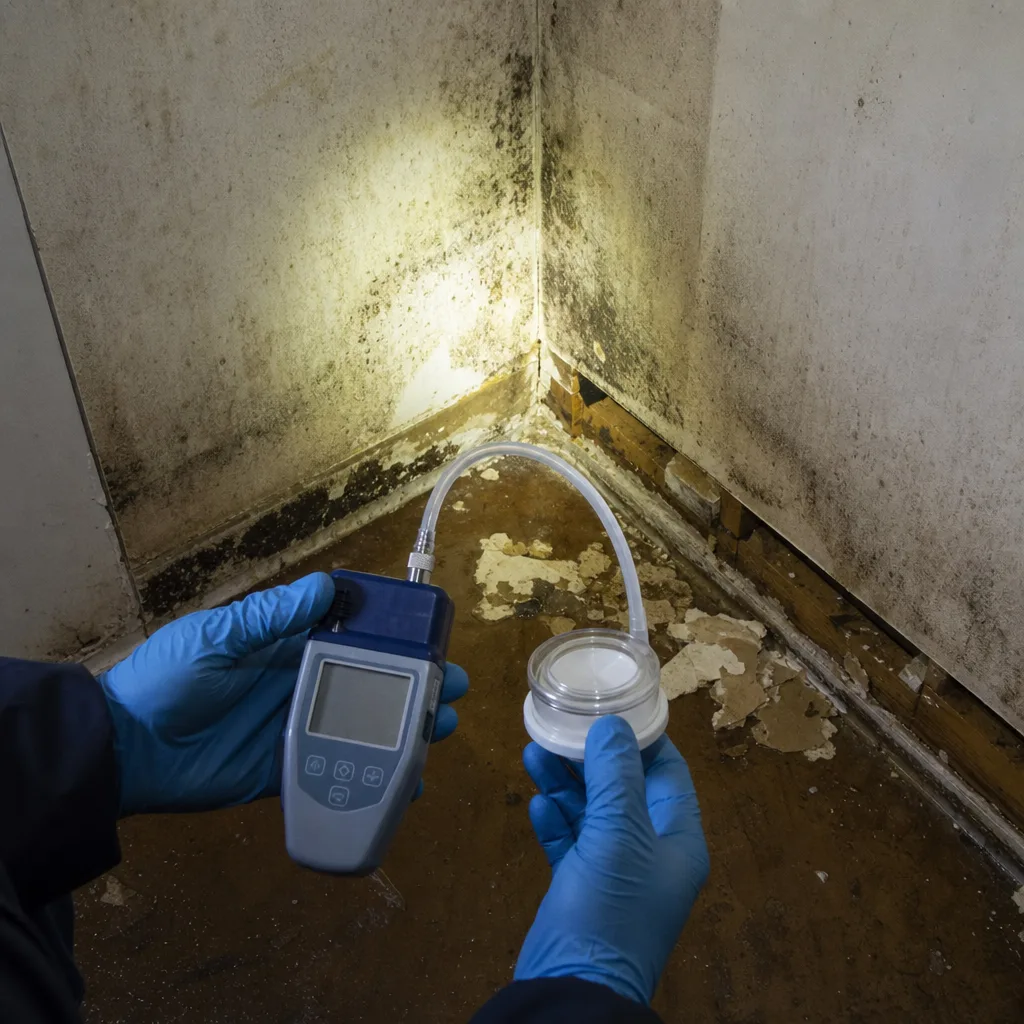
We start with thermal imaging and moisture meters to map exactly where the Category 3 water went, including the wall cavities you cannot see. In a Midtown high-rise, that means checking the tenant space below and above, not just the unit with the visible backup. We document everything with photos before we touch a surface.
Extraction & Stabilization
Submersible pumps and truck-mounted extractors pull the standing water out fast. If the source is still active – a failed waste line or a steam main connection – we isolate and stop the inflow before extraction. This is where the first hour of response saves floors of damage.
Containment & Air Scrubbing
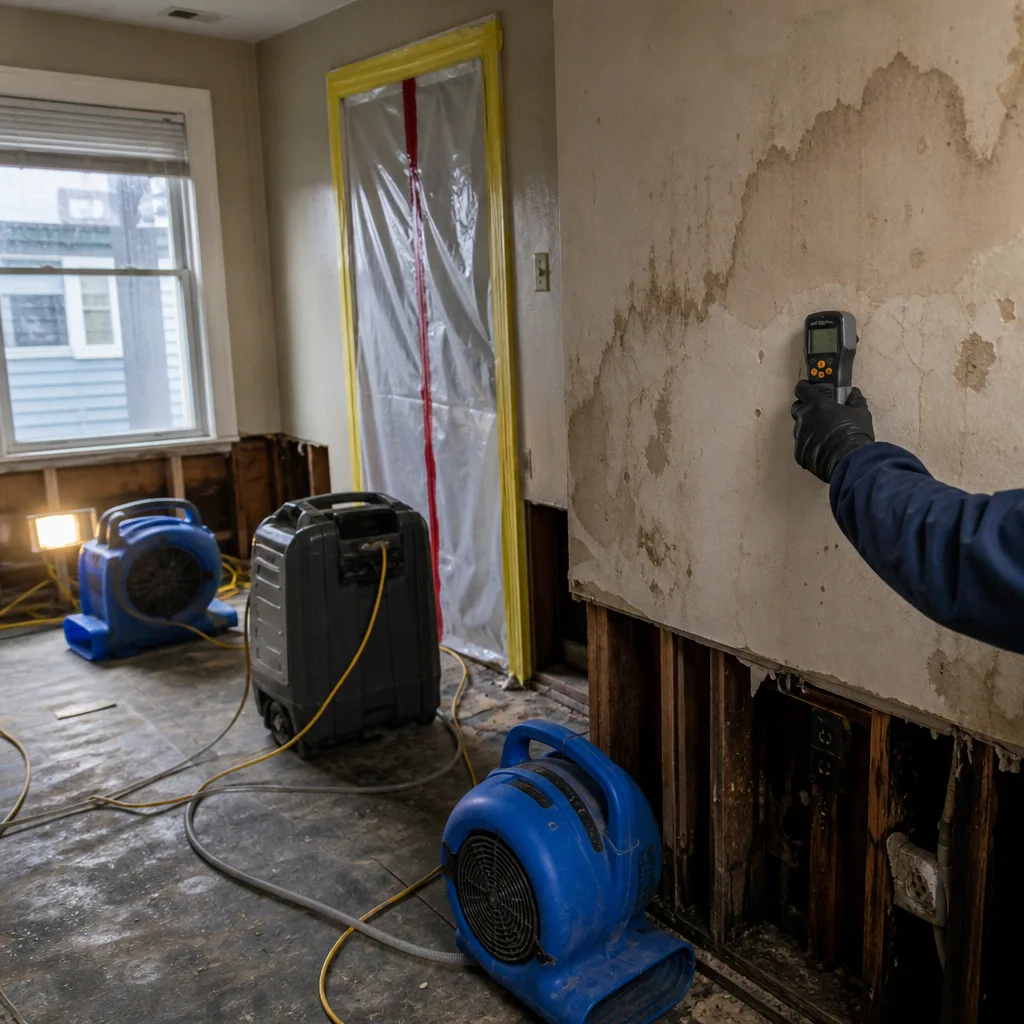
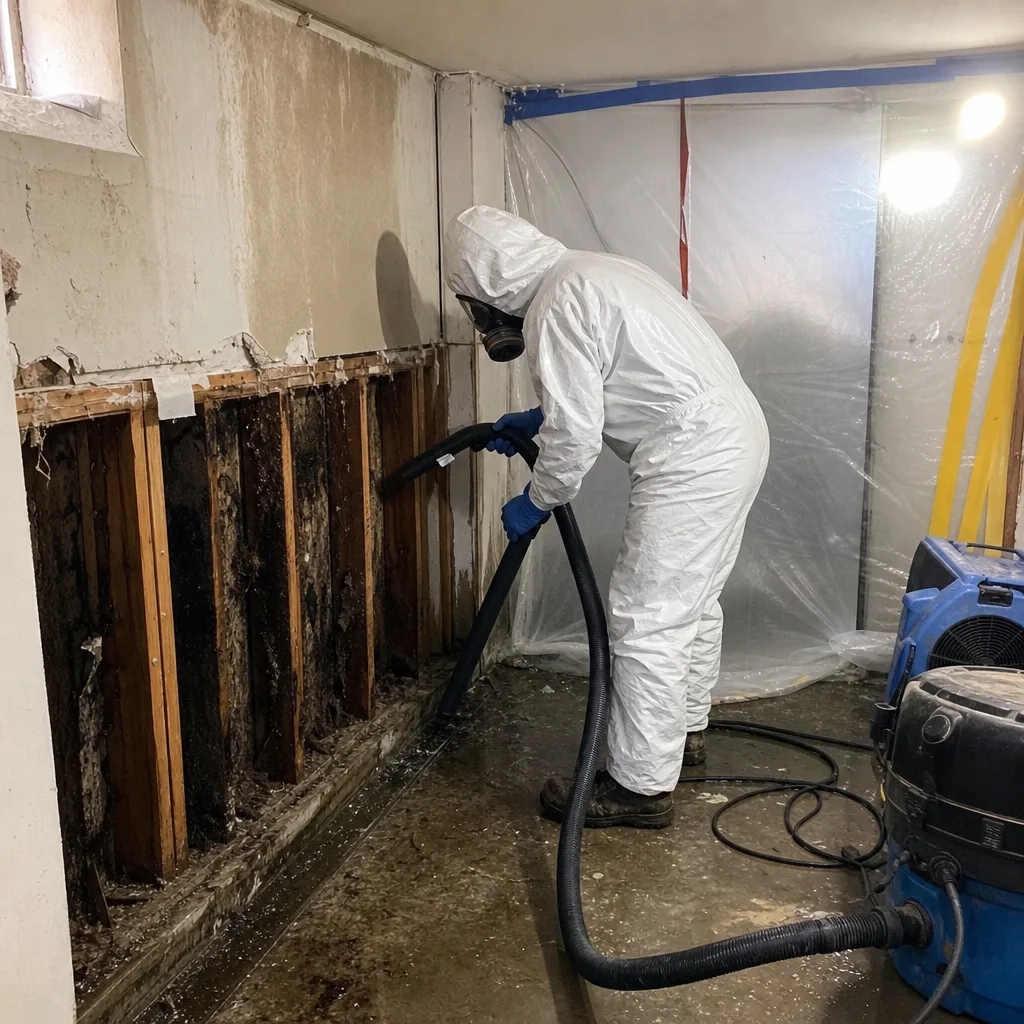
Category 3 water is an airborne hazard once it dries. We seal the affected zone with plastic sheeting, establish negative air pressure, and run HEPA air scrubbers so sewage particulates do not migrate into occupied areas or hallways.
Drying & Dehumidification
High-output Dri-Eaz dehumidifiers and air movers pull residual moisture from structural materials. In pre-war buildings with original plaster, this phase takes longer and must be monitored daily. We log readings every single day and hand you the full log at the end.
Cleaning, Sanitization & Antimicrobial Treatment
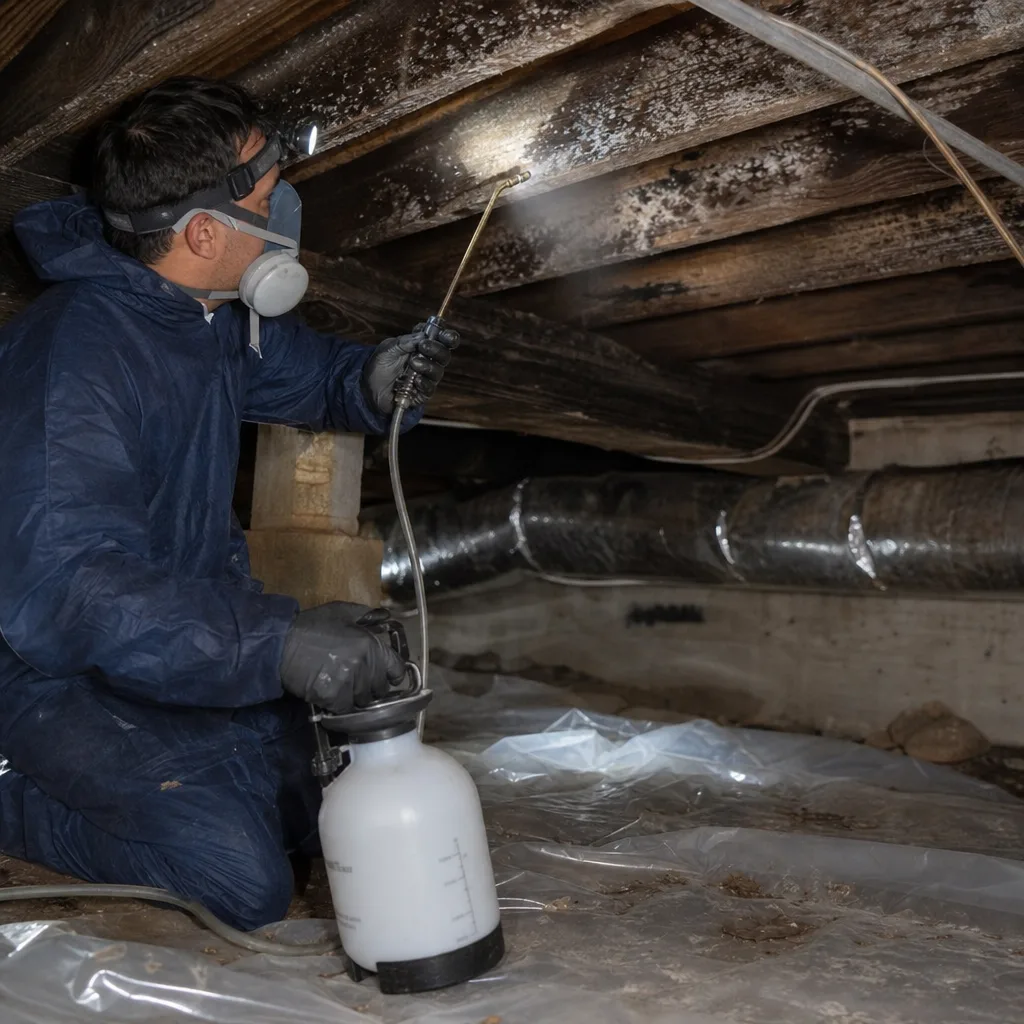
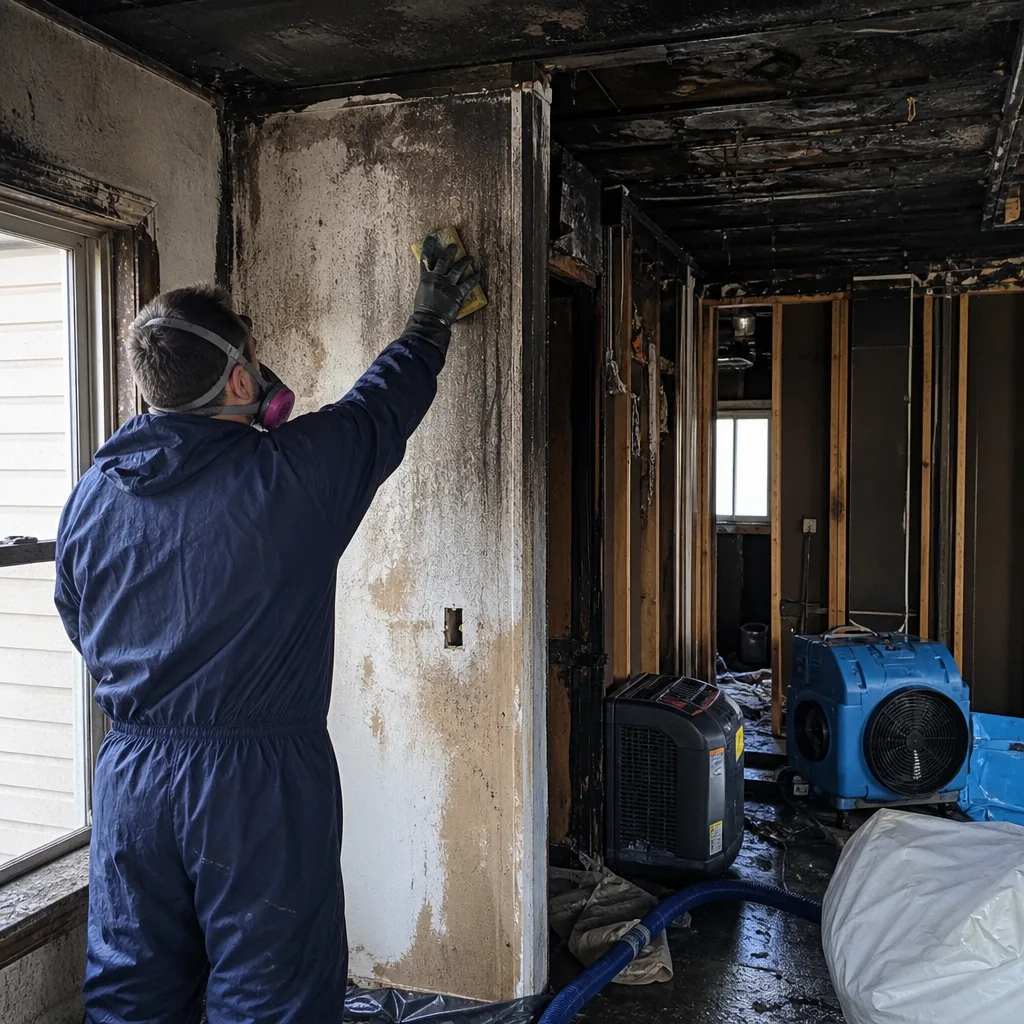
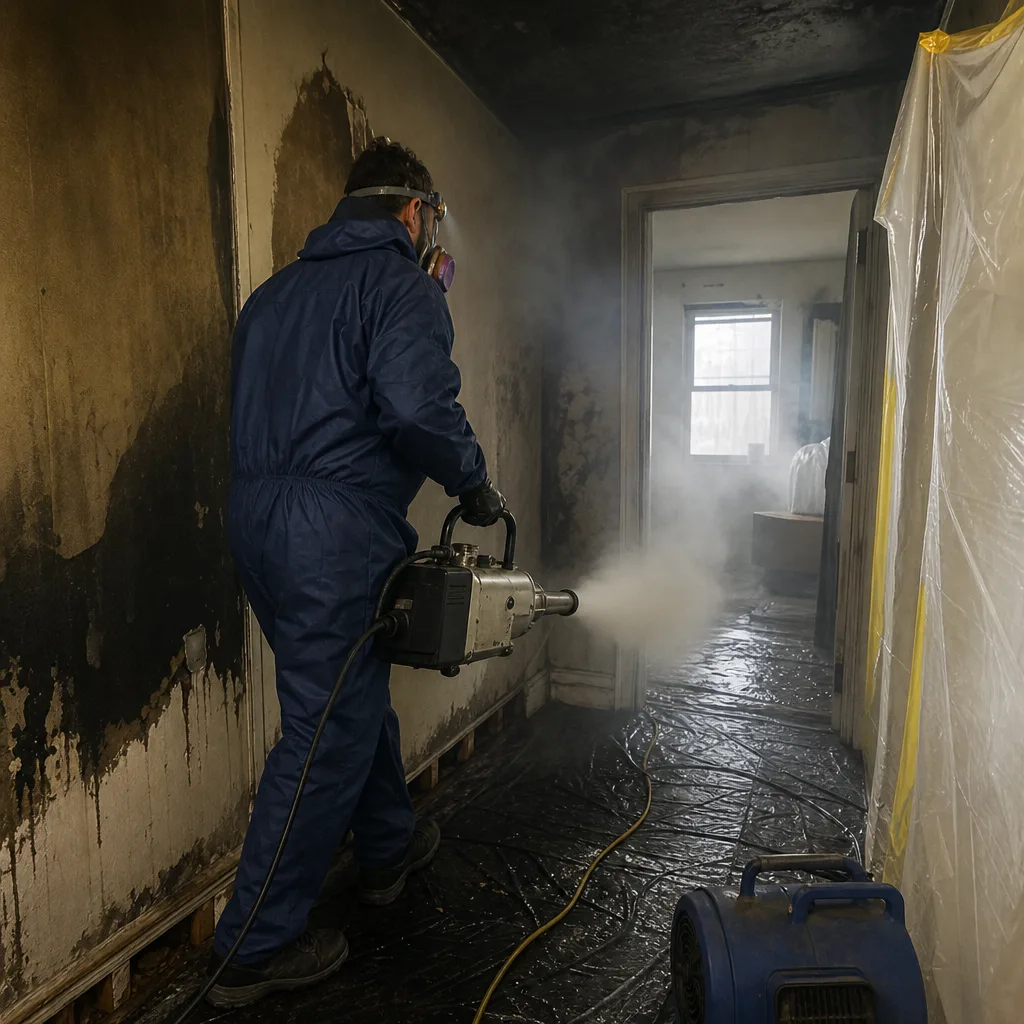
Every surface in the affected zone gets treated with EPA-registered antimicrobials applied to the right dwell time. We address concealed spaces too – wall cavities, baseboard gaps, and subflooring – because sewage lurks where you cannot see it. This is not a mop job.
Repairs & Restoration
Once the space passes a final moisture check, we rebuild: drywall, trim, flooring, paint. The goal is to leave the unit looking like it did before, not like a restoration job ever happened. For larger structural repairs, the scope is priced in writing before any demolition begins.
Working With Your Insurance Company
Sewage cleanup in Midtown Manhattan is almost always an insurance claim, and the carrier wants documentation from hour one. We build the file as we work: time-stamped photos, daily moisture readings, containment records, and a line-item scope that follows industry-standard estimating format. Our team communicates with your adjuster directly, so you are not stuck in the middle of a three-way conversation about whether the plaster behind the baseboard is a Category 3 loss or just wet. The answer is almost always that the carrier needs to see where the water traces, and we show them with instruments, not adjectives. A written scope agreed before work starts protects you, and it also makes the claim cleaner on the back end.
What We Provide Your Insurer
- Thorough documentation of the loss
- Photos of all damage, room by room
- Moisture readings and drying logs
- A detailed, line-item scope of work
- Direct coordination with your carrier
Built for Midtown Manhattan’s Loss Calendar
Midtown’s annual cycle has a pattern, and anyone who has been in this trade long enough knows when the phone will start ringing. January and February bring deep freezes that snap aging supply lines in rooftop mechanical rooms and along exposed facade runs. Air temperatures may be mild at street level, but 30 stories up on a flat-roof tower, wind chill finds the weak joint. The resulting pipe burst can cascade down elevator shafts and stair cores, and if it hits a sanitary line on the way, the Category 3 problem compounds.
Late winter thaw and March rain put pressure on pre-war below-grade waterproofing. Basements and mechanical rooms that have held for 80 years suddenly start weeping at the foundation seams, and seepage finds its way into floor drains that were never meant to carry storm water. Summer convective storms overwhelm the combined sewer system, and that is when a floor drain anywhere in the building can reverse under hydraulic pressure. A sewage cleanup call in August is usually a city infrastructure problem arriving through a basement pipe. Each season has its signature, and we have seen them all in Midtown Manhattan.
Sewage Cleanup Across Midtown Manhattan’s Neighborhoods
A sewage backup near Times Square means working in a crush of foot traffic and theater-district security protocols. Access windows are tighter, loading docks are shared, and a pump running in an alley at 2 a.m. still needs a permit conversation with building management. A few blocks east, near Grand Central, the job is more likely to involve a pre-war office tower with an original waste stack and a building engineer who has seen this before. These buildings run on freight-elevator schedules, and there is no bringing equipment through the marble lobby.
We know the corridors like the back of our hand. Coming north from Koreatown, the buildings get older and the steam lines get more complicated. In the garment-district blocks west of Seventh Avenue, narrow service entrances and shared freight cars make every piece of equipment a logistics problem. The high-rise residential towers south of Central Park bring their own protocols: concierge desks, tenant privacy requirements, and hallway containment that has to be invisible to neighbors. Every neighborhood in Midtown has a different gatekeeper, and we have worked with all of them.
Specialized Sewage Cleanup Services We Offer in Midtown Manhattan
Sewage Backup Cleanup
When a sanitary line backs up into a Midtown Manhattan basement or ground-floor tenant space, the source is rarely the fixture itself. Usually it is an aged cast-iron line, a collapsed clay pipe under the sidewalk, or a combined sewer surcharge from a heavy storm event. We trace the backup, stop the inflow, and bring the affected space back to safe occupancy. In high-rise buildings, that often means coordinating with the building’s plumbing contractor while we handle the water damage, because the clog is in a stack that serves 15 floors, not one unit.
Black Water Extraction
This is the work that cannot wait. Black water is the category that carries sewage, and standing black water in a Midtown mechanical room is actively damaging every minute it sits. We use submersible pumps rated for solids, then follow with truck-mounted extraction to get the last of the standing water out of low spots. Full PPE, full containment, full antimicrobial treatment. There is no shortcut here, and we will not pretend there is one.
Sanitization & Disinfection
After extraction and drying, the entire affected zone gets treated with EPA-registered antimicrobials, fogged into concealed cavities, and wiped down at all touchpoints. In a commercial or mixed-use Midtown building, that includes shared hallway segments, stair landings, and any surfaces the water or the crew touched. We leave a building floor cleaner than it was before the event, which is exactly the standard building management expects before they reopen common areas.
Toilet Overflow Cleanup
A toilet overflow in a Midtown condo or office restroom, when it goes beyond the fixture and pools on the floor, is a Category 3 event. The water wicks into grout lines, under baseboards, and through ceiling assemblies to the space below. We contain it fast, extract it, and treat the full affected area. The faster this starts, the less likely the unit below is filing a claim against yours.
Septic Failure Cleanup
Less common in Midtown core than in the outer boroughs, but some pre-war structures south of 42nd Street still tie into legacy private waste lines functioning like a septic system. When those fail, the result is identical: sewage surfacing where it should not be. We treat it the same Category 3 way, and we coordinate with the building’s engineer on the plumbing-side fix.
What happens when you call
- 1
A real person answersNo phone trees - you reach a local pro.
- 2
You get an upfront price rangeHonest numbers before anyone is dispatched.
- 3
A background-checked tech heads outLicensed & insured, dispatched right away.
- 4
You approve before work beginsNothing starts until you say go.
Sewage Cleanup Costs in Midtown Manhattan, NY
A straight toilet overflow cleanup with extraction and sanitization in Midtown Manhattan typically runs $1,800 to $3,500 when caught within the first hour. A multi-floor sewage backup through a pre-war waste stack is a different animal, usually $7,000 to $18,000 depending on how many units were affected, what materials need to go, and whether containment had to extend into shared building spaces. If Con Ed steam lines are part of the event and asbestos abatement enters the scope, the total can exceed $25,000 with abatement as its own line item. The price moves on three things: how much water got out, whether original plaster or drywall is involved, and how many floors the carrier needs documentation for. Most policies cover this as a sudden and accidental discharge, which means your out-of-pocket is typically the deductible. Call us at (201) 903-9581 for a free visual inspection and a written scope before any work starts. That inspection clears up the price conversation for good.
We Also Serve Cities Near Midtown Manhattan
If your building sits just outside the Midtown core, or if you manage multiple addresses across Manhattan and Queens, we handle sewage cleanup near Midtown Manhattan too. That includes Financial District with its own pre-war towers, Lower Manhattan mixed residential conversions, Long Island City industrial-to-residential retrofits, and Midtown West commercial and residential blocks. Same 45-minute response target, same written-scope commitment.
Midtown Manhattan Sewage Cleanup Questions, Answered
How fast can you actually get to a Midtown Manhattan building?
We commit to a 45-minute response target for Midtown Manhattan addresses. Crews are staged around Manhattan, so a backup near Grand Central or in the theater district gets a crew rolling inside the hour in most cases. The first hour is when extraction still prevents the water from reaching the next floor down, so call (201) 903-9581 the moment you see backup water and we will get there as fast as traffic and freight-elevator access allow.
How does Midtown Manhattan’s high-rise density affect sewage cleanup logistics?
Everything is slower and more complicated than a suburban job. Equipment has to move through service entrances and freight elevators on building-management schedules, not through the front door. Hallway containment has to be invisible to tenants and compliant with building fire-safety rules. A pump that would take 30 minutes to deploy at a house can take two hours at a Midtown tower, and planning around that is the difference between a contained loss and a cascading one.
What should I do if a sewage backup occurs in a building served by Con Edison steam?
Do not enter the area. Shut down electrical circuits to the affected zone if you can do so safely, and call us immediately. If the backup traces to a Con Edison steam line or a building steam-heat return line, you may be dealing with superheated steam and legacy asbestos insulation in addition to Category 3 sewage. We coordinate with Con Edison and licensed abatement contractors on jobs like this. The Lexington Avenue corridor has a documented history of steam main failures, and any below-grade backup there should be treated as a potential dual hazard until proven otherwise.
Can you work in a pre-war building with narrow freight elevators and limited clearance?
Yes, and we do it regularly. Pre-war Midtown buildings are the norm for us, not the exception. We size our equipment for clearance restrictions: smaller-profile air movers, portable extractors that fit a 30-inch freight car, and drying setups that do not require large floor footprints. Our crews have worked in some of the narrowest service corridors in Midtown and have never missed a drying window for lack of equipment access.
How do you handle a sewage backup that affects multiple floors at once?
We set containment per floor, not just at the source. Each affected unit or tenant space gets its own negative-air zone, and we coordinate with building management on shared-space remediation. On a recent job near Grand Central, a failed waste line in a pre-war high-rise flooded three floors. We secured freight-elevator windows and worked overnight to extract, contain, and treat while building management kept hallway access restricted during business hours. Multi-floor jobs are a scheduling and logistics problem as much as a water problem.
Will my insurance cover sewage cleanup in Midtown Manhattan?
Most commercial and residential policies cover sewage backup as a sudden and accidental discharge, subject to your deductible. The carrier will want proof that the source was sudden, not a slow leak, and that mitigation started immediately. We provide that documentation from the first hour: time-stamped photos, moisture logs, containment records, and a line-item scope. We bill your carrier directly, and we talk to your adjuster so you do not have to manage the back-and-forth. Call (201) 903-9581 and we will walk you through the claim path on this specific loss.
Can we stay in the building during cleanup?
If containment is set correctly, you can usually stay in occupied portions of the building or unit. The affected zone gets sealed with negative air pressure and HEPA scrubbing, so sewage particulates are not moving through your air. If the loss involves a multi-floor stack failure or a Con Edison steam complication, building management may require partial evacuation of the affected corridor. We coordinate that with the building engineer and give you a straight answer as soon as we see the scope.
What certifications do your crews hold?
Our crews carry IICRC WRT (Water Damage Restoration Technician) and ASD (Applied Structural Drying) certifications, with RIA affiliation behind them. Wade Ferris has run Wade’s Restoration since 2007, and every crew he sends into a Midtown Manhattan building is background-checked, uniformed, and trained on the specific containment and treatment protocols for Category 3 water. That is the standard your building’s insurance carrier and management company expect.
Serving Midtown Manhattan, NY - Our Local Coverage Area
We’re based in the Midtown Manhattan area and know this community well. Use the map below to see our service coverage - if you’re nearby, we can almost certainly help.
Call Wade’s Restoration for Sewage Cleanup in Midtown Manhattan
A sewage backup in a Midtown high-rise is not a problem you want to spend the night worrying about. Call (201) 903-9581, talk to a live person, and get a crew rolling toward your building. Free visual inspection. Written scope before any work starts. Direct insurance billing. And Wade Ferris stands behind every job with his name on the truck and his phone number on the invoice. When a cast-iron waste line fails at midnight in a pre-war tower, you want the person who answers to be the person who comes.
Written by Wade Ferris, Owner at Wade’s Restoration, serving Midtown Manhattan properties from our New York City office.