
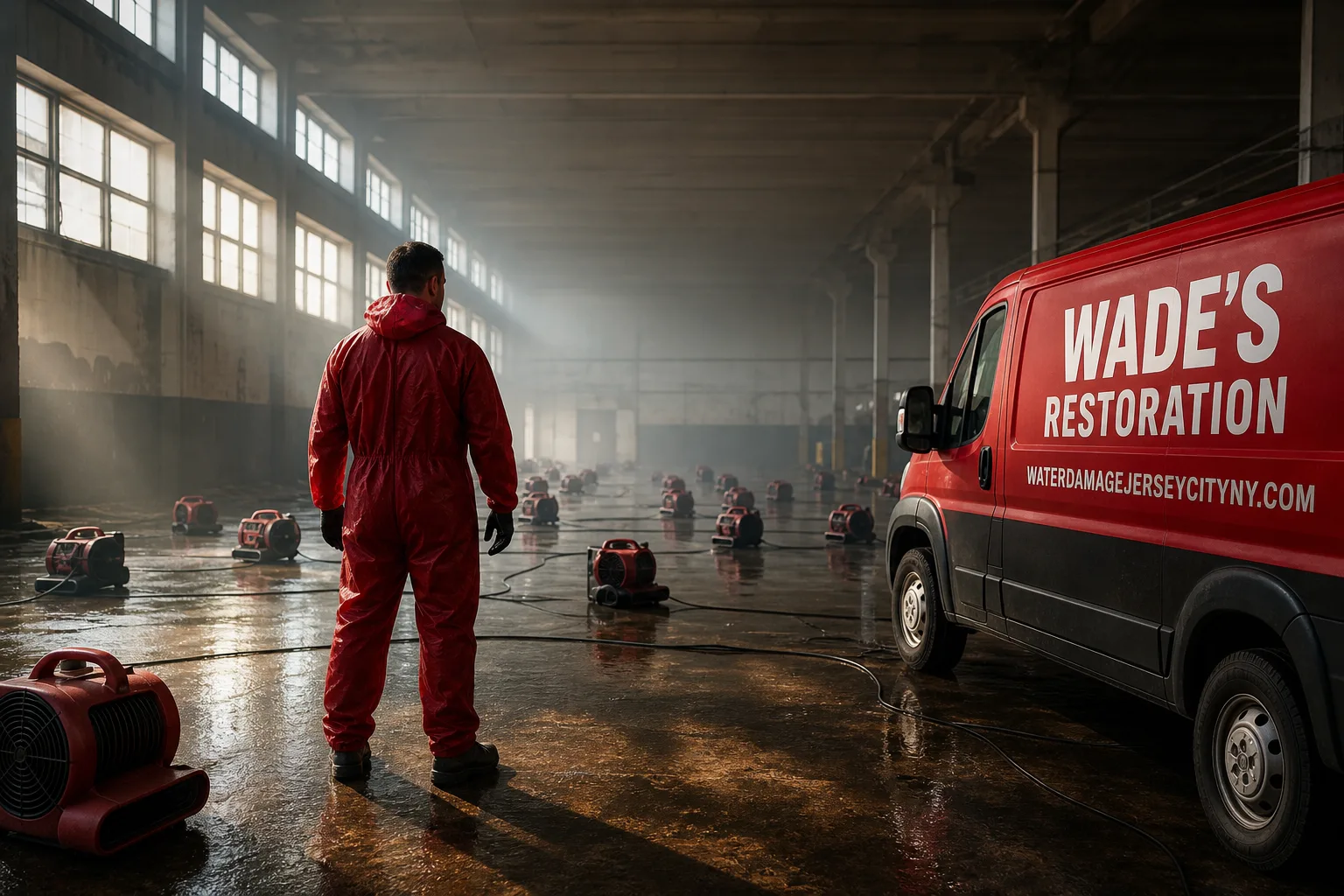
Free visual inspection and a written scope of work before any mitigation begins - photos, moisture readings, and drying logs go in your claim file
The scope we write is the scope we bill. Anything new gets shown to you, in writing, before we touch it.
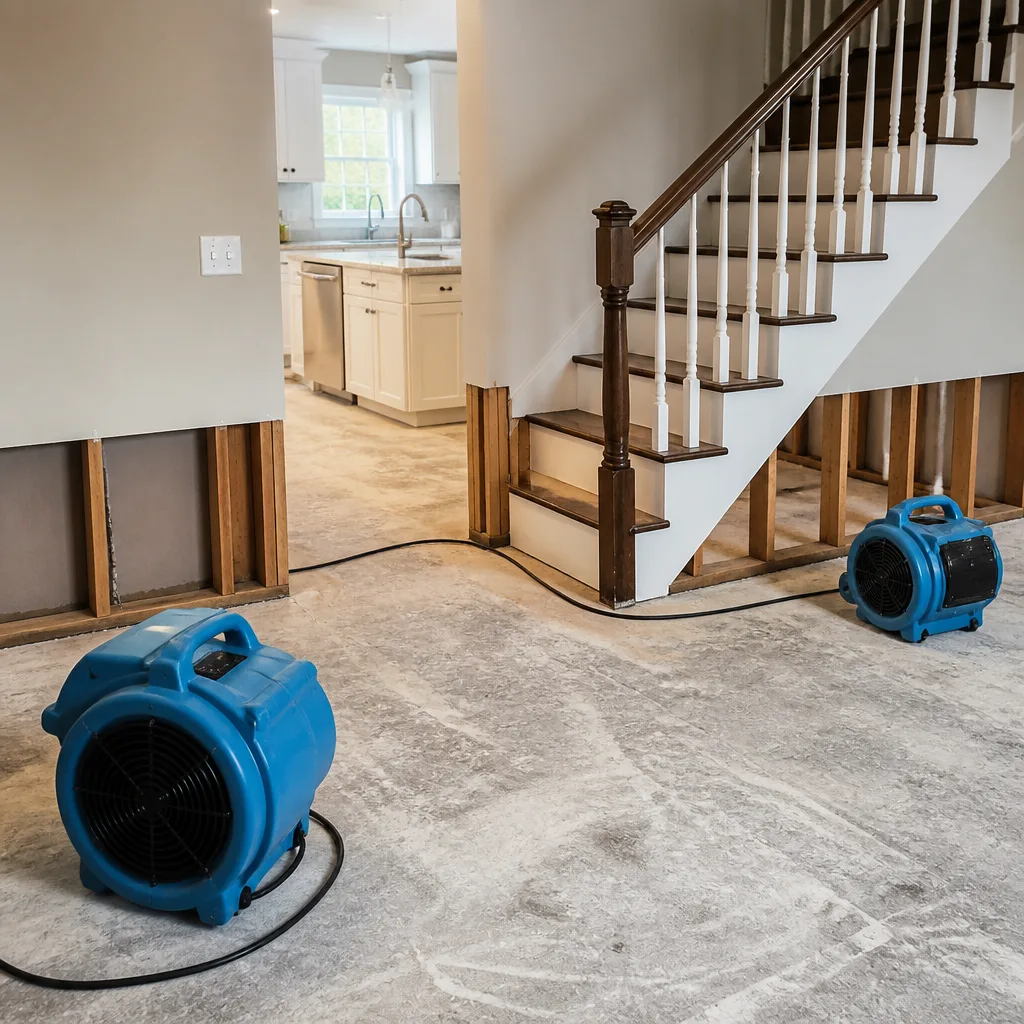
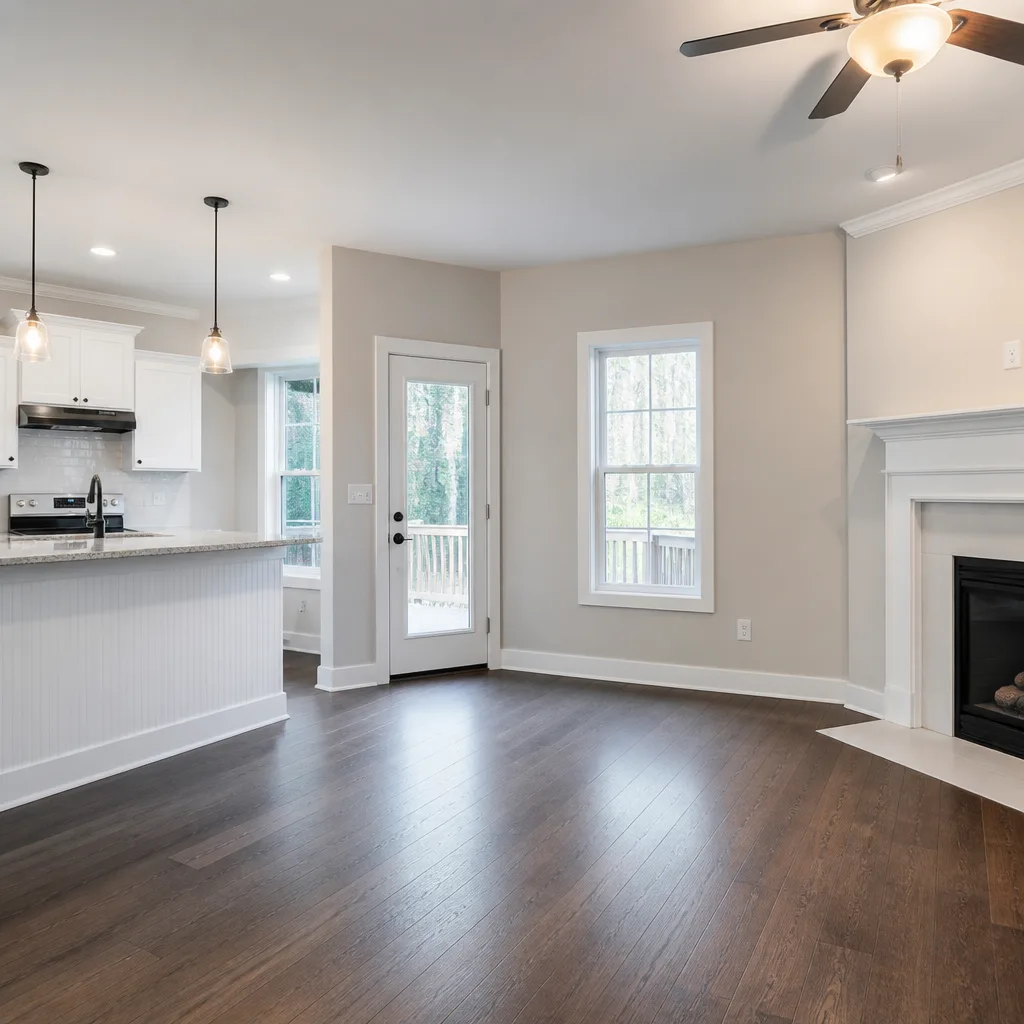
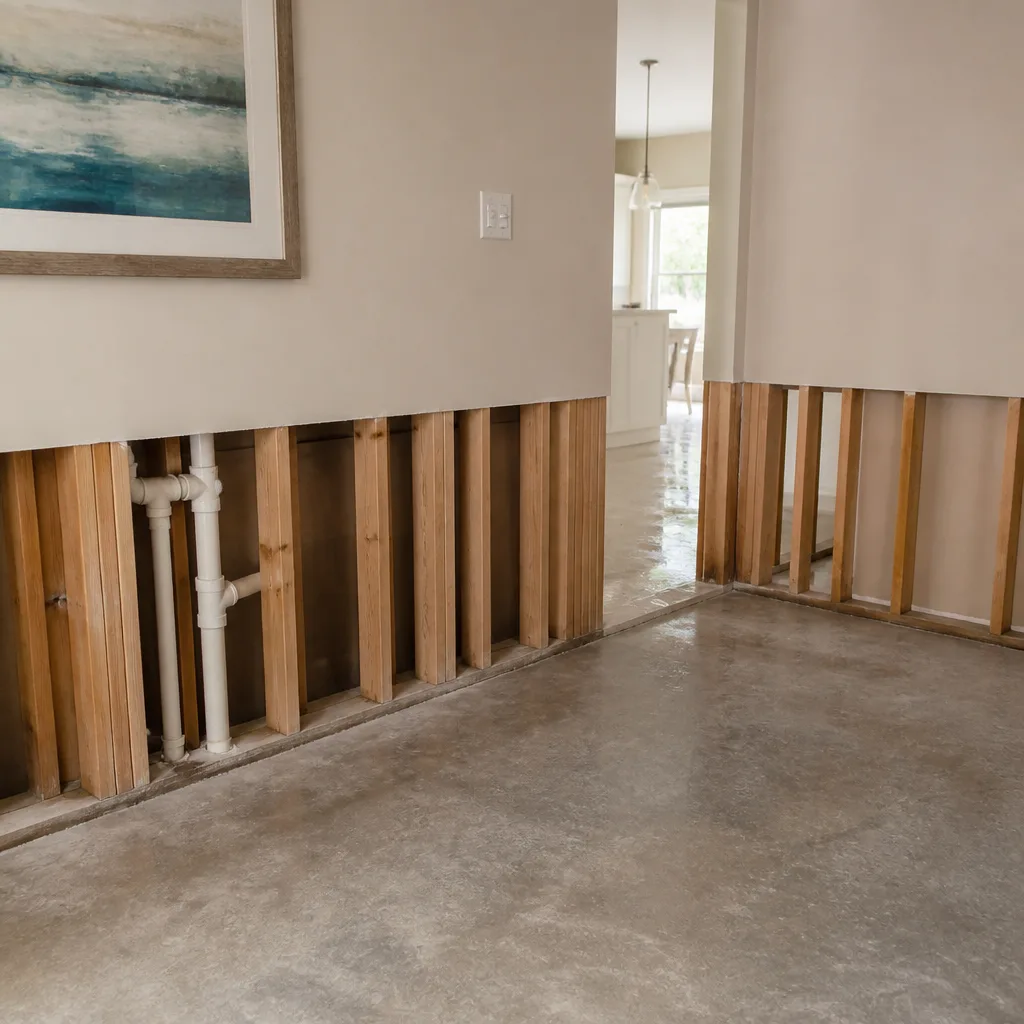
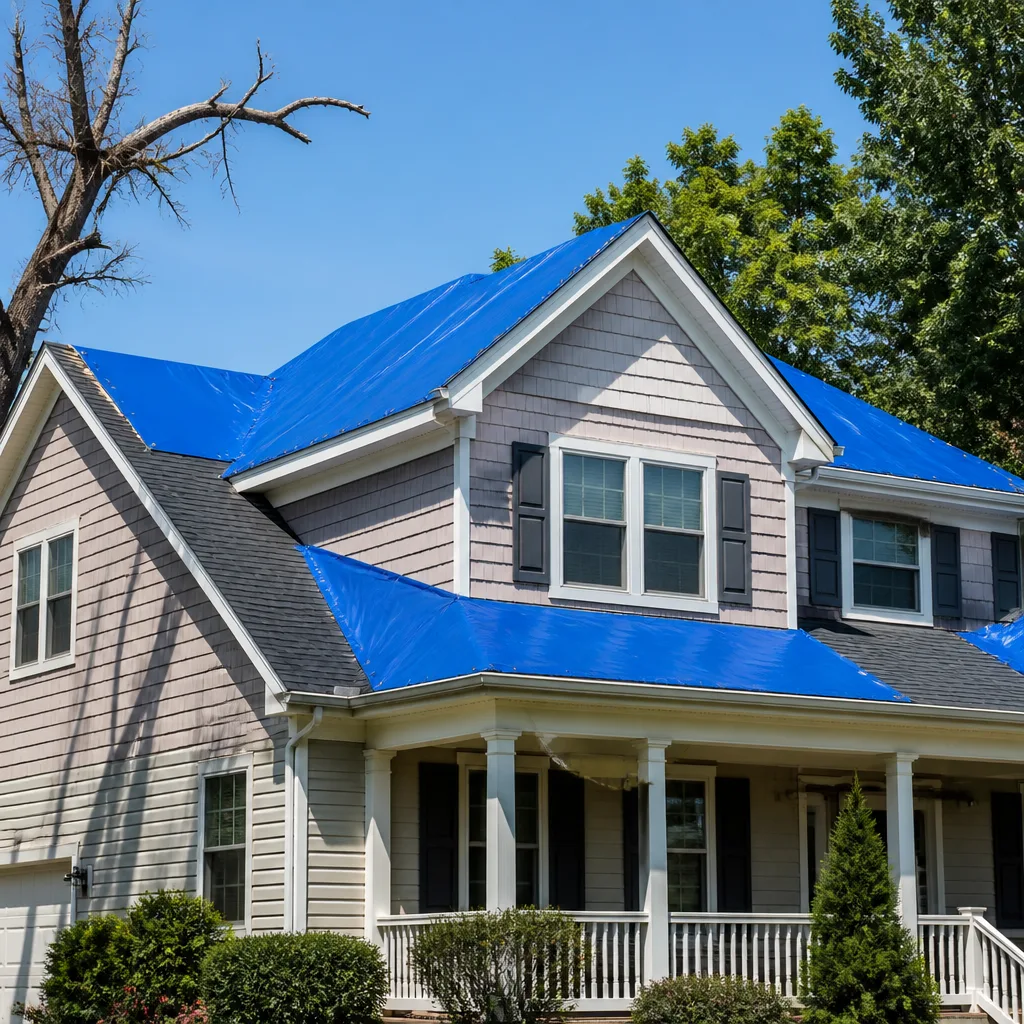
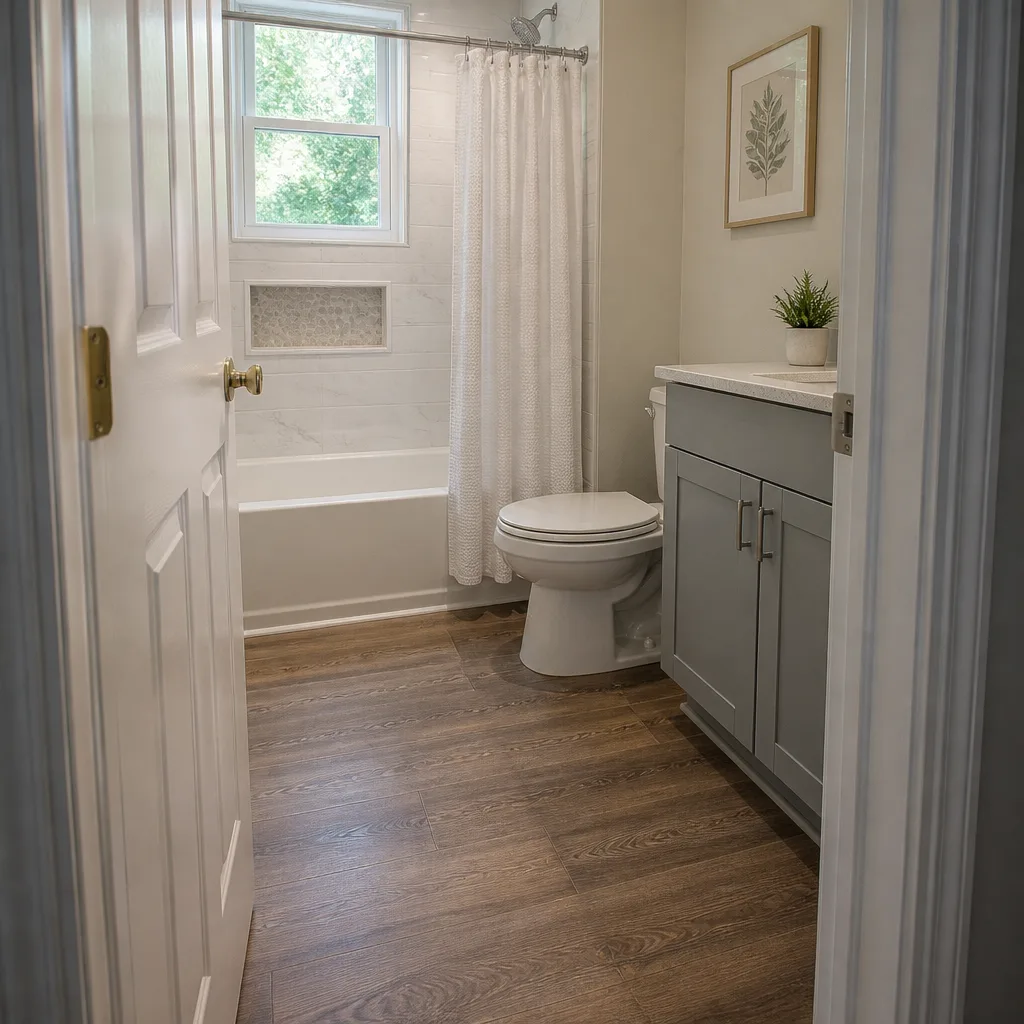
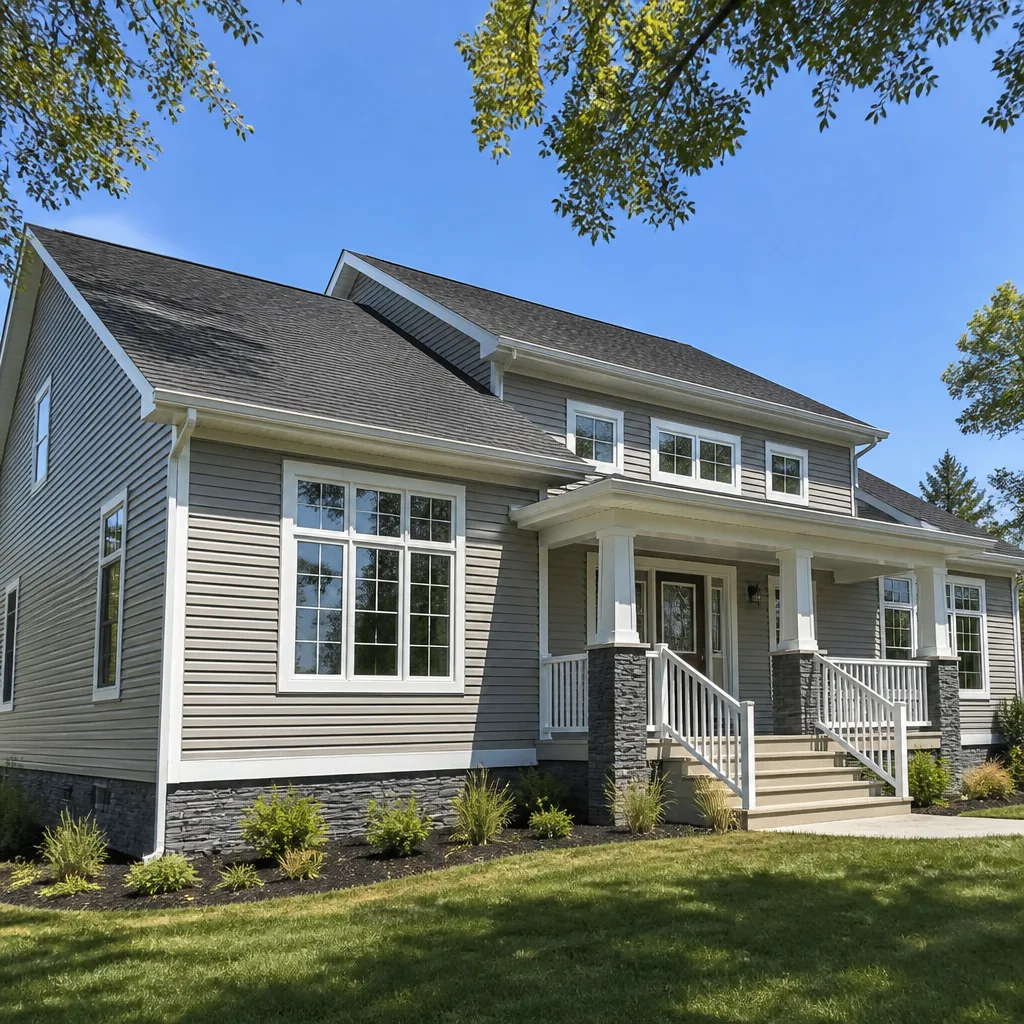
 Before
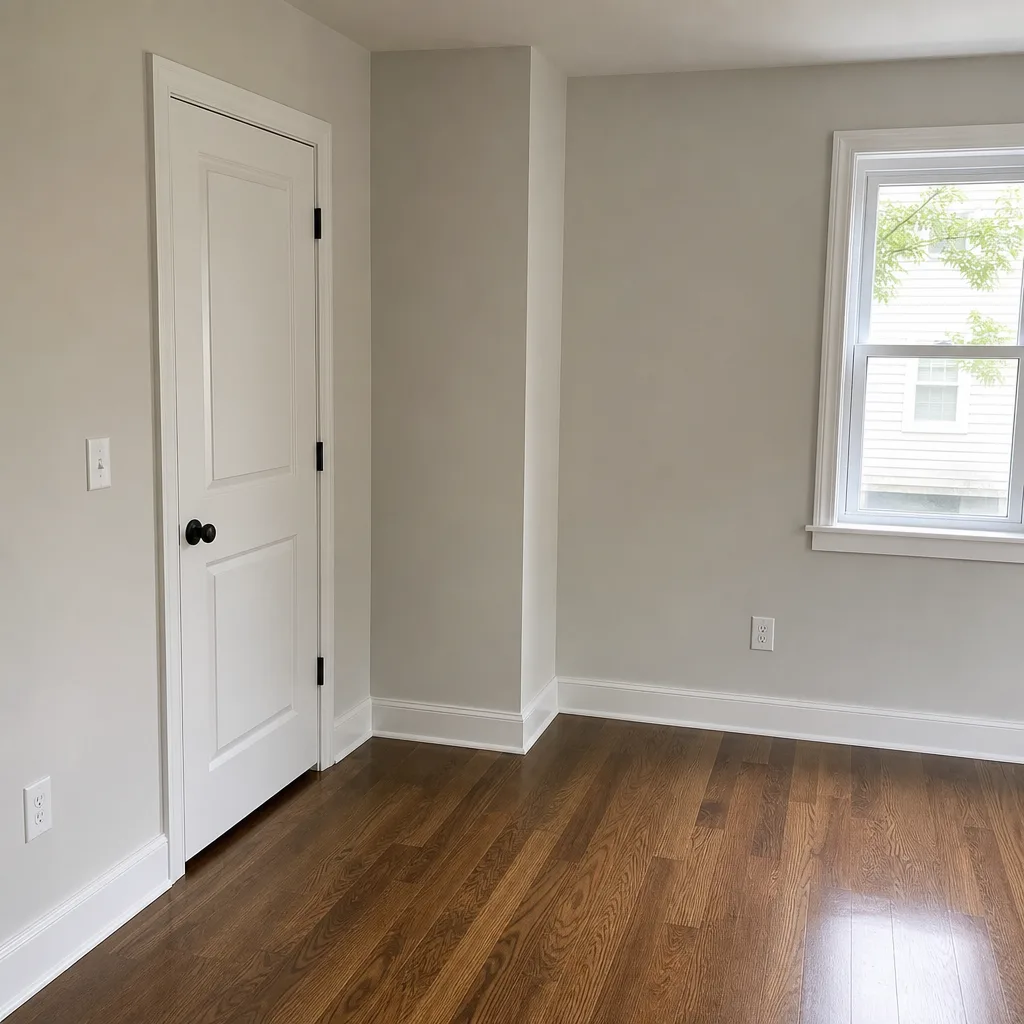 After
After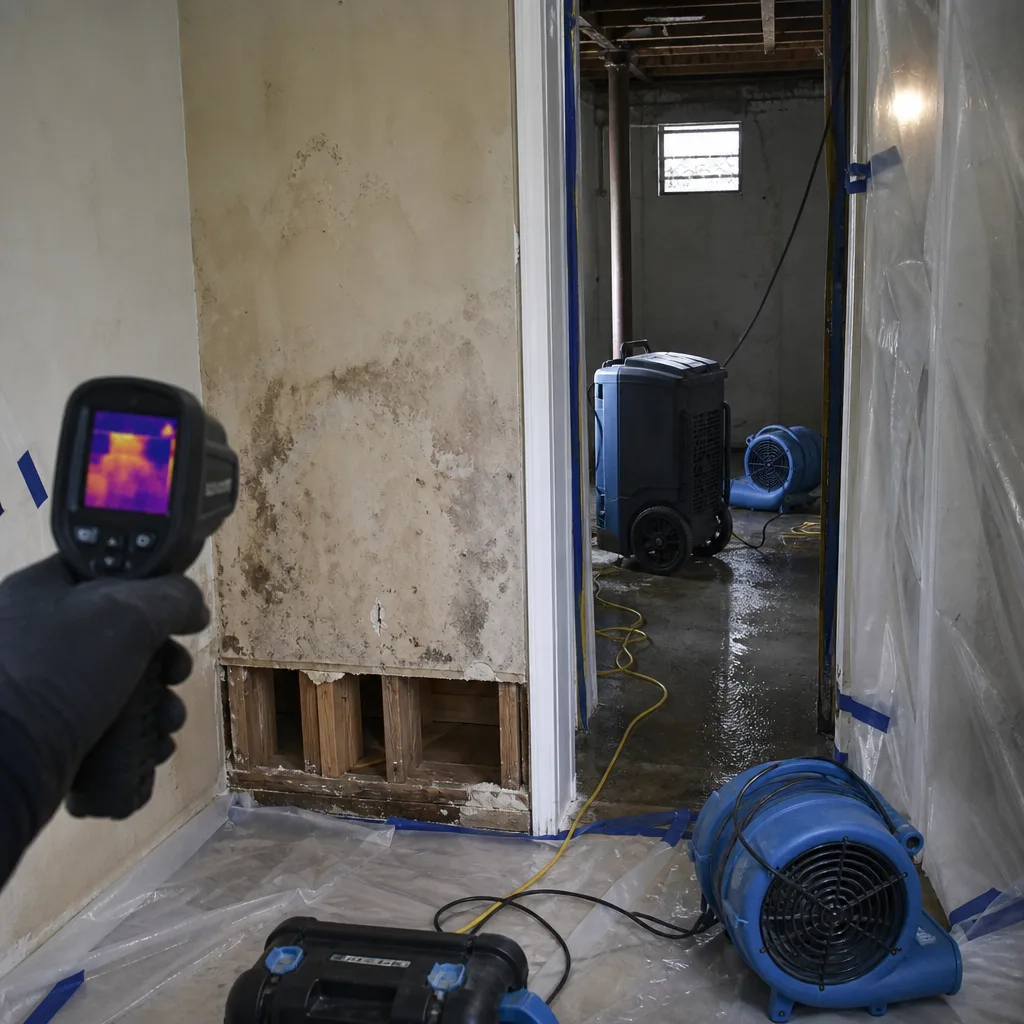 Before
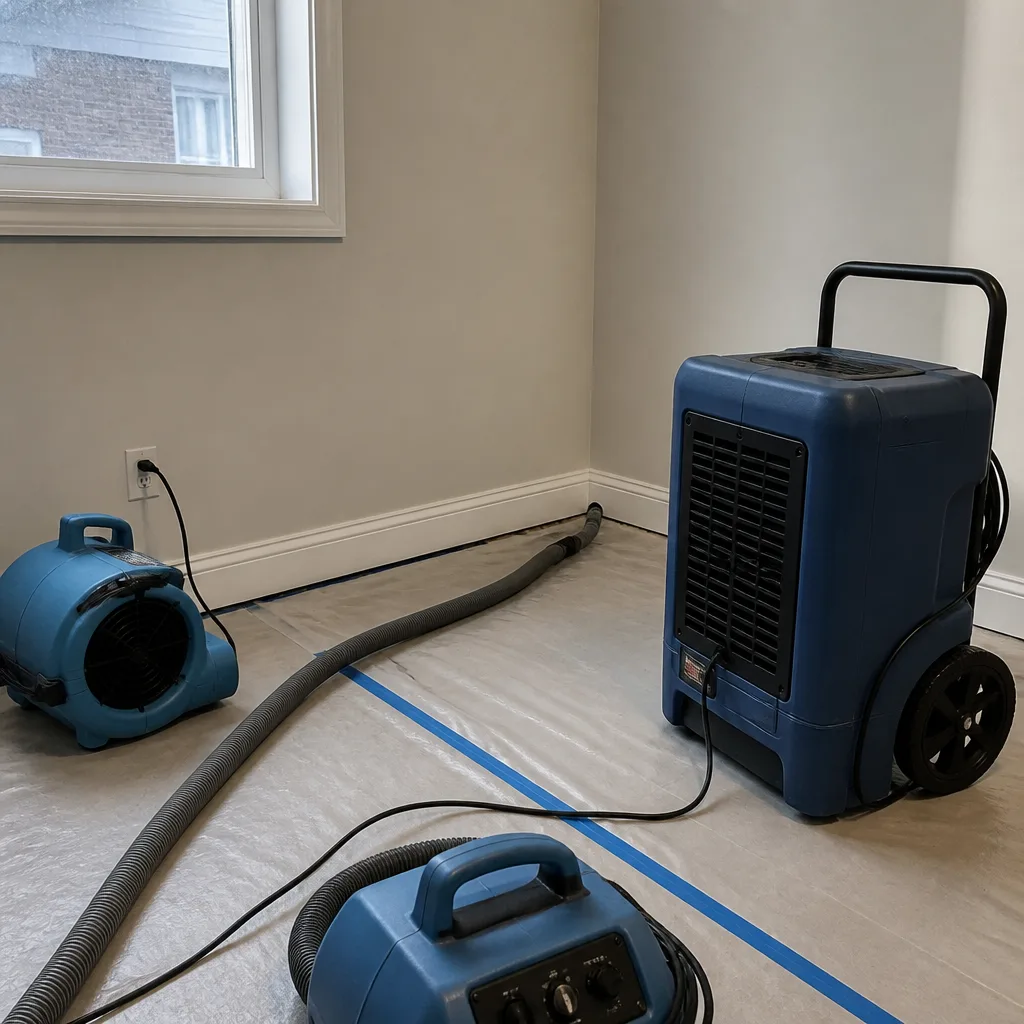 After
After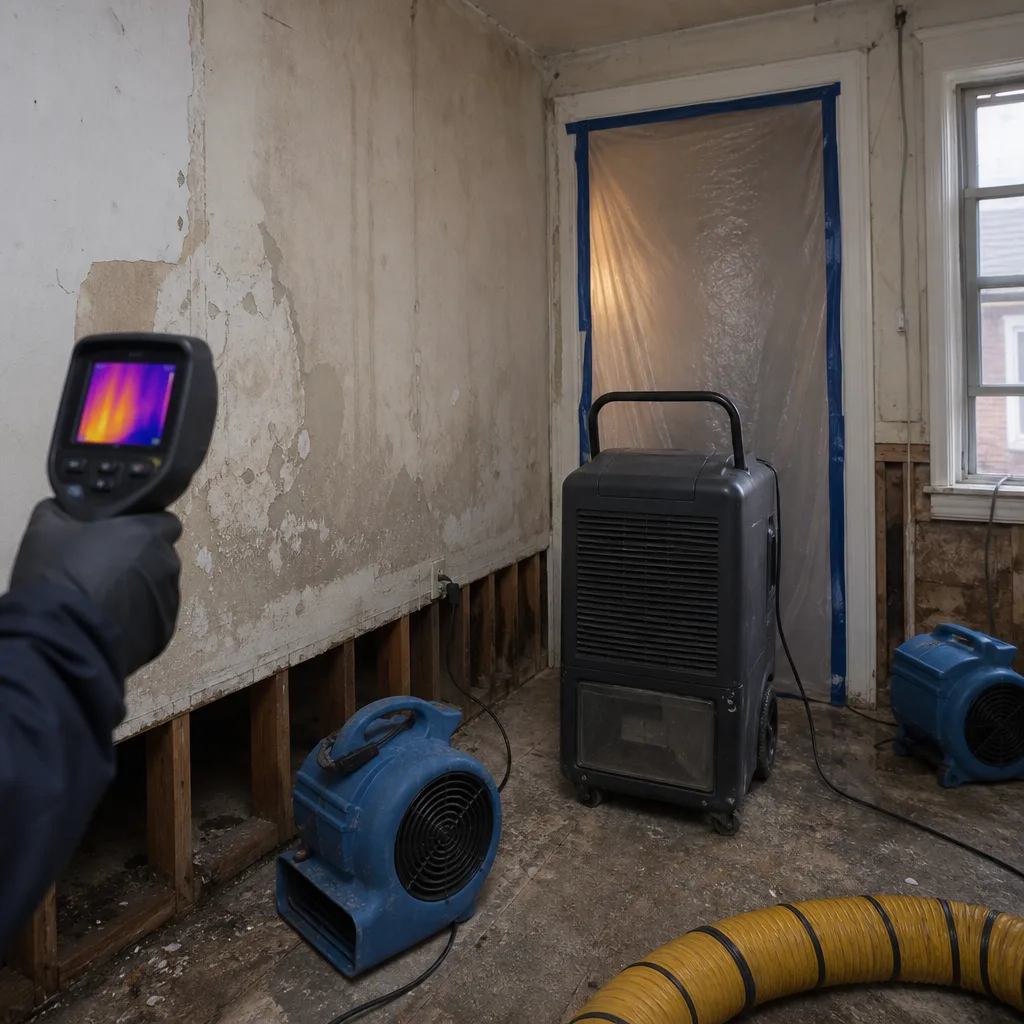 Before
 After
After24/7 Emergency Sewage Cleanup in Lower Manhattan
When sewage backs up into a Battery Park City condo or a Financial District pre-war office conversion, the first hour decides how far the contamination spreads. Our Sewage Cleanup team answers live around the clock and can have extraction running inside the hour anywhere in Lower Manhattan. We start with a free visual inspection, map the full extent of the Category 3 water, and give you a firm scope before any work begins. Call (201) 903-9581 now. Wade Ferris answers that phone himself. He will be honest about what he sees, because he knows he is going to run into you again on a Saturday.
Understanding Sewage Cleanup Severity in Lower Manhattan Properties
Not all water in a basement is the same, and Lower Manhattan’s building stock makes the distinction matter more than most places. Category 1 is clean water from a supply line. Category 2 carries contaminants from washing machines or sump failures. Category 3, what restoration pros call black water, contains raw sewage, pathogens, and the kind of bacteria that put people in the hospital. Lower Manhattan has a lot of Category 3, and it usually shows up in the worst possible places: deep sub-basements under converted 19th-century mercantile buildings near South Street Seaport, where cast-iron drain lines have been in the ground since before the subways were dug. When those lines crack under hydrostatic pressure from the elevated water table, the seepage is often mistaken for a toilet overflow. It is not. It is groundwater forcing sewage back through a failing lateral, and it rewets dried drywall within 48 hours if nobody maps the moisture correctly. Wade’s crews use thermal imaging and hygrometers on every job, because in a neighborhood built on Hudson River landfill, you cannot trust your eyes alone.
Why Lower Manhattan Property Owners Choose Wade’s Restoration
- 45-minute response commitment. When flooding is active, Wade heads out immediately. Not a call center. The owner, in a truck, inside the hour.
- A real person answers, 24/7. No voicemail, no answering service, no “press one for emergencies.” Wade answers his own phone and has been known to pick up at 2 a.m.
- IICRC-certified crews. The people Wade sends are certified in WRT (Water Restoration Technician) and FSRT (Fire and Smoke Restoration Technician). For sewage work, that matters: Category 3 requires protocols far beyond what a general contractor knows.
- Free visual inspection. Before anyone touches a wall, you get eyes on the damage and a straight answer about what actually needs to happen. No charge for that.
- Direct insurance billing. We document everything from the first hour, then handle your carrier directly so you are not the one stuck relaying information between two sides.
- One team from extraction to reconstruction. The people who pull the sewage out are the same people who rebuild the wall. No handoffs, no finger-pointing, no “that was the other crew’s problem.”
Our Sewage Cleanup Process
Inspection & Assessment
We arrive, identify the source, and determine the water category. In Lower Manhattan, this step includes documenting any post-Sandy flood retrofits: submarine-style flood doors, sealed utility penetrations, elevated electrical panels. Disturbing those systems requires structural sign-off, so we map them before any demo begins.
Extraction / Stabilization
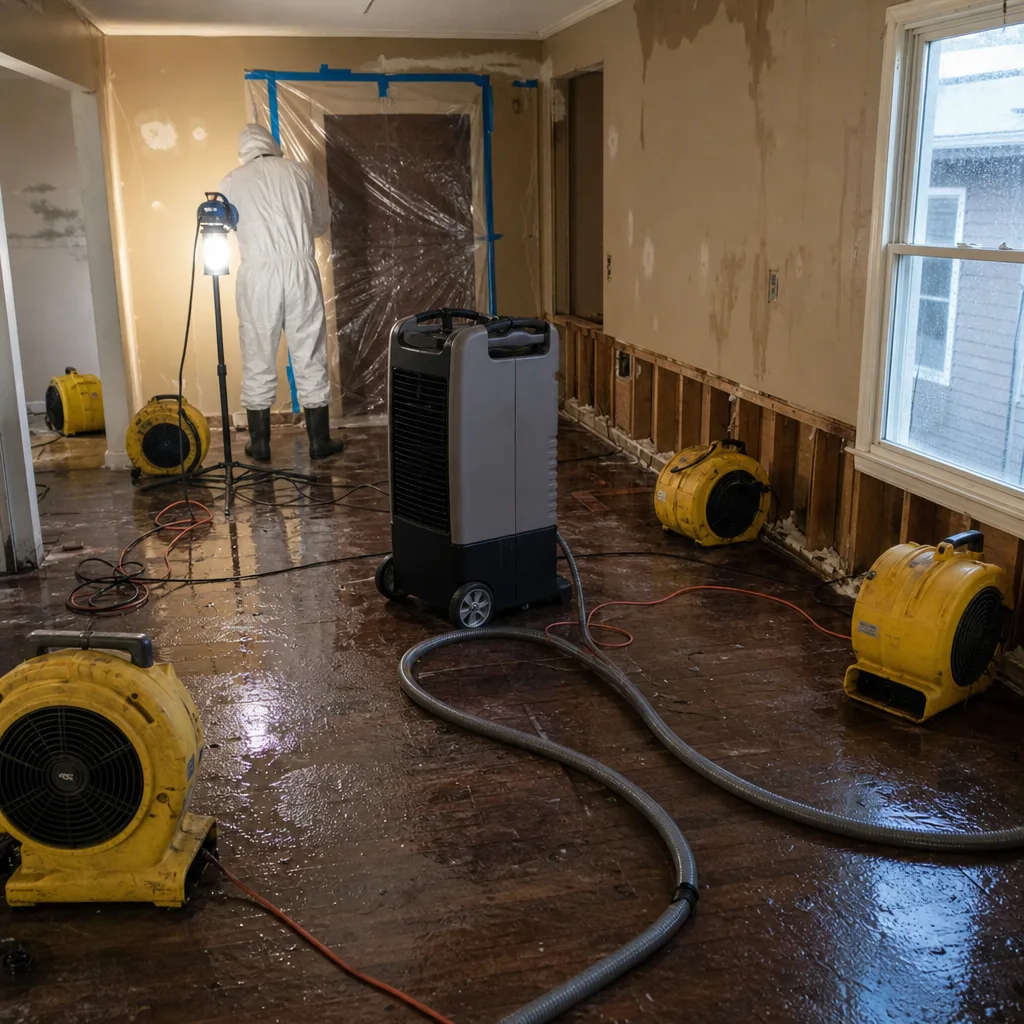
Black water comes out with truck-mounted extraction units. We use Dri-Eaz and XPOWER equipment, the same professional-grade gear restoration pros trust, because a shop vac is not going to pull sewage out of a sub-basement that sits below the water table.
Drying & Dehumidification
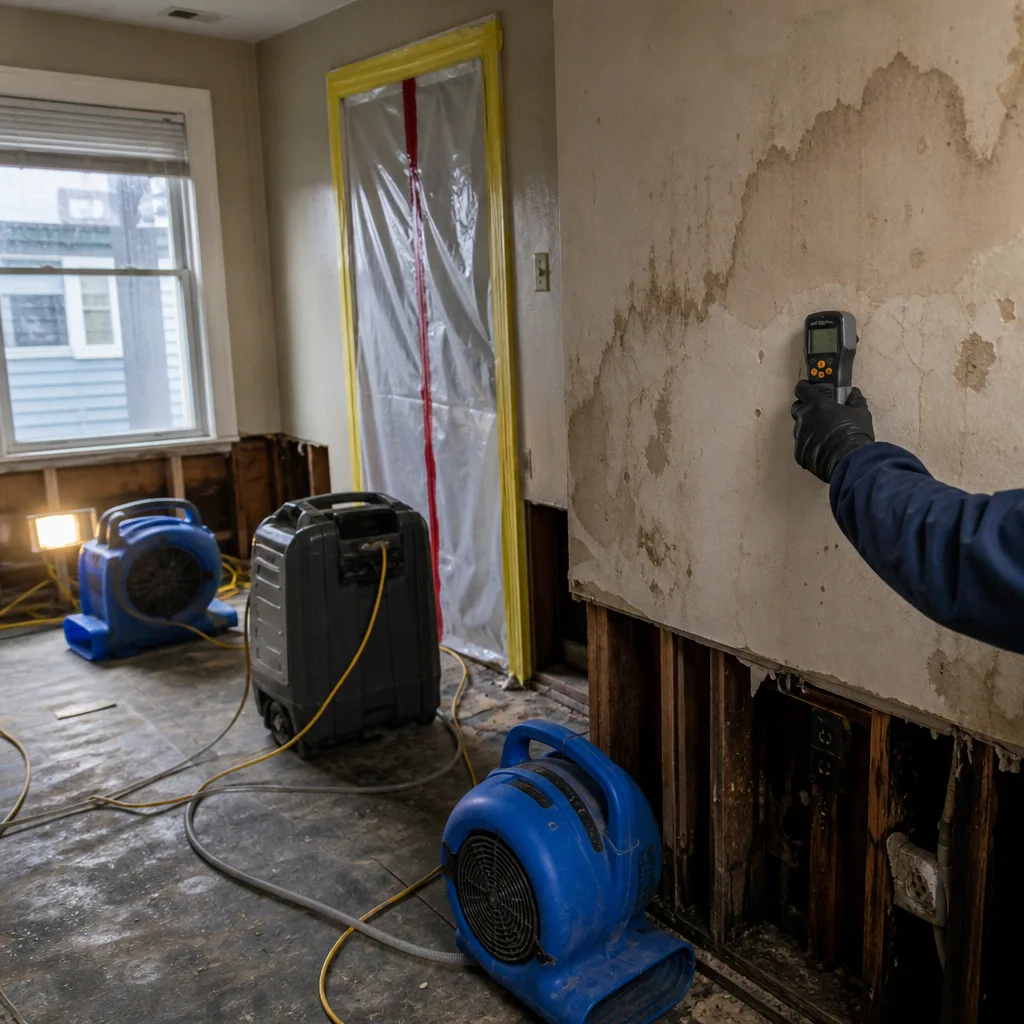
After extraction, structural drying begins. Air movers and dehumidifiers run continuously, and Wade takes moisture readings every single day. You get the full log at the end of the job. Almost nobody in this trade hands that over. Wade does.
Cleaning & Sanitization
Every surface the Category 3 water touched gets cleaned and disinfected with EPA-registered antimicrobials. This is not a wipe-down. It is protocol-driven sanitization designed to kill the pathogens that caused the mess in the first place.
Crawl Space & Confined-Space Sewage Removal
South Street Seaport mercantile buildings and older Financial District blocks often have crawl spaces and vaults where sewage pools out of sight. Our crews are trained in confined-space entry, and we use HEPA air scrubbers to keep airborne contaminants from migrating into occupied areas while we work below.
Repairs & Restoration
Once the area is dry and sanitized, reconstruction begins. Drywall, insulation, flooring, baseboards: restored to the condition they were in before the loss, with documentation at every step for your insurance carrier. The 90-Day Done Right Promise covers it all. If it is not done right, Wade makes it right.
Need Emergency Sewage Cleanup in Lower Manhattan Now?
Crews minutes away, answering live 24 hours a day. The sooner we start, the less it costs.
Working With Your Insurance Company
Most Lower Manhattan homeowners and condo boards carry coverage for sewage backup, but the claim hinges on documentation. We start building your file the moment we arrive: photos of the damage room by room, moisture readings, thermal imaging, and a written scope of work. Wade deals with the adjuster directly, so you are never the one stuck in the middle trying to explain why a post-Sandy flood door matters to a drywall estimate. He has been doing this since 2007 and knows what carriers need to see. Free second opinion on any written estimate, always.
What We Provide Your Insurer
- Thorough documentation of the loss
- Photos of all damage, room by room
- Moisture readings and drying logs
- A detailed, line-item scope of work
- Direct coordination with your carrier
Built for Lower Manhattan’s Loss Calendar
Lower Manhattan’s sewage cleanup calendar is not the same as the rest of the city. In January, deep freezes burst supply lines in pre-war buildings, sending clean water through walls and ceilings before it ever becomes a sewage problem. By March, the thaw starts, and the groundwater table rises under Battery Park City and the Financial District. That is when the cast-iron drain lines under the Seaport start weeping, and when moderate rainfall produces basement seepage independent of any pipe failure. Summer brings thunderstorm flash flooding, and when the storm drains back up, the sewage comes with them. Nor’easters in the fall push surge up New York Harbor with little geographic buffering, restressing the same sub-basements Sandy destroyed in 2012. Every season has a failure mode. We have seen them all, and we know what to look for before the claim gets complicated.
Sewage Cleanup Across Lower Manhattan’s Neighborhoods
Battery Park City is the most flood-exposed residential zone, built on Hudson River landfill with an elevated water table that pushes groundwater into sub-basements even on dry days. Sewage backups there tend to hit mechanical rooms first, which sit at or below sea level. The Financial District’s pre-war office towers, many converted to luxury residential after 2000, have deep multi-level basements housing commercial boilers and backup generators. When sewage backs up in those buildings, the contamination spreads through elevator pits and common areas faster than in a typical Manhattan walk-up. South Street Seaport’s 19th-century mercantile buildings bring a different challenge: legacy cast-iron drain lines that crack under hydrostatic pressure, sending sewage through crawl spaces and vaults that most restoration companies will not even enter. Tribeca’s converted warehouses have similar profiles, with large open floor plates and aging below-grade drainage. In every one of these neighborhoods, the building’s post-Sandy retrofits complicate the job. We know where those systems are and how to work around them.
Specialized Sewage Cleanup Services We Offer in Lower Manhattan
Sewage Backup Cleanup
When a main line backs up into a Lower Manhattan basement, the contamination moves fast. We extract the black water, remove contaminated drywall and insulation, and sanitize every affected surface. In buildings with post-Sandy flood doors, containment is placed before extraction so the sewage never reaches the elevator pit.
Toilet Overflow Cleanup
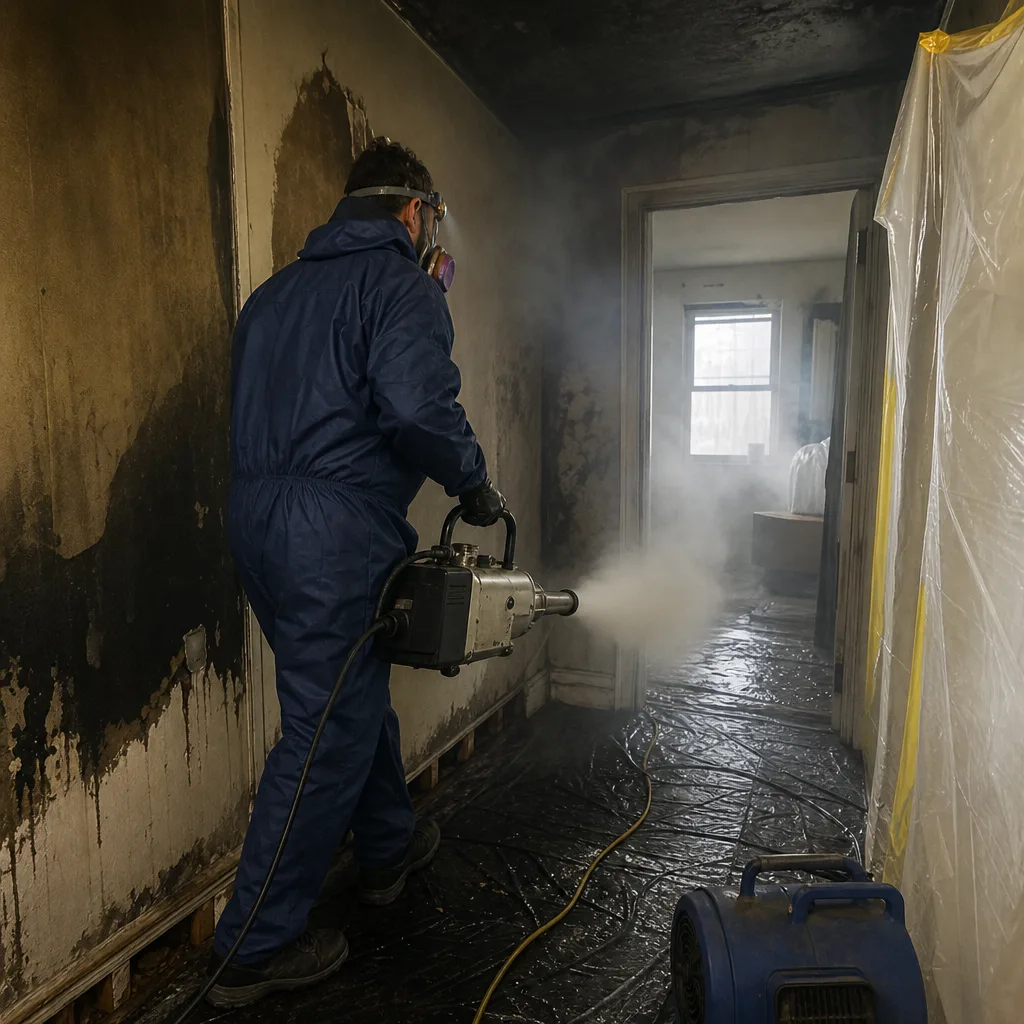
A toilet overflow in a Battery Park City condo is usually a simple fix, but the bacteria are not simple. We treat every overflow as a contamination event, sanitize the full affected area, and dry the subfloor properly. Skip that last step and you get mold in the unit below you within a week.
Septic Failure Cleanup
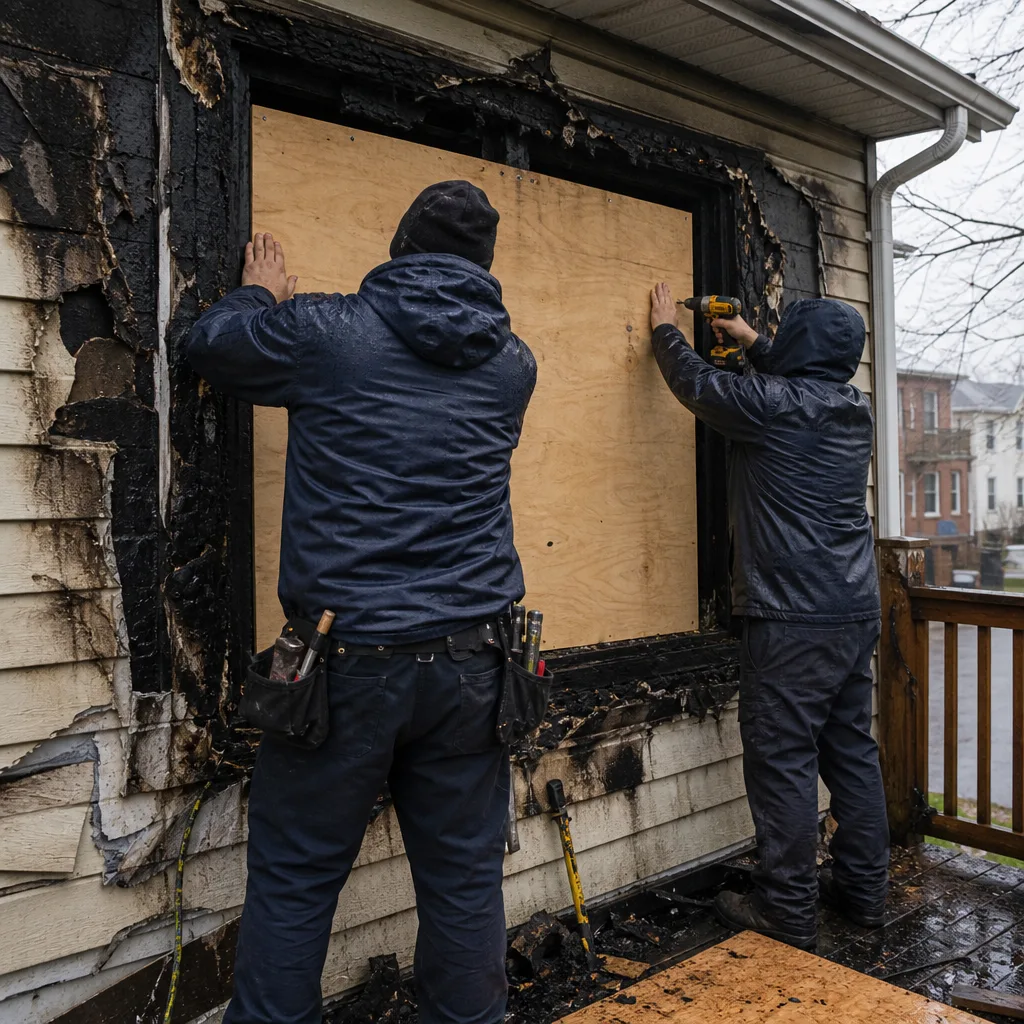
Septic failures are less common in Lower Manhattan proper than in outer boroughs, but older mercantile buildings near the Seaport still have legacy systems that fail under storm surge. We handle the full scope: extraction, contaminated soil removal where needed, and structural drying with HEPA air scrubbing throughout.
Black Water Extraction
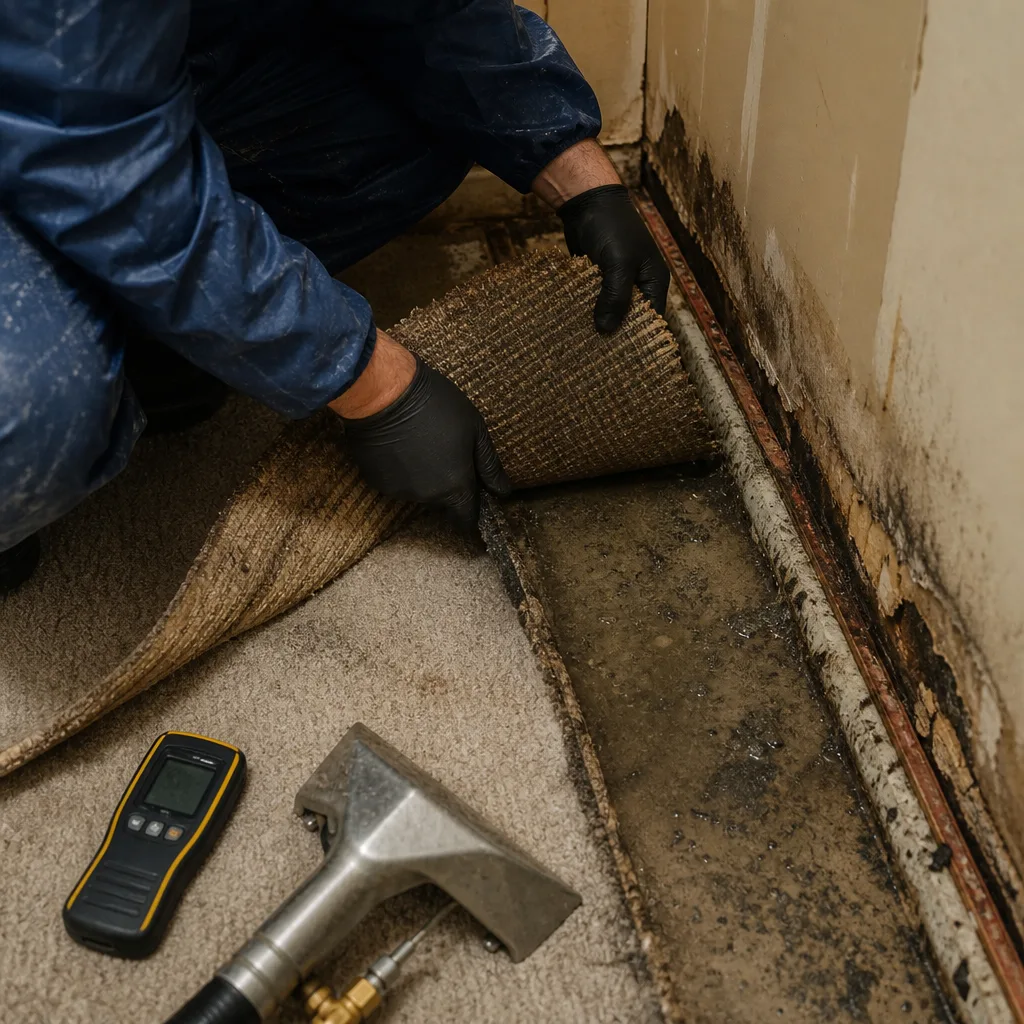
Black water extraction in Lower Manhattan means truck-mounted Dri-Eaz and Phoenix units pulling sewage out of sub-basements, crawl spaces, and mechanical rooms. We work in confined spaces with respirators and full PPE, and we document every step because your insurer will ask.
Sanitization & Disinfection
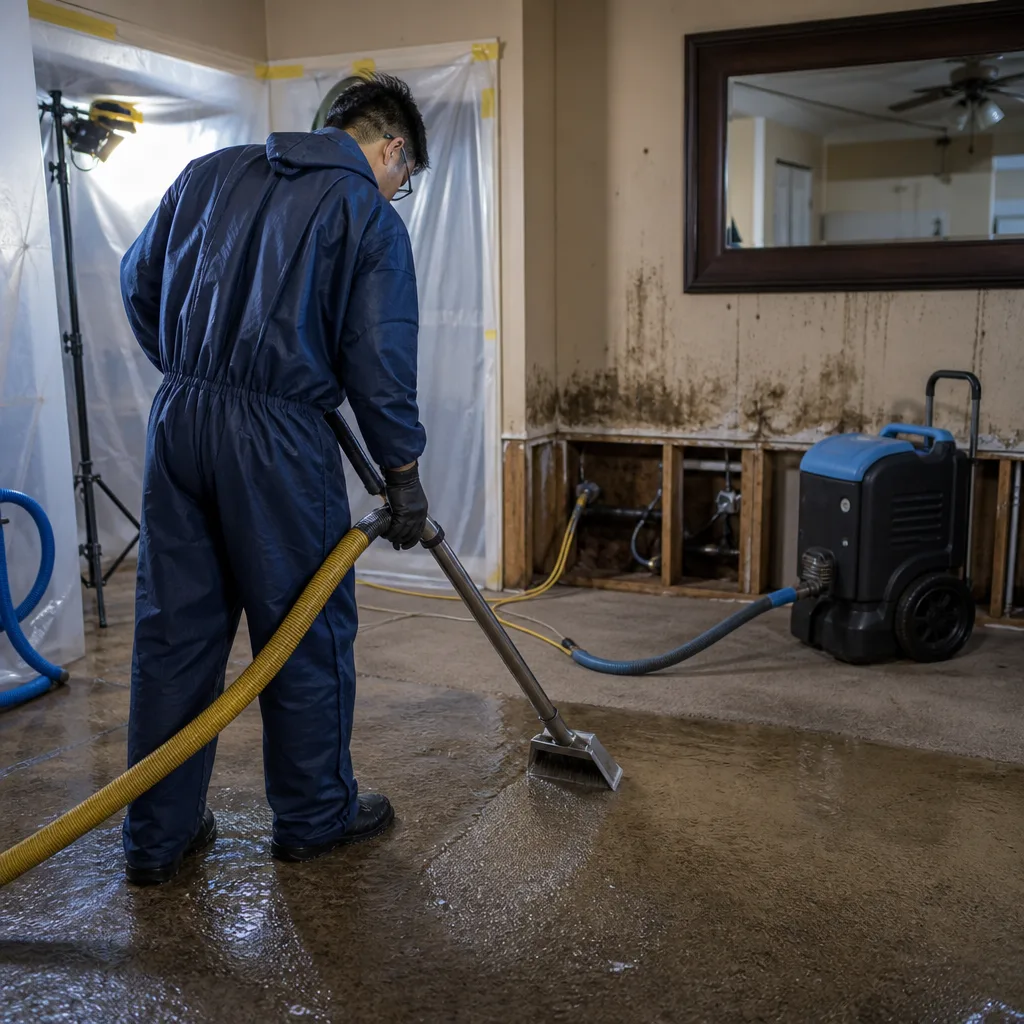
After extraction and drying, every surface gets treated with EPA-registered antimicrobials. This is the step that keeps the sewage smell from coming back, and it is the step most cut-rate outfits skip. We do not skip it. The 90-Day Done Right Promise is in writing on every job.
What happens when you call
- 1
A real person answersNo phone trees - you reach a local pro.
- 2
You get an upfront price rangeHonest numbers before anyone is dispatched.
- 3
A background-checked tech heads outLicensed & insured, dispatched right away.
- 4
You approve before work beginsNothing starts until you say go.
Sewage Cleanup Costs in Lower Manhattan, NY
A typical sewage backup cleanup in Lower Manhattan runs $1,800 to $6,500 for a single bathroom or small basement event. Larger jobs, like a main-line backup through a Financial District sub-basement, run $8,000 to $25,000 depending on square footage, depth of the space, and whether post-Sandy flood systems require engineer sign-off. Toilet overflow cleanup in a condo typically lands between $900 and $2,800. Crawl space sewage removal under a Seaport mercantile building usually falls between $3,500 and $11,000 because confined-space work costs more. Most of these losses are covered by insurance when the documentation is complete. Our free inspection gives you a firm scope before any work begins, and Senior & Veteran 10% discount always applies. Call (201) 903-9581 for an exact quote.
We Also Serve Cities Near Lower Manhattan
Our crews serve the full perimeter of Lower Manhattan, including the Financial District, Midtown Manhattan, Long Island City, and Midtown West. Response times vary by traffic, but the phone always rings through to a person.
Serving Lower Manhattan, NY - Our Local Coverage Area
We’re based in the Lower Manhattan area and know this community well. Use the map below to see our service coverage - if you’re nearby, we can almost certainly help.
Lower Manhattan Sewage Cleanup Questions, Answered
How does sewage cleanup in Battery Park City differ from other parts of Manhattan?
Battery Park City sits on Hudson River landfill with a water table that presses groundwater up into sub-basements even without a pipe failure. That means sewage backups there are often compounded by ongoing seepage, and crews must run moisture mapping to identify the true source before drying begins. Otherwise, the drywall rewets within 48 hours. Call (201) 903-9581 for a free visual inspection.
Will disturbing a post-Sandy flood door during sewage cleanup trigger an NYC Buildings inspection?
Yes, if the seal is broken without documentation. Post-Sandy flood doors are life-safety systems, and disturbing them can require sign-off from the building’s structural engineer and trigger an NYC Buildings Department inspection that halts the job for days. We map and document every retrofitted system before demo begins, so the job keeps moving. That is standard practice for us in Lower Manhattan.
Why does my Financial District pre-war building keep getting sewage smells even after a cleanup?
The odor usually means contaminated material was not fully removed, or moisture is still present behind walls and under floors. In pre-war buildings with cast-iron drain lines, the source is often a cracked lateral under the building that was never identified. We use thermal imaging and moisture meters to find what the last crew missed. Call (201) 903-9581 for a free second opinion on any written estimate.
Can you safely remove sewage from a crawl space under a South Street Seaport mercantile building?
Yes. We are trained in confined-space entry and use HEPA air scrubbers to keep airborne contaminants from migrating into occupied areas above while we work below. These buildings often have vaulted crawl spaces with legacy cast-iron lines that crack under hydrostatic pressure. That is a structural drying project, not a simple extraction. We will tell you which one you have before any work begins.
How long before sewage-damaged drywall in my Lower Manhattan condo becomes a mold problem?
Mold can begin forming within 24 to 48 hours in a warm, humid environment. Lower Manhattan’s proximity to the harbor means ambient humidity stays high most of the year, so the timeline is on the shorter end. If drywall has been wet with Category 3 water for more than a day, it usually needs to come out. We will tell you precisely what needs demo versus what can be dried, and we will put it in writing before work starts.
How fast can someone actually get to my building in Lower Manhattan?
Wade heads out as soon as you call, and our crews are stationed to reach Lower Manhattan inside 45 minutes in most conditions. Calls are answered live, 24 hours a day. No voicemail, no answering service. Call (201) 903-9581 and the person who picks up is the person who owns the company.
Will my insurance cover sewage cleanup in Lower Manhattan?
Most homeowner and condo policies cover sewage backup, but the claim depends on documentation from the first hour. We photograph everything, log moisture readings daily, and deal with your adjuster directly. Free second opinion on any written estimate means you are never locked into a number you did not understand.
What should I do in the first 30 minutes after discovering a sewage backup?
Stop flushing or running water, shut off the water supply if you can safely access it, and keep people and pets away from the affected area. Do not attempt to clean Category 3 water yourself. Sewage carries pathogens that require proper PPE and EPA-registered antimicrobials. Take photos if you can. Then call (201) 903-9581. The first hour matters more than most people realize, and we will be honest with you the moment we arrive.
Call (201) 903-9581 now for a free visual inspection and a straight answer about your Lower Manhattan sewage cleanup. Wade Ferris answers the phone himself. He has been doing this since 2007, and his name is on the truck. If it is not done right, he makes it right. In writing. Call today.
Written by Wade Ferris, Owner at Wade’s Restoration, serving Lower Manhattan with document-and-done sewage cleanup since 2007.