
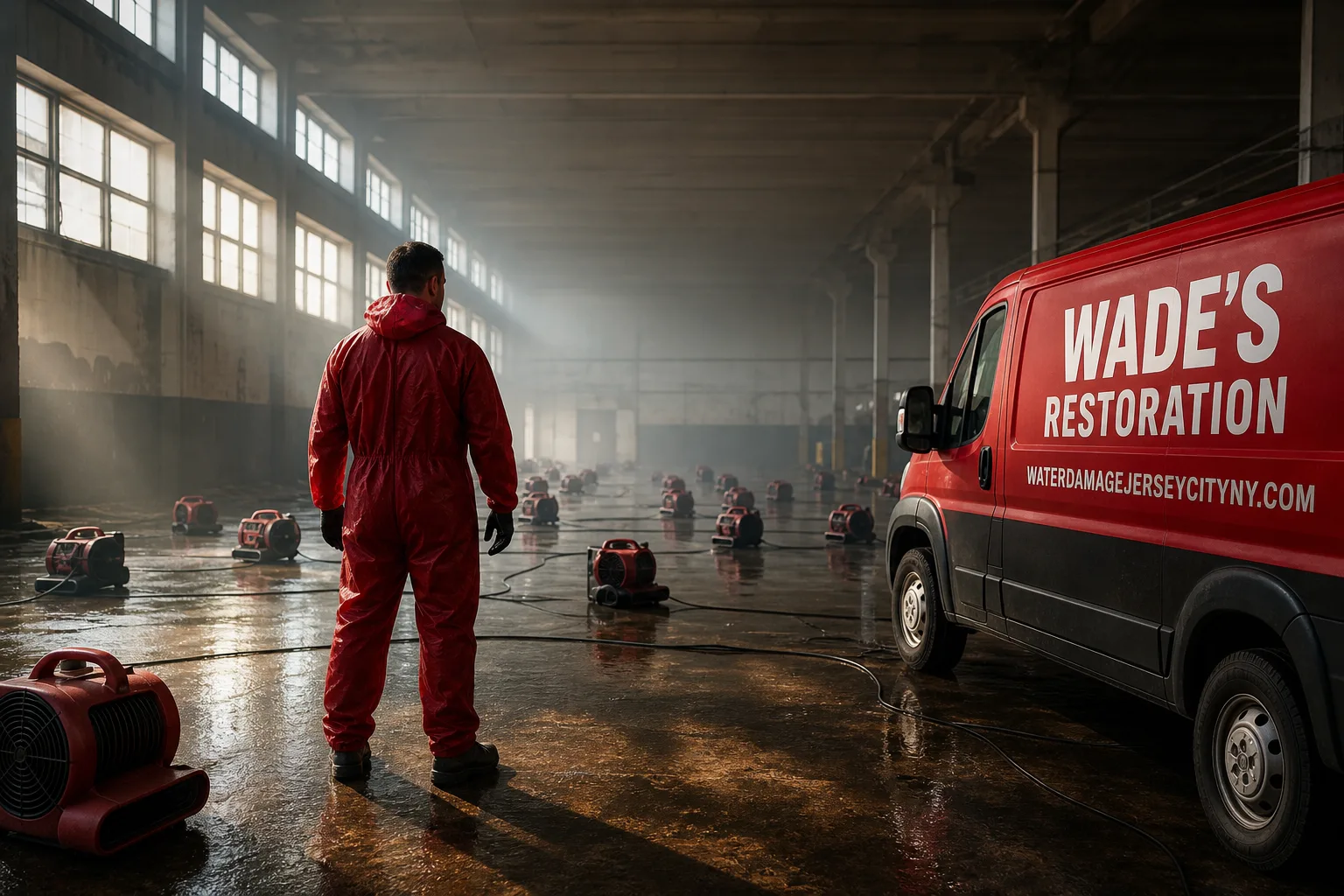
Free visual inspection and a written scope of work before any mitigation begins - photos, moisture readings, and drying logs go in your claim file
The scope we write is the scope we bill. Anything new gets shown to you, in writing, before we touch it.
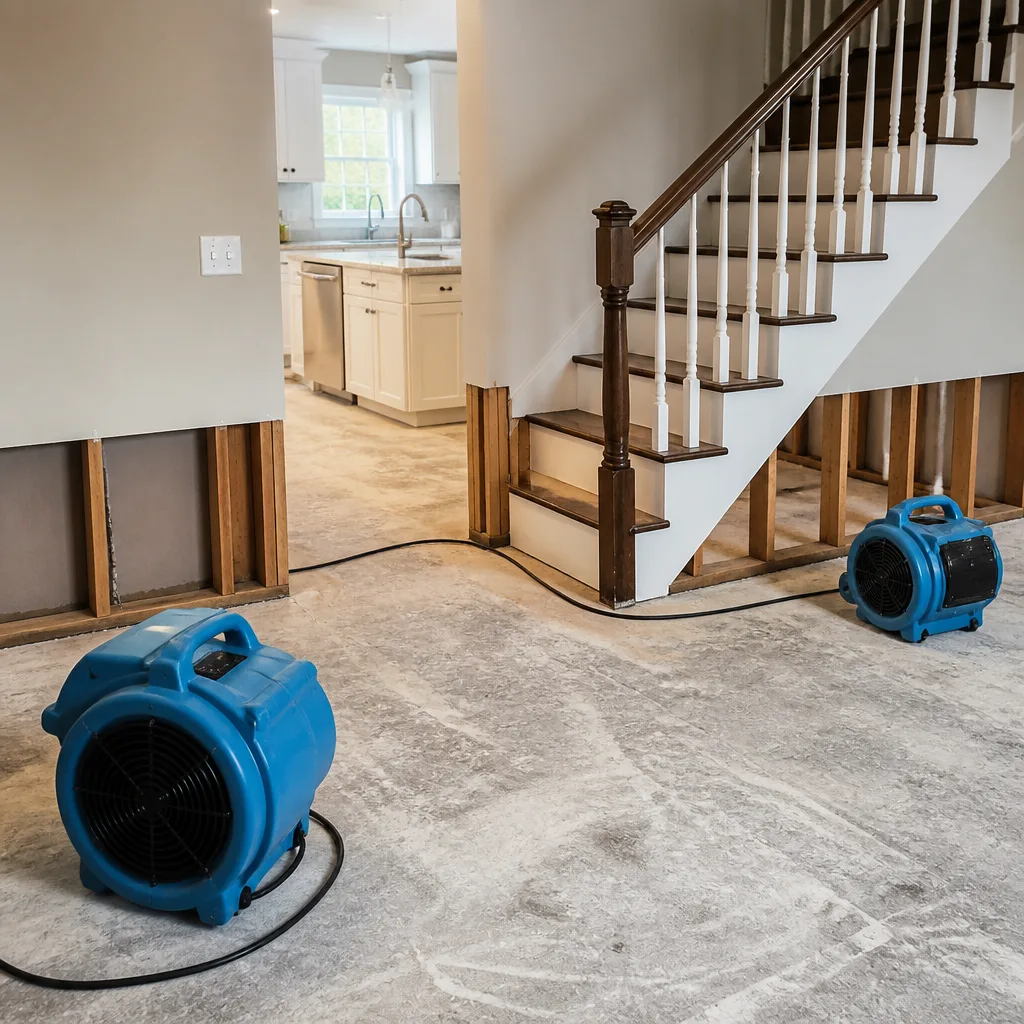
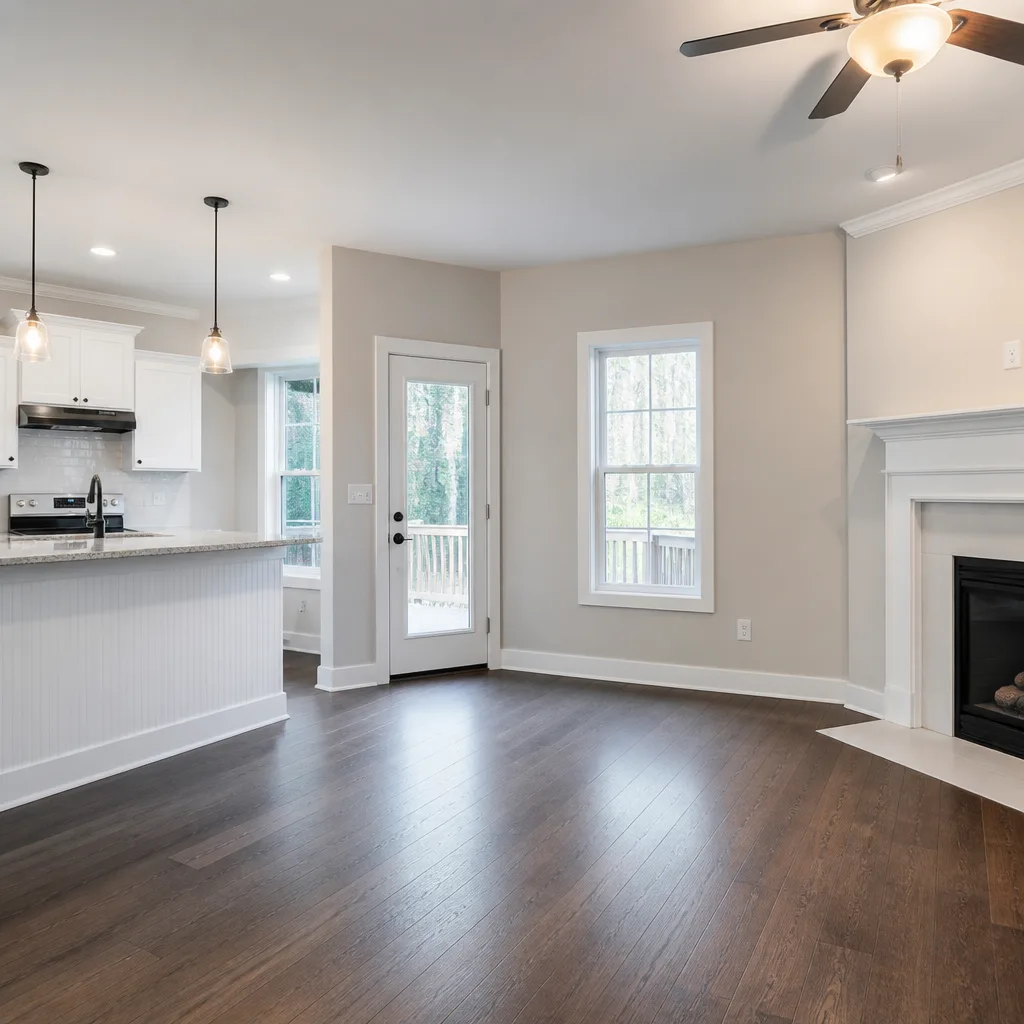
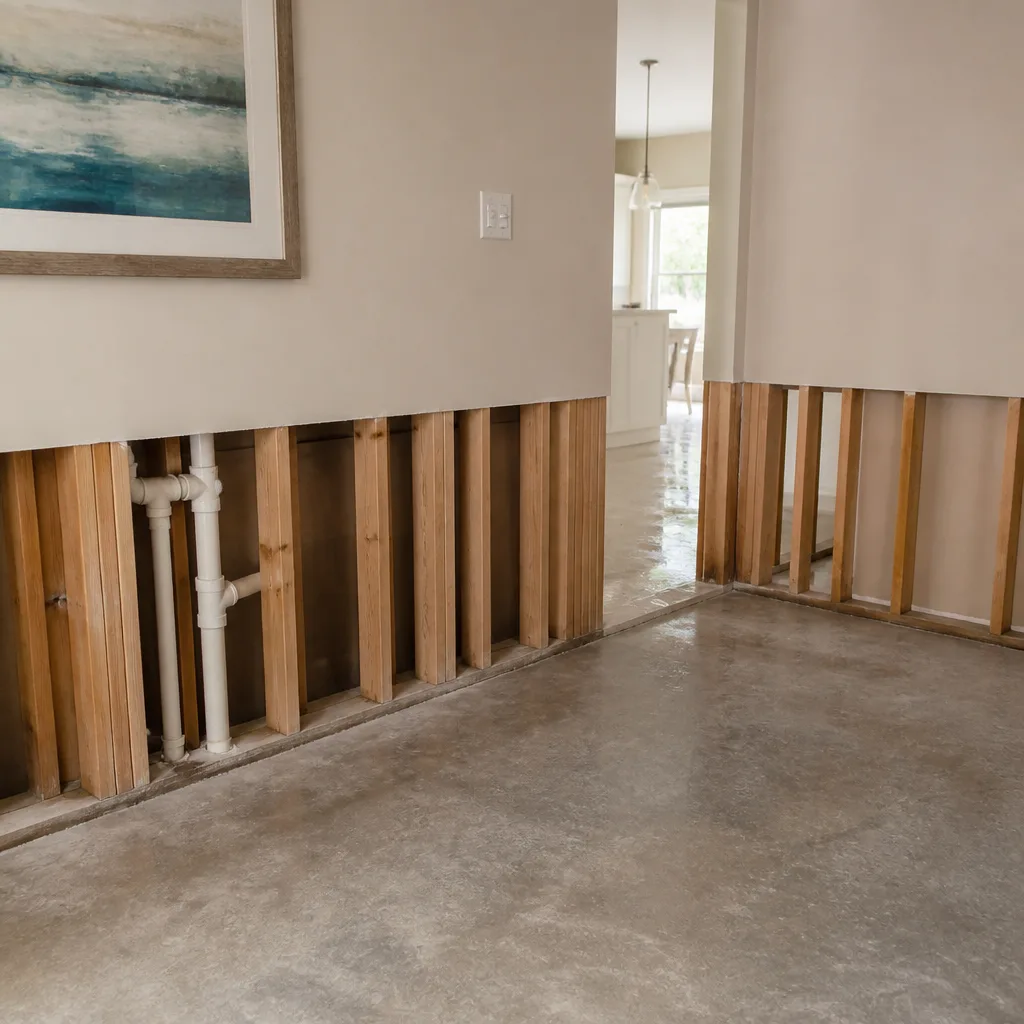
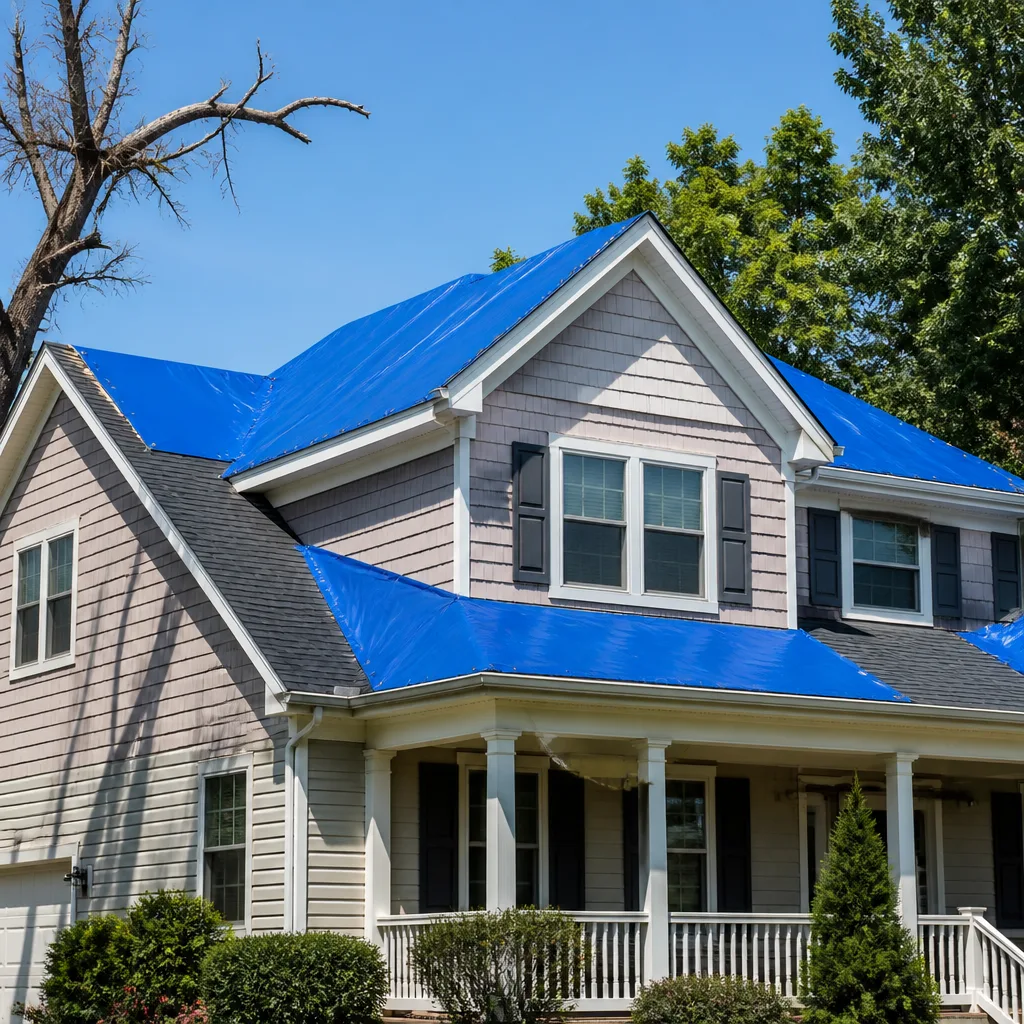
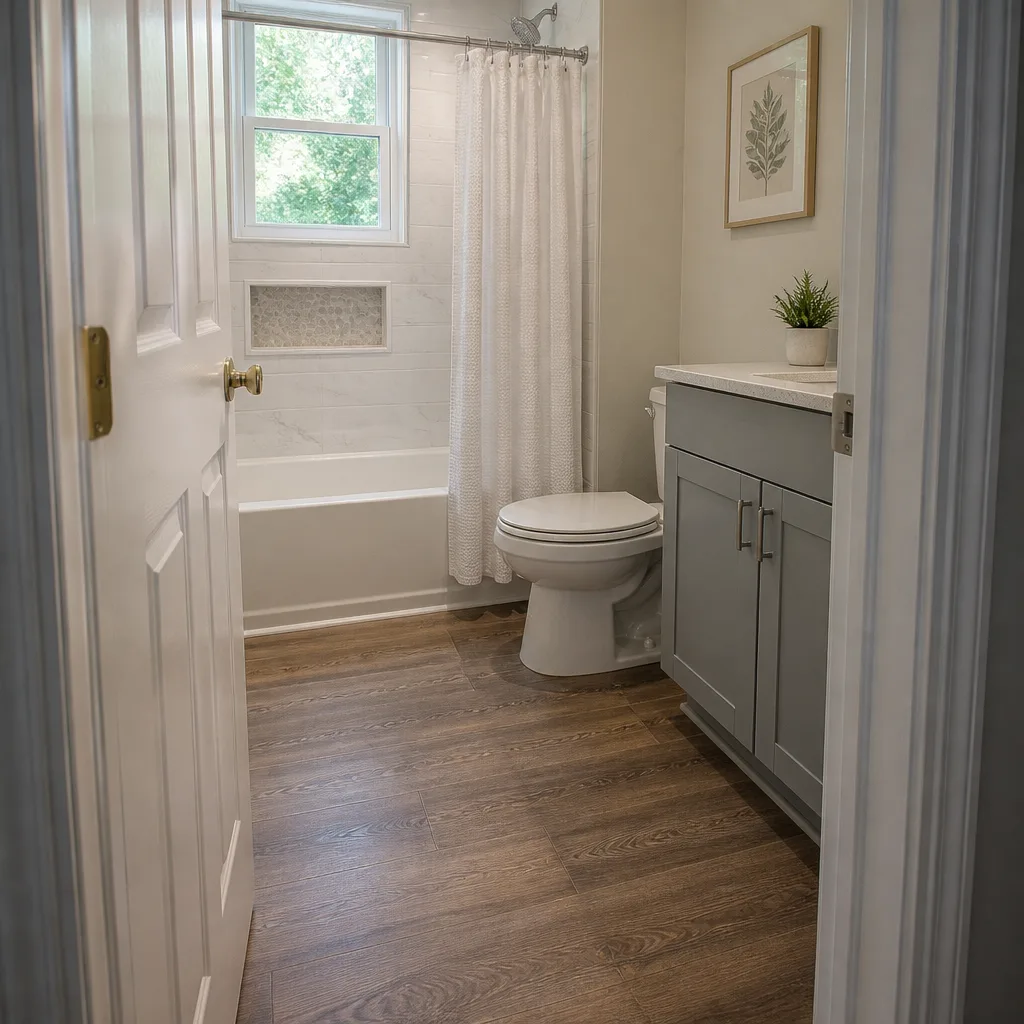
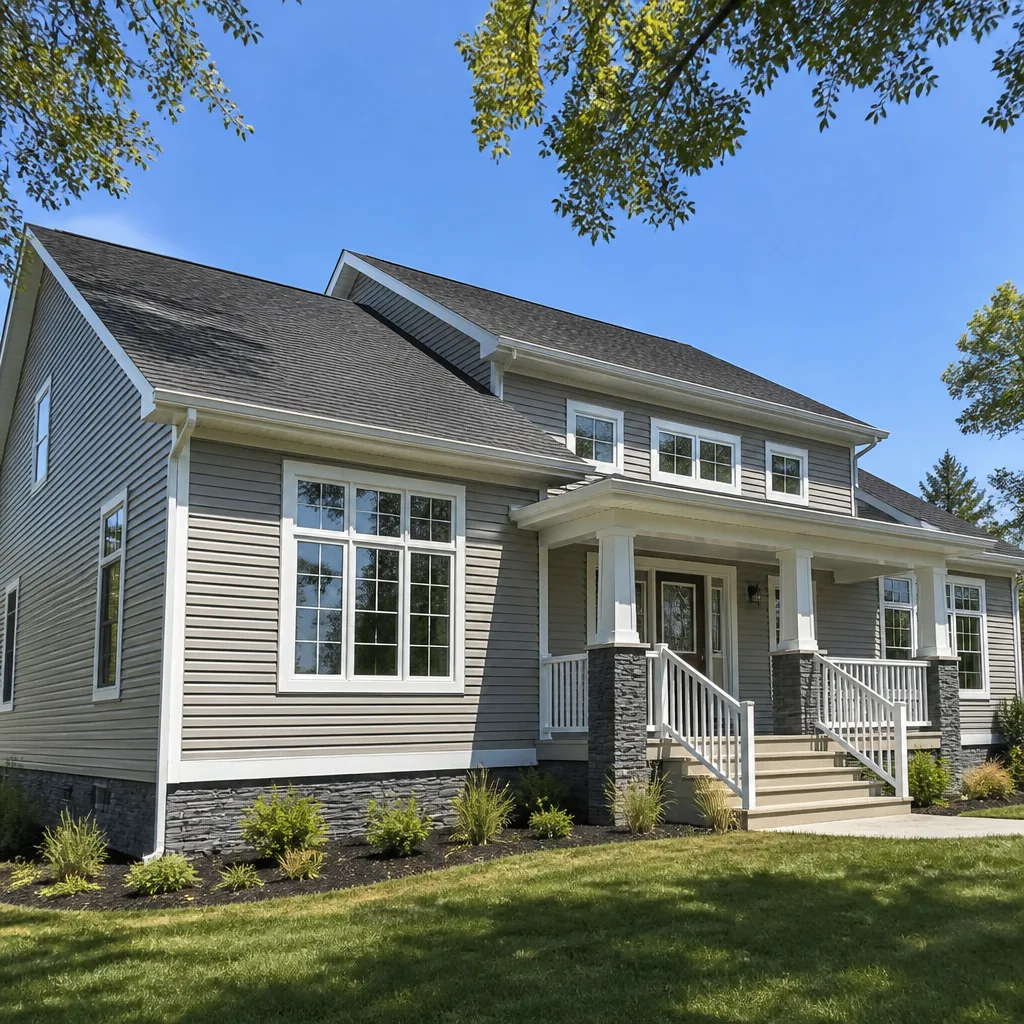
 Before
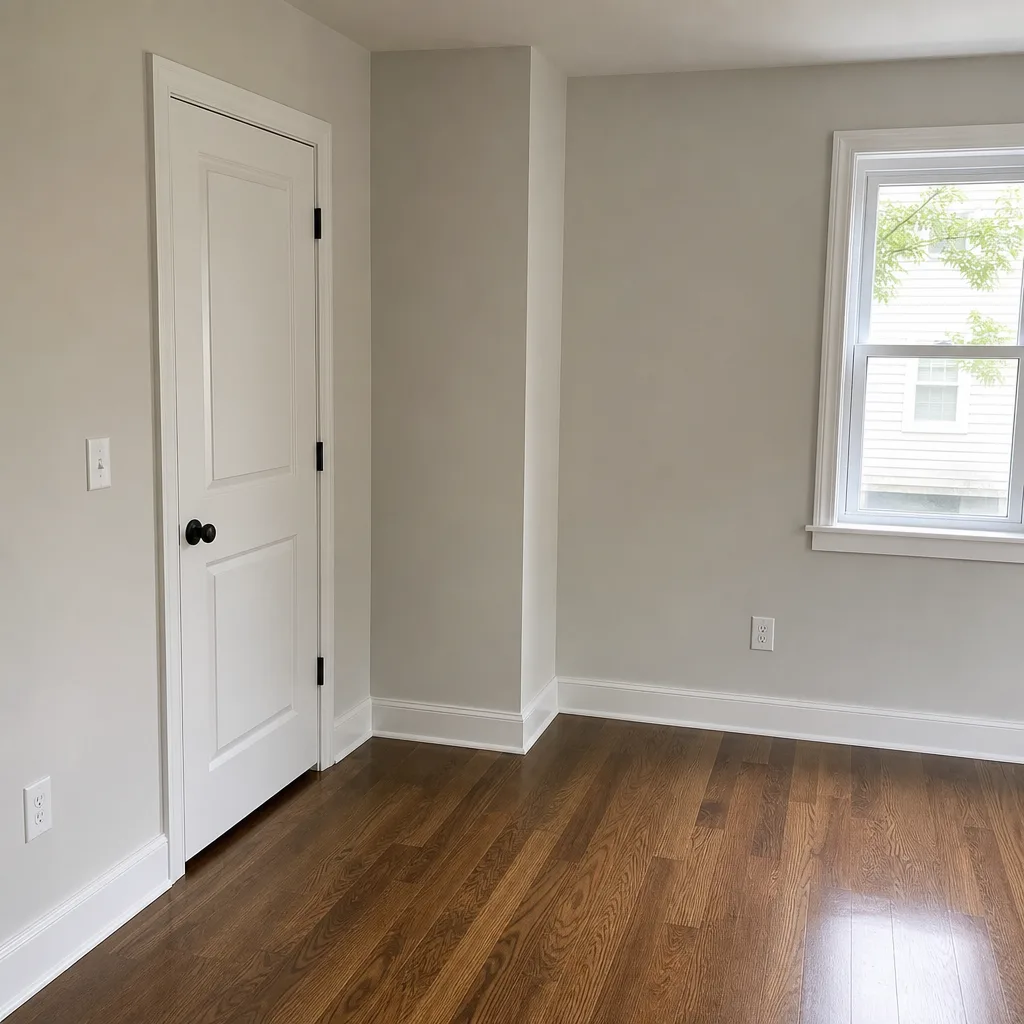 After
After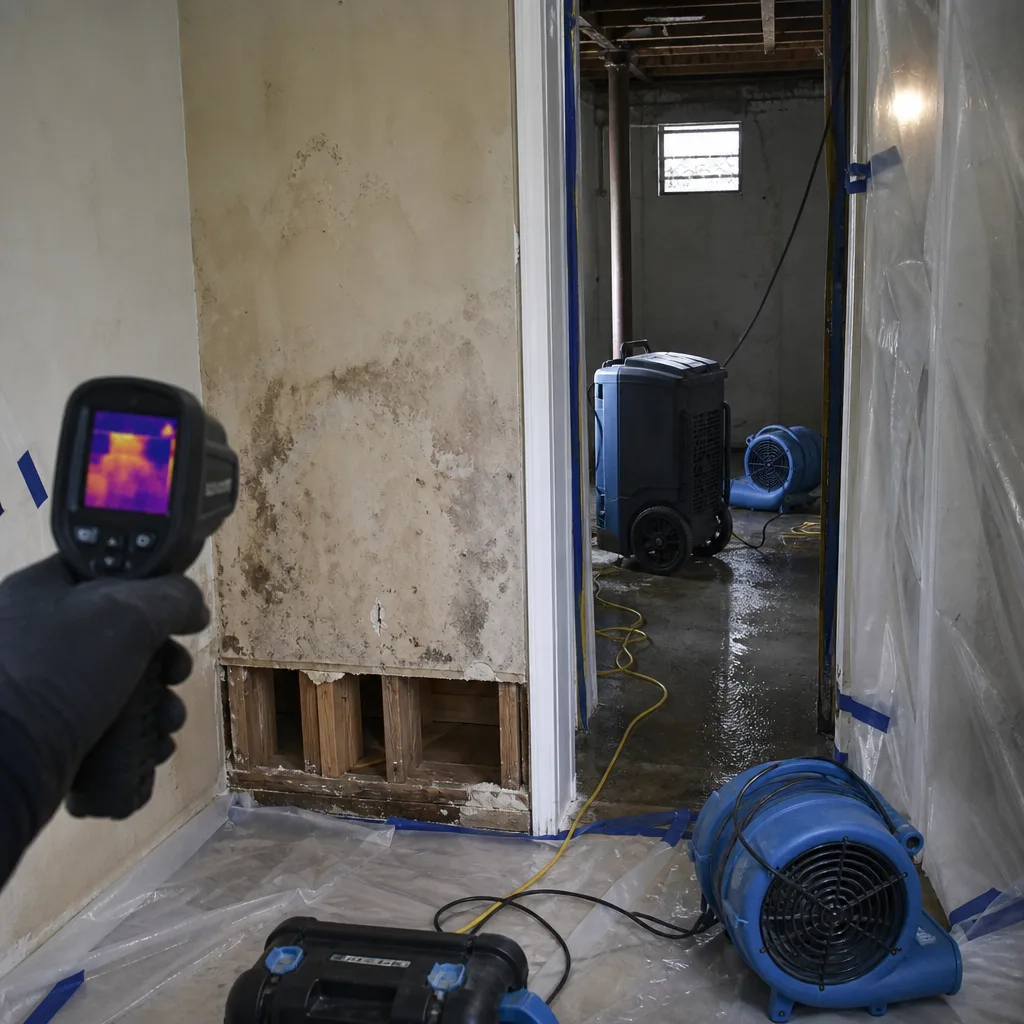 Before
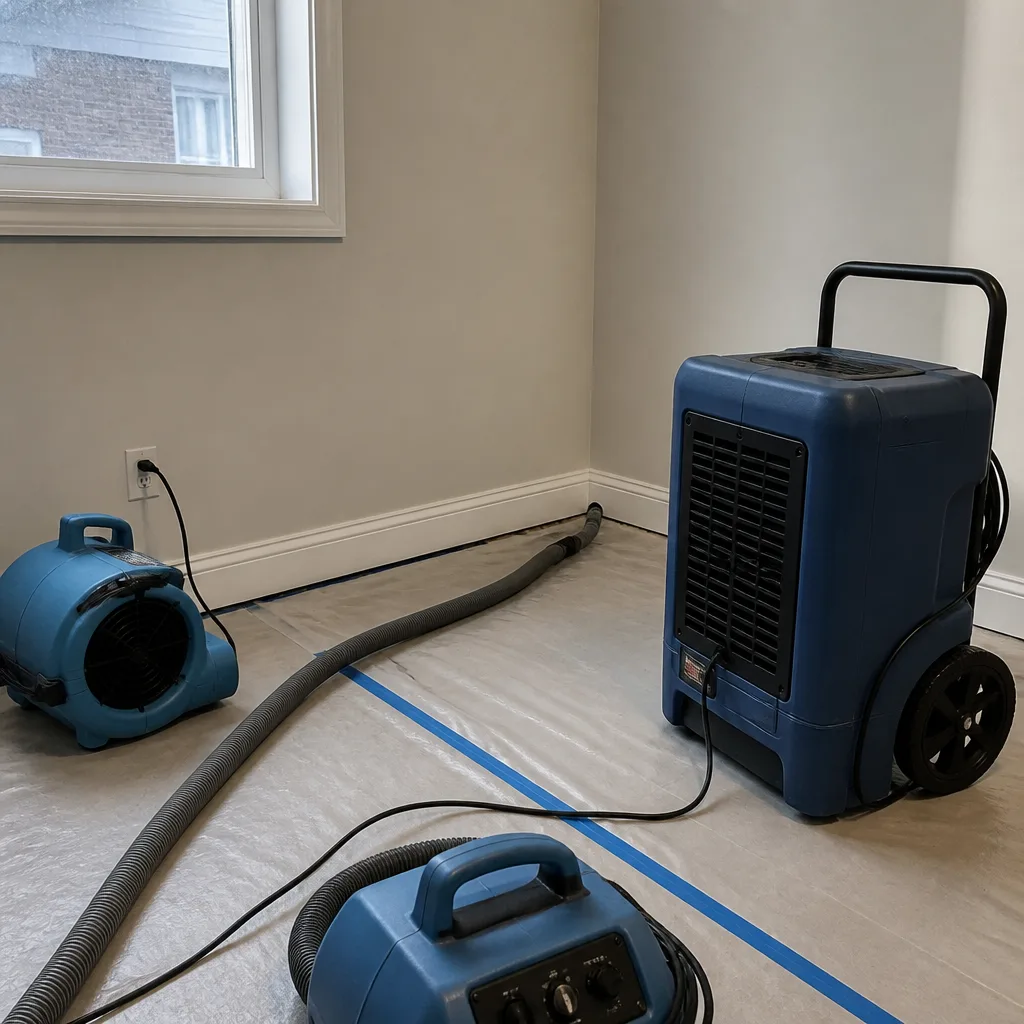 After
After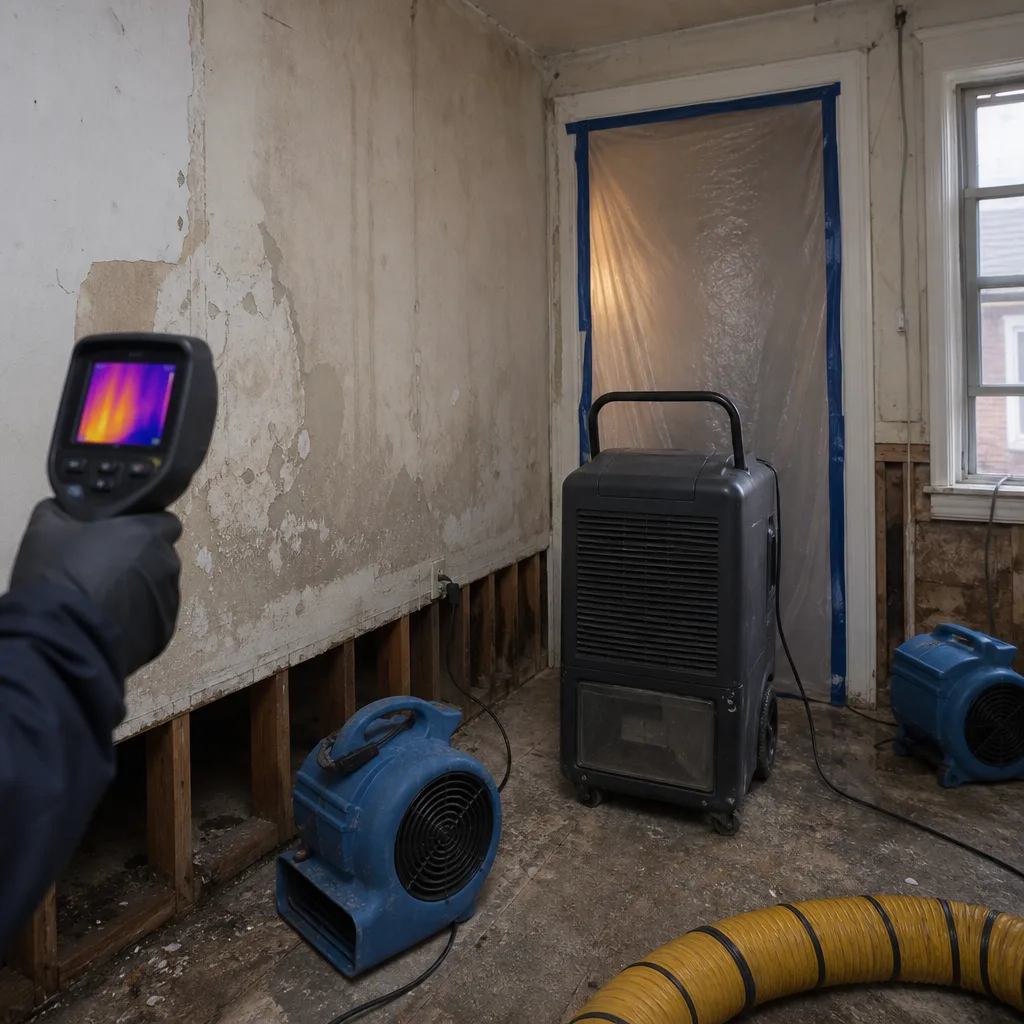 Before
 After
After24/7 Emergency Sewage Cleanup in Long Island City
A sewage backup in Long Island City is not a wait-until-morning problem. Raw sewage carries bacteria, parasites, and in much of this neighborhood, industrial contaminants from Newtown Creek that make the water far more dangerous than what a typical basement flood produces. Wade Ferris answers his own phone at (201) 903-9581, and he can have a crew at your door in Long Island City within the hour, 24 hours a day, every day of the year. The first hour matters because sewage water starts breaking down drywall, subfloor, and framing immediately. We do a free visual inspection, tell you straight what needs to happen, and get extraction running before the damage spreads.
Understanding Sewage Cleanup Severity in Long Island City Properties
Sewage cleanup work gets classified by water category. Category 1 is clean water from a supply line. Category 2 is gray water with some contamination, like a washing machine overflow. Category 3 is what we deal with in sewage backups: water containing human waste, pathogens, and whatever else came back up through the pipe. In Long Island City, the classification gets complicated. A combined sewer backup in Hunters Point or along Jackson Avenue is already Category 3. But when that same backup happens south of the Queensboro Bridge, near the Newtown Creek corridor, the water picks up heavy metals and petroleum residue from soil that spent a century absorbing industrial runoff. That’s still Category 3 on paper, but the decontamination protocol has to be far more aggressive. We treat every sewage loss in Long Island City as a potential Superfund-adjacent contamination event, which means full PPE, containment barriers, HEPA air scrubbing, and surface testing before we call the space safe.
Why Long Island City Property Owners Choose Wade’s Restoration
- 45-minute response commitment: Wade’s crew stages equipment in the Long Island City area so when you call, someone is already close. No waiting on a truck from two boroughs away.
- 24/7 live answer: You call, a person picks up. That person might be Wade himself. No voicemail tree, no answering service, no “press 1 for emergency.”
- IICRC-certified crews: Our techs hold WRT and ASD certifications and follow IICRC S500 standards for sewage remediation. Wade’s name is on the truck, and he’s not sending anyone he wouldn’t let into his own mother’s house.
- Free visual inspection: Before any work starts, we look at the loss, tell you what we’re seeing, and put a written scope in your hands. No obligation to hire us.
- Direct insurance billing: We deal with your adjuster directly. You’re not the middleman relaying messages between your carrier and a crew that’s already behind schedule.
- One team from extraction to reconstruction: The same crew that pulls the sewage out is the crew that puts your walls back. No handoffs, no subcontractor roulette.
Our Sewage Cleanup Process
Inspection & Assessment
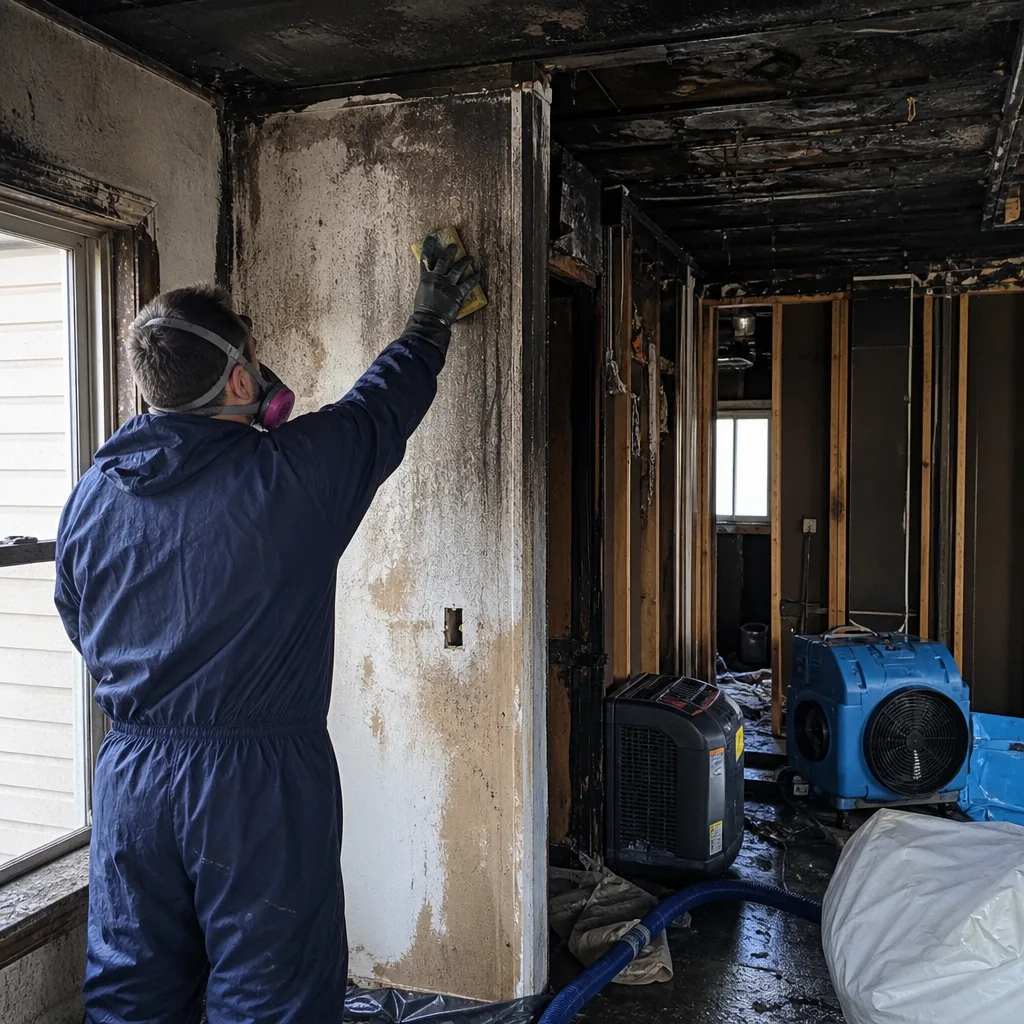
We arrive, walk the loss with you, and map the contamination zone. In our Long Island City service area‘s converted industrial buildings, this is also where we flag potential asbestos in floor tile, pipe insulation, or transite panels before any equipment gets placed. Photos taken every step of the way.
Extraction/Stabilization
We pull standing sewage out with truck-mounted and portable extractors. Contaminated materials like drywall, carpet pad, and insulation get cut out and bagged on-site. The goal is to remove the contamination source before it spreads.
Drying & Dehumidification
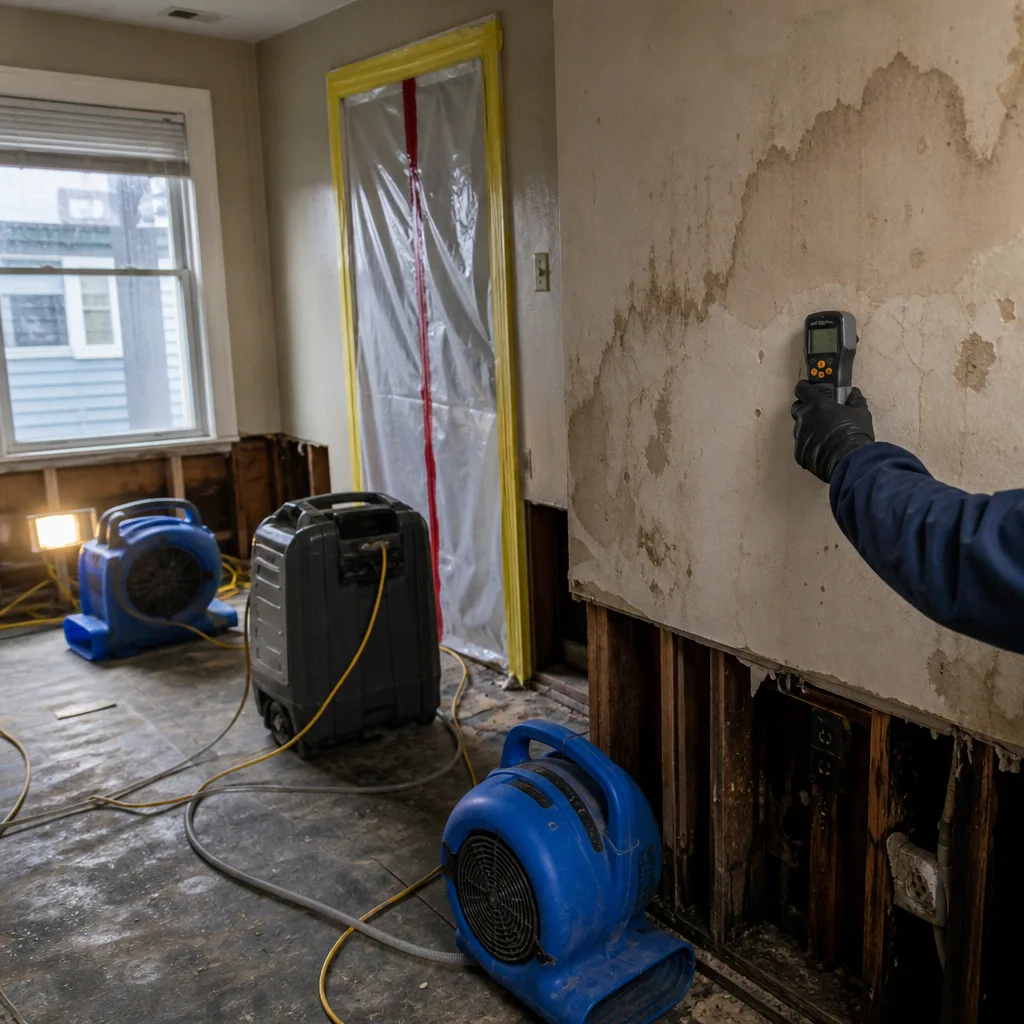
Dri-Eaz dehumidifiers and high-volume air movers go in to pull moisture out of structural wood, concrete, and cavity spaces. We log moisture readings every four hours using hygrometers and thermal imaging, and you get the full log at the end of the job.
Cleaning & Sanitization
Sanitization Services in Long Island City mean all affected surfaces get treated with EPA-registered antimicrobials. Hard surfaces are scrubbed, soft goods are either cleaned and sanitized or discarded if they can’t be saved. In Newtown Creek-adjacent properties, we run lab wipe samples to confirm heavy metals and VOCs are below clearance thresholds.
Containment & Air Scrubbing
HEPA air scrubbers run throughout the job to capture airborne pathogens and aerosolized contaminants. Negative air pressure in the work zone keeps sewage particles from drifting into your living space, your smart-home hardware, or your wool rugs.
Repairs & Restoration
Once the space passes post-remediation verification, our Reconstruction & Cleanup in Long Island City begins. We rebuild. Drywall, paint, trim, flooring. If we had to remove custom millwork or a carriage-house door, we repair it to match. The job isn’t done until the space looks like nothing ever happened.
Need Emergency Sewage Cleanup in Long Island City Now?
Crews minutes away, answering live 24 hours a day. The sooner we start, the less it costs.
Working With Your Insurance Company
Sewage backup coverage is not standard on every homeowner’s policy in New York. Some carriers include it as an endorsement. Some exclude it entirely. We’ve seen Long Island City condo owners discover mid-claim that their building’s master policy covers the common lines but not the lateral into their unit. That’s a conversation you want to have with someone who’s been through it, not a claims adjuster reading from a script. From the first hour, we document everything: photos of the loss before we touch anything, moisture readings taken at regular intervals, a line-item scope that matches the exact language your carrier’s claims system expects. Wade talks to your adjuster directly. You don’t have to.
What We Provide Your Insurer
- Thorough documentation of the loss
- Photos of all damage, room by room
- Moisture readings and drying logs
- A detailed, line-item scope of work
- Direct coordination with your carrier
Built for Long Island City’s Loss Calendar
Long Island City sees sewage backup calls year-round, but the causes shift with the season. January and February bring deep freezes that crack cast-iron waste lines in the 1910s and 1920s industrial buildings around Court Square and Queens Plaza. When a 100-year-old pipe splits, the sewage doesn’t just drip. It floods. Spring thaw and heavy April rains test the capacity of NYC’s combined sewer system, and LIC sits at the bottom of the watershed. Summer thunderstorms dump inches of rain in an hour, overwhelming the same combined mains and pushing Category 3 water back up through basement floor drains in the low-lying blocks near the East River. Nor’easters in the fall bring storm surge and sewer backflow to ground-floor units in the Hunters Point waterfront towers. The pattern is predictable, which means we keep crews staged in Long Island City during the stretches when the calls always come.
Sewage Cleanup Across Long Island City’s Neighborhoods
Long Island City is not one neighborhood. It’s a dozen distinct pockets stitched together, and each one has its own sewage risk profile. In Hunters Point, the glass high-rises along Center Boulevard and 5th Street sit on former industrial fill with basement levels below the flood plain. When a sewer main backs up there, the water has to go somewhere, and it goes down. The Dutch Kills corridor around 39th Avenue and Northern Boulevard is a mix of old wood-frame row houses and converted factories. Many still have original clay sewer laterals from the 1920s, and clay cracks under the weight of 18-wheelers rumbling toward the 59th Street Bridge. Court Square and Queens Plaza have the densest concentration of prewar office and warehouse conversions, where basement mechanical rooms sit directly on top of 100-year-old sewer connections. Out along Jackson Avenue toward the Midtown Tunnel, newer mixed-use buildings have modern plumbing but share the same overloaded combined mains. When it rains hard, all of it backs up at once.
Specialized Sewage Cleanup Services We Offer in Long Island City
Sewage Backup Cleanup
The most common call we get in Long Island City is a floor drain or toilet that suddenly starts pushing waste back up. Sewage backup cleanup means full extraction, removal of contaminated building materials, decontamination, and structural drying. In LIC, we also factor in whether the backup happened in a Newtown Creek-adjacent block, because that changes the decontamination chemistry.
Black Water Extraction
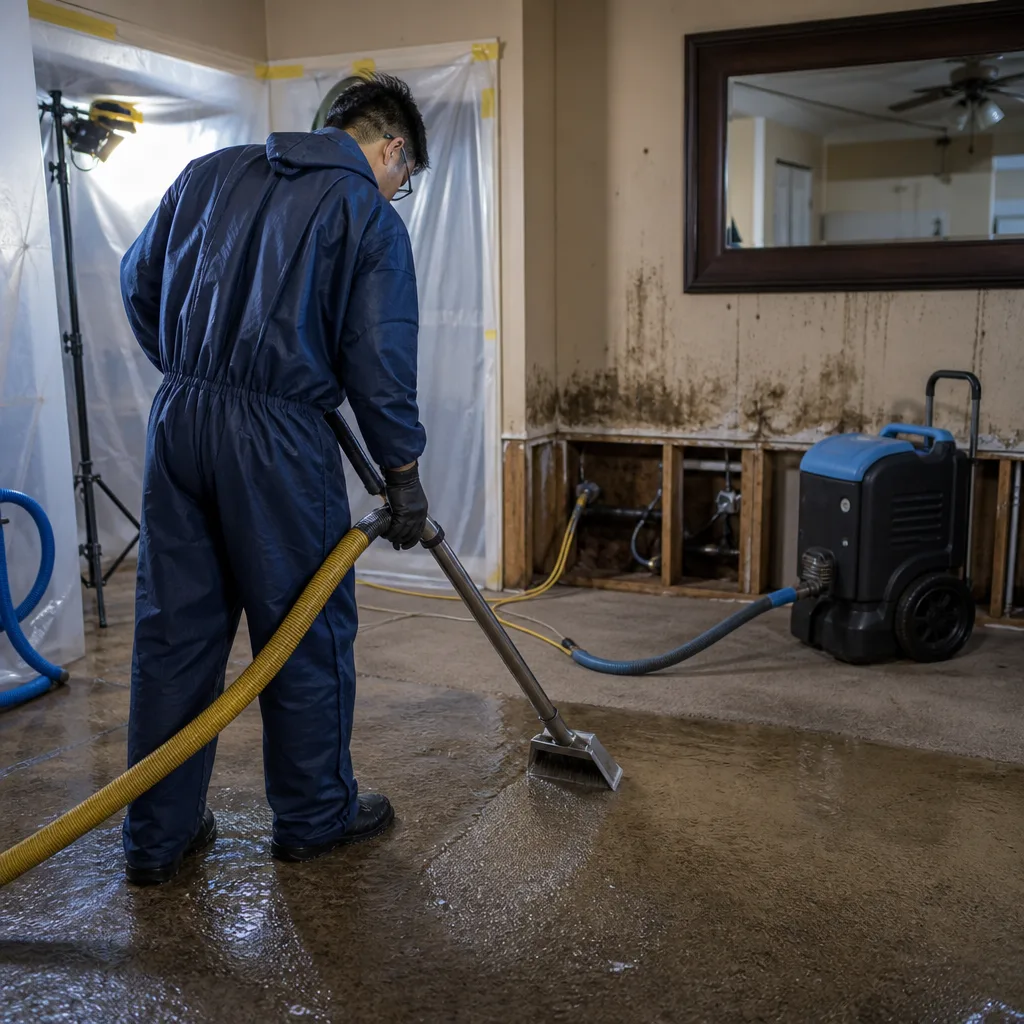
Black water is Category 3 water with fecal matter and active pathogens. It’s the water you never touch barehanded. We use truck-mounted extractors to pull it out fast, then cut out drywall, insulation, and carpeting that absorbed it. In a Long Island City loft with polished concrete floors, the extraction is faster, but the decontamination of porous concrete is slower.
Sanitization & Disinfection
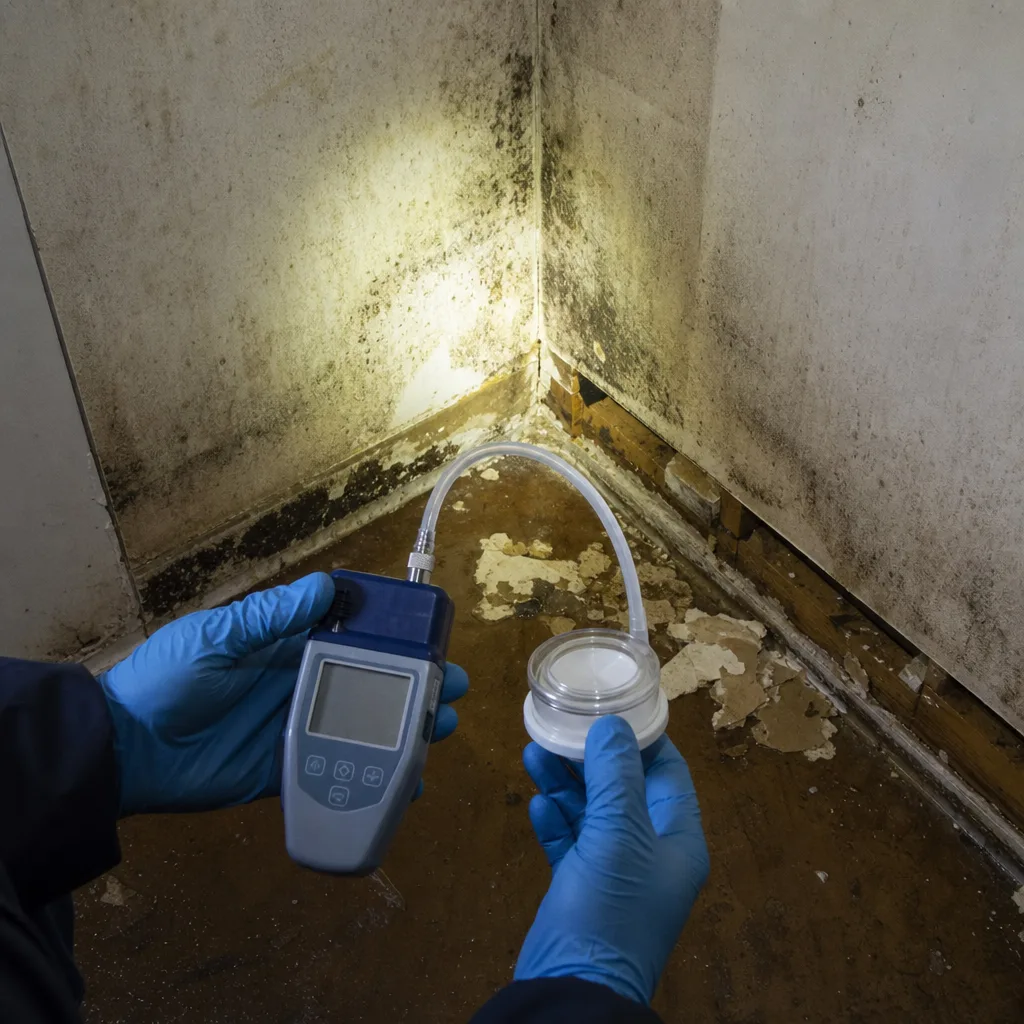
After extraction, every affected surface gets scrubbed with EPA-registered antimicrobials. We run air scrubbers during the entire process to catch what the scrub brushes release into the air. In properties near Newtown Creek, we collect wipe samples and send them to a lab. If heavy metals or industrial VOCs come back above thresholds, we keep treating until the space clears.
Toilet Overflow Cleanup
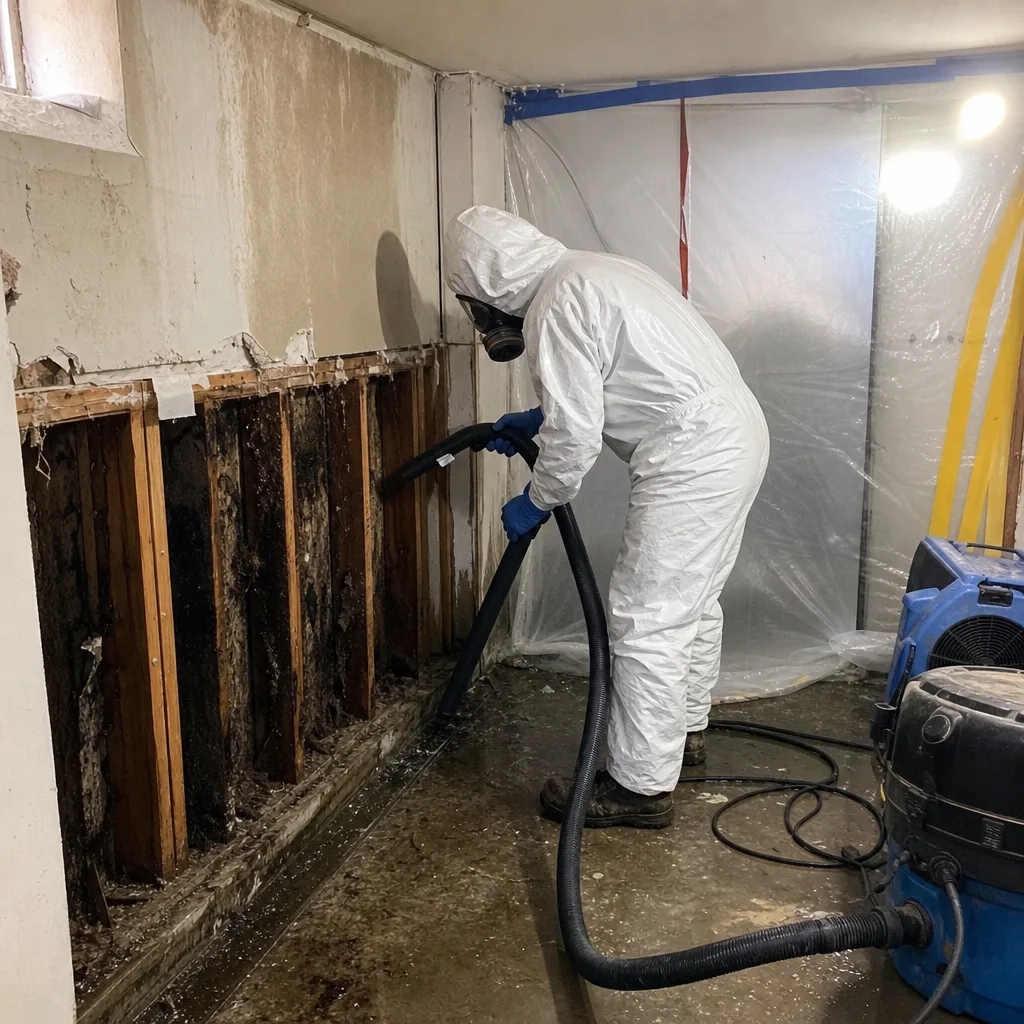
A toilet overflow might look contained, but if water from the bowl reached the baseboard, it’s already inside the wall cavity. In Long Island City’s older buildings, that water can travel along the joists and show up three rooms away. We don’t treat an overflow as a spot clean. We treat it as a sewage loss until we know the full travel path.
Septic Failure Cleanup
Most of Long Island City is on municipal sewer, but a handful of older properties in the Dutch Kills area still have legacy septic systems. When those fail, the waste surfaces differently than a municipal backup, and the cleanup path is different too. We handle the full remediation: extraction, contaminated soil management, and system repair coordination.
What happens when you call
- 1
A real person answersNo phone trees - you reach a local pro.
- 2
You get an upfront price rangeHonest numbers before anyone is dispatched.
- 3
A background-checked tech heads outLicensed & insured, dispatched right away.
- 4
You approve before work beginsNothing starts until you say go.
Sewage Cleanup Costs in Long Island City, NY
A toilet overflow cleanup in Long Island City typically runs $800 to $1,800 when it’s caught early and contained to one bathroom. A full sewage backup across a basement or mechanical room generally lands between $3,500 and $12,000 depending on how much drywall and flooring has to come out. In the Newtown Creek corridor, add $500 to $1,500 for lab sampling and enhanced decontamination. In a converted warehouse loft where asbestos testing comes back positive, the abatement sub’s scope tacks on another $2,000 to $8,000 before we can even start drying. If the loss is covered by insurance, coverage depends on whether your policy carries a sewage backup endorsement. We walk you through the scope before any work starts. No surprises. No “the price changed once we opened the wall.” Call (201) 903-9581 and we’ll come look for free.
We Also Serve Cities Near Long Island City
Our crews run calls in Long Island City and the surrounding Queens and Brooklyn neighborhoods daily. Astoria, Woodside, Sunnyside, Maspeth, Greenpoint, Williamsburg, and Brooklyn Heights are all within our response area. If you’re not sure whether we cover your block, call and ask. If we can get to you fast, we will.
Long Island City Sewage Cleanup Questions, Answered
Why does sewage cleanup in Long Island City often require asbestos testing before drying equipment can be deployed?
Because a large share of LIC’s residential buildings are converted 1910s-1930s factories and warehouses, and those buildings nearly always contain vinyl-asbestos floor tile under whatever the developer installed on top. Place a heavy dehumidifier on that floor and run it for days, and you can disturb the asbestos. That’s an abatement trigger under NYC and EPA rules. Testing first is the only way to avoid a shutdown mid-job.
How does Newtown Creek change the risk profile of a sewage backup in LIC compared to a similar backup in neighboring Astoria?
Newtown Creek is a federal Superfund site with a century of industrial petrochemical contamination in its sediment. When combined sewer backups happen in the blocks bordering the creek, the water can carry those same pollutants into your basement. Standard Category 3 sewage cleanup handles pathogens. This water can also contain heavy metals and VOCs, so we add lab sampling and broader decontamination protocols before the space can be cleared for occupancy.
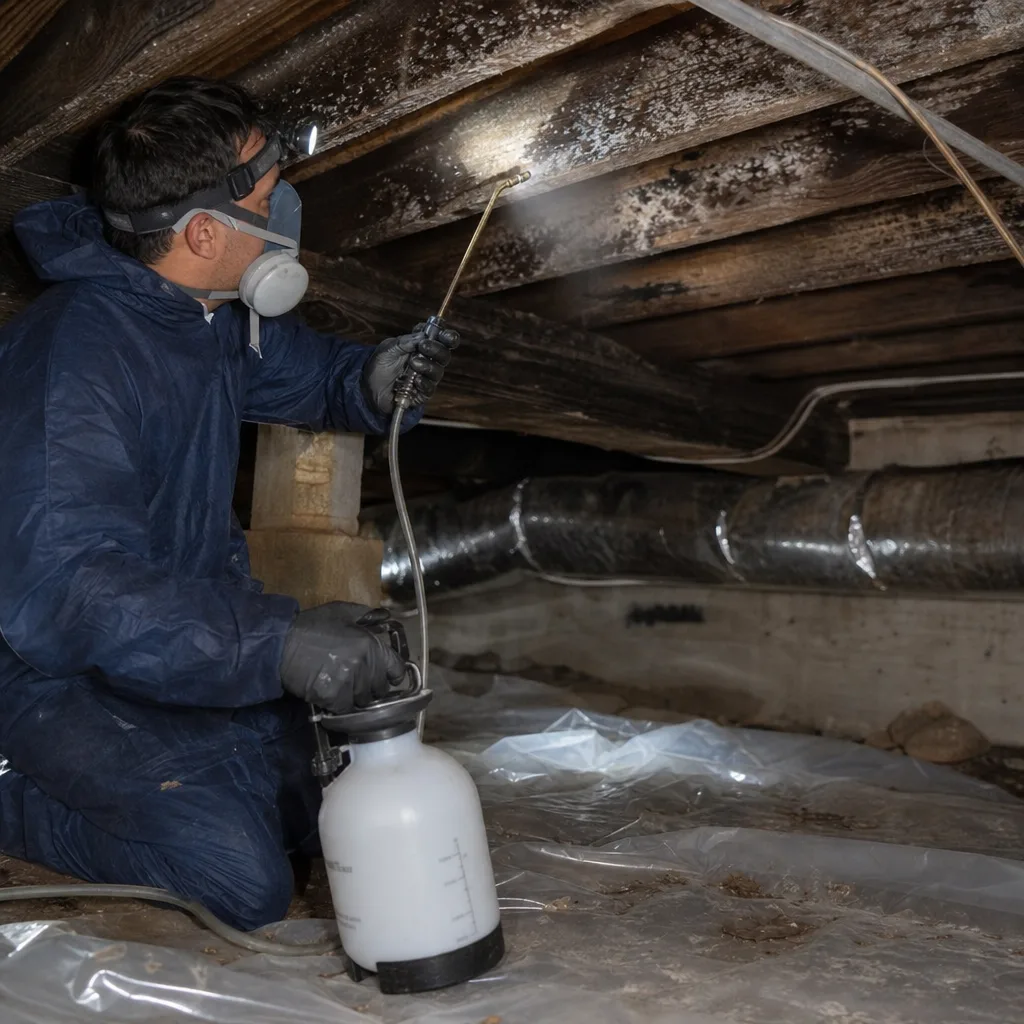
Can you safely dry a sewage backup in a crawl space under one of LIC’s converted warehouses without full demolition?
Sometimes, but not always. If the crawl space has transite asbestos panels or old-growth wood joists that absorbed sewage, drying in place may not be possible or advisable. We assess the specific envelope. If the structural wood is saturated with Category 3 water, partial demolition and replacement is safer and often cheaper in the long run than trying to dry contaminated material.
What makes the 24-48 hour mold window more urgent in LIC’s luxury loft conversions?
Mold starts colonizing wet organic material within 24 to 48 hours. In a luxury loft conversion, the materials are often more sensitive: custom wood paneling, wool rugs, expensive finishes. Plus, the shared wall assemblies in prewar converted buildings trap moisture in ways that newer construction doesn’t. The faster sewage water is extracted and drying starts, the less the mold window matters.
Do you need to worry about smart-home hardware during a sewage cleanup in a new LIC high-rise?
Yes. Sewage cleanup produces a lot of humidity and aerosolized particles. If we don’t contain the work zone, those particles land on your smart thermostats, built-in speakers, and control panels. Most of that hardware is not sealed against black-water exposure. We set up containment and negative air pressure specifically to protect those systems, which matters when you’re in a new high-rise with thousands of dollars in integrated electronics.
How fast can someone actually get to my Long Island City property?
Wade’s crews are staged inside the Long Island City response area, so typical arrival time is 30 to 45 minutes. If you call at 2 a.m., a live person answers and the clock starts then, not at 9 a.m. Speed matters in sewage because the contamination spreads, the mold window opens, and the cost climbs.
Will my insurance cover a sewage backup in Long Island City?
It depends on whether your policy carries a sewage backup endorsement. Some Long Island City condo owners find the master policy covers the main lines but not the lateral serving their unit. We help you sort out exactly what’s covered and bill your carrier directly. Call (201) 903-9581 and we’ll walk through it.
What should I do in the first 30 minutes after a sewage backup?
Turn off the water if the source is a running fixture. Don’t flush toilets or run sinks, which adds more water to the backup. Turn off the HVAC if it’s circulating air from the affected area. Keep kids and pets away from the water. Don’t try to extract it yourself. Then call us at (201) 903-9581. The first 30 minutes are about containment, and that’s what we do professionally.
Serving Long Island City, NY - Our Local Coverage Area
We’re based in the Long Island City area and know this community well - offering Long Island City Commercial Restoration and more. Use the map below to see our service coverage - if you’re nearby, we can almost certainly help.
Call Wade’s Restoration for Sewage Cleanup in Long Island City
If you’ve got sewage in your basement, your crawl space, or your mechanical room, call (201) 903-9581 right now. Wade answers his own phone. He’ll tell you straight what you’re looking at, what it will take to fix it, and what it should cost. No pressure, no double-talk, no crew you’ve never met showing up with a contract in hand. Just a neighbor who’s been doing this work since 2007 and is going to be around afterward. Ask anyone on your street. To wade is what you do through a flooded basement at two in the morning. And it happens to be his name.
Written by Wade Ferris, Owner at Wade’s Restoration, serving Long Island City since 2007.