
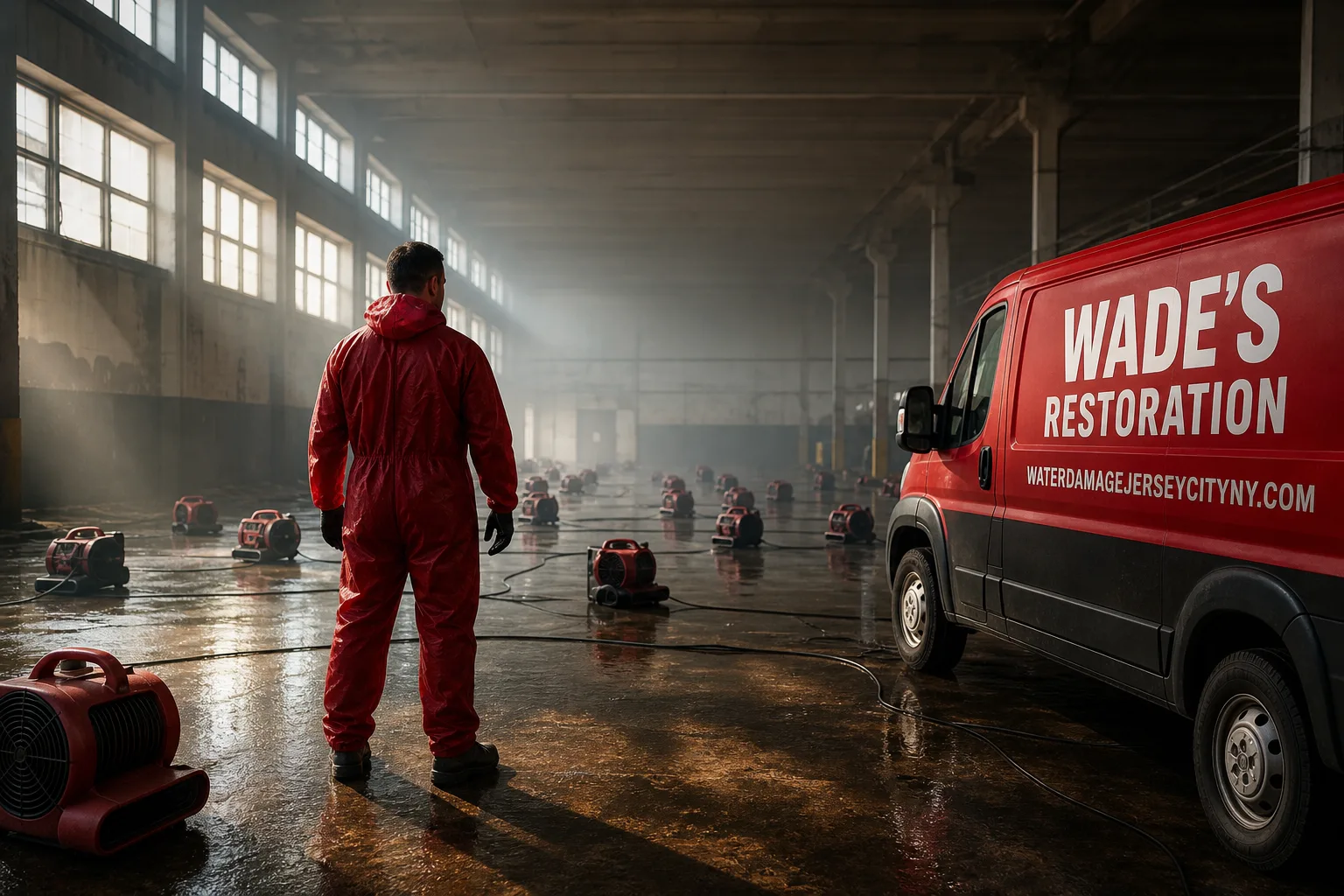
Free visual inspection and a written scope of work before any mitigation begins - photos, moisture readings, and drying logs go in your claim file
The scope we write is the scope we bill. Anything new gets shown to you, in writing, before we touch it.
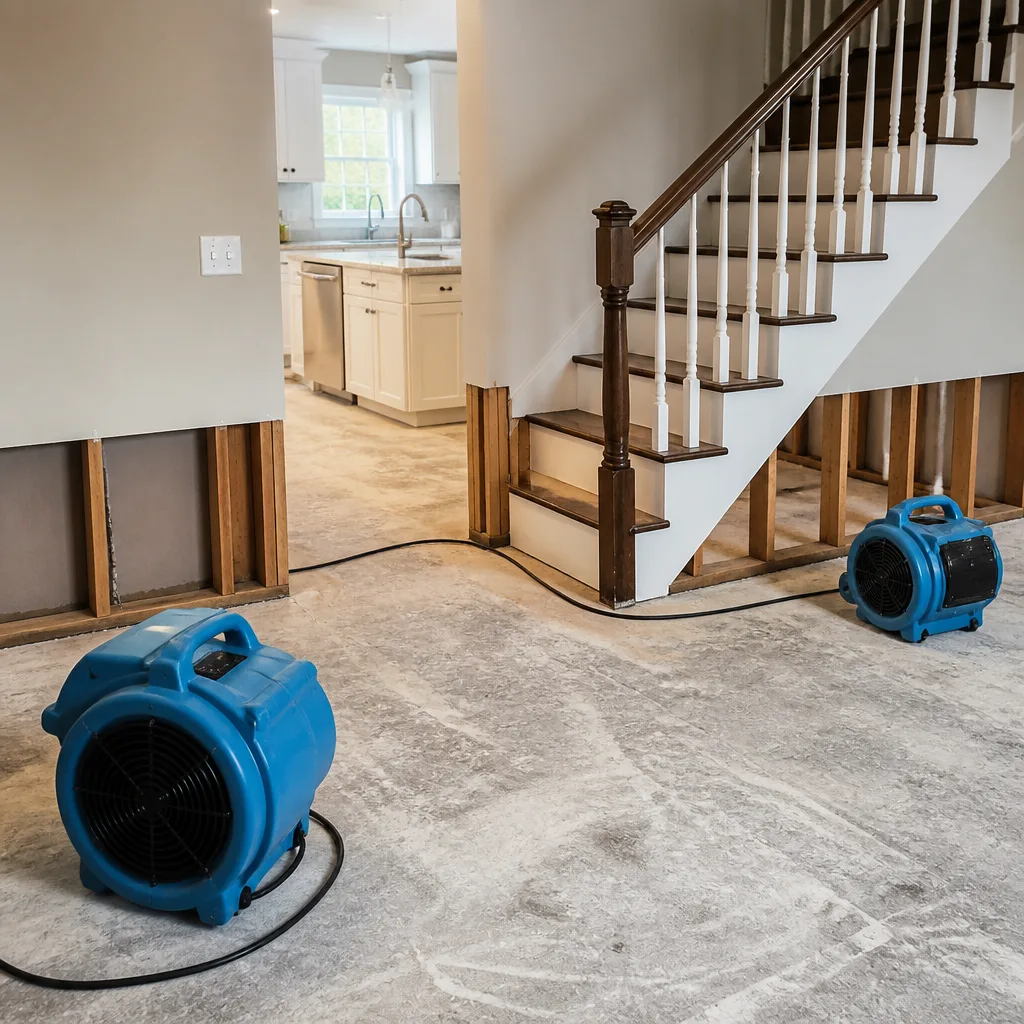
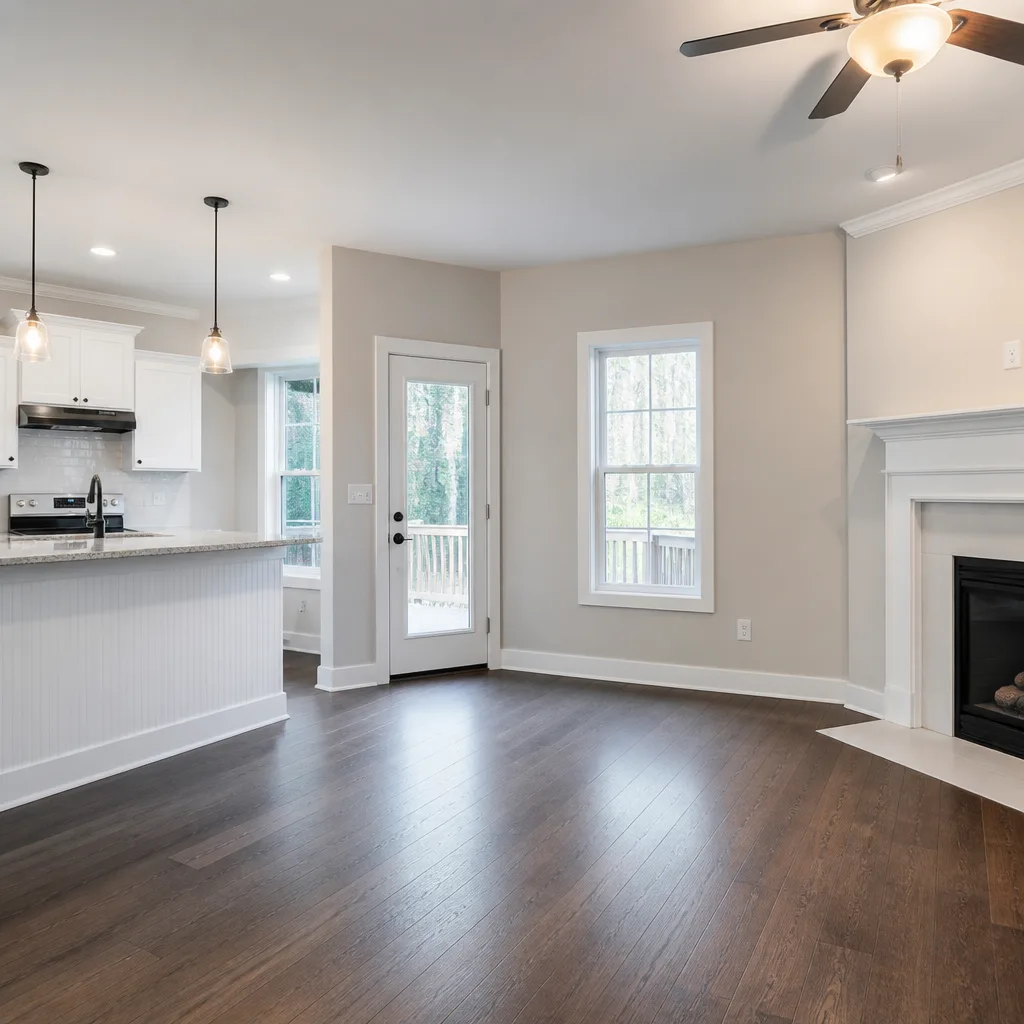
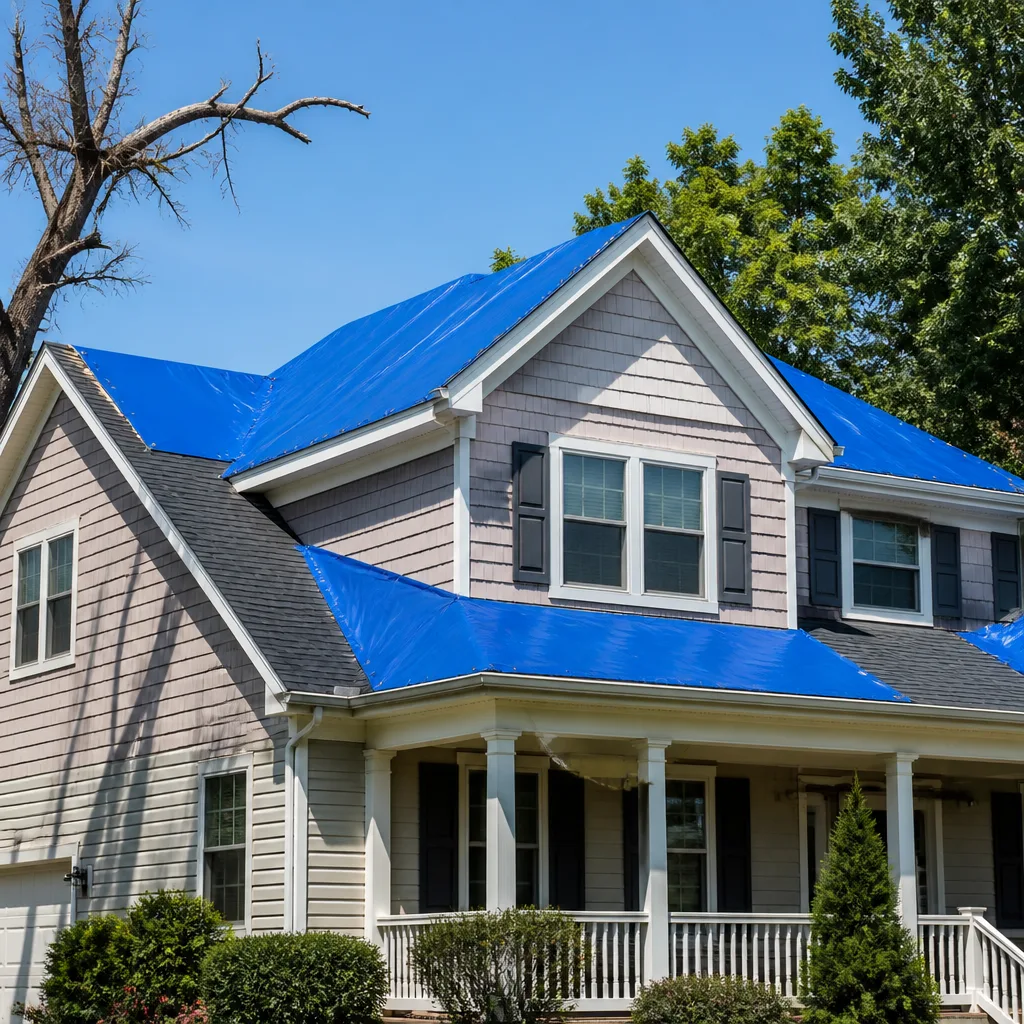
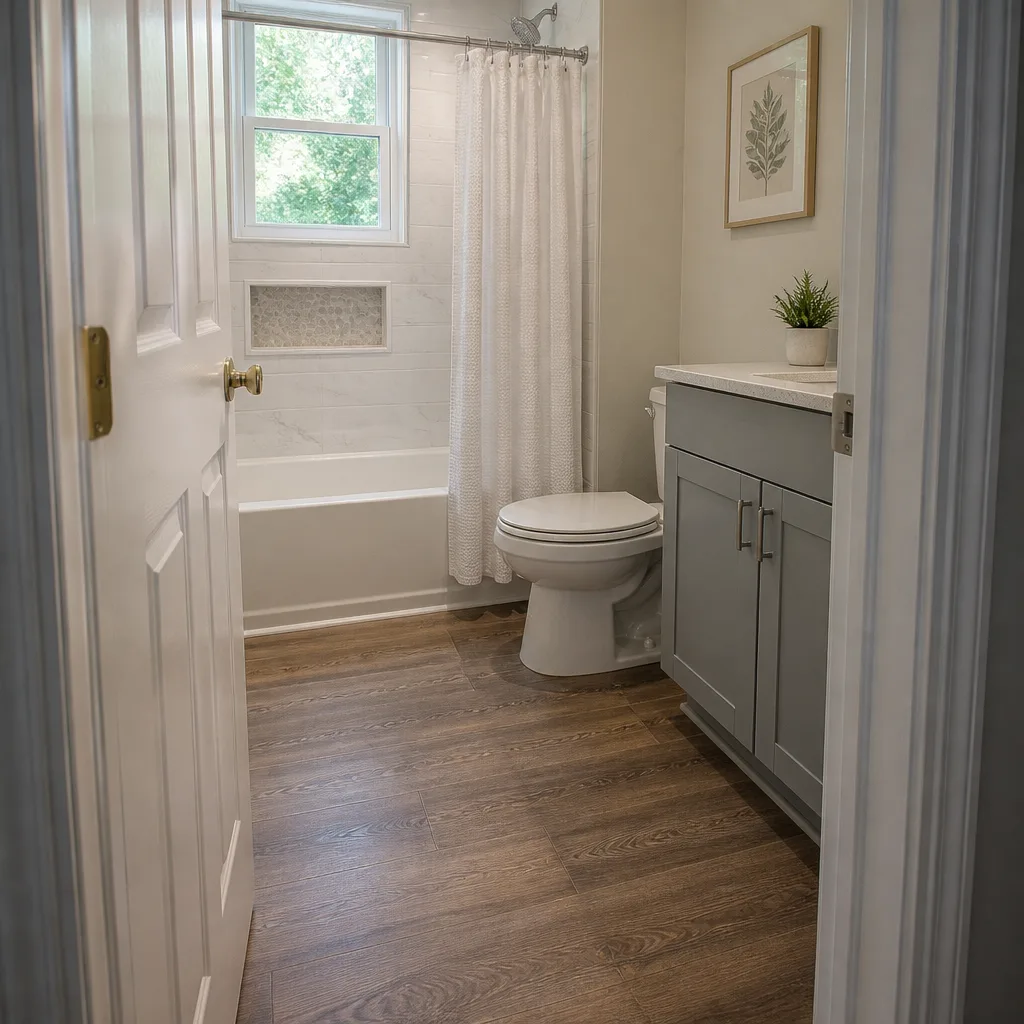
 Before
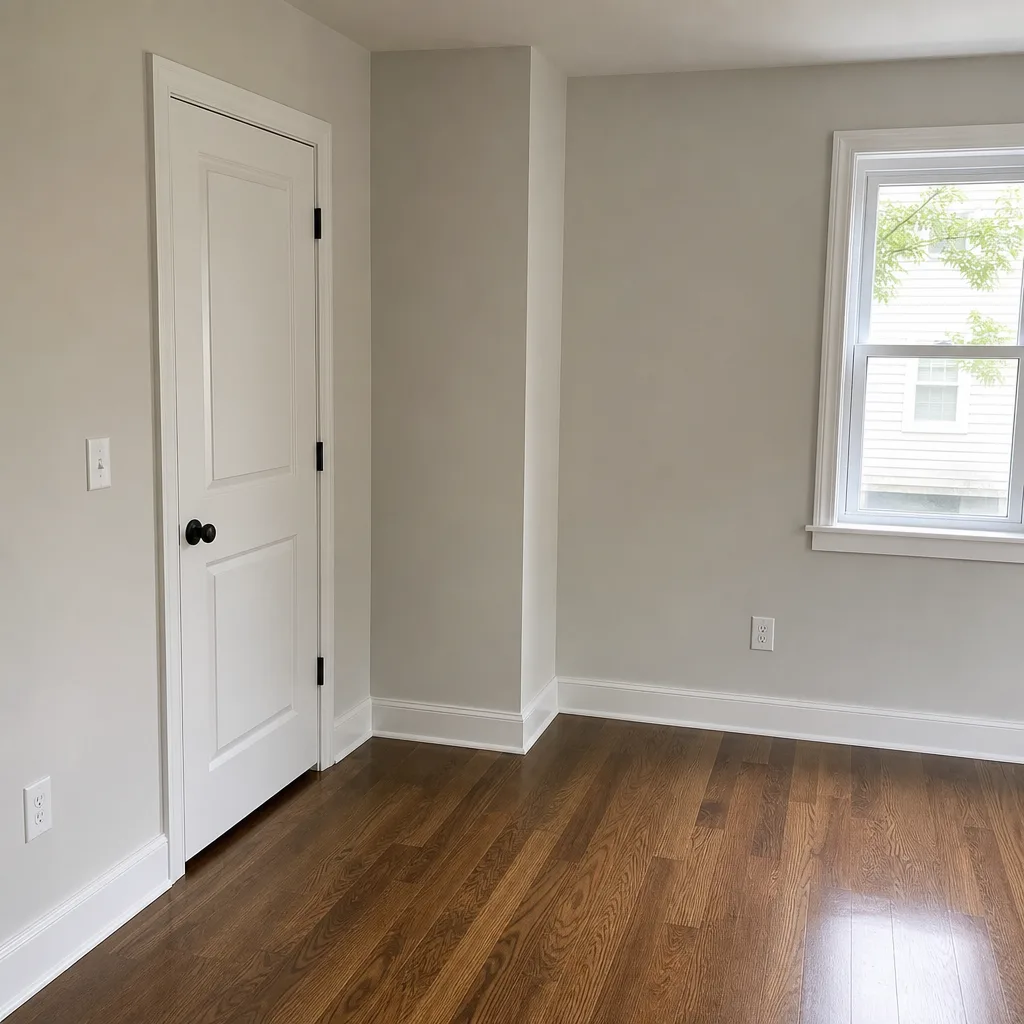 After
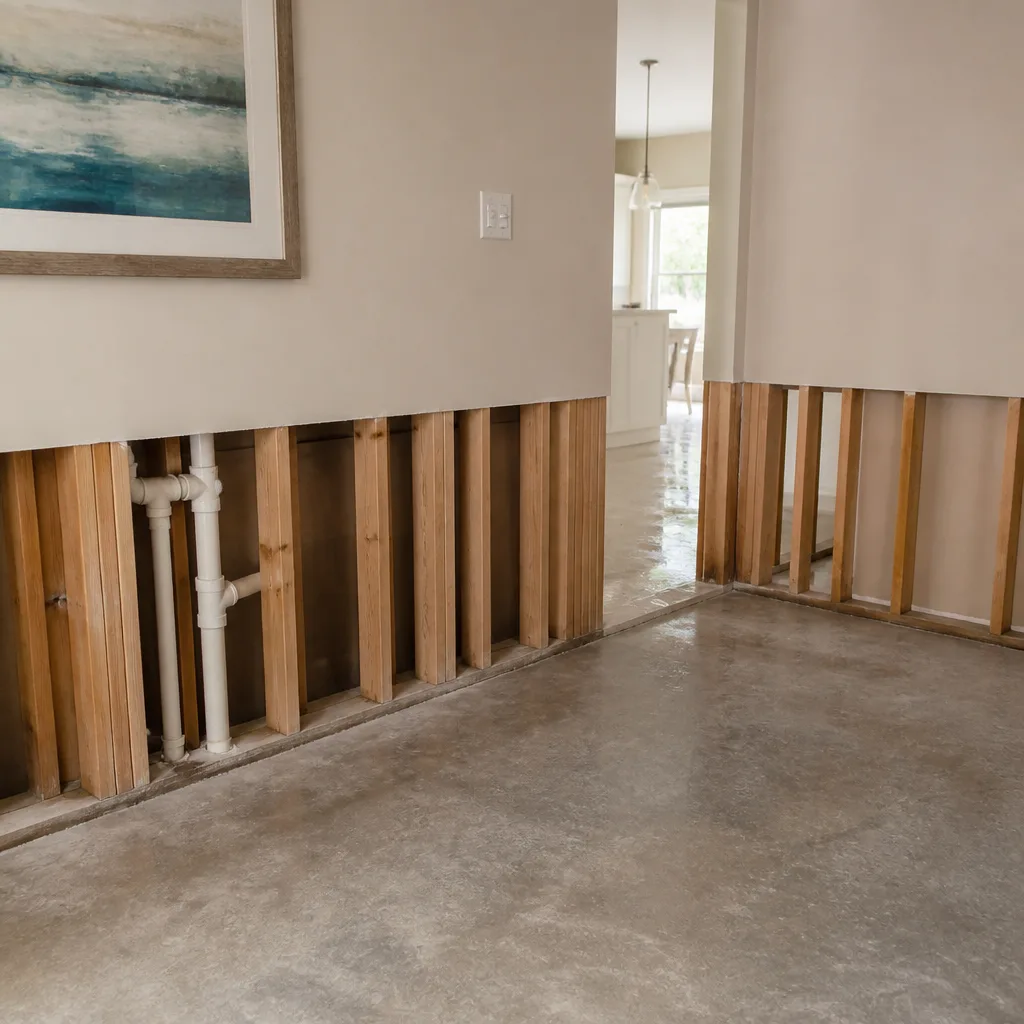
After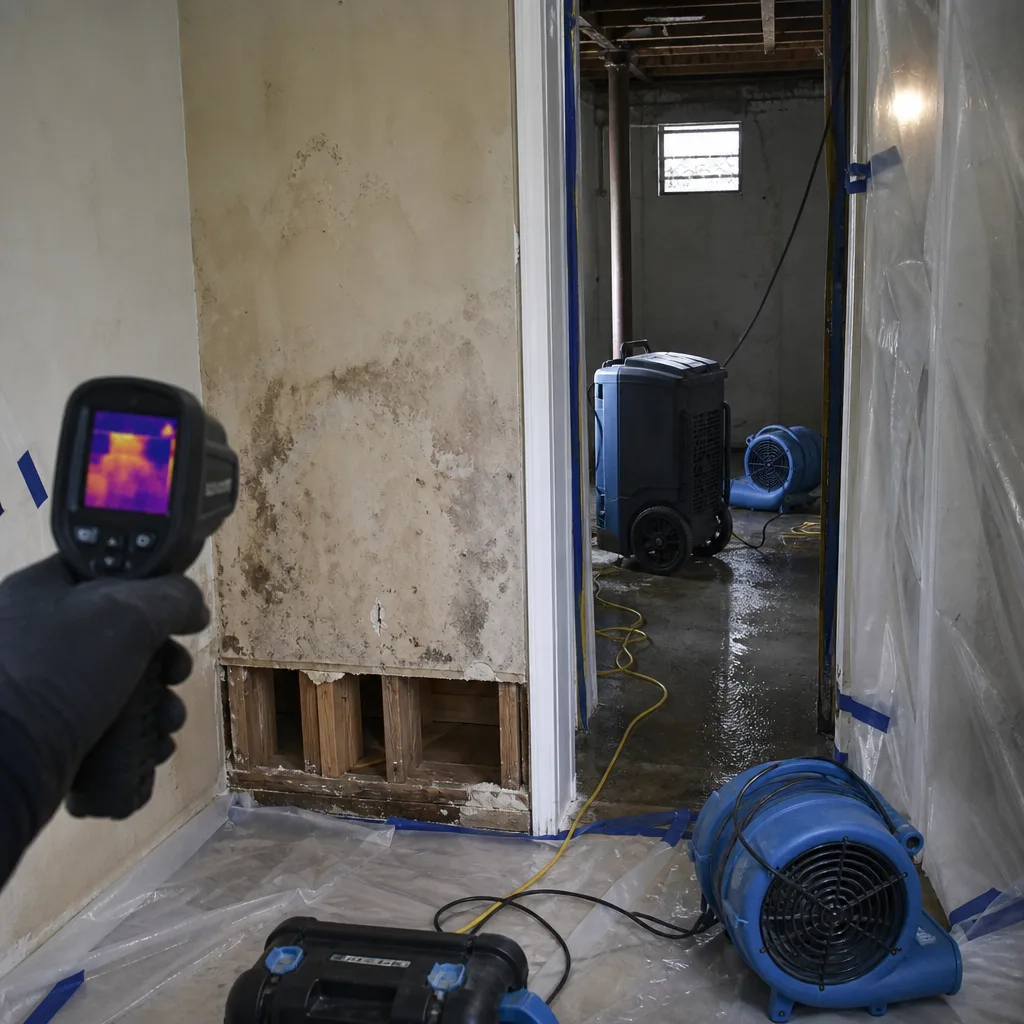 Before
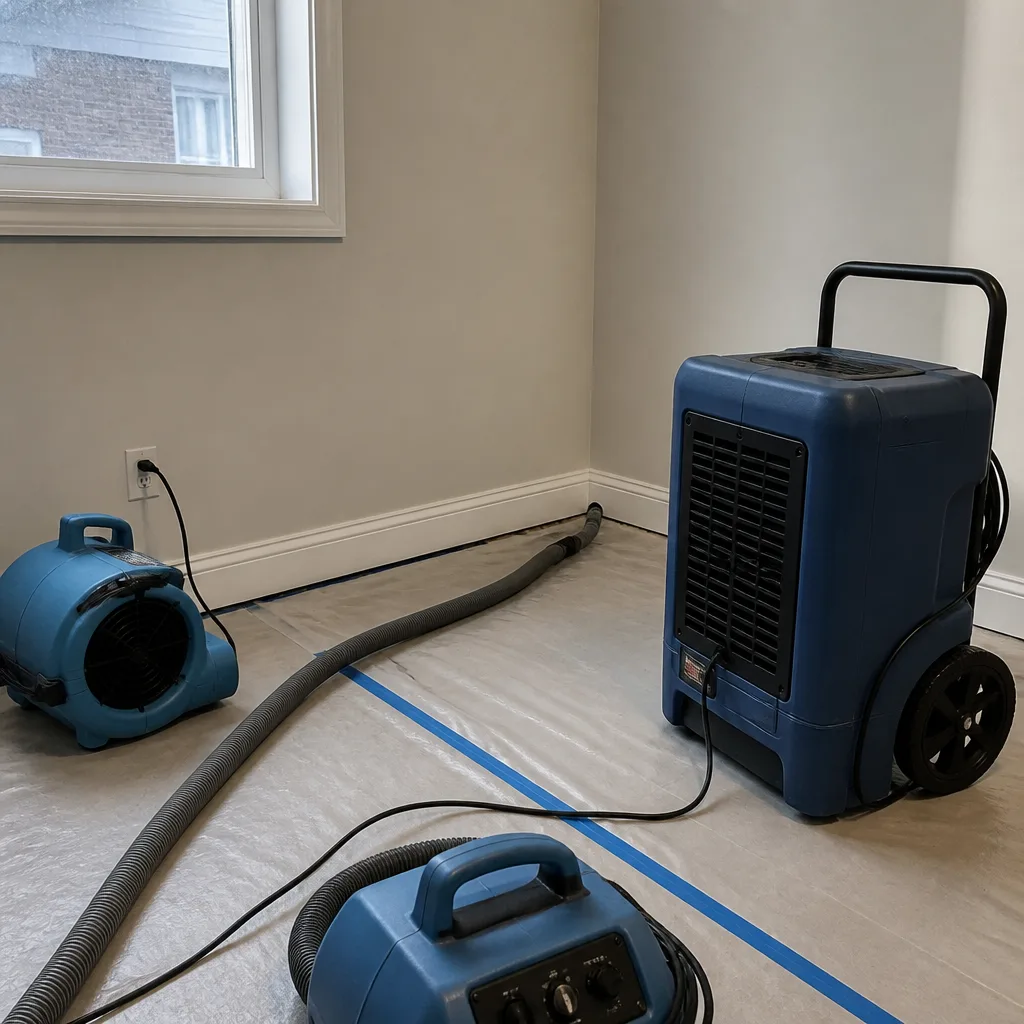 After
After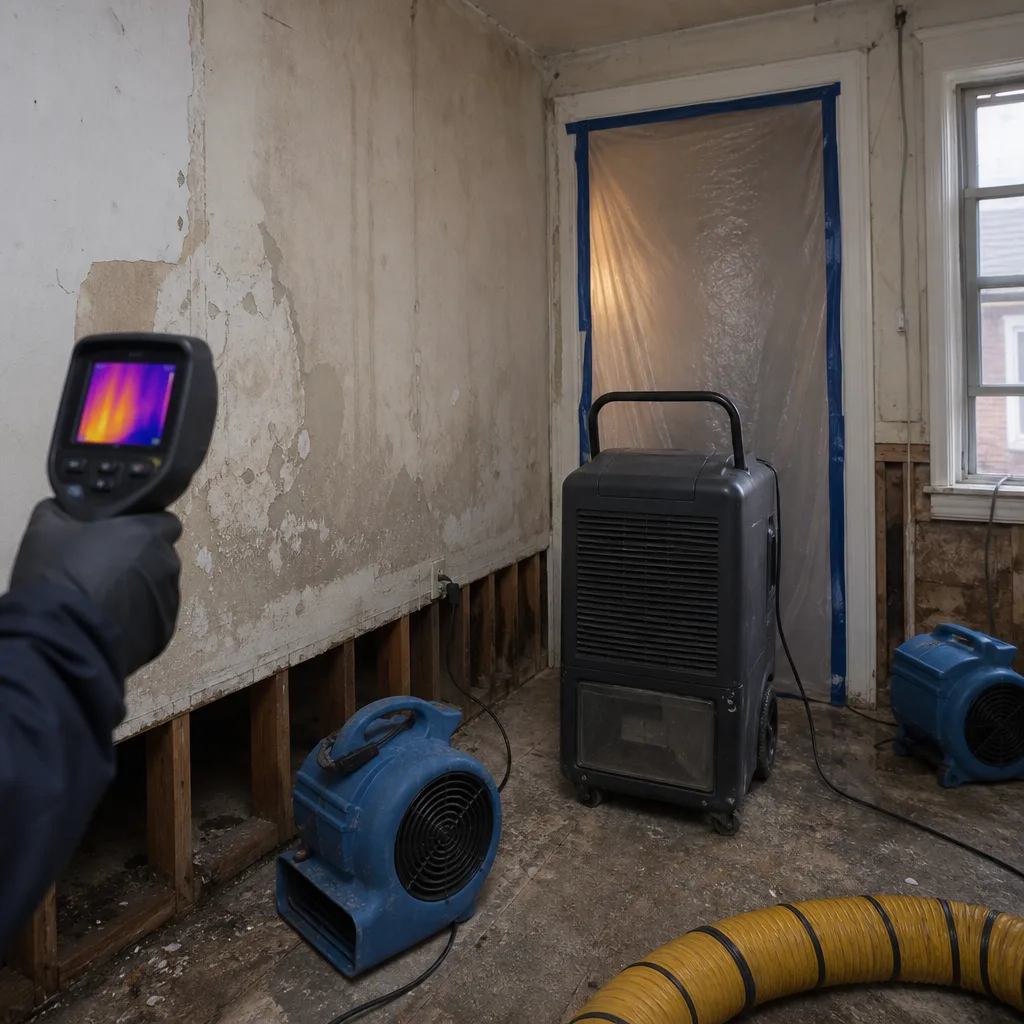 Before
 After
After24/7 Emergency Water Damage Restoration in Midtown West
Water damage in Midtown West doesn’t wait for business hours, and neither do we. A burst supply line on the 38th floor of a Hudson Yards tower at 3 a.m., a failed cast iron drain stack in a Hell’s Kitchen tenement, a nor’easter driving rain through a curtain-wall seal on West 55th Street. When water is moving through your walls, ceilings, or subfloor, the first hour decides whether you’re looking at drying or demolition. Wade’s Restoration answers live around the clock, and our crews can be on site inside the hour with extraction equipment running. Call (201) 903-9581 the moment you see water. The free visual inspection tells us exactly what you’re up against, and the only thing worse than the water already in your unit is the water still finding new paths through the building.
Understanding Water Damage Restoration Severity in Midtown West Properties
Not all water is the same, and in Midtown West the building matters as much as the water itself. We classify damage by water category: Category 1 is clean water from a supply line or faucet. Category 2 carries contaminants like detergent or sump overflow. Category 3 is grossly contaminated, sewage-tinged water. Below 42nd Street in the FEMA flood zones, basement water after heavy rain frequently hits Category 3 because groundwater backs up through floor drains and carries pathogens with it. Meanwhile, Hell’s Kitchen’s pre-war tenements hide moisture inside plaster-and-lath walls and shared plumbing chases. Those walls wick water upward and sideways, and without thermal imaging and moisture mapping, you can’t see where it’s traveling. The newer Hudson Yards towers present a different problem entirely: wind-driven rain intrusion behind curtain walls soaks insulation and sheathing where ground-level inspections never look. Proper severity assessment means matching the water category, the building type, and the drying strategy before a single air mover goes down.
Why Midtown West Property Owners Choose Wade’s Restoration
- 45-minute response commitment. Wade’s crews stage out of the metro office and can have extraction running inside the hour in most of Midtown West.
- 24/7 live answer. A real person picks up. Often Wade himself. No voicemail tree, no answering service, no runaround.
- IICRC-certified crews. Our techs hold WRT and ASD certifications and know how to read a high-rise floor plan before setting equipment.
- Free visual inspection. We walk the property, take moisture readings, and tell you what you’re dealing with. No charge for that.
- Direct insurance billing. We submit photos, drying logs, and a line-item scope directly to your carrier and talk to the adjuster so you don’t have to.
- One team from extraction to reconstruction. The same crew that pulls the water out can rebuild the wall. No handoffs, no subcontractor roulette.
Our Water Damage Restoration Process
Inspection & Assessment
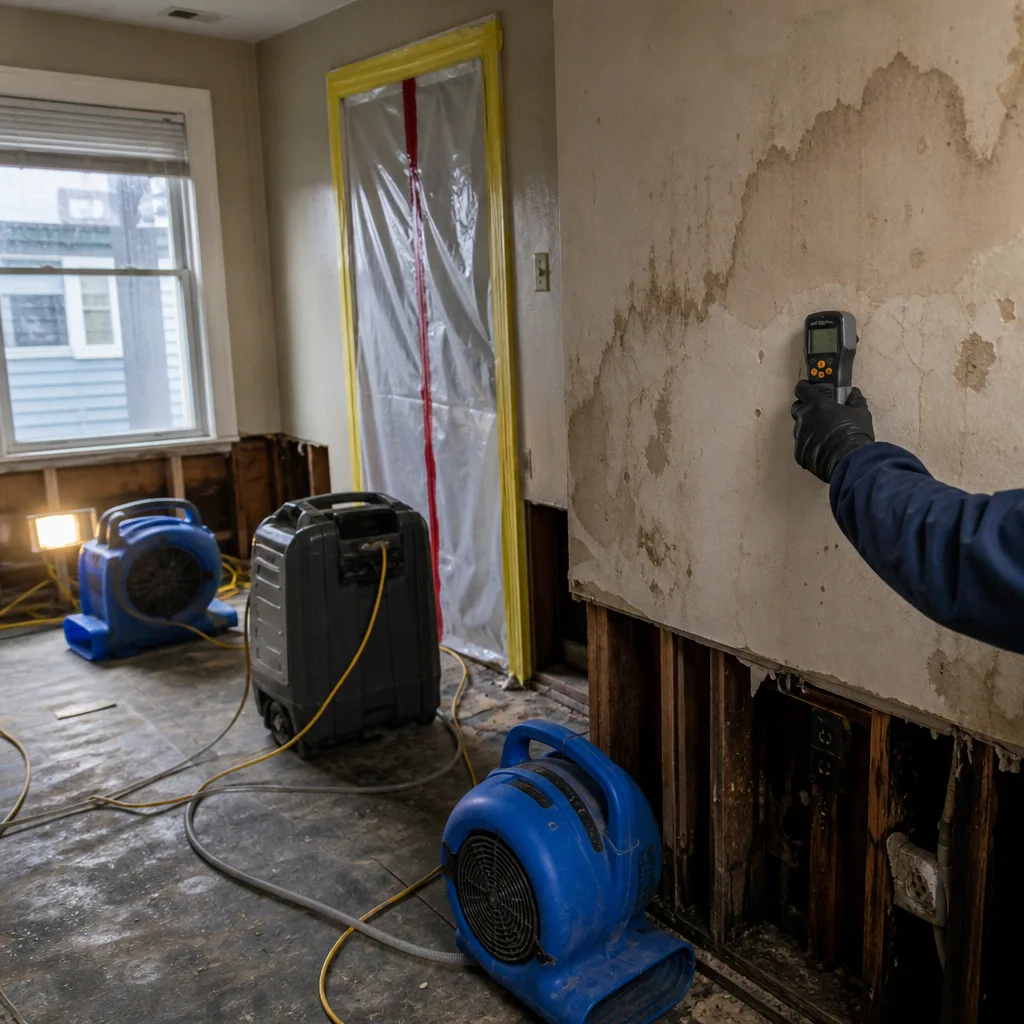
We start with moisture mapping using thermal imaging cameras and hygrometers. In Midtown West buildings, that means checking not just the visible damage but the wall cavities, subfloor, and any shared chases or riser spaces where water travels between units.
Extraction & Stabilization
Before drying starts, we pull standing water with truck-mounted and portable extraction units. If water is still entering from a failed pipe coupling or wind-driven rain intrusion, we stabilize the source first so we’re not drying a moving target.
Drying & Dehumidification
We set Dri-Eaz and Phoenix dehumidifiers and air movers in a calculated layout based on the moisture map. In tight Hell’s Kitchen units, that means careful equipment placement so air moves through walls without blocking doorways or hallways.
Cleaning & Sanitization
Category 2 and 3 water calls for antimicrobial treatment on affected surfaces and in wall cavities. We clean what we can save, and we tell you straight what can’t be saved.
Specialty Treatment
In Midtown West, the specialty step often means curtain-wall seal inspection on upper floors, cast iron drain line scoping in pre-war buildings, or sub-slab drainage evaluation below 42nd Street. We address the failure that caused the loss, not just the wet aftermath.
Repairs & Restoration
From drywall to crown molding to custom millwork, we restore the space to pre-loss condition and often better. In pre-war units, we match plaster profiles and original details rather than slapping up patch panels.
Need Emergency Water Damage Restoration in Midtown West Now?
Crews minutes away, answering live 24 hours a day. The sooner we start, the less it costs.
Working With Your Insurance Company
Insurance claims in Midtown West move differently than in the suburbs. Many buildings require specific documentation formats from a licensed restoration vendor, and high-rise losses often involve the building’s master policy, your unit policy, and sometimes a neighbor’s policy all at once. We’ve handled enough claims here to know what adjusters need to see: time-stamped photos from the first hour, room-by-room moisture logs, and a line-item scope with industry-standard pricing. Wade talks to the adjuster directly. You don’t need to be the one relaying information between your carrier and the restoration crew.
What We Provide Your Insurer
- Thorough documentation of the loss
- Photos of all damage, room by room
- Moisture readings and drying logs
- A detailed, line-item scope of work
- Direct coordination with your carrier
Built for Midtown West’s Loss Calendar
Midtown West’s water damage losses follow a calendar that locals can set their watch by. January and February bring deep freezes that burst supply lines in the older mechanical rooms of office-to-residential conversions in the 40s, where retrofitted systems were never designed for residential plumbing loads. March and April bring thaw cycles and the first heavy spring rains, which push groundwater into basement spaces below 42nd Street, the blocks that got hit hard during Hurricane Sandy and remain in FEMA flood zones. Summer thunderstorms overwhelm the aging roof drainage on pre-war walk-ups in Hell’s Kitchen, sending water down through stairwells and ceiling cavities from the top floor to the lobby. Fall nor’easters drive rain horizontally against the upper floors of the Hudson Yards curtain-wall towers, exploiting failed window seals that looked fine from the inside. Every season has a signature loss in Midtown West, and crews that know the calendar can pre-position materials and schedule equipment access before a building’s freight elevator becomes the bottleneck.
Water Damage Restoration Across Midtown West’s Neighborhoods
Midtown West is not one building type. It’s a patchwork, and each patch fails differently. Along the warehouse-to-residential conversions of West 36th through West 39th, we see old cast iron drain lines and long horizontal runs under slab floors that crack and leak into lower units. In Hudson Yards and the far West 50s, it’s curtain-wall failures and wind-driven rain hitting upper floors with forces that ground-level gutters never reveal. The Broadway theater district from West 42nd to West 53rd brings a different pressure: a sprinkler activation in a fly loft or dressing room can push water through three floors of a historic building before anyone notices, and the show-must-go-on mandate means our crews work overnight and between performances. Over in Hell’s Kitchen proper, the tenements on West 45th through West 49th share plumbing chases and party walls, so a leak in one unit is almost never contained to one unit. And the Class B office conversions in the west 40s stack an extra layer of complexity: mechanical rooms jammed into former elevator vestibules, supply lines running through drywall soffits above dropped ceilings, and shut-off valves that don’t actually shut off the whole branch. A restoration company that treats Midtown West like a generic Manhattan zip code will be learning these failure modes on your dime. We already know them.
Specialized Water Damage Restoration Services We Offer in Midtown West
Emergency Water Extraction
Standing water in a Midtown West apartment is a biological deadline. We run truck-mounted extractors and portable units with a 45-minute mobilization window for most of Midtown West. When a hotel on 8th Avenue loses a pipe, we’re pulling water while the building engineer is still on hold with their corporate office.
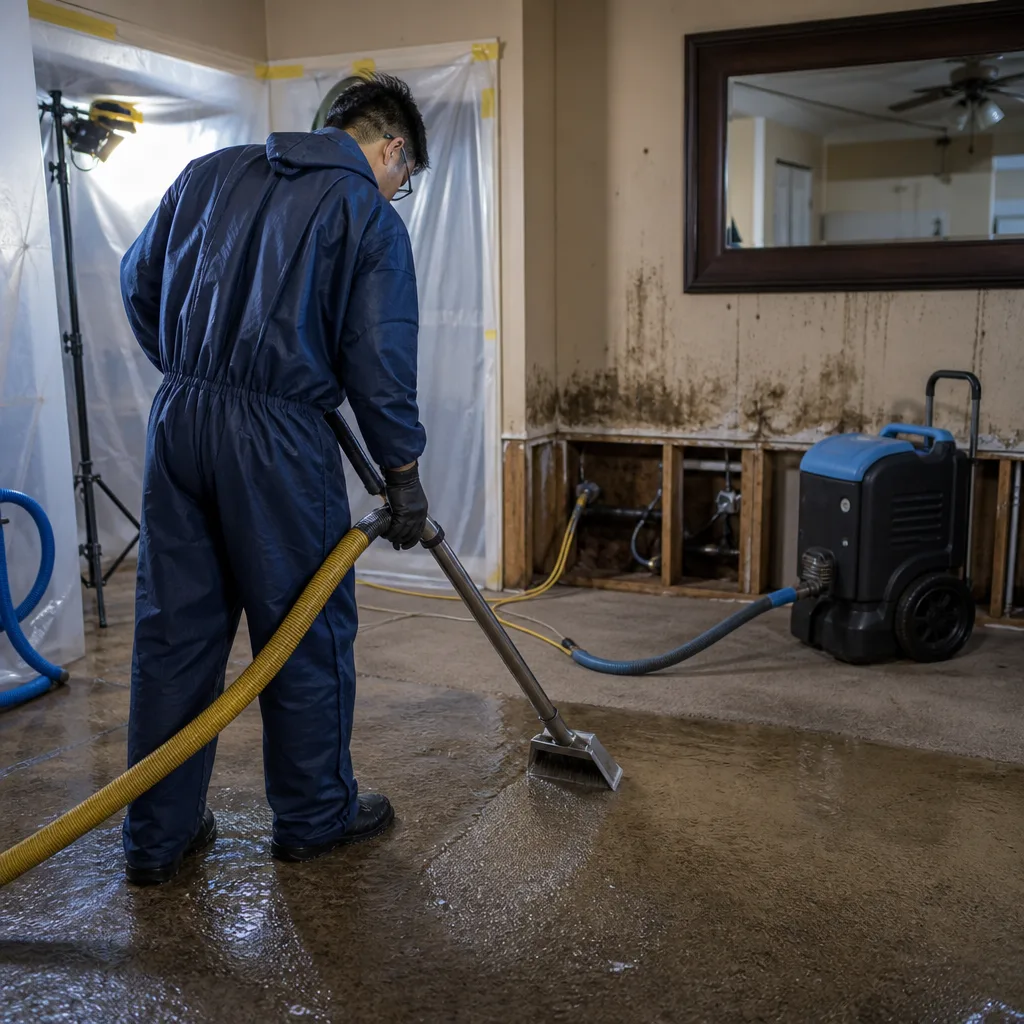
Structural Drying & Dehumidification
Plaster-and-lath walls in Hell’s Kitchen hold water like a sponge. We use Dri-Eaz desiccant dehumidifiers in tight spaces and Phoenix axial fans in open floorplates. The drying log we hand you at the end shows readings from day one to day done, taken every single day. That’s our standard, not an upgrade.
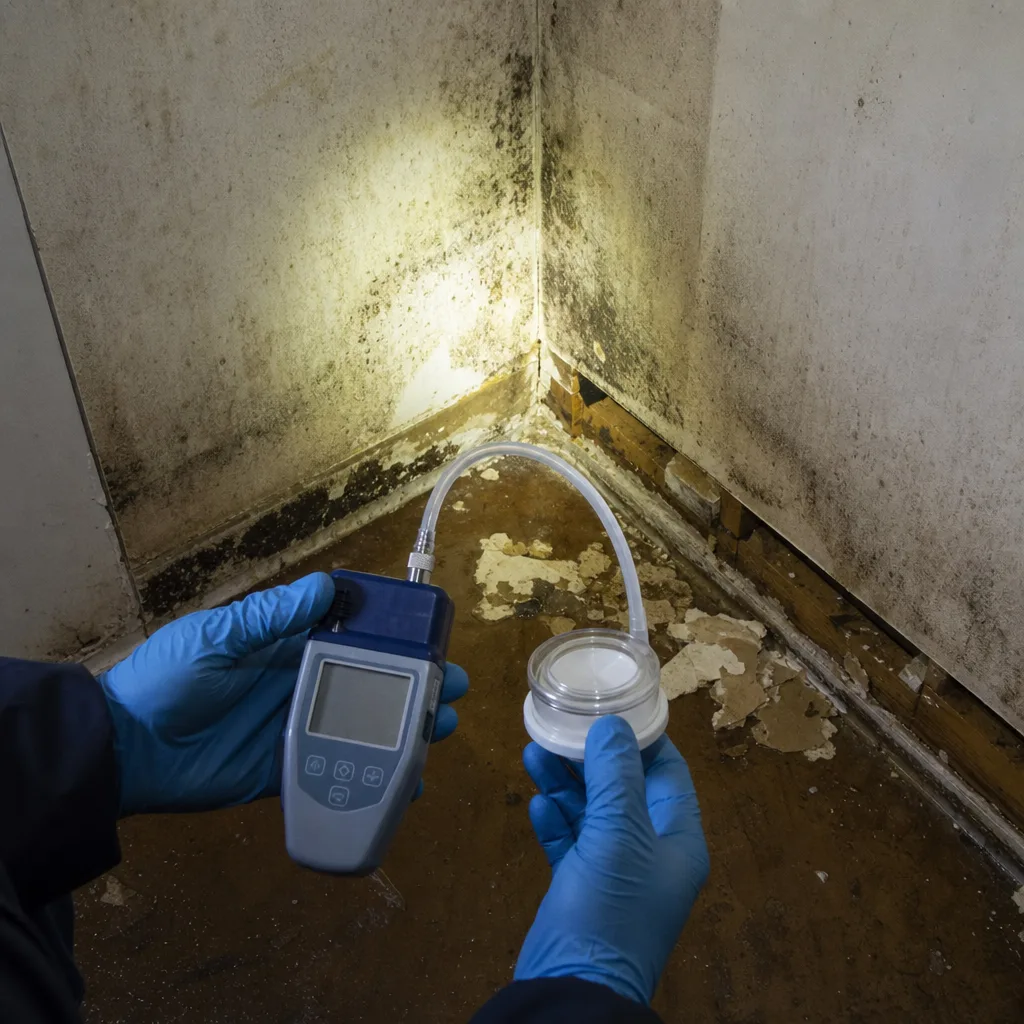
Flood Cleanup
Below 42nd Street, flood cleanup means Category 3 water. Groundwater in those blocks isn’t just wet, it’s contaminated with sewage backflow and whatever the streets washed into the storm system. We treat it accordingly: full containment, antimicrobial application, and disposal of unsalvageable materials. This is not the place to skip a step.
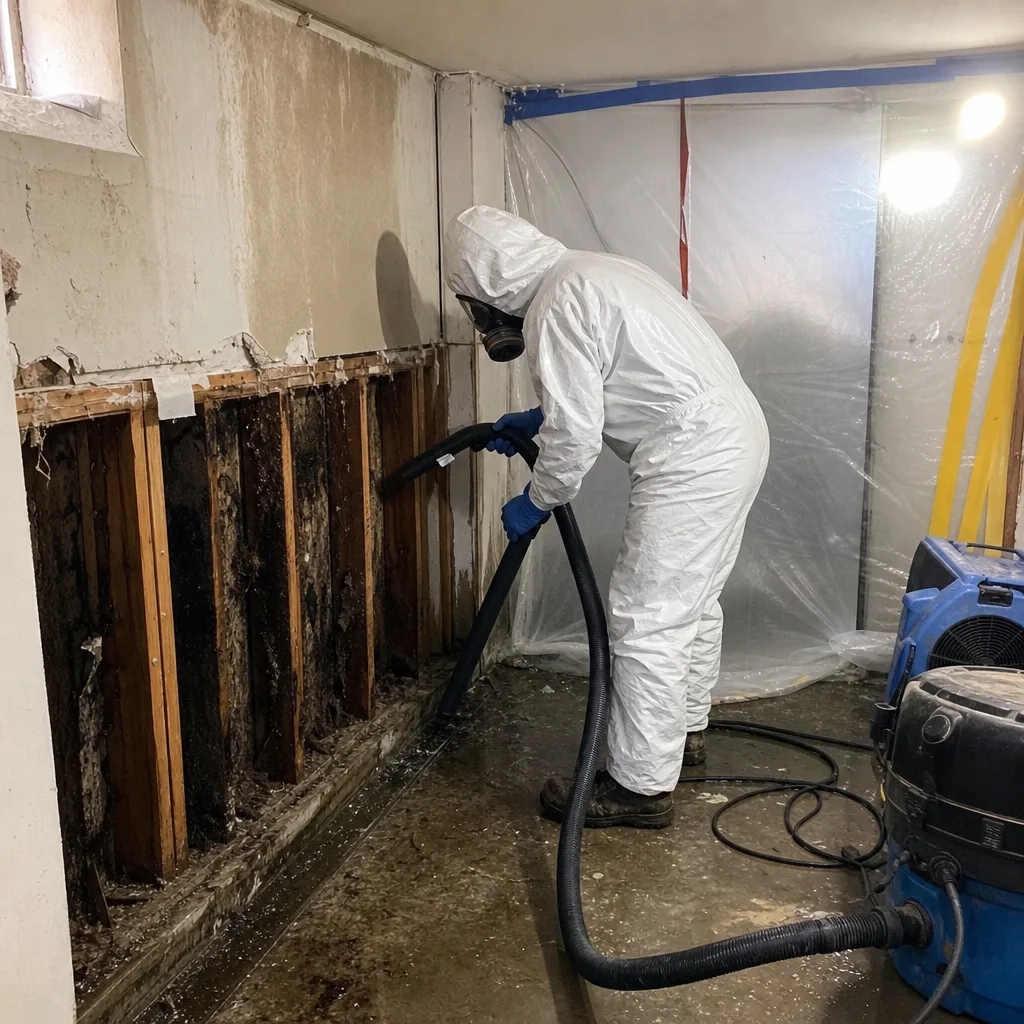
Burst Pipe Restoration
A burst riser in an office-conversion building in the 40s floods an entire column of units at once. We coordinate with building management for shut-off, then run multiple extraction crews simultaneously on different floors. The vertical cascade is real here, and the response has to be vertical too.
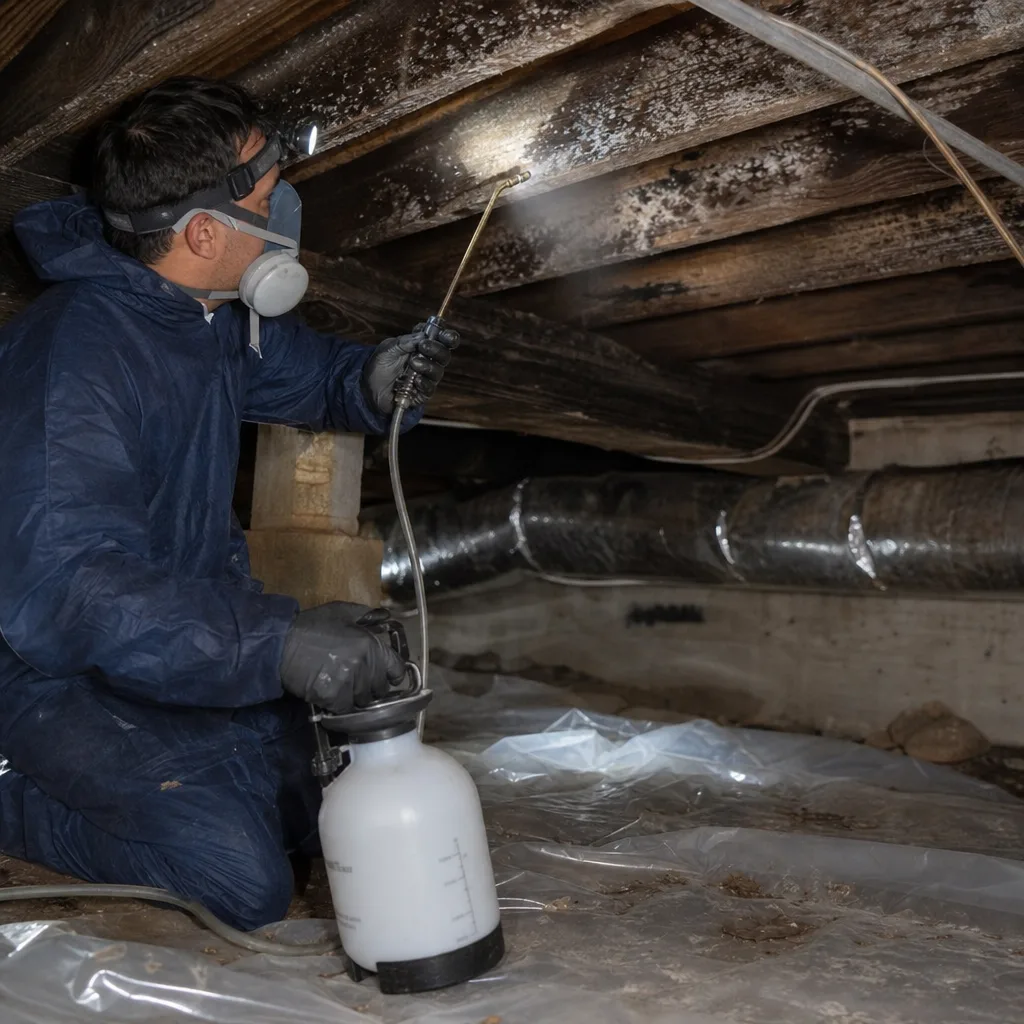
Basement Water Removal
Basement spaces in Midtown West range from retail storage under pre-war walk-ups to loading docks under the hotel corridor. Each has its own drainage profile, and many sit below the water table after Sandy. We map the moisture, pump the water, and dry the space to pre-loss conditions, not just to where it stops feeling damp.
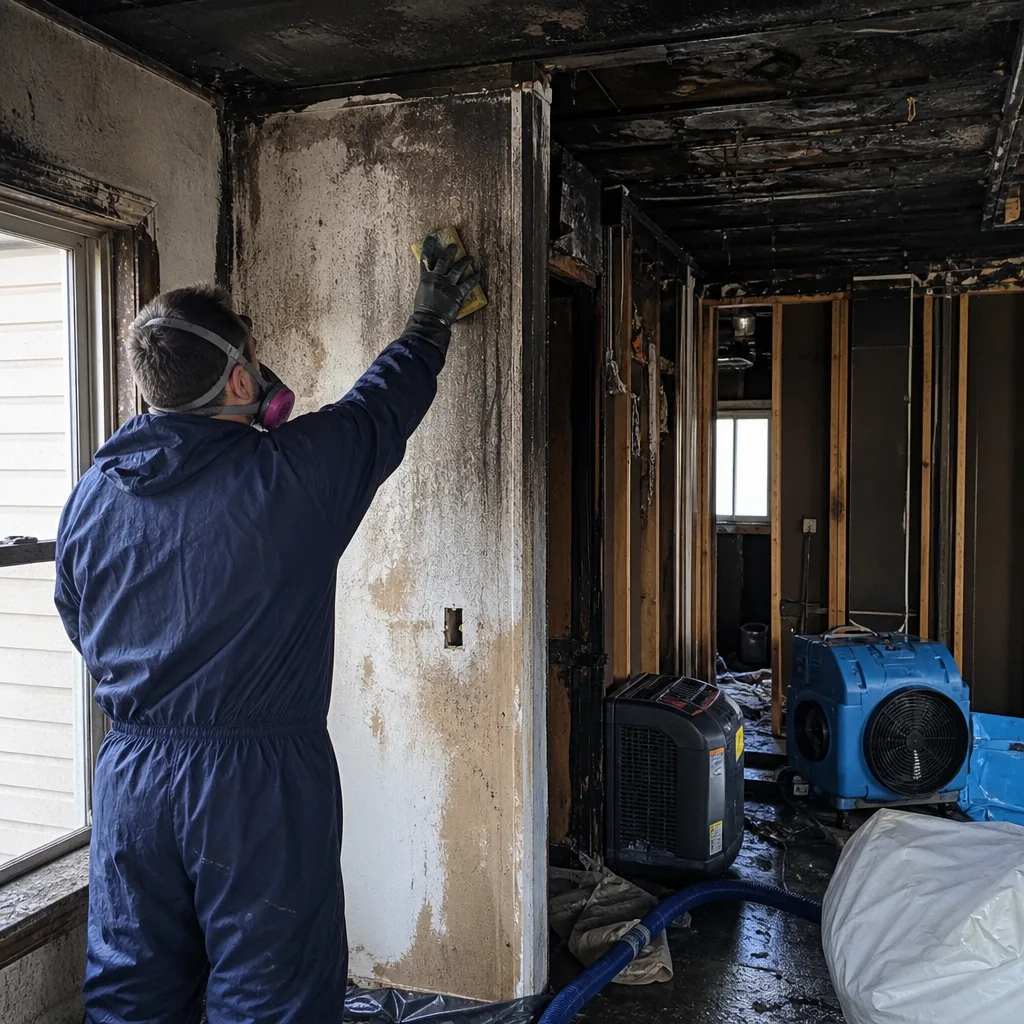
Ceiling & Roof Leak Water Damage
Roof drainage systems on Midtown West’s older buildings fail incrementally. A scupper backs up, water pools, and three floors below someone notices a ceiling stain. We trace the path, fix the source, and dry the affected ceiling cavities before mold gets a foothold. In high-rise curtain-wall buildings, we check the window seals too. Most leak calls on upper floors aren’t roof leaks at all.
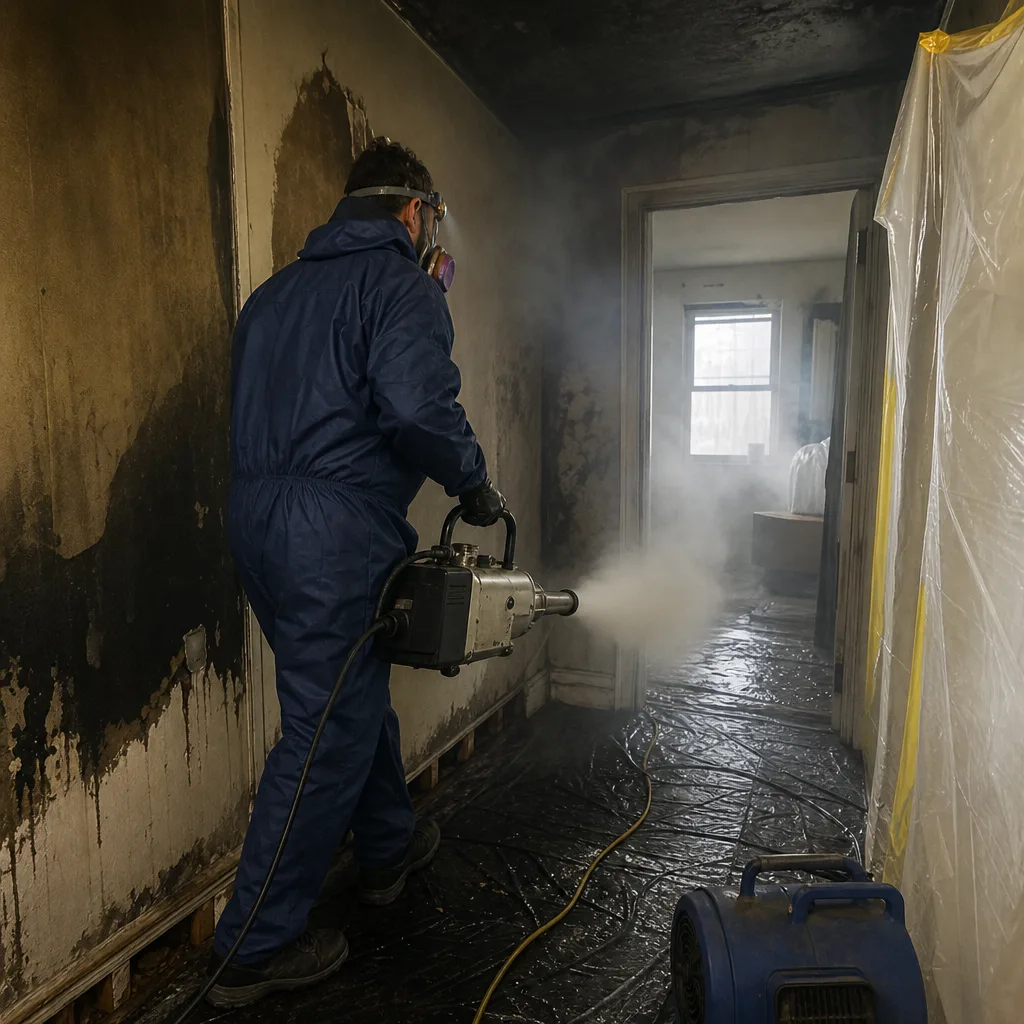
What happens when you call
- 1
A real person answersNo phone trees - you reach a local pro.
- 2
You get an upfront price rangeHonest numbers before anyone is dispatched.
- 3
A background-checked tech heads outLicensed & insured, dispatched right away.
- 4
You approve before work beginsNothing starts until you say go.
Water Damage Restoration Costs in Midtown West, NY
Expect the Midtown West market to run higher than the boroughs and suburbs, and for good reason: mobilization through Midtown West buildings costs real time and money. Here’s what typical jobs run:
- Emergency water extraction (single unit, clean water): $650-$1,600
- Structural drying for a standard one-bedroom unit: $1,400-$3,800, depending on wall cavity access and equipment days
- Full water damage restoration with drywall replacement and repaint: $4,000-$12,000 for a typical Midtown West apartment
- Category 3 flood cleanup below 42nd Street: $3,500-$9,500, because containment and disposal add real line items
- High-rise upper-floor leak with curtain-wall investigation: $2,500-$8,500 before repairs, depending on access and findings
What moves the price: freight elevator access windows, DOT sidewalk permits if equipment needs to stage outside, post-loss security requirements in hotel buildings, and whether the water sat overnight before anyone noticed. Insurance typically covers most of these costs when the cause is sudden and accidental. The free visual inspection gives you a firm scope before anything starts. Call (201) 903-9581 and we’ll walk the space with a moisture meter and tell you what you’re actually facing.
We Also Serve Cities Near Midtown West
Our Midtown West crews also respond across the neighboring districts. The Midtown West team regularly runs calls into the Financial District, Lower Manhattan, Midtown Manhattan, and Long Island City. Same live answer, same 45-minute commitment, same crew running the job.
Serving Midtown West, NY - Our Local Coverage Area
We’re based in the Midtown West area and know this community well. Use the map below to see our service coverage - if you’re nearby, we can almost certainly help.
Midtown West Water Damage Restoration Questions, Answered
How does water damage restoration differ in Midtown West high-rises compared to typical low-rise homes?
In Midtown West high-rises, the damage almost always travels vertically through risers, chases, and curtain-wall cavities before it ever shows up in your unit. Restoration requires coordinating building management, freight elevators, and sometimes DOT permits for equipment. The drying strategy also has to account for stack pressure and mechanical ventilation in the building, which changes how moisture moves through walls. Our crews handle multi-floor losses in towers along the West 50s regularly, and we plan access before we plan equipment.
What is the time frame for mold growth after a water leak in a Midtown West apartment?
Mold can begin growing in 24 to 48 hours after materials get wet, especially in tight Midtown West apartments where humidity gets trapped. In plaster-and-lath walls, actual visible mold may take a week or more to surface, but the spores are already active in the cavity. That’s why we respond inside the hour and get dehumidification running the same day. If you call us right away, you avoid the entire mold conversation.
Do you handle water damage in Hudson Yards luxury high-rises with custom finishes?
Yes. Hudson Yards towers present a specific problem: wind-driven rain finds its way through curtain-wall seals and soaks insulation and sheathing behind custom finished walls. We’ve done this work in buildings along West 33rd and West 42nd, and we know how to remove millwork carefully, dry the cavity, and reinstall without losing the custom detail. We also talk to the building’s engineer about the seal, because drying alone won’t stop it from happening again.
My Hell’s Kitchen tenement has a leaking shared plumbing chase. What’s the right approach?
Shared chases in pre-war Hell’s Kitchen buildings mean your leak is probably the whole stack’s leak. We open the minimum necessary wall area, trace the leak to its actual source in the chase, and run moisture mapping with thermal imaging to see how far water traveled between floors. Then we dry the cavity with air movers and dehumidifiers before closing it back up. We also flag the building management, because if the cast iron is failing, it’ll fail again. Call (201) 903-9581 and we’ll trace it properly.
How do you access upper-floor water damage in Midtown West hotel buildings without disrupting guests?
Along the 7th and 8th Avenue hotel corridor, access is the whole game. We pre-register with building managers, keep active certificates of insurance on file at major properties, and work within freight elevator windows that are often overnight or early-morning. The crews come in off guest hours, run extraction and drying with low-profile equipment, and coordinate with hotel engineering so the lobby never sees a production. We lose 3 to 4 hours on mobilization in these buildings if you’re not pre-cleared. We’re pre-cleared.
How fast can you actually get to a Midtown West address?
Our target is 45 minutes for most of Midtown West, from West 34th north to West 59th, river to avenue. If you’re in Hudson Yards or the far west 50s, we may be there in 25. If a building’s freight elevator has a scheduled window, we work the phone with the super while the truck is moving so we’re not standing in the service entrance waiting.
Will insurance cover water damage in a Midtown West rental or condo?
Most standard policies cover sudden and accidental water damage, like a burst pipe or a supply line failure. The specifics depend on your policy and whether the water is clean or contaminated. In condo and rental buildings, there’s usually a split between the building’s master policy and your unit policy. We document everything from the first hour and submit directly to your carrier, including the moisture logs and the line-item scope. Wade talks to the adjuster so you’re not stuck in the middle.
What should I do in the first 30 minutes after discovering water damage?
Call us. Then, if you can do it safely, shut off the water or the appliance that’s leaking. Don’t use electrical outlets in wet areas. Move small items up off the floor, and take photos of everything. Don’t try to remove standing water yourself if it’s below 42nd Street, since groundwater there can carry sewage. The faster we get extraction running, the less of your home has to be rebuilt. Call (201) 903-9581 right now.
Written by Wade Ferris, Owner at Wade’s Restoration, serving Midtown West with 24/7 live answers and the 90-Day Done Right Promise on every job.