
Free visual inspection and a written scope of work before any mitigation begins - photos, moisture readings, and drying logs go in your claim file
The scope we write is the scope we bill. Anything new gets shown to you, in writing, before we touch it.
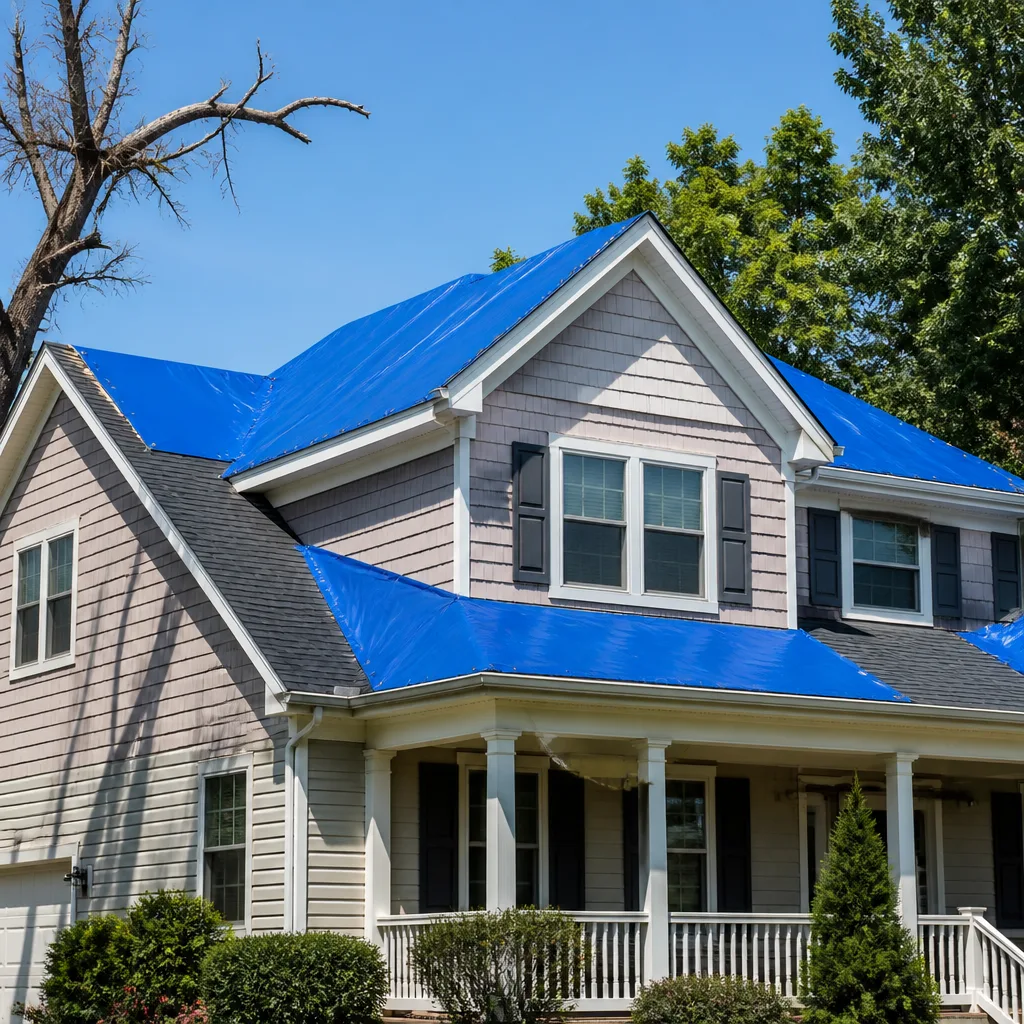
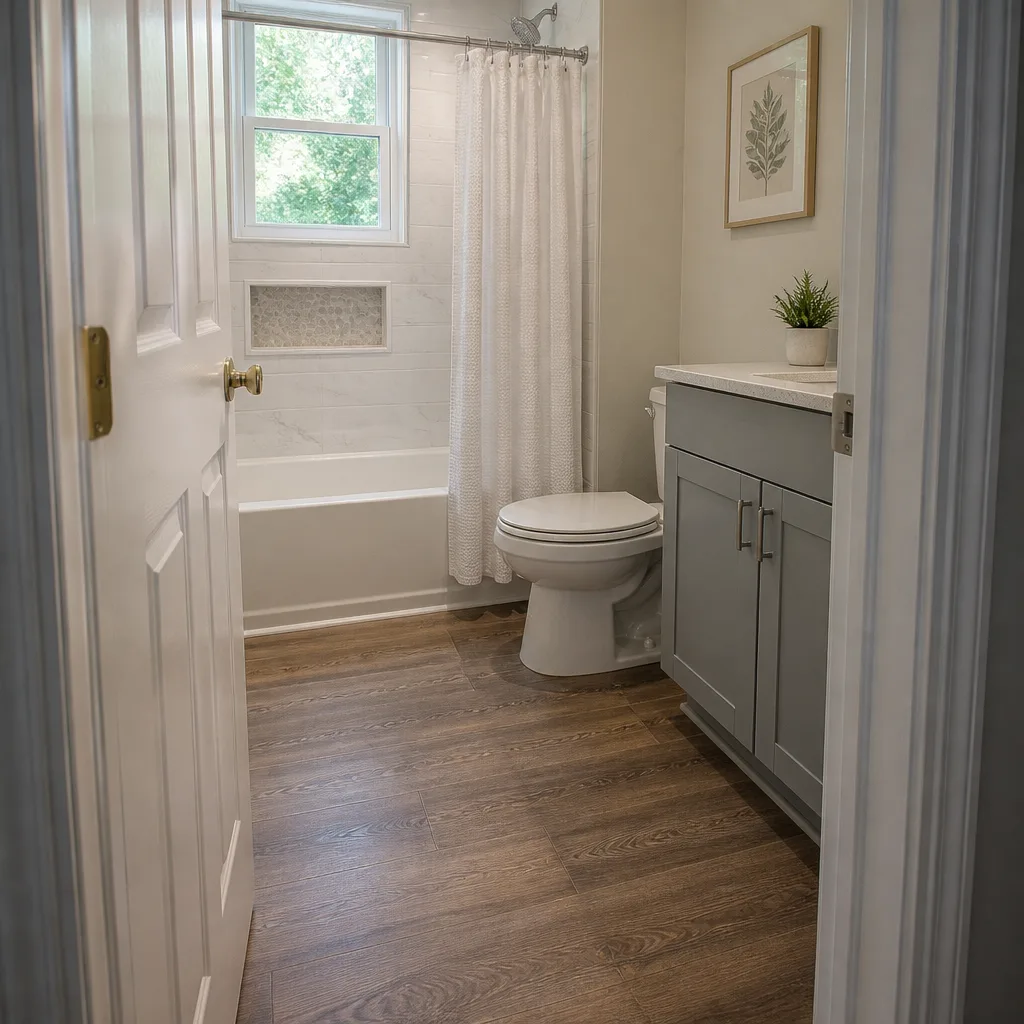
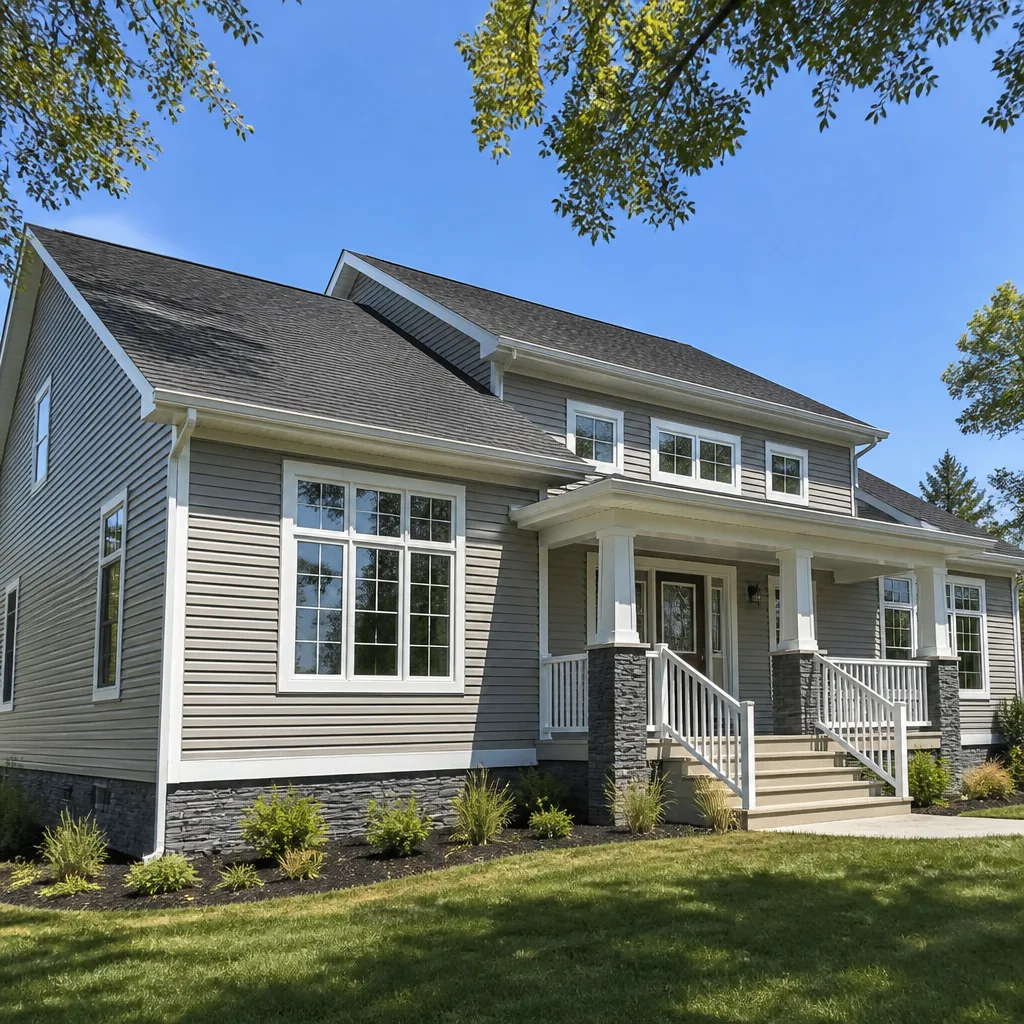
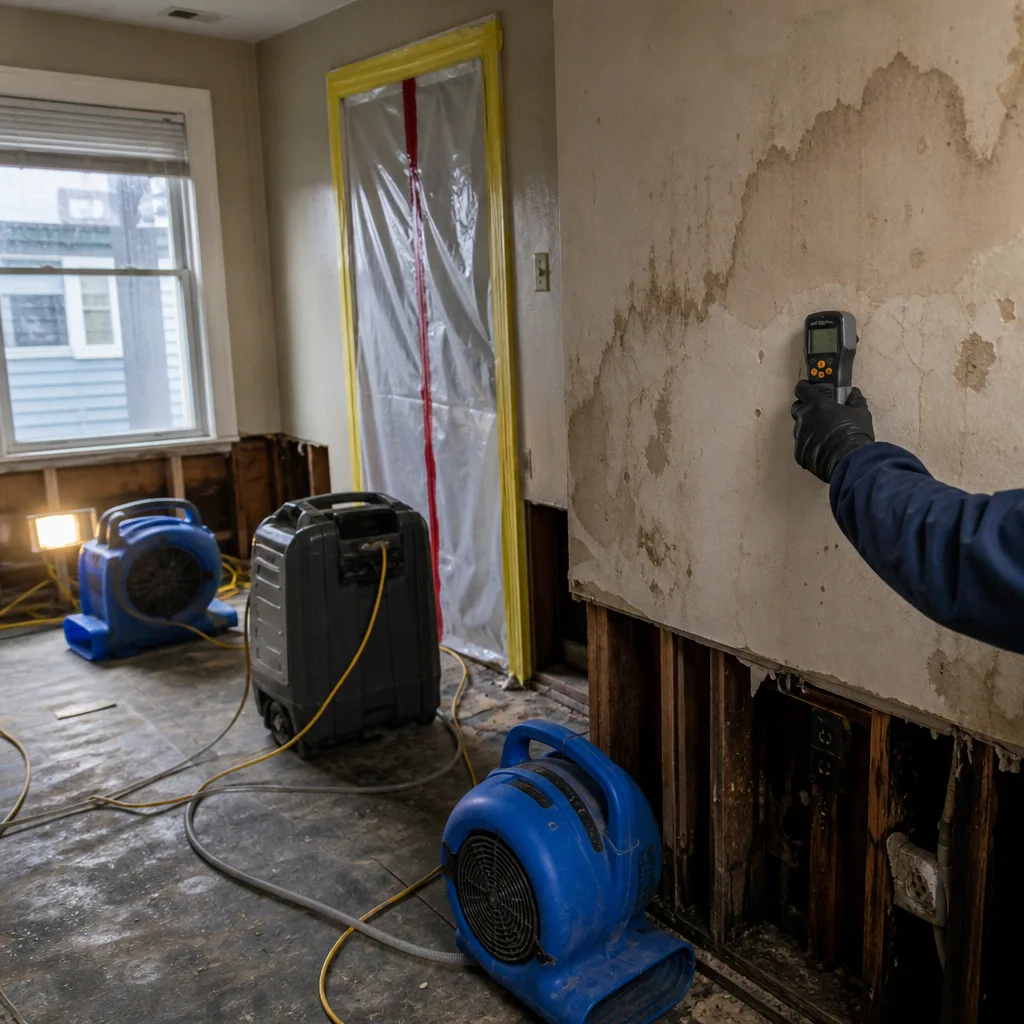 Before
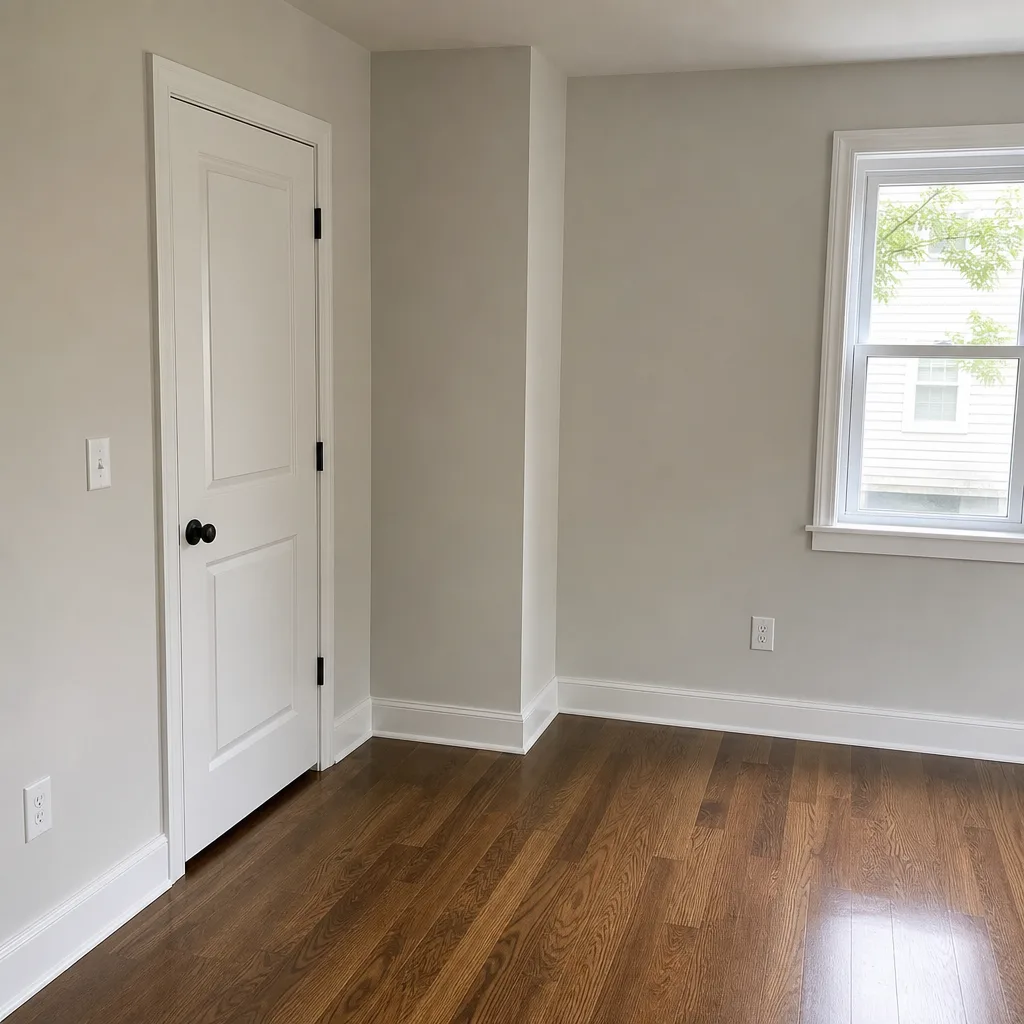 After
After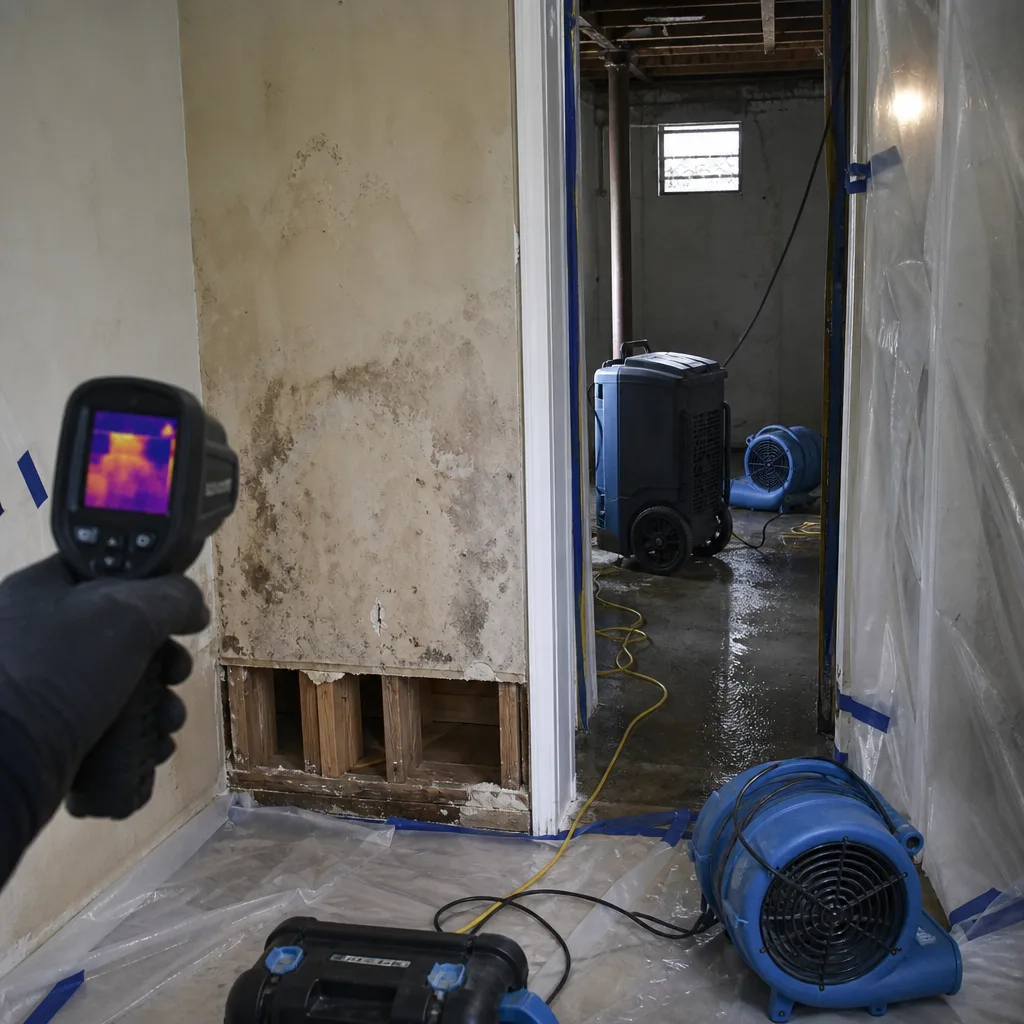 Before
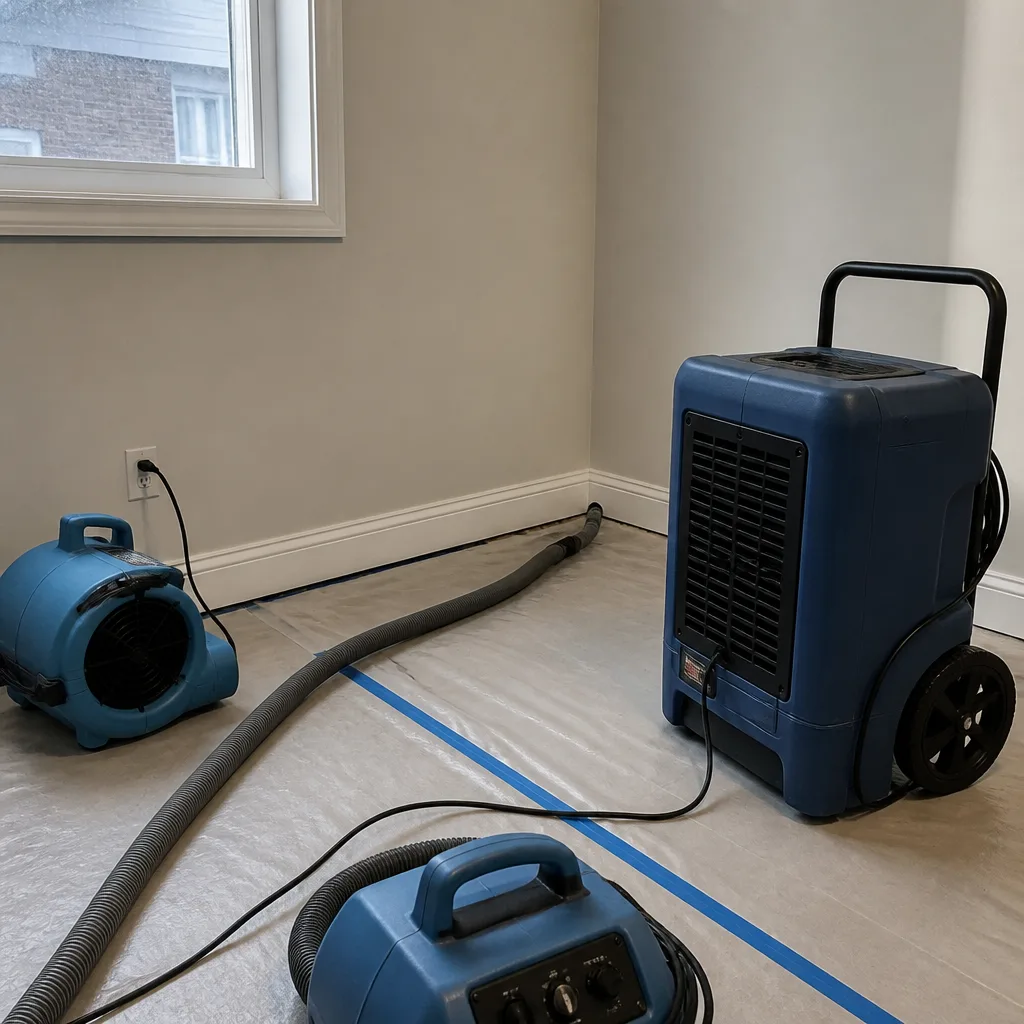 After
After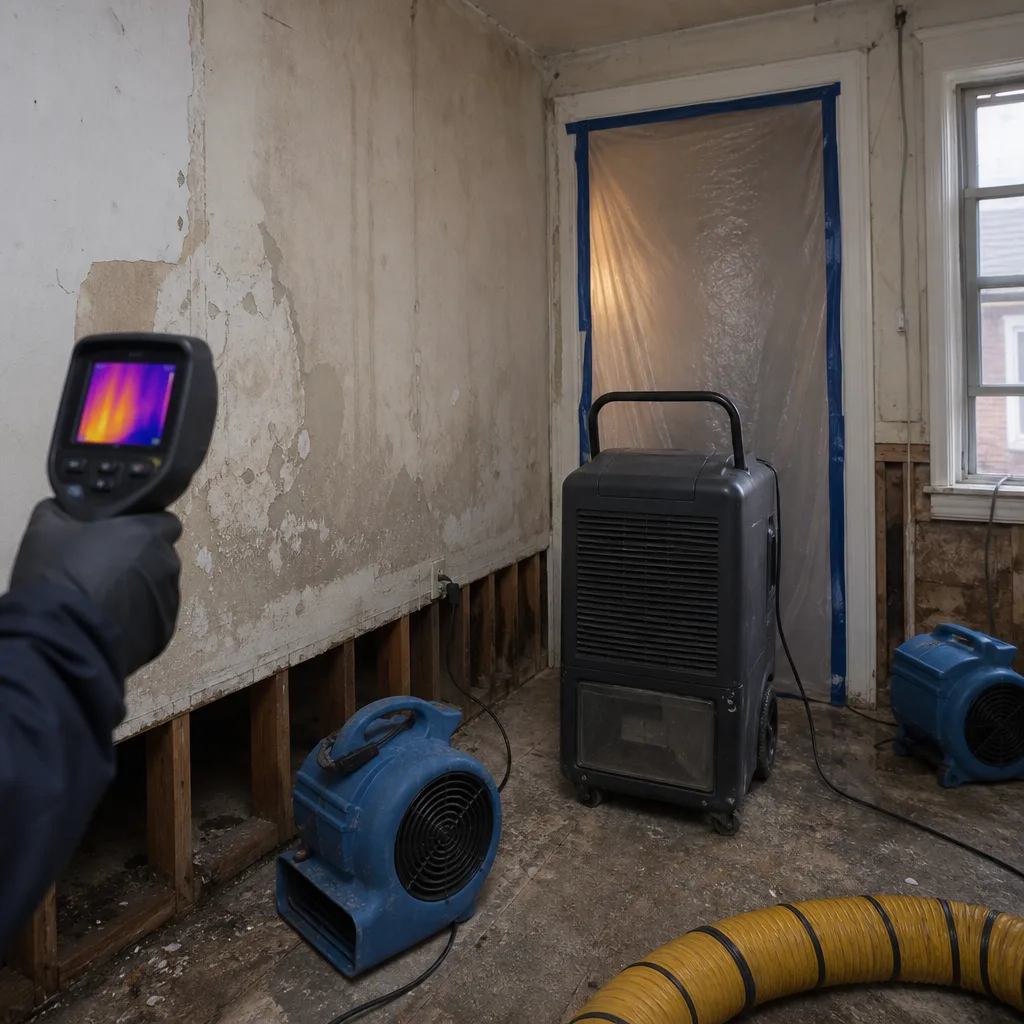 Before
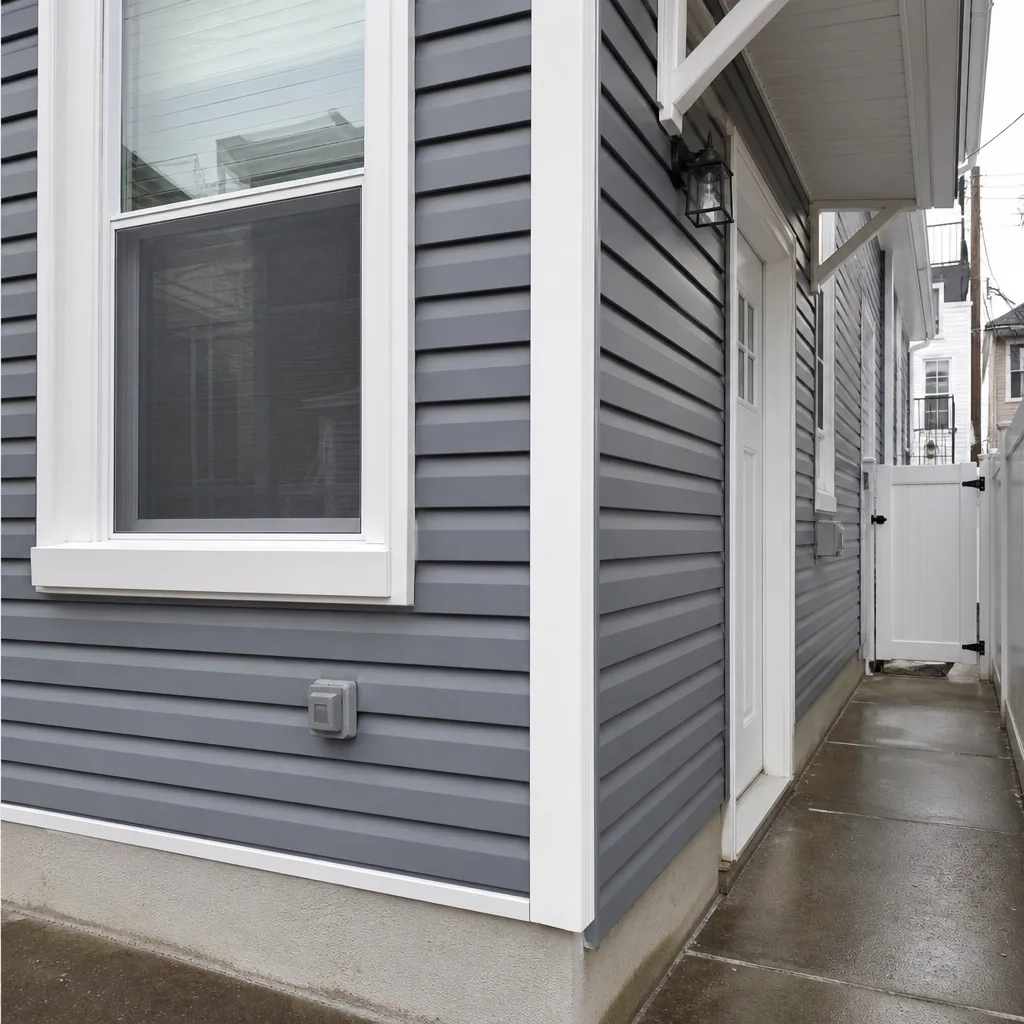 After
After24/7 Emergency Storm & Disaster Restoration in Midtown West
When a nor’easter slams into Midtown West and wind-driven rain starts coming through a 40th-floor window seal, you need someone who answers the phone at 2 a.m. and actually knows the difference between a curtain-wall breach and a failed gasket. That’s us. Call (201) 903-9581 any hour, any day. Wade Ferris answers his own phone. Not an answering service, not a call center in another state, not a voicemail that gets checked in the morning. A live person, right away.
The first hour after storm damage matters more in Midtown West than almost anywhere else in the city. Water moving through a high-rise travels down, not out. A breach on the 35th floor becomes a cascade through 34, 33, 32 before you’ve finished your coffee. Every hour that passes lets water wick deeper into drywall, plenum spaces, and the spaces behind curtain-wall mullions that most contractors never think to probe. We get crews moving toward Midtown West immediately, with a free visual inspection before any work begins.
Understanding Storm & Disaster Restoration Severity in Midtown West Properties
Storm damage in Midtown West splits into categories most restoration companies never bother to explain. Category 1 water comes from clean sources like a burst supply line or wind-driven rain that hasn’t touched building materials yet. It’s the easiest to dry and the least expensive to remediate. Category 2 carries some contamination, typical when water sits for hours in a pre-war tenement’s shared plumbing chase in Hell’s Kitchen or runs through a commercial ceiling before pooling on the floor below. Category 3 is grossly contaminated, including floodwater that backed up from street drains during a heavy summer thunderstorm on the far west blocks below 42nd, which sit inside FEMA flood zones from Sandy.
For wind damage specifically, the severity question is structural loading versus water intrusion. Impact-rated windows can fail at the seal long before the glass breaks. A window that looks fine from ground level on 8th Avenue can be leaking steadily at the 30th floor because of wind pressure differentials no ground inspection reveals. We use thermal imaging and moisture mapping to find what’s hidden behind curtain-wall systems and plaster-and-lath walls that wick water sideways before it ever shows on a paint surface.
Why Midtown West Property Owners Choose Wade’s Restoration
- 45-minute response commitment to Midtown West. When you call with a storm emergency, Wade heads out immediately. He’s not dispatching from a call center; he’s getting in a truck.
- A real person answers, 24 hours a day. You get Wade’s cell. You call, he picks up, he tells you what he’s going to do and when he’ll be there.
- IICRC-certified crews. The people Wade sends carry WRT (Water Damage Restoration Technician) and FSRT (Fire & Smoke Restoration Technician) certifications. The IICRC code means they were trained to an industry standard, not given a mop and told to figure it out.
- Free visual inspection before any work starts. No charge for Wade to come look at your storm damage and tell you honestly what needs to happen. If you already have a written estimate from someone else, he’ll give you a free second opinion on it.
- Direct billing to your insurance carrier. Wade deals with the adjuster directly so you’re not the middleman relaying information between two sides that don’t talk to each other.
- One crew from extraction to reconstruction. The same people who pump out the water are the ones who hang the new drywall. No handoff to strangers halfway through.
Our Storm & Disaster Restoration Process
Inspection & Assessment
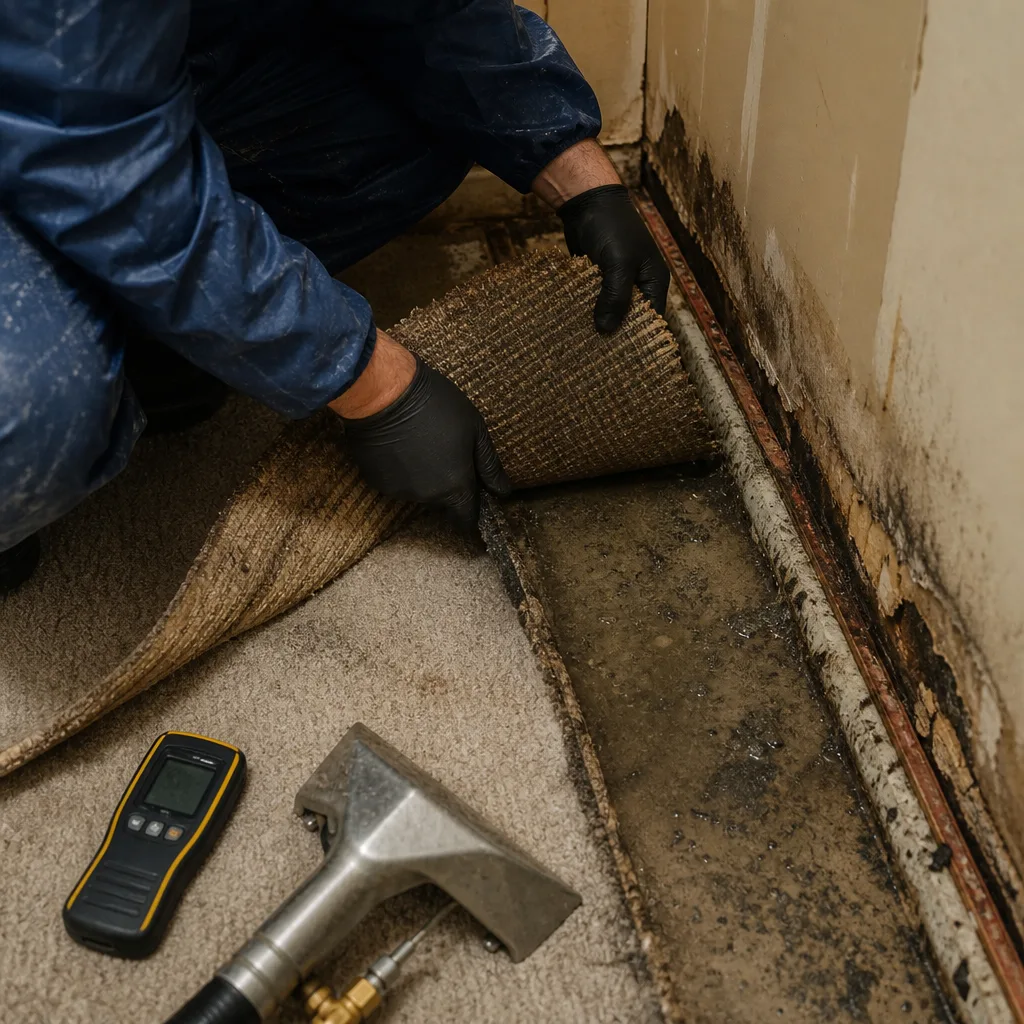
We walk the affected floors, take moisture readings with hygrometers, map water migration with thermal imaging, and identify what’s salvageable and what isn’t. In Midtown West high-rises, this means checking the floors above and below the visible damage, because water travels vertically through the building envelope.
Extraction & Stabilization
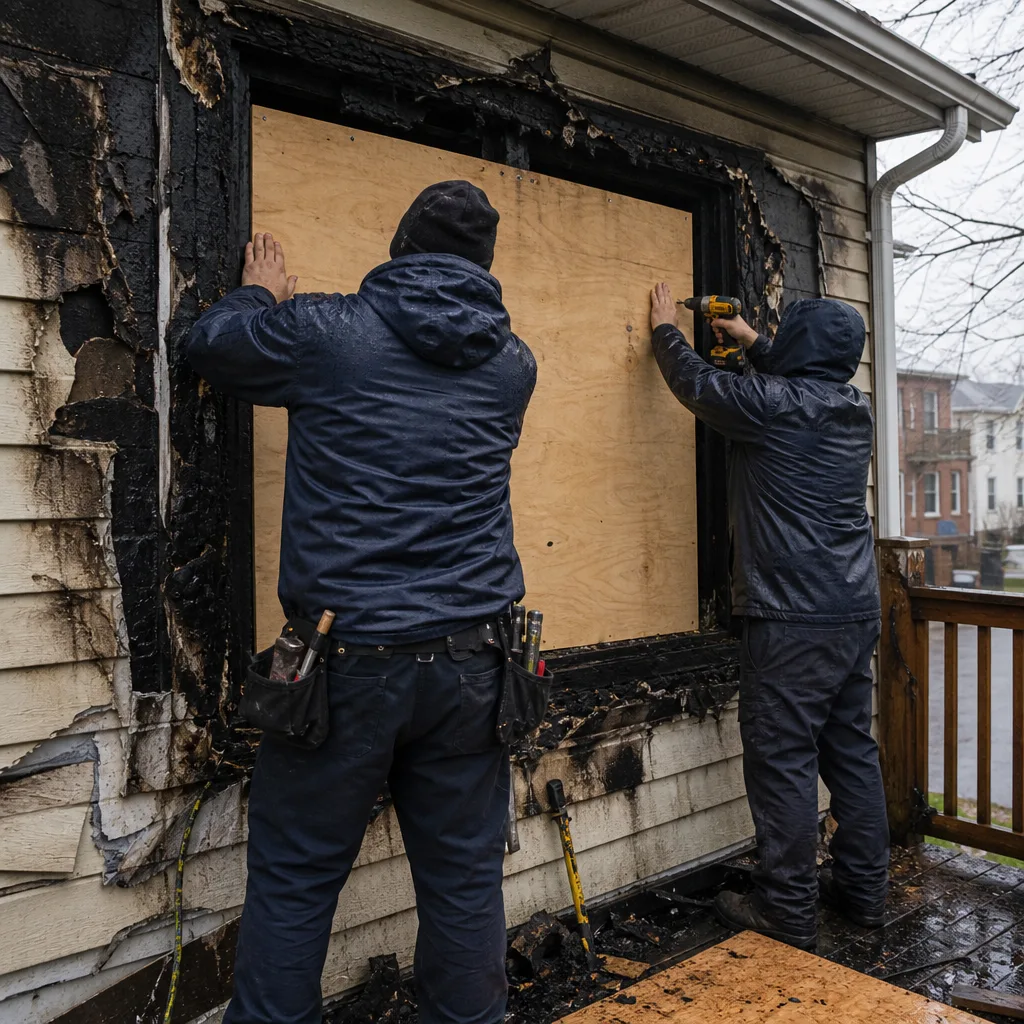
Standing water comes out first, using truck-mounted extraction units and submersible pumps. For wind damage, this is also where we board up broken windows, tarp damaged roofs, and stabilize anything that’s a safety hazard before more weather arrives.
Drying & Dehumidification
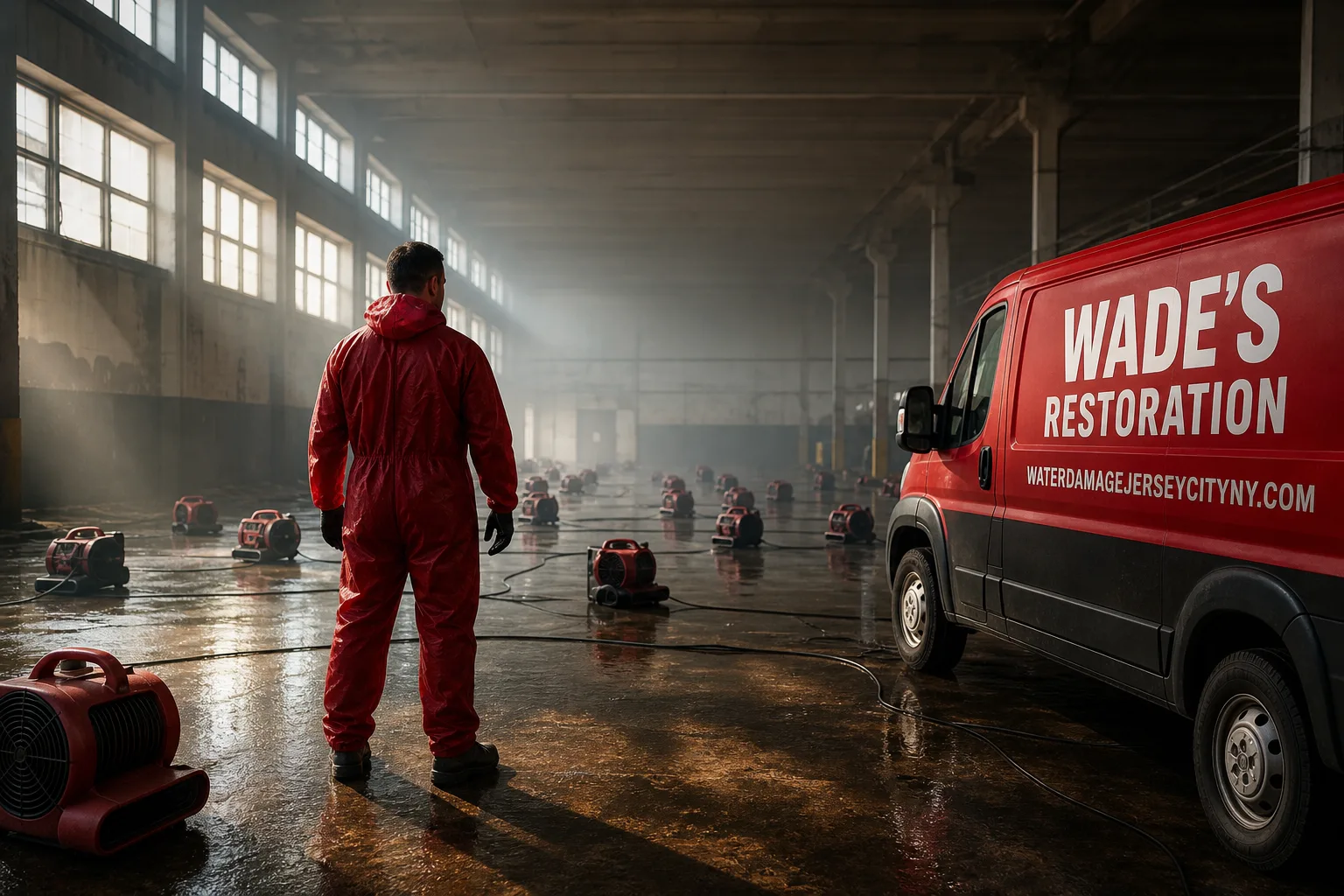
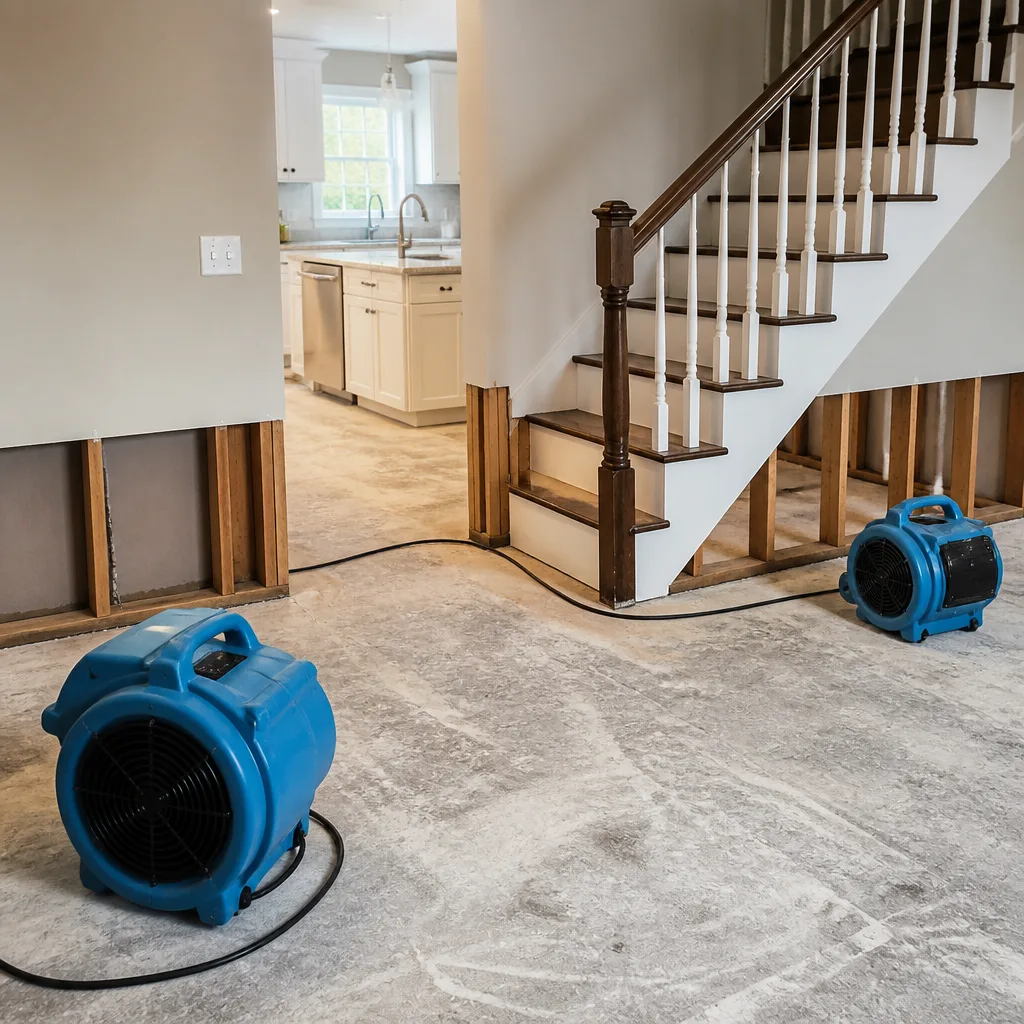
We run a network of Dri-Eaz dehumidifiers and XPOWER air movers configured to the specific architecture. In a Hell’s Kitchen tenement with shared plumbing chases, that means pressurizing cavities. In a Hudson Yards high-rise, it means staging equipment across multiple floors with separate containment zones per floor.
Cleaning & Sanitization
After structural drying, we clean affected surfaces with antimicrobial treatments appropriate to the water category. Category 3 floodwater gets a entirely different protocol than wind-driven rain that never sat in contact with drainwater.
Wind-Specific Stabilization
Storm damage isn’t just water. We assess window seal integrity on upper floors, check for curtain-wall gasket failures, and identify areas where wind-driven rain infiltrated through exterior cladding, then document it for your insurer.
Repairs & Restoration
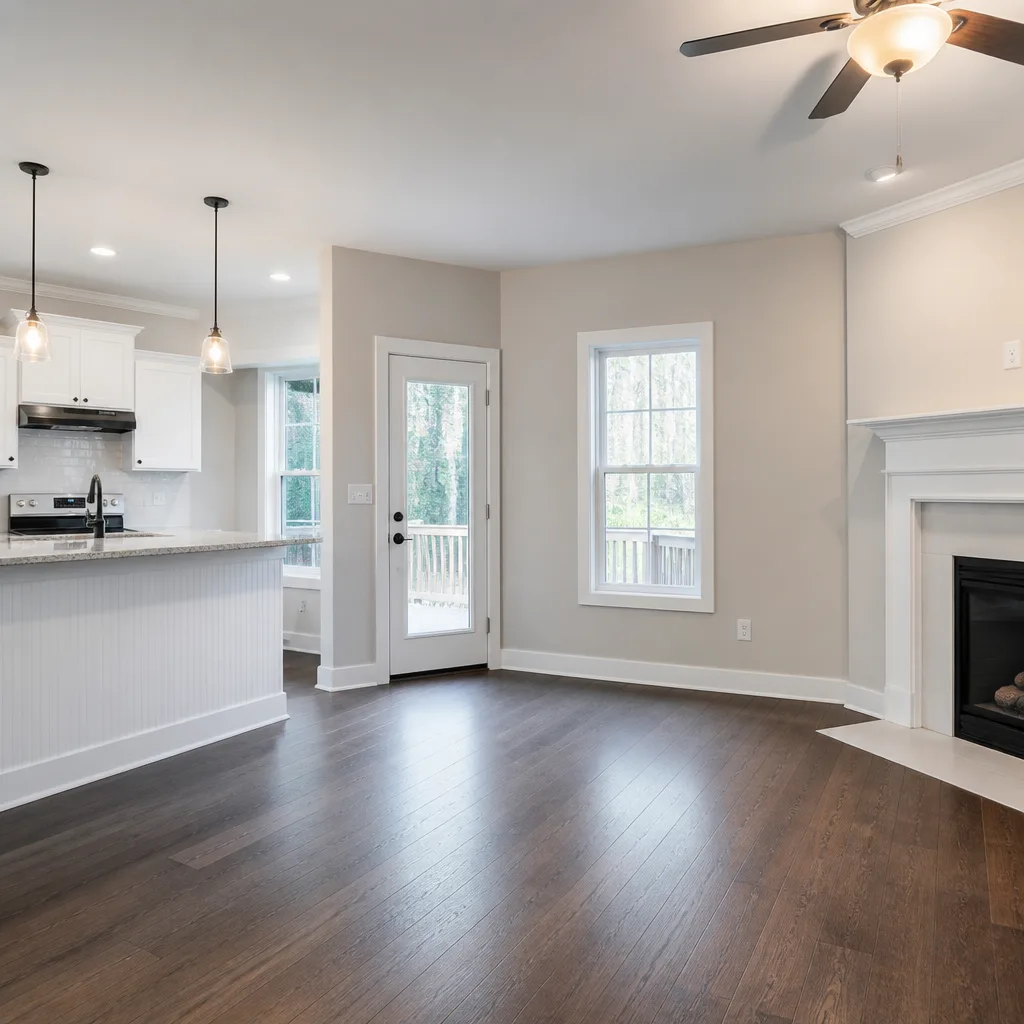
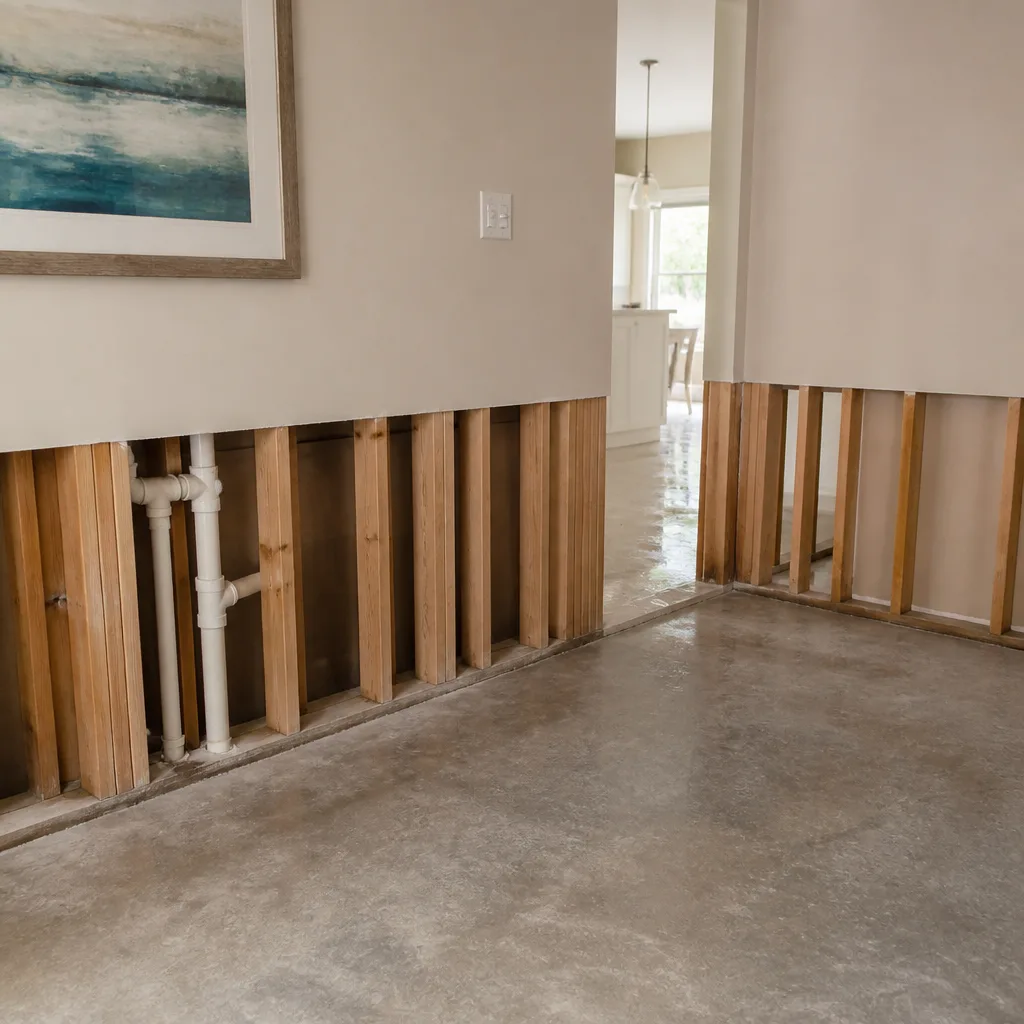
The final scope gets priced in writing before work starts. We rebuild what was torn out, replace what can’t be dried, and hand you the full moisture log from every day of the job, which almost nobody in this trade does.
Need Emergency Storm & Disaster Restoration in Midtown West Now?
Crews minutes away, answering live 24 hours a day. The sooner we start, the less it costs.
Working With Your Insurance Company
Insurers in Midtown West process thousands of storm claims a year, and they move faster when the documentation is airtight from hour one. It’s one thing to call your carrier and say your ceiling is wet. Another thing to call and say, “I have a line-item scope, moisture readings from all three affected floors, and photos of the curtain-wall breach on the 40th floor taken before any work started.” That’s the difference between a claim approved in weeks and one dragging through back-and-forth for months. We deal with your adjuster directly, and if they want to call us, we answer the phone.
What We Provide Your Insurer
- Thorough documentation of the loss
- Photos of all damage, room by room
- Moisture readings and drying logs
- A detailed, line-item scope of work
- Direct coordination with your carrier
Built for Midtown West’s Loss Calendar
Storm and disaster work in Midtown West has a rhythm, and if you live or work here long enough, you learn it. January and February bring the deep freezes that burst supply lines in pre-war buildings along 9th and 10th Avenues, where cast iron pipes have been in service since before the Empire State Building went up. March brings nor’easters, the ones that drive rain horizontally into the Hudson-facing towers and test every window seal on the west side of the building. April and May are the thaw months, when ground saturation from winter precipitation finds its way into sub-grade spaces in the FEMA flood zone blocks below 42nd Street.
Summer is its own animal. A July thunderstorm can dump an inch of rain in 40 minutes, overwhelming street drains and sending water into basement mechanical rooms, theater sub-basements, and the loading docks behind 7th Avenue hotels. September and October bring hurricane remnants and the occasional late-season tropical storm, and November through December means the first hard freezes of mechanical systems that haven’t been serviced since the previous winter. Every season has a signature failure mode here, and we’ve seen all of them enough times to know what’s coming before it’s visible.
Storm & Disaster Restoration Across Midtown West’s Neighborhoods
Midtown West isn’t one place. It’s a stack of different building types crammed into a few dozen blocks, and each strip has its own storm damage profile. Up in Hell’s Kitchen, the pre-war tenements along 9th and 10th Avenues share plumbing chases between units, so a burst pipe in one apartment can drop water through three floors before anyone notices, and the plaster-and-lath walls hide moisture for weeks before staining appears. Down along 7th and 8th Avenues, the hotel corridor runs 30 to 50 stories high, and wind-driven rain through curtain-wall seals on upper floors cascades down through entire columns of rooms, requiring multi-floor containment and structural drying that a low-rise contractor from out of town simply doesn’t have the equipment or experience to handle.
The far West 50s and Hudson Yards are the newer luxury high-rises, where wind loads on upper floors are severe and curtain-wall gasket failures are a recurring source of hidden water intrusion that ground-level inspections miss. The 40s between 8th and 11th Avenues hold a patchwork of mid-century office buildings converted to residential, with mechanical systems retrofitted into structures that were never designed for residential plumbing loads. When a storm hits, a converted office tower’s drainage capacity is a whole different math problem than a purpose-built residential building. Then there’s the theater district itself, where a flooded sub-basement under a Broadway house can shut down a weekend of performances, and restoration work has to happen overnight between curtain calls. We’ve done those shifts.
Specialized Storm & Disaster Restoration Services We Offer in Midtown West
Storm Damage Cleanup
After wind-driven rain, flying debris, or a burst pipe, the mess is only the visible part. We remove wet materials, clean affected surfaces, and document everything for your insurer. In Midtown West high-rises, this means coordinating with building management for freight elevator access and working around the occupancy schedule of the floors below.
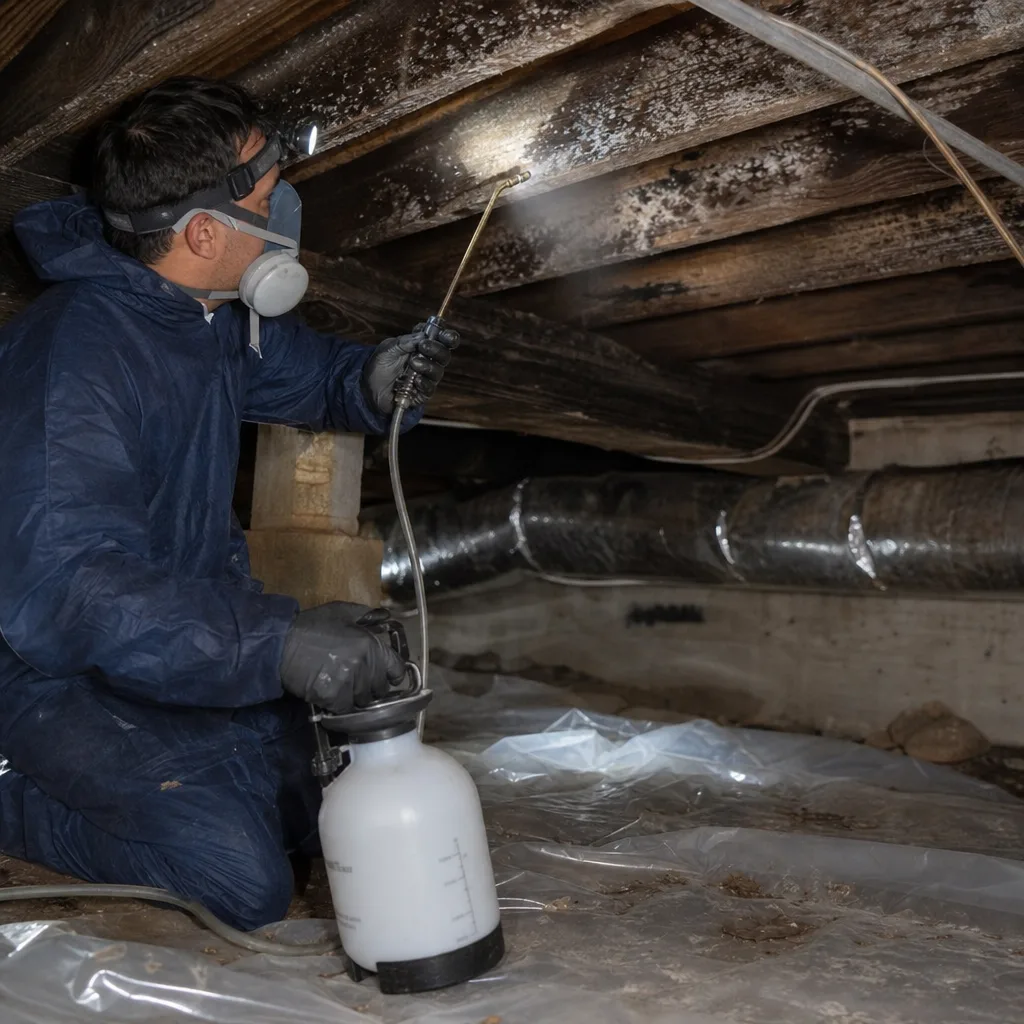
Flood Damage Restoration
Whether it’s Sandy-zone flooding in the far west blocks below 42nd or a summer thunderstorm that overwhelms a basement sump, we extract, dry, and restore. Sub-grade spaces in Midtown West come with known groundwater and surge risk, and we plan drying protocols accordingly.
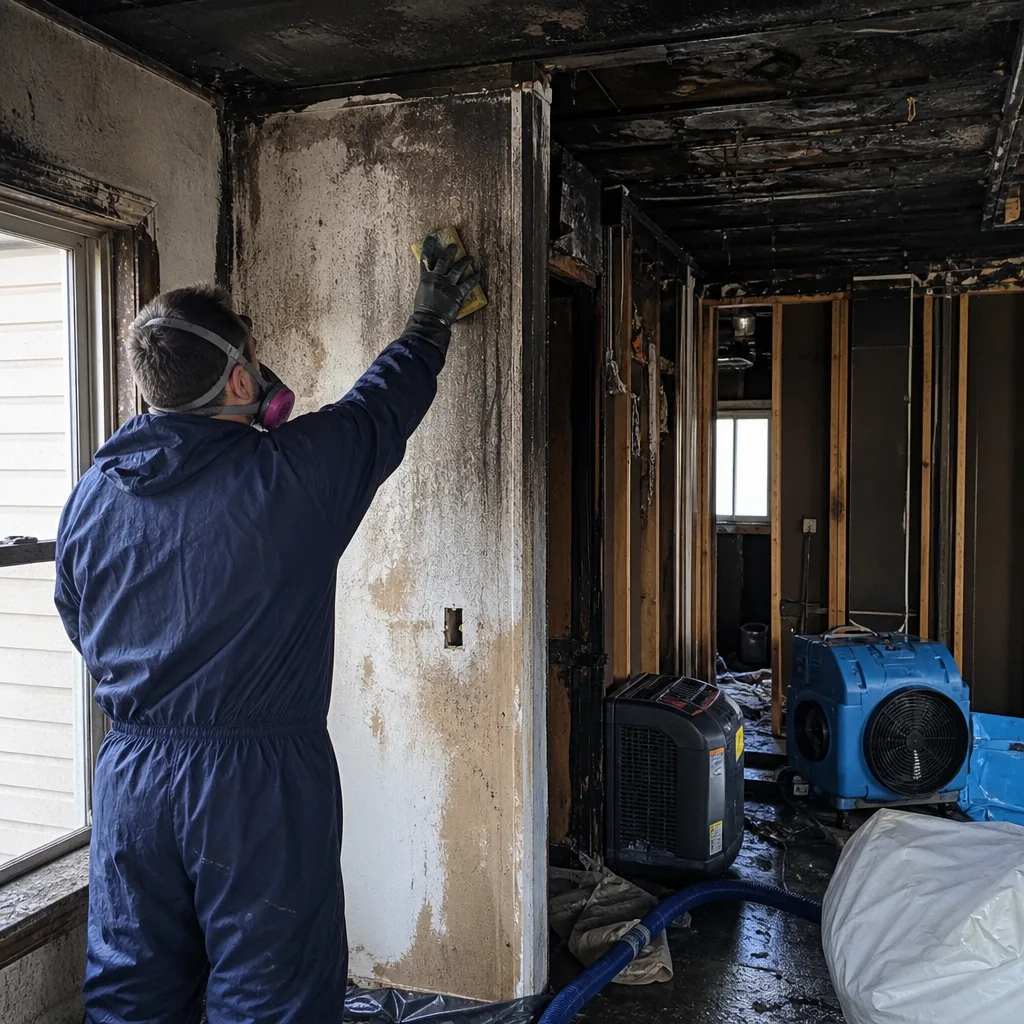
Emergency Board-Up
Broken windows from wind-thrown debris, failed storefront glass on 7th Avenue, or a damaged roof opening that’s letting weather into the upper floors. We board up and secure the property before more damage happens. In commercial corridors, this often means working with building management and DOB requirements before a single panel goes up, and we’re already pre-registered with many of the major property managers in the neighborhood.
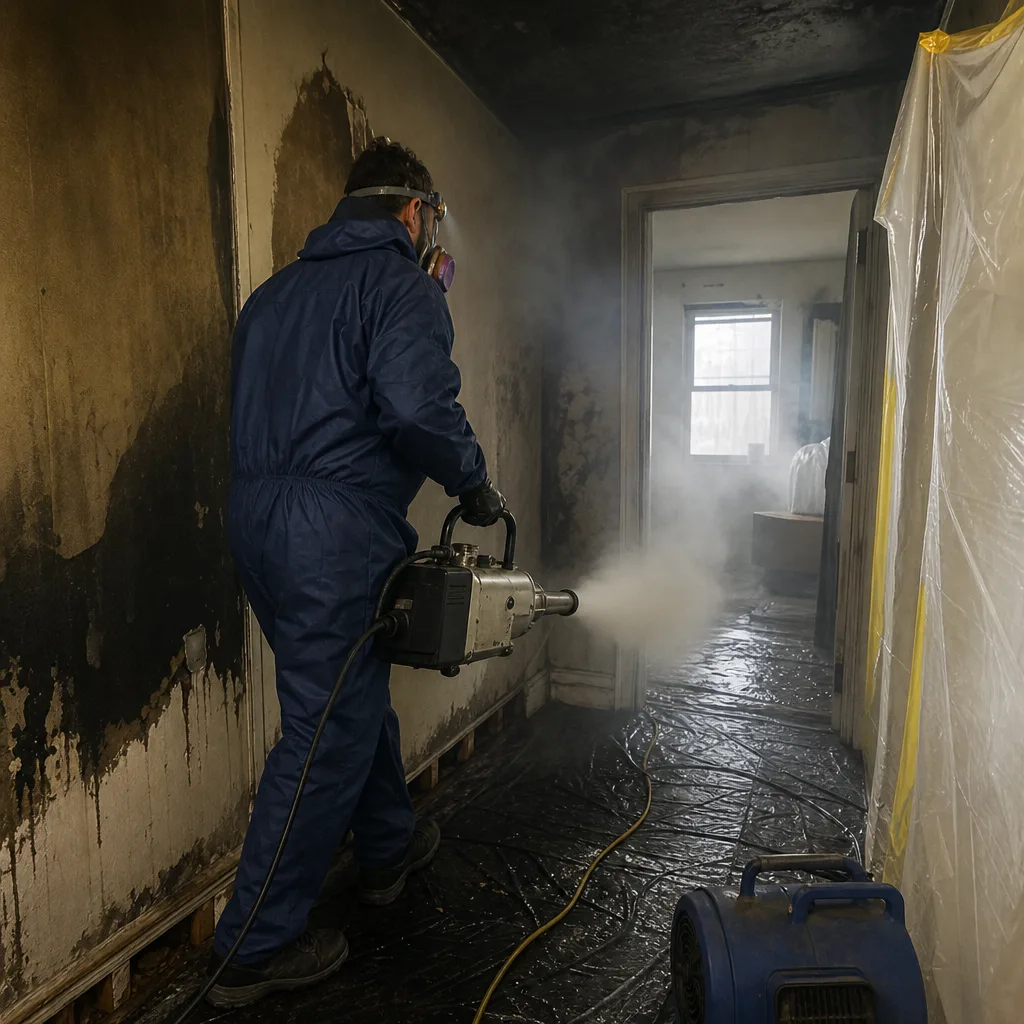
Roof Tarping
Wind can lift roofing material, tear membrane, or peel flashing on the upper floors and penthouse mechanical levels of Midtown West buildings. We tarp and secure the damaged area to stop water intrusion, then document the damage for your claim.
Debris Removal
After a storm, the sidewalks and setbacks around Midtown West buildings collect whatever the wind brought down: building debris, broken glass, tree limbs from the parks, and the occasional sign or awning that tore loose. We clear it, haul it, and keep the area safe for pedestrians and tenants.
What happens when you call
- 1
A real person answersNo phone trees - you reach a local pro.
- 2
You get an upfront price rangeHonest numbers before anyone is dispatched.
- 3
A background-checked tech heads outLicensed & insured, dispatched right away.
- 4
You approve before work beginsNothing starts until you say go.
Storm & Disaster Restoration Costs in Midtown West, NY
Storm damage cleanup in Midtown West typically runs $1,200 to $4,500 for a contained single-floor event like a wind-driven rain intrusion through one window or a small pipe burst. Multi-floor water cascades in a high-rise, the kind that start on the 30th floor and drop through three or four levels, run $8,000 to $35,000 depending on the number of affected units, the water category, and how long it sat before extraction started. Emergency board-up on a commercial storefront along 7th Avenue runs $400 to $1,800. Roof tarping for wind-lifted membrane or flashing runs $600 to $2,500. Full restoration of a Hell’s Kitchen tenement apartment after a Category 3 flood from street backup can push past $50,000 when plaster removal, antimicrobial treatment, and reconstruction are all in scope.
What moves the price in Midtown West more than anything else is the access cost. Freight elevator scheduling, building management credentialing, DOB permits for sidewalk equipment placement, and after-hours work in commercial properties all add hours and dollars. A contractor who doesn’t pre-register with the building will lose half a day on mobilization. We already have relationships with property managers across the neighborhood, and we carry active COIs on file at the major hotel and office properties, which trims hours off the front end and dollars off the final invoice. Every job starts with a free visual inspection, and you get a written scope before any work starts. Insurance covers most storm damage, and we bill your carrier directly.
We Also Serve Cities Near Midtown West
Wade’s Restoration provides Storm & Disaster Restoration across Midtown West and the surrounding neighborhoods. If you’re in Midtown West proper, we’re minutes away. We also cover the Financial District, Lower Manhattan, Midtown Manhattan, and Long Island City with the same 24-hour live answer and the same owner-operated crew.
Midtown West Storm & Disaster Restoration Questions, Answered
How do you handle a burst sprinkler line on the 30th floor of a Midtown West hotel without shutting down the floors below?
We contain each affected floor separately, with its own pressure differentials and drying equipment, so water extraction on the 30th floor doesn’t push moisture into the ceiling plenums of the 29th and 28th. We’ve done this in 30-to-50-story hotel towers along 7th and 8th Avenues, where shutting down every floor below a sprinkler activation would cost a property thousands per hour in lost rooms. The work happens behind containment barriers, not open hallways, and we coordinate freight elevator access with the property’s engineering team so guests never see a restoration crew. Call (201) 903-9581 and we’ll walk you through the sequence before we even arrive.
What’s the difference between Category 1 and Category 3 water when it comes to restoring a Hell’s Kitchen tenement after a storm?
Category 1 water is clean at the source, like wind-driven rain that came through a window before touching anything dirty. Category 3 is grossly contaminated, like floodwater that backed up from a street drain into a basement apartment. In a pre-war tenement with shared plumbing chases, Category 3 water means the plaster, lath, and any porous building materials the water touched have to be removed and replaced, not just dried, because the contamination is now inside the wall cavities, and drying alone won’t remove pathogens. Category 1 in the same building can often be dried in place with proper containment. We’ll tell you honestly which one you have before any work starts. Call (201) 903-9581 for a free assessment.
Why did my Midtown West office tower get wind-driven water through the curtain wall on the 40th floor during a nor’easter when ground-level inspection showed no damage?
Because wind pressure isn’t uniform with height. At ground level on a Hudson-facing tower, a nor’easter might be a stiff breeze. At the 40th floor, the same storm is driving rain horizontally at pressures that overwhelm window gaskets and curtain-wall seals that look fine from the street. Moisture gets pushed into the mullion system, wicks sideways into the interior, and shows up on the ceiling or floor far from the actual breach point. That’s why we use thermal imaging and moisture mapping on upper-floor wind intrusion calls, not just a visual check. A ground-level inspection that shows no damage tells you nothing about what’s happening 400 feet up. Call (201) 903-9581 and we’ll bring the imaging equipment.
Can you start emergency board-up on a 7th Avenue storefront before the DOB sidewalk permit is issued?
Yes, for safety-critical stabilization. If the storefront glass is gone and the space is open to the street, securing the opening is a life-safety matter, and DOB allows emergency stabilization work to proceed while the permit application is being filed. We document the emergency condition, take photos, and handle the permit filing in parallel with the board-up. For non-emergency repairs, the permit comes first. If you’re not sure which category your situation falls into, call (201) 903-9581 and we’ll assess it on site.
How do you dry out a water-damaged Broadway theater basement without disrupting weekend performances?
We work overnight and between performances, scheduling extraction and drying windows around the house calendar. Equipment is placed in positions that don’t block egress or load-in paths, and we stage dehumidifiers and air movers so they can be shut down and moved quickly if a performance requires it. The moisture mapping continues daily, and the drying log documents every reading, which your insurer will want. We’ve done this in theater district basements where the show must go on, and it does. Call (201) 903-9581 to schedule an assessment around your production calendar.
What should I do in the first 30 minutes after storm damage in Midtown West?
Call us at (201) 903-9581 first. Then shut off the water supply if the damage is from a burst pipe, move anything valuable out of the wet area if it’s safe to do so, and take photos with your phone before anything is disturbed. Don’t enter standing water in a sub-grade space if you don’t know whether it’s contaminated or whether electrical systems are submerged. Don’t try to dry it yourself with a shop vac; improper drying makes the eventual restoration more expensive. The most valuable thing you can do in the first 30 minutes is get a professional assessment started, and that’s a free call.
Do I really need full restoration, or can someone just clean it up and I’ll handle the rest?
Depends on the water category and the building materials affected. If it’s Category 1 water on tile and concrete, a professional extraction and drying may be all you need. If it’s Category 2 or 3 water that soaked into drywall, plaster, or carpet in a pre-war building, those materials hold contamination in ways that a surface cleaning can’t address, and leaving them in place means mold blooming inside the wall cavity in weeks or months. We’ll give you an honest scope, and if a cleaning is genuinely all your situation requires, we’ll tell you that. We’re not here to sell you a reconstruction you don’t need. Call (201) 903-9581 and we’ll assess it for free.
How long does storm damage restoration take in Midtown West high-rises compared to low-rise buildings?
Structural drying in a single-family low-rise typically takes 3 to 5 days. In a Midtown West high-rise with a multi-floor cascade, drying can take 7 to 14 days because each floor needs its own containment, its own pressure differentials, and its own drying equipment configuration. The building’s stack effect and HVAC systems also move air in ways that complicate drying, and we account for that in the scope. Reconstruction adds additional time depending on the extent of the damage. When we give you a timeline, it’s based on the moisture readings, not a generic estimate.
Serving Midtown West, NY - Our Local Coverage Area
We’re based in the Midtown West area and know this community well. Use the map below to see our service coverage - if you’re nearby, we can almost certainly help.
The Storm Resilience Problem Most Midtown West Owners Don’t See Coming
Most storm damage in Midtown West isn’t the dramatic stuff. It’s not the window that shatters or the roof that peels off. It’s the seal that fails quietly, the gasket that gives way under 40 floors of wind pressure, the curtain-wall mullion that lets water in behind the cladding where nobody looks until mold blooms on an interior wall three months later. The concentration of 30-to-50-story hotels, office towers, and Broadway theater-district buildings in this neighborhood means nearly every significant water or wind damage event involves vertical cascade. A burst pipe or sprinkler activation on an upper floor floods a column of rooms or tenant spaces below simultaneously, requiring coordinated multi-floor extraction and drying that is categorically different from low-rise restoration work. Business-interruption pressure from hotels, commercial tenants, and performance venues compresses response windows to overnight and weekend hours, making 24-hour mobilization with pre-approved vendor agreements the baseline expectation, not a premium.
During a March nor’easter, our crew was dispatched to a 42-story hotel on 8th Avenue after wind-driven rain breached a failed window seal on the 37th floor. Within two hours of arrival, we had pre-cleared freight elevator access, set up containment on three floors, and began water extraction across a column of 14 rooms using Dri-Eaz dehumidifiers and XPOWER air movers, while our moisture mapping documented Category 1 water migration along the curtain-wall mullions to pre-loss condition. That’s what preparedness looks like in this neighborhood: not waiting for the damage to happen, but having the building relationships, the equipment, and the documentation protocols in place before the storm hits. If you own or manage a property in Midtown West, we should already have our COI on file with your building. Call (201) 903-9581 and we’ll get that set up before the next nor’easter, not after.
Written by Wade Ferris, Owner at Wade’s Restoration, serving Midtown West with storm and disaster restoration since 2007.