
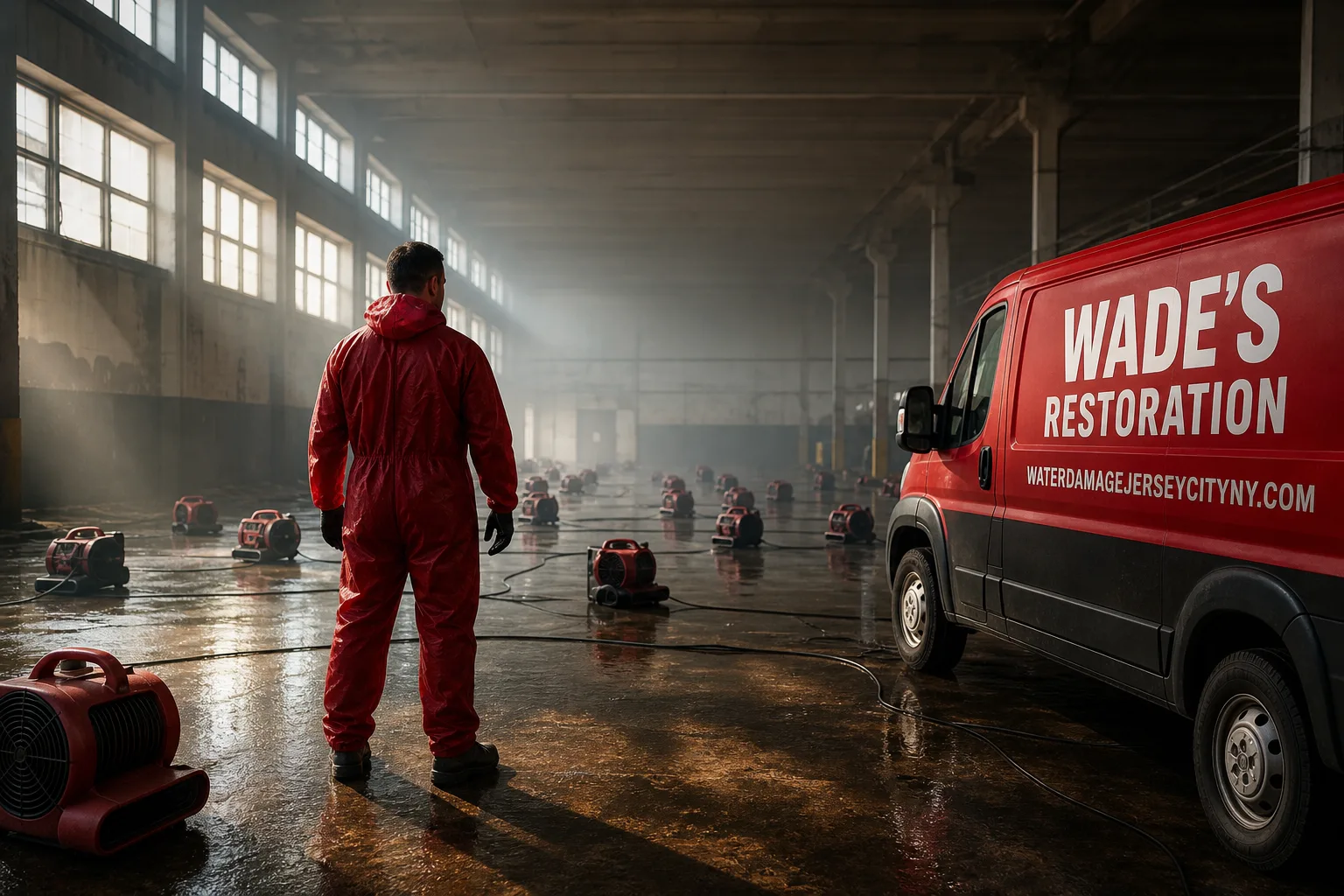
Free visual inspection and a written scope of work before any mitigation begins - photos, moisture readings, and drying logs go in your claim file
The scope we write is the scope we bill. Anything new gets shown to you, in writing, before we touch it.
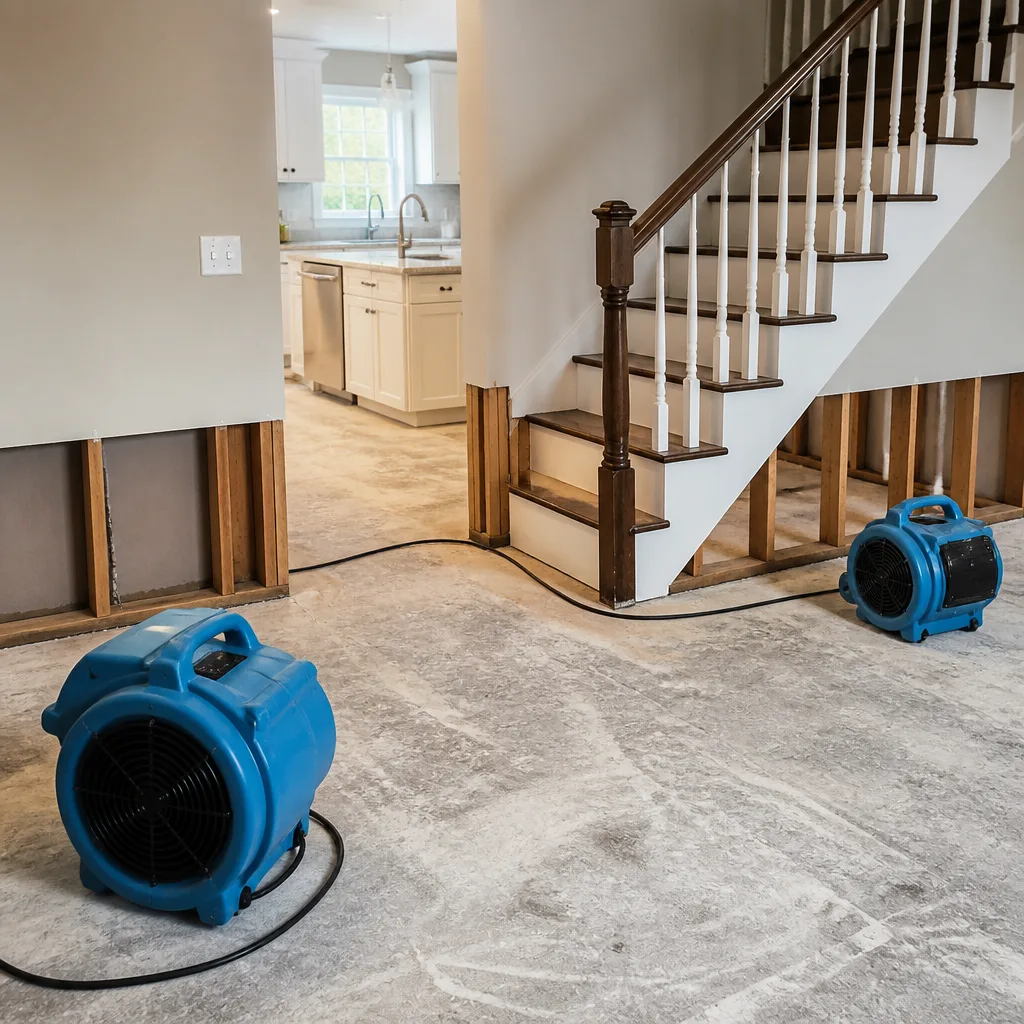
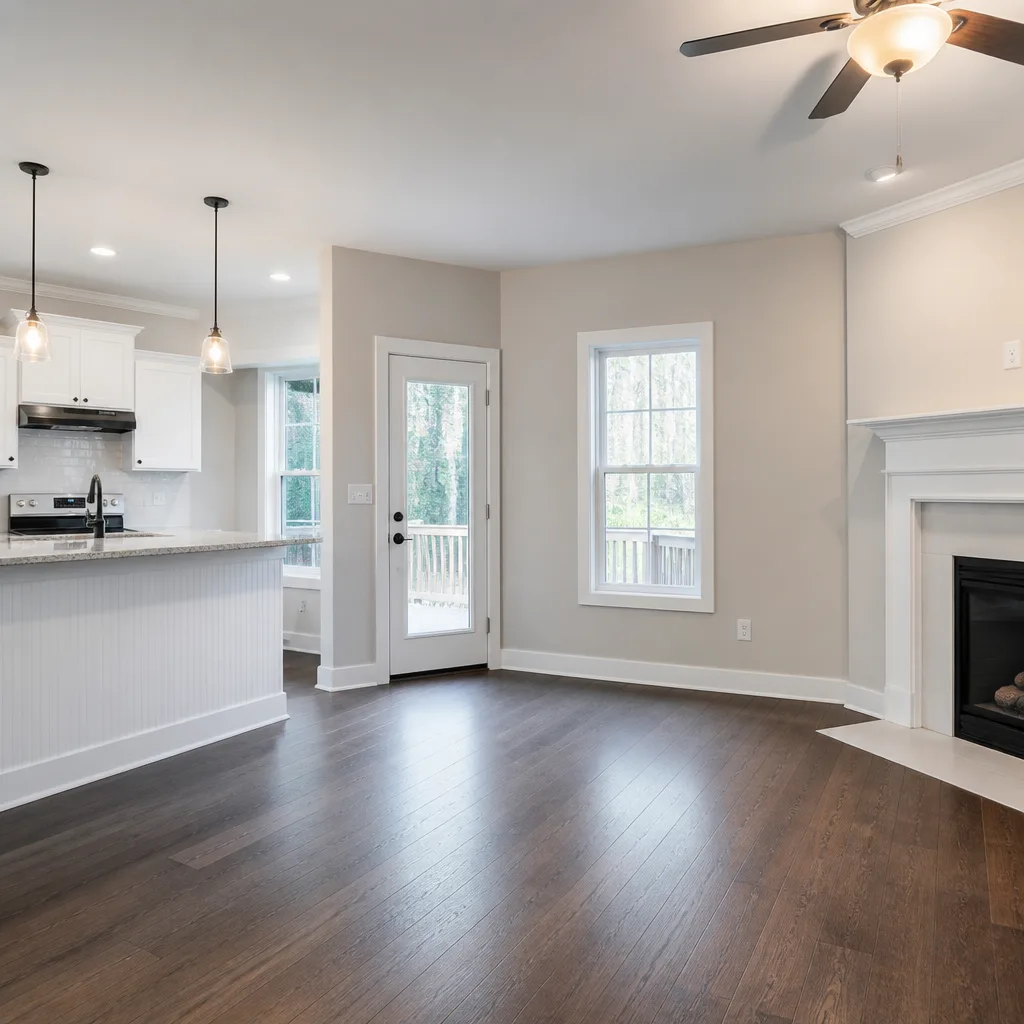
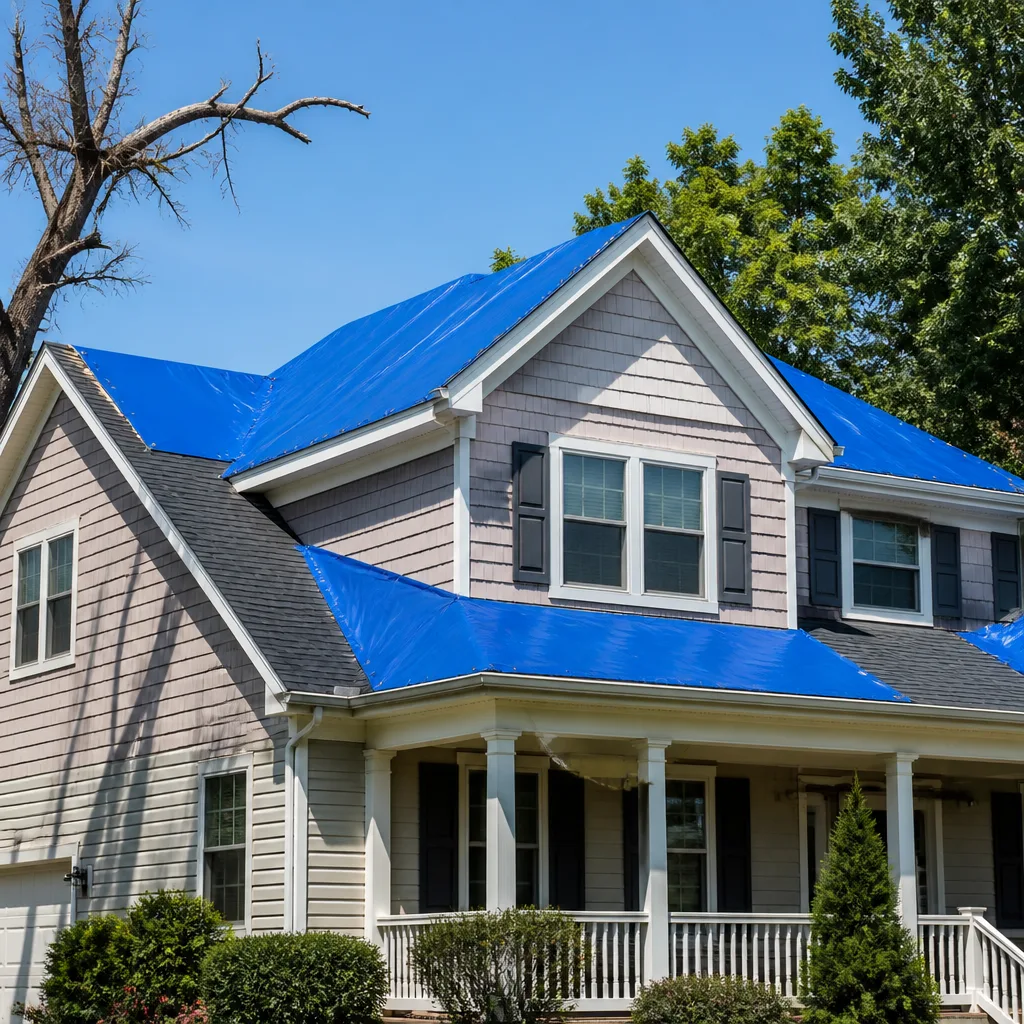
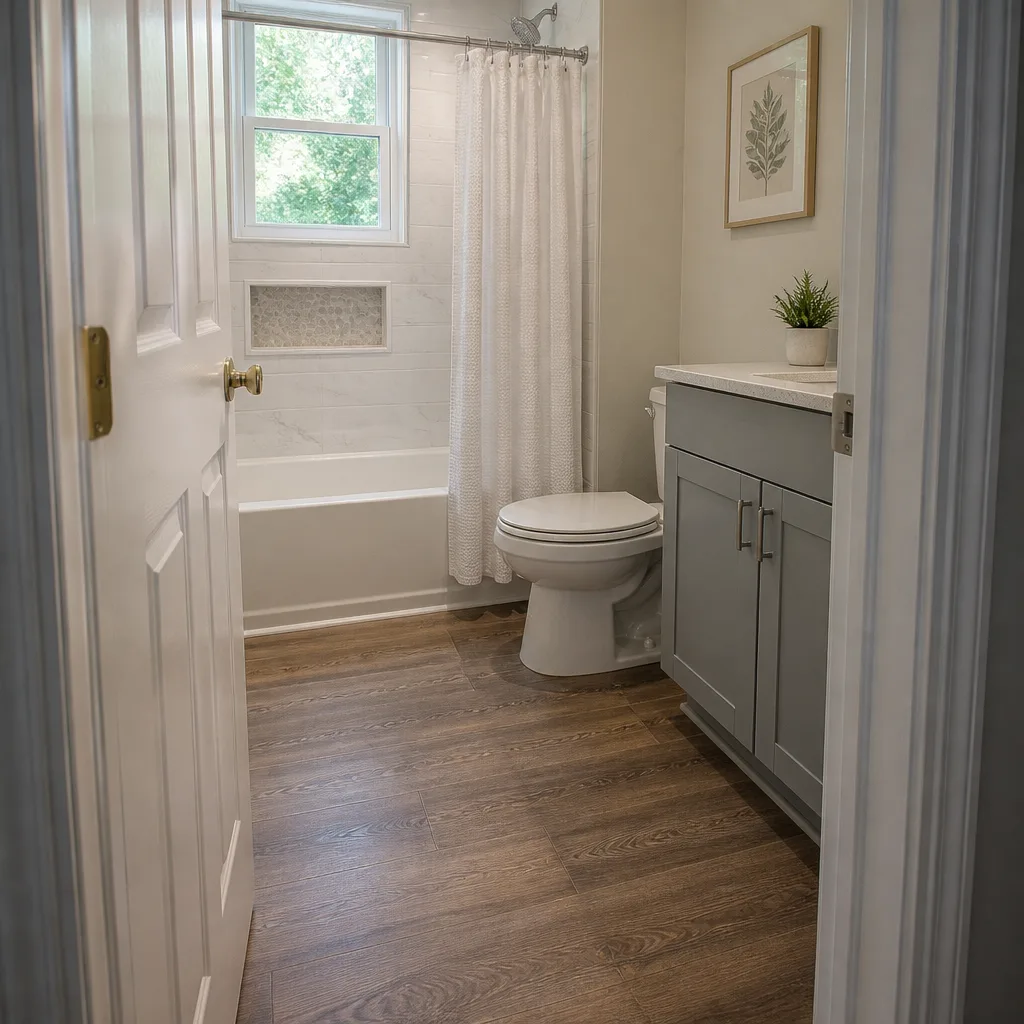
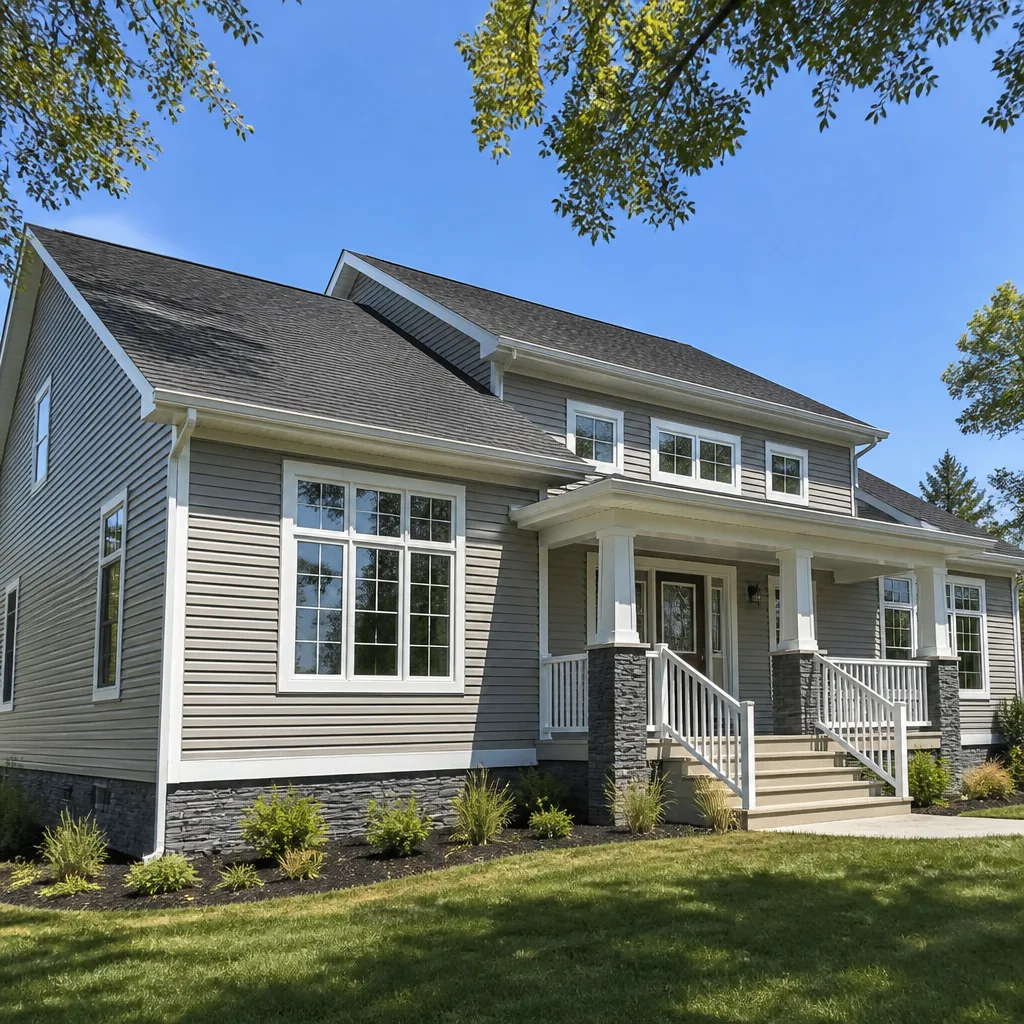
 Before
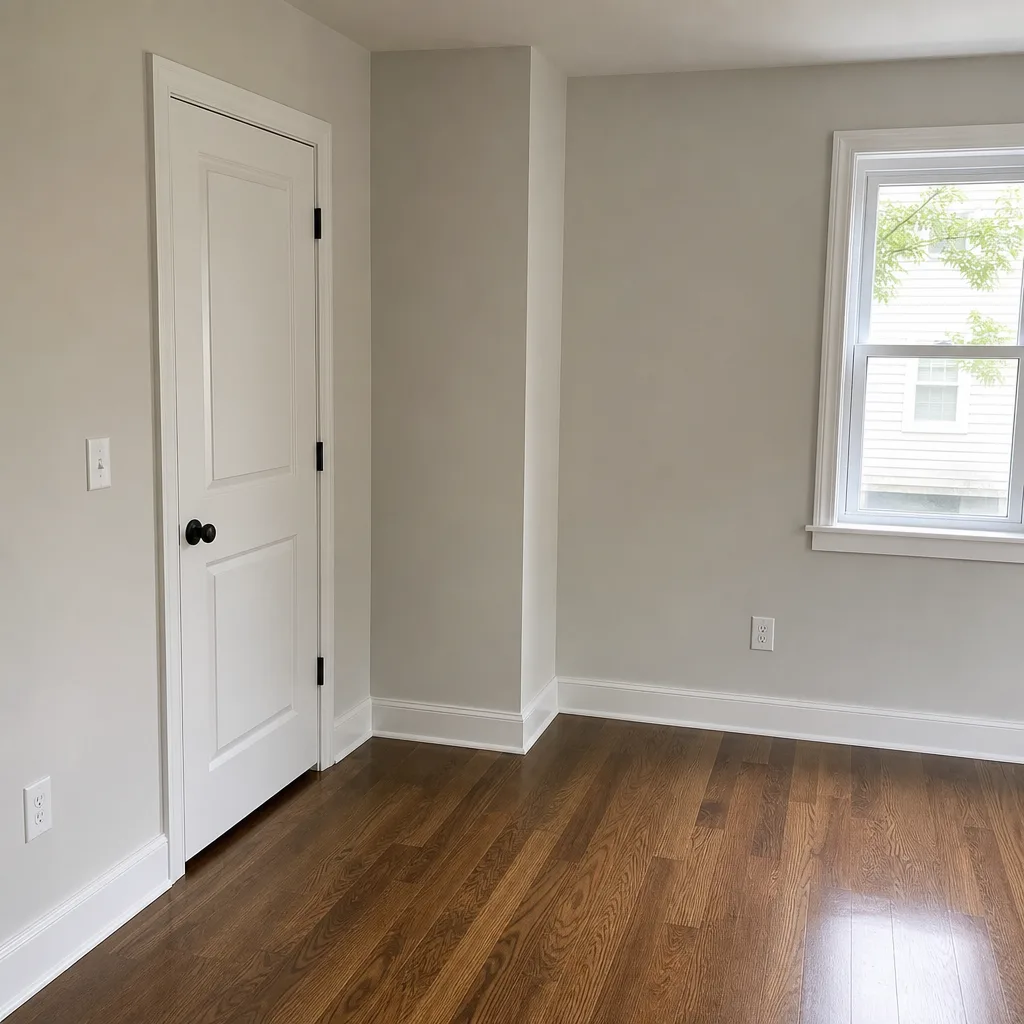 After
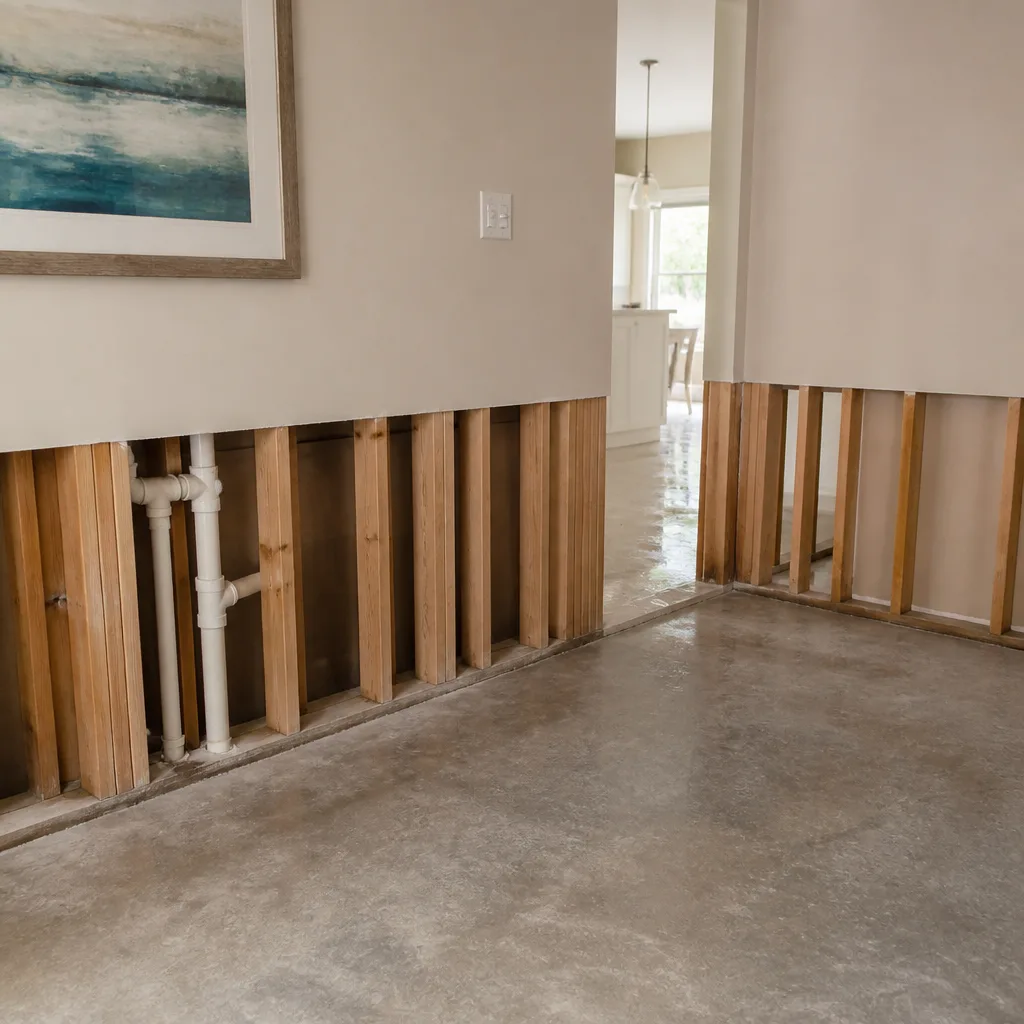
After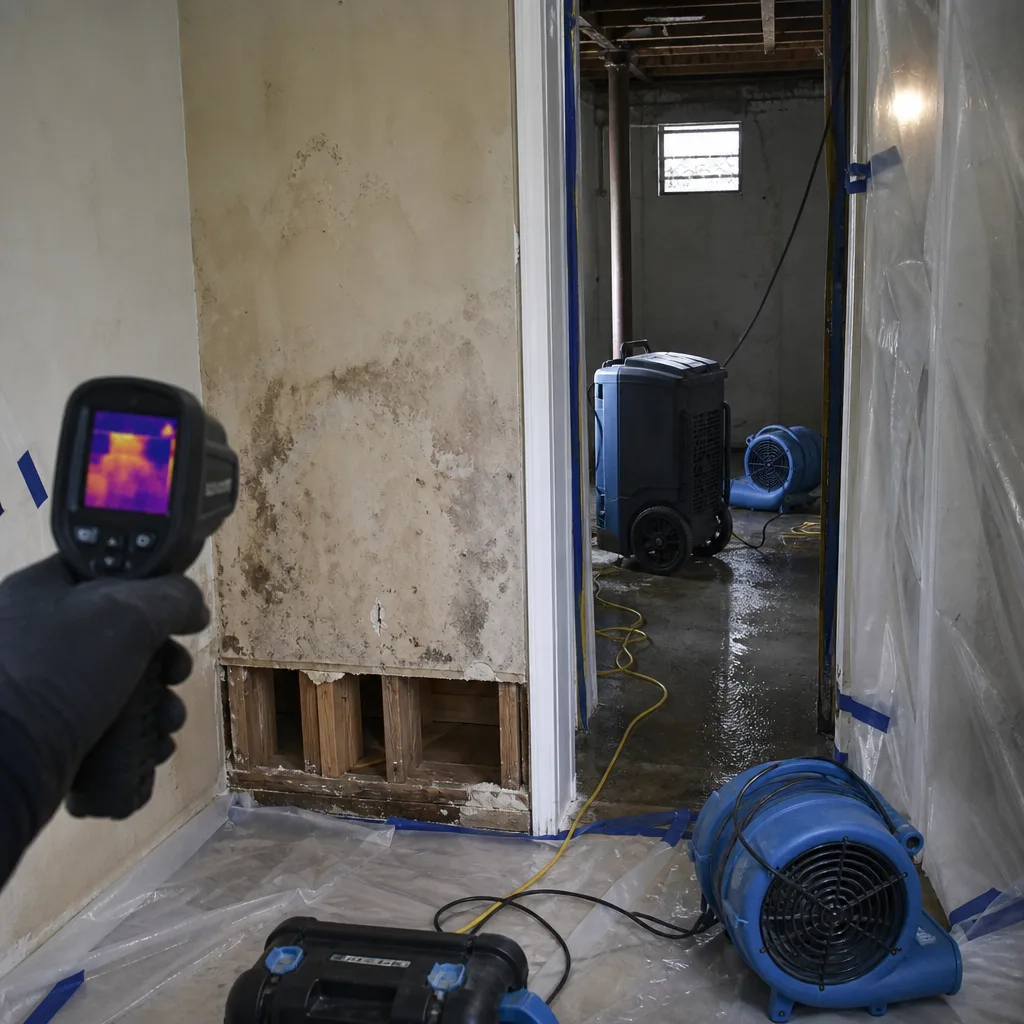 Before
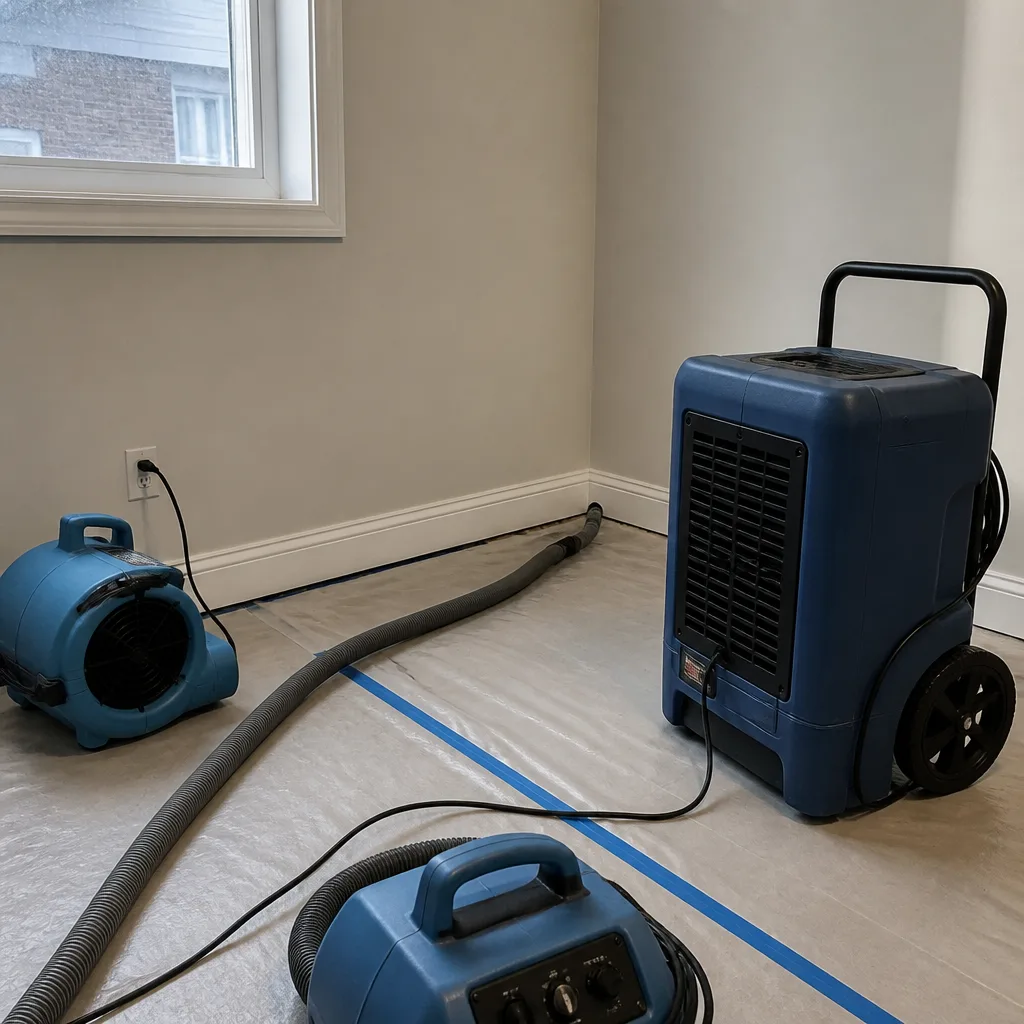 After
After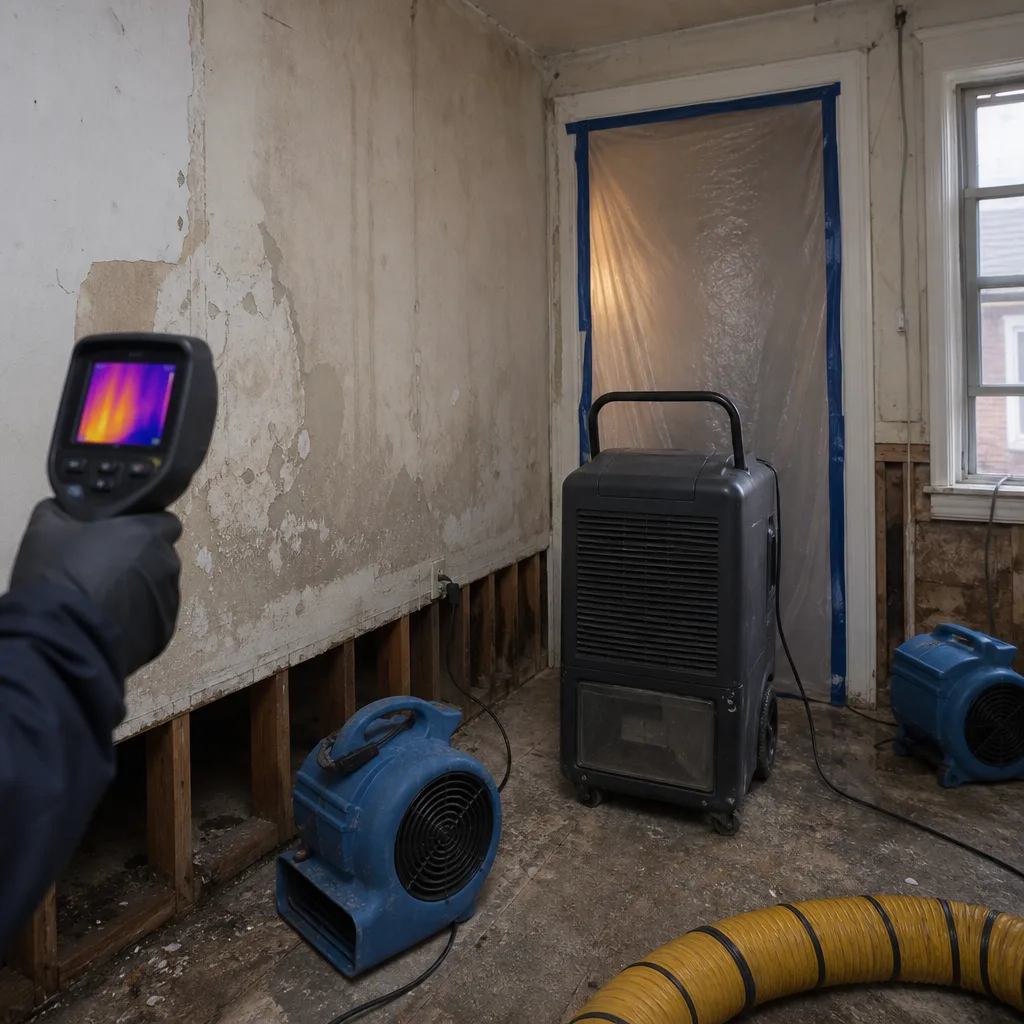 Before
 After
After24/7 Emergency Water Damage Restoration in Lower Manhattan
Water damage restoration in Lower Manhattan typically costs $1,800 to $6,500 depending on the category of water, square footage affected, and whether post-Sandy retrofit systems are involved. You can get a crew to most Lower Manhattan addresses inside 45 minutes. Call (201) 903-9581 right now and Wade’s Restoration will have extraction running before the water wicks any further into your walls or subfloor.
When a supply line lets go in a Financial District tower or a nor’easter pushes harbor water into a Battery Park City basement, the first hour determines whether you’re dealing with a dry-out or a gut job. Water moves fast through plaster, drywall, and concrete. Lower Manhattan’s older masonry buildings hold moisture like a sponge, and the newer high-rise conversions have chase walls that pull water vertically into units above. Don’t wait. A live person answers at (201) 903-9581 day or night, and Wade himself picks up more often than not. The visual inspection is free.
Understanding Water Damage Restoration Severity in Lower Manhattan Properties
Water losses fall into three categories. Category 1 is clean water from a supply line or faucet. Category 2 carries contaminants: dishwasher discharge, washing machine overflow, sump pump failures. Category 3 is grossly contaminated, the stuff of sewage backups and harbor surge, and it demands full containment, disposal of porous materials, and antimicrobial treatment before any drying begins. The category of water drives everything: equipment selection, drying goals, whether we pack out contents, and how we document the job for your carrier.
Lower Manhattan’s building stock complicates every category. A 19th-century mercantile basement off Stone Street has load-bearing masonry walls and timber joists that hold water differently than a 2006 Battery Park City condo with steel studs and gypsum. We map moisture with thermal imaging and hygrometers before a single air mover goes down. In the post-Sandy era, we’re also documenting pre-loss conditions around flood doors and raised switchgear, things that didn’t exist in most of these buildings before 2013. Skip that step and you risk a stop-work order from the NYC Buildings Department. That’s not a lesson you want to learn the hard way at two in the morning.
Why Lower Manhattan Property Owners Choose Wade’s Restoration
- A 45-minute response commitment to most Lower Manhattan addresses, including the Seaport, Battery Park City, and the Financial District. Wade’s crews are already in the borough, not coming in from Jersey or Westchester.
- 24/7 live answer. A real person picks up the phone. No voicemail, no call center, no “press 2 for emergencies.” Wade answers his own cell.
- IICRC-certified crews trained in water damage restoration standards. That’s WRT certification at minimum, with additional training on the specific systems Lower Manhattan buildings require.
- Free visual inspection with moisture readings. No charge for that. You’ll know what you’re dealing with before you agree to anything.
- Direct insurance billing. We document everything, hand you the full moisture log, and deal with your adjuster so you’re not relaying messages between two sides.
- One team from extraction to reconstruction. Same crew, same accountability. We don’t hand you off to a subcontractor who never saw the original damage.
Our Water Damage Restoration Process
Inspection & Assessment
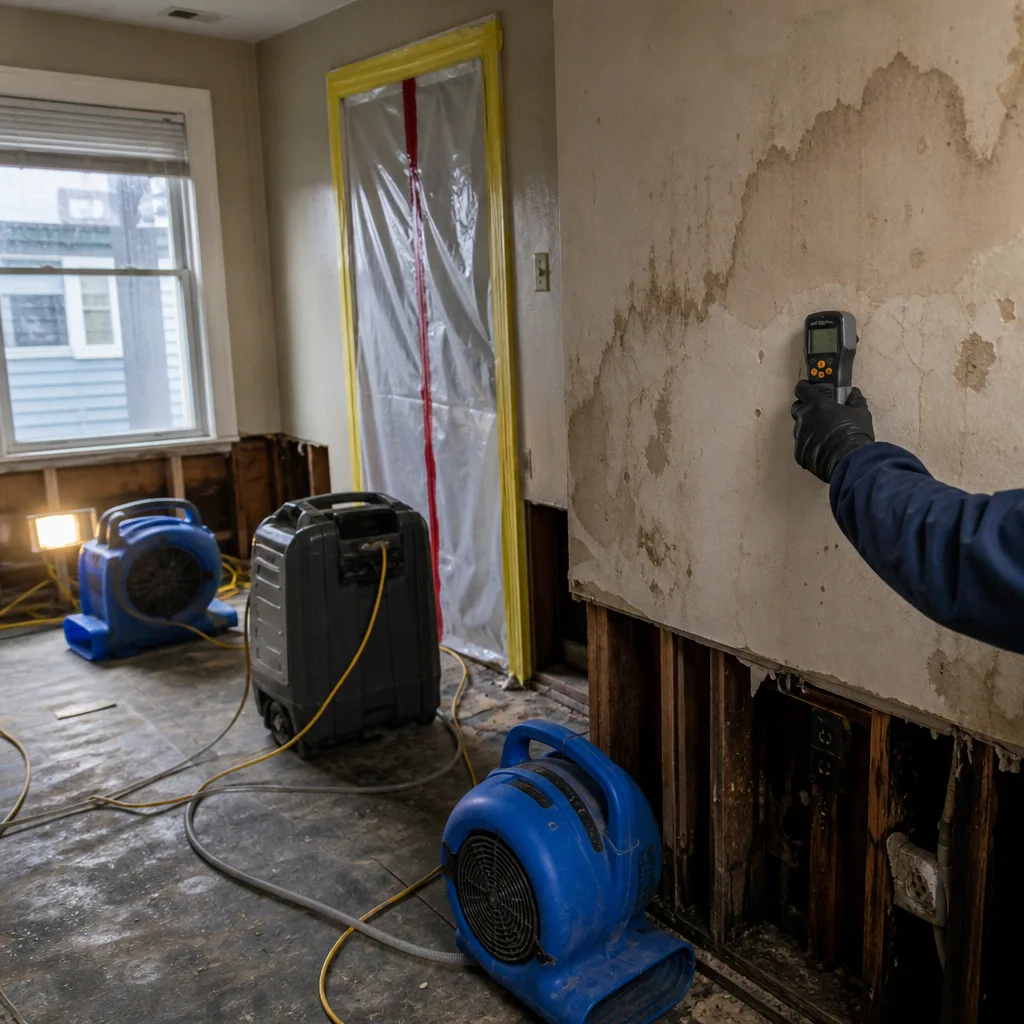
We start with thermal imaging to find water you can’t see, then map moisture levels across every affected surface. In Lower Manhattan, this includes documenting post-Sandy flood doors, sealed penetrations, and any raised electrical gear before we touch anything.
Extraction & Stabilization
Standing water goes out first using truck-mounted extraction units and submersible pumps for deeper basements. We stabilize the loss to stop water from spreading into unaffected areas, including elevator shafts and common spaces in high-rise buildings.
Drying & Dehumidification
Dri-Eaz dehumidifiers and XPOWER air movers go in, placed according to the moisture map, not scattered around. In masonry basements that means low-grain refrigerant units pulling water out of walls, not just air. Daily readings go in a log you get at the end.
Cleaning & Sanitization
Category 2 and 3 losses get antimicrobial treatment on every surface the water touched. We clean what can be saved, remove what can’t, and run HEPA air scrubbers where needed while work continues.
Post-Sandy System Documentation
Lower Manhattan is the only borough where we do a formal pre-loss and post-drying sign-off on any flood doors, sealed utility penetrations, and raised electrical switchgear we encountered. Building managers and structural engineers get a copy. This keeps the job moving without a DOB stop-work order.
Repairs & Restoration
Everything from drywall replacement to full reconstruction happens under one scope from our team. We write the scope before work starts, in writing, and you approve it. No surprises at the end.
Need Emergency Water Damage Restoration in Lower Manhattan Now?
Crews minutes away, answering live 24 hours a day. The sooner we start, the less it costs.
Working With Your Insurance Company
Insurance claims for water damage in Lower Manhattan come with layers most adjusters don’t see until they’re standing in your basement. Post-Sandy retrofits complicate coverage questions. Documentation from the first hour makes the difference between a clean claim and a fight. We photograph everything room by room before we move a single piece of equipment, take moisture readings at first contact, and keep a drying log that goes to your carrier with the final invoice.
Our team has spent 17 years dealing directly with adjusters. Wade gets on the phone with them. You shouldn’t be the one explaining why a flood door had to be documented or why category 3 water means the drywall has to go. We speak that language.
What We Provide Your Insurer
- Thorough documentation of the loss
- Photos of all damage, room by room
- Moisture readings and drying logs
- A detailed, line-item scope of work
- Direct coordination with your carrier
Built for Lower Manhattan’s Loss Calendar
Lower Manhattan’s water damage season never really ends. January and February bring deep freezes that burst supply lines in older masonry buildings, especially those unoccupied units in pre-war conversions where the heat lagged and the pipes gave out around 4 a.m. By March and April, the thaw and spring rains push groundwater up through Battery Park City’s landfill, and basements seep even without a pipe failure. Summer thunderstorms hit fast, overwhelming roof drains on flat-roof buildings and sending water down interior chases. Then comes the nor’easter season, and the harbor reminds everyone why Sandy is still the reference point.
The pattern matters because the fix changes. A January burst pipe in a Financial District high-rise is usually category 1 water, fast to extract if you get there quickly. A November nor’easter putting harbor water into a Seaport basement is category 3, dangerously contaminated, and requires full containment. We plan crews and equipment around the calendar, because in Lower Manhattan, someone’s basement is always wet.
Water Damage Restoration Across Lower Manhattan’s Neighborhoods
The Seaport district, centered around Water Street and Front Street, has the oldest commercial basements in the borough. These spaces run deep and narrow, with low ceilings and stone foundations, and they hold water in ways modern slabs don’t. We move equipment through alley-load doors and tight stairwells most Manhattan companies never train for.
Battery Park City is a different animal entirely. Built on Hudson River landfill, the water table is essentially at the basement level. Hydrostatic pressure pushes groundwater through slab cracks during moderate rain, and every building there carries post-Sandy retrofits like flood doors and elevated switchgear. Work here requires documentation discipline that doesn’t matter anywhere else.
The Financial District’s post-2000 residential conversions blend old and new. You might have a 1910 steel frame with modern mechanicals shoehorned into a sub-basement. When water hits, it travels through both systems at once. Responding to a high-rise flood off Wall Street or Broad Street means coordinating with building management, freight elevator access, and union requirements that suburban crews never see. We’re already set up for all of it.
Tribeca, at the northern edge of the district, adds loft conversions and cast-iron facades to the mix. Water intrusion there often comes through aging roof membranes and skylight wells, cascading down through multiple floors before pooling in the basement.
Specialized Water Damage Restoration Services We Offer in Lower Manhattan
Emergency Water Extraction
Standing water is out within 45 minutes of arrival in most cases. Truck-mounted units handle high-volume losses; submersible pumps manage the deeper sub-basements common in Lower Manhattan commercial and residential towers. Speed here prevents water from migrating into elevator shafts, mechanical rooms, and the unit below yours.
Structural Drying & Dehumidification
Drying a 190-year-old masonry wall is not the same as drying drywall in a new condo. We use Dri-Eaz low-grain refrigerant dehumidifiers and XPOWER air movers placed per the moisture map, pulling water from plaster, timber, and concrete slowly enough to avoid cracking, fast enough to stop mold. Daily readings. Full log at the end.
Flood Cleanup
Lower Manhattan’s flood cleanup means category 3 water in most storm scenarios. Containment first. We seal the affected area, run negative air with HEPA scrubbers, remove contaminated porous materials, and treat every surface before drying even starts. Then we work with your building’s post-Sandy documentation requirements so the cleanup doesn’t become a code violation.
What happens when you call
- 1
A real person answersNo phone trees - you reach a local pro.
- 2
You get an upfront price rangeHonest numbers before anyone is dispatched.
- 3
A background-checked tech heads outLicensed & insured, dispatched right away.
- 4
You approve before work beginsNothing starts until you say go.
Water Damage Restoration Costs in Lower Manhattan, NY
A simple category 1 water extraction in a single room with moderate drying typically runs $1,800 to $3,200 in Lower Manhattan. Full basement flood cleanup with category 3 water, containment, disposal, and structural drying runs $4,500 to $8,500. Post-Sandy system documentation and any required engineer sign-off adds $400 to $1,200 depending on the building, though that’s often covered by insurance when it’s part of the documented loss.
What moves the price: the category of water, the square footage, how far water has traveled through walls and chases, whether contents need pack-out and off-site cleaning, and whether building management requires union labor or special access. Most homeowner policies cover sudden and accidental water damage, though groundwater seepage and storm surge are often separate coverage questions. That’s where our direct adjuster communication pays off. We write a line-item scope before work begins, in writing, so you approve every dollar.
We Also Serve Cities Near Lower Manhattan
Our crews run the same 45-minute routes into the Financial District, Midtown Manhattan, Long Island City, and Midtown West. Same team, same equipment, same documentation standard. If you’re near Lower Manhattan and water is moving through your building, call (201) 903-9581 and we’ll get eyes on it fast.
Lower Manhattan Water Damage Restoration Questions, Answered
How does post-Sandy flood retrofitting change a water damage restoration job in a Battery Park City high-rise?
Post-Sandy retrofits mean flood doors, sealed utility penetrations, and elevated electrical switchgear are now part of the building’s life-safety system, so we document their pre-loss condition before any water extraction starts, then get sign-off from the building’s structural engineer before disturbing anything. Skipping this step can trigger an NYC Buildings Department stop-work order that stalls the job for days.
Why do Lower Manhattan basements get water even without a pipe burst?
Battery Park City and parts of the Financial District sit on Hudson River landfill with a water table at roughly basement level, so hydrostatic pressure pushes groundwater through slab cracks during moderate rainfall, completely independent of any pipe failure. Our structural drying protocol accounts for this ongoing pressure; incomplete drying means mold within 24 to 48 hours.
What’s the difference between category 1, 2, and 3 water in a Lower Manhattan flood cleanup?
Category 1 is clean water from a supply line; category 2 carries contaminants like soap or dishwater; category 3 is grossly contaminated from sewage backups or harbor surge. Category 3 demands full containment, removal of porous materials, and antimicrobial treatment before drying begins, which changes the scope and cost significantly.
How do you handle water extraction in tight Lower Manhattan alley-load and townhome door clearances?
We bring equipment sized for narrow doorways, tight stairwells, and alley-load basements common in the Seaport and older Financial District buildings. Compact extraction units and staged air movers go in piece by piece when needed. The physical constraints don’t slow us down because we’re used to working in them here.
Will water damage restoration in the Seaport area trigger any city inspections?
If we’re disturbing flood doors, raised electrical gear, or sealed penetrations in a post-Sandy building, the building’s structural engineer may require NYC Buildings Department sign-off, and our documentation process is designed to satisfy that without stopping work. Routine water extraction on a non-retrofitted building rarely triggers inspections.
How fast can you actually get to Lower Manhattan?
Most addresses in the district see a crew in 45 minutes or less, with live phone answer 24/7. Call (201) 903-9581 and Wade or a member of his team starts moving immediately.
Can I stay in my home during water damage restoration?
Category 1 water losses usually allow you to stay, especially if the affected area is isolated. Category 3 contamination often requires relocation during containment and demolition, since black water carries pathogens. We’ll tell you straight which situation you’re in during the free inspection.
What should I do in the first 30 minutes after water damage in Lower Manhattan?
Call us at (201) 903-9581 first, then shut off the main water supply if you can do so safely. Don’t enter standing water in a basement with electrical equipment. Take photos of everything for your own records. Don’t start ripping out drywall yourself, especially if your building has post-Sandy retrofits. We’ll handle the rest from the moment we arrive.
Why Post-Sandy Lower Manhattan Is a Different Kind of Restoration Job
In Lower Manhattan, post-Sandy retrofit mandates mean many basements now contain flood doors and raised switchgear. Any water-extraction job in these buildings must include a pre-loss condition documentation step that triggers structural-engineer sign-off and potential NYC Buildings Department inspections before any demolition starts. That’s a bureaucratic reality no other borough faces, and it’s why a crew from Long Island or Jersey shows up and gets sent away while we get to work.
Here’s how it plays out on a real job. When a burst pipe flooded a 19th-century mercantile basement on Stone Street, our techs first mapped the post-Sandy sealed utility penetrations and flood door to avoid damaging the systems the building’s structural engineer requires. We used Dri-Eaz dehumidifiers and XPOWER air movers to structurally dry the plaster-and-timber walls, and documented every moisture reading against the pre-loss condition until the building manager signed off on the drying logs. The restaurant above stayed open the entire time while we mitigated category 2 water. That’s the Lower Manhattan standard.
Fail to handle this correctly and you get one of the local failure modes: a stop-work order because someone disturbed a flood door without sign-off, incomplete structural drying because hydrostatic pressure was underestimated in a Battery Park City basement, or category 3 water from a Financial District sub-basement spreading into elevator shafts because nobody contained it before dehumidification started. We’ve seen all three happen to other companies. We don’t repeat them because our whole process here is built around these specific risks.
The Wade’s Restoration Difference in Lower Manhattan
Wade Ferris founded this company in 2007 and his name is on every truck door. His cell number is on every estimate. When you call about Water Damage Restoration in your Battery Park City high-rise or Seaport townhome, you’re talking to the person who built the company around the idea that a restoration contractor should be someone you’d run into at the hardware store on a Saturday. That’s the whole model. No national franchise overhead, no rotating crew of strangers, no answering service in Ohio.
Every water, fire, and mold job carries the 90-Day Done Right Promise in writing. If it’s not done right, Wade makes it right. One call brings him back. And the moisture log he hands you at the end of the job? Almost nobody else in this trade does that. The adjuster gets a copy. You get a copy. That’s transparency that actually means something.
We serve Lower Manhattan from our New York City office, with crews stationed to hit the Seaport, Battery Park City, the Financial District, and Tribeca fast. Same team, same accountability, same owner answering the phone at 2 a.m.
Serving Lower Manhattan, NY - Our Local Coverage Area
We’re based in the Lower Manhattan area and know this community well. Use the map below to see our service coverage - if you’re nearby, we can almost certainly help.
Contact Wade’s Restoration for Water Damage Restoration in Lower Manhattan
Water moving through your building in Lower Manhattan doesn’t wait for business hours. Neither do we. Call (201) 903-9581 right now for a free visual inspection and straight answers. Wade or one of his senior techs will walk you through what you’re dealing with, what it’ll cost, and whether you even need full restoration or just a targeted dry-out. No pressure. No gimmicks. Just a neighbor who knows this borough’s buildings better than any spreadsheet jockey in a call center.
Call (201) 903-9581 now. Live answer, 24 hours a day. Free inspection.
Written by Wade Ferris, Owner at Wade’s Restoration, serving Lower Manhattan and the surrounding New York City area since 2007.