
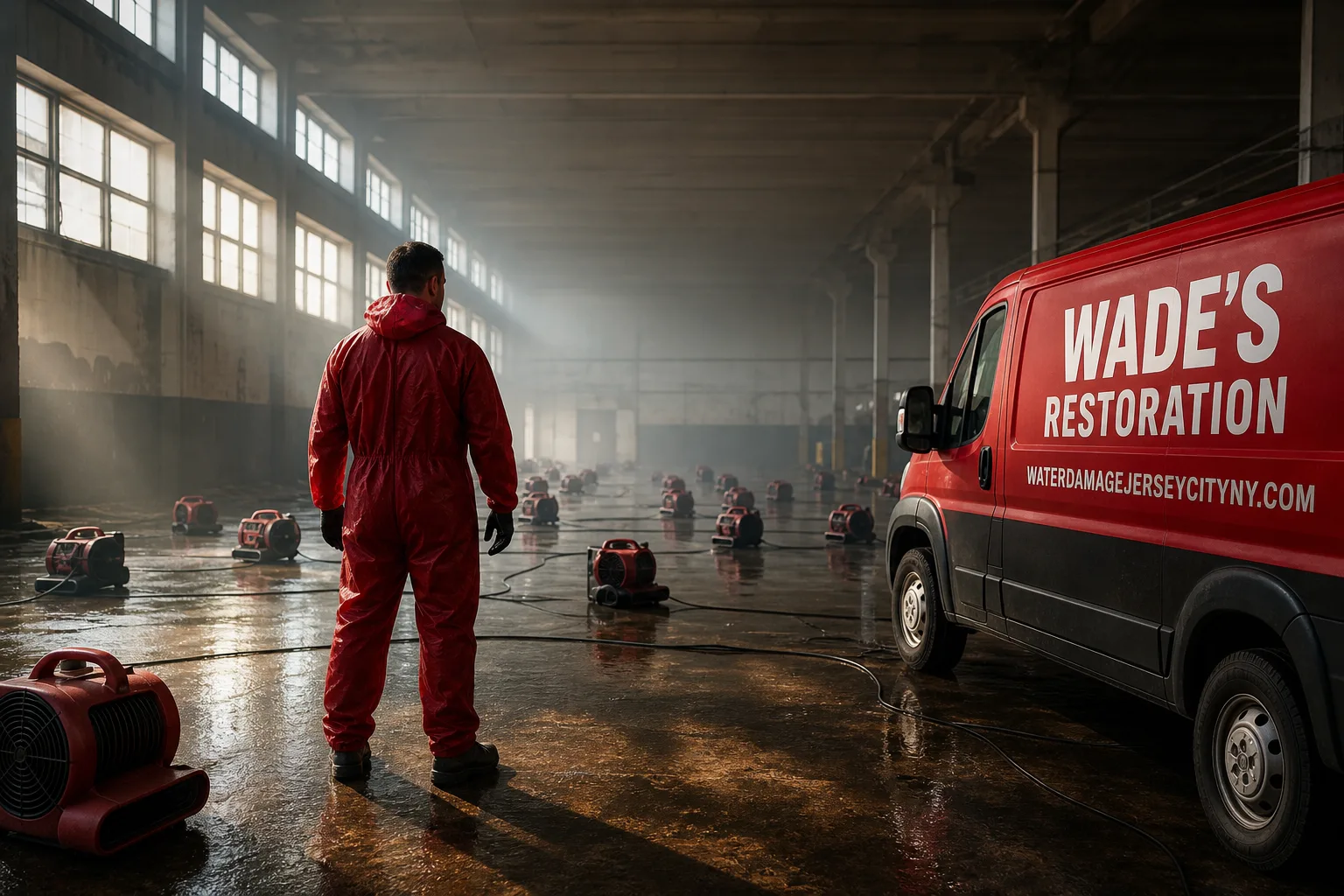
Free visual inspection and a written scope of work before any mitigation begins - photos, moisture readings, and drying logs go in your claim file
The scope we write is the scope we bill. Anything new gets shown to you, in writing, before we touch it.
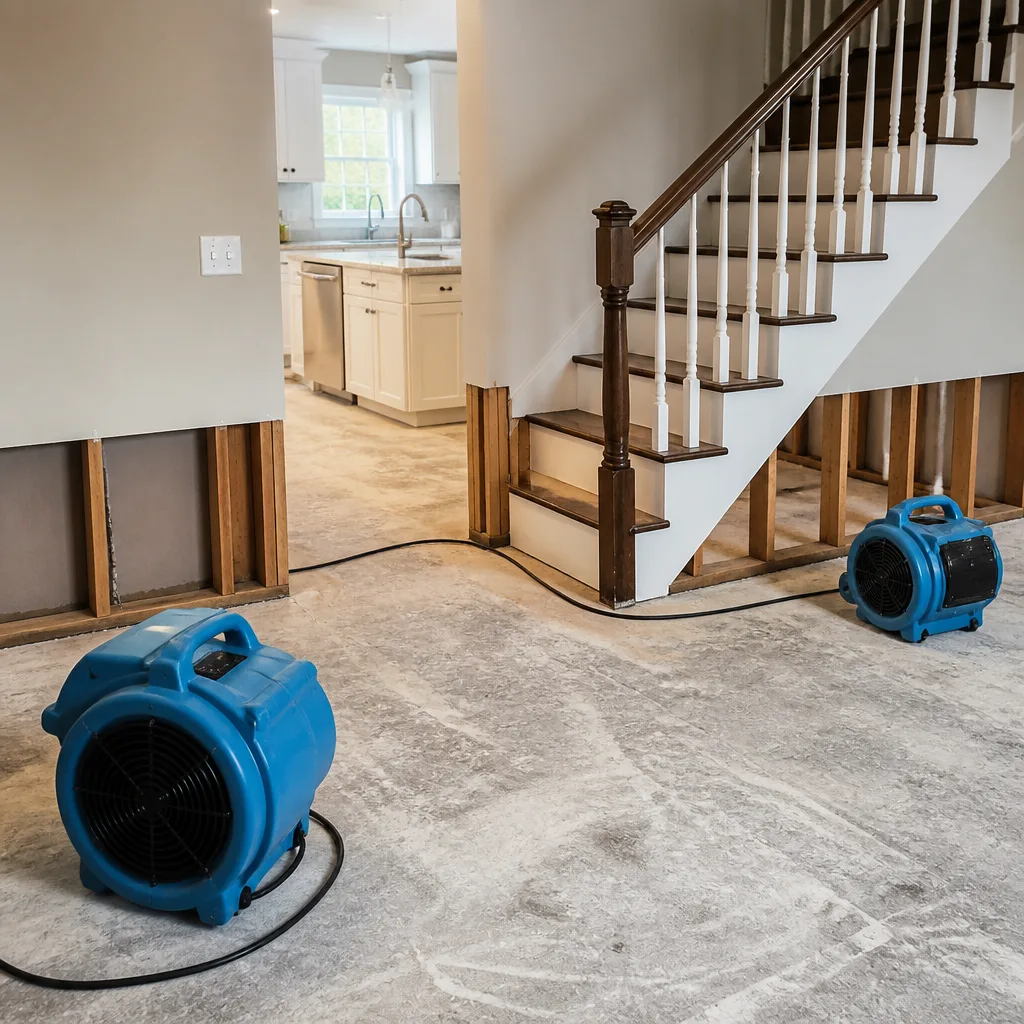
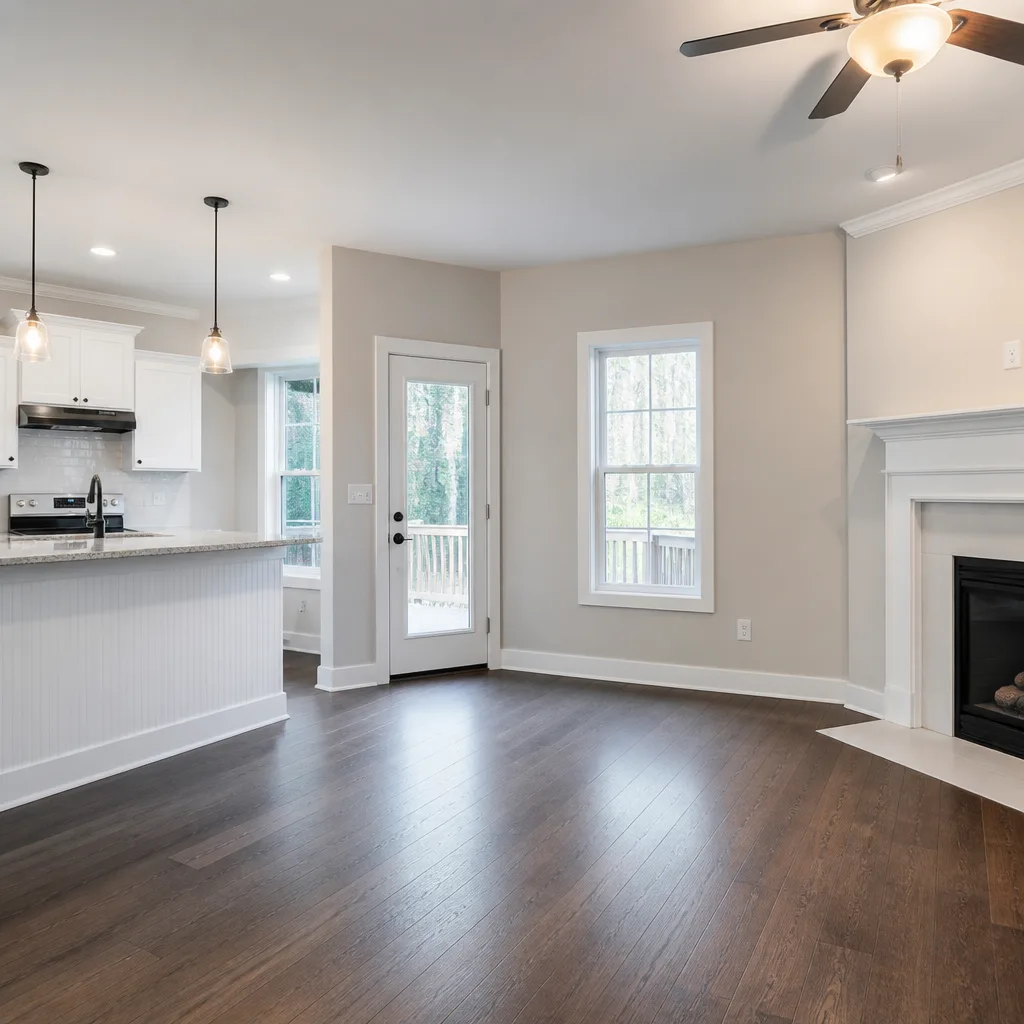
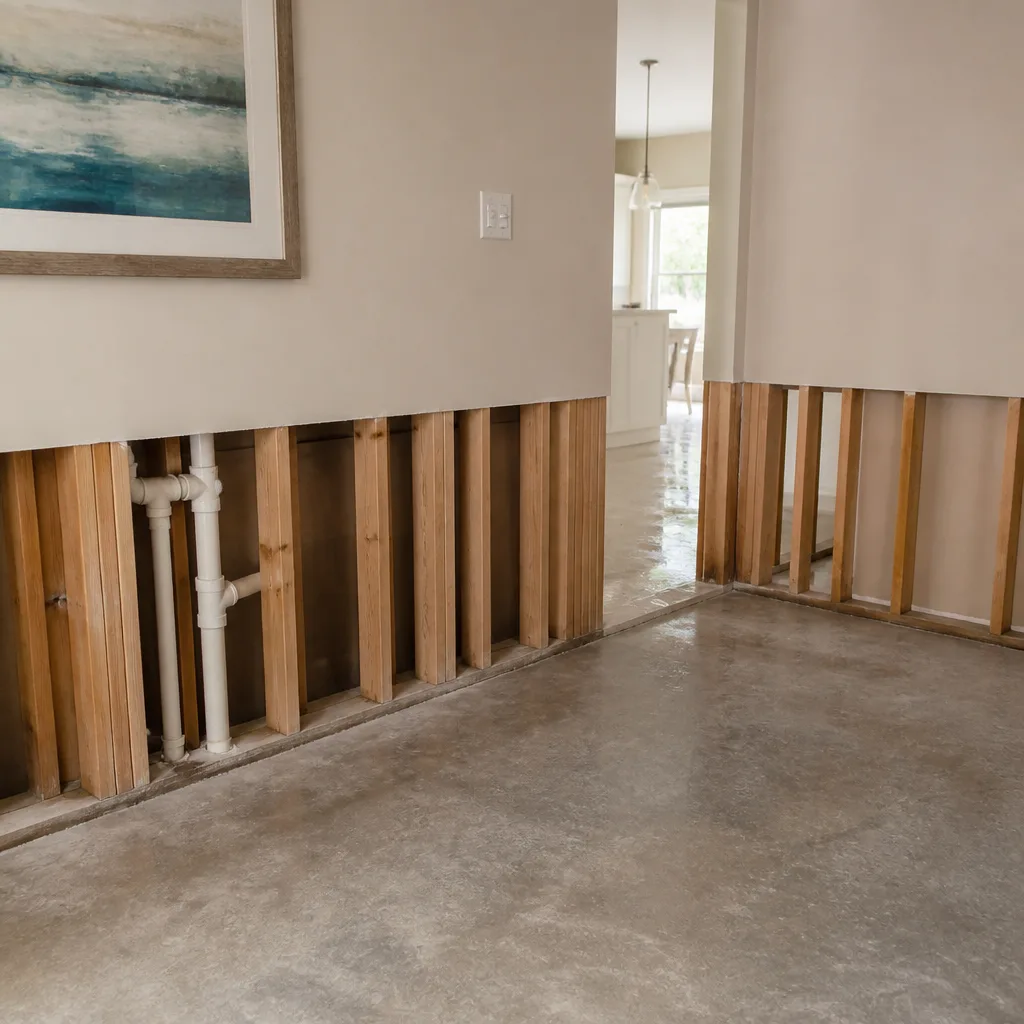
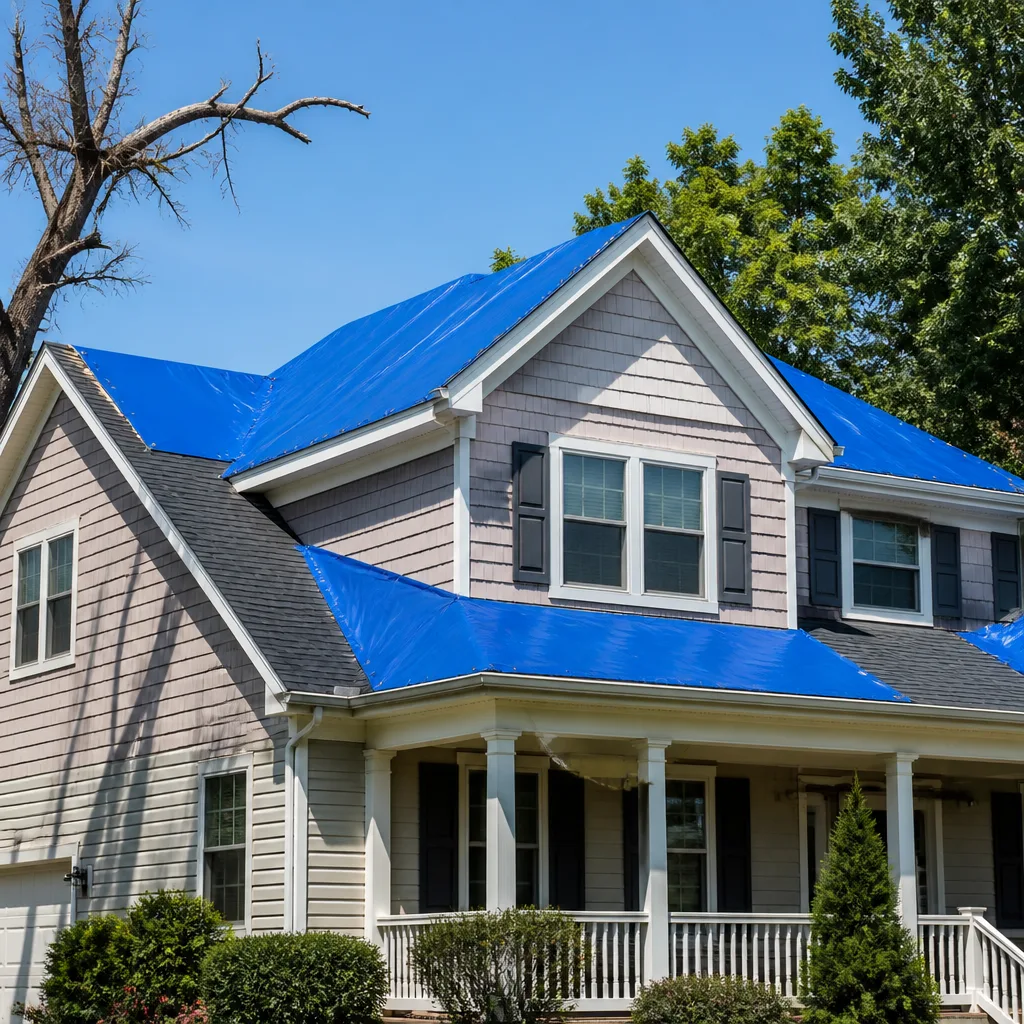
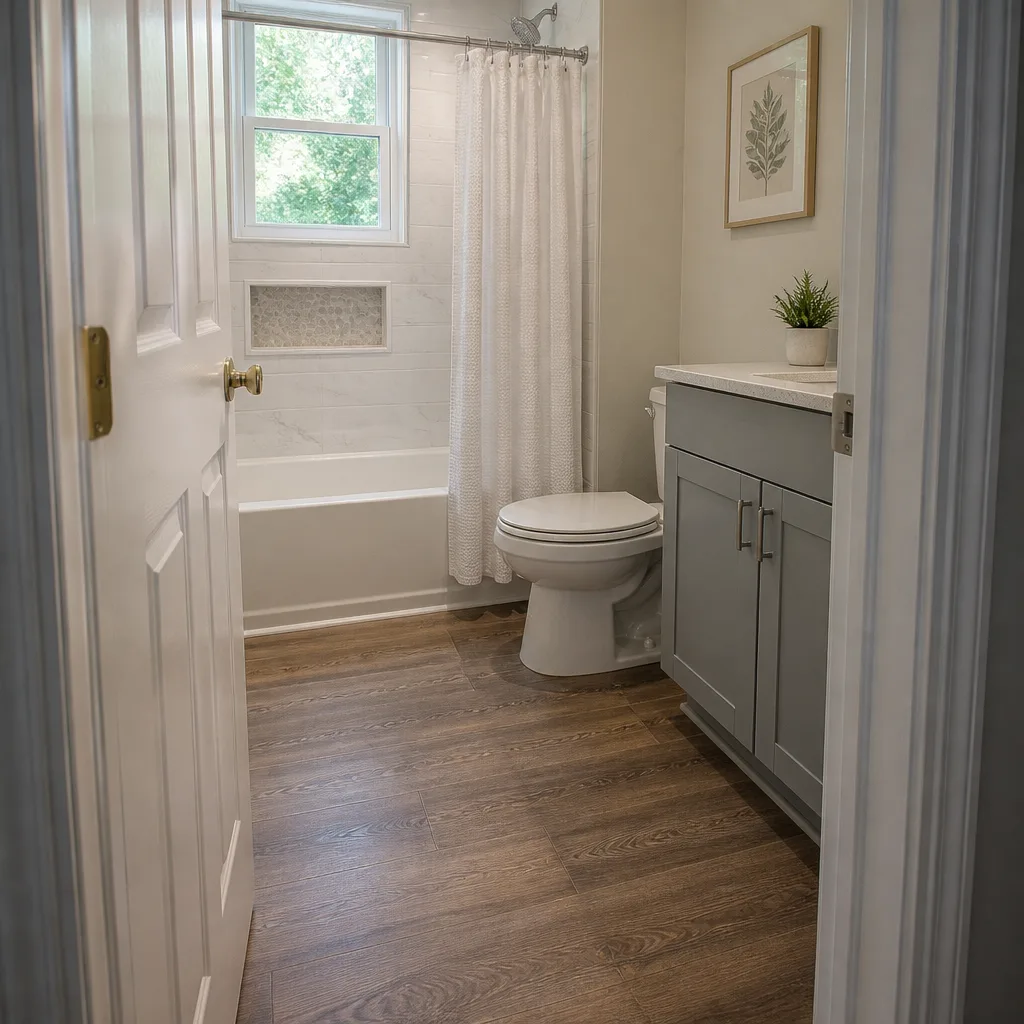
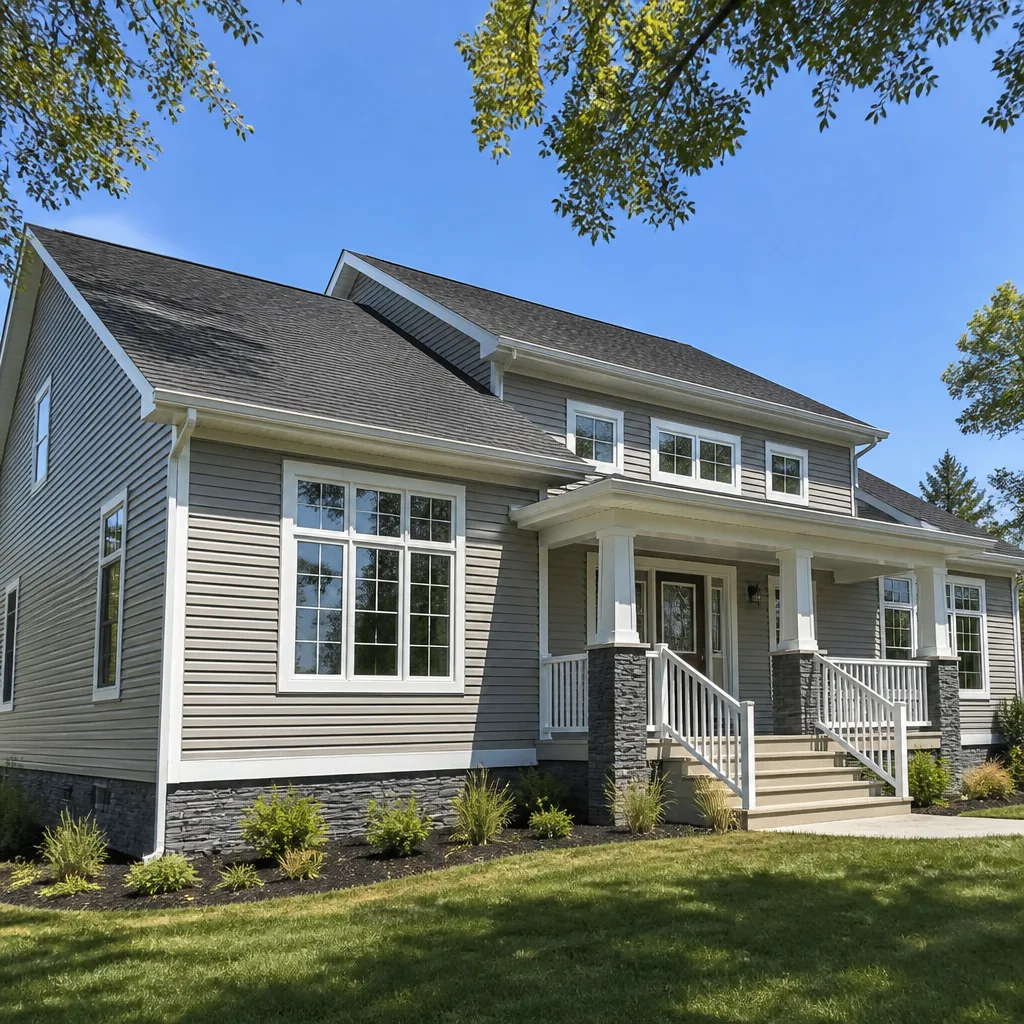
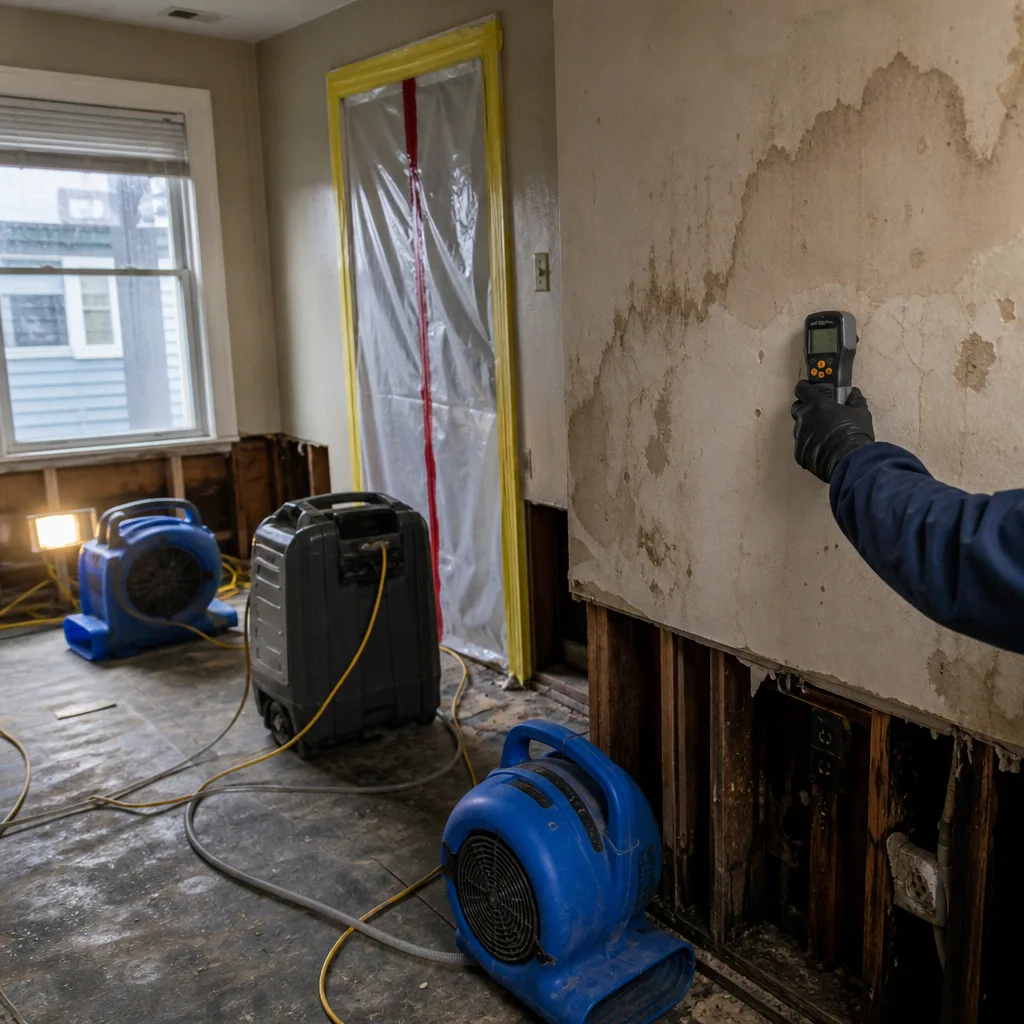 Before
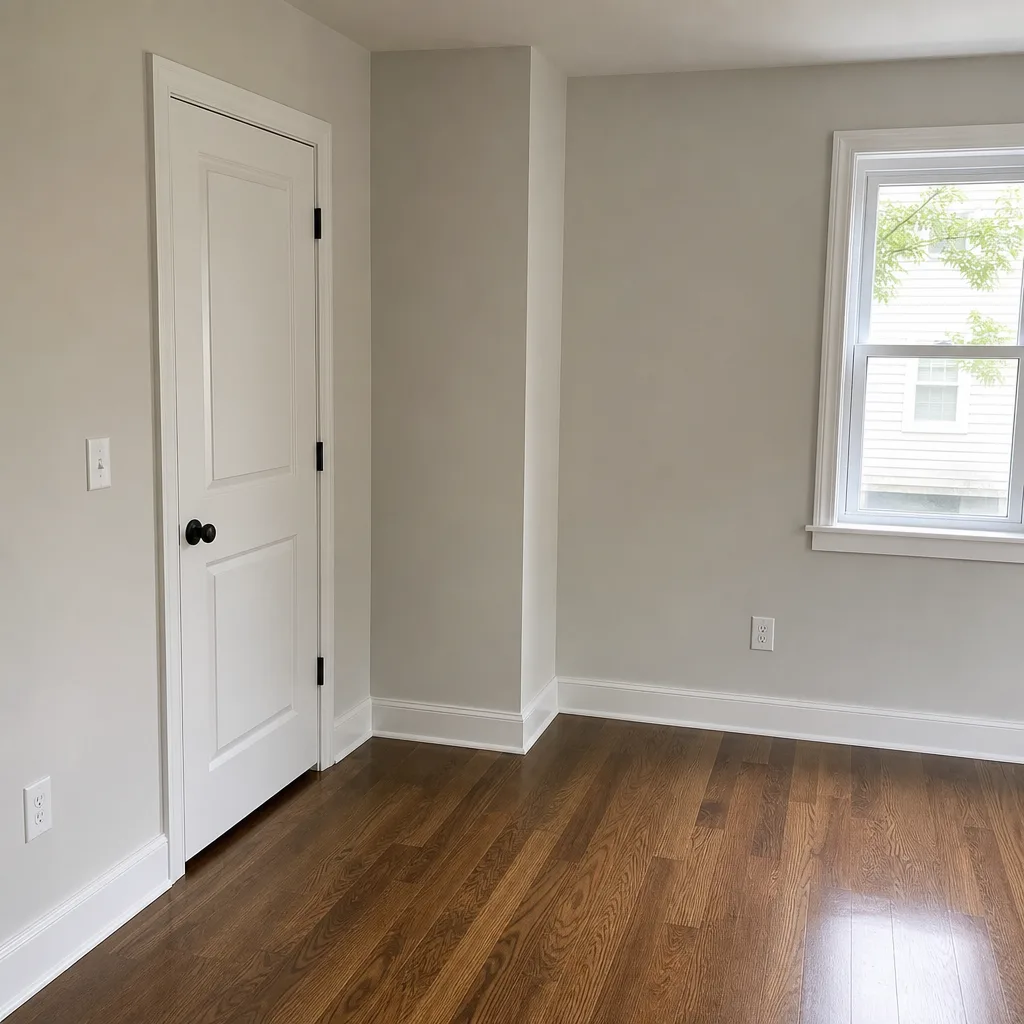 After
After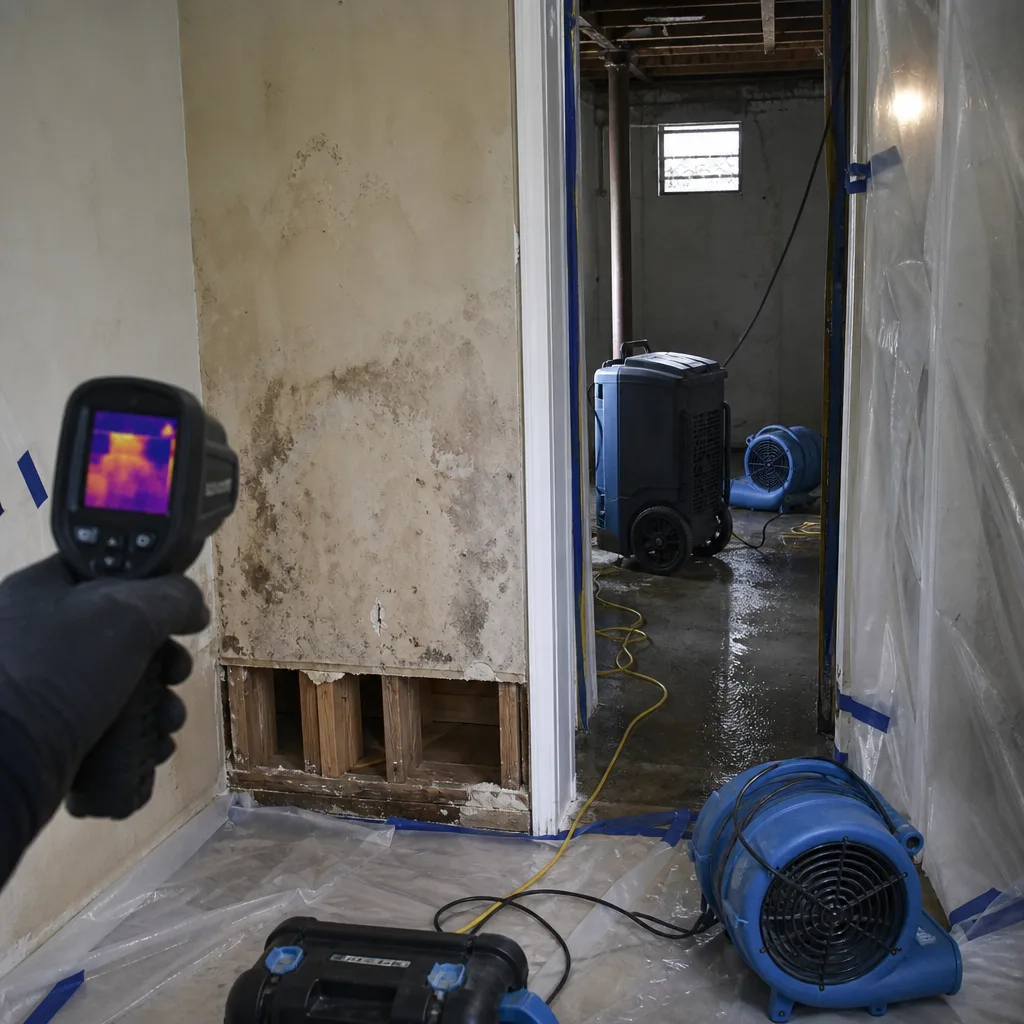 Before
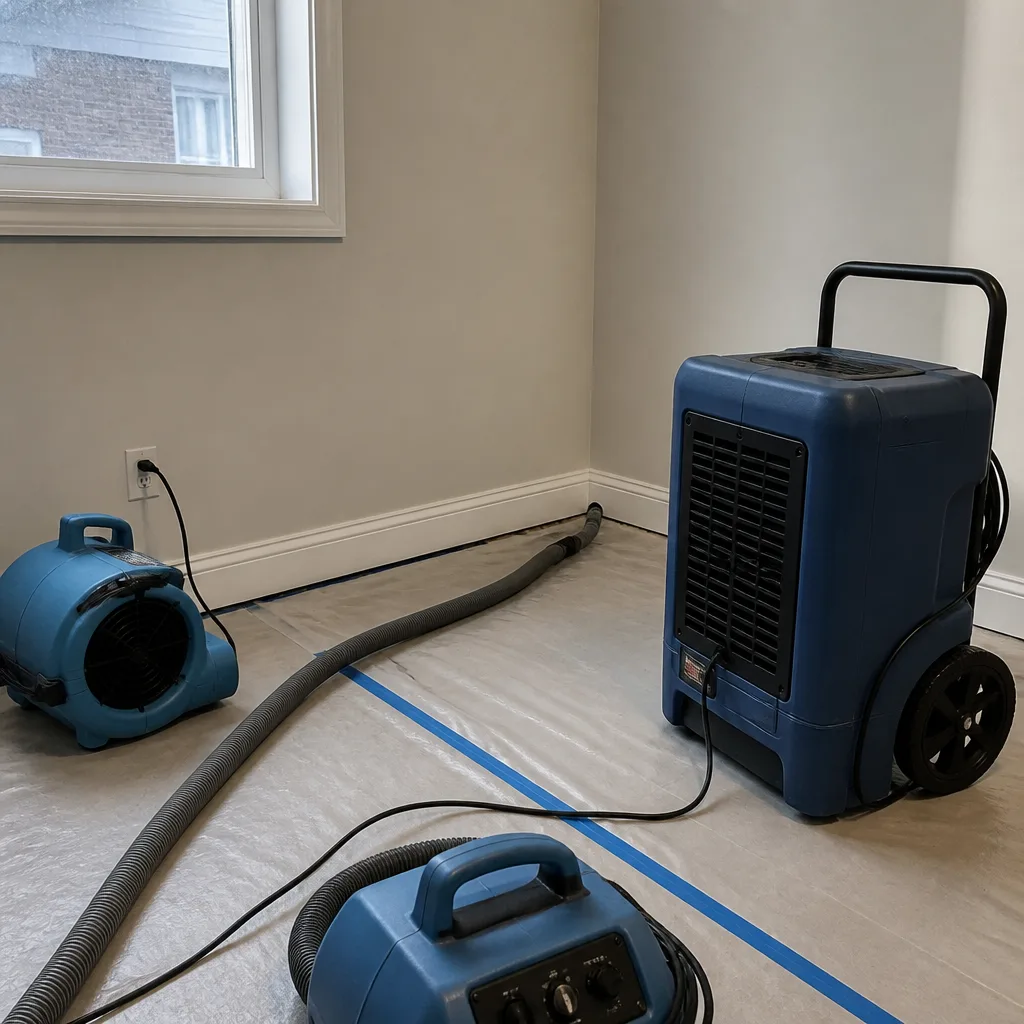 After
After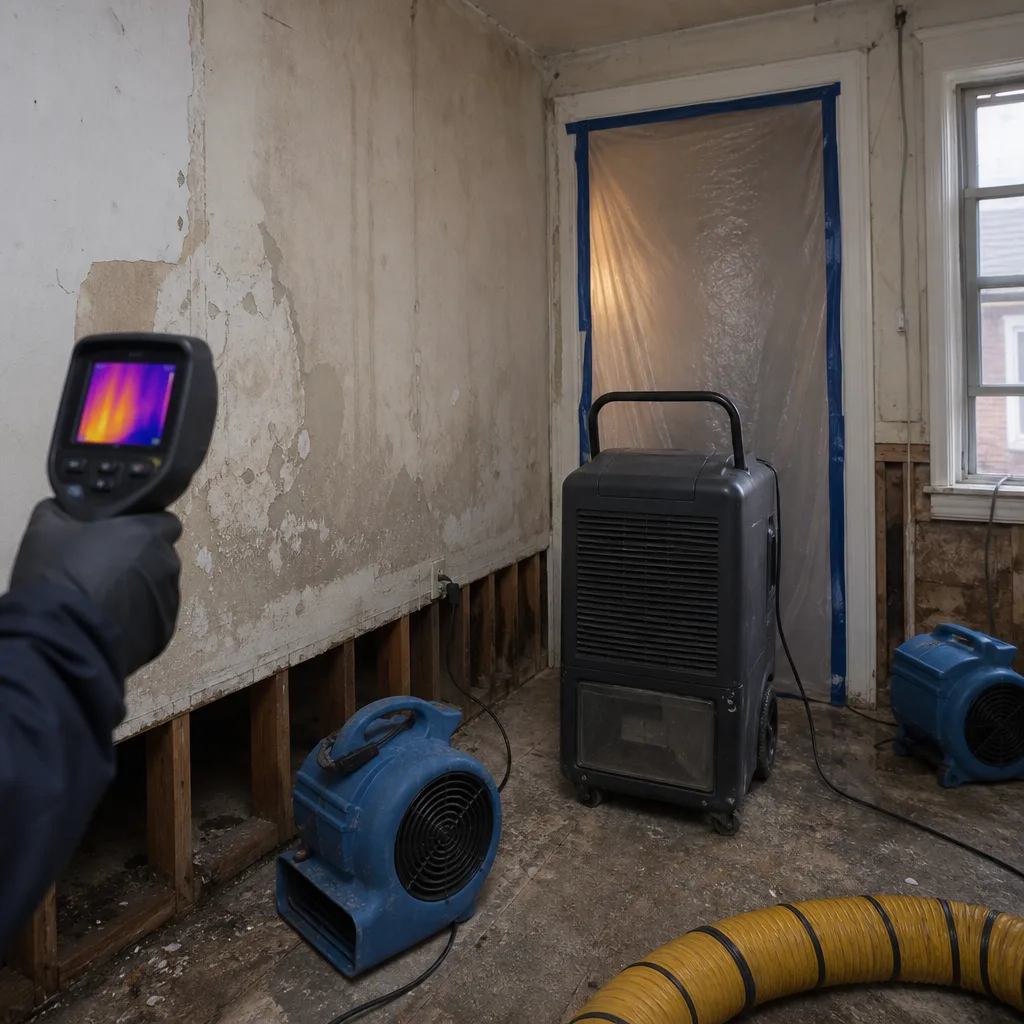 Before
 After
After24/7 Emergency Reconstruction & Cleanup in Lower Manhattan
Reconstruction and cleanup in Lower Manhattan means dealing with water where it should never be: sub-basements below sea level, mechanical rooms retrofitted after Sandy, and pre-war masonry that holds moisture like a sponge. Our crews work the Financial District, Battery Park City, the Seaport, and Tribeca every week, and we answer the phone live at (201) 903-9581 around the clock. When a supply line bursts in a converted office tower on Water Street or a sewer backup hits a Battery Park City high-rise at 2 a.m., the first hour determines whether you’re facing a drying job or a full gut-and-rebuild. We head out immediately, document everything from the first look, and start extraction before the water migrates into the slab, the elevator pits, and the building’s electrical rooms. That speed matters more here than anywhere else in the city, because Lower Manhattan’s basements sit at or below the water table, and moisture that gets under a slab in this neighborhood does not leave on its own.
Understanding Reconstruction & Cleanup Severity in Lower Manhattan Properties
Reconstruction severity in Lower Manhattan is dictated by two things no other borough deals with the same way: the water table and the post-Sandy retrofit layer. We classify water losses by category because it drives every decision after. Category 1 is clean supply-line water. Category 2 is contaminated, gray water, from washing machines or sump failures. Category 3 is sewage, harbor water, or anything that sat long enough to grow bacteria. In a Battery Park City sub-basement, even a Category 1 loss can behave like Category 3 if it sat overnight, because humidity in below-sea-level mechanical rooms rarely drops without aggressive dehumidification. We moisture-map the slab, the walls, and the air, then we match the drying plan to what the building is actually made of: 19th-century brick near Stone Street wicks moisture upward through lime mortar, while 1980s poured concrete on Hudson River landfill pushes groundwater upward through capillary action. Neither responds to a standard drying log. That’s why we size dehumidification for below-sea-level conditions, not square footage alone.
Why Lower Manhattan Property Owners Choose Wade’s Restoration
- Wade Ferris answers his own phone. Not a call center, not a voicemail tree. The owner picks up at 3 a.m. and can have a crew moving toward your building inside the hour.
- 45-minute response commitment across Lower Manhattan. From the Seaport to Battery Park City, our crews know the loading docks, freight elevators, and building access rules that slow everyone else down.
- IICRC-certified crews, WRT and ASD certified. We carry the credentials, but more importantly, we carry moisture logs from day one to job’s end, and you get the full log whether your insurer asks for it or not.
- Free visual inspection, no trip charge in our own county. We show up, we look, we tell you what you’re dealing with, and we put it in writing before any work starts.
- Direct insurance billing and adjuster communication. Wade deals with your adjuster directly, so you’re not the one relaying information between two sides at 11 p.m.
- One team from extraction to reconstruction. The same crew that pulls the water out is the crew that hangs the drywall, refinishes the floors, and restores the generator room. No handoffs, no lost information.
Our Reconstruction & Cleanup Process
Inspection & Assessment
We arrive, walk the loss with you, and map moisture across every affected surface. In Lower Manhattan, that means checking sub-basement slabs, elevator pits, and post-Sandy penetration seals before we touch anything. We document condition with photos and thermal imaging, then we give you a written scope before demo begins.
Extraction & Stabilization
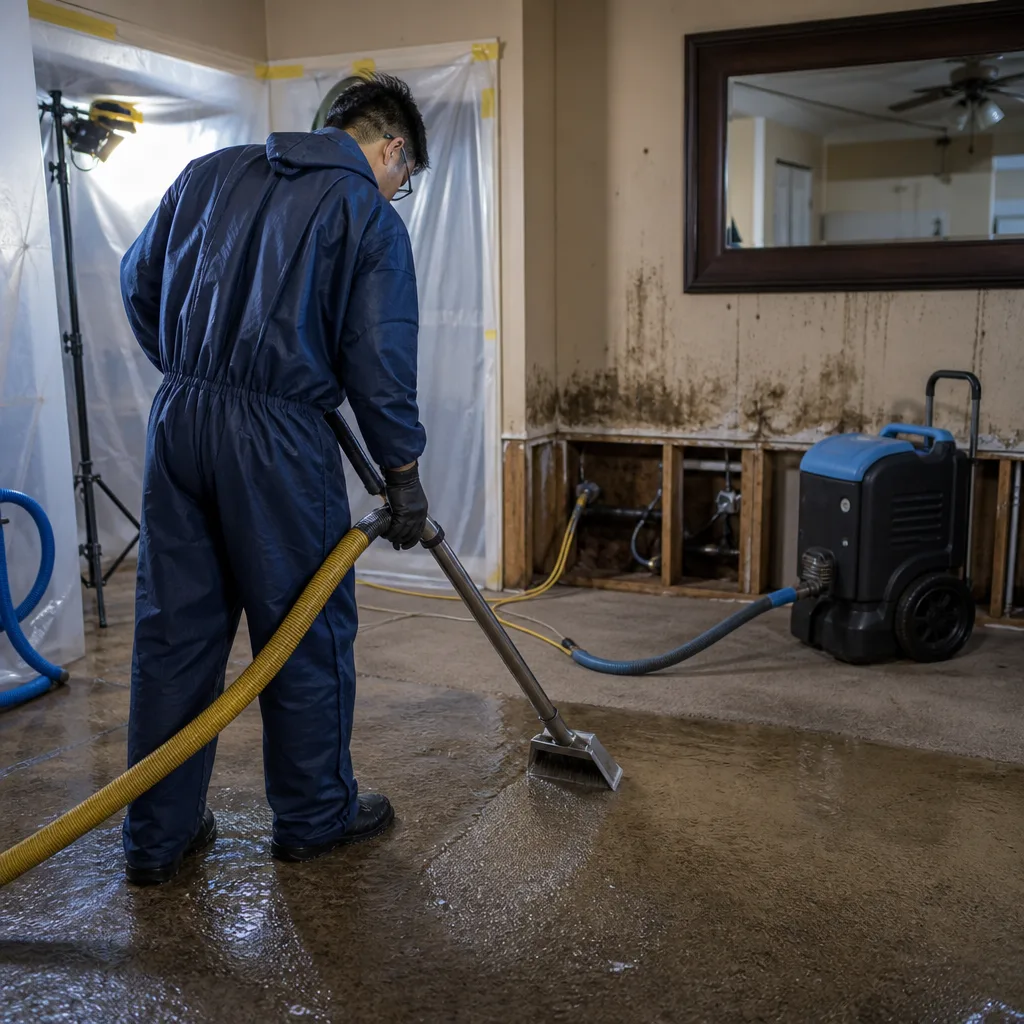
We pull standing water with truck-mounted and portable extraction units, including from elevator pits and below-grade mechanical rooms. Stabilization means stopping the source, protecting undamaged areas, and isolating the loss so it doesn’t spread through shared shafts or slab penetrations.
Drying & Dehumidification
We set air movers and dehumidifiers sized for below-sea-level humidity, not generic square footage. Dri-Eaz and Phoenix equipment runs 24/7, and we take moisture readings daily, including relative humidity inside wall cavities. You get the full log at the end.
Cleaning & Sanitization
We clean, disinfect, and deodorize affected surfaces using EPA-registered products appropriate to the water category. Carpet and upholstery get deep extraction and drying; hard surfaces get sanitized and sealed where needed.
Contents Restoration & Pack-Out
We inventory, pack, and transport affected contents to a climate-controlled facility for cleaning and restoration. In Lower Manhattan high-rises, that often means working through freight elevators and coordinating with building management on move times and staging areas.
Repairs & Reconstruction
We replace drywall, flooring, trim, and cabinetry to pre-loss condition or better. That includes matching pre-war plaster profiles near Stone Street, replacing engineered flooring in Battery Park City condos, and restoring mechanical rooms to full function. One team, one point of contact, start to finish.
Need Emergency Reconstruction & Cleanup in Lower Manhattan Now?
Crews minutes away, answering live 24 hours a day. The sooner we start, the less it costs.
Working With Your Insurance Company
Insurance claims for water and flood reconstruction in Lower Manhattan high-rises get complicated fast, especially when the building has post-Sandy retrofits that have to be documented before any demo starts. We handle that documentation from the first hour. Wade’s Restoration photographs every affected area before we move anything, logs moisture readings daily, and writes a line-item scope your adjuster can actually read. We sit on the phone with your carrier, explain what the building’s retrofit systems mean for the scope, and push back when the first estimate doesn’t account for below-sea-level drying time. You shouldn’t be the one explaining submarine-style flood doors to an adjuster in Ohio. That’s our job, and Wade deals with it directly.
What We Provide Your Insurer
- Thorough documentation of the loss, including pre-existing post-Sandy retrofit conditions
- Photos of all damage, room by room, before, during, and after
- Daily moisture readings and complete drying logs
- A detailed, line-item scope of work with local labor and material pricing
- Direct coordination with your carrier and your building’s engineer
Built for Lower Manhattan’s Loss Calendar
Lower Manhattan’s reconstruction calendar follows the harbor, not the calendar. January deep freezes burst supply lines in pre-war buildings along Broadway and Exchange Place, where original plumbing runs through uninsulated exterior chases. February and March thaw cycles push groundwater up through Battery Park City’s Hudson River landfill, and we see slab seepage in sub-basements that haven’t had a drop of rain. Summer thunderstorms can drop two inches in an hour, overwhelming storm drains near South Street and sending runoff into below-grade entries. Then comes nor’easter season, from September through April, when storm surge funnels up New York Harbor with no geographic buffering. Every big nor’easter re-stresses the same sub-basements Sandy destroyed in 2012. We plan crews around these cycles, and we keep dehumidification and extraction equipment staged for the neighborhoods most likely to flood: the Seaport, Battery Park City, and the blocks immediately west of Water Street. If you own property below Canal, you’re in the highest-exposure flood zone in the northeastern U.S., and your January plumbing failure is really a September flood rehearsal.
Reconstruction & Cleanup Across Lower Manhattan’s Neighborhoods
Response routes and building types vary block by block, and we’ve learned the differences the hard way. In Battery Park City, we’re working in 1980s and 2000s high-rise condos on landfill, where freight elevator bookings and building engineer sign-offs control the schedule. The Financial District mixes converted pre-war office towers with original stone-street-era masonry, and many of those buildings have deep multi-level basements holding boilers, switchgear, and backup generators at or below sea level. The South Street Seaport district is mostly 19th-century brick mercantile buildings now converted to residential, where lime mortar and wood joists wick water upward and sideways, and where the flood doors installed after Sandy have to be treated as life-safety systems. Tribeca’s old warehouses and cast-iron buildings have their own challenges: thick masonry walls that hold moisture for weeks and basement entries that still flood during heavy rain. Each neighborhood has a different building department relationship, a different set of retrofit obligations, and a different waterproofing history. We respect all of them, and we bring the same Reconstruction & Cleanup team and the same documentation standard to every building.
Specialized Reconstruction & Cleanup Services We Offer in Lower Manhattan
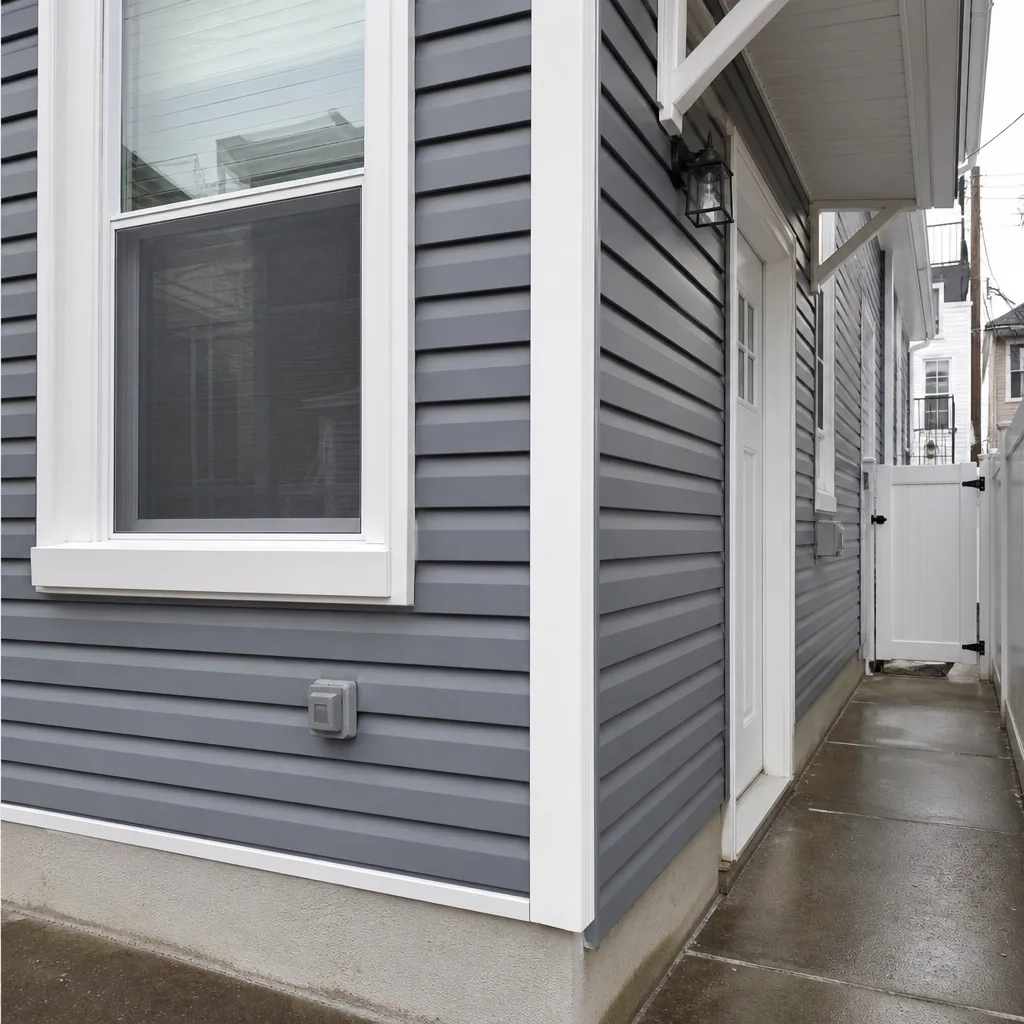
Full-Service Reconstruction
When a Lower Manhattan sub-basement floods, reconstruction means more than replacing drywall. We rebuild mechanical rooms, restore generator rooms to pre-loss condition, and replace the finish work in condos and co-ops from Battery Park City to the Seaport. We coordinate with your building’s structural engineer when retrofits are involved, and we pull permits when the job requires them.
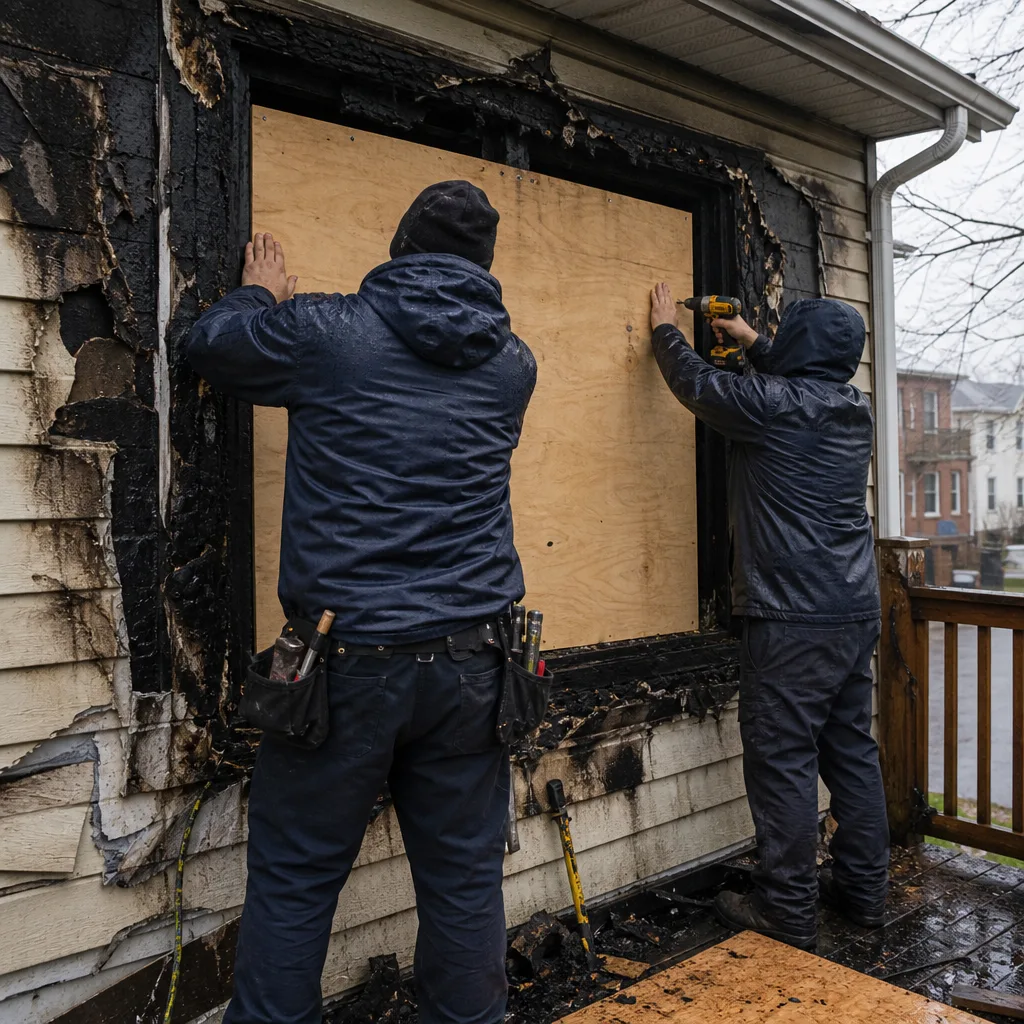
Drywall & Flooring Repair
Lower Manhattan’s housing stock ranges from pre-war plaster on lath near Stone Street to modern engineered flooring in Battery Park City towers. Matching those finishes takes a crew that has seen both. We cut, patch, tape, and finish drywall to match the existing texture and profile, and we replace flooring using materials that won’t wick moisture from a below-sea-level slab.
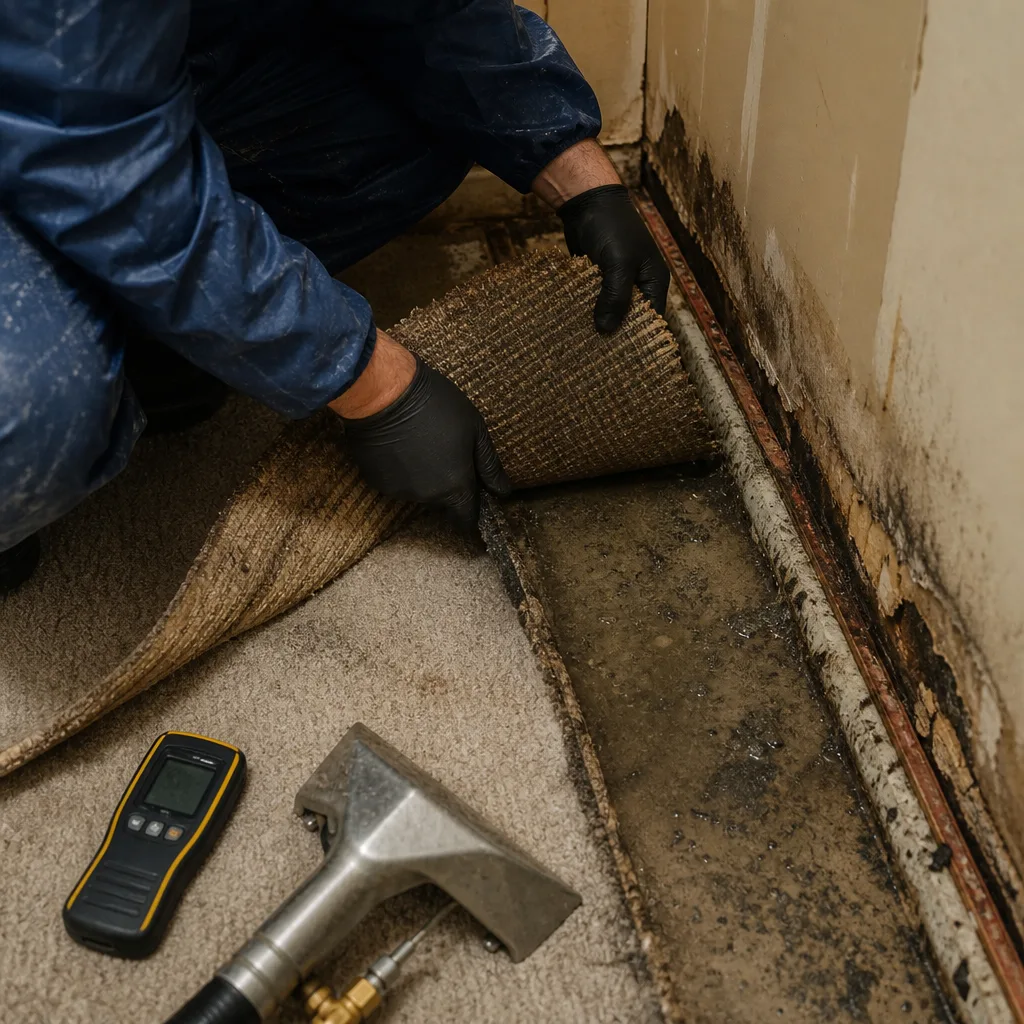
Contents Restoration & Pack-Out
We inventory, pack, and restore your belongings whether they’re soaked in a Financial District condo or water-damaged in a Seaport loft. Pack-outs in high-rises mean freight elevator scheduling, building management coordination, and moving trucks that fit the loading dock. We handle all of it, and we document every item for your claim.
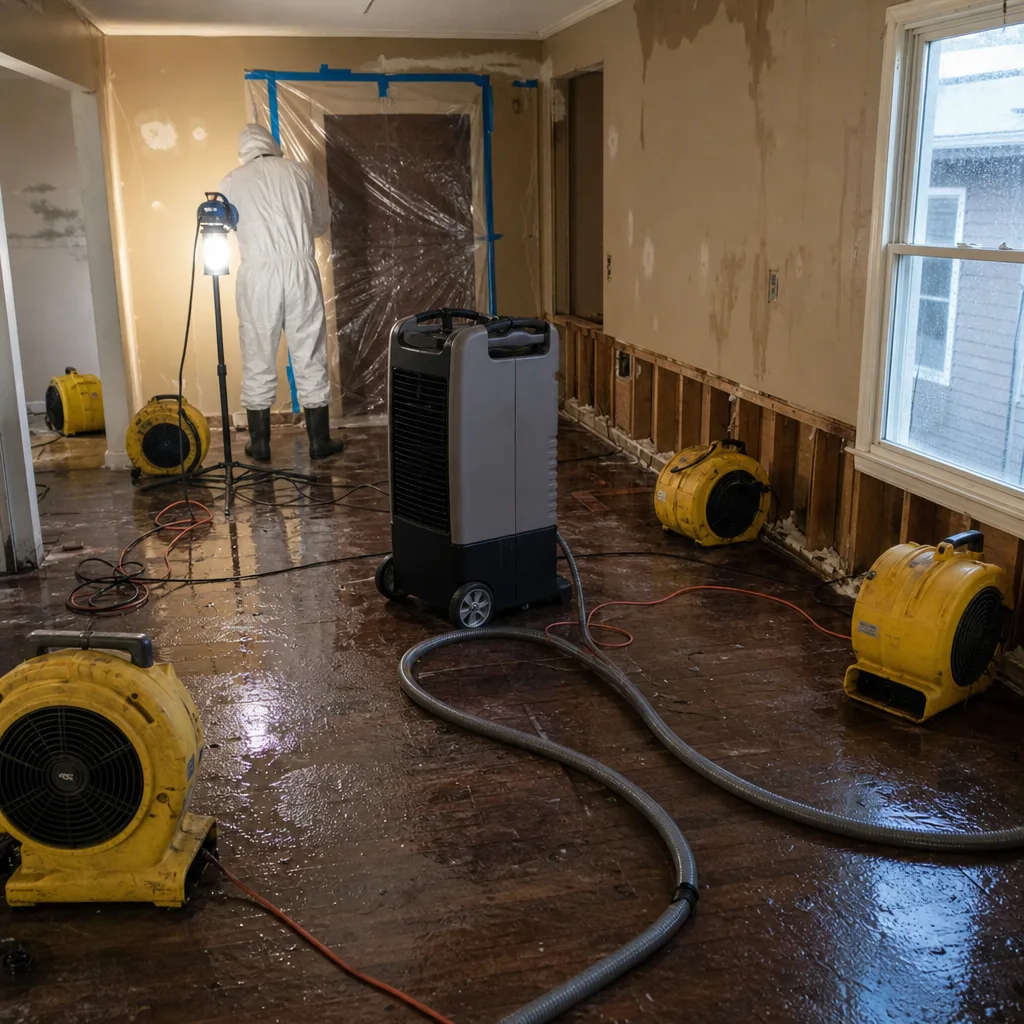
Carpet & Upholstery Cleaning
After a water loss, carpet and upholstery need more than a surface cleaning. We deep-extract, sanitize, and dry textiles using professional-grade equipment, and we test for moisture before we call anything done. In a below-grade Lower Manhattan space, that means making sure the slab under the carpet isn’t still feeding moisture upward.
Post-Construction Cleanup
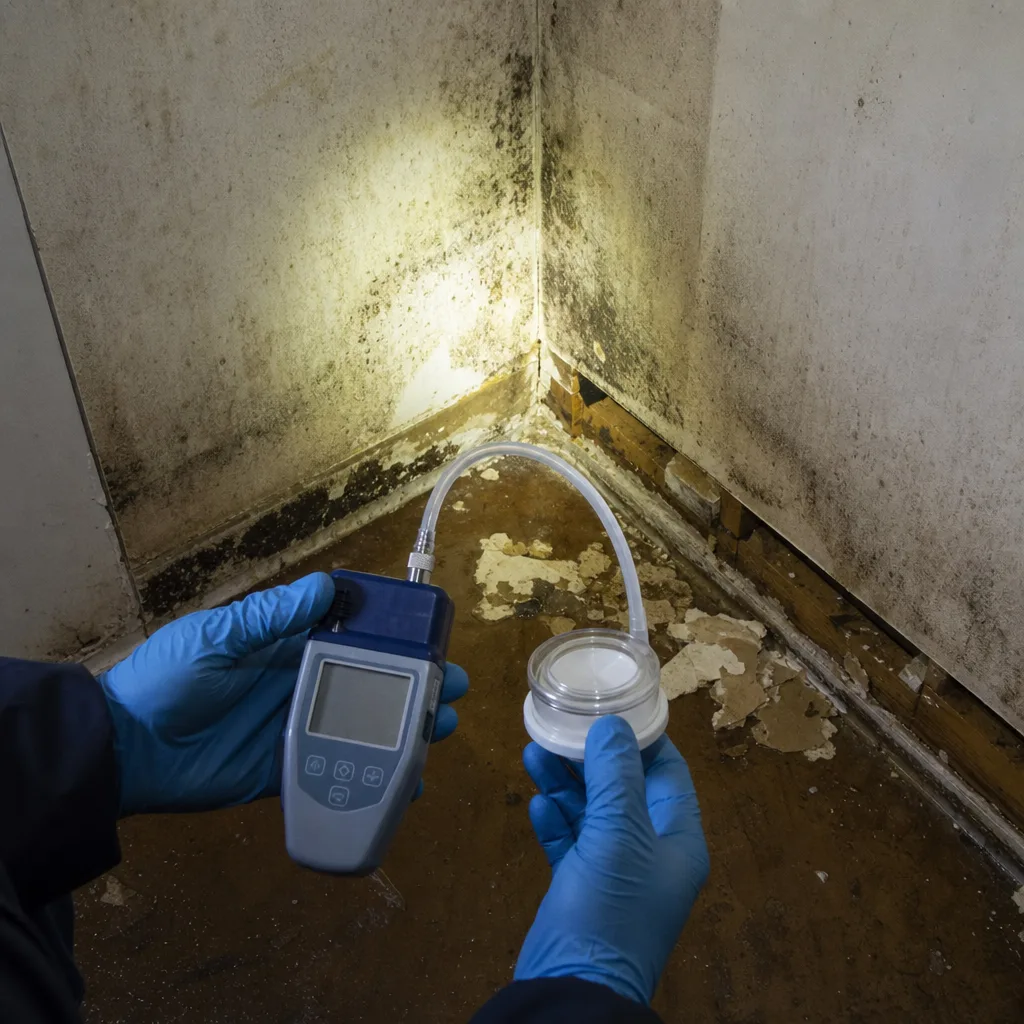
Renovation dust gets into everything in a high rise: elevator shafts, shared corridors, and your neighbor’s fresh air intake. We clean to a standard that passes co-op board inspection, including HEPA vacuuming, surface wiping, and air scrubbing where needed. We leave the space ready to live in, not just ready to photograph.
What happens when you call
- 1
A real person answersNo phone trees - you reach a local pro.
- 2
You get an upfront price rangeHonest numbers before anyone is dispatched.
- 3
A background-checked tech heads outLicensed & insured, dispatched right away.
- 4
You approve before work beginsNothing starts until you say go.
Reconstruction & Cleanup Costs in Lower Manhattan, NY
Reconstruction costs in Lower Manhattan run higher than the boroughs because the buildings are harder to work in and the stakes are higher. A typical drywall and flooring repair after a Category 2 water loss in a Financial District condo runs $2,800 to $7,500, depending on square footage and whether the slab needs drying before any finish work goes in. A full sub-basement mechanical room reconstruction in Battery Park City, including post-Sandy retrofit documentation and engineer coordination, runs $15,000 to $45,000 or more. Carpet and upholstery cleaning after a water loss runs $400 to $1,800. What moves the price: depth of the loss, whether elevator pits or electrical rooms are involved, whether the building’s engineer has to sign off on penetrating post-Sandy seals, and how long the space sat wet before we got there. Insurance covers most of these costs when the loss is sudden and accidental; groundwater seepage is a different story, which is why we document the difference carefully. Our free visual inspection gives you a firm written scope before any work starts, so you know what you’re dealing with.
We Also Serve Cities Near Lower Manhattan
Our crews work beyond Lower Manhattan’s zip codes, serving the Financial District, Midtown Manhattan, Long Island City, and Midtown West. If you own property in any of these areas, the same Lower Manhattan team answers the phone and heads out the same day. We know the buildings, the loading docks, and the flood patterns across the whole downtown core.
Serving Lower Manhattan, NY - Our Local Coverage Area
We’re based in the Lower Manhattan area and know this community well. Use the map below to see our service coverage - if you’re nearby, we can almost certainly help.
Lower Manhattan Reconstruction & Cleanup Questions, Answered
How fast can you actually get to Lower Manhattan?
We commit to a 45-minute response time across Lower Manhattan, and Wade Ferris answers his own phone 24/7. From the Seaport to Battery Park City, our crews know the freight elevators, loading docks, and building access rules, so we’re often on site faster than that.
Will my insurance cover flood damage in a Lower Manhattan high-rise?
Standard homeowners policies cover sudden, accidental water losses like burst supply lines, but flood and groundwater seepage usually require separate flood insurance. We document everything from the first hour and deal with your adjuster directly, and we’re honest with you about what’s covered and what isn’t. Call (201) 903-9581 and we’ll help you sort it out before any work starts.
How do you document a water loss without disturbing the submarine-style flood doors in a Battery Park City basement?
We photograph and document the flood doors, sealed penetrations, and elevated electrical panels before we touch anything, then we work around them without breaking their seals. If demo requires disturbing a retrofit element, we get written sign-off from the building’s structural engineer first, and we coordinate with the building management to avoid triggering a DOB inspection that shuts the job down for days.
Why is moisture mapping different in a Financial District sub-basement than in an above-grade apartment?
Because the water table under the Financial District is always pressing upward. In an above-grade apartment, moisture moves down and out through the air. In a sub-basement below sea level, groundwater can move up through the slab via capillary action, so we map the slab, the walls, and the air separately, and we dry for below-sea-level humidity, not just square footage.
Can you restore a pre-war office-turned-condo basement that flooded during Sandy and was never properly dried?
Yes, but it’s a larger job than a standard dry-out because we have to remove what was never dried, address any ongoing moisture source, and then rebuild to current code. We recently reconstructed a sub-basement mechanical room in a Battery Park City high-rise after a Category 3 sewer backup. We documented the post-Sandy retrofits before any demo, worked with the building’s structural engineer to keep containment tight around the raised electrical panels, and replaced drywall and restored the generator room to pre-loss condition. It can be done, but it takes a crew that understands what Sandy left behind.
What happens to the building’s backup generator in the sub-basement when we have a Category 2 water loss?
The generator itself is usually fine if it sits elevated on a pad, but the room around it, its transfer switches, and the wiring chases often take water. We contain the area, dry the room aggressively, and coordinate with the building’s electrical engineer before we do any work near the switchgear. Generator rooms need to come back online fast, but safely.
How do you handle insurance claims for flood damage in a Lower Manhattan high-rise when the building has post-Sandy retrofits?
We document the retrofit condition before demo, photo every affected area, log moisture daily, and write a line-item scope that explains to your adjuster why drying takes longer below sea level. Wade deals with the adjuster directly so you’re not stuck relaying technical information. We push back when the first estimate doesn’t account for the building’s retrofit requirements.
What should I do in the first 30 minutes after a water loss in Lower Manhattan?
Shut off the water source if you can do it safely, kill power to the affected area if water is near electrical, and call (201) 903-9581. Don’t walk through standing water in a sub-basement if there’s any chance it’s energized. Then take photos of everything before anyone moves anything. After that, let us handle it from the first truck roll to the final moisture reading.
Written by Wade Ferris, Owner at Wade’s Restoration. Wade answers his own phone, publishes his address and license number, and stands behind every job with a 90-Day Done Right Promise in writing.