
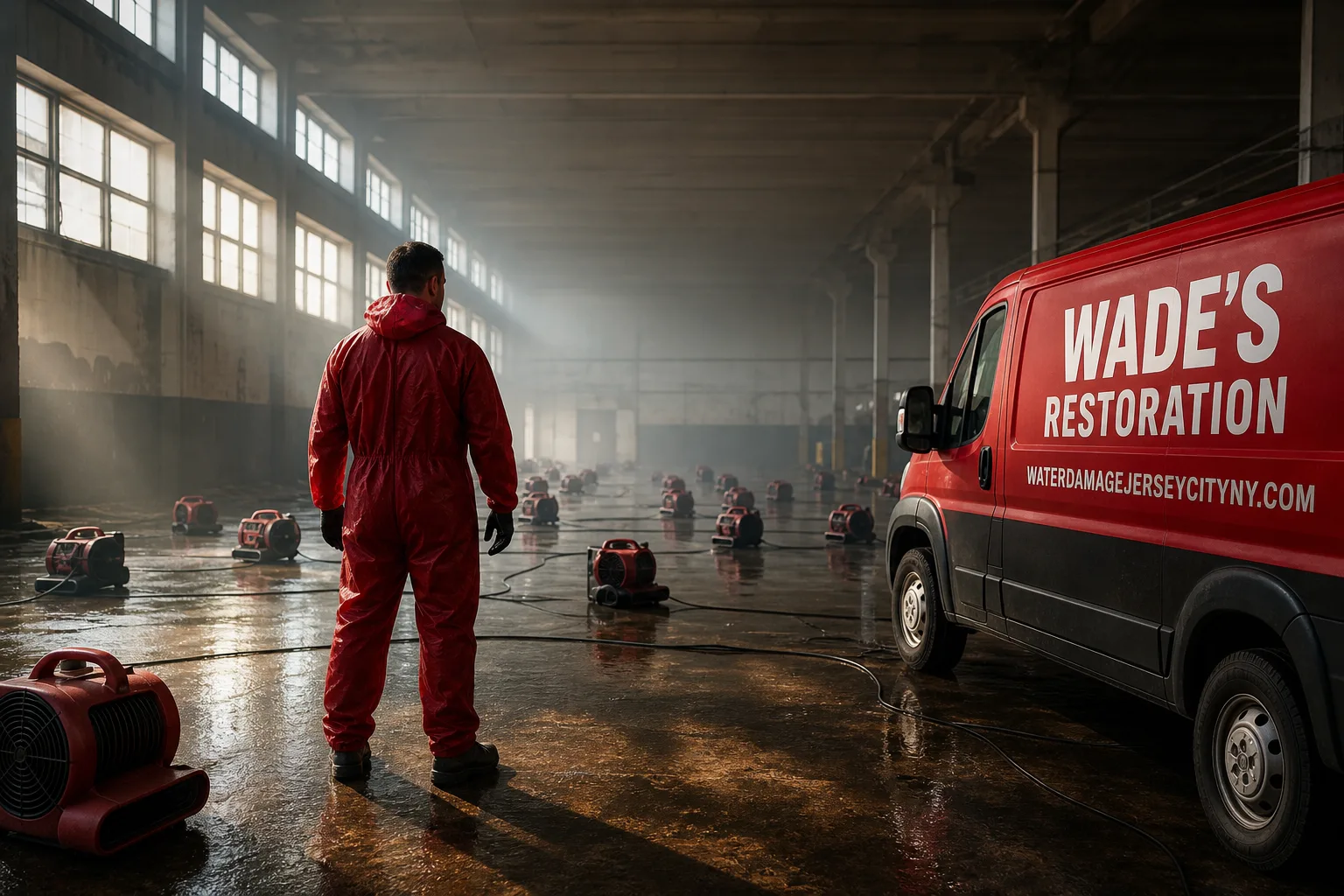
Free visual inspection and a written scope of work before any mitigation begins - photos, moisture readings, and drying logs go in your claim file
The scope we write is the scope we bill. Anything new gets shown to you, in writing, before we touch it.
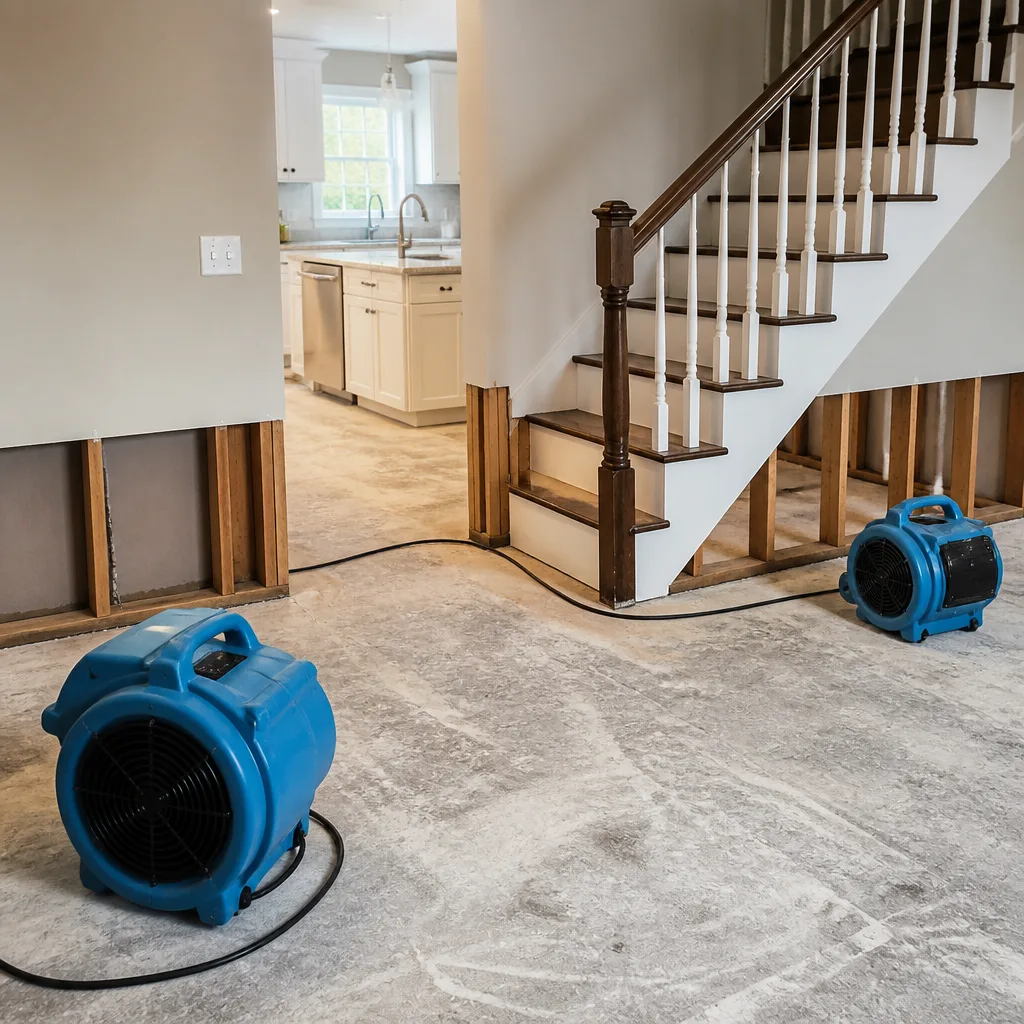
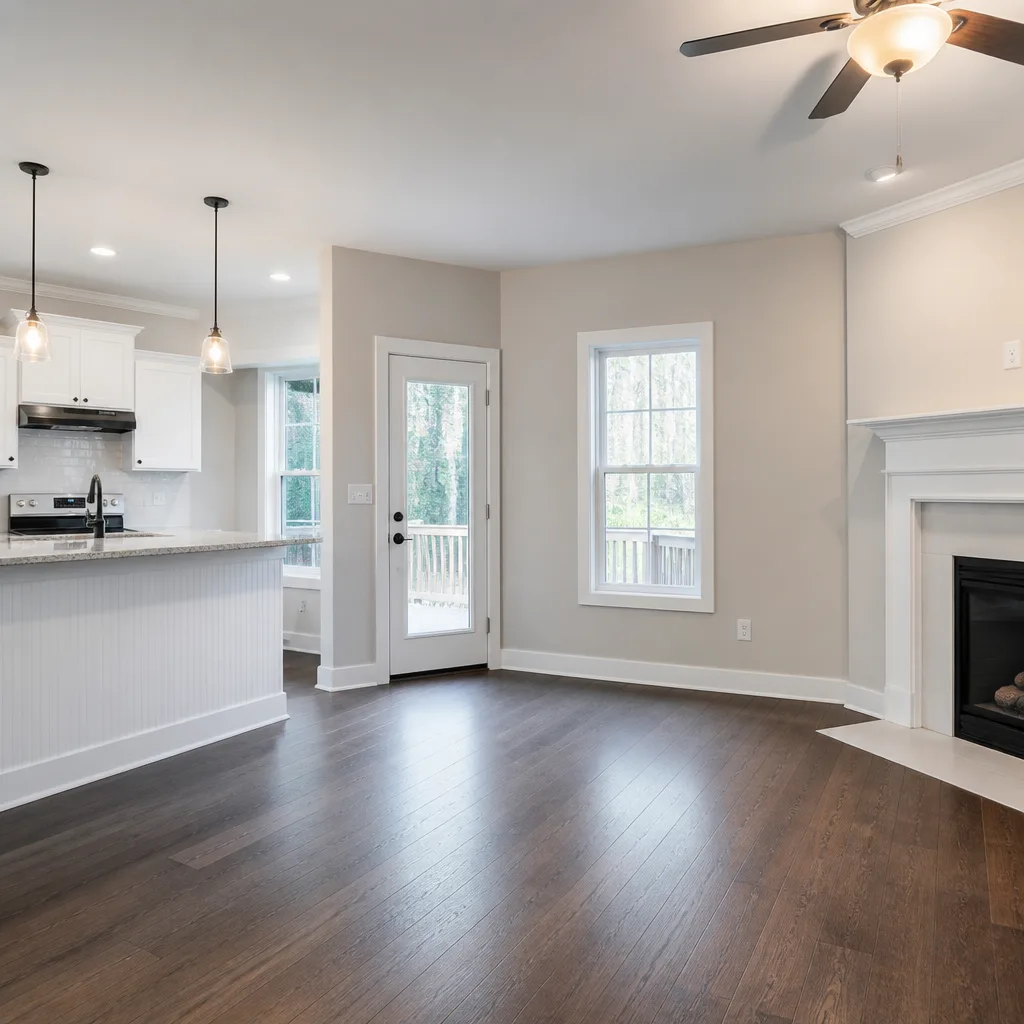
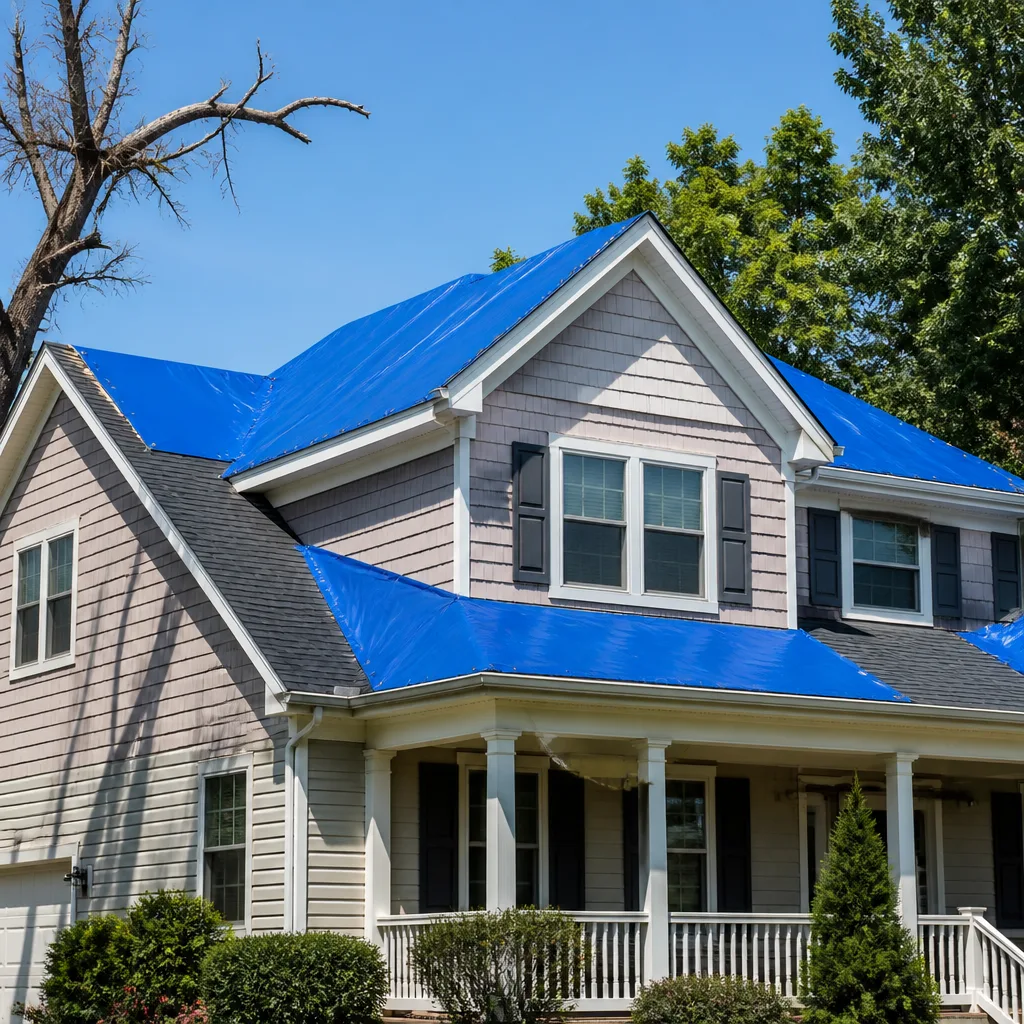

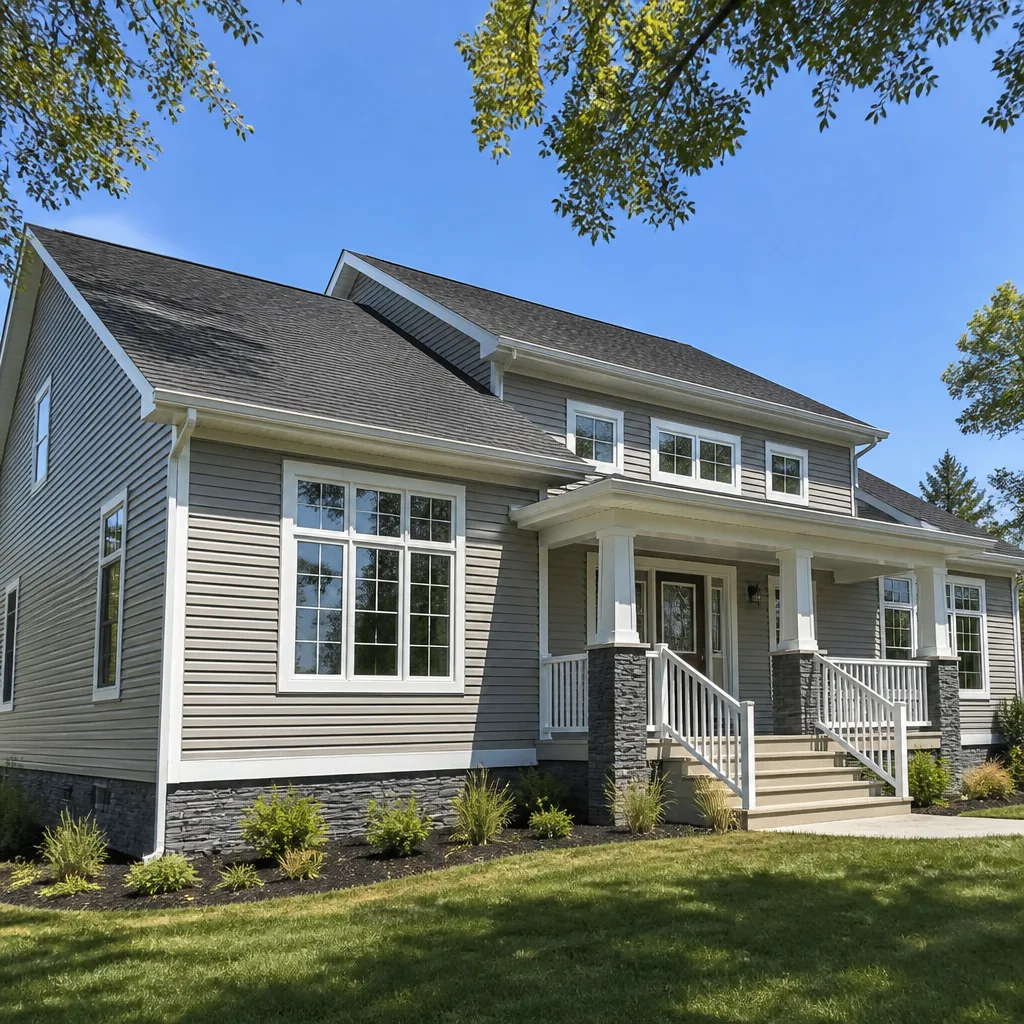
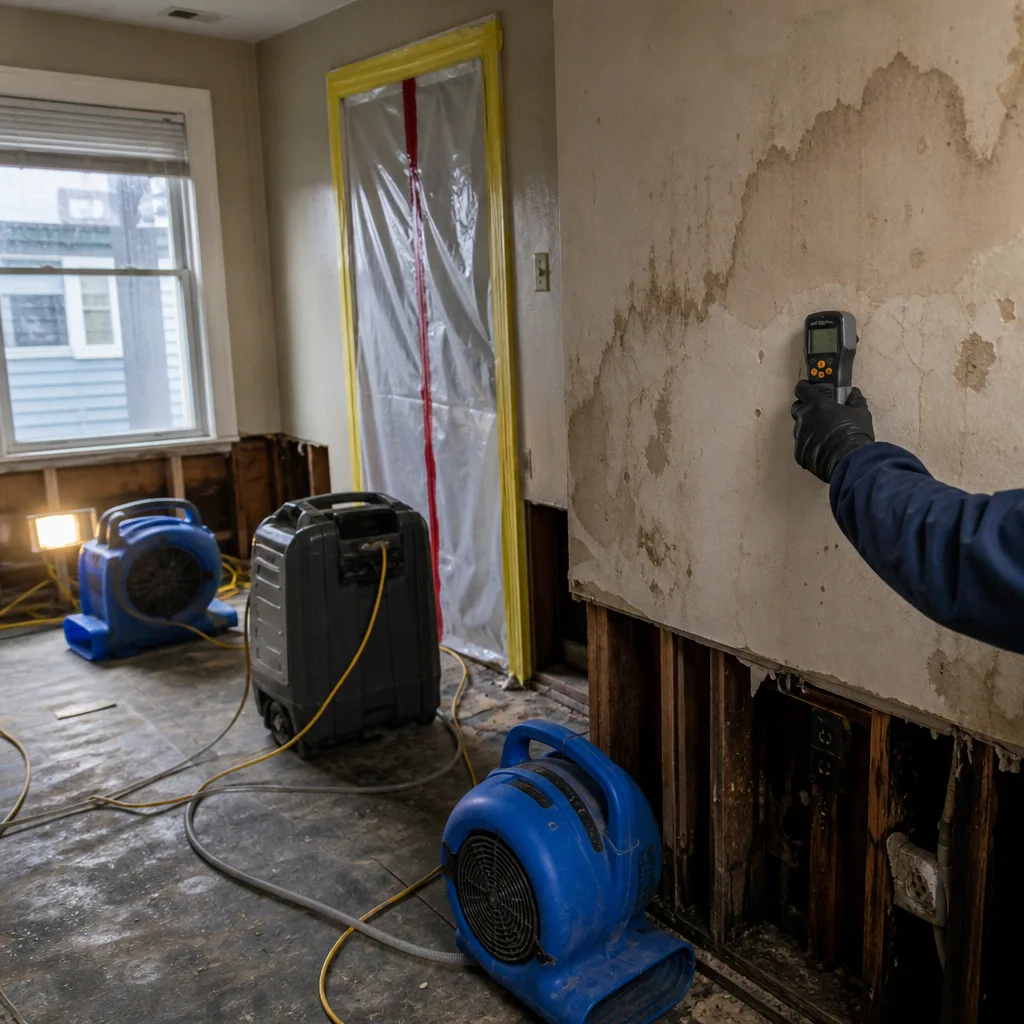 Before
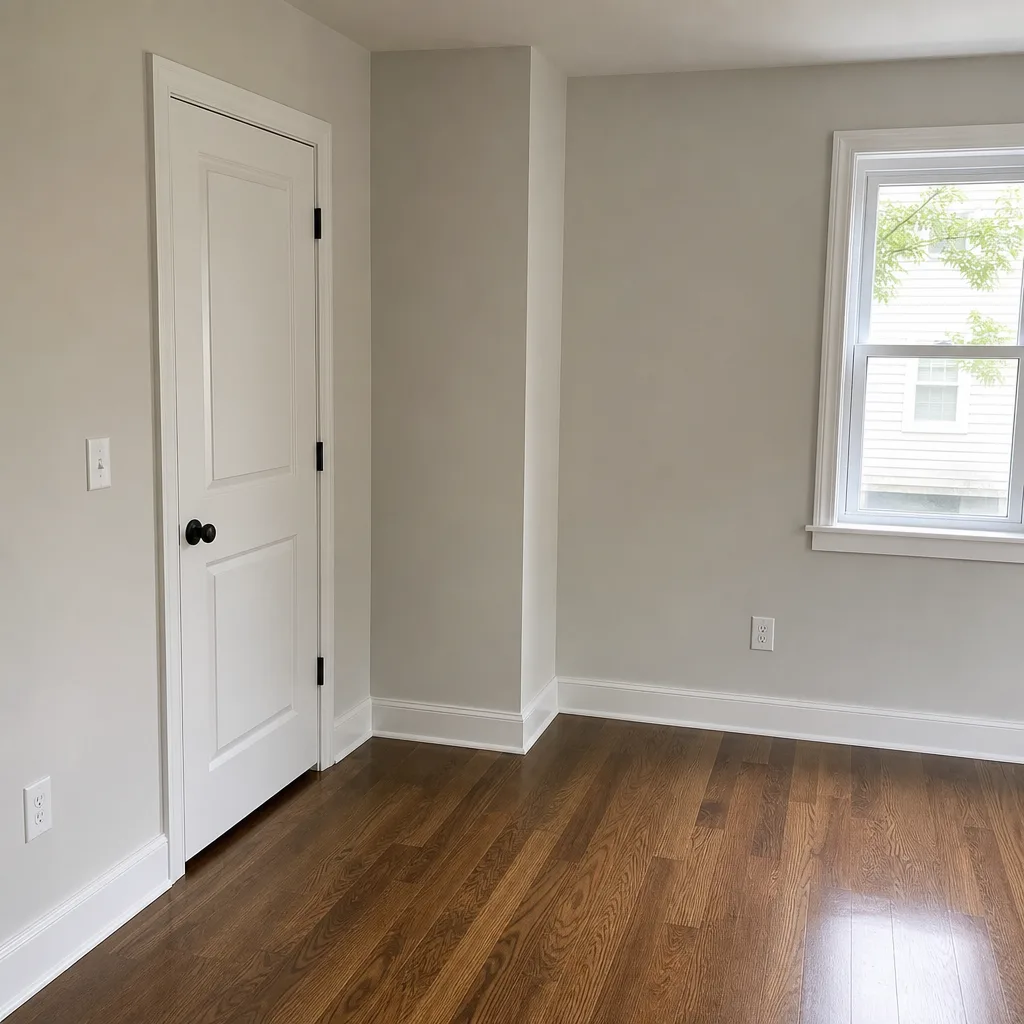 After
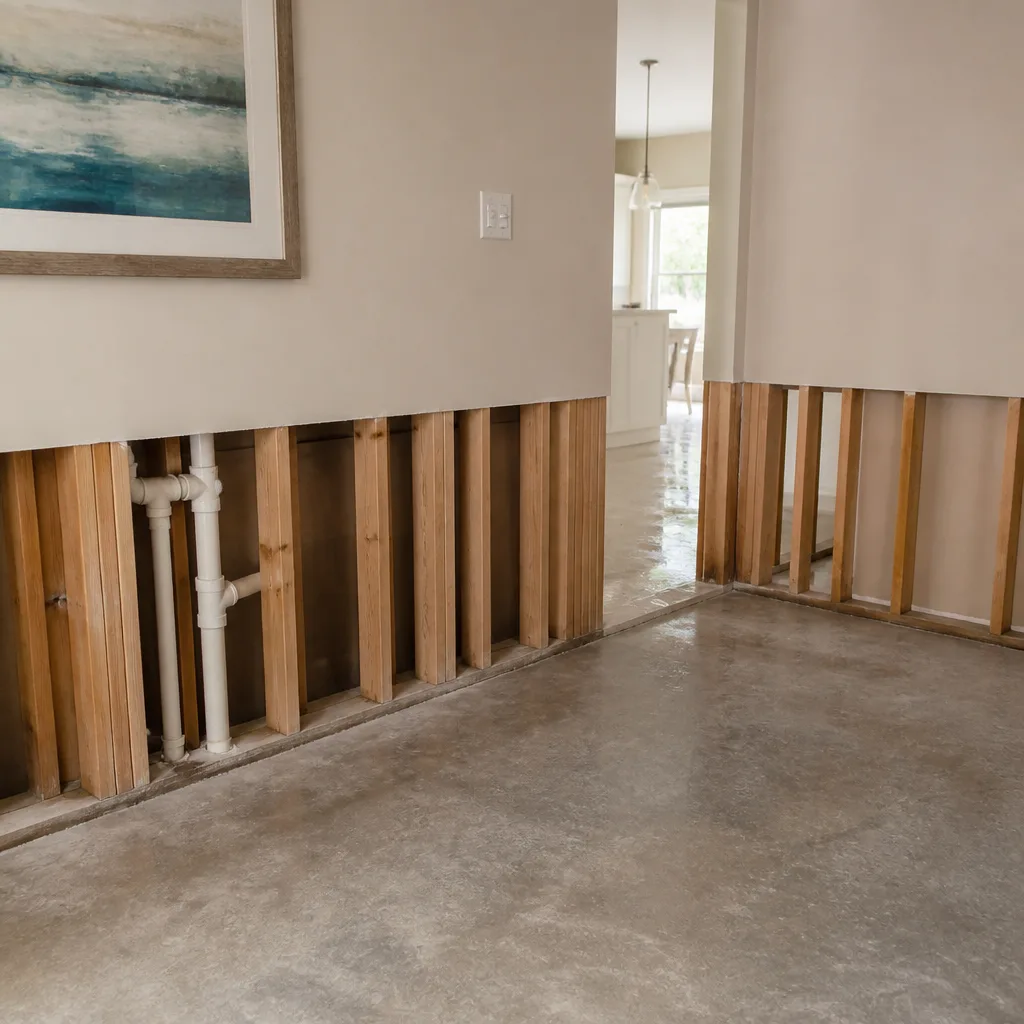
After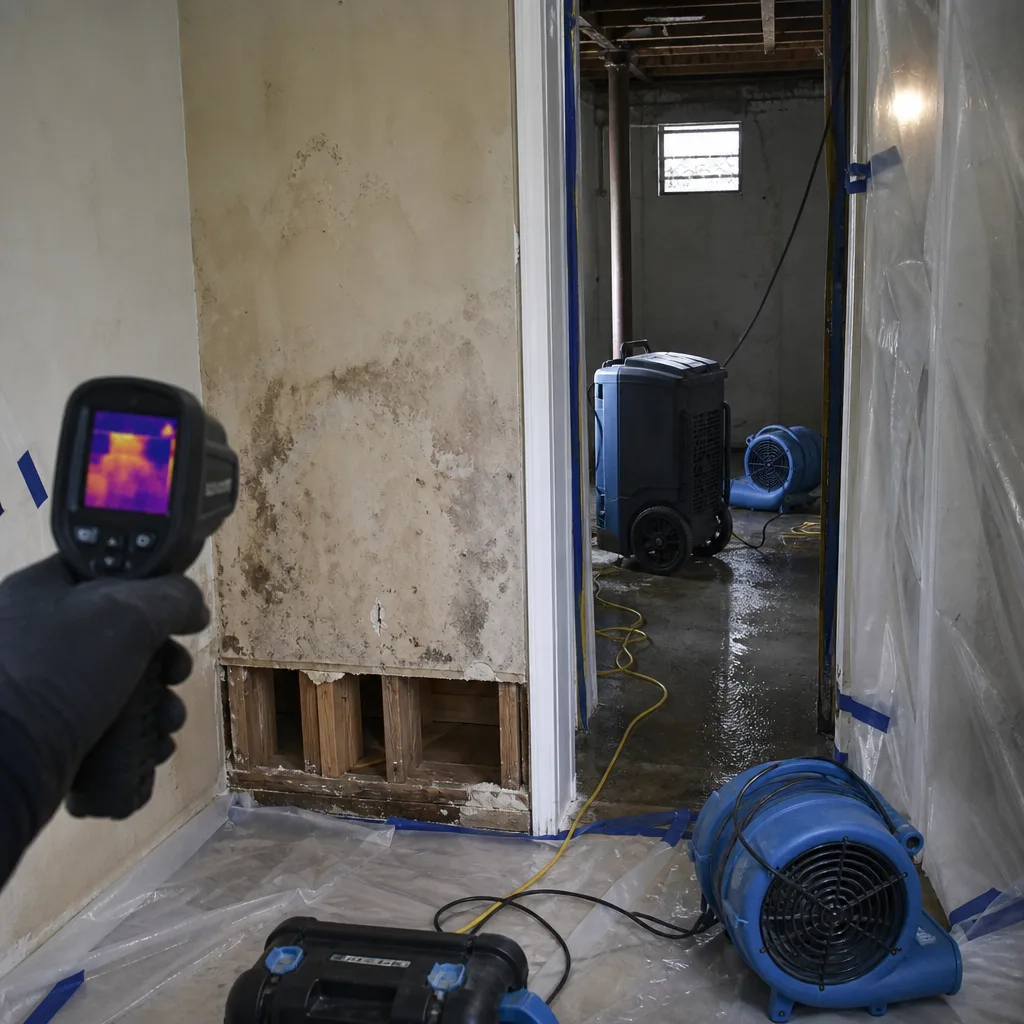 Before
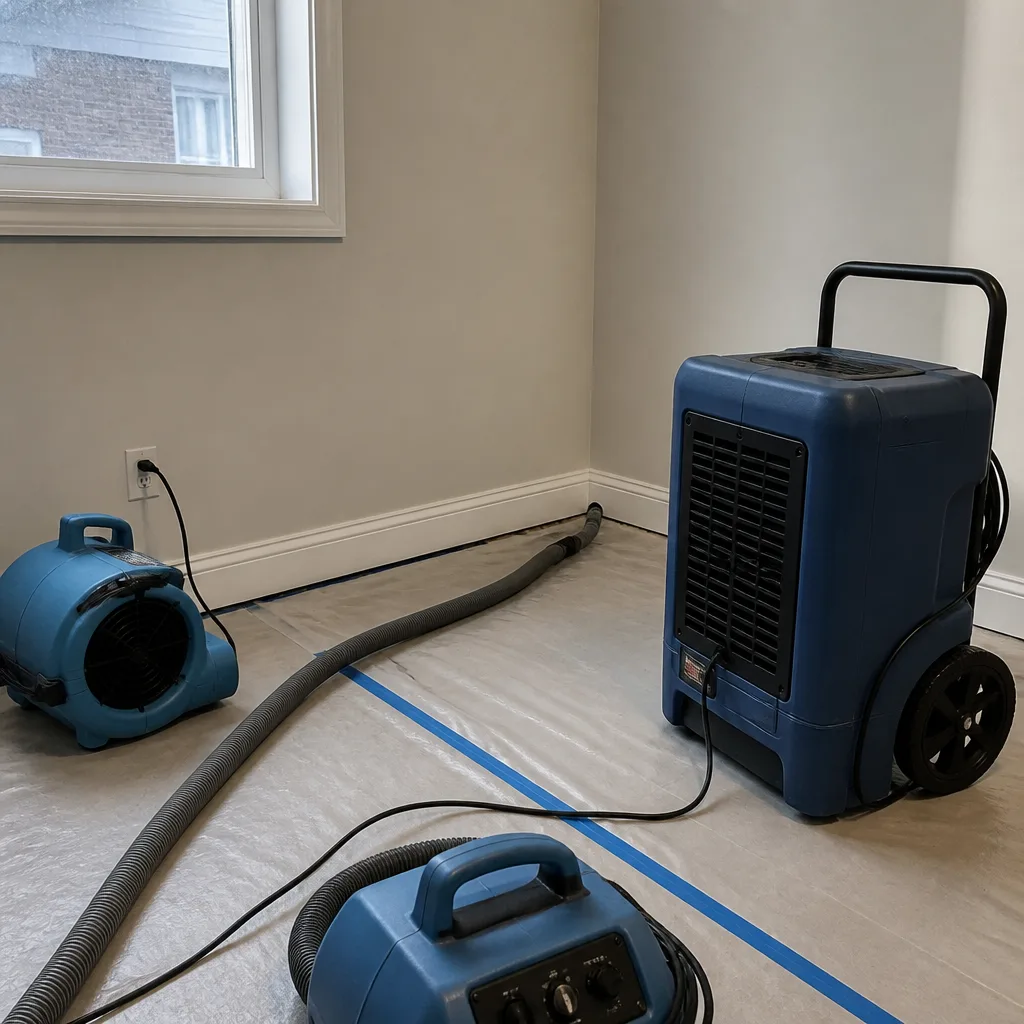 After
After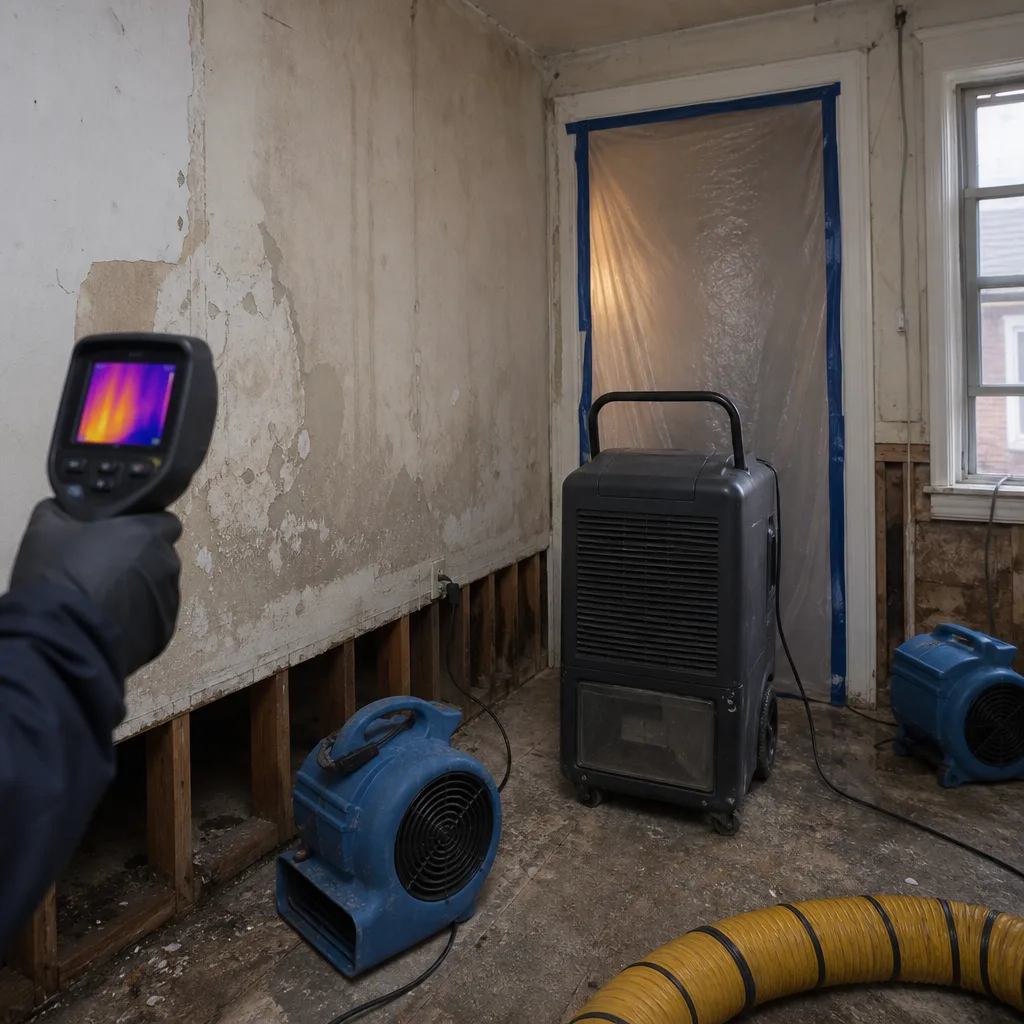 Before
 After
After24/7 Emergency Biohazard & Crime Scene Cleanup in Financial District
Biohazard and crime scene cleanup in Financial District typically runs $1,500-$5,000 for a contained trauma scene, and we answer the phone live at (201) 903-9581 at any hour. Wade Ferris takes those calls himself, and a crew can be rolling toward lower Manhattan before you’ve finished your coffee. The first hour matters because blood and bodily fluids begin breaking down fast, and in FiDi’s older building stock, the real problem is rarely just what you can see on the floor. We do a free visual inspection, put a written scope in front of you before any work starts, and never charge a trip fee inside our own county.
Understanding Biohazard & Crime Scene Cleanup Severity in Financial District Properties
Biohazard cleanup is governed by OSHA’s Bloodborne Pathogen Standard, and it separates contamination into categories most homeowners never hear about until they need to. Blood, bodily fluids, and decomposition materials are Category 3. They carry bloodborne pathogens like hepatitis B, hepatitis C, and HIV, and they require full PPE, containment zones, hospital-grade disinfectants, and regulated medical waste disposal. In Financial District’s converted pre-war buildings, the severity tier jumps because contamination doesn’t stay put. The 1920s and 1930s high-rises that line Pine Street, Wall Street, and Exchange Place were built with open plumbing chases, terrazzo floors over wooden sublayers, and basement utility rooms set at or below sea level. Fluids seep down through floor cracks, into chases, and toward elevator pits and electrical rooms. A surface cleaning that would close out a job in a suburban slab home will not close out a job here. That’s why we combine biohazard remediation with moisture mapping and structural drying as a standard practice in this neighborhood, not an add-on.
Why Financial District Property Owners Choose Wade’s Restoration
- 45-minute response commitment. When we take a trauma or biohazard call in Financial District, a crew starts moving within 45 minutes. Not a callback. Not a scheduler. Movement.
- 24/7 live answer, every time. Wade answers his own phone. You won’t sit through a phone tree at 2 a.m. while a scene waits.
- IICRC-certified crews. Our techs carry WRT, FSRT, and AMRT certifications, and the work follows IICRC S500 and S520 standards for water and biohazard remediation.
- Free visual inspection. We walk the scene, tell you straight what needs doing, and hand you a written scope before any equipment comes off the truck.
- Direct insurance billing. We document everything, bill your carrier directly, and talk to the adjuster ourselves so you’re not relaying messages between two sides.
- One team from start to finish. The same crew that contains the scene handles the drying, cleaning, and any repairs. No handoffs, no finger-pointing.
Our Biohazard & Crime Scene Cleanup Process
Inspection & Assessment
We map every affected surface, including below-grade areas. In Financial District buildings, that means checking utility chases, elevator pits, and shared basements, not just the room where the event happened.
Containment & Stabilization
We seal the affected zone with 6-mil poly barriers, establish negative air pressure, and deploy HEPA air scrubbers rated at 99.97% filtration. This stops cross-contamination into hallways and neighboring units.
Drying & Dehumidification
When groundwater or storm surge is involved, we run Dri-Eaz dehumidifiers and Phoenix air movers, taking moisture readings daily. In FiDi, we extend drying beyond the visible room because landfill hydrostatic pressure pushes contaminated water back up through floor drains.
Cleaning & Sanitization
We remove contaminated materials, clean structural surfaces with hospital-grade antimicrobials, and dispose of all biohazard waste through licensed medical waste transporters with full manifests.
Odor & Pathogen Clearance
After cleaning, we run air scrubbers to completion and verify with ATP testing that surface pathogen counts have dropped to safe levels. If odors persist in chases or subfloor voids, we treat them directly, not with masking agents.
Repairs & Restoration
We replace flooring, drywall, baseboards, and any structural materials we removed. The job ends with a final walkthrough and written documentation of everything we did, including moisture logs and clearance readings.
Need Emergency Biohazard & Crime Scene Cleanup in Financial District Now?
Crews minutes away, answering live 24 hours a day. The sooner we start, the less it costs.
Working With Your Insurance Company
Most homeowner and condo policies in Financial District carry coverage for biohazard and crime scene cleanup, but the claim lives or dies on documentation. We photograph every affected surface before we touch it, log moisture readings from day one through final clearance, and write line-item scopes that match what adjusters expect to see. Wade talks to your adjuster directly, walks them through the scene photos, and answers their questions so you don’t have to learn insurance shorthand under stress. If your building’s master policy and your unit policy split liability, we coordinate both. And if you have a written estimate from another company, bring it to us for a free second opinion.
What We Provide Your Insurer
- Thorough documentation of the loss
- Photos of all damage, room by room
- Moisture readings and drying logs
- A detailed, line-item scope of work
- Direct coordination with your carrier
Built for Financial District’s Loss Calendar
Biohazard calls in Financial District don’t follow a clean seasonal calendar the way water damage does in the suburbs. What we see here tracks two rhythms. The first is storm driven: nor’easter season runs November through April, Atlantic hurricane season June through November, and when surge pushes into New York Harbor, below-grade spaces in FiDi flood. If a flooding event overlaps with a biohazard scene, you get Category 3 water mixing with blood or bodily fluids, and cleanup becomes a combined remediation job. The second rhythm is structural: the district’s converted pre-war towers concentrate people densely, and unattended death calls in studio and one-bedroom conversions rise during extreme heat waves and extreme cold snaps, when older residents are isolated. Both rhythms demand the same thing from us: show up fast, contain widely, and dry deeper than the visible room.
Biohazard & Crime Scene Cleanup Across Financial District’s Neighborhoods
Our Biohazard & Crime Scene Cleanup team works every block from Battery Park up to City Hall, and the building stock changes street by street. Around Wall Street and Exchange Place, we’re usually inside 1920s and 1930s towers with terrazzo floors and central mechanical risers; containment means sealing off elevator lobbies and shared corridors. Over by South Street Seaport, the older mercantile buildings sit closest to the East River, and storm surge reaches their basements first. In the Battery Park City high-rises, newer construction means better compartmentalization, but underground parking garages and mechanical levels still sit at sea level. And in the Fulton Street corridor, mixed-use buildings put residential units directly above retail spaces, so a trauma scene in a third-floor condo can affect commercial tenants below if fluids travel through floor assemblies. Different blocks, different failure modes. We know which is which because we’ve worked all of them.
Specialized Biohazard & Crime Scene Cleanup Services We Offer in Financial District
Trauma & Unattended Death Cleanup
Unattended death cleanup in Financial District condos and rentals requires more than surface cleaning. Decomposition fluids penetrate flooring, subfloor, drywall, and in older buildings, the plumbing chases and voids between floors. We remove affected materials, treat structural surfaces, and run air scrubbers until ATP clearance confirms the space is safe. When the death occurred in a building with shared utility chases, we extend containment beyond the unit itself.
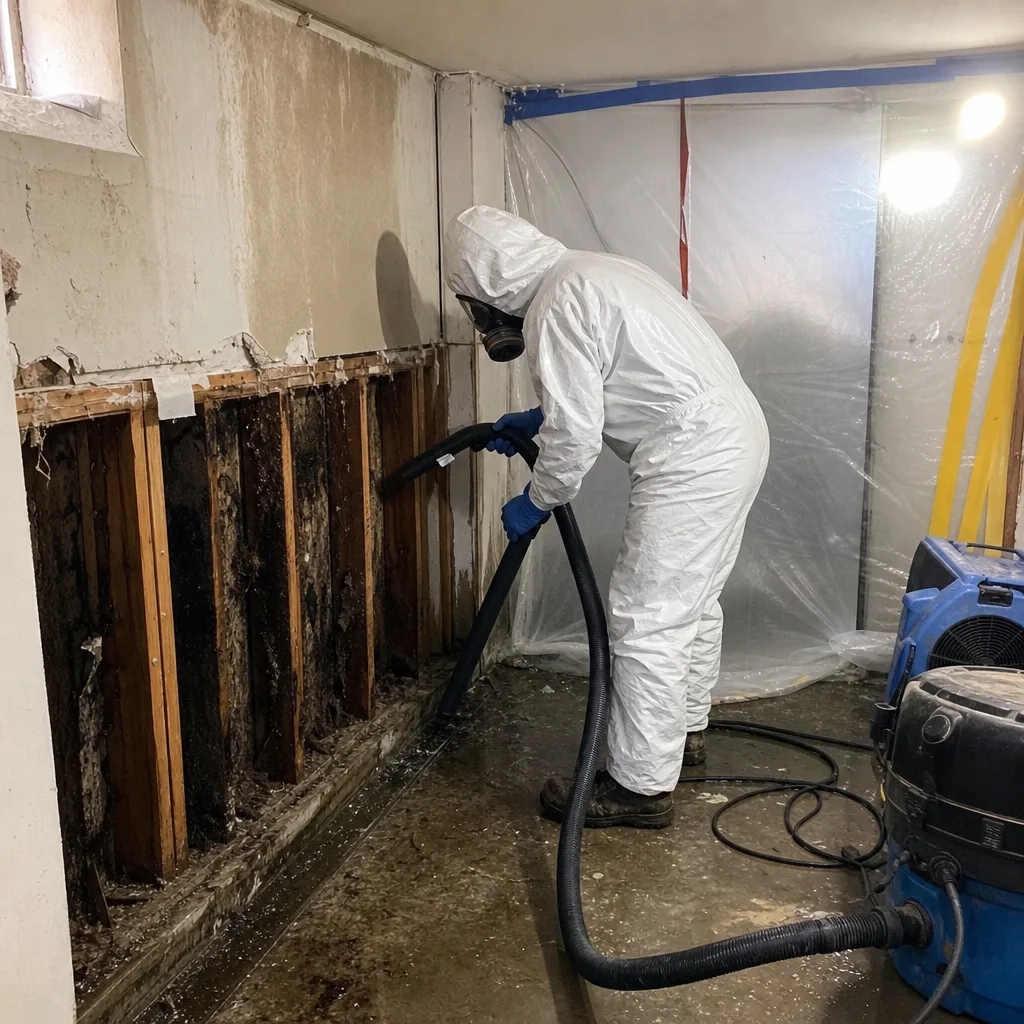
Blood & Bodily Fluid Cleanup
Blood spills inside FiDi’s pre-war buildings can seep through terrazzo cracks and into subfloor voids within hours. We cut out contaminated flooring only when necessary, but we always check below. In buildings where electrical conduits share the basement utility space, we seal and treat those areas with antimicrobials before drying equipment moves in.
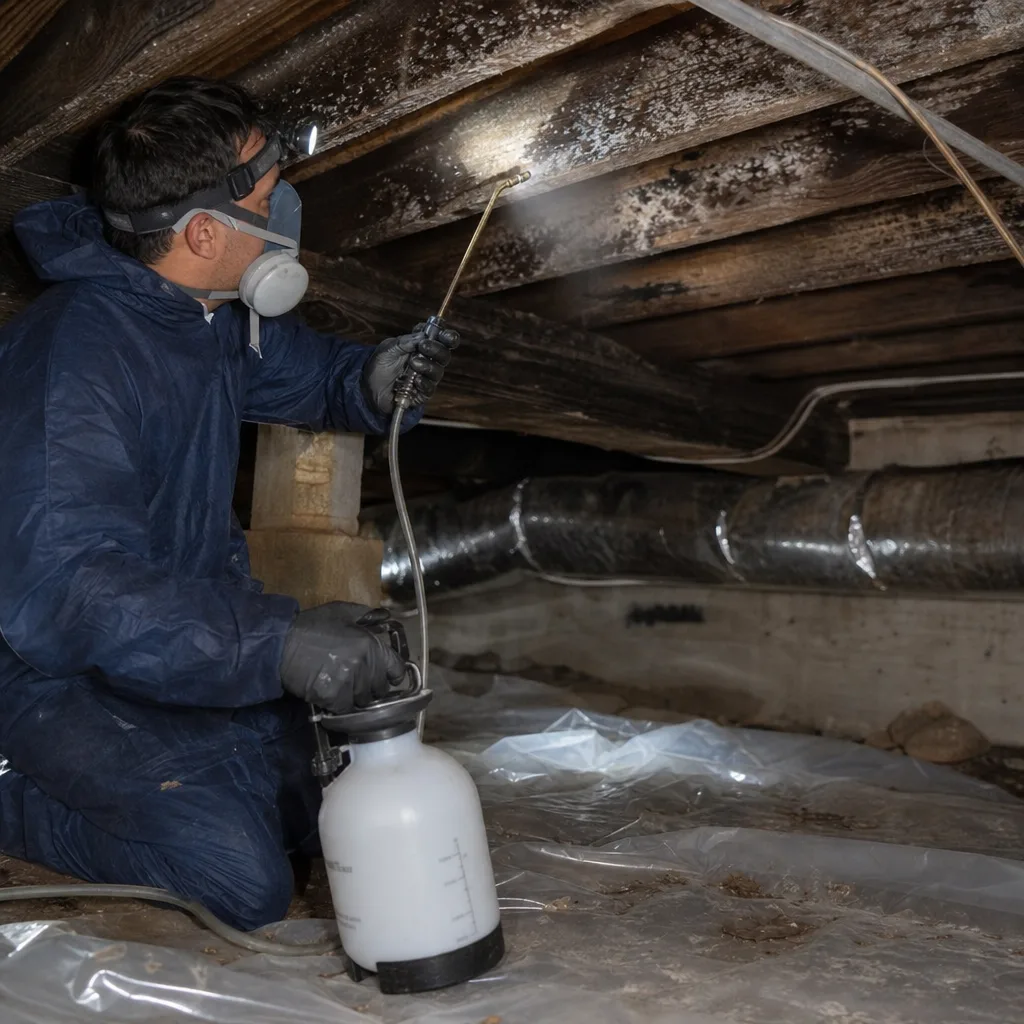
Infectious Disease Disinfection
After a confirmed infectious disease exposure in a Financial District office tower, residential lobby, or condo common area, we perform full disinfection using EPA-registered hospital-grade products applied with electrostatic sprayers and manual wiping of high-touch surfaces. We provide written clearance documentation for building management and unit owners.
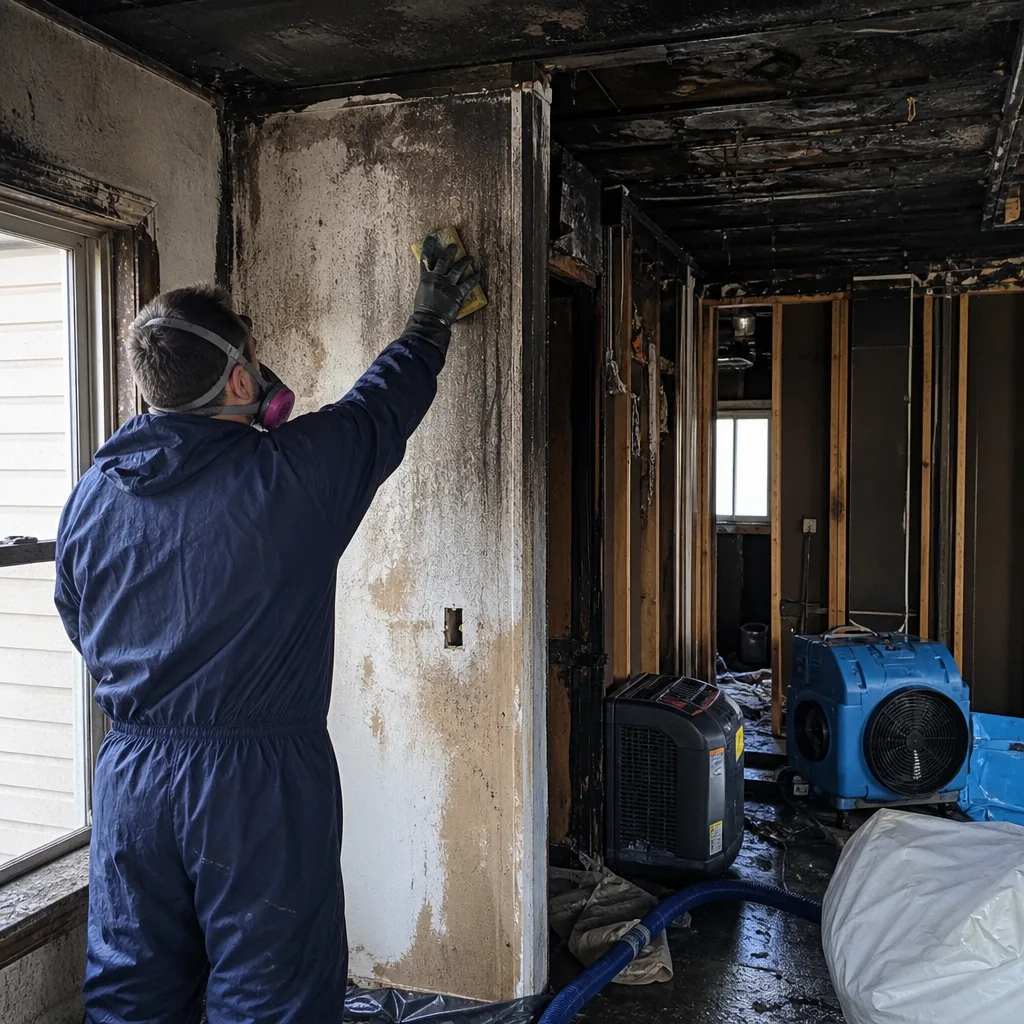
Hoarding Cleanup
Hoarding conditions in FiDi’s compact apartments often hide structural damage, pest activity, and biohazard contamination under the clutter. We work with the family and building management to sort, remove, clean, and restore the unit. The work is done respectfully, and we always document everything for insurance.
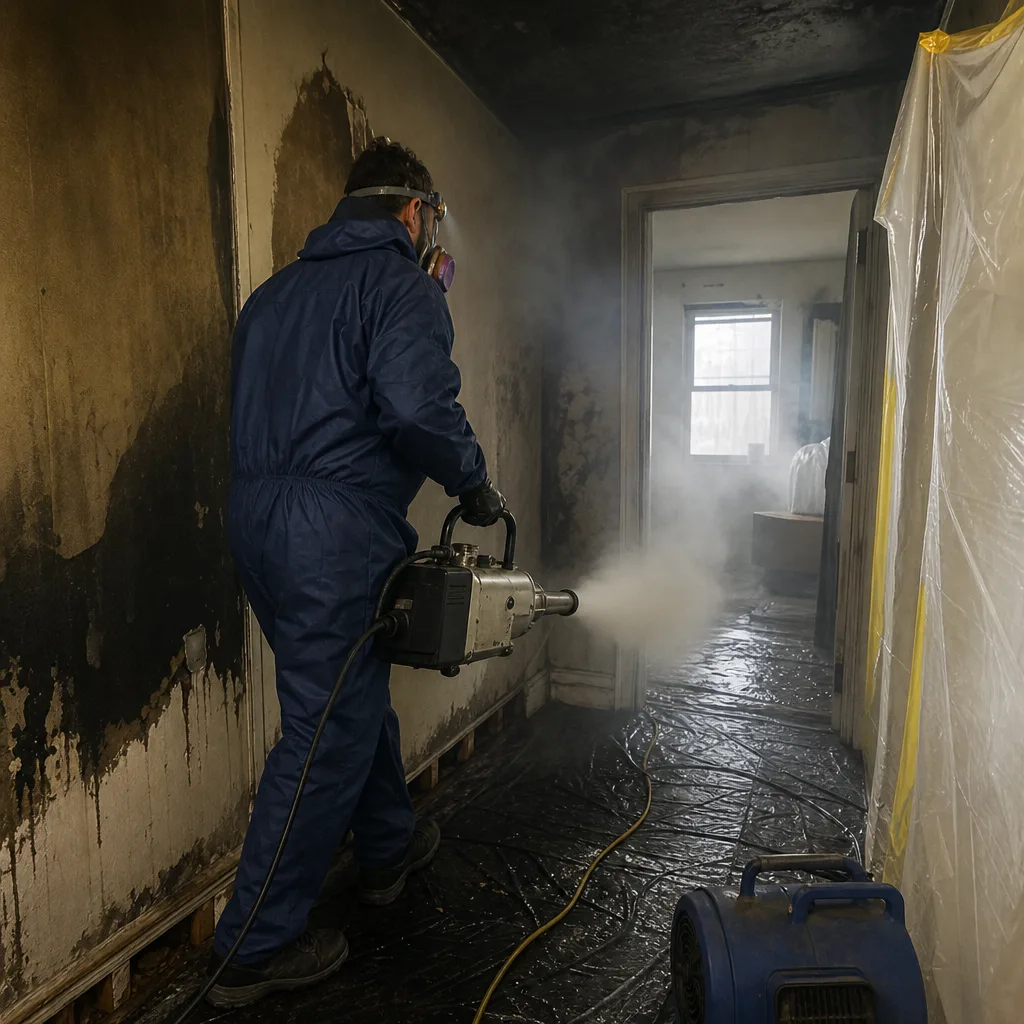
Tear Gas & Chemical Cleanup
Tear gas leaves fine particulate residue that penetrates drywall, fabric, and HVAC filters. In Financial District’s high-density buildings, proper cleanup means sealing the affected unit, filtering the air with HEPA scrubbers, and cleaning every surface that could hold residue. It’s not a carpet-shampoo job.
What happens when you call
- 1
A real person answersNo phone trees - you reach a local pro.
- 2
You get an upfront price rangeHonest numbers before anyone is dispatched.
- 3
A background-checked tech heads outLicensed & insured, dispatched right away.
- 4
You approve before work beginsNothing starts until you say go.
Biohazard & Crime Scene Cleanup Costs in Financial District, NY
A contained blood cleanup in Financial District typically runs $1,500-$3,000. An unattended death with decomposition runs $3,000-$8,000 depending on how far fluids traveled and whether flooring or drywall must be removed. A hoarding cleanup in a FiDi studio or one-bedroom usually lands between $4,000 and $10,000. If storm surge or groundwater has mixed with a biohazard scene, the job becomes a combined Category 3 water and biohazard remediation, and total costs can reach $12,000-$20,000+. Insurance frequently covers these losses under your property and liability coverages, and we bill your carrier directly. The free visual inspection is the cleanest path to a firm number, because a written scope beats a phone quote every time.
We Also Serve Cities Near Financial District
Our crews respond throughout Lower Manhattan, including Financial District, and we also cover nearby Lower Manhattan, Midtown Manhattan, Long Island City, and Midtown West. If you’re in a neighboring area and facing a biohazard emergency, call the same number and ask for Wade.
Serving Financial District, NY - Our Local Coverage Area
We’re based in the Financial District area and know this community well. Use the map below to see our service coverage - if you’re nearby, we can almost certainly help.
Financial District Biohazard & Crime Scene Cleanup Questions, Answered
How does the Financial District’s reclaimed landfill affect biohazard cleanup in a basement crime scene?
The landfill under lower Manhattan is poorly consolidated and highly permeable, so groundwater moves through it easily and creates hydrostatic pressure against building foundations. After heavy rain or a nor’easter, that pressure pushes water upward through floor drains and slab cracks in basements. If a crime scene left blood or bodily fluids on a basement floor, contaminated fluids can be pushed back up into areas that were already cleaned and dried. That’s why we extend moisture mapping and drying logs beyond the visible room in FiDi basements, and why we re-check basement spaces after rain events during an open job.
After a trauma in a converted Art Deco tower, can blood seep into pre-war plumbing chases and contaminate other floors?
Yes. Buildings like those on Pine Street and Exchange Place were built with open chases, the vertical shafts that carry plumbing and electrical lines between floors. These chases are rarely sealed, so liquids can travel down through them from the affected unit into lower floors, shared basement spaces, or utility rooms. We open and inspect adjacent chase access points, seal the affected section, and run containment in common areas if needed. Skipping this step is how cross-contamination complaints start weeks after the visible cleanup is done.
What happens if a crime scene in FiDi is also flooded by storm surge?
Then you have a combined Category 3 water and biohazard job, and the water mitigation has to run first or in parallel with the biohazard containment. Storm surge water in New York Harbor carries sewage, fuel, and salt, and when it mixes with blood or bodily fluids at a scene, the contamination profile changes. We extract the water, contain the biohazard zone, run dehumidification and air scrubbers simultaneously, and treat all affected surfaces with antimicrobials. The whole job is documented as one combined scope for your insurer.
Why do drying logs matter more in FiDi than uptown for biohazard jobs?
Because the groundwater pressure under the reclaimed landfill doesn’t stop when the visible water is gone. Drying logs show the moisture levels inside walls, slabs, and chases over time. If we don’t track them, contaminated moisture can be re-drawn into cleaned areas days after we leave, and the biohazard problem comes back. Uptown neighborhoods sit on bedrock and have less groundwater re-infiltration pressure, so drying logs are still standard practice for us everywhere, but in Financial District they’re the difference between a real clearance and a false one.
Do you need to move any building systems before starting an unattended death cleanup in a FiDi condo?
Sometimes. In buildings where fuel oil tanks, sump pumps, or elevator equipment sit in the same below-grade space as a contamination source, we coordinate with building management. Post-Sandy, many FiDi buildings moved their main switchgear to higher floors but left secondary systems below. If those systems are in the contamination zone, we may need them shut down or isolated before we begin. We handle that coordination directly with the building’s engineer or super, and we document everything so the condo board has a record.
Will my insurance cover crime scene cleanup in Financial District?
Most standard homeowner and condo policies include coverage for biohazard remediation under property damage or liability provisions, but the exact language matters. We review your policy with you, document the scene thoroughly, and bill your carrier directly. If the claim involves your building’s master policy and your unit policy, we coordinate both adjusters so there’s no gap in coverage or duplicate denials. Call (201) 903-9581 and we’ll walk you through what your policy says before any work begins.
How fast can you actually get to a Financial District address?
We commit to 45 minutes for emergency biohazard calls in Financial District. Wade answers the phone himself, and once he knows the address and the situation, a crew starts moving. If the call comes in at 3 a.m., you’re not waiting for a business-hours callback. The sooner containment starts, the less material has to be removed and the lower the final cost.
What should I do in the first 30 minutes after discovering a biohazard scene?
Don’t enter the room if there’s any chance of blood or bodily fluids. Close the door, keep other people and pets out, and do not attempt to clean anything yourself. Bloodborne pathogens survive on surfaces for days, and household cleaners won’t eliminate them. Turn off the HVAC if you can do so without entering the contaminated space, because forced air can spread pathogens. Then call (201) 903-9581. We’ll tell you exactly what to do next and start rolling.
Written by Wade Ferris, Owner at Wade’s Restoration, serving Financial District, NY.