
Last updated August 26, 2026
Free visual inspection and a written scope of work before any mitigation begins - photos, moisture readings, and drying logs go in your claim file
The scope we write is the scope we bill. Anything new gets shown to you, in writing, before we touch it.
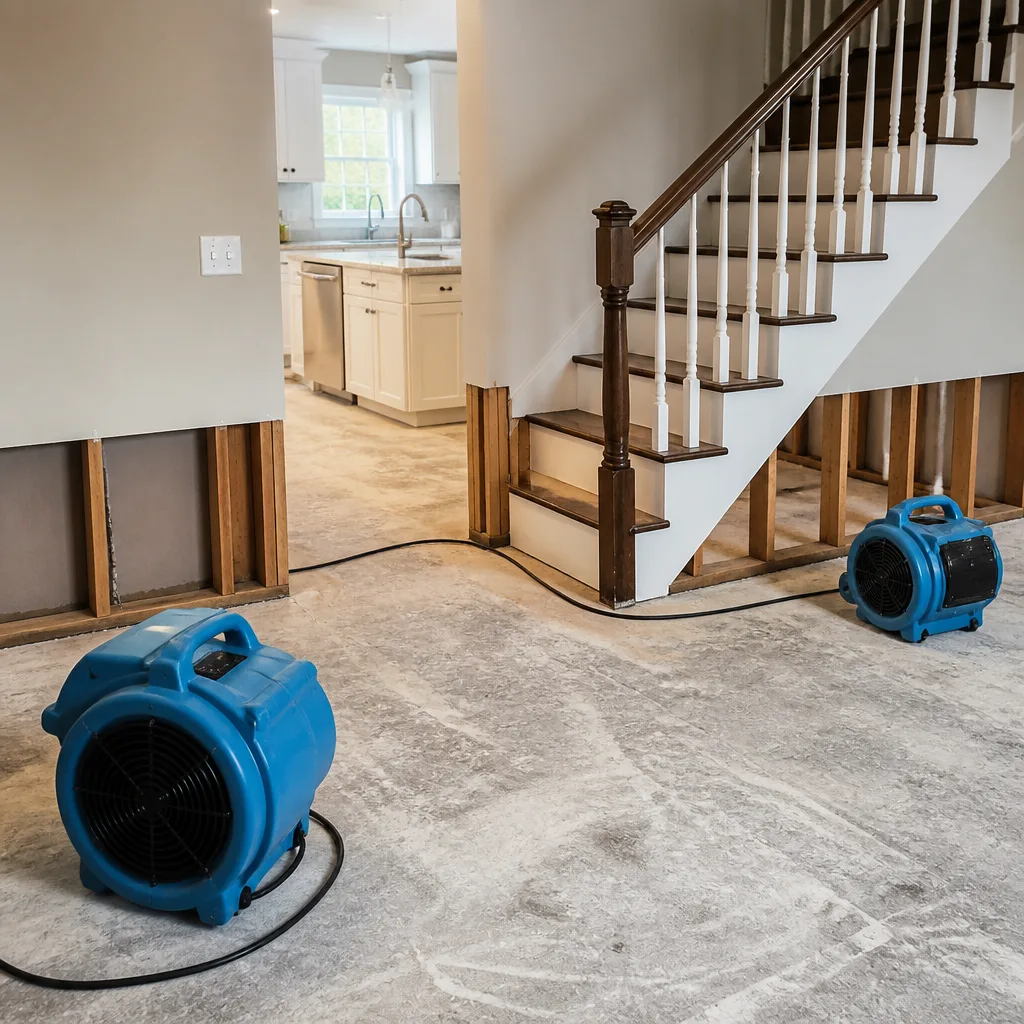

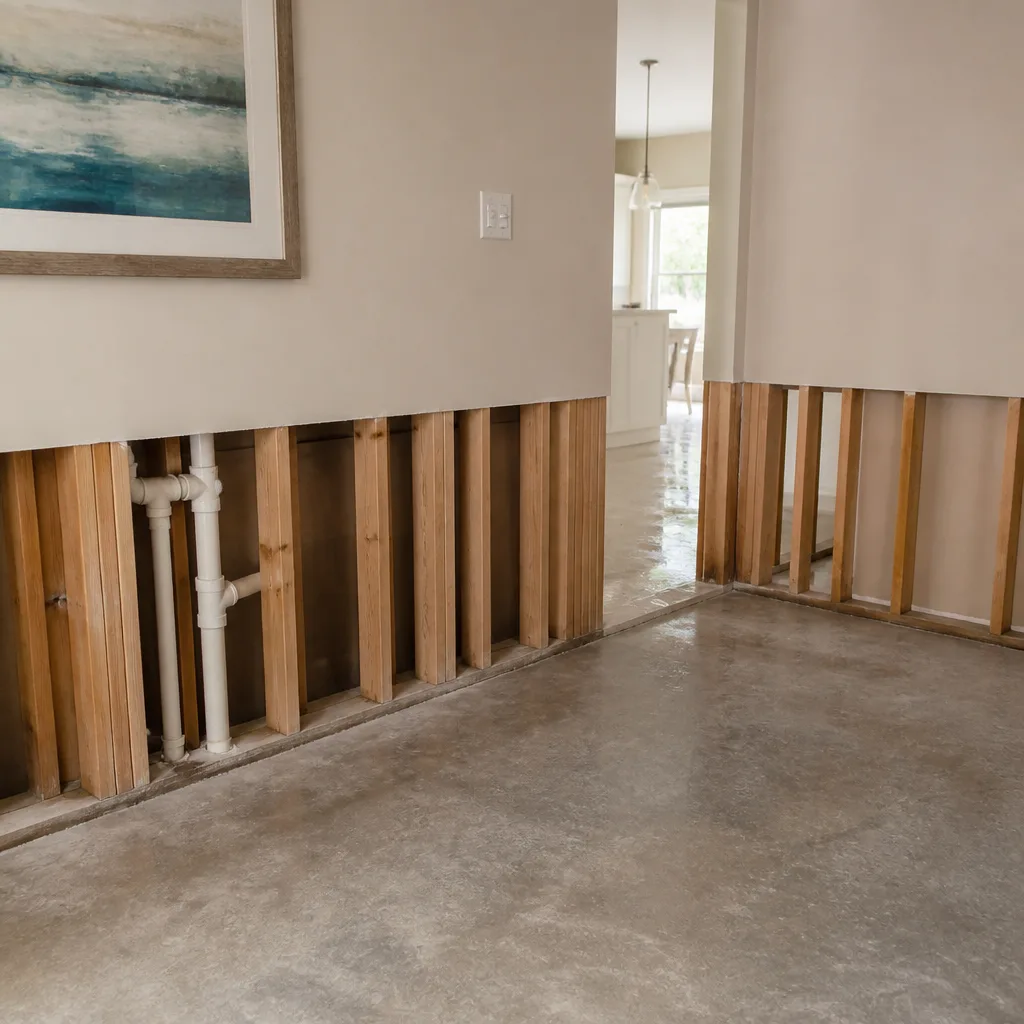
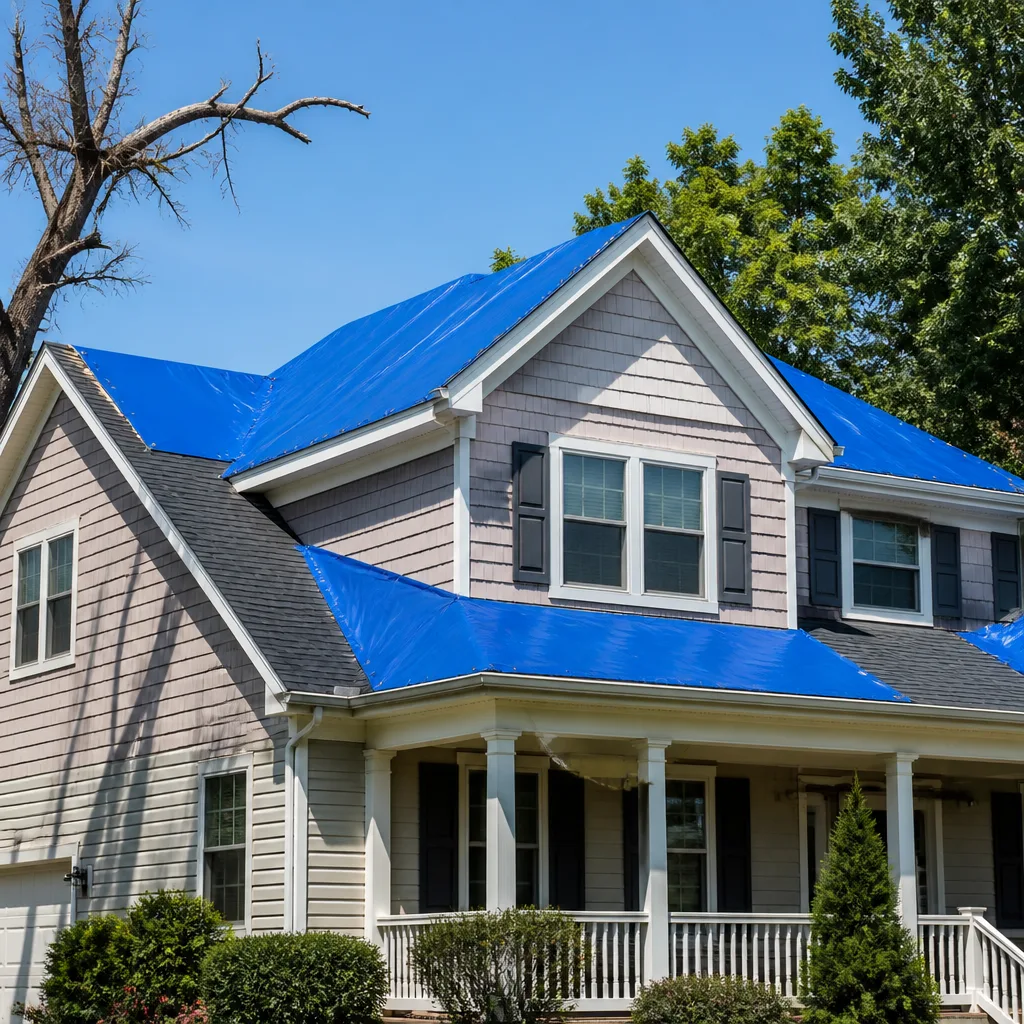


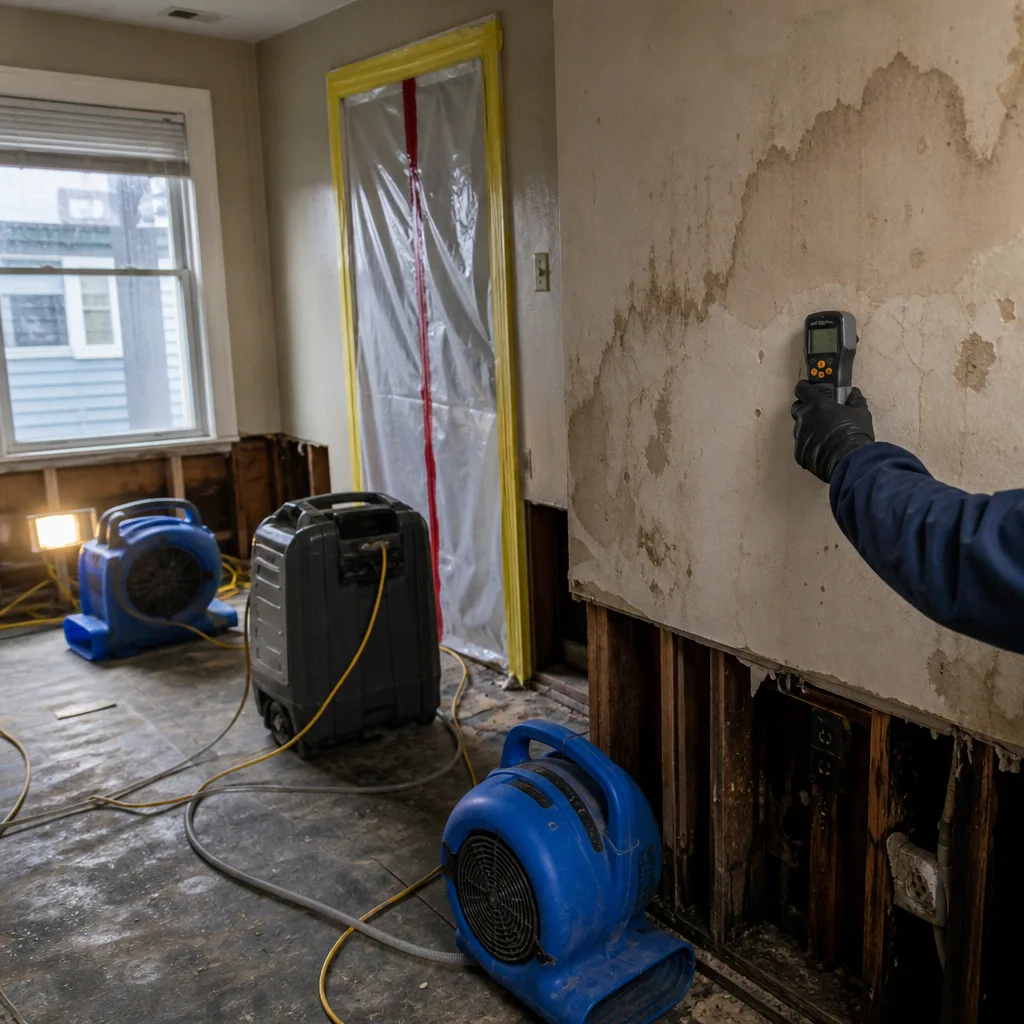 Before
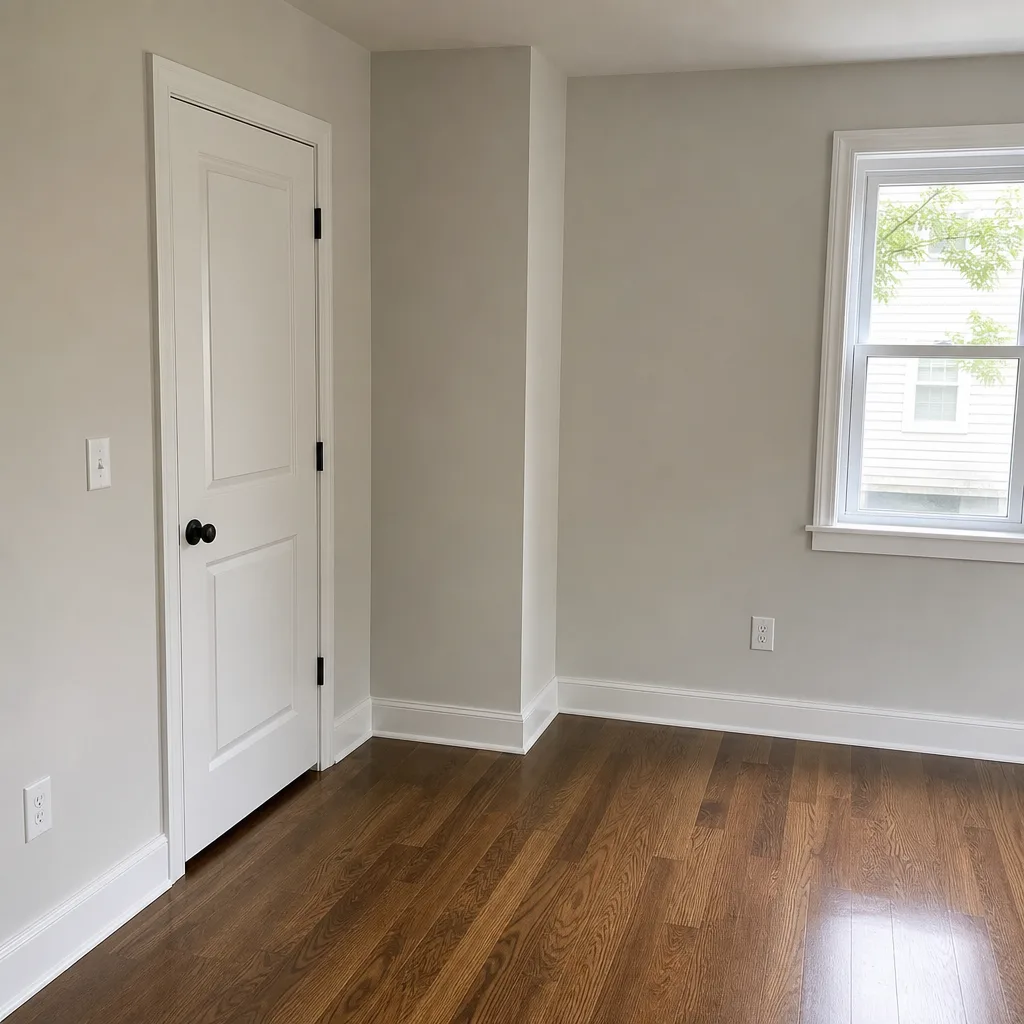 After
After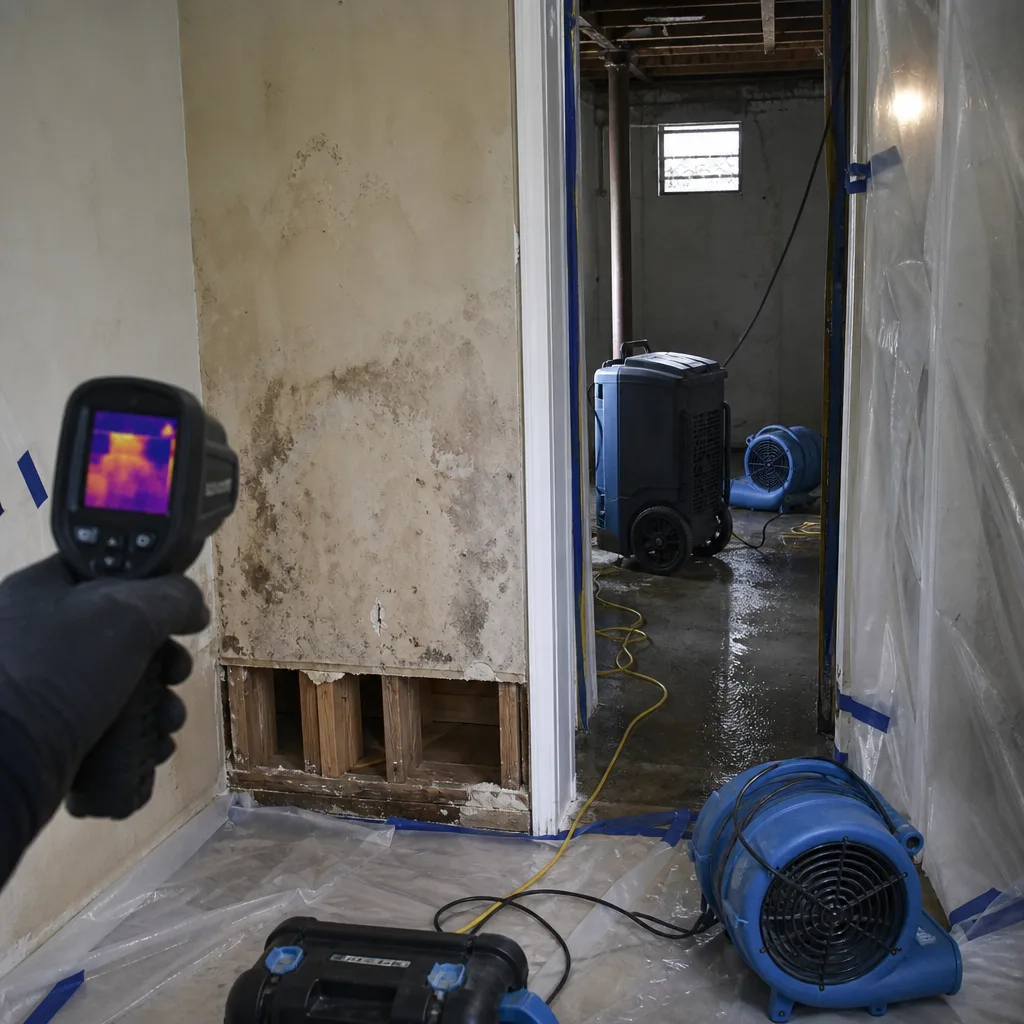 Before
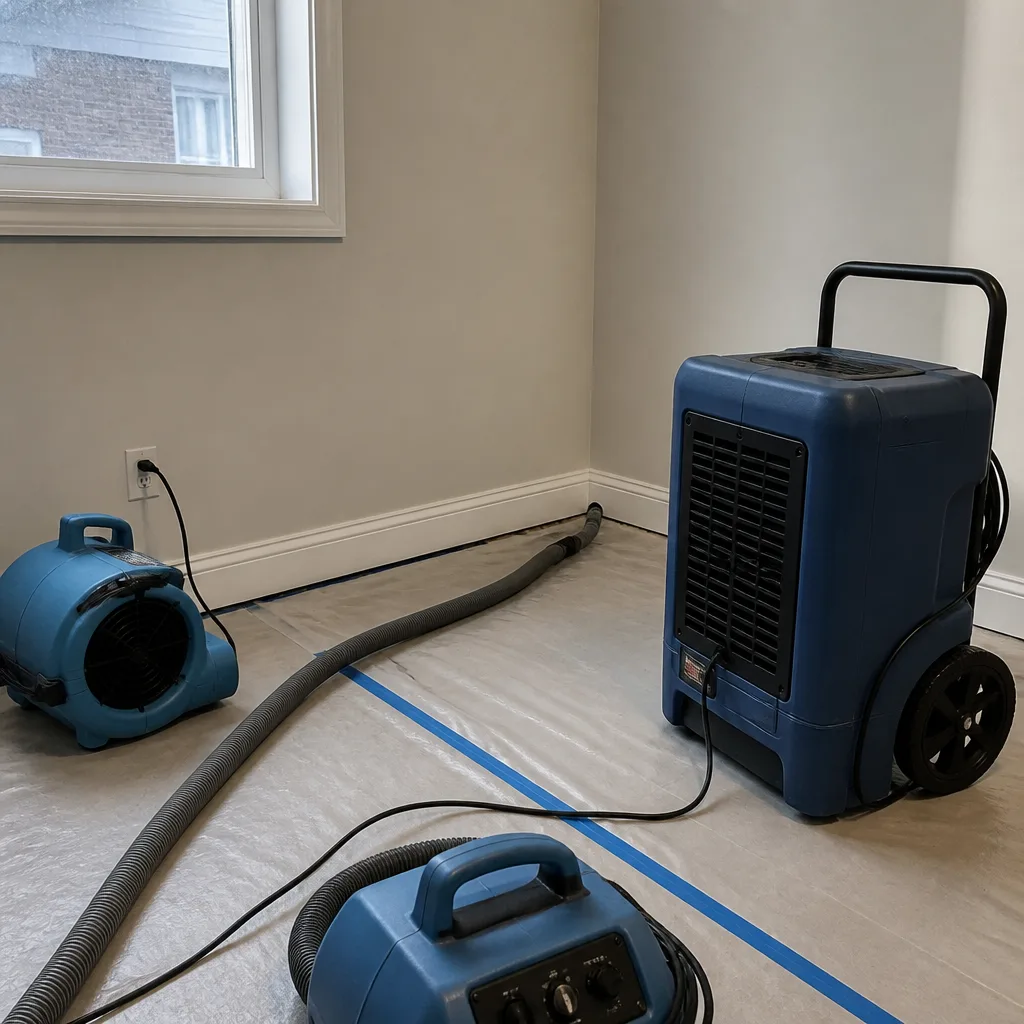 After
After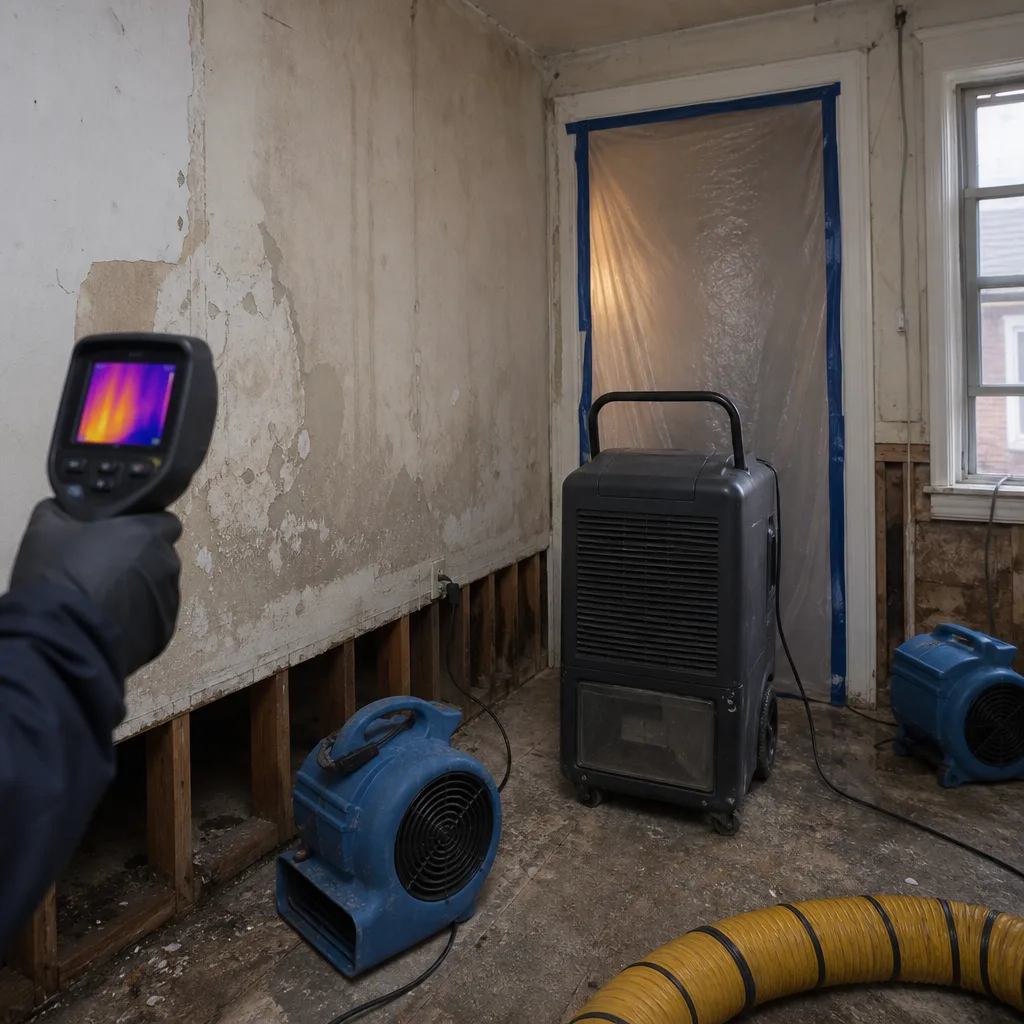 Before
 After
AfterHow to Hire a Damage Restoration Contractor in Jersey City: A Step-by-Step Guide
In New Jersey, a contractor can legally show up at your door within 24 hours of a declared disaster and ask you to sign a work authorization before your adjuster has even called you back. That’s not help. That’s a trap. This guide is written to slow that process down and give Jersey City homeowners the exact questions that separate a contractor worth hiring from one worth running from, and you can find The Complete Guide to Damage Restoration in Jersey City for even deeper coverage. You’ll learn how to verify a license in under two minutes, what a legitimate work authorization actually looks like, and why one document most contractors won’t show you tells you everything you need to know.
Quick Answer
Hiring a damage restoration contractor in Jersey City comes down to four steps: verify their New Jersey Home Improvement Contractor registration on the Division of Consumer Affairs website, ask for a sample work authorization before any emergency work begins, request a moisture log from a recent job to confirm they document their work, and understand who actually negotiates with your insurance adjuster. A legitimate local contractor does all four without hesitation. A predatory one dodges at least two.
Table of Contents
- Step 1: Verify the Contractor’s New Jersey License Before Anything Else
- Step 2: Read the Work Authorization Like Your House Depends on It (Because It Does)
- Step 3: Ask for a Moisture Log From a Recent Job
- Step 4: Understand Who Negotiates With Your Adjuster - and Who Owns Your Claim
- Step 5: Recognize Jersey City Post-Storm Solicitation Red Flags
- Step 6: The 10 Questions to Ask Before You Sign Anything
- Step 7: Get a Written Scope of Work Before Extraction Starts
- Common Mistakes to Avoid
- When to Call a Professional
- Frequently Asked Questions
- The Bottom Line
Step 1: Verify the Contractor’s New Jersey License Before Anything Else
Here’s the part most Jersey City homeowners skip because the basement is filling with water and the contractor on the porch seems confident and competent. New Jersey requires any contractor performing home improvement work, including water, fire, and mold restoration, to register with the Division of Consumer Affairs as a Home Improvement Contractor, and our Water Damage Restoration Maintenance Checklist for Jersey City Homeowners covers additional steps to protect your property year-round. You can verify any contractor in under two minutes on the DCA’s license verification page. Type in the business name, confirm the registration is active, and note the registration number. If the number doesn’t exist, is expired, or the name doesn’t match what’s on the truck, send them home.
We’ve seen homeowners in Jersey City’s Paulus Hook and Bergen-Lafayette neighborhoods hand thousands of dollars to unregistered crews who showed up after a nor’easter and vanished before the drywall went back up. The registration isn’t a quality guarantee, but it means the state has a file on them, a bond may be in place, and you have a way to pursue them if the work goes sideways. An unregistered contractor offers you none of that.
- Go to the NJ Division of Consumer Affairs website. Find the Home Improvement Contractor search tool.
- Search the exact business name. Not just the name on the truck - the legal entity name on the paperwork.
- Confirm the registration is active. Inactive or expired means no work should start.
- Match the registration number to the one on their proposal. If they won’t put the number in writing, that’s your first red flag.
For water damage specifically, you also want IICRC certification. The IICRC sets the standard for water restoration, and anyone who claims to handle water damage restoration in Jersey City should carry their certification. Not every qualified contractor has it, but combined with a valid NJ registration, it’s a strong signal you’re dealing with professionals rather than a crew that bought a wet vac at a Jersey City hardware store and printed business cards that morning.
Step 2: Read the Work Authorization Like Your House Depends on It (Because It Does)
A work authorization is not a contract for specific work. It’s a document that lets the contractor start mitigating your damage before a full scope and price are finalized. In the hands of a legitimate restoration company, it serves a real purpose: it allows extraction and drying to begin immediately so the damage doesn’t worsen while you wait for an adjuster. In the hands of a predatory contractor, it’s a blank check.
This is where the home page of Wade’s Restoration makes a point most contractors won’t: the document you sign at 2 a.m. matters more than the one you sign a week later. A legitimate work authorization in New Jersey should contain specific elements. If any are missing, don’t sign.
- A clear scope limited to mitigation. The document should authorize extraction, initial drying, and board-up or tarping. Nothing structural, nothing cosmetic.
- A not-to-exceed dollar amount. Even if the final figure comes later, a legitimate authorization caps the emergency work.
- A line stating the final detailed scope and price must be approved separately in writing. Without this, the emergency authorization can morph into a blanket approval for everything.
- A termination clause. You should be able to stop the work in writing at any point and only pay for what was done.
- The contractor’s NJ registration number. Printed on the form, not scribbled in later.
What a predatory authorization omits is just as telling. If there’s no cap, no termination clause, and no separate approval requirement for reconstruction, you’re signing away control of the entire job. In Jersey City, post-storm solicitors are known for contracts that bury an assignment-of-benefits clause on page three. We’ll get to why that matters legally in Step 4.
Step 3: Ask for a Moisture Log From a Recent Job
This is the question that separates restoration professionals from blow-and-go outfits, and almost no homeowners ask it. A moisture log is a daily record of moisture readings taken throughout the drying process. It documents where readings started, how they trended day by day, and what the numbers were when the contractor declared the structure dry. Every legitimate restoration job should produce one.
When you ask a contractor for a sample moisture log and they produce one with dates, room-by-room readings, and a drying goal documented from day one, you know three things. First, they own moisture meters and know how to use them. Second, they care about proving the structure is actually dry rather than just claiming it. Third, their work product will hold up if your insurance company questions the mitigation later. When a contractor can’t produce a moisture log or looks confused by the request, what they’re really telling you is that they decide the job is done when the equipment comes out, not when the readings say it’s dry. That’s a gamble you don’t take with a Jersey City home where humidity and hidden wall cavities make incomplete drying a mold risk within weeks.
We take moisture readings every single day and hand the homeowner the full log at the end of the job. It’s not a secret. It’s the whole point. You can read more about how proper drying works in our mold remediation in Jersey City guide, because the two go hand in hand: the reason most mold jobs exist at all is that someone dried the house wrong the first time.
Step 4: Understand Who Negotiates With Your Adjuster - and Who Owns Your Claim
Insurance is in the room on almost every restoration job in Jersey City, whether you realize it or not. The water heater fails, the pipe freezes, the fire starts in the wiring, and the first call most homeowners make is to their carrier. The second call is to the contractor. What happens between those two calls depends entirely on how the contractor handles the adjuster relationship.
There are two models in this industry. In the first, the contractor works as your representative: they document the damage with photos and readings, they communicate with the adjuster directly, they advocate for a scope that actually covers the full repair, and you sign off on the final agreement. In the second model, the contractor asks you to assign your insurance benefits to them. This is called an assignment of benefits, or AOB. Once you sign an AOB, the contractor stands in your shoes with the insurance company. They negotiate directly, they get paid directly, and in some cases, they can file lawsuits in your name without ever checking with you.
An AOB isn’t automatically predatory. But in New Jersey’s post-storm environment, it’s the single most abused tool in the trade. The contractor who knocked on your door an hour after the storm doesn’t want to explain your policy to you. They want the AOB so they control the entire claim. Ask every contractor one direct question: “Will you deal with my adjuster and keep me in the loop, or do you need me to assign my benefits to you?” The answer tells you whose interest they’re serving. Wade deals with the adjuster directly, so the homeowner is never stuck relaying information between two sides. That’s the model you want.
Step 5: Recognize Jersey City Post-Storm Solicitation Red Flags
Jersey City’s density makes it a target market for storm chasers after every nor’easter, hurricane remnant, and coastal flood event. The solicitation pattern is consistent, and once you recognize it, it’s hard to unsee. A crew rolls into a neighborhood within 24 to 48 hours of a storm. Flyers appear on doorsteps and cars the same day the water recedes. Someone knocks on doors in Greenville, McGinley Square, or the Heights insisting they noticed roof damage or water stains from the street. The pressure starts immediately: sign now, the insurance company won’t pay if you wait, we can start tonight but the price goes up tomorrow.
Here’s what to look for, specifically in the Jersey City post-storm window:
- Door-knockers who “just happened to be in the area.” Legitimate local restoration companies don’t canvas door to door after storms. They’re too busy handling calls from existing customers and referrals.
- Flyers left the same day as the damage. Printing flyers takes time. If a flyer is on your door the same afternoon as the storm, that contractor was gearing up before the rain started.
- Pressure to sign before your adjuster has reviewed anything. In New Jersey, you have time. Your insurance company has obligations too, and no legitimate contractor will tell you to skip the adjuster review.
- Vehicles with out-of-state plates. Not a disqualifier on its own, but combined with any of the above, it’s a strong signal of a storm-chasing crew that will be three states away when problems surface.
- Refusal to provide a written scope before starting. Emergency extraction can start under a proper work authorization, but the full scope of the job should always be in writing before major work begins.
The oldest accountability mechanism in the trades is simple: a contractor whose name is on the truck, whose address is published, and who knows he’ll run into you at the grocery store next Saturday has a reason to do the job right. The storm chaser from two states over has no such reason. In Jersey City, where neighborhood boundaries are tight and word travels fast, that local accountability matters more than any warranty printed on a slick brochure.
Step 6: The 10 Questions to Ask Before You Sign Anything
Print this list. Keep it by the door. When a contractor shows up, work through it before you sign anything. The ones worth hiring answer all ten without flinching.
- What is your New Jersey Home Improvement Contractor registration number, and can I verify it right now on the DCA website?
- Will you put a not-to-exceed cap in writing before you start the emergency mitigation?
- May I see a moisture log from a job you completed in the last 60 days?
- Will you negotiate with my insurance adjuster directly and keep me in the loop, or do you need an assignment of benefits?
- What equipment do you use, and will you explain why each piece is necessary for my specific damage?
- Who will actually be doing the work in my home - you, your employees, or subcontractors?
- What is your written warranty on the work, and what does it actually cover?
- How do you document the damage before removal starts, and will I receive those photos?
- Will you provide a written scope of work with line-item pricing before any reconstruction begins?
- What happens if the drying isn’t complete when you planned - who pays for the extra days?
Question six matters more in Jersey City than most homeowners realize. The restoration industry runs heavily on subcontractors, and the crew that shows up at your door may not be employed by the company you called. There’s nothing inherently wrong with subcontracting, but you deserve to know who’s in your house. When Wade sends a crew, they’re background-checked and uniformed, and Wade himself is the one answering the phone. That’s a different relationship than a call center dispatching whoever’s available.
Step 7: Get a Written Scope of Work Before Extraction Starts
This step gets skipped constantly because the emergency creates its own momentum. Water is spreading. Smoke odor is soaking into drywall. Mold is colonizing behind baseboards. Every hour matters for mitigation, and that urgency is real. But mitigation and reconstruction are two different animals, and you can authorize the first without committing to the second.
The mitigation phase - extraction, drying, dehumidification, antimicrobial application, board-up, tarping - should start fast. A proper work authorization with a cap and clear scope makes that possible within the first hour. The reconstruction phase - drywall, flooring, paint, cabinets, everything that makes the house whole again - should never start on an emergency basis. It requires a written scope of work with line-item pricing, and that document should be reviewed before anyone swings a hammer. This is how it works for fire and smoke damage restoration in Jersey City as much as for water: mitigation starts fast, reconstruction starts with a signed, specific plan.
We always tell Jersey City homeowners the same thing: if the contractor can’t tell you what the first four hours will cost, capped in writing, they’re not organized enough to handle the next four weeks. Emergency pricing on the fly is how a $4,000 water job becomes a $14,000 invoice with “unforeseen conditions” as the only explanation.
Common Mistakes to Avoid
- Signing a work authorization without reading it. The contractor on your doorstep at midnight is counting on your exhaustion. Read every line. If you don’t understand something, ask. If they won’t explain it, send them home.
- Hiring the first company your insurance company recommends without doing your own vetting. Preferred vendor lists are not quality guarantees. Some are great. Some are arrangements built on volume and pricing pressure. Run the same verification steps on recommended vendors as you would on anyone else.
- Letting the contractor talk you into an assignment of benefits at the door. You can always sign an AOB later if it’s warranted. You can’t un-sign one after the contractor has control of your claim.
- Skipping the moisture log request because it feels awkward. It’s not awkward. It’s the single most revealing question in this entire guide. Professionals welcome it. Amateurs deflect.
- Assuming all restoration companies are basically the same. The equipment on the truck, the documentation in the file, and the name on the license tell you exactly who you’re dealing with. Brands like Dri-Eaz and Phoenix equipment don’t show up on trucks of contractors who plan to cut corners.
- Waiting to call because you’re afraid of the cost. Water damage compounds. A $600 extraction becomes a $6,000 remediation within 48 hours. The faster the response, the lower the total bill. That’s not a sales pitch. That’s fluid dynamics.
- Paying in full before the work is done. A legitimate contractor in New Jersey works on a draw schedule tied to progress. Anyone demanding full payment upfront is either undercapitalized or planning to disappear.
When to Call a Professional
Any time you’re dealing with standing water, sewage, smoke residue, or visible mold, you’re past the point of homeowner remedies. Water inside wall cavities, under flooring, or in ceilings needs professional extraction and drying equipment. Sewage requires antimicrobial treatment and proper disposal, not just a mop. Smoke from a structure fire penetrates drywall, insulation, and ductwork in ways you can’t DIY your way out of. Mold behind baseboards or in HVAC systems is a health issue, not a cleaning project. If you’re in Jersey City dealing with any of these, call before the damage spreads. Wade’s Restoration offers free estimates in Jersey City - call (201) 903-9581 and Wade will answer the phone himself.
Frequently Asked Questions
Go to the New Jersey Division of Consumer Affairs website and search the Home Improvement Contractor registration database by business name. Confirm the registration is active and matches the legal entity name on the contractor’s paperwork. The whole process takes under two minutes, and any contractor who won’t provide a registration number upfront should not be hired.
A locally owned Jersey City restoration company can typically have extraction equipment running within the hour. National chains may take longer because their crews are dispatched regionally rather than located in the city. When you call Wade’s Restoration at (201) 903-9581, Wade himself answers and heads out - no call center, no voicemail, no waiting for a call back.
Most homeowners insurance policies cover sudden and accidental water damage from burst pipes, appliance failures, and storm damage. Fire and smoke damage are covered under standard policies. What varies is the scope the adjuster approves, which is why having a contractor who documents everything with photos, moisture readings, and detailed reports matters so much. The documentation determines whether the full repair gets approved or a partial settlement leaves you covering the gap.
If the mold is on a non-porous surface and smaller than roughly 10 square feet, you can clean it with antimicrobial products. Anything larger than that, or any mold in wall cavities, HVAC systems, or porous materials like drywall and insulation, requires professional remediation. The reason is simple: surface cleaning doesn’t address what’s growing behind the wall, and incomplete mold remediation in a Jersey City climate with real humidity just means the problem returns worse. Call a professional for a real assessment before you sink time and money into a DIY fix that doesn’t hold.
The best arrangement is a contractor who communicates with your adjuster directly and keeps you informed along the way. That’s different from an assignment of benefits, where the contractor takes control of the claim and negotiates without your day-to-day involvement. Ask every contractor which model they use. A contractor who keeps you in the loop while handling the adjuster communication is serving your interests. A contractor who needs an AOB signed at the door may be serving theirs.
A legitimate work authorization includes a scope limited to mitigation, a not-to-exceed dollar amount, a separate written approval requirement for reconstruction, a termination clause, and the contractor’s NJ registration number. If any of those elements are missing, don’t sign. Emergency work can still start fast under a proper authorization - the good contractors use a document that protects both sides, not just their own.
The Bottom Line
Hiring a damage restoration contractor in Jersey City is a test of whether you can slow down when everything about the moment is designed to make you speed up. The process comes down to four verifiable things: a valid New Jersey registration you can check in minutes, a work authorization with real limits on it, documentation that proves the contractor actually did the work they claim, and a clear understanding of who controls your insurance claim. Ask the ten questions. Demand the moisture log. Never sign an assignment of benefits under door-knock pressure. The right contractor answers every question and then puts it all in writing. That’s the contractor worth hiring. For additional help, explore our more guides & resources on protecting your Jersey City home.
Written by Wade Ferris, Owner at Wade’s Restoration, serving Jersey City since 2007.