
Last updated August 26, 2026
Free visual inspection and a written scope of work before any mitigation begins - photos, moisture readings, and drying logs go in your claim file
The scope we write is the scope we bill. Anything new gets shown to you, in writing, before we touch it.
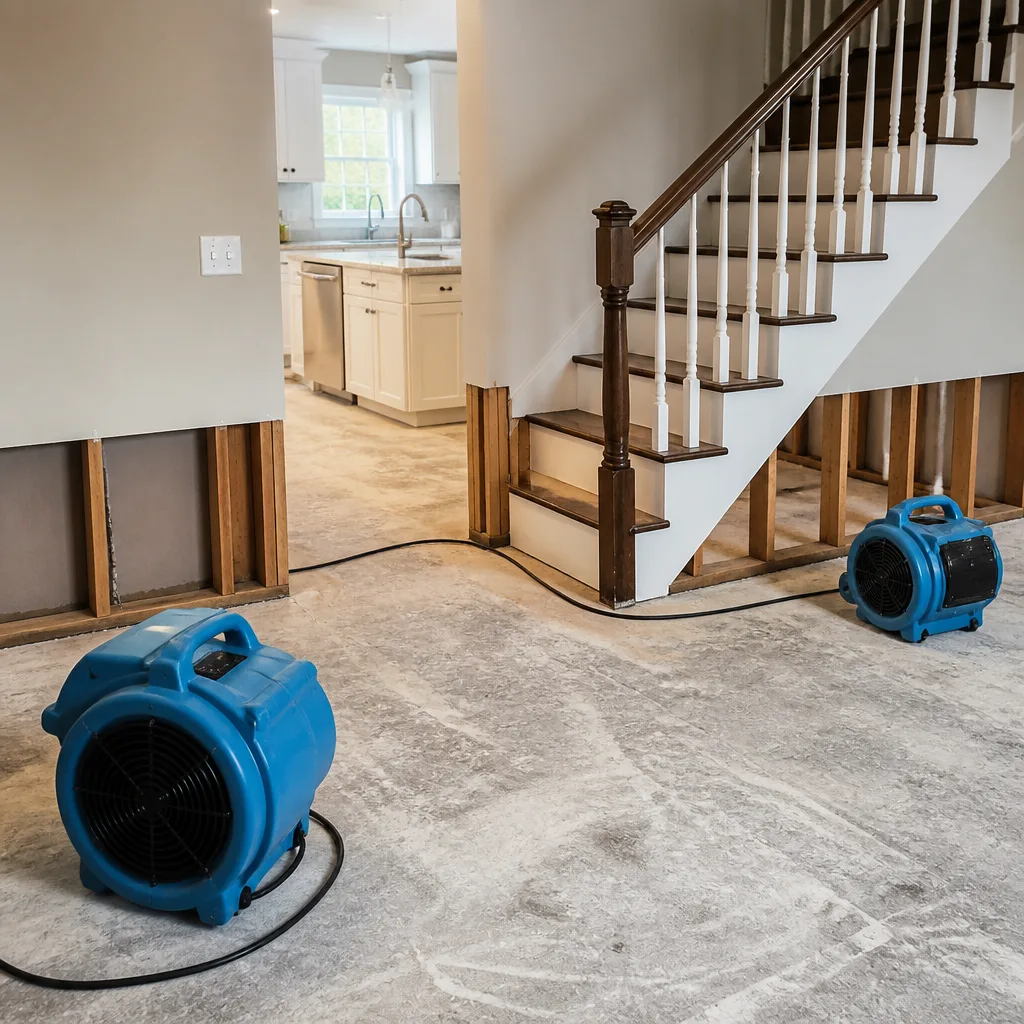

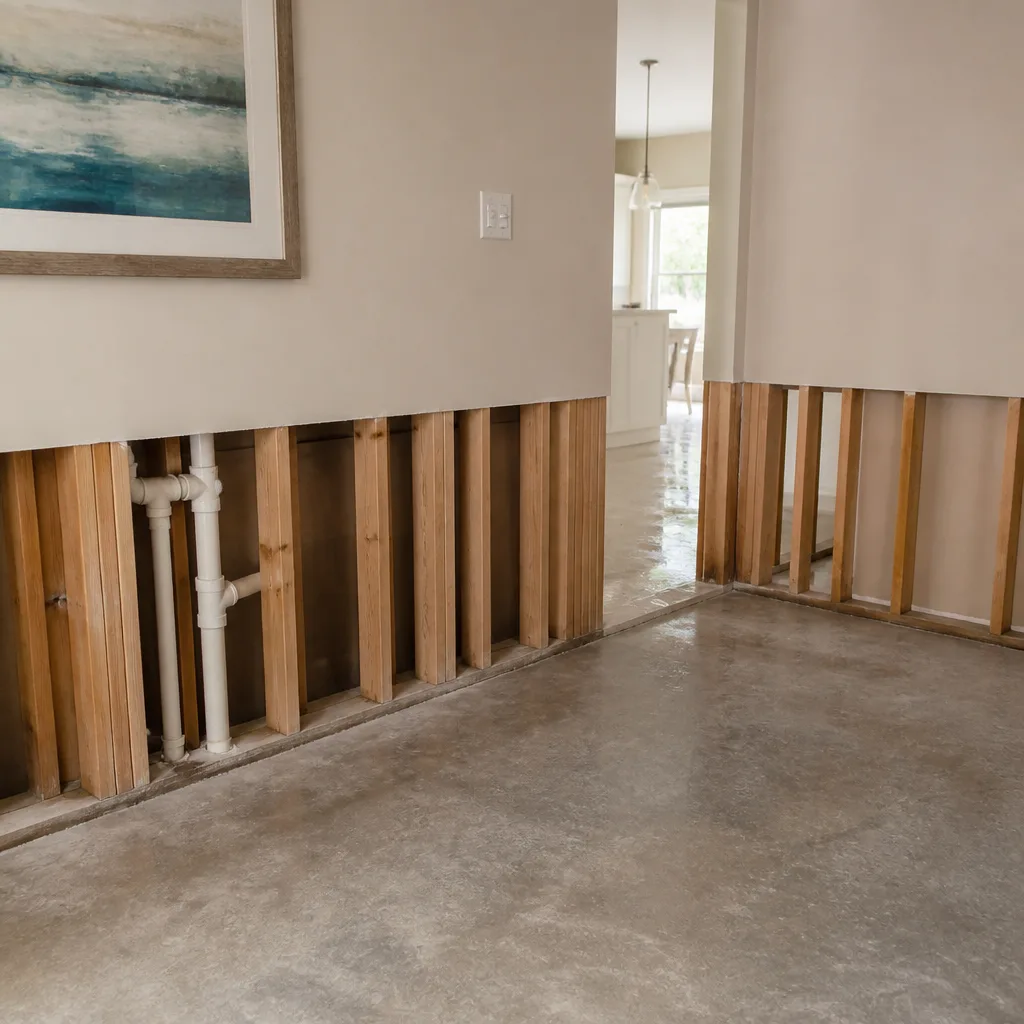



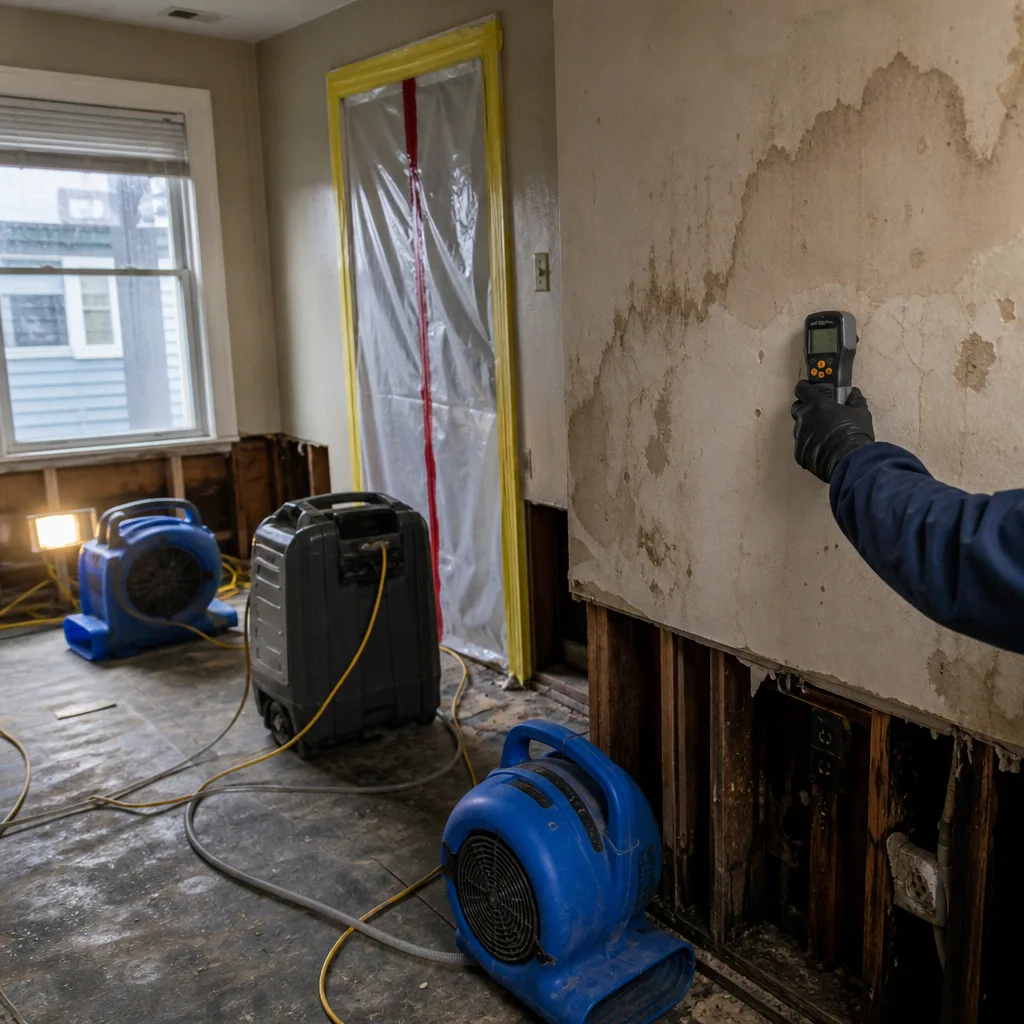 Before
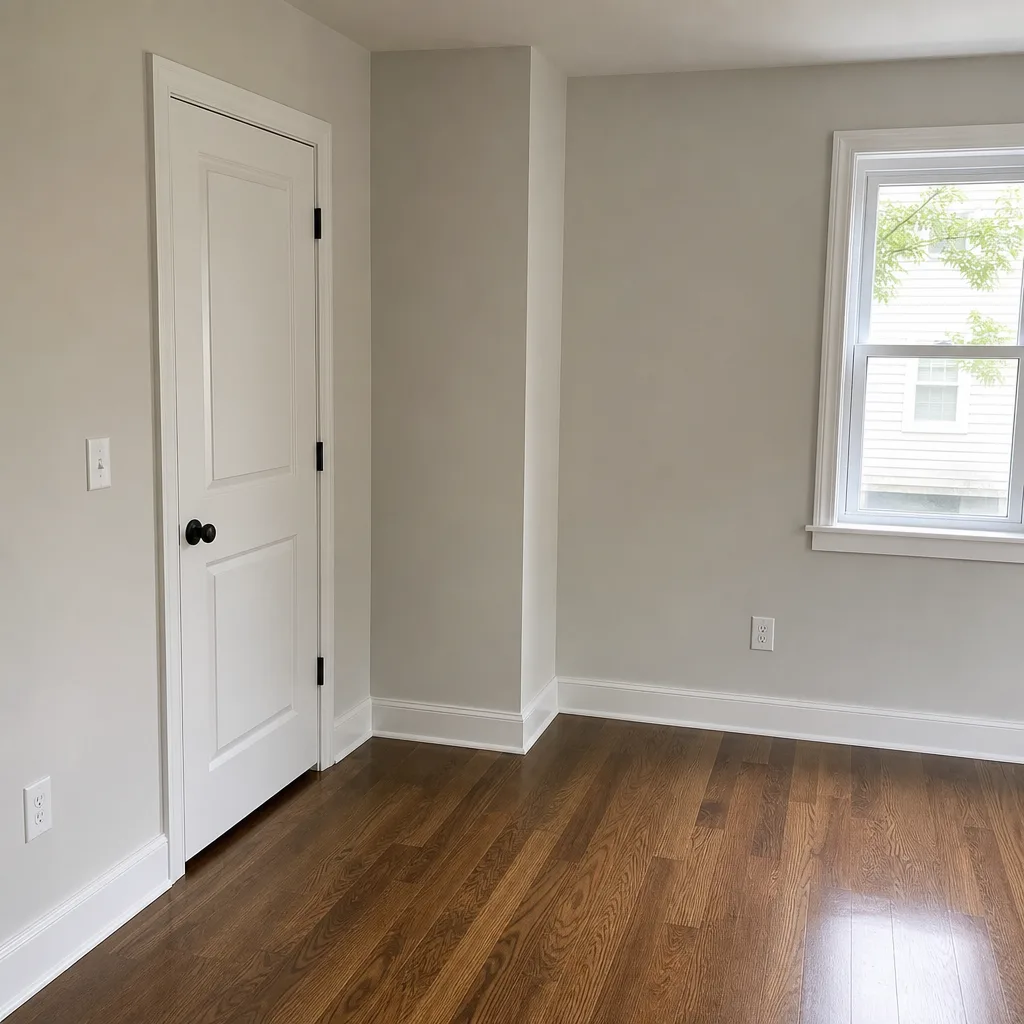 After
After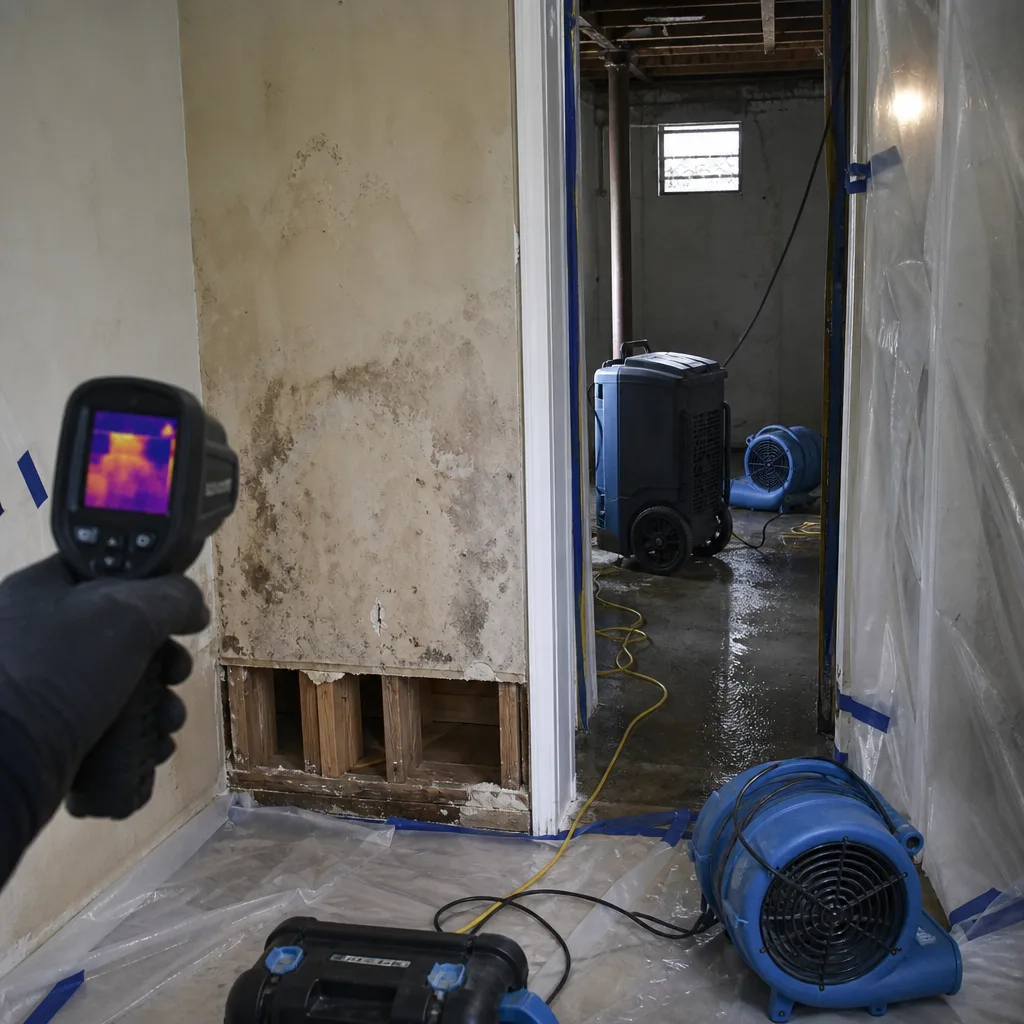 Before
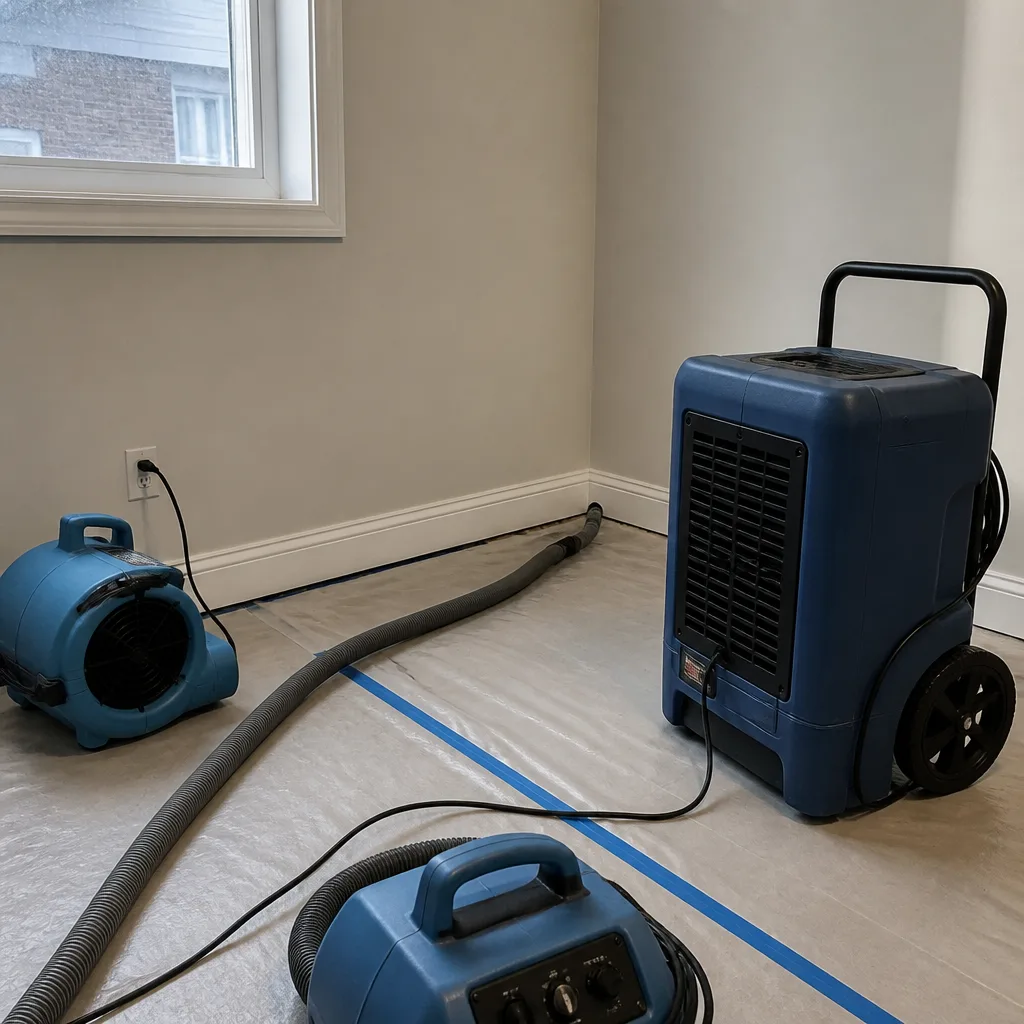 After
After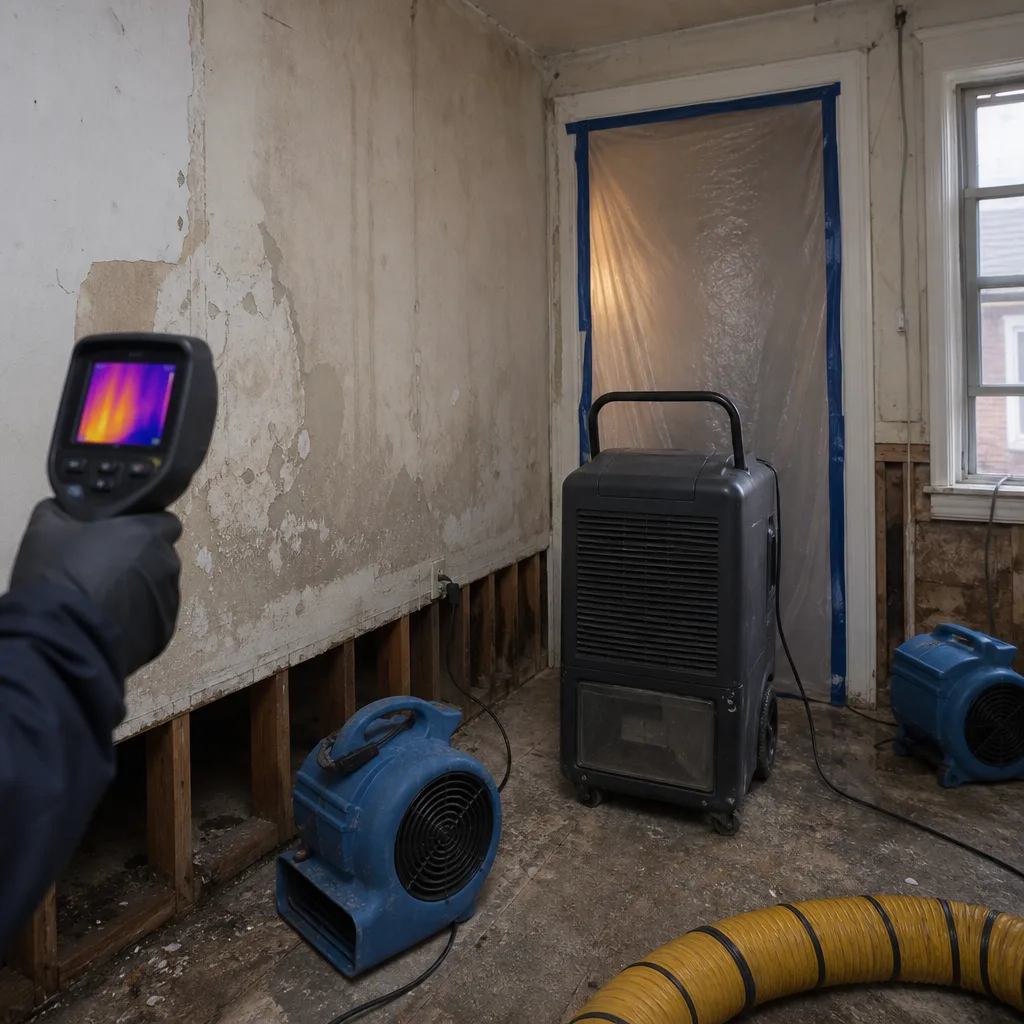 Before
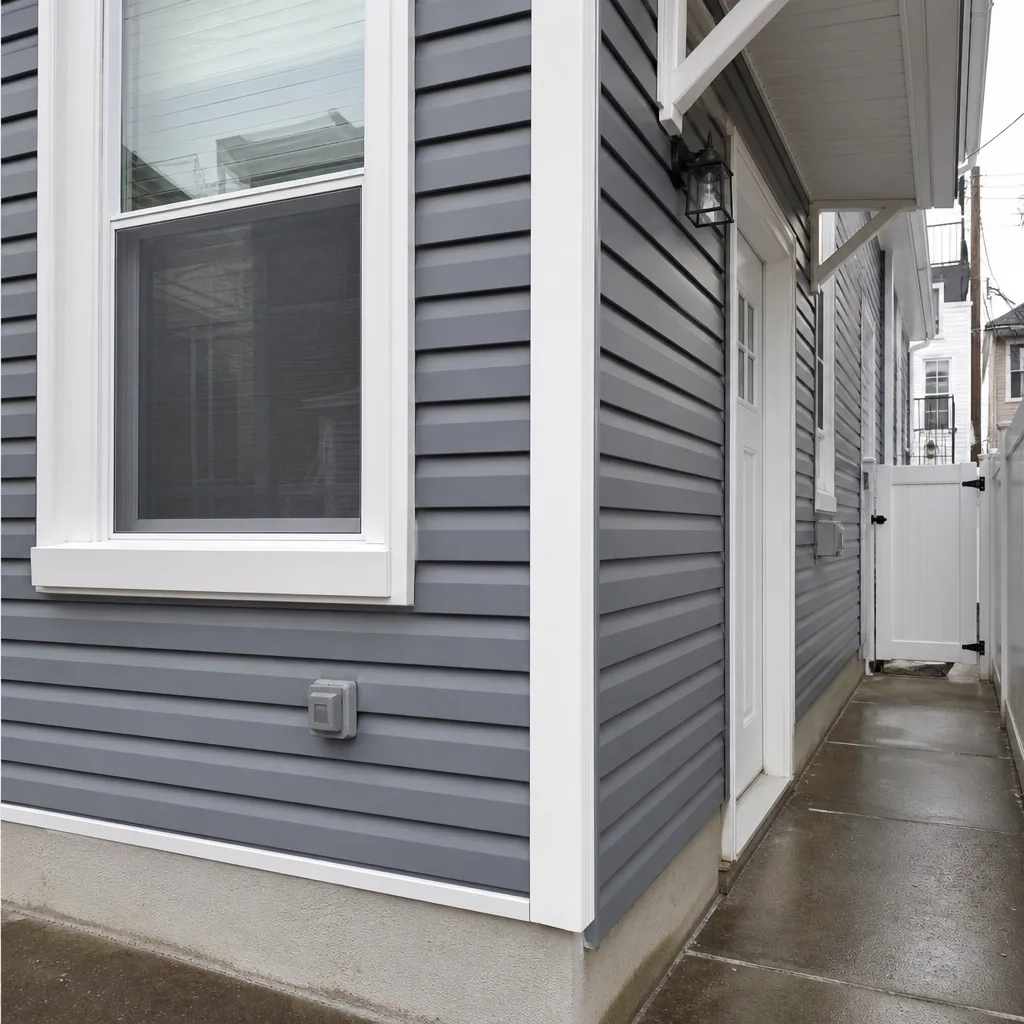 After
AfterSeasonal Damage Restoration Care for Jersey City: Year-Round Homeowner’s Guide
Jersey City’s most expensive water damage calls happen in March, not after a blizzard. What gets homeowners is the thaw: two months of freeze-thaw cycles have worked tiny cracks into flat roofs, parapets, and foundation joints, and then the first heavy spring rain finds every single one of them at once. This guide walks through the damage rhythm of each season in Jersey City, what to look for before trouble starts, and how to document what you find so an insurance claim gets paid without a fight. For a deeper dive, see The Complete Guide to Damage Restoration in Jersey City. If you own a brownstone, a rowhouse, or a condo in a prewar building, the next fifteen minutes will save you a very bad phone call someday.
Quick Answer
Seasonal damage in Jersey City follows a predictable pattern: freeze-thaw stress in winter, drainage overload in spring, humidity-driven mold in summer, and clogged roof drains in fall. The fix is a seasonal inspection routine, done at the right time each year, with photos and written notes saved for insurance documentation. Our Water Damage Restoration Maintenance Checklist for Jersey City Homeowners covers the specifics. Ten minutes per season, four times a year, catches most restoration problems before they become restoration emergencies.
Table of Contents
- Winter: Flat Roofs, Ice Dams, and the Top-Floor Warning Signs
- Spring: Snow Melt, Rain, and the Below-Grade Drainage Problem
- Summer: Humidity, Brownstone Basements, and the Mold You Can’t See Yet
- Fall: Street Trees, Flat-Roof Drains, and Parapet Scuppers
- Documentation: How Seasonal Inspections Strengthen a Future Insurance Claim
- The Four-Season Maintenance Schedule
- Common Mistakes to Avoid
- When to Call a Professional
- Frequently Asked Questions
Winter: Flat Roofs, Ice Dams, and the Top-Floor Warning Signs
Most Jersey City homeowners hear “ice dam” and think of suburban pitched roofs with icicles hanging off the gutters. That’s half the picture. The other half is your flat roof, where water has nowhere to slide and pooling is already part of the design. Flat-roof ice damming happens differently than it does on a pitched roof. Snow on the roof’s open field melts from heat escaping the building, runs toward the colder parapet edge, refreezes, and builds a dam. Water backs up behind that dam, sits against the roofing membrane, and finds seams, scuppers, or any pinhole that freeze-thaw has opened since November.
On a Jersey City brownstone with a flat roof and a parapet wall, the early warning usually shows up inside the top floor first, not at the roofline where you’d see icicles. Look for a water stain on the ceiling near the exterior wall, particularly in a corner. Look for peeling paint or a faint brown ring that grows after a thaw day. By the time water is dripping, the roof membrane has already failed and water has been traveling through the ceiling cavity for days or weeks.
The role of the parapet wall itself is worth understanding. Parapets on older Jersey City rowhouses are brick and mortar, and they take a beating every winter. Water gets into the mortar joints during a thaw, freezes at night, and expands. Each cycle opens the joint a little more. By late February, a parapet can have dozens of micro-cracks that let water into the wall cavity. That water runs down inside the wall, not across the ceiling, which means the first sign may not be a ceiling stain at all. It may be a musty smell on the top floor or a window frame that suddenly sticks.
What to actually do in winter:
- After any snowfall over three inches, check the top-floor ceiling corners near exterior walls for new stains or darkening.
- Look at the parapet from the street after a thaw. Wet mortar joints that stay dark while the rest of the wall dries are taking on water.
- If your building has roof drains, make sure the drain basket is not frozen over. A frozen drain means standing water on the roof, which is always bad news in Jersey City winters.
In our experience working water damage restoration in Jersey City, the March emergency calls almost always start as a February inspection somebody skipped. The roof was already leaking for three weeks. The thaw just made it impossible to ignore.
Spring: Snow Melt, Rain, and the Below-Grade Drainage Problem
Spring is the hardest season on below-grade spaces in Jersey City, and the reason is the specific sequence of snow melt followed by rain. The ground around older foundations is already saturated from melting snow. When the first heavy March or April rain lands on that saturated soil, the water has nowhere to go except through foundation cracks, around pipe penetrations, and up through floor drains in basements. We see this every year: the first 48 hours after a heavy spring rain is when basements in Paulus Hook, Hamilton Park, and the Heights start taking on water.
The neighborhoods with the highest risk are the older blocks where the original clay sewer laterals and foundation drains are still in the ground. Many of those drains were installed before modern stormwater management existed in Jersey City. They were sized for a smaller city, and they’re now fifty to a hundred years old. When snow melt and rain hit at the same time, the pipe can’t move water fast enough. The water backs up into the lowest point of the house, which is almost always the basement floor drain.
The two-week prep window: The critical window to prepare is when the snow has mostly melted but before the first sustained rain. In Jersey City that’s usually late February through mid-March. During that window you want to do these three things, in order:
- Clear your exterior drains and area rungs. Dead leaves, sand, and ice-melt residue from the winter collect in the drain grates near basement stairwells and window wells. Clear them by hand.
- Test your sump pump. Pour a bucket of water into the pit and make sure the float triggers and the pump discharges at least ten feet from the foundation. If you have a battery backup, test that too. Sump pumps in Jersey City basements fail most often in March, when they’re called on for the first sustained work since the fall.
- Check your basement floor drains. Pour a gallon of water down each one. If it backs up or drains slowly, call a plumber before the spring rain, not after. A slow floor drain in March becomes a flooded basement in April.
One detail many homeowners miss: the grading around your foundation changes every winter. Freeze-thaw lifts soil, and spring rain compacts it back down, but not always evenly. If the ground now slopes toward your foundation in a spot where it used to slope away, that’s a new water entry pathway. Walk the perimeter of your house in early spring and look for low spots or areas where the soil has pulled away from the foundation wall. A shovel and eight dollars of fill dirt in March can prevent a ten-thousand-dollar basement remediation in April.
Summer: Humidity, Brownstone Basements, and the Mold You Can’t See Yet
Jersey City summers are humid, and the worst of it is in the basement. Brownstone and rowhouse basements in Jersey City were never designed to be dry, conditioned spaces. They were designed as cellars for coal storage. The walls are often unpainted stone or brick set directly against soil. When summer humidity rises, warm, moist air hits those cool masonry walls, condenses, and soaks into the material. That’s how mold gets started, and it almost always starts inside the wall cavity or behind stored boxes before it’s visible on the surface.
The telltale signs are subtle. A basement that smells musty only on humid days. Efflorescence, which is the white powdery residue on masonry walls, which means water is moving through the wall. Cardboard boxes that feel damp at the bottom. A rust pattern on metal shelving. If you’re noticing any of these in July or August, the mold is already active. The question is only how far it has spread.
What most homeowners don’t realize about summer mold in Jersey City is that the problem is often caused by the house itself, not by a leak. The wall cavity behind drywall or paneling in a brownstone basement is a microclimate. Warm humid air enters through gaps at the rim joist, hits the cool masonry wall, and drops its moisture. That moisture feeds mold that grows for months before a single spore shows on the finished surface. By the time you see black spots on the wall, the colony behind that wall is often the size of a dinner plate or larger.
What to do in summer:
- Run a dehumidifier and keep it running. Set it to 50% relative humidity and empty it daily or run a condensate line. A basement in Jersey City in August can hit 75% humidity without one.
- Keep air moving. A box fan pointed at the wall cavity access point or across the floor does more than most homeowners expect. Stagnant air is mold’s best friend.
- Pull stored items off the walls. Leave a six-inch gap between cardboard boxes and any exterior masonry wall. That gap lets air circulate and prevents the cool-wall condensation from soaking into the boxes.
- If you smell must, act fast. A musty smell is mold. Full stop. The question is not whether you have mold, it’s where. A professional mold remediation in Jersey City inspection uses moisture meters and thermal imaging to find the colony before it spreads further.
We run into this pattern constantly in the Heights and Journal Square: a finished basement that looked fine in April smells like a wet basement in August, and by September the homeowner is pulling up drywall. The fix in July costs a fraction of what the fix costs in November, after the humidity has had five months to work.
Fall: Street Trees, Flat-Roof Drains, and Parapet Scuppers
Fall is the season of debris, and in Jersey City the debris comes from one specific source: mature street trees. The city’s older neighborhoods are lined with London planes, maples, and oaks. Those trees are beautiful, but their leaves end up in the exact place that causes the most damage on a flat roof: the roof drains and parapet scuppers.
A flat roof in Jersey City doesn’t shed water by gravity the way a pitched roof does. It relies on a network of roof drains and scuppers, which are the openings cut through the parapet wall that let water escape to the exterior. When those drains clog with leaves, water ponds on the roof. Ponding water on a flat roof is not a cosmetic problem. The weight stresses the roof structure, and the standing water attacks the membrane continuously. The roof’s main defense is that water leaves quickly. Take that away, and the clock starts.
The specific pattern we see in Jersey City every October and November: a homeowner doesn’t check the roof drains, the leaves block them, and then a heavy November rain leaves three inches of standing water on the roof. The water finds a seam or a crack, and by Thanksgiving the top-floor ceiling is stained. This is the most preventable water damage call we get all year.
Fall inspection checklist for Jersey City flat roofs:
- Clear all roof drains and scuppers of leaves and twigs. Do this twice: once in mid-October after the first leaf drop, and again in mid-November after the last leaves fall.
- Walk the parapet and look for loose mortar, cracked coping stones, or open joints. These are the entry points for winter freeze-thaw damage.
- Look for areas of ponding water on the roof. If water is still standing 48 hours after a rain, the roof slope has failed in that area and the membrane is at risk.
- Check the downspouts on the exterior. A clogged downspout backs water up into the roof drain and creates the same problem as a clogged drain.
- If you have a balcony or roof deck, check the railings, deck boards, and any penetrations where the deck attaches to the roof structure. These are common leak points on Jersey City rowhouses with roof decks.
One thing worth knowing about Jersey City street trees specifically: the London plane tree drops leaves almost continuously from late September through November. A single October cleaning is not enough, because by mid-November the tree has deposited a second layer of leaves in every drain. The second cleaning is the one that matters.
Documentation: How Seasonal Inspections Strengthen a Future Insurance Claim
Here’s a truth about insurance claims that most homeowners learn the hard way: the insurance company’s adjuster is not your enemy, but they are not your advocate either. Their job is to determine what the policy covers, and their documentation is what determines your payout. If the only documentation in the file is their adjuster’s photos, you have already lost control of the claim.
The solution is to build your own documentation file, season by season, before anything goes wrong. When you do your seasonal inspection, take photos. Write down what you see, with dates. Save it somewhere you can access in an emergency. This file becomes your baseline. When damage happens, that baseline is the single most powerful tool you have in an insurance negotiation.
Here’s how to do it, step by step:
- Photograph every room once per season. Wide shots from the doorway, not close-ups. These establish the condition of the walls, ceilings, and floors before any damage.
- Photograph the exterior, including the roof if you have access. Flat-roof photos from the top floor window or the fire escape are sufficient. You’re documenting the condition of the parapet, the drains, and the roof surface.
- Write a two-sentence note for each season. “October 15: cleared roof drains, no ponding, no stains on top floor ceiling.” That’s it. The note doesn’t need to be long. It needs to exist.
- Save everything to a folder called “Home Documentation” in your phone’s cloud storage. Date it. When damage happens, you now have a timeline that the adjuster cannot argue with.
This approach changes the insurance interaction completely. Instead of the adjuster interviewing you about what the house looked like before the damage, you hand them a file that answers the question. The adjuster’s job gets easier, and easiness for an adjuster translates into a faster, fairer settlement for you. We’ve seen homeowners double their payout because they had a baseline photo of the exact wall that later got water stained.
The Four-Season Maintenance Schedule
Here is the complete year-round schedule, in one place. Print this out and tape it to the inside of a utility closet door, then browse more guides & resources for each season. Ten minutes per season is all it takes.
Winter (December through February)
- After snow over three inches, check the top-floor ceiling corners and the parapet for new water stains.
- After a thaw day, look at the exterior masonry for wet joints that stay dark while the rest dries.
- Check roof drains and verify they are not frozen over.
- Test the sump pump once during a thaw.
Spring (March through May)
- Clear all exterior drain grates and stairwell drains of winter debris.
- Test the sump pump with a bucket of water.
- Pour a gallon of water down every basement floor drain and watch for slow drainage.
- Walk the foundation perimeter looking for soil that has settled and now slopes toward the house.
Summer (June through August)
- Set the dehumidifier to 50% and verify it is running.
- Check the basement for musty smell, white powder on masonry, or damp boxes.
- Pull stored items six inches off the walls.
- If must is present, schedule a professional inspection within the week, not next month.
Fall (September through November)
- Clear roof drains and parapet scuppers of leaves twice: mid-October and mid-November.
- Check for ponding water on the flat roof 48 hours after rain.
- Walk the parapet and look for loose mortar or cracked coping stones.
- Document everything with photos and a two-sentence note for the file.
This schedule is the difference between a house that leaks and a house that gets caught before it leaks. Neither house is immune to damage. But one of them has a homeowner who sees the problem coming, and the other has a homeowner who calls at midnight in a crisis. Be the first one.
Common Mistakes to Avoid
- Skipping the second fall gutter cleaning. One cleaning in October gives you a false sense of security. The London plane trees in Jersey City drop leaves through November, and the second layer is what clogs the drains before the winter freeze.
- Turning off the dehumidifier in September. Jersey City humidity extends well into the fall. A basement that was dry all summer because the dehumidifier was running will start showing mold on the walls within six weeks of turning it off.
- Ignoring a musty smell in the basement because there is no visible mold. The smell is the mold. In a Jersey City brownstone, the visible colony is usually the smaller part of the problem. The larger part is inside the wall cavity.
- Waiting until a roof drain is visibly overflowing to clear it. By the time water is visible on the top-floor ceiling, the roof has been leaking for weeks. The time to clear the drain is every fall, not when water starts coming through.
- Treating spring basement water as a one-time fluke. If water came into the basement during a March rain, it will come in again during the next heavy rain unless you fix the drainage path. The fluke is the water finding a new path, not the water existing.
- Assuming the sump pump works because it worked last year. Sump pumps fail silently. The float can stick. The impeller can seize. The discharge line can freeze. Test it with a bucket of water in early spring, every year.
- Not taking photos when the house is dry. The insurance claim is won or lost by the documentation you have before the damage, not by the documentation you take after. Baseline photos are free insurance.
When to Call a Professional
Some things you fix with a shovel and an afternoon. Some things you need a trained professional for, and the line between them is usually the line between a hundred dollars and ten thousand dollars. Call a pro when you see water coming through the ceiling, when the basement has more than a quarter-inch of standing water, when you smell gas, when the musty smell in the basement persists after two weeks of dehumidification, when you see mold covering an area larger than a dinner plate, or when a fire or smoke event has left residue on the walls and surfaces. These are not DIY situations, and the cost of being wrong is measured in structural damage, respiratory illness, and insurance claims that get denied because the homeowner disturbed the evidence. Wade’s Restoration offers free estimates in Jersey City, and Wade will tell you straight if the job is one you can handle yourself. Call (201) 903-9581.
Frequently Asked Questions
Water damage restoration in Jersey City typically costs between $1,200 and $4,500 for a standard basement flood in a rowhouse, depending on how much drywall and flooring needs to come out and how long the water sat. A top-floor ceiling repair from a roof leak usually runs $800 to $2,500 including the drywall, paint, and roof patch. Call (201) 903-9581 for an exact quote, and know that water damage restoration in Jersey City through Wade’s Restoration always comes with a written scope before work starts.
Most homeowners policies cover sudden and accidental water damage, like a burst pipe or a storm-driven roof leak, but they do not cover gradual damage from long-term neglect, like a roof that has been leaking for months or a foundation crack that has been seeping every spring. The difference often comes down to your documentation, which is why seasonal photos and notes matter so much. Call (201) 903-9581 and Wade will talk through your specific policy with you, at no charge.
Wade Ferris answers his own phone, 24 hours a day, seven days a week, and in most cases he’s out of the office and on the road within the hour. In a water emergency in Jersey City, time is measured in how quickly extraction starts, not how quickly a call gets returned. Call (201) 903-9581 and you’ll talk to a live person, usually Wade himself.
If the visible mold covers less than ten square feet and is on a non-porous surface like tile or glass, a careful cleaning with white vinegar may be sufficient. If the mold is on drywall, wood, or carpet, or if it covers more than ten square feet, full remediation is usually necessary because the mold has penetrated the material. A musty smell with no visible mold almost always means a colony inside the wall cavity, and that requires professional mold remediation in Jersey City. Call (201) 903-9581 for an honest assessment, including the cases where Wade will tell you to handle it yourself.
Wade’s Restoration coordinates directly with your insurance adjuster, including the photo documentation, the moisture logs, and the written scope of work. You are never stuck in the middle relaying information between two parties, and you are never left holding a bill the company promised the insurance would cover. Call (201) 903-9581 and Wade will walk you through exactly what the process looks like for your specific policy.
The early warning signs are ponding water that remains 48 hours after rain, wet mortar joints on the parapet after a thaw, a top-floor ceiling stain that grows after heavy rain, and loose coping stones along the roofline. Any one of these means the roof membrane has been compromised and water is moving through the structure. In Jersey City’s older rowhouses, the time between the first sign and a significant leak is often measured in weeks, not months.
The Bottom Line
Jersey City homes face a specific seasonal damage pattern: winter freeze-thaw stress on flat roofs and parapets, spring drainage overload in below-grade spaces, summer humidity-driven mold in poorly ventilated basements, and fall leaf debris clogging roof drains and scuppers. The homeowner who knows what to look for, when to look, and how to document it is the homeowner who catches problems early. The homeowner who waits until water is visible or the musty smell is unavoidable is the homeowner who calls at midnight in a crisis. Neither outcome requires luck. It requires a calendar, a camera, and about ten minutes per season. Start this season.
Written by Wade Ferris, Owner at Wade’s Restoration, serving Jersey City since 2007.