
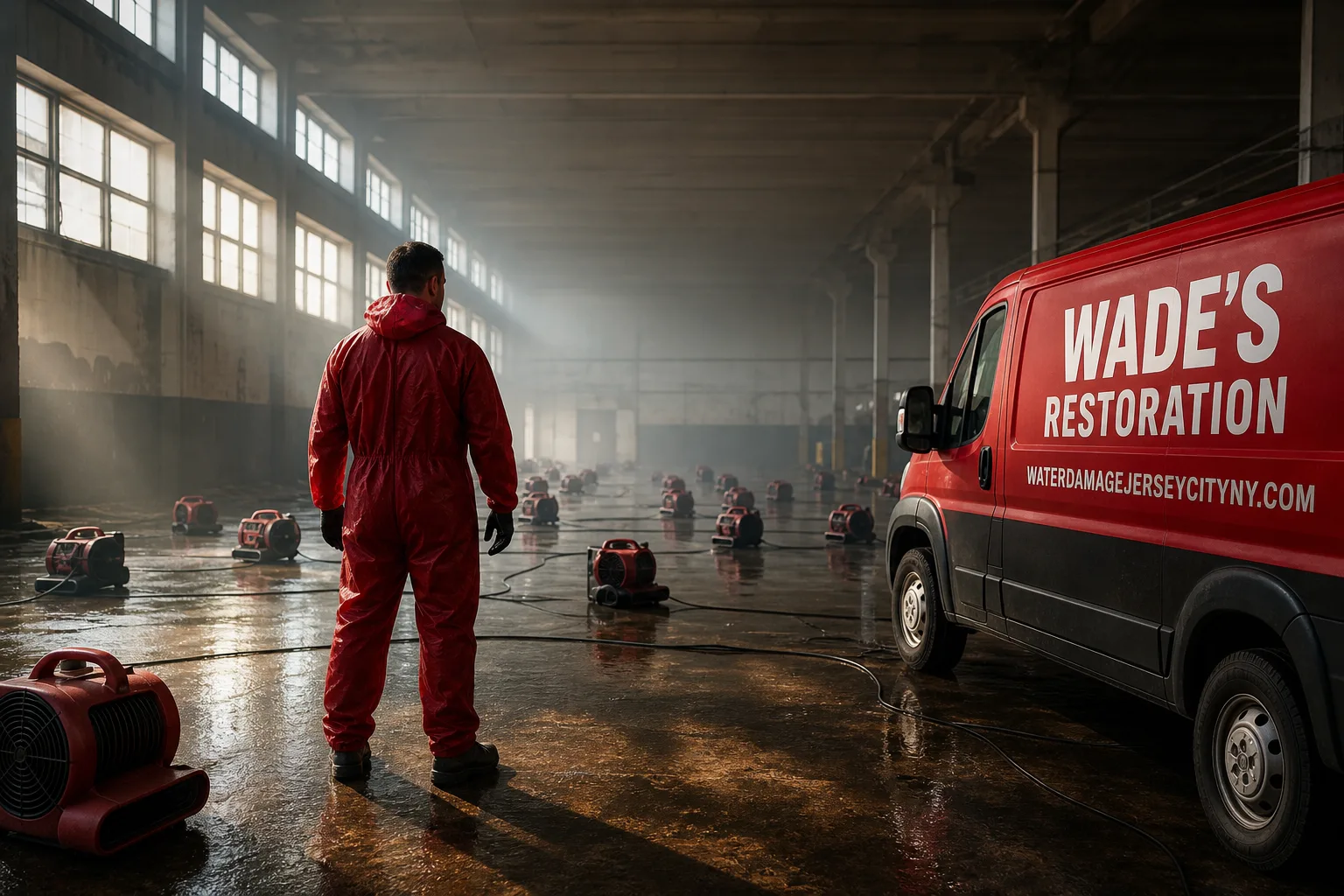
Free visual inspection and a written scope of work before any mitigation begins - photos, moisture readings, and drying logs go in your claim file
The scope we write is the scope we bill. Anything new gets shown to you, in writing, before we touch it.
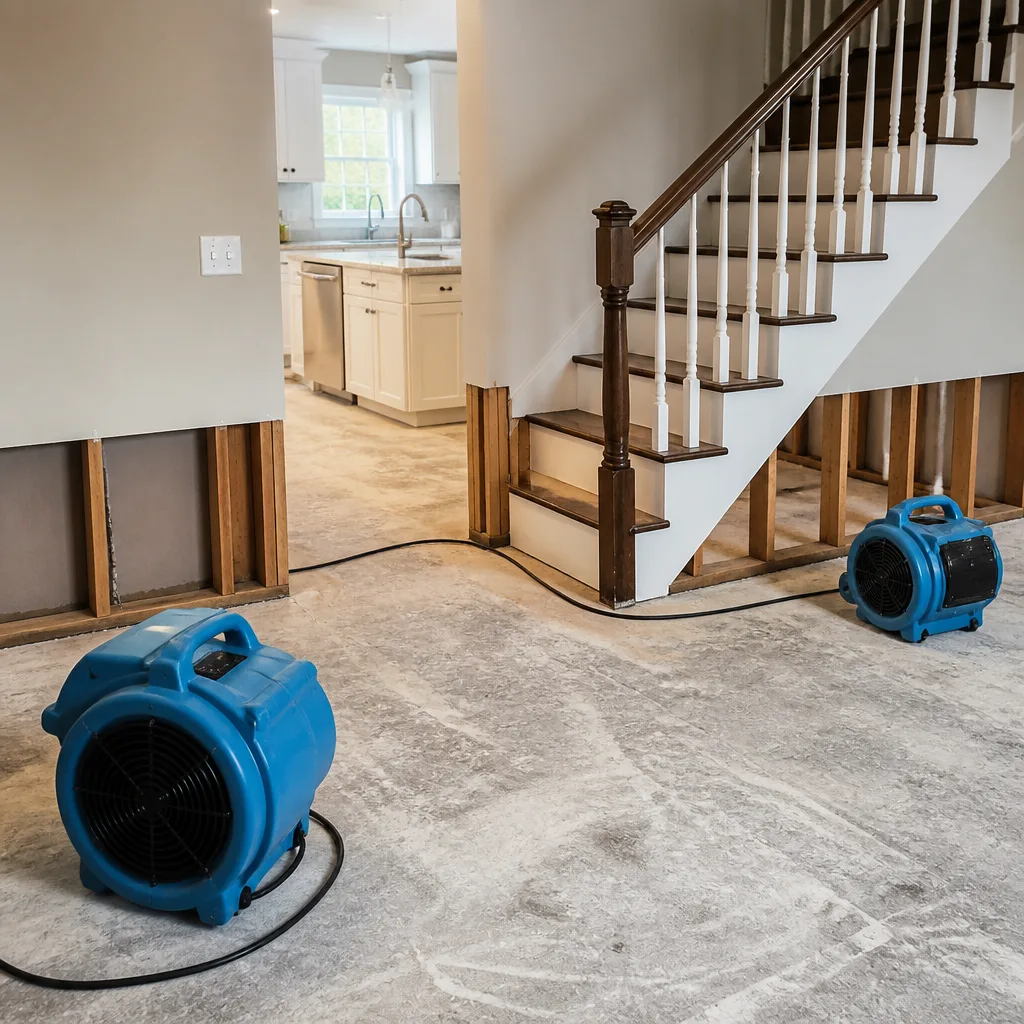
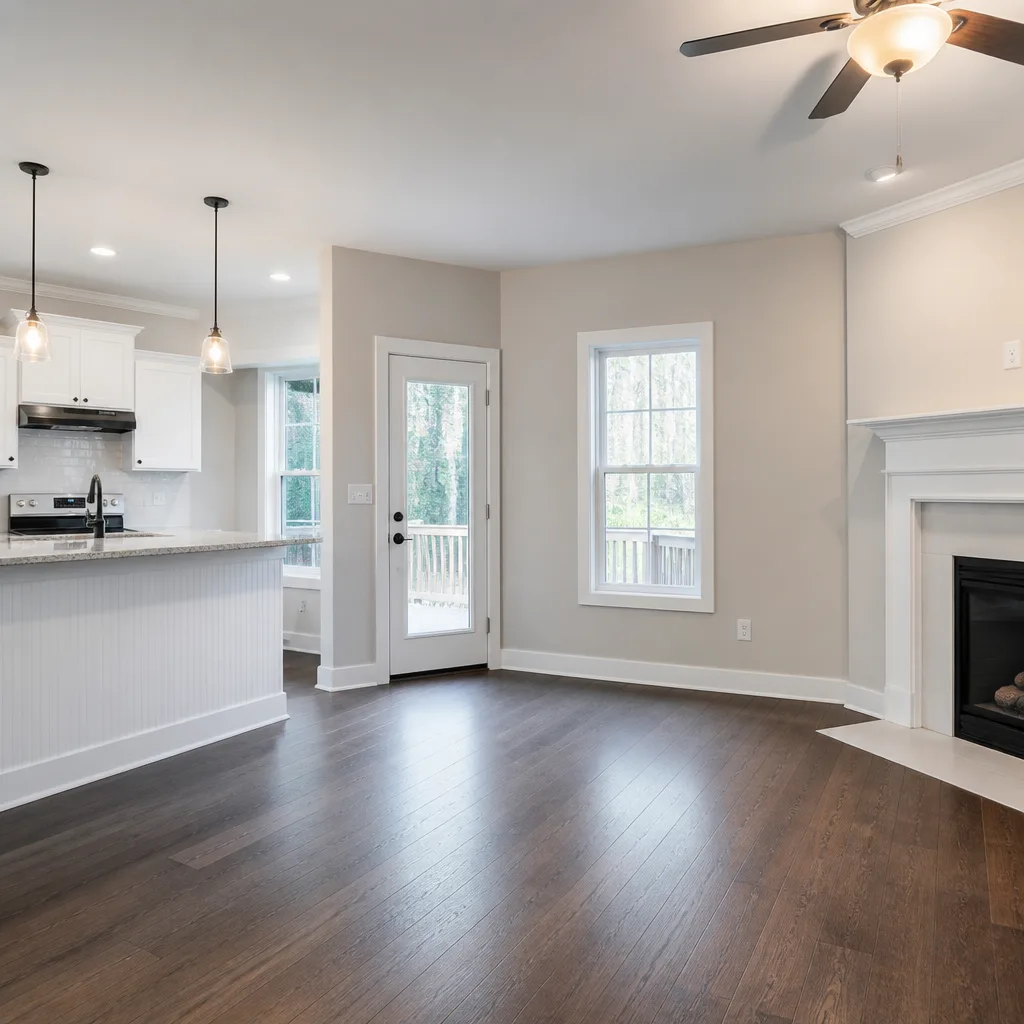
 Before
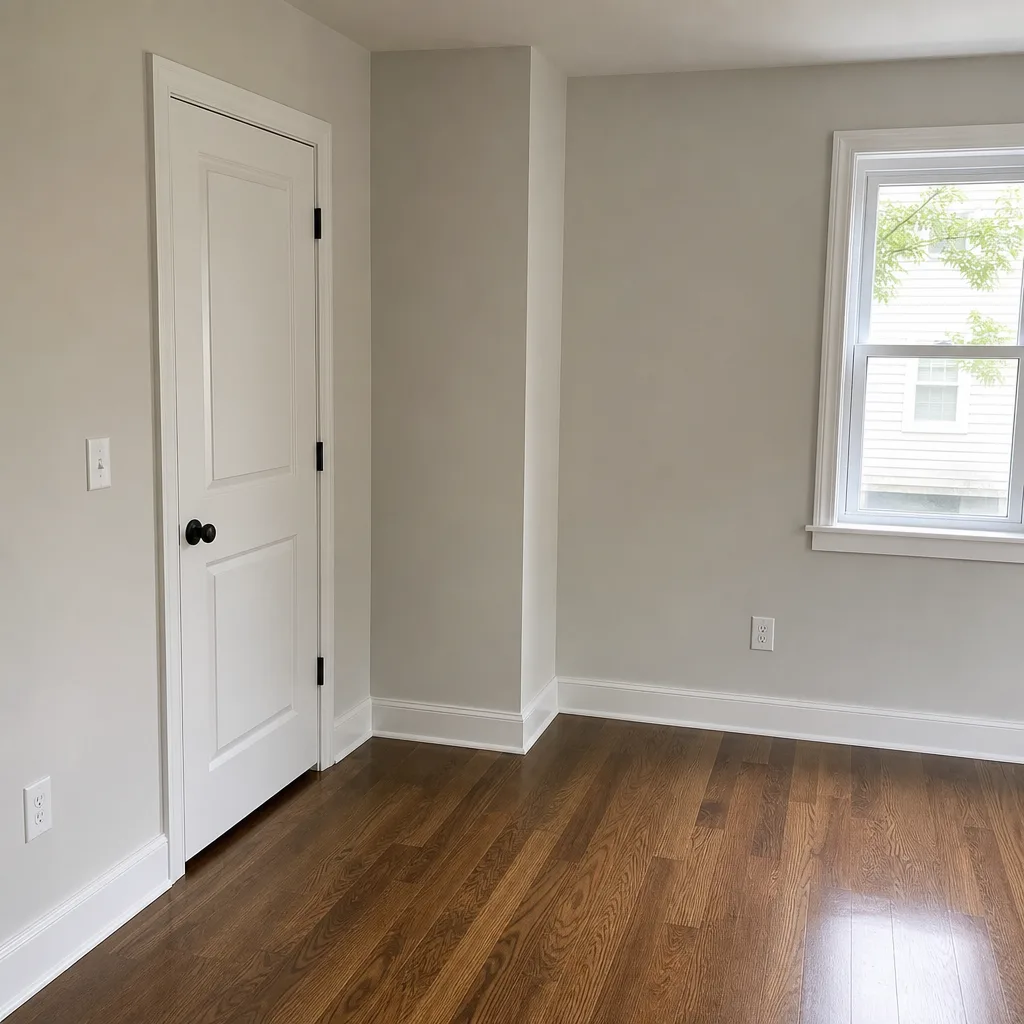 After
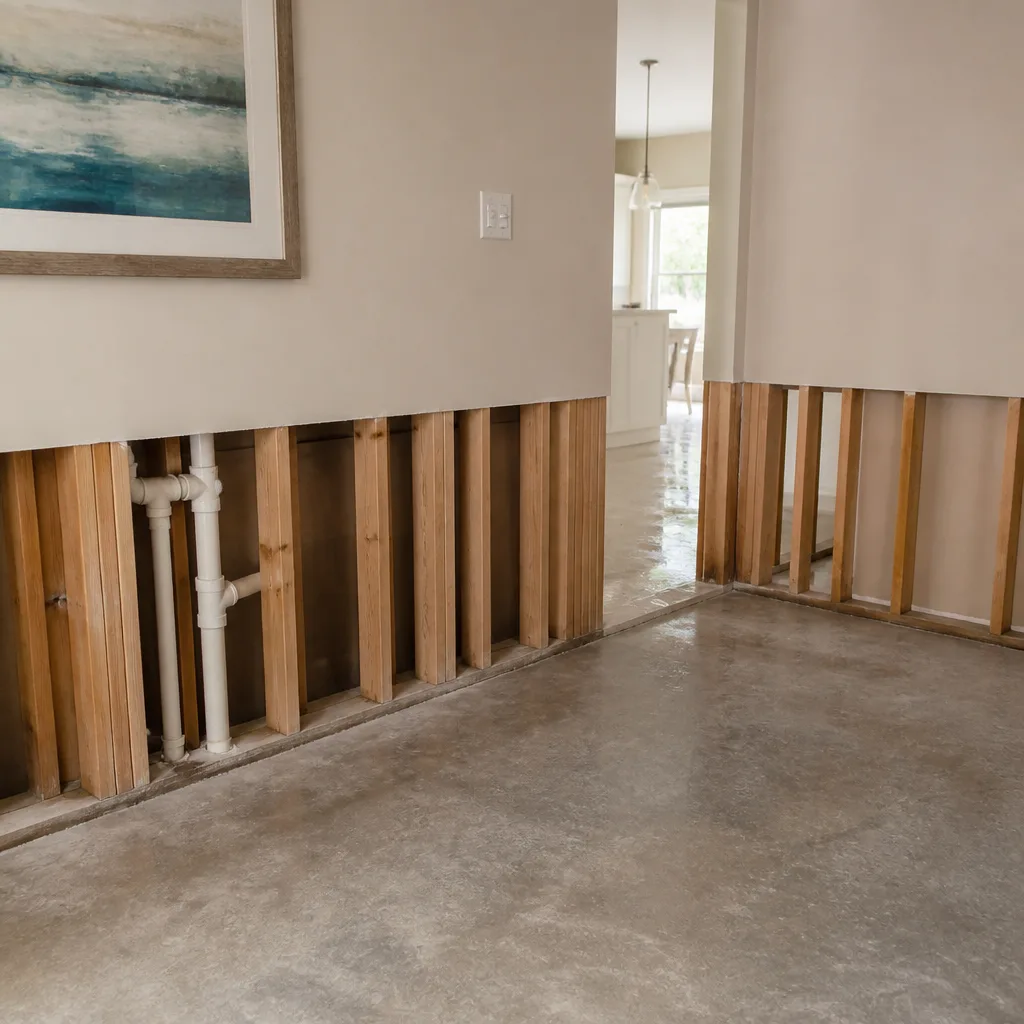
After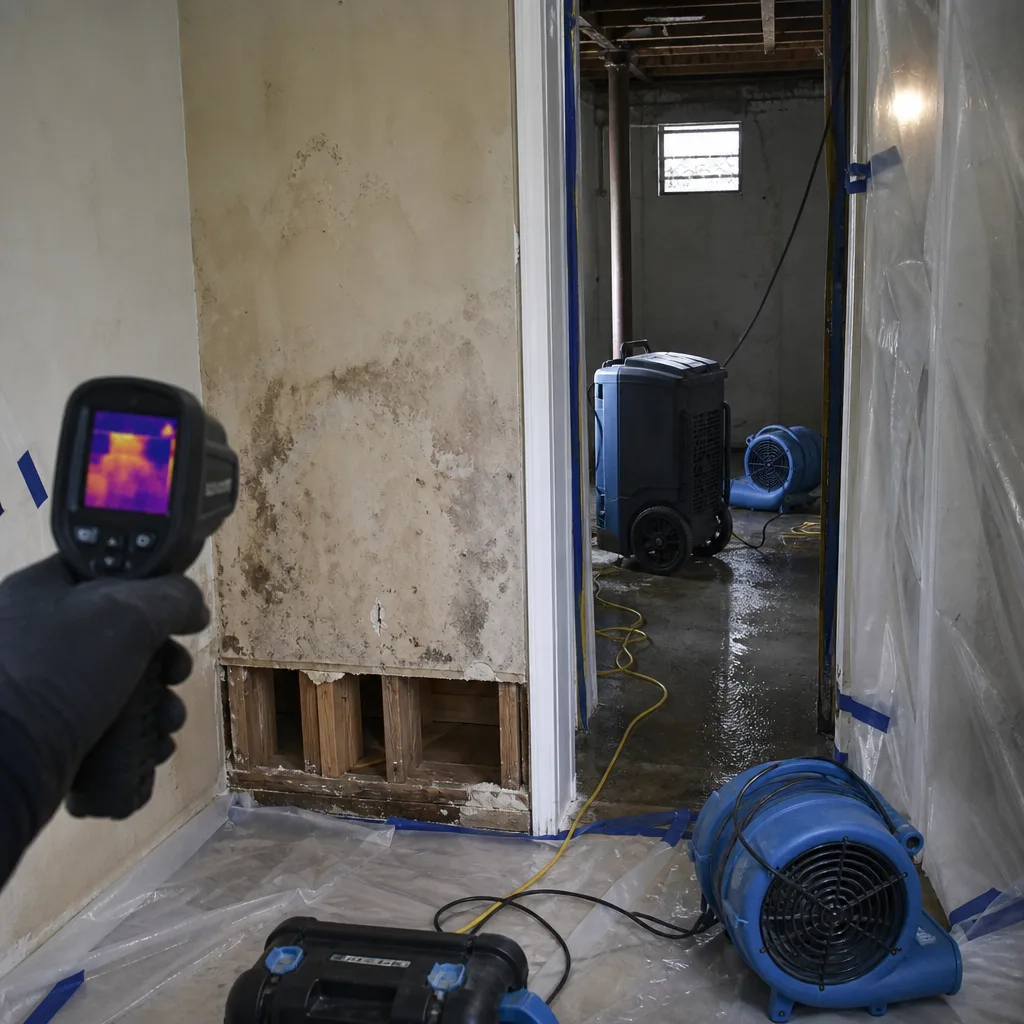 Before
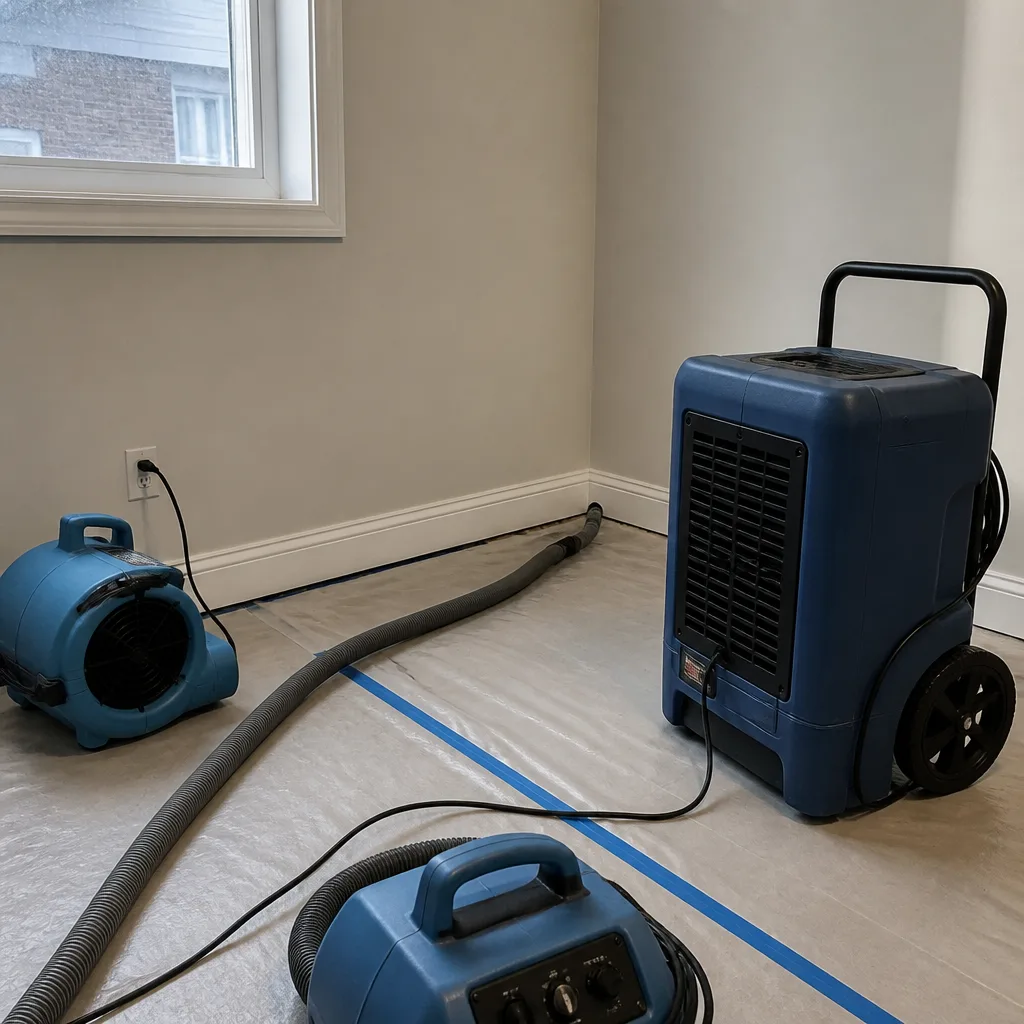 After
After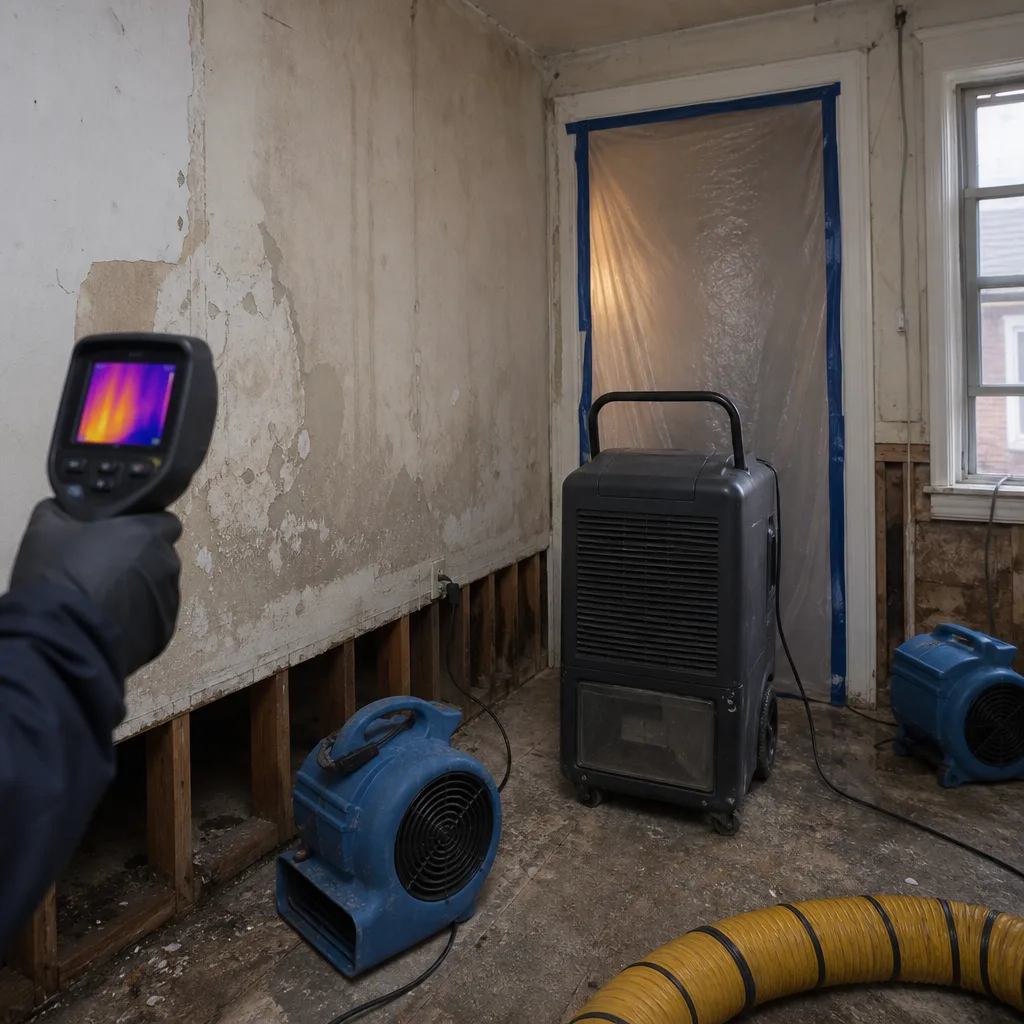 Before
 After
After24/7 Emergency Storm & Disaster Restoration in Lower Manhattan
Storm damage in Lower Manhattan moves fast, and so do we. If water is coming through a roof, a window, or up from a sub-basement, call (201) 903-9581 right now and Wade Ferris will answer. A live person picks up every call, day or night, and a crew can be on-site inside the hour to start extraction and board-up before the damage spreads. The first 60 minutes decide whether you’re drying a room or replacing a floor system, so we don’t waste them.
Our Storm & Disaster Restoration team works in Lower Manhattan every week, which means we know the buildings, the building managers, and the specific ways water finds its way into a converted pre-war tower or a Battery Park City high-rise. A free visual inspection gets you a straight answer about what you’re looking at, and the scope of work goes in writing before anything gets torn out.
Understanding Storm & Disaster Restoration Severity in Lower Manhattan Properties
Not all storm water is the same, and Lower Manhattan’s building stock makes the distinctions matter more than anywhere else in the city. Category 1 water from a roof leak or burst supply line is clean enough to dry in place with the right equipment. Category 2 grey water from a backed-up floor drain or a sump failure carries biological contamination that requires antimicrobial treatment before drying. Category 3 black water, which is what a Hudson River surge or a sewage backup delivers, means full containment, removal of saturated porous materials, and air scrubbing until clearance testing passes.
The severity question in Lower Manhattan goes deeper than water category. Buildings south of Chambers Street sit on landfill or filled marshland, and the water table is high enough that sub-basement concrete stays damp even when there’s no active leak. That hydrostatic pressure complicates drying readings and extends the timeline. In pre-war masonry buildings around the Seaport, moisture wicks up lime-based mortar and hides behind plaster for weeks before it shows on a surface reading. We moisture-map every affected floor and wall, because what you can’t see in a 19th-century building is usually where the real damage is hiding. Post-Sandy retrofits add another layer: sealed penetrations and flood doors are life-safety systems now, and any water behind them has to be documented before extraction starts, not after.
Why Lower Manhattan Property Owners Choose Wade’s Restoration
- 45-minute response commitment - Wade heads out the moment you hang up. From the Financial District to the Seaport, a crew is on the road within the hour, often faster.
- A live answer at 2 a.m. - You get Wade’s cell, not a call center. The person who answers is the person who will walk your building and sign your scope.
- IICRC-certified crews, right codes for the job - WRT for water, FSRT for fire and smoke, AMRT for mold. The right certification for the damage you actually have, not whoever was available.
- Free visual inspection - Before any equipment comes off the truck, we tell you what we see, what it will cost, and what’s optional. No charge for that.
- Direct insurance billing and adjuster coordination - We document the loss from the first hour and send photos, readings, and line items straight to your carrier. You don’t relay anything.
- One team from extraction to reconstruction - The same crew that pumps out your basement is the crew that rebuilds it. No handoffs, no re-explaining, no gaps.
Our Storm & Disaster Restoration Process
Inspection & Assessment
We start with a thermal imaging walk-through and moisture mapping of every affected surface. In Lower Manhattan sub-basements, that includes documenting post-Sandy retrofits: sealed penetrations, flood doors, and elevated electrical panels. The scope goes in writing before any work begins.
Extraction & Stabilization
Standing water comes out first, using truck-mounted and portable extraction units sized for the access. Emergency board-up and roof tarping happen in the same visit so no more weather gets in. In Battery Park City high-rises, we coordinate with building engineering before disturbing any life-safety system.
Drying & Dehumidification
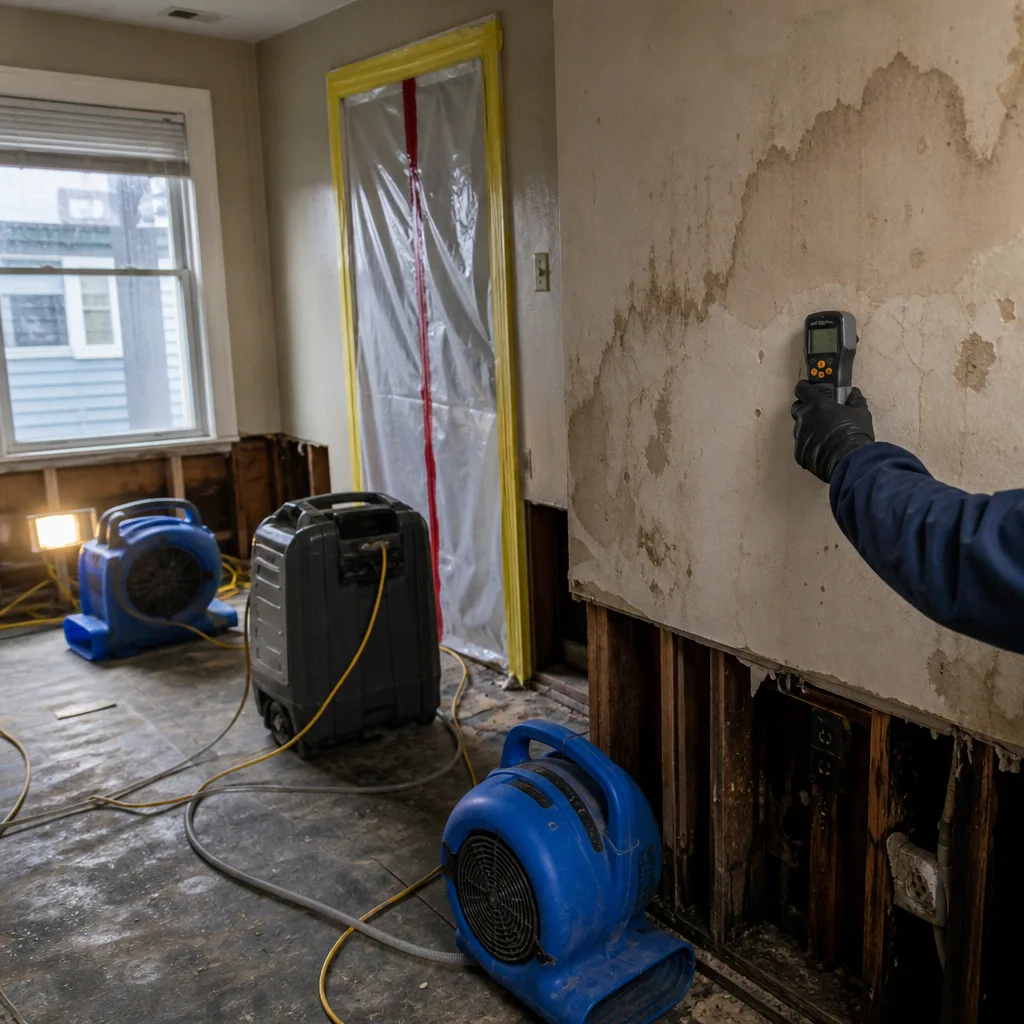
Dri-Eaz dehumidifiers and air movers get placed based on moisture readings, not guesswork. We take readings daily and keep a running log. In sub-sea-level basements, we track barometric pressure and groundwater seepage alongside the interior drying curve, because one without the other gives a false reading.
Cleaning & Sanitization
Category 2 and 3 water leave contamination behind. We treat with EPA-registered antimicrobials and run HEPA air scrubbers when containment is required. Every affected surface gets cleaned, not just the ones that look dirty.
Storm-Specific Specialty Treatment
Hydrostatic groundwater in Lower Manhattan demands a different drying protocol than a typical residential loss. We use Injectidry systems to pull moisture from behind post-Sandy sealant layers and masonry walls, and we document pre-loss conditions so the building engineer can sign off on re-commissioning any penetration we touched.
Repairs & Restoration
After the structure hits its drying targets, the rebuild starts: drywall, flooring, millwork, paint, and any mechanical work scoped in writing from day one. The 90-Day Done Right Promise covers every water, fire, and mold restoration job, stamped on the contract. If it isn’t done right, Wade makes it right.
Need Emergency Storm & Disaster Restoration in Lower Manhattan Now?
Crews minutes away, answering live 24 hours a day. The sooner we start, the less it costs.
Working With Your Insurance Company
Insurance needs paperwork before it writes a check, and the difference between a covered loss and a denied claim in Lower Manhattan often comes down to documentation from the first hour. We photograph everything, room by room, before anything is moved or cut. We record moisture readings daily and hand you the full log at the end of the job, the same log Wade would want if it were his own building. When your adjuster calls with questions about why the drying timeline ran long or whether that penetration was pre-existing, we answer directly. You’re never stuck relaying information between two sides.
What We Provide Your Insurer
- Thorough documentation of the loss
- Photos of all damage, room by room
- Moisture readings and drying logs
- A detailed, line-item scope of work
- Direct coordination with your carrier
Built for Lower Manhattan’s Loss Calendar
Lower Manhattan’s storm season does not read like the rest of the state’s. January deep freezes burst supply lines in pre-war buildings that were never designed for modern heating cycles, and the water travels down through four or five floors before anyone notices. Spring thaw pushes water into sub-basements from below, thanks to the high water table under Battery Park City and the landfill along the Hudson. Summer thunderstorms overwhelm combined sewers in the Financial District and send street water backward through floor drains in sub-basements. And from late August through November, nor’easters pile surge up the harbor and test every flood door from South Street Seaport to Battery Park. The buildings that Sandy hit in 2012 are hardened now, but the retrofits are aging, and the water always finds the one penetration that didn’t get sealed in 2013.
Storm & Disaster Restoration Across Lower Manhattan’s Neighborhoods
Battery Park City is a different job than the Financial District, and the Seaport is different from both. In Battery Park City’s 1980s and 2000s high-rise condos, the fight is in the sub-basements: generators, switchgear, and boiler rooms sitting at or below sea level, protected by flood doors that need engineering sign-off before we can move a pump through them. The Financial District’s converted office towers have deep mechanical floors from their pre-residential life, and water travels down elevator shafts and chase ways faster than it travels across a floor. Around South Street Seaport, the building stock is 19th-century masonry, and we’re dealing with wood framing behind brick, lime mortar, and basements that have been flooding on and off for 150 years. Stone Street’s narrow blocks and tight alley access mean our equipment has to move through doors barely wider than a man’s shoulders. Every one of these areas requires a different access plan, a different drying strategy, and a different conversation with whoever holds the keys.
Specialized Storm & Disaster Restoration Services We Offer in Lower Manhattan
Flood Damage Restoration
Water intrusion in Lower Manhattan comes from above and below: storm surge up the harbor, flash flooding from overwhelmed sewers, and groundwater seepage through sub-basement slabs. We extract, dry, and restore with protocols specific to post-Sandy flood-hardened buildings. The 90-Day Done Right Promise means if the drywall bubbles or the odor returns within three months, Wade comes back. No charge for that.
Emergency Board-Up
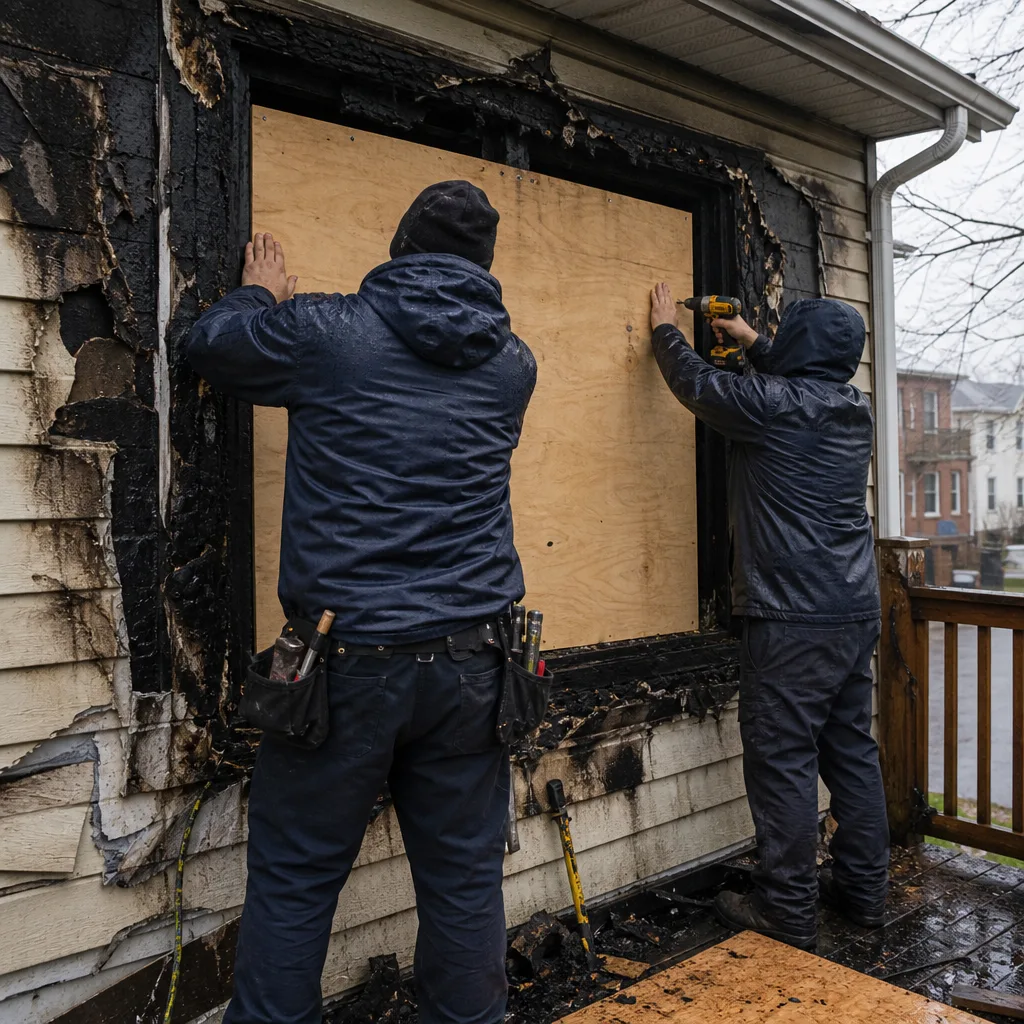
A broken window or a torn door in Lower Manhattan is an open invitation to more weather and anyone walking past. We board up with plywood and 2×4 bracing, sized to the opening and secured against wind. In high-rises near the water, we add vertical bracing that a standard board job doesn’t account for, because the wind loads on the 20th floor are not the wind loads on a suburban split-level.
Storm Damage Cleanup
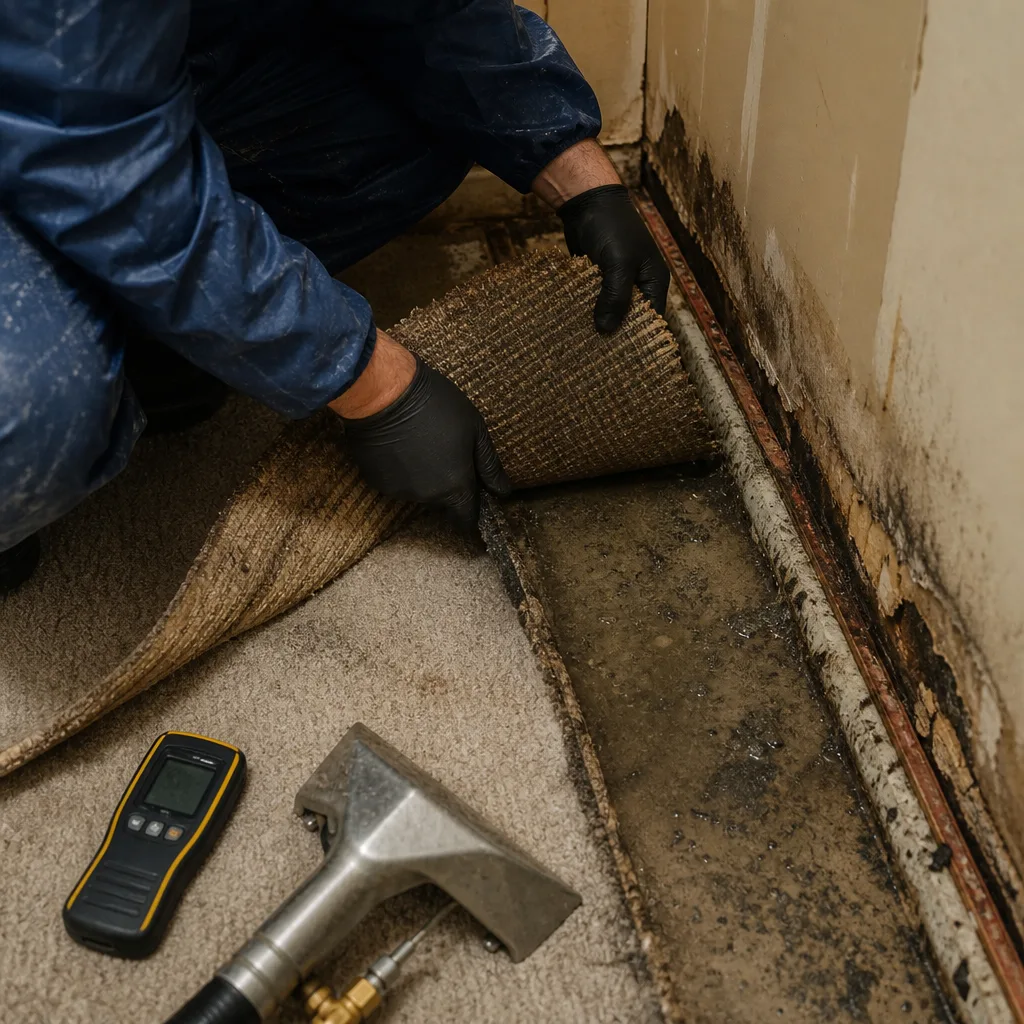
After the water comes out and the boarding goes up, the cleanup begins: saturated drywall, ruined flooring, waterlogged insulation, and the debris storm events leave behind. We remove it, haul it, and document it all for your claim. In post-Sandy retrofitted buildings, we flag any debris removal that touches a sealed penetration or flood door before we cut, because cutting without sign-off draws a Stop Work Order from the DOB.
Roof Tarping
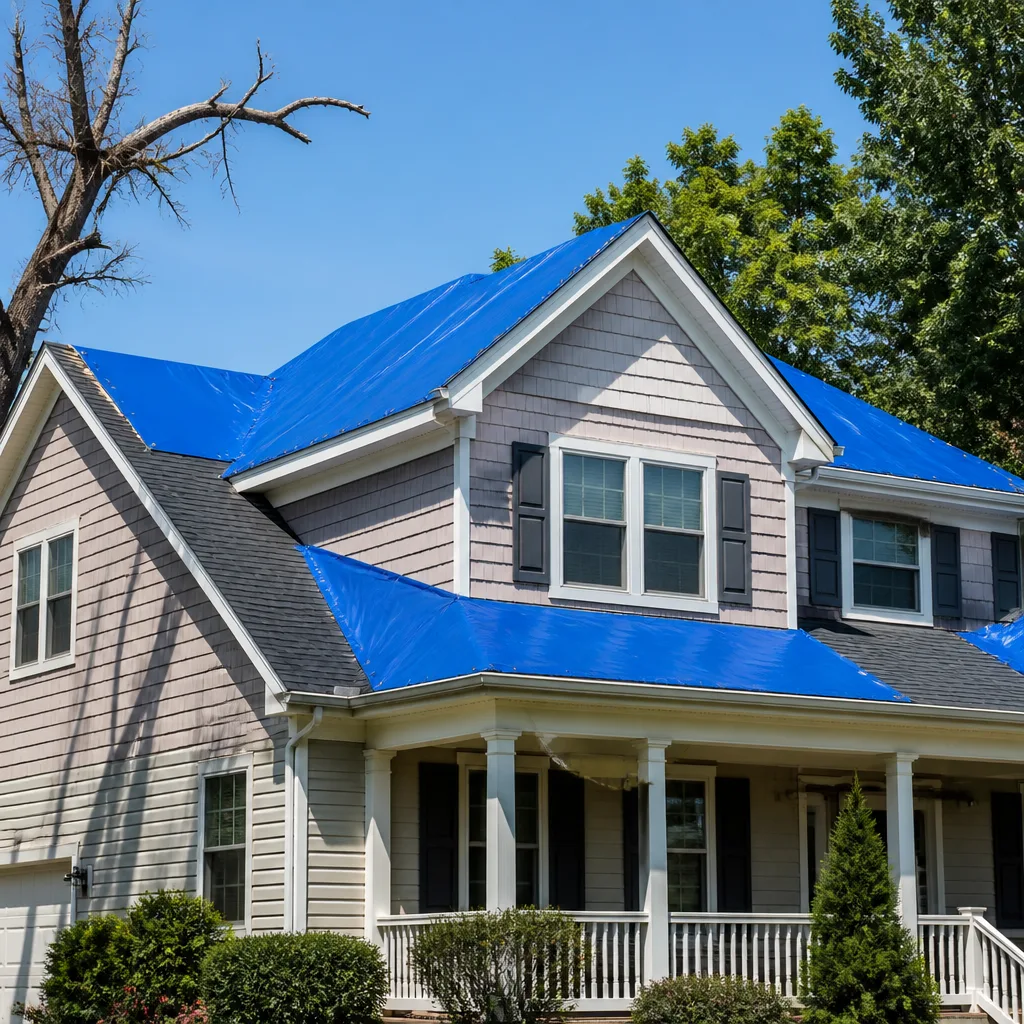
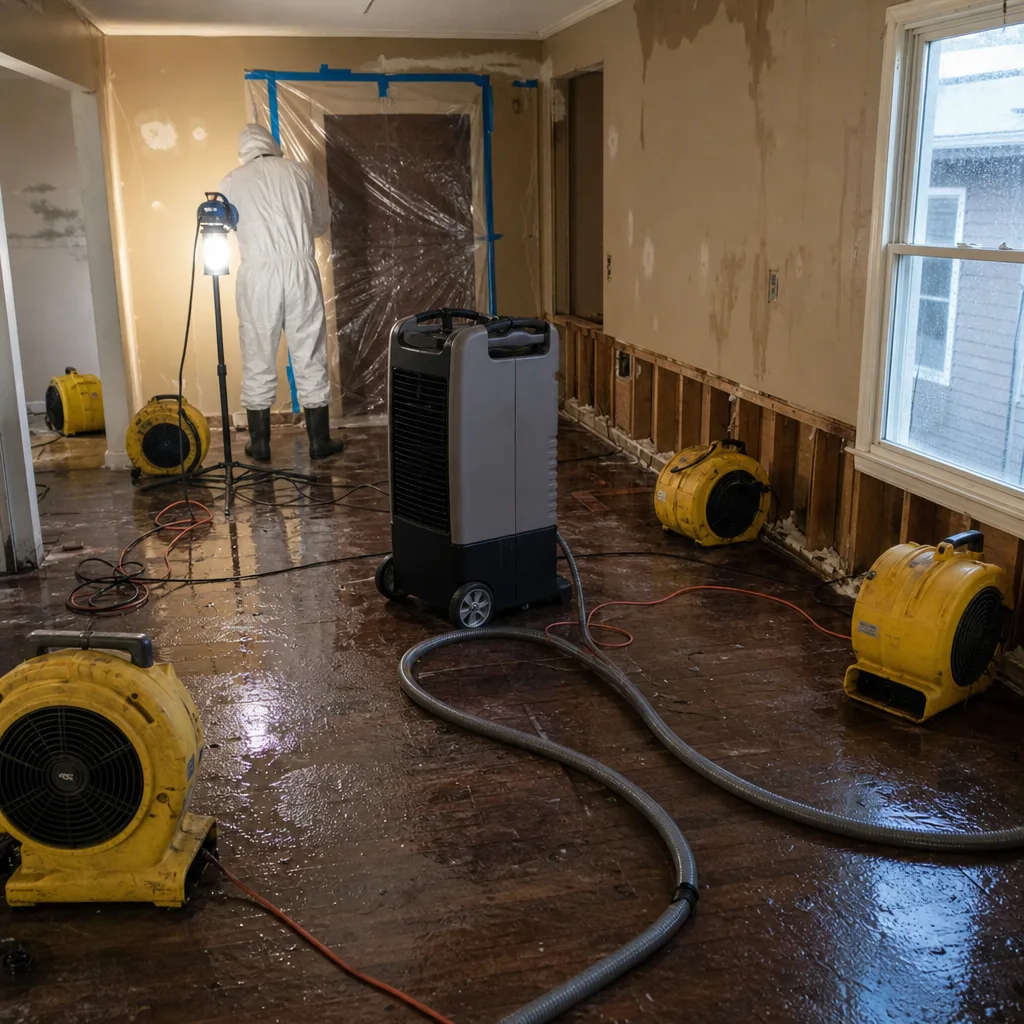
Wind-driven rain through a compromised roof membrane is the fastest way to turn a small leak into a full-floor loss. We tarp immediately, with tie-downs rated for the Harbor gusts that hit Battery Park City and the Financial District during a nor’easter. The tarp holds while you file the claim and line up a roofer. Emergency tarping stops the bleeding; it doesn’t replace the roof.
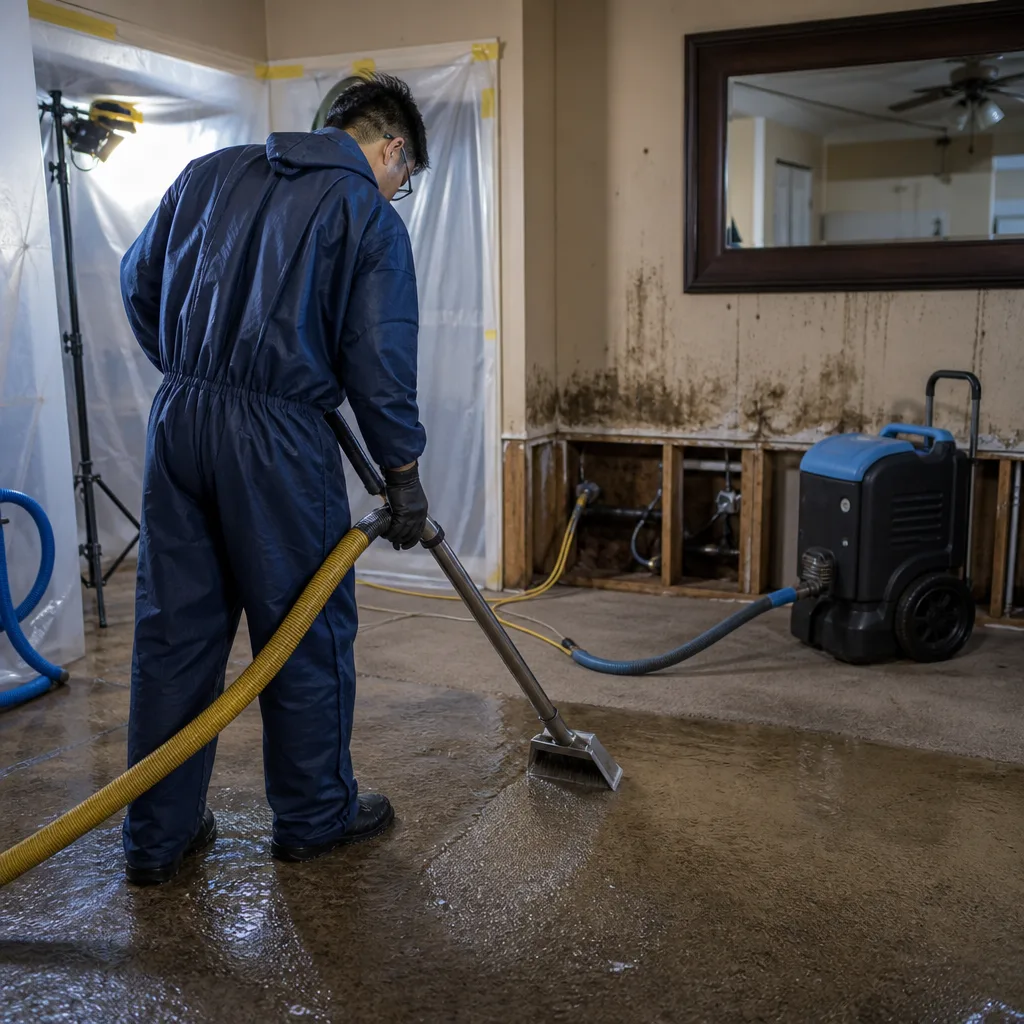
Debris Removal
Storm debris in Lower Manhattan’s tight streets and alley access points has to move fast before it blocks egress or draws fines. We haul saturated material, wind-damaged building components, and storm-driven refuse out through whatever access exists: freight elevators, narrow stairwells, or a sidewalk hatch on Stone Street. We photograph every load before it leaves, because your adjuster will want to see it.
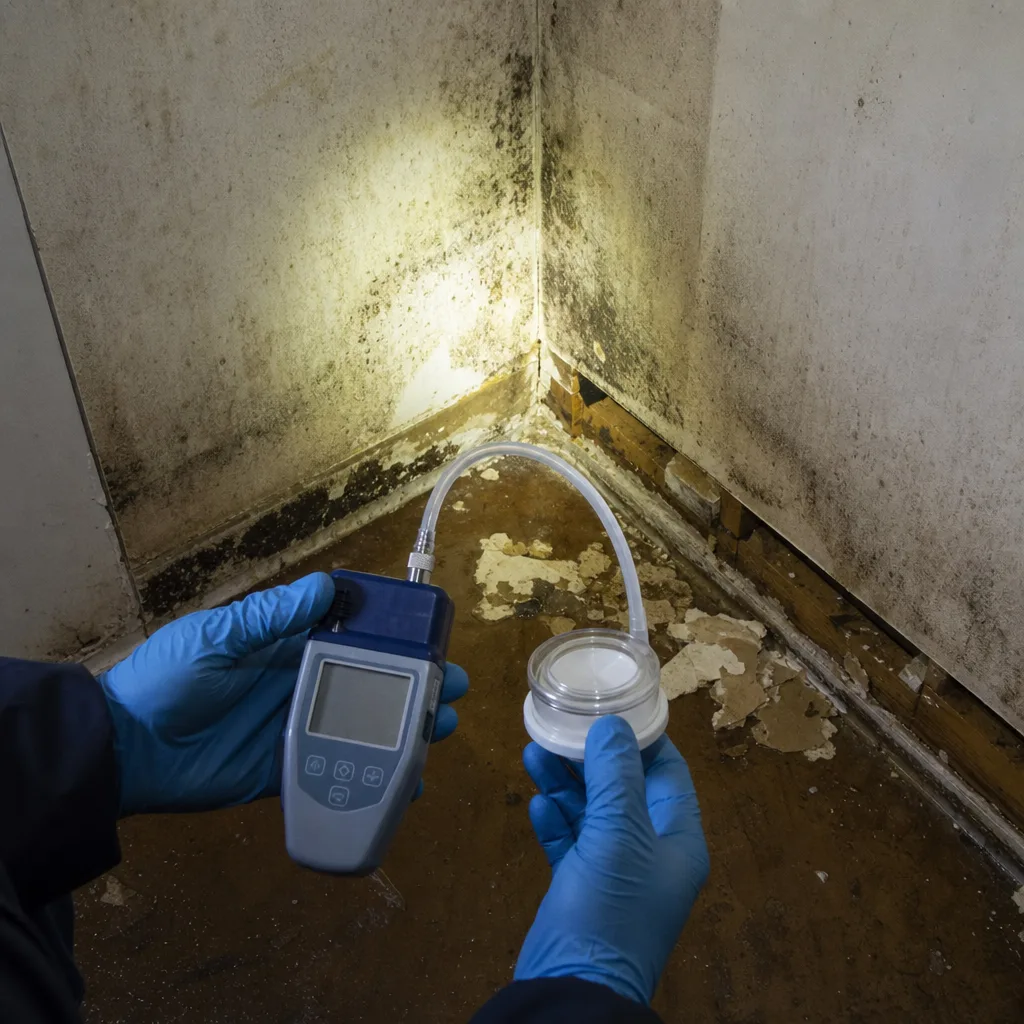
What happens when you call
- 1
A real person answersNo phone trees - you reach a local pro.
- 2
You get an upfront price rangeHonest numbers before anyone is dispatched.
- 3
A background-checked tech heads outLicensed & insured, dispatched right away.
- 4
You approve before work beginsNothing starts until you say go.
Storm & Disaster Restoration Costs in Lower Manhattan, NY
Flood damage restoration in Lower Manhattan typically runs $2,800 to $7,500 for a standard unit-level water loss with extraction, drying, and minor rebuild. A full sub-basement mechanical room flood, the kind that hits Battery Park City or FiDi high-rises, runs $12,000 to $45,000 depending on how much electrical gear flooded and what the building engineer requires for sign-off. Emergency board-up for a broken window or door runs $350 to $900 per opening, and roof tarping for a storm breach runs $500 to $1,500 depending on the roof type and how much tie-down hardware the wind conditions require. What moves the price: access challenges (freight elevator, narrow stair, DOB inspection triggers), the water category, and whether building engineering requires containment or a structural sign-off. Most covered losses go through insurance, and we bill your carrier directly with the documentation they need. A free visual inspection gets you a firm scope before anything starts.
We Also Serve Cities Near Lower Manhattan
Our crews work throughout the Lower Manhattan area and the surrounding blocks: Financial District, Midtown Manhattan, Long Island City, and Midtown West. If your building is within reach of the harbor surge or the nor’easter track, we’ll get there fast and bring the same Lower Manhattan-specific protocols with us.
Lower Manhattan Storm & Disaster Restoration Questions, Answered
How do post-Sandy flood doors and sealed penetrations affect emergency water extraction in a Financial District condo?
They mean we document before we extract. Post-Sandy flood doors and sealed penetrations are life-safety retrofits, and disturbing any of them without building engineer sign-off can trigger a DOB Stop Work Order that shuts down a routine water-loss job for days. We photograph pre-loss condition, map every penetration, and get the sign-off before any demo or pump placement happens near them.
Why does a basement in Battery Park City stay wet even after our storm water extraction is done?
Battery Park City sits on Hudson River landfill with a high water table, so groundwater pressure pushes moisture up through the slab even after standing water is gone. The concrete keeps releasing water vapor for days, sometimes weeks. That’s why we track hydrostatic conditions alongside the interior drying curve, and why anyone who quotes a two-day dry time for a Battery Park City sub-basement is guessing. Call (201) 903-9581 and we’ll show you the actual readings.
Can we perform demolition on a water-damaged mechanical room with elevated electrical panels without shutting down the building?
Usually yes, but it depends on the panel height and the water line. Elevated panels that stay above the water can remain live if the building engineer confirms clearance, but any panel that got wet needs de-energizing before we touch adjacent materials. We coordinate that with the building’s electrical contractor and the engineer, and we never cut into a raised switchgear room without a signed plan. That sign-off is the difference between a two-day job and a two-week DOB hearing.
What’s the difference between drying a pre-war masonry basement near South Street Seaport and a modern high-rise sub-basement in Battery Park City?
Masonry and landfill behave completely differently. A South Street Seaport basement is brick and lime mortar, which wicks water upward and holds it behind plaster for weeks. A Battery Park City sub-basement is concrete and steel, where the enemy is hydrostatic pressure from the river and the water table. The Seaport needs lower, slower drying with masonry-specific monitoring; Battery Park City needs aggressive dehumidification while tracking groundwater. Same equipment brands, completely different protocols.
During a nor’easter, how do you handle a flooded commercial boiler room in a stone-street-era building where the FDNY requires access to the vault below?
We extract around the access path first, keep a clear egress corridor to the vault, and coordinate with the building’s fire safety director before any equipment placement blocks a required pathway. In a nor’easter, the FDNY access requirements don’t pause because the boiler room flooded, so our pump-out plan gets sketched with that corridor mapped. If the vault itself is wet, we document it and flag it for the engineer before anything gets turned back on.
How fast can someone actually get to Lower Manhattan for storm damage?
Inside the hour, usually faster. Wade’s crews are already working in the Financial District, Battery Park City, and the Seaport every week, so the trucks are minutes away, not an hour across a bridge. For a roof leak or a broken window, Wade heads out the moment you call. For a full sub-basement flood, the extraction equipment rolls the same hour. Call (201) 903-9581 and a live person tells you exactly when the crew will pull up.
Will insurance cover storm and flood damage in Lower Manhattan?
Storm damage from wind, rain, and burst pipes is typically covered under a standard policy, though flood from harbor surge or groundwater is usually a separate flood policy. What matters is documentation: photos before anything moves, moisture readings, and a line-item scope. We bill your carrier directly and talk to the adjuster ourselves, so you’re never the one arguing coverage at 11 p.m. after a nor’easter.
What should I do in the first 30 minutes after storm damage in Lower Manhattan?
Shut off the water if it’s from a pipe, kill power to any wet area if you can do it safely from a dry panel, move what you can off the floor, and call (201) 903-9581. Don’t cut into walls, don’t unseal any post-Sandy retrofits, and don’t run a shop vac on category 2 or 3 water without protection. The first 30 minutes decide whether you’re drying carpet or replacing subfloor. Call now, and Wade Ferris will answer.
Serving Lower Manhattan, NY - Our Local Coverage Area
We’re based in the Lower Manhattan area and know this community well. Use the map below to see our service coverage - if you’re nearby, we can almost certainly help.
Serving Storm & Disaster Restoration in Lower Manhattan
When water is coming into a Lower Manhattan building, the clock is already running. You need someone who answers the phone, shows up fast, knows the post-Sandy retrofits and the below-sea-level basements that make this part of the city different, and stands behind the work. That’s us. Wade Ferris has been answering his own phone since 2007 and running the company the old way: his name on the truck, his word on the contract, his cell number in your phone. Call (201) 903-9581 for a free estimate and a straight answer about what you’re dealing with. If it isn’t done right, the 90-Day Done Right Promise says he makes it right. In writing.
Written by Wade Ferris, Owner at Wade’s Restoration, serving Lower Manhattan and the New York City area.