
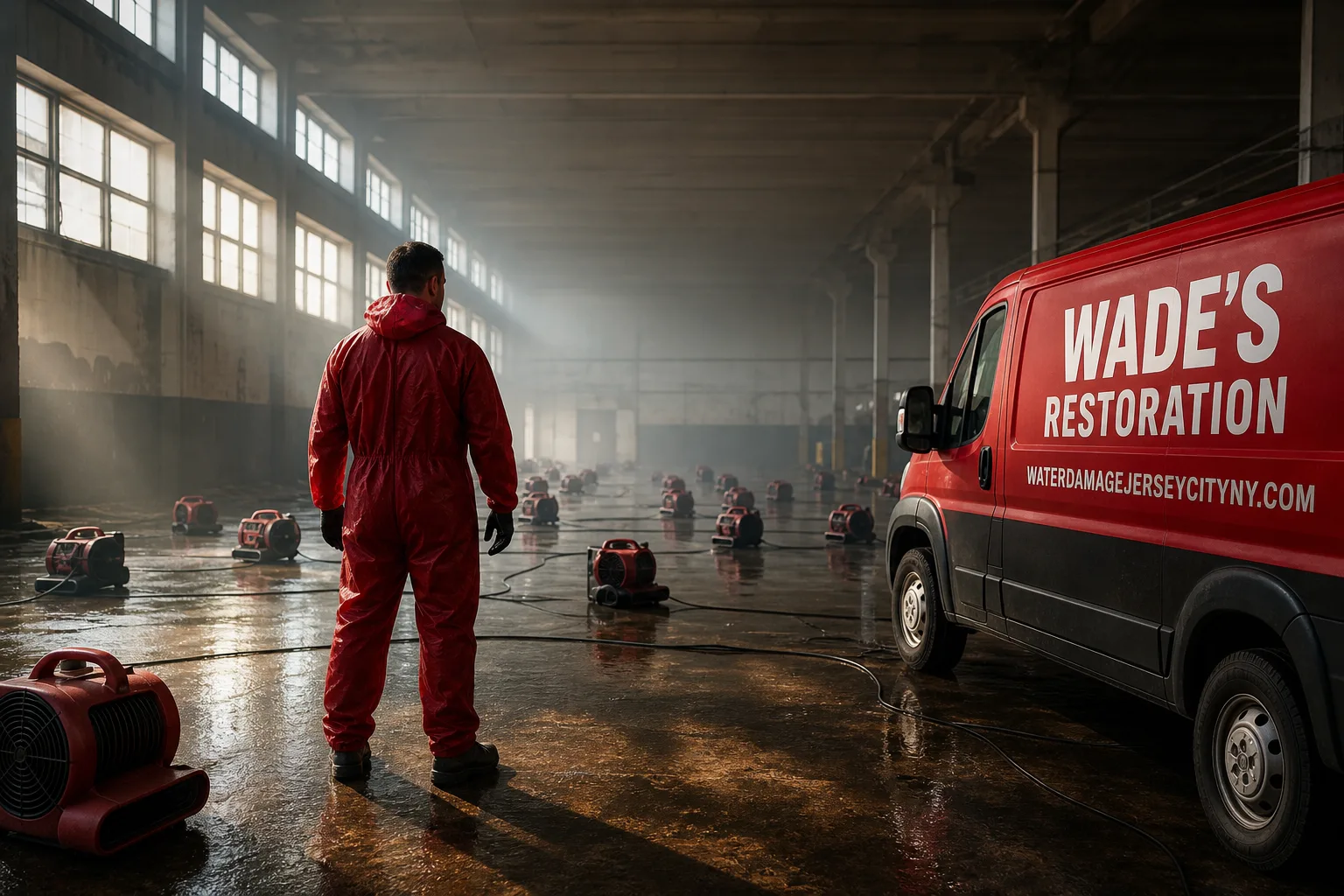
Free visual inspection and a written scope of work before any mitigation begins - photos, moisture readings, and drying logs go in your claim file
The scope we write is the scope we bill. Anything new gets shown to you, in writing, before we touch it.
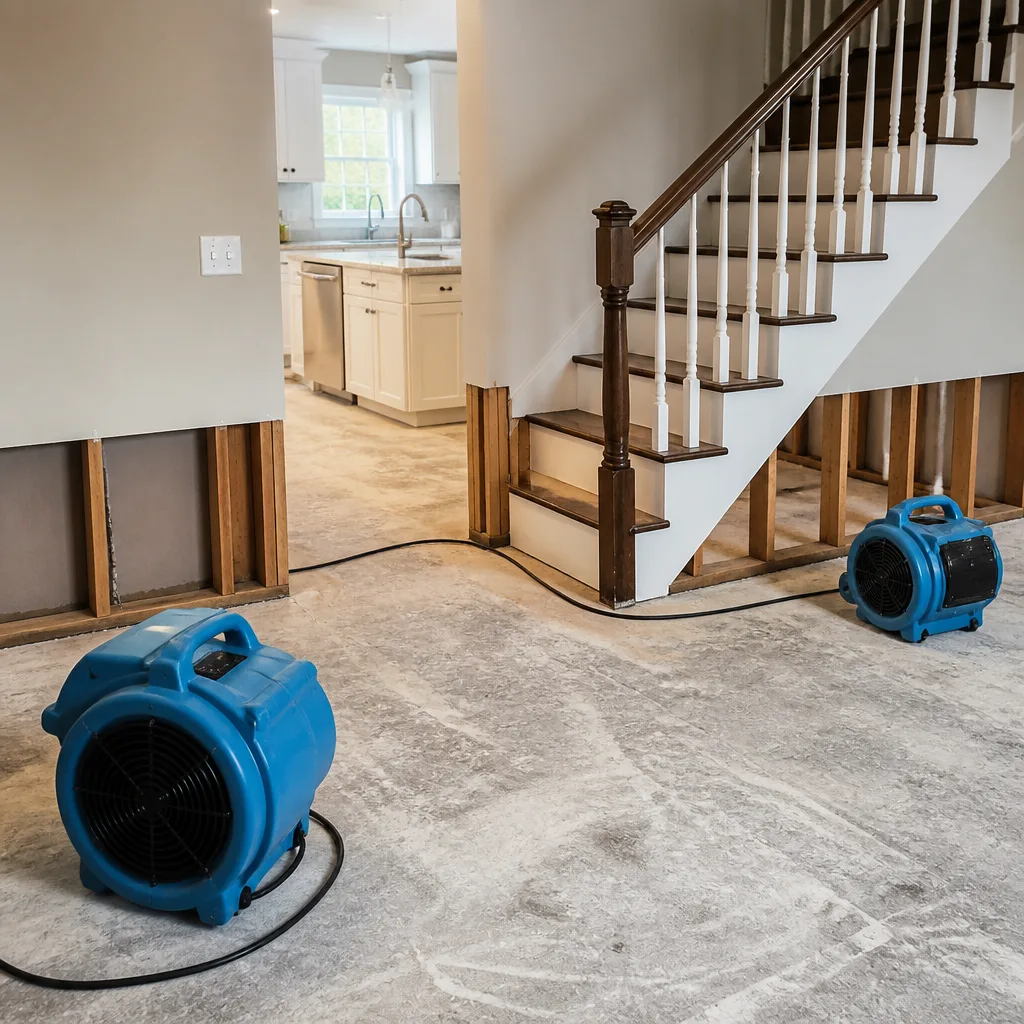
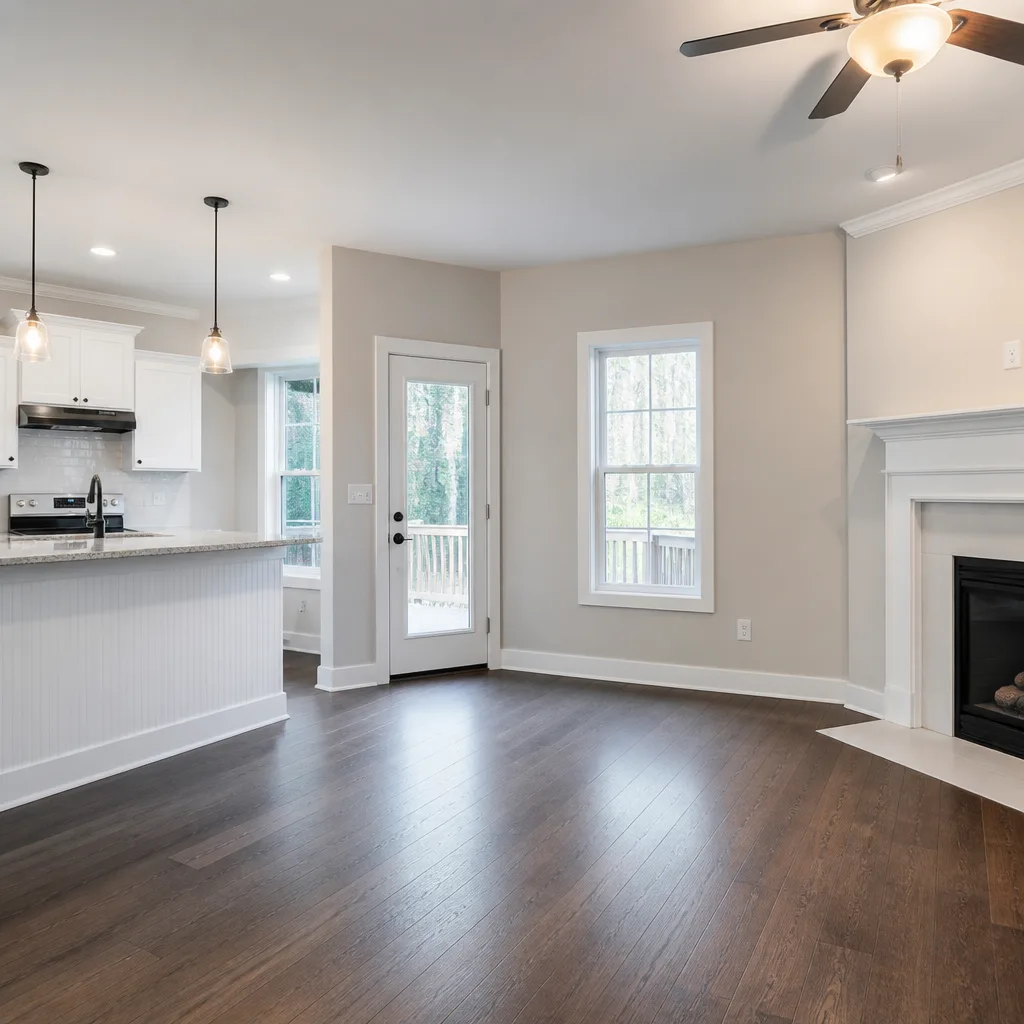
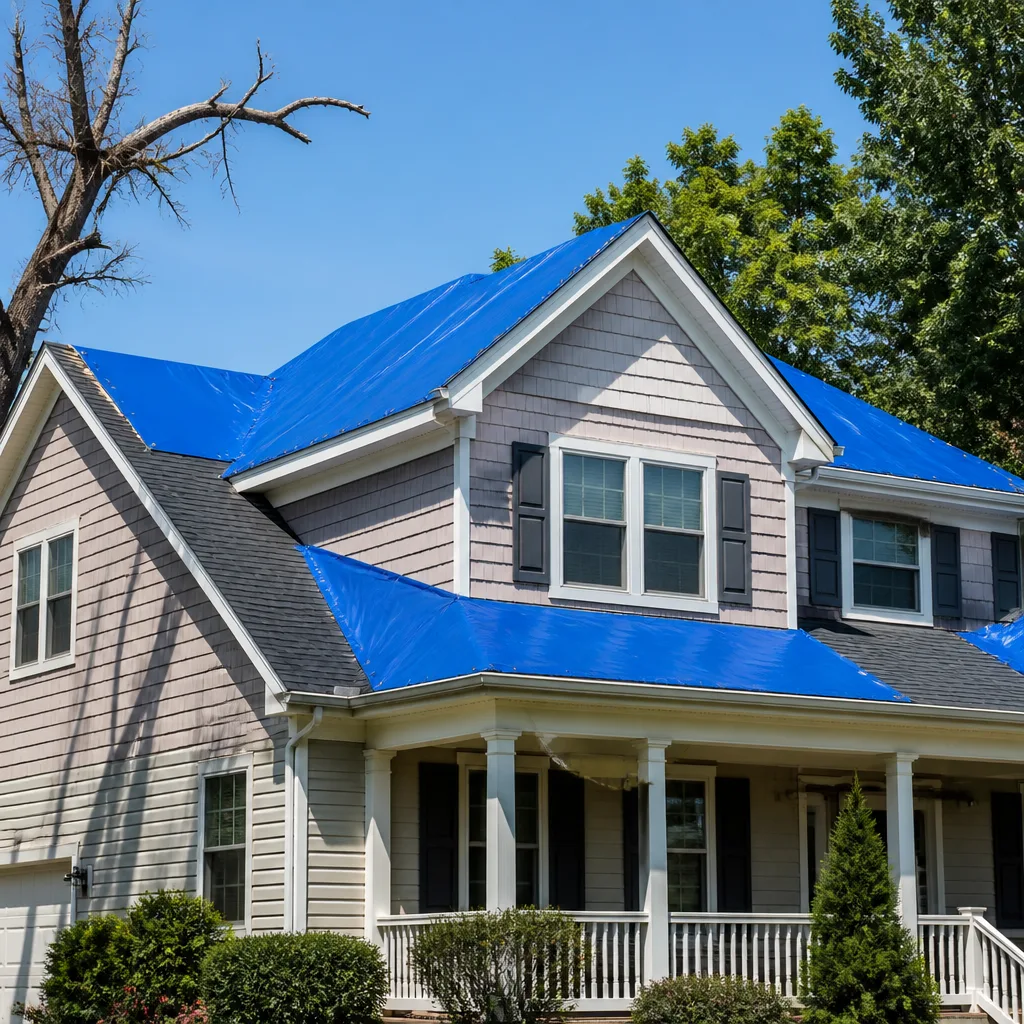
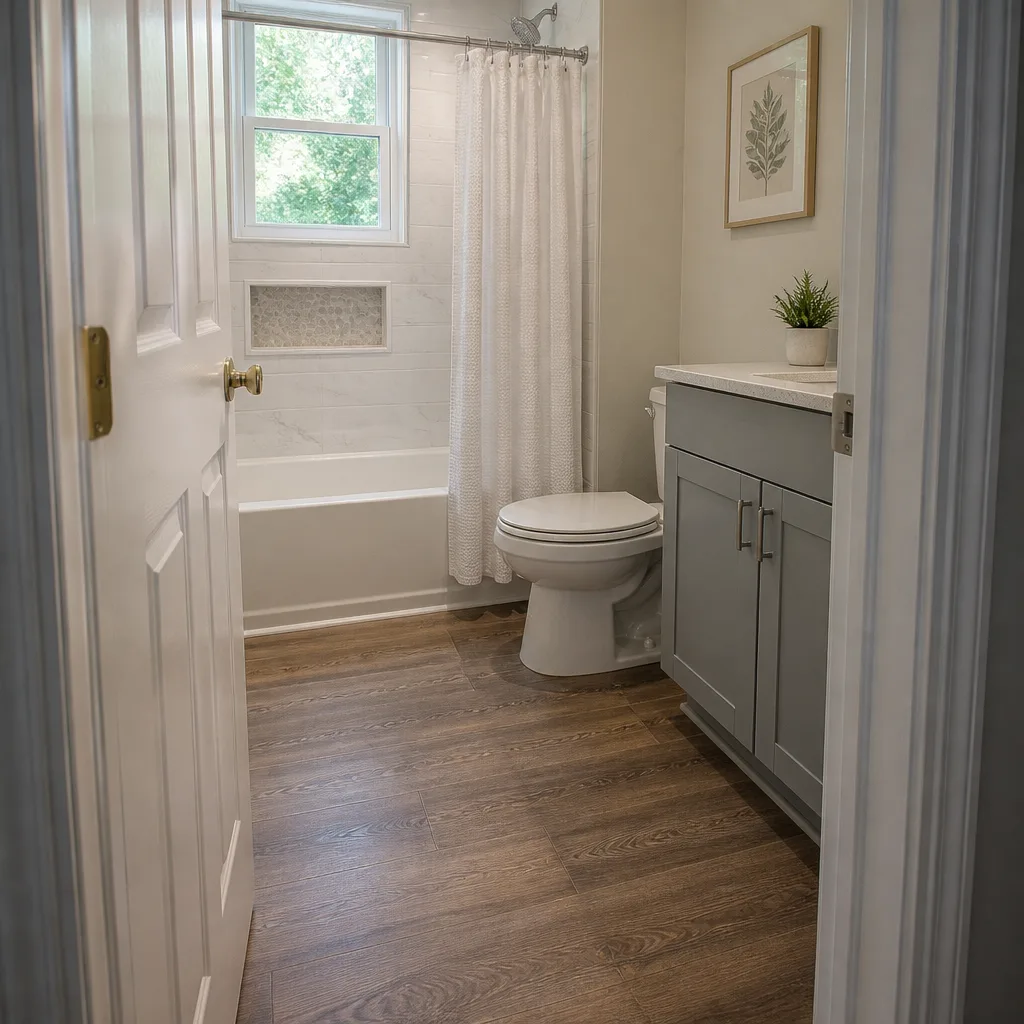
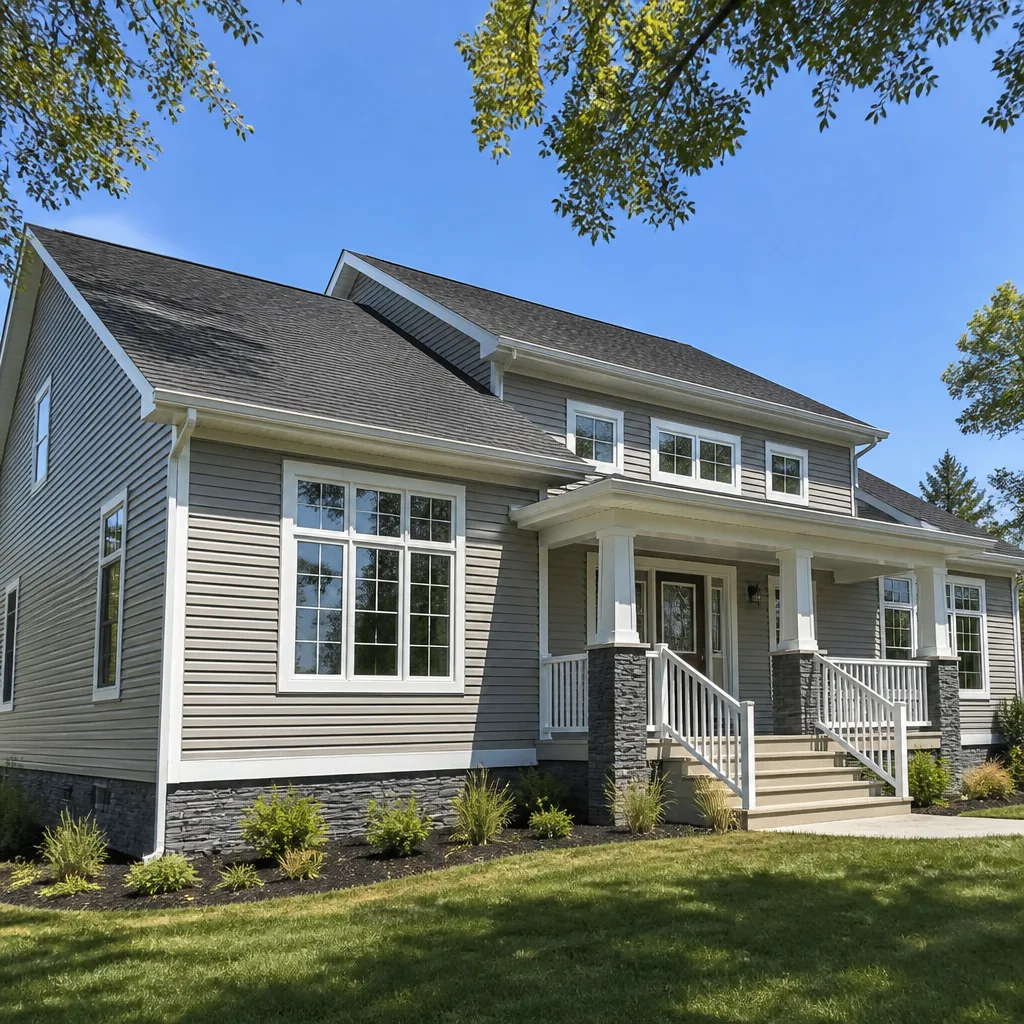
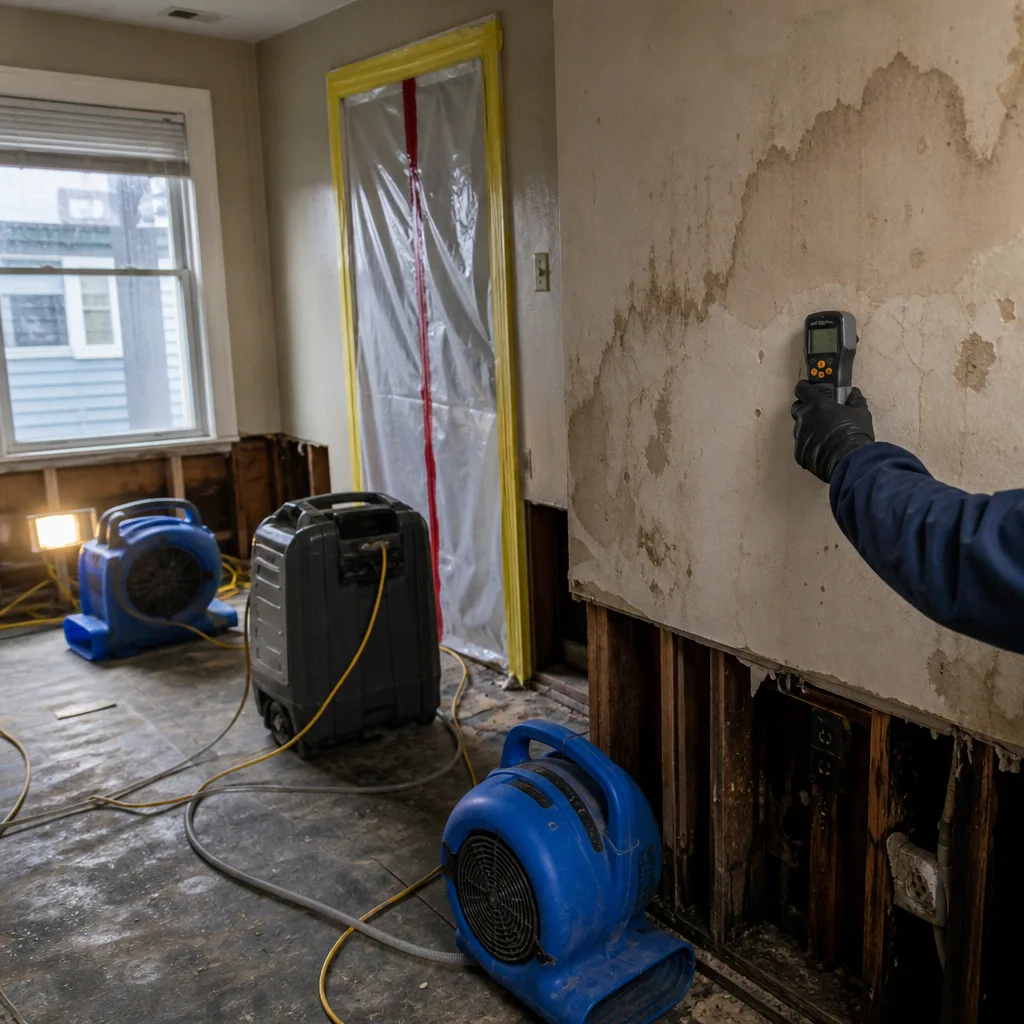 Before
 After
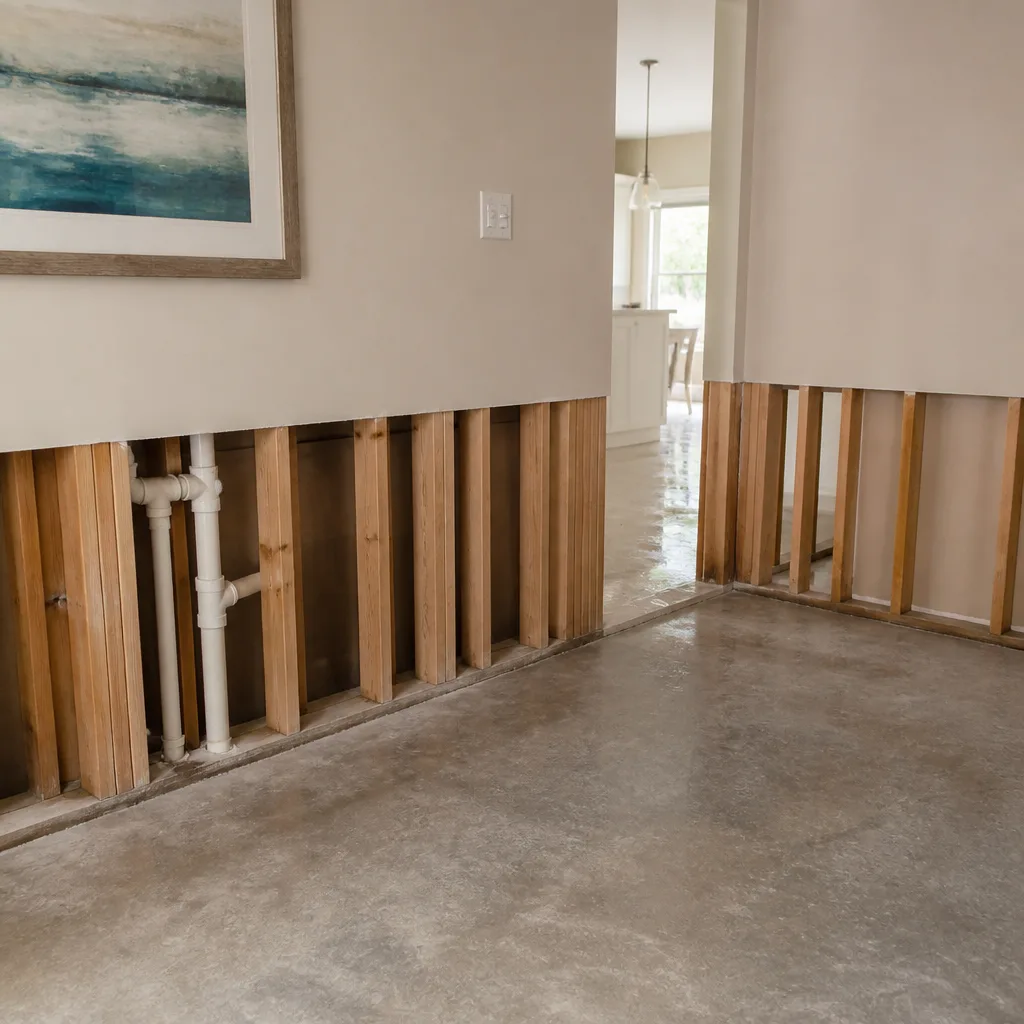
After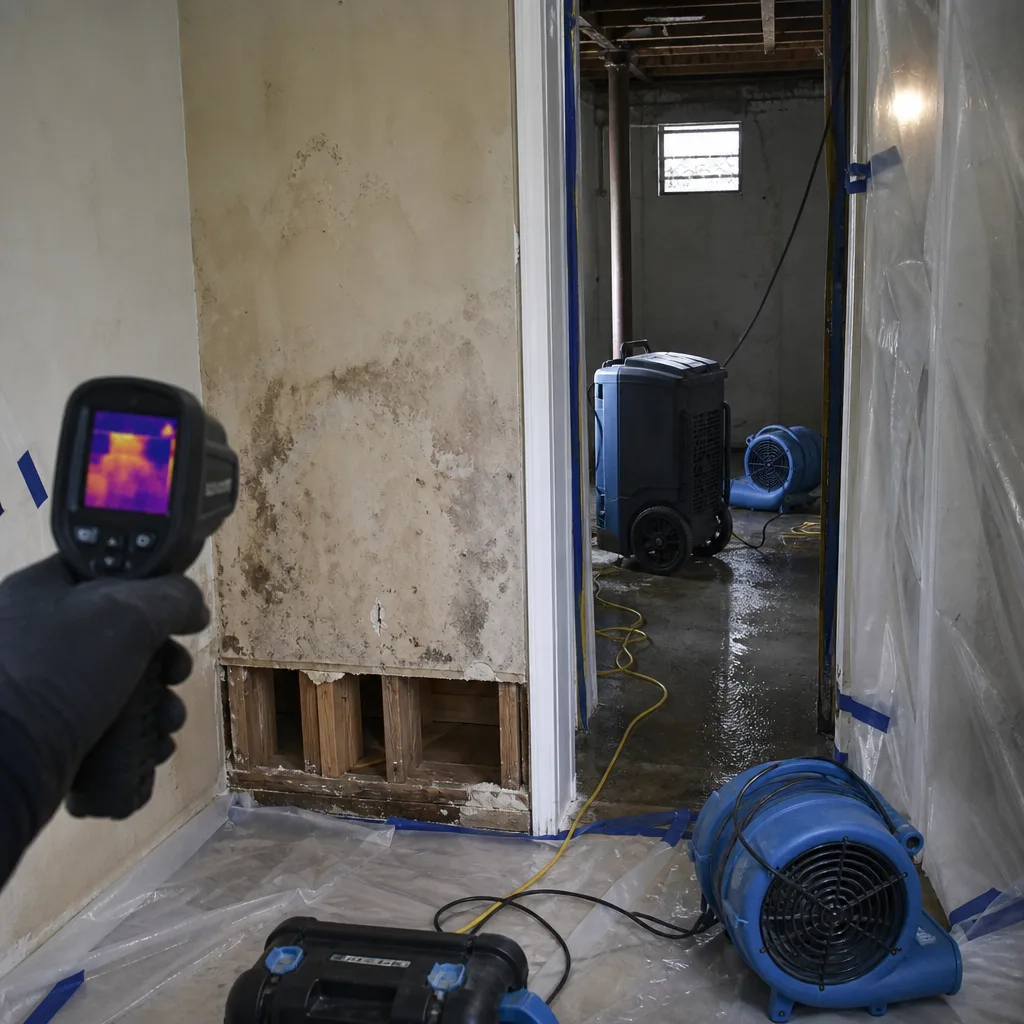 Before
 After
After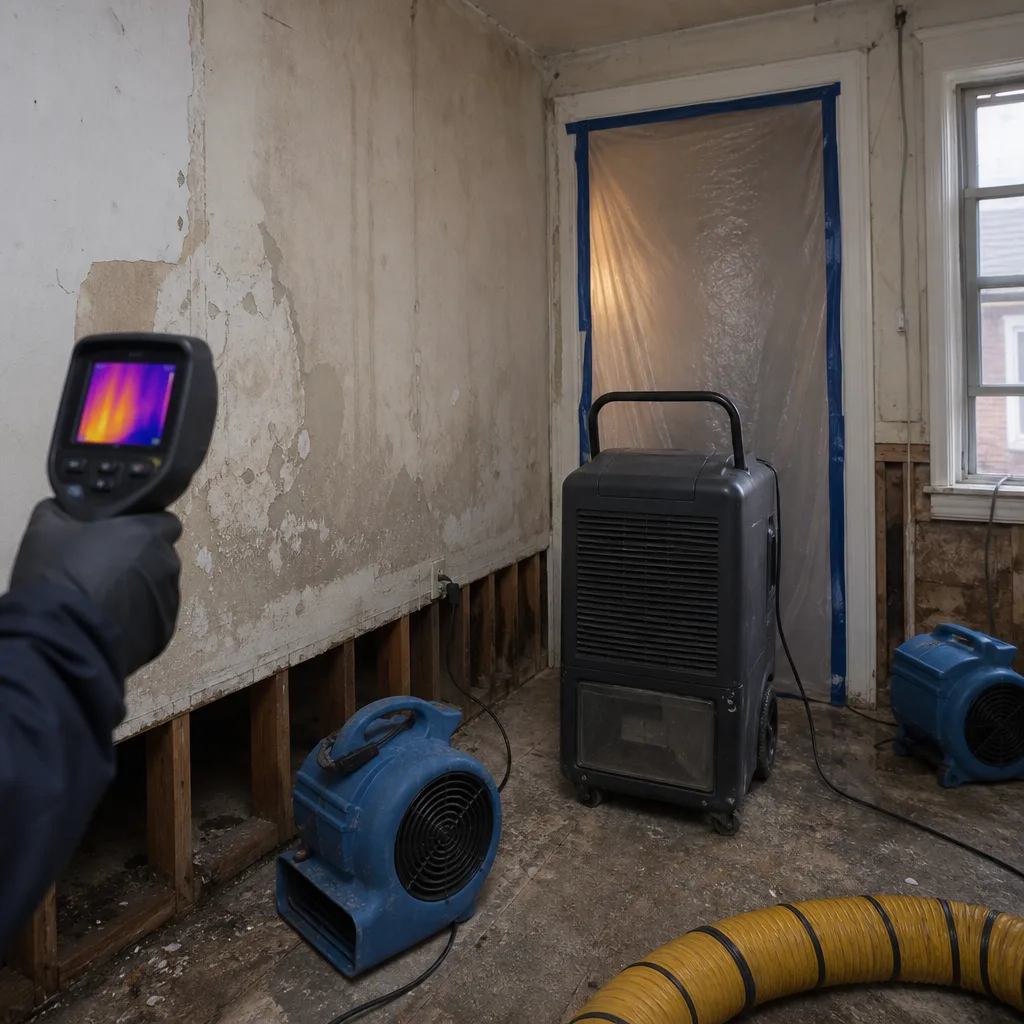 Before
 After
After24/7 Emergency Reconstruction & Cleanup in Midtown West
When a sprinkler line lets go on the 40th floor of a Midtown West hotel tower, or a nor’easter drives rain through the curtain wall of a Hudson Yards high-rise, you don’t have time to wait three days for a crew to show up with the wrong equipment. You need extraction running within the hour, moisture mapping across every affected surface, and a plan that respects the building’s freight elevator schedule. That’s what we do. Call (201) 903-9581 any hour, day or night. Wade Ferris answers his own phone and can have his crew moving toward your Midtown West building before you finish describing what happened. The first hour after a water or fire loss determines how much of your drywall, flooring, and millwork survives. We treat that hour like it belongs to you.
Understanding Reconstruction & Cleanup Severity in Midtown West Properties
Midtown West splits into three distinct building types, and each one fails differently. The pre-war tenements of Hell’s Kitchen, most built between 1890 and 1920, have plaster-and-lath walls that soak up category 1 water like a sponge and hide it for days. By the time you see staining, the wall cavity is already saturated and mold has started colonizing inside the plaster keys. The luxury high-rises of Hudson Yards and the far West 50s present a different problem entirely: curtain-wall systems with failed window seals that channel wind-driven rain behind custom paneling, where moisture sits invisible until hardwood floors begin to cup. Then there are the mid-century Class B office conversions in the 40s. These buildings were never designed for residential plumbing loads, so riser breaks and fixture failures are common, and the retrofitted mechanical chases make access slow and destructive. When we assess damage in Midtown West, we classify the water category first: category 1 from supply lines and sprinklers, category 2 with contaminants, category 3 from sewage or floodwater. The category drives every decision downstream, from what gets dried in place to what gets cut out and replaced. For fire losses, we trace soot residue types across multiple floors, because smoke migrates through shared ventilation systems and elevator shafts in ways that surprise property owners.
Why Midtown West Property Owners Choose Wade’s Restoration
- 45-minute response commitment. When you call, Wade knows whether he can reach your Midtown West building inside 45 minutes. If he can’t, he tells you so and helps you find someone who can. No games.
- 24/7 live answer, always a real person. No voicemail, no answering service, no call center in another state. Wade answers his own phone. At 2 a.m. on a Sunday, that’s his voice on the line.
- IICRC-certified crews, properly trained. The people Wade sends hold WRT (Water Restoration Technician), FSRT (Fire and Smoke Restoration Technician), and AMRT (Applied Microbial Remediation Technician) certifications. They know what they’re doing on floors 2 and 40 alike.
- Free visual inspection before anything starts. You get a straight assessment of what’s wet, what’s damaged, and what can be saved. No pressure, no inflated scope. If you already have an estimate from someone else, bring it. Wade will give you a free second opinion on it.
- Direct insurance billing. We document everything from the first hour, submit industry-standard estimates to your carrier, and handle adjuster communication directly. You don’t get stuck relaying messages between two sides.
- One team from extraction to reconstruction. The same crew that pulls water from your floors also replaces the drywall, refinishes the wood, and rebuilds your custom millwork. No handoffs, no finger-pointing, no lost information.
Our Reconstruction & Cleanup Process
Inspection & Assessment
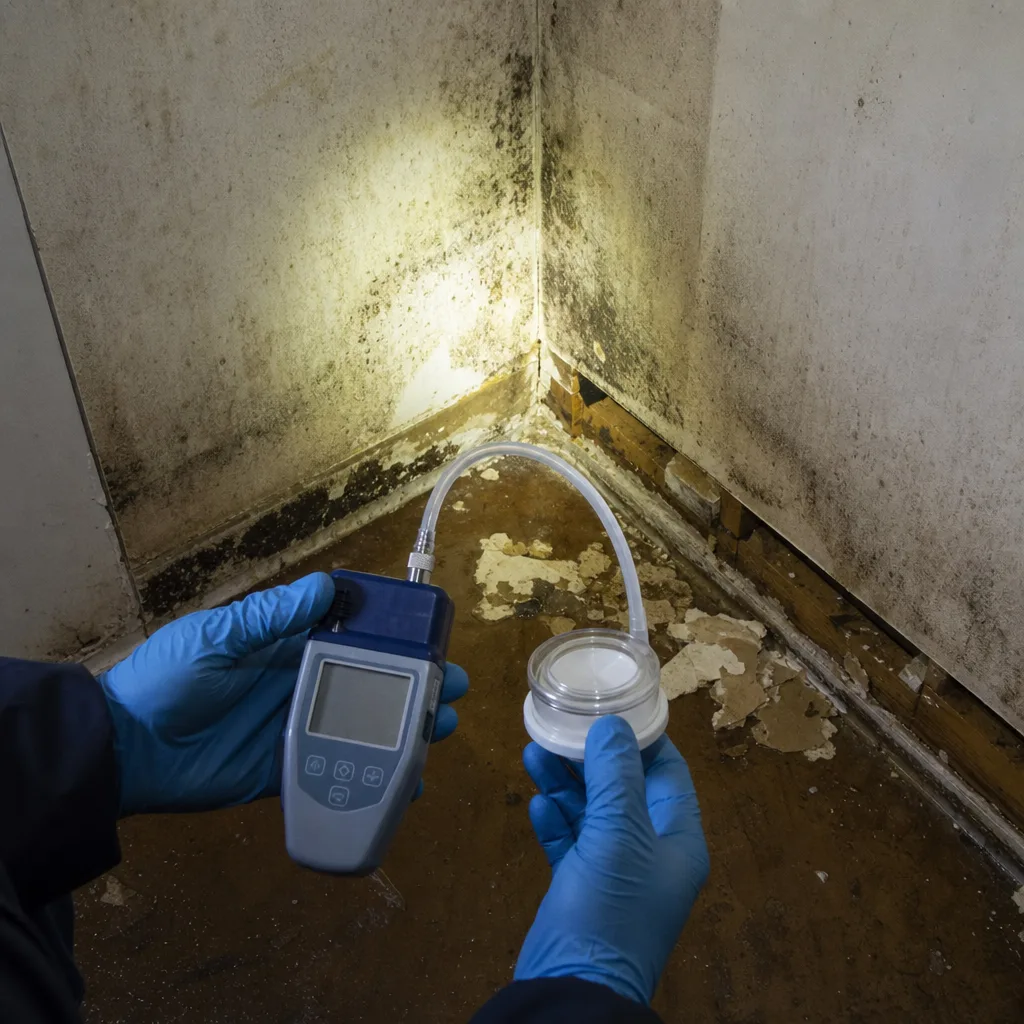
Wade walks the affected space himself, maps moisture with thermal imaging and hygrometers, and classifies the water category and damage class. You get a written scope and a firm estimate before any work begins. No surprises later.
Extraction & Stabilization
We pull standing water with truck-mounted and portable extraction units, remove saturated materials that cannot be saved, and stabilize affected areas. In Midtown West high-rises, this means staging equipment through freight elevators on the building’s schedule.
Drying & Dehumidification
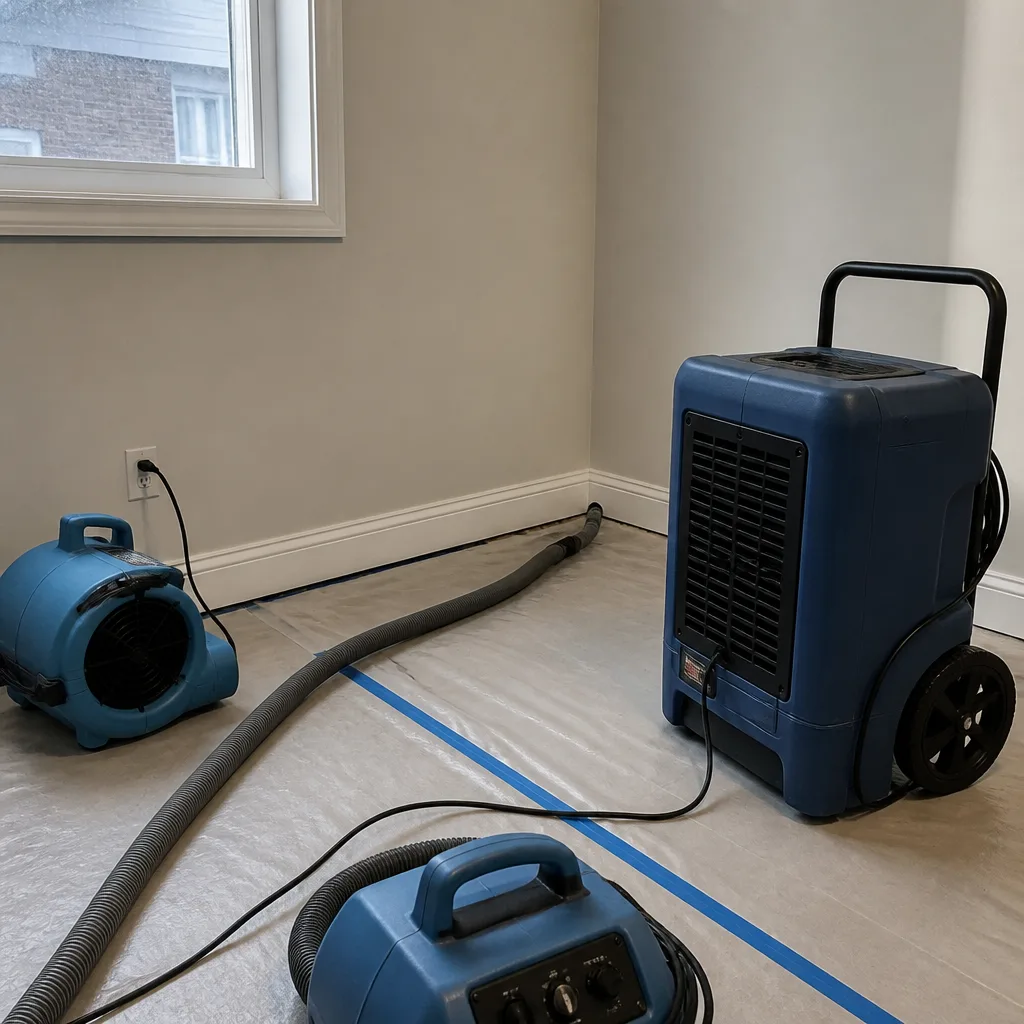
Dri-Eaz LGR dehumidifiers and Phoenix air movers run continuously, with daily moisture readings logged by hand. In pre-war plaster walls, this means getting air movement into wall cavities through small, controlled access points. Wade hands you the full drying log at the end.
Cleaning & Sanitization
We clean and sanitize every affected surface, using HEPA filtration and antimicrobial treatments appropriate to the water category. For fire losses, this means removing soot residue from every surface and neutralizing smoke odors with professional-grade equipment.
Contents & Pack-Out
Furniture, clothing, documents, and personal items get documented, packed, and moved to a secure location or cleaned on site. In co-ops and condos where space is tight, we coordinate pack-out carefully with building management and your front desk.
Repairs & Reconstruction
Drywall replacement, flooring repair, custom millwork restoration, reinstallation of fixtures, paint and finish work. We match materials to what was there, including matching wood species and stain on custom doors and millwork. You get your space back looking like it should.
Need Emergency Reconstruction & Cleanup in Midtown West Now?
Crews minutes away, answering live 24 hours a day. The sooner we start, the less it costs.
Working With Your Insurance Company
Insurance claims in Midtown West have their own headaches. Building management has requirements. Co-op boards want documentation. Commercial tenants need business-interruption paperwork filed correctly. Wade deals with your adjuster directly, every step of the way. He documents from the first hour, submits industry-standard Xactimate estimates, and pushes back when the carrier’s initial number doesn’t cover the actual scope. You don’t have to become a claims expert. The one thing that makes a difference is documentation. We provide photos of every affected surface, room by room, plus daily moisture readings that show exactly what happened and when. For hotel and theater-district tenants, we capture business-interruption losses so final scope doesn’t come up short of what your carrier would actually pay. Wade’s been on the phone with insurance adjusters for over 17 years. He knows how to present a claim so it gets approved.
What We Provide Your Insurer
- Thorough documentation of the loss
- Photos of all damage, room by room
- Moisture readings and drying logs
- A detailed, line-item scope of work
- Direct coordination with your carrier
Built for Midtown West’s Loss Calendar
January and February freeze supply lines in Midtown West’s pre-war buildings, where cast iron risers and uninsulated pipe chases fail when temperatures drop below 20 degrees for consecutive days. A burst riser in a Hell’s Kitchen walk-up floods every apartment below it, not just one unit. Spring thaw brings basement seepage in the older tenements, where groundwater finds its way through fieldstone foundations. Summer thunderstorms dump an inch of rain in an hour, overwhelming roof drains in mid-century conversions and sending water down through mechanical chases. And every nor’easter season, the curtain-wall buildings on the Hudson-facing west side of Midtown take wind-driven rain at upper floors with intensities you’d never see from ground level. We track the forecast. When a storm is heading toward Midtown West, Wade pre-stages equipment so response time drops even further. That’s the difference between a restaurant reopening Saturday night and closing for the week.
Reconstruction & Cleanup Across Midtown West’s Neighborhoods
Response routes through Midtown West vary block by block. The hotel corridor along 7th and 8th Avenues means DOT sidewalk permits for equipment placement and freight elevator windows that only open in 90-minute slots. We pre-register with building managers and maintain active COIs on file at the major properties, so when a loss happens, our crew isn’t standing in the lobby waiting for clearance while water keeps spreading. In Hell’s Kitchen’s tenements, the challenges are plaster-and-lath walls, shared plumbing chases that carry water between units, and cast iron drain lines decades past service life. Hudson Yards properties present curtain-wall and window-seal failures, with moisture hiding behind custom paneling and smart-home wiring that requires careful handling during extraction. The theater district adds a special urgency: a flooded orchestra pit or smoke-damaged mezzanine can cancel performances that cannot be rescheduled. We get that. Wade’s crew works overnight, weekends, and between shows when needed. The far western blocks below 42nd Street, where Hurricane Sandy pushed water into basements and sub-grade spaces in 2012, require a different approach entirely: every category 3 flood there gets treated as a FEMA flood-zone event, with the containment and disinfection protocols that implies.
Specialized Reconstruction & Cleanup Services We Offer in Midtown West
Full-Service Reconstruction
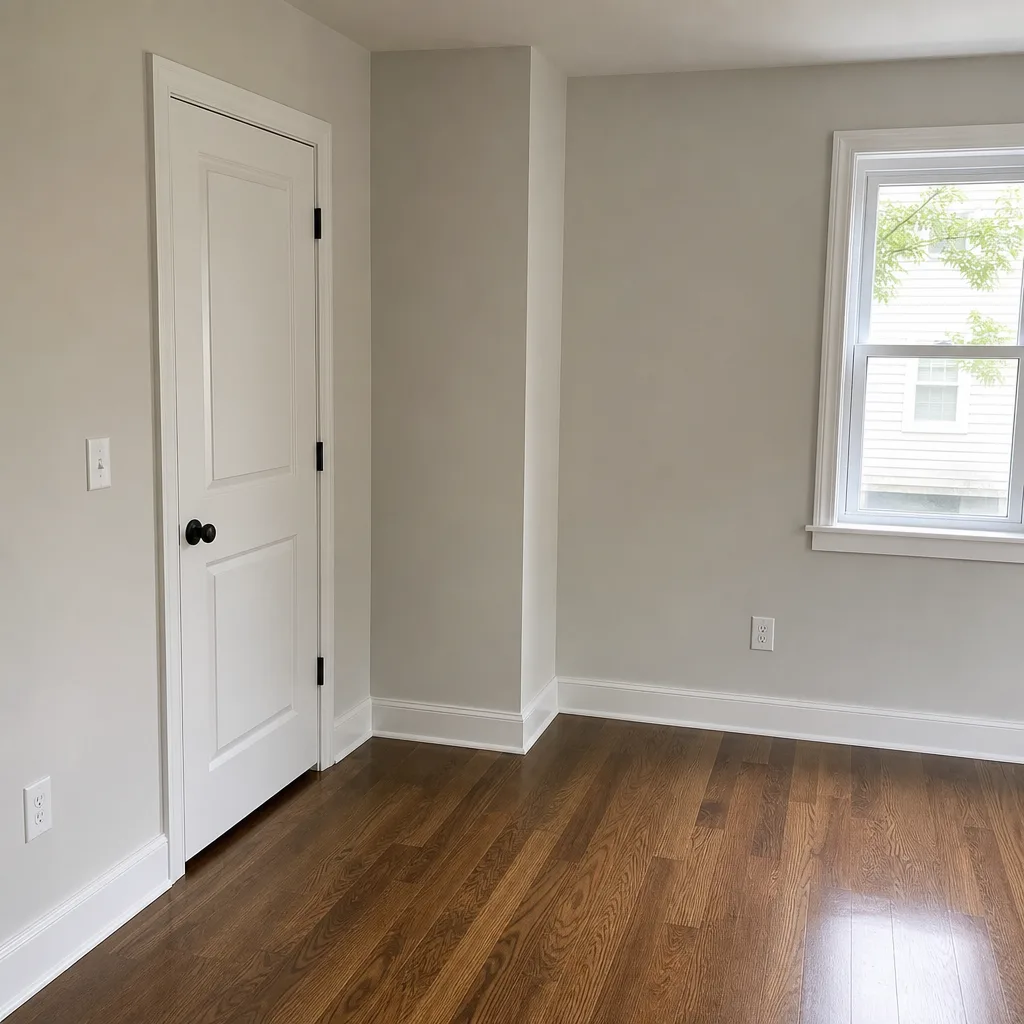
After extraction and drying, the rebuild begins. We replace drywall, flooring, and insulation, rebuild walls and ceilings, and restore your space to pre-loss condition or better. In Midtown West high-rises, this work happens within the building’s construction hours and noise rules, and we coordinate with your building’s management from the first cut to the final coat of paint.
Drywall & Flooring Repair
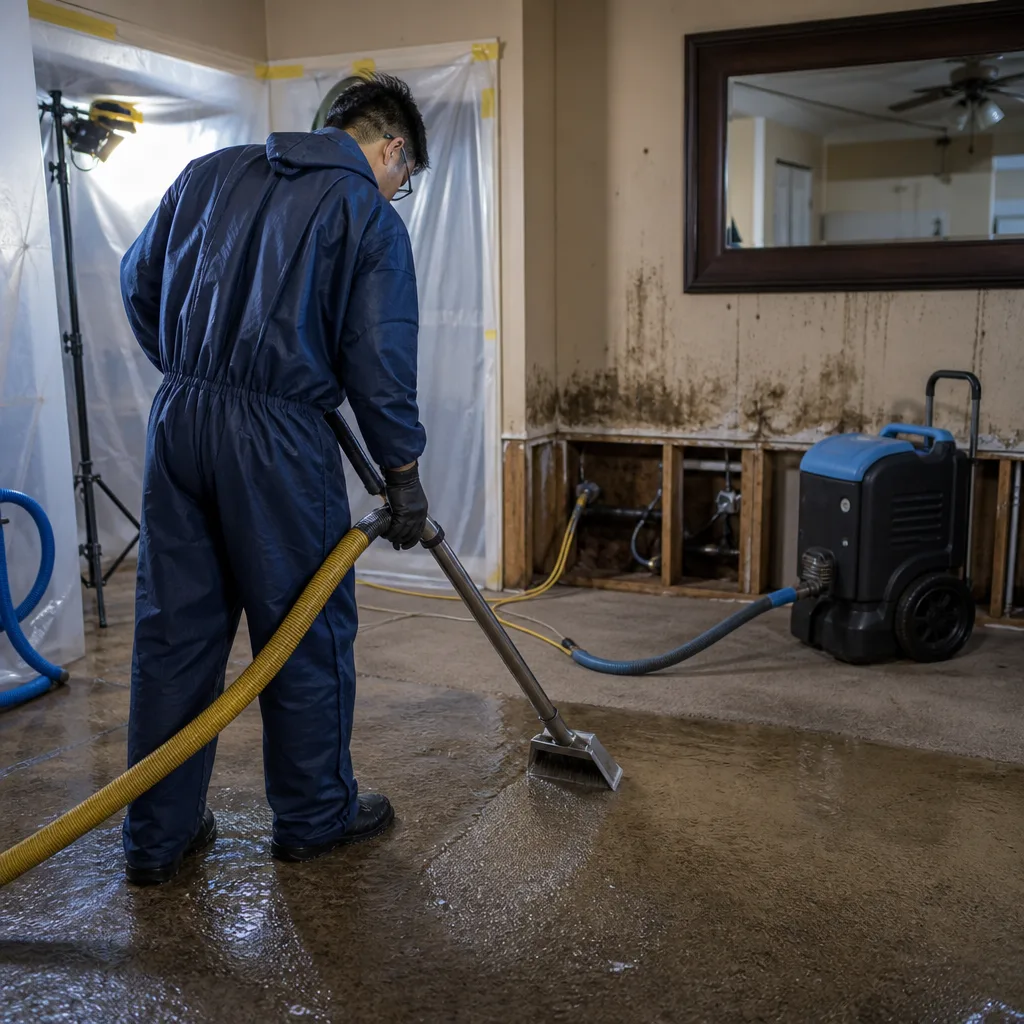
Water-damaged drywall in a pre-war tenement isn’t the same as drywall in a new Hudson Yards build. We cut out saturated sections, treat the framing behind them, and replace with materials that match the building’s era. For flooring, we repair and refinish hardwood, replace damaged planks, and match stains so the repair doesn’t look like a repair. Custom white oak from a high-rise floor gets the same treatment as the original 1920s oak plank in a Hell’s Kitchen parlor floor.
Contents Restoration & Pack-Out
Furniture, clothing, documents, electronics, and personal items all get documented, packed, and cleaned or restored. In Midtown West apartments where space is tight, we arrange pack-out to a secure facility and return everything once the rebuild is done. We document the condition of each item before it leaves, because your insurance claim depends on that detail.
Carpet & Upholstery Cleaning
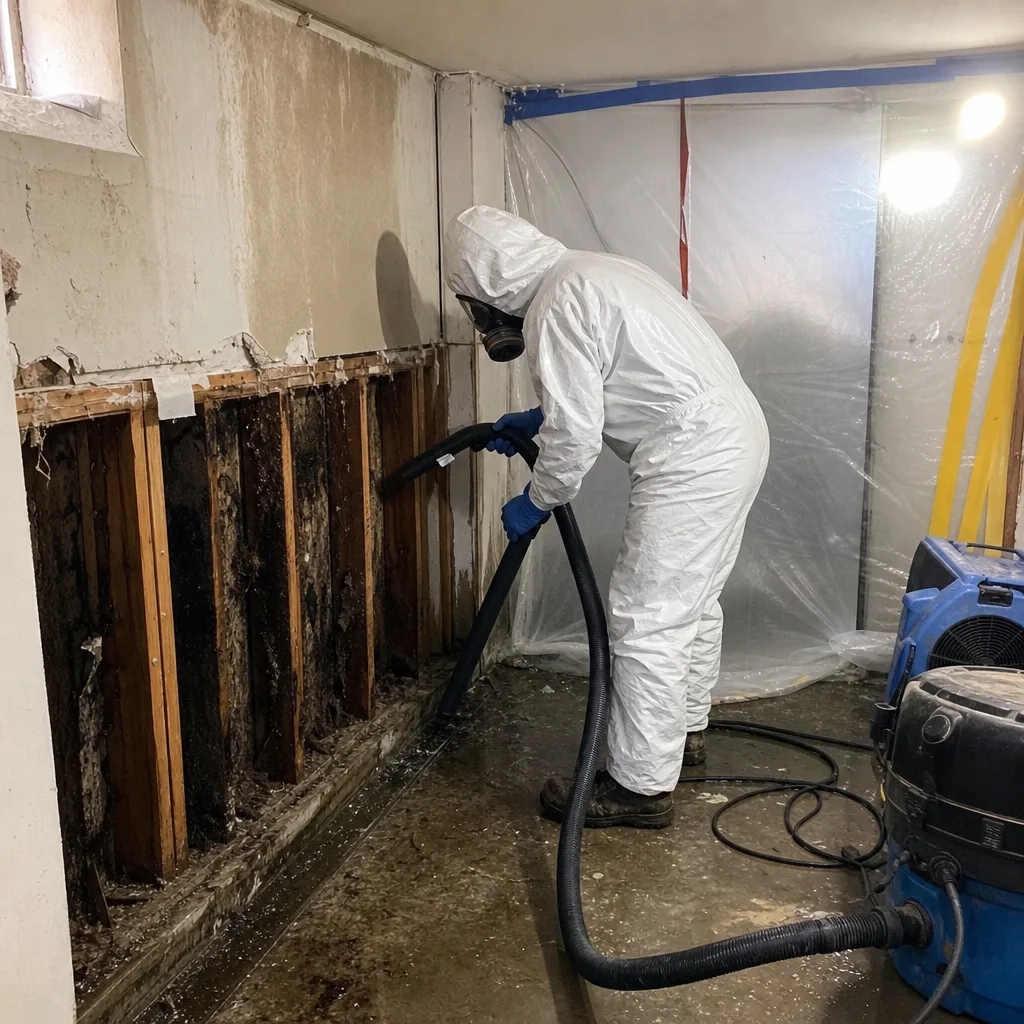
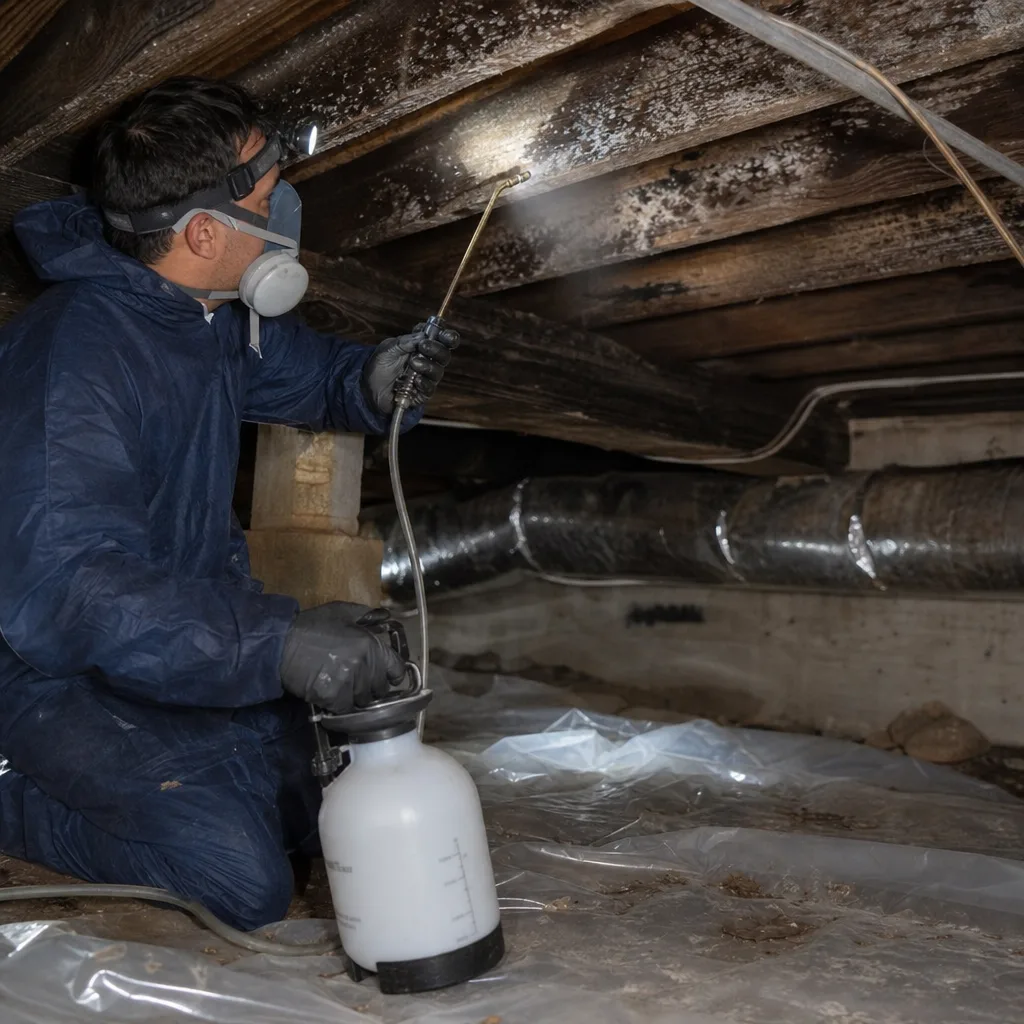
After a water or fire loss, carpet and upholstery need professional treatment. We use truck-mounted hot water extraction and professional-grade cleaning agents to remove soot, mold spores, and floodwater contaminants. If carpet can be salvaged, we save it. If it can’t, we tell you straight and help you file for replacement.
Post-Construction Cleanup
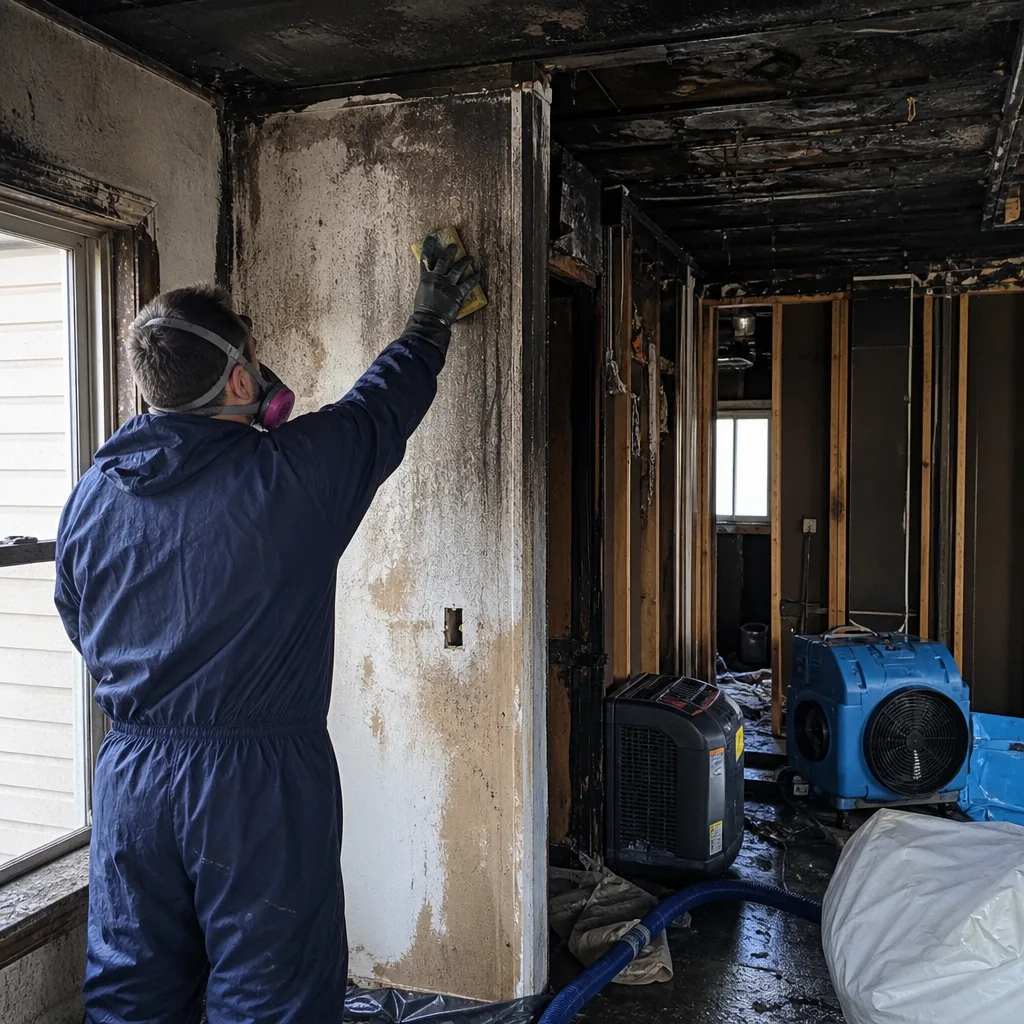
When the rebuild is done, we clean it. Drywall dust, sawdust, paint overspray, and construction debris all get removed. Windows get washed, floors get cleaned and polished, and the space gets returned to you in move-in condition. This is included in our Reconstruction & Cleanup scope for any job we rebuild.
What happens when you call
- 1
A real person answersNo phone trees - you reach a local pro.
- 2
You get an upfront price rangeHonest numbers before anyone is dispatched.
- 3
A background-checked tech heads outLicensed & insured, dispatched right away.
- 4
You approve before work beginsNothing starts until you say go.
Reconstruction & Cleanup Costs in Midtown West, NY
Midtown West pricing runs higher than the borough average, and building logistics are the reason. For a typical Midtown West water loss from a burst supply line in a standard one-bedroom apartment, extraction and drying runs $2,500 to $5,500. Drywall replacement and repainting in that same unit runs $4,000 to $9,000 depending on wall coverage and finish level. Flooring repair on custom wood in a Hudson Yards high-rise can reach $18 to $30 per square foot because matching the species, stain, and finish matters. Curtain-wall leak remediation, where the window seal itself needs repair plus the interior drying, runs $6,000 to $15,000 before drywall and trim. A full hotel corridor flood restoration on 7th Avenue, with multi-room extraction, drying, and rebuild, can exceed $250,000. What moves the price: building access windows, freight elevator scheduling, the water category, and how much custom millwork needs to be matched and refinished. We offer a free visual inspection so you can get a firm, written scope before any work starts. No trip charge inside our own county, and if you already have an estimate from someone else, Wade will give you a free second opinion on it. Seniors and veterans get a permanent 10% discount, always.
We Also Serve Cities Near Midtown West
We serve the Financial District, Lower Manhattan, Midtown Manhattan, and Long Island City. If you’re in one of those neighborhoods and you’ve got water, fire, or mold damage, call (201) 903-9581. Same response, same live answer, same owner on the phone.
Midtown West Reconstruction & Cleanup Questions, Answered
How do we dry a Midtown West co-op unit without triggering the building’s fire alarm system?
We use HEPA-filtered air scrubbers and dehumidifiers placed to avoid smoke-detector proximity, and we coordinate with your building’s fire safety vendor before setting up. In buildings with sensitive systems, we may temporarily isolate detectors in the affected area with approved covers, per FDNY and building management rules. This is standard procedure for us in Midtown West co-ops and condos.
What’s the right water category for a burst sprinkler line on an upper floor of a 7th Avenue hotel?
Sprinkler water is generally category 1, meaning clean water from a pressurized source. But after it sits and picks up debris from ceiling tiles, floor coverings, and building materials, it can degrade to category 2 within 48 hours. We assess on arrival and classify accurately, because the category determines what gets dried and what gets removed. Call (201) 903-9581 and Wade will tell you exactly what you’re dealing with.
Can you rebuild custom wood doors and millwork after a water loss in a Hell’s Kitchen pre-war tenement?
Yes. If the original material can be dried and refinished, we dry it and refinish it. If sections are too far gone, we source matching wood species and mill custom replacements. Wade’s done this in tenements where the original millwork is a century old and the owner wants it preserved, not replaced with something from Home Depot.
How do we handle a category 3 flood in a basement below 42nd Street that’s inside the FEMA flood zone?
Category 3 means sewage, floodwater, or other grossly contaminated water. In FEMA flood-zone properties below 42nd Street, we treat every inch of that floodwater as contaminated and follow full containment and disinfection protocols. That means removing all affected porous materials, treating structural surfaces, and running air scrubbers until clearance testing confirms the space is safe. No shortcuts, no “just dry it and paint over it.”
What documentation do building managers in Midtown West’s hotel corridor need for insurance claims?
Hotel and commercial tenants need loss documentation that captures business-interruption time, not just physical damage. We provide photos of all damage, room by room, daily moisture readings and drying logs, a line-item scope, and direct adjuster coordination. Wade has filed claims for hotel and performance-venue losses up and down 7th and 8th Avenues, and he knows what the carriers require. The documentation package goes to your adjuster, not just to you.
Can I stay in my Midtown West apartment during reconstruction and cleanup?
For a small category 1 loss dried quickly, often yes. For larger losses with category 3 water, mold remediation, or fire damage, you’ll likely need to relocate temporarily. We’ll tell you straight on day one, based on the actual conditions in your unit. Making you leave when you don’t need to is wrong; letting you stay when the air is unsafe is worse.
How long does drying and reconstruction take in a Midtown West high-rise?
Drying a single unit with a contained water loss typically takes 3 to 5 days, assuming we start within hours. Reconstruction adds 2 to 6 weeks depending on scope. Building access windows and freight elevator scheduling can stretch timelines, which is why we pre-register with building management across Midtown West so we spend zero time standing in the lobby when the clock is running.
What should I do in the first 30 minutes after a water or fire loss in Midtown West?
Call (201) 903-9581. Then shut off the water supply if you can do it safely, or cut the power to the affected area if there’s standing water near outlets. Move small valuables out of the water path if it’s safe. Take photos with your phone, because every minute of documentation helps your claim. Don’t use a shop vac on standing water if there’s any chance it’s contaminated. Then wait for Wade to get there. He’ll be there inside 45 minutes.
Serving Midtown West, NY - Our Local Coverage Area
We’re based in the Midtown West area and know this community well. Use the map below to see our service coverage - if you’re nearby, we can almost certainly help.
One True Thing About Midtown West Restoration
In Midtown West’s high-rise hotel and office corridor, restoration crews lose 3 to 4 hours on mobilization alone before a single dehumidifier reaches the affected floor. DOT sidewalk permits for equipment placement, building management credentialing, freight elevator scheduling windows, COI verification at the front desk. If all of that isn’t cleared in advance, a same-day drying start turns into a weekend-long cascade, and the damage compounds with every lost hour. That’s why we pre-register with building managers, maintain active certificates of insurance on file at the major properties along 7th and 8th Avenues, and have the DOT permit process down to a routine. When your hotel tower or office conversion takes a water loss on a Saturday night, our crew doesn’t stand in the lobby waiting for clearance while water spreads through the floors below. We’re already cleared. We’re already moving.
Our crew handled a wind-driven rain intrusion on the 34th floor of a Hudson Yards luxury tower where failed window seals left category 1 water pooled across custom white oak flooring. We ran moisture mapping across the affected unit, placed containment over the curtain-wall breach, and set Dri-Eaz LGR dehumidifiers with air movers to hit pre-loss condition before the owner’s custom millwork could cup or stain. That’s the kind of job Midtown West throws at you, and it’s the kind we’ve been doing since 2007.
Written by Wade Ferris, Owner at Wade’s Restoration, serving Midtown West since 2007.