
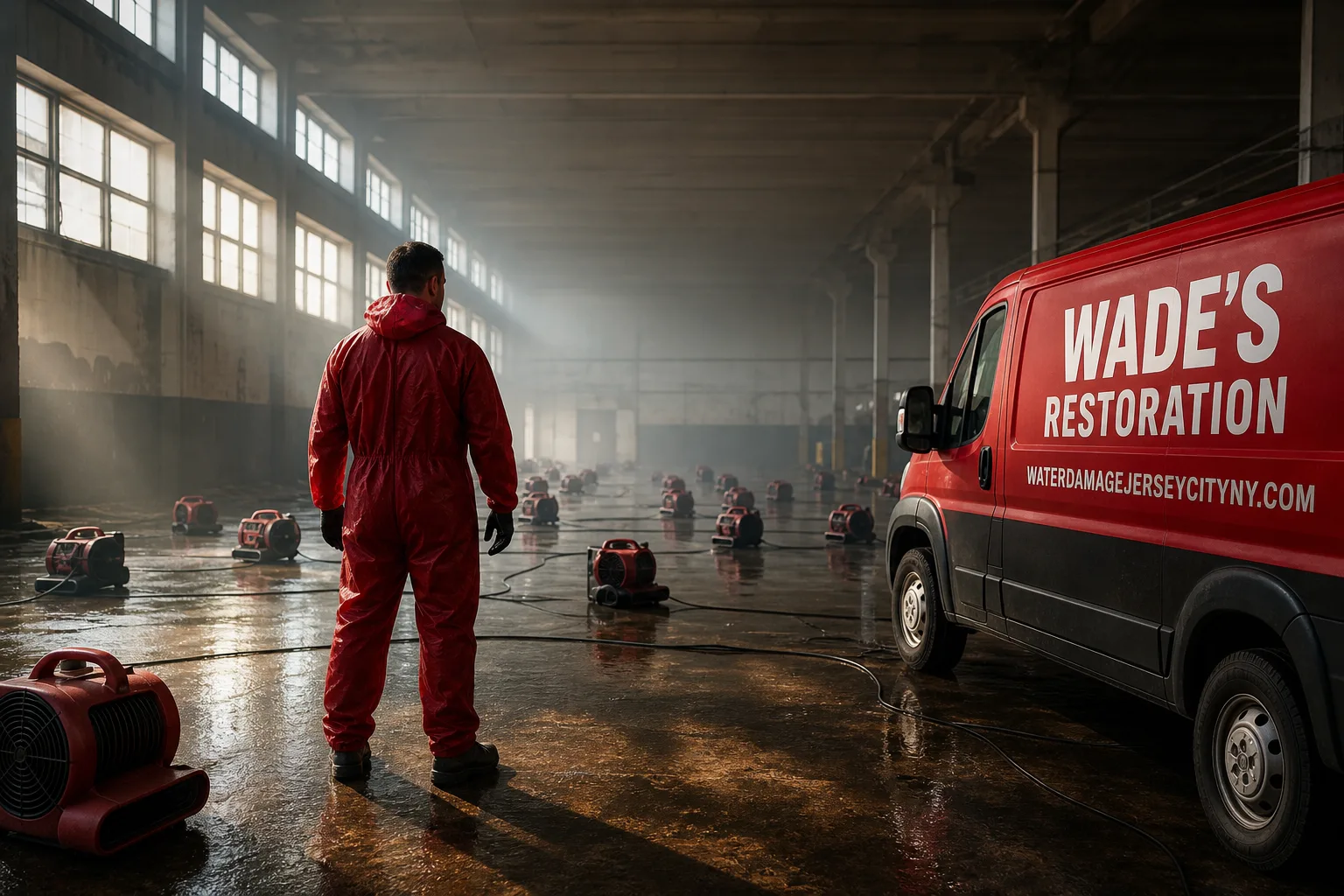
Free visual inspection and a written scope of work before any mitigation begins - photos, moisture readings, and drying logs go in your claim file
The scope we write is the scope we bill. Anything new gets shown to you, in writing, before we touch it.
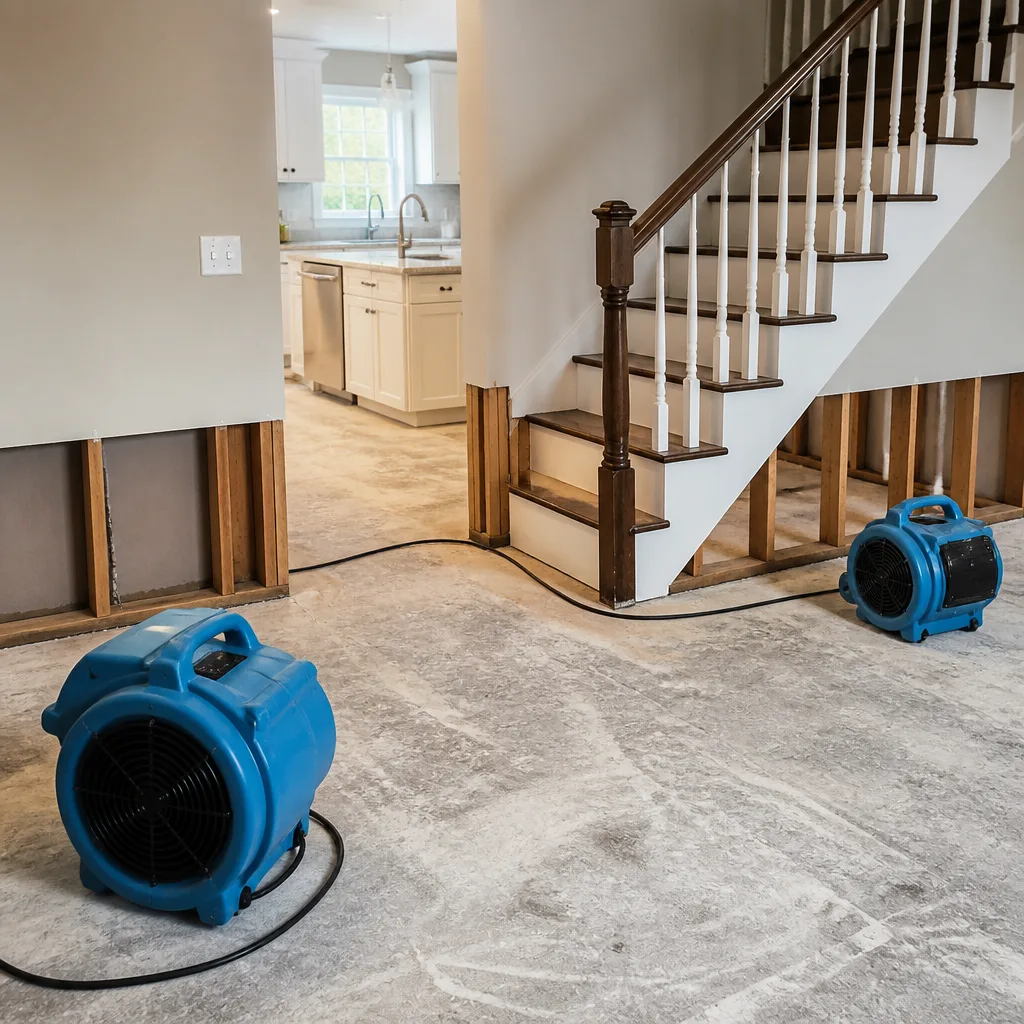
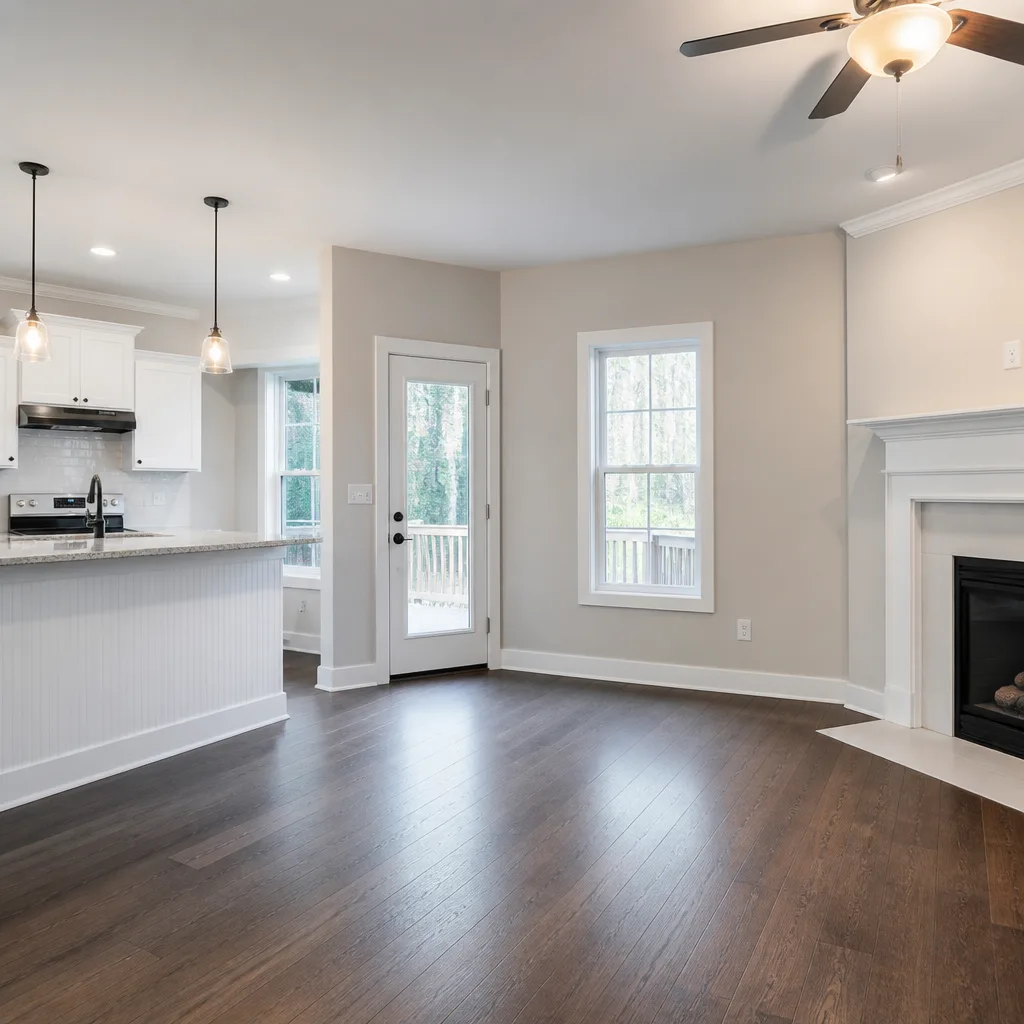
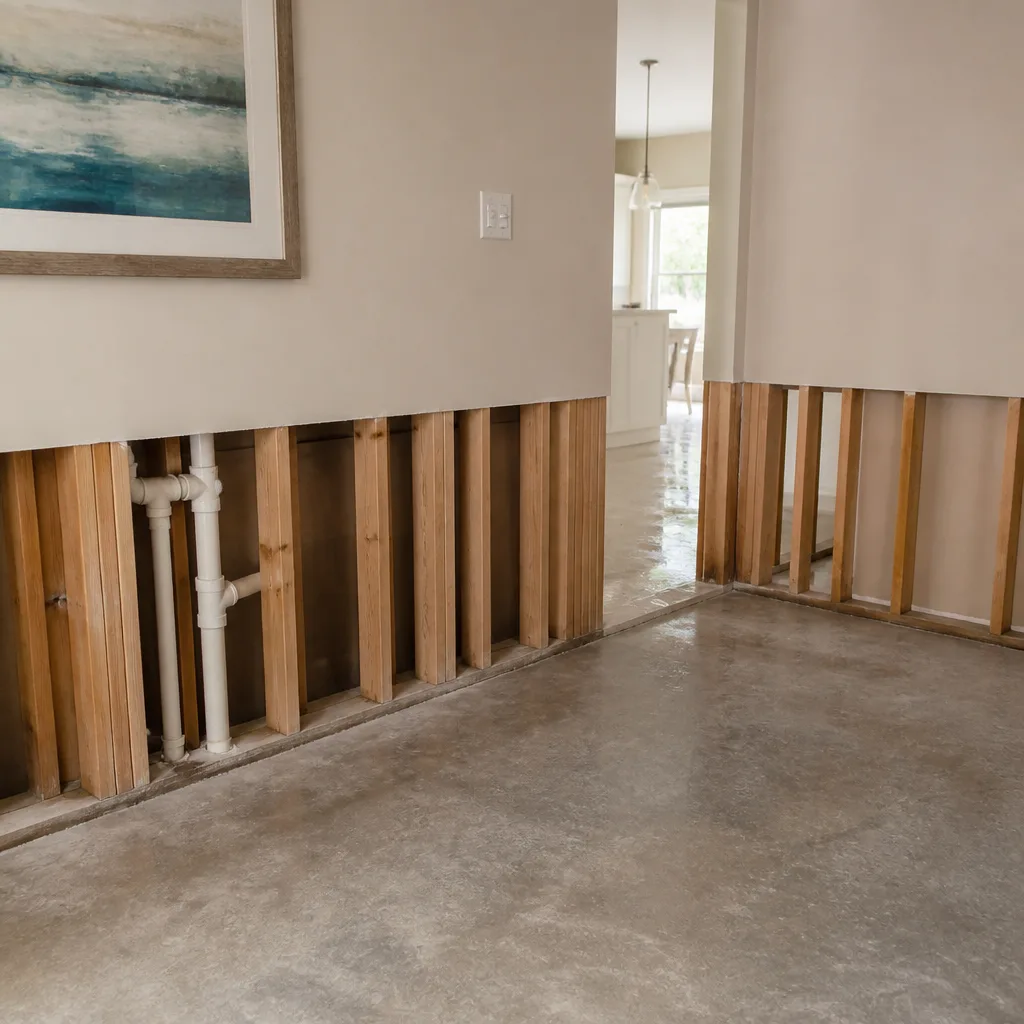
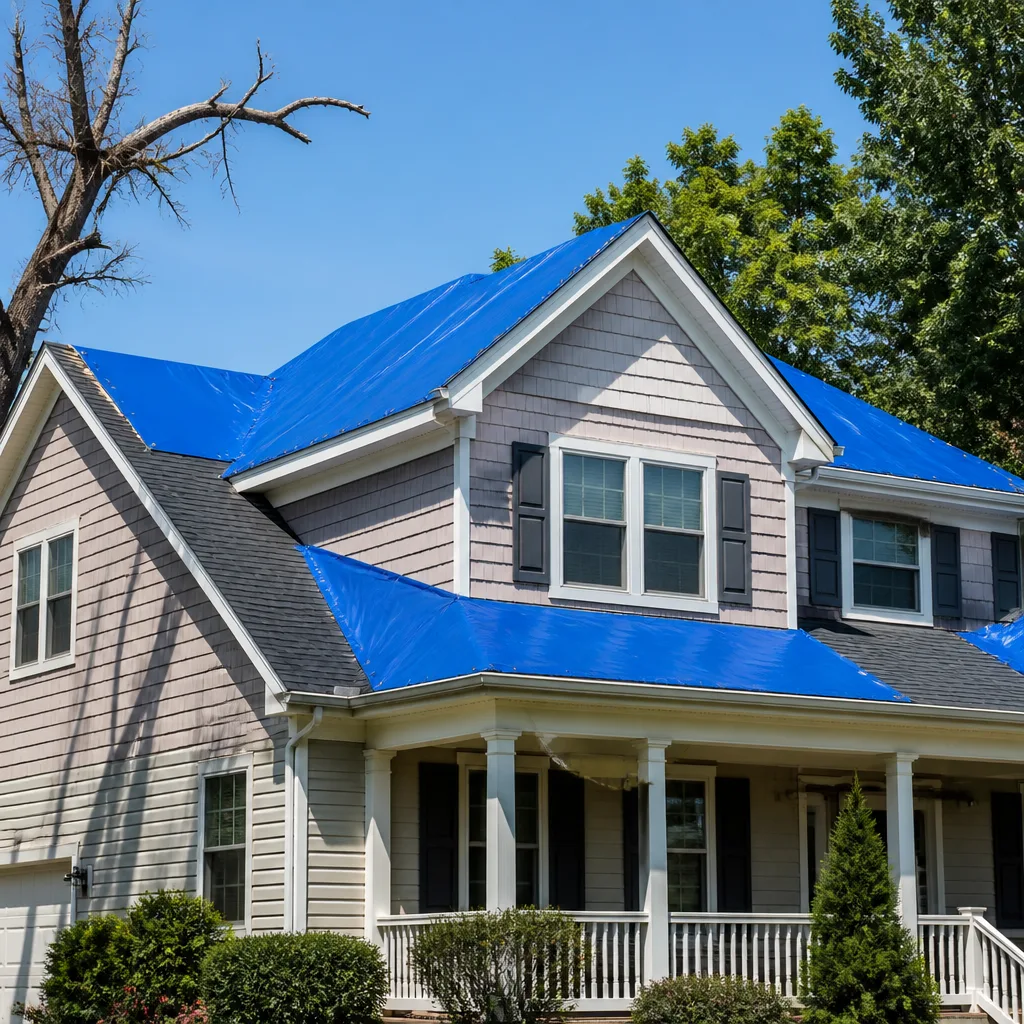
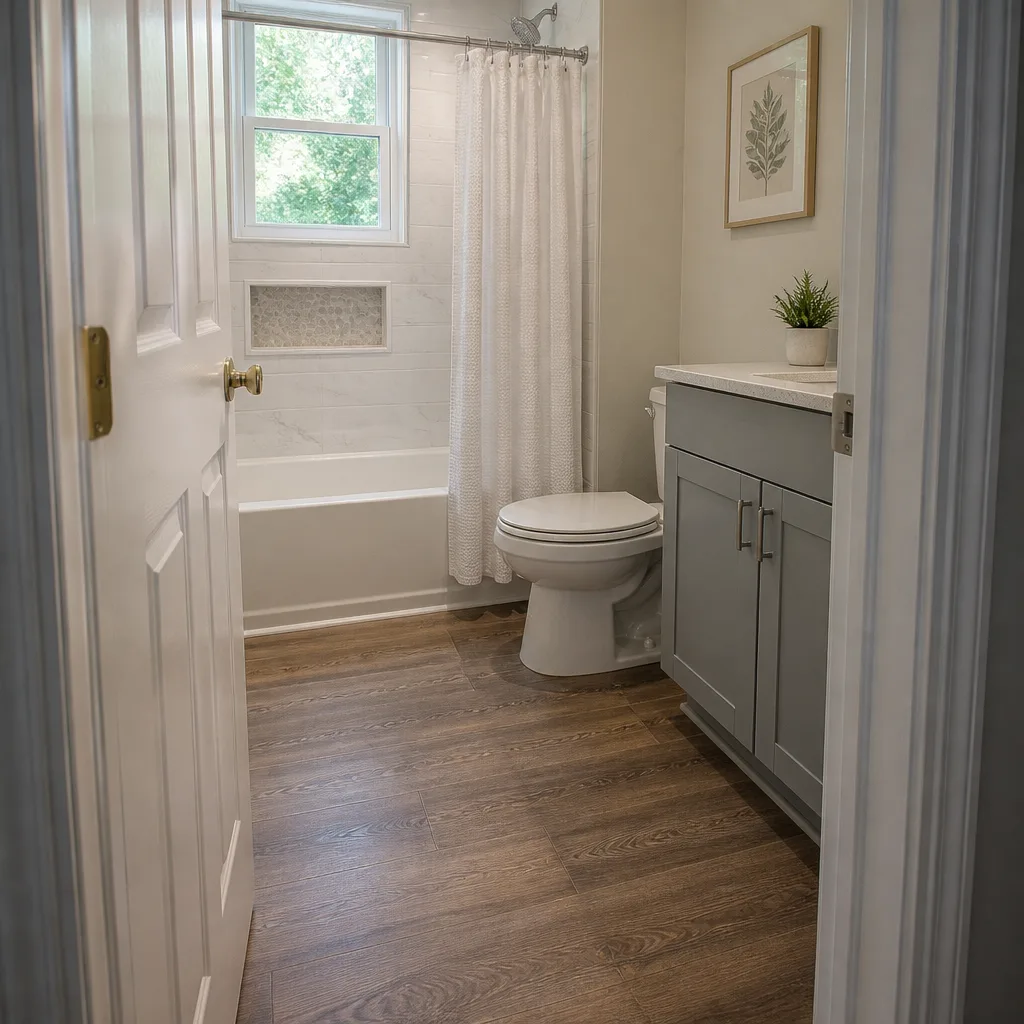
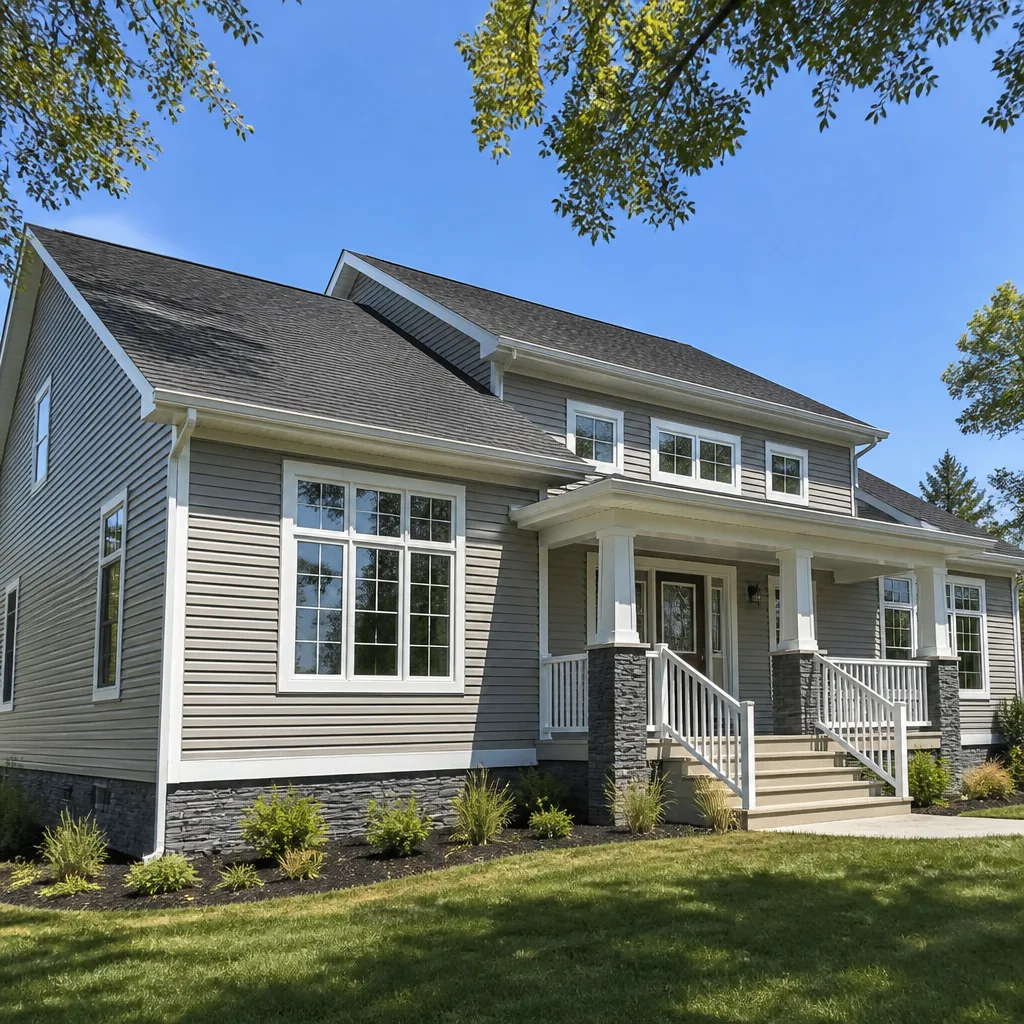
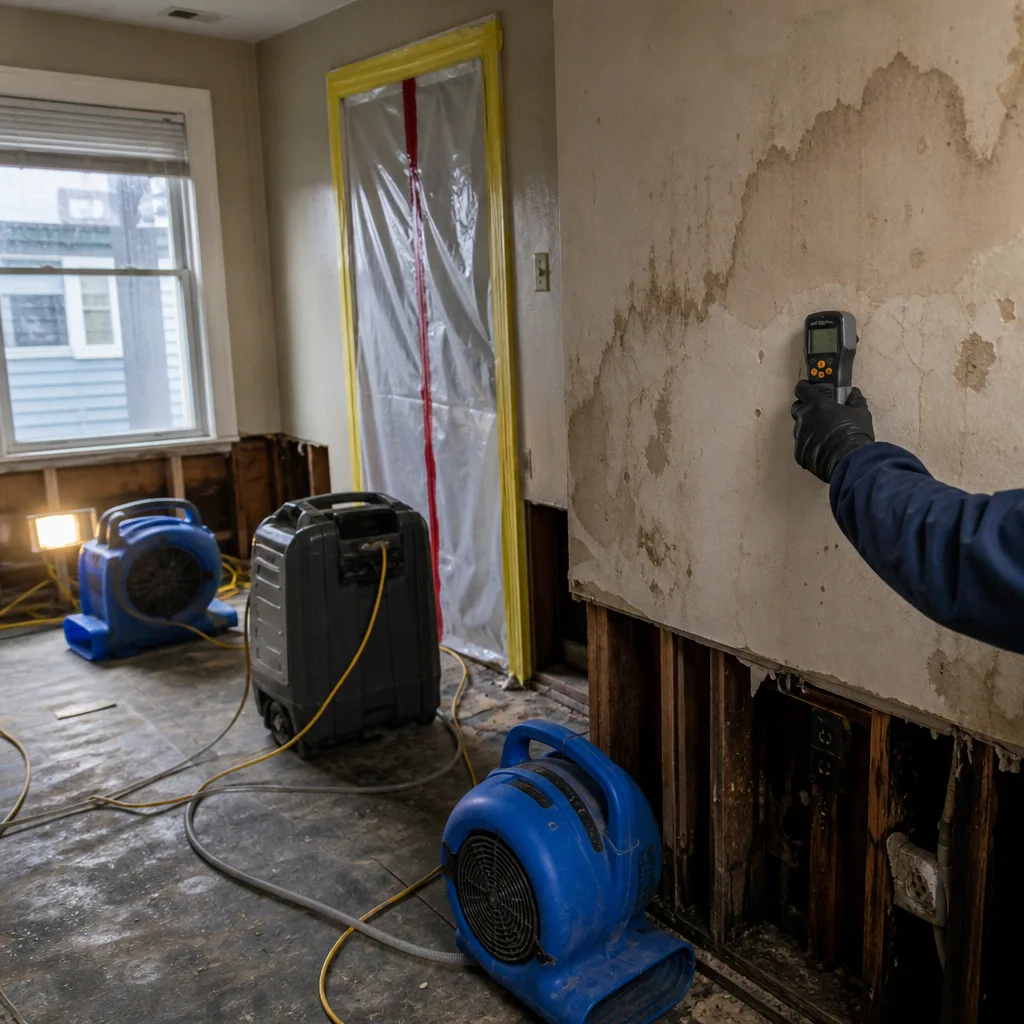 Before
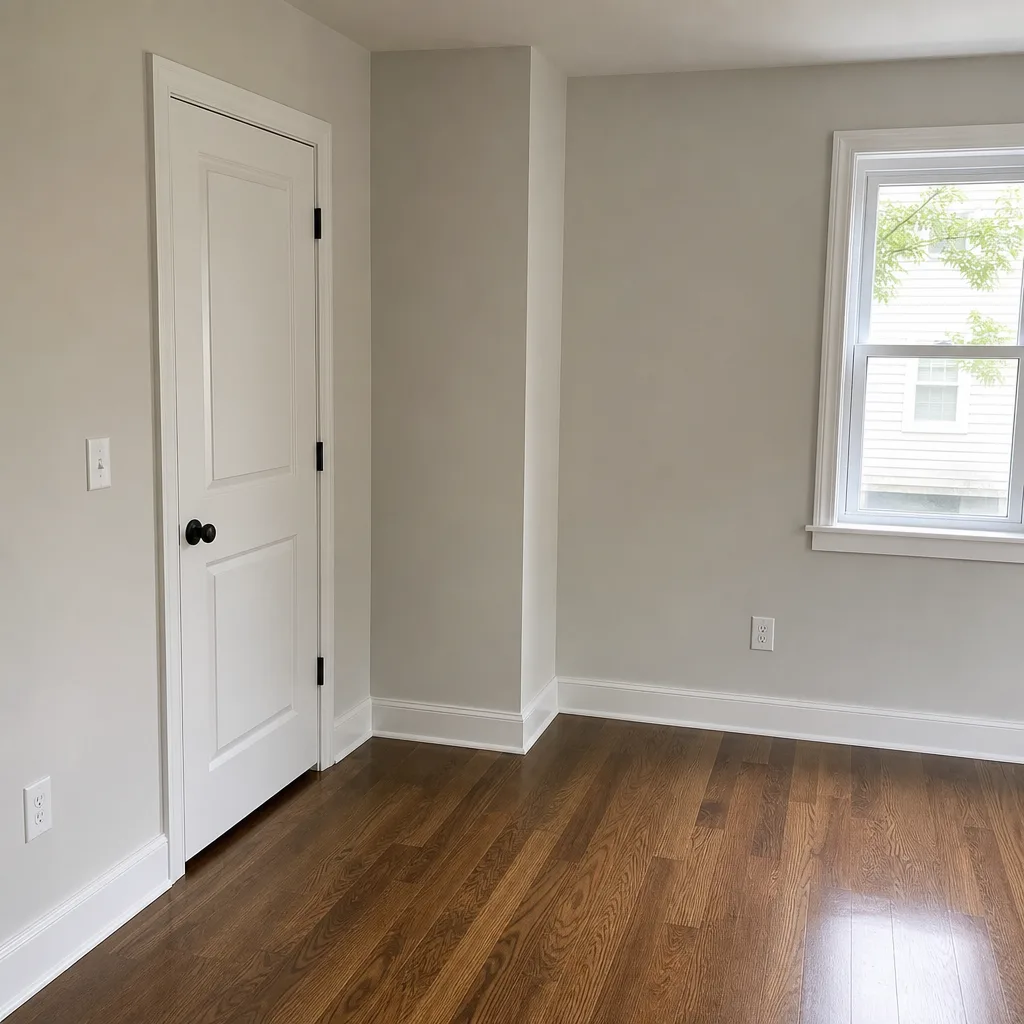 After
After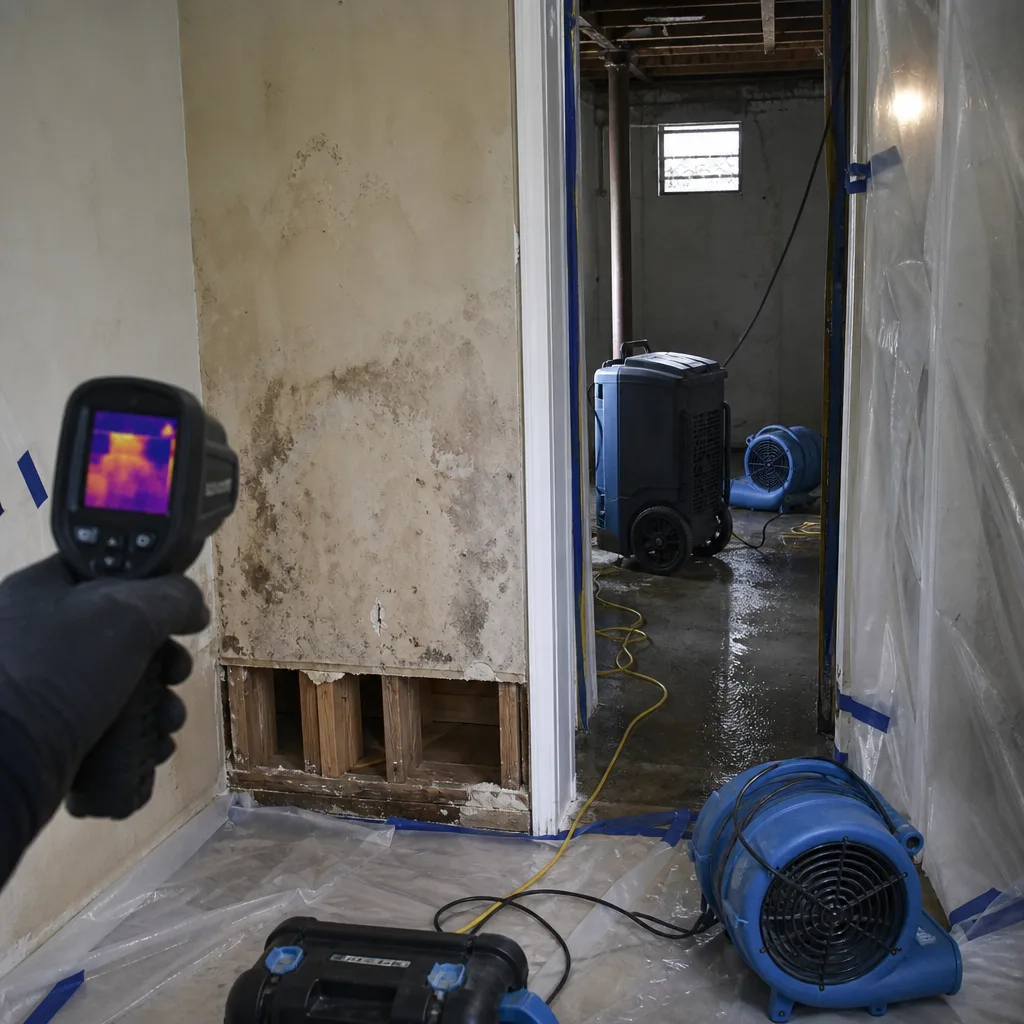 Before
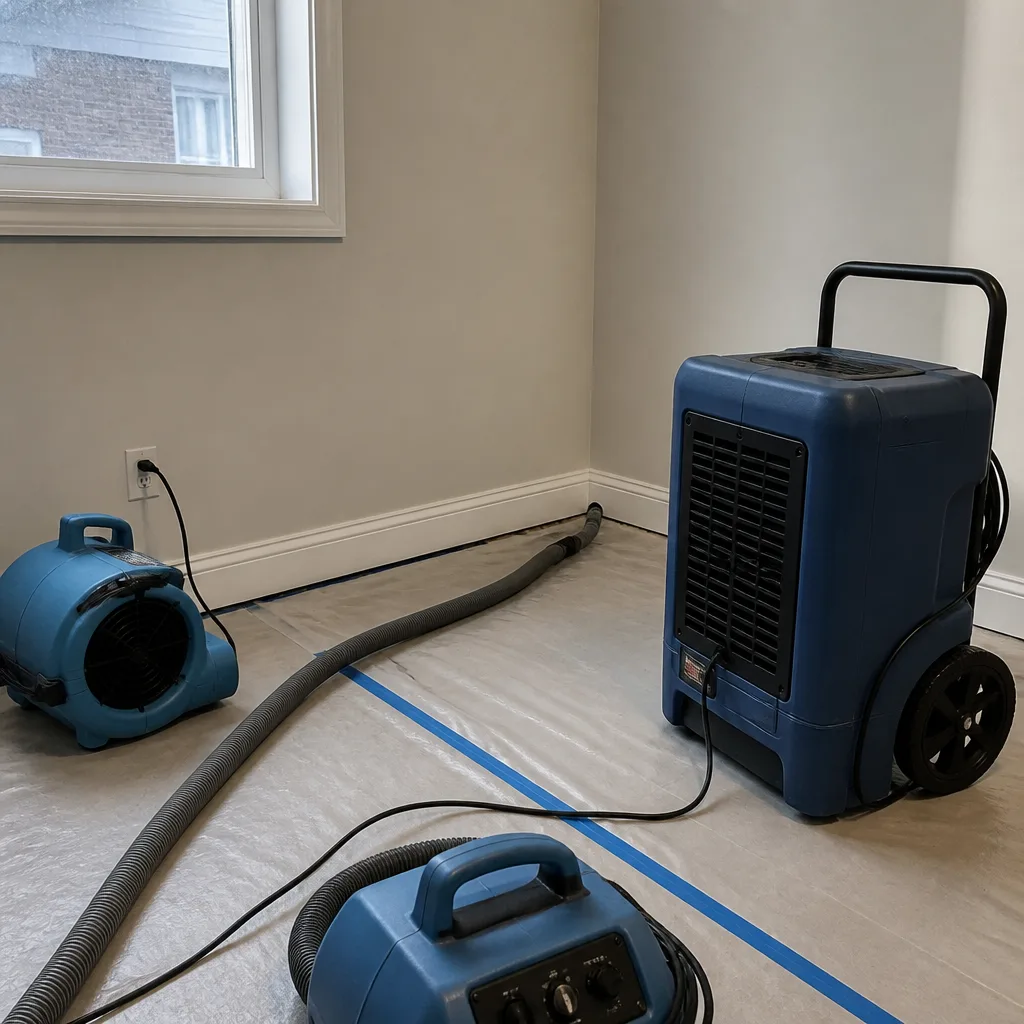 After
After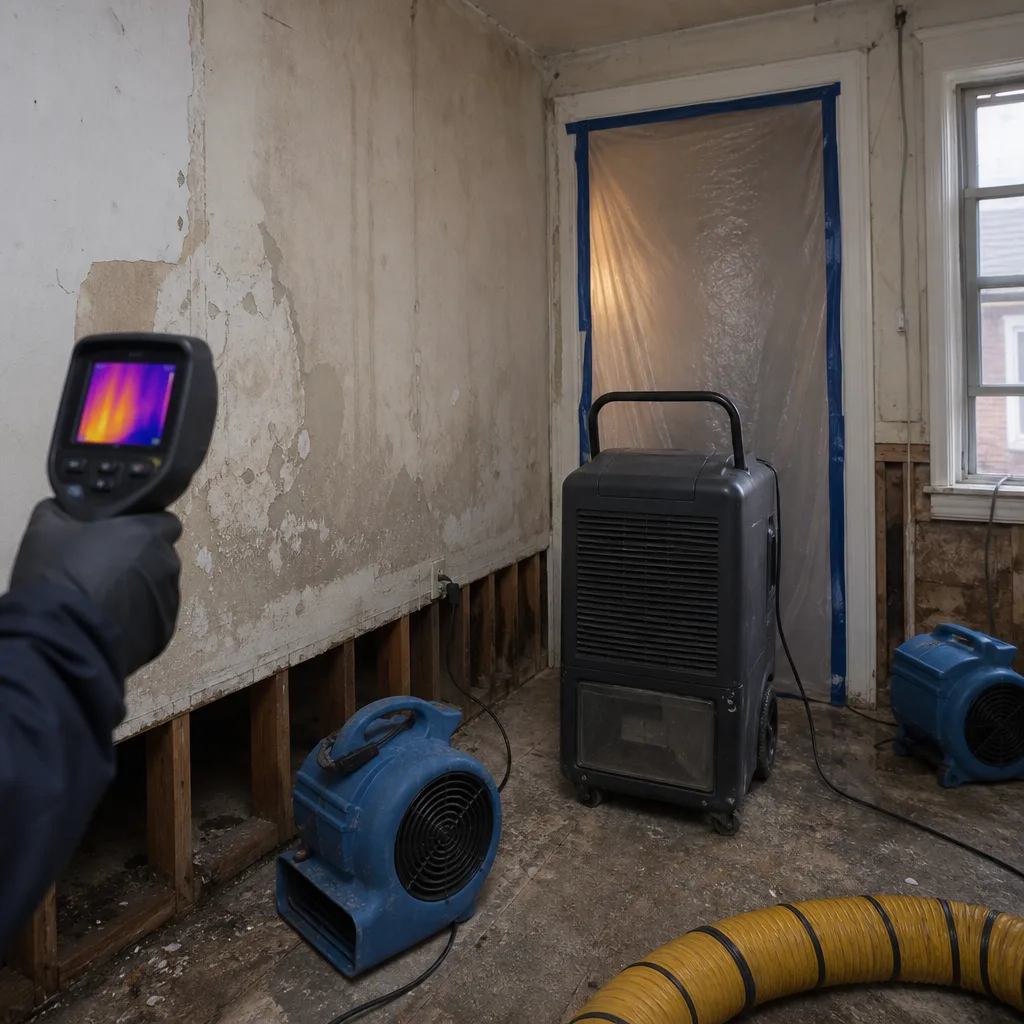 Before
 After
After24/7 Emergency Reconstruction & Cleanup in Financial District
When a nor’easter breaches a lobby door on Pine Street or a burst riser floods three floors of a converted tower on Exchange Place, you need a crew that knows FiDi’s buildings the way a local does. Wade’s Restoration answers live around the clock, and we can have a team headed into the Financial District within 45 minutes of your call. The first hour matters more here than almost anywhere else in Manhattan: saltwater and storm surge drive moisture into pre-war plaster, elevator pits, and sub-grade electrical rooms fast. Call (201) 903-9581 and Wade Ferris will pick up himself. We’ll give you a straight answer on what you’re looking at, then get someone moving. The visual inspection is free.
Understanding Reconstruction & Cleanup Severity in Financial District Properties
Not all water is the same, and Financial District buildings make the distinctions sharper than most. Category 1 water (clean supply-line water) from a burst bathroom riser in a 1929 Art Deco conversion dries differently than Category 3 water (storm surge, harbor water, sewage) that climbed up from a sub-grade mechanical room. Storm surge carries salt, fuel oil, and whatever the street washed into your basement. That changes the entire restoration scope: saltwater corrodes electrical contacts, rots gypsum board faster, and forces replacement rather than drying in many cases. Our crews run moisture mapping with thermal imaging to find water that wicked behind pre-war plaster and into plumbing chases. FiDi towers often route roof drains through original chases that leak into drywall after heavy wind-driven rain, so we check those paths even when the visible damage looks isolated. Soot from a kitchen or electrical fire in one of these older towers behaves differently too: it migrates through shared elevator shafts and stair pressurization systems, which means containment has to start before we even assess the burn zone. In Financial District, severity is not just how much water or soot you see. It is what the building’s age, conversion history, and sub-grade layout are about to turn loose.
Why Financial District Property Owners Choose Wade’s Restoration
- 45-minute response into FiDi, day or night. Wade has crews staged in Lower Manhattan, and he answers his own phone at 2 a.m. when a nor’easter is pushing surge up Water Street.
- A real person, every time. No answering service, no voicemail tree. You call, a human picks up. Often that human is Wade.
- IICRC-certified crews with documented credentials. WRT, FSRT, and AMRT certifications mean the people in your building know what they’re doing when they touch a Category 3 flood or a soot-damaged mechanical closet.
- Free visual inspection before any work begins. Wade shows up, looks at the actual damage, and tells you what he would do and what it will cost. You sign a written scope before anything starts. No surprises.
- Direct insurance billing and photo documentation from hour one. Every room, every reading, every line item documented so your carrier gets a complete file, and you never have to play middleman.
- One team from extraction to reconstruction. The same crew that pulls the water out is the crew that hangs new drywall, so nobody gets to blame another company for a bad seam.
Our Reconstruction & Cleanup Process
Inspection & Assessment
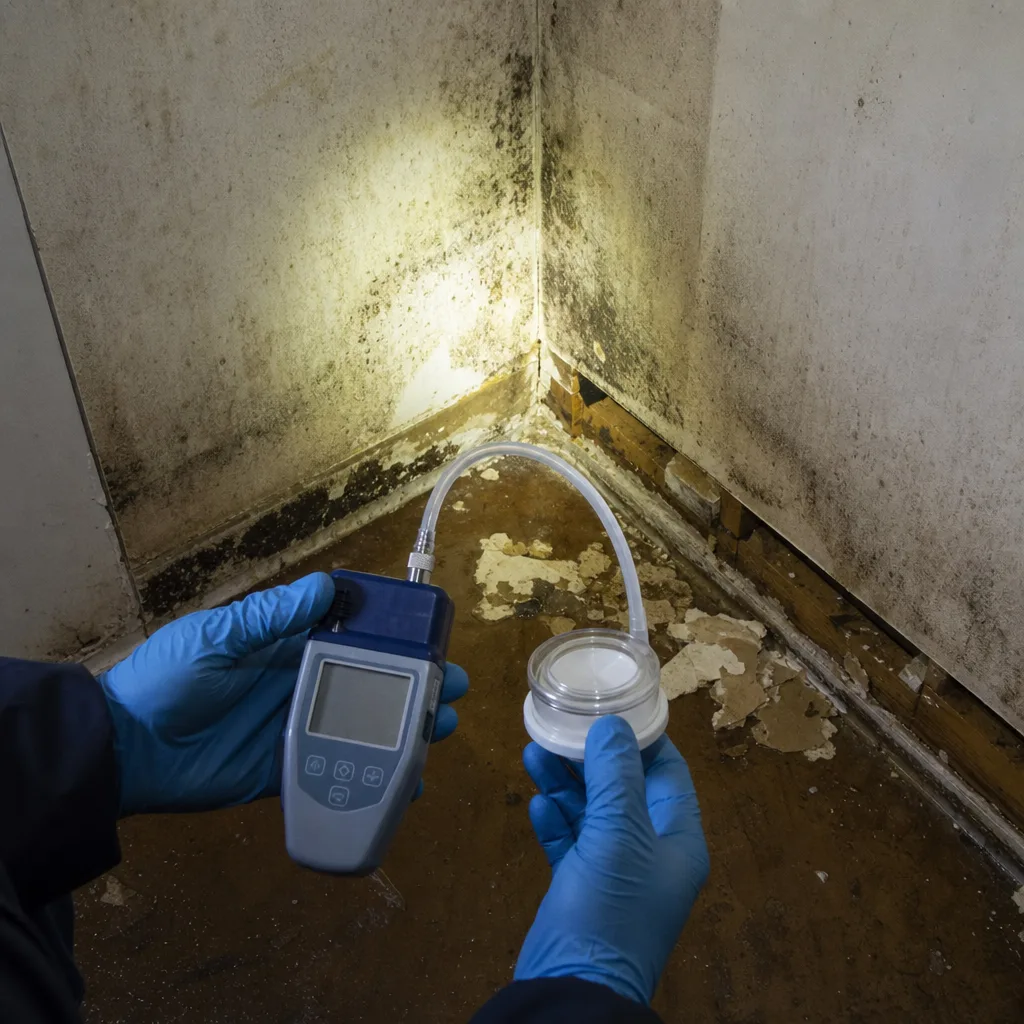
Wade or one of his senior leads walks the full loss site, including sub-grade spaces, roof drain chases, and elevator pits. We map moisture with thermal imaging and hygrometers, identify Category of water, and write a line-item scope before any equipment rolls in.
Extraction & Stabilization
For water losses, we pull standing water immediately with truck-mounted and portable extraction. For wind or impact damage, we board up and brace: temporary doors, panel replacements, and anchor checks to stop further water entry through compromised openings.
Drying & Dehumidification
We place Dri-Eaz air movers and Phoenix dehumidifiers to hit the drying targets that matter in pre-war buildings: wall cavities behind plaster, sub-floor spaces, and chimney-chase framing. Daily moisture readings, logged and handed to you at the end.
Cleaning & Sanitization
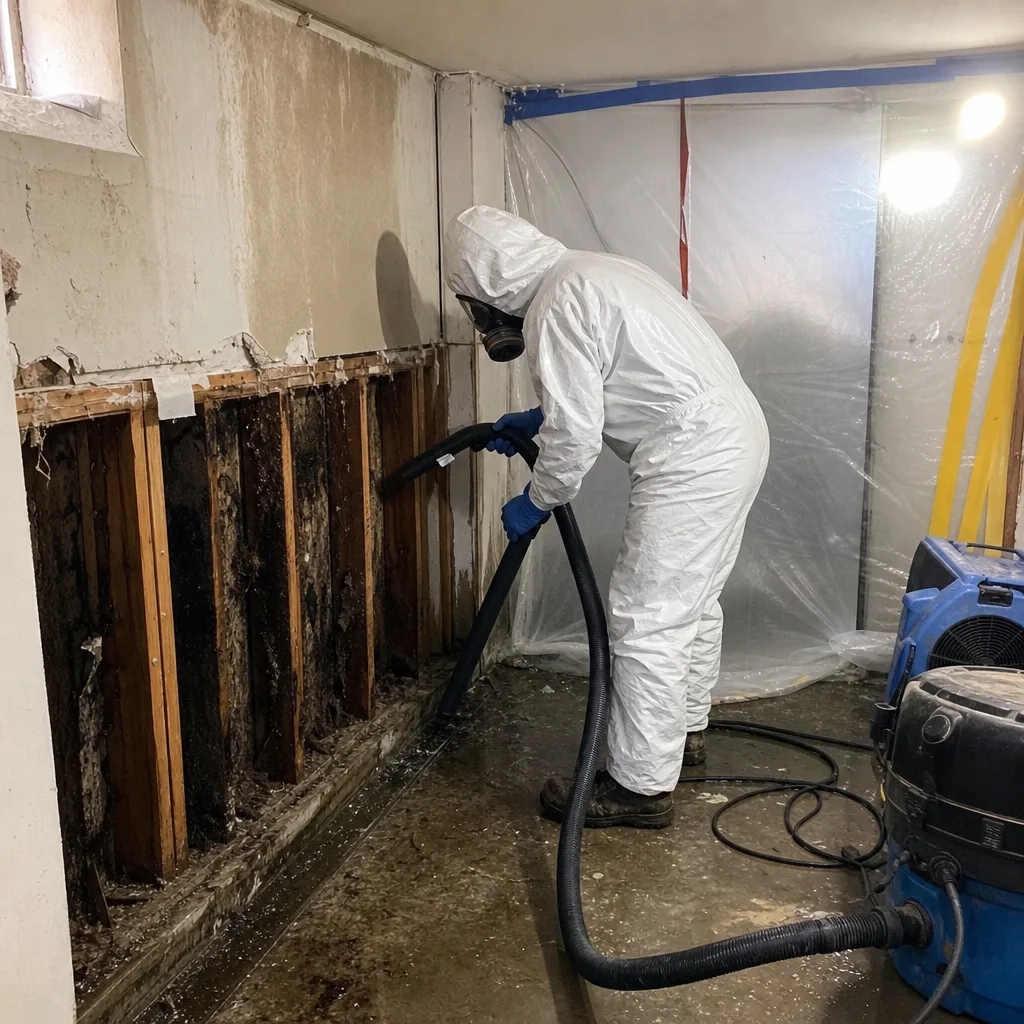
HEPA air scrubbers run during and after demolition. Hard surfaces get antimicrobial treatment appropriate to the water category. Contents move out for pack-out restoration when they’re salvageable.
Specialty Treatment
This is where FiDi’s building stock changes the job. We inspect and reinforce impact-rated door frames, address hydrostatic pressure and groundwater infiltration at foundation level, and document post-Sandy retrofit weaknesses that a generic restoration crew would never know to look for.
Repairs & Restoration
Drywall, flooring, trim, paint, cabinetry, and structural carpentry. We rebuild to the same standard we’d want in our own building, and we stand behind it with the 90-Day Done Right Promise in writing.
Need Emergency Reconstruction & Cleanup in Financial District Now?
Crews minutes away, answering live 24 hours a day. The sooner we start, the less it costs.
Working With Your Insurance Company
Wade has been dealing with adjusters on Financial District claims since 2007, and he knows what they need to approve a scope without stalling. We photograph every room before, during, and after demolition. We log moisture readings daily and hand you the full log at close-out. We write the estimate in the format carriers recognize, down to the line item. And Wade talks to your adjuster directly: tradesman to adjuster, not homeowner to call center. That removes the single biggest frustration in this trade: you stuck relaying information between two parties who never seem to agree. We handle the adjuster. You handle your life.
What We Provide Your Insurer
- Thorough documentation of the loss
- Photos of all damage, room by room
- Moisture readings and drying logs
- A detailed, line-item scope of work
- Direct coordination with your carrier
Built for Financial District’s Loss Calendar
FiDi’s damage season is unlike any other Manhattan neighborhood’s. January deep freezes burst supply lines in pre-war risers, and when a pipe lets go on the 22nd floor of a Beaux-Arts conversion, the water travels through chases for twenty floors before it finds its first horizontal surface. Spring thaw brings groundwater infiltration through the landfill substrate that supports the whole southern tip of the island; hydrostatic pressure builds against foundations and pushes water through micro-cracks in sub-grade walls. Summer thunderstorms overwhelm roof drains in towers that never upgraded their original 1920s plumbing. And then there is nor’easter season, roughly September through April, when wind-driven rain hits the harbor-facing elevations and finds every impact-rated door frame that was installed without proper anchorage. When surge pushes up Water Street and into below-grade mechanical rooms, our crews are already moving because we watch the same storm tracks the building supers do. The calendar in Financial District is not abstract. It is a schedule of recurring failure points, and we have seen every month on it.
Reconstruction & Cleanup Across Financial District’s Neighborhoods
Every corridor of Financial District has a different building signature, and the response route changes with it. Down near the Battery and Battery Park City’s southern edge, we are working in buildings where lobby levels sit just a few feet above mean high water; a breach here means saltwater in the elevator pit and the switchgear room, and we get a truck onto West Street or Battery Place while the tide is still up. Along Wall Street and Exchange Place, the towers date mostly to the 1900s through 1930s, and their interior conversions left original plumbing chases and roof drains that run straight through residential drywall; wind-driven rain becomes a ceiling collapse in a studio two floors below the roof. Up toward Fulton Street and the South Street Seaport, older mercantile buildings converted late often have basement sump systems that post-Sandy retrofits only partially relocated. On narrow streets like Pearl and Pine, access matters: a 45-foot truck cannot stage everywhere, so Wade sends crews in smaller vehicles with portable equipment when the street geometry demands it. The neighborhood names are just names until you have had to route a dehumidifier through a lobby at 1 a.m. while the doorman watches. After a while, you learn which buildings flood first and which dry slow.
Specialized Reconstruction & Cleanup Services We Offer in Financial District
Full-Service Reconstruction
From the first cut of wet drywall to the last coat of paint, we rebuild FiDi apartments, mechanical rooms, lobby storefronts, and co-op common halls. This means carpentry, cabinetry, trim, drywall, painting, and coordination with building superintendents and co-op boards. Our Reconstruction & Cleanup team handles insurance-scoped rebuilds as often as cash work.
Drywall & Flooring Repair
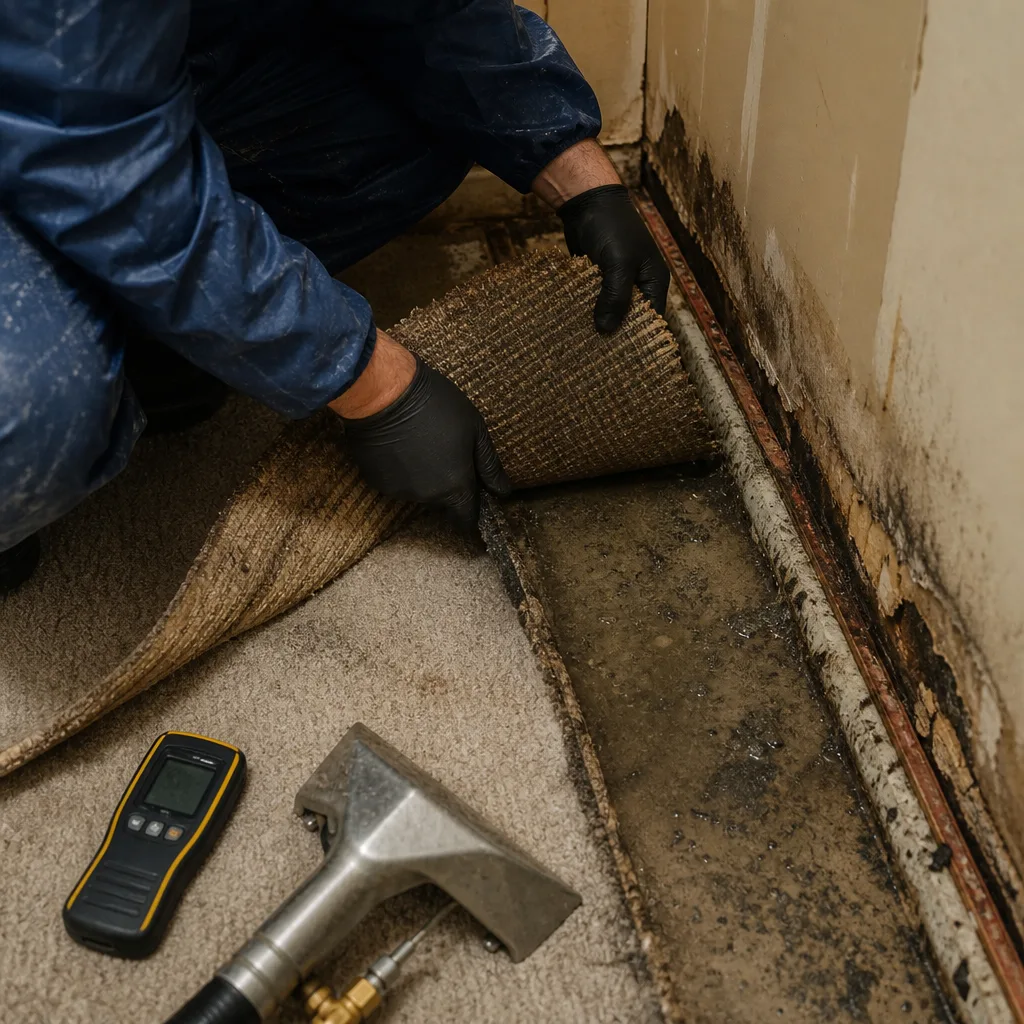
Pre-war plaster and gypsum board respond differently after a flood, and we match both. Flooring in FiDi conversions runs from original 1930s oak strip to post-2010 engineered plank, and we dry, sand, or replace depending on what actually happened. Wind-driven rain that soaked a wall through a failed door frame often means cutting it open to dry the cavity behind, then patching and texturing to match.
Contents Restoration & Pack-Out
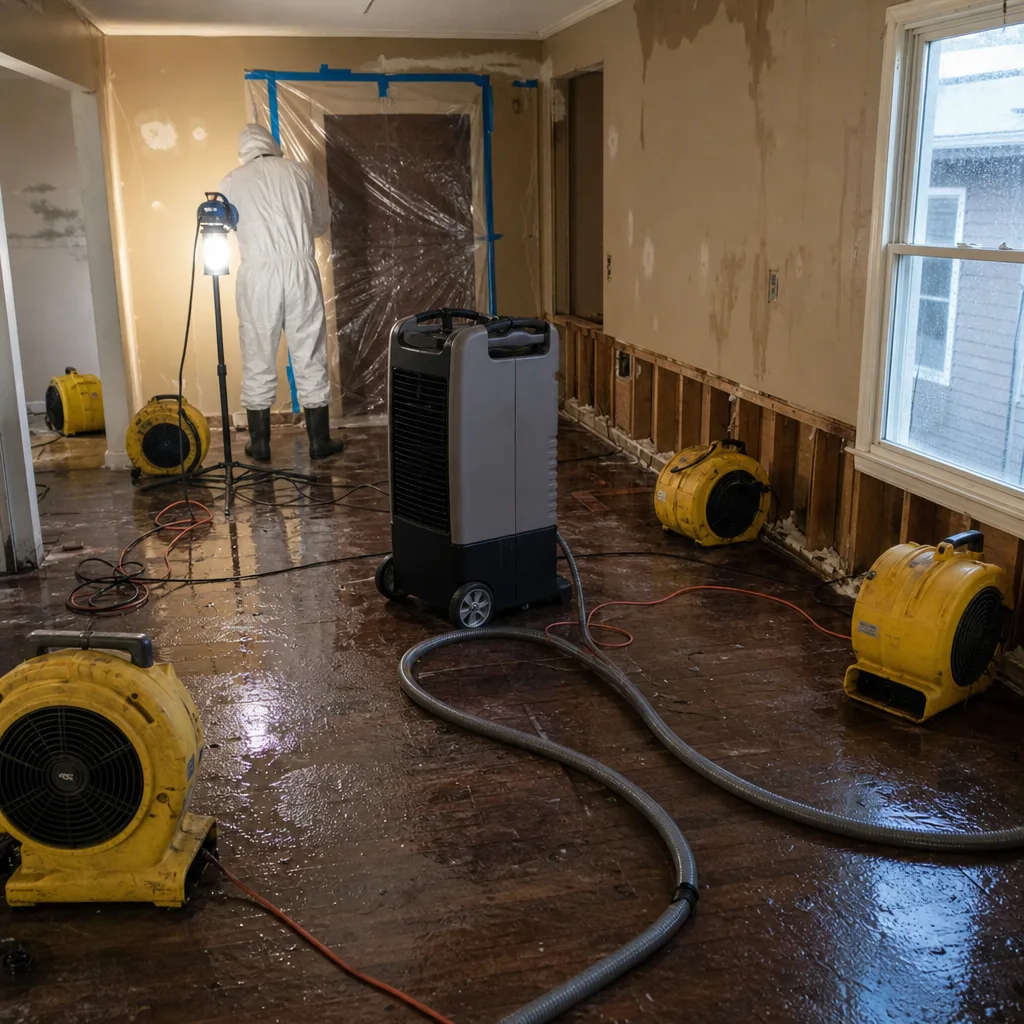
Co-op apartments hold art, rugs, furniture, and paper records. When a burst riser or surge floods a FiDi unit, we pack out salvageable contents, dry and clean them off-site, and return them when the unit is rebuilt. We photograph and inventory everything, and we flag what the insurance company can restore versus replace.
Carpet & Upholstery Cleaning
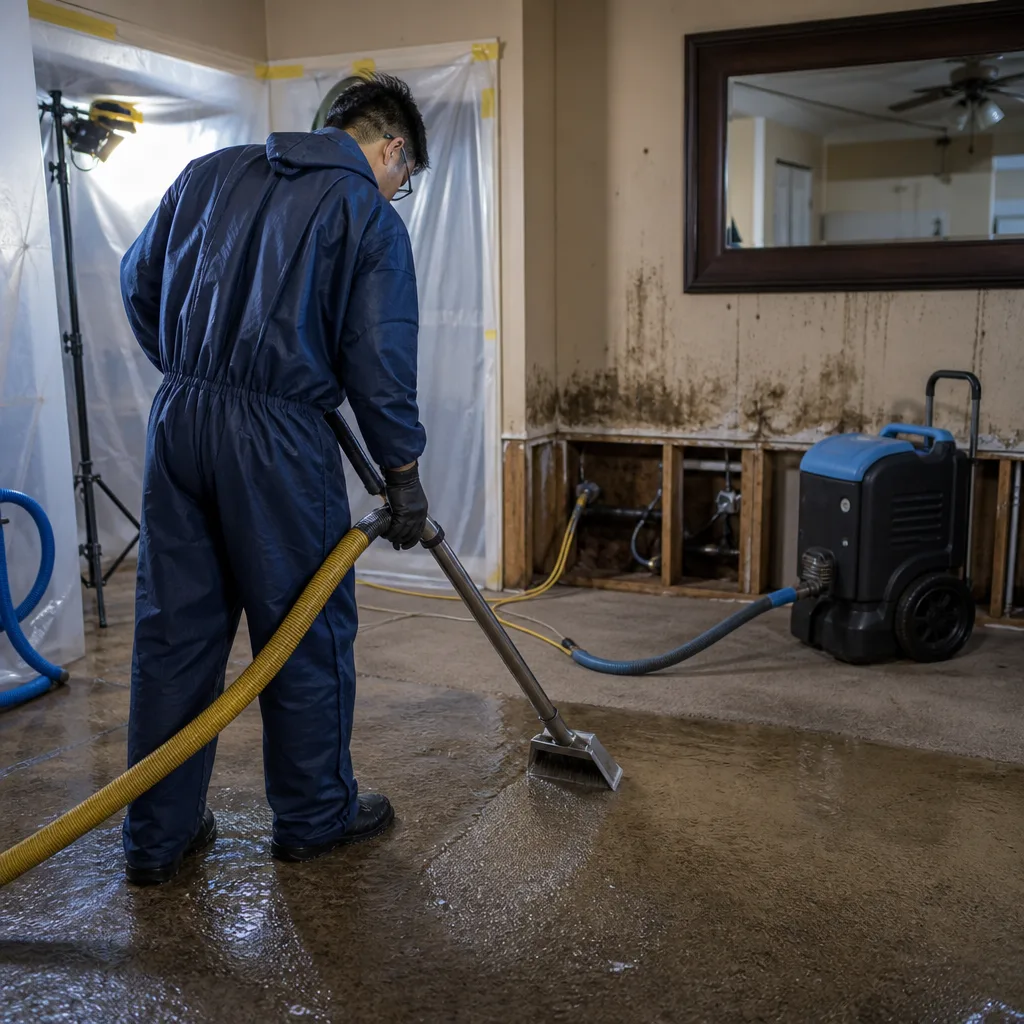
After a minor overflow or dust-heavy post-construction phase, we clean carpet and upholstery in place. High-rise furniture cannot always go out for cleaning, so we work inside the unit with HEPA-filtered equipment and low-moisture methods that dry fast in buildings with limited ventilation.
Post-Construction Cleanup
Reconstruction leaves dust in places you would not believe: inside cabinet voids, on top of door casings, in elevator lobbies. We perform post-construction cleanup as part of every rebuild we run, and we also take it on as a standalone scope for owners renovating through other contractors. HEPA vacuuming, hard-surface detailing, and air scrubbing to clear the air before you move back in.
What happens when you call
- 1
A real person answersNo phone trees - you reach a local pro.
- 2
You get an upfront price rangeHonest numbers before anyone is dispatched.
- 3
A background-checked tech heads outLicensed & insured, dispatched right away.
- 4
You approve before work beginsNothing starts until you say go.
Reconstruction & Cleanup Costs in Financial District, NY
Pricing in FiDi runs higher than the outer boroughs, and the reasons are structural: high-rise access, freight elevator scheduling, union building logistics, and the complexity of pre-war systems. A typical drywall and flooring repair after a burst riser line in a Financial District co-op runs $2,800 to $6,500. Full-service reconstruction after a nor’easter breach with water migration into multiple rooms usually lands between $12,000 and $45,000, depending on the square footage and whether sub-grade spaces are involved. Standalone post-construction cleanup for a one-bedroom unit typically runs $400 to $1,100. Insurance-covered claims move on the carrier’s scope; out-of-pocket work comes with the permanent Senior & Veteran 10% discount, plus a free second opinion on any written estimate you have from another contractor. The no-trip-charge county policy applies here too. Call (201) 903-9581 and Wade will walk the loss with you and put a firm number in writing before anything starts.
We Also Serve Cities Near Financial District
Our crews work throughout Lower Manhattan, Midtown Manhattan, Long Island City, and Midtown West. Same response commitment, same owner answering the phone, same written scope before any work begins. If your building sits near FiDi but across a bridge or a few blocks north, call and we will route the closest team.
Serving Financial District, NY - Our Local Coverage Area
We’re based in the Financial District area and know this community well. Use the map below to see our service coverage - if you’re nearby, we can almost certainly help.
Financial District Reconstruction & Cleanup Questions, Answered
How does NYC weather affect wind-rated door installation in Financial District high-rises?
Wind-rated and impact-rated doors only work if the frame is anchored to structure properly, and in FiDi’s older towers, many post-Sandy installations were rushed and under-anchored. Wind-driven rain from a nor’easter hits harbor-facing elevations with enough force to flex a poorly anchored frame at the hinges, letting water bypass the panel. We check anchorage into the masonry or steel, not just the door’s rating label.
Why is my Financial District basement wet weeks after a coastal storm passed?
FiDi sits on centuries of landfill, and that fill remains highly permeable. Storm surge and heavy rain percolate through the ground and create hydrostatic pressure against foundations long after surface water drains. If your basement walls weep or the floor shows damp spots weeks later, you are seeing groundwater, not the storm itself, and it needs excavation or perimeter drainage work, not just dehumidifiers.
When should we pack out contents after a flood in a FiDi co-op?
If Category 3 water (surge, sewage, harbor water) touched furniture, rugs, clothing, or paper, pack-out should happen within the first 48 hours. Saltwater and sewage contamination set stains and corrosion fast. We document everything for the insurer, move it to controlled drying, and return it when the unit is ready.
Can you dry out a basement mechanical room under a converted Art Deco tower on narrow FiDi streets?
Yes. This is a big part of our work in Financial District. We stage smaller vehicles on streets like Pine, Pearl, or Stone and carry portable Dri-Eaz and Phoenix equipment into sub-grade rooms through freight entrances and sidewalks. Drying a mechanical room in a 1920s tower means managing access, power, and ventilation constraints that a generic crew would not anticipate, and we have done many of these.
What wind damage should we look for on exterior doors after a nor’easter in Financial District?
Look at the hinges first. A failed impact-rated door usually separated at the hinge or the frame anchorage, not through the panel itself. Check for daylight around the frame, warped panels, water staining under the threshold, and stress cracks where the frame meets the masonry. If the door closes but seals poorly, wind-driven rain will find the gap during the next storm.
How fast can someone actually get to my Financial District building?
We commit to 45 minutes from your call to a crew arriving in FiDi. In practice, during a nor’easter or a winter freeze event, we are often already staged around Lower Manhattan when the first calls come in. Wade answers his phone live, and he can tell you exactly where the nearest crew is and what ETA to expect.
Will insurance cover wind and water damage to my FiDi co-op or condo?
Most co-op and condo policies in New York cover sudden wind-driven rain and plumbing failures, but coverage for storm surge and groundwater varies. The key is documentation from the first hour: photos, moisture readings, and a clear scope that separates surge flooding from wind-driven rain. We handle the adjuster directly and provide the full file, and we never charge for a scope review on a claim.
Can we stay in the unit during reconstruction in a Financial District tower?
For smaller drywall and drying scopes, often yes. For large water losses with structural drying, containment, and HEPA air scrubbing, most owners prefer to stay elsewhere while the work runs. We are used to FiDi building rules about work hours, freight elevator reservations, and co-op board notifications, and we will tell you upfront what the living conditions will be before you decide.
Written by Wade Ferris, Owner at Wade’s Restoration, serving Financial District and Lower Manhattan. Founded in 2007, locally owned and owner-operated, with a published address and license number. Every water, fire, and mold restoration job covered by the 90-Day Done Right Promise in writing.