
Free visual inspection and a written scope of work before any mitigation begins - photos, moisture readings, and drying logs go in your claim file
The scope we write is the scope we bill. Anything new gets shown to you, in writing, before we touch it.
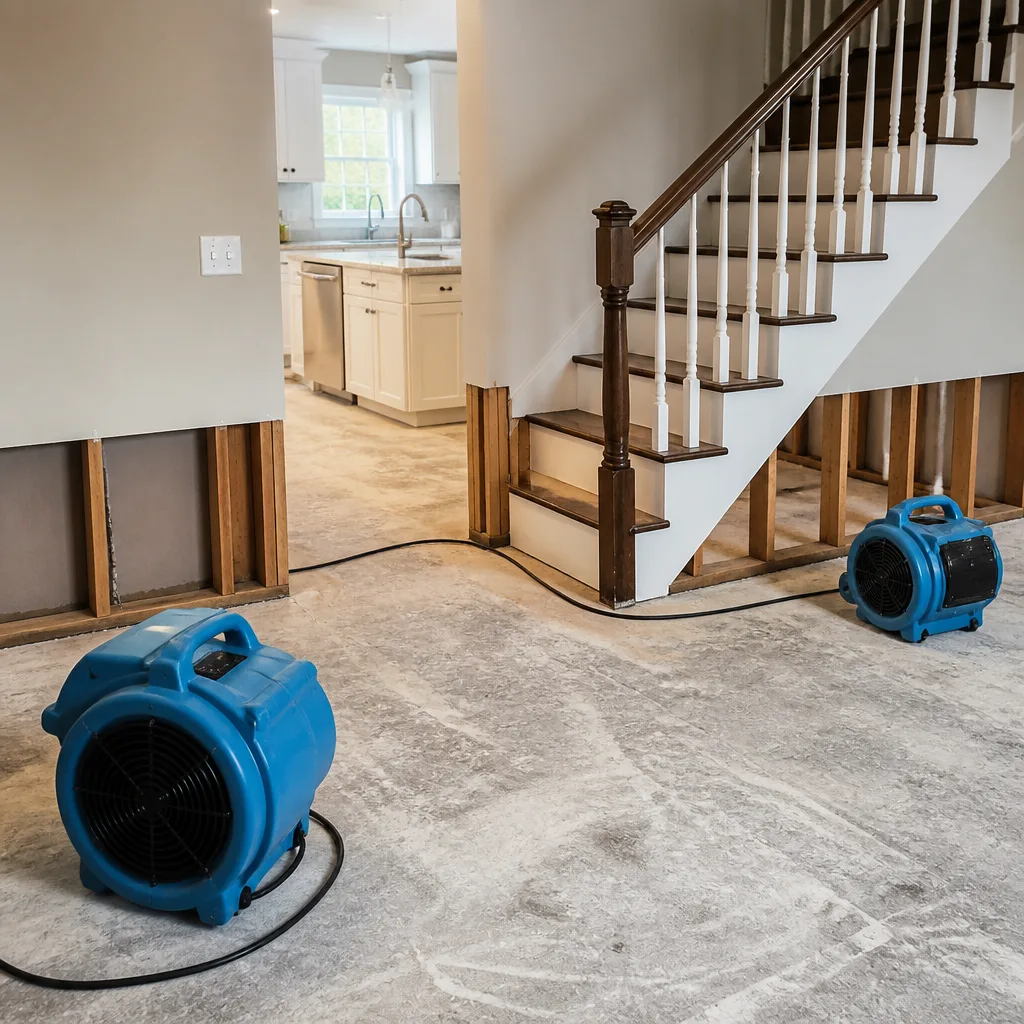
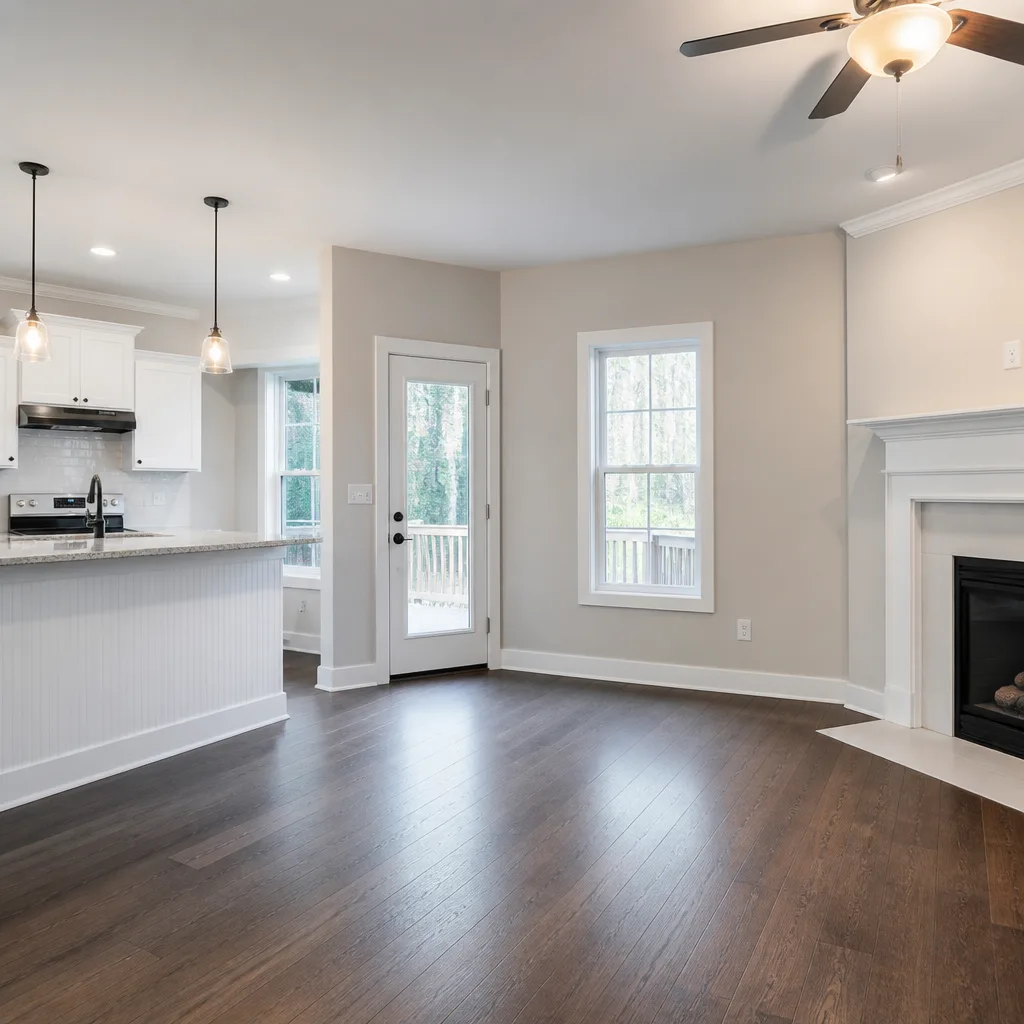
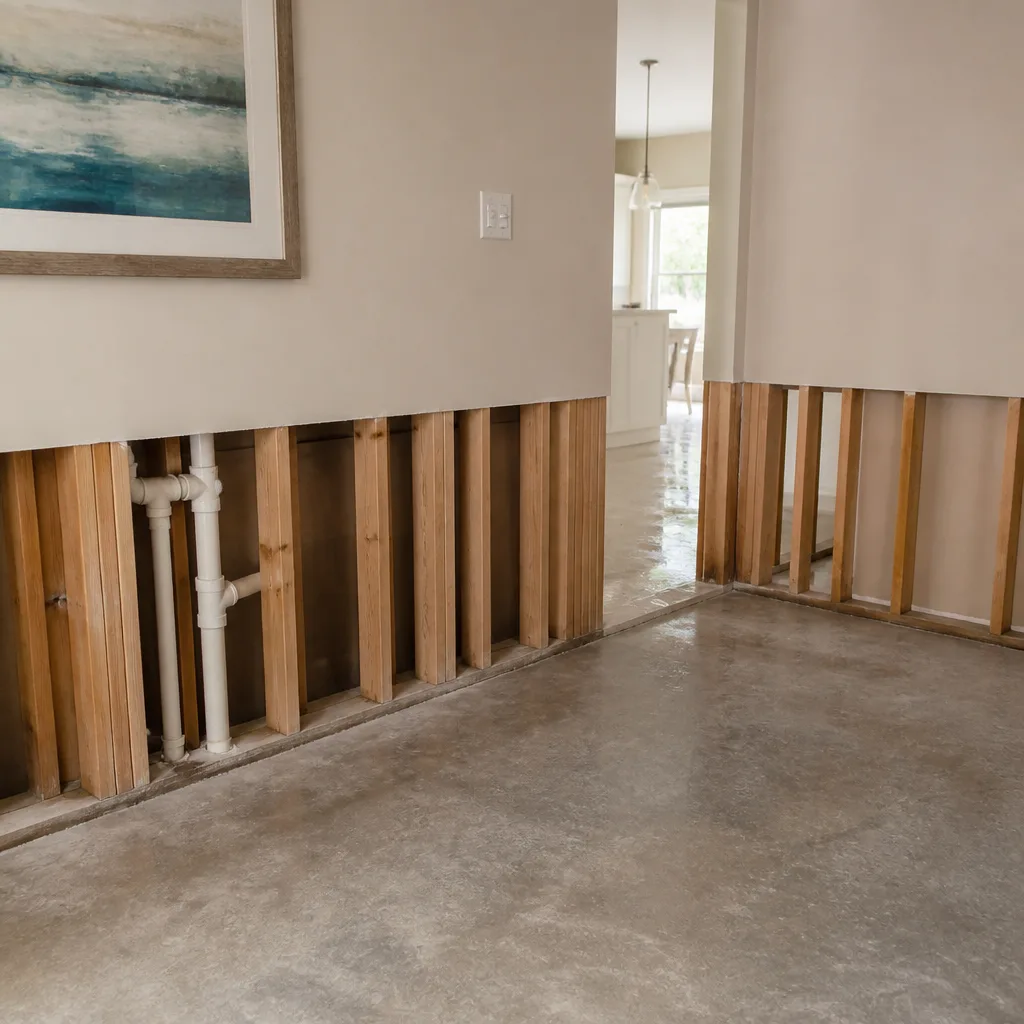
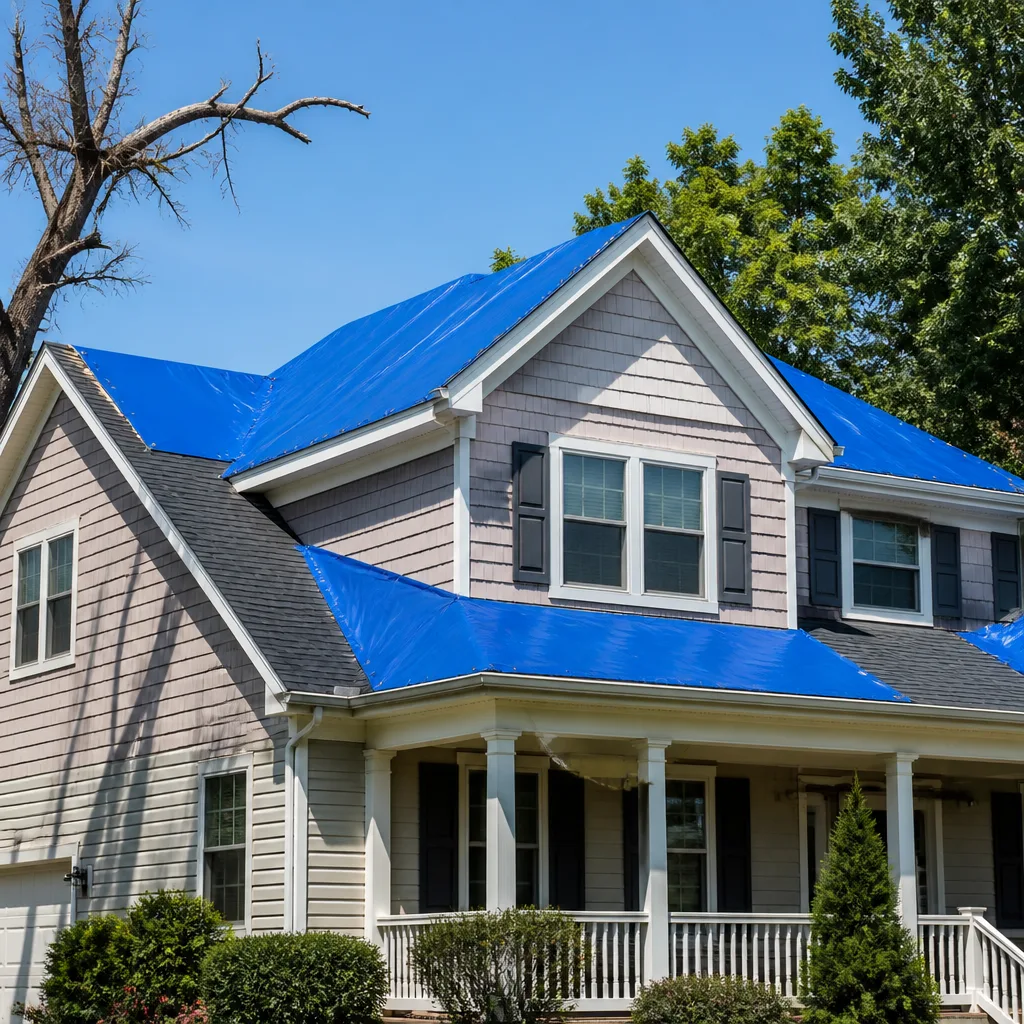
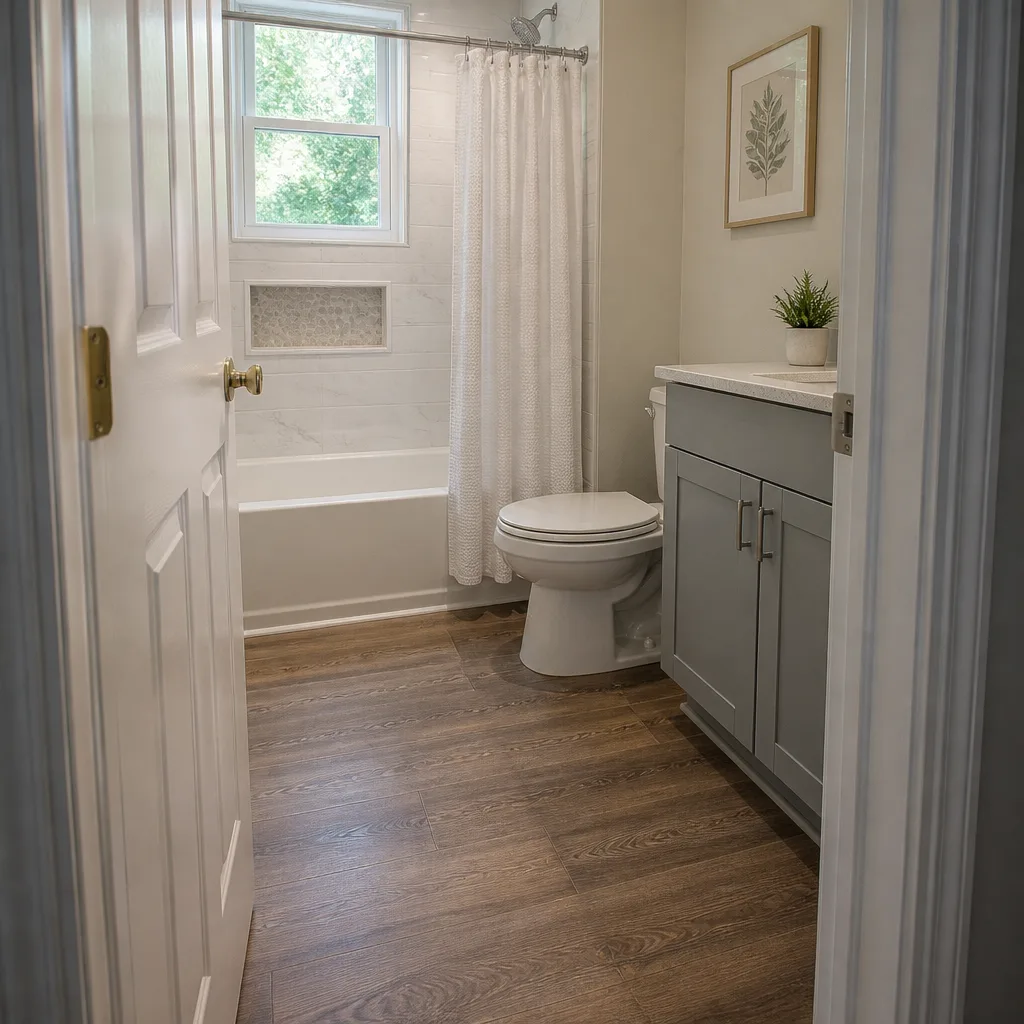
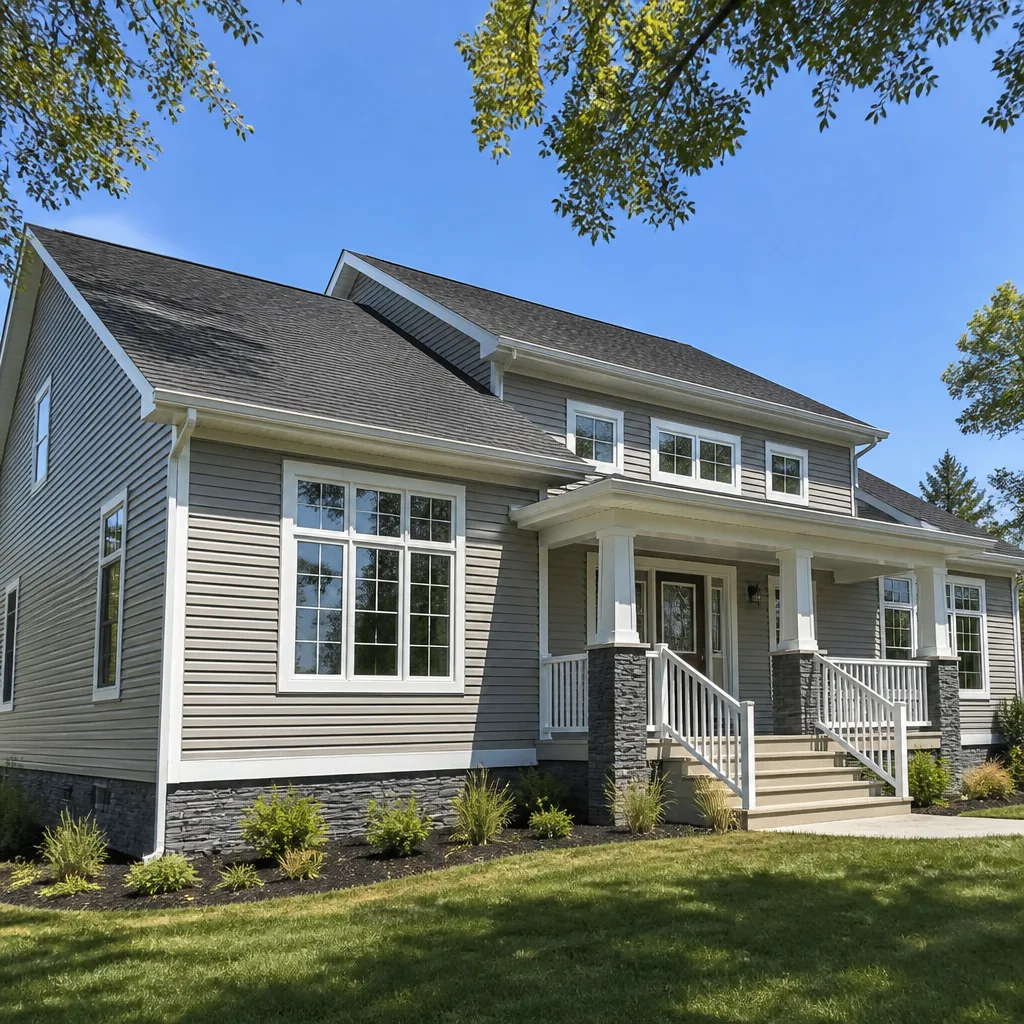
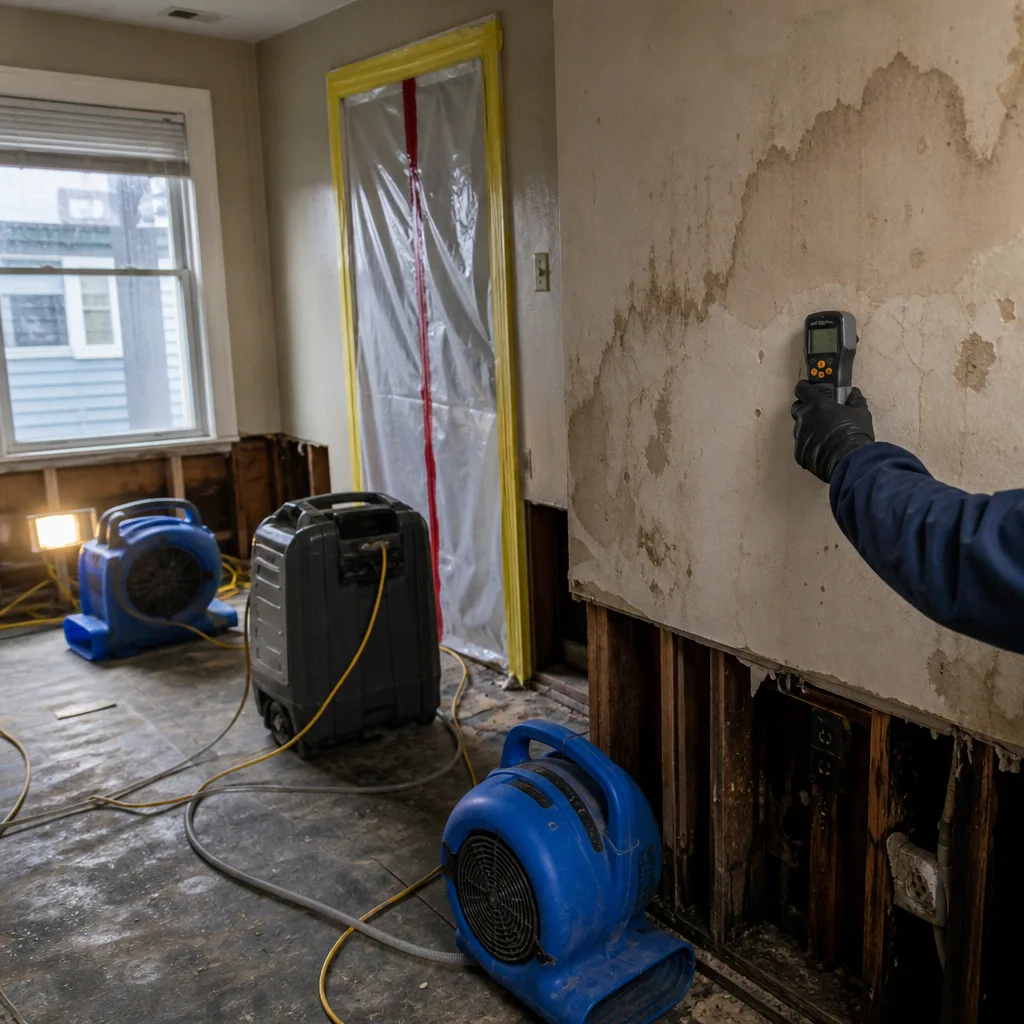 Before
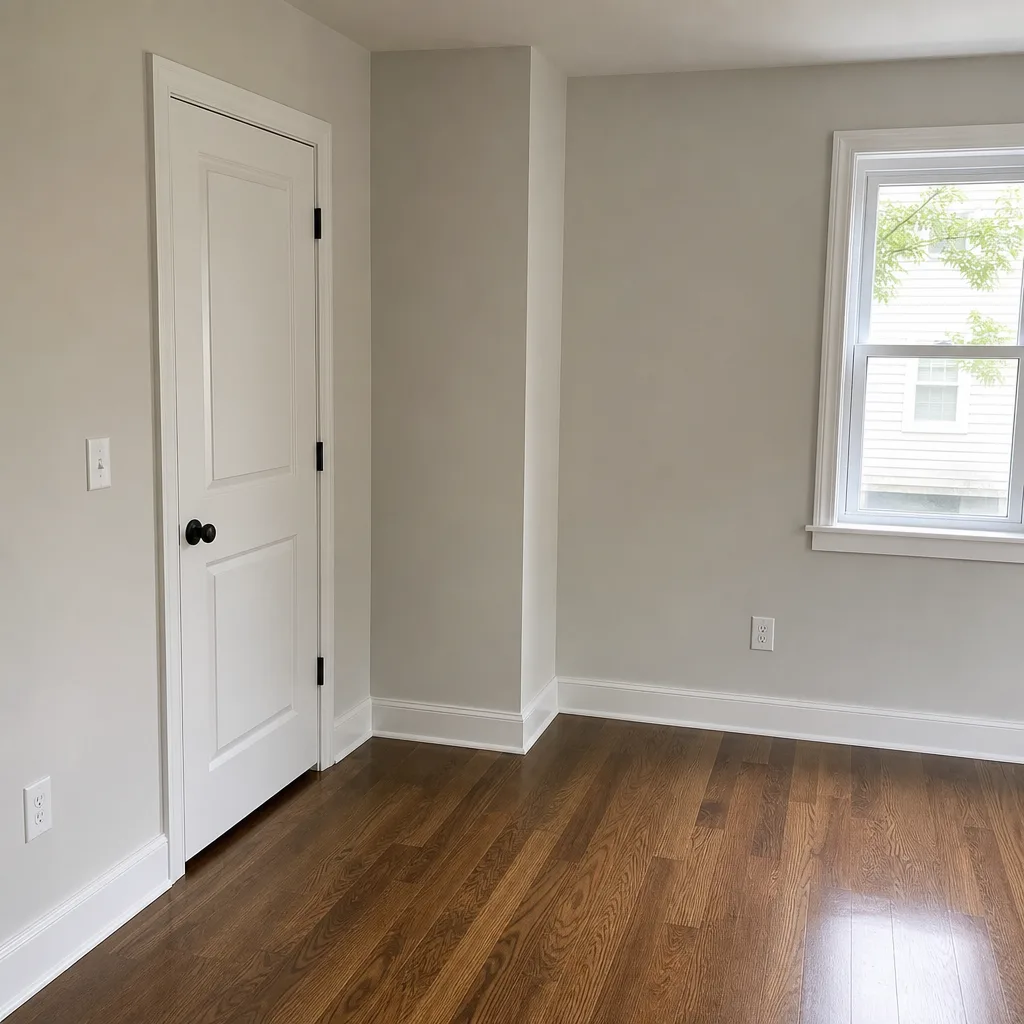 After
After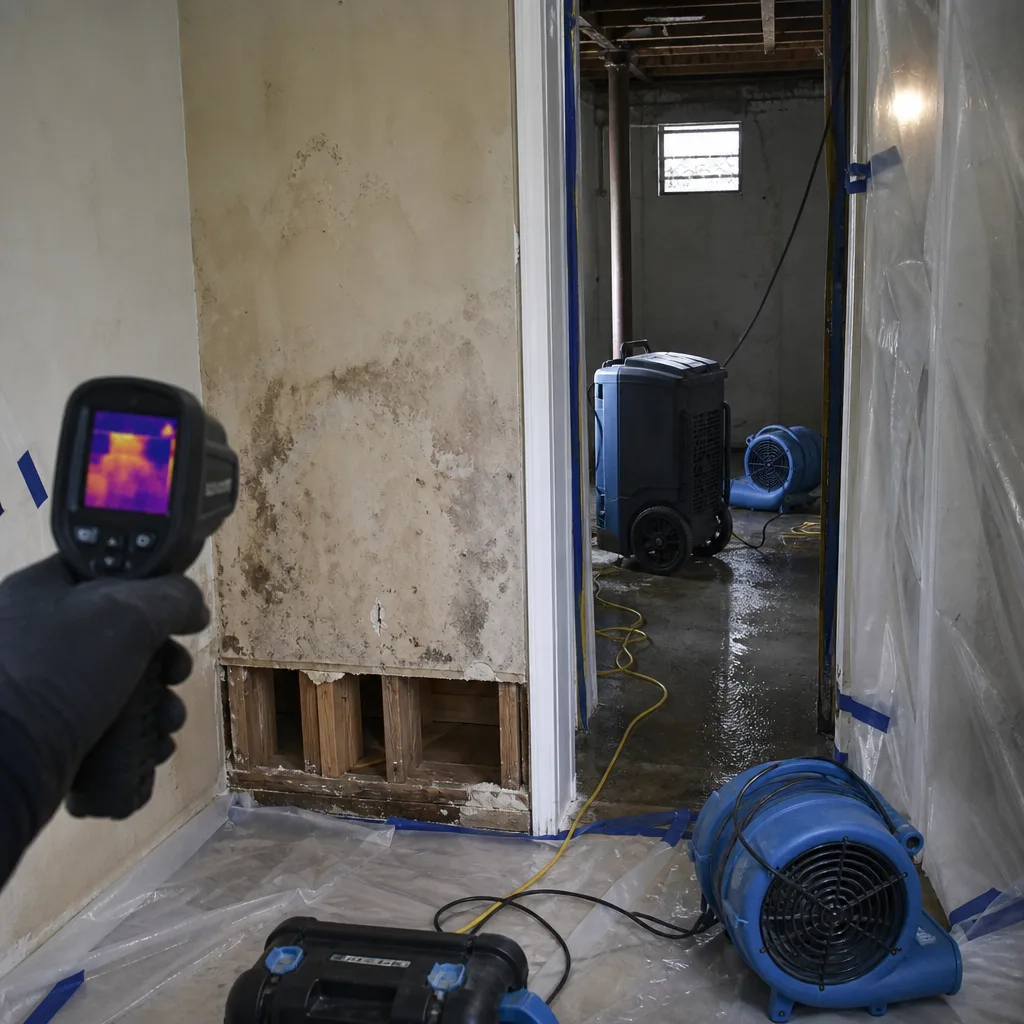 Before
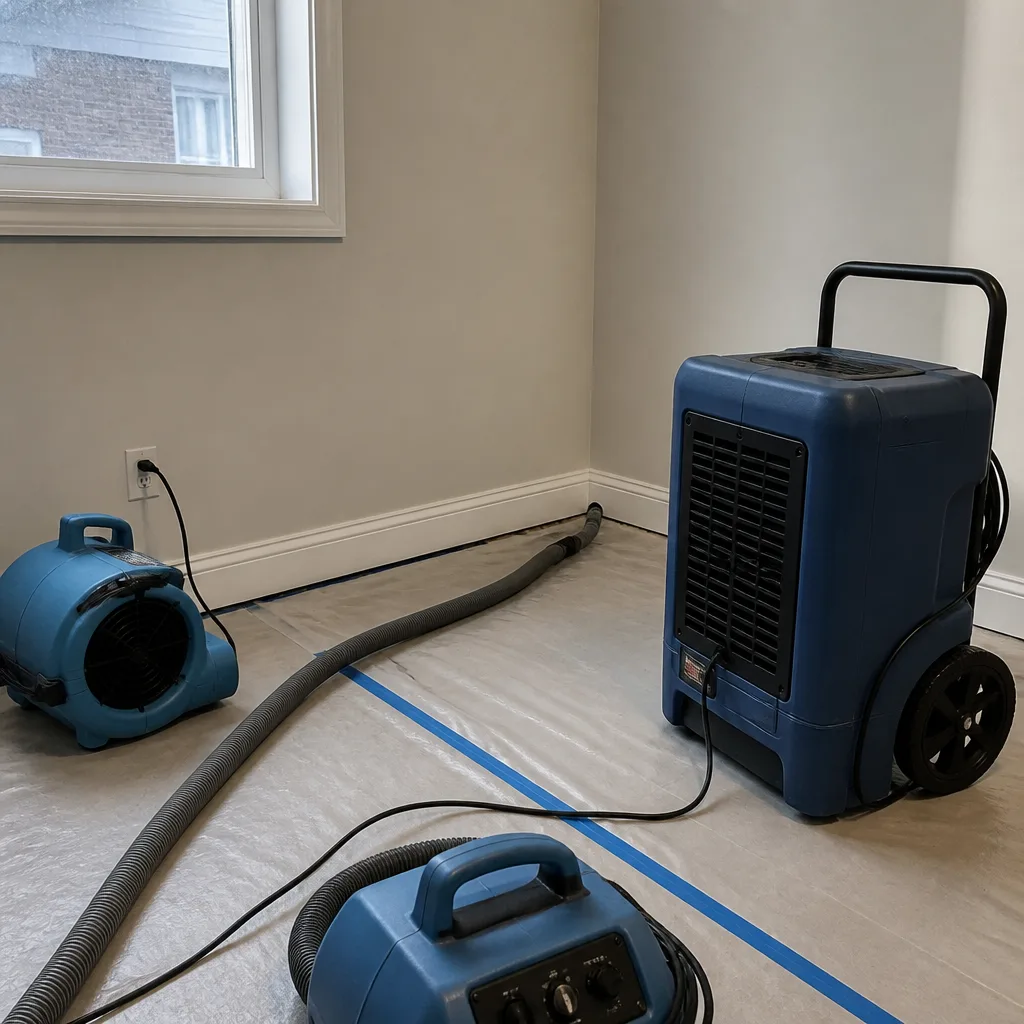 After
After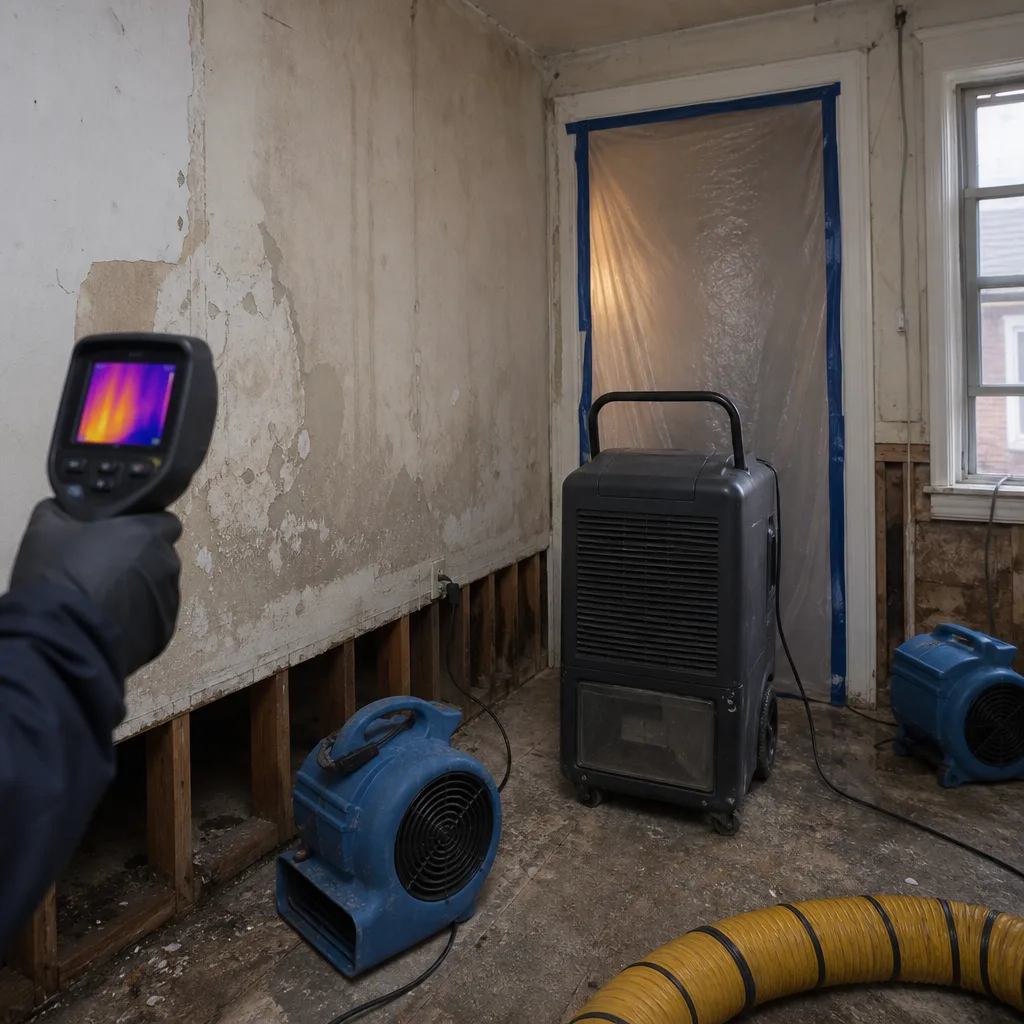 Before
 After
After24/7 Emergency Sewage Cleanup in North Bergen
Sewage backup in a North Bergen basement or crawl space is a genuine emergency, not a next-day call. The water is Category 3, meaning it carries bacteria, parasites, and viruses that make a living space unsafe within hours. Wade Ferris answers his own phone at (201) 903-9581 and can have a crew on Tonnelle Avenue, Kennedy Boulevard, or anywhere in North Bergen inside the hour. The first 60 minutes decide whether you’re cleaning a floor or replacing drywall, baseboards, and a furnace that sat in contaminated water overnight. We’re local, we come fast, and the visual inspection is free.
Our Sewage Cleanup team does not route calls through an answering service. A real person picks up, every time. If you have sewage backing up through a floor drain near 43rd Street or a toilet overflowing in a garden apartment off Columbia Avenue, call now. The longer black water sits, the further it migrates through concrete, grout, and framing, and the more it costs to make right.
Understanding Sewage Cleanup Severity in North Bergen Properties
Sewage spills are classified as Category 3 water, meaning grossly contaminated. It’s not rainwater that seeped through a foundation crack. It carries whatever went down drains: fecal matter, bacteria like E. coli and Salmonella, viruses, and whatever chemicals got flushed. The standard for cleanup is not drying. It’s removal, disinfection, and in many cases, demolition of porous materials that absorbed the contamination.
North Bergen’s housing stock makes this harder than it sounds. The two-to-four-family brick rowhouses built from the 1920s through the 1950s were framed with shared wall cavities and common plumbing chases. A sewage backup in one unit does not respect the party wall. It moves through chases, under sill plates, and into the neighbor’s basement before anyone notices. The 1960s and 70s garden apartments that line the western side of town have cast-iron drain stacks that have been corroding inside walls for decades. When one fails, the sewage does not spill onto a floor where you can see it. It sits inside a wall cavity, soaking framing and drywall, until the smell gives it away. By then, mold is often already active behind the baseboard. This is why we treat every North Bergen sewage call as a structural issue, not just a wet-vac job.
Why North Bergen Property Owners Choose Wade’s Restoration
- 45-minute response commitment: We do not put North Bergen callers in a queue. Wade or a member of his crew is on the road the moment you hang up, and most arrival times in town are under 45 minutes.
- 24/7 live answer, never an automated system: Wade’s cell phone rings. No phone tree, no call center, no “leave a message and we’ll get back to you.” At 2 a.m. on a Wednesday, a person answers.
- IICRC-certified crews: Our technicians carry current WRT and ASD certifications, and we follow the ANSI/IICRC S500 standard for water damage and S550 for sewage. The letters matter when your insurer reviews the scope.
- Free visual inspection: We do not charge to come out, look at the spill, and tell you honestly whether this is a $400 cleanup or a $7,000 structural repair. No trip charge inside the county, and a free second opinion on any written estimate you already have.
- Direct insurance billing: We deal with the adjuster. We document from the first hour, submit the scope in the carrier’s preferred format, and you avoid being the middleman between your insurer and a contractor.
- One team from extraction to reconstruction: The same crew that extracts the sewage also replaces the drywall, the flooring, the trim, and the drain line if it failed. No handoff to a sub you never met.
Our Sewage Cleanup Process
Inspection & Assessment
We start by mapping the affected area, checking moisture readings in walls and flooring that look dry, and determining the sewage source. In North Bergen rowhouses built before 1950, that means checking the neighbor’s side of the wall too. A thermal imaging pass shows moisture behind surfaces that a visual check misses.
Extraction & Stabilization
Black water comes out first using truck-mounted or portable extraction equipment rated for sewage. We remove standing water, then bag and haul out porous materials that cannot be saved: carpet, pad, and often baseboards and drywall that sat in contaminated water more than a few hours.
Drying & Dehumidification
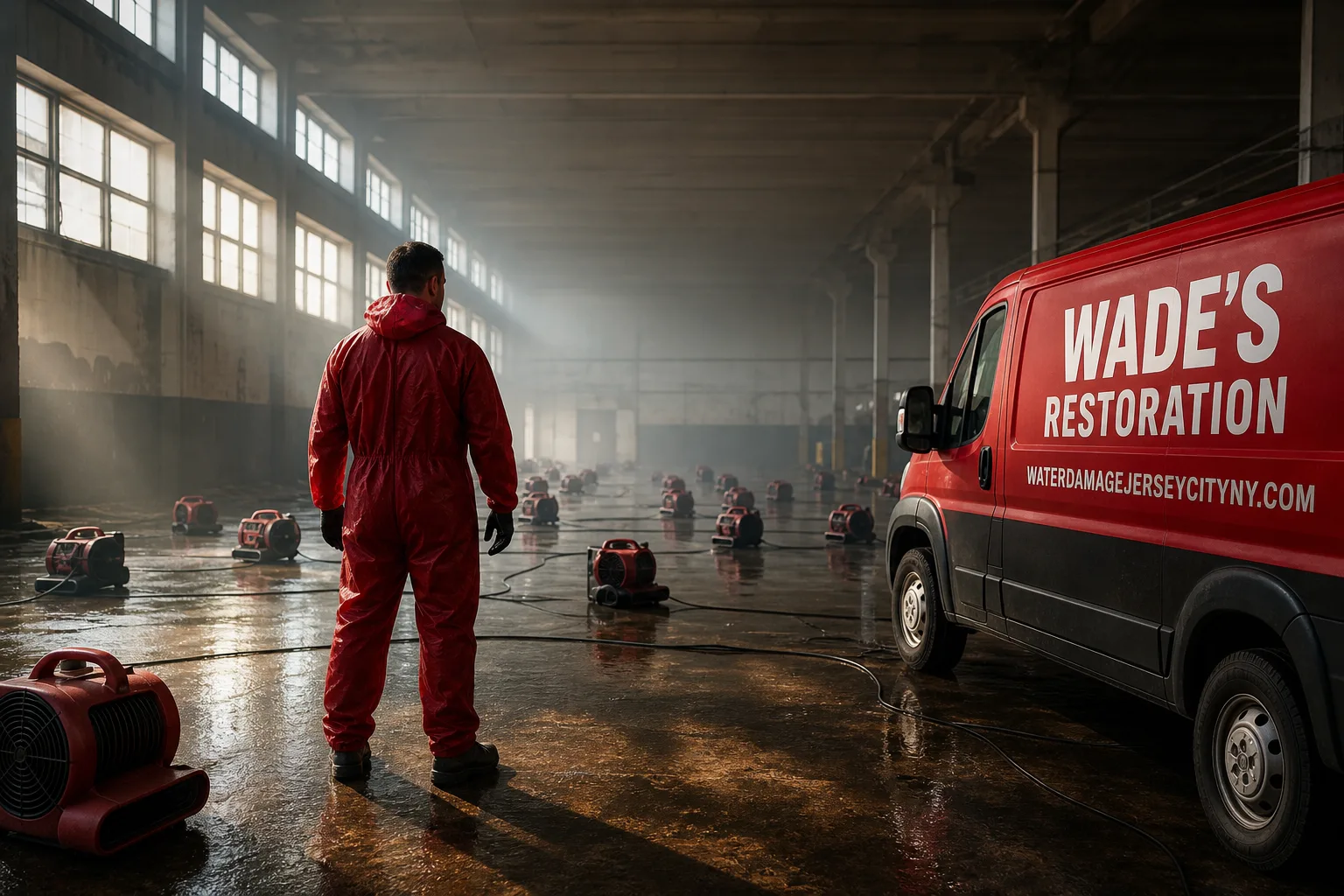
On the Tonnelle Avenue corridor especially, drying is a fight against the water table. We run North Bergen Commercial Restoration equipment including dehumidifiers and air movers, and we take moisture readings daily, not once at the end. You get the full log. When the ground outside keeps feeding water in, standard timelines don’t work, and we watch for that specific problem in North Bergen basements.
Cleaning & Sanitization
Every surface the sewage touched gets cleaned with an EPA-registered disinfectant appropriate for Category 3 water. Hard surfaces that can be saved are scrubbed, sprayed, and verified. This is not a wipe-down. It’s the difference between Sanitization Services in North Bergen and a lingering smell that never goes away.
Containment & Air Scrubbing
Sewage spills aerosolize contaminants. When we open a wall cavity that has held black water, we run a HEPA air scrubber to pull spores and bacteria from the air. Our Dri-Eaz HEPA 500 units run continuously through the cleaning phase, not just when it smells bad.
Repairs & Restoration
Once the structure is dry and clean, we handle our Reconstruction & Cleanup in North Bergen to replace what came out: drywall, insulation, flooring, trim, sometimes the failed cast-iron pipe that started the whole thing. You get a clear written scope before that work begins, so you know exactly what you’re paying for and what insurance is covering.
Need Emergency Sewage Cleanup in North Bergen Now?
Crews minutes away, answering live 24 hours a day. The sooner we start, the less it costs.
Working With Your Insurance Company
Most homeowner policies cover sewage backup, but the claim goes smoother when the documentation starts the same day as the loss. We photograph everything before we start work, room by room, including what’s inside walls once we open them. We take moisture readings at intake, daily during drying, and at the final clearance. We write a line-item scope in the Xactimate format most carriers expect. Then we talk to your adjuster directly, so you’re not relaying our invoices to them and their questions back to us. After 29 years in restoration, we know what gets approved and what gets kicked back. We build the file the way the carrier wants it built, from the first hour, not after the fact.
What We Provide Your Insurer
- Thorough documentation of the loss
- Photos of all damage, room by room
- Moisture readings and drying logs
- A detailed, line-item scope of work
- Direct coordination with your carrier
Built for North Bergen’s Loss Calendar
North Bergen’s sewage problems follow the weather, but not the way most people think. January and February bring deep freezes that crack aging supply lines in unheated basement garages and crawl spaces. The water from a burst pipe is Category 1 when it leaves the line, but by the time it pools in a basement that has not been cleaned in years, it’s picking up whatever was already down there and acting like Category 3. March and April thaw saturates the western blocks along Tonnelle, where the old Meadowlands fill never really drains. Sump pumps run constantly, and when they fail, they often fail while the ground is still giving up water. Summer thunderstorms hit the Palisades slope and flash-flood basements on the low side of town within minutes. Nor’easters in fall and winter combine coastal wind with heavy rain, and in North Bergen, the standing water problem is always worse on the filled-gas-spill west side, not the ridge. The calendar tells us what to expect. The property tells us what to fix.
Sewage Cleanup Across North Bergen’s Neighborhoods
The Tonnelle Avenue corridor between Route 3 and 69th Street sits on filled Meadowlands wetlands. The water table under those blocks is high enough that sump pumps run even on dry days. A sewage backup here does not stay isolated. The effluent finds the lowest point, and the lowest point is almost always a basement slab that’s already wicking groundwater. We run dehumidifiers longer on Tonnelle jobs to compensate. The rowhouse rows between Kennedy Boulevard and Bergenline Avenue are a different beast. Those 1920s brick buildings share sewer laterals and drain stacks. A clog three houses down can back up into your tub through the common lateral. The garden apartment complexes west of Tonnelle, many from the 1960s, have flat roofs, horizontal cast-iron drain runs, and shared basements. A sewage leak above a ceiling there travels through the decking before it ever shows on a wall. And the newer condos near the waterfront on River Road have their own issues: tight building envelopes that trap humidity, making any sewage spill a mold accelerant. Each neighborhood needs a slightly different approach, and we adjust based on what we know about the block. That’s what local means for Sewage Cleanup in North Bergen.
Specialized Sewage Cleanup Services We Offer in North Bergen
Black Water Extraction
Raw sewage requires more than a shop vac. We use extraction equipment built for Category 3 water, not gray water or groundwater. In a North Bergen basement with a floor drain backing up, black water is often hidden under a layer of clear water, so we don’t assume the top inch tells the story. We extract everything, then dispose of the waste through an approved carrier, not a storm drain.
Sanitization & Disinfection
After extraction, the surfaces that stay need disinfection that actually reaches the contamination. Concrete is porous. Grout is porous. Wood framing is porous. We apply an EPA-registered disinfectant designed for sewage contact, and we verify coverage with a surface-by-surface checklist. The goal is not to make it look clean. It’s to make it safe to occupy again.
Crawl Space Sewage Removal
North Bergen houses built before 1940 often have dirt-floor crawl spaces accessed through a knee wall in the basement. A broken waste line in a crawl space saturates soil, which is the hardest material to remediate. We remove the contaminated dirt, treat the remaining surface, and check whether the vapor barrier needs replacement. A crawl space that smells like sewage a month later was never properly cleaned, and that’s the number one callback we see from other companies’ work.
Sewage Backup Cleanup
When the floor drain in a Tonnelle-area basement backs up, the sewage is not just what’s on top of the floor. It’s what’s under the slab and soaked into the block walls. We cut the wet drywall, pull the baseboard, and check behind the band joist. Skipping those steps is how you get a “clean” basement that still smells in August.
Toilet Overflow Cleanup
A toilet overflow in a two-family rowhouse on 37th Street does not stay in that bathroom. It runs down into the unit below, or through the wall into the neighbor’s side. We check the chase, the subfloor, and the ceiling below before we declare the spill contained. In attached housing, “contained” means we checked the other side of the wall. Not assumed it was fine.
Septic Failure Cleanup
Most of North Bergen is on municipal sewer, but a handful of older properties and fringe lots still have private systems. A failed leach field or a collapsed septic tank sends raw sewage back into the lowest plumbing fixture, usually a basement toilet or a floor drain. We pump, assess, and clean, and we can bring in a qualified septic contractor if the tank itself needs work.
What happens when you call
- 1
A real person answersNo phone trees - you reach a local pro.
- 2
You get an upfront price rangeHonest numbers before anyone is dispatched.
- 3
A background-checked tech heads outLicensed & insured, dispatched right away.
- 4
You approve before work beginsNothing starts until you say go.
Sewage Cleanup Costs in North Bergen, NJ
A contained toilet overflow cleanup in a North Bergen apartment typically runs $400 to $900. A basement floor drain backup with standing sewage across 200 to 400 square feet usually lands between $1,800 and $3,500, depending on how much drywall and baseboard has to come out. A crawl space sewage leak where we’re removing contaminated soil and treating the area can run $2,500 to $6,000 or more, soil removal being the variable. If the failure was a corroded cast-iron drain stack inside a shared wall, and we have to open two units and replace the pipe section, you’re looking at $4,000 to $12,000 with repairs, and that’s before you know what your policy covers. Most North Bergen homeowner policies cover sudden sewage backup, but the carrier writes the check based on the documentation. That’s why the free visual inspection and a written scope before work starts matter. It lets you make a decision with numbers in hand, not a guess.
We Also Serve Cities Near North Bergen
The same crew that handles North Bergen sewage backups covers the towns around us: Weehawken, Union City, Secaucus, and Hoboken. If you’re on the border or just over it, call the same number. We know those blocks too.
North Bergen Sewage Cleanup Questions, Answered
Why do basements along Tonnelle Avenue smell like sewage even when there’s no visible backup?
The smell comes from the high water table under the filled Meadowlands wetlands. Sewer gases are forced up through floor drains and sump basins when the groundwater pressure is high, even with no active backup. A drain trap that hasn’t evaporated should block it, but many older Tonnelle-side basements have broken or missing traps under old floor drains. We diagnose the source and can install backflow prevention and proper traps.
How fast does sewage cleanup need to start in a North Bergen rowhouse to prevent mold?
Within 24 hours at most, and sooner is always better. Sewage is Category 3 water, and it feeds mold on drywall, wood, and carpet even faster than clean water does. In a rowhouse with shared walls, the clock starts the moment the sewage touches a porous surface. After 48 hours with elevated moisture, we start expecting visible mold on drywall. Call (201) 903-9581 the hour you see it.
Do we need to worry about our neighbor’s unit if our sewer line backed up?
In North Bergen’s two-to-four-family brick rowhouses, yes. Sewage does not stop at the property line. It moves through shared wall cavities, common plumbing chases, and under sill plates. If your line backed up, your neighbor may already have water and not know it. We check both sides when we inspect, and we document anything on their side for their carrier.
What does ‘black water’ mean for a sewage backup in our 1950s garden apartment?
Black water, or Category 3 water, means water containing fecal matter, bacteria, and viruses. In a 1950s garden apartment with a cast-iron drain line inside a wall, black water that leaks into a ceiling cavity is a biohazard. The framing and insulation it touches must be removed, not dried in place. Anyone saying they can just dry it out is cutting a corner that will show up later as mold or a persistent smell.
After a sewage spill in our crawl space, will a dehumidifier be enough to dry it out?
No. A dehumidifier pulls moisture from the air. It does not remove sewage from soil, and it does not disinfect contaminated framing. A crawl space spill needs soil removal, surface treatment, and a vapor barrier check. Running a rental dehumidifier from Home Depot for a week will dry the surface and leave contamination underneath. That’s the exact scenario where we come in later for the “mold problem” that was really an incomplete cleaning.
How fast can a crew actually reach a North Bergen address?
Most addresses in North Bergen are within 45 minutes of our dispatch point. If you call during a nor’easter or a town-wide flooding event, it may take longer, but we prioritize raw sewage spills over clean-water floods because the health risk is immediate. A live person tells you an honest ETA when you call, not a recording.
Will my homeowner’s insurance cover sewage backup cleanup?
Most standard homeowner policies cover sudden and accidental sewage backup, often under a specific endorsement or rider. Coverage limits vary. What gets the claim approved is documentation from the first day: photos, moisture logs, and a line-item scope that matches the carrier’s expected format. We build that file as we work and bill the carrier directly.
What should we do in the first 30 minutes after a sewage backup?
Shut off the water if a fixture is still running. Do not flush toilets or run water down drains if you suspect a mainline block. Keep children and pets out of the affected area. If the water is rising toward a furnace, water heater, or electrical panel, call us immediately. Do not try to unclog a mainline yourself with chemical drain openers; they complicate the cleanup and create a hazard for whoever comes in after you. Call (201) 903-9581 and we’ll walk you through the next steps on the phone.
Serving North Bergen, NJ - Our Local Coverage Area
We’re based in the North Bergen area and know this community well. Use the map below to see our service coverage - if you’re nearby, we can almost certainly help.
Why Sewage Cleanup Fails Differently in North Bergen
Here’s what the national chains don’t tell you about North Bergen. Along the Tonnelle Avenue corridor, what gets logged as a “one-time sewage backup” often has a chronic component. The filled Meadowlands wetland substrate under those blocks keeps the water table high year-round. That means groundwater pressure pushes against basement slabs, foundation walls, and sewer laterals even when there’s no storm. A backup that looks like a random clog may actually be the result of a lateral that has been fighting groundwater for decades, finally giving way at a weak joint. When our crew runs moisture readings in a Tonnelle-side basement, we regularly see elevated readings in the slab itself, not just the walls. That’s water coming up, not just water that spilled out. If you skip the ground-source diagnosis, you fix the visible backup and hand the customer a mold problem six months later. We don’t skip it. We log every reading, show you the numbers, and explain what they mean for the structure. That’s the difference between a clean basement and a basement that stays clean.
Written by Wade Ferris, Owner at Wade’s Restoration, serving North Bergen with sewage cleanup since 2007.