
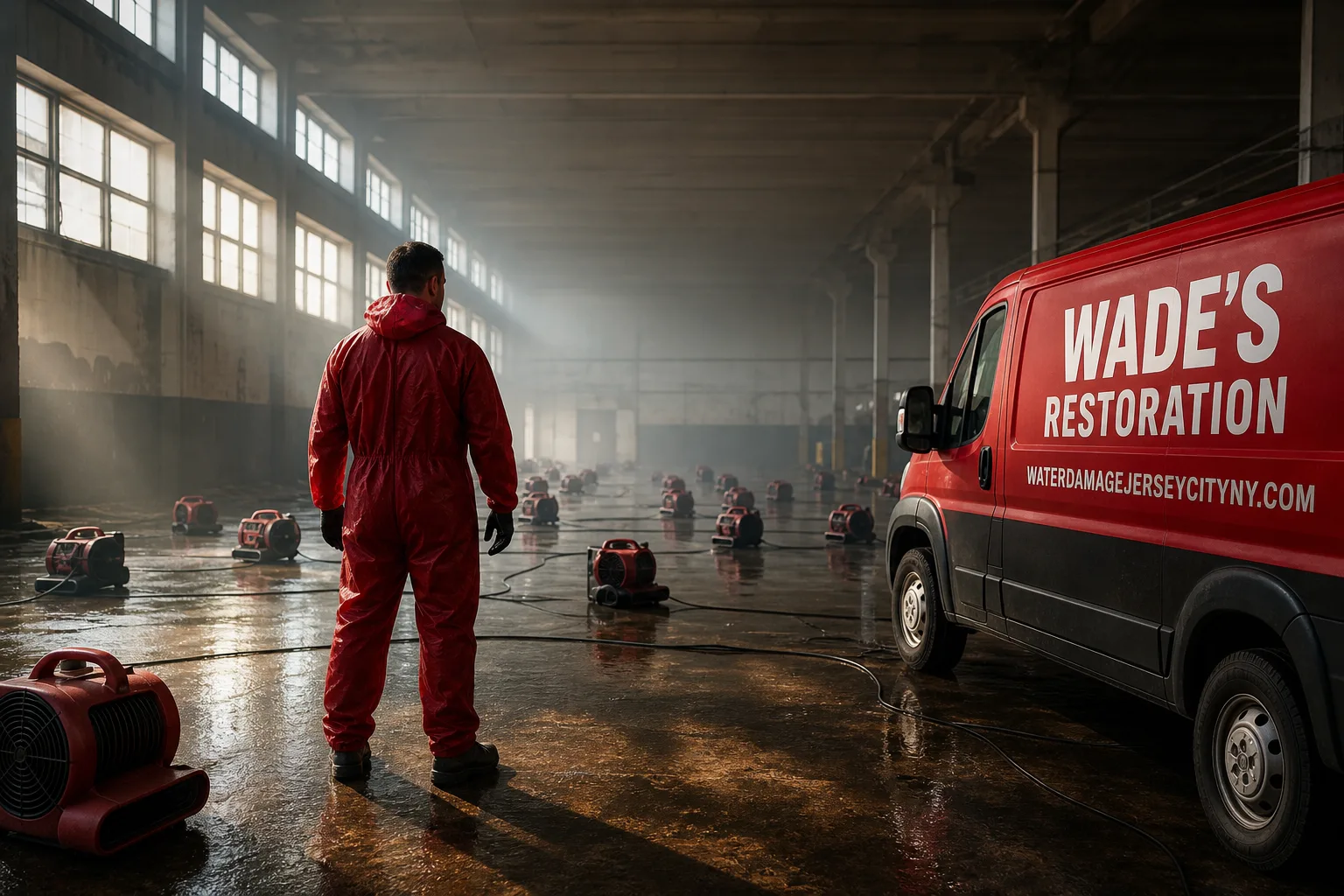
Free visual inspection and a written scope of work before any mitigation begins - photos, moisture readings, and drying logs go in your claim file
The scope we write is the scope we bill. Anything new gets shown to you, in writing, before we touch it.
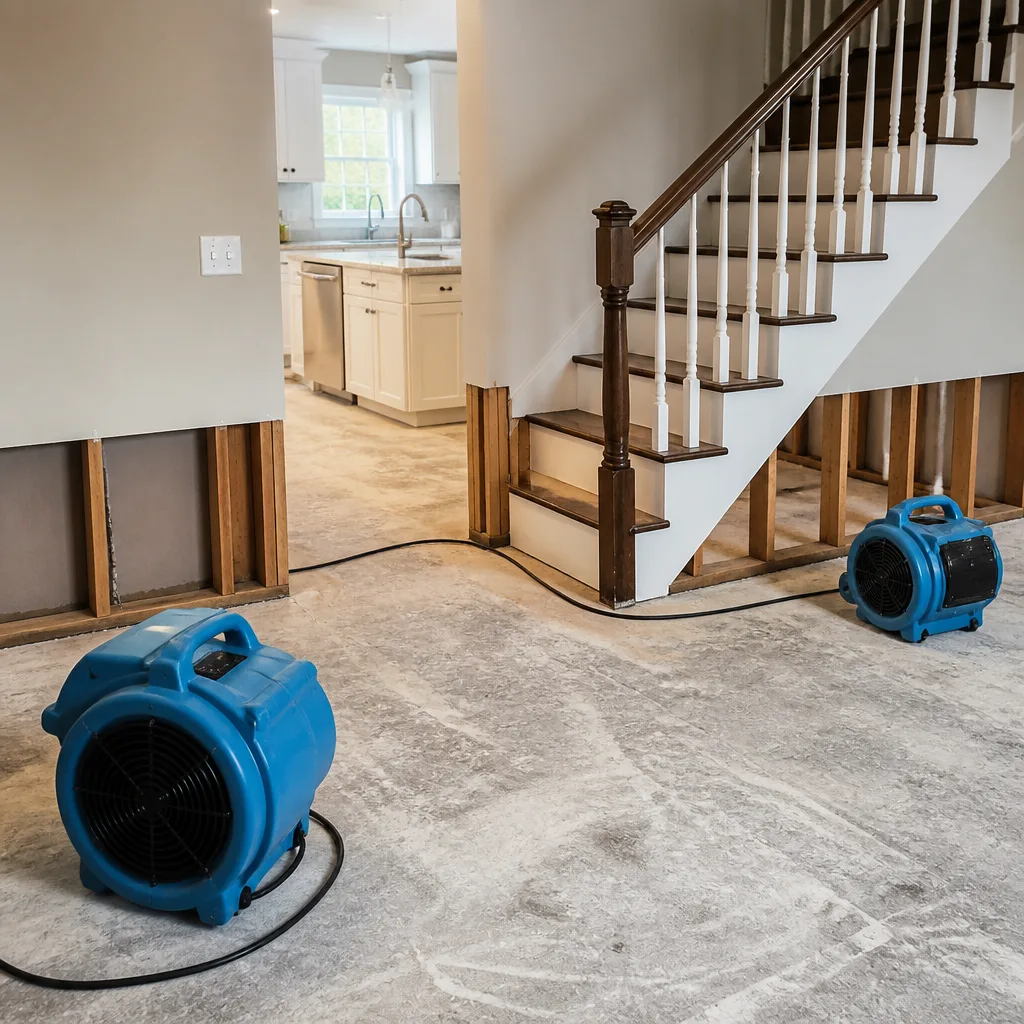
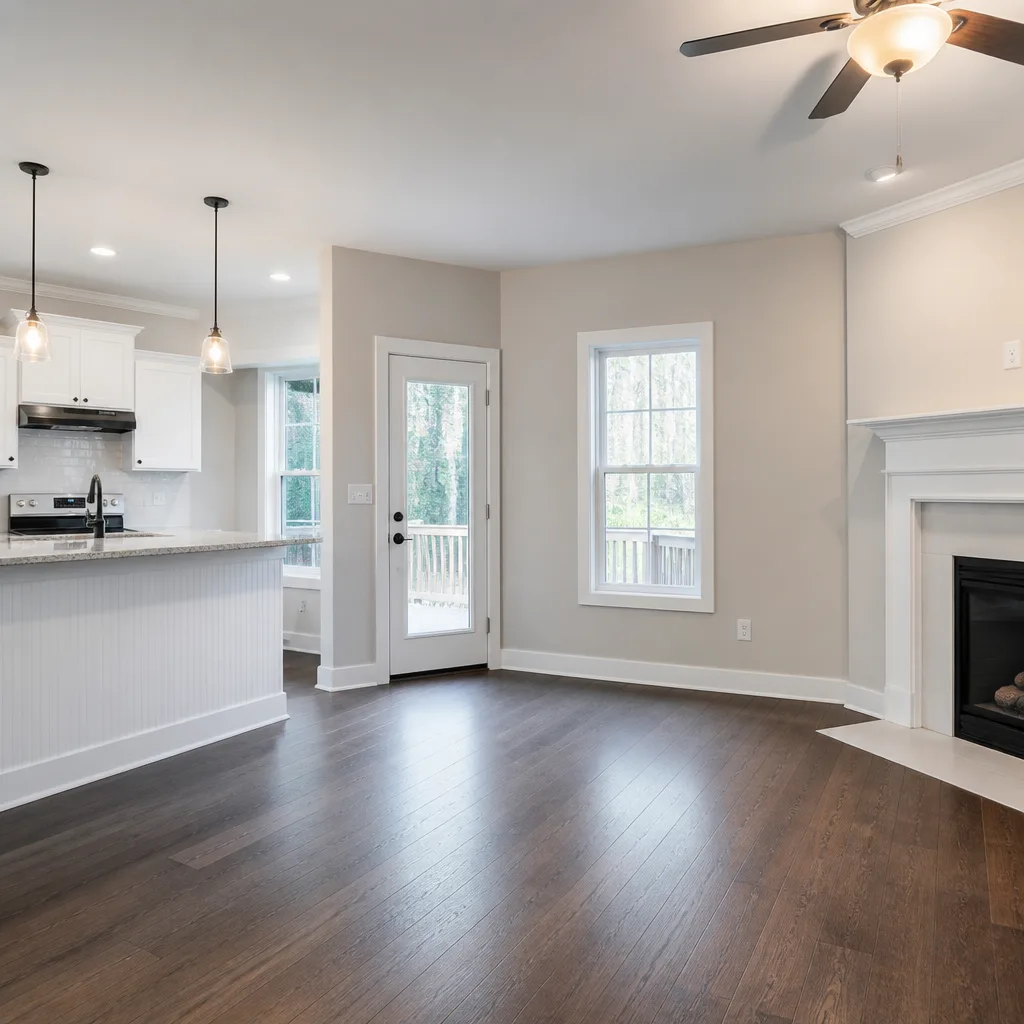
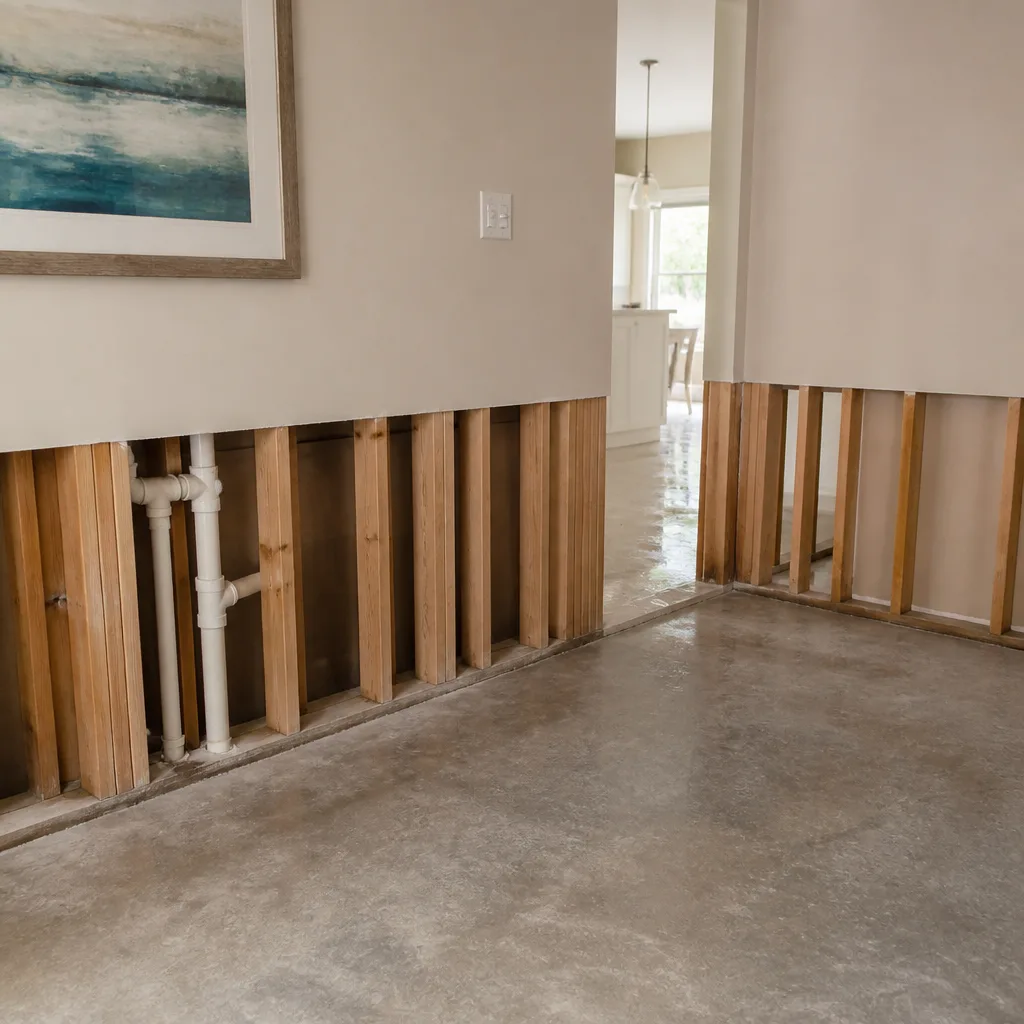
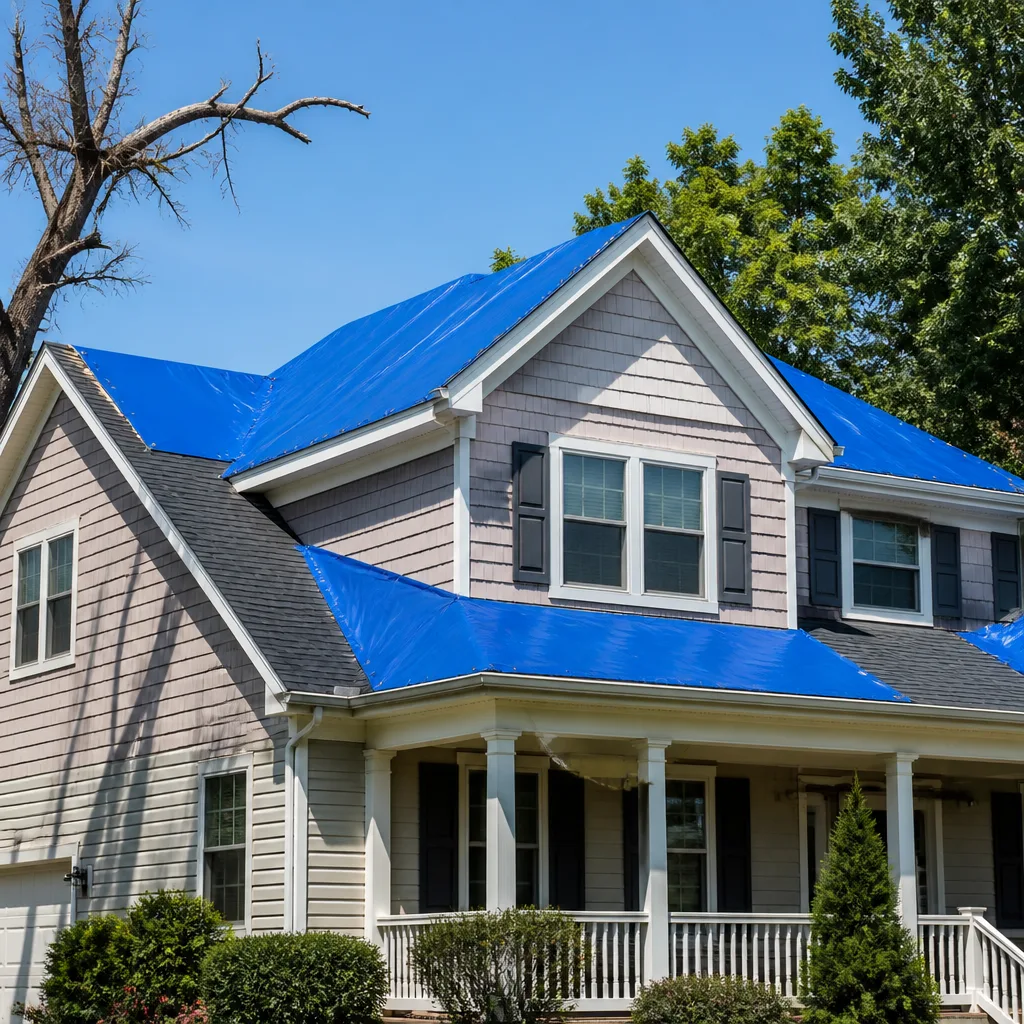
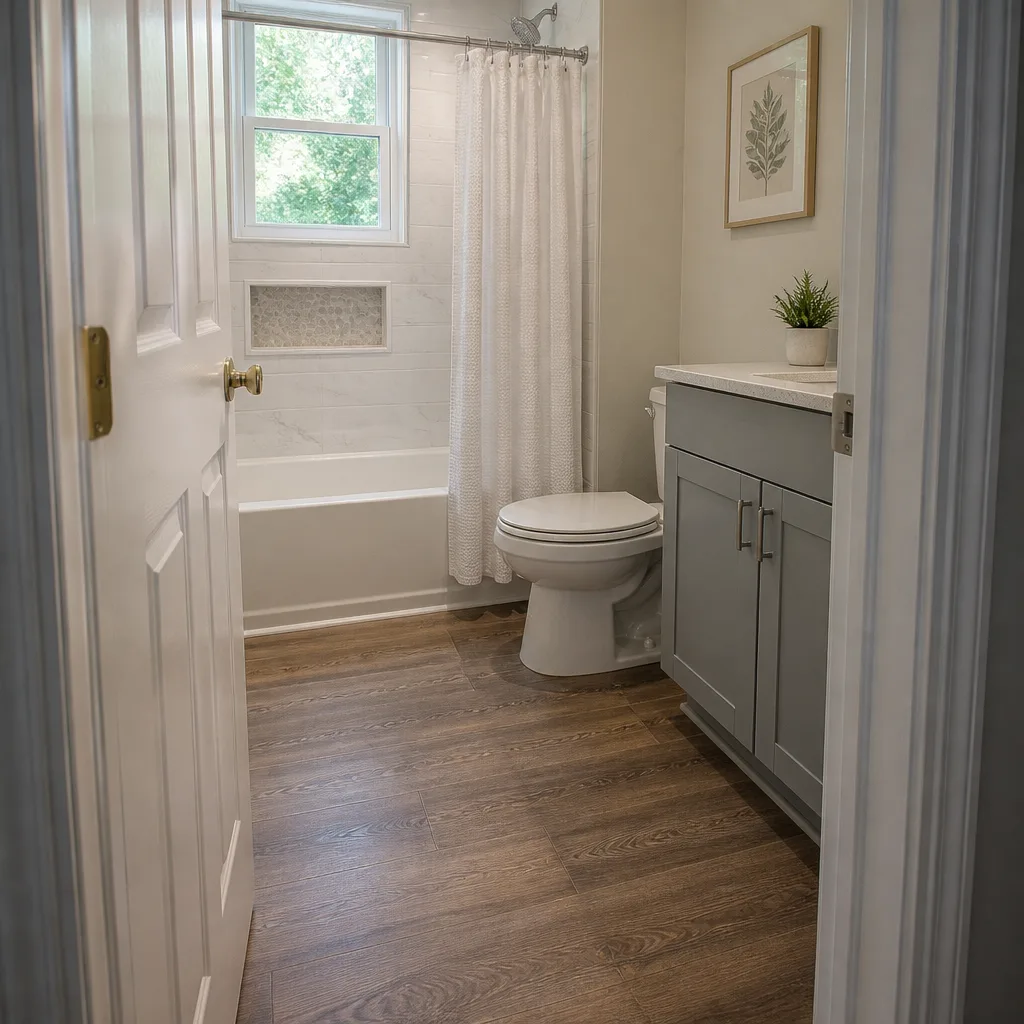
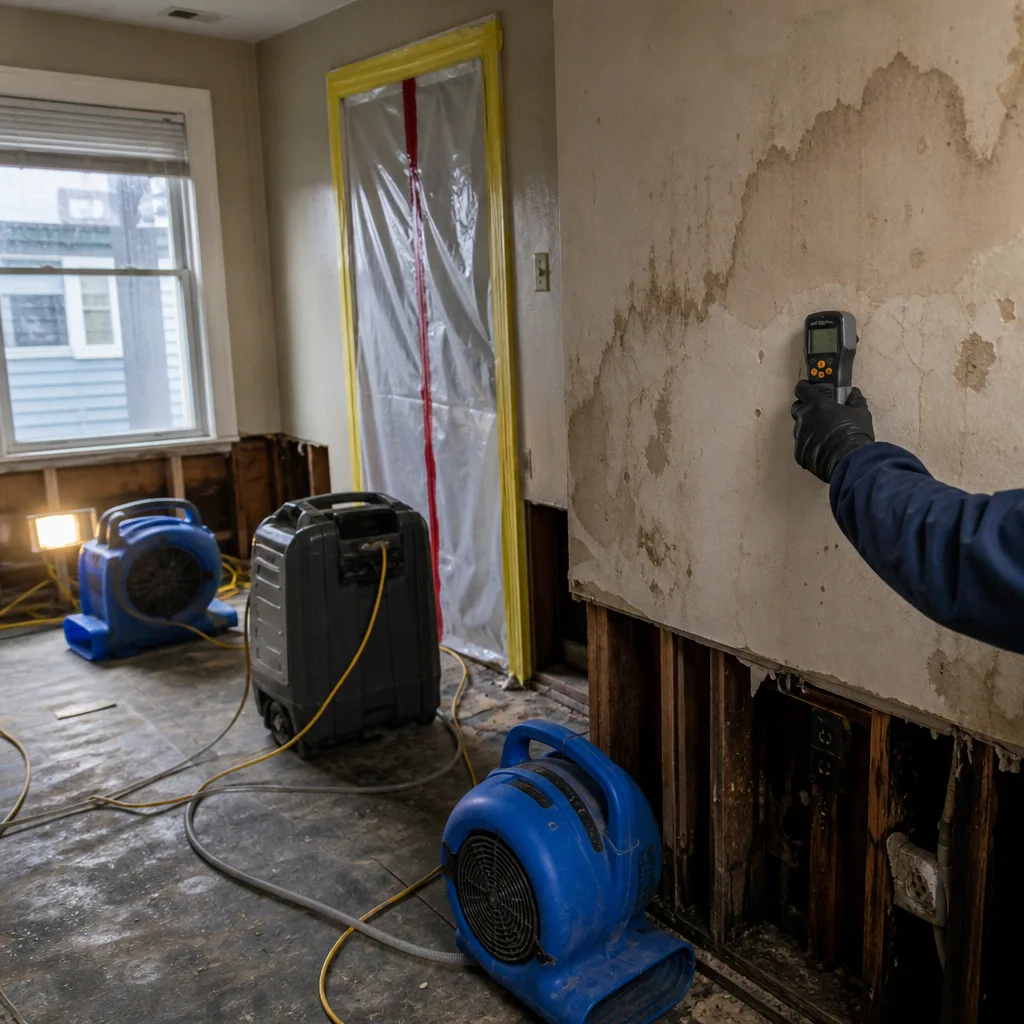 Before
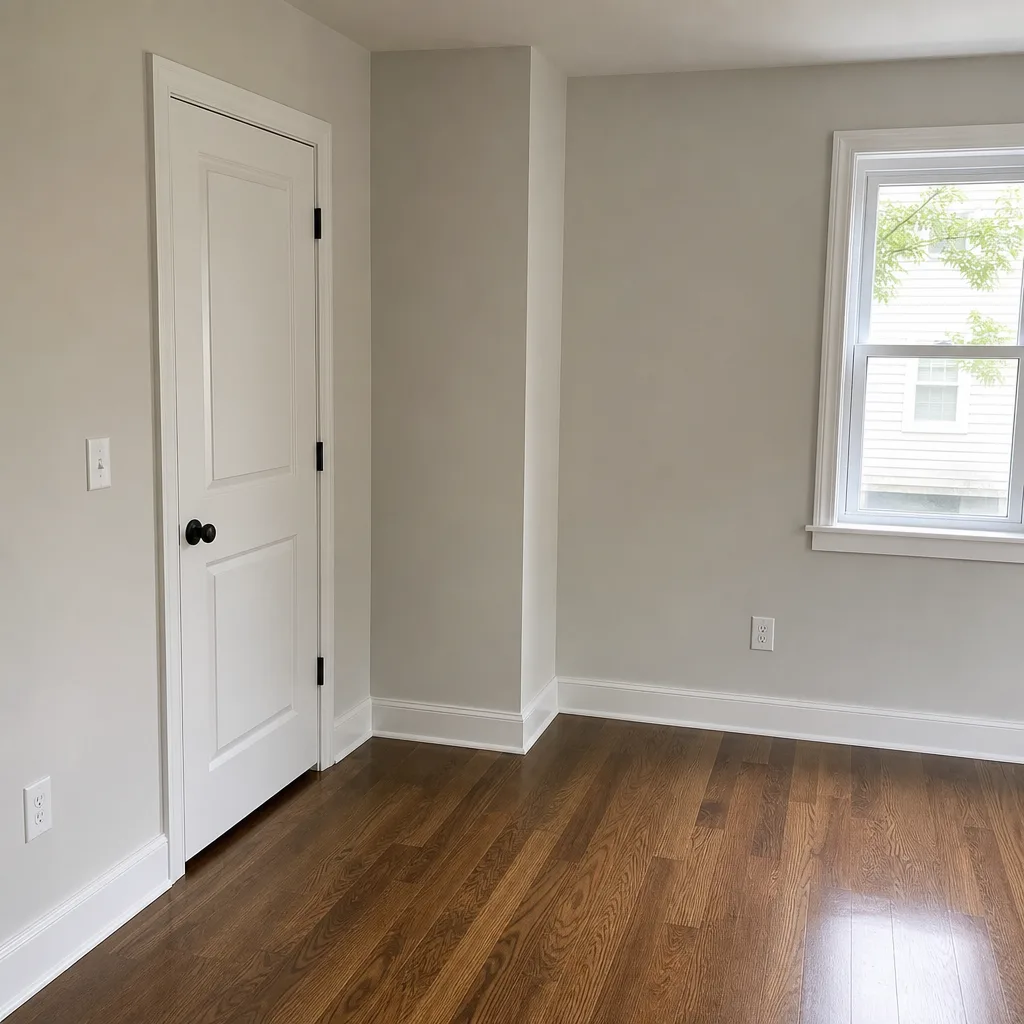 After
After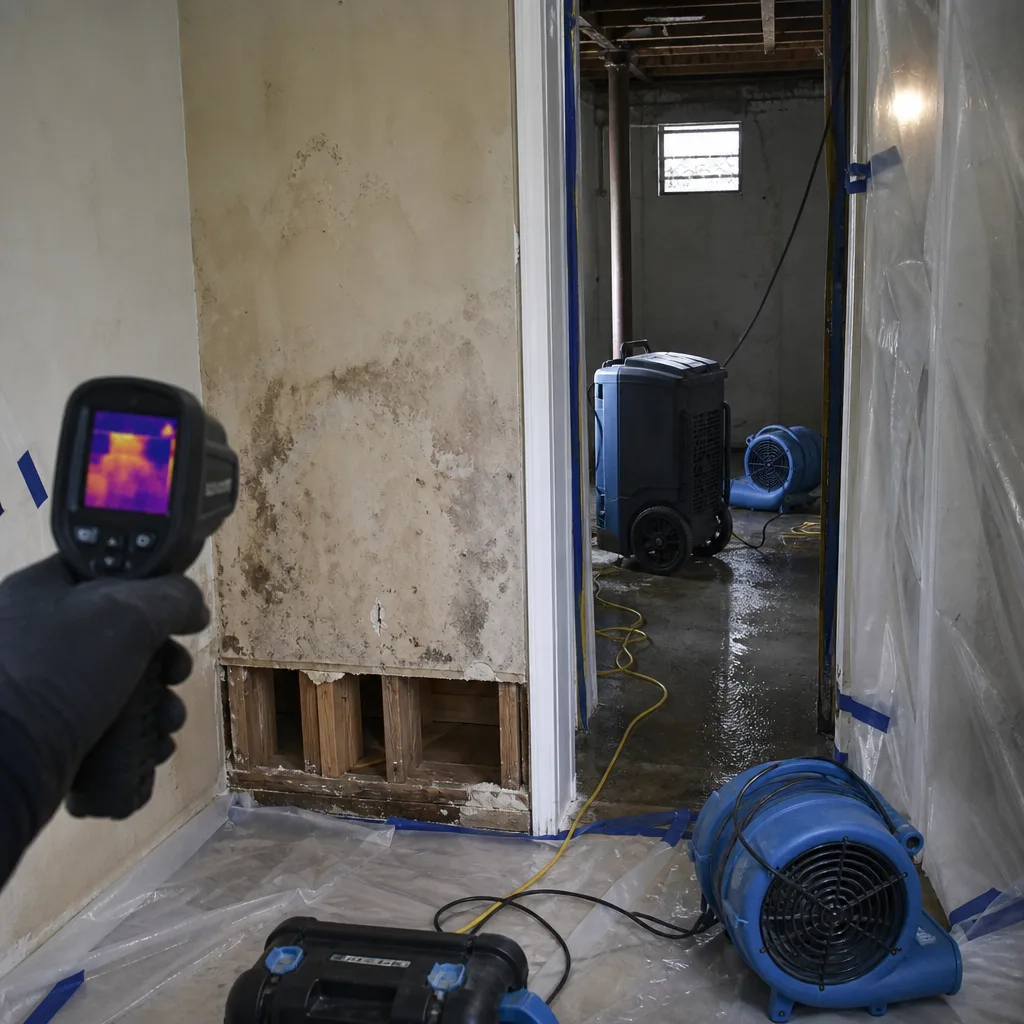 Before
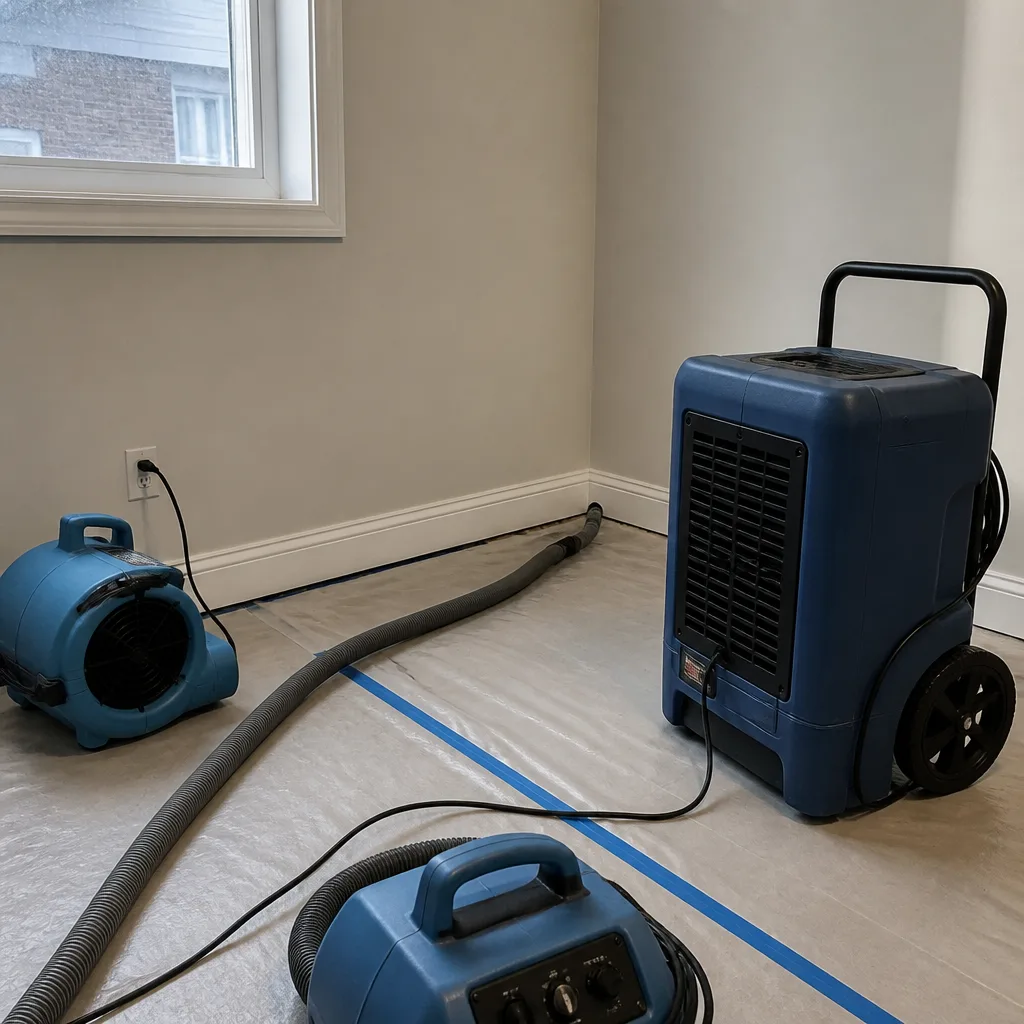 After
After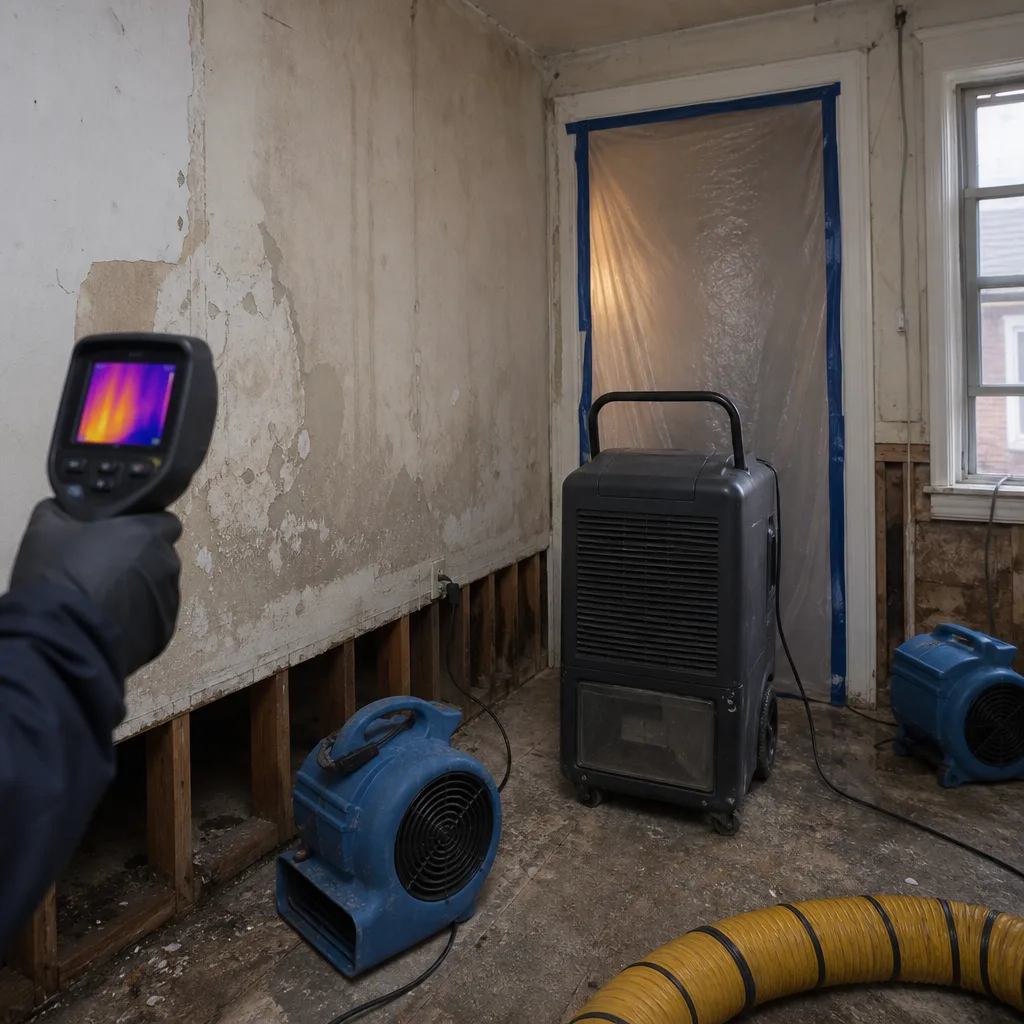 Before
 After
After24/7 Emergency Commercial Restoration in North Bergen
When a pipe lets go inside a Bergenline Avenue storefront or a flat-roof office building on Kennedy Boulevard starts leaking into tenant spaces at 2 a.m., you need someone who answers the phone and gets moving. Commercial restoration in North Bergen means responding to water, fire, mold, and storm damage inside buildings that were never designed for modern drying equipment, and every hour of delay pushes moisture deeper into shared walls, floor assemblies, and the building’s structural framing. Call (201) 903-9581 and you’ll reach a live person, not a queue. Wade Ferris answers his own phone, and his crew can be on-site inside the North Bergen area within 45 minutes, starting extraction before the damage compounds. The first hour after a water loss is when the mold clock starts running. The first hour after a fire is when soot begins etching every surface it touches. Don’t wait.
Understanding Commercial Restoration Severity in North Bergen Properties
Commercial damage in North Bergen doesn’t behave like damage in a stand-alone suburban building. The town’s commercial stock runs heavily to attached brick storefronts, two-to-four-family mixed-use buildings from the 1920s through the 1950s, and 1960s-70s garden-apartment complexes with flat built-up roofing. When water enters one of these buildings, it travels horizontally through shared wall cavities, plumbing chases, and common basement spaces long before it shows up as visible staining in the unit where the loss originated. Water damage is categorized by contamination level: Category 1 is clean water from a supply line; Category 2 carries significant contamination, like a failed drain stack or sump overflow; Category 3 is grossly contaminated, including sewage backup and exterior floodwater. Each category changes the remediation protocol, the containment requirements, and what gets removed versus dried in place. Smoke damage has its own severity ladder, from light soot residue in a contained kitchen fire to protein smoke, which is nearly invisible but coats every surface with a film that gets harder to remove by the hour. Mold, once established, moves through a building as airborne spores through HVAC returns and open wall cavities. In North Bergen’s older attached buildings, the severity question is rarely “how bad is this one unit” and almost always “how far did it travel through the building.” That’s the question our moisture mapping answers before we write a scope of work, because treating only the visible damage in a shared-wall building guarantees a callback.
Why North Bergen Property Owners Choose Wade’s Restoration
- 45-minute response commitment across North Bergen. Wade keeps crews staged so that when a call comes from the Tonnelle Avenue corridor or Bergenline Avenue, help is genuinely minutes away, not a regional dispatch center routing from another county.
- 24/7 live answer, every single call. No voicemail, no answering service, no “press 2 for emergencies.” You get a real person who knows restoration, and often it’s Wade himself on the line.
- IICRC-certified crews using WRT, FSRT, and AMRT protocols. The people Wade sends are background-checked, uniformed, and trained to the highest restoration standards in the industry. RIA-affiliated and IFA-recognized work, on every job.
- Free visual inspection with no obligation. We’ll walk the property, map the damage, and tell you straight what needs to be done. No charge for that.
- Direct insurance billing and adjuster coordination. Wade deals with your adjuster directly, so you’re never the one stuck relaying information between two sides. Photo documentation and moisture logs go straight to the carrier.
- One team from extraction to reconstruction. Same people on the job from the first hour through the final punch list. No handoffs between mitigation and rebuild crews, no information lost between subcontractors. It’s Wade’s crew the whole way through.
Our Commercial Restoration Process
Inspection & Assessment
We arrive, walk every affected area, and run thermal imaging and moisture mapping across walls, ceilings, and floor assemblies. In North Bergen’s attached buildings, this means inspecting adjacent units and common areas, not just the space where damage is visible. You get a written scope before any work begins, and if you have an existing estimate from another company, we’ll give you a free second opinion on it.
Extraction & Stabilization
Standing water comes out with truck-mounted extraction units and submersible pumps. Category 2 and 3 losses get contaminate barriers and containment set up immediately, so nothing spreads. Loose debris and saturated materials that can’t be saved are removed to the pre-loss condition line, but nothing more.
Drying & Dehumidification
We place air movers and commercial dehumidifiers, then take moisture readings with hygrometers every single day. You get the full drying log handed to you at the end of the job, not filed away somewhere. On Tonnelle-side properties where ground moisture is a constant contributor, we account for that in the drying timeline from day one, not two weeks in when the numbers won’t move.
Cleaning & Sanitization
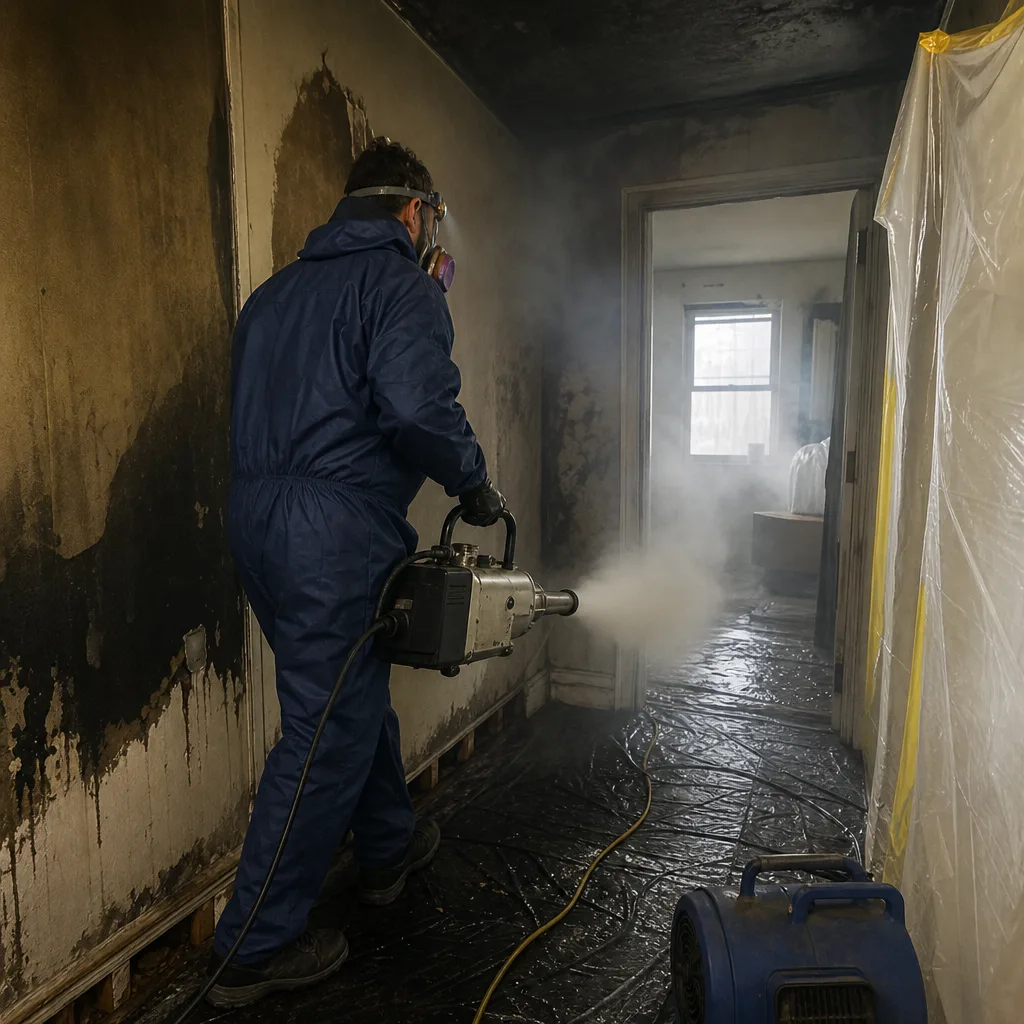
Surfaces get cleaned and sanitized with appropriate anti-microbials. HEPA scrubbers run to pull airborne particulates out of the workspace. For smoke and soot, we use the right chemistry for the residue type, because you can’t clean protein smoke with the same agents you’d use for a clean-burning wood fire.
Specialty Treatment
This is where commercial losses in North Bergen get specific. Mold containment and clearance testing, document and inventory recovery for office tenants, content cleaning, and anti-microbial fogging of duct runs all happen here. For multi-unit buildings, this step includes containment verification and air scrubber placement sized to the building’s shared airflow, not just one unit.
Repairs & Restoration
We handle reconstruction with the same crew: drywall, framing, paint, trim, flooring, and built-up roofing repairs. No separate contractors, no finger-pointing. The 90-Day Done Right Promise applies to every water, fire, and mold restoration job we complete, in writing.
Need Emergency Commercial Restoration in North Bergen Now?
Crews minutes away, answering live 24 hours a day. The sooner we start, the less it costs.
Working With Your Insurance Company
Commercial claims in North Bergen involve a lot of moving pieces: multiple tenants, building owners, property managers, sometimes an HOA board. The documentation burden is real, and the difference between a smooth claim and a denied one is usually paperwork that starts on day one, not week three. From the first hour on-site, we photograph every affected area room by room, log moisture readings daily, and write line-item scopes of work that insurance adjusters recognize. Wade communicates directly with your adjuster, so you’re never the messenger between two parties who speak different languages. If your carrier needs proof that drying is actually complete, the logs we hand you are the same ones we hand them. If they push back on a line item, we advocate for the work because we’re the ones who saw it. Insurance almost always plays a role in a commercial loss, and we treat your claim like it’s part of the job, because it is.
What We Provide Your Insurer
- Thorough documentation of the loss
- Photos of all damage, room by room
- Moisture readings and drying logs
- A detailed, line-item scope of work
- Direct coordination with your carrier
Built for North Bergen’s Loss Calendar
The commercial damage calendar in North Bergen follows a rhythm you can set a watch to, and each season brings its own failure mode. January and February are when deep freezes burst supply lines in unheated storefronts and office spaces, especially in older brick buildings where pipes run through exterior walls. That’s a Category 1 water event, but by the time someone notices it on a Monday morning, it’s been running all weekend through the building. March brings the thaw: snowmelt and groundwater push against foundations on the western side of town, where the former Meadowlands substrate never fully accepts the water. April through July, sudden thunderstorms drop an inch of rain in an hour, and flat-roof garden-apartment offices with ponding water start showing finish-ceiling damage inside. Late summer and fall, nor’easter season arrives, and the low-lying Tonnelle Avenue corridor is the first to flood. Every one of these events is a known quantity to us. We’ve worked them all, in North Bergen, for years, and we know which buildings are prone to which losses. The sooner a commercial property owner starts treating these as seasonal risks rather than surprises, the more money they save in the long run.
Commercial Restoration Across North Bergen’s Neighborhoods
North Bergen isn’t one flat grid; it’s a town with two distinct geographies, and the restoration needs follow the terrain. On the east side, along the Palisades ridge and down toward Boulevard East, you find older mixed-use buildings with basement-level retail and offices above. Water intrusion here is more likely to come from roof leaks, failed drain stacks, and aging supply lines in shared wall cavities. Down the hill on the west side, along Tonnelle Avenue and the Route 1-9 corridor, commercial properties sit on filled Meadowlands wetlands, and the water table is the enemy. A basement that hasn’t flooded in years can still be damp enough to grow mold behind drywall, because moisture is entering through the slab continuously, not from a single event. The Bergenline Avenue commercial corridor runs through the heart of the town’s densest retail district, and most of those storefronts share walls and utility trenches with the neighboring business. A sewer backup in one store never stays in one store. Farther north, near 76th Street and the townhouses and commercial spaces along West Side Avenue, the buildings are a mix of mid-century construction and newer infill, but the original drainage systems underneath them date to when the land was first developed. All of this matters when we’re routing a response at 3 a.m. or writing a drying plan for a building that predates modern moisture barriers.
None of this is hypothetical. When a four-unit brick retail-and-office building on Bergenline Avenue took in Category 2 water from a failed drain stack inside a shared wall cavity, our crew sealed the affected units with containment, ran moisture mapping across all four storefronts, and found readings elevated two units away. Because the cast-iron stack was original to the 1930s building and the wall cavity was common to all tenants, we performed structural drying with air movers and dehumidifiers in all affected areas, removed saturated drywall up to the pre-loss condition line, and worked with the owners to replace the corroded stack rather than patch it. That decision avoided what would have been a guaranteed callback. The stack was the problem. The water was just the symptom.
Specialized Commercial Restoration Services We Offer in North Bergen
Office & Retail Restoration
Storefronts and office suites along Bergenline Avenue, Kennedy Boulevard, and the Tonnelle corridor share walls, ceilings, and HVAC runs with neighboring businesses. Damage in one space doesn’t respect property lines. We contain, dry, and restore while keeping as much of the business operational as possible, because every day closed is revenue lost. Document and inventory recovery is part of the job, not an add-on.
Multi-Unit & HOA Restoration
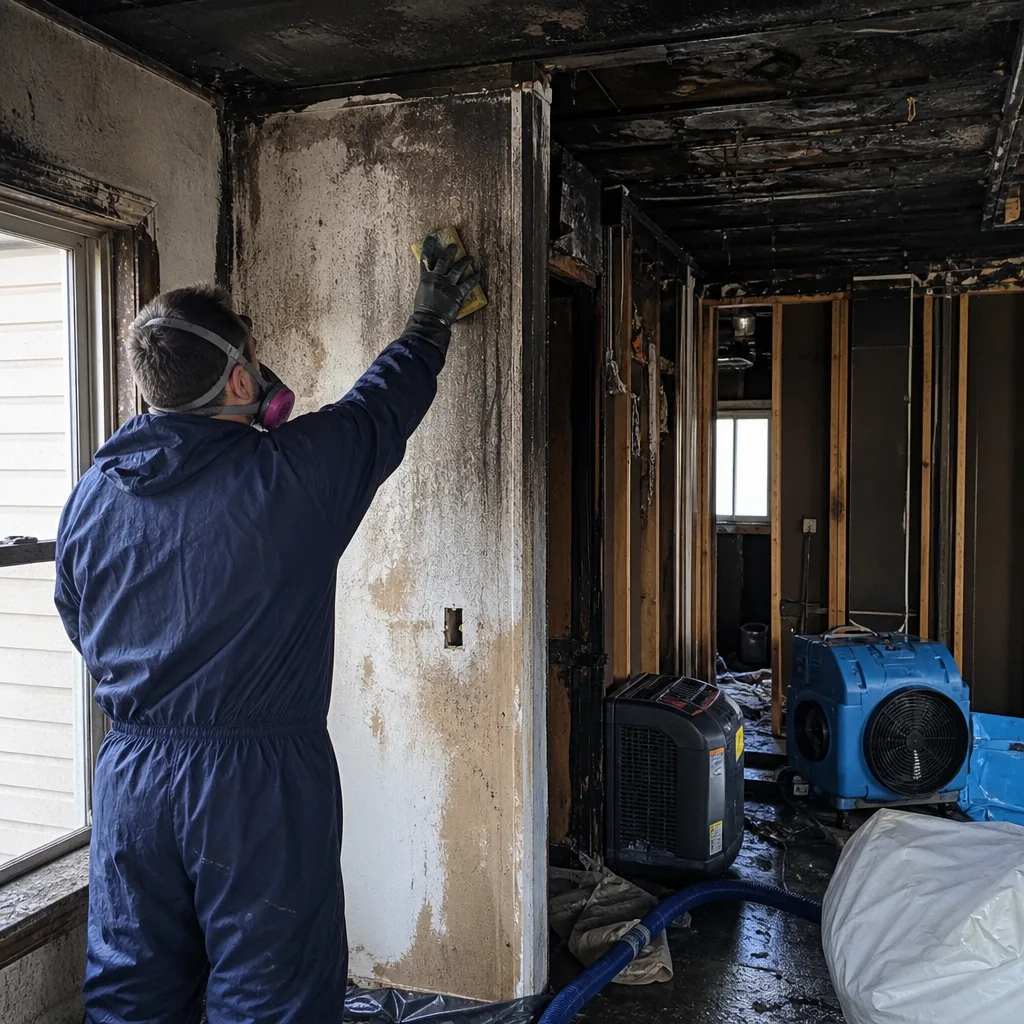
Two-to-four-family buildings dominate North Bergen, and when board members or property managers call, they’re usually dealing with damage that has already crossed into multiple units. We’ve mapped moisture through shared wall cavities enough times to know: in a 1930s brick building, if one unit is wet, the neighbors are at risk, even if they look dry. We handle containment, drying, mold remediation, and reconstruction for entire buildings, working with HOAs and individual owners on who pays for what.
Industrial Facility Cleanup
Warehouses and light industrial spaces along the western corridor face a different set of problems: slab-on-grade floors over the old Meadowlands water table, flat roof membranes that pond water after every rain, and large open bays that are hard to dry efficiently without the right equipment placement. We run commercial-grade dehumidification systems from Dri-Eaz, Phoenix, and XPOWER, sized to the actual cubic footage, not a guess. Industrial water losses are a race against time, and we bring the equipment to win it.
Large-Loss Response
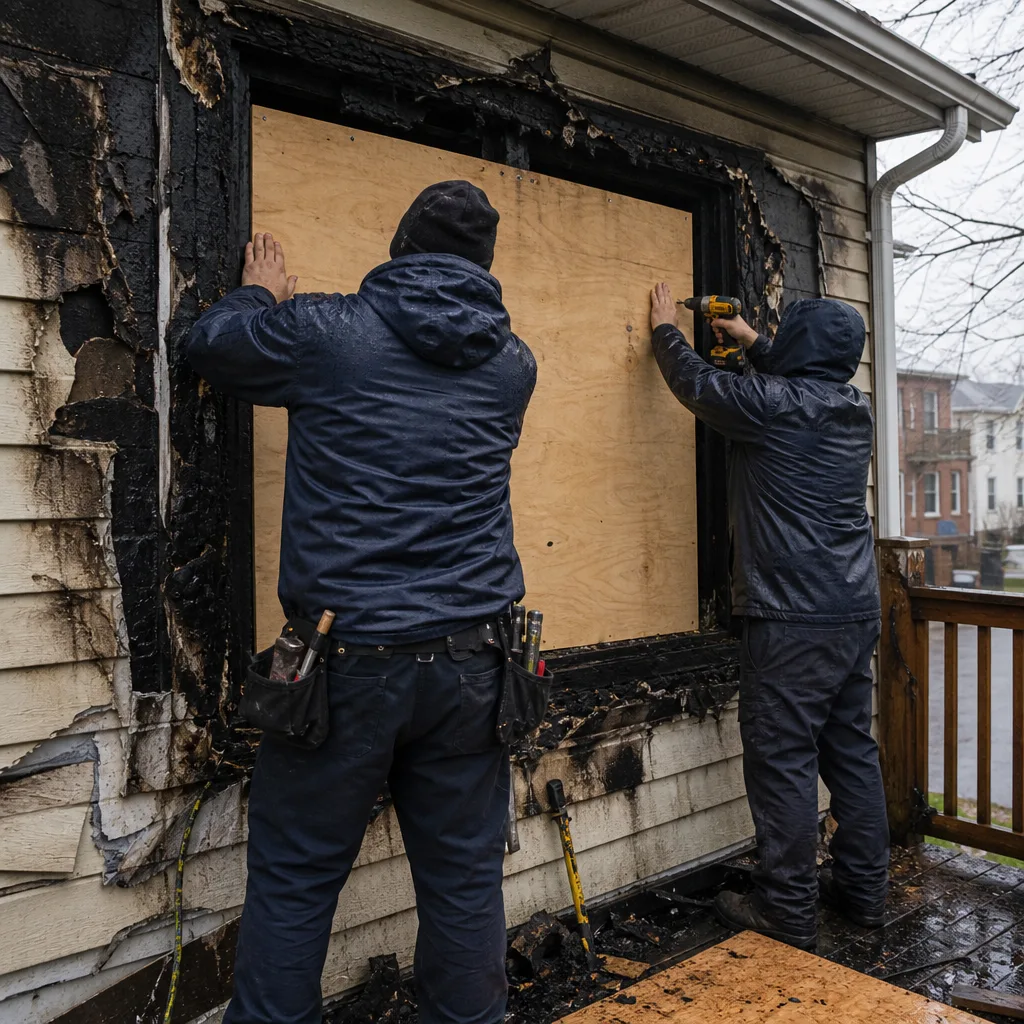
When a pipe bursts in a 40-unit garden apartment building or a roof section fails over a whole commercial floor, the scope is too big for a routine remediation call. We mobilize multiple crews, stage equipment trailers on-site, and coordinate with building management on phased restoration so tenants are displaced for the shortest possible time. Large-loss work in North Bergen means dealing with the town’s aging infrastructure, and we’ve done it enough to know where the surprises hide.
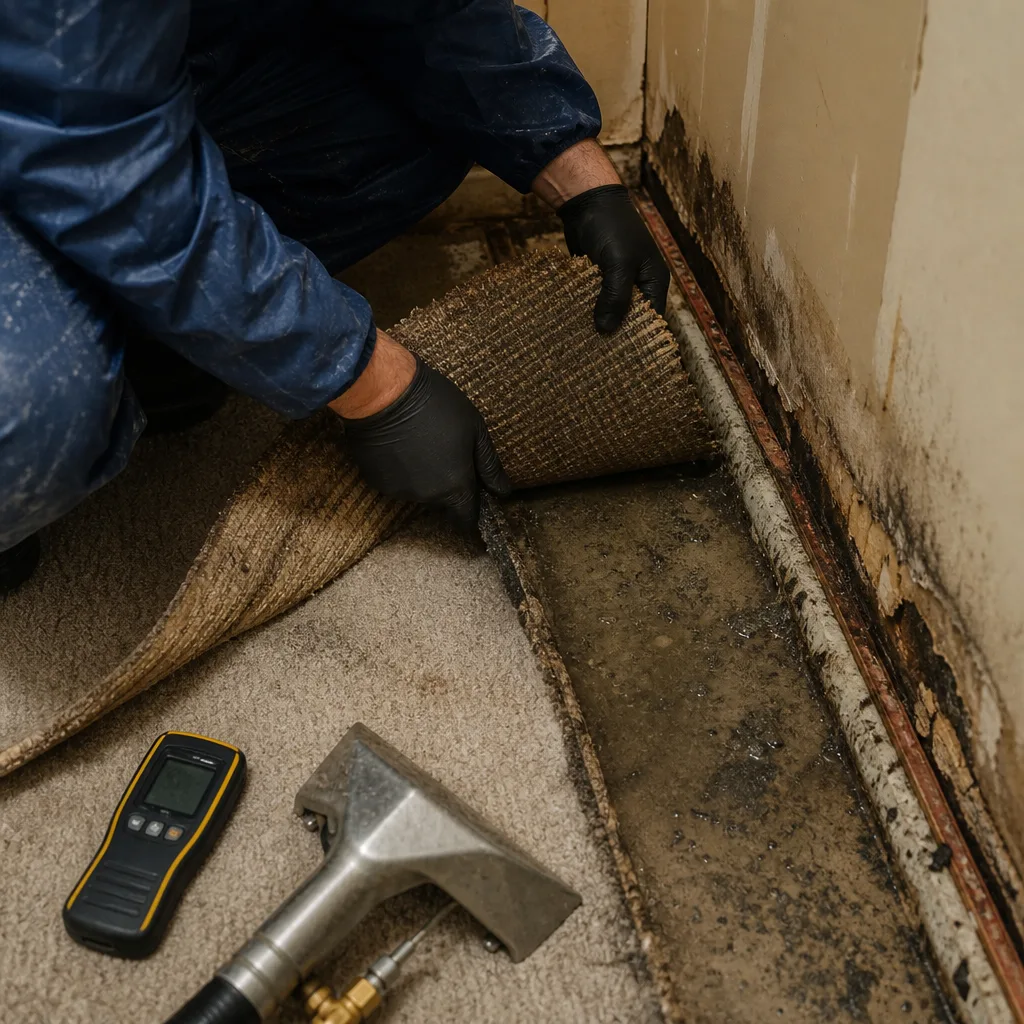
Business Interruption Minimization
We can’t stop a pipe from bursting, but we can cut the amount of time your business is dark. Fast extraction, aggressive structural drying, and strategic containment mean the difference between a weekend closure and a month-long rebuild. For retail and food-service spaces, we prioritize the areas that generate revenue: the sales floor, the kitchen, the point-of-sale area. In multi-tenant buildings, we phase the work so adjacent businesses remain open while we stabilize and dry. That’s restoration with the owner’s revenue in mind, not just the insurance claim.
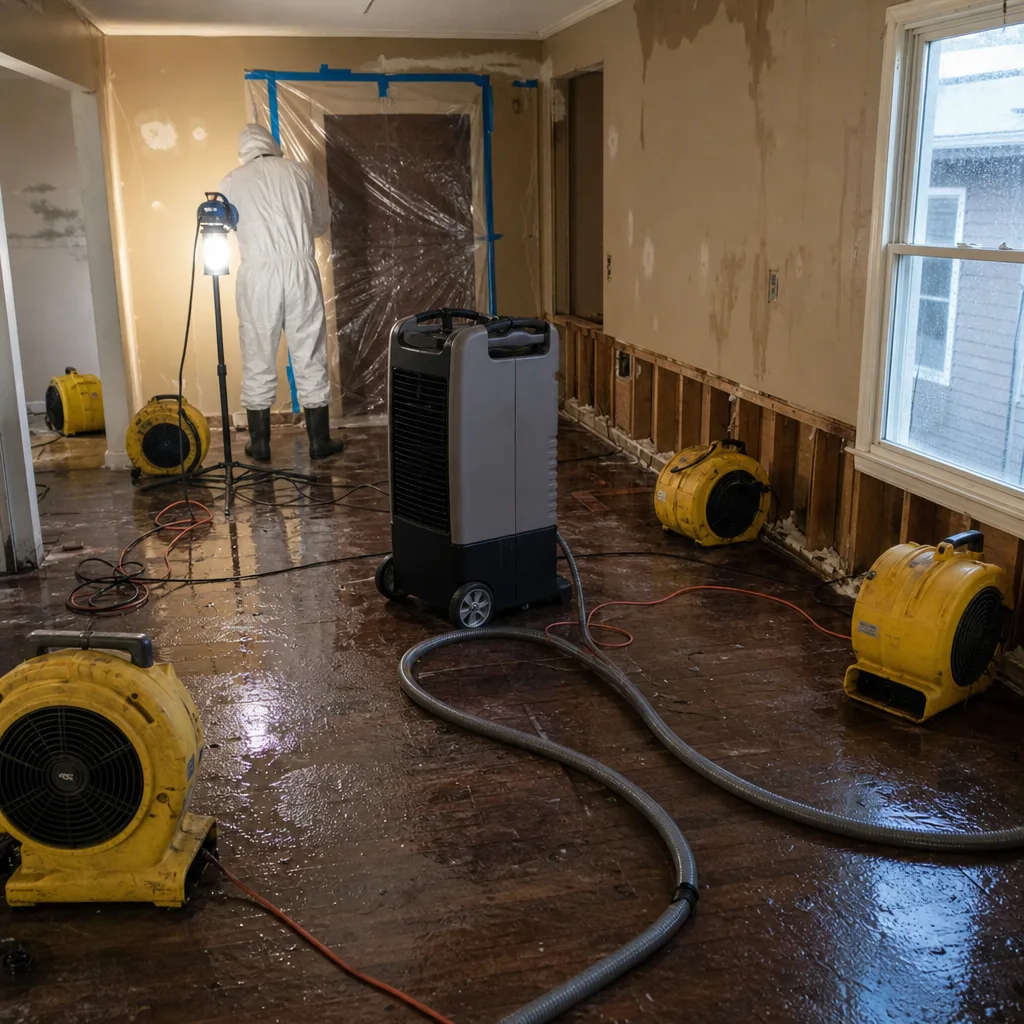
What happens when you call
- 1
A real person answersNo phone trees - you reach a local pro.
- 2
You get an upfront price rangeHonest numbers before anyone is dispatched.
- 3
A background-checked tech heads outLicensed & insured, dispatched right away.
- 4
You approve before work beginsNothing starts until you say go.
Commercial Restoration Costs in North Bergen, NJ
Commercial restoration in North Bergen doesn’t come with menu pricing, because no two losses are alike, but you should know the ranges before anyone walks through the door. A small Category 1 water extraction in a single storefront typically runs between $1,200 and $3,500 depending on the square footage and the drying time. A Category 2 or 3 loss in a multi-unit Bergenline Avenue building, with containment, demolition, extended structural drying, and reconstruction, routinely lands between $8,000 and $45,000, and large-loss events in garden-apartment complexes or industrial spaces can exceed six figures. The cost drivers are real: contamination category, how many units are involved, whether cast-iron stacks or flat-roof membranes need replacement, and how long drying takes when the water table on the west side is still feeding moisture into slab. The single best way to get a firm number is a free visual inspection with moisture mapping. We’ll give you a written scope before work starts, and if you already have an estimate from another company, bring it in. We’ll review it at no charge. Call (201) 903-9581 to schedule.
We Also Serve Cities Near North Bergen
Our Commercial Restoration team works throughout the Hudson County area, including Weehawken, Union City, Secaucus, and Hoboken. Each of those towns has its own building stock and its own failure patterns, and we’ve spent enough time on the roads between them to know the buildings as well as the streets. If you own or manage commercial property in any of those communities, the same 45-minute response commitment applies.
Serving North Bergen, NJ - Our Local Coverage Area
We’re based in the North Bergen area and know this community well. Use the map below to see our service coverage - if you’re nearby, we can almost certainly help.
North Bergen Commercial Restoration Questions, Answered
How does North Bergen’s high water table affect commercial drying timelines?
The western side of North Bergen, along Tonnelle Avenue and the Route 1-9 corridor, sits on filled Meadowlands wetlands, which means groundwater is a constant presence under slab-on-grade spaces. Standard drying timelines assume the moisture source has stopped, but on these properties, ground moisture keeps feeding the floor assembly during the drying process, extending dry times by days or more. We account for that from day one with extended monitoring and equipment placement designed for continuous ground-source contribution, and we log readings daily so you can see the drying curve for yourself.
Do I need to worry about neighboring units if my storefront has a water leak?
Yes, and in North Bergen’s attached brick buildings, this is the single most common mistake property owners make. Water travels horizontally through shared wall cavities, plumbing chases, and common basement spaces. A leak in your storefront can raise moisture readings in the business two doors down without any visible signs there. We moisture-map all adjacent spaces during the inspection, not just the affected unit, and we’ll tell you straight if the neighbors need drying too. If they don’t, you’ll have the documentation to prove it.
What should I expect during a commercial mitigation after a Category 3 water loss?
Category 3 water, which includes sewage backup and exterior floodwater, requires full containment, removal of all porous materials that contacted the water, and antimicrobial treatment of the remaining surfaces before drying begins. We set up physical barriers and negative air pressure so airborne contaminants don’t spread to unaffected areas of the building, then remove saturated drywall, carpet, and insulation to a clear line. Expect the space to look significantly worse before it looks better; that’s the removal of contaminated material doing its job, not destruction for its own sake.
Can you handle a large-loss event in a North Bergen multi-unit building without shutting down all tenants?
In most cases, yes. We phase the work by zone, containing the affected area and keeping adjacent units operational while extraction and drying proceed. For buildings along Bergenline Avenue or in garden-apartment complexes, this means running HEPA scrubbers and drying equipment in contained areas while other tenants continue business with minimal disruption. Full-building shutdowns are rare and usually only happen when a single system, like a failed main drain line, affects every unit simultaneously. Even then, our goal is phased restoration to get as many tenants back in operation as fast as possible.
Why does a flat-roof commercial building in North Bergen often show ceiling damage weeks after a rain?
Flat built-up roofing membranes on 1960s and 70s garden-apartment and commercial buildings in North Bergen are chronic failure points. Water ponds on these roofs after rain, and a small membrane breach can let moisture into the roofing system that takes weeks to travel down to the finish ceiling below. By the time you see the stain, the insulation above is already saturated and has been wet for a while. That’s why we don’t just dry the ceiling; we inspect the roofing system above the damage point and coordinate roof repairs as part of the restoration scope. Drying the ceiling without fixing the roof is just scheduling your own callback.
How fast can you actually get to a commercial property in North Bergen?
We commit to 45 minutes or less for emergency response within North Bergen. Crews are staged locally, and Wade answers the phone himself, 24 hours a day. For water and sewage losses, someone will be on the road inside minutes. For fire damage, we coordinate with the fire department’s release of the building and arrive as soon as the property is cleared. The goal is always the same: get equipment running and containment up before the damage spreads further. Call (201) 903-9581 any time.
Will my commercial insurance cover mold remediation in a multi-unit building?
Most commercial policies cover mold remediation when the mold results from a covered water event, like a burst pipe or a failed supply line, and when the claim is documented properly. What gets denied is mold that results from long-term neglect, a slow leak that went unaddressed, or a flat-roof membrane failure that the owner didn’t repair. The documentation matters: daily moisture logs, photos from the first hour, and a professional scope of work all support the claim. Wade deals directly with your adjuster and provides every document your carrier needs to process the claim cleanly.
What should I do in the first 30 minutes of a commercial water loss in North Bergen?
Shut off the water at the main valve if you can do so safely. Kill power to affected areas if water is near electrical panels, outlets, or equipment. Move or elevate anything salvageable that isn’t already damaged: files, electronics, inventory, furniture. Take photos of everything, wide shots and close-ups, before you move anything or start cleaning. Then call (201) 903-9581. Do not use a shop vac on Category 2 or 3 water, and do not run HVAC systems if the return is in an affected area, because that spreads contaminants through the entire building. The first 30 minutes is about containing the problem, not solving it. We’ll be there to handle that part.
If your North Bergen commercial property is dealing with water, fire, mold, or storm damage, don’t wait for it to get worse. Call (201) 903-9581 for a free visual inspection and a straight answer about what needs to happen next. Wade will be there himself. Ask anyone on your street, and they’ll tell you the same thing: he’s the one who shows up.
Written by Wade Ferris, Owner at Wade’s Restoration, serving North Bergen and the surrounding Hudson County communities.