
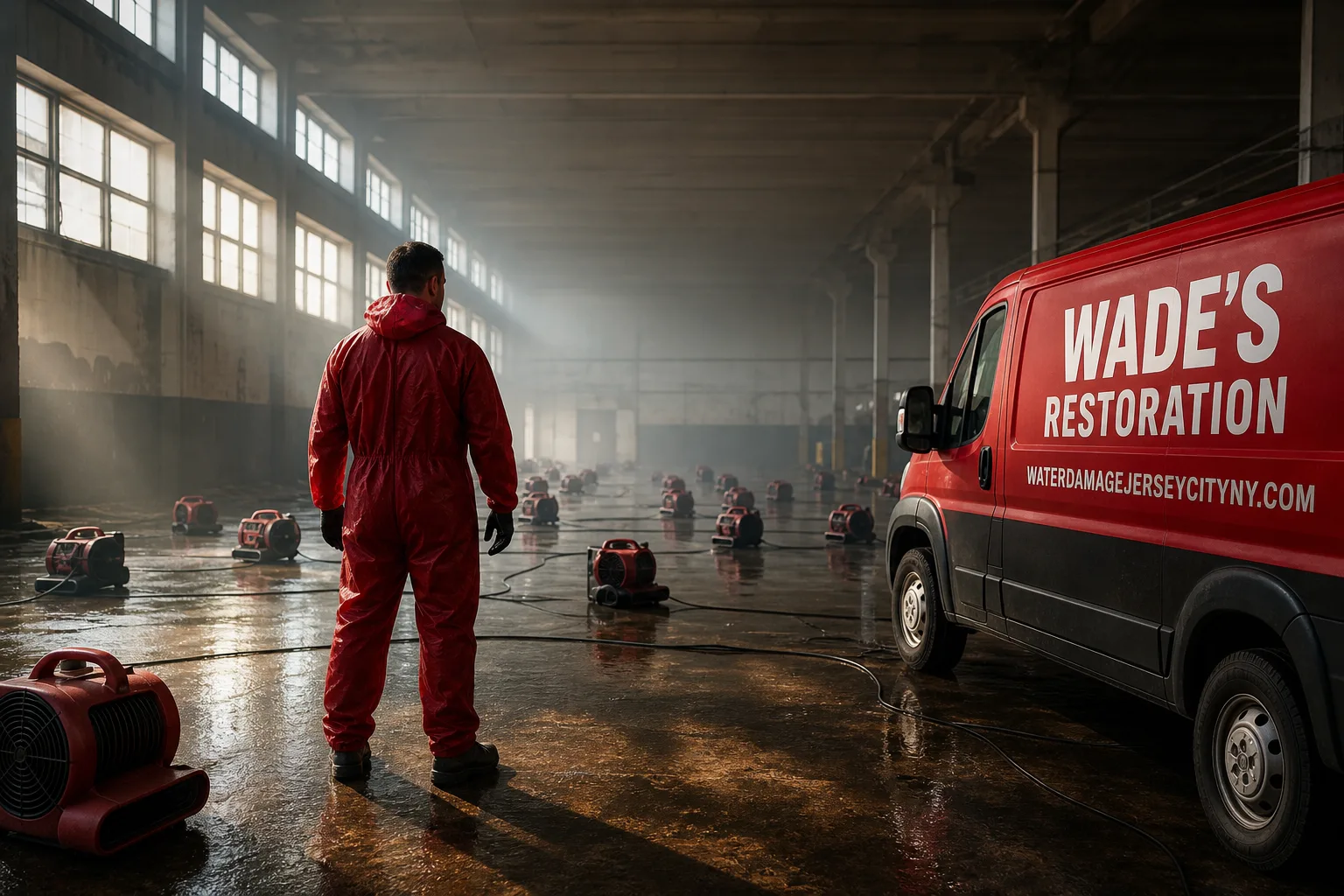
Free visual inspection and a written scope of work before any mitigation begins - photos, moisture readings, and drying logs go in your claim file
The scope we write is the scope we bill. Anything new gets shown to you, in writing, before we touch it.
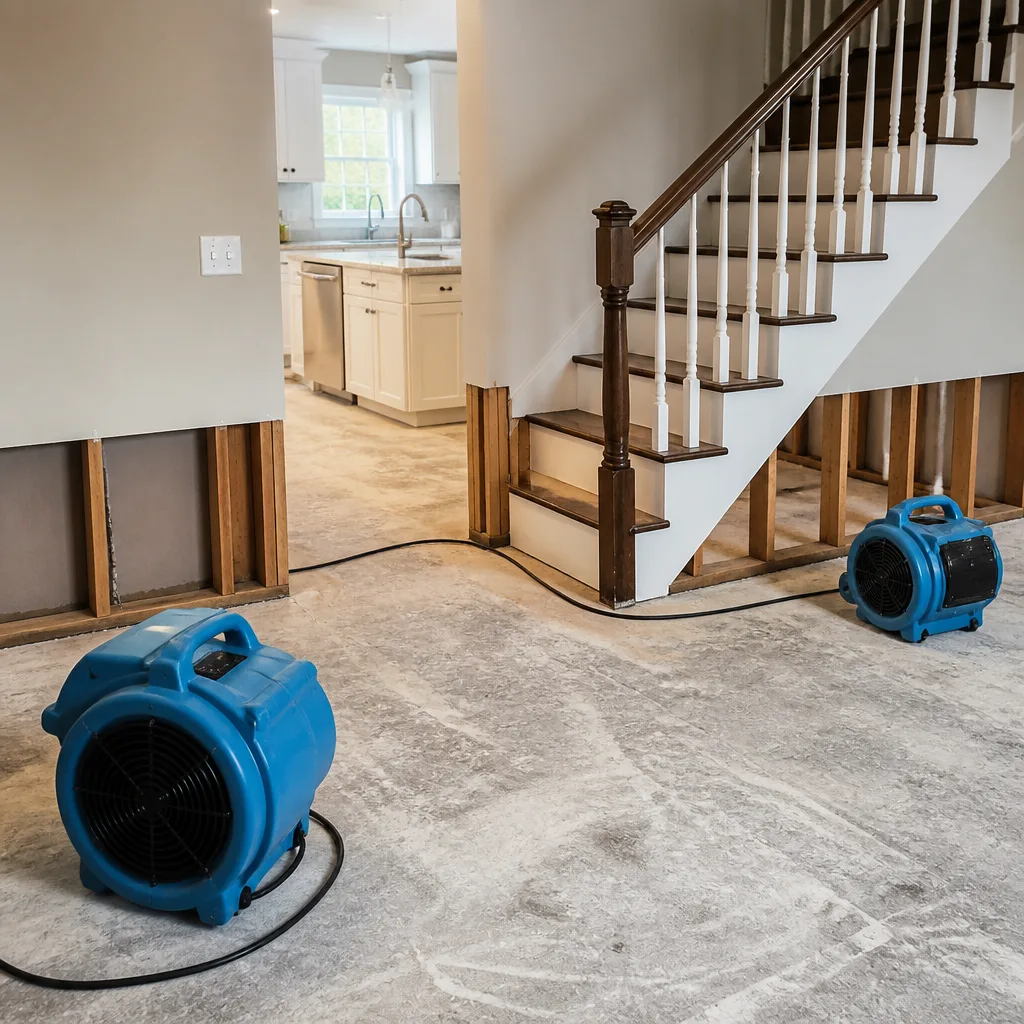
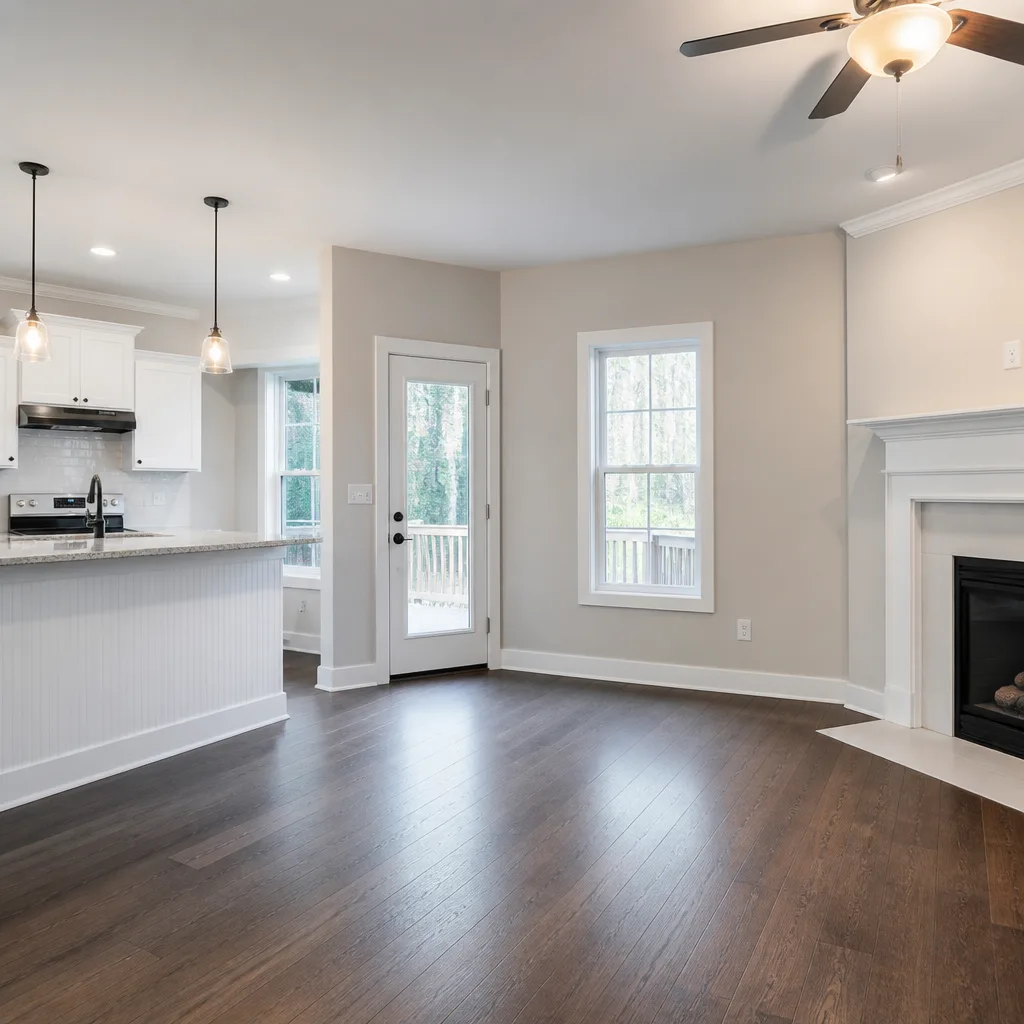
 Before
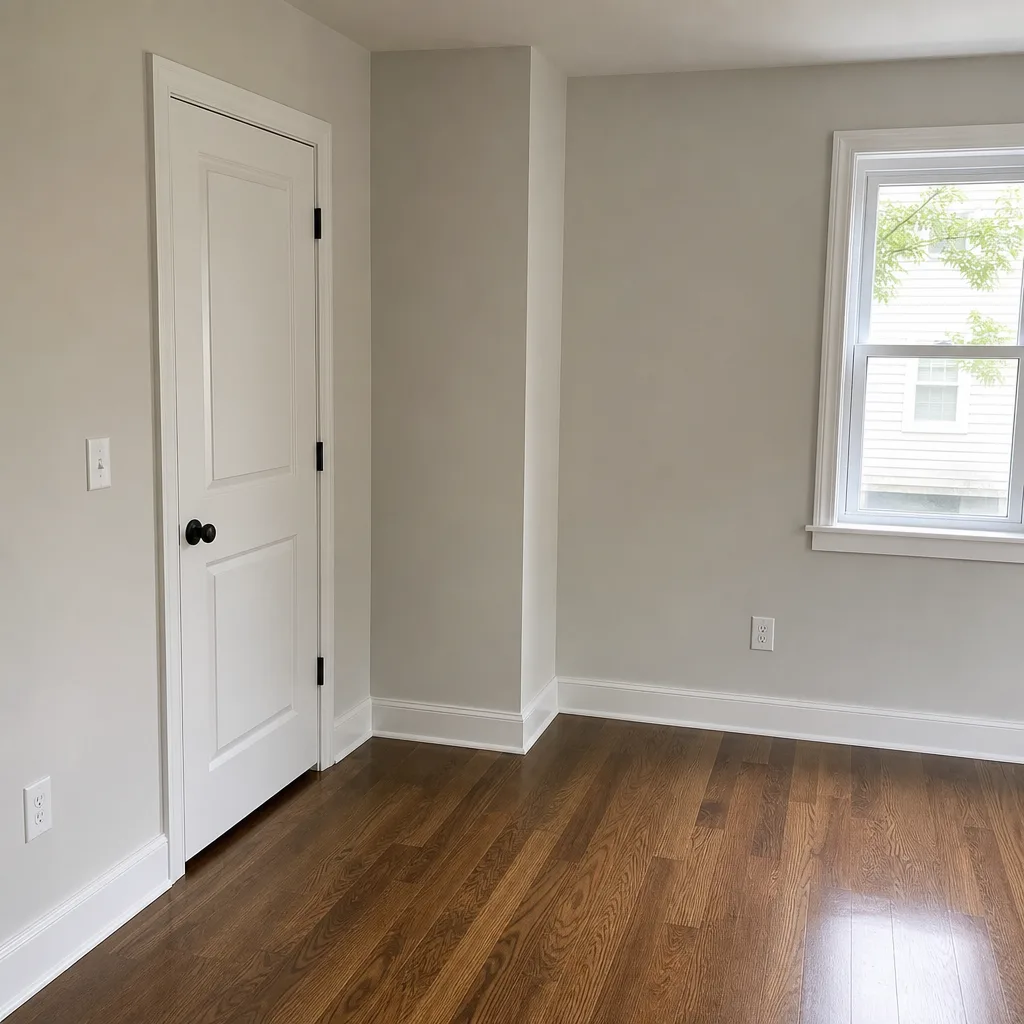 After
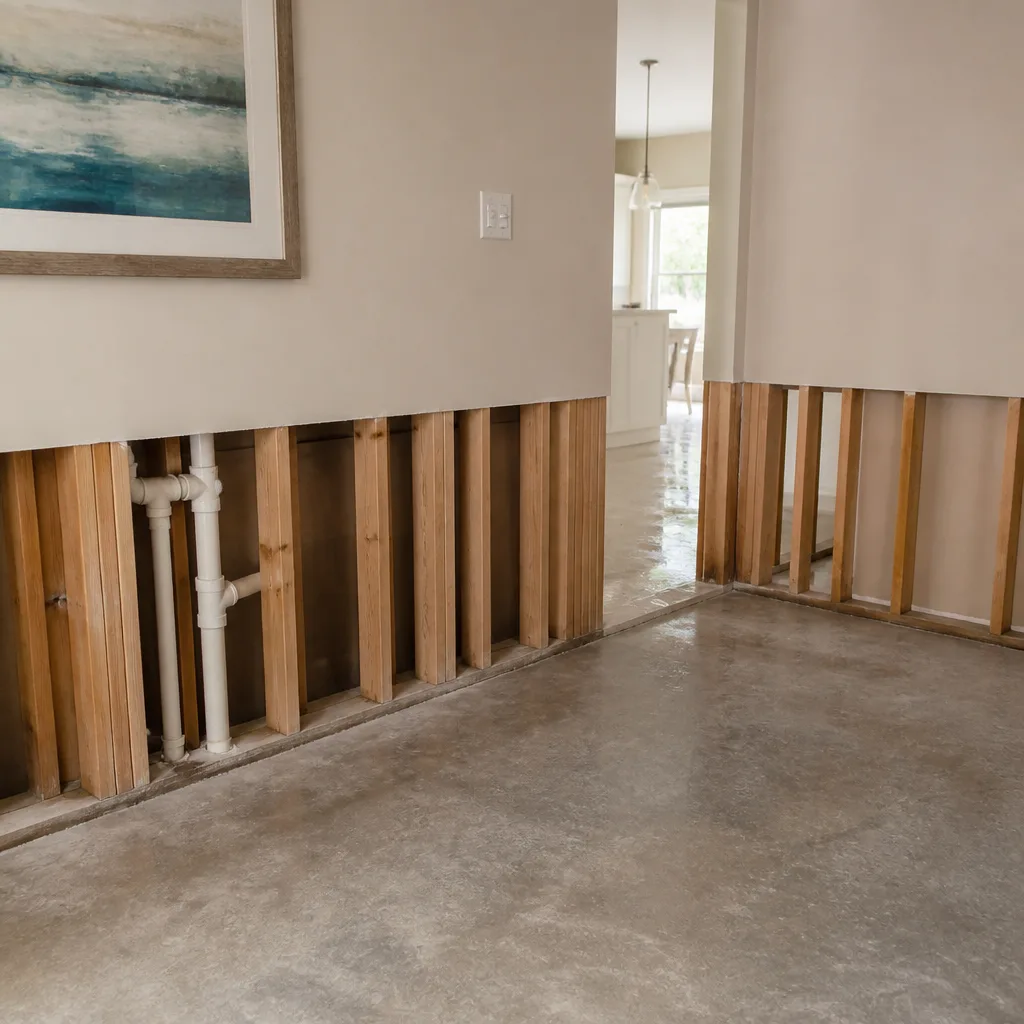
After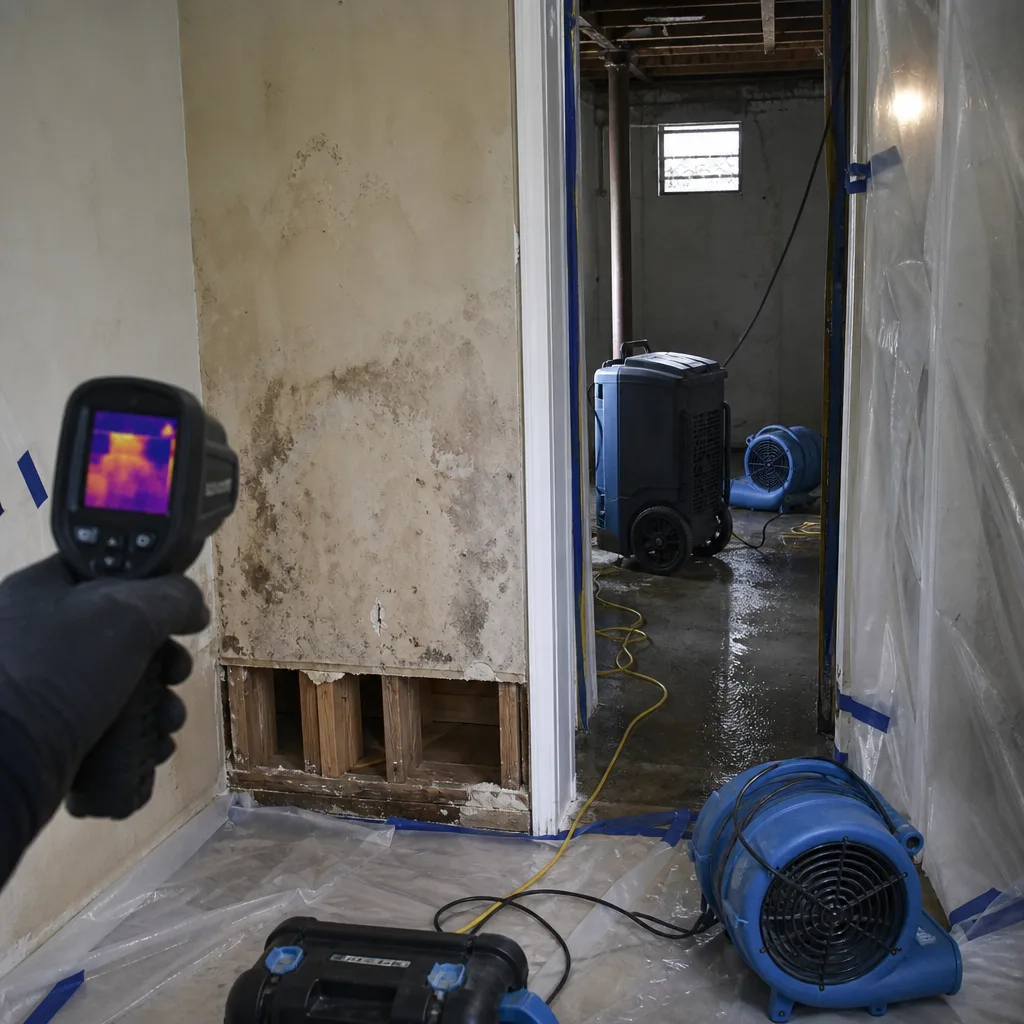 Before
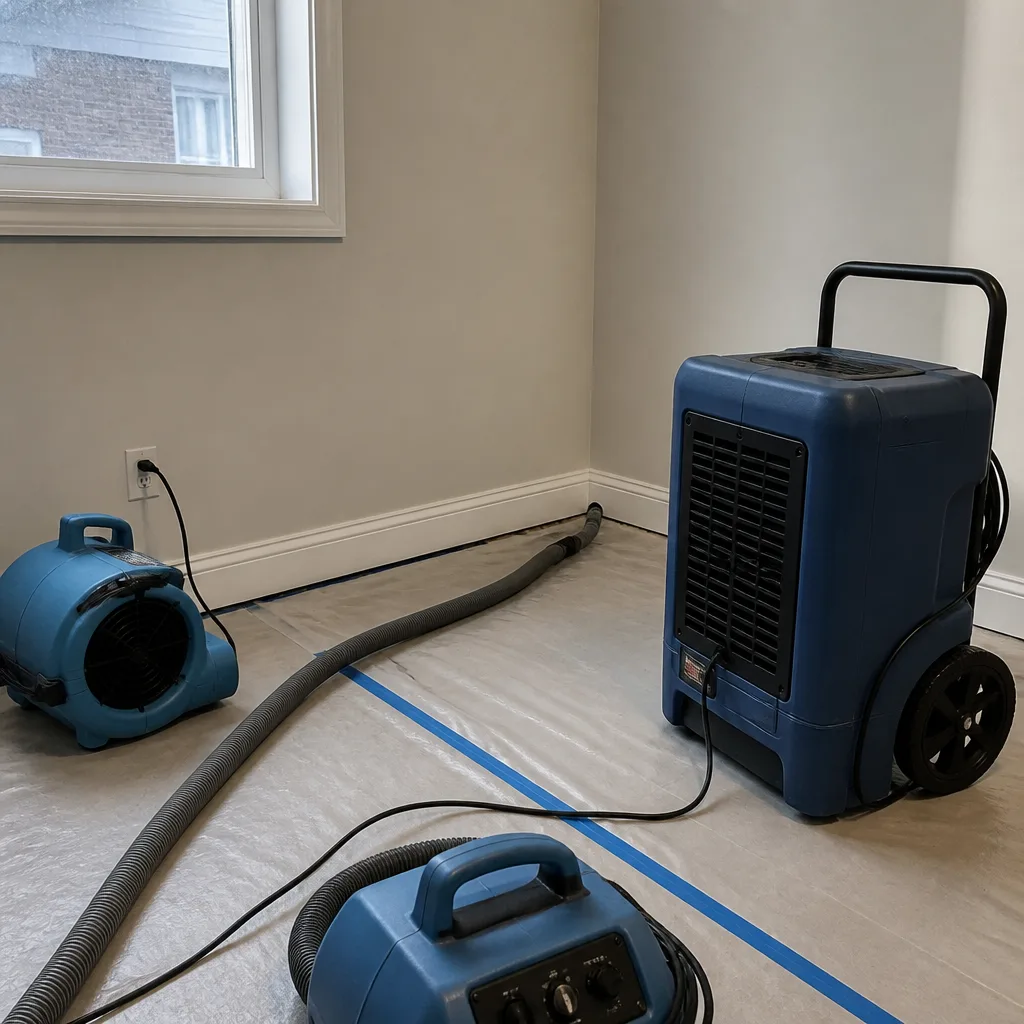 After
After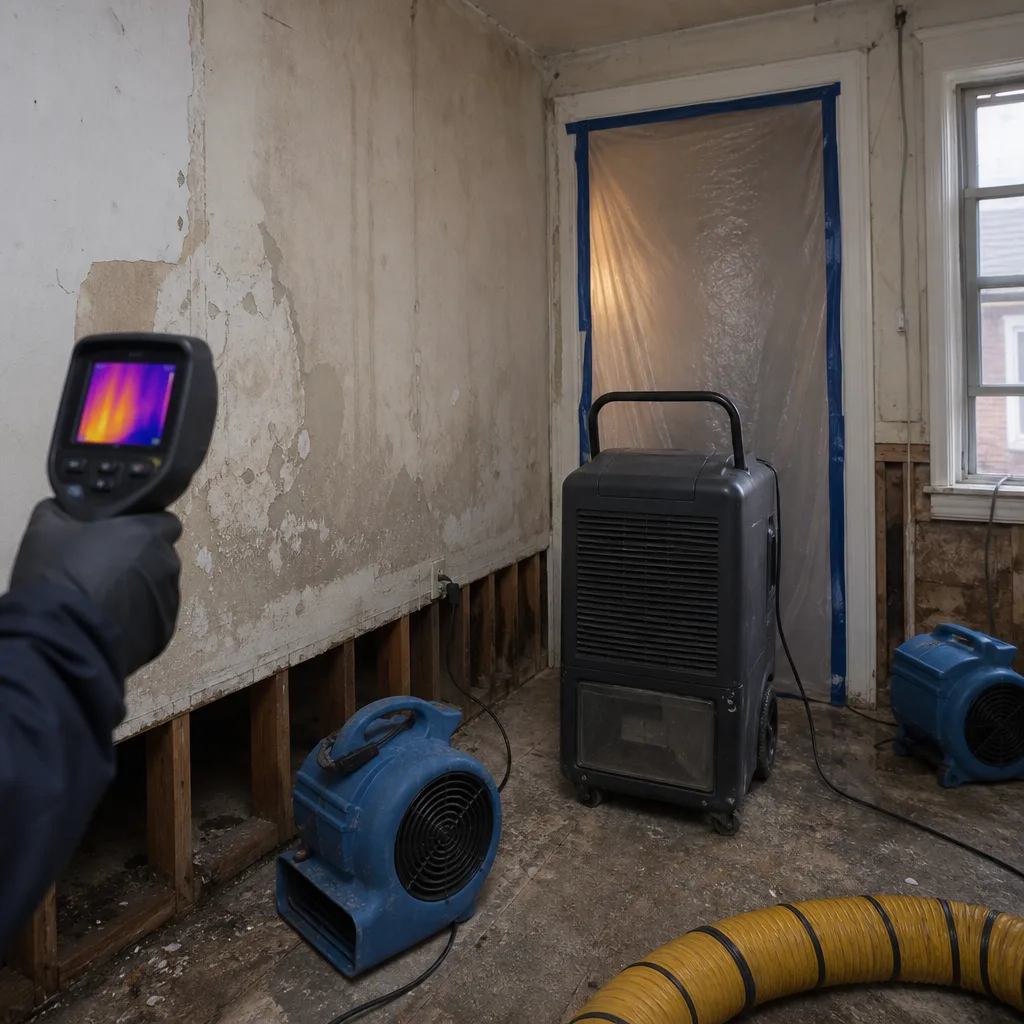 Before
 After
After24/7 Emergency Fire & Smoke Damage Restoration in Williamsburg
Fire and smoke damage in Williamsburg doesn’t wait for business hours, and neither do we. A kitchen fire at 2 a.m. in a converted loft on Berry Street, a smoldering electrical short inside an 1890s rowhouse wall, a sprinkler-system soak-down in a Kent Avenue high-rise. All of it needs one thing first: someone who actually picks up the phone. Call (201) 903-9581 and a live person answers, 24 hours a day, including Wade Ferris himself. Our Fire & Smoke Damage Restoration crews roll into Williamsburg within 45 minutes of your call, start with a free visual inspection, and give you a straight answer about what can be saved and what can’t. The first hour matters because soot from a protein fire settles into grout, plaster, and fabric within days, not weeks. After that, the smell gets comfortable and the cleanup price climbs.
Understanding Fire & Smoke Damage Restoration Severity in Williamsburg Properties
Fire restoration in Williamsburg is a different animal than it is in a suburban split-level. We’re usually working in one of three building types: pre-war brick tenements with original plaster and lath, post-industrial warehouse lofts with exposed timber and drywall-layered additions, or post-2005 glass-and-concrete condos with engineered finishes. Each one handles smoke differently, and each one hides damage differently.
Soot residue falls into categories. Dry soot from high-heat fires brushes off relatively easily. Oily or wet soot from smoldering fires, the stuff that happens when a sofa burns slow or a grease fire gets smothered, bonds to surfaces and needs chemical agitation to break loose. Then there’s protein residue from kitchen fires, nearly invisible and viciously sticky, which is why a stove fire that looks like “just a little smoke” leaves a smell that lives in the cabinets for months. Smoke migrates through gaps you can’t see: around plumbing penetrations, between floor joists, through the chase behind the stove. In Williamsburg’s attached rowhouses and loft buildings with shared party walls, that means smoke from your unit moves into the neighbor’s space, and vice versa. We pressure-test and seal those paths before deodorization starts, because if we don’t, the smell comes back.
Why Williamsburg Property Owners Choose Wade’s Restoration
- A crew is rolling within 45 minutes of your call. Not a call-back. Not a “we’ll get you on the schedule.” A truck heading toward Williamsburg while you’re still on the phone.
- 24/7 live answer, always a person. No voicemail tree, no answering service reading a script. Wade answers his own phone at 3 a.m. because that’s how he’s built the company since 2007.
- IICRC-certified crews, trained for fire and water loss. We hold FSRT certification for fire and smoke restoration, so the crew that shows up knows how soot, odor, and water damage interact in a real fire, not just a textbook one.
- Free visual inspection before you commit to anything. We document what we find, show you the photos, and give you a written scope. If it’s a small job, we tell you it’s a small job.
- We bill your insurance directly. You shouldn’t have to front the cost of a fire claim while your adjuster reviews the file. We handle the paperwork and the back-and-forth.
- One crew from first response to final paint. The same people who board up the window come back to hang the drywall. No handoff to a sub you’ve never met.
Our Fire & Smoke Damage Restoration Process
Inspection & Assessment
We walk the whole property, not just the burned room. Thermal imaging finds heat migration behind walls, and we document soot distribution, residual water from firefighting, and any structural compromise. You get photos and a clear explanation before we touch a single tool.
Stabilization & Board-Up
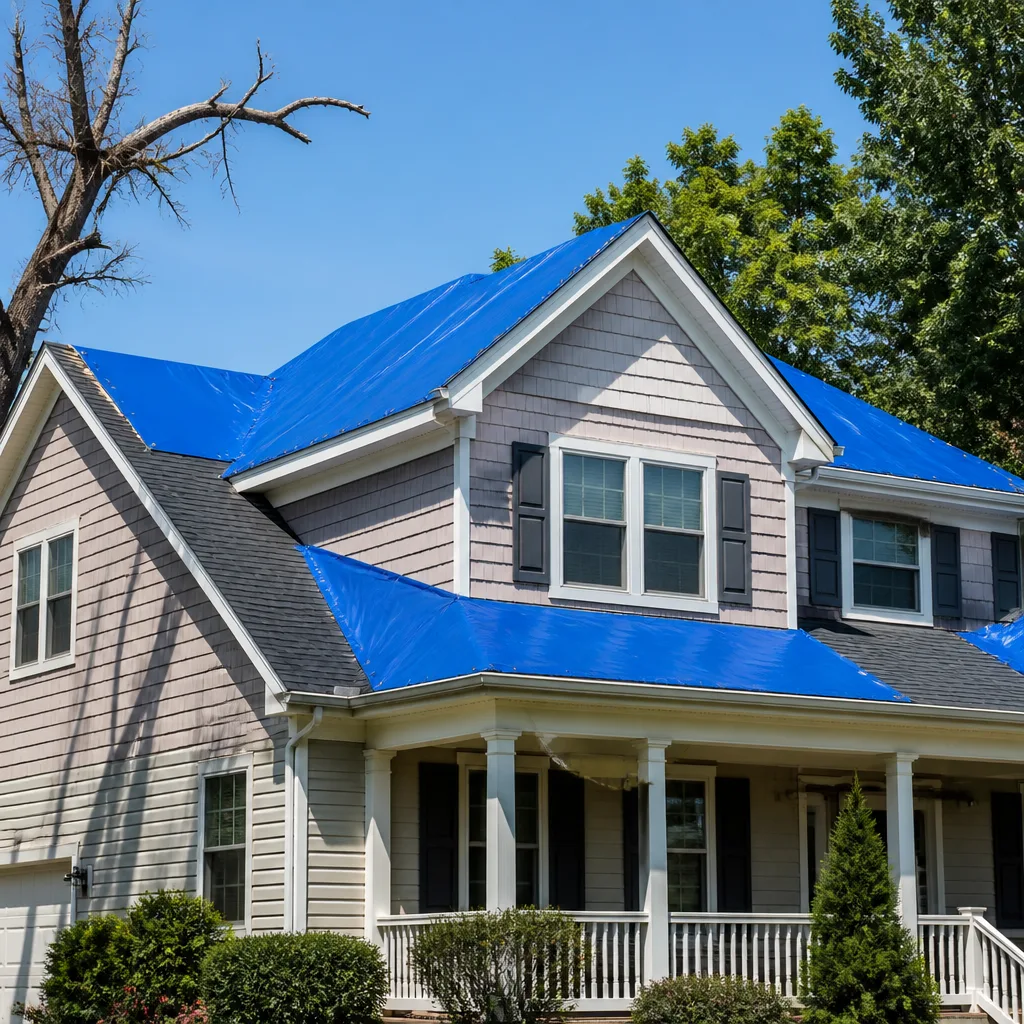
If windows are gone or the roof is compromised, we board up and tarp immediately. In Williamsburg, where a gap-toothed brownstone facade or a busted loft window invites weather and theft, this step can’t wait for the adjuster’s first visit.
Water Extraction & Drying
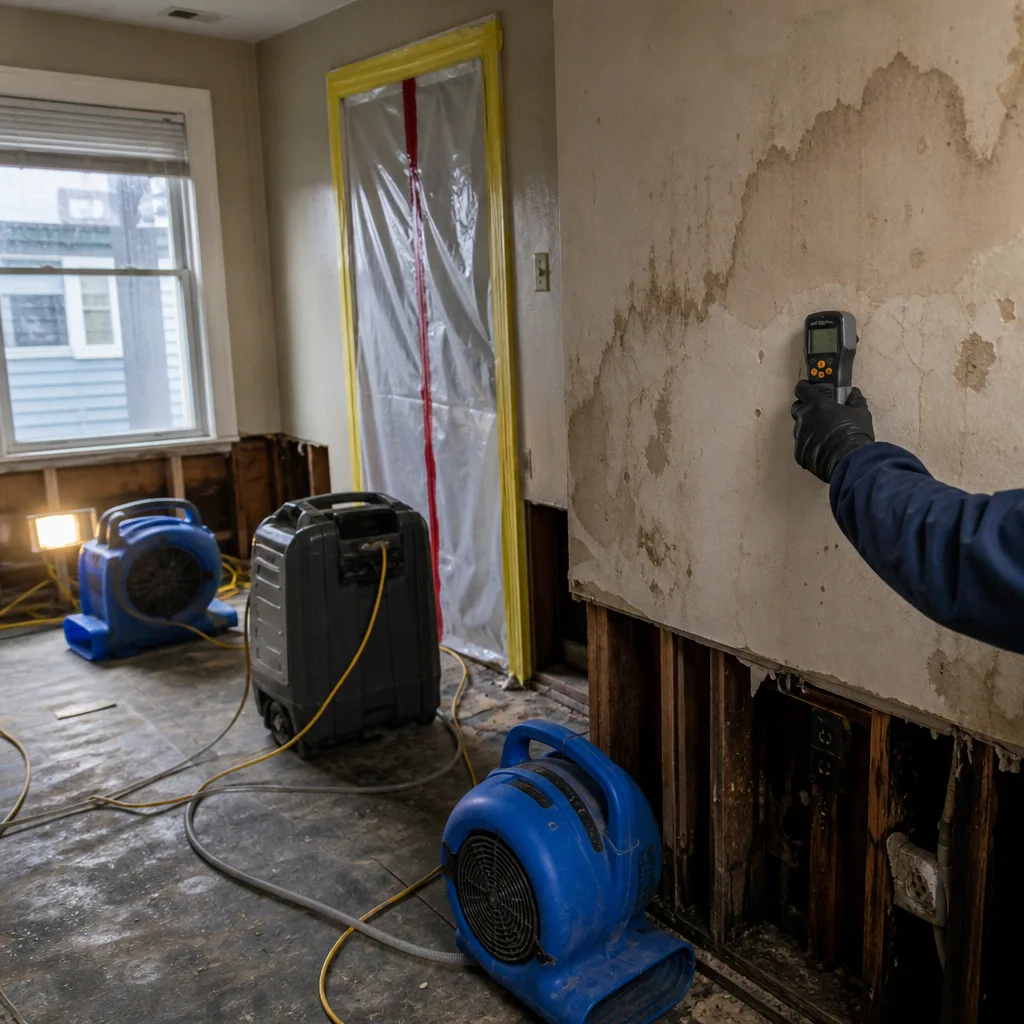
Firefighting water and sprinkler discharge often cause more damage than the fire itself. We run Dri-Eaz 1200 dehumidifiers, Phoenix air movers, and hygrometers to pull moisture from walls and subflooring before mold can think about starting.
Cleaning & Sanitization
HEPA air scrubbers clear airborne soot particles while our crews work surface by surface: dry-sponging painted walls, agitating upholstery, and deodorizing fabrics with IICRC-approved treatments. Every room gets a final sanitization pass.
Smoke & Odor Removal
This is where most national franchises fail. We don’t mask odors; we remove them at the source. That means sealing the space, running activated charcoal and ozone filtration where appropriate, and treating every cavity where smoke traveled, including ductwork and behind baseboards.
Repairs & Restoration
Once the space is clean and dry, we rebuild. Drywall, plaster, trim, paint, flooring, whatever the loss touched. The same people who did the emergency response handle the reconstruction, so nothing gets lost in a handoff.
Need Emergency Fire & Smoke Damage Restoration in Williamsburg Now?
Crews minutes away, answering live 24 hours a day. The sooner we start, the less it costs.
Working With Your Insurance Company
A fire claim in Williamsburg gets complicated fast. Fire, smoke, water from the firefight, possibly mold if the water sat, possibly asbestos questions if the building’s old. Your adjuster is juggling dozens of files, and the person relaying information between you and them is usually you, trying to remember what a “category 3 water loss” means while your home smells like burnt plastic. We fix that part.
Wade’s Restoration handles the adjuster directly. We document the loss from the first hour with photos, moisture readings, and thermal imaging. We generate the kind of line-item estimates insurance carriers recognize and respect, because we’ve been doing this since 2007. You get a written scope before work starts, and we bill your carrier directly, so you’re not floating thousands of dollars on a credit card while your claim processes. If you have a written estimate from another company, bring it in. We’ll give you a free second opinion, no charge.
What We Provide Your Insurer
- Thorough documentation of the loss
- Photos of all damage, room by room
- Moisture readings and drying logs
- A detailed, line-item scope of work
- Direct coordination with your carrier
Built for Williamsburg’s Loss Calendar
Fire and smoke damage in Williamsburg follows the city’s seasons, but not the way most people think. January and February bring space heaters cranked against drafty tenement windows, overloaded pre-war wiring, and the occasional oven left on as a heat source. That’s your residential fire season. Spring and summer shift the pattern: air conditioners in windows being run hard off circuits that were installed when a single bulb per room was the load limit. A compressor shorts, a wire glows, and smoke migrates through a party wall into three other units before anyone notices.
Nor’easters matter here too. When wind-driven rain and surge push into the low-lying blocks near Kent and River Avenues, we see another kind of fire loss: electrical panels flooded and shorted, smoke damage secondary to a wet short, occasionally a whole circuit blown and charred inside a wall cavity. The fire is tiny. The smoke insurance claim is not. And through the whole year, the constant in Williamsburg is buildings that share walls, which means every fire loss is a possible neighbor-loss, and every restoration has to account for the people on the other side of the brick.
Fire & Smoke Damage Restoration Across Williamsburg’s Neighborhoods
The geography of Williamsburg changes what a fire restoration looks like more than any other borough neighborhood we serve. Along the East River waterfront, from North 3rd up past North 9th, you’ve got the post-2005 high-rises. Fires there are often small in square footage but expensive in finish: a kitchen fire in a luxury condo that triggers the sprinkler system means soot removal on custom cabinetry plus Category 2 water extraction from the unit below, all inside a building where the elevator reservation and the building manager’s insurance requirements are part of the schedule.
In the interior blocks south of Grand Street, we’re in old tenement and rowhouse territory. These were built between 1880 and 1920, brick party walls, original plaster, joists that have been carrying weight for 120 years. Fires here travel up through balloon-framed cavities, and smoke moves horizontally through shared floor systems. Deodorization has to be aggressive, because that smoke diffuses through lath and settles into wood you can’t replace without gutting the building.
Over in the converted industrial corridor around Berry Street and Wythe Avenue, the lofts present their own complications. Concrete floors, oversized windows, open plans that let smoke spread fast and far, and the near-constant presence of asbestos pipe insulation behind later-added drywall. Around South Williamsburg, west of the BQE, scheduling around the Hasidic community’s Shabbat calendar is a reality every experienced local crew respects. None of these patterns show up in a national franchise’s training manual. They’re learned by doing the work here, block by block, for years.
Specialized Fire & Smoke Damage Restoration Services We Offer in Williamsburg
Smoke & Soot Removal
Soot doesn’t just sit on surfaces. It oxides metals, etches glass, and bonds to oil-based paints and unfinished wood. In Williamsburg lofts with exposed ceiling joists and brick, our crew uses dry-chem sponges on porous brick and chemical agitation on painted steel I-beams and window frames, because soot that looks cosmetic will keep off-gassing for years if you half-clean it.
Odor Removal & Deodorization
The smoke smell in an old Williamsburg building lives in cavities: between floorboards, inside the plaster-lath air gap, inside the duct runs. We seal each affected area and treat it with a combination of activated charcoal filtration, thermal fogging where appropriate, and direct-cleaning of the source materials. In attached buildings, we also test whether odor has migrated through the party wall, because the neighbor’s unit often needs treatment too.
Structural Fire Repair
Once the smoke and water are handled, the build-back starts. We hang drywall, repair or replace damaged joists, refinish hardwoods, and match plaster textures so the repaired wall doesn’t look like a patch. In pre-war buildings, we’re comfortable working with lime-based plaster and salvaged wood. Wade’s crew has been doing this work in New York’s older housing stock since 2007.
Fire Damage Cleanup
This is the first-pass removal of charred debris, damaged drywall, and ruined flooring. It’s also where we document everything for your insurer: photos of each item before and after removal, categorized for the claim. We haul responsibly, separating materials that need special disposal under New York City’s asbestos and lead rules.
Contents Cleaning & Pack-Out
When a Williamsburg apartment sustains smoke damage but the furniture is worth saving, we’ll pack out, clean, and store your belongings while the unit is being restored. We inventory everything, clean what’s cleanable, and store it in a secure facility until your home is ready. This is especially common in condos where the whole floor got hit and nothing can stay put.
Emergency Board-Up & Tarping
A burned-out window on Driggs Avenue will get rain inside by the weekend and someone inside by Monday. We board up and tarp within hours, not days. That work is temporary but critical: it keeps the loss from getting bigger while the insurance wheels turn and the restoration plan gets approved.
What happens when you call
- 1
A real person answersNo phone trees - you reach a local pro.
- 2
You get an upfront price rangeHonest numbers before anyone is dispatched.
- 3
A background-checked tech heads outLicensed & insured, dispatched right away.
- 4
You approve before work beginsNothing starts until you say go.
Fire & Smoke Damage Restoration Costs in Williamsburg, NY
Small kitchen fire cleanup in a Williamsburg apartment, with light soot on painted surfaces and one room of deodorization, typically runs $1,200 to $3,500. A full-unit smoke damage restoration in a converted loft, with pack-out, dry cleaning of textiles, cavity deodorization, and repainting, usually lands between $8,000 and $25,000 depending on square footage and how far the smoke traveled. A fire that involves water from sprinklers or the FDNY jumps the price significantly: the water extraction and drying alone often adds $4,000 to $12,000, and that’s before restoration of finishes.
What moves the price in Williamsburg specifically: whether we’re in a walk-up with narrow stairways (slower, more labor), whether the building has an elevator reservation requirement (time), whether asbestos or lead testing is required (common in pre-war buildings), and whether the unit shares walls with smoke-affected neighbors. Most fire and smoke claims in Williamsburg are covered by homeowners or condo insurance, though a tenant who caused the fire may face deductibles or liability questions the insurer works through. The fastest way to a real number is a free visual inspection. Call (201) 903-9581 and we’ll walk the unit and put a number in writing before anything starts.
We Also Serve Cities Near Williamsburg
Our crews work throughout the surrounding area, including Financial District, Lower Manhattan, Midtown Manhattan, and Long Island City. If you’re just across the river or a few blocks outside the neighborhood, call us. Same response time, same live answer, same written scope.
Williamsburg Fire & Smoke Damage Restoration Questions, Answered
Does FEMA flood-zone status in Williamsburg affect a fire and smoke damage claim on a Kent Avenue high-rise?
Yes, it can. If the fire triggered the sprinkler system or the FDNY used water suppression, the resulting water damage may be categorized separately from the fire damage, and in a FEMA-designated flood zone, the building’s elevation certificate and flood insurance policy can come into play. Your claim may involve two adjusters, not one. We document the water separately from the fire from the first visit, which keeps the claims cleaner and faster.
My Williamsburg loft has original brick walls and no fire stops. How do you prevent smoke odor from migrating through the building after a kitchen fire?
We seal the affected unit with poly sheeting and run negative air pressure during all demo and cleaning work. Then we inspect the party walls and floor/ceiling cavities for smoke paths, treat those cavities directly, and re-seal the openings. No fire stops means smoke traveled farther than it should have; we account for that by treating the entire connected space, not just the room where the fire started.
Will I need to vacate my South Williamsburg apartment during smoke and soot removal if the building observes Shabbat?
In most cases you can stay, but it depends on the scope. If we’re running HEPA scrubbers and treating a single room, you’ll usually be able to remain in the unit. If we’re doing full pack-out and cavity deodorization, it’s often more practical to relocate temporarily. For South Williamsburg buildings observing Shabbat, we’ll coordinate the schedule with you and your building leadership in advance so no crew is turned away at the door Friday after sundown. Call Wade at (201) 903-9581 and we’ll work out the timing that fits your building’s calendar.
What happens when a fire in a glass-and-concrete waterfront high-rise soaks the unit below with Category 2 water from the sprinkler system?
That’s a two-part loss: fire and smoke in the origin unit, water damage in the units below. The water from sprinklers is clean at the point of discharge but becomes Category 2 as it collects debris and passes through building cavities. Our crew extracts, dries, and sanitizes the affected units below while smoke work proceeds up top. One crew handles both, which saves you coordination headaches.
Can you remove the smoke smell from my Williamsburg rowhouse without tearing out the original 1880s plaster and lath?
Yes, in most cases. Plaster is dense and holds up to smoke better than drywall does. We start with dry-sponging and cleaning the surface, then treat the air gap behind the lath where odor particles settle using injection and fogging techniques that don’t require demolition. If the plaster was compromised by fire or water, that changes things, but undamaged original plaster can usually be saved. That’s exactly the kind of nuance a national crew won’t have, and it matters here.
How fast can you actually get to a Williamsburg response?
Within 45 minutes in most cases. We know Kent Avenue traffic, the BQE snarl, and the side streets off Metropolitan. Our crews are based locally and we stage equipment within the area. Call (201) 903-9581 and you’ll talk to a live person who tells you precisely when the truck rolls.
Do I really need full fire restoration, or can I just clean the surfaces myself?
If you can see soot, the particles you can’t see are already in cavities, fabrics, and your HVAC. Surface cleaning alone won’t remove the odor source, and repainting over soot doesn’t seal it; the stain and smell come back. A free inspection costs nothing, and if it’s genuinely a small job, we’ll tell you so and give you an honest scope. No upsell. That’s how Wade has run this since day one.
Who deals with my adjuster so I don’t have to play telephone?
We do. Wade’s Restoration communicates directly with your insurance carrier, provides documentation in the formats they request, and handles the back-and-forth on scope and pricing. You’re not the relay between two parties. That’s our job, and we’ve been doing it since 2007.
Serving Williamsburg, NY - Our Local Coverage Area
We’re based in the Williamsburg area and know this community well. Use the map below to see our service coverage - if you’re nearby, we can almost certainly help.
Why This Page Is Different
Most restoration company pages talk about “comprehensive fire damage solutions” and “state-of-the-art equipment” and never once mention what happens when the building is in a FEMA flood zone, the walls are original plaster from 1890, or the crew can’t enter on Friday at sundown. Those are Williamsburg realities, not marketing bullet points. A fire in a Kent Avenue high-rise triggers flood-zone documentation alongside soot removal. A fire in a Berry Street loft means asbestos tests before demolition starts. A fire in a South Williamsburg rowhouse means scheduling around a community calendar that doesn’t bend. If the company you’re considering doesn’t know these things, they’re learning on your loss. We’re not. Call (201) 903-9581 for a free inspection and a straight answer.
Written by Wade Ferris, Owner at Wade’s Restoration, serving Williamsburg and surrounding New York City neighborhoods since 2007.