
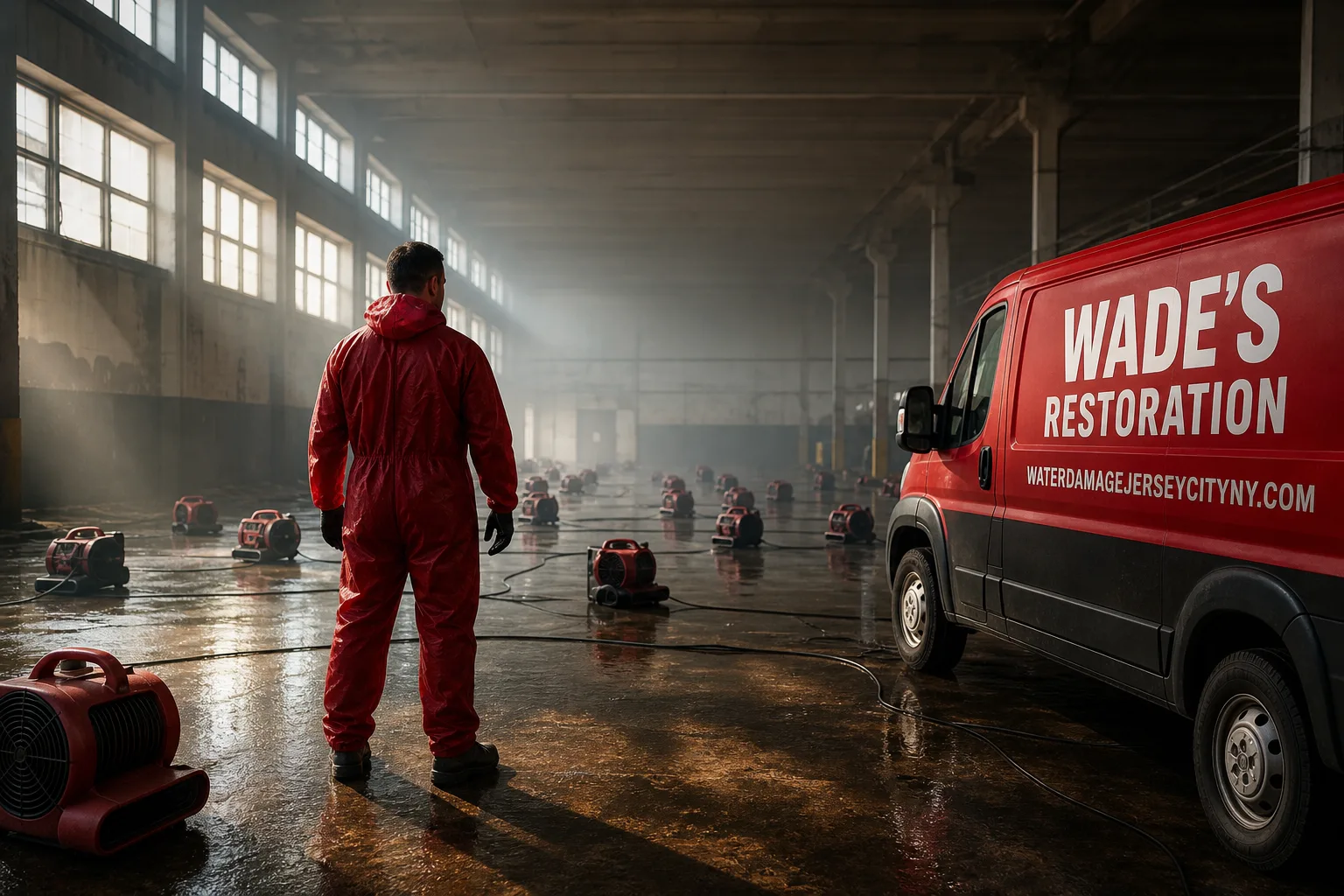
Free visual inspection and a written scope of work before any mitigation begins - photos, moisture readings, and drying logs go in your claim file
The scope we write is the scope we bill. Anything new gets shown to you, in writing, before we touch it.
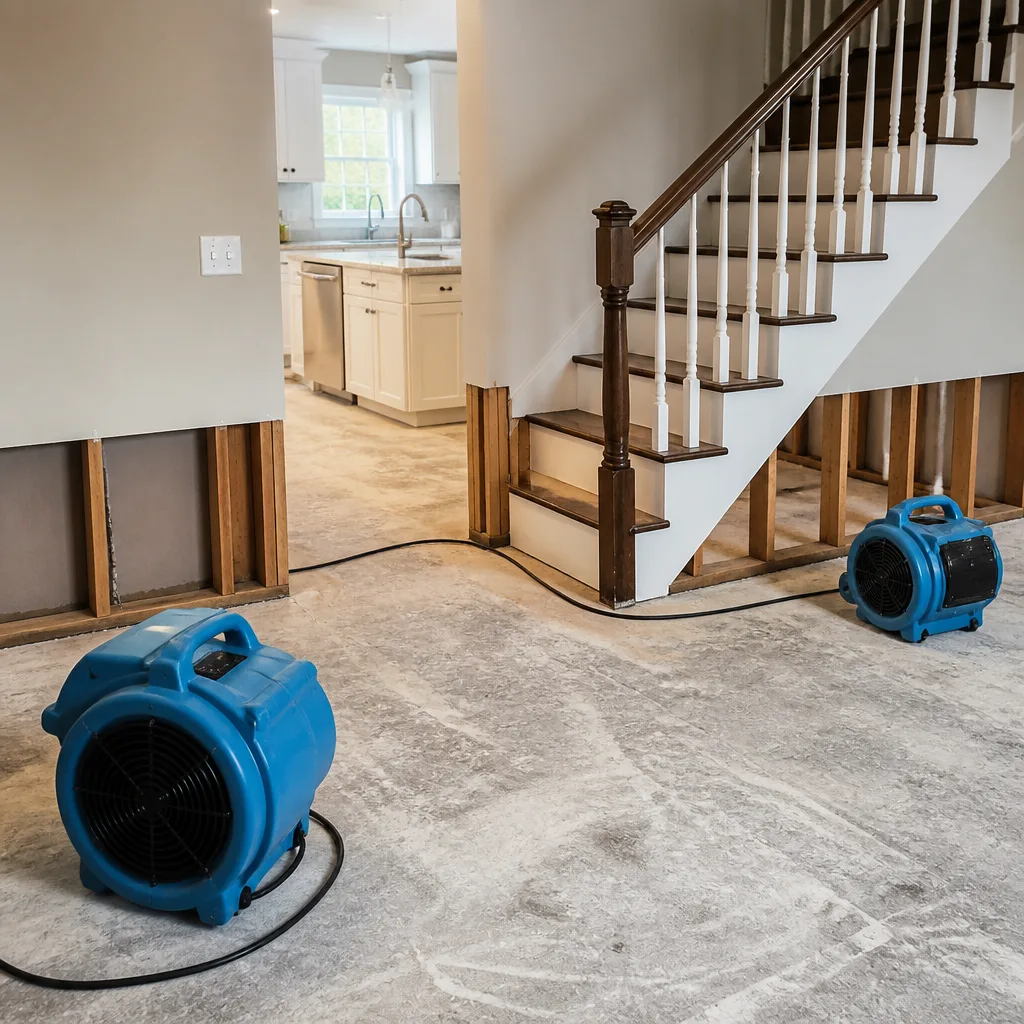
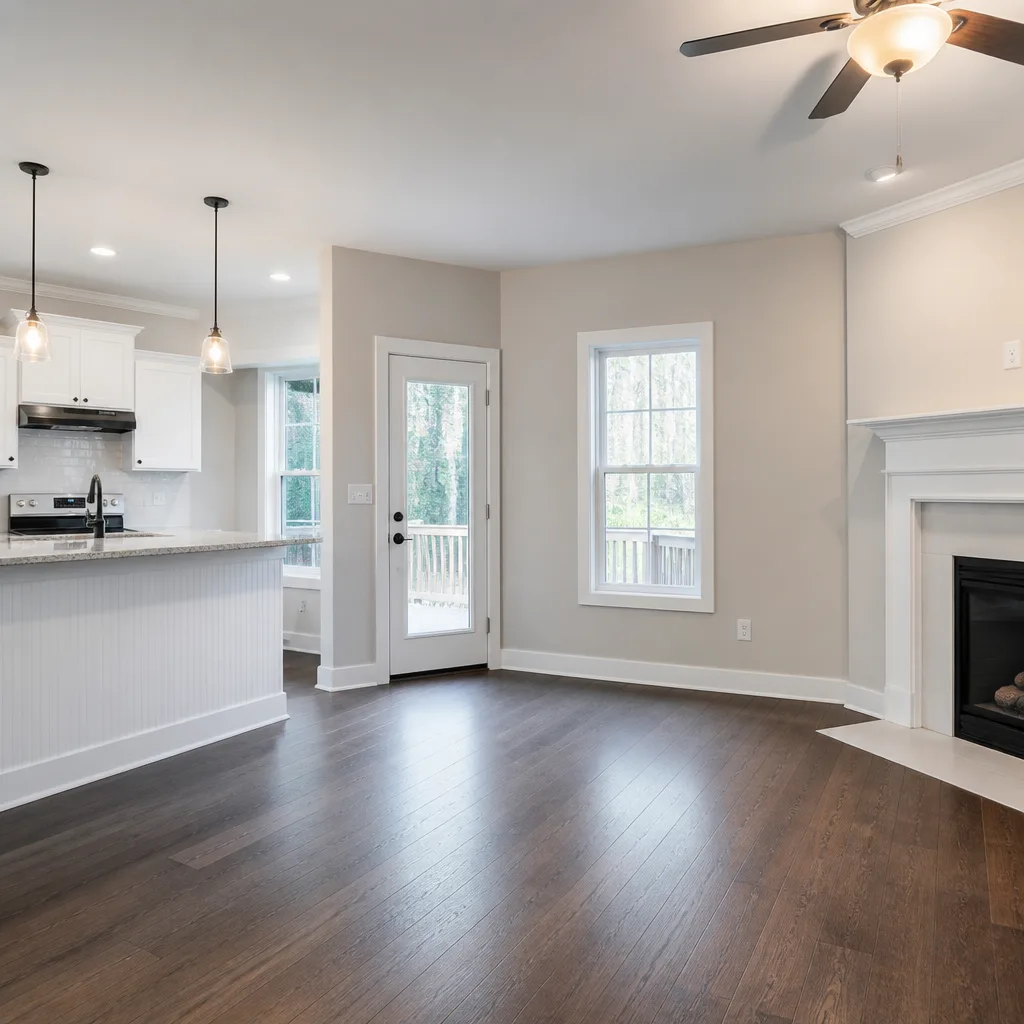
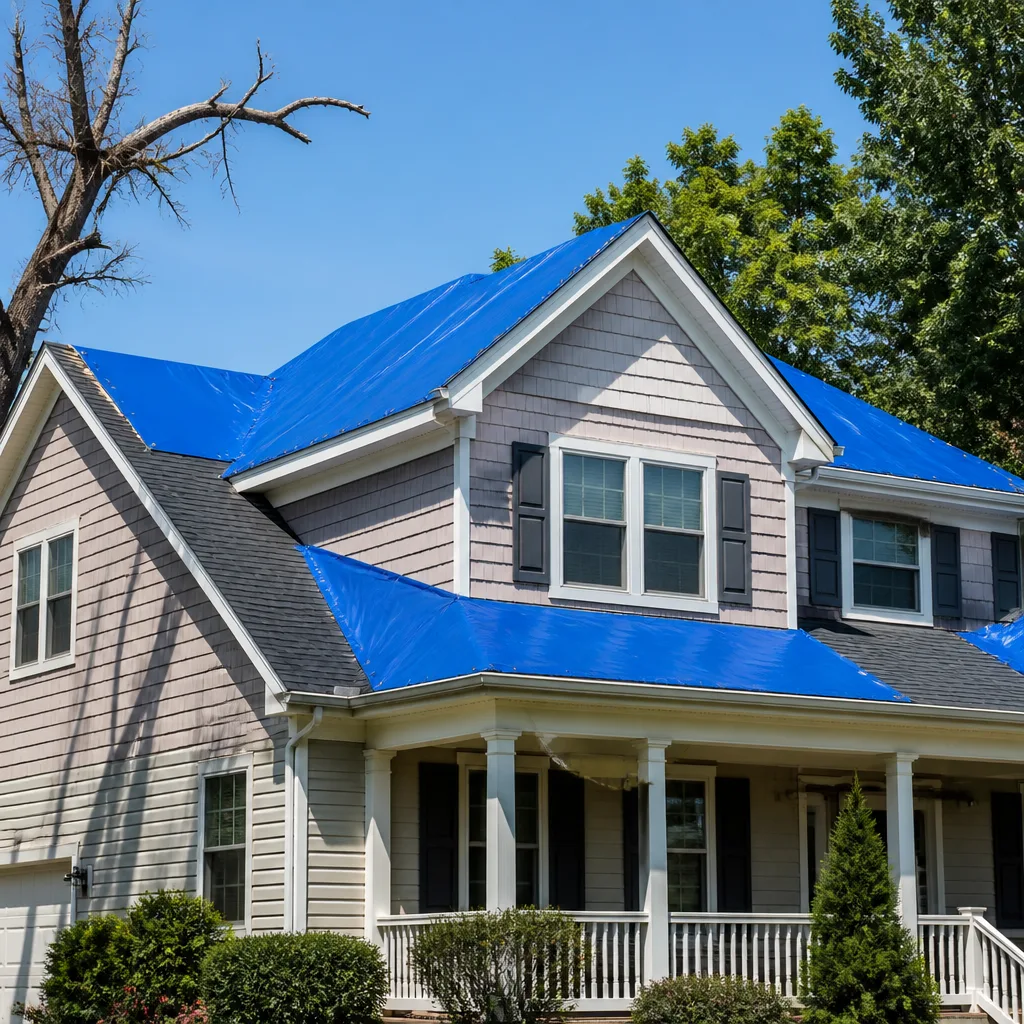
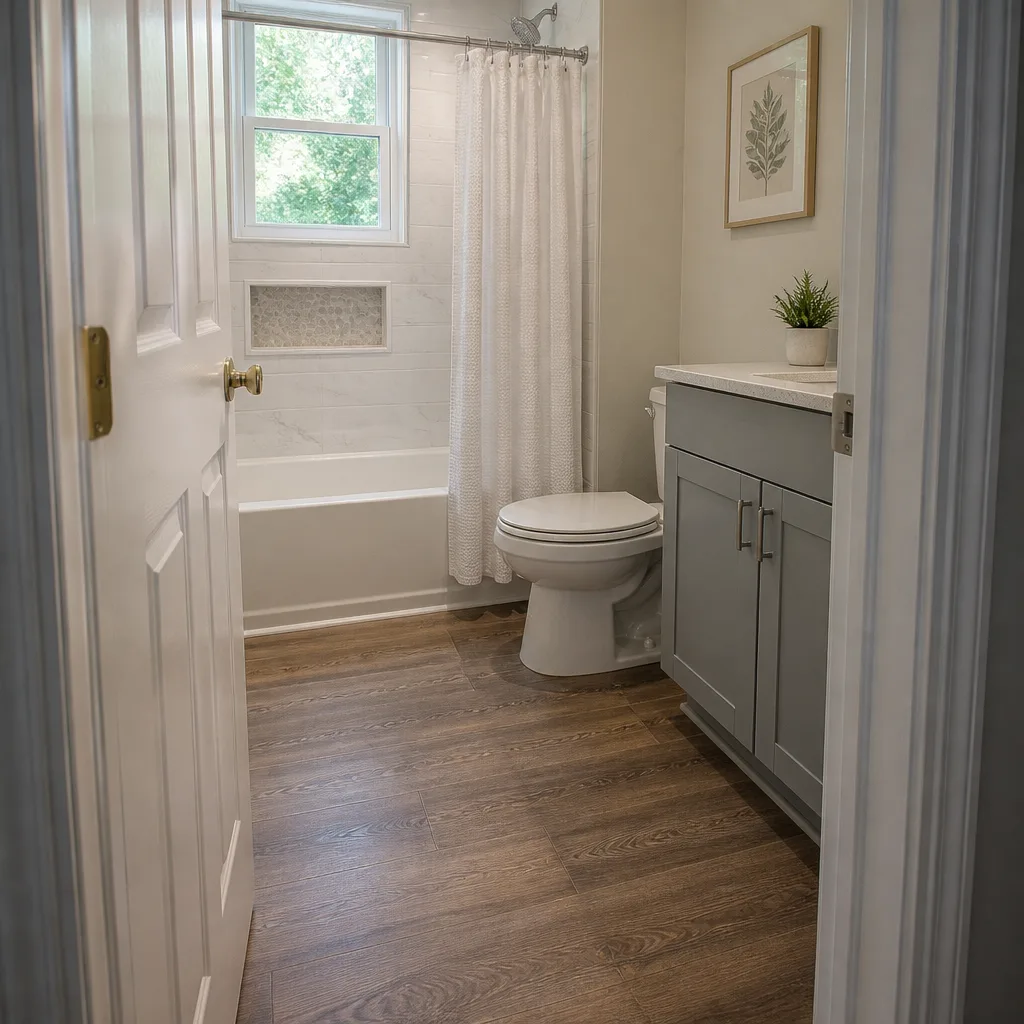
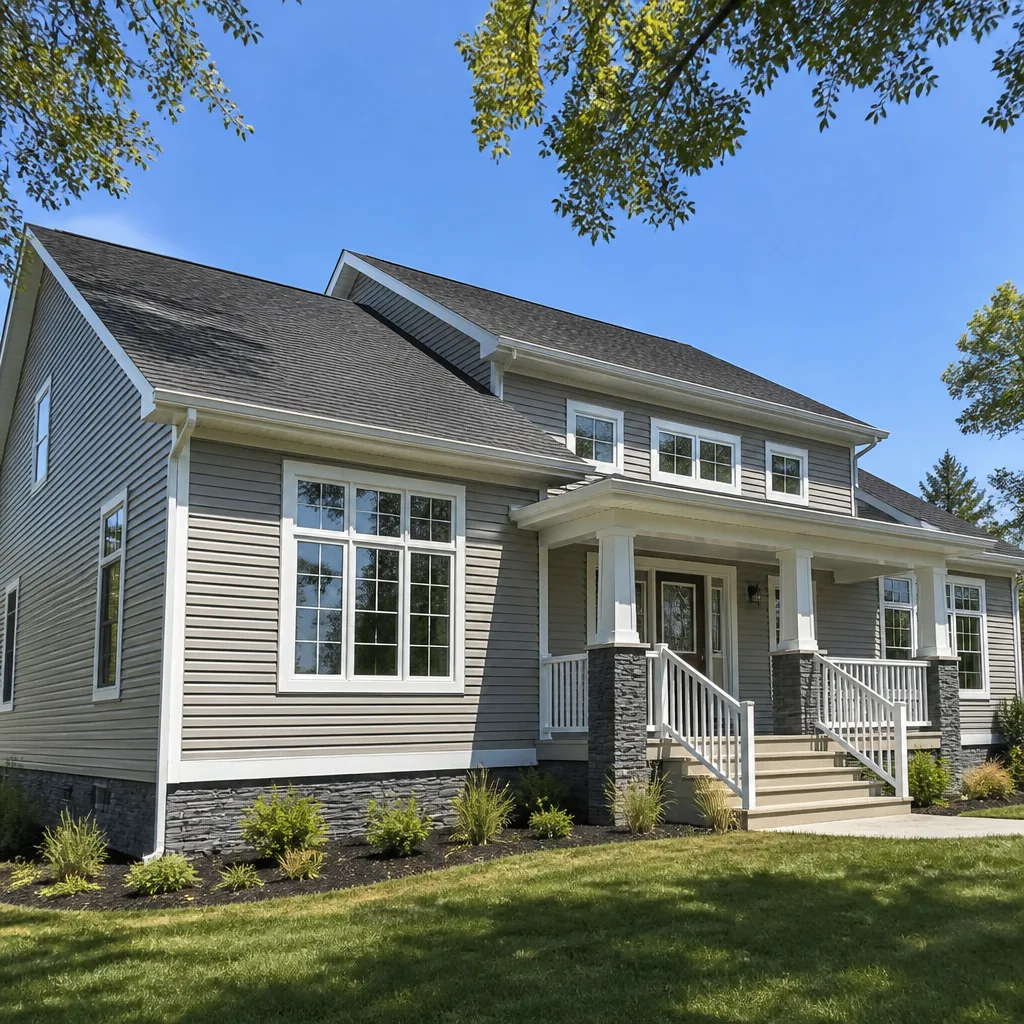
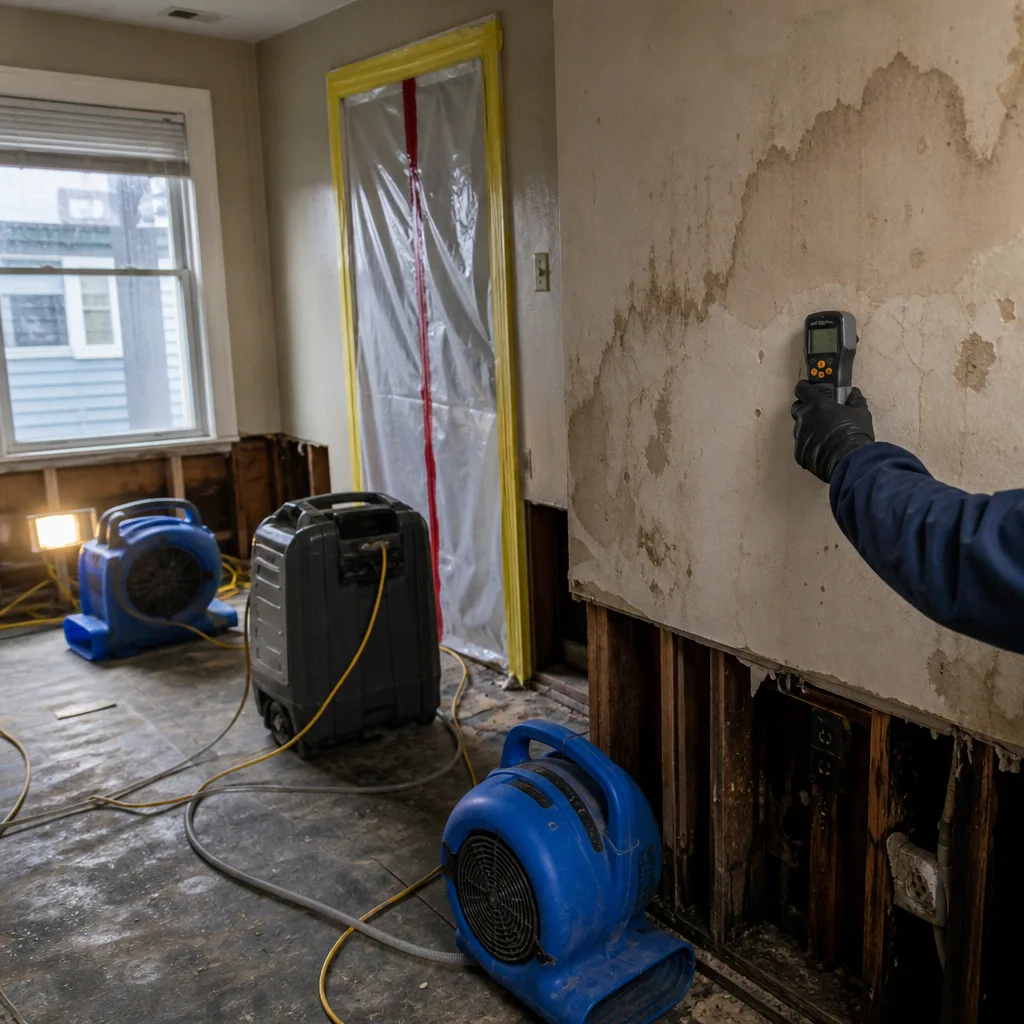 Before
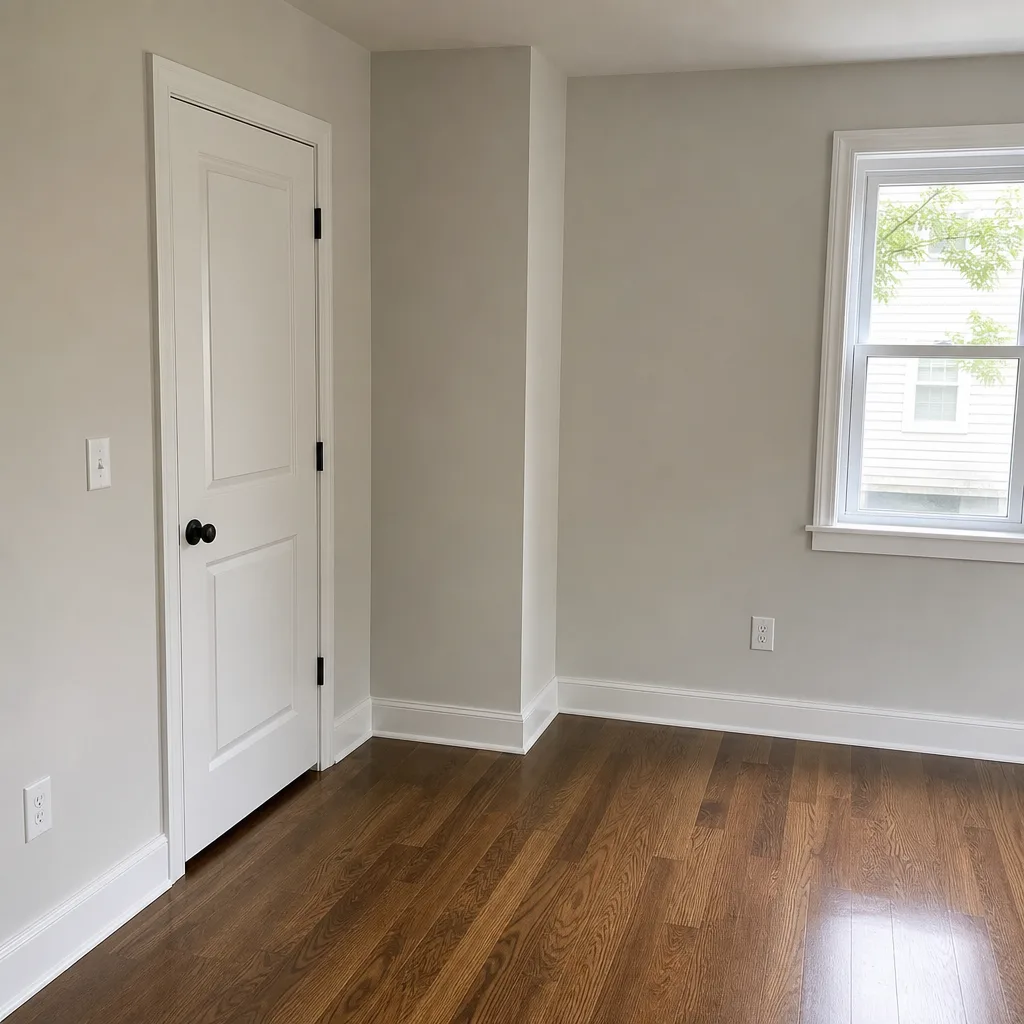 After
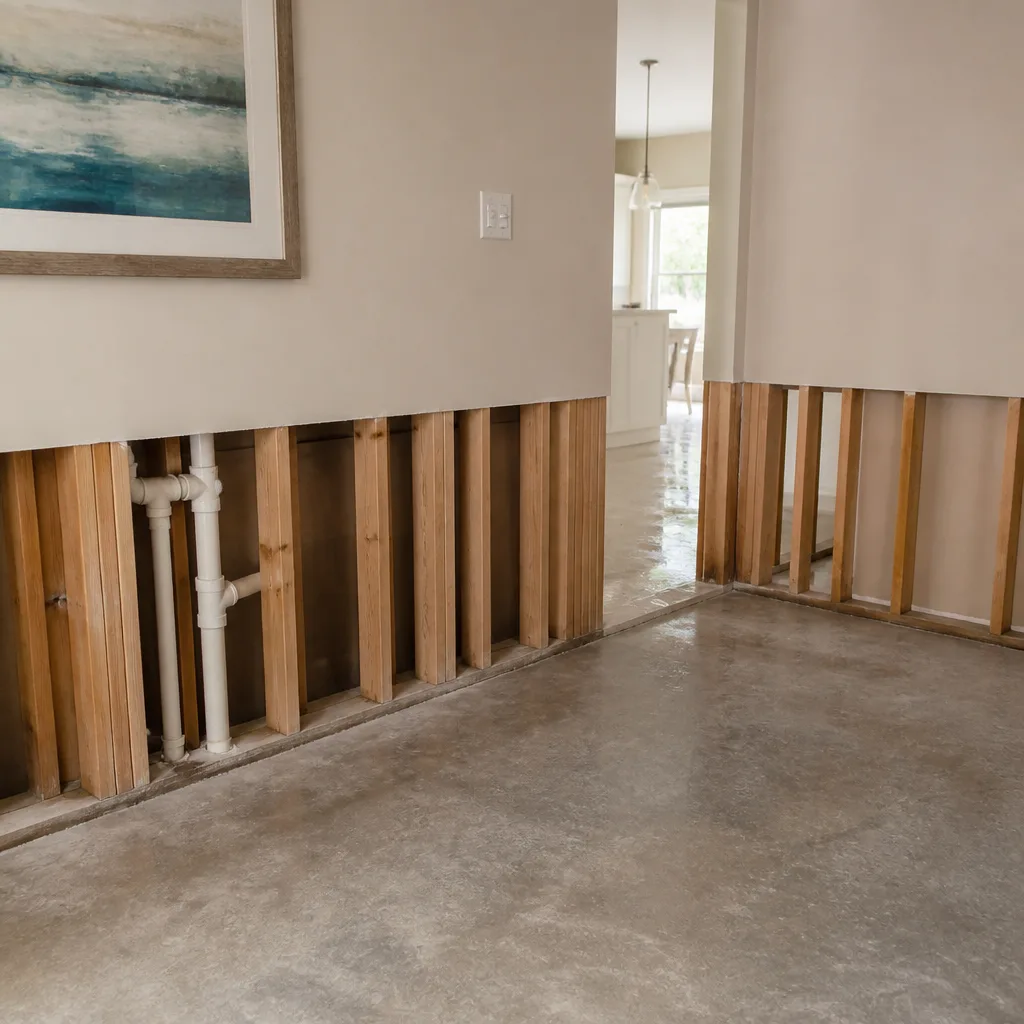
After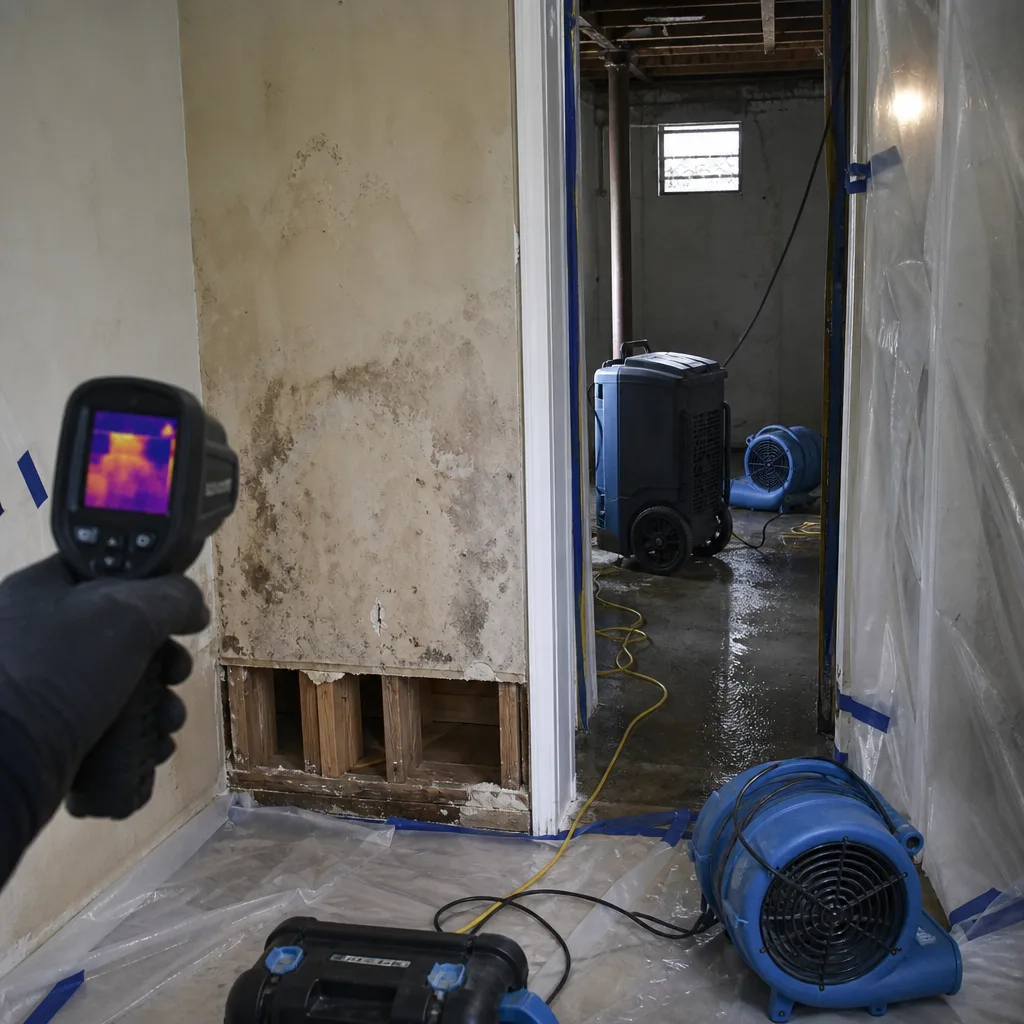 Before
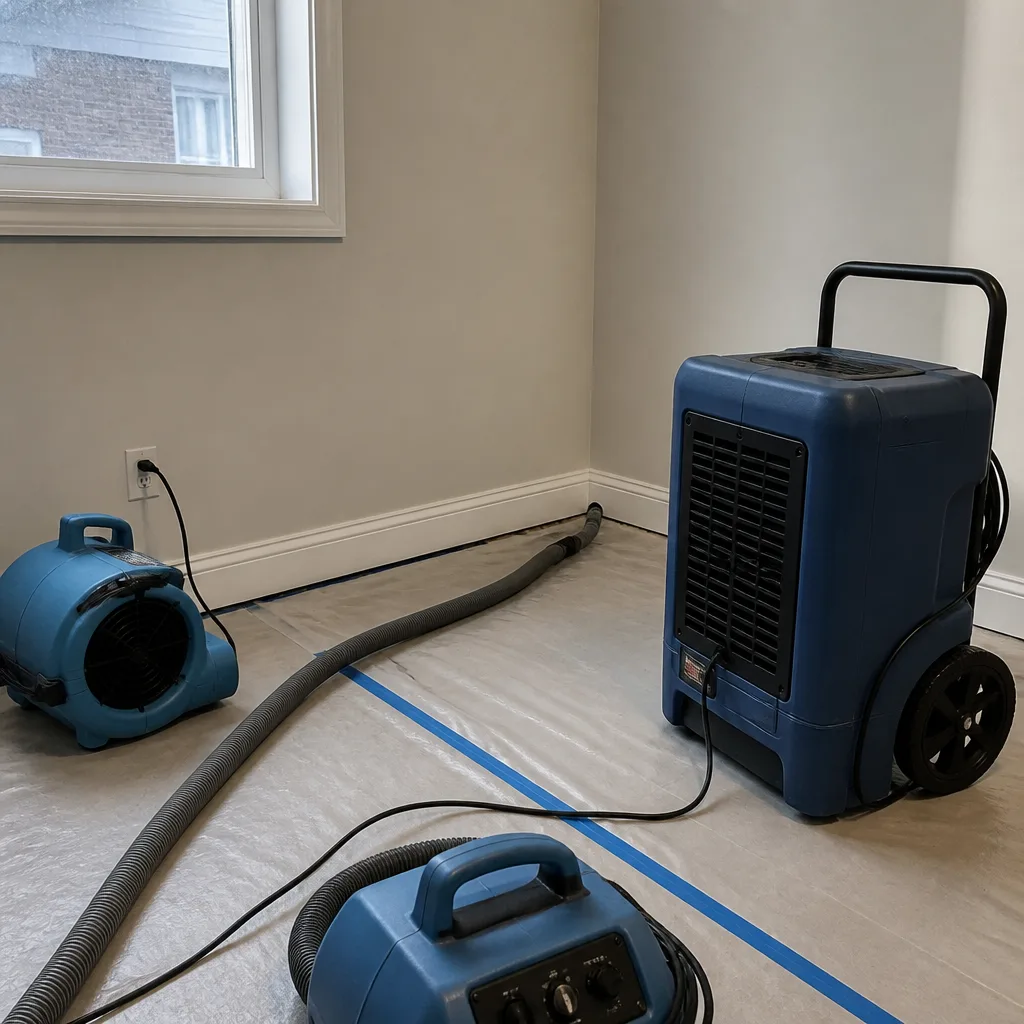 After
After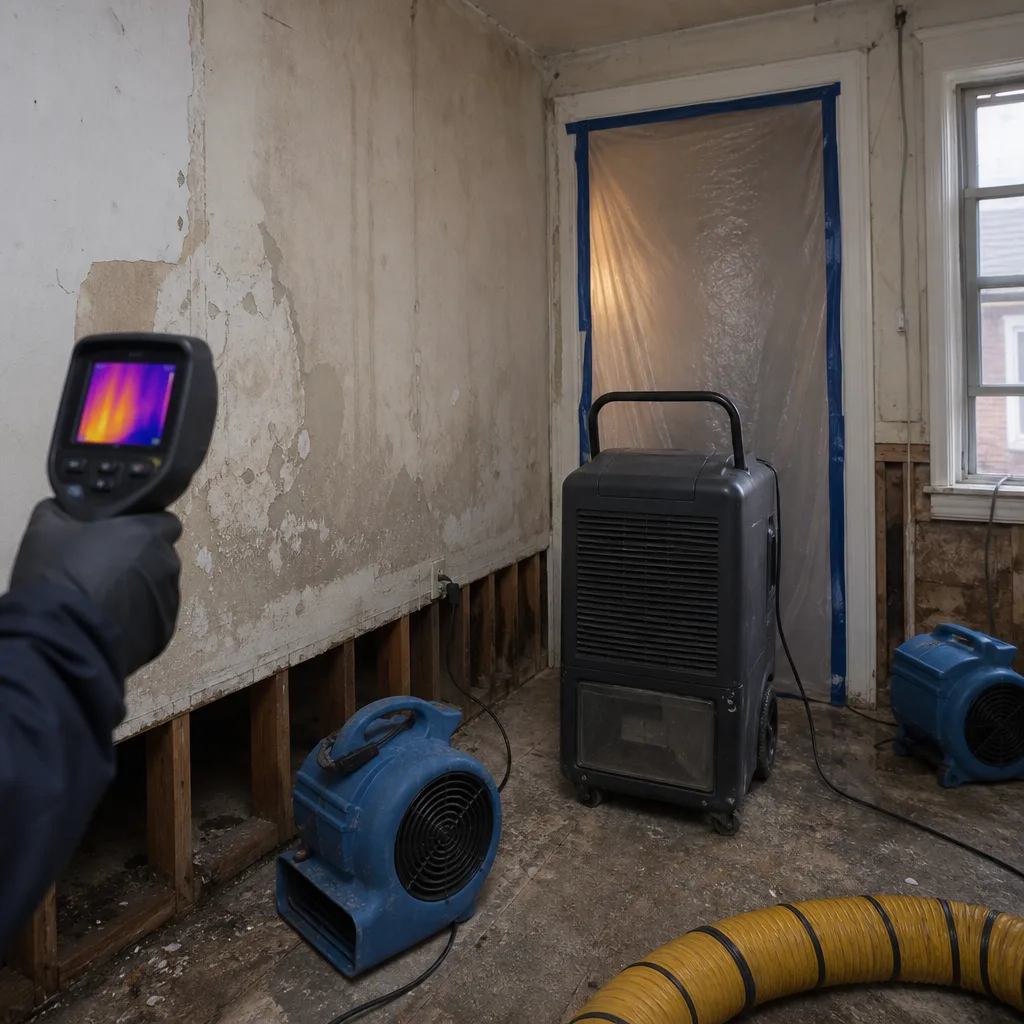 Before
 After
After24/7 Emergency Fire & Smoke Damage Restoration in Financial District
Fire and smoke damage in Financial District moves fast, and so do we. When a fire hits a converted pre-war tower or a brownstone off Water Street, the first hour determines whether soot permanently bonds to surfaces and whether smoke odor sinks into drywall, insulation, and the building’s shared riser systems. Call (201) 903-9581 now, and a live person answers. Wade Ferris answers his own phone. Not a call center. Not an automated tree. He’ll have a crew rolling toward your Financial District address immediately, with air scrubbers, thermal imaging, and the right chemistry for this neighborhood’s particular fire and smoke profile.
We’re here around the clock, every day of the year. The first visual inspection is free. If your building just took on smoke from a neighbor’s kitchen fire, or if saltwater surge shorted a basement switchgear room and left charred insulation behind, call before the damage compounds. In FiDi, it compounds fast.
Understanding Fire & Smoke Damage Restoration Severity in Financial District Properties
Not all smoke damage is equal. We classify soot residues by type: dry soot from fast-burning synthetic materials, wet soot from smoldering fires that leave a sticky, corrosive film, and protein residues from kitchen fires that look almost invisible but bond to paint and lacquer within hours. In Financial District, the building stock changes what we see on the ground. Early-to-mid 20th-century commercial towers now converted to residential condos have industrial HVAC risers, masonry chases, and basement mechanical rooms that were never designed for residential fire scenarios, much less for what happens when saltwater meets live switchgear.
A smoke event on the 12th floor of a converted tower near 70 Pine Street travels differently than one in a low-rise walkup. Smoke migrates through elevator shafts, pipe chases, and the gaps left by decades of telecom and electrical retrofits. That means odor removal in FiDi often requires treating spaces far from the original fire, and smoke and soot removal frequently uncovers a second problem: moisture. Storm surge pooled in below-grade mechanical rooms, groundwater seeping through landfill, hydrostatic pressure against foundation walls. Fire and smoke damage in this neighborhood is rarely just fire and smoke.
Why Financial District Property Owners Choose Wade’s Restoration
- Wade answers the phone himself. Not a call center, not a triage service. When you call at 2 a.m. because a nor’easter pushed seawater into your building’s switchgear, Wade Ferris picks up.
- 45-minute response inside Financial District. Our NYC office dispatches locally, and we know the streets: Pearl, Water, Broad, Beaver. Crews arrive fast because we’re already nearby.
- IICRC-certified crews, FSRT and WRT. Fire and smoke restoration techs certified to IICRC standards, running Dri-Eaz dehumidifiers, XPOWER air movers, and HEPA-scrubbed containment when the job calls for it.
- Free visual inspection before you commit to anything. We document what we see, explain what has to happen, and you get a written scope. No pressure, no overselling.
- Direct insurance billing and adjuster coordination. Wade deals with your carrier. You don’t relay messages between two sides.
- One team from first response to final repair. Board-up, smoke and soot removal, structural fire repair, and reconstruction. Same crew, same accountability.
Our Fire & Smoke Damage Restoration Process
Inspection & Assessment
We walk the affected floors and the shared risers, using thermal imaging to find hidden heat damage and moisture mapping to locate water intrusion from firefighting or storm surge. Financial District buildings hide damage in chase walls and below-grade mechanical rooms.
Emergency Board-Up & Tarping
Broken windows, blown-out panels, roof penetrations. We secure the building against weather, vandals, and the next coastal storm. In FiDi, high-rise wind loading makes this a structural consideration, not just a patch job.
Soot and Smoke Residue Removal
HEPA air scrubbers and vacuuming first, then chemical sponges and agitative cleaning on every affected surface. Smoke residues in FiDi often carry salt from surge events, which changes our cleaning chemistry and adds corrosion control steps.
Odor Removal & Deodorization
Thermal fogging, hydroxyl generators, and targeted sealing where needed. In converted pre-war towers, odor travels through shared chases, so we treat not just your unit but the pathways that carried smoke through the building.
Structural Drying & Antimicrobial Treatment
Where water came with the fire, whether from sprinklers, hoses, or surge, we dry with Dri-Eaz dehumidifiers and XPOWER air movers, log every moisture reading, and apply antimicrobial treatment where floodwater was Category 3.
Structural Fire Repair & Reconstruction
Charred framing replaced, fire-damaged masonry repointed, smoke-damaged drywall removed and rebuilt. We handle the repair scope in writing, and it’s covered by our 90-Day Done Right Promise. If it’s not done right, Wade makes it right.
Need Emergency Fire & Smoke Damage Restoration in Financial District Now?
Crews minutes away, answering live 24 hours a day. The sooner we start, the less it costs.
Working With Your Insurance Company
Insurance claims after a fire in Financial District get complicated fast. Pre-war conversions, co-op and condo boards, shared building systems, and the question of whether water damage came from the fire or from a storm surge all affect coverage. We document everything from hour one: room-by-room photos, thermal imaging captures, moisture logs, and a line-item scope of work written to industry standards. Wade talks directly to your adjuster, so you’re not stuck in the middle. When saltwater surge starts a fire in your building’s switchgear, the cause-of-loss language matters, and we make sure the documentation supports exactly what happened. The 90-Day Done Right Promise is in writing on every fire restoration contract we take.
What We Provide Your Insurer
- Thorough documentation of the loss
- Photos of all damage, room by room
- Moisture readings and drying logs
- A detailed, line-item scope of work
- Direct coordination with your carrier
Built for Financial District’s Loss Calendar
Fire and smoke restoration calls in Financial District don’t follow the same calendar as the rest of the city. Uptown, a kitchen fire is a kitchen fire. Here, the loss calendar tracks the Atlantic. Nor’easter season from October through April pushes surge into the harbor mouth, and FiDi takes the first hit. Saltwater meets electrical rooms, transformers, and elevator pits, and electrical fires start in spaces that are also flooding. That’s our busiest fire-and-smoke season, and it produces the most complicated jobs: smoke residues bonded to salt-corroded conduits, charred insulation soaked with Category 3 water, and a basement that wants to keep wicking moisture through landfill for weeks after the surface water recedes.
Summer brings thunderstorms and flash flooding that overwhelm drainage on the district’s below-grade levels, reactivating dormant corrosion in buildings that only partially relocated mechanical systems after Sandy. Every season here carries a water-to-fire pathway. We plan for it.
Fire & Smoke Damage Restoration Across Financial District’s Neighborhoods
The Financial District isn’t one neighborhood. It’s a dense cluster of distinct building types, each with its own fire and smoke profile. Along the East River side near South Street and the Seaport, the older masonry buildings sit closest to storm surge, and their below-grade mechanical spaces flood first, which means our board-up and structural repair crews work constantly with salt-corroded steel lintels and spalled brick. Around 70 Pine Street and 20 Exchange Place, the converted Art Deco towers have massive elevator banks and shared risers that carry smoke through 30 floors in minutes. Smoke and soot removal there means treating common corridors and service levels, not just the unit where the fire started. And in the newer residential conversions along William and Pearl Streets, sheetrock-and-metal-stud construction burns differently, with more synthetic smoke residues that bond aggressively to surfaces and demand aggressive odor removal and deodorization.
Specialized Fire & Smoke Damage Restoration Services We Offer in Financial District
Smoke & Soot Removal
Soot in FiDi carries salt. When a coastal flood shorts electrical equipment and the fire burns through salt-corroded components, the resulting soot is chemically different, bonding harder and corroding metal trim faster. We clean with chemistry and technique calibrated for that residue, and we treat metal surfaces to stop corrosion that would otherwise keep eating at the finish long after the visible soot is gone.
Odor Removal & Deodorization
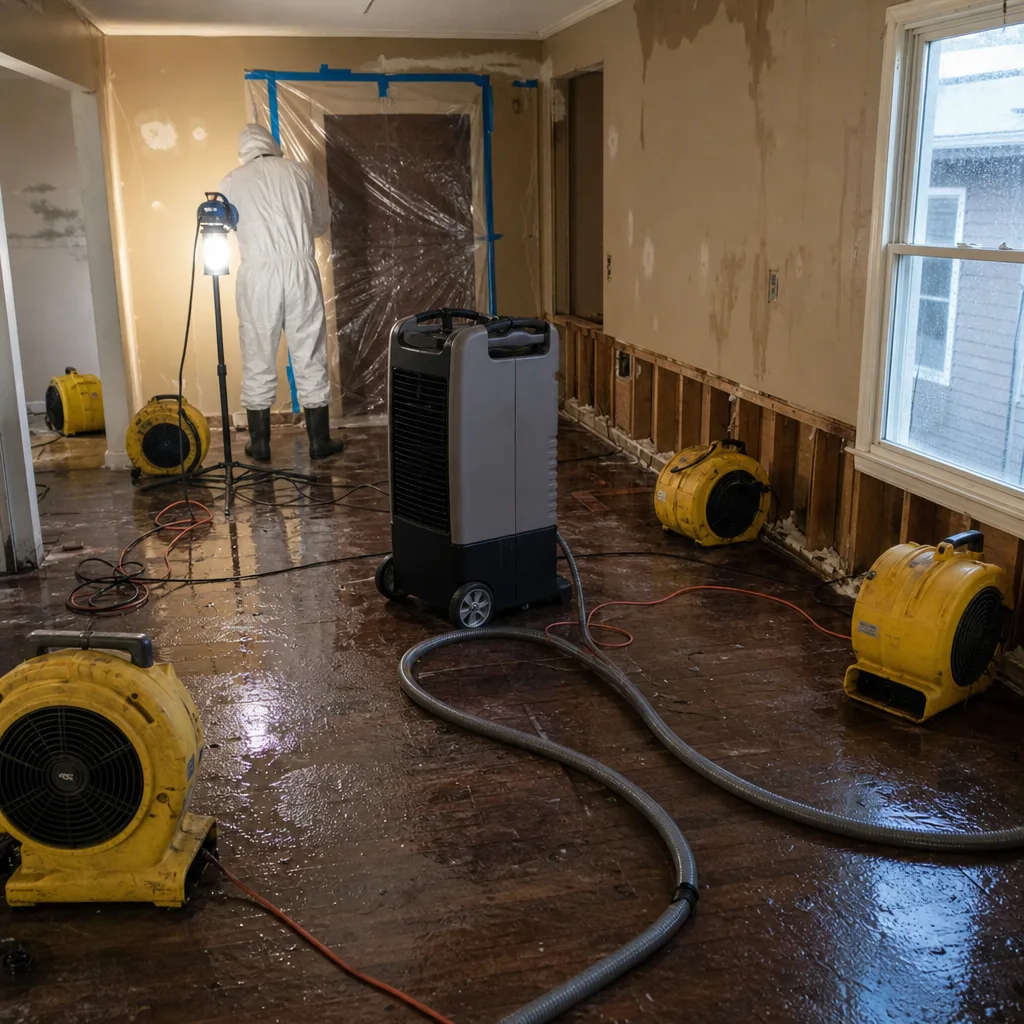
Smoke odor in a converted pre-war tower doesn’t stay in one unit. It travels through the same chases that used to carry industrial exhaust and now carry residential air. We treat the source spaces, the pathways, and the destination spaces, using hydroxyl generators and thermal fogging to neutralize odor compounds rather than masking them. In Financial District, a proper odor job includes the shared corridors and service areas, because that’s where the building’s air moves.
Emergency Board-Up & Tarping
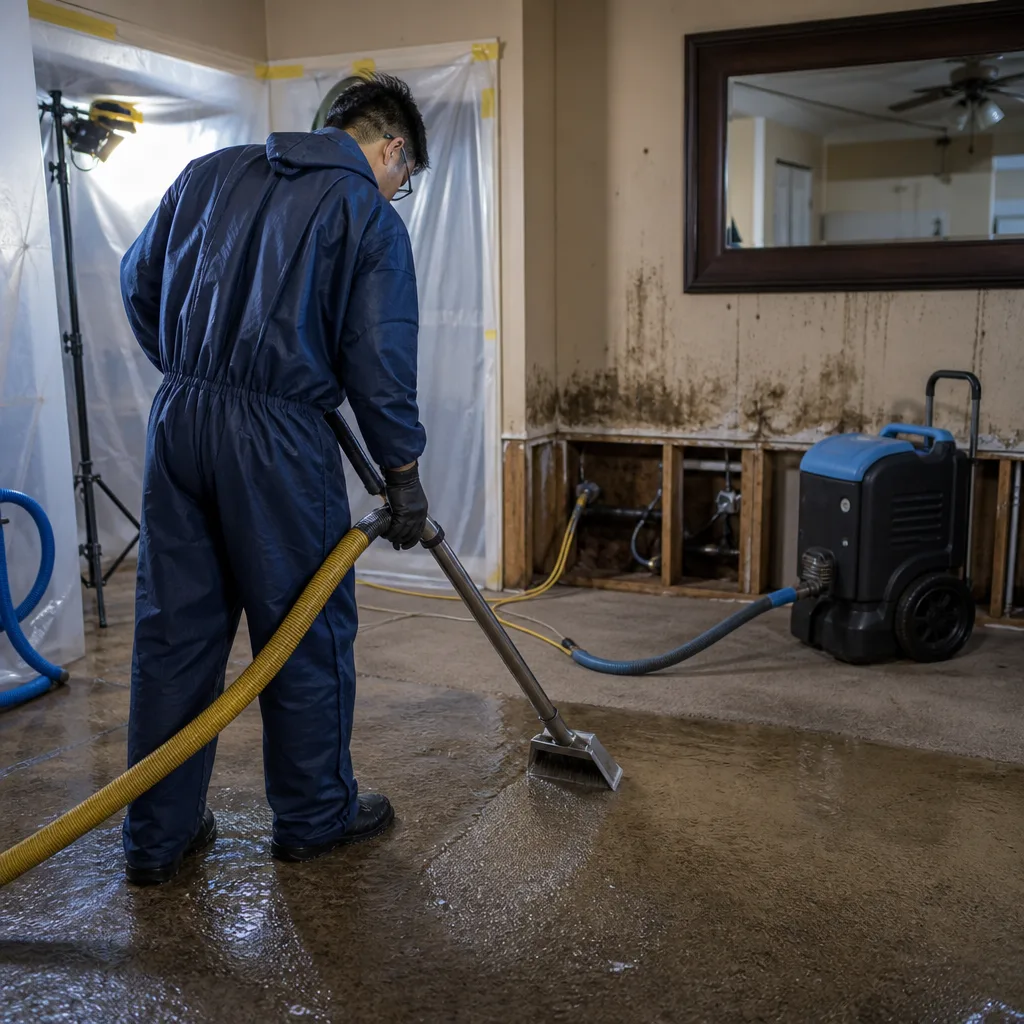
Fire-damaged windows on a 20th-floor FiDi high-rise are a different job than a broken basement window in a walkup. Wind loads are real, and a poorly secured panel becomes a missile in the next nor’easter. We board and tarp to withstand coastal wind conditions, and we make it weathertight the first time. A building full of residents can’t wait for a second visit.
Contents Cleaning & Pack-Out
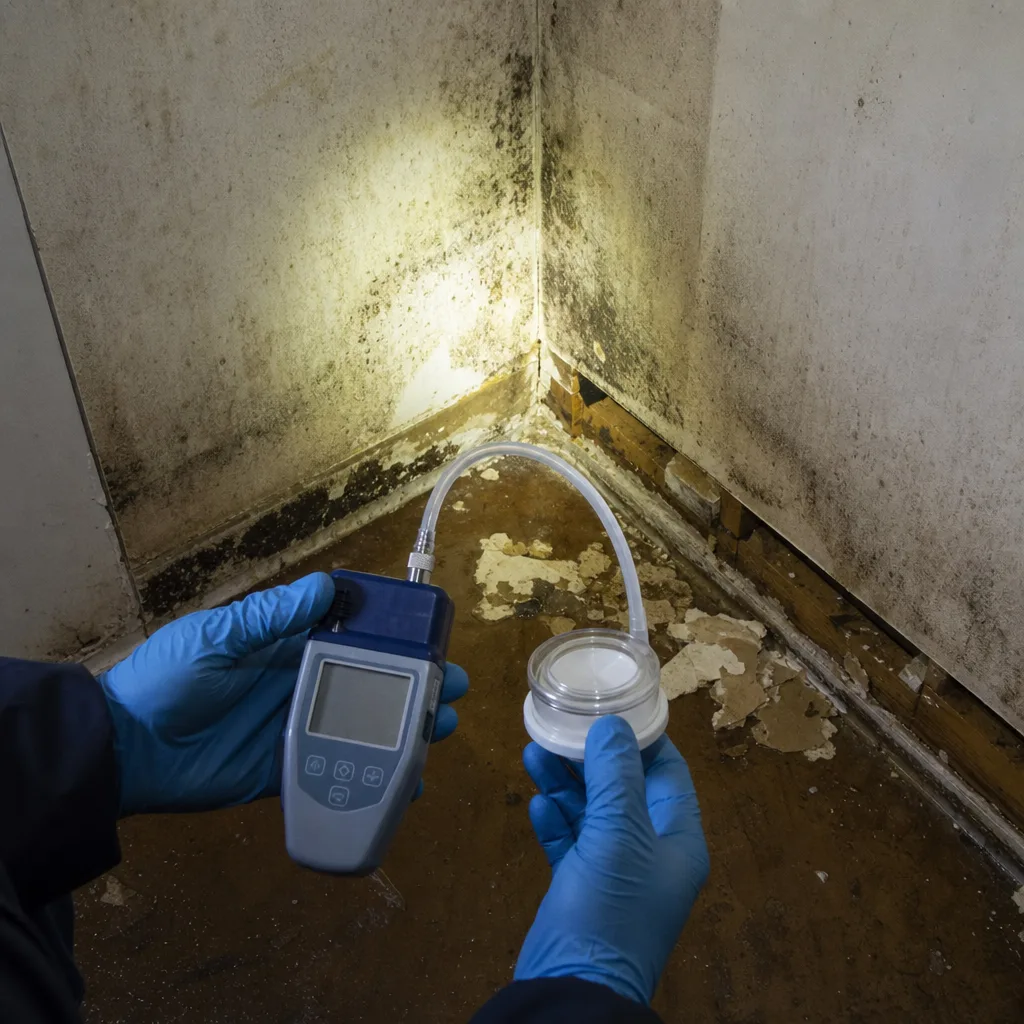
When a unit’s contents are smoke-damaged, we inventory, pack out, and clean off-site, then return items once the space is remediated. In small FiDi apartments where every square foot matters, an off-site pack-out is often the only way to restore the unit properly. We document everything for your insurer as we go.
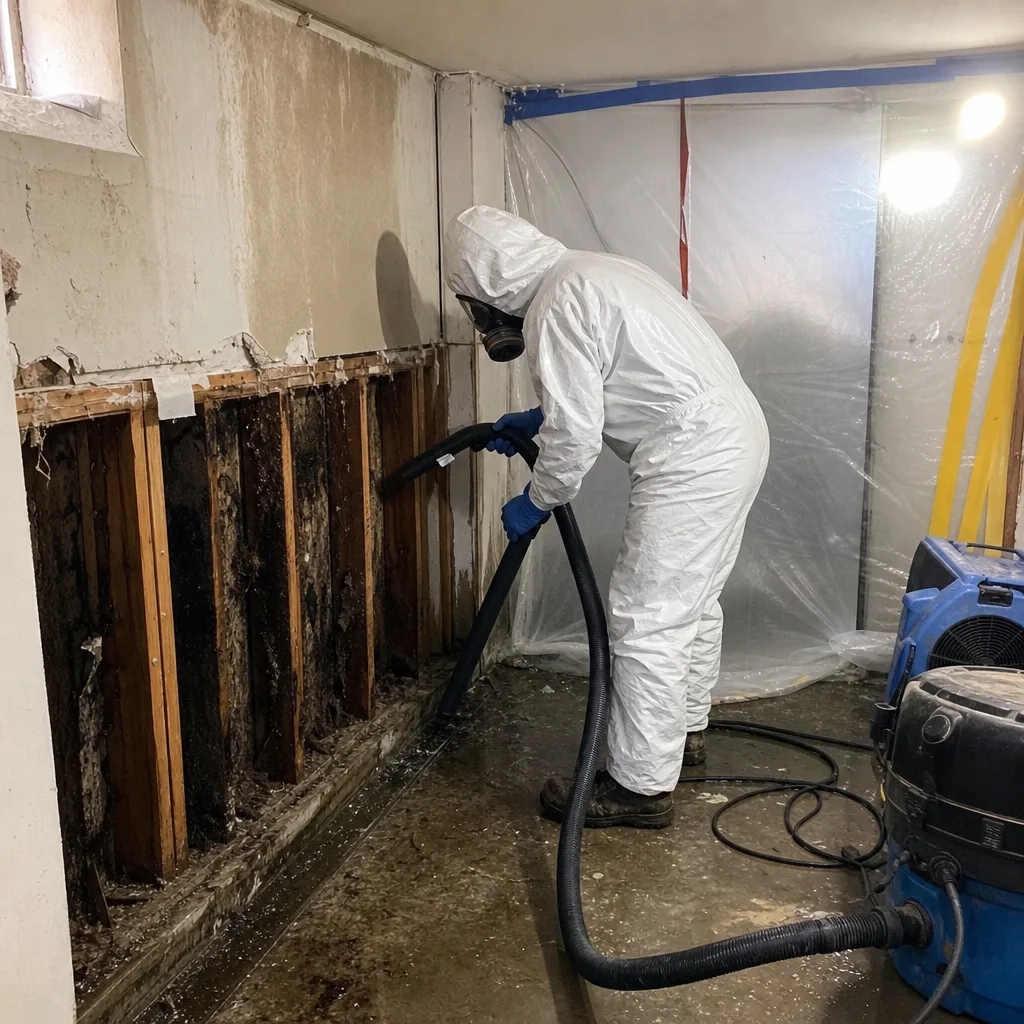
Structural Fire Repair
Charred joists in pre-war masonry buildings, fire-cut beams knocked out of their pockets, spalled brick around steel lintels. Structural fire repair in Financial District means working within existing masonry openings, matching historic dimensions, and dealing with moisture that’s still moving through the building’s original materials. We scope it in writing and stand behind the work.
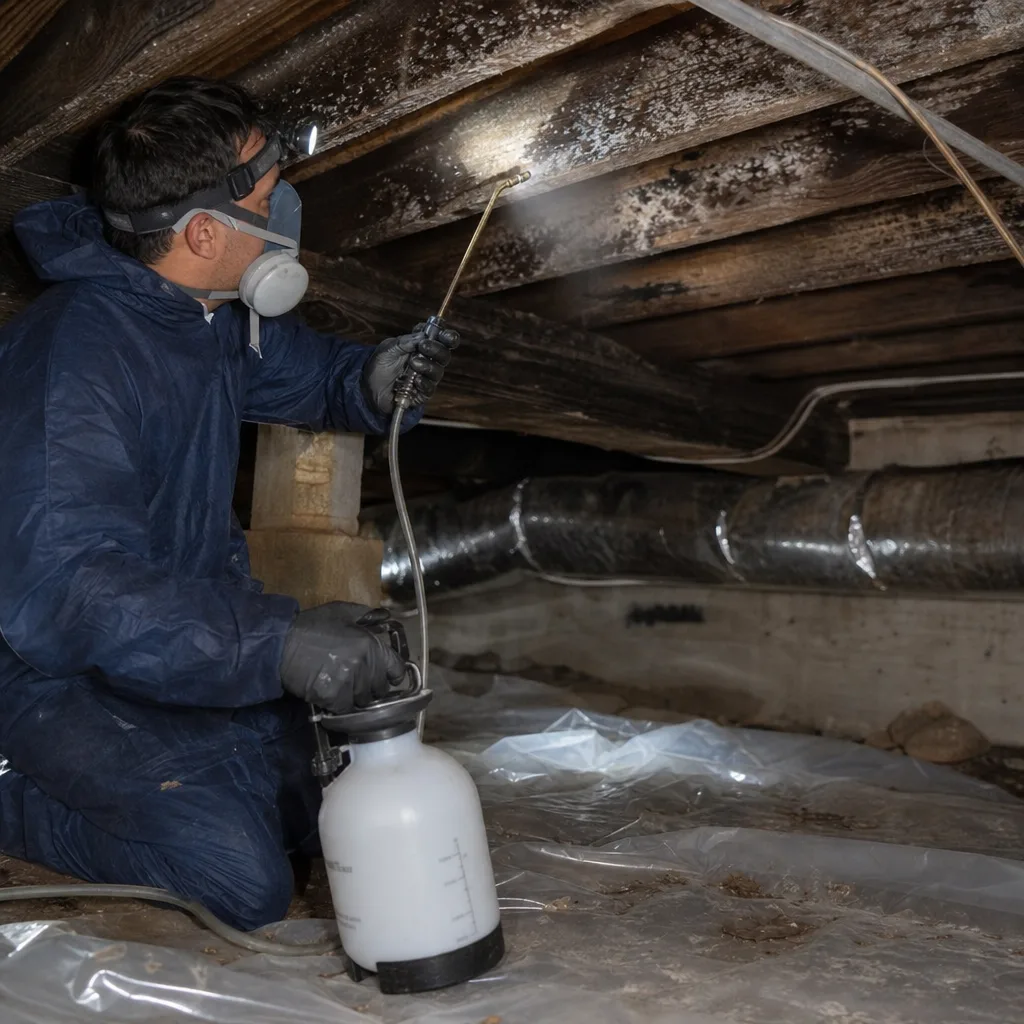
What happens when you call
- 1
A real person answersNo phone trees - you reach a local pro.
- 2
You get an upfront price rangeHonest numbers before anyone is dispatched.
- 3
A background-checked tech heads outLicensed & insured, dispatched right away.
- 4
You approve before work beginsNothing starts until you say go.
Fire & Smoke Damage Restoration Costs in Financial District, NY
In Financial District, smoke and soot removal for a contained unit-level fire typically runs $2,800 to $8,500, depending on square footage and how far smoke migrated through shared chases. Emergency board-up and tarping on a high-rise usually costs $800 to $3,000. Full structural fire repair with reconstruction runs $18,000 to $80,000+ when framing, masonry, and mechanical systems are involved. What moves the price: whether the fire was saltwater-linked and requires antimicrobial and corrosion treatment, how many floors the smoke traveled, and whether the building’s post-Sandy mechanical relocations left secondary systems at flood-prone elevations. Insurance covers most of this when the documentation is right. Call (201) 903-9581 for a free visual inspection and a written scope. No trip charge inside our county.
We Also Serve Cities Near Financial District
Our crews serve Financial District and the surrounding area, including Lower Manhattan, Midtown Manhattan, Long Island City, and Midtown West. If you’re in one of those neighborhoods and dealing with fire or smoke damage, call us. Same live answer, same 45-minute response commitment, same owner-operated accountability.
Serving Financial District, NY - Our Local Coverage Area
We’re based in the Financial District area and know this community well. Use the map below to see our service coverage - if you’re nearby, we can almost certainly help.
Financial District Fire & Smoke Damage Restoration Questions, Answered
How does storm surge in the Financial District affect smoke and soot remediation inside a pre-war skyscraper?
Storm surge changes smoke and soot remediation because the soot is often salt-laden from electrical fires that started when seawater hit live equipment in below-grade mechanical rooms. Salt-corroded soot bonds harder to surfaces and triggers ongoing corrosion on metal trim. We treat surge-linked smoke damage with additional corrosion control steps and antimicrobial application, because the moisture that came with the flood keeps working long after the visible water is gone.
Can a Financial District building’s post-Sandy mechanical relocations change how you scope a fire and smoke restoration job?
Yes, and we look for this on every FiDi job. Many buildings moved their main switchgear to higher floors after Sandy but left secondary systems, fuel oil tanks, or sump infrastructure at original flood-prone elevations. That means a “routine” smoke event in a basement mechanical room is often a repeat of a known vulnerability, and the scope has to account for the fact that the same failure will happen again in the next coastal storm unless the secondary systems get addressed too. Call (201) 903-9581 and we’ll talk through what we found.
What drying logs and moisture readings are required before structural fire repair in a landfill-based building like those in the Financial District?
Before any structural fire repair in the Financial District, we need moisture readings that confirm the masonry and subfloor are dry enough to accept new materials. Landfill-based ground holds water and keeps wicking it into below-grade walls long after surface flooding recedes. We take daily readings with moisture mapping and hand you the full log at the end. Any structural repair done before those numbers stabilize will fail, and we won’t sign off on it.
During a nor’easter, can you tarp and board up fire-damaged windows and blown-out panels on a high-rise in the Financial District in the same visit as odor removal?
We can do both in the same visit. Board-up and tarping come first, because the building has to be weathertight before any interior work matters. Once the envelope is secured, we move on odor removal and soot cleaning. In FiDi, where the next storm can arrive within days, we prioritize getting the building sealed and then treating the interior in the right order. Call (201) 903-9581 for a crew that does both.
Why do fire and smoke restoration jobs in the Financial District often need antimicrobial treatment even when no visible mold is present?
Because so many FiDi fire calls start with Category 3 water, either from firefighting or from storm surge. That water carries sewage, harbor contaminants, and salt. Even when no mold is visible, the moisture inside walls and chases creates conditions where mold and bacteria will grow. Antimicrobial treatment applied during the drying phase prevents that growth, and it’s standard practice on the restoration jobs we take in this neighborhood.
How fast can you actually get to a Financial District fire damage call?
Our live commitment is 45 minutes to the Financial District, and we answer the phone 24/7. Wade Ferris answers his own phone. Call (201) 903-9581 and you’ll talk to a person who can have a crew moving toward your building right then. We know the streets down here, and we use the West Side Highway and local access routes to get in fast.
Will insurance cover fire and smoke restoration in a Financial District co-op or condo?
Usually yes, though the specifics depend on the policy and whether the damage is in your unit, shared common areas, or building systems. In FiDi, where many buildings are co-ops or condos, the line between unit coverage and building coverage matters a lot. We document every room, every shared chase, and every cause-of-loss detail, and Wade talks to your adjuster directly so the claim reflects what actually happened.
What should I do in the first 30 minutes after a fire or smoke event in the Financial District?
Call (201) 903-9581 and get us moving toward your building. If it’s safe, turn off HVAC systems to stop smoke from circulating through the building. Don’t wipe soot with water, because wet soot becomes sticky and harder to remove. Don’t plug in electronics that may have water exposure. And don’t wait for the building management to decide. In FiDi, smoke travels through shared chases within minutes. Call now.
Written by Wade Ferris, Owner at Wade’s Restoration, serving Financial District and the surrounding communities since 2007.
Call (201) 903-9581 for a free estimate. A live person answers. 24 hours a day, 7 days a week.