
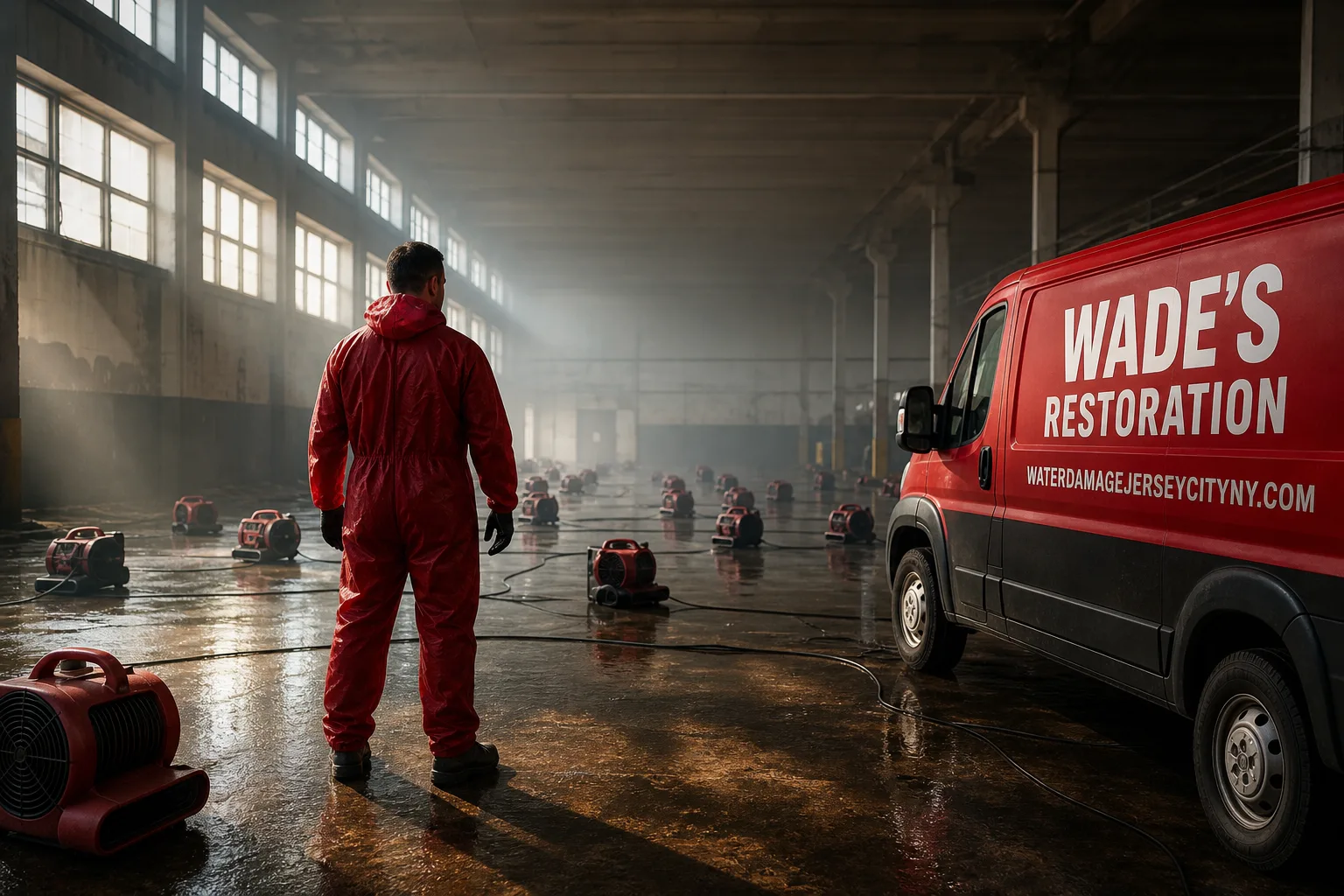
Free visual inspection and a written scope of work before any mitigation begins - photos, moisture readings, and drying logs go in your claim file
The scope we write is the scope we bill. Anything new gets shown to you, in writing, before we touch it.
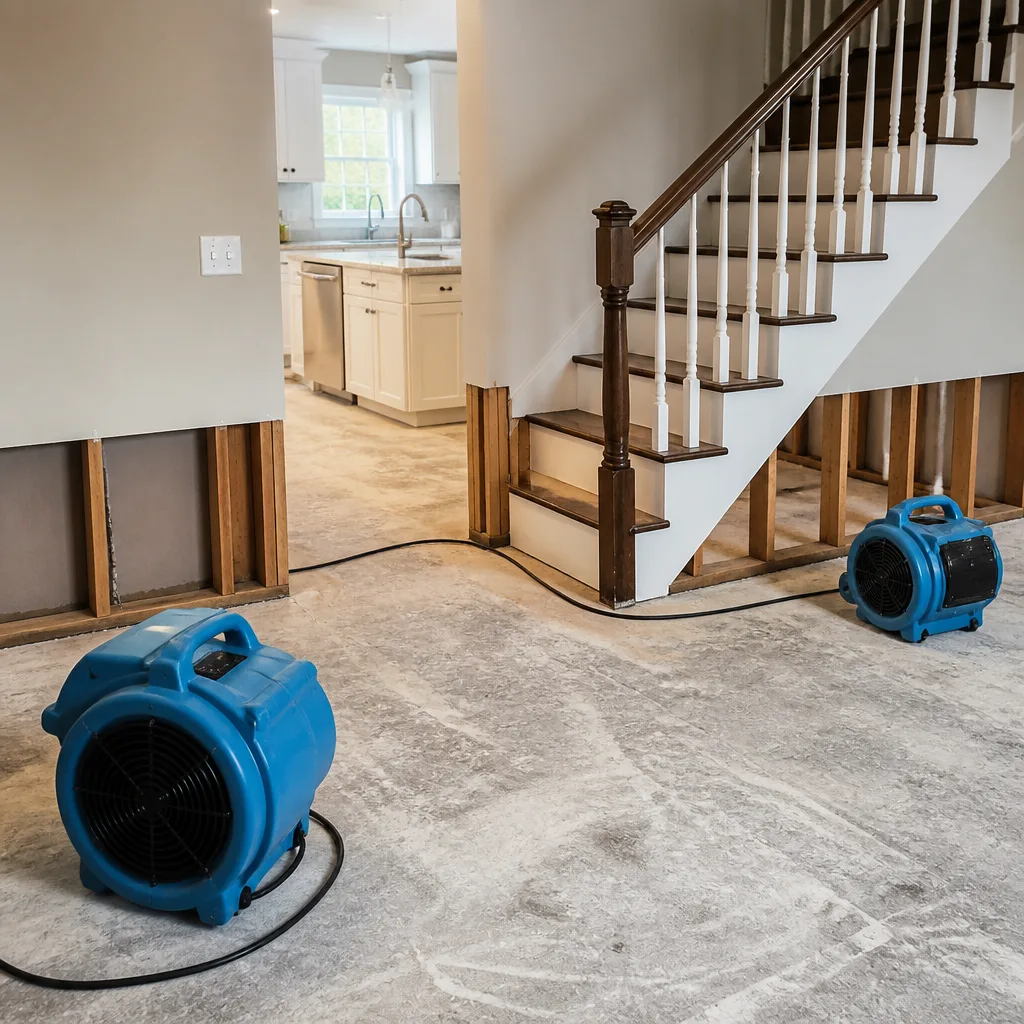
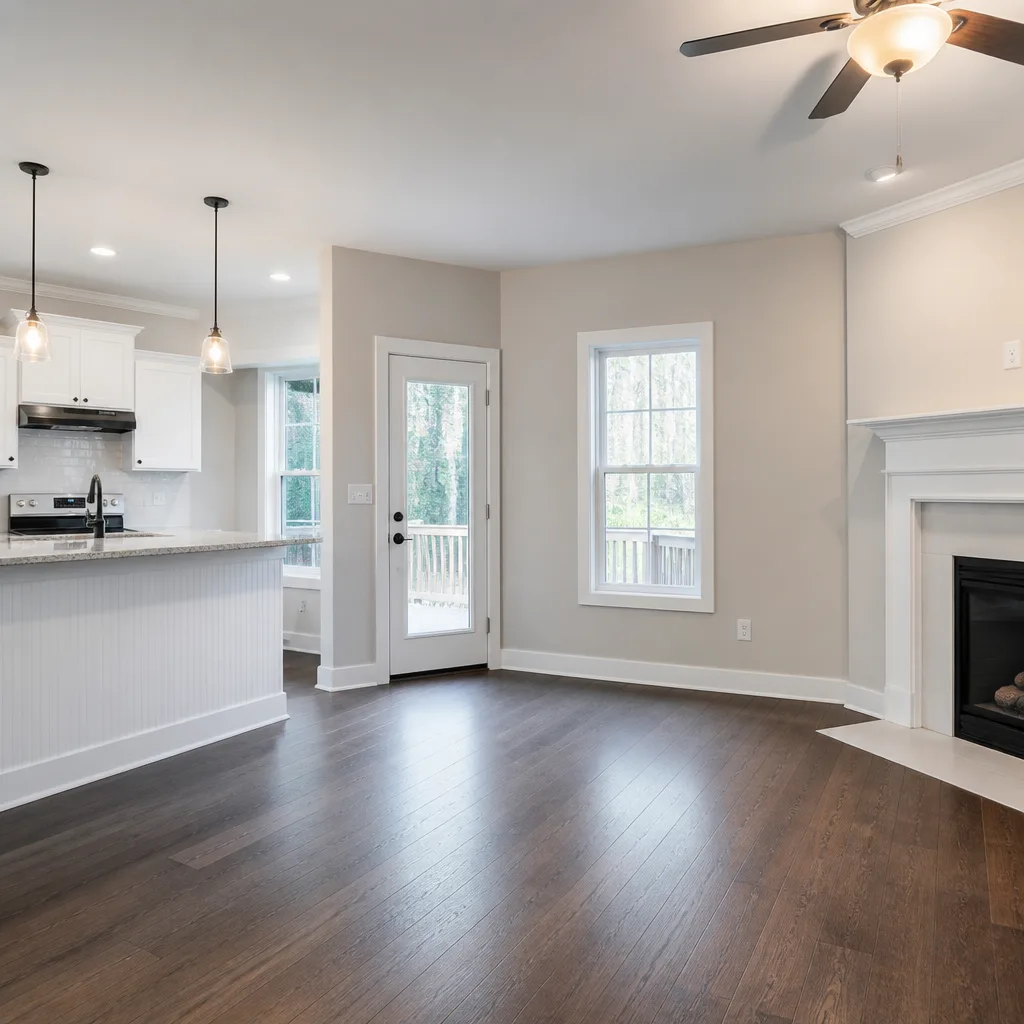
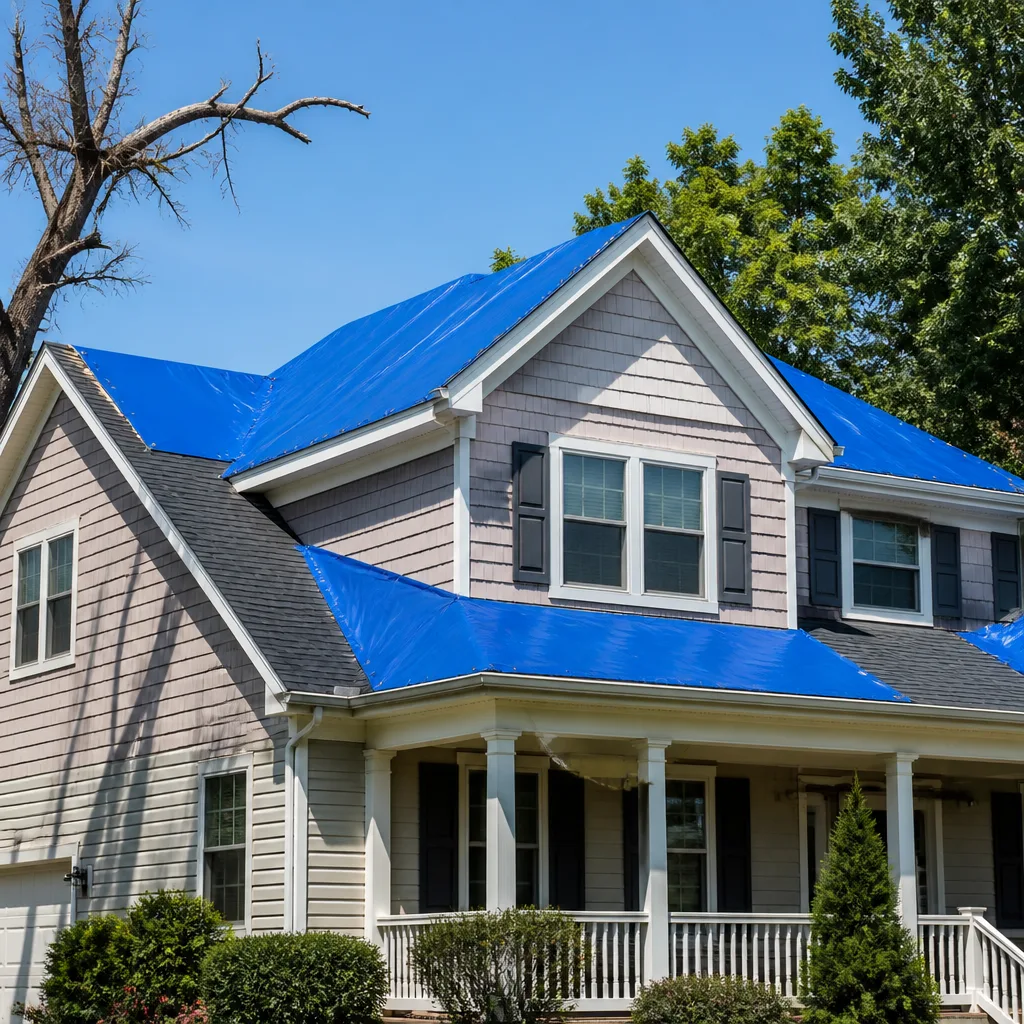
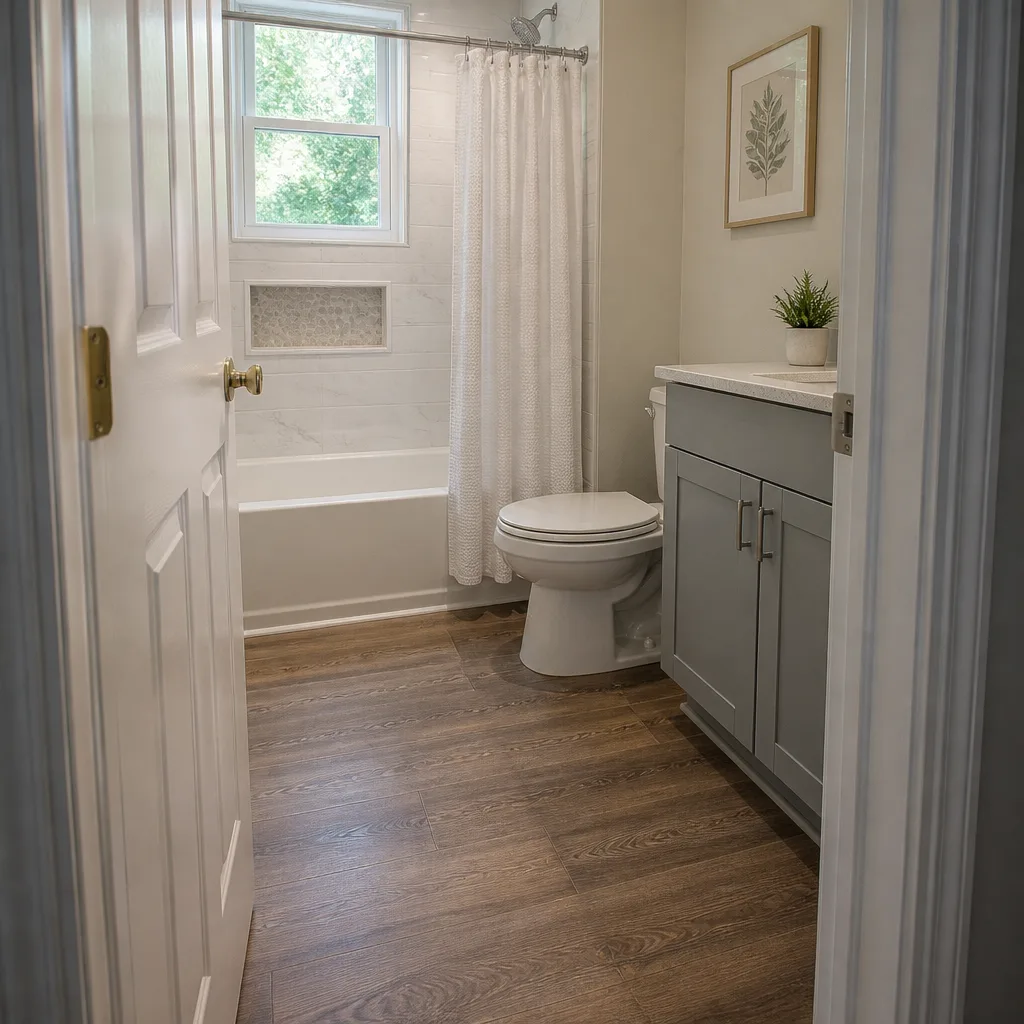
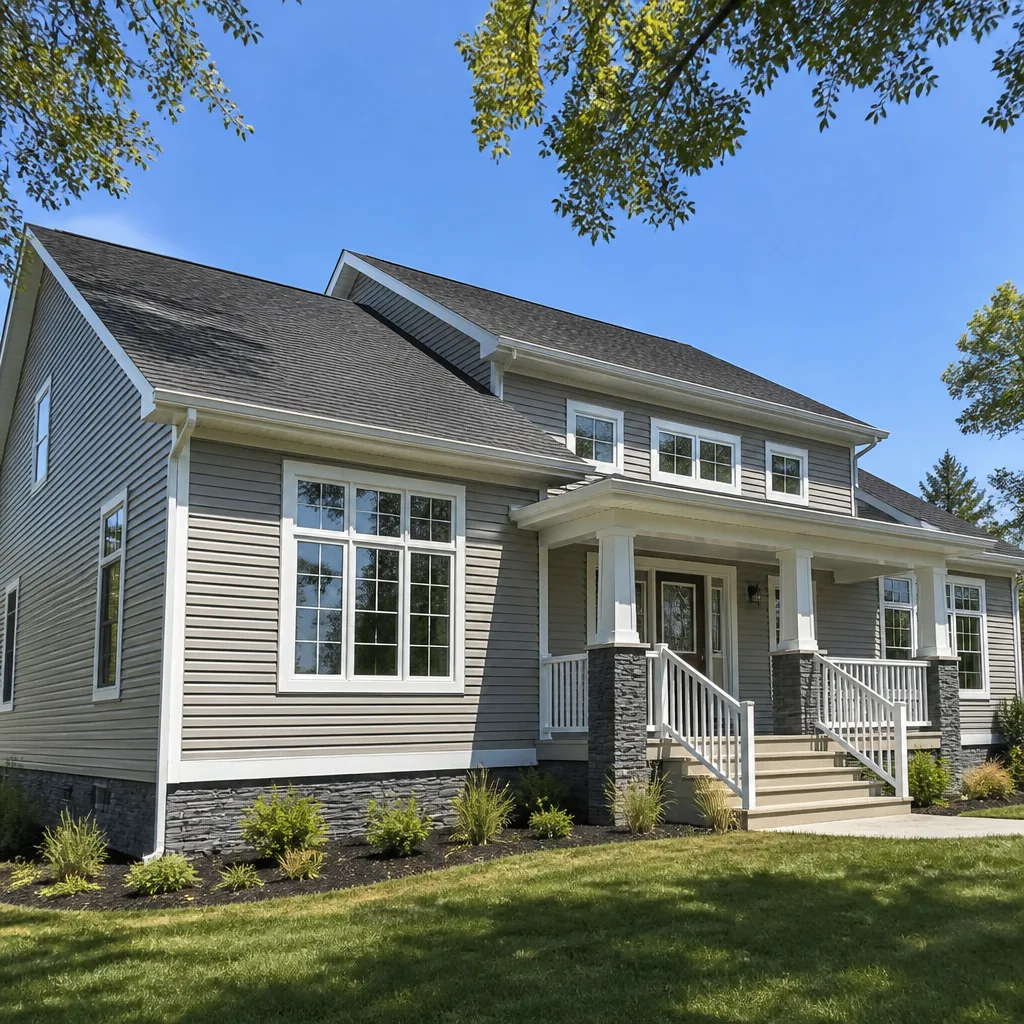
 Before
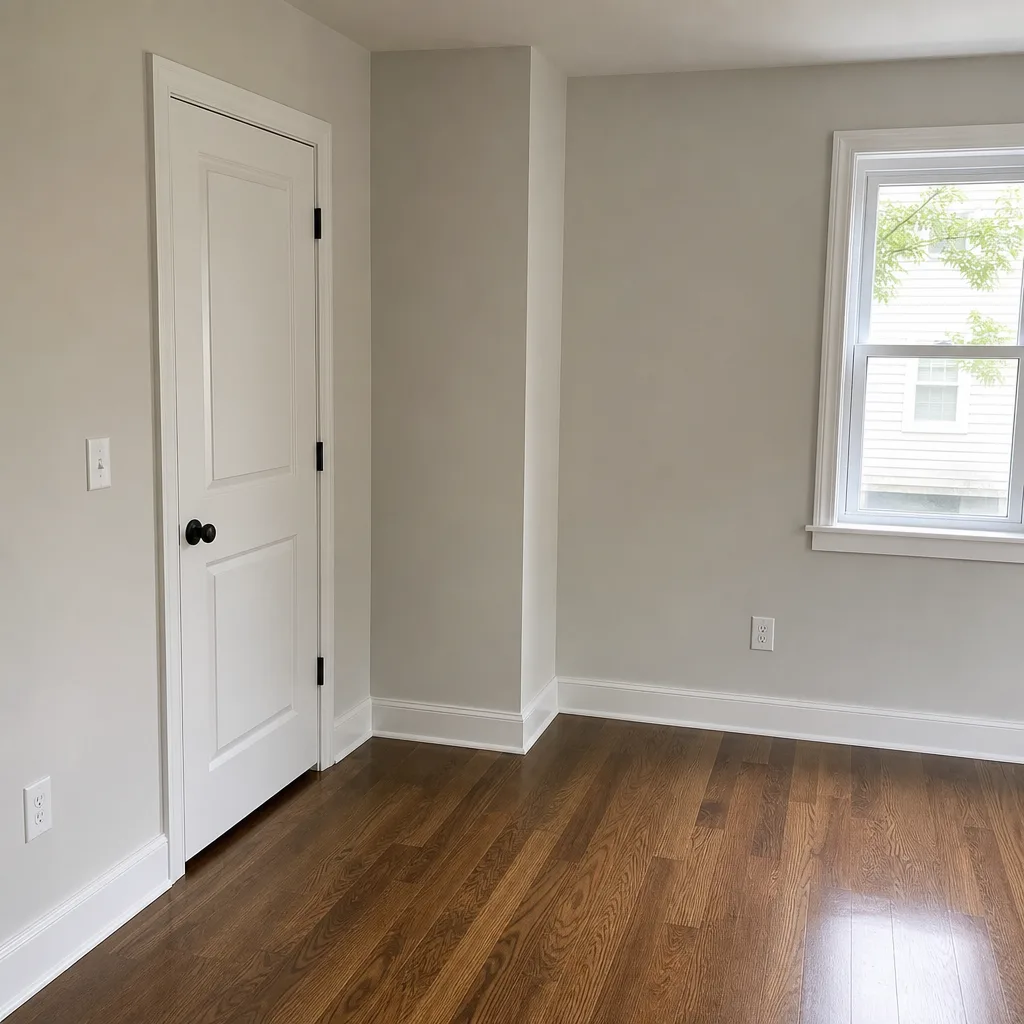 After
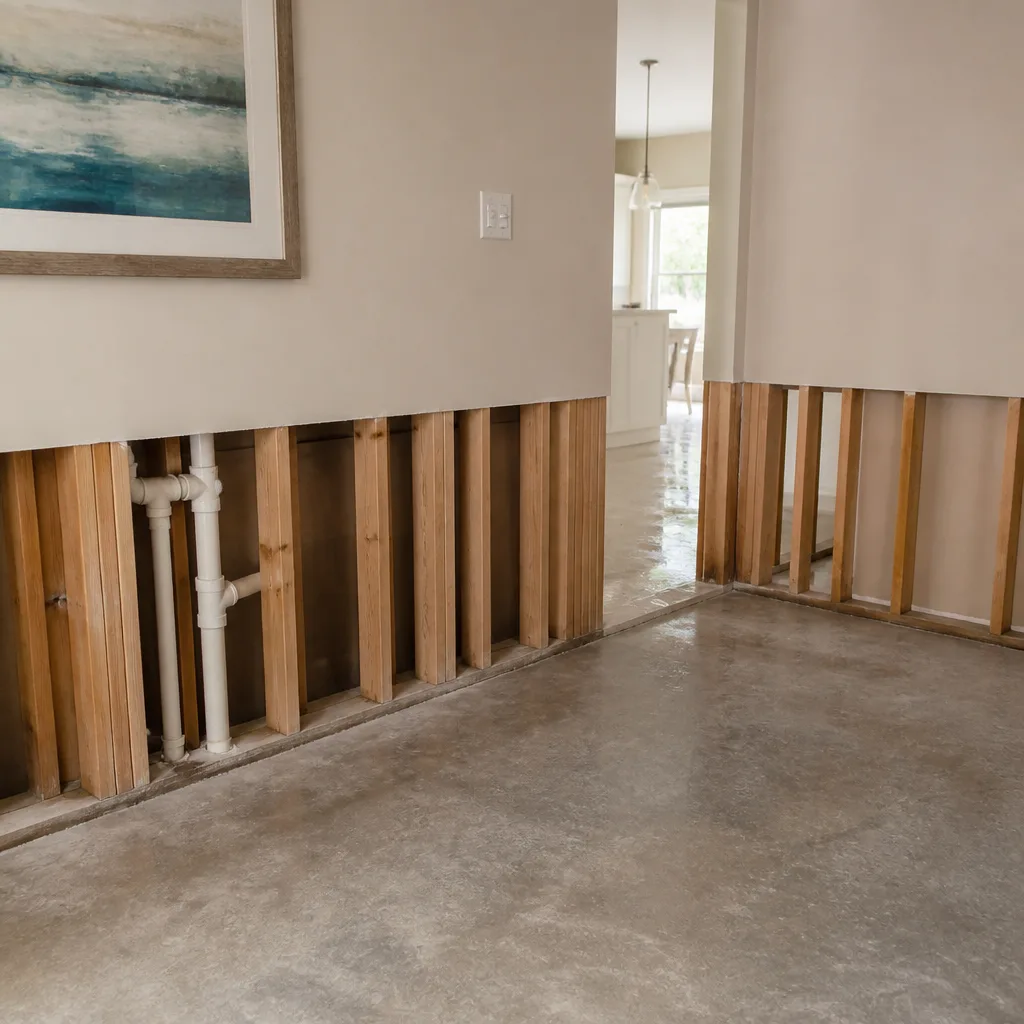
After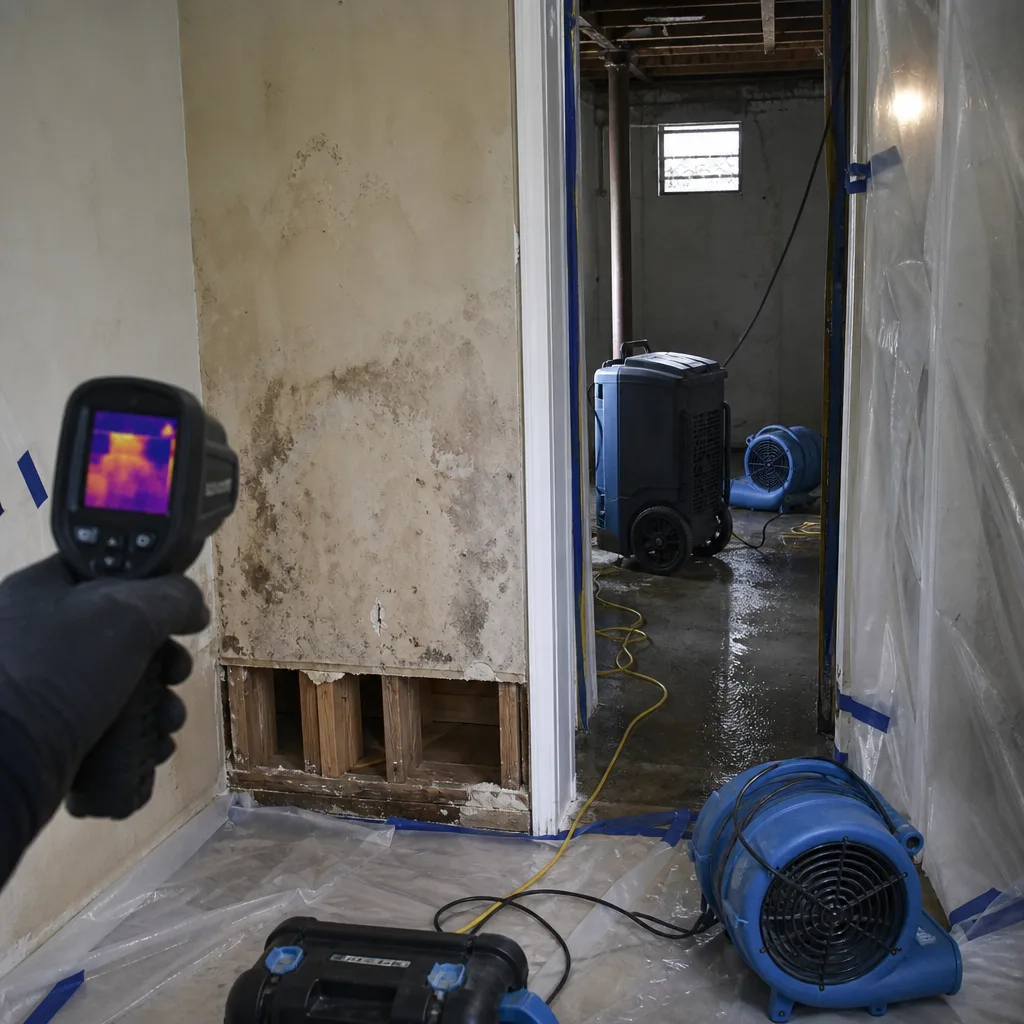 Before
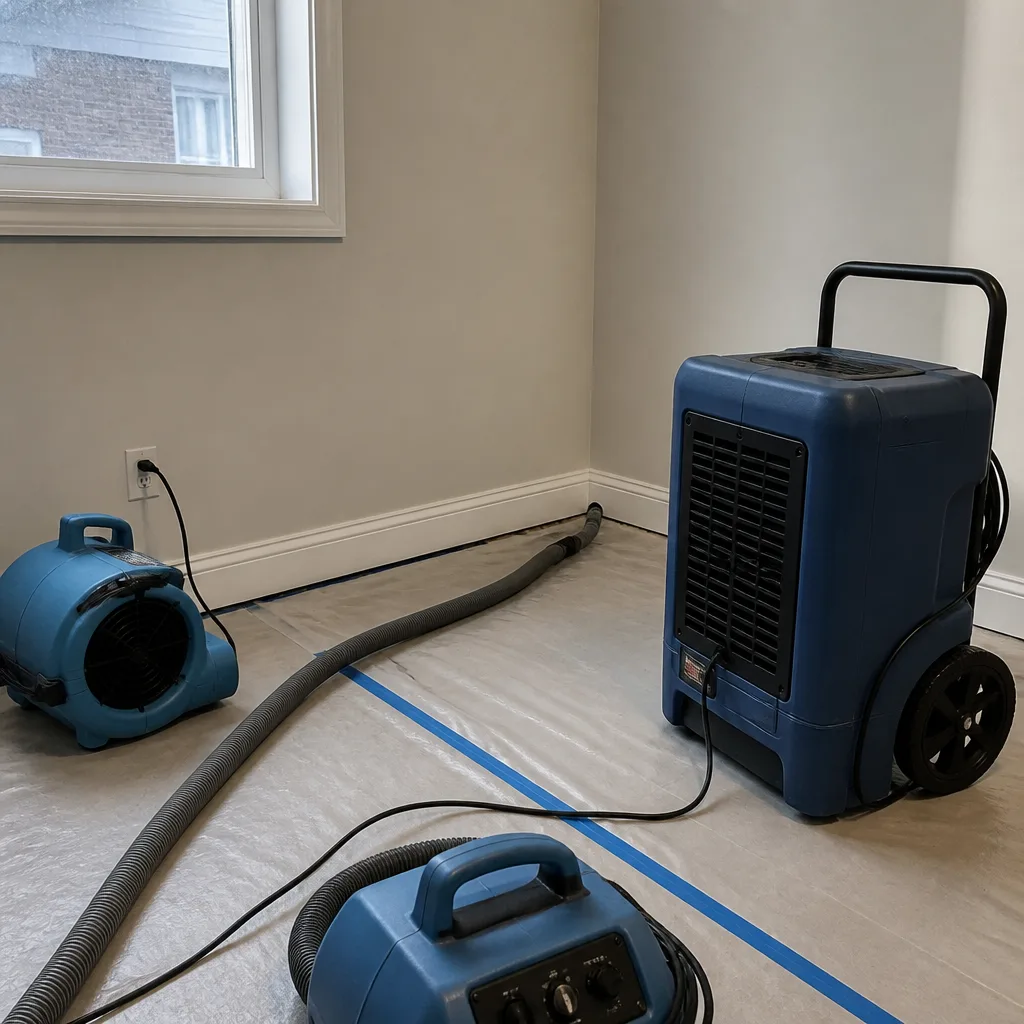 After
After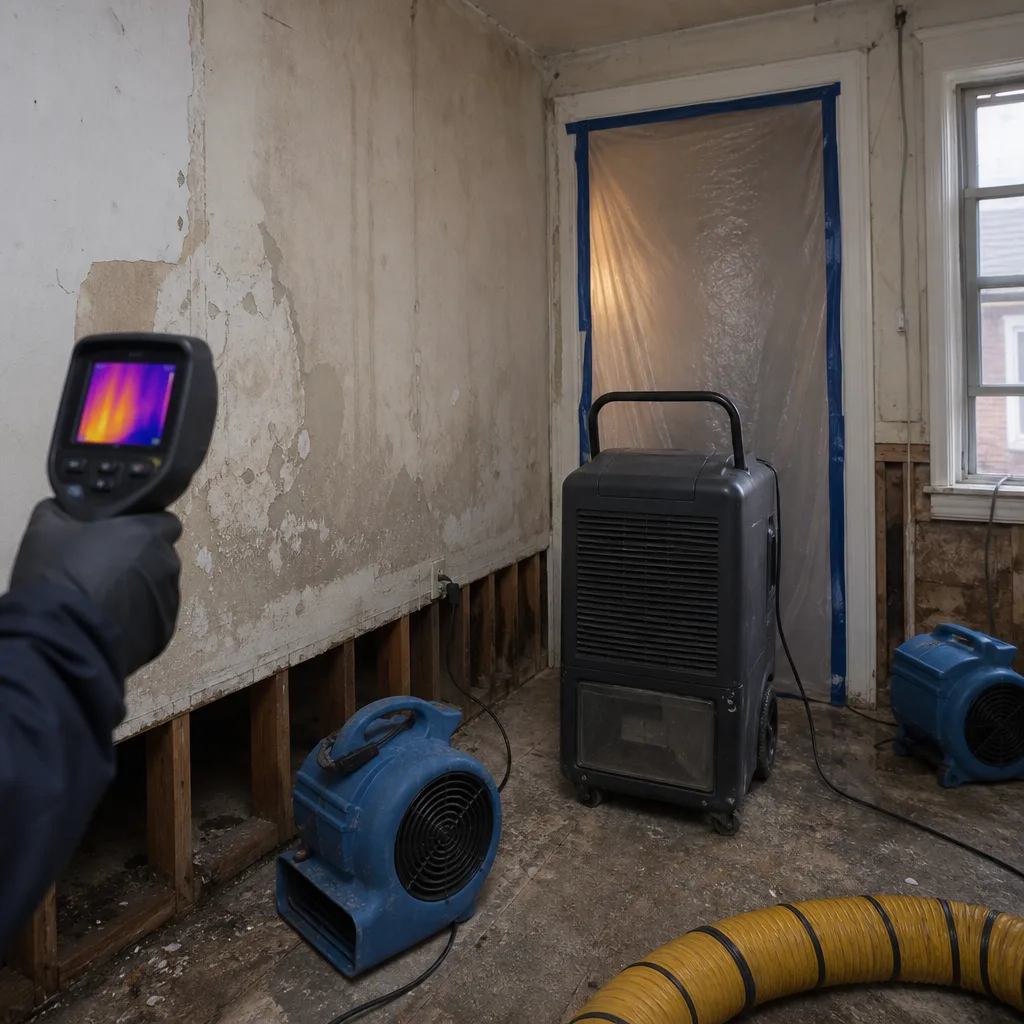 Before
 After
After24/7 Emergency Water Damage Restoration in Harrison
When the Passaic River backs up into your Harrison basement at 2 a.m., you need someone who answers the phone and gets moving. Call (201) 903-9581 right then. Wade Ferris answers his own phone around the clock, and he can have extraction equipment running inside the hour for most Harrison addresses. The first 60 minutes decide whether you’re drying out a basement or replacing joists, drywall, and everything stored on the floor. Standing water in Harrison’s older row homes doesn’t sit politely. It wicks up plaster walls, soaks into brick foundations, and starts colonizing mold in under 48 hours. We offer a free visual inspection for every water loss in Harrison, no strings attached, no trip charge inside the county. If you’re standing in water right now, don’t read the rest of this page. Call us.
Understanding Water Damage Restoration Severity in Harrison Properties
Water damage isn’t one problem, and Harrison’s housing stock makes the distinctions matter more than they do almost anywhere else in Hudson County. The trade classifies water into three categories. Category 1 is clean water from a burst supply line or an overflowing sink. Category 2 carries contaminants from sources like washing machine discharge. Category 3 is black water: sewage, river overflow, anything that could carry pathogens. Here’s the uncomfortable truth about Harrison: when the Passaic River floods, it is never Category 1 water. The U.S. EPA has designated the lower Passaic as a Superfund corridor, meaning floodwater here moves through industrial and legacy contamination zones before it reaches your floor drain. That means moisture mapping, containment, negative air pressure, and environmental documentation become part of the job, not optional add-ons. In a 1920s brick row home near Harrison Avenue, wicking can travel 18 inches up unsealed plaster in a day. In the new mid-rise apartments near the PATH station, water moves differently: it follows conduit, pools in elevator pits, and hides behind luxury finishes. We classify every Harrison water loss before we touch a fan, because drying in place without classification is how you end up with a mold bloom behind brand-new drywall.
Why Harrison Property Owners Choose Wade’s Restoration
- 45-minute response commitment for Harrison water emergencies. Wade heads out, not a call center that promises someone might show up by Thursday.
- 24/7 live answer. You get a real person on the phone, including Wade himself. No voicemail tree, no answering service, no “we’ll get back to you within one business day.”
- IICRC-certified crews holding Water Damage Restoration Technician (WRT) and Applied Structural Drying (ASD) credentials. That’s the industry standard, and we don’t send anyone into your home without it.
- Free visual inspection on every Harrison water loss. If you don’t need us, we’ll say so. We’d rather earn the next call than oversell this one.
- Direct insurance billing with photo documentation and moisture logs your adjuster can actually use. You shouldn’t have to play messenger between your carrier and your contractor.
- One team from extraction to reconstruction. The same crew that pulls the water also handles the rebuild. No handoffs, no blame games, no story changes.
Our Water Damage Restoration Process
Inspection & Assessment
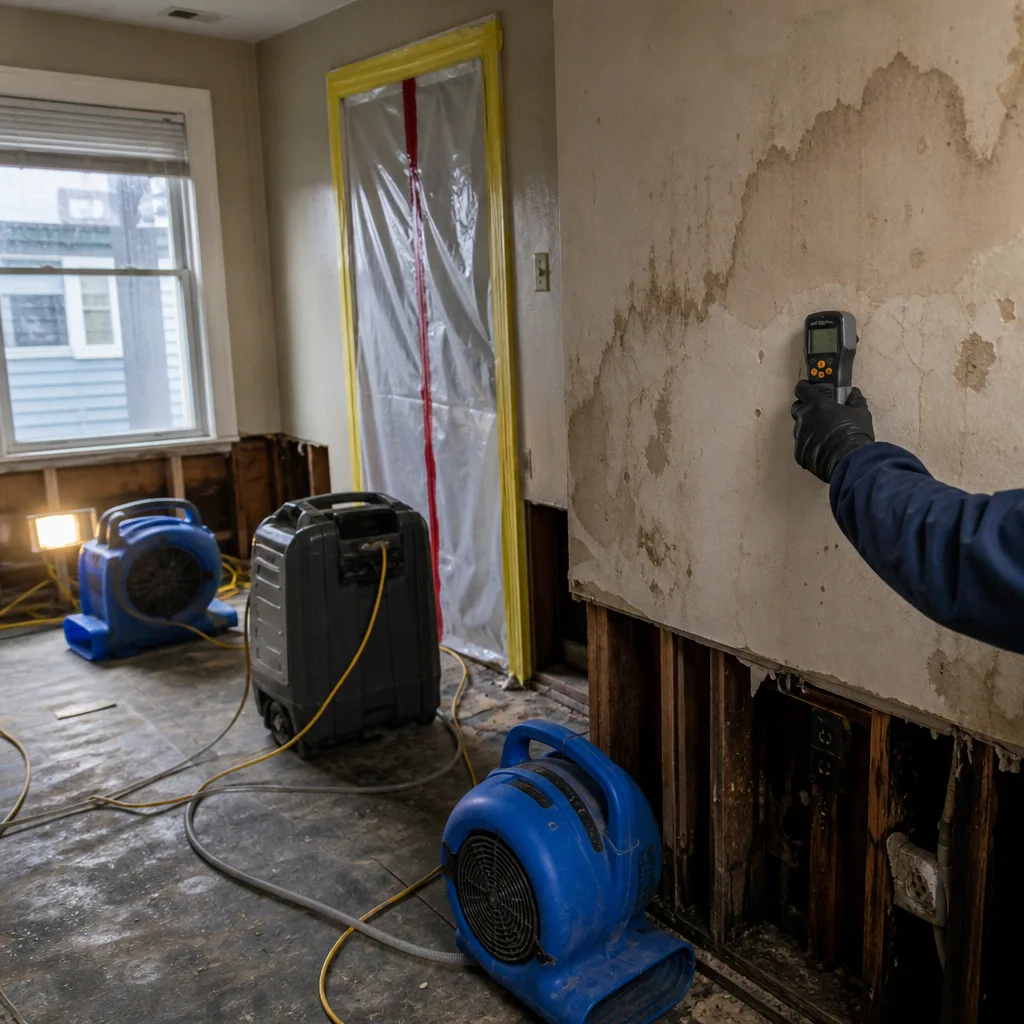
We locate every water source and classify the contamination level. For Harrison flood events, this includes determining whether Passaic River overflow is involved, because that changes the entire protocol. Thermal imaging and moisture meters map the true footprint of the damage, including what’s hiding behind plaster and under hardwood.
Extraction & Stabilization
We pull standing water with truck-mounted and portable extraction units, then remove unsalvageable materials like saturated carpet, rotted underlayment, and contaminated drywall. In Harrison row homes with alley-load basements, this means working through narrow passageways and tight clearances without damaging the structure.
Drying & Dehumidification
Dri-Eaz LGR dehumidifiers and XPOWER air movers run continuously, with hygrometers tracking relative humidity in every affected room. We take moisture readings every single day and write them down. When the job’s done, you get the full log. Almost nobody in this trade does that.
Cleaning & Sanitization
We clean salvageable surfaces with appropriate antimicrobials and HEPA vacuuming. For Category 3 water in Harrison, this step involves hazmat-style containment and disposal protocols rather than a quick wipe-down with bleach.
Structural Drying & Documentation
We verify that wall cavities, subfloors, and joist bays are drying to the same moisture content as the unaffected parts of the building. Every reading gets logged. The documentation package we hand you at the end is the same one we send to your insurer.
Repairs & Restoration
New drywall, fresh flooring, rebuilt baseboards, and any plumbing or electrical work needed to bring your Harrison home back to pre-loss condition. Because we’re the same team from Day One, we know exactly where the water went and what we replaced.
Need Emergency Water Damage Restoration in Harrison Now?
Crews minutes away, answering live 24 hours a day. The sooner we start, the less it costs.
Working With Your Insurance Company
Insurance companies trust numbers, not adjectives. That’s why we document everything from the first hour: photos of every affected room, moisture readings taken daily, a line-item scope of work that matches what we actually did. Wade deals with your adjuster directly, which means you’re not stuck on three-way calls trying to translate what the contractor said into what the carrier wants to hear. We’ve been doing this since 2007, and we’ve sat across the table from every major carrier in New Jersey. Our documentation package is built to industry standards so your claim moves without friction. If your policy covers Water Damage Restoration, we’ll fight to get every covered dollar applied.
What We Provide Your Insurer
- Thorough documentation of the loss
- Photos of all damage, room by room
- Moisture readings and drying logs
- A detailed, line-item scope of work
- Direct coordination with your carrier
Built for Harrison’s Loss Calendar
Harrison floods on a schedule, and the schedule is written by the Passaic River. January and February bring deep-freeze burst pipes in uninsulated brick row homes, especially along the older streets off Frank E. Rodgers Boulevard. Spring thaw pushes groundwater up through century-old foundations and into below-grade basements that haven’t seen daylight since the Coolidge administration. Summer thunderstorms drop two inches an hour onto Hudson County’s concrete, and the storm drains can’t keep up, so water finds its way into basements through floor drains and foundation cracks. Nor’easters in the fall and winter are the worst: the Passaic rises, backs up through the drainage system, and overflows into residential blocks. Hurricane Irene did it in 2011, and every Harrison homeowner who was here then remembers the line on the wall. The new apartment buildings around the PATH station sit inside the same FEMA flood zone as the pre-war row homes, which means property managers are now dealing with flooded elevator pits and subgrade electrical vaults right alongside homeowners mopping out basements. We plan for this calendar because we’ve lived through it for years.
Water Damage Restoration Across Harrison’s Neighborhoods
Harrison is small, but the water doesn’t treat every block the same way. Over in the Harrison Avenue corridor, the pre-1920s row homes sit close together with shared party walls, and water that gets into one basement often wicks laterally into the neighbor’s foundation. We’ve dry-out jobs there that start in one house and end in two, because moisture doesn’t respect property lines. Up toward Frank E. Rodgers Boulevard, the mix of older storefronts and converted two-families means we’re often working above occupied commercial space, which changes how we run air scrubbers and schedule demolition. Near the Harrison PATH station, the new mid-rise buildings have underground parking and mechanical rooms below river grade, which means sump pump failures and seepage through below-grade concrete walls. And in the blocks off Bergen Street, where the housing turns to two-family homes with alley-load garages, access constraints can delay extraction by hours if you don’t know the streets. We do. Narrow alleys, tight doorways, basement-only stair access: that’s not an obstacle to us. That’s just Tuesday in Harrison.
Specialized Water Damage Restoration Services We Offer in Harrison
Emergency Water Extraction
Standing water removal is the first and most urgent step. We use truck-mounted extraction for major floods and portable units where alley access or tight doorways rule out the big equipment. Harrison row homes often mean extraction through a 28-inch basement stairwell, which is exactly the kind of job you want a crew that’s done it a hundred times before.
Flood Cleanup
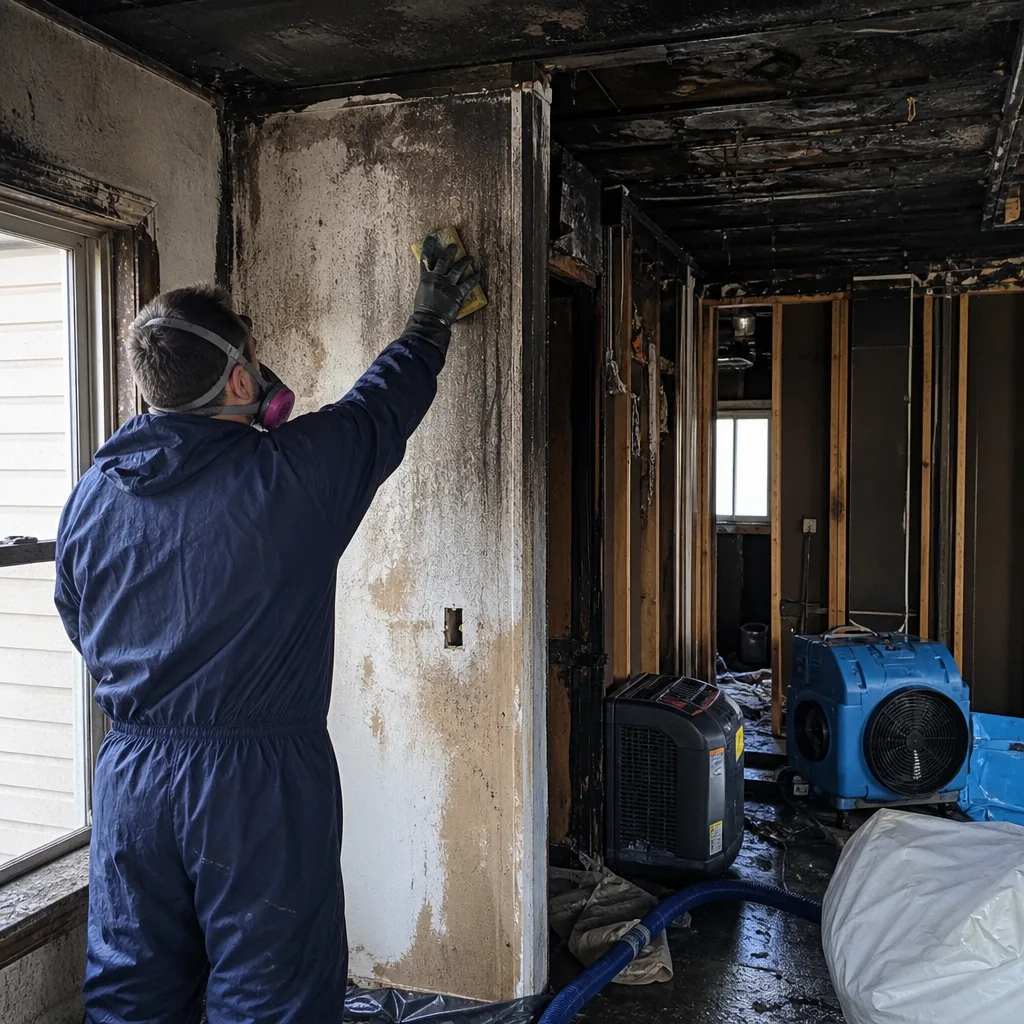
Passaic River floods are not ordinary water events. The water carries EPA-listed contaminants from the lower Passaic Superfund corridor, so we treat every riverine flood in Harrison as a Category 3 black-water job: containment, negative air, hazmat disposal, and environmental documentation. If someone quotes you a dry-in-place price for floor-drain backup after a Passaic overflow, they don’t understand what Harrison floodwater is.
Basement Water Removal
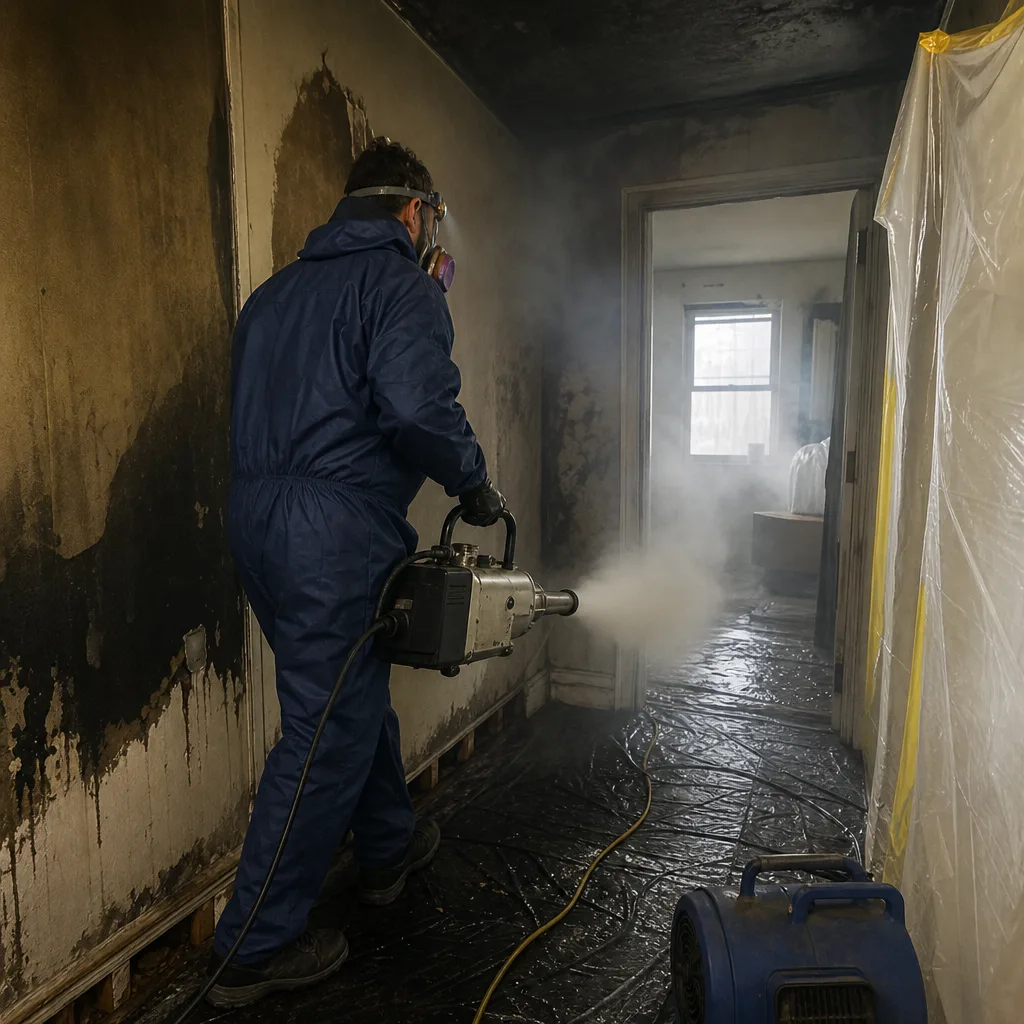
Below-grade basements in Harrison’s pre-war housing stock are poorly ventilated and often have deteriorating foundation waterproofing. Water removal here has to account for wicking into brick, moisture trapped in unsealed mortar, and a mold clock that starts ticking the moment the water rises. We pull the water, map the moisture, and don’t declare it dry until the readings match the rest of the house.
Structural Drying & Dehumidification
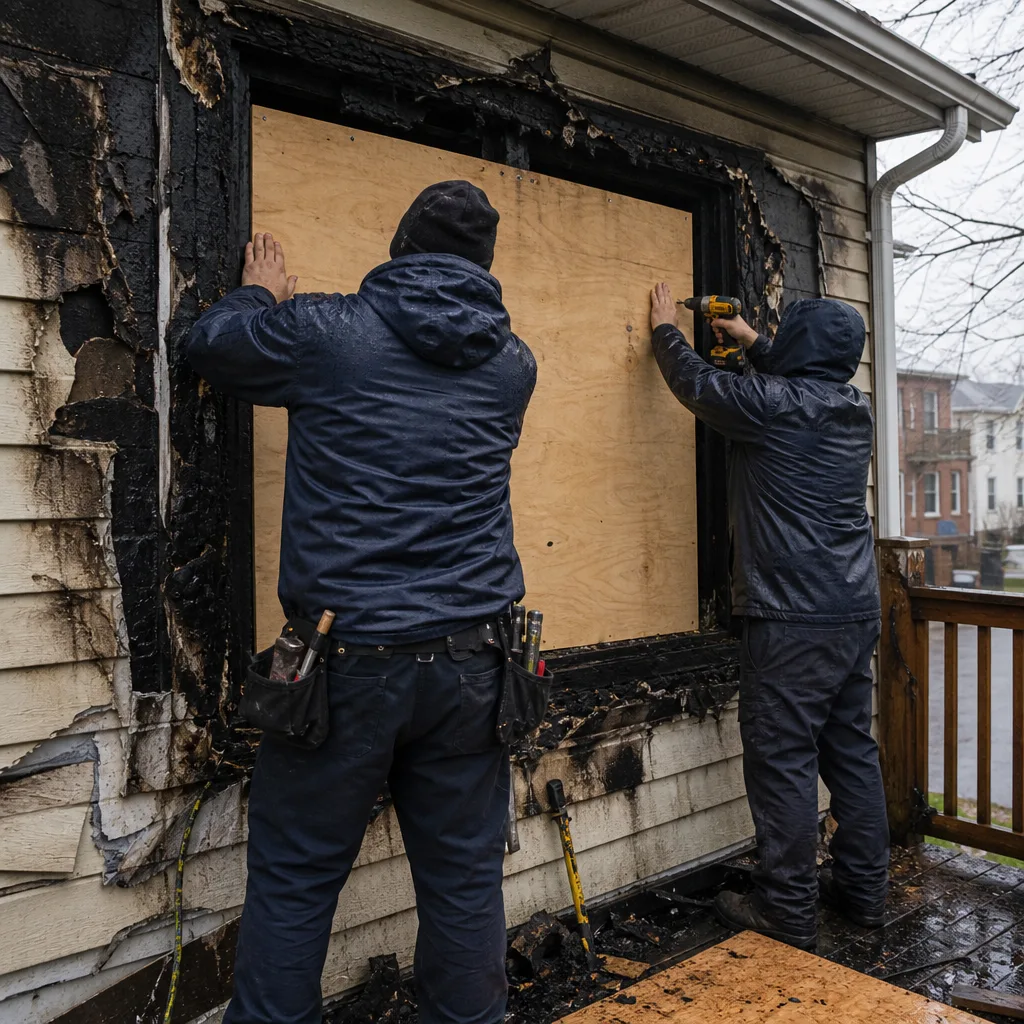
Drying a Harrison basement properly means running Dri-Eaz LGR dehumidifiers and air movers on a schedule driven by daily moisture readings, not by a timer on the rental equipment. We document every reading and hand you the log. No other restoration company in this area does that.
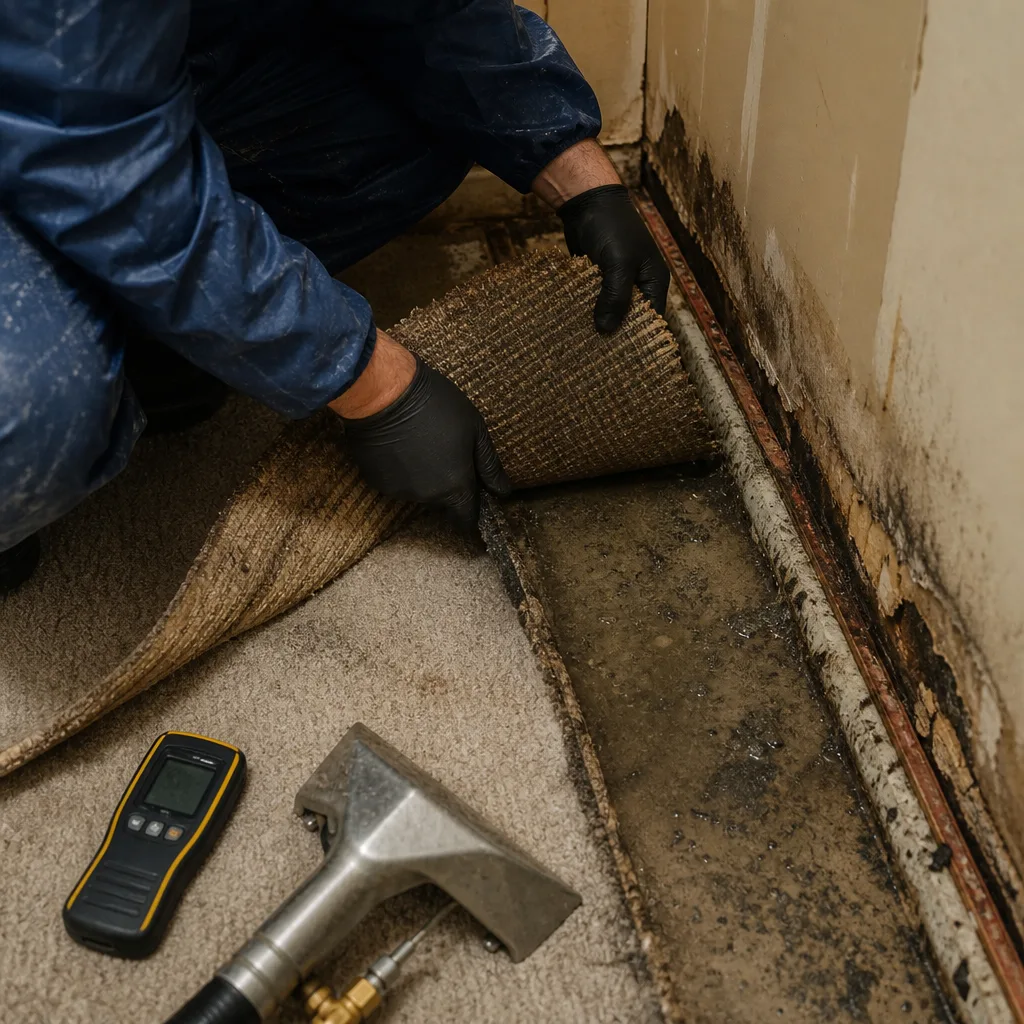
Burst Pipe Restoration
When a supply line lets go in a Harrison two-family in January, the damage usually spans multiple floors by the time anyone notices. We extract, dry, and restore the whole affected area, from the floor the pipe runs through to the ceiling below it.
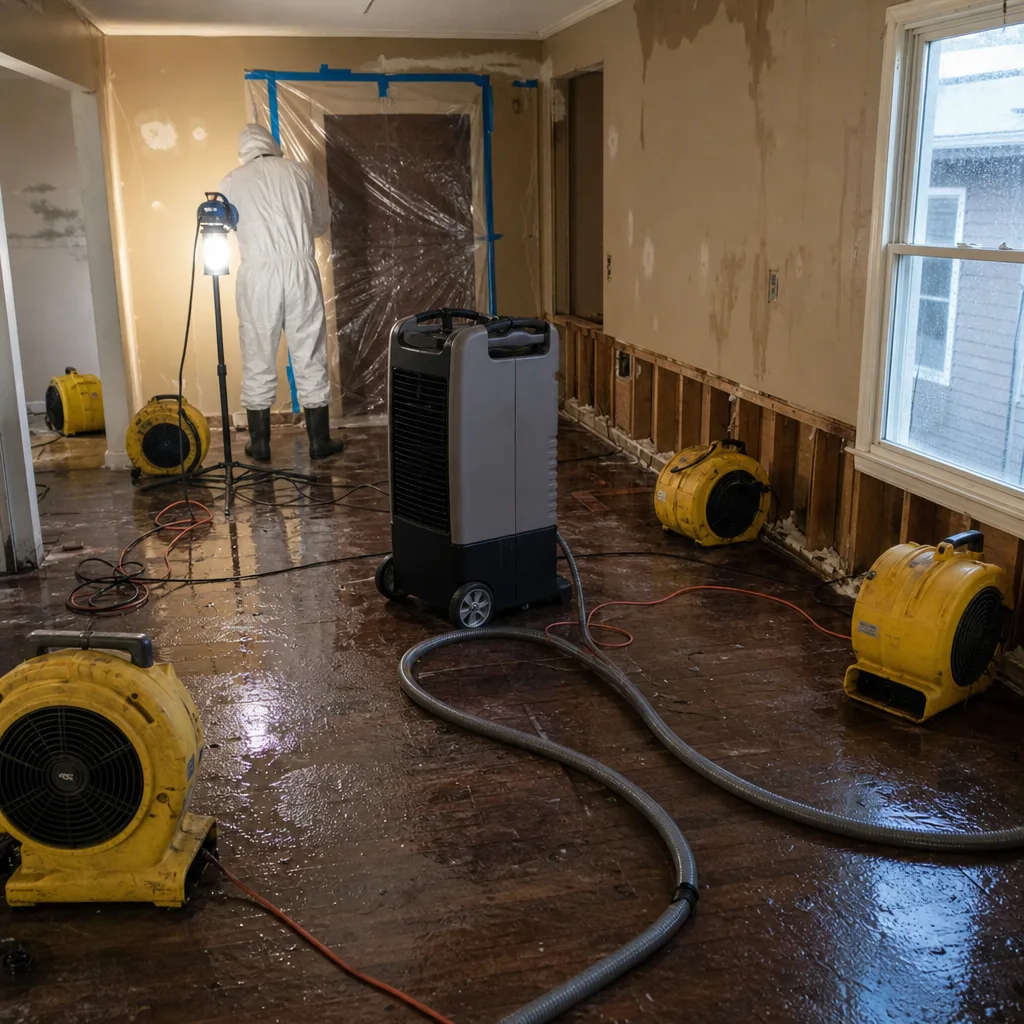
Ceiling & Roof Leak Water Damage
Flat roofs on Harrison’s older commercial strips and low-slope rowhome additions fail after heavy rain or ice damming, and the water travels down through walls before it shows up as a ceiling stain. We trace the path, dry the cavities, and repair the finish work so you’re not repainting over a still-wet wall cavity.
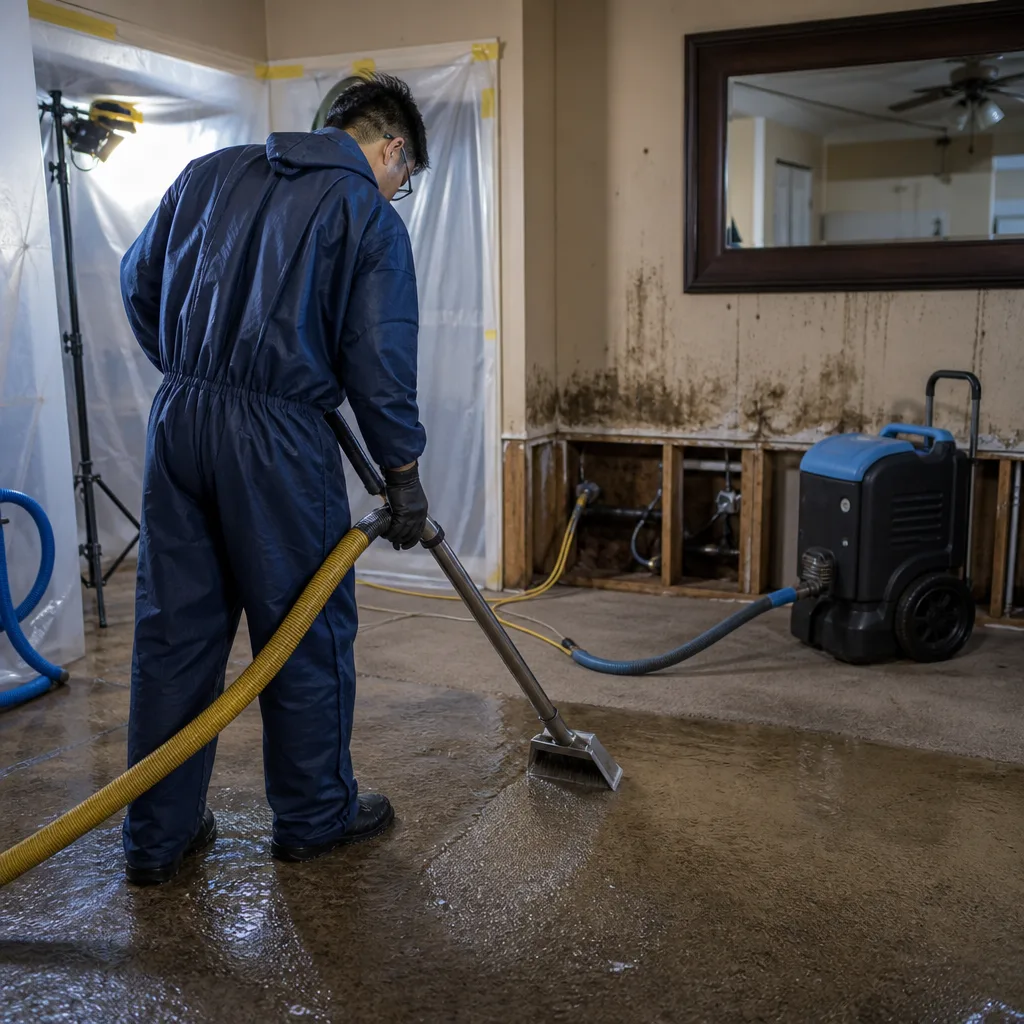
What happens when you call
- 1
A real person answersNo phone trees - you reach a local pro.
- 2
You get an upfront price rangeHonest numbers before anyone is dispatched.
- 3
A background-checked tech heads outLicensed & insured, dispatched right away.
- 4
You approve before work beginsNothing starts until you say go.
Water Damage Restoration Costs in Harrison, NJ
Let’s talk real numbers for Harrison, because national websites won’t give them to you. A straightforward clean-water extraction with three to five days of structural drying in a single-room Harrison basement typically runs $2,800 to $4,500. If the loss is from Passaic River overflow and requires Category 3 protocols, containment, hazmat disposal, and environmental documentation, you’re looking at $5,500 to $12,000 depending on the square footage and how high the water wicked. Burst pipe restoration with drywall, flooring, and paintwork across two rooms commonly lands between $4,000 and $9,000. Basement water removal with full gut-out and rebuild in a 700-square-foot Harrison basement usually runs $9,000 to $18,000. What moves the price: whether the water is Category 1 or Category 3, how many rooms are affected, whether asbestos or lead paint is present in pre-war materials, and how quickly extraction begins. Insurance covers most sudden and accidental water damage, including burst pipes and storm-related flooding under the right policy terms. The fastest way to a firm number is a free visual inspection. Call (201) 903-9581 and we’ll walk the property, write the scope, and give you a line-item price before any work starts.
We Also Serve Cities Near Harrison
Wade’s Restoration covers the wider Hudson County area, and we’re in and around Harrison constantly. We also serve Kearny, Jersey City, Secaucus, and Bayonne. If you’re on the border or not sure whether a particular street is in our service area, call. Worst case, we’ll point you to someone who can help.
Harrison Water Damage Restoration Questions, Answered
How quickly can Wade’s Restoration begin water extraction in Harrison after a Passaic River flood?
We typically have extraction equipment running within 45 to 60 minutes of your call for Harrison addresses. Wade answers his own phone, and he’s on the road as soon as he knows where the water is. Call (201) 903-9581 immediately, because the first hour determines whether you’re drying or rebuilding.
Does Harrison require special permits or environmental testing for Passaic River flood water removal?
Yes. Passaic River floodwater is classified as Category 3 black water due to the EPA’s Superfund designation for the lower Passaic corridor. Removal requires containment, hazmat disposal protocols, and environmental documentation of what was removed and how. We handle all of it, and we provide the paperwork your insurer and the town want to see. If a contractor skips this step, they’re creating a liability for you.
How do you dry a below-grade basement in a Harrison row home with no exterior access?
We bring portable extraction and drying equipment through the interior stairwell, which in most Harrison row homes is 28 to 32 inches wide. We then run LGR dehumidifiers and air movers on a schedule driven by daily moisture readings in the wall cavities and subfloor. The key is verifying that the basement reaches the same moisture content as the rest of the house, not just that the floor feels dry. In Harrison’s unventilated below-grade spaces, that verification is the difference between done and mold-in-48-hours.
What’s different about water damage in new Harrison PATH apartments vs. older row homes?
In new mid-rise buildings near the PATH station, water follows MEP pathways: conduit, plumbing chases, elevator pits, and subgrade parking. It’s harder to find and easier to miss. In older row homes, water moves through plaster, brick, and shared party walls, and the drying challenge is ventilation, or the lack of it. We handle both. The new-build jobs come down to thermal imaging and knowing where the water travels; the row-home jobs come down to experience with century-old foundations and narrow access.
Can mold really start within 48 hours in a Harrison basement flood?
Yes. Harrison’s below-grade basements are poorly ventilated and unsealed against river-adjacent groundwater, and mold colonization starts in as little as 24 to 48 hours on porous materials like drywall, carpet padding, and wood. If the water was from the Passaic, you’re not just dealing with mold risk; you’re dealing with contaminants that need to be removed under hazmat protocols, not simply dried in place.
Will my insurance cover Passaic River flood damage in Harrison?
Most standard homeowners policies cover sudden and accidental water damage, including burst pipes and some storm-related events, but river flooding typically requires separate flood insurance through the NFIP or a private carrier. We work with your adjuster directly and document everything in the format they need, so you know what’s covered before the work goes too far. Call us and we’ll help you sort it out.
How long does full water damage restoration take in Harrison?
Structural drying for a typical single-room clean-water loss takes three to five days. A Passaic River Category 3 event with gut-out and rebuild usually runs two to four weeks depending on the scope of demolition and the finish work. We’ll give you a written timeline as part of the scope before we start, and we stick to it.
What should I do in the first 30 minutes after water starts entering my Harrison home?
Shut off the water source if it’s a plumbing failure. Kill power to the affected area if water is approaching outlets or the electrical panel. Move small furnishings and rugs out of the water if you can do it safely. Photograph everything with your phone. Then call (201) 903-9581. Do not wade into standing water from a Passaic overflow to retrieve belongings; that water is contaminated and you don’t know what’s under the surface.
One Harrison Block, One Flood, One Lesson
On a narrow street off Harrison Avenue, our crew extracted Category 3 water from a 1920s brick row-home basement after the Passaic backed up through a floor drain. We ran moisture mapping that showed wicking 18 inches up the plaster walls. We set up containment and negative air, removed the contaminated drywall and baseboards under hazmat protocols, then placed Dri-Eaz LGR dehumidifiers and XPOWER air movers until moisture readings matched the pre-loss condition of the adjoining rooms. That’s what a Passaic River job looks like in Harrison. It’s not a mop-and-fan situation. It’s environmental remediation with a restoration finish. If someone tells you different, they’re either unfamiliar with this river or hoping you won’t notice until the check has cleared. We grew up around this water, and we know what it carries. That’s the knowledge you’re paying for, and in Harrison, it’s not optional.
Serving Harrison, NJ - Our Local Coverage Area
We’re based in the Harrison area and know this community well. Use the map below to see our service coverage - if you’re nearby, we can almost certainly help.
Call Wade’s Restoration for Water Damage in Harrison
If you have water in your Harrison home or business right now, call (201) 903-9581. Wade answers his own phone. If you’re planning ahead because you know your basement takes water when the Passaic rises or when the nor’easters come, call for a free visual inspection and we’ll tell you what we see, no charge for the visit inside the county. We’re licensed, insured, IICRC-certified, and we’ve been doing this work since 2007. The 90-Day Done Right Promise is in writing on every water job: if it’s not done right, we make it right. One call brings Wade back.
Written by Wade Ferris, Owner at Wade’s Restoration, serving Harrison since 2007.