

Free visual inspection and a written scope of work before any mitigation begins - photos, moisture readings, and drying logs go in your claim file
The scope we write is the scope we bill. Anything new gets shown to you, in writing, before we touch it.
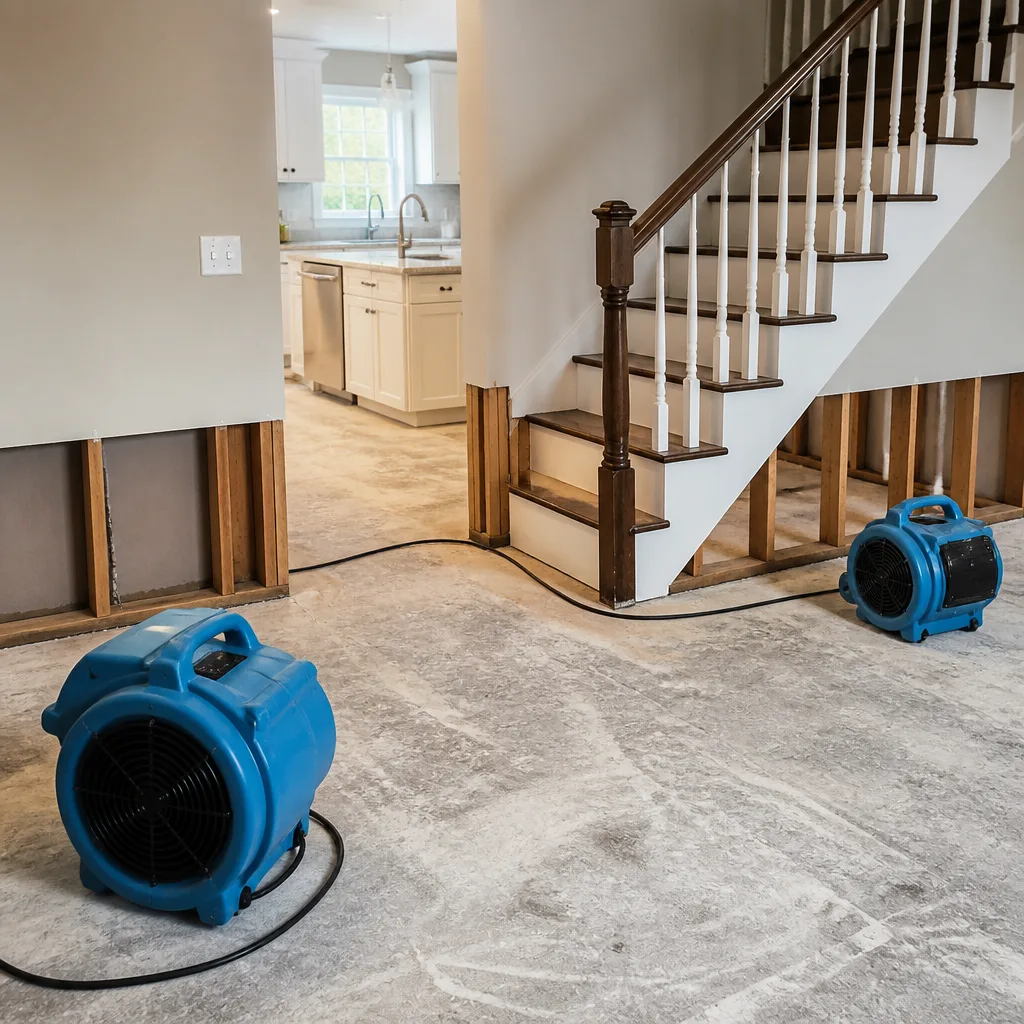
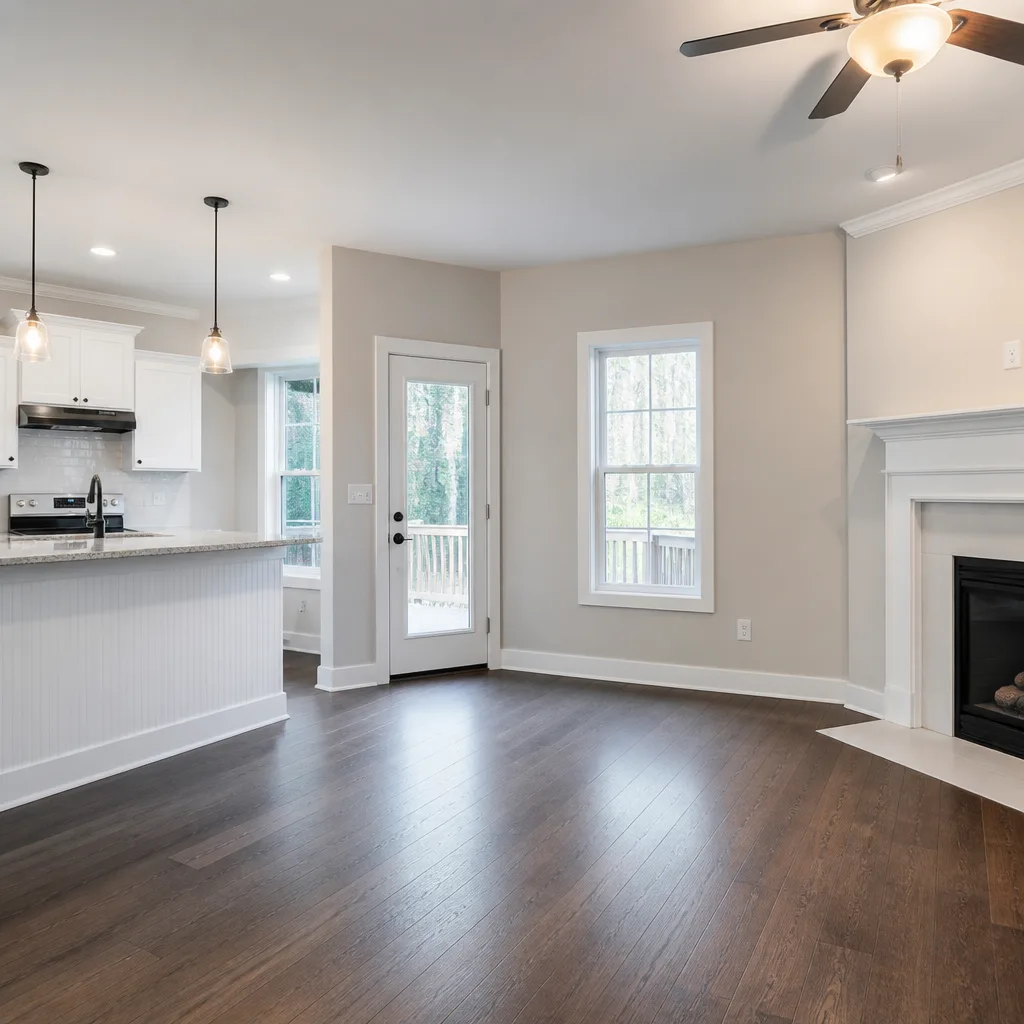
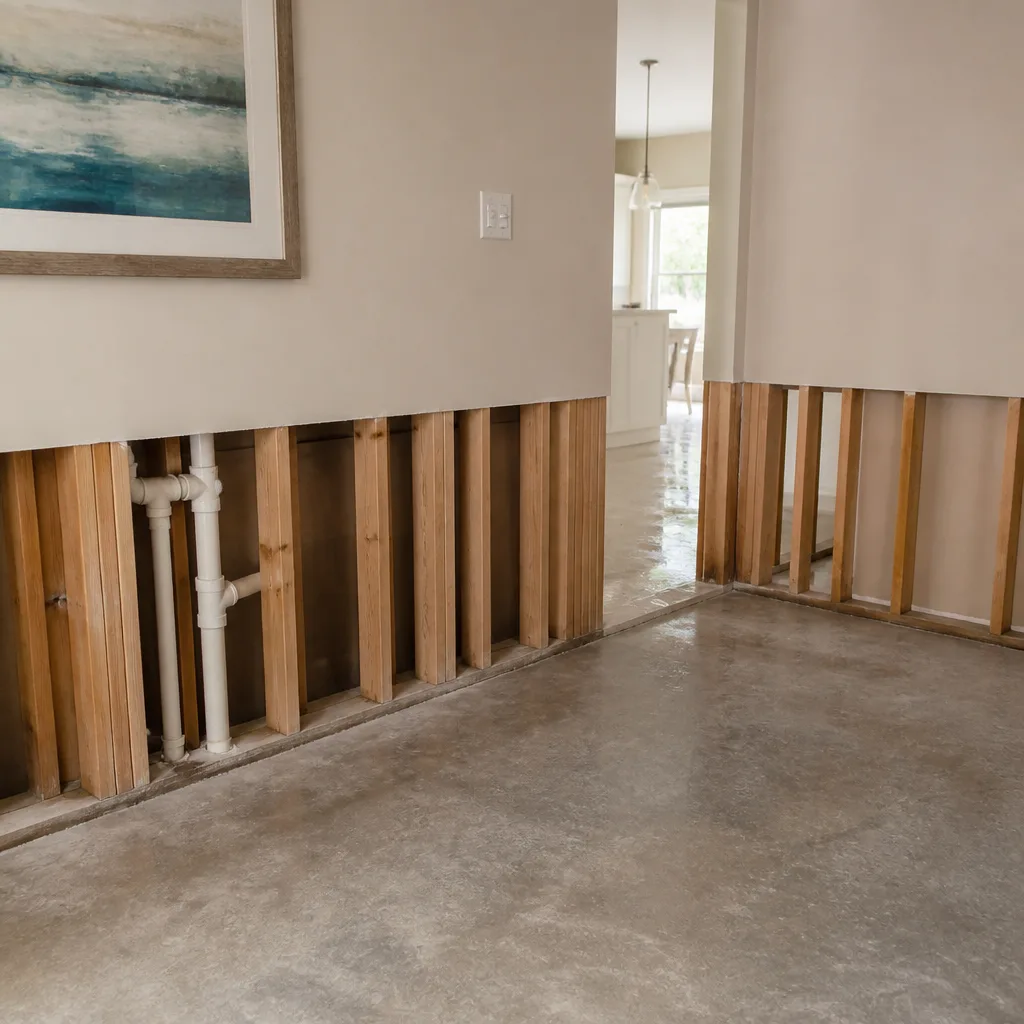
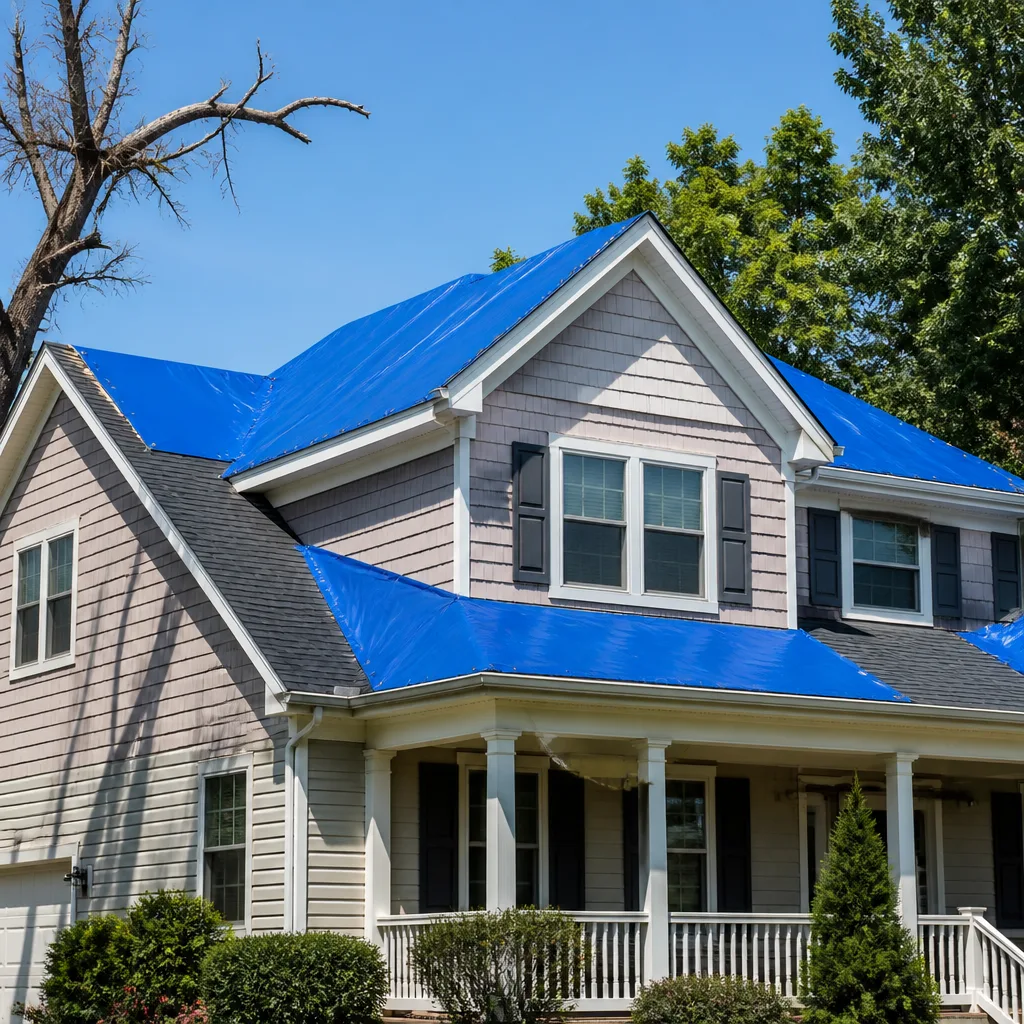
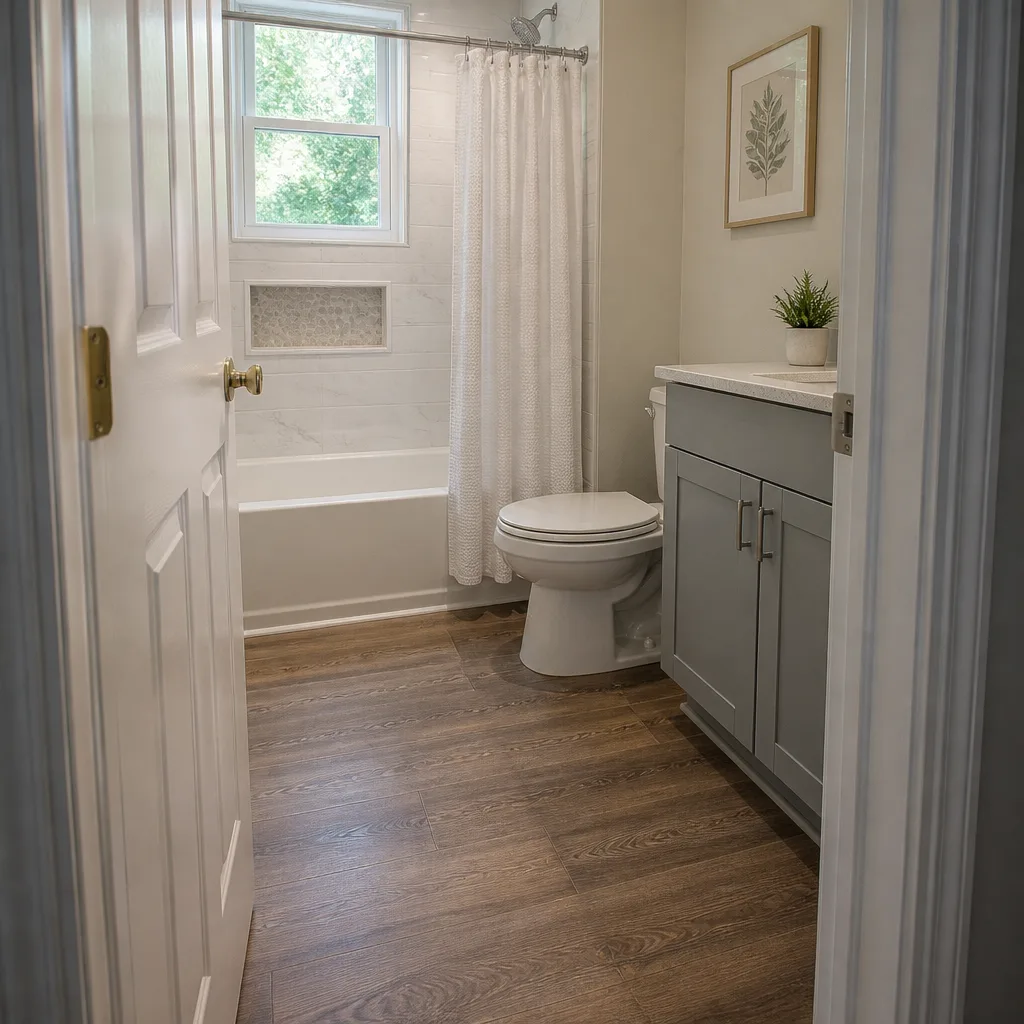
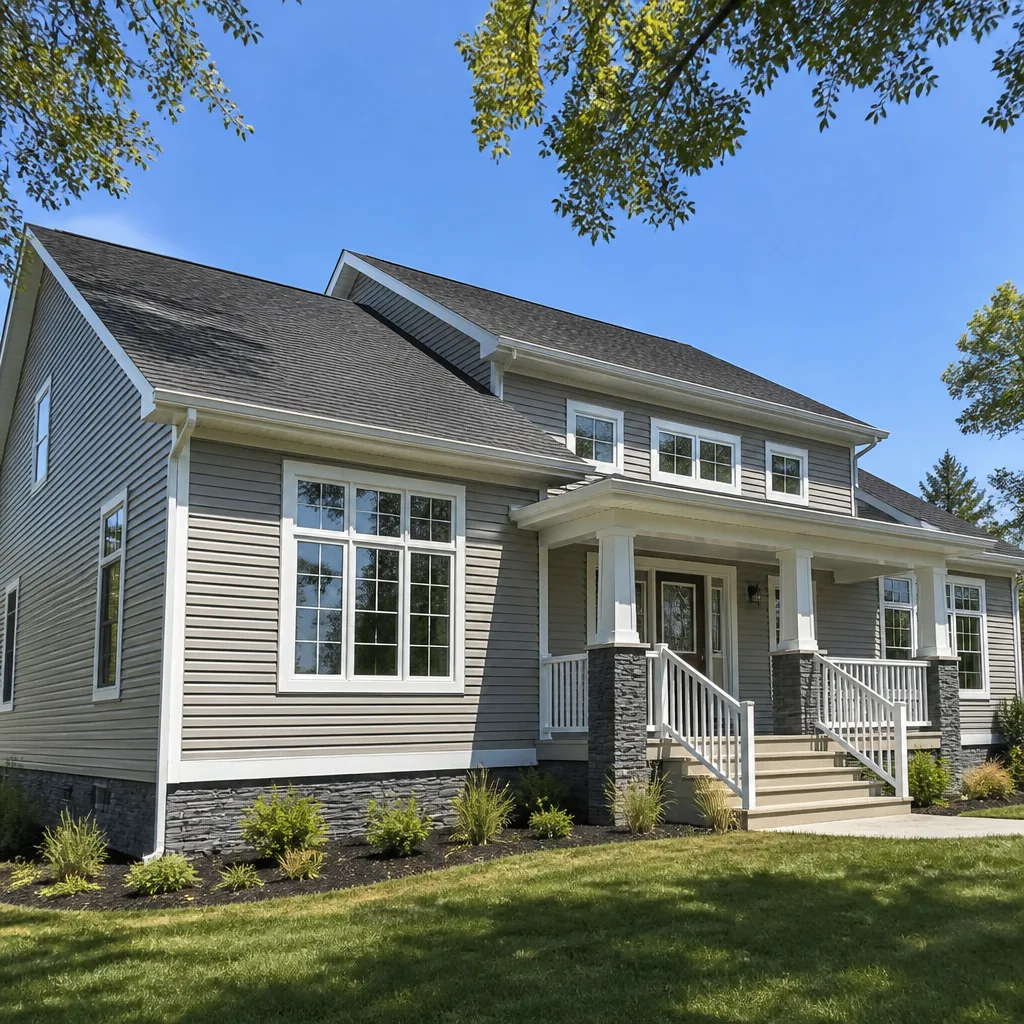
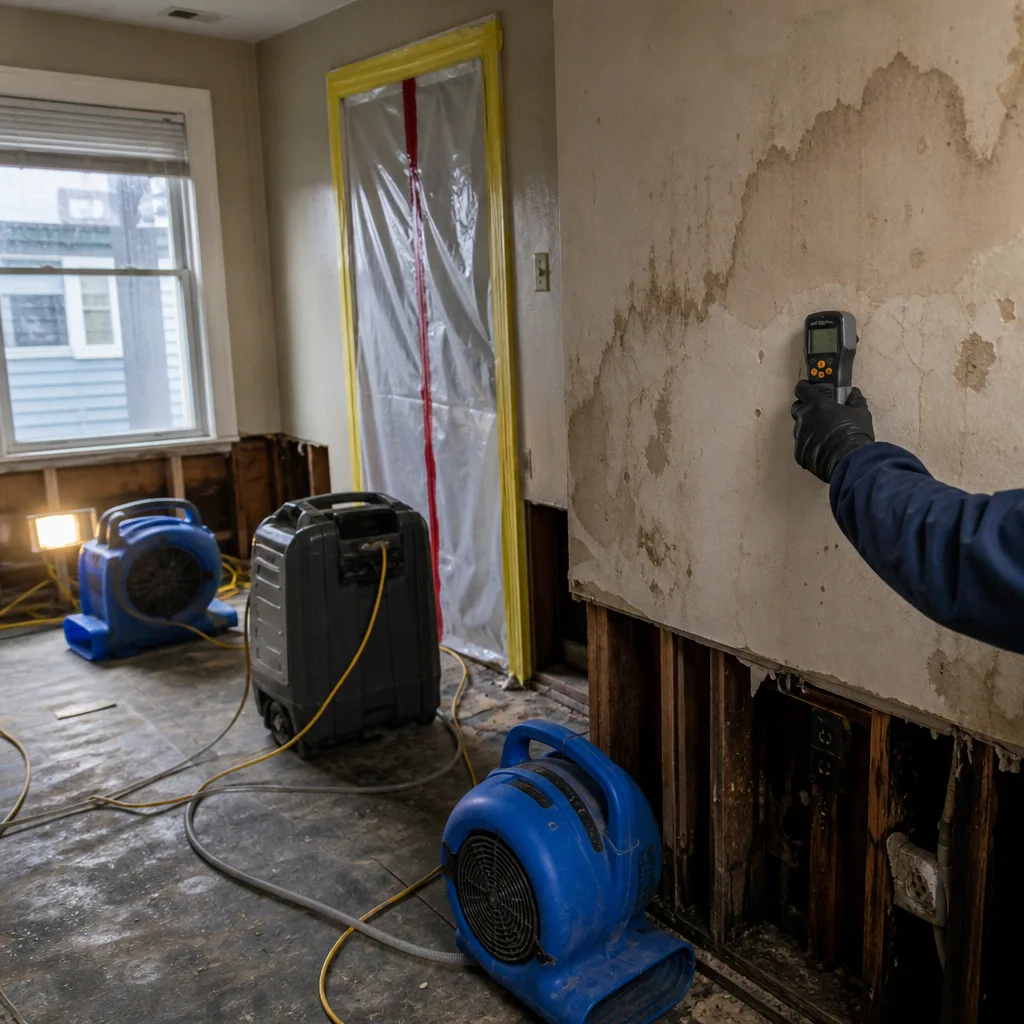 Before
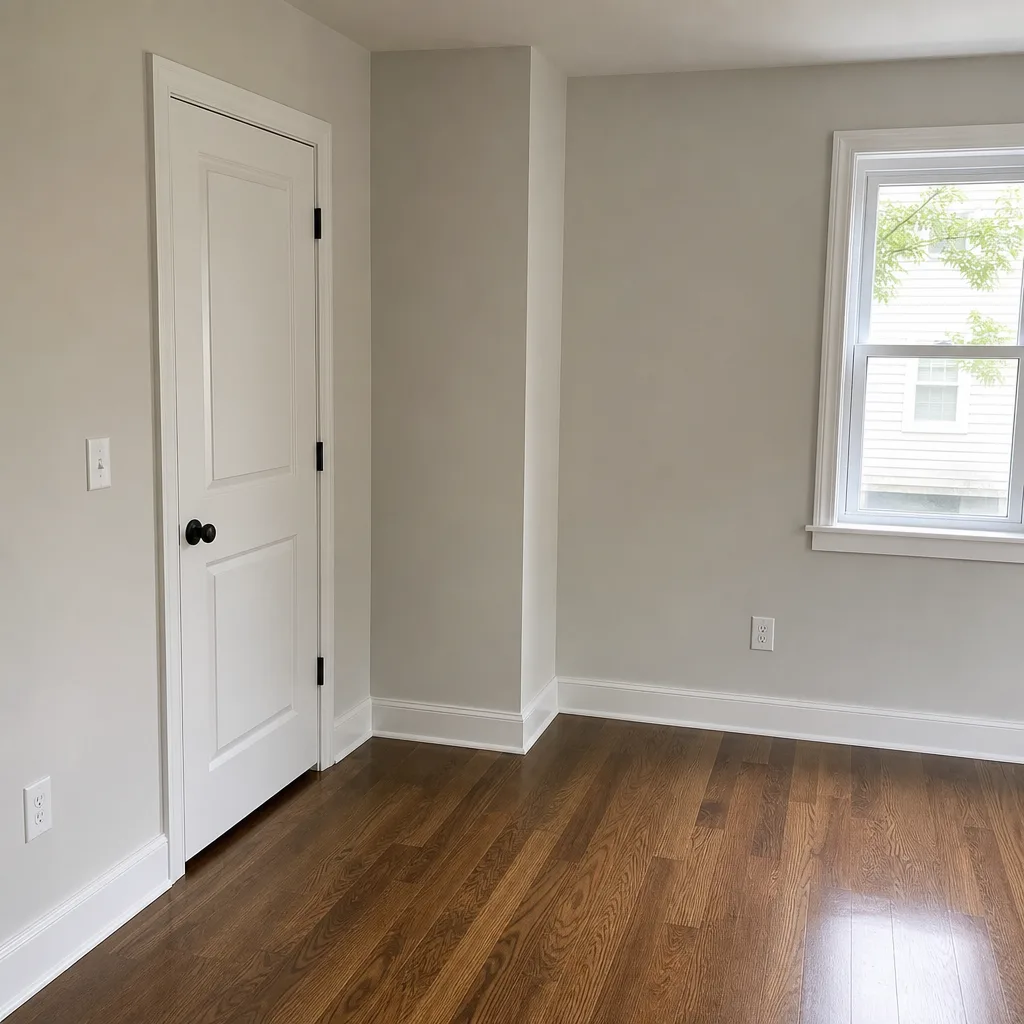 After
After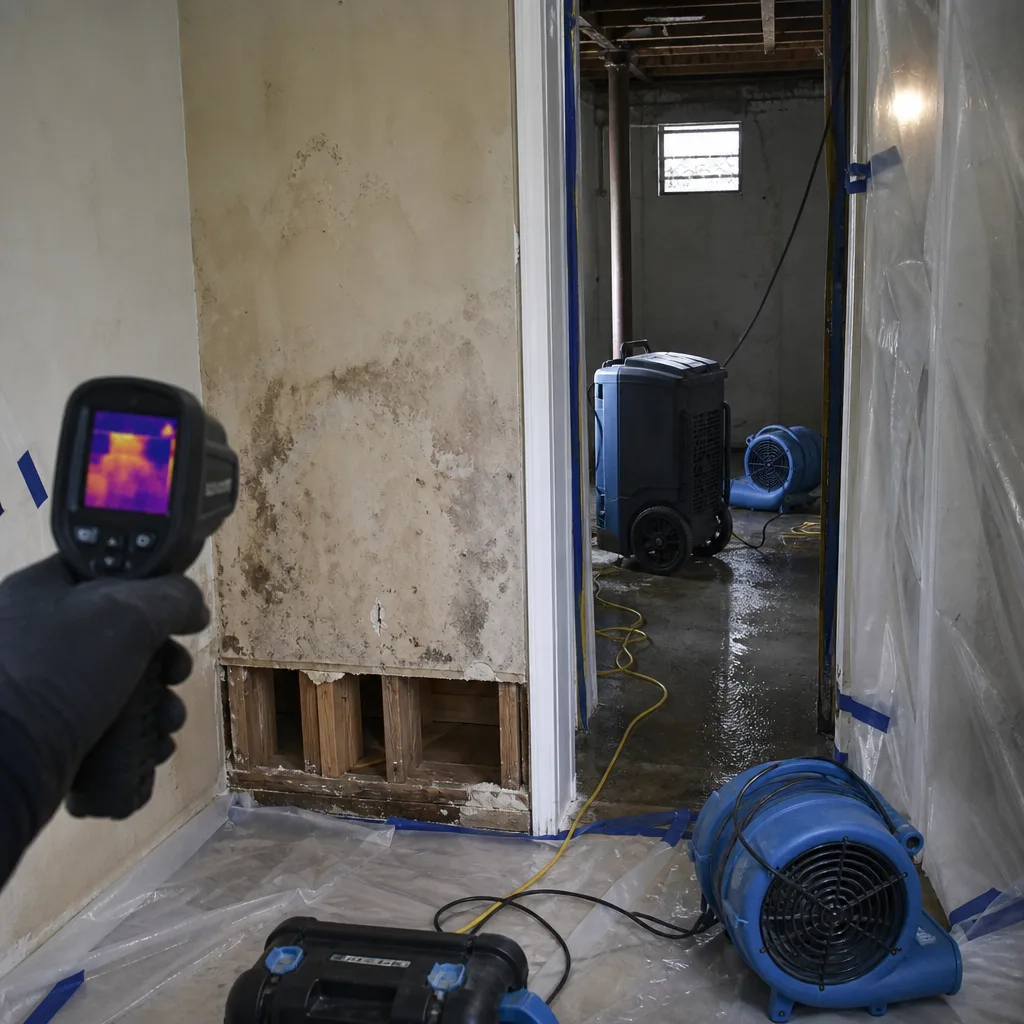 Before
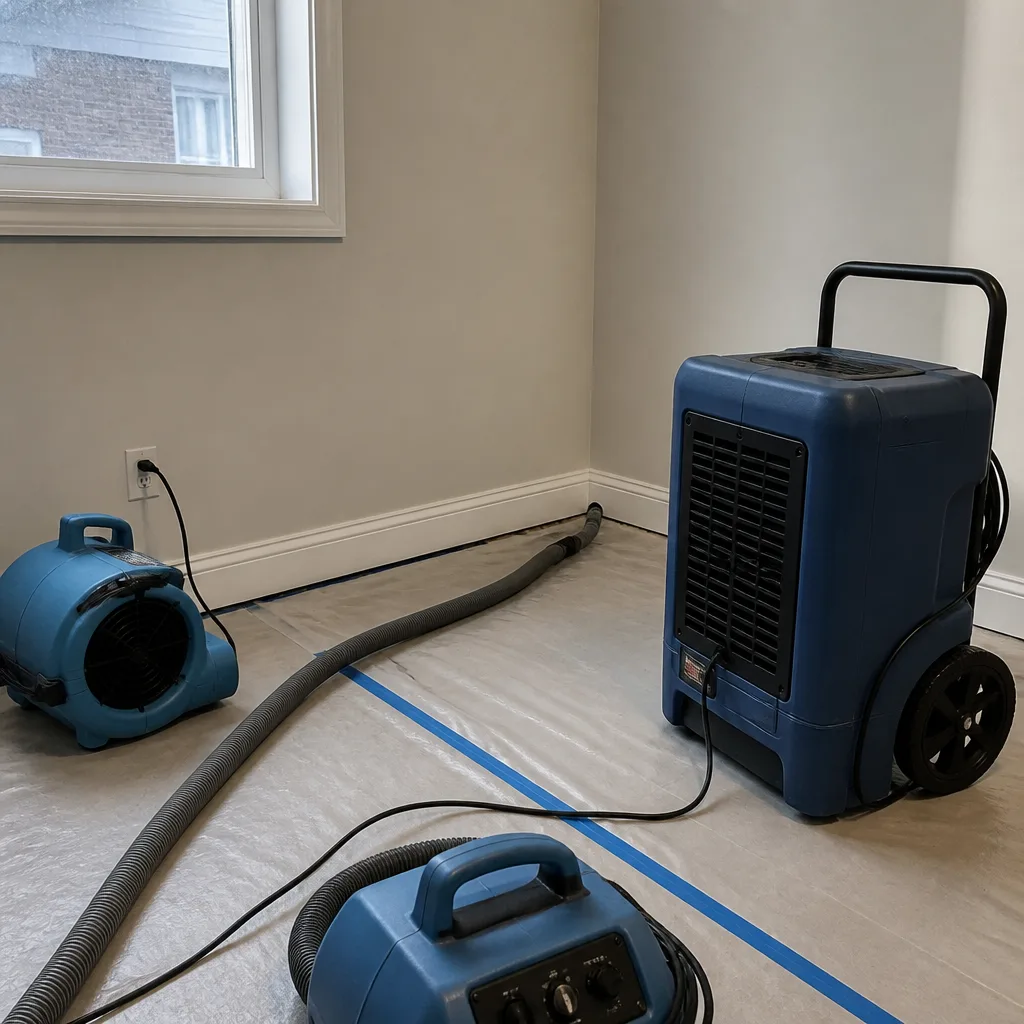 After
After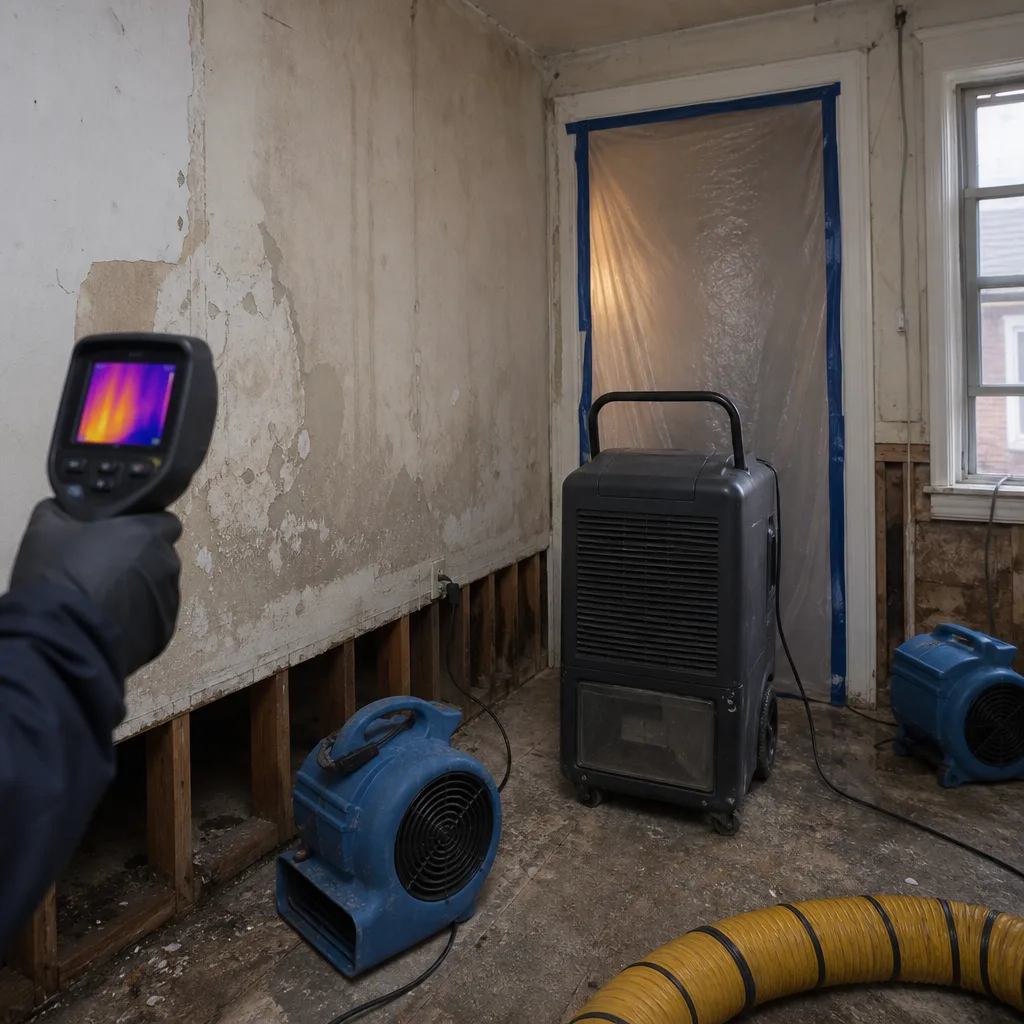 Before
 After
After24/7 Emergency Storm & Disaster Restoration in Weehawken
When a nor’easter slams the Palisades or the Hudson River surges over the bulkheads at Port Imperial, you need someone who knows Weehawken’s split personality: bluff-top row homes and waterfront high-rises, often damaged in the same storm but needing completely different restoration approaches. We answer live, 24 hours a day, and our crews head into Weehawken immediately, not after a callback window. Call (201) 903-9581 and Wade himself picks up. The first hour after water enters a Weehawken basement or wind tears open a roof on Boulevard East is when the damage is still containable. We do free visual inspections, and we don’t charge a trip fee inside the county. If you’re standing in water at 2 a.m., you want a person on the phone, not a queue.
Understanding Storm & Disaster Restoration Severity in Weehawken Properties
Weehawken’s damage profile isn’t uniform, and treating it that way is how homeowners get burned. On the Port Imperial waterfront, flooding from the Hudson is typically Category 2 or Category 3 water, meaning it carries contaminants from the river, street runoff, or sewage lines. That water requires full extraction, antimicrobial treatment, and often removal of saturated drywall and insulation, not just fans and dehumidifiers. In the bluff-top neighborhoods, the problem is usually groundwater intrusion through century-old rubble-stone foundations, where moisture migrates invisibly through plaster-and-lath walls. Moisture mapping with thermal imaging shows us where the water actually went, not just where it pooled. Weehawken’s pre-war row homes also hide water in wall cavities for weeks before visible staining appears, which is why we use hygrometers and daily moisture logs rather than guessing. Storm damage on the upper bluff frequently tears gutters, flashing, and older roof membranes, letting wind-driven rain follow gravity straight down through three floors of a two-family home. The severity question isn’t just “how much water” but “what kind, where, and behind what materials.” Every answer changes the drying plan.
Why Weehawken Property Owners Choose Wade’s Restoration
- 45-minute response commitment: Wade’s crew is staged to reach Weehawken fast, because water behind plaster and under hardwood doesn’t wait for business hours.
- 24/7 live answer: You call, a person answers. Often Wade himself. Never an automated tree, never a call center in another time zone.
- IICRC-certified crews: Our techs hold WRT (Water Restoration Technician) and FSRT (Fire & Smoke Restoration Technician) certifications, with AMRT (Applied Microbial Remediation Technician) on mold-heavy losses.
- Free visual inspection: We look first, explain what we found, and hand you a written scope before any work begins. No charge for that.
- Direct insurance billing: We bill your carrier directly when coverage applies, and we talk to your adjuster so you don’t have to relay between two sides.
- One team from extraction to reconstruction: The same crew that pumps out your basement is the crew that rebuilds the wall, so nothing gets lost between handoffs.
Our Storm & Disaster Restoration Process
Inspection & Assessment
We start with thermal imaging and moisture meters to map the full extent of water migration, not just visible standing water. For storm damage, we also document wind-driven entry points and structural compromises before touching anything.
Extraction & Stabilization
High-volume extraction removes standing water from basements, crawlspaces, and flooring. For wind damage, this step means emergency board-up and roof tarping to stop further water from entering while we plan the repair.
Drying & Dehumidification
Dri-Eaz air movers and Phoenix dehumidifiers run continuously, with daily moisture readings taken and logged. Weehawken’s plaster-and-lath walls dry differently than modern drywall, so we adjust the air flow pattern and monitor the hidden cavities.
Cleaning & Sanitization
Category 2 and 3 floodwater requires antimicrobial treatment on all affected surfaces. We HEPA-vacuum and treat hard surfaces, and we remove porous materials that cannot be properly sanitized.
Storm-Specific Treatment
For Weehawken storm losses, this means HOA-compliant board-up materials, facade-matched replacements, and vapor-barrier or interior French drain work where the Palisades bedrock blocks conventional drainage.
Repairs & Restoration
We rebuild to pre-loss condition, matching brick, window, and door styles your building’s architectural review standards require. The final walkthrough includes the full moisture log, photo documentation, and our 90-Day Done Right Promise in writing.
Need Emergency Storm & Disaster Restoration in Weehawken Now?
Crews minutes away, answering live 24 hours a day. The sooner we start, the less it costs.
Working With Your Insurance Company
We document everything from the first hour, because a claim lives or dies on evidence. Photos of every affected room, daily moisture logs with exact readings, line-item scopes of work, and direct communication with your adjuster. Wade’s Restoration has handled storm claims in Weehawken long enough to know what carriers actually ask for, and we give them the paperwork they need without you playing middleman. For Port Imperial high-rise losses, HOA insurance and unit-owner policies often overlap, and we sort that out with the adjuster before work begins. For bluff-top row homes, the question is usually whether groundwater seepage is a covered peril, and our documentation has made that conversation easier for a lot of Weehawken homeowners.
What We Provide Your Insurer
- Thorough documentation of the loss
- Photos of all damage, room by room
- Moisture readings and drying logs
- A detailed, line-item scope of work
- Direct coordination with your carrier
Built for Weehawken’s Loss Calendar
Weehawken’s storm calendar is predictable if you’ve lived here long enough. Late summer and early fall bring nor’easters and the occasional tropical system, which hit the Port Imperial waterfront first with storm surge and then the bluff-top streets with wind-driven rain. January and February deep freezes burst supply lines in uninsulated utility closets and garages across the upper neighborhoods. Spring thaw sends snowmelt and saturated hillside runoff directly into the foundations of pre-war row homes on streets like Highwood Terrace and Gregory Avenue. And summer thunderstorms drop enough rain in an hour to overwhelm the aging storm drains along Park Avenue and Boulevard East, sending surface water into below-grade entryways. Each season has a signature damage pattern, and each requires a different initial response. A January pipe burst in a three-family on Hudson Avenue means Category 1 water and fast drying. A September surge at Port Imperial means Category 3 water, possible contamination, and a longer remediation timeline with HOA oversight.
Storm & Disaster Restoration Across Weehawken’s Neighborhoods
Weehawken isn’t one place when it comes to storm damage. Down at Port Imperial, the high-rises along the waterfront face river surge and wind exposure, but they also carry strict HOA rules about what materials can be used for any exterior repair. We’ve done emergency board-up on Avalon-facing units where the property manager had to approve the board-up hardware before we could secure a broken window. Up on the bluff, the streets change character fast. The row homes along Highwood Terrace and Shippen Street are 1920s brick two-families with shallow basements and rubble-stone foundations. Water there doesn’t always come through the wall; it comes up through the floor because the Palisades bedrock sits inches below the slab. Over near Hamilton Plaza and the streets around Louisa Place, mid-century and older stock mixes with newer construction, and storm losses there often involve roof leaks and gutter failure. Boulevard East runs along the cliff edge, and the buildings on the west side of the street have some of the most dramatic wind exposure in the township. When a storm tears off a roof membrane on Boulevard East, the replacement has to withstand the same ridge-line gusts that took it off in the first place.
Specialized Storm & Disaster Restoration Services We Offer in Weehawken
Flood Damage Restoration
Weehawken floods from two directions: the Hudson River on the east side and gravity-driven runoff on the west. Flood damage restoration in the Port Imperial zone means Category 3 water, possible sewage mixing, and a full decontamination protocol before drying even starts. On the bluff, flood damage is usually groundwater through foundation walls, and we adapt with interior drainage solutions where the Palisades bedrock makes exterior excavation impossible.
Emergency Board-Up
When wind breaks a window on a Weehawken pre-war home, the opening has to be secured fast, but it also has to meet whatever the building’s architectural standards require. On HOA-governed properties at Port Imperial, we coordinate the board-up approach with the property manager before installing anything, so you don’t get hit with backcharges for non-compliant materials. On bluff-top row homes, we board up and photograph everything for the claim.
Roof Tarping
A tarp has to hold against Hudson River gusts, not just sit there. We anchor tarping to the roof structure, not just the surface, and we do it fast enough that a torn membrane on Boulevard East doesn’t turn into a three-floor interior loss overnight. The tarp is a stopgap, but in Weehawken’s wind environment it has to be a well-installed one.
Debris Removal
Storm debris in Weehawken is what’s left after wind strips branches, tears off gutters, and sometimes drops a neighbor’s roofing onto your property. We clear storm debris as part of any loss response and coordinate disposal so you’re not left with a pile in the driveway while the insurance claim is still open.
What happens when you call
- 1
A real person answersNo phone trees - you reach a local pro.
- 2
You get an upfront price rangeHonest numbers before anyone is dispatched.
- 3
A background-checked tech heads outLicensed & insured, dispatched right away.
- 4
You approve before work beginsNothing starts until you say go.
Our Storm & Disaster Restoration Process in Weehawken’s Two Zones
Last spring, our Storm & Disaster Restoration crew responded to a 1920s brick row home on Highwood Terrace after a nor’easter saturated the hillside and forced water through the rubble-stone foundation. We set up containment and used Dri-Eaz air movers with moisture mapping across the plaster-and-lath walls, but the shallow basement’s Palisades bedrock made footer drainage impossible, so our techs adapted a vapor-barrier solution and interior French drain to hit pre-loss condition. The HOA required all repairs match the original facade, so our scope of work included ARB-approved brick repointing and storm window replacement. That’s the reality of storm work in Weehawken: one block can be a Port Imperial high-rise with a property manager reviewing every material, and the next block can be a century-old row home where the ground itself dictates what’s possible.
Storm & Disaster Restoration Costs in Weehawken, NJ
Weehawken’s storm restoration market runs higher than some neighboring towns because the housing stock demands more labor and more specialized approaches. A roof tarping job in Weehawken typically runs $400-$800, depending on the roof pitch and the number of penetrations. Emergency board-up for a broken window or door usually lands between $250-$600 per opening, including HOA-compliant materials where required. Flood damage restoration from a Port Imperial surge event can range from $3,500 for a contained category 2 loss in a single unit to $25,000+ for a Category 3 event affecting multiple rooms with drywall removal, decontamination, and rebuild. Bluff-top basement seepage cleanup and drying typically runs $2,800-$7,500, with the higher end involving vapor-barrier installation or interior French drain work when the bedrock makes a conventional sump pit impossible. Insurance covers most storm-related losses, but the typical Weehawken homeowner is out of pocket for the deductible, which on a storm claim often falls between $1,000 and $5,000 depending on the policy. The free visual inspection is the path to a firm scope; we look, we document, and then you get a written plan with real numbers before anyone picks up a tool.
We Also Serve Cities Near Weehawken
Our crews work throughout the Hudson County waterfront and the adjacent plateau: Union City, Hoboken, North Bergen, and Secaucus. The elevation shifts between these towns are dramatic, and the damage profiles shift with them. Call (201) 903-9581 and we’ll come take a look, wherever the storm hit.
Serving Weehawken, NJ - Our Local Coverage Area
We’re based in the Weehawken area and know this community well. Use the map below to see our service coverage - if you’re nearby, we can almost certainly help.
Weehawken Storm & Disaster Restoration Questions, Answered
How does Weehawken’s two-zone geography change a flood damage restoration plan?
Weehawken’s Port Imperial zone floods with Hudson River surge, which is typically Category 2 or 3 water requiring full decontamination, while the bluff-top neighborhoods flood with hillside runoff and groundwater, which is usually Category 1 or 2 but moves invisibly through plaster-and-lath walls and gets trapped by Palisades bedrock. The two zones need different drying plans, different equipment layouts, and different expectations for what gets salvaged. Call (201) 903-9581 for a zone-specific assessment.
Do Weehawken HOAs require specific door or window styles for storm damage replacements?
Yes, many Weehawken buildings, especially Port Imperial high-rises and some historic bluff-top streets, have architectural review requirements for any exterior replacement. We pull the HOA’s spec before starting emergency board-up or permanent replacement, so you don’t get backcharged for non-compliant materials. We’ve done ARB-approved brick repointing and storm window replacement on Highwood Terrace for exactly this reason.
Can you install a sump pump in a Weehawken bluff-top basement?
Often no, and that’s a Weehawken-specific problem. The Palisades bedrock sits inches below many bluff-top basement slabs, which cracks sump pits and makes footer drainage impossible. We install interior French drains and vapor-barrier systems instead, which move water to a collection point that works with the geology rather than fighting it. Our techs adapt these solutions on the fly, and we have rarely needed them in flatter neighboring towns like Union City or North Bergen.
How fast do you respond to a Port Imperial flooding event?
We’re staged to reach Port Imperial within 45 minutes of a call, and Wade answers live 24/7. For surge flooding, the first hour determines whether drywall and insulation can be saved or must be removed, so speed on the front end saves money on the back end. Call (201) 903-9581 the moment water enters the unit.
Will my Weehawken pre-war building need special drying after a roof leak?
Yes. Plaster-and-lath walls hide moisture in ways drywall doesn’t, and the shallow, rock-cut basements common on Weehawken’s upper bluff trap humidity. We use thermal imaging and daily moisture logs to track water inside wall cavities, not just on visible surfaces. Standard drying logs without that latent-moisture accounting are how mold ends up behind old plaster months after the leak.
How long does storm damage restoration take in Weehawken?
Most Weehawken storm losses follow a three-to-ten-day timeline. Board-up and tarping happen the same day you call. Extraction and drying typically take three to five days for a flushed basement, longer if the Palisades bedrock traps water and we need to adapt a French drain. Reconstruction after a major surge event can run several weeks, and we’ll give you a written schedule before work starts.
Can we stay in the home during storm damage restoration?
For most single-zone losses, yes, especially if containment is set up properly. For Category 3 surge flooding at Port Imperial, we usually recommend temporary relocation during the demolition and decontamination phase, which is typically two to four days. Your insurance policy often covers this under loss-of-use, and we’ll document what’s needed for the adjuster.
What should I do in the first 30 minutes after storm damage in Weehawken?
Shut off power to affected areas if it’s safe to reach the panel, document everything with photos before you move anything, and call (201) 903-9581. Don’t use a wet-vac on sewage or river water, and don’t open walls yourself; let us map the moisture and get the right equipment on site. The first hour decides what gets saved.
Written by Wade Ferris, Owner at Wade’s Restoration, serving Weehawken and the surrounding Hudson County communities since 2007.