
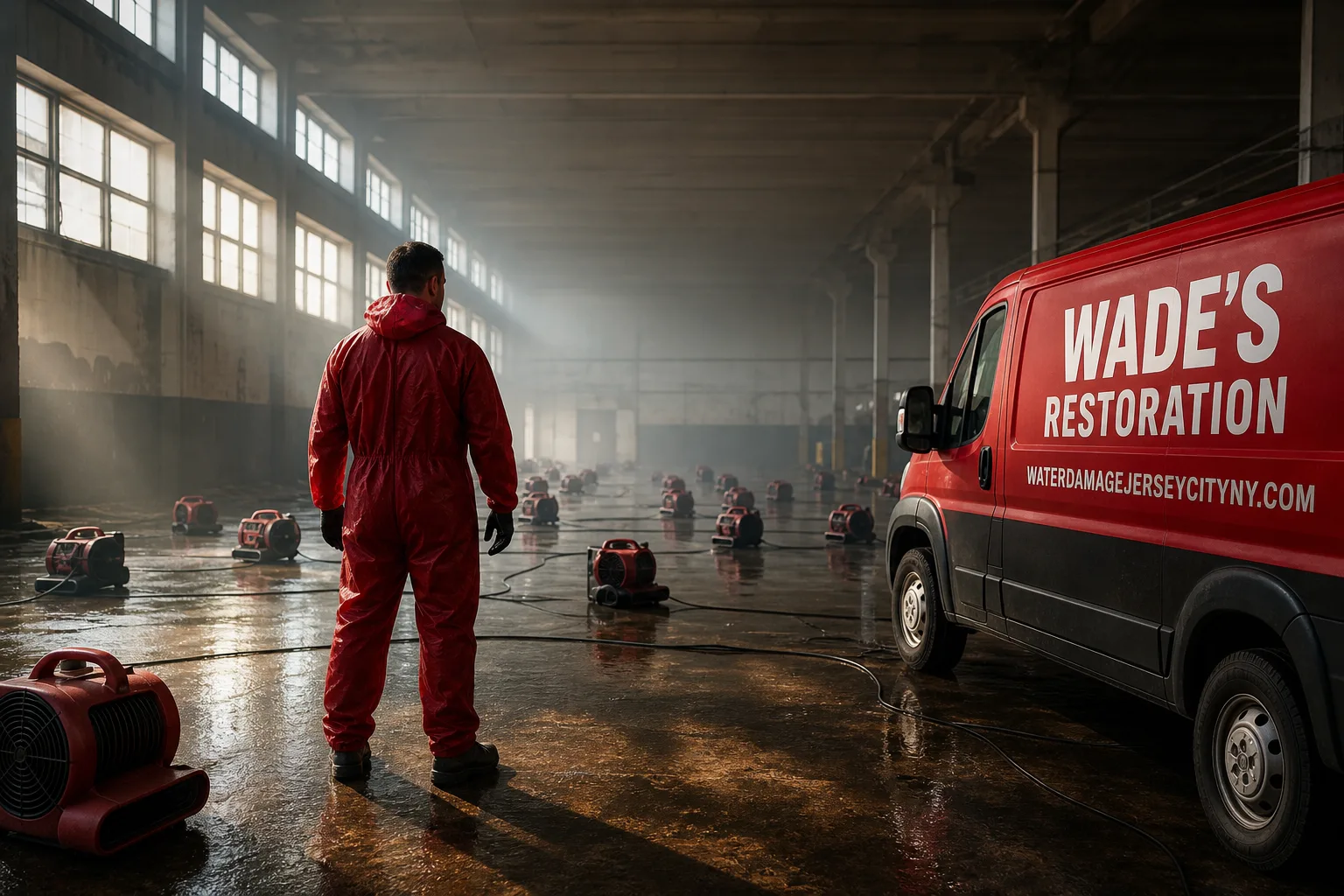
Free visual inspection and a written scope of work before any mitigation begins - photos, moisture readings, and drying logs go in your claim file
The scope we write is the scope we bill. Anything new gets shown to you, in writing, before we touch it.
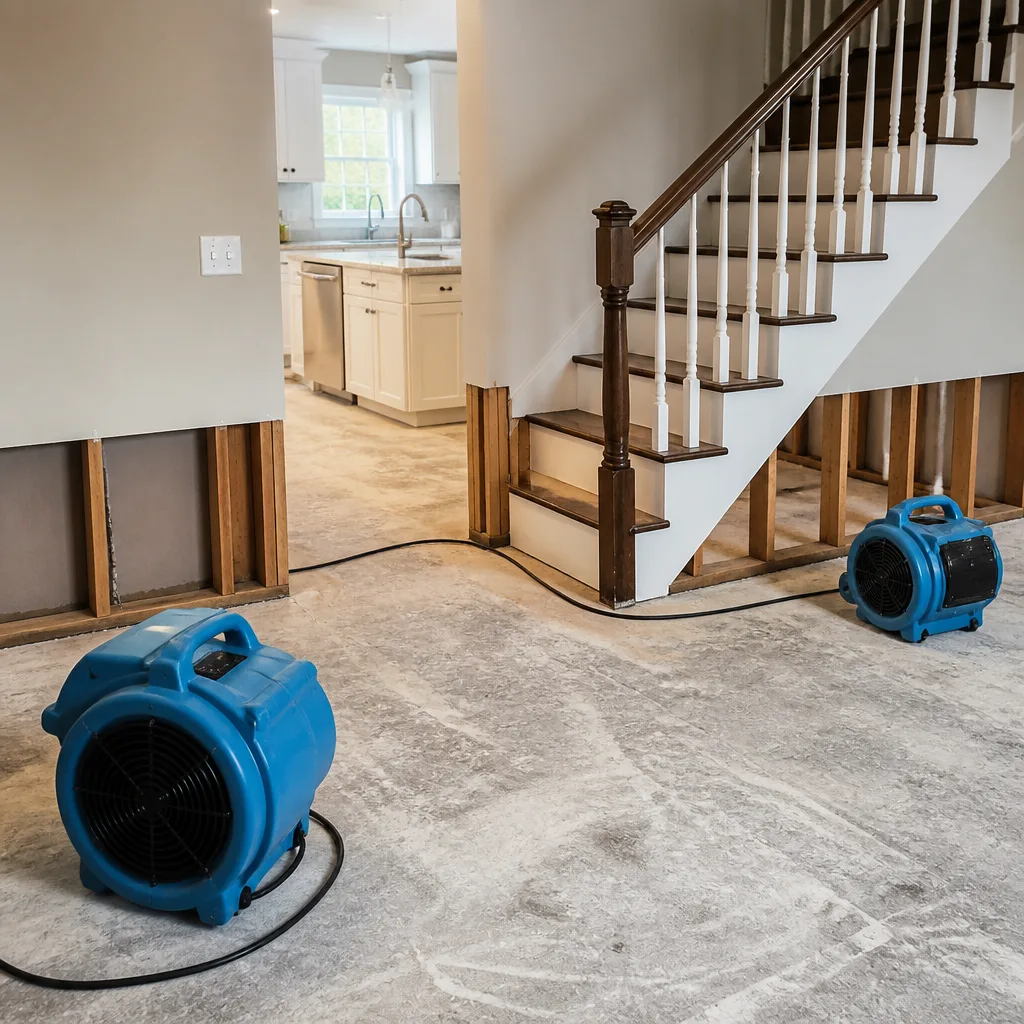
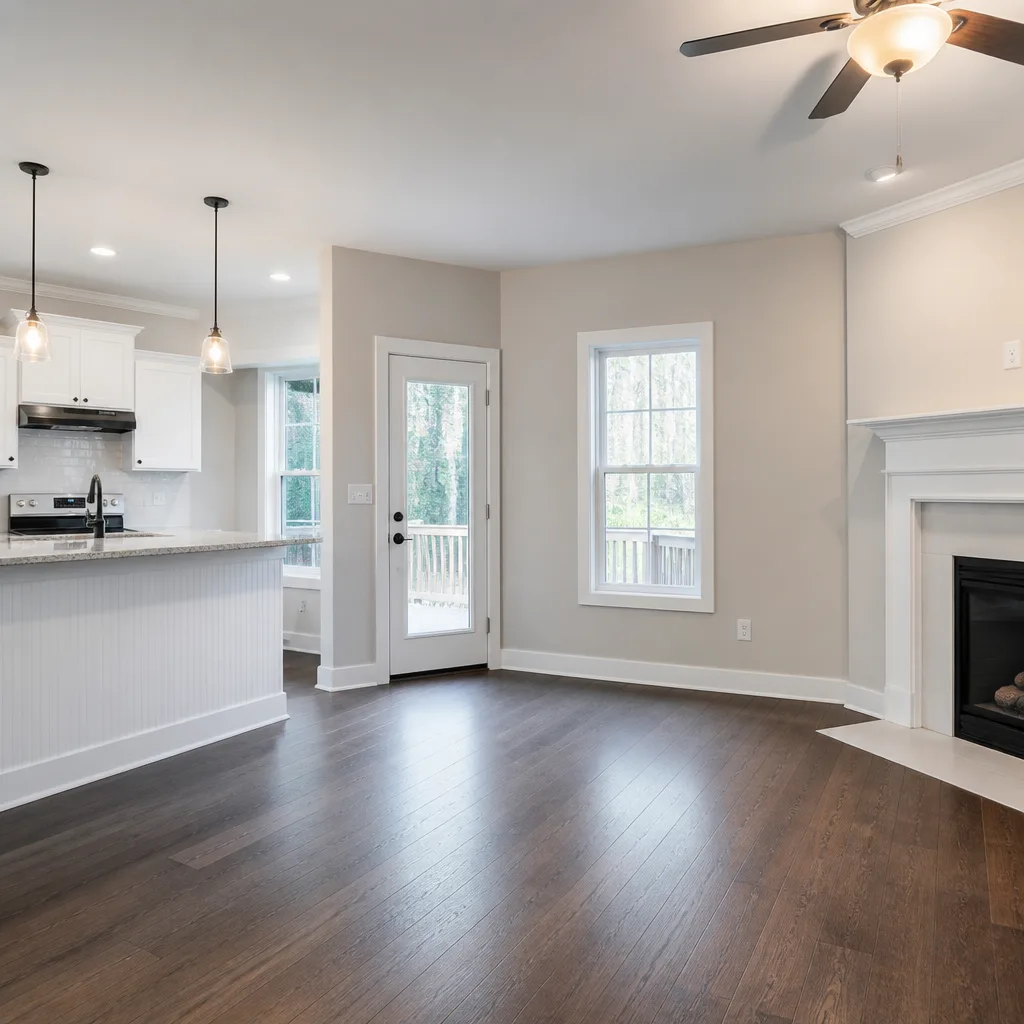
 Before
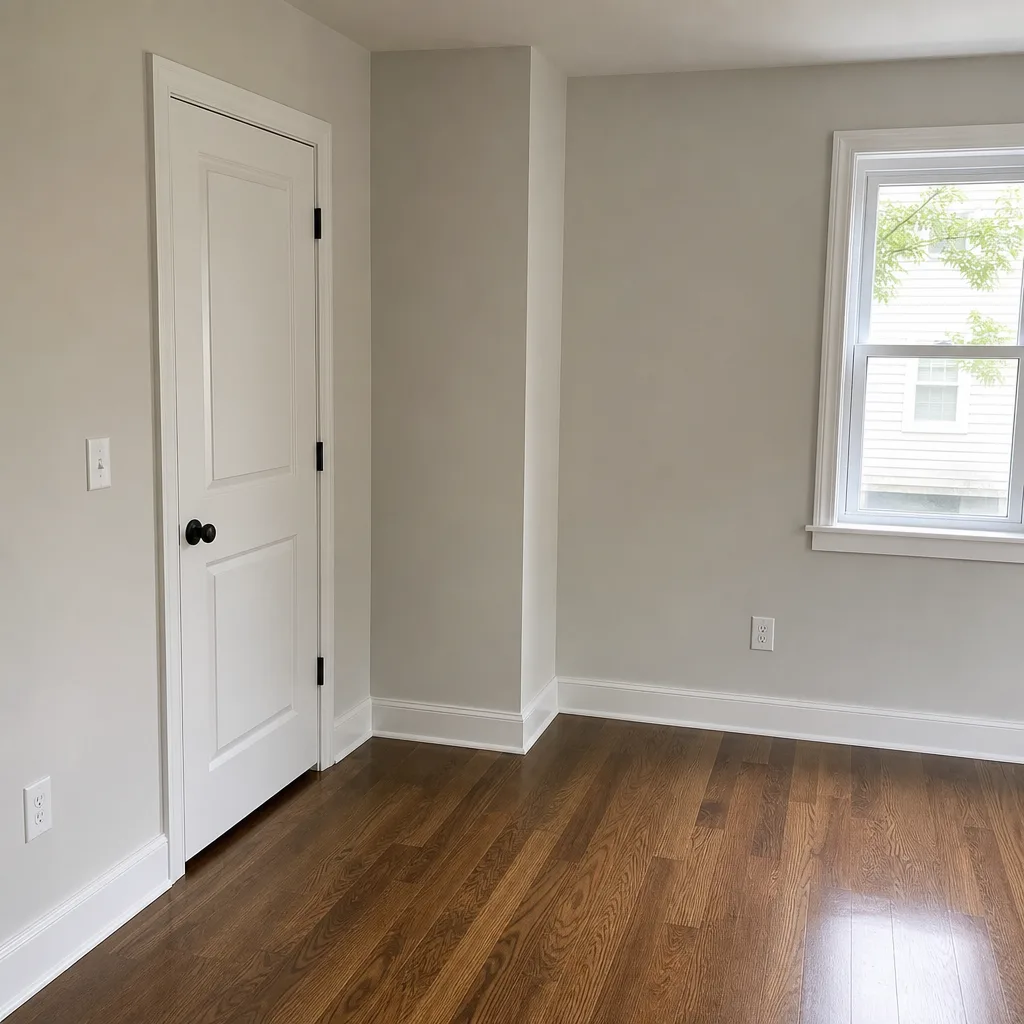 After
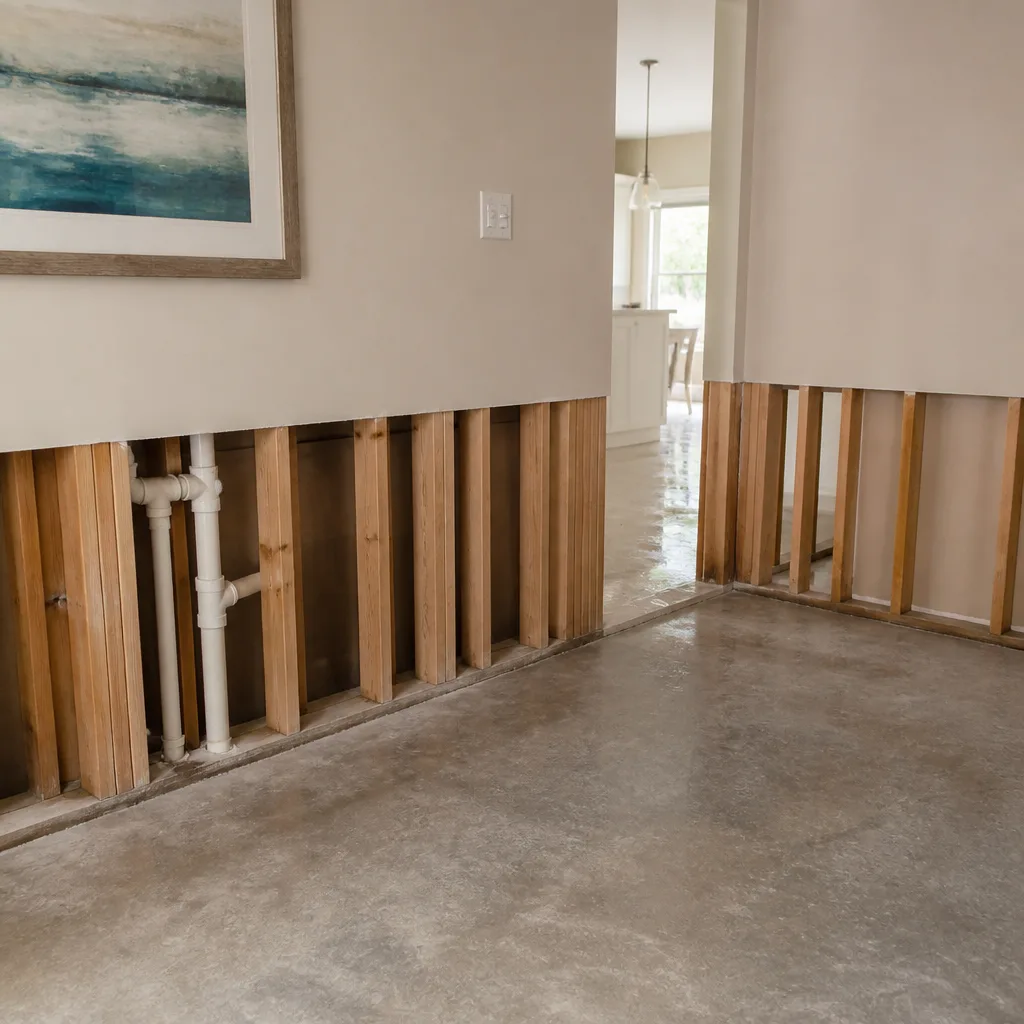
After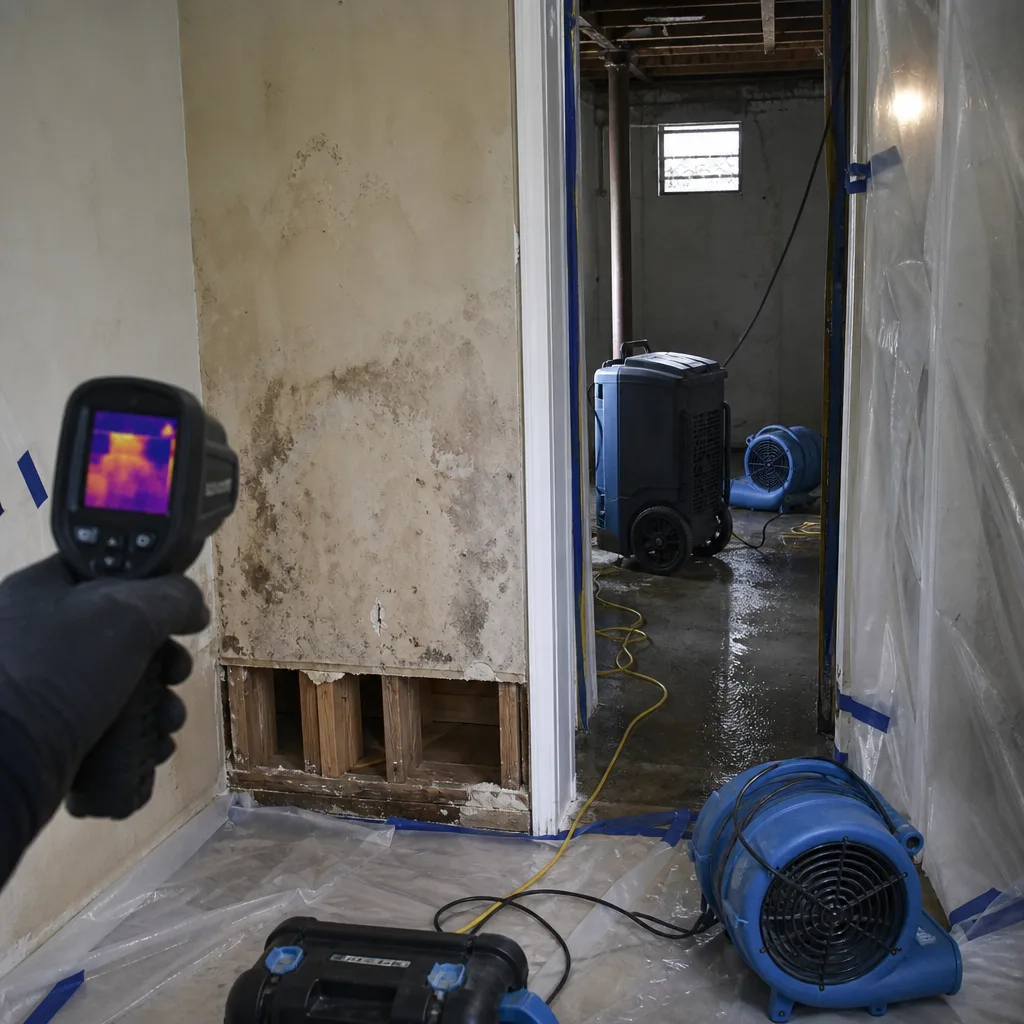 Before
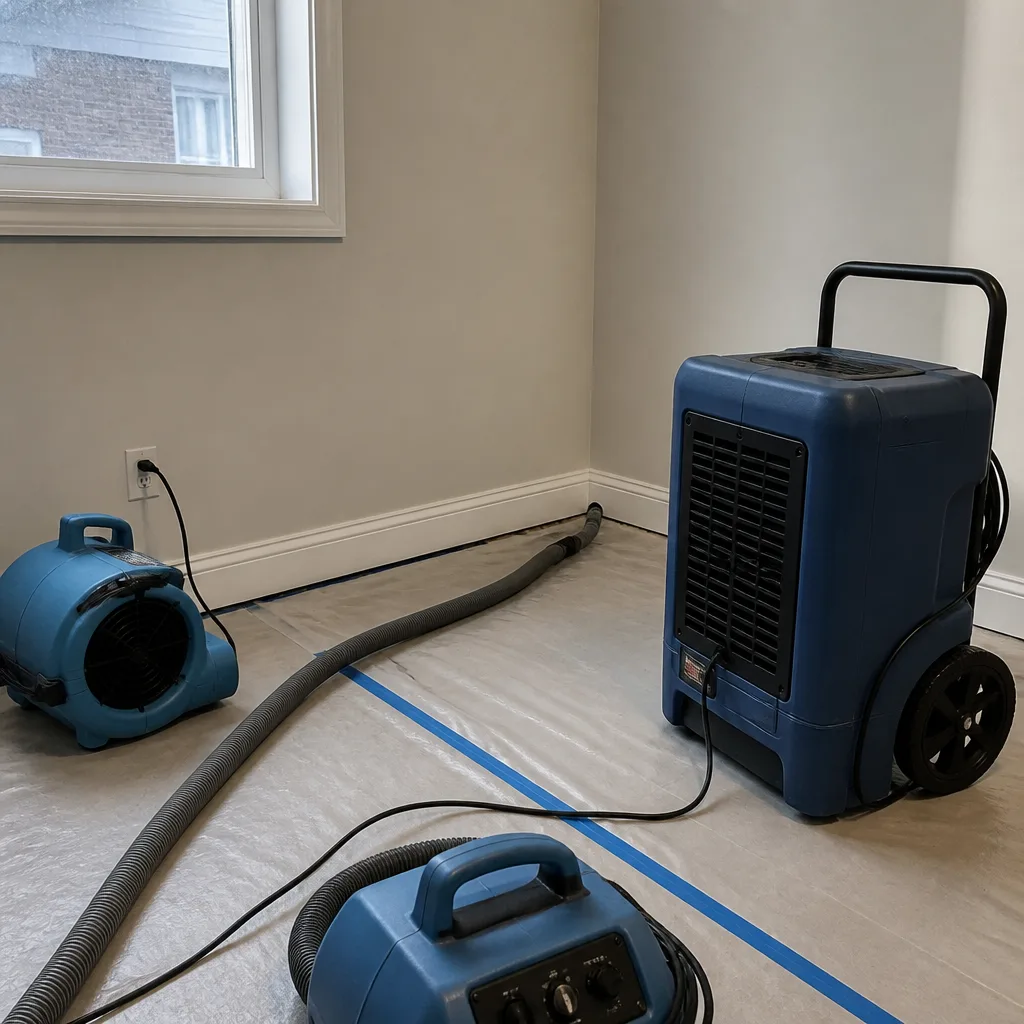 After
After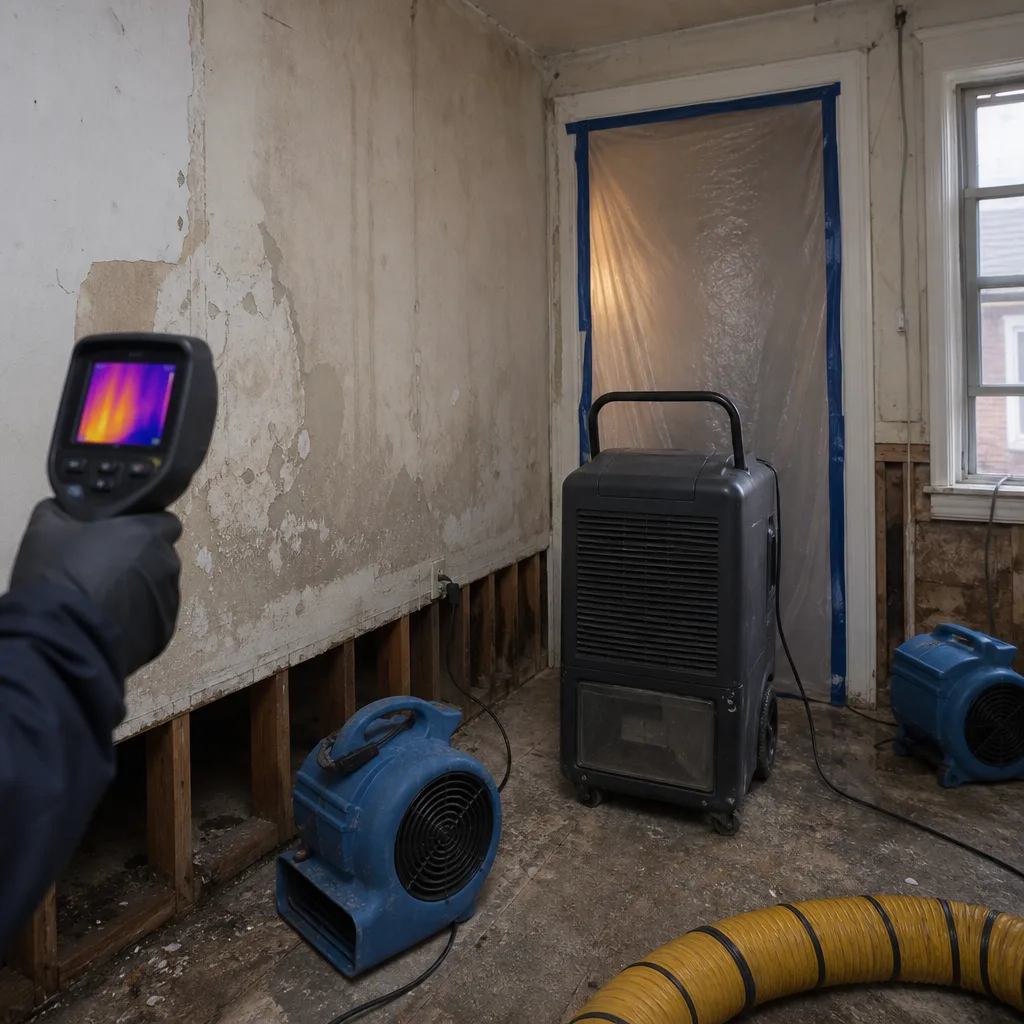 Before
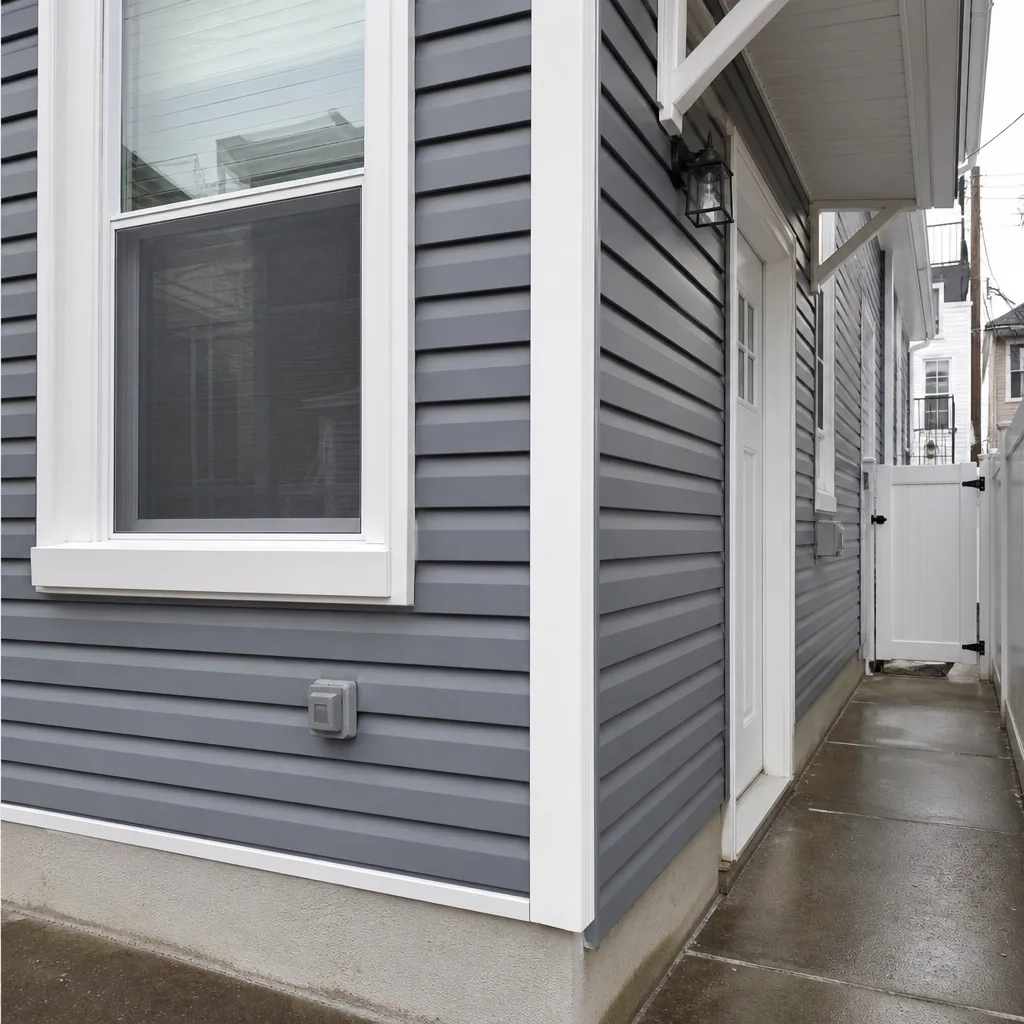 After
After24/7 Emergency Storm & Disaster Restoration in Union City
Storm damage in Union City moves fast, and so do we. Call (201) 903-9581 and you’ll get Wade himself or a member of his crew on the line, not an answering service. For storm damage cleanup, flood damage restoration, and emergency board-up in Union City, we can have extraction running inside the hour. The first hour after a storm or flood is when you decide between drying a room and replacing it. Water that sits in a pre-war tenement’s plaster walls starts wicking upward immediately, and by hour 24 you’re looking at mold colonization behind baseboards and inside wall cavities. A free visual inspection tells you exactly where you stand before any money changes hands.
Understanding Storm & Disaster Restoration Severity in Union City Properties
Storm water in Union City is rarely clean, and it’s never simple. We classify flood water into three categories. Category 1 is clean supply-line water. Category 2 carries significant contamination. Category 3, which is what you get when the Palisades slope pushes street runoff, sewage, and groundwater into a basement apartment on Palisade Avenue or New York Avenue, is grossly contaminated. It carries bacteria, pathogens, and whatever was in the gutter upstream. In Union City’s attached brick tenements, Category 3 water doesn’t stay in the basement unit where it first appeared. It seeps through the common wall into the neighboring building’s basement, often before the first tenant even notices. Moisture mapping with thermal imaging and hygrometers shows us the true wetted perimeter, which almost always extends past what’s visible. Structural drying in these buildings means drying multiple units, multiple floors, and sometimes multiple buildings under different ownership. That’s the exact scenario where national franchises fall apart and a local owner-operator who has done this in Hudson County tenements for years earns his keep.
Why Union City Property Owners Choose Wade’s Restoration
- 45-minute response commitment. Wade heads out as soon as you hang up. In Union City, with its tight streets and dense blocks, a crew that knows Bergenline Avenue from Summit Avenue gets there faster than a GPS-guided van from Paramus.
- 24/7 live answer. You get Wade’s cell. No call center, no voicemail tree, no “your call is important to us.” At 3 a.m. during a nor’easter, that matters.
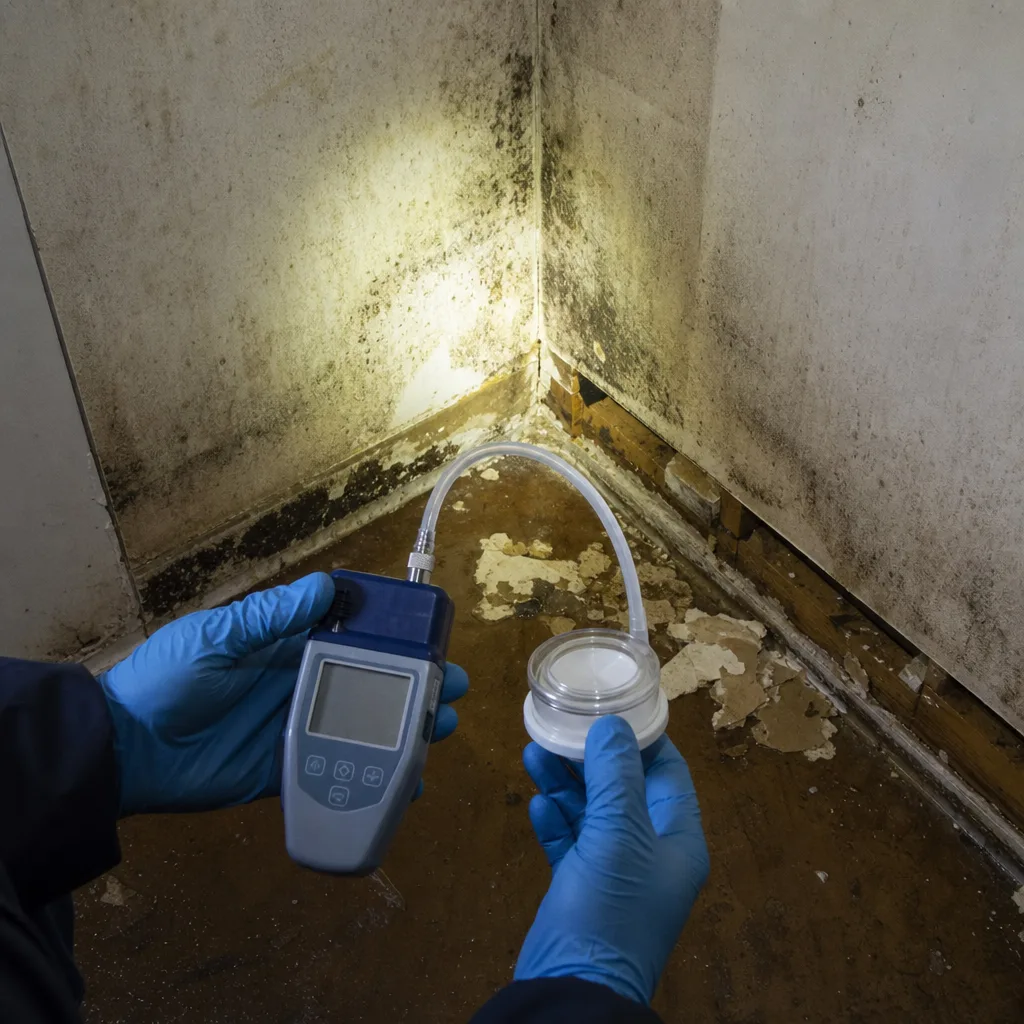
- IICRC-certified crews. Water damage means WRT certification. Fire and smoke means FSRT. Mold means AMRT. Wade’s team holds the relevant credentials for every job we take, and if mold is involved, we run containment and air scrubbing under negative pressure from day one.
- Free visual inspection. No trip charge inside our own county. Wade walks the property, takes moisture readings, and tells you what you’re actually dealing with. If it’s a small dry-out, he’ll say so. No upsell.
- Direct insurance billing. We work directly with your adjuster, your neighbor’s adjuster, and whoever else is involved. You’re not the one relaying moisture logs between three parties.
- One team from extraction to reconstruction. The same crew that pumps out the basement is the one that rebuilds the finished space. In Union City’s multi-owner buildings, that continuity keeps everybody honest.
Our Storm & Disaster Restoration Process
Inspection & Assessment
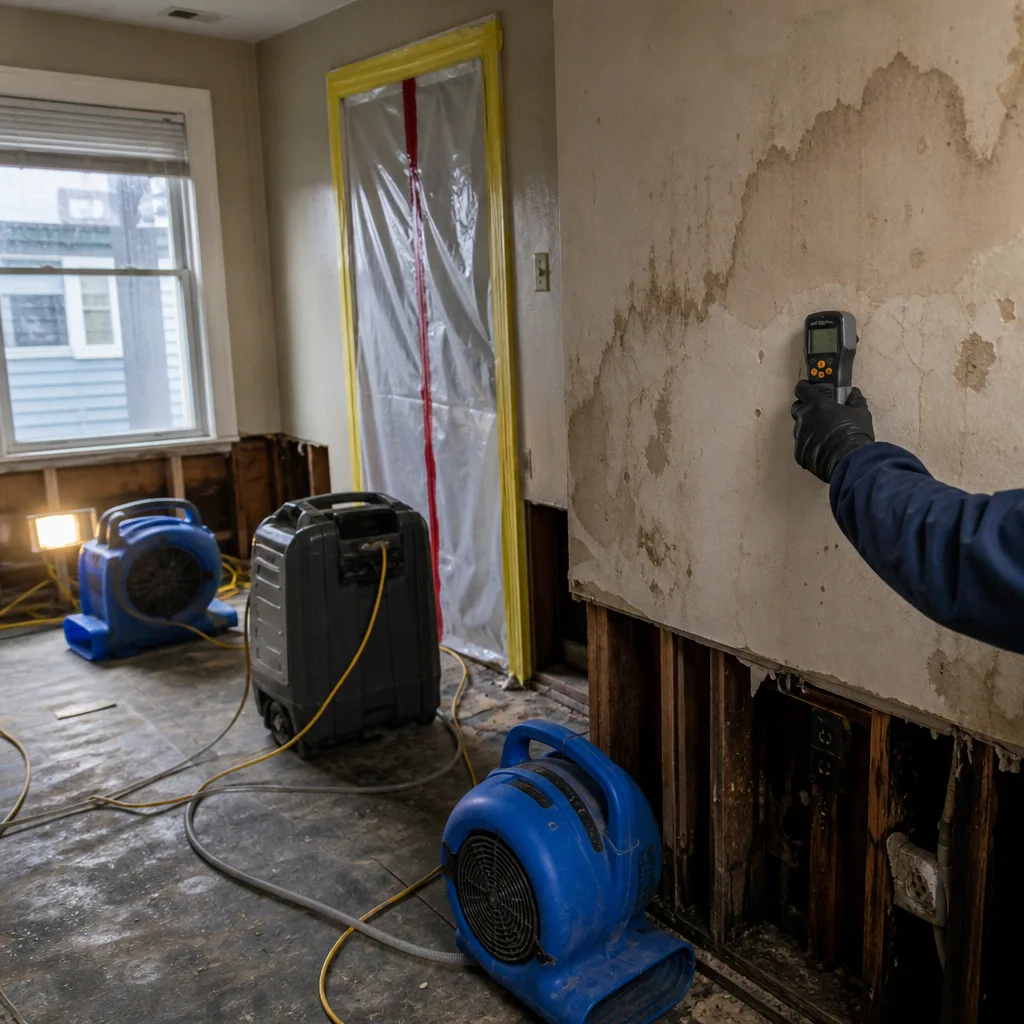
We arrive, we walk the full wetted area with thermal imaging and moisture meters, and we map what’s wet, what’s at risk, and what’s already beyond drying. In attached tenements, this step includes checking the party wall for moisture migration into the neighboring unit.
Extraction & Stabilization
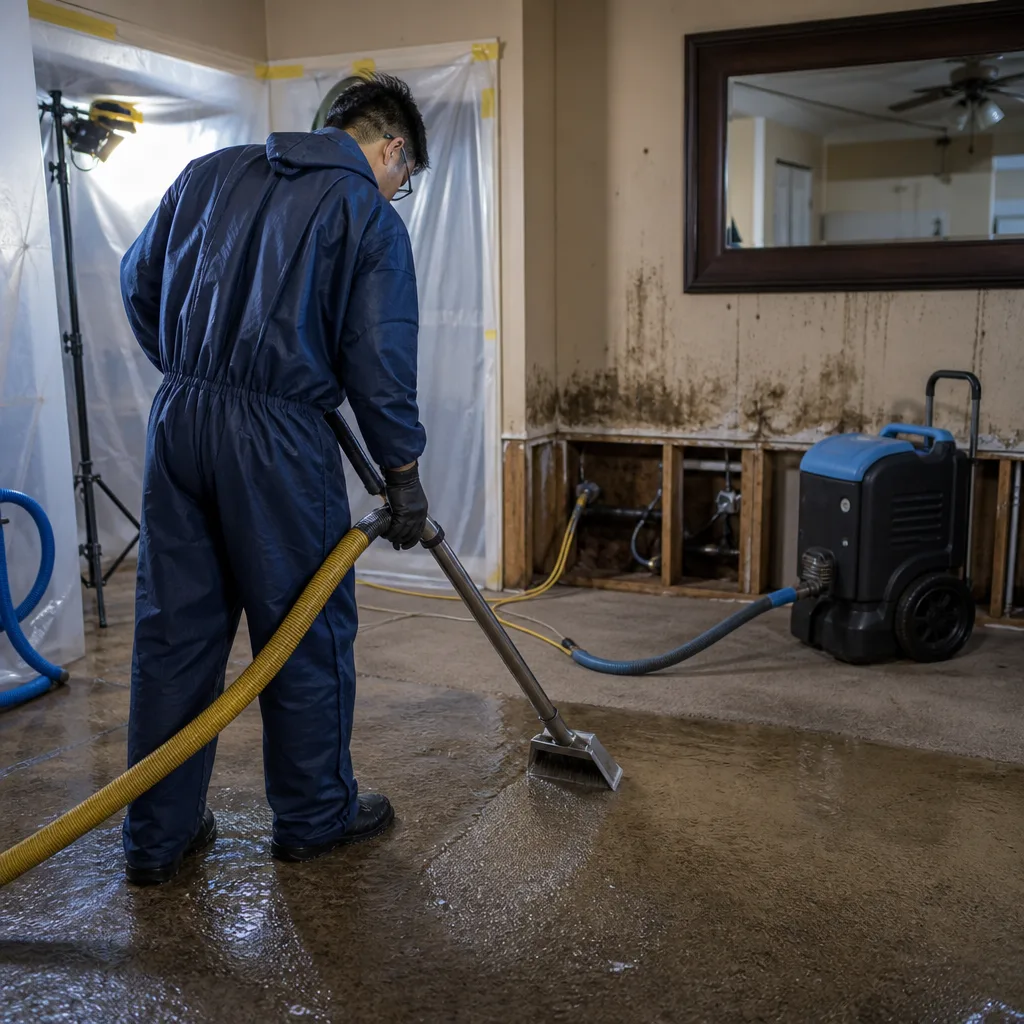
Standing water comes out first, using truck-mounted and portable extraction. Then we shore up anything storm-damaged that’s unstable. If a ceiling is holding water or a roof opening is exposed, we tarp and board before we do anything else.
Drying & Dehumidification
Dri-Eaz dehumidifiers and XPOWER air movers are placed based on moisture mapping, not guesswork. We take daily readings. On water, fire, and mold jobs, you get the full moisture log at the end. Almost nobody in this trade does that. Wade does.
Cleaning & Sanitization
Category 3 flood water means antimicrobial treatment on every affected surface. We remove contaminated finishes, clean what’s salvageable, and sanitize cavities before anything gets closed back up.
Storm-Specific Treatment
For wind-driven rain intrusion, this means tracing the water path back to the roof membrane, parapet flashing, or window system and stopping the source. For sewer-influenced backup, it means full Category 3 protocols with containment and controlled disposal of contaminated materials.
Repairs & Restoration
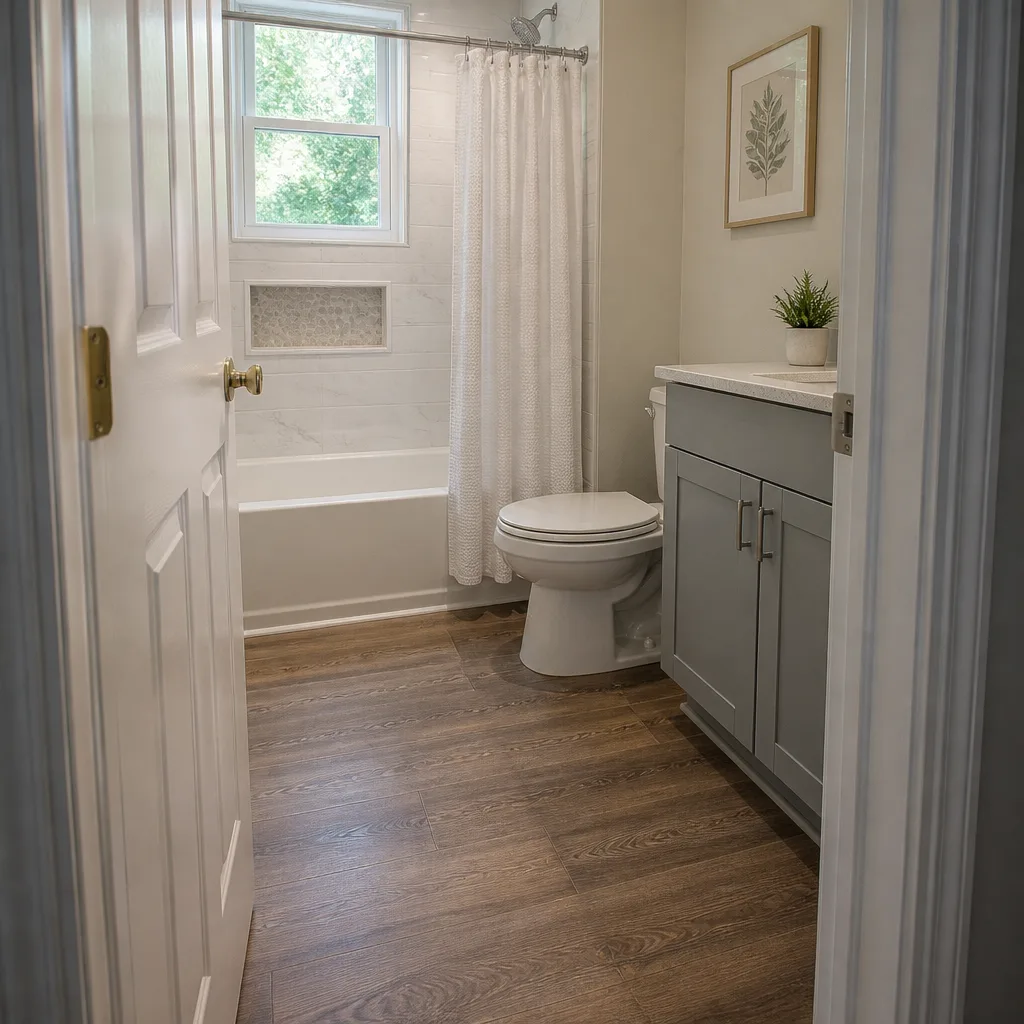
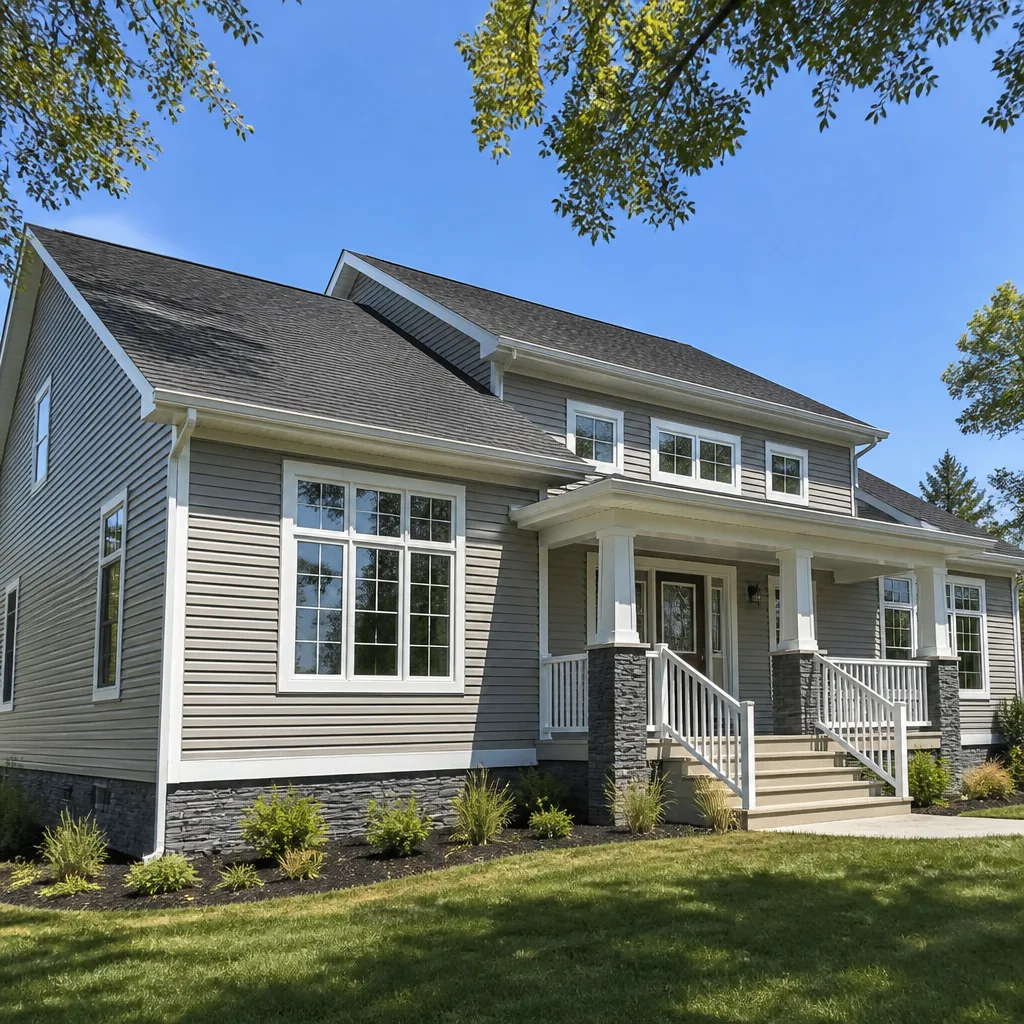
We rebuild what we removed. Drywall, plaster, flooring, paint, trim. The same crew that started the job finishes it, and the 90-Day Done Right Promise means if it’s not done right, Wade comes back and makes it right. In writing.
Need Emergency Storm & Disaster Restoration in Union City Now?
Crews minutes away, answering live 24 hours a day. The sooner we start, the less it costs.
Working With Your Insurance Company
Insurance claims in Union City’s multi-unit buildings get complicated fast. Your landlord’s policy, your upstairs neighbor’s policy, your own renters or homeowners policy. Three adjusters, three different carriers, one wet wall. Wade’s Restoration deals with all of them directly. We photograph everything from the first hour, run moisture logs the entire job, and produce a line-item scope of work that speaks the language insurance adjusters expect. You never have to play telephone between an adjuster and a contractor. If your insurer pushes back on a line item, Wade will get on the phone and explain the technical basis. That’s not a service upgrade. That’s how he runs every job.
What We Provide Your Insurer
- Thorough documentation of the loss
- Photos of all damage, room by room
- Moisture readings and drying logs
- A detailed, line-item scope of work
- Direct coordination with your carrier
Built for Union City’s Loss Calendar
Union City’s storm damage calendar is as predictable as the tides, and it’s driven by the Palisades. January and February bring deep freezes that burst supply lines and split aging cast-iron drain stacks in pre-war tenements. The late-winter freeze-thaw cycles do real damage to flat roof membranes on buildings that haven’t been re-roofed since the last century. When the March and April rains arrive, those freeze-opened seams become ceiling collapses. Last March, after a late-winter freeze-thaw cycle opened a seam in a 1920s flat EPDM roof on Bergenline Avenue, our techs were on-site within hours with Dri-Eaz dehumidifiers and XPOWER air movers. Water had already saturated the third-floor ceiling cavity and was migrating through the party wall into the neighboring building’s top-floor unit. Both owned by different landlords with different insurance carriers. We ran moisture mapping across both sides, documented the migration path, and coordinated separate drying logs and scopes of work for each property, getting both spaces to pre-loss condition before mold could take hold. Summer brings flash thunderstorms that overwhelm Union City’s storm drains, funneling runoff down the Palisades slope into basement-level apartments on the lower cross streets. Fall nor’easters bring wind-driven rain that finds every failed parapet flashing and every cracked window lintel. Wade’s Restoration serves Union City and the surrounding Hudson County towns year-round, and the seasonal patterns here are written into how we stock trucks and schedule crews.
Storm & Disaster Restoration Across Union City’s Neighborhoods
The buildings change from block to block in Union City, and the storm damage patterns change with them. Along Bergenline Avenue, the commercial storefronts on the ground floor of older mixed-use buildings put residential units directly above flat-roof spans that pond water in every heavy rain. When those membranes fail, the water migrates down through the ceiling assembly into the shop below, and suddenly you have a storm claim that spans two tenants and two insurance policies. In the dense walk-up blocks between Palisade Avenue and New York Avenue, the attached brick tenements share party walls that don’t stop water. A roof leak on one building soaks the top-floor unit of the building next door, and both landlords are involved before the drying starts. The basement-level apartments and storage units on the lower streets near the base of the Palisades take the worst of the stormwater runoff during flash floods. Union City has some of the steepest residential streets in the county, and gravity does what gravity does. We respond to storm calls in all of it, from the 07087 side near Kennedy Boulevard to the streets running down toward the viaduct.
Specialized Storm & Disaster Restoration Services We Offer in Union City
Storm Damage Cleanup
Downed limbs, wind-blown debris, broken glass, soaked carpet and drywall. Storm damage cleanup in Union City means working fast in tight spaces, because the buildings are tight. Hallways are narrow, stairways are steep, and every piece of equipment has to go up or down three flights. We plan for that.
Flood Damage Restoration
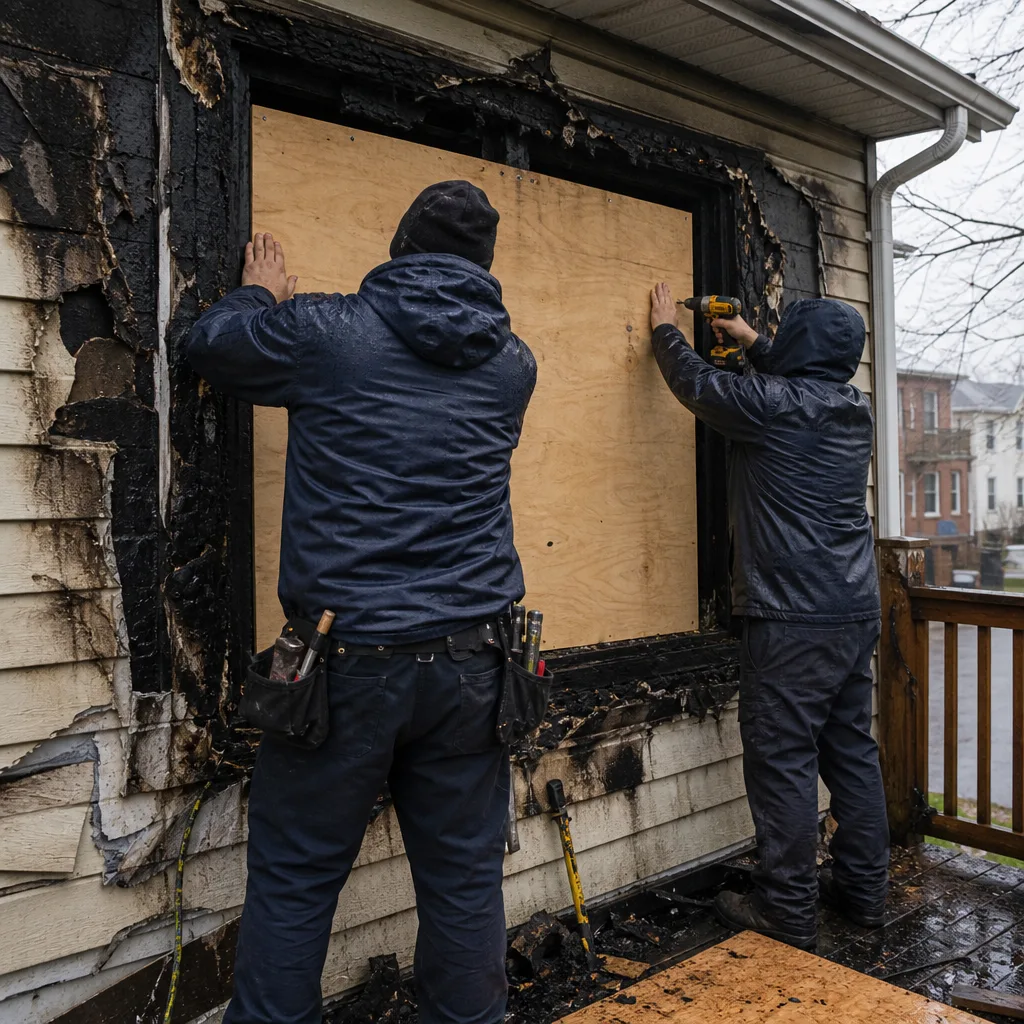
When the Palisades runoff hits Union City’s lower blocks, it doesn’t stop at the curb line. It comes through basement doors, up through floor drains, and under foundation walls. This is where Category 3 protocols matter most, because that water has traveled across streets, sidewalks, and gutters before it reached your floor. We treat it accordingly.
Emergency Board-Up
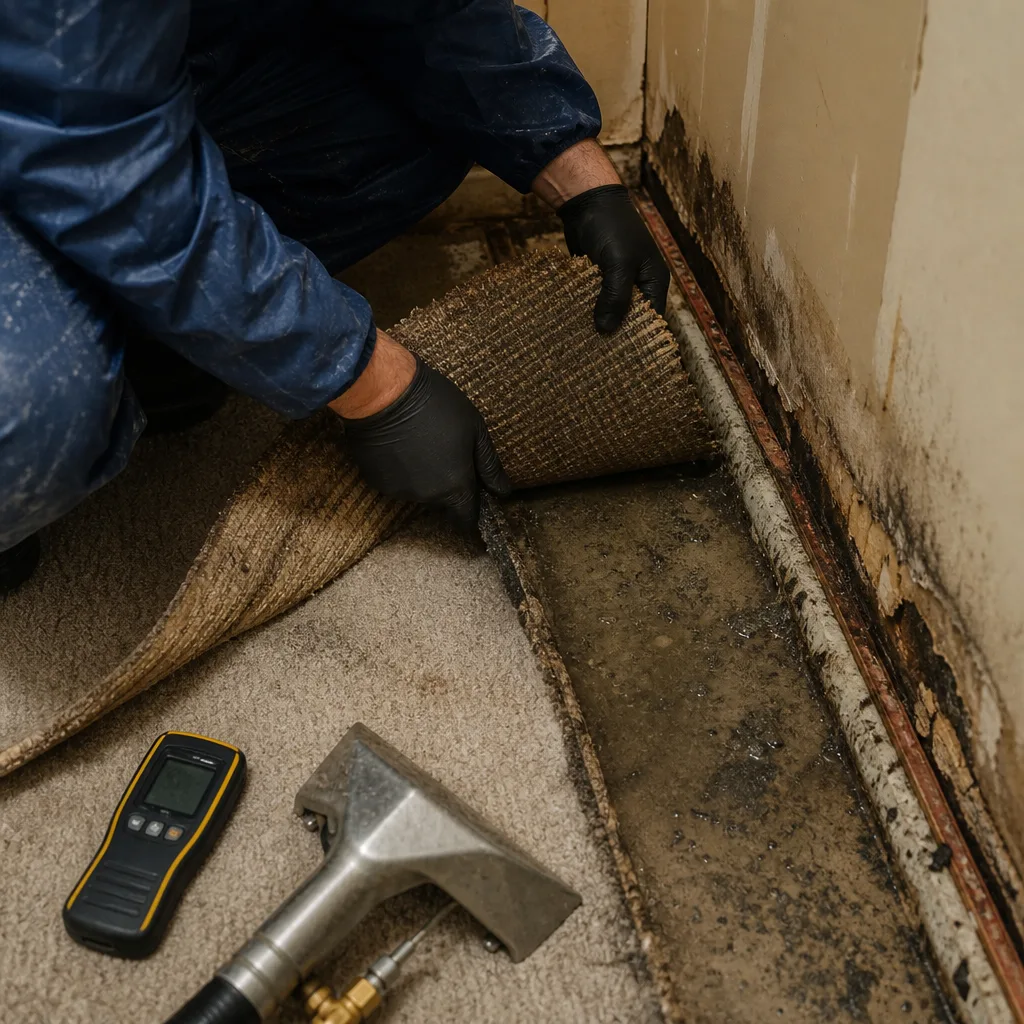
A broken window or a storm-blown door in an attached Union City tenement isn’t just a security issue for your unit. It’s an opening for weather, pests, and unauthorized entry that affects the whole building. Our crew boards and secures the opening same day, and we do it in a way that satisfies building owners and local requirements.
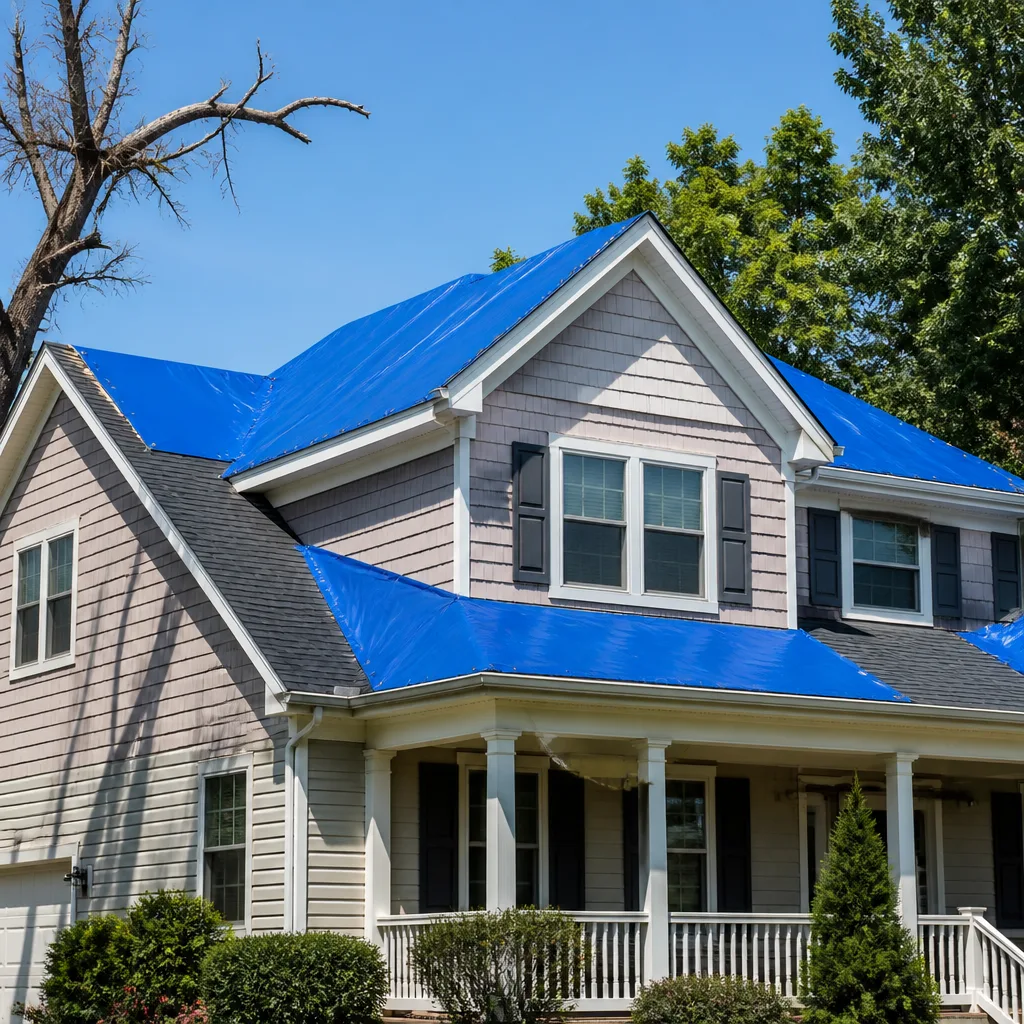
Roof Tarping
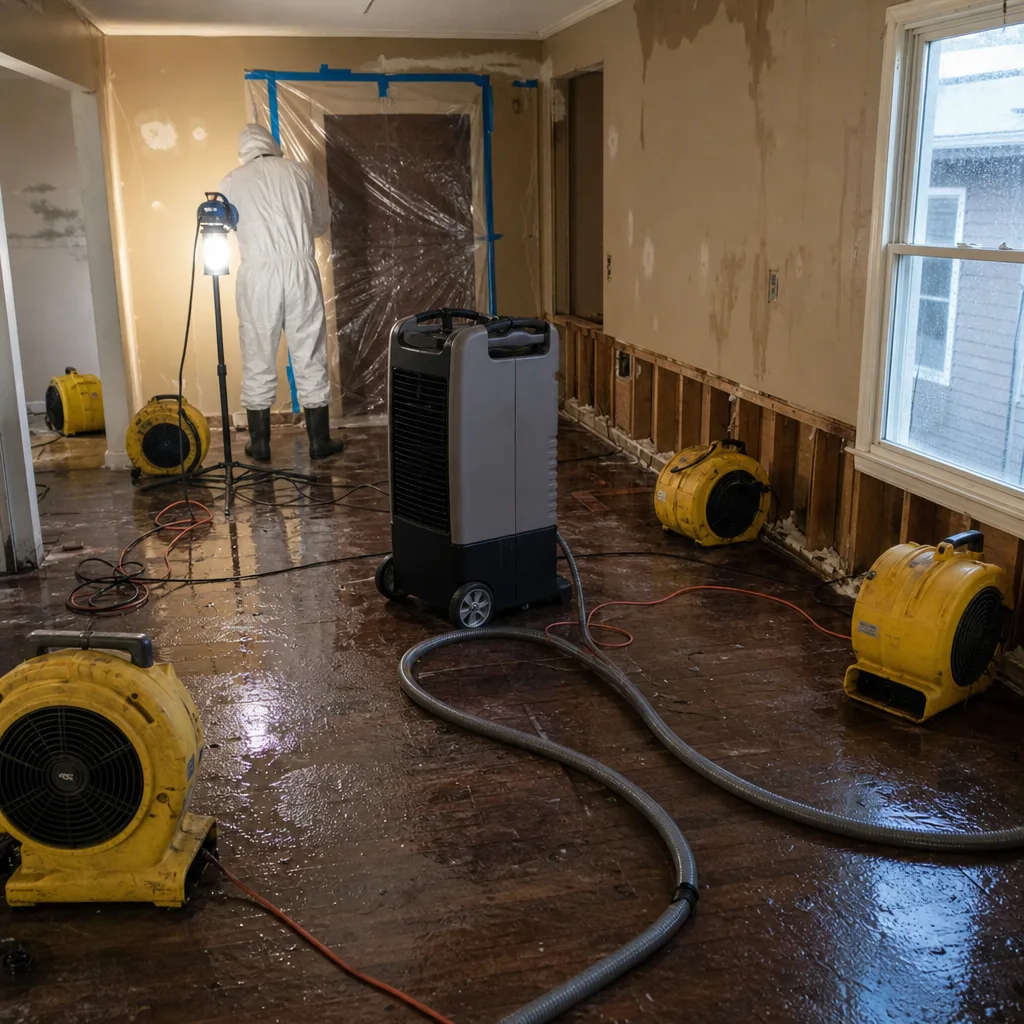
Flat EPDM and tar-and-gravel roofs on Union City’s pre-war buildings fail at the seams and around parapets. A properly secured tarp stops active water intrusion while a permanent repair scope is worked out with the building owner and their insurer. We tarp the same day we’re called.
Debris Removal
Storm debris in Union City means what’s inside the building as much as what’s outside. Soaked insulation, collapsed ceiling material, waterlogged furniture. We remove it, categorize it for your insurer, and dispose of it properly. No dumpster sitting on Bergenline Avenue for a week.
What happens when you call
- 1
A real person answersNo phone trees - you reach a local pro.
- 2
You get an upfront price rangeHonest numbers before anyone is dispatched.
- 3
A background-checked tech heads outLicensed & insured, dispatched right away.
- 4
You approve before work beginsNothing starts until you say go.
Storm & Disaster Restoration Costs in Union City, NJ
Honest numbers for Union City’s market. A straight storm-water extraction and dryout in a single apartment unit typically runs $1,800 to $4,500. When that same water event migrates through a party wall into a neighboring unit, the combined scope usually lands between $6,000 and $18,000, because both spaces have to be dried, cleaned, and often refinished. Category 3 flood water from sewage backup pushes the number up, partly because of the containment and controlled disposal, partly because more materials can’t be saved. A small emergency board-up is usually $450 to $900. Roof tarping for a flat-roof tenement section runs $800 to $2,200 depending on the roof height and access. These are real numbers from real Union City jobs, not franchise-menu prices. The only way to know your number is the free inspection. Wade walks the property, gives you a written scope, and you decide. No pressure, no surprise add-ons. Call (201) 903-9581 for an exact quote, and ask about the $40 off any repair over $200 and the Senior & Veteran 10% discount.
We Also Serve Cities Near Union City
Storm damage doesn’t stop at the Union City line, and neither do we. Our crews regularly work in Storm & Disaster Restoration in Union City as well as neighboring Weehawken, Hoboken, North Bergen, and Secaucus. Same response commitment, same local crews, same 90-Day Done Right Promise.
Union City Storm & Disaster Restoration Questions, Answered
How does storm water actually get into basement units in Union City’s Palisades topography?
Storm water enters Union City basement units because the Palisades escarpment channels runoff downhill at high volume and speed. In a heavy thunderstorm or nor’easter, water flows down the steep cross streets, overwhelms catch basins, and backs up into the lower-lying basements and sub-grade entrances along the lower blocks. Once inside, it spreads through shared foundation walls into adjacent units. Call (201) 903-9581 and we’ll be on site within the hour.
Do I have to involve my neighbor’s landlord if water from my unit soaked through the party wall?
Yes. If moisture migrated through the party wall into an adjacent unit or building, both property owners need to be involved. We’ll document the migration path, run separate moisture logs for each property, and coordinate with both insurers directly. You won’t be stuck relaying messages between two landlords and two adjusters.
Is rooftop tarping enough for my flat-roof tenement after storm damage, or do I need full repair?
Tarping is an emergency stopgap. It stops active water intrusion immediately, which is critical. But a tarp is not a permanent fix, especially on Union City’s older EPDM and tar-and-gravel roofs where the underlying membrane is already past its service life. We’ll tarp the same day, then give you and your insurer a written scope for the permanent repair with real numbers.
How quickly can mold start in a Union City apartment after a ceiling leak?
Mold colonization can begin within 24 to 48 hours in the right conditions. In older Union City tenements with plaster and lath walls and decades of accumulated dust in cavities, that timeline can move even faster. The key is getting extraction and drying started the same day. Every day of delay expands the mold risk and the remediation cost.
What if the water in my basement is from sewage backup, not just storm water?
Then it’s Category 3 water, and the treatment is different. Contaminated finishes come out, affected surfaces get antimicrobial treatment, and we run containment to prevent cross-contamination of the rest of the building. This is not a case for a bucket and a fan. Call us and we’ll handle it properly from the start.
How fast can you actually get to Union City?
Wade answers his own phone 24/7, and he’s on the road within minutes of hanging up. For an active flood or storm intrusion, you’re typically looking at 30 to 45 minutes to the first truck, depending on where you are in Union City and what the roads look like. We’ll give you a straight answer when you call.
Will my insurance cover storm and flood damage?
Storm damage from wind, rain intrusion, or falling debris is typically covered by standard homeowners insurance. Flood damage from rising groundwater or storm surge is usually a separate flood policy. In Union City’s multi-unit buildings, coverage can also depend on whose policy applies to which portion of the building. We’ll help you sort that out with your carrier.
What should I do in the first 30 minutes after I find storm water in my apartment?
Turn off electricity to the affected area if you can safely reach the panel. Don’t walk through standing water that may be charged. Call (201) 903-9581. Document what you can with photos for your insurer. Don’t use a household vacuum or fans on contaminated water. And don’t wait; the clock on mold starts immediately.
Serving Union City, NJ - Our Local Coverage Area
We’re based in the Union City area and know this community well. Use the map below to see our service coverage - if you’re nearby, we can almost certainly help.
Storm Damage Cleanup in Union City That Reaches the Building Next Door
Here’s what a national franchise won’t tell you about storm restoration in Union City. The water you see is never the whole problem. In attached brick tenements, every wall, floor, and ceiling is shared. A roof leak above the fourth-floor unit on Palisade Avenue is, within hours, a problem in the third-floor unit two buildings over. A sewage backup in one basement is a contamination risk in the basement next door, behind the same foundation wall. The moisture moves through the party wall, the floor joists, the old plaster, and the shared ventilation shafts. Stopping at your own unit’s threshold isn’t just incomplete. It’s a guarantee that the problem will come back through the wall in six months. This page is built specifically for Union City’s pre-war attached brick tenements, because no generic damage-restoration website can prepare you for what actually happens here when a storm hits. Wade’s Restoration has been crawling through these buildings, running hoses up these stairwells, and coordinating these multi-owner, multi-insurer claims for years. Storm & Disaster Restoration isn’t a side service for us. It’s the main job.
Call our team at (201) 903-9581 for emergency storm and disaster restoration in Union City. Estimates are free, and the 90-Day Done Right Promise is in writing on every water, fire, and mold job. Wade will be there himself.
Written by Wade Ferris, Owner at Wade’s Restoration, serving Union City and the surrounding Hudson County communities since 2007.