
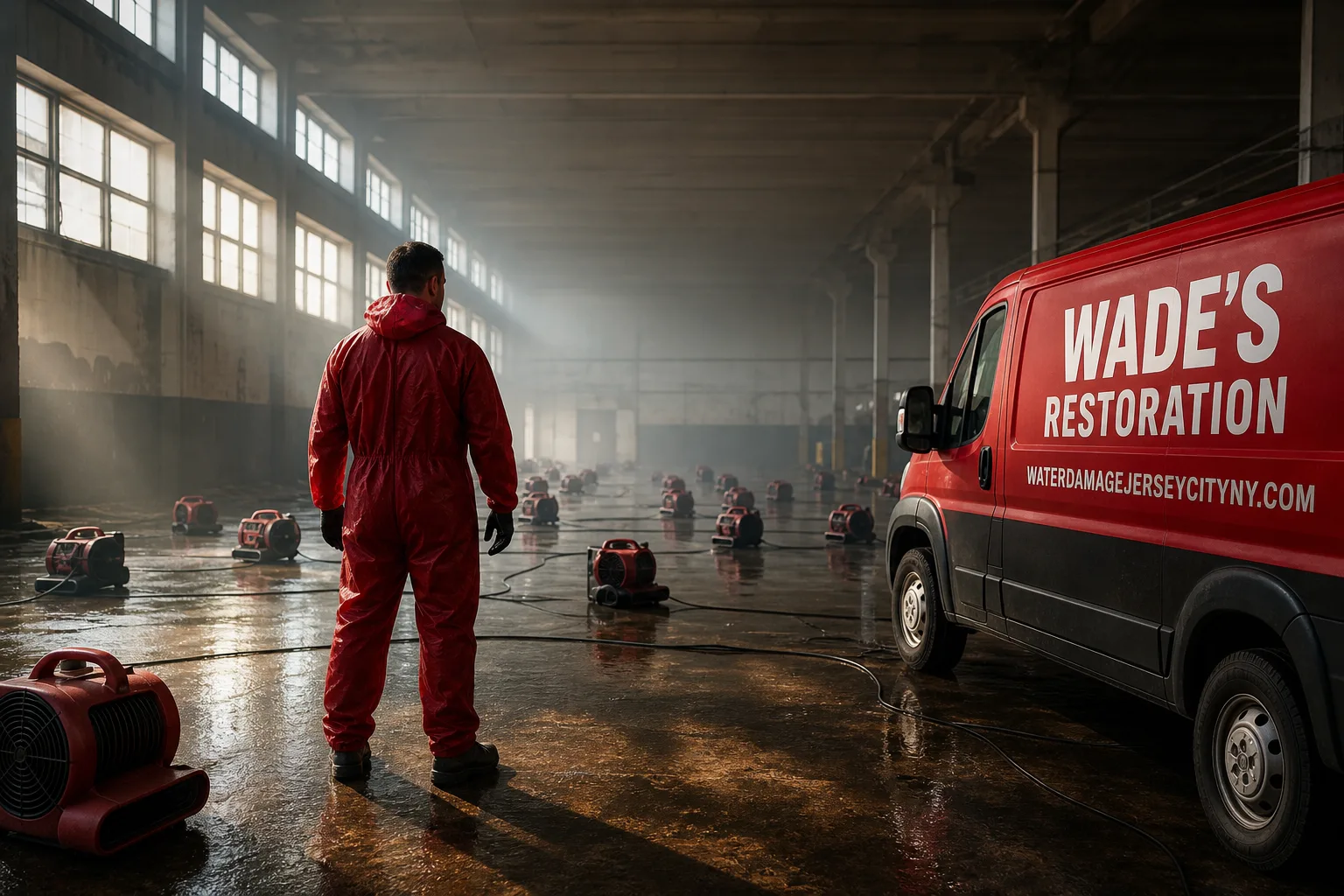
Free visual inspection and a written scope of work before any mitigation begins - photos, moisture readings, and drying logs go in your claim file
The scope we write is the scope we bill. Anything new gets shown to you, in writing, before we touch it.
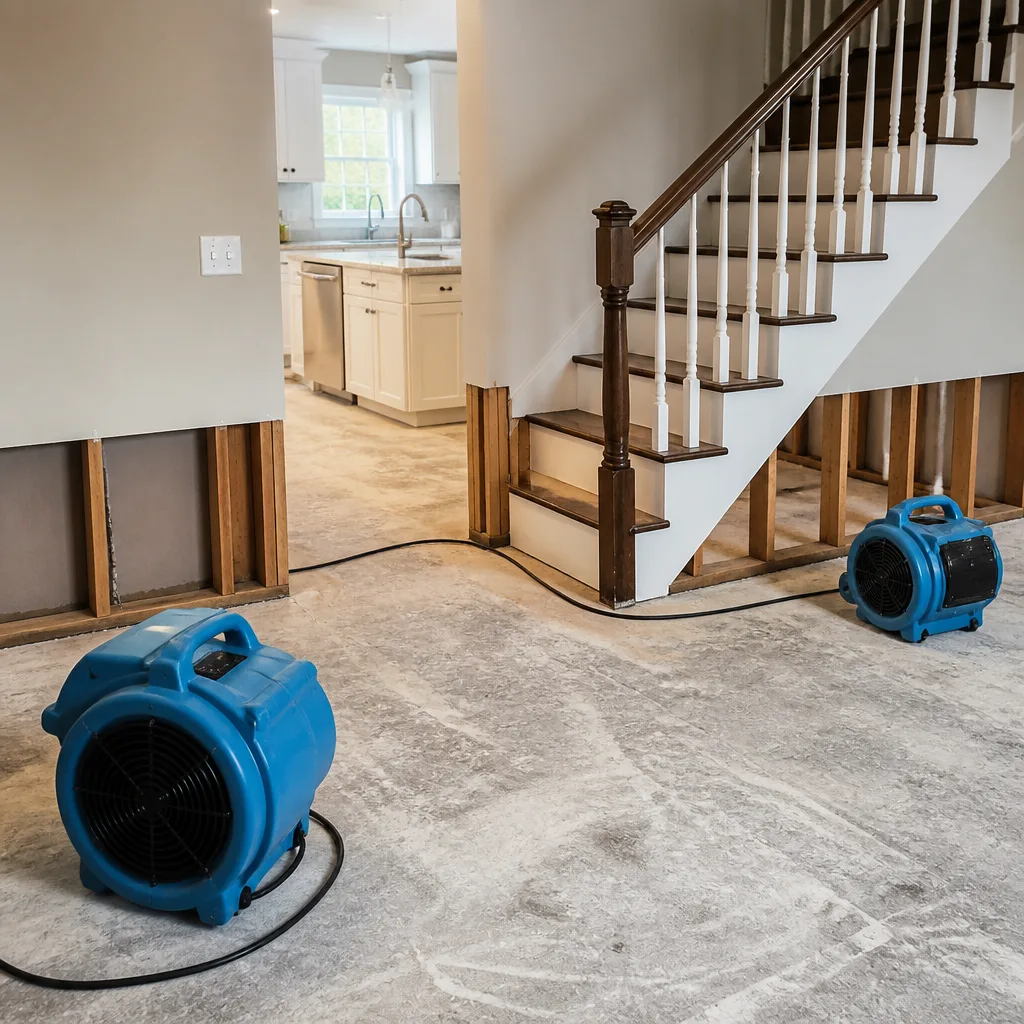
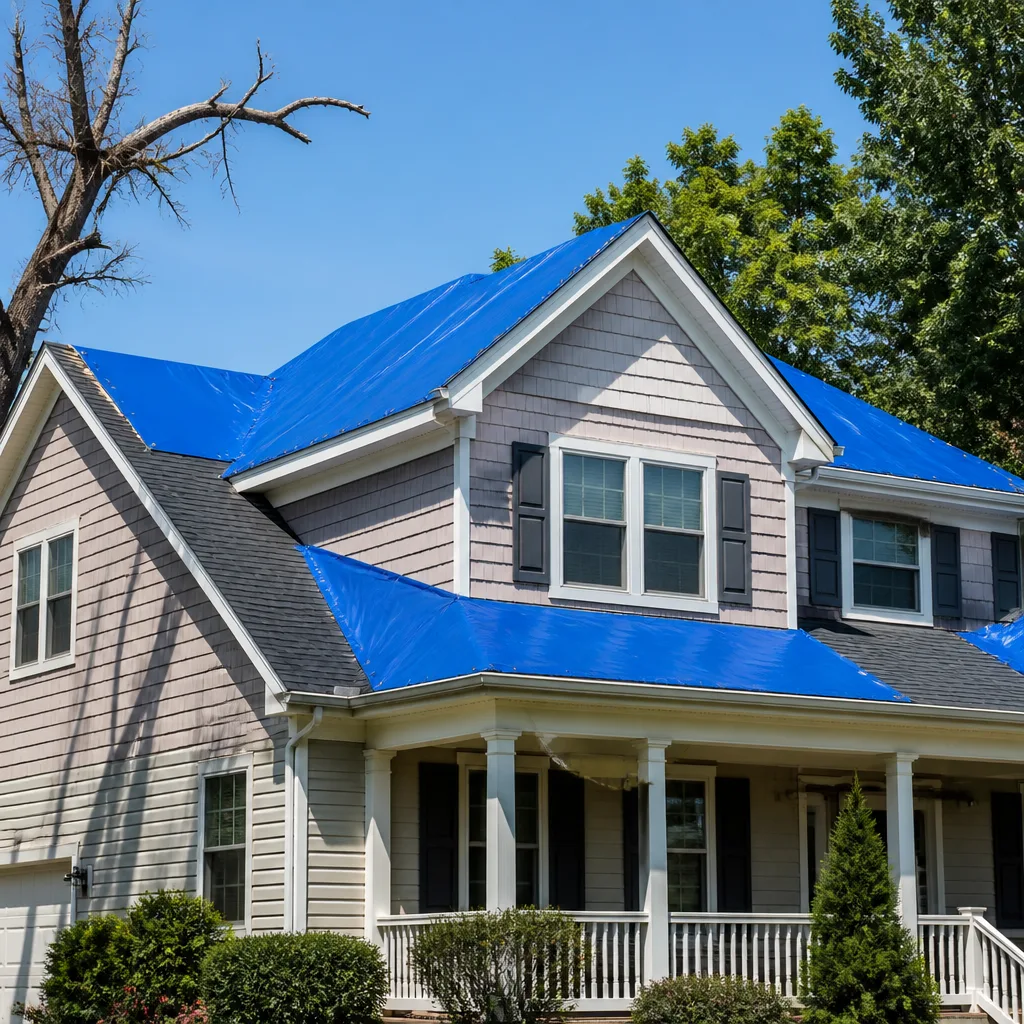
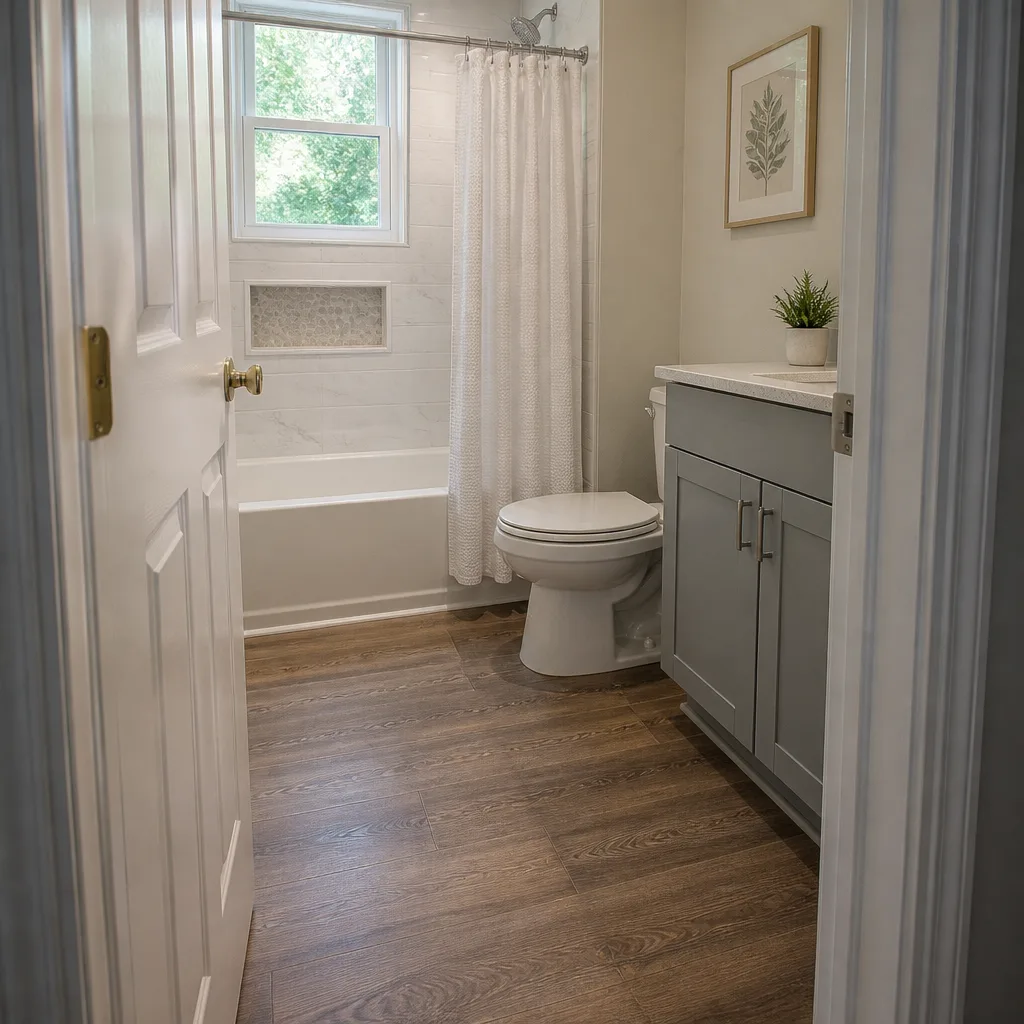
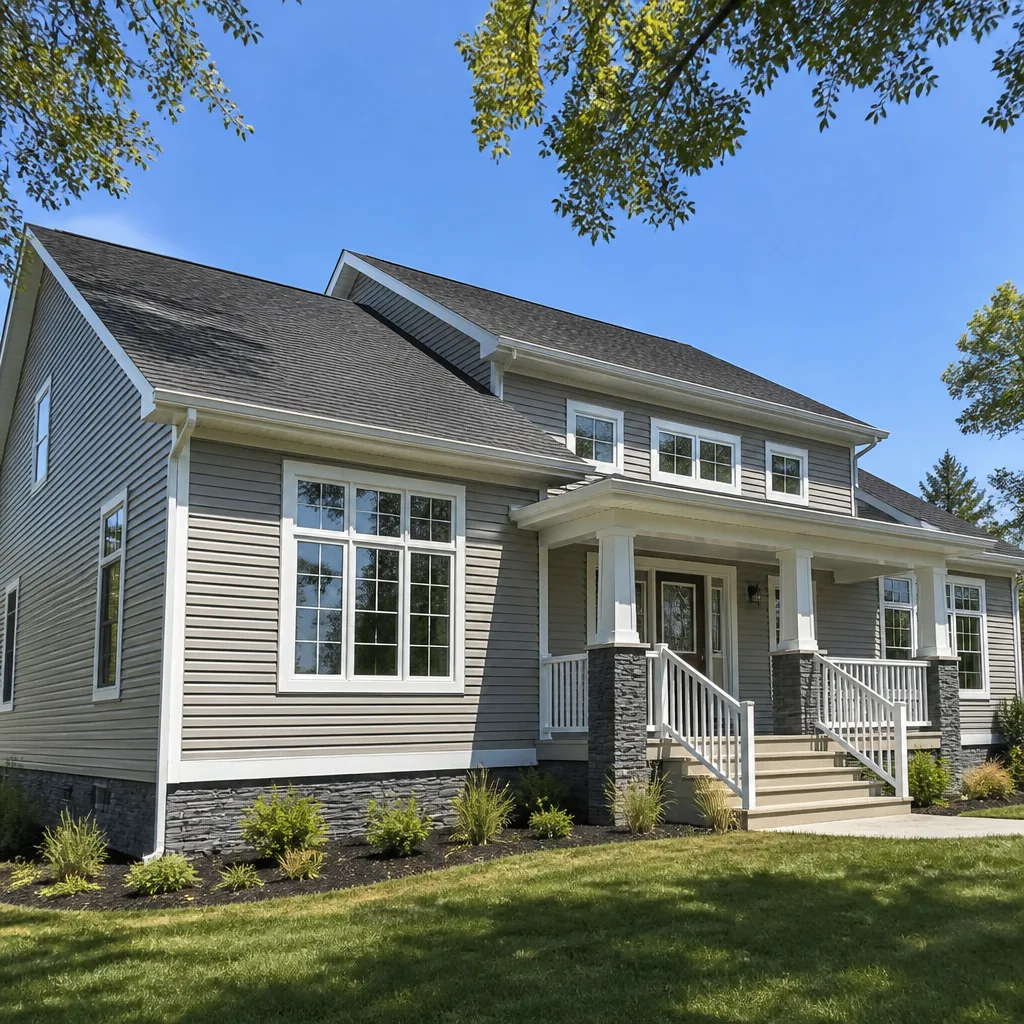
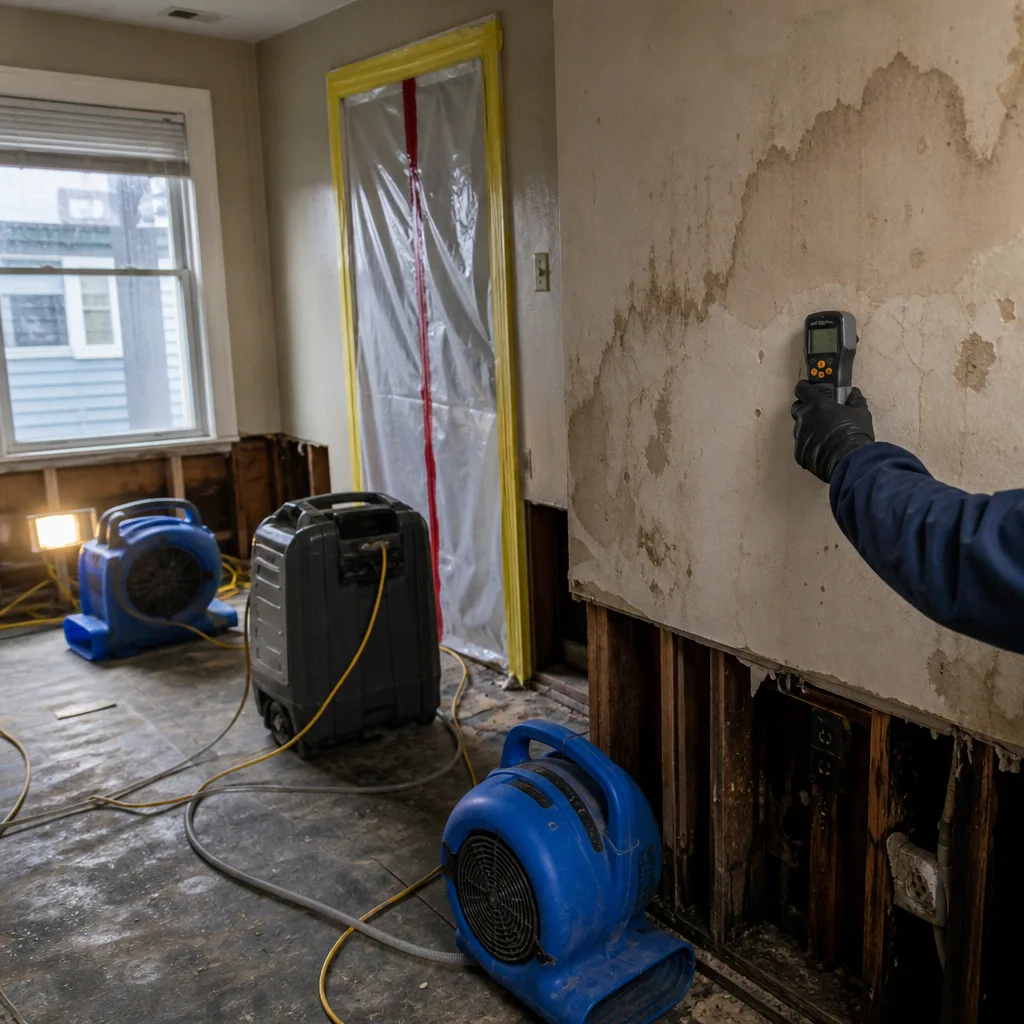 Before
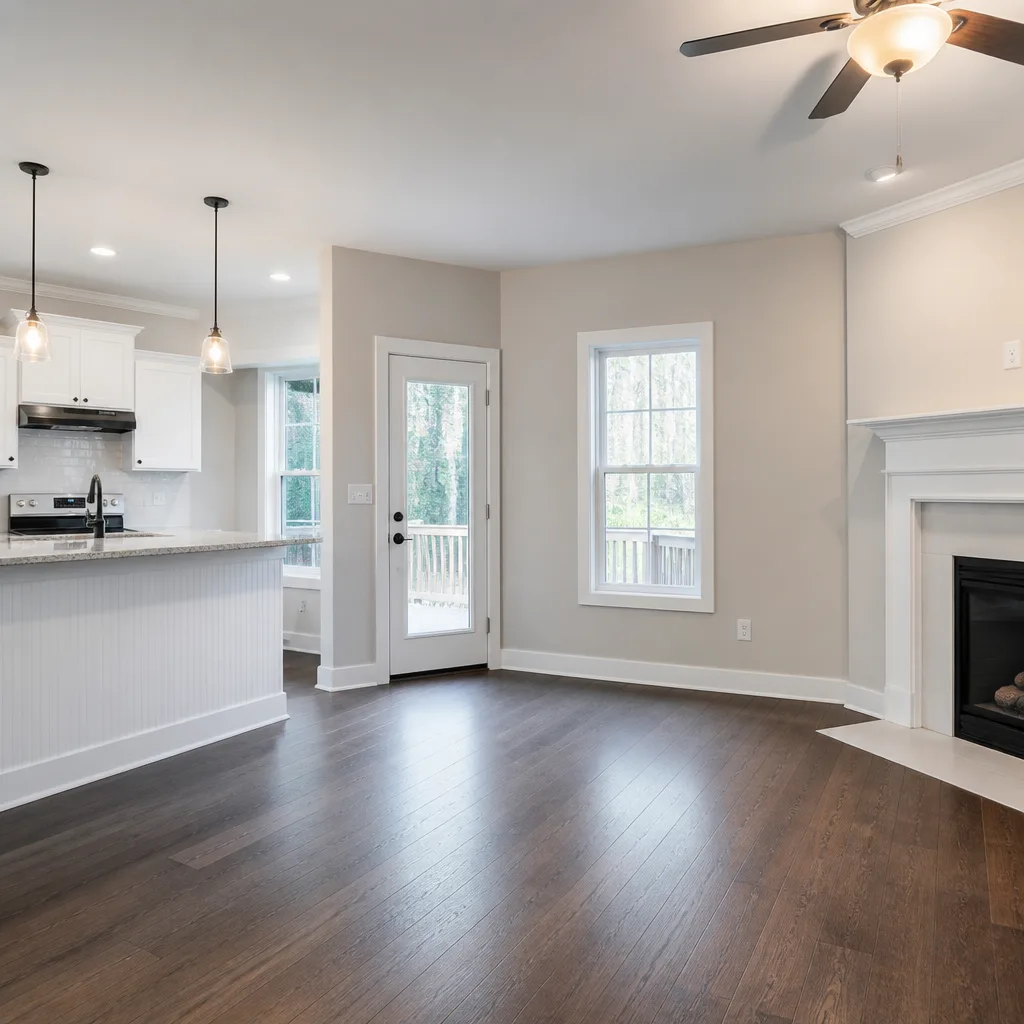
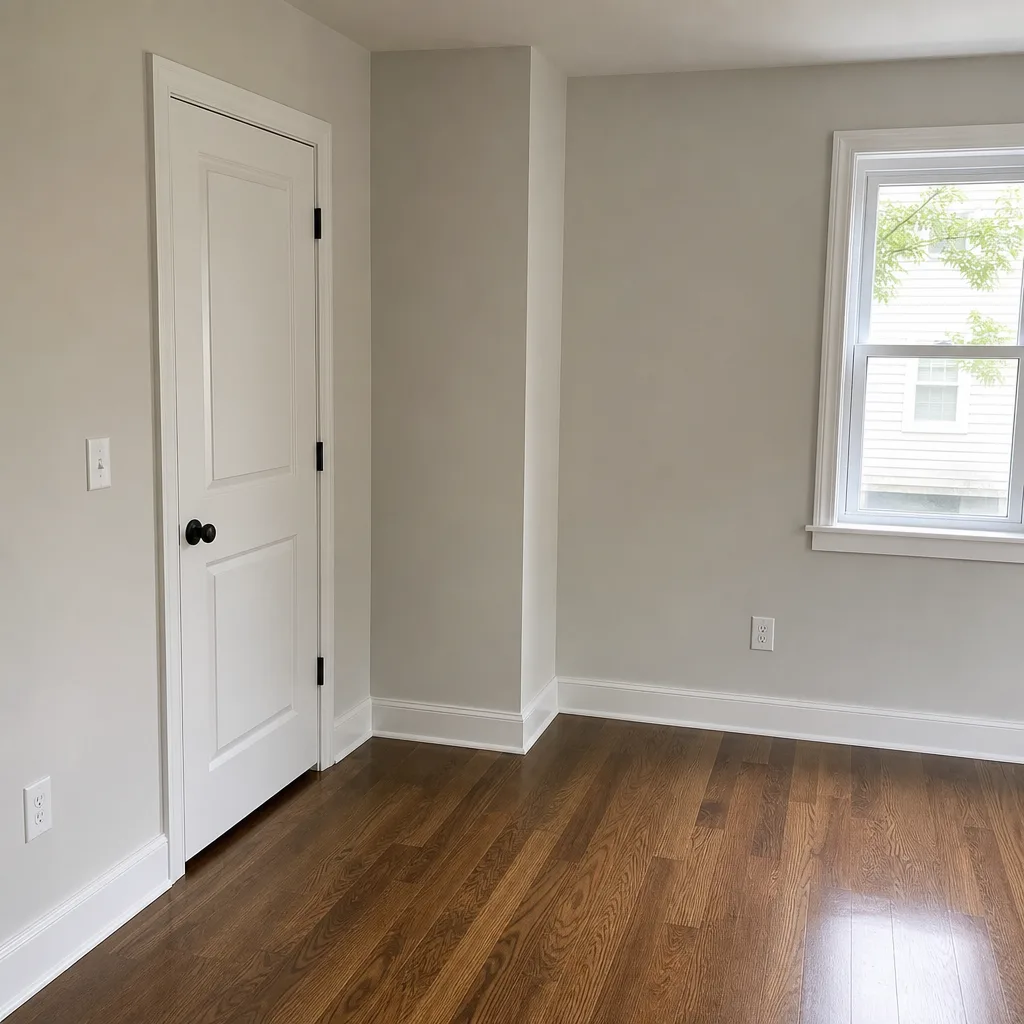 After
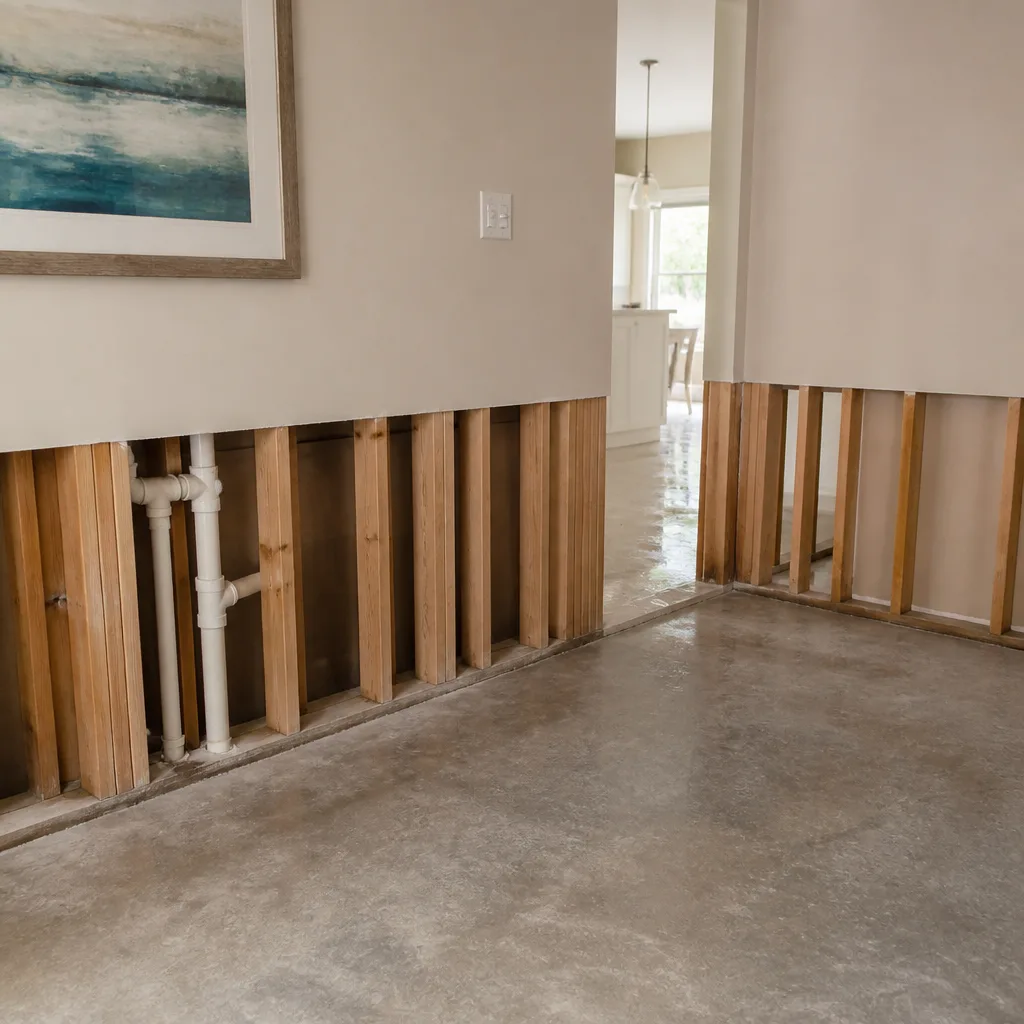
After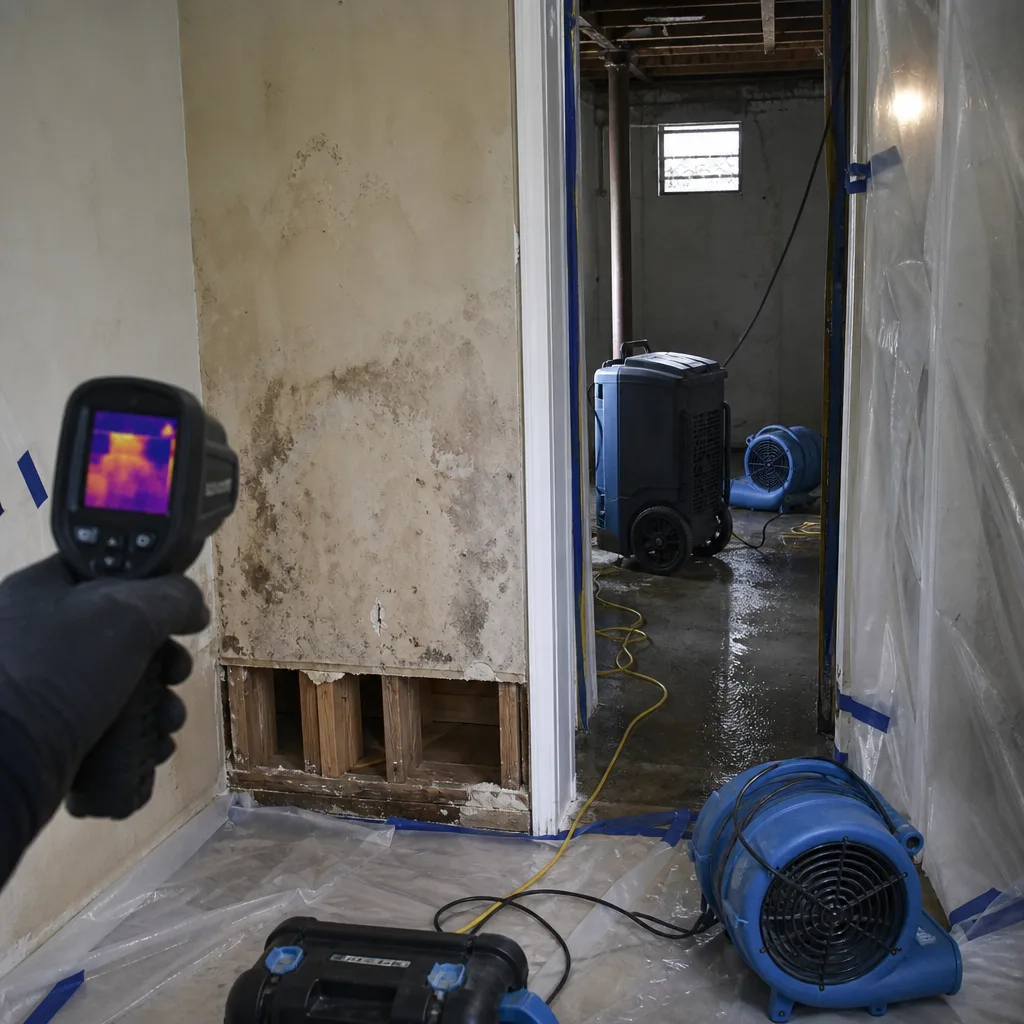 Before
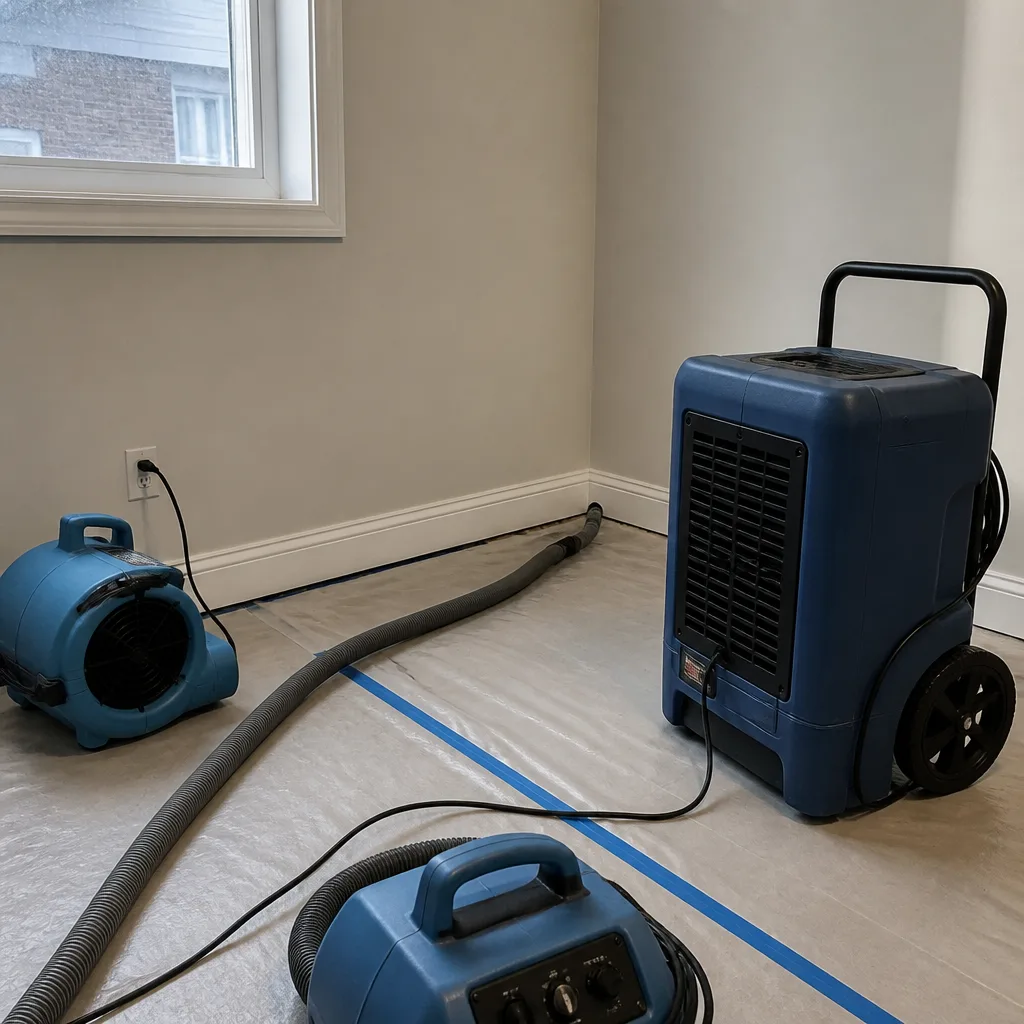 After
After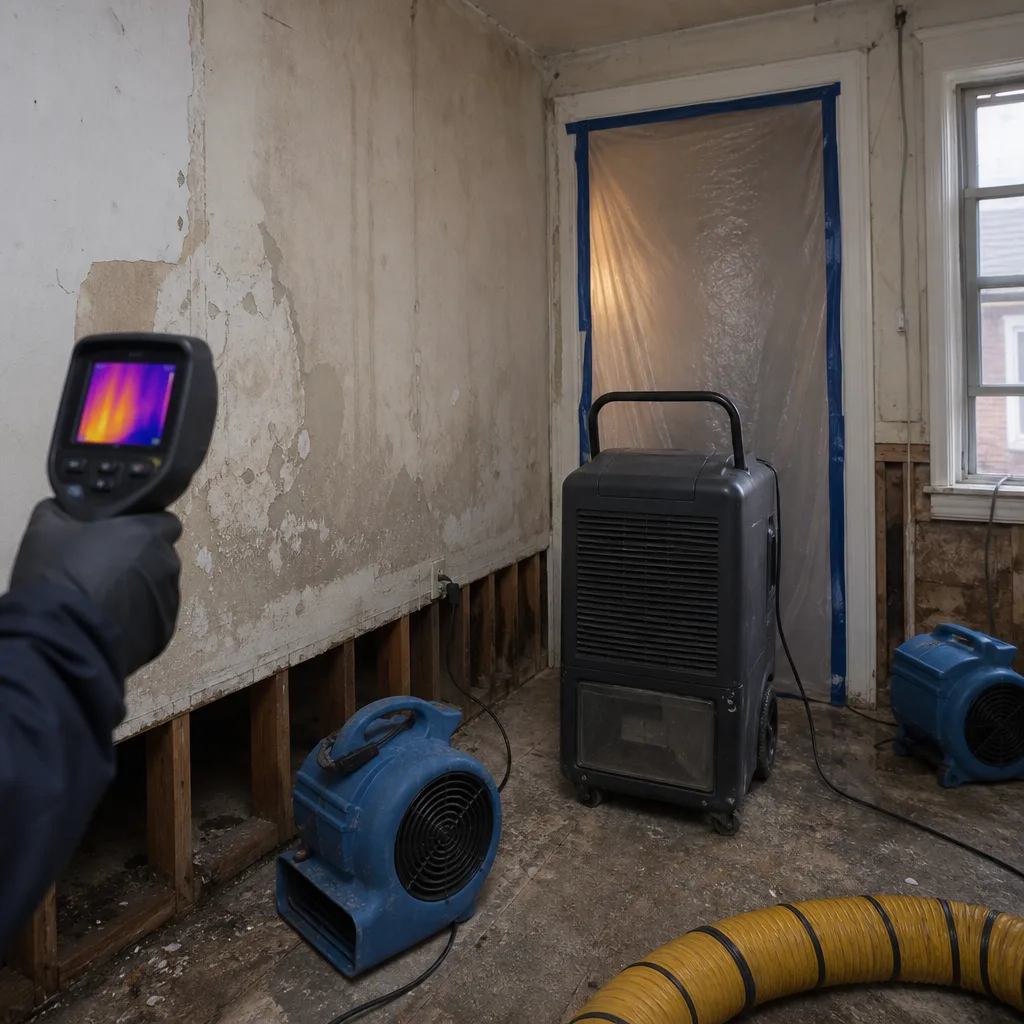 Before
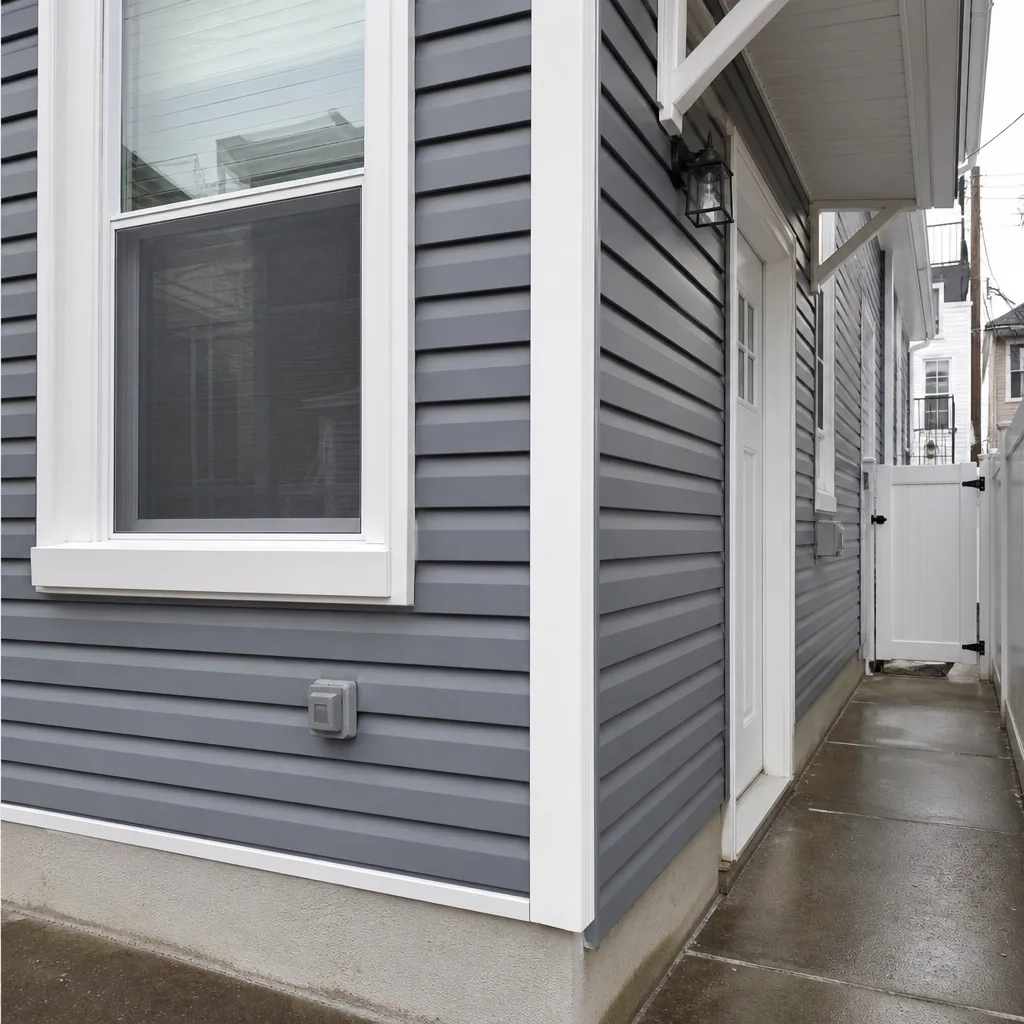 After
After24/7 Emergency Storm & Disaster Restoration in Kearny
When a nor’easter pushes the Passaic over its banks or a summer storm overwhelms Kearny’s storm sewers, you need a crew that knows these streets, these basements, and how water behaves on filled Meadowlands wetlands. Storm and flood damage in Kearny doesn’t wait for business hours, and neither do we. Call (201) 903-9581 right now and you’ll get a live person, not a voicemail tree. Wade’s Restoration answers the phone 24 hours a day, seven days a week, and Wade Ferris heads out himself. The first hour after flooding matters more than most homeowners realize. Water that sits in a finished Kearny basement starts wicking up original lath and plaster within minutes. Mold colonization begins in 24 to 48 hours when conditions are right, and in a chronically re-flooded row house, the spores from the last event are already there waiting. One call brings our Storm & Disaster Restoration team to your door with extraction equipment, moisture meters, and a plan to stop the damage from compounding.
Understanding Storm & Disaster Restoration Severity in Kearny Properties
Not all floodwater is created equal, and Kearny sees more than its share of the worst kind. Category 1 water comes from a supply line or clean rain. Category 2 carries contaminants from sump pits, washing machines, or storm-sewer backflow. Category 3 is sewage, river water, or floodwater from the Passaic or Hackensack, and it requires full containment, antimicrobial treatment, and often removal of porous materials. Our IICRC-certified crews classify the water before touching it, because the wrong classification leads to the wrong scope of work and a basement that never really dries. Moisture mapping matters more in Kearny than in most towns. Balloon-frame row houses built in the 1920s and 30s have wall cavities that run from basement to attic with no fire blocking. Water from a flooded basement gets pulled up into those cavities by capillary action and hydrostatic pressure. You can dry the slab all day and still have saturated lath behind the plaster at chest height. The only way to know is with thermal imaging and pin-type moisture meters read at multiple elevations. Without that data, you’re guessing, and guessing in a Kearny row house means reinstalling drywall over active mold colonization from the flood before the flood. We’ve seen it. We’ve torn it back out and started over. That’s what actually changes in a Storm & Disaster Restoration scope of work when you’re dealing with a chronically re-flooded Meadowlands row house rather than a one-time storm emergency.
Why Kearny Property Owners Choose Wade’s Restoration
- 45-minute response commitment to Kearny. When we say we’re on the way, we mean it. Wade answers his own phone and is on the road from the metro office the minute he hangs up.
- A live person answers, 24/7. No answering service, no “press 1 for emergencies.” You call, a human picks up, and that human is usually Wade Ferris himself.
- IICRC-certified crews. Our team holds WRT (Water Damage Restoration Technician), FSRT (Fire & Smoke Restoration Technician), and AMRT (Applied Microbial Remediation Technician) certifications. We don’t send trainees to learn on your flooded basement.
- Free visual inspection. Before any work begins, we walk the property with you, explain what we’re seeing, and tell you what needs to happen and what can wait. No charge for that.
- Direct insurance billing. We document everything from the first hour, submit directly to your carrier, and handle the adjuster conversation so you don’t have to relay messages between two sides.
- One crew from extraction to reconstruction. The same people who pump out your basement are the ones who rebuild it. No handoffs, no blame-shifting, no national-chain runaround.
Our Storm & Disaster Restoration Process
Inspection & Assessment
We walk the property with you, classify the water by category, and map moisture throughout affected areas using thermal imaging and pin-type meters. In an older Kearny row house, that means readings at floor, mid-wall, and ceiling height in every adjacent room, including the rooms that look dry.
Extraction & Stabilization
Standing water is removed with Dri-Eaz truck-mount extractors and submersible pumps. Where roofs are compromised from wind, we tarp immediately to keep new water from entering while the interior scope is written. Emergency board-up is done the same visit if windows or doors are compromised.
Drying & Dehumidification
Air movers and Phoenix desiccant or LGR dehumidifiers are placed based on moisture mapping, not guesswork. In Kearny’s filled-wetland soil conditions, we run equipment longer than a standard inland job calls for, because ambient humidity here stays high and water wicks into original plaster and lath much deeper.
Cleaning & Sanitization
For Category 2 and 3 events, we set up containment with negative air pressure and HEPA filtration before any demolition begins. Antimicrobial agents are applied to framing, lath, and masonry. Contaminated porous materials are removed and bagged on site.
Flood-Specific Treatment for Kearny
This step only happens here. We check for pre-existing mold behind plaster from prior floods, document hydrostatic pressure patterns from filled wetlands, and write a scope that addresses recurring storm-sewer backflow, not just this one event. Otherwise you’re paying for a band-aid.
Repairs & Restoration
Reconstruction is scoped in writing, priced in writing, and covered by our 90-Day Done Right Promise. If it’s not done right, we make it right. That’s the whole agreement, and it’s stamped on every contract.
Need Emergency Storm & Disaster Restoration in Kearny Now?
Crews minutes away, answering live 24 hours a day. The sooner we start, the less it costs.
Working With Your Insurance Company
Flood damage claims in Kearny are complicated, especially after repeated events on the same property. Your carrier wants to know what’s new damage, what’s pre-existing, and what caused what. We document everything from the first hour: pre-extraction photos, post-extraction photos, moisture logs showing daily readings until the structure hits dry standard, and a line-item scope of work with Category classifications. Wade talks to the adjuster directly. You don’t get stuck relaying information between an insurance representative and a restoration crew that’s already been paid and gone. Our documentation is built to the standards adjusters expect, which means fewer questions, fewer delays, and a claim that actually matches the work performed.
What We Provide Your Insurer
- Thorough documentation of the loss
- Photos of all damage, room by room
- Moisture readings and drying logs
- A detailed, line-item scope of work
- Direct coordination with your carrier
Built for Kearny’s Loss Calendar
Kearny floods on its own schedule, and it doesn’t follow the tidy seasonal patterns other towns get. January and February bring deep freezes that burst supply lines and radiator pipes in uninsulated pre-war row houses. March and April bring snowmelt and spring rain over already-saturated Meadowlands soil. May through September is thunderstorm season, when a heavy downpour overwhelms storm sewers and pushes water into below-grade basement apartments along Kearny Avenue, Elm Street, and the numbered streets. October brings nor’easters that drive storm surge up Newark Bay and back up the Passaic, flooding basements that stayed dry all summer. November and December are repeat flood months, when routine coastal storms again exceed the capacity of aging combined sewer lines. The point is this: in Kearny, you don’t wait for a named storm to worry about water. You live with the reality that your basement sits near the water table, and the water table is not your friend. We’ve restored flooded basements in every month of the year in this town, often the same basement more than once.
Storm & Disaster Restoration Across Kearny’s Neighborhoods
Kearny’s neighborhoods each have their own flood signature. The homes east of Kearny Avenue, toward the Meadowlands, sit lower on filled wetlands and feel tidal backflow from the Hackensack first. The blocks between Kearny Avenue and Schuyler Avenue, where much of the two-family row house stock stands, flood from storm-sewer backflow during routine summer downpours, not just named storms. The South Kearny industrial corridor sees larger commercial losses, but the residential streets around it, off Bergen Avenue and Davis Avenue, deal with debris from wind events and the same sewer limitations. Up toward the North Arlington border, the elevation rises slightly, but the aging cast-iron drain lines common to the 1920s era housing stock fail under the same load. When we respond to Storm & Disaster Restoration in Kearny, the neighborhood tells us what we’re likely to find before we even open the basement door. A row house off Kearny Avenue with a finished basement apartment is a different job than a single-family on a raised foundation near Gunnell Oval. We plan routes, staging, and drying strategy accordingly.
Specialized Storm & Disaster Restoration Services We Offer in Kearny
Flood Damage Restoration
This is the service we run most in Kearny, and it’s the one where the local failure modes matter most. We classify the water, map the moisture through the full wall cavity, and only then write the scope. In a row house that has flooded three times, the scope has to account for what the last crew missed. That’s the difference between a dry basement and a third round of mold remediation.
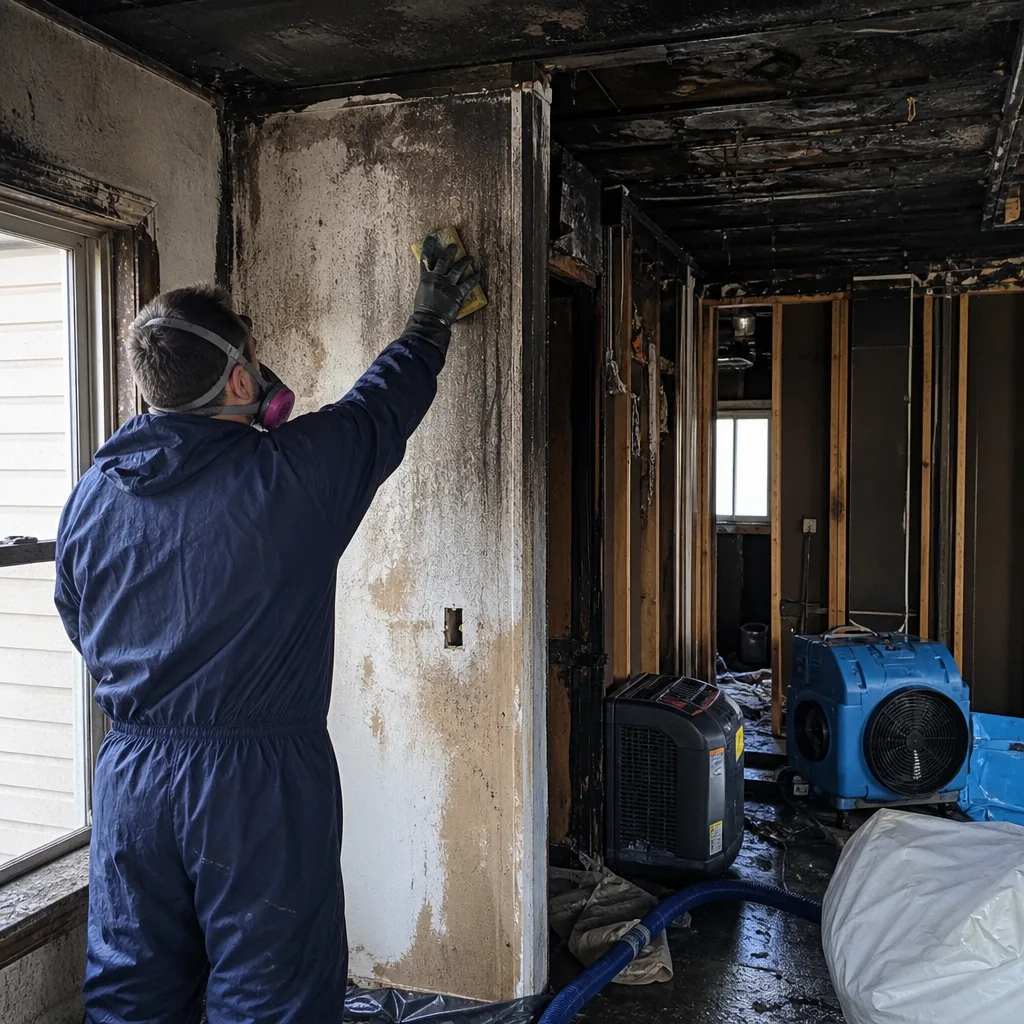
Storm Damage Cleanup
After wind and rain events, we handle downed tree debris, rotted drywall, saturated insulation, and all the cleanup that comes before drying. We don’t just remove the visible damage. We check behind it for what the storm revealed, like water intrusion through brick that has been spalling for years or mold behind paneling that has been wet since Ida.
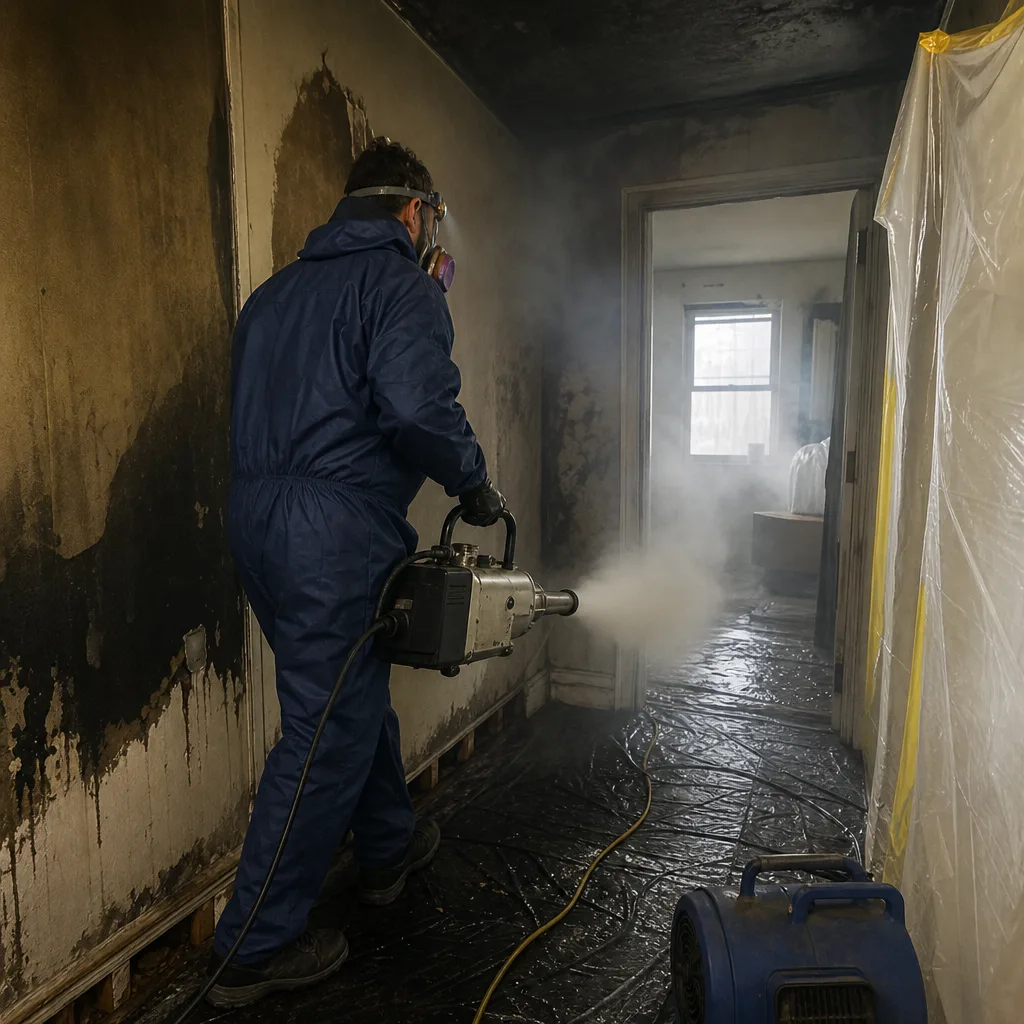
Roof Tarping
When wind tears shingles off a two-family on Chestnut Street or a tree limb opens a hole over a bedroom on Johnston Avenue, the tarp has to go up fast. We tarp the same visit we’re called, using anchored, weather-rated sheeting that holds through a follow-up storm. The tarp buys time for a proper roof repair without letting more water into the lath and plaster below.
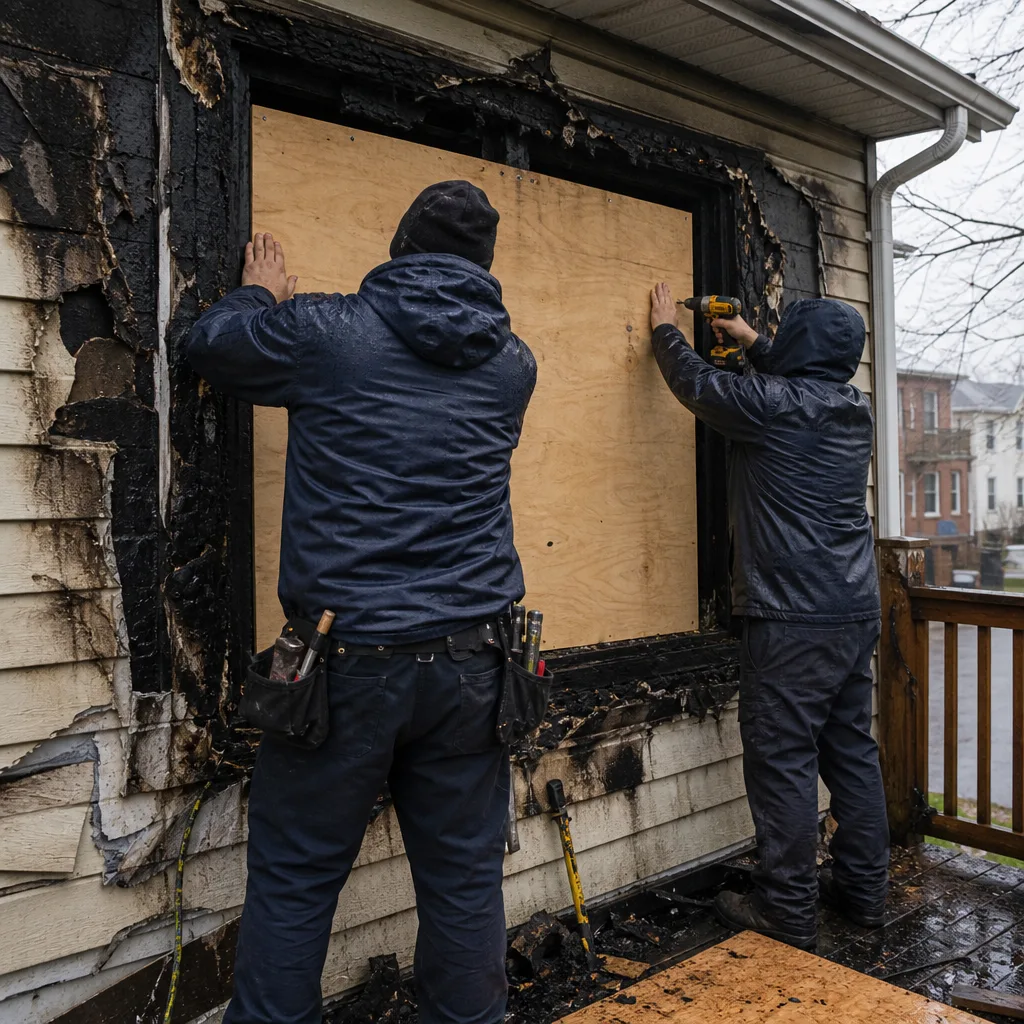
Emergency Board-Up
Broken windows, breached doors, and compromised ground-level openings get secured immediately. A flooded basement apartment with a broken window is an invitation to more water, pests, and worse. We board it up properly, not just tack something over it.
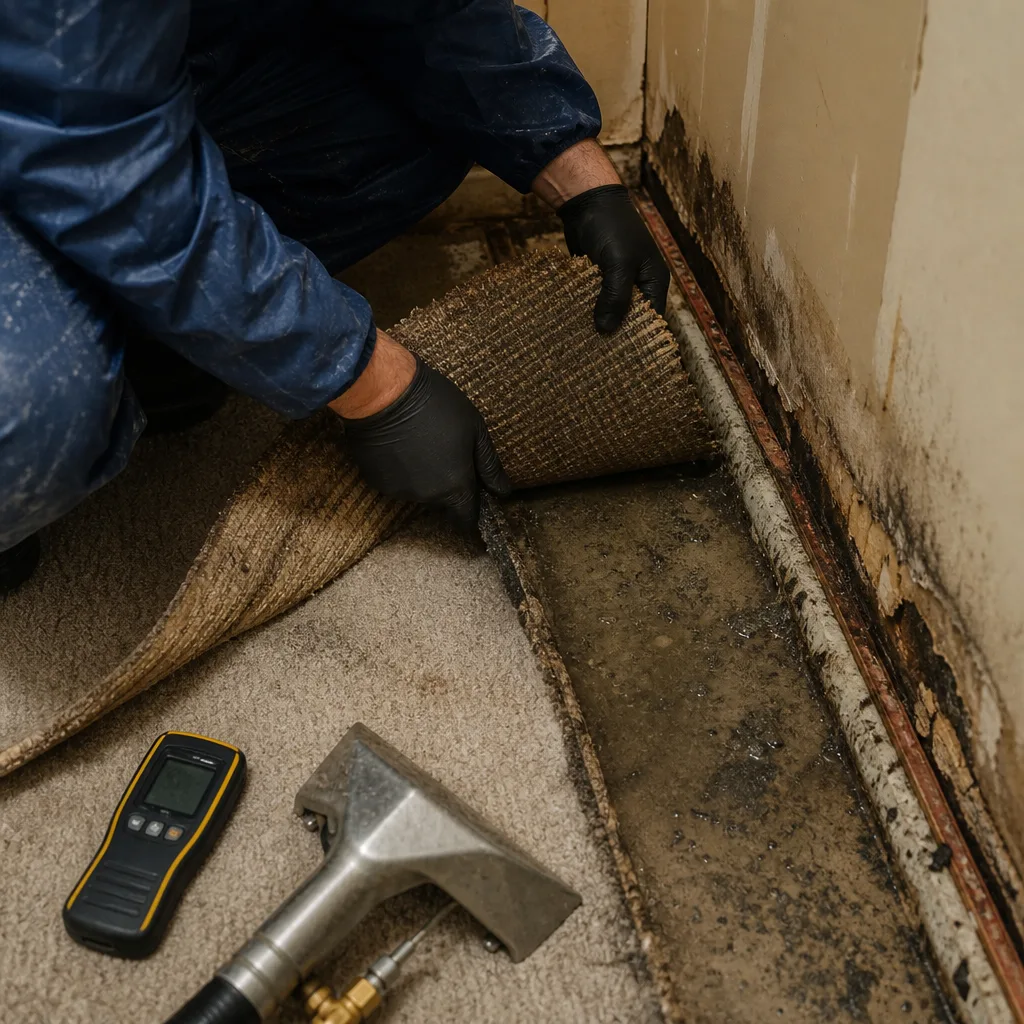
Debris Removal
Storm debris piled against a foundation traps water against the masonry and accelerates intrusion. We clear it, haul it, and dispose of it properly, including construction debris from partial collapses and wind-damaged porches and fences.
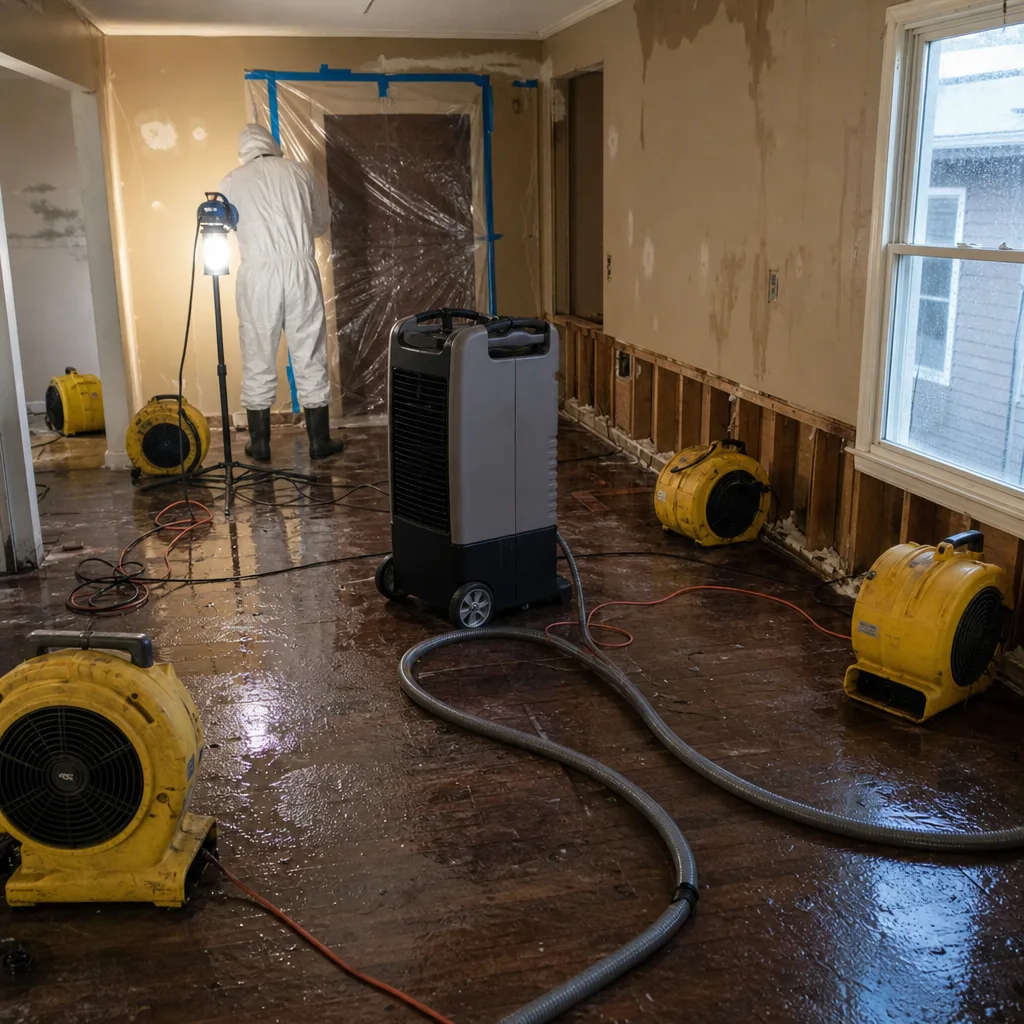
What happens when you call
- 1
A real person answersNo phone trees - you reach a local pro.
- 2
You get an upfront price rangeHonest numbers before anyone is dispatched.
- 3
A background-checked tech heads outLicensed & insured, dispatched right away.
- 4
You approve before work beginsNothing starts until you say go.
Storm & Disaster Restoration Costs in Kearny, NJ
What does it actually cost to restore a storm-damaged home in Kearny? That depends on what the water did and where it went. A simple Category 1 cleanup in a small unfinished basement might run $1,800 to $3,200. A finished basement apartment with four feet of Category 3 water, lath removal, and reconstruction usually lands between $12,000 and $38,000 and sometimes higher when structural drying drags on. Roof tarping runs $350 to $900 as a two-person same-day call. Emergency board-up is $250 to $650 per opening. Debris removal runs $400 to $1,800 depending on volume and whether heavy machinery is involved. Flood damage restoration in Kearny runs higher than the state average because of the lath-and-plaster removal, the extended drying times on filled-wetland soil, and the frequency with which we discover old mold from prior floods that has to be remediated before rebuilding. For an exact quote, call (201) 903-9581. The visual inspection is free, and the written scope locks the price before work starts.
We Also Serve Cities Near Kearny
Our crews respond throughout the Meadowlands basin and the surrounding towns. If you’re in Harrison with a flooded basement off Frank E. Rodgers Boulevard, Jersey City in a row house near Journal Square, Secaucus on low-lying streets off County Avenue, or Union City on the hill with wind damage, call the same number. We know these streets too.
Serving Kearny, NJ - Our Local Coverage Area
We’re based in the Kearny area and know this community well. Use the map below to see our service coverage - if you’re nearby, we can almost certainly help.
Kearny Storm & Disaster Restoration Questions, Answered
Why does my Kearny basement keep flooding even when it’s not a named storm?
Because Kearny sits on filled Meadowlands wetlands between the Passaic and Hackensack rivers, with tidal backflow from Newark Bay pushing water up through storm sewers even during moderate rain. Your basement is below the local storm-sewer overflow threshold, so routine downpours overwhelm the combined sewers and send water into below-grade units. Call (201) 903-9581 and we’ll map where the water is coming from, not just dry out the standing water.
How do I know if the water in my flooded Kearny basement is Category 1, 2, or 3?
Category 1 is clean water from a supply line or rainwater that hasn’t picked up contaminants. Category 2 carries significant contamination from sump pits, washing machine discharge, or storm-sewer backflow. Category 3 is grossly contaminated: sewage, river water, or floodwater from the Passaic or Hackensack. We classify it on site before any work begins, and we’ll show you why. Call (201) 903-9581 for a free inspection.
Can you dry out lath-and-plaster walls in my older Kearny row house, or do they need to be torn out?
Sometimes they can be dried in place, but only if moisture mapping shows the saturation is superficial and the plaster hasn’t separated from the lath. Most of the time, in an older Kearny row house that has flooded before, the lath behind the plaster is already compromised with mold from prior events and has to be removed. We’ll show you the readings and the decision is made from data, not guesswork.
What should I do if my Kearny basement apartment floods while I wait for your crew?
If it’s safe to do so, shut off electricity to the affected area at the breaker panel. Do not enter standing water if wiring or appliances are submerged. Move what you can to higher ground. Document with photos. If the water is Category 3 from sewage or river backflow, stay out. We’ll arrive in full PPE and handle it. Call (201) 903-9581 right away.
How does cyclically flooding my Kearny home affect the restoration process differently than a one-time burst pipe?
A one-time burst pipe is a fresh event with dry, clean materials around it. A cyclically flooding Kearny home has old moisture, old mold, and old lath that was never fully dried from prior floods. Our scope has to account for what’s hiding behind plaster from the last event, or the new work fails. That’s the central difference, and it’s why a national-template approach doesn’t work here.
How fast can you actually get to my house in Kearny?
Within 45 minutes in most cases, and often faster. Wade answers his own phone and heads out from the metro office the minute he hangs up. A live person answers 24/7, so you never wait on hold while water keeps rising. Call (201) 903-9581.
Will my insurance cover repeated flood damage in Kearny?
Standard homeowner’s policies cover some storm and water damage, but repeated flooding from storm-sewer backflow often requires a separate flood policy or specific endorsements. We document every event separately with photos, moisture logs, and classification data, and we coordinate directly with your adjuster so the claim reflects what actually happened.
What certifications does your crew carry for storm and flood restoration?
Our team holds IICRC certifications including WRT (Water Damage Restoration Technician), FSRT (Fire & Smoke Restoration Technician), and AMRT (Applied Microbial Remediation Technician). We’re RIA-affiliated and IFA-recognized. Wade Ferris is the owner on every job, not a franchise operator you’ll never meet.
Written by Wade Ferris, Owner at Wade’s Restoration, serving Kearny, NJ and the Meadowlands basin.