
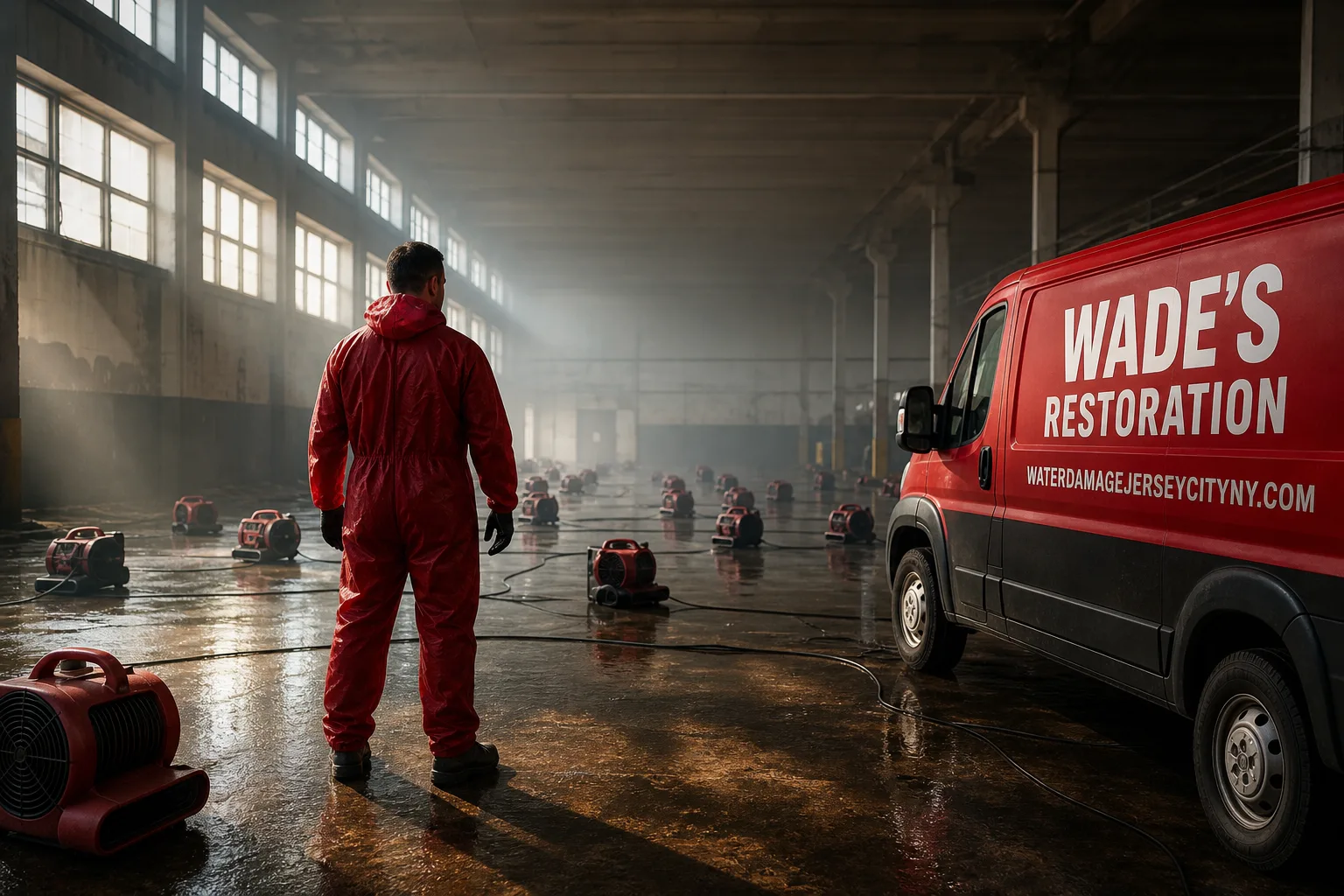
Free visual inspection and a written scope of work before any mitigation begins - photos, moisture readings, and drying logs go in your claim file
The scope we write is the scope we bill. Anything new gets shown to you, in writing, before we touch it.
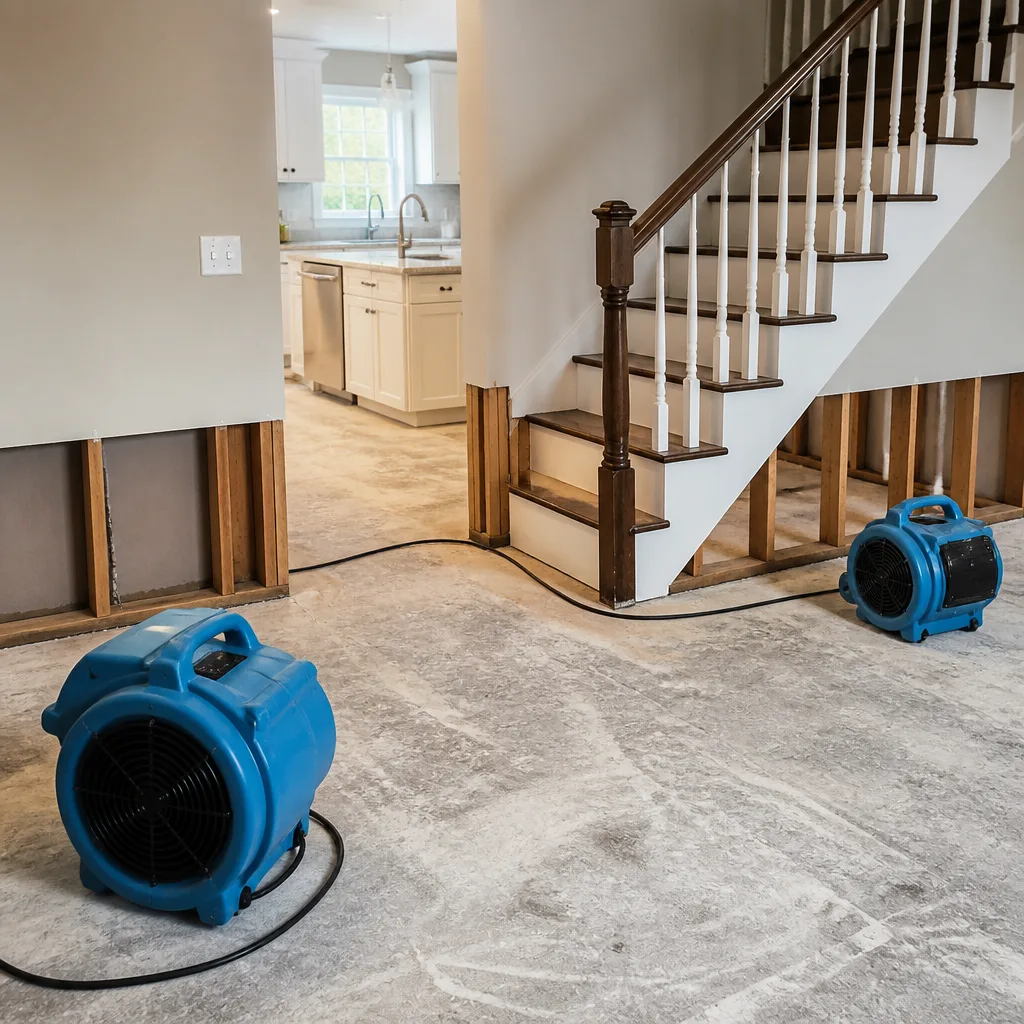
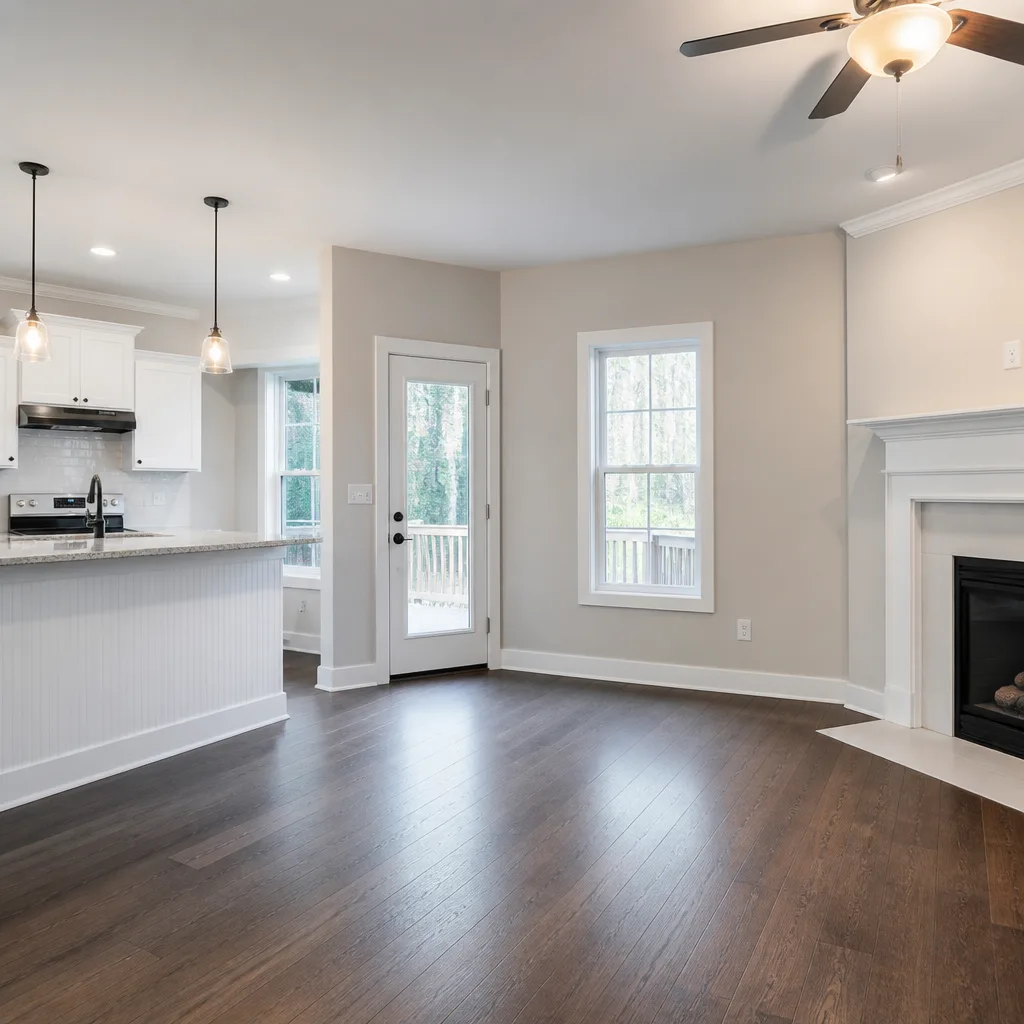
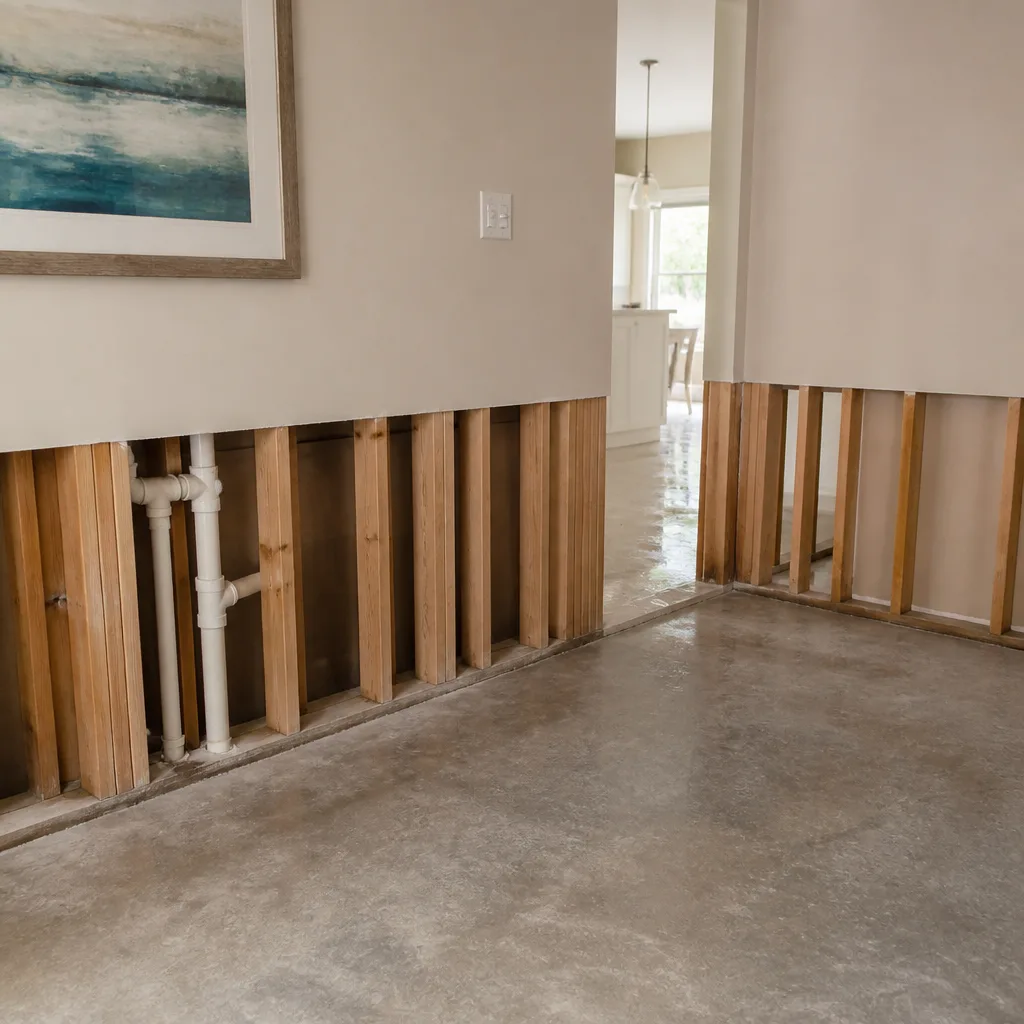
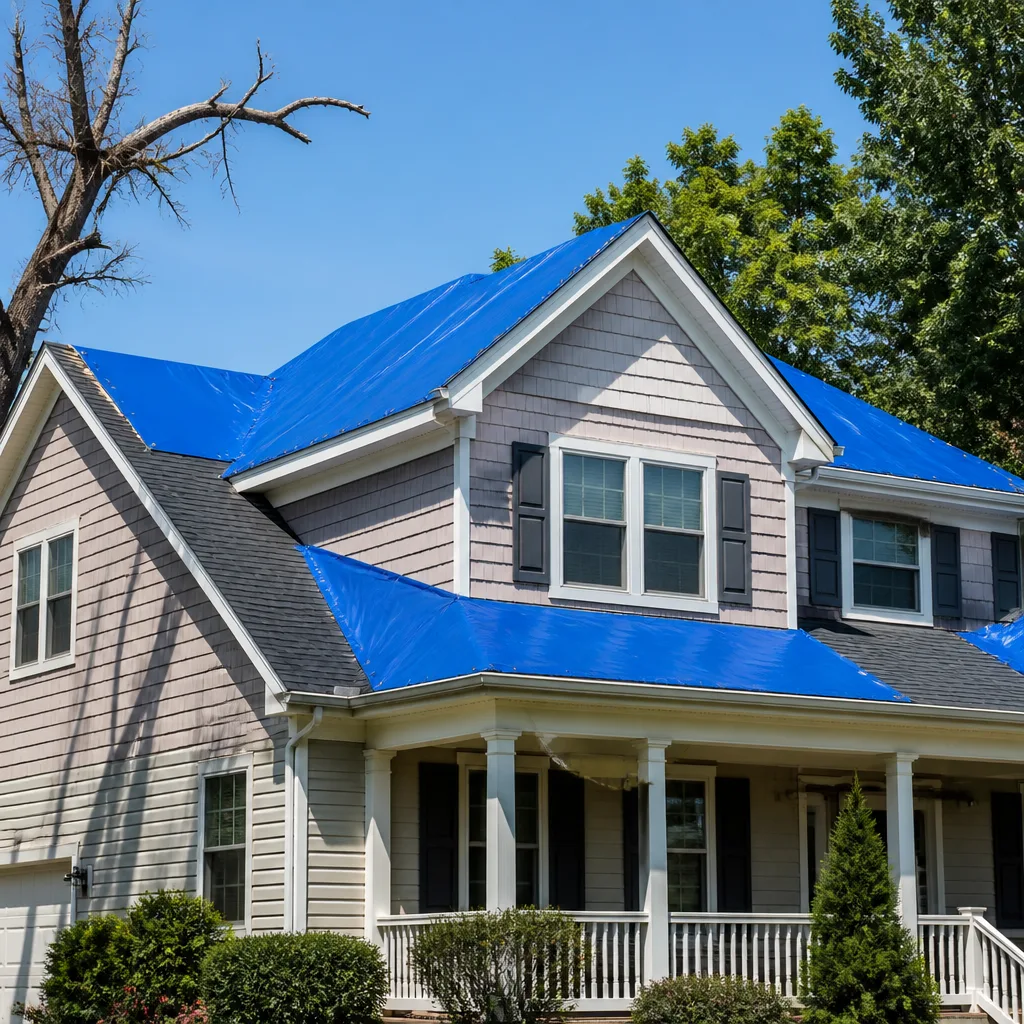

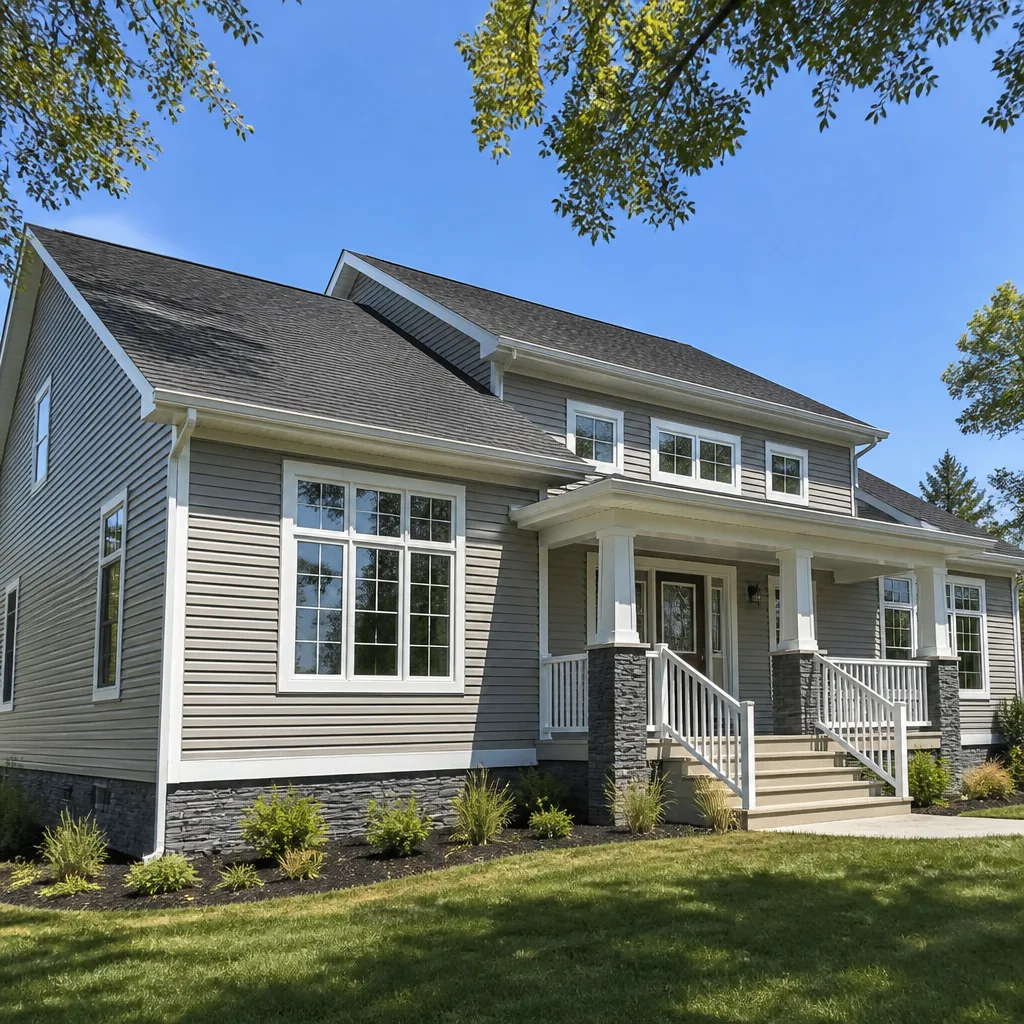
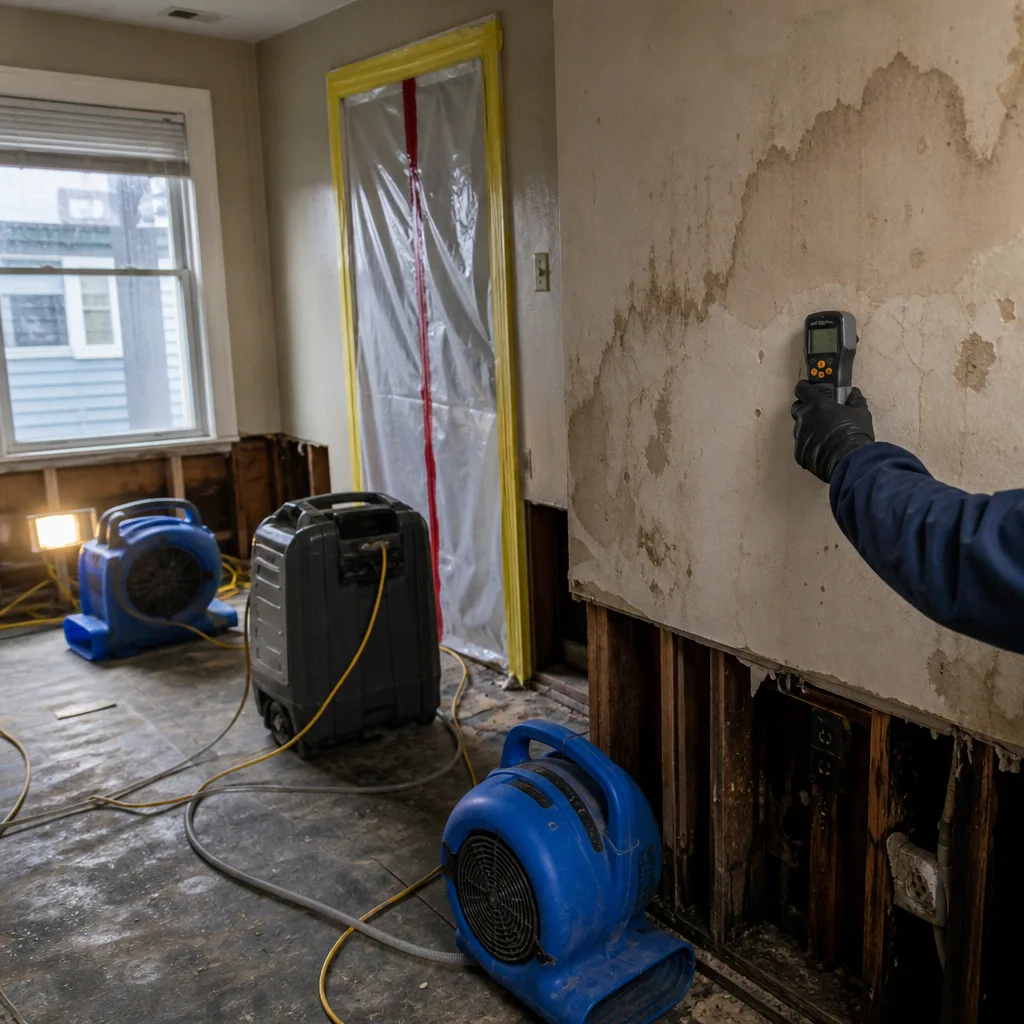 Before
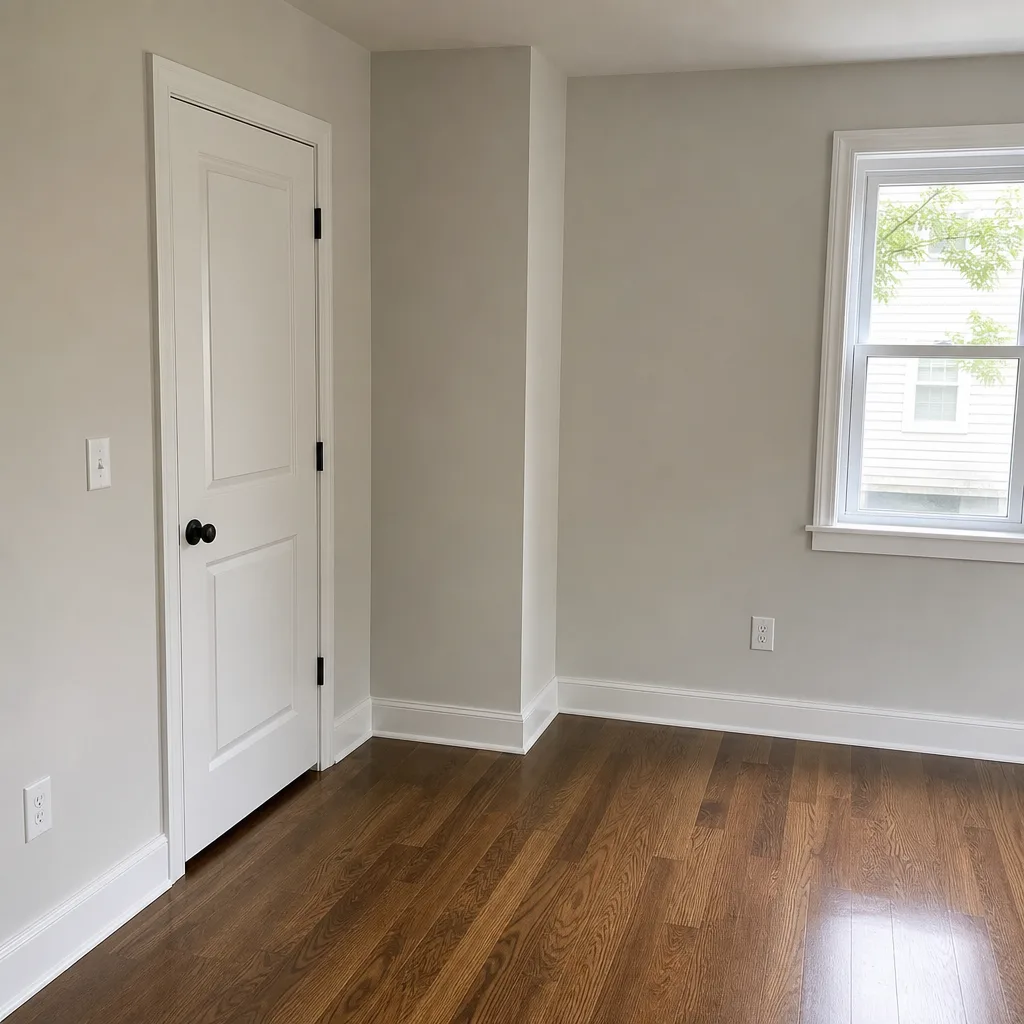 After
After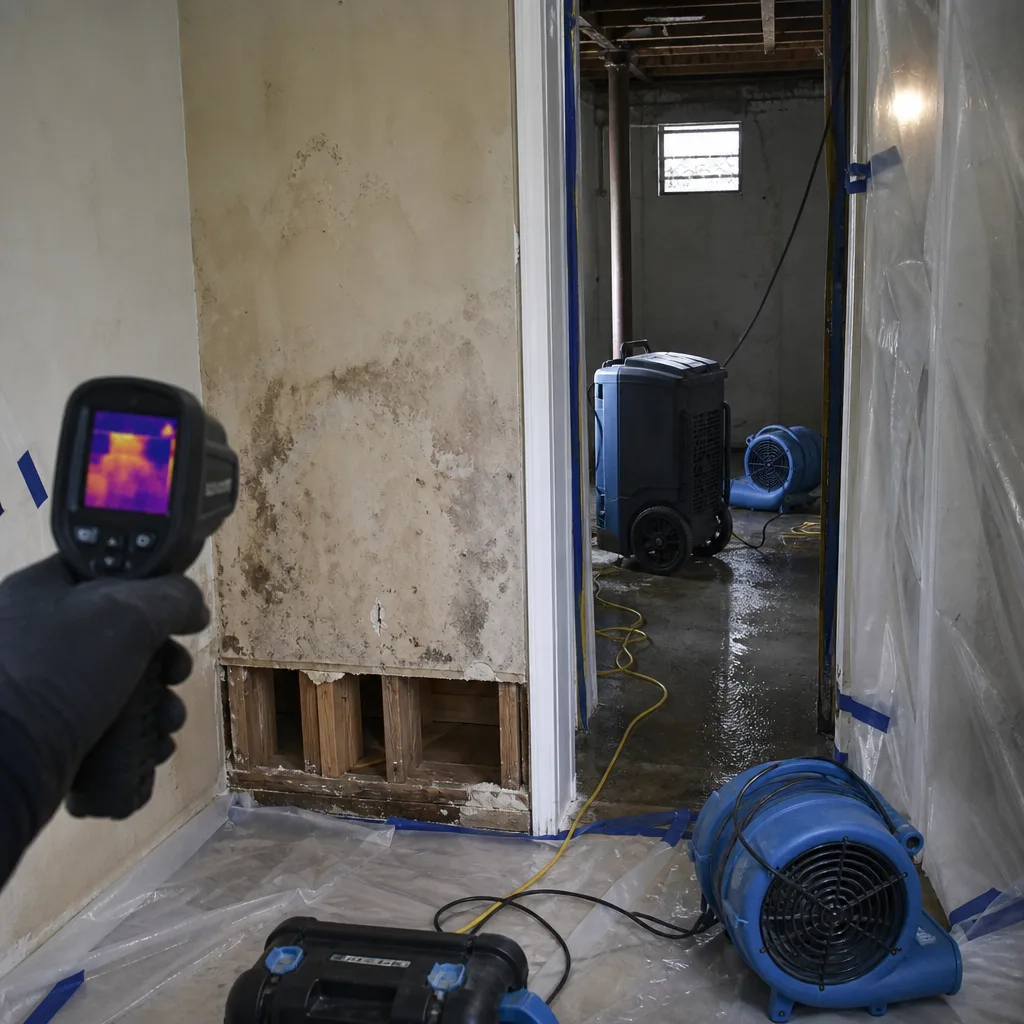 Before
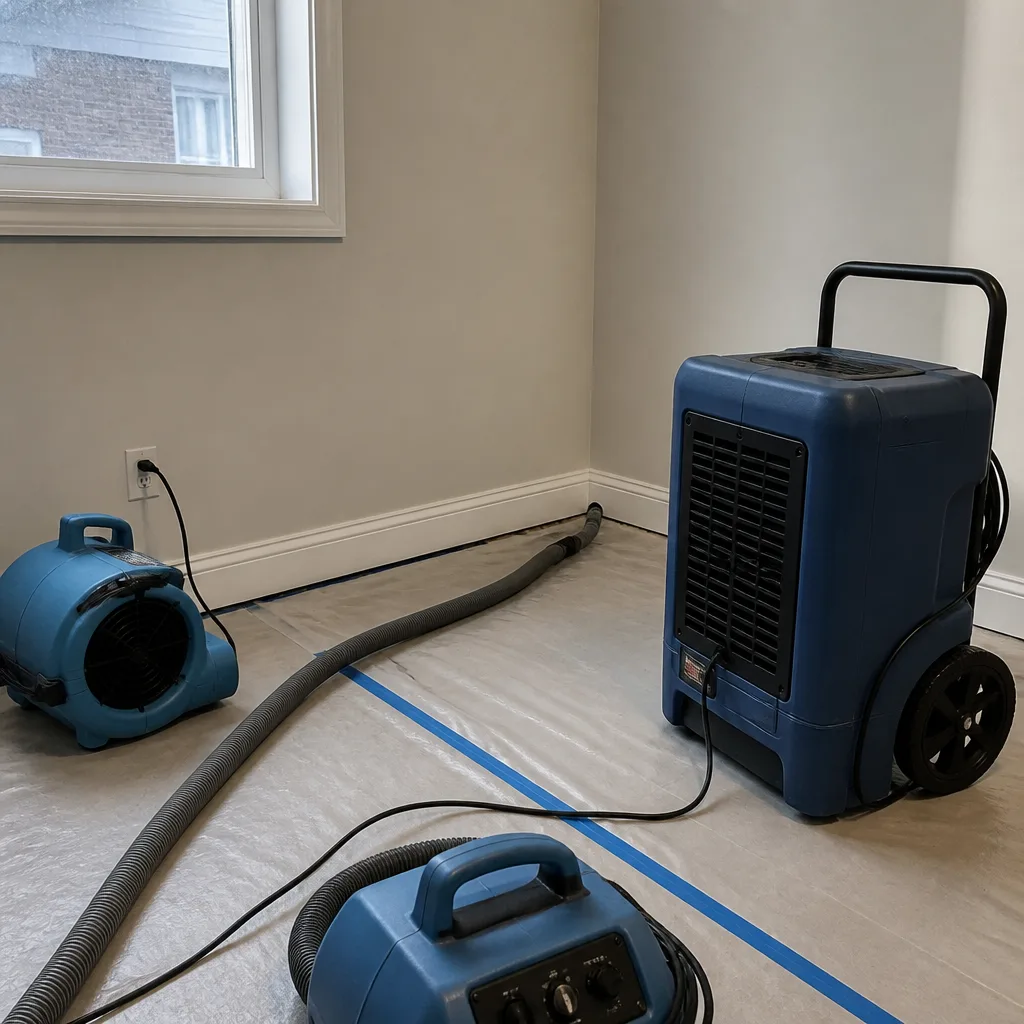 After
After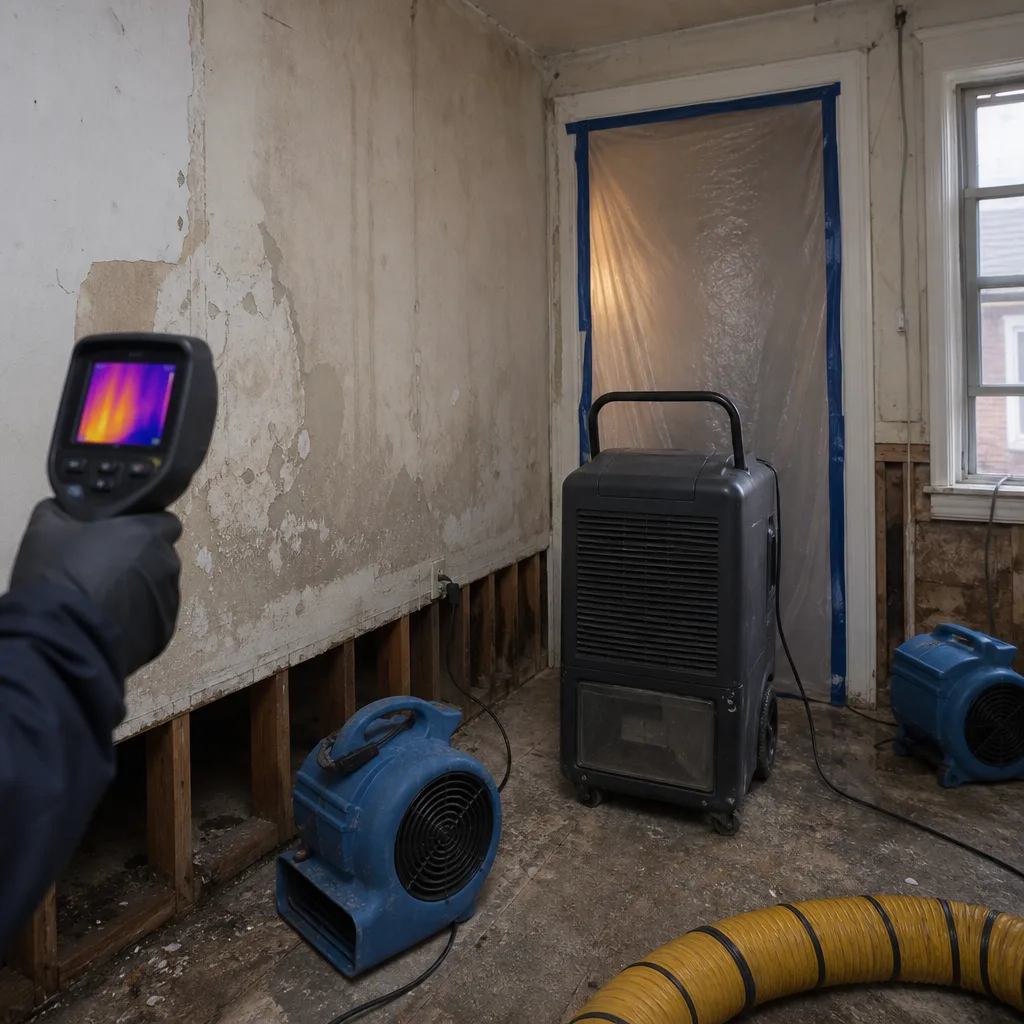 Before
 After
After24/7 Emergency Storm & Disaster Restoration in Financial District
Storm damage in the Financial District doesn’t wait for business hours, and neither do we. A nor’easter pushing surge up the East River at 2 a.m., a failed sump pump flooding a basement mechanical room on Stone Street, a wind-ripped roof membrane above a Maiden Lane lobby, it all needs a live answer and boots on the ground fast. Call (201) 903-9581 and you’ll get exactly that. Wade Ferris answers his own phone around the clock, and he’ll have a crew rolling toward your building inside the hour. The first 60 minutes after storm water enters a FiDi building determine whether you’re looking at extraction and drying, or full tear-out. Water in contact with pre-war electrical switchgear, elevator pits, and oil tanks gets worse by the minute. We do a free visual inspection, start mitigation immediately, and document everything your insurer needs from the first hour.
Understanding Storm & Disaster Restoration Severity in Financial District Properties
Storm water in the Financial District runs the full spectrum from Category 1 to Category 3, and the building stock here pushes a lot of calls into the worst column. Category 1 water is clean; it came from a broken supply line or rain intrusion through a window. Category 2 carries significant contamination, think sump overflow or ground water that’s picked up decades of soil chemistry from reclaimed landfill. Category 3 is grossly contaminated, harbor surge, sewage backup, storm drain overrun, and it’s the category we deal with most often in FiDi after coastal events. The old commercial skyscrapers converted to residential, 70 Pine, 20 Exchange Place, dozens of others, route drainage through common chases and basement utility cores that were never sealed for flood conditions. Moisture mapping, category classification per IICRC S500, structural drying to pre-loss moisture content, these aren’t buzzwords. They’re the difference between a dried-out mechanical room and a mold bloom behind the elevator shaft wall six weeks later. Salt-laden air from the harbor also corrodes sump pump floats and electrical contacts in below-grade rooms, which means equipment fails right when the next storm surge arrives.
Why Financial District Property Owners Choose Wade’s Restoration
- 45-minute response commitment. When surge is coming over the bulkhead, waiting until morning isn’t an option. Wade’s crew is in the district and moving.
- Live answer, 24/7. You call, a person picks up. Often that person is Wade. No phone tree, no answering service.
- Certified crews. The people Wade sends are IICRC-certified in water damage restoration (WRT), fire and smoke (FSRT), and applied microbial remediation (AMRT). They know pre-war building guts.
- Free visual inspection. No charge to walk the loss with you, and no trip charge inside our own county.
- Direct insurance billing. We deal with your carrier’s adjuster so you don’t have to spend your week relaying messages.
- One team, start to finish. Extraction, drying, demo, rebuild. You’re not handed off between subcontractors who’ve never met each other.
Our Storm & Disaster Restoration Process
Inspection & Assessment
We walk the entire loss, classify the water category, map moisture with thermal imaging and hygrometers, and identify what’s salvageable. In FiDi, that means checking basement switchgear, sump pits, and elevator equipment rooms first.
Extraction & Stabilization
Pumps and extraction wands pull standing water out. If there’s structural damage, we board up openings and tarp roof penetrations to stop further water getting in. Stabilization comes before anything else.
Drying & Dehumidification
Dri-Eaz and Phoenix dehumidifiers, XPOWER air movers, and Injectidry systems get placed based on the moisture map, not a guess. We track grain depression daily and hand you the full log.
Cleaning & Sanitization
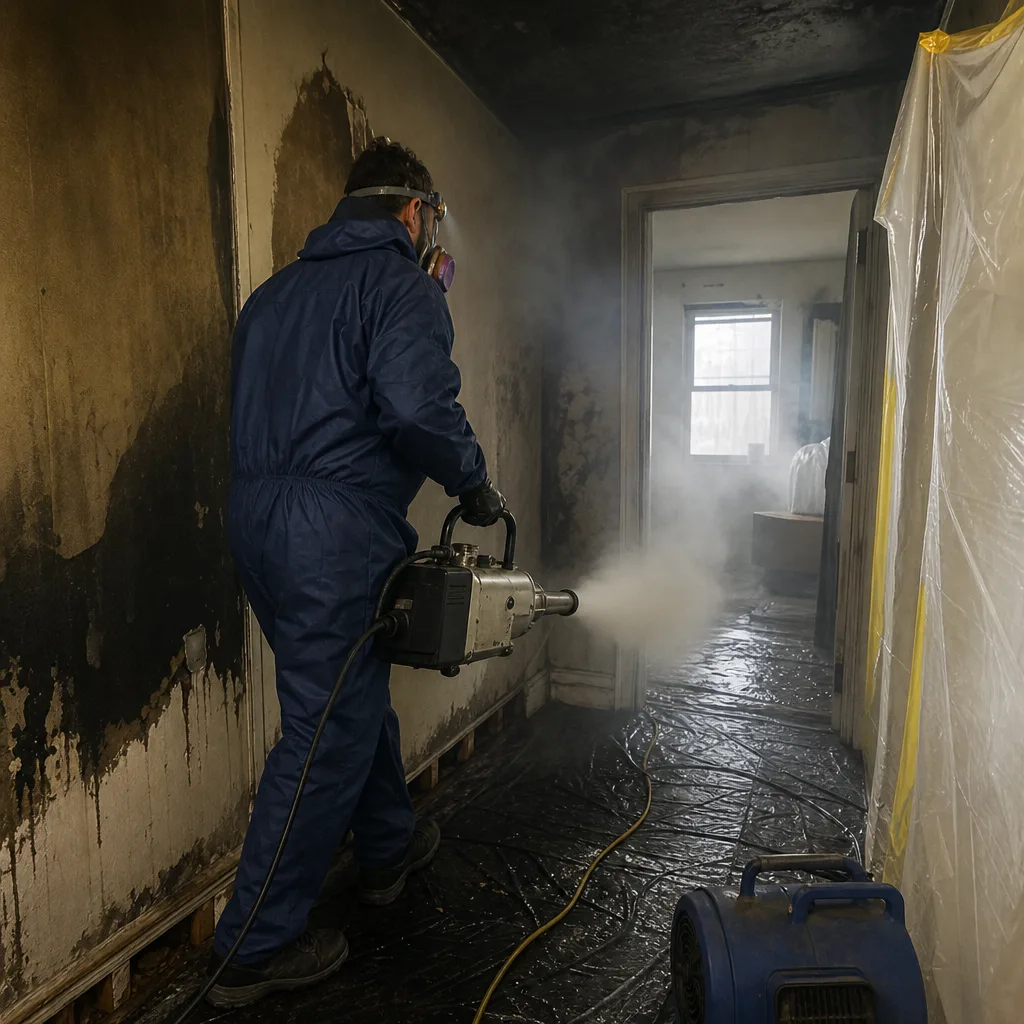
Category 3 water means our Sanitization Services in Financial District provide antimicrobial treatment on affected surfaces. We scrub, fog, and clean what can be saved, and cut out what can’t. HEPA-filtered air scrubbers run during the whole process.
Salt & Corrosion Treatment
FiDi’s a special case. Salt residue from harbor water accelerates corrosion on electrical panels, conduit, and sump components. We flush and treat affected equipment, and we flag anything that should be replaced before it fails again.
Repairs & Restoration
Drywall back, flooring replaced, paint, trim. If your loss needs Reconstruction & Cleanup - Financial District, the same crew handles it. One scope, one phone number, one name you can call if something’s not right.
Need Emergency Storm & Disaster Restoration in Financial District Now?
Crews minutes away, answering live 24 hours a day. The sooner we start, the less it costs.
Working With Your Insurance Company
We’ve been in this long enough to know the claim process can be as stressful as the storm itself. That’s why we document everything from the first hour, photos of every affected room, moisture readings on a schedule, a line-item scope of work that speaks the same language your adjuster uses. We use industry-standard estimating software so the numbers line up with what carriers expect. And Wade talks to your adjuster directly. You don’t have to be the one in the middle, explaining what category of water it was or why the elevator pit needed to be pumped before the drying started. That’s our job.
What We Provide Your Insurer
- Thorough documentation of the loss
- Photos of all damage, room by room
- Moisture readings and drying logs
- A detailed, line-item scope of work
- Direct coordination with your carrier
Built for Financial District’s Loss Calendar
Financal District losses follow a rhythm tied to the harbor and the weather systems that drive it. Nor’easter season, which runs from October through April, pushes surge into New York Harbor and up against the bulkheads around Battery Park and South Street. These are the calls where we’re pumping basement mechanical rooms and elevator pits while the rain is still falling. January and February deep freezes burst supply lines in converted pre-war high-rises, especially units on the lower floors where original plumbing chases run through unheated spaces. Spring thaw brings groundwater pressure up through the landfill, causing seepage through foundation walls even when there’s no surface water anywhere in sight. Summer thunderstorm season hits the district with flash flooding, overwhelmed roof drains, and quick category 2 or 3 intrusion into below-grade spaces. The common thread running through all of it in FiDi: water doesn’t leave when the storm leaves. The ground holds it, and it keeps coming back.
Storm & Disaster Restoration Across Financial District’s Neighborhoods
The Financial District stretches from the Brooklyn Bridge down to Battery Park, from the Hudson to the East River, and the storm damage picture shifts depending on which side of Broadway you’re on. Around Stone Street and the blocks near the South Street Seaport, low-lying street grades and direct harbor frontage mean a strong nor’easter sends water up through storm drains and into basement-level retail and mechanical spaces before anyone’s had a chance to sandbag anything. Up toward the Fulton Street corridor, near the old John Street and Dutch Street cores, the narrow street canyons channel wind differently, and we see more roof membrane damage and debris impacts on upper-floor windows. The blocks around Wall Street and Exchange Place have deep sub-basements, some of the deepest in the city, and those are groundwater infiltration calls as much as flood water calls. Over near Battery Park and the west side of the district, high-tide flooding can leave a whole block’s worth of utility rooms with water in them after a heavy thunderstorm that barely made the news. Different blocks, same theme: water gets in, and it doesn’t leave quietly.
Specialized Storm & Disaster Restoration Services We Offer in Financial District
Flood Damage Restoration
Harbor surge, street flooding, groundwater breakthrough. We pump the water out and dry the structure to pre-loss conditions. In FiDi, this often means working around live electrical service in basement rooms, so we coordinate closely with building management and your carrier before touching certain equipment.
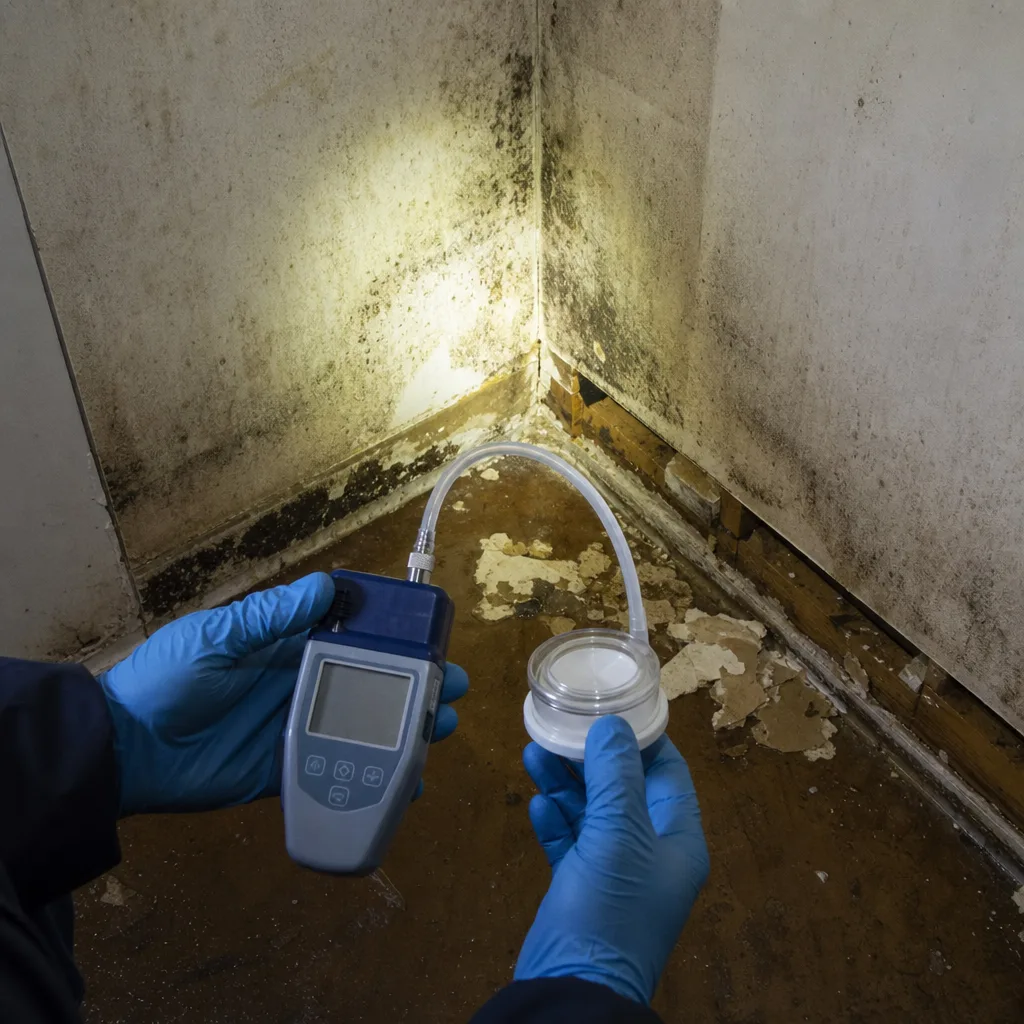
Storm Damage Cleanup
Wind-borne debris, broken glass in lobbies, water that pushed through window seams, we handle the mess and the moisture. Storm cleanup in the Financial District frequently involves category 1 and 2 water from upper-floor windows blown in during nor’easters.
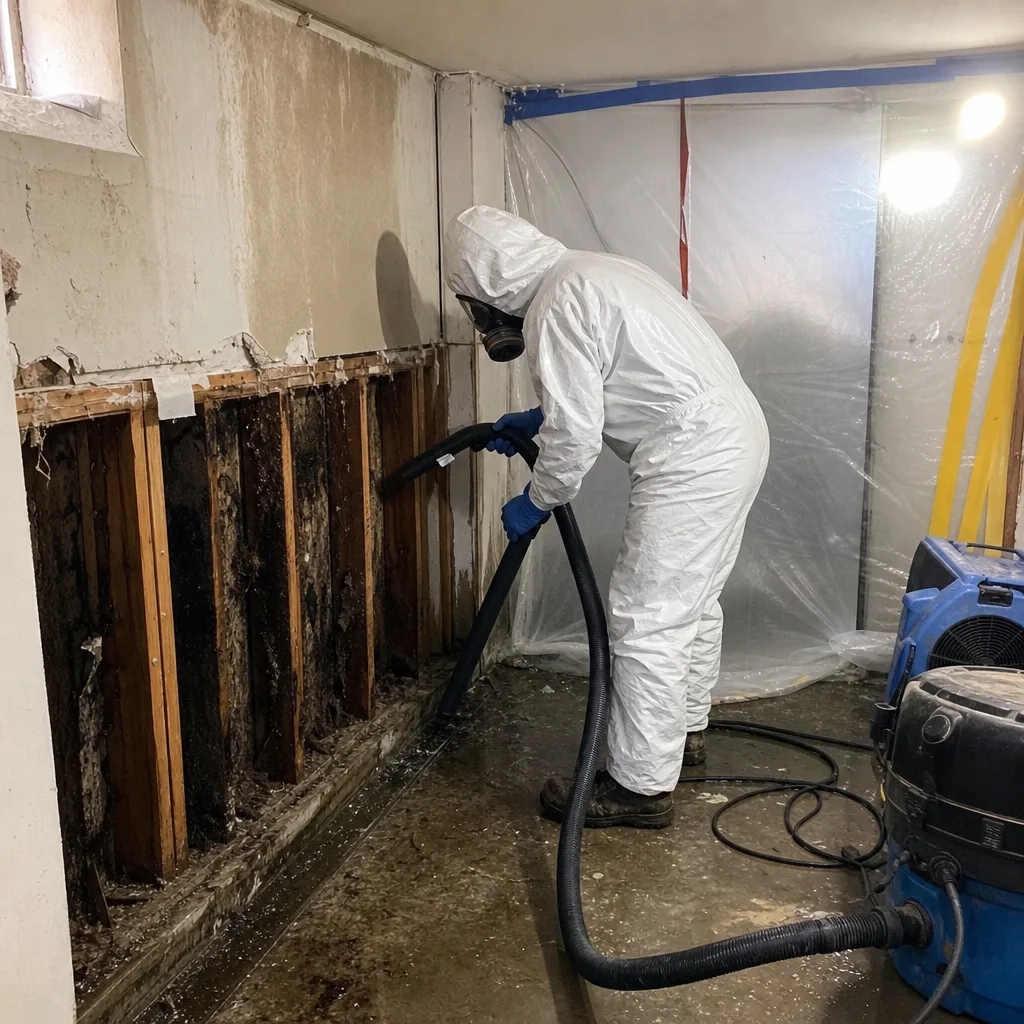
Debris Removal
High winds send pieces of rooftop equipment, signage, and construction debris into streets and courtyards around FiDi. We clear the immediate hazard, document it for insurance, and handle disposal.
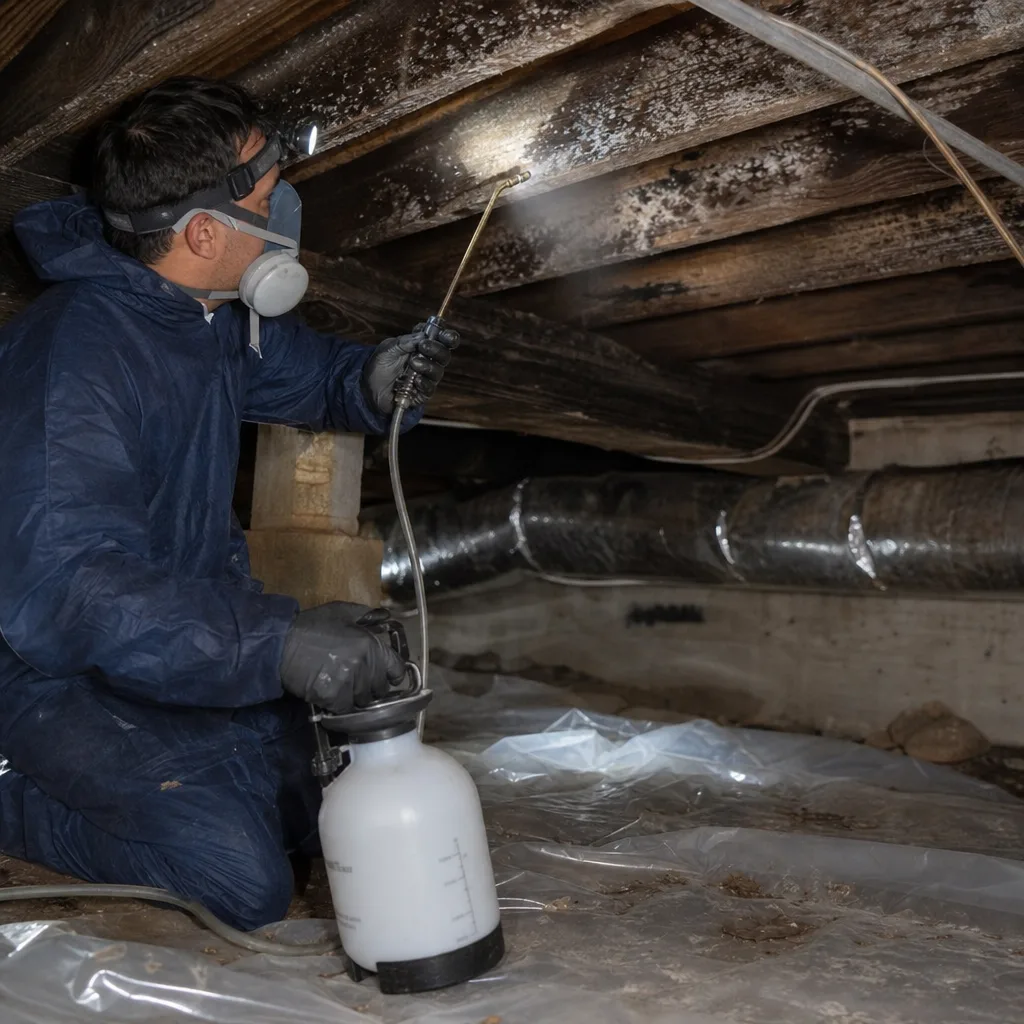
Emergency Board-Up
Broken windows and doors need to be secured before the next weather front moves through. We board up, tarp, and stabilize openings the same day you call.
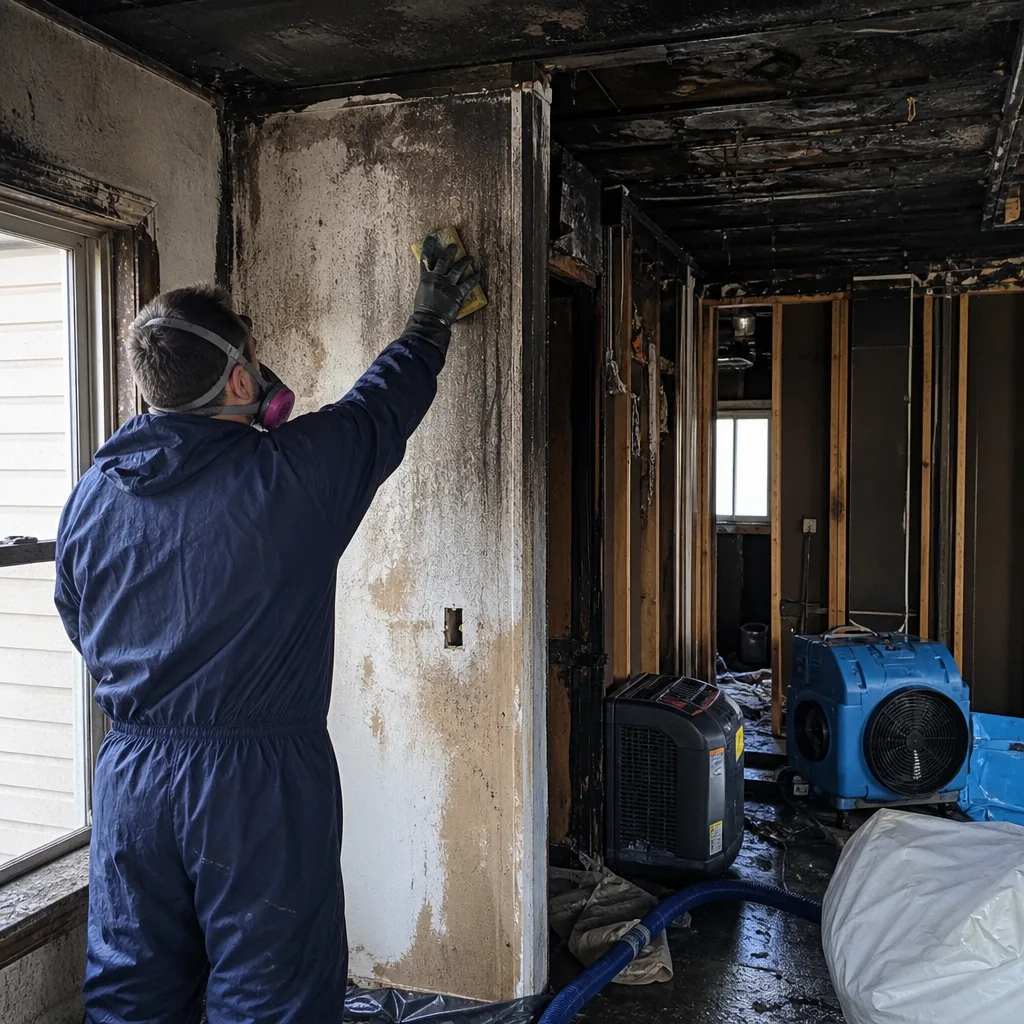
Roof Tarping
Storm-pierced roof membranes on converted high-rises depend on elevation and wind exposure. We get a watertight tarp on quickly and make sure roof drains are clear so the interior water stops accumulating.
What happens when you call
- 1
A real person answersNo phone trees - you reach a local pro.
- 2
You get an upfront price rangeHonest numbers before anyone is dispatched.
- 3
A background-checked tech heads outLicensed & insured, dispatched right away.
- 4
You approve before work beginsNothing starts until you say go.
Storm & Disaster Restoration Costs in Financial District, NY
Storm and disaster restoration pricing in the Financial District reflects the building stock and the access challenges. A straightforward Category 1 water extraction and drying in a single condo unit might run $2,500 to $5,500. Add category 3 water or a flooded basement mechanical room, and you’re looking at $6,000 to $18,000, depending on how much drywall, insulation, and cabinetry has to come out. Elevator pit extractions and full sub-basement floods can push past $25,000, especially when electrical coordination and building engineer involvement slow the work. Emergency board-up or roof tarping on FiDi high-rises typically runs $800 to $2,400 depending on access. What moves the price: the water category, the square footage of affected space, whether building management is involved, and how much of the pre-war infrastructure got wet. Best path: call (201) 903-9581 for a free visual inspection. We’ll give you a written scope before any work starts, and a straight answer about what your insurance will likely cover. Senior and Veteran? You get a standing 10% discount, always.
We Also Serve Cities Near Financial District
Storm losses don’t respect neighborhood lines. Our crews routinely run restoration work in Lower Manhattan, Midtown Manhattan, Long Island City, and Midtown West, many of them carrying the same harbor-surge and pre-war-building complications you see here. One phone number covers the whole area: (201) 903-9581.
Financial District Storm & Disaster Restoration Questions, Answered
How does salt air in the Financial District affect storm damage restoration work on basement mechanical rooms?
Salt-laden air from New York Harbor accelerates corrosion on electrical panels, conduit, sump pump floats, and contacts in below-grade rooms. That means when storm surge hits, the equipment that should protect the building has often already degraded, and pumps fail right when they’re needed most. We flush and treat electrical components after flood events, and we flag equipment that should be replaced rather than re-energized.
Why do so many FiDi buildings still have switchgear below flood level after Sandy?
Post-Sandy rebuilds were uneven. Many buildings moved main switchgear to higher floors, but left secondary systems, fuel oil tanks, and sump infrastructure at original elevations, either because of cost or because the building’s layout made relocation impractical. That’s why a seemingly routine basement flood in the Financial District can knock out heating backup or a whole electrical zone.
What makes category 3 water more likely in Financial District storm floods compared to other Manhattan neighborhoods?
FiDi sits on reclaimed landfill at the tip of Manhattan, surrounded on three sides by harbor water. Storm surge and heavy rain back up into the combined sewer system, and that means storm water coming into basements here is often mixed with sewage and harbor sediment. The category 3 designation isn’t academic; it determines whether we treat surfaces or tear them out, which is why Biohazard & Crime Scene Cleanup - Financial District protocols guide our response.
How long after a nor’easter can groundwater keep infiltrating a FiDi building foundation?
Days to weeks. The landfill under lower Manhattan is highly permeable, and after a nor’easter the water table stays elevated long after the streets look dry. Hydrostatic pressure keeps pushing water into foundation cracks and sump pits. We’ve seen groundwater infiltration continue ten days or more after a storm, which is why we take daily moisture readings and keep drying equipment in place longer than the surface might suggest is necessary.
Do restoration crews in the Financial District need to handle storm damage differently in converted pre-war skyscrapers?
Yes, absolutely. Converted commercial towers like 70 Pine and 20 Exchange Place have industrial-scale HVAC risers, common plumbing chases, and basement mechanical configurations that were never designed for residential flood scenarios. Category 3 water can spread vertically and horizontally through these chases into neighboring units. We set containment early and map the migration path before it spreads further.
How fast can someone actually get to my Financial District building?
We’re already in the district running calls most days, so the typical response is under 45 minutes. Call (201) 903-9581, get a live person, and we’ll be moving.
Will my insurance cover storm damage restoration in a condo or co-op?
It depends on the building’s master policy and your individual unit policy. In most FiDi condo and co-op buildings, the master policy covers common elements like basements, lobbies, and elevator equipment, while your unit policy covers interior finishes. We work directly with both adjusters so you don’t have to untangle that yourself.
Can we stay in our apartment while drying equipment runs?
Usually yes, if the affected space is contained and the power to your unit is unaffected. If category 3 water touched your unit, we’ll recommend staying elsewhere until the decontamination is complete. We’ll tell you straight either way.
Serving Financial District, NY - Our Local Coverage Area
We’re based in the Financial District area and know this community well. Use the map below to see our service coverage - if you’re nearby, we can almost certainly help.
The FiDi Storm Reality You Won’t Find on a Franchise Site
Financial District sits on reclaimed landfill surrounded by the Hudson, East River, and New York Harbor. That’s not a real estate detail; it’s the single biggest factor in how storm damage plays out here. The ground under lower Manhattan is poorly consolidated and highly permeable. When a nor’easter or tropical system pushes surge into the harbor mouth, the water doesn’t just come in over the bulkhead. It saturates the soil, and then that groundwater presses against every foundation wall and floor slab in the district, sometimes for days or weeks after the tide has receded. Hydrostatic pressure drives water through cracks, around pipes, and into sump pits faster than pumps can remove it. Uptown neighborhoods built on bedrock don’t deal with this at the same scale. Our Storm & Disaster Restoration team manages these conditions by tracking moisture levels long after the visible water is gone, because in FiDi the ground keeps giving water back.
On a call at a condo conversion near 70 Pine Street after a nor’easter, our techs found the basement sump pumps overwhelmed and a category 2 water line across the elevator pit. We set containment at the stairwell, ran structural drying with Dri-Eaz dehumidifiers and XPOWER air movers, and logged moisture readings every four hours until pre-loss conditions were met, because in FiDi, the next tide can turn a cleanup into a repeat flood before the drying logs are even filed. That’s what working in this district actually looks like.
And about the post-Sandy compromises: many buildings moved their main switchgear up, but left fuel oil tanks, secondary sumps, and backup heating systems at the original flood elevations. So when water enters a Financial District basement today, it isn’t just a wet floor. It can disable a building’s entire heating backup or fire fuel system. Restoration crews need to know what they’re walking into, and after 15-plus years of working in this district, ours do. If you own property in Financial District and you’ve got storm water where it doesn’t belong, call (201) 903-9581. Wade will answer.
Written by Wade Ferris, Owner at Wade’s Restoration, serving Storm & Disaster Restoration in Financial District with IICRC-certified crews, RIA and IFA affiliation, and a 90-Day Done Right Promise in writing on every job.