

Free visual inspection and a written scope of work before any mitigation begins - photos, moisture readings, and drying logs go in your claim file
The scope we write is the scope we bill. Anything new gets shown to you, in writing, before we touch it.
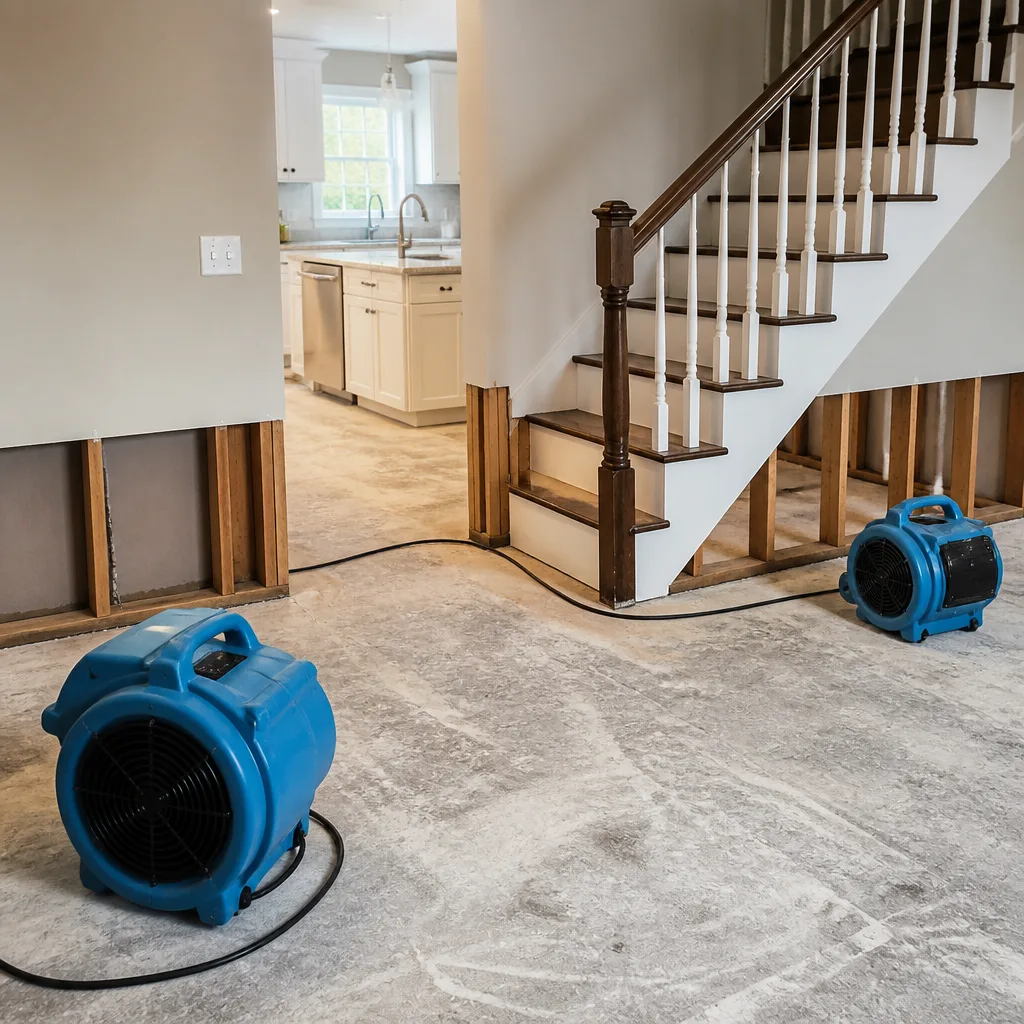
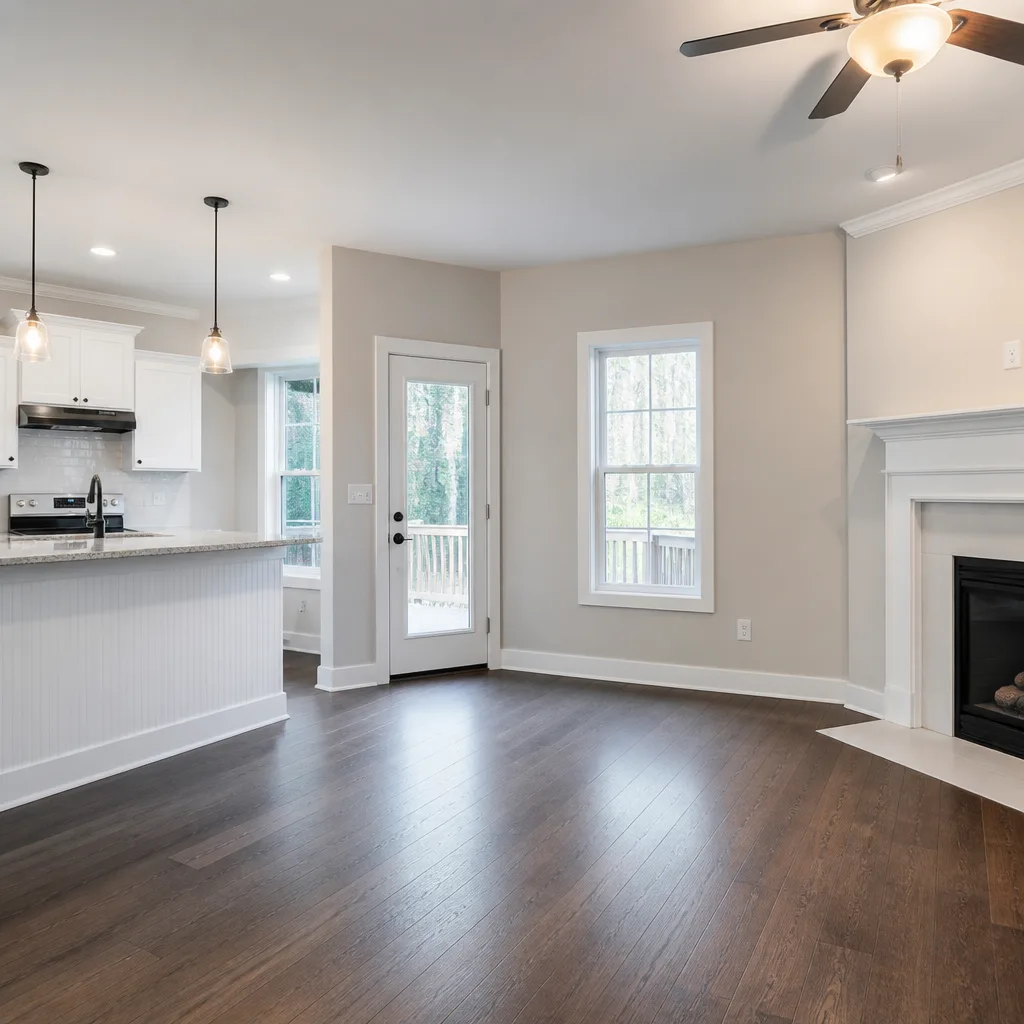
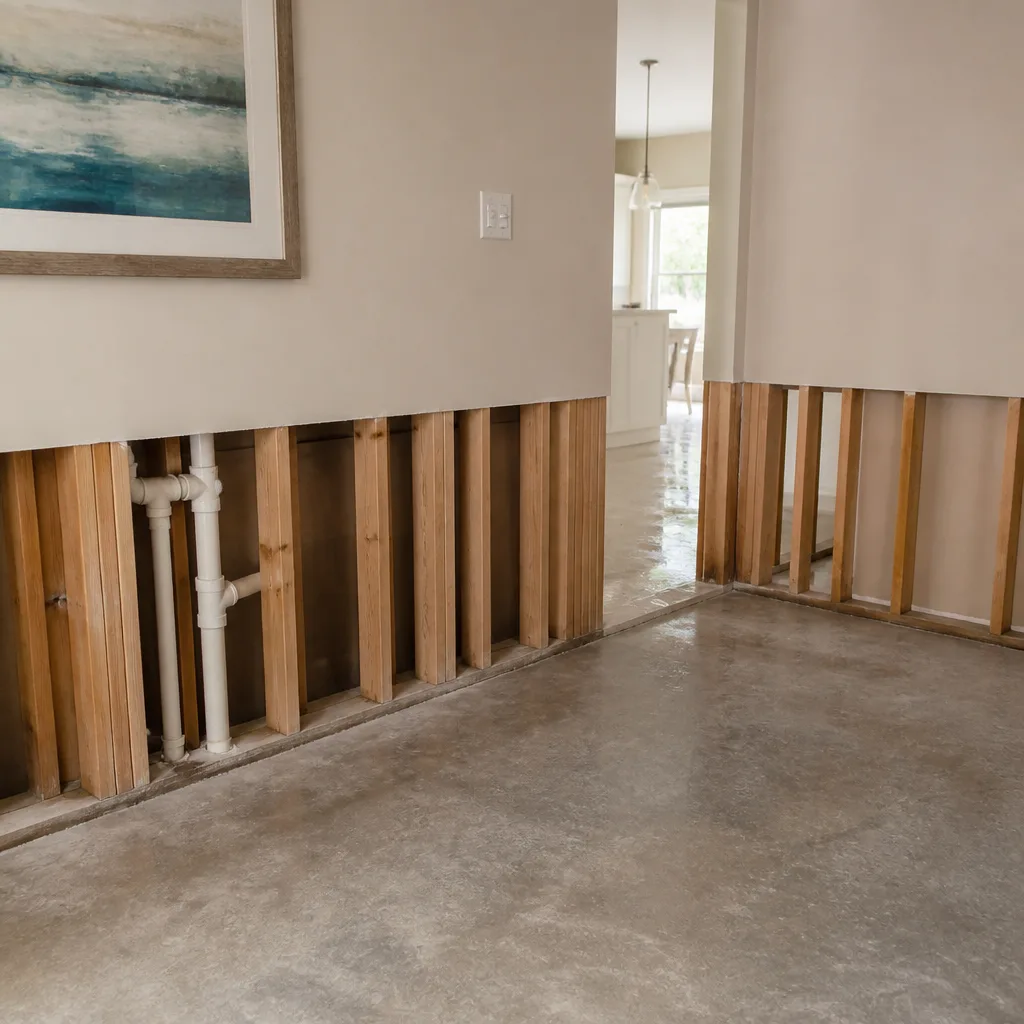
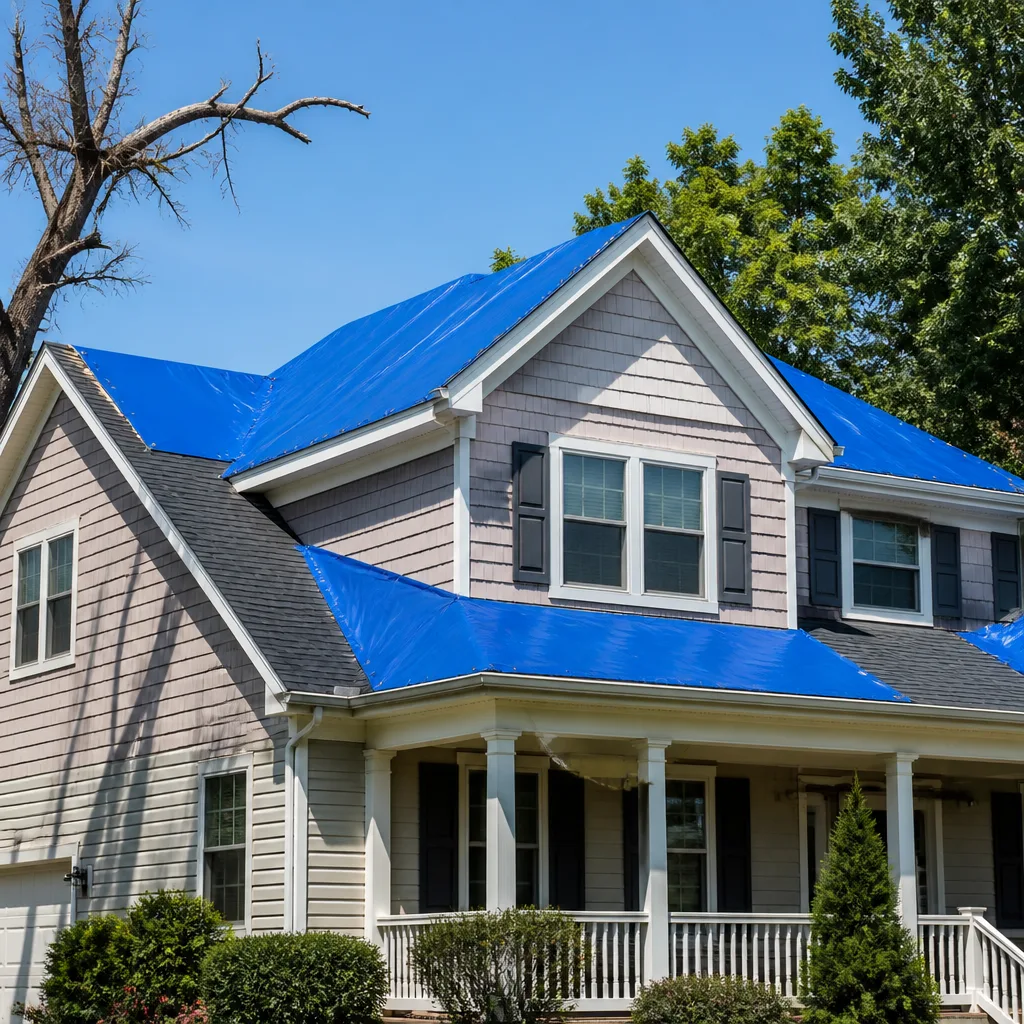
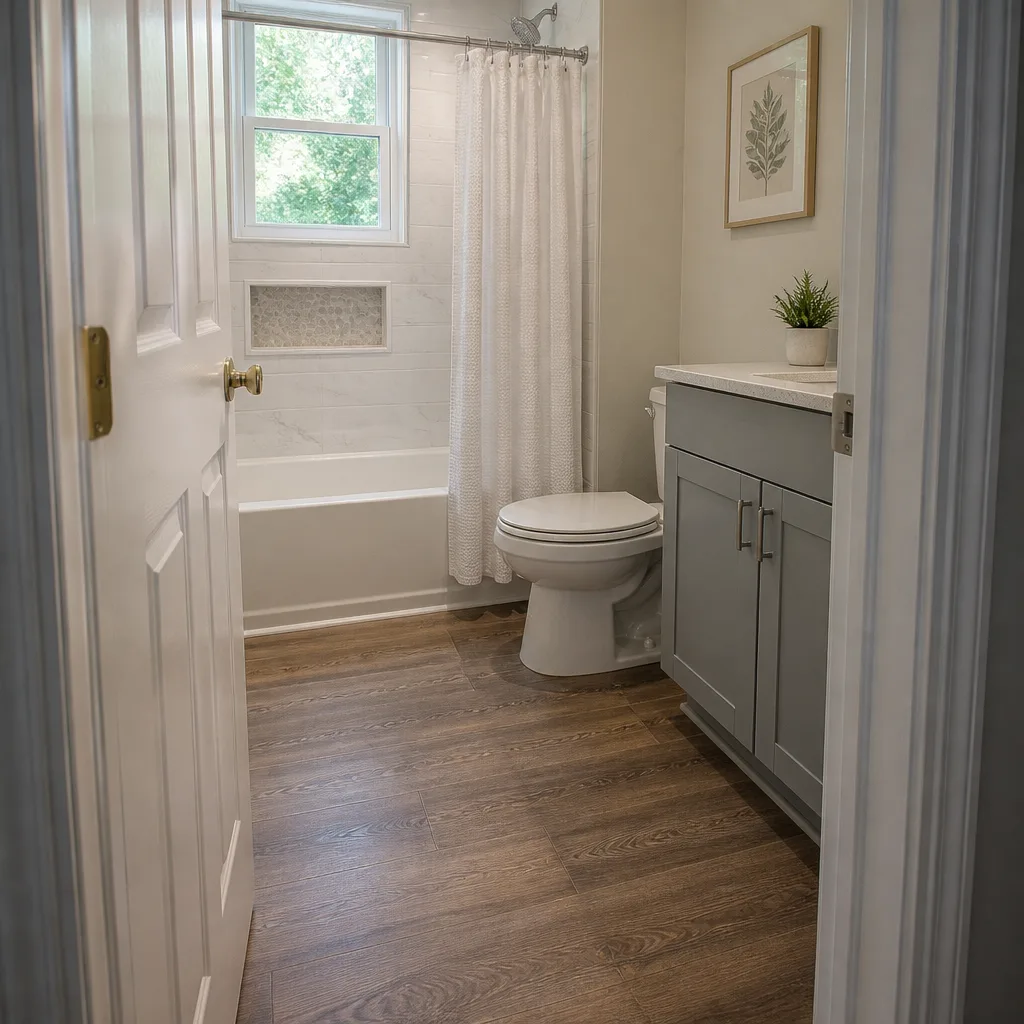
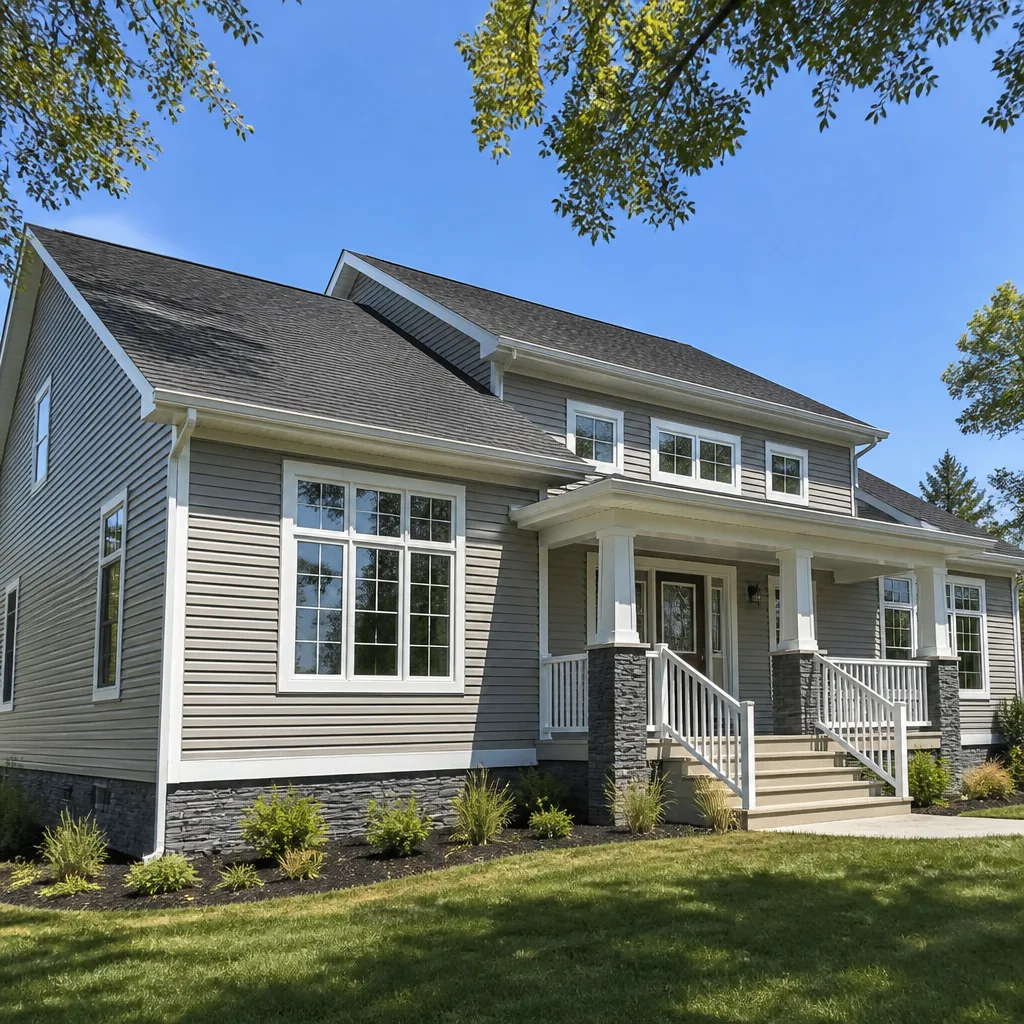
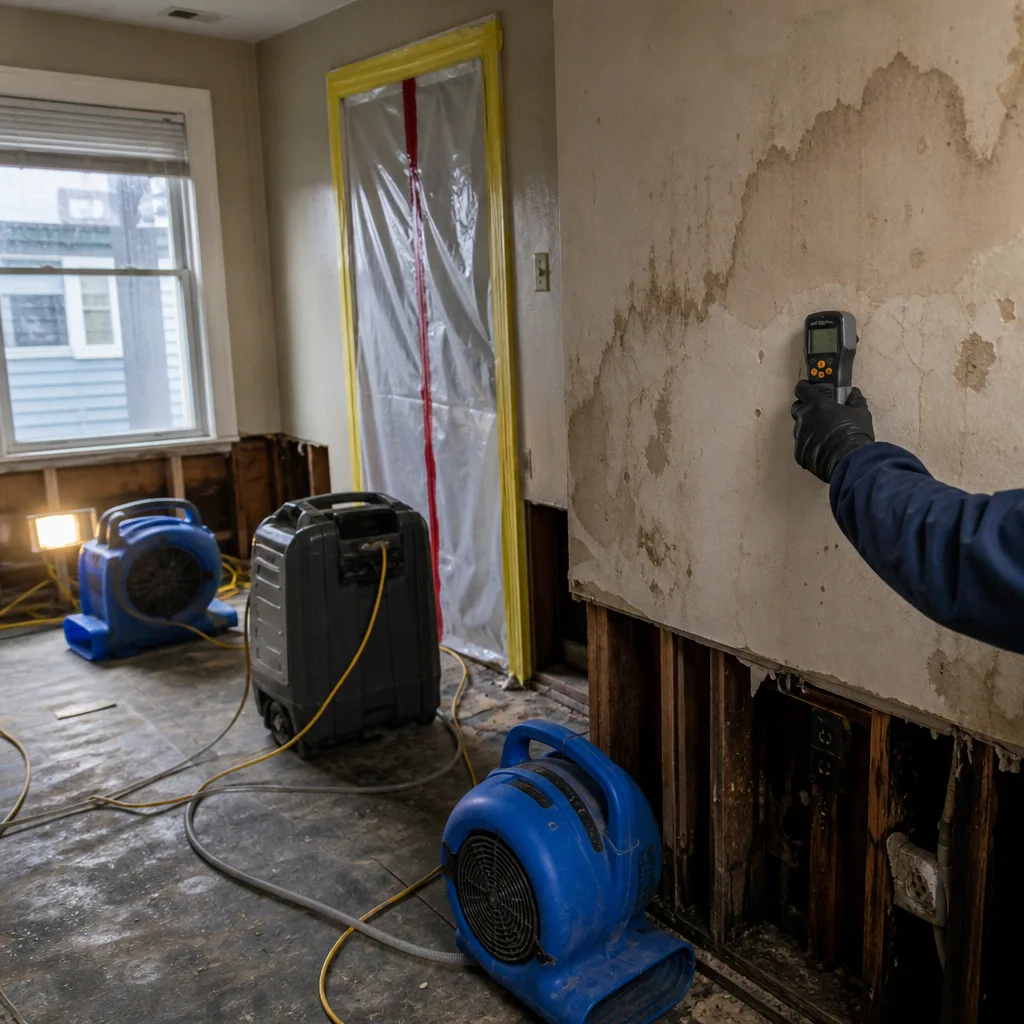 Before
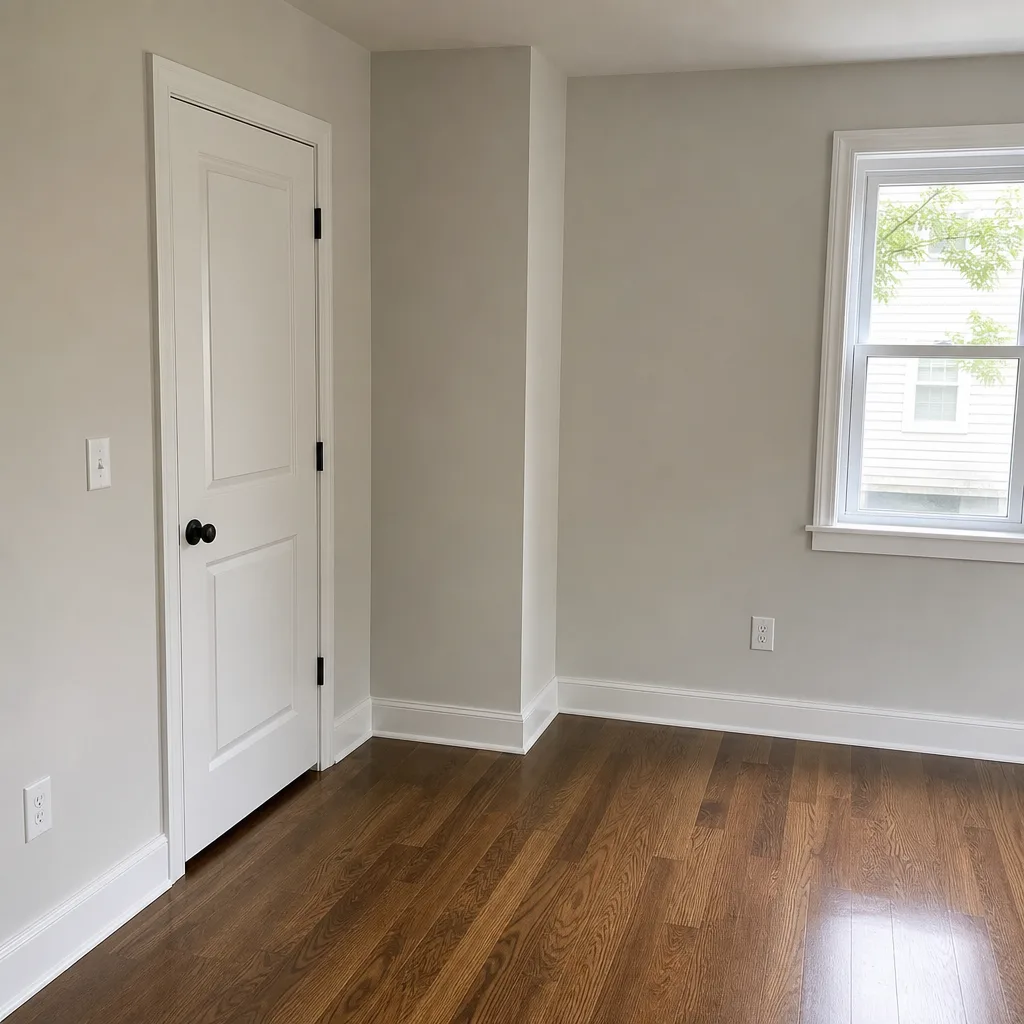 After
After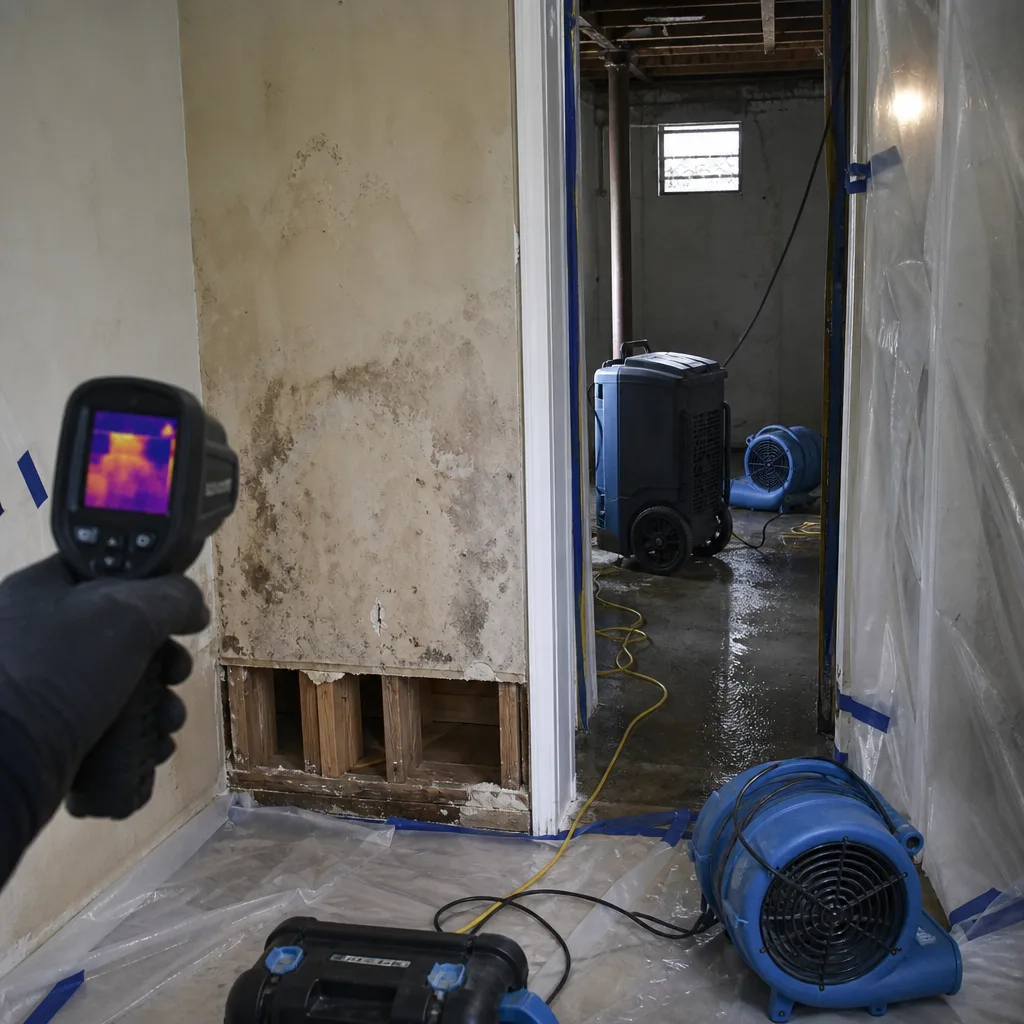 Before
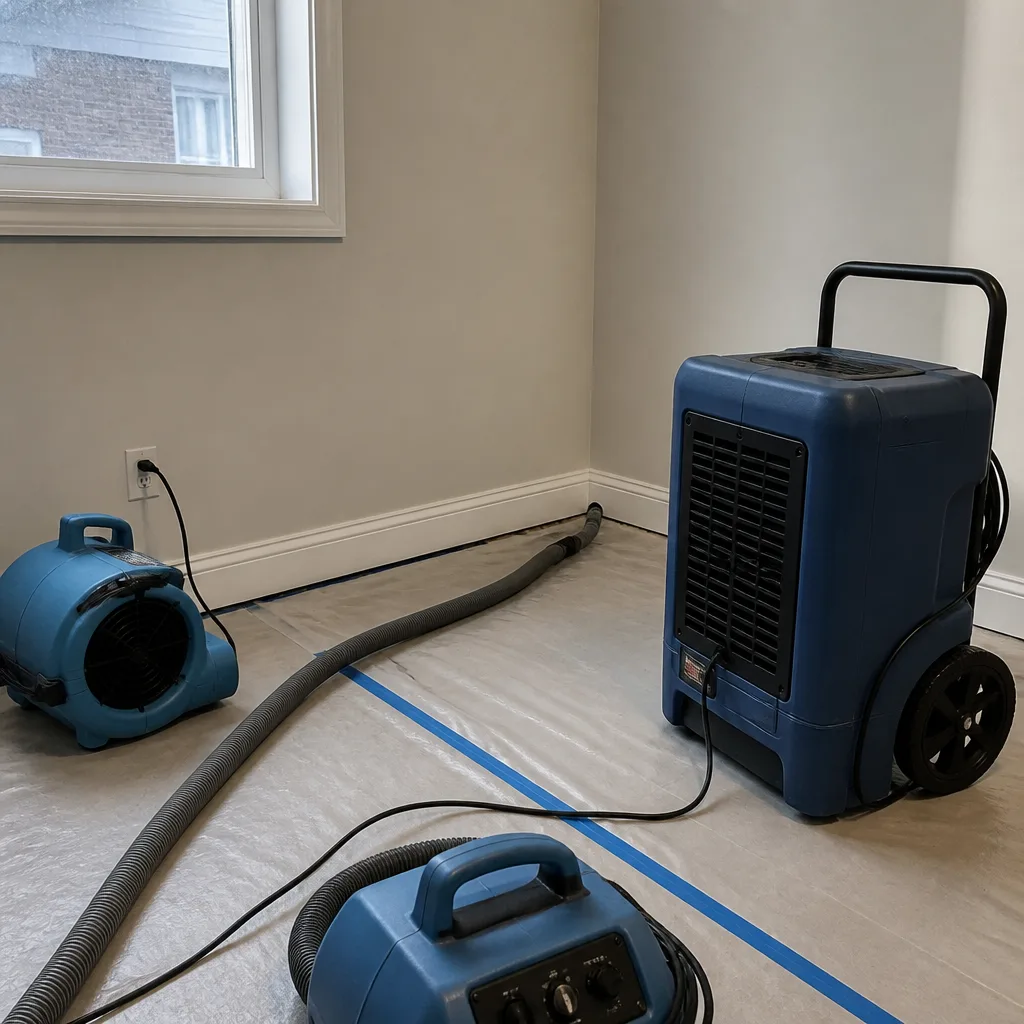 After
After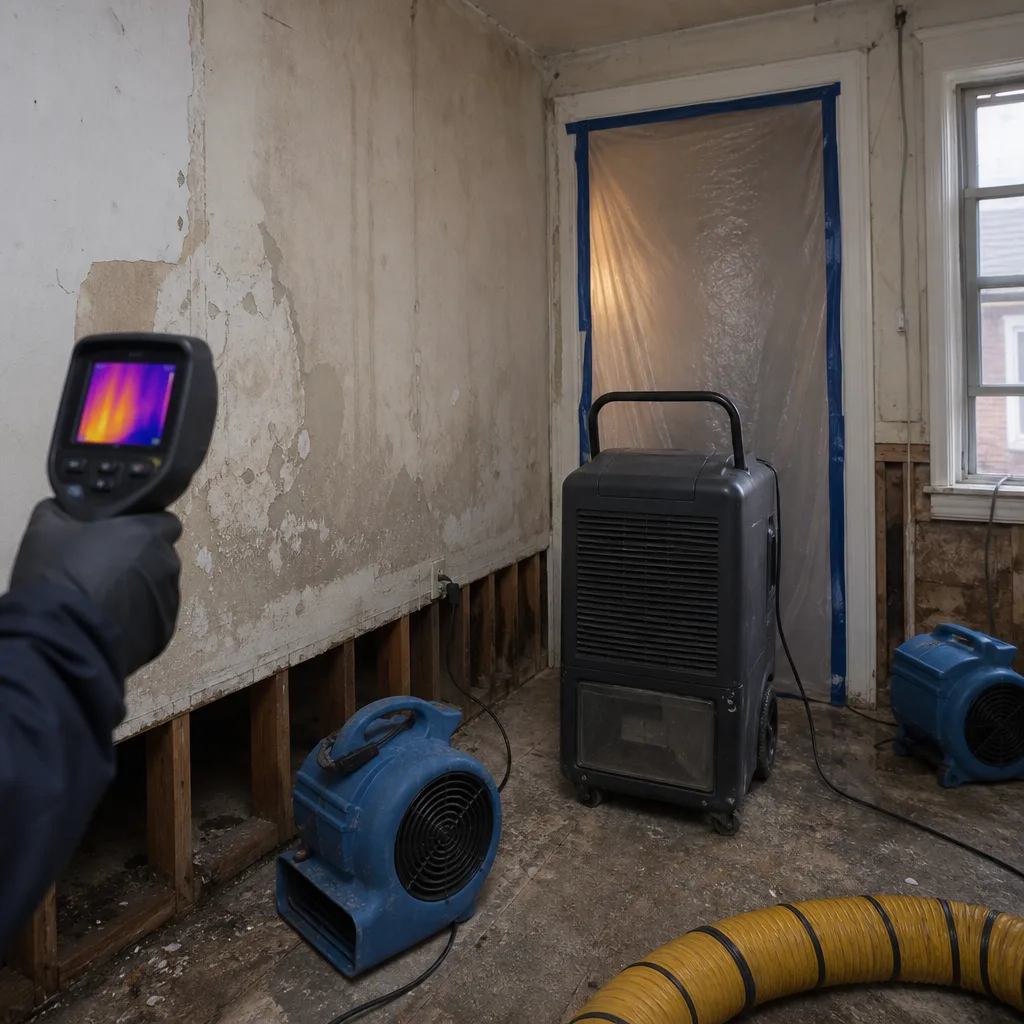 Before
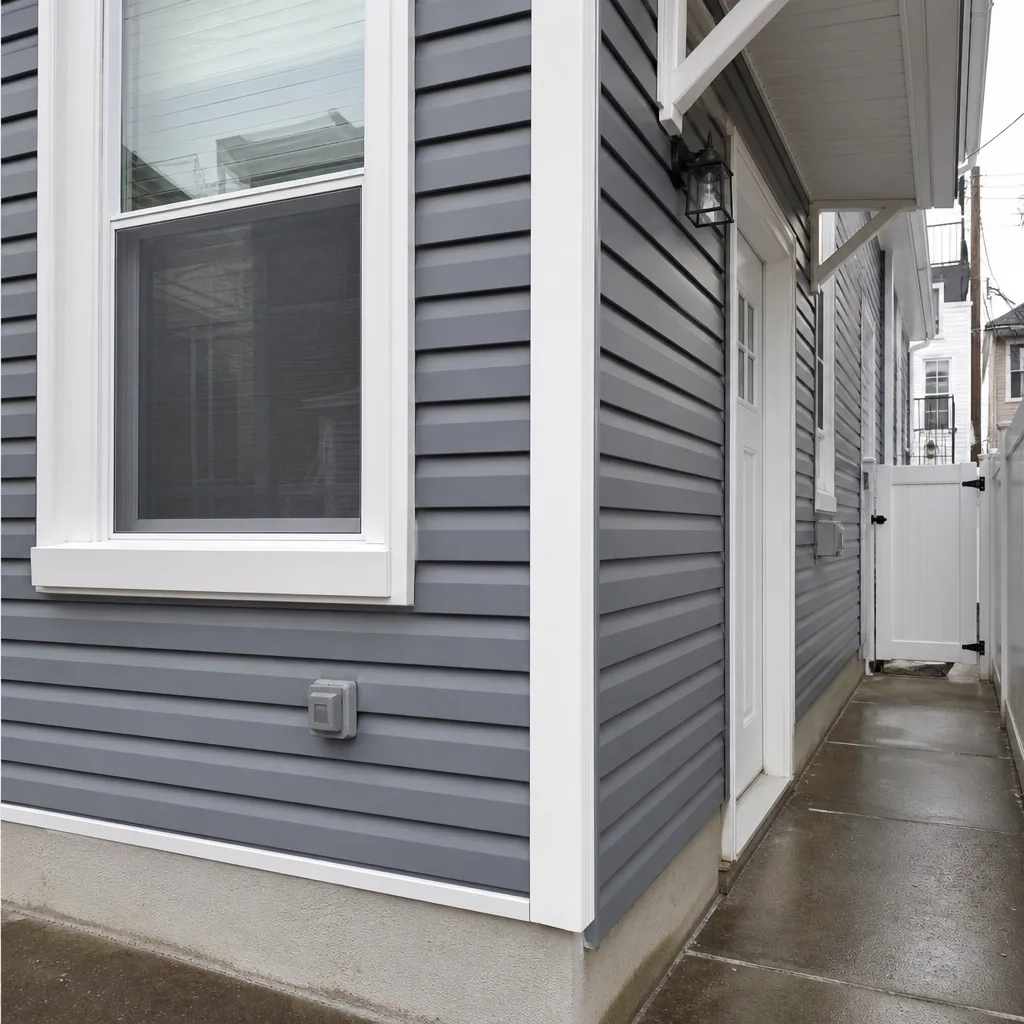 After
After24/7 Emergency Mold Remediation in Jersey City
Mold remediation in Jersey City typically runs $1,800-$6,500 depending on the square footage affected and whether the growth reached structural cavities. Most jobs we handle are fully scoped within 24 hours of the first call, and containment can be up the same afternoon you reach us. If you’ve found visible mold or smell that musty, earthy odor that won’t go away, don’t wait. Mold doesn’t sleep, and neither do we.
Wade Ferris answers his own phone at (201) 903-9581. Not an answering service. Not a call center. If he’s on a job, someone from his crew picks up and he calls you back within minutes. A free visual inspection in Jersey City means Wade himself walks your basement or bathrooms before any dollar figure gets discussed. That first hour matters: mold colonies release spores continuously, and every day of delay lets the affected area grow further into drywall, subfloor, and framing.
Understanding Mold Remediation Severity in Jersey City Properties
Mold work in Jersey City splits into three practical levels. Level one is surface contamination under ten square feet: a bathroom ceiling, a window return, a closet wall. Containment is simple, materials come out fast, and the job often finishes in one or two days. Level two is growth inside wall cavities, floor systems, or HVAC trunks. That means full containment with negative air pressure, HEPA air scrubbing, removing affected drywall and insulation, and treating exposed framing with antimicrobials. This is where most converted brownstones in the Heights and Hamilton Park land after a slow plumbing leak.
Level three is the Jersey City specialty: chronic moisture intrusion through century-old foundation walls, coal-cellar bulkheads, or below-grade entries that keep re-wetting dried materials. These jobs aren’t just about killing visible mold. They require solving the water path first. If you don’t fix the hydrostatic pressure pushing water through a rubble-stone wall in Bergen-Lafayette, you’ll be removing mold from the same drywall in eighteen months. For full Mold Remediation, we document everything: moisture readings before and after, clearance testing after treatment, and a written scope so you know what was open, what was treated, and what was rebuilt.
Why Jersey City Property Owners Choose Wade’s Restoration
- 45-minute response commitment for active water or sewage involvement. Wade heads out as soon as you hang up. He knows the route from the office across the river, down the Turnpike Extension, and into downtown Jersey City cold.
- Live answer, 24 hours a day. A real person picks up at 3 a.m. because a basement in Greenville just took on six inches of sewer water and the landlord is panicking.
- IICRC-certified crew with WRT and AMRT credentials. That matters when you need containment set up correctly the first time, not after a failed clearance test.
- Free visual inspection anywhere in Jersey City. Wade looks at the problem, takes moisture readings, and tells you honestly whether you need full remediation or just a cleaning.
- Direct insurance billing with line-item documentation your adjuster will actually accept. No fighting with a desk. Wade talks to them himself.
- One team from start to finish. Same crew that pulls the drywall and dries the studs is the crew that rebuilds. Nobody hands your house off to a stranger mid-job.
Our Mold Remediation Process
Inspection & Assessment
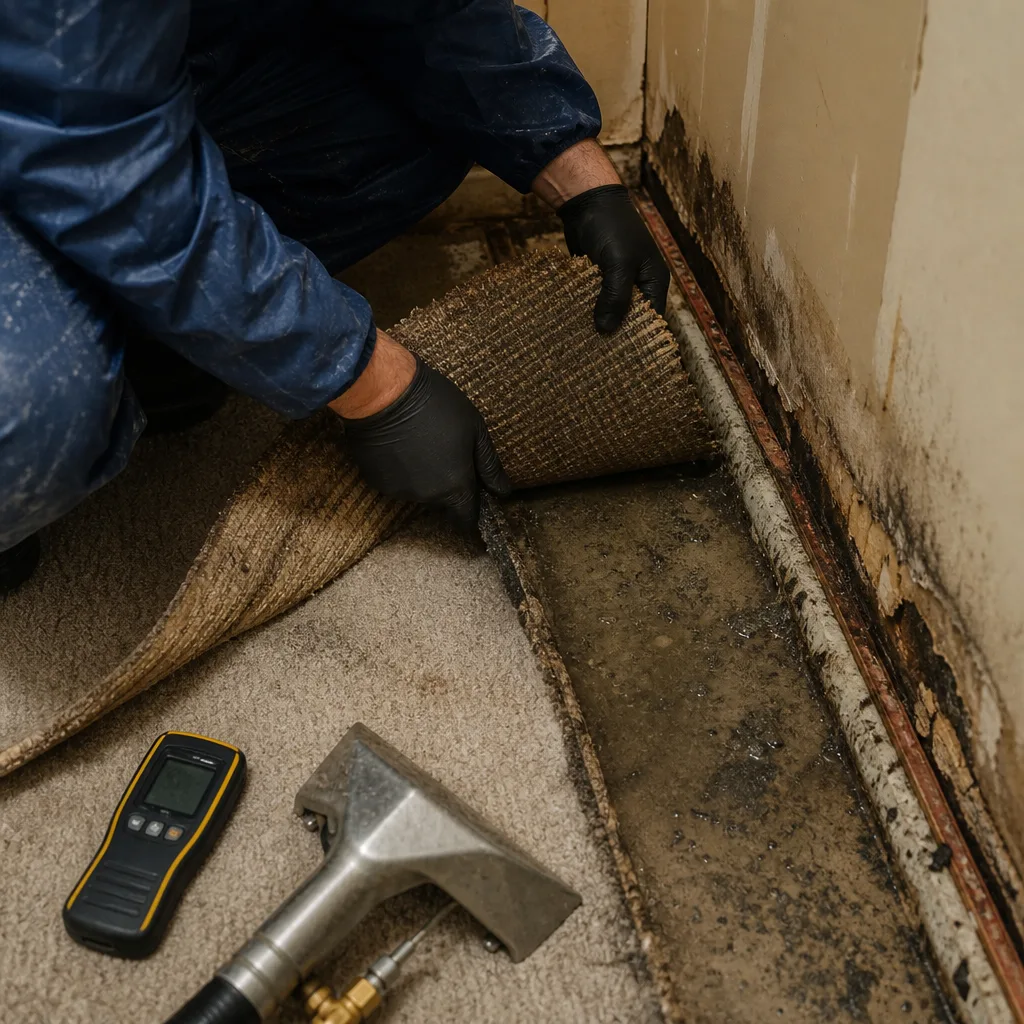
We start with visual inspection, moisture mapping using thermal imaging and hygrometers, and air sampling when the scope calls for it. Wade identifies every affected area before anything gets opened.
Containment & Isolation
Full containment with 6-mil polyethylene and negative air pressure. HEPA air scrubbers run continuously to capture airborne spores. Doorways get zippered barriers. The rest of your house stays clean.
Material Removal & Structural Drying
Saturated drywall, insulation, and compromised framing come out. We run Dri-Eaz dehumidifiers and axial air movers until every cavity registers below 15% moisture content. Twice-daily readings, logged.
Cleaning & Sanitization
HEPA vacuuming of all surfaces, antimicrobial treatment on exposed framing and concrete, and full wipe-down of salvageable materials. No chemical fogging shortcuts that leave dead spores behind.
Air Quality Restoration
Post-remediation air scrubbing runs until particle counts return to baseline. We run clearance air sampling before we call the job done. You get the lab results.
Repairs & Restoration
We rebuild what came out: drywall, insulation, trim, paint. Billing goes straight to your carrier. And every job carries the 90-Day Done Right Promise in writing.
Need Emergency Mold Remediation in Jersey City Now?
Crews minutes away, answering live 24 hours a day. The sooner we start, the less it costs.
Working With Your Insurance Company
Mold claims are the most denied line item in property insurance. Most policies cap mold coverage between $5,000 and $10,000, and some require proof that a covered water loss caused the growth. That proof lives in documentation. We provide it from the first hour: photos of the source of water, daily moisture readings, containment setup times, material removal logs, and a line-item scope with unit costs your adjuster can verify against Xactimate. Wade’s crew has been handling this in Jersey City long enough that we know exactly what the carrier will want, and we give it to them before they ask. Direct adjuster coordination means you never relay messages between two sides of a claim. We also offer a free second opinion on any written estimate, so if your carrier’s preferred vendor lowballed the scope, we’ll document what was missed.
What We Provide Your Insurer
- Thorough documentation of the loss
- Photos of all damage, room by room
- Moisture readings and drying logs
- A detailed, line-item scope of work
- Direct coordination with your carrier
Built for Jersey City’s Loss Calendar
Jersey City’s mold season has two peaks. The first arrives in spring, when snowmelt and heavy March rain combine with the city’s notoriously poor-draining filled marshland. Basements in Greenville, Bayfront, and the numbered streets below Montgomery start seeping through foundation cracks about the same time the forsythia blooms. The second peak comes after summer thunderstorms and fall nor’easters, when storm surge off Upper New York Bay backs up storm drains and forces Category 3 water into below-grade spaces that were bone dry in July.
Winter brings its own problems. Freeze-thaw cycles work on the brownstone and limestone facades throughout the Heights and Hamilton Park, prying open mortar joints that funnel rainwater into wall cavities behind the brick face. By January, those wall cavities hold mold colonies that started as a small roof flashing leak back in August. The calendar means something here. We schedule deeper moisture inspections for row houses and converted brownstones in early fall, before the first hard freeze, because catching a slow leak then costs a fraction of what a full gut-and-remediate costs in February.
Mold Remediation Across Jersey City’s Neighborhoods
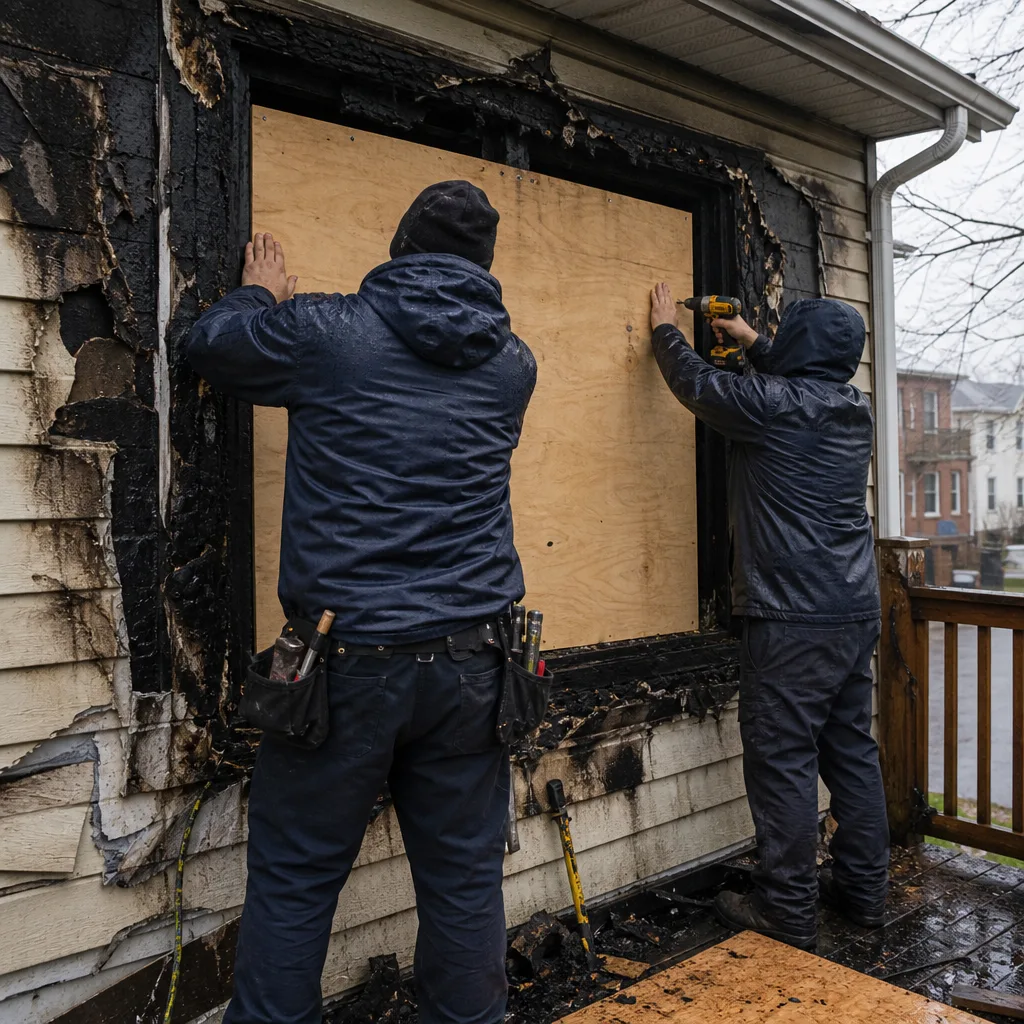
The Heights runs along the Palisades ridge, and its converted brownstones carry a specific failure pattern: original coal-cellar openings at street level that were never waterproofed. During a heavy rain, those below-grade chutes turn into drainage inlets. Wade’s crew has pulled pre-cut plywood bulkhead covers off the truck in Journal Square more times than we can count, sealing a coal chute before a Category 3 backup pushed contaminated water across a finished basement. In Hamilton Park and Van Vorst Park, it’s the classic nineteenth-century row house problem: rubble-stone foundations that wick groundwater through capillary action, keeping basement humidity above 70% year-round and feeding black mold behind paneling nobody installed this decade.
Downtown and the Exchange Place corridor are a different animal. Glass-curtain-wall towers with underground parking garages in active flood zones. One breach in a mechanical shaft can push humid air and mold spores through shared ductwork into dozens of units. Containment in a high-rise means coordinating with building management, shutting down shared ventilation, and sealing the affected unit properly. Newport and Paulus Hook face tidal flooding that inland Hudson County towns never see. When the Hudson overtopped during Sandy, saltwater got into below-grade garages and mechanical rooms that took weeks to dry to an acceptable moisture standard.
Specialized Mold Remediation Services We Offer in Jersey City
Mold Inspection & Testing
Before any remediation, you need to know what you’re dealing with and how far it spreads. We run visual inspection, moisture mapping, and air sampling in Jersey City homes where the smell is present but visible mold isn’t. Lab results identify the species and spore concentrations, which tells us the remediation scope and whether your family should relocate during the work.
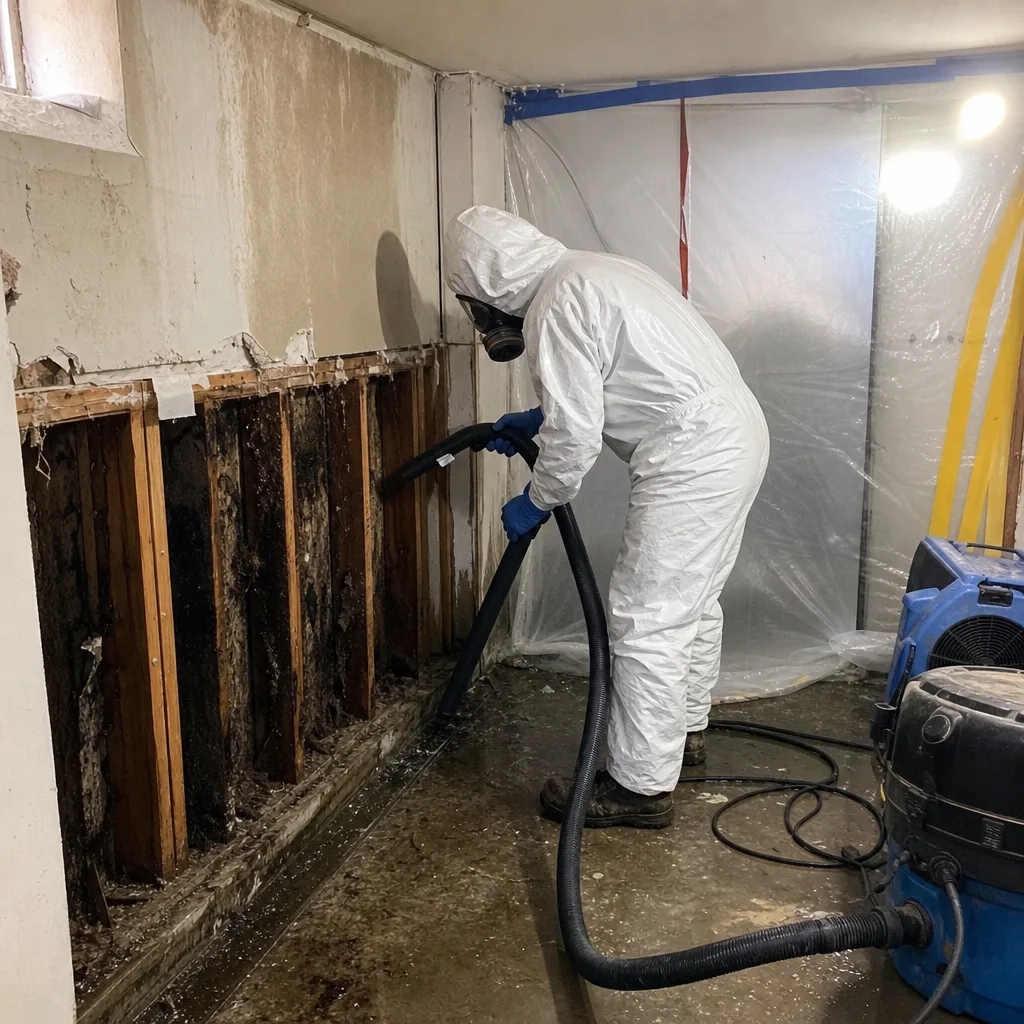
Mold Removal
This is the physical work: containing the affected area, removing contaminated drywall and insulation, and treating framing with antimicrobials. In older Jersey City row houses, mold removal often exposes active water intrusion that must be stopped before any rebuild happens. We don’t cover it up and move on.
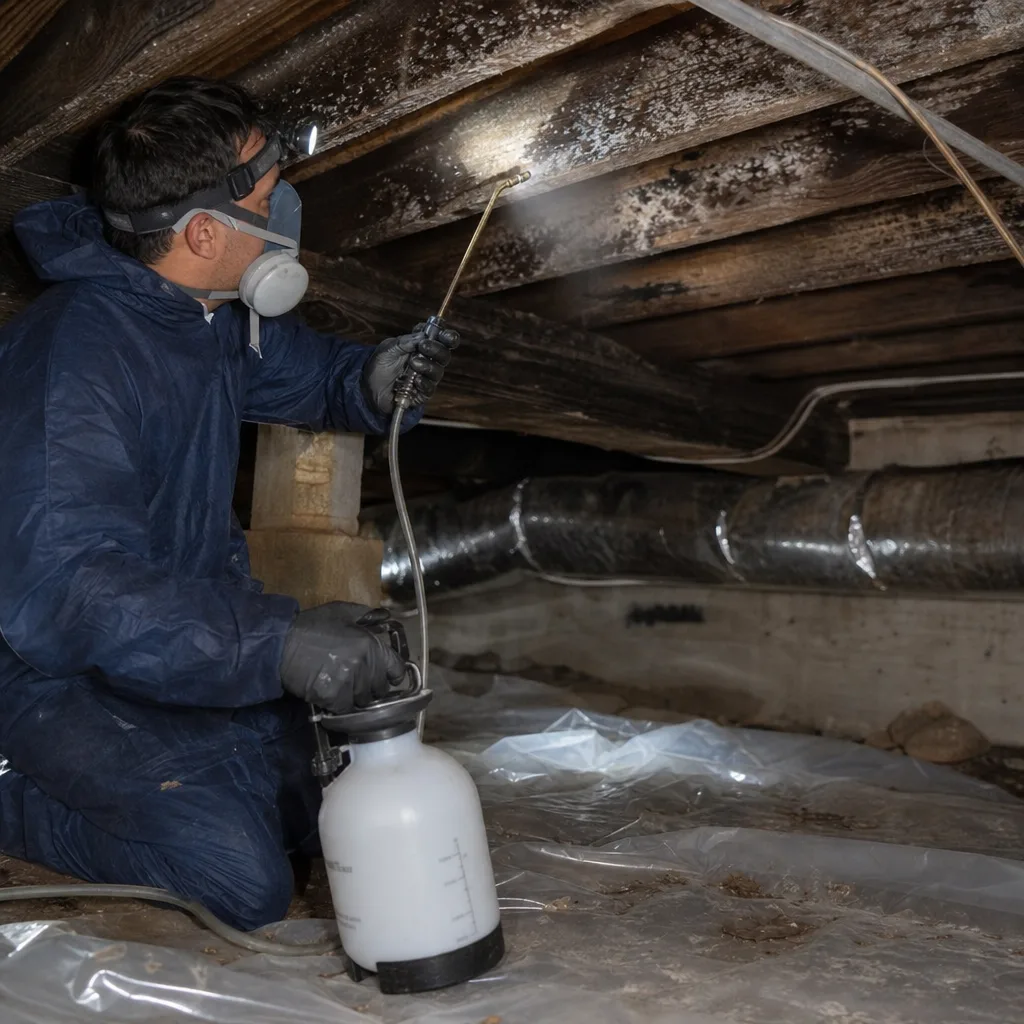
Black Mold Remediation
Stachybotrys chartarum gets the headlines and the panic, for good reason: prolonged exposure is linked to respiratory and neurological symptoms. It thrives in cellulose-rich materials with consistent moisture. In Jersey City, that means drywall behind leaky radiators, subfloor under failed fixture seals, and basement framing fed by hydrostatic pressure. We handle black mold with full containment, HEPA air scrubbing, and clearance testing before anyone re-enters the space without a respirator.
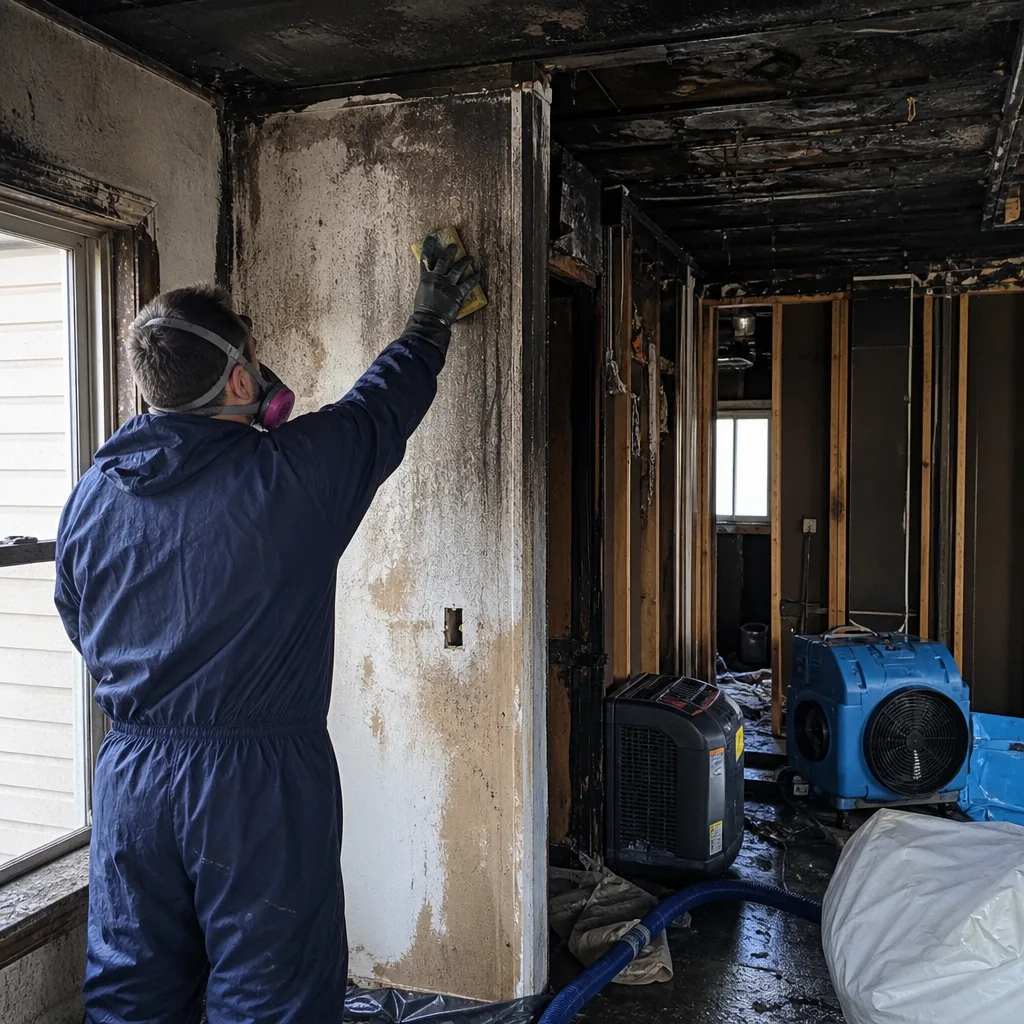
Air Quality Restoration
After any mold remediation in Jersey City, the air inside the affected space carries residual spores and odor. We run HEPA air scrubbers during the job and post-remediation air sampling after it. If particle counts don’t return to baseline, we keep scrubbing. You get a lab report proving the air inside your home is clean, not just our word for it.
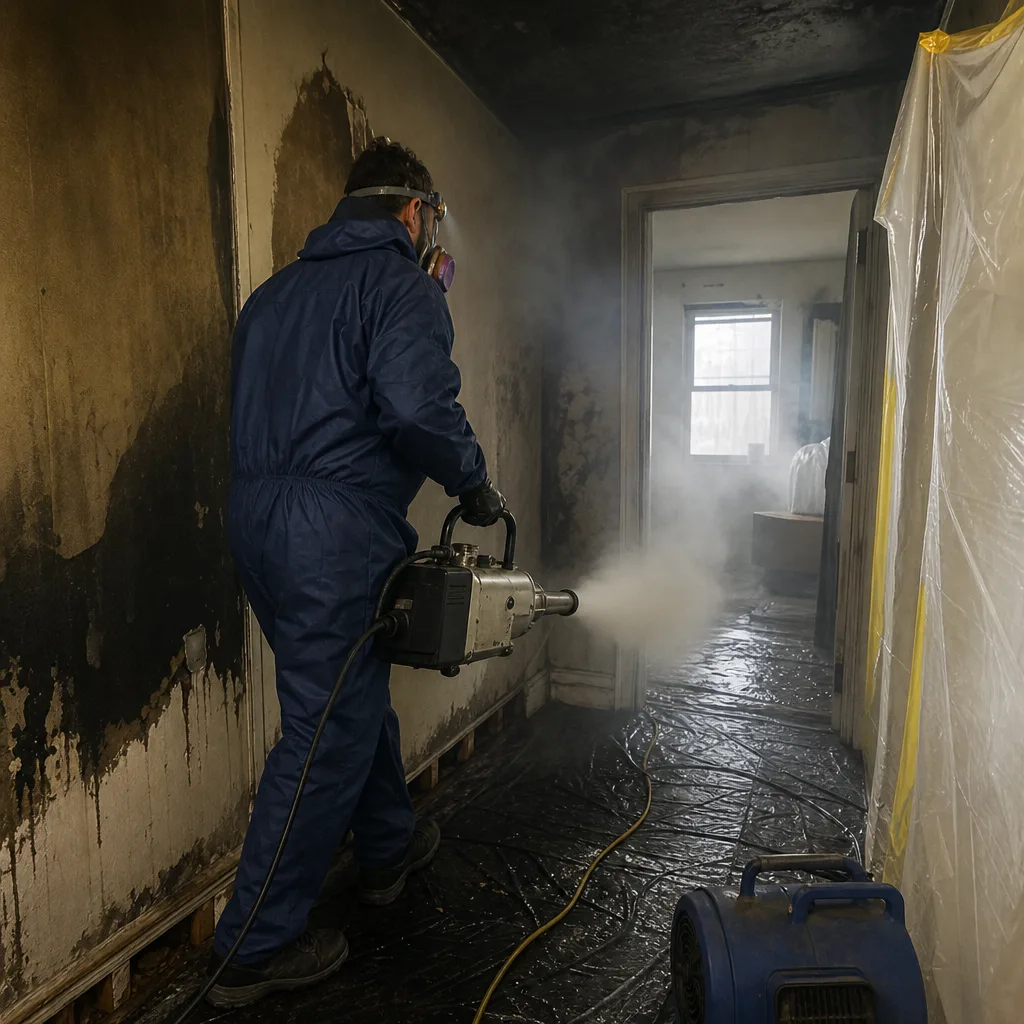
Crawl Space Treatment
Older Jersey City homes with dirt or rubble crawl spaces trap humidity against floor joists year-round. We treat with crawl space encapsulation, dehumidification, and antimicrobial application. This is one of the most common mold sources in Heights and Bergen-Lafayette row houses: the basement looks fine, but the crawl space under the rear addition is breeding Aspergillus that migrates through floor gaps.
Moisture & Humidity Control
If mold keeps returning after remediation, the problem isn’t the mold. It’s the water. We install dehumidification, drainage correction, sump pumps, and foundation waterproofing in Jersey City properties where the soil simply holds too much water to dry on its own. This is the long-term fix that stops the cycle.
What happens when you call
- 1
A real person answersNo phone trees - you reach a local pro.
- 2
You get an upfront price rangeHonest numbers before anyone is dispatched.
- 3
A background-checked tech heads outLicensed & insured, dispatched right away.
- 4
You approve before work beginsNothing starts until you say go.
Mold Remediation Costs in Jersey City, NJ
Here’s what we actually see in Jersey City, not national averages. A bathroom ceiling with surface mold under ten square feet runs $900-$1,800. A basement wall with mold inside the drywall and framing runs $2,800-$5,500 depending on linear footage. A full basement remediation after sewage backup with containment, material removal, structural drying, antimicrobial treatment, and rebuild runs $5,000-$12,000. Crawl space encapsulation and treatment runs $3,500-$8,000 depending on square footage and access. High-rise units in Newport with shared mechanical contamination often run higher because containment and air scrubbing must run longer and coordination with building systems adds labor hours.
What moves the number: whether structural cavities are involved, whether Category 3 water is present (always more expensive because of sanitization requirements), the square footage of affected material, and whether local code-upgrade triggers after Sandy-era elevation ordinances kick in. Insurance typically covers mold remediation only when a covered water loss caused it, and policies cap mold coverage. We give a free visual inspection and a written scope before any work starts. Call (201) 903-9581 and Wade will tell you honestly what you’re looking at.
We Also Serve Cities Near Jersey City
If you’re in Hoboken, Union City, Weehawken, or Harrison, the same crew serves your block. We know the housing stock, the flood patterns, and the common mold failure modes in each town. Same number, same owner answering: (201) 903-9581. If you’re looking for Mold Remediation in Jersey City, we’re the local crew that shows up with a published address and a real name on the truck.
Serving Jersey City, NJ - Our Local Coverage Area
We’re based in the Jersey City area and know this community well. Use the map below to see our service coverage - if you’re nearby, we can almost certainly help.
Jersey City Mold Remediation Questions, Answered
How does Jersey City’s dual-flood exposure affect mold remediation timelines compared to inland towns?
Jersey City’s dual-flood exposure from the Hudson River/Upper New York Bay to the east and the Hackensack River to the west means structural drying takes significantly longer than inland Hudson County towns. The filled-marshland substrate under neighborhoods like Greenville and Bayfront holds water against foundation walls for weeks after a storm, so we run dehumidifiers and air movers longer, often six to ten days instead of three to five. Rushed timelines are how mold comes back.
Do local Jersey City codes require anything extra after mold removal in the Heights or Journal Square?
Yes. Post-Sandy local ordinances require mechanical systems in active FEMA Special Flood Hazard Area zones to be elevated. That often means relocating a furnace or water heater that sat in a below-grade basement, which triggers permits and code-upgrade compliance during the rebuild phase. Missing this step fails inspection and delays the insurance claim. We document any elevation requirements in our scope of work.
What’s the typical cause of black mold in converted row houses near Van Vorst Park?
Rubble-stone foundations with no modern waterproofing are the primary cause. These century-old foundations wick groundwater through capillary action, keeping basement humidity high enough to grow Stachybotrys behind finished walls and paneling. In Van Vorst Park and Hamilton Park row houses, the mold usually starts at the base of the foundation wall where the sill plate meets the stone.
Can shared mechanical systems in Newport high-rises spread mold spores between units?
Yes. Glass-curtain-wall towers with shared mechanical shafts and common ventilation can carry humid air and mold spores from one unit into adjacent ones. We coordinate with building management to shut down shared air handling before containment begins, then run HEPA air scrubbing with negative pressure inside the affected unit to prevent cross-contamination during the job.
Why do restoration crews keep plywood bulkhead covers on trucks in Jersey City?
Because the original coal-cellar openings throughout the Heights and Journal Square were never waterproofed. During heavy rain or storm surge, these below-grade chutes act like flood inlets, pouring water directly into basements. A pre-cut plywood bulkhead cover is the fastest first-response measure to stop active intrusion before remediation starts. It’s a distinctly Jersey City fix.
How fast can someone actually get here?
For active water or sewage involvement, Wade heads out within 45 minutes of your call. For a mold inspection without active water, we typically schedule within 24 hours but often arrive same day. Call (201) 903-9581 and you’ll get a live person and an honest arrival window.
How long does mold remediation take in Jersey City?
Small surface jobs: one to two days. Larger cavity work: three to five days. Full basements with hydrostatic pressure and structural drying: six to ten days. Rebuild adds time depending on finishes. We give you a written timeline in your scope of work so you know when your home is liveable again.
Can we stay in the house during mold remediation?
For small, contained jobs, usually yes. For black mold remediation, Category 3 water involvement, or growing households with children or respiratory conditions, we recommend relocation until clearance testing passes. Wade will tell you the honest answer based on the species identified and the scope of containment needed. He’s not going to sell you a hotel stay you don’t need.
If you’ve got mold in Jersey City, call Wade directly. He answers his own phone. (201) 903-9581. Free visual inspection, a written scope before work starts, and the 90-Day Done Right Promise stamped on every contract.
Written by Wade Ferris, Owner at Wade’s Restoration, serving Jersey City homeowners with honest answers and documented mold remediation since 2007.