
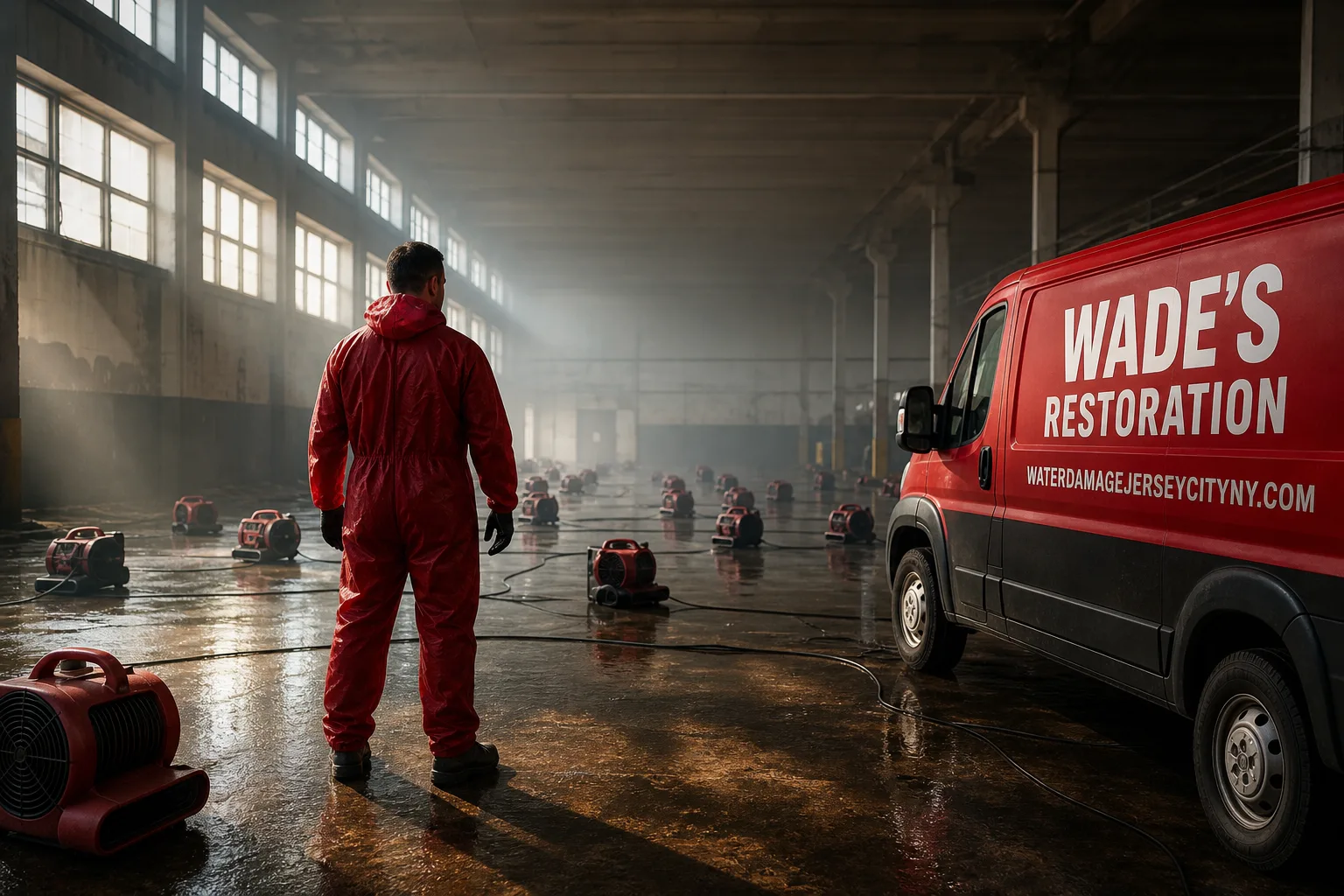
Free visual inspection and a written scope of work before any mitigation begins - photos, moisture readings, and drying logs go in your claim file
The scope we write is the scope we bill. Anything new gets shown to you, in writing, before we touch it.
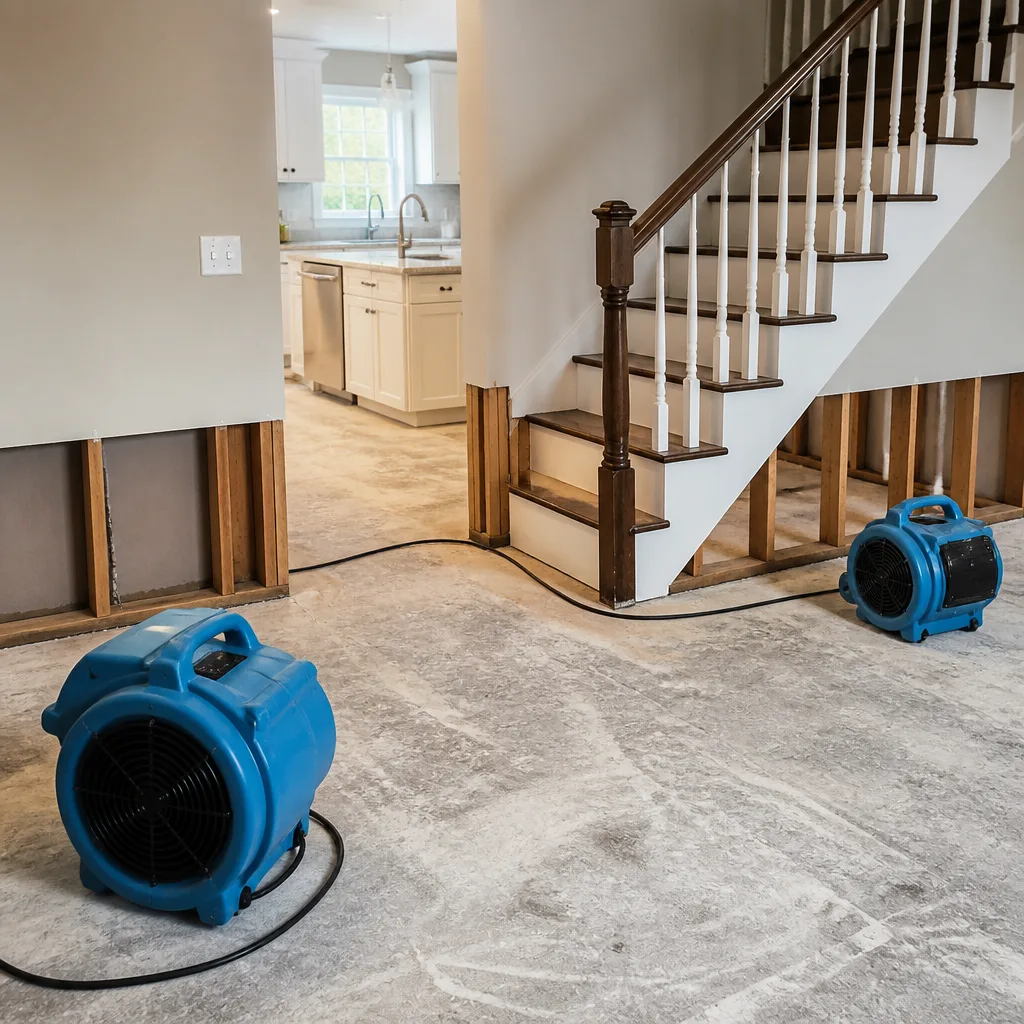
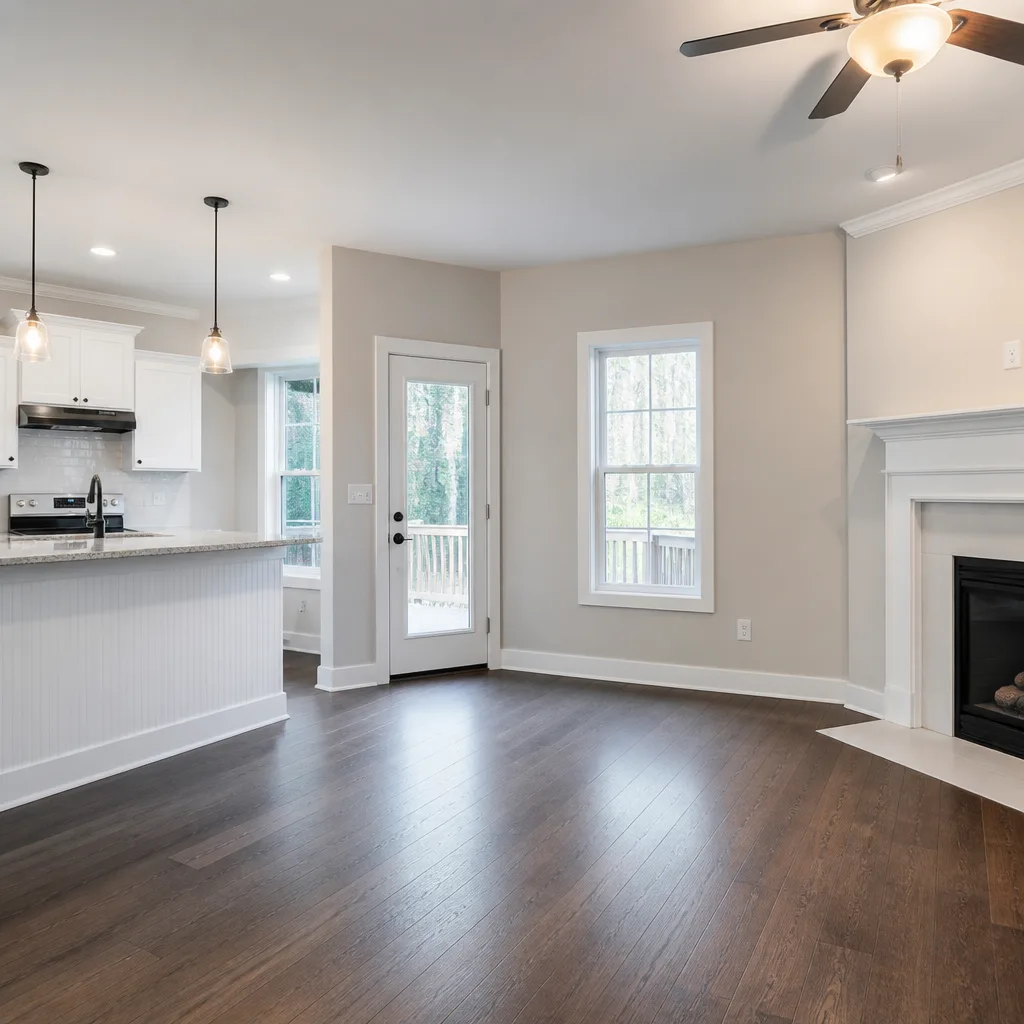
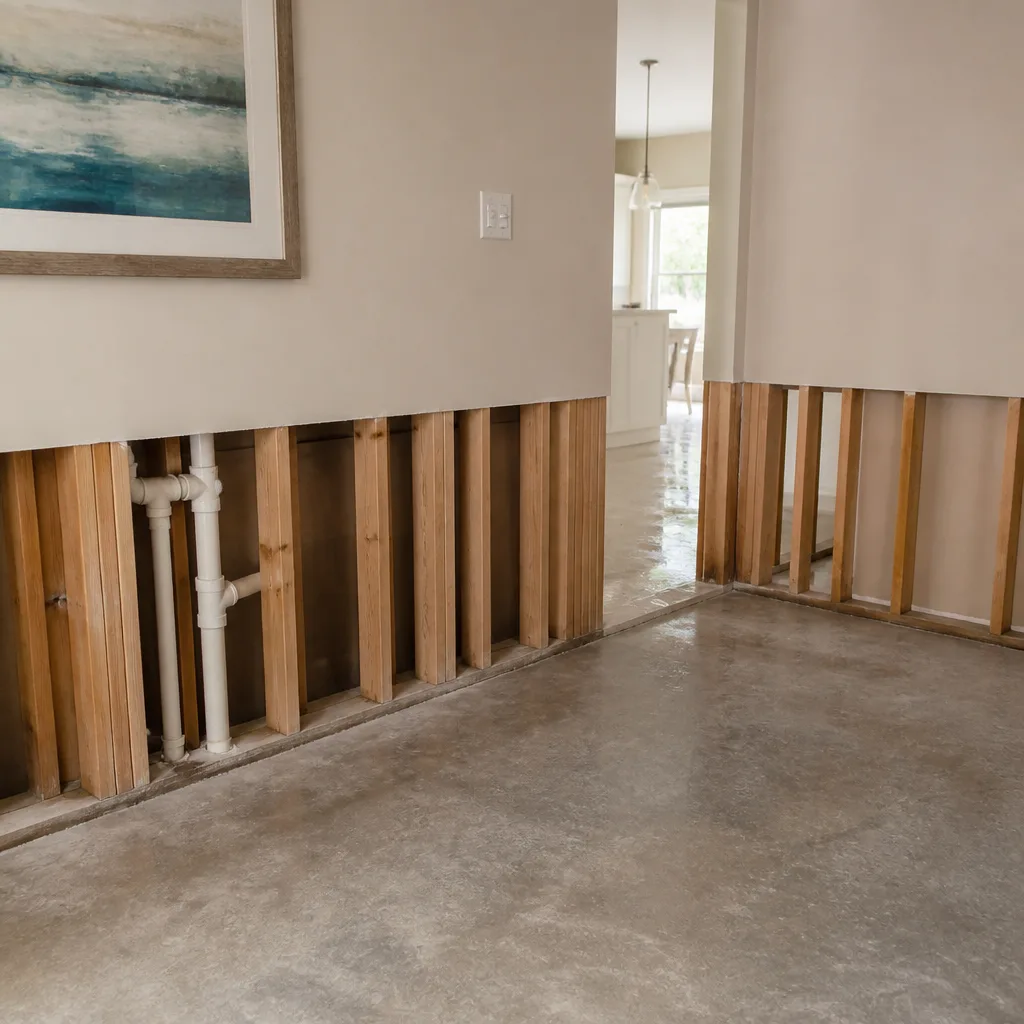
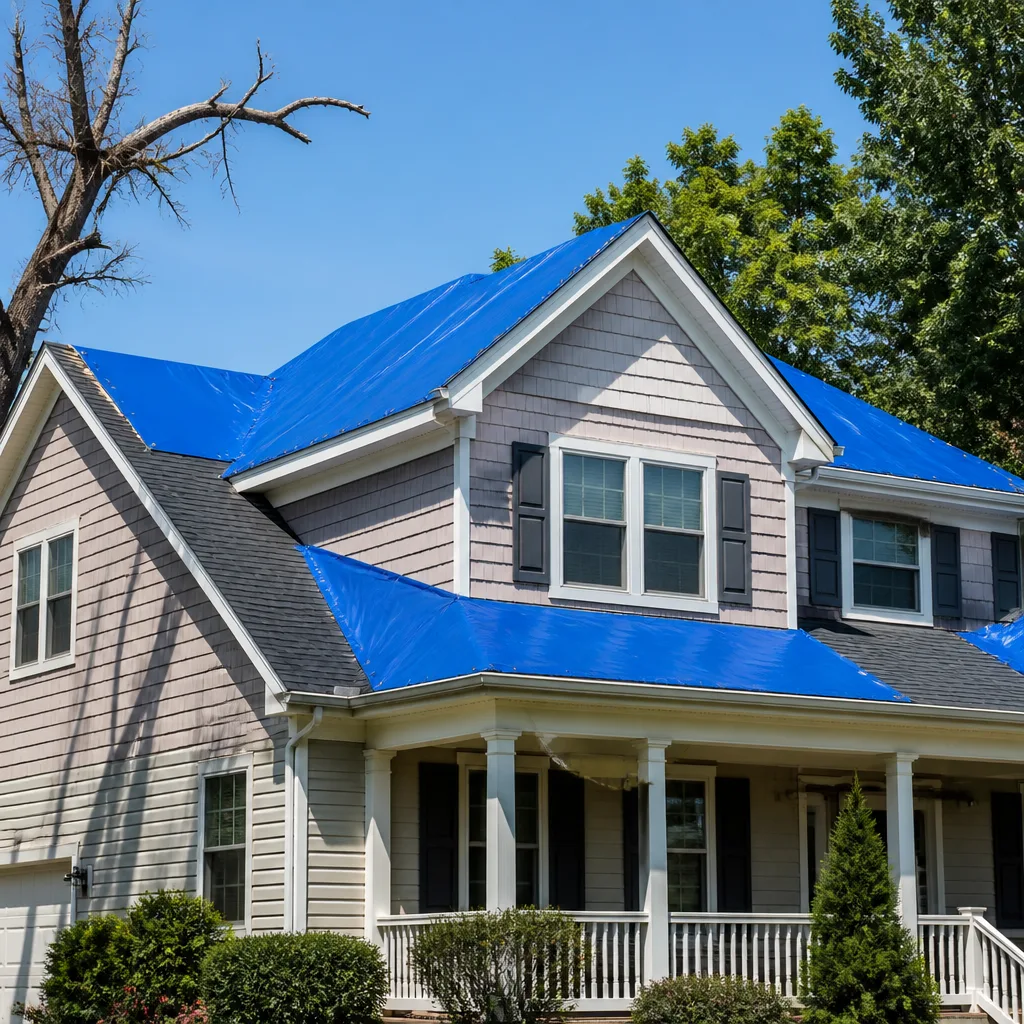
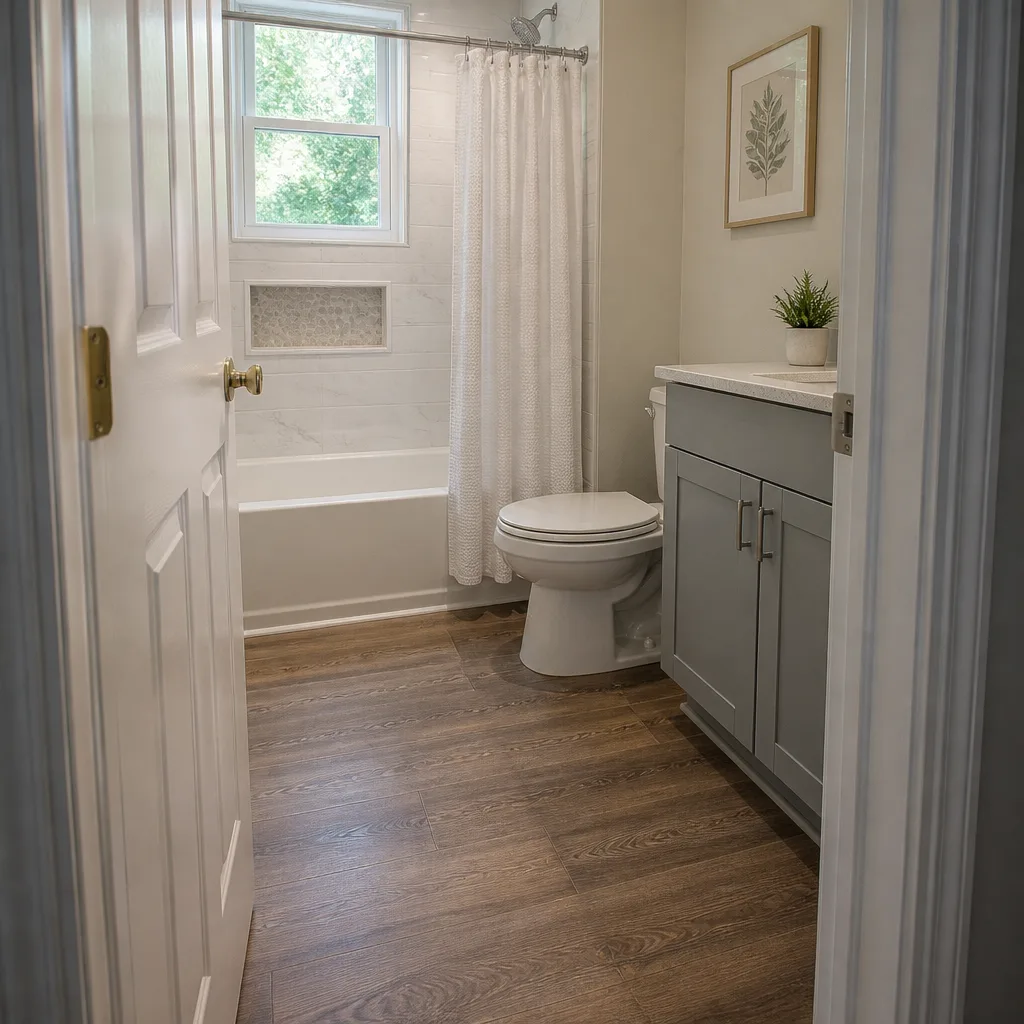
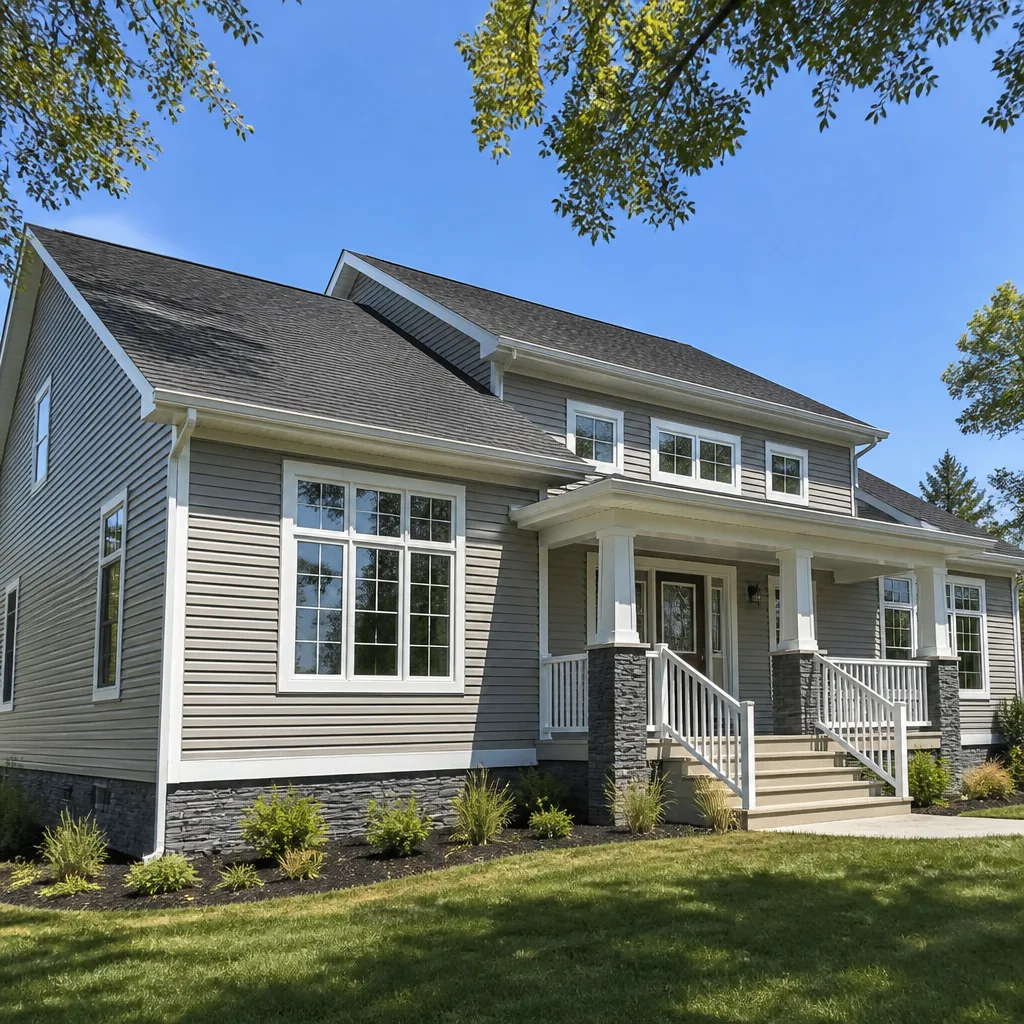
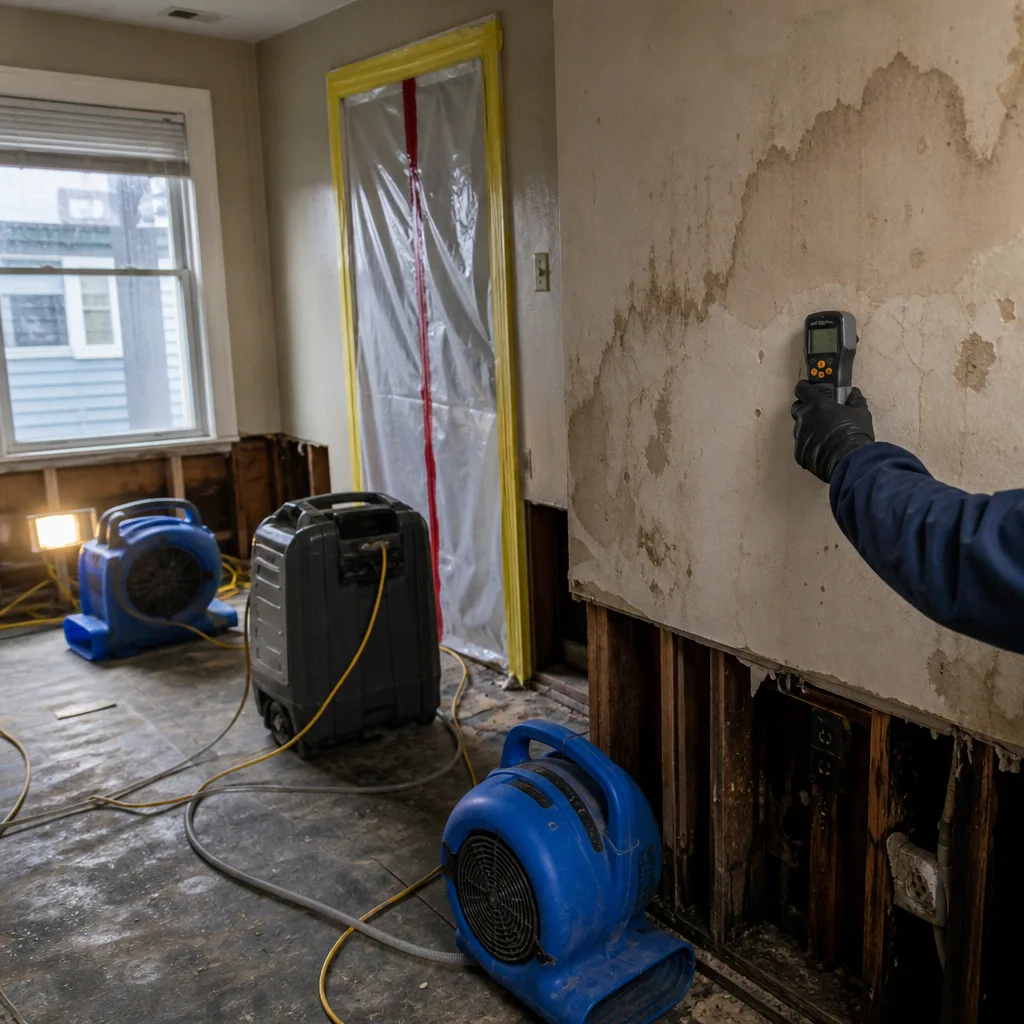 Before
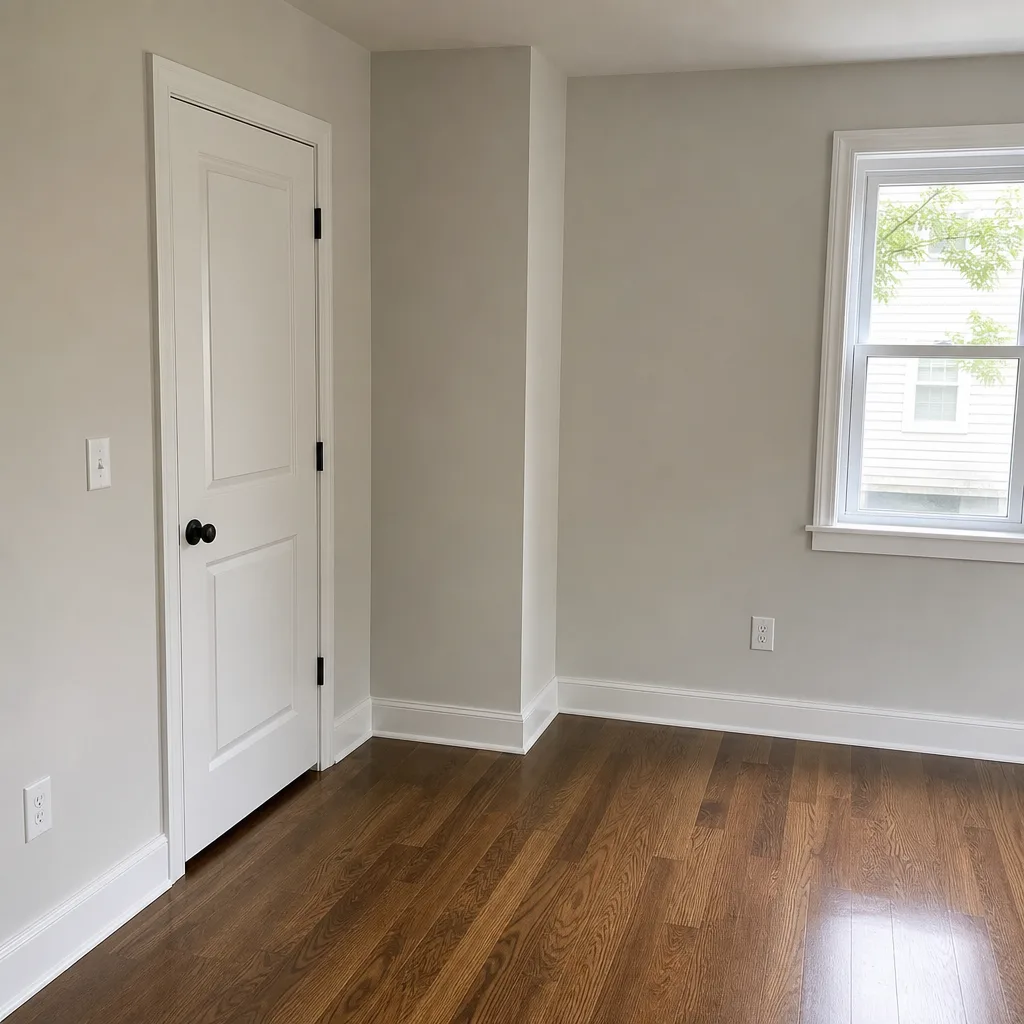 After
After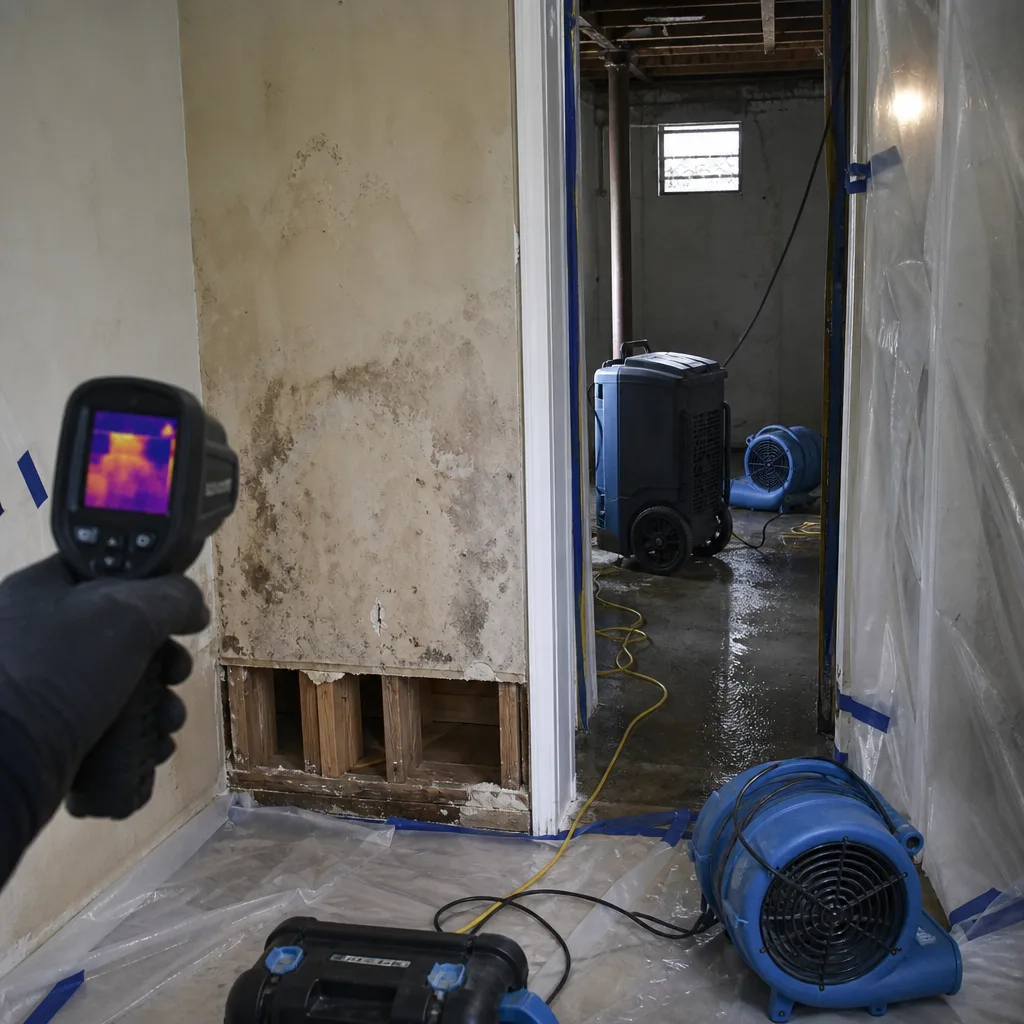 Before
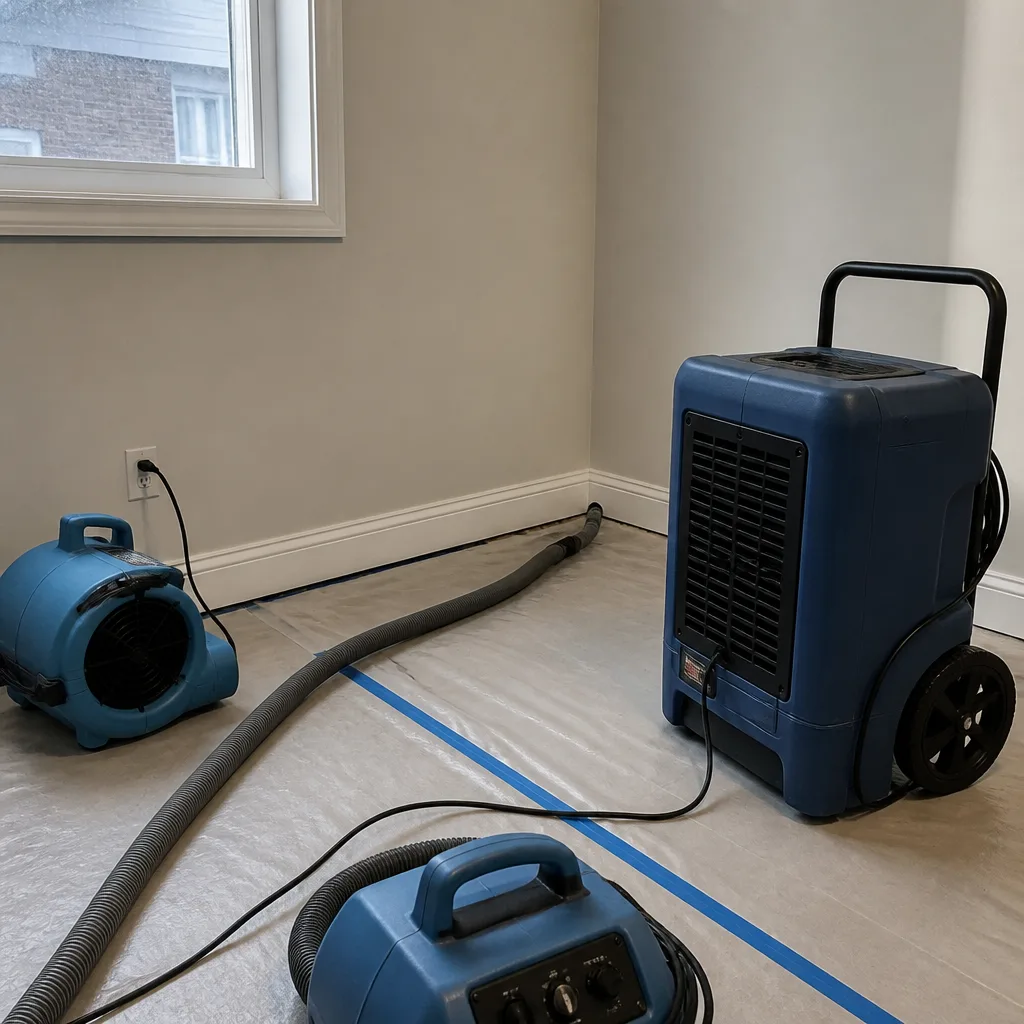 After
After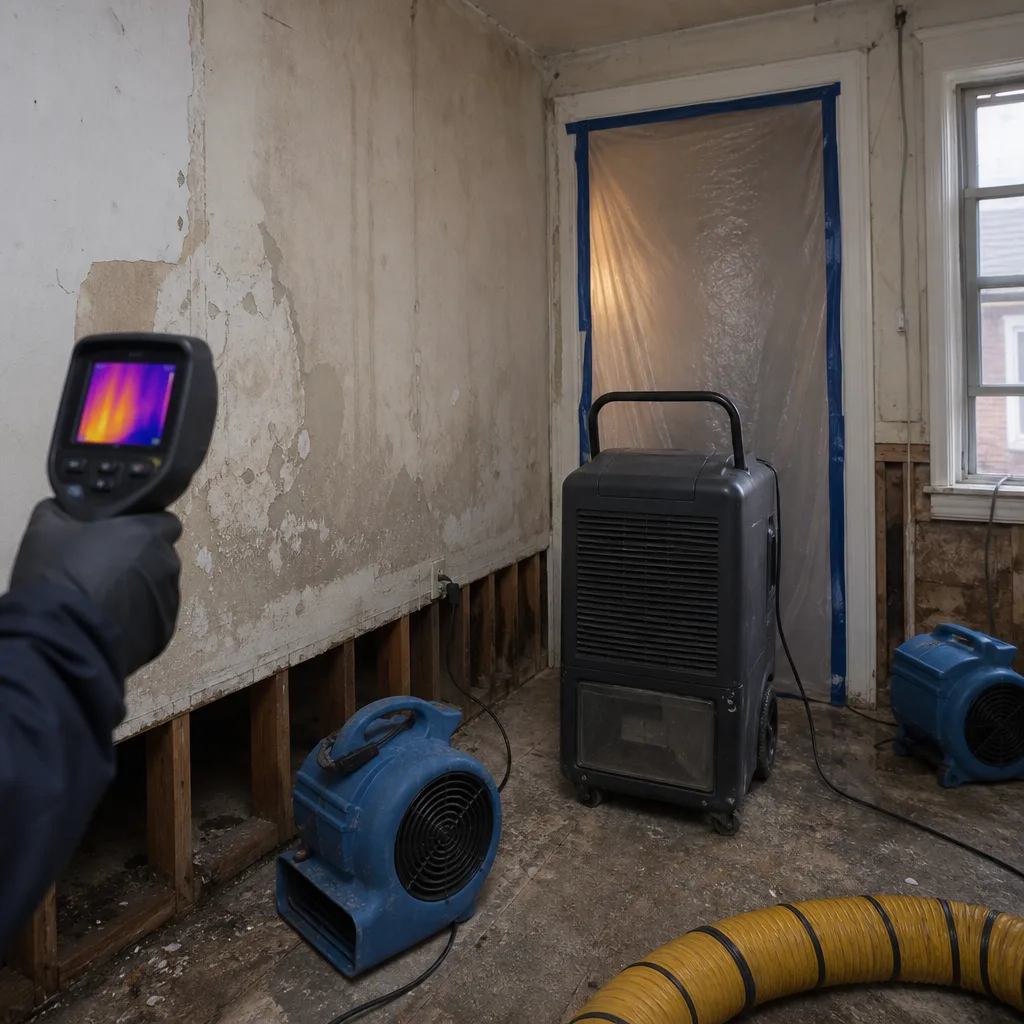 Before
 After
After24/7 Emergency Storm & Disaster Restoration in Williamsburg
Storm damage in Williamsburg doesn’t wait for business hours, and neither do we. Call (201) 903-9581 and you’ll get a live person on the line, not a voicemail tree. Wade Ferris answers his own phone, and his crews can be inside your building running extraction within the hour. The first sixty minutes after a storm breach determine whether you’re dealing with a cleanup or a full reconstruction. Water moves through drywall, hardwood, and subfloor fast. The longer it sits, the more it spreads, and the more it costs. If you’ve got water coming through a roof, a window blown out, or a basement filling with surge runoff, call now. We’ll walk you through the first steps before the truck even arrives.
Understanding Storm & Disaster Restoration Severity in Williamsburg Properties
Not all storm damage in Williamsburg is created equal, and the building you’re standing in changes everything about how we respond. A Category 1 water loss from a blown-out window in a modern Williamsburg high-rise is a relatively straightforward extraction and drying job. But a Category 3 situation, meaning water contaminated with sewage, chemicals, or harbor surge, requires full containment, antimicrobial treatment, and often removal of porous materials down to the studs. Williamsburg’s housing stock makes this especially tricky. Those 1880s brick tenements in the Southside have masonry walls that wick moisture upward for days after the visible water is gone. The converted industrial lofts along Wythe and Berry have 14-foot ceilings and open spans that throw off standard drying calculations. And the post-2005 glass towers on Kent Avenue sit on filled land where groundwater pressure after a nor’easter can force water up through elevator pits and sub-basement slab cracks. Moisture mapping in these buildings isn’t optional. It’s the difference between a dry floor and mold blooming behind baseboards six weeks later. Wade’s crew uses thermal imaging and penetrating moisture meters on every storm job, because you can’t dry what you can’t measure.
Why Williamsburg Property Owners Choose Wade’s Restoration
- 45-minute response commitment. Wade dispatches from the New York City office directly into Williamsburg. On storm nights, he stages crews in the neighborhood so they’re not fighting bridge traffic when you’re watching water rise.
- 24/7 live answer, always a person. No answering service, no callback queue. Wade himself picks up at 2 a.m. if that’s when you call. He’ll talk you through shutting off what you can safely shut off before his crew arrives.
- IICRC-certified crews, WRT and FSRT codes. Water damage and fire/smoke restoration technicians carry the certification that matters. The equipment on your job is Dri-Eaz and Phoenix gear, not hardware-store rentals.
- Free visual inspection. Before any work starts, Wade walks the damage with you and tells you what he’d do if it were his building. Then he writes it down.
- Direct insurance billing. He deals with your adjuster, not the other way around. You’ll never be stuck relaying messages between two parties who aren’t returning your calls.
- One crew from extraction to reconstruction. The same team that pulls the water out is the team that rebuilds the wall. Nobody hands your home off to a subcontractor you’ve never met.
Our Storm & Disaster Restoration Process
Inspection & Assessment
Wade walks the entire affected area with you, maps the moisture, and writes a scope. You get a copy. No work starts until you understand what’s being done and why.
Extraction & Stabilization
Standing water comes out first, using truck-mounted and portable extraction units. Roof openings get tarped. Broken windows get boarded. The building gets secured against more weather.
Drying & Dehumidification
Dri-Eaz LGR dehumidifiers and XPOWER air movers go in, positioned for the building’s actual layout, not a one-size-fits-all formula. Daily moisture readings track progress on a log you see.
Cleaning & Sanitization
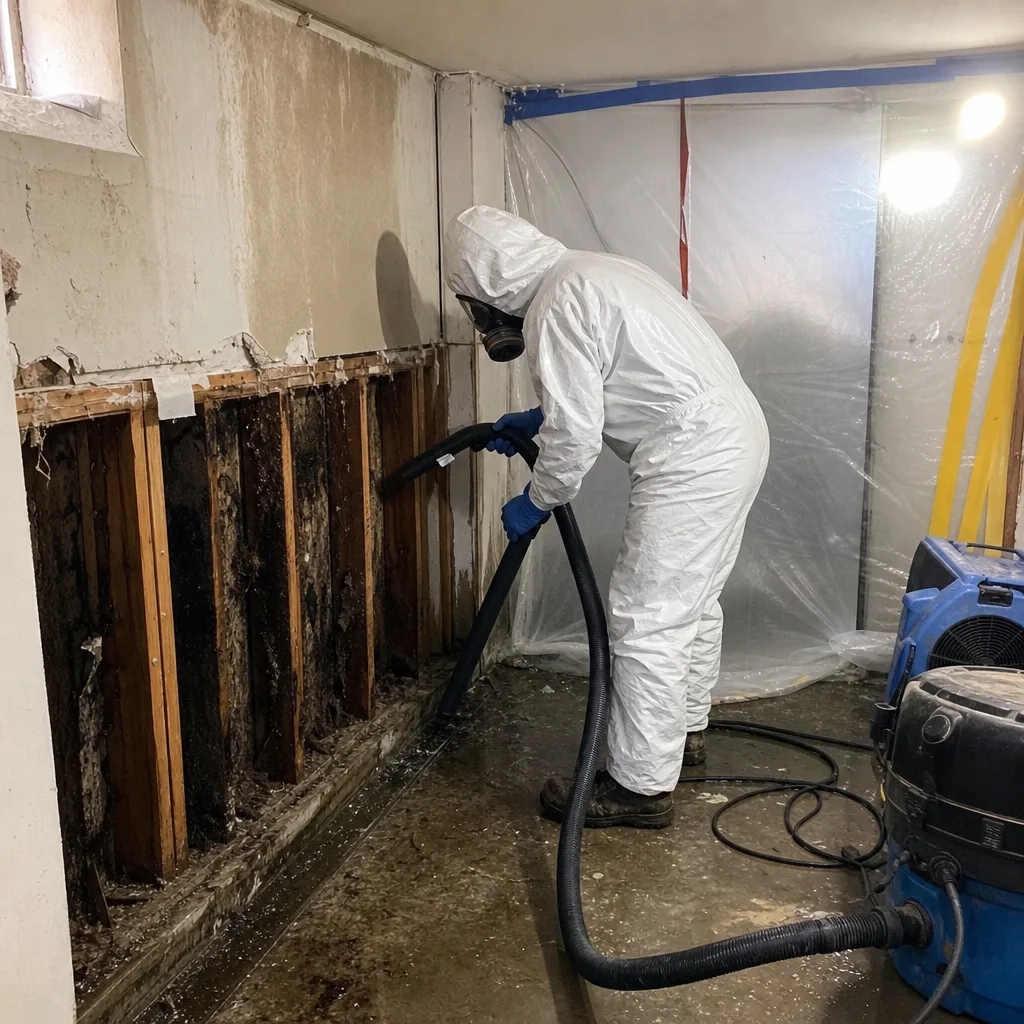
For Category 3 water, this means antimicrobial application and removal of contaminated porous materials. HEPA air scrubbers run to capture what you can’t see floating in the air.
Storm-Specific Treatment
This is where Williamsburg’s conditions come in: saltwater corrosion from surge, asbestos checks on pre-1940 building materials, and elevation certificate verification on waterfront properties.
Repairs & Restoration
Drywall, flooring, cabinetry, paint. The 90-Day Done Right Promise covers the work in writing. If it’s not right, Wade comes back and makes it right. That’s the whole promise.
Need Emergency Storm & Disaster Restoration in Williamsburg Now?
Crews minutes away, answering live 24 hours a day. The sooner we start, the less it costs.
Working With Your Insurance Company
Storm damage claims in Williamsburg get complicated fast, especially in FEMA flood zones where elevation certificates and NFIP rules come into play. Wade’s Restoration has handled hundreds of these. From the first hour, we document everything: photos room by room, moisture readings on a dated log, and a line-item scope written to the standards your carrier expects. Wade talks to your adjuster directly. You don’t have to translate construction shorthand over the phone or wonder whether the insurance company got the right information. He’s been doing this since 2007, and he knows what adjusters need to approve a claim without three rounds of back-and-forth.
What We Provide Your Insurer
- Thorough documentation of the loss
- Photos of all damage, room by room
- Moisture readings and drying logs
- A detailed, line-item scope of work
- Direct coordination with your carrier
Built for Williamsburg’s Loss Calendar
Williamsburg gets hit differently depending on the month. January deep freezes crack supply lines in uninsulated chase walls of those 1890s rowhouses near Graham Avenue, sending water down through four floors of finished space before anyone notices. Spring thaw water finds its way into basement units in the low-lying blocks west of Kent Avenue, where the water table sits close to the surface. Summer thunderstorms overwhelm the combined sewer system and push backflow into drains in older buildings that never had backflow valves installed. Then there’s nor’easter season, October through March, when sustained onshore winds pile East River water into the waterfront blocks and ground-floor condos take the hit. Hurricane Sandy in 2012 wasn’t the only time this happened. It’s the pattern. The vulnerability is built into the geography, and every storm season brings some version of the same call: water where it shouldn’t be, fast, and a homeowner trying to figure out who to trust at 11 p.m. That’s the call Wade picks up.
Storm & Disaster Restoration Across Williamsburg’s Neighborhoods
Response times and access vary block by block in Williamsburg. On the Southside, narrow streets and dense rowhouse blocks off Broadway mean our crews often park on Marcy or Hooper and wheel equipment in on hand trucks. The pre-war tenements there have basement entries through the front stoop, which means every piece of drying equipment has to pass through a 30-inch doorframe and down a steep stair. In the waterfront corridor along Kent Avenue and River Street, the post-2005 towers have freight elevators and loading docks, which sounds easier until you factor in co-op board approvals and building management protocols for after-hours work. The Hasidic blocks in South Williamsburg, around Lee Avenue and Division Avenue, require scheduling around Shabbat, Friday sundown to Saturday night, and the holiday calendar. Nobody wants water sitting over a weekend because the schedule didn’t account for the building’s religious observance. A block away in East Williamsburg, the converted factories off Bushwick Avenue and Flushing Avenue have loading docks we can back a truck right up to, but the interiors are wide-open spans with concrete floors that hold water in low spots. We’ve learned these patterns through years of running calls through every corner of Williamsburg, and that’s what makes our Storm & Disaster Restoration team faster than a crew that’s driving in cold from three counties away.
Specialized Storm & Disaster Restoration Services We Offer in Williamsburg
Flood Damage Restoration
Waterfront Williamsburg floods, and not just during named storms. A king tide plus a nor’easter can push water into basements and ground-floor units along Kent Avenue without a hurricane warning in sight. We extract, dry, and restore, paying attention to saltwater corrosion and the long-term effects on masonry and concrete. For buildings in FEMA-designated flood zones, we also flag elevation certificate issues before rebuild starts.
Storm Damage Cleanup
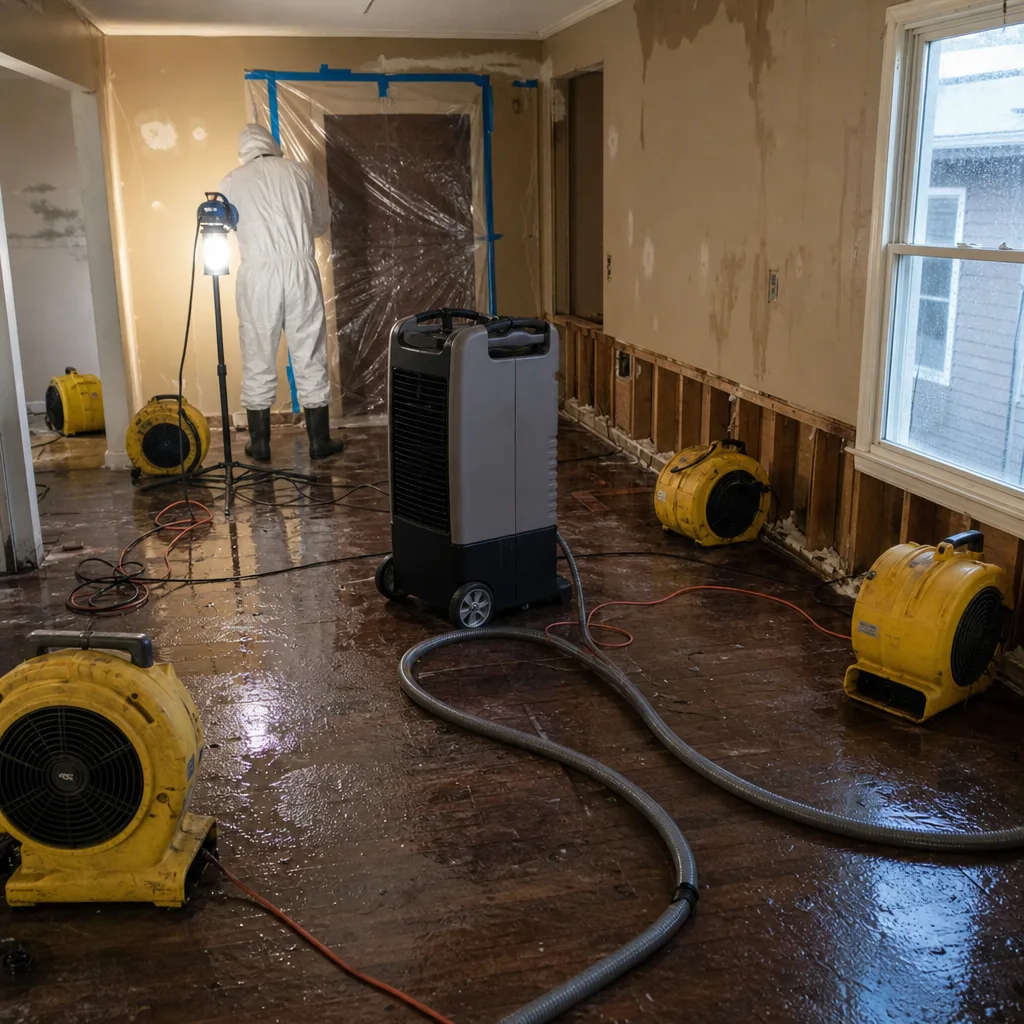
Wind-driven rain, broken skylights, saturated drywall, soaked insulation. When a storm rips through Williamsburg, cleanup means more than mopping. It means removing wet materials before mold gets a foothold, drying what can be saved, and sealing the building against the next front moving through. We work fast because Williamsburg buildings trap moisture between brick and plaster walls, and that’s exactly where the worst problems start.
Emergency Board-Up & Roof Tarping
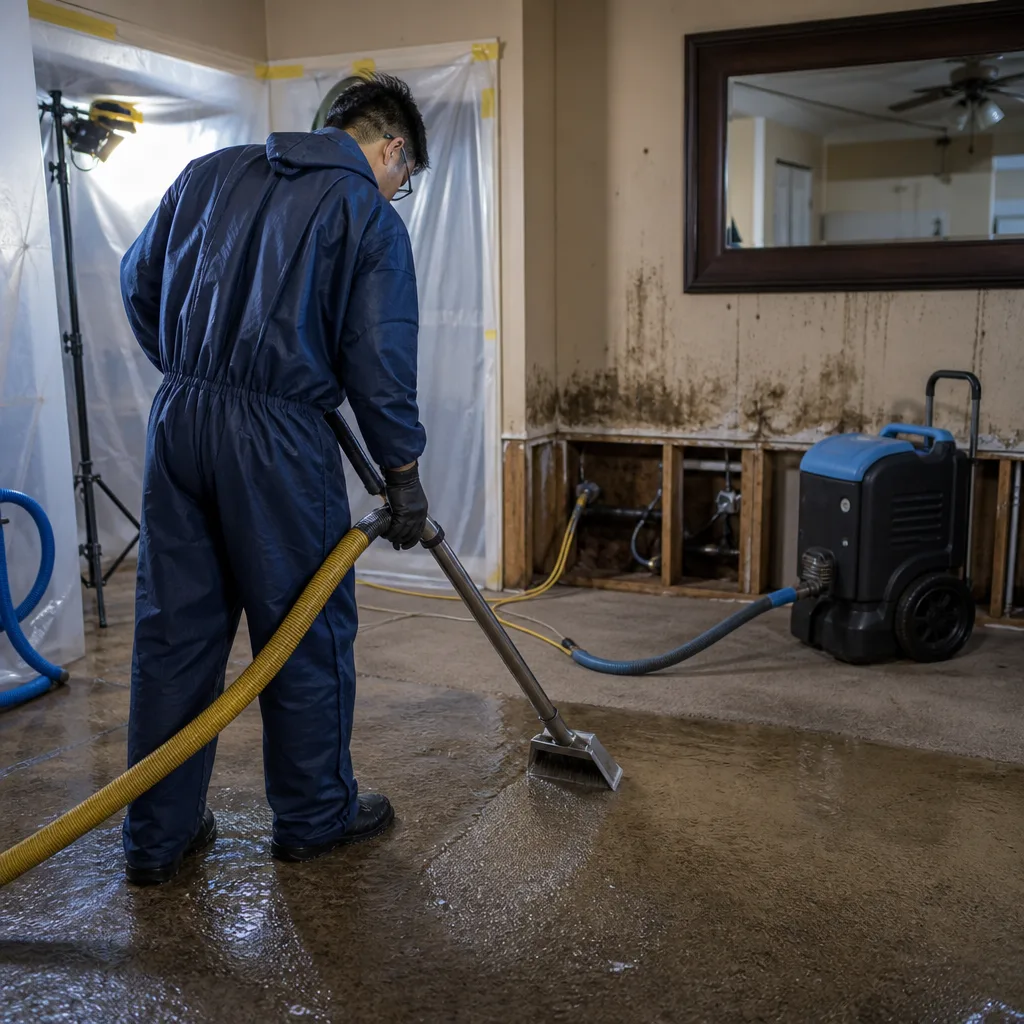
A broken window on Berry Street at midnight is an invitation for rain, pests, and worse. We board up fast and tarp roof openings so the storm doesn’t keep doing damage while you wait for permanent repairs. On converted industrial buildings with large window arrays, that can mean custom-cut panels sized on site to fit openings that aren’t standard residential dimensions anymore.
Debris Removal
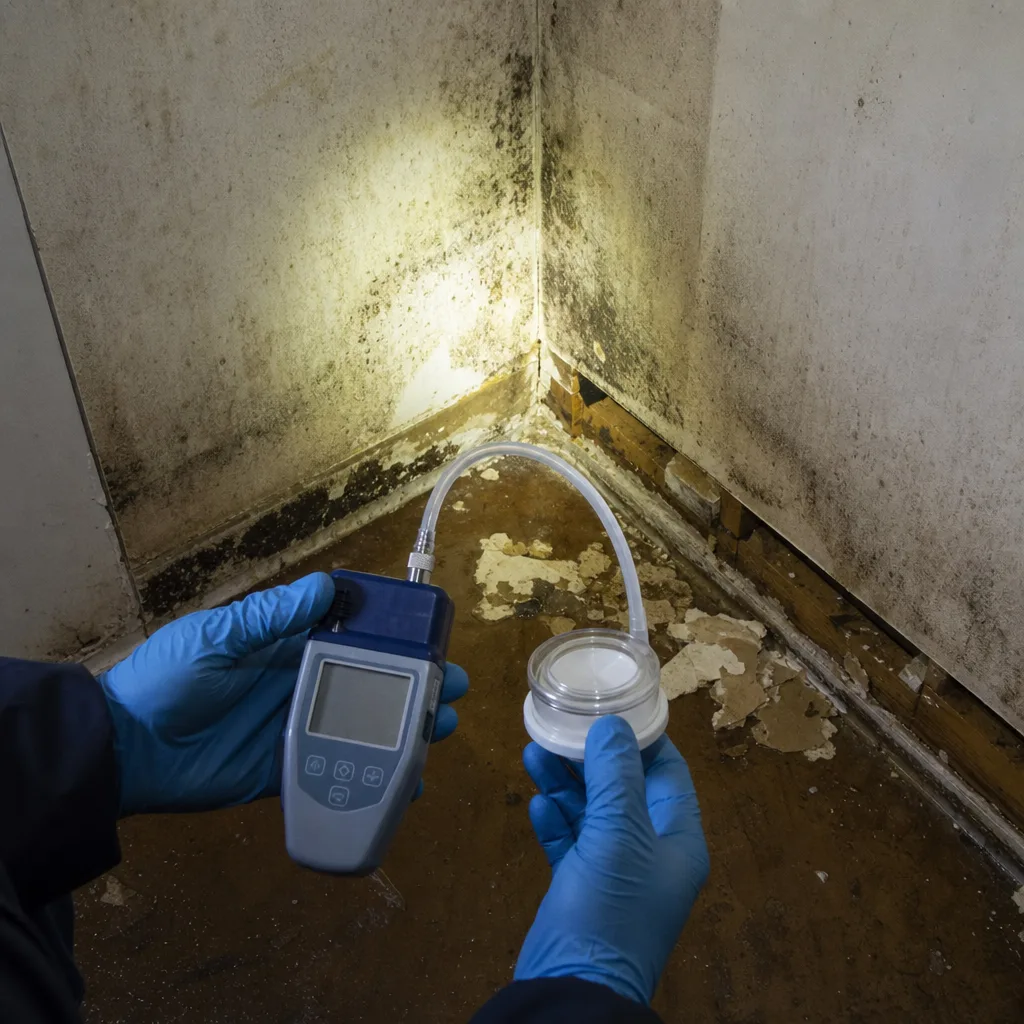
After a storm, Williamsburg streets and rooftops collect debris: broken glass, displaced rooftop equipment, tree limbs, construction materials blown off neighboring job sites. We haul it out and coordinate disposal, including materials that require special handling under New York City rules.
Wind Damage Repair
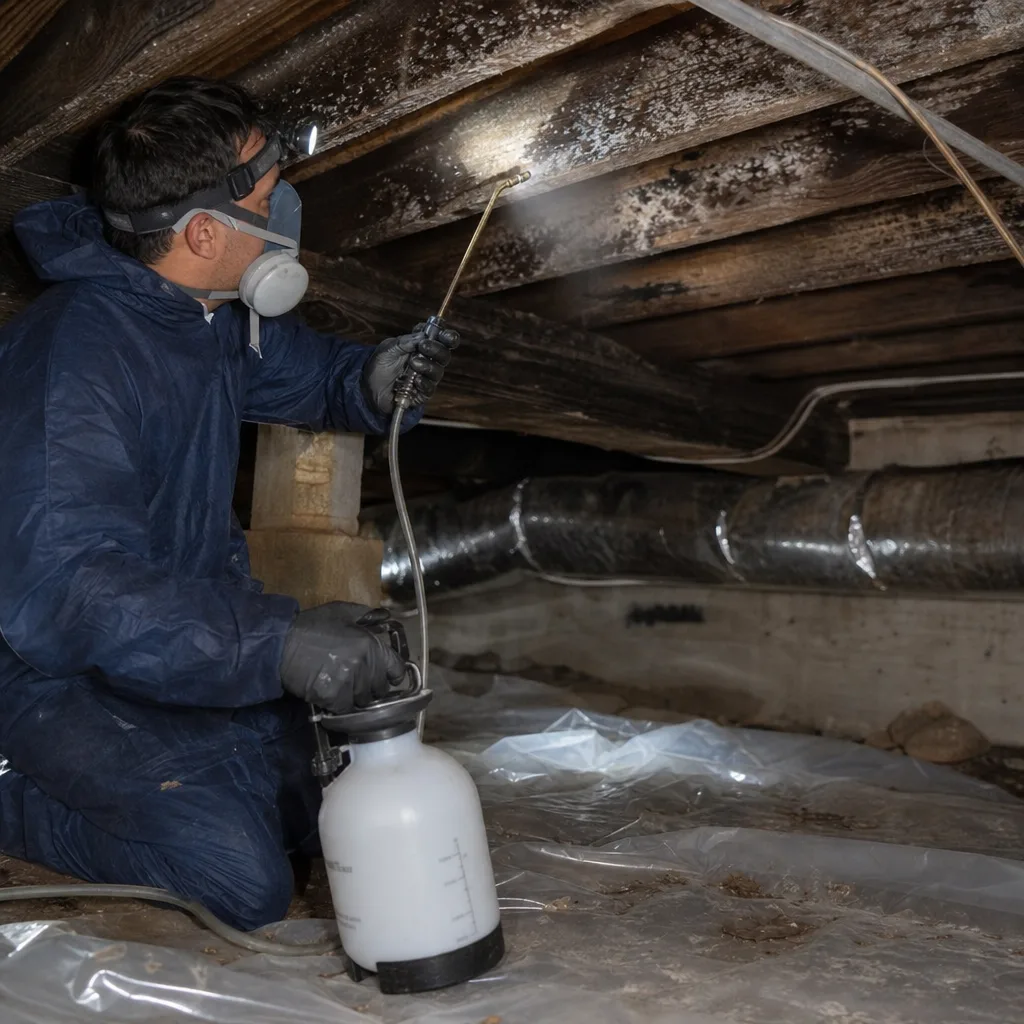
Sustained East River winds take a toll on older cornices, parapets, and roof membranes on Williamsburg’s pre-war buildings. We stabilize wind-damaged sections, repair what can be repaired, and bring in structural expertise when a cornice has separated from the building. Safety first: falling debris from damaged cornices is a real hazard to the sidewalk below.
What happens when you call
- 1
A real person answersNo phone trees - you reach a local pro.
- 2
You get an upfront price rangeHonest numbers before anyone is dispatched.
- 3
A background-checked tech heads outLicensed & insured, dispatched right away.
- 4
You approve before work beginsNothing starts until you say go.
Storm & Disaster Restoration Costs in Williamsburg, NY
Real numbers, no mystery pricing. Flood damage restoration in a Williamsburg rowhouse basement typically runs $3,500 to $9,000 depending on square footage, water category, and how much finished space has to come out. Storm damage cleanup with roofline repairs on a converted loft space runs $4,000 to $14,000, with extensive drywall replacement and insulation driving the higher end. Emergency board-up runs $450 to $1,600 depending on openings and access. Debris removal is usually $300 to $1,800, more if special disposal applies. On waterfront buildings in FEMA flood zones, compliance documentation can add $800 to $2,500 to the scope. Insurance covers most of this if the loss is sudden and accidental. Out-of-pocket costs happen when maintenance issues pre-existed the storm, like an old roof that was already failing. The free inspection gives you a firm written scope before anything starts. No charge for the inspection, no trip charge in the county. We also have a standing $40 off any repair over $200 and a permanent 10% discount for seniors and veterans.
We Also Serve Cities Near Williamsburg
Our crews run storm calls throughout the surrounding area: Williamsburg, Financial District, Lower Manhattan, Midtown Manhattan, and Long Island City. If you’re near the East River on either side, we can be there fast.
Serving Williamsburg, NY - Our Local Coverage Area
We’re based in the Williamsburg area and know this community well. Use the map below to see our service coverage - if you’re nearby, we can almost certainly help.
Williamsburg Storm & Disaster Restoration Questions, Answered
Does Wade’s Restoration schedule emergency water extraction in South Williamsburg on Saturdays?
Yes, but we coordinate scheduling around Shabbat. South Williamsburg is home to one of the largest Hasidic communities in the country, and work stops from Friday sundown to Saturday night. Wade knows this because he’s been running calls there for years. If water hits on a Friday afternoon, we will either complete extraction before sundown or secure the property and return Saturday night. The alternative, showing up unannounced and being turned away, means Category 2 water sitting for 72 hours. We don’t let that happen. Call (201) 903-9581 and tell us the situation; we’ll work the schedule out.
Why do Williamsburg waterfront buildings need an elevation certificate before storm damage rebuild?
Because many waterfront towers were built after 2005 under FEMA flood zone rules that required elevation certificates as a condition of construction and flood insurance. When storm surge or flooding damages a ground-floor or basement unit, any rebuild that changes the structure’s elevation, or that isn’t compliant with the original certificate, can void the owner’s NFIP flood insurance on the next event. Wade checks the certificate status before rebuild starts so you don’t find out after the walls are up that your insurance is gone.
How do you get drying equipment into a Williamsburg brownstone with only an alley-load door?
We hand-carry it. Dri-Eaz dehumidifiers and XPOWER air movers are built to be moved, but they still weigh 60 to 100 pounds each. On rowhouse jobs where the only access is an alley door or a stoop entrance with a 30-inch frame, the crew wheels equipment to the curb and carries it in on hand trucks and shoulder straps. It’s slower and it’s harder, and we don’t charge extra for it. It’s just part of working in Williamsburg’s older buildings.
What’s the difference between a nor’easter water intrusion and a Sandy-level storm surge in Williamsburg?
Nor’easters push water through leaks, roofs, windows, and sewer backups. The water can be Category 1 or 2, and cleanup is typically contained to specific areas. Storm surge is a different animal. Sandy-level surge brings East River water over the bulkhead and into basements, ground floors, and sometimes first-floor units, saturating everything with brackish, contaminated water. That’s Category 3, and the restoration involves full containment, removal of porous materials, and often structural drying that takes a week or more. Surge damage also triggers flood insurance and elevation certificate issues that a nor’easter leak doesn’t.
Do Williamsburg loft buildings built before 1940 require abatement before storm restoration?
Often yes. Converted industrial lofts from the early 20th century frequently contain asbestos pipe insulation, transite board, and old adhesive materials. If storm damage opens up walls or ceilings in those buildings, we test before we tear. Disturbing asbestos without proper abatement is illegal and dangerous, and it extends the timeline. Wade orders testing on any pre-1940 building where the damage path could expose suspect materials. It’s a delay, but it’s a delay that keeps a bad situation from getting much worse.
How fast can someone actually get to my Williamsburg building?
Within 45 minutes, usually faster if Wade has crews already in the neighborhood staging for a storm. On big weather nights, he moves trucks across the county so they’re not fighting bridge traffic when the calls start coming. Call (201) 903-9581 and you’ll get a live person who can tell you exactly which crew is closest and when they’ll hit your block.
Will insurance cover storm damage restoration in Williamsburg?
Most sudden and accidental storm damage is covered by standard homeowners or condo policies. Flood insurance under NFIP covers surge and flood events, but only if the policy is active and the building’s elevation certificate is valid. Maintenance failures that predated the storm, like a roof that was already leaking, often get denied. Wade deals with adjusters directly and documents everything from the first hour so your claim has the evidence it needs.
What should I do in the first 30 minutes after discovering storm damage in Williamsburg?
Safety first: stay out of standing water that could be electrically charged, and don’t enter rooms where ceilings are sagging. If you can do so safely, shut off power to the affected area at the panel, not by walking through water. Take photos on your phone, every room, every angle. Then call (201) 903-9581. Wade will walk you through the next steps, including whether it’s safe to move belongings and what the crew will do first when they arrive. Don’t start ripping out drywall or carpet before we document the damage; your insurer needs to see it as it was.
Call Wade’s Restoration at (201) 903-9581 for a free storm damage inspection in Williamsburg. A real person answers, 24 hours a day. If it’s not done right, we make it right. That’s in writing.
Written by Wade Ferris, Owner at Wade’s Restoration, serving the Williamsburg community since 2007.