
Quick Summary
When unexpected floods, sewage backups, or burst pipes strike local properties, rapid water damage restoration in Jersey City is vital to prevent severe structural decay and mold colonization within 24 to 48 hours. Wade's Restoration provides 24/7 emergency dispatch of IICRC-certified crews within 45 minutes, utilizing non-destructive preservation drying to salvage original building materials while handling the entire insurance claim process. Readers will understand immediate safety steps, typical mitigation costs, and how contacting Wade's Restoration for a rapid response and free on-site assessment halts secondary property loss.
Water Damage Restoration in Jersey City – Fast 45-Min Fix
When you are facing an emergency that requires water damage restoration in Jersey City, Wade’s Restoration dispatches IICRC-certified crews to your property within 45 minutes. Our focus is immediate: shut down the source, extract standing water, protect original architecture, and manage your insurance claim from the first moisture reading to final sign-off. When water gets into your building materials, the clock starts running right away. Without rapid intervention, moisture saturates framing and mold colonies can establish within 24 to 48 hours.
Managing structural recovery throughout Hudson County over the last twelve years has proven one clear rule: local speed and careful drying save property owners thousands of dollars compared to rushed demolition. National franchise call centers often route your emergency through distant dispatch queues, and their field crews tend to default to gutting rooms down to the studs. We answer our own phones 24/7. Our technicians use focused drying equipment designed to salvage historic hardwood floors, plaster, and subfloors. Through our Claim Clarity Program, we also document all moisture data directly for your insurance carrier. Call Wade’s Restoration right now for immediate dispatch and an on-site visual assessment.
Quick Answer: What Should You Do When Water Damage Strikes in Jersey City?
Quick Answer: What Should You Do When Water Damage Strikes in Jersey City? in brief: Shut off your main water line immediately, switch off electrical breakers connected to wet areas, and contact a local mitigation specialist. Certified technicians should arrive within 45 minutes to pump out water, map hidden moisture pockets with infrared sensors, and set up industrial dehumidification. Fast action within the initial 24 to 48 hours prevents structural rot and toxic mold growth.
Immediate Safety and Water Shutoff Steps
- Isolate the source: Turn off the main water shutoff valve right away to prevent additional flooding.
- Cut electrical power: Switch off circuit breakers serving flooded rooms before walking across wet flooring.
- Document the damage: Take high-resolution photos and videos showing water levels, affected structural elements, and damaged personal property for your insurance claim.
- Call a local emergency crew: Contact Wade’s Restoration for direct local dispatch rather than waiting through an out-of-state call center.
- Avoid standard household fans: Standard box fans do not pull moisture from deep cavities; they simply blow dust, mold spores, and airborne particulates into dry living spaces.
Why the First 60 Minutes Determine Total Loss
Under standard industry guidelines defined by the IICRC S500, liquid water moves rapidly into porous materials during the first hour of contact. In historic brownstones and older commercial buildings throughout Downtown and Journal Square, immediate extraction stabilizes fragile lath, plaster, and aged subfloors before they deform. Many regional competitors immediately tear out waterlogged walls and floors. Our preservation-first approach focuses on saving these original materials, keeping structural framing intact and avoiding unnecessary rebuild expenses.
Emergency Water Damage Restoration in Jersey City
Emergency restoration across Hudson County requires fast containment, high-capacity water removal, and precision structural drying during the first day of an incident. Our crews arrive ready to stop migration paths, protect vintage building materials, and stabilize structural loads using specialized drying systems.
Rapid Extraction and Moisture Mapping
Our direct dispatch system puts equipment on-site quickly when sudden flooding occurs:
- High-volume extraction: Powerful truck-mounted extractors pull hundreds of gallons of water per hour from living spaces, crawl spaces, and flooded basements.
- Thermal moisture mapping: Infrared thermal cameras and non-penetrating moisture meters locate trapped moisture behind dense plaster, tile, and drywall without drilling exploratory holes across your walls.
According to certified restoration standards, structural drying must start within 24 hours to prevent microbial outbreaks, helping you avoid costly mold remediation down the line.
The Preservation-First Structural Drying Method
National chains frequently treat historic properties like modern drywall boxes, gutting historic trim, original millwork, and aged pine subfloors. We take a different route. By using negative-pressure floor panels and targeted heat-mat systems, we pull trapped moisture directly out through the grain of the wood without splitting or warping the planks.
Our Hudson County residential project records show that in-place cavity drying salvages the vast majority of original hardwood floors and architectural plaster that other contractors routinely demo. This approach shortens recovery timelines whether we are repairing a split supply line, clearing flooded brownstone basements, or managing storm-related water intrusion near the waterfront.
Flood Damage Restoration in Jersey City
Need water damage restoration in Jersey City?
We’re available now - call for a fast, free estimate.
Addressing flood damage requires rapid extraction of Category 3 blackwater and rigorous decontamination before bacteria spread through living areas. We use heavy vacuum equipment to pump out contaminated surge water and protect foundation masonry.
Storm Surges and Coastal Water Intrusion
Properties in low-elevation areas like Downtown and Paulus Hook remain vulnerable to Hudson River storm surges and heavy runoff. Floodwater from coastal surges is classified as Category 3 blackwater because it picks up street runoff, river silt, and sewer overflow. When garden-level apartments flood during major weather events, standard extractors clog quickly. We deploy specialized slurry extractors built to clear heavy silt without grinding abrasive particles into subflooring.
Decontamination and Structural Stabilization
Instead of gutting historic homes down to the exterior brick, our cleanup process protects as much original material as possible:
- Slurry and Silt Extraction: Heavy-duty extractors clear mud and sludge out of tight basements and ground-level slabs.
- Botanical Antimicrobial Wash: We apply EPA-registered botanical sanitizers that eliminate bacteria without degrading 19th-century lime mortar or foundation stones.
- Deep Structural Dehumidification: Commercial desiccant dehumidifiers draw bound water out of dense foundation masonry, preventing ongoing moisture decay.
Mold Remediation in Jersey City
Controlling indoor mold requires fast containment, complete moisture removal, and HEPA-filtered air management to stop spores from spreading into unaffected living spaces. We follow strict remediation guidelines to isolate affected wall cavities and restore clean indoor air.
Halting Fungal Colonization Within 48 Hours
Jersey City’s humid coastal climate accelerates fungal growth following plumbing leaks or groundwater infiltration. The EPA confirms that mold spores germinate on wet drywall, subfloors, and wood framing within 24 to 48 hours. While some contractors simply tear down wet walls, our controlled drying systems lower surrounding relative humidity immediately, stopping spore growth while preserving historic plaster and woodwork.
Containment and HEPA Air Filtration
Containing active mold stops spores from traveling into unaffected bedrooms, living areas, or upper floors:
- Negative Air Pressure Containment: Polyethylene sheeting and zip-wall airlocks seal off the work zone from the rest of the property.
- HEPA Air Scrubbing: Commercial air scrubbers run continuously, capturing 99.97% of airborne spores and micro-particles down to 0.3 microns.
- Independent Clearance Testing: Third-party environmental testing confirms air quality levels are fully safe before any rebuilding starts.
Sewage Cleanup in Jersey City
Cleaning sewage backups requires immediate containment, blackwater removal, and hospital-grade sanitization to neutralize bacteria, viruses, and parasites. Our technicians arrive equipped to stop cross-contamination, haul out hazardous materials, and restore safe indoor conditions.
Biohazard Containment Protocols
Municipal sewer backups and storm-line overloads drive hazardous waste directly into basements and ground-floor units. Raw sewage carries serious pathogens that make DIY cleanup unsafe. We establish negative air pressure immediately, safely bag and discard porous materials that cannot be sanitized, and apply antimicrobial washes to structural studs and masonry. Unmarked service vehicles are available upon request for discreet residential service.
Odor Elimination and Deep Sanitization
Eliminating sewage contamination requires multi-stage sanitation rather than simple masking sprays:
- Closed-System Extraction: Blackwater is pumped directly into sealed containment tanks for safe removal.
- Antimicrobial Application: Foundation walls, concrete slabs, and subfloors receive EPA-registered botanical sanitizers.
- Air Scrubbing and Hydroxyl Treatment: Industrial air equipment removes airborne bacteria and persistent odors at the molecular level.
Fire and Smoke Damage Restoration in Jersey City
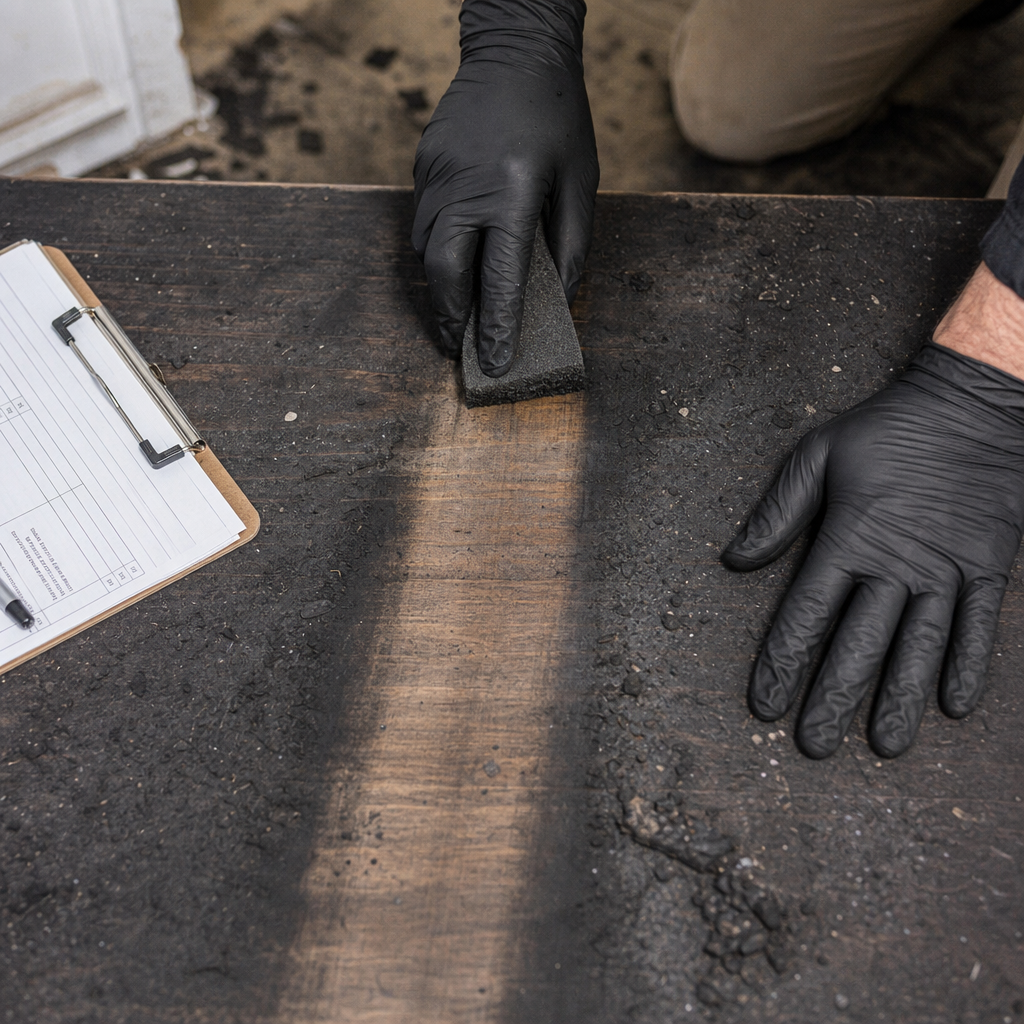
Fire and smoke incidents demand simultaneous water removal and soot mitigation to prevent ongoing structural decay. Our crews extract firefighting runoff, neutralize corrosive soot, and deodorize building materials before permanent staining occurs.
Combining Water Extraction with Soot Removal
Extinguishing a building fire leaves behind thousands of gallons of water contaminated with acidic soot. We coordinate water pumping and smoke remediation together to prevent secondary structural rot:
- Immediate Water Pumping: Extracting suppression water prevents framing and subfloors from swelling and losing structural strength.
- Thermal Deodorization: Hydroxyl generators and thermal foggers neutralize embedded smoke odor molecules without harsh lingering chemical smells.
Neutralizing Acidic Residues on Historic Plaster
Acidic soot begins etching and permanently staining porous building components within 72 hours. In older brownstones, smoke residue quickly eats into historic trim and decorative plaster mouldings. We apply soot-neutralizing agents while simultaneously drying wet framing, preventing permanent surface loss.
Burst and Frozen Pipe Water Damage Repair
Need water damage restoration in Jersey City?
We’re available now - call for a fast, free estimate.
Fixing burst and frozen pipes involves shutting off supply lines, pumping out escaped water, and applying non-destructive drying systems to enclosed wall cavities. We respond quickly across Jersey City to find hidden moisture pathways before structural drywall or plaster collapses.
Winter Freeze Risks in Uninsulated Wall Cavities
In older neighborhoods like the Heights and Journal Square, uninsulated exterior brick leaves plumbing lines exposed to freezing winds. When supply lines burst during winter freezes, water pours directly behind wall cavities. Instead of gutting historic plaster walls to find the leak, we use directional cavity-drying equipment that forces warm, dry air into the wall space while leaving vintage plaster intact.
High-Pressure Leak Mitigation in Multi-Family Units
In multi-family residential buildings and high-rise apartments, a burst pipe on an upper level quickly cascades down through electrical chases, utility shafts, and shared ceilings. Managing these multi-floor losses requires high-capacity extraction and desiccant dehumidifiers to stabilize multiple units at once, protect building ceilings, and prevent mold growth across shared wall assemblies.
Parts and Components We Repair and Restore
Our restoration work covers framing, finish carpentry, and mechanical areas damaged by water intrusion. We focus on drying existing materials in place across Jersey City rather than defaulting to destructive tear-outs.
Drywall, Ceilings, and Historic Plaster
Rather than tearing out damp wall assemblies right away, we use controlled cavity drying on saturated drywall and historic plaster. Industry standard IICRC guidelines show that quick drying within the first 24 hours preserves the structural strength of these materials without requiring complete replacement.
Hardwood, Subfloors, and Cabinetry
To fix cupping hardwood floors, we mount negative-pressure extraction mats over the wet boards. The system draws moisture out of the planks, subfloor, and underlying floor joists, preventing warping and saving expensive hardwood and custom cabinetry.
HVAC Systems, Basements, and Crawl Spaces
Subgrade spaces and air ducts need thorough cleaning after water intrusion. Our team scrubs joists, sanitizes crawl spaces, and cleans duct systems to stop mold spores from circulating through the building.
What Does Water Damage Restoration Cost in Jersey City?
Water damage restoration in Jersey City typically costs between $1,200 and $15,000, depending on the water category, how far moisture has spread, and how deeply materials are saturated. Most standard single-room clean-water claims fall between $3,000 and $9,000. Wade’s Restoration provides free on-site visual assessments to clarify the exact scope before work starts.
Typical Service Price Ranges
According to national insurance industry averages, standard residential water damage claims average roughly $11,650. Common local service costs include:
- Initial Moisture Assessment: $150-$500 (credited directly toward project costs upon authorization)
- Clean-Water Extraction and Drying: $1,200-$4,500 per affected room
- Mold Remediation Protocols: $1,500-$6,000
- Sewage and Blackwater Extraction: $2,000-$10,000
- Combined Fire, Smoke, and Water Restoration: $3,000-$25,000+
- Major Storm and Coastal Flood Cleanup: $3,000-$15,000+
| Feature | Wade’s Preservation Drying | National Franchise Hubs | Uncertified DIY Methods |
|---|---|---|---|
| Material Demolition | Minimal / Non-destructive | Aggressive tear-out | Uncontrolled |
| Historic Wood Salvage | High success rate | Unlikely | None |
| Carrier Direct Billing | Fully coordinated | Standard | Out-of-pocket |
Navigating Insurance Claims and Carrier Guidelines
Through our Claim Clarity Program, we write estimates using standard Xactimate line items, maintain daily psychrometric moisture logs, and communicate directly with your insurance adjuster so your claim moves forward without administrative delays.
Frequently Asked Questions About Jersey City Water Restoration
When unexpected leaks or storm surges hit, you need direct answers about timelines, costs, and material recovery. Wade’s Restoration maintains 24/7 live dispatch across Jersey City, Hoboken, and surrounding areas with 45-minute arrival times.
How much does water damage restoration cost in Jersey City?
Pricing ranges from $1,200 for minor clean-water extraction in a single room up to $9,000 or more for major blackwater sewage backups that require complete antimicrobial treatment and structural drying.
How quickly can a water damage contractor respond in Jersey City?
Our local team arrives at your property within 45 minutes of your call to extract standing water and start dehumidification before secondary damage begins.
Does homeowners insurance cover water damage restoration in New Jersey?
Standard HO-3 homeowner policies cover water damage that is sudden and accidental, such as a burst supply line or water heater failure. Rising storm surges and exterior coastal flooding require a separate flood insurance policy through the NFIP or private flood carriers.
What steps should I take immediately after finding water damage in my home?
First, shut off your main water valve to stop active flooding. Second, switch off the electrical breaker to the affected rooms. Third, document the scene with photos and video, and contact an emergency restoration company right away. Avoid using standard household fans, which can spread moisture and contaminants.
How long does the structural drying and water extraction process take?
Water extraction takes a few hours, while structural drying generally takes 3 to 5 days. Dense building materials like plaster and hardwood subfloors may require additional drying time under monitored heat mats.
Can untreated water damage cause mold growth in Jersey City properties?
Yes. In our local climate, mold spores can colonize damp drywall, subflooring, and framing within 24 to 48 hours if structural drying does not start immediately.
Need water damage restoration in Jersey City?
We’re available now - call for a fast, free estimate.
Frequently Asked Questions
How can historic hardwood floors and plaster be saved after water damage in Jersey City?
Rather than resorting to structural demolition, Wade's Restoration uses specialized negative-pressure floor panels and targeted heat-mat systems to pull trapped moisture directly out through the grain. This non-destructive preservation approach stabilizes aged subfloors, historic hardwood, and vintage plaster without warping or cracking.
How does Wade's Restoration coordinate directly with homeowners insurance carriers?
Through the Claim Clarity Program, our technicians record daily psychrometric moisture logs, capture infrared thermal data, and prepare itemized estimates using Xactimate pricing. We communicate directly with your insurance adjuster from the initial inspection to final clearance to streamline claim approvals and support direct carrier billing.
What specific procedures are used for Category 3 sewage and storm surge cleanup?
Category 3 blackwater requires immediate containment under negative air pressure, high-capacity slurry extraction to clear hazardous silt, and EPA-registered botanical antimicrobial treatments. Wade's Restoration safely extracts contaminated water into sealed tanks, runs HEPA air scrubbers to neutralize airborne pathogens, and offers unmarked vehicles for discreet service.
About the author
 |
Daniel Preston Daniel Preston is a certified structural drying expert with over 12 years of experience in disaster restoration across the New York metropolitan area. Holding an Environmental Science degree from Rutgers University, he specializes in rapid response strategies for water damage mitigation, mold remediation, and fire recovery. Daniel combines his technical knowledge with a practical approach to help property owners navigate the complexities of emergency restoration and insurance claims. |
Water damage, flood, or mold emergency?
We’re available now - call for a fast, free estimate.
Call Now - Free Estimate