
Last updated August 26, 2026
Free visual inspection and a written scope of work before any mitigation begins - photos, moisture readings, and drying logs go in your claim file
The scope we write is the scope we bill. Anything new gets shown to you, in writing, before we touch it.
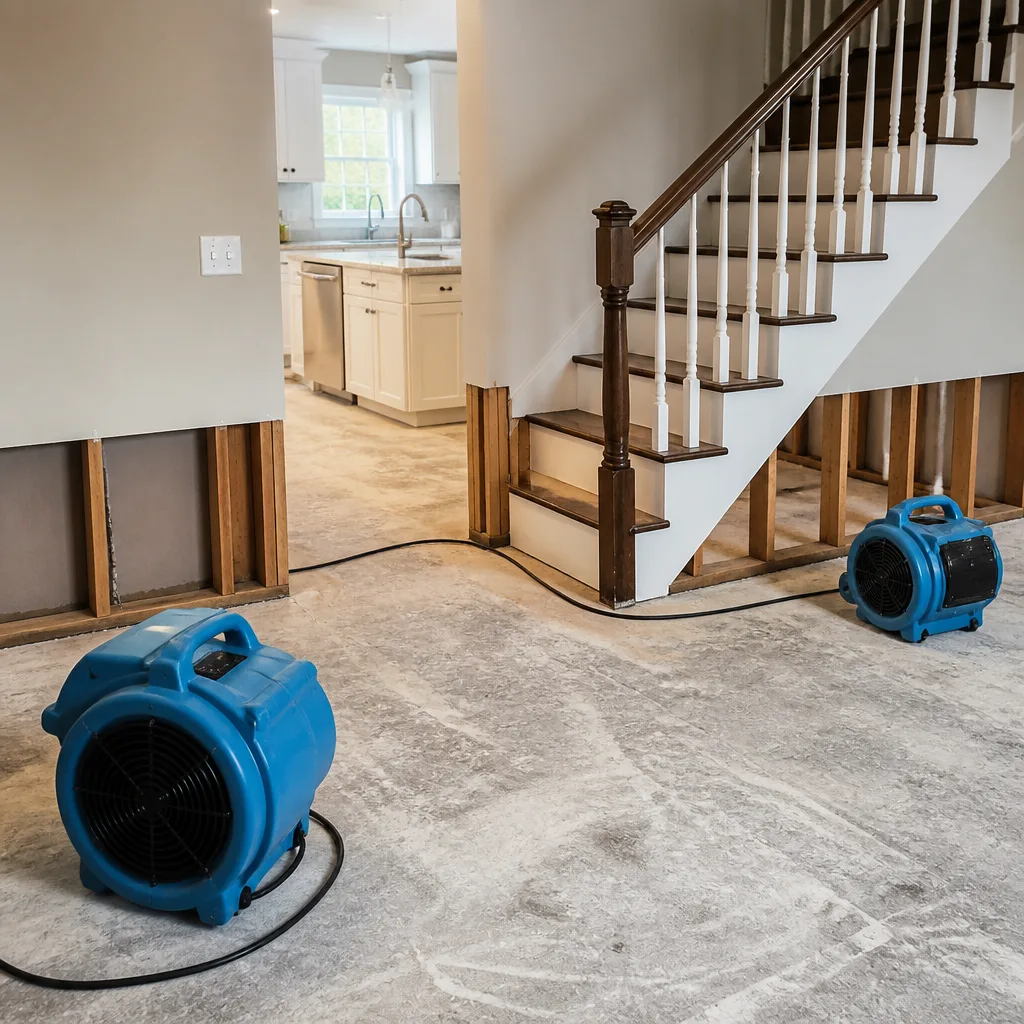
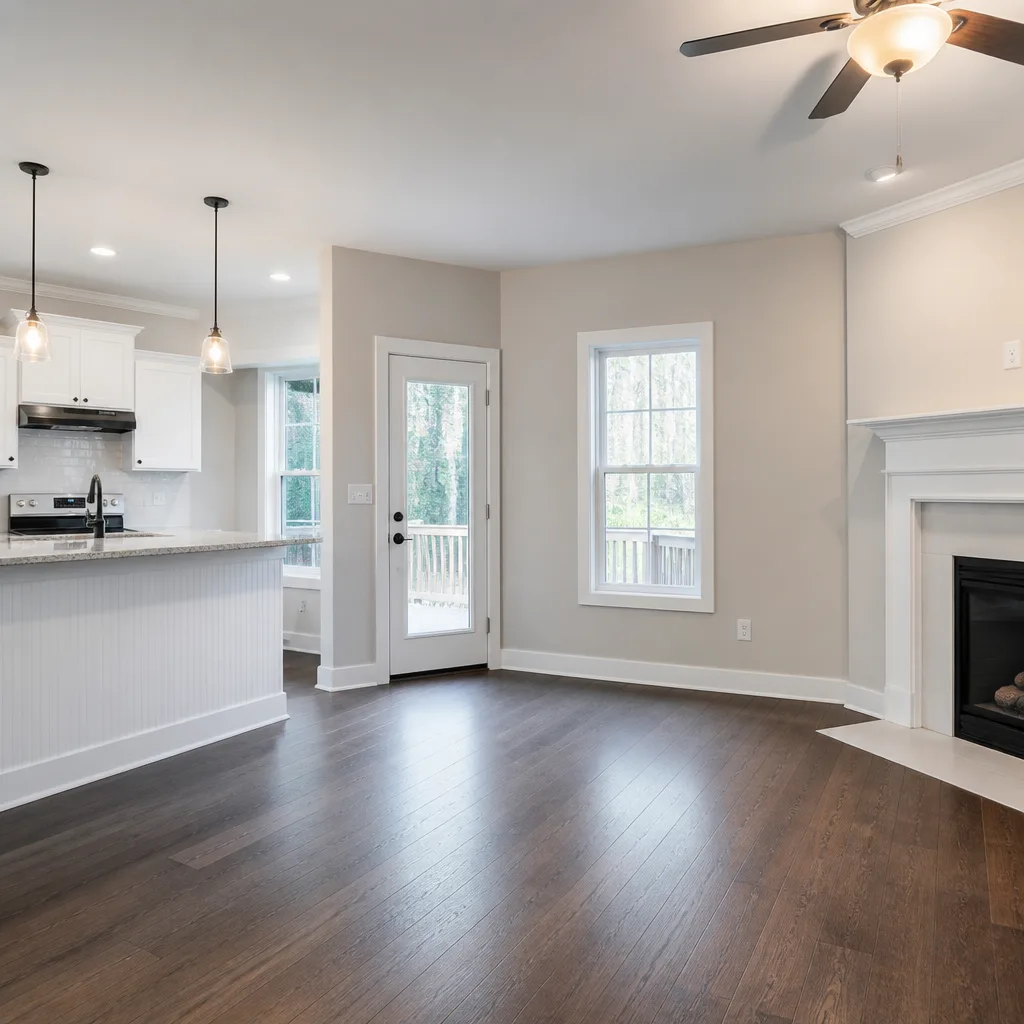
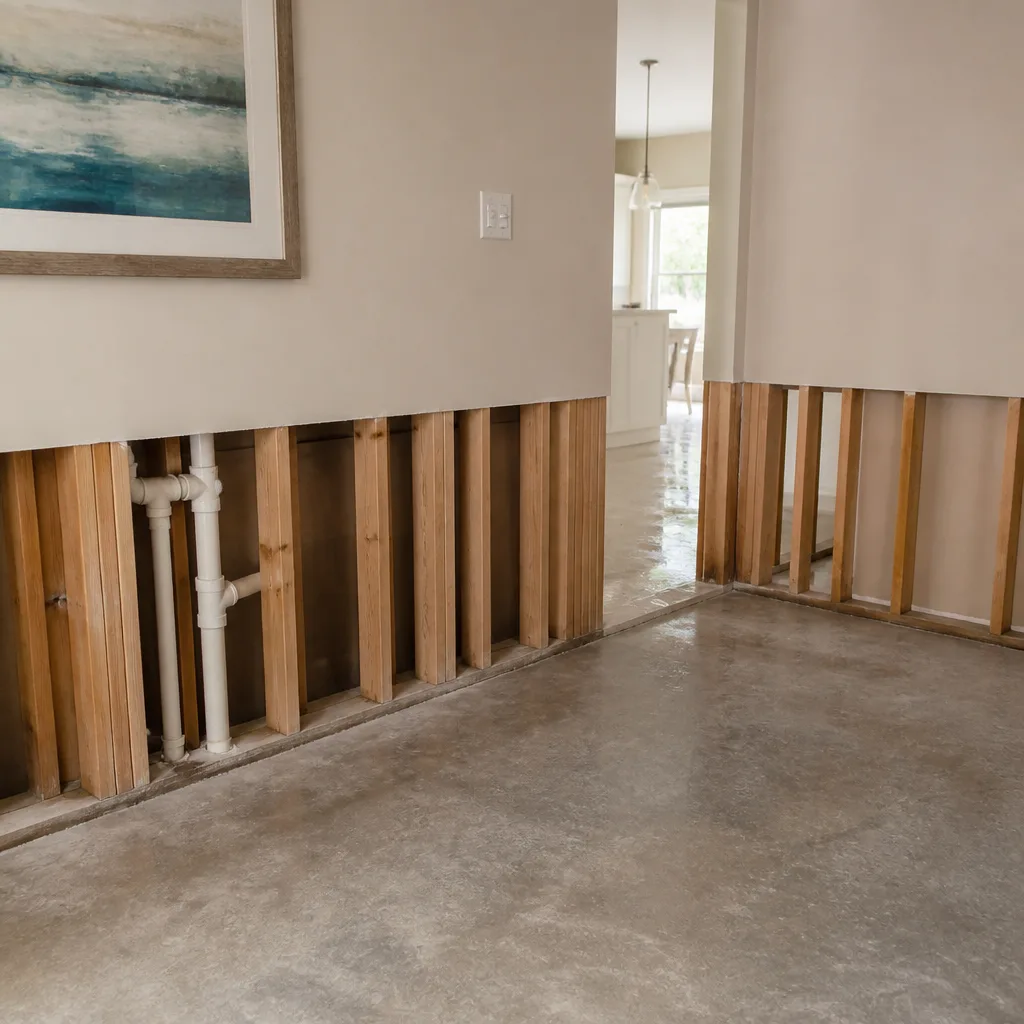
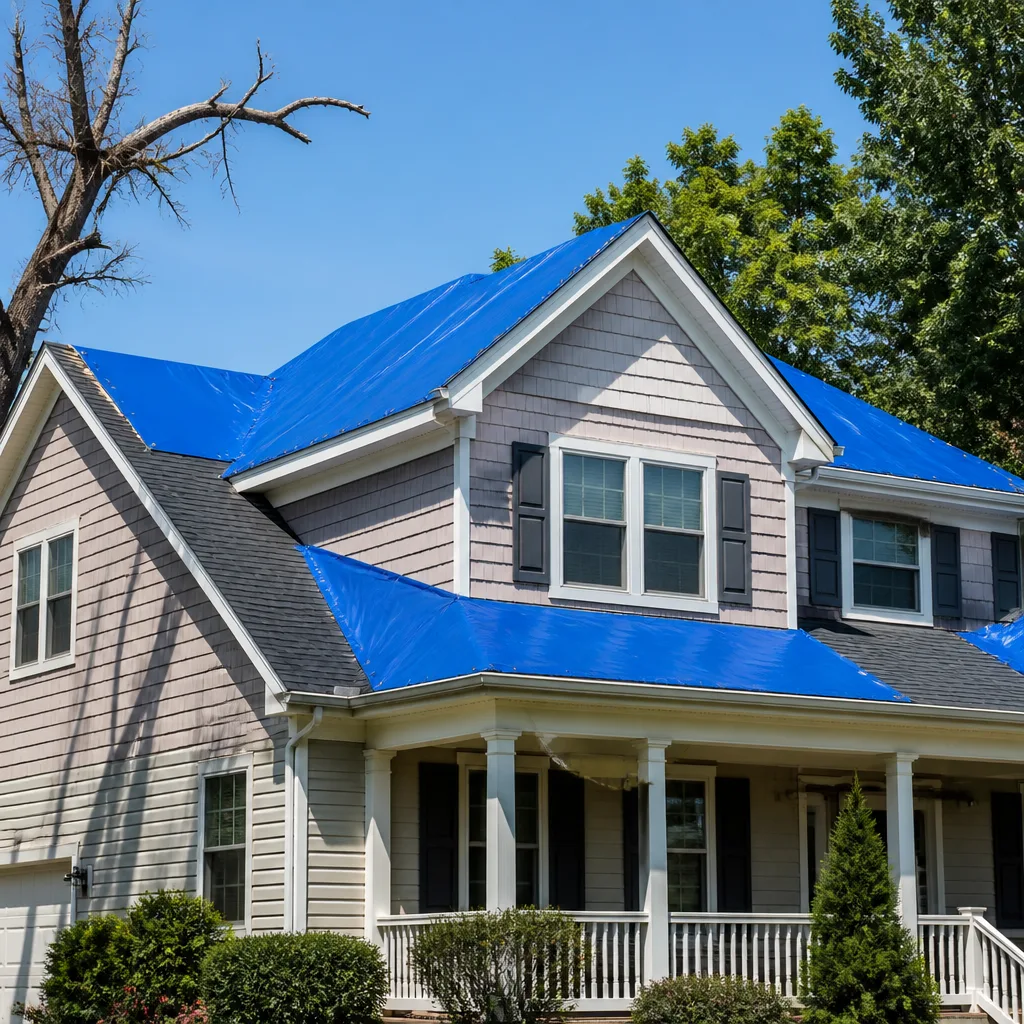
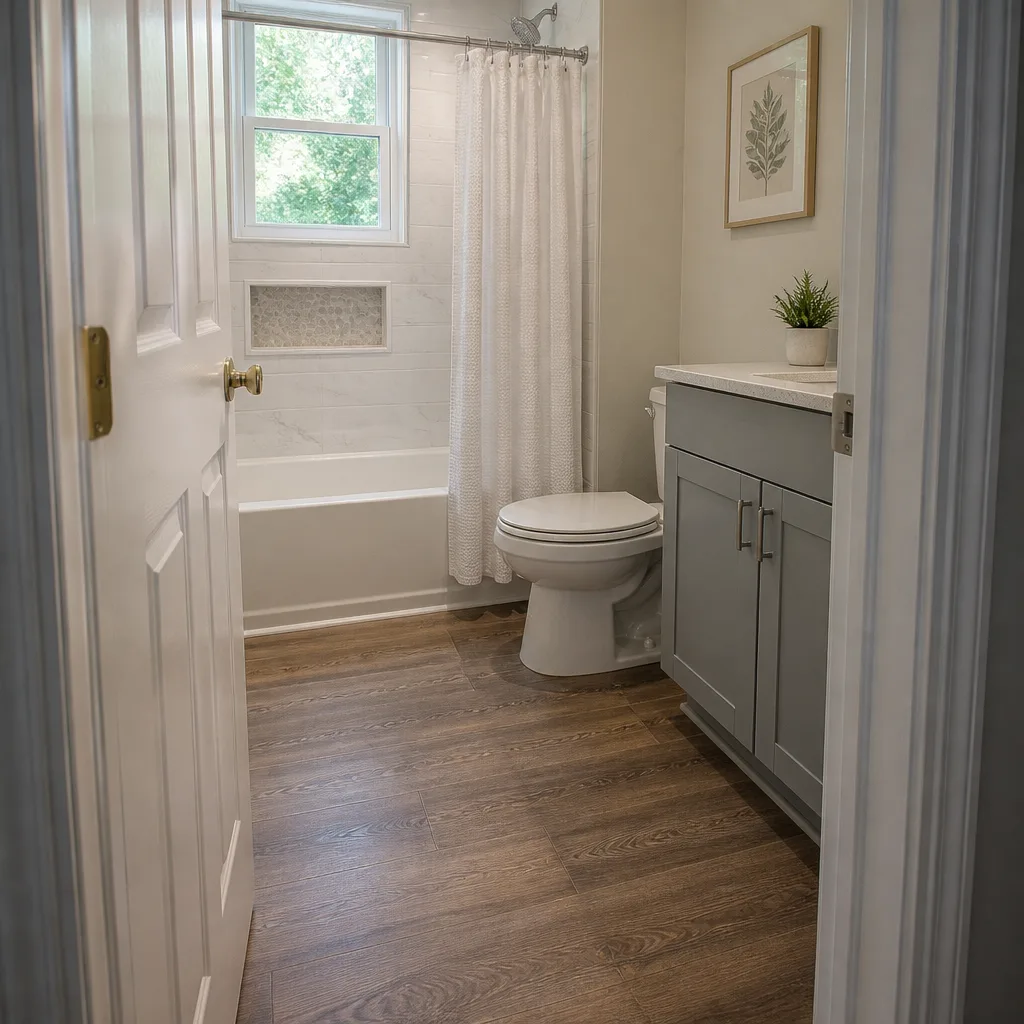
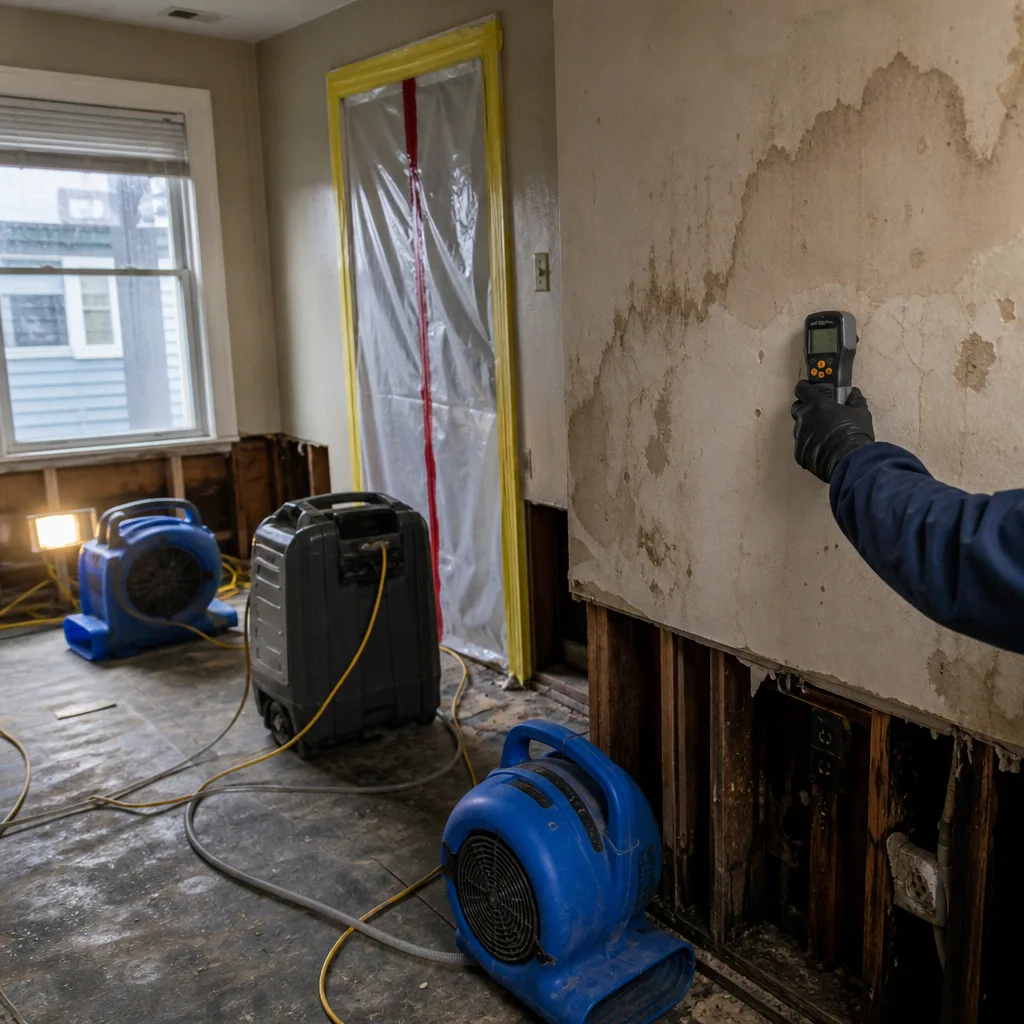 Before
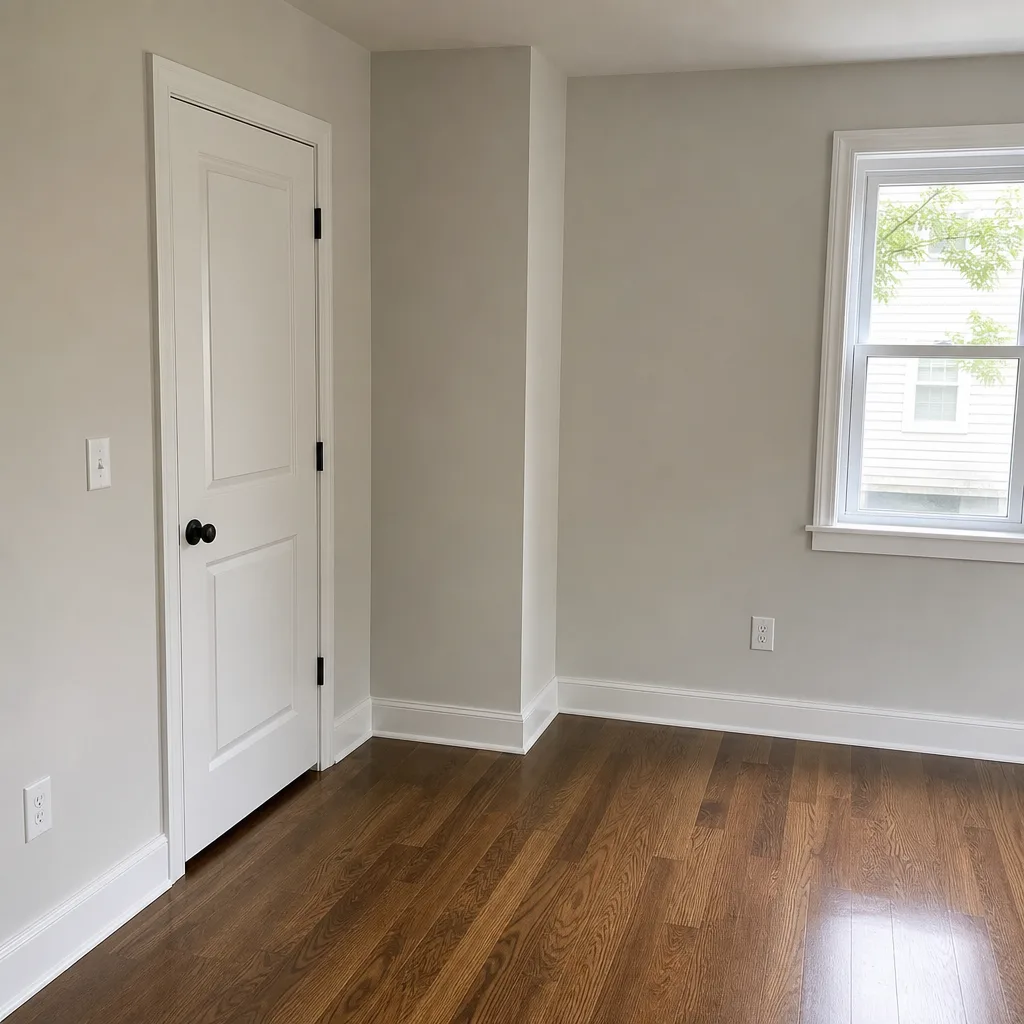 After
After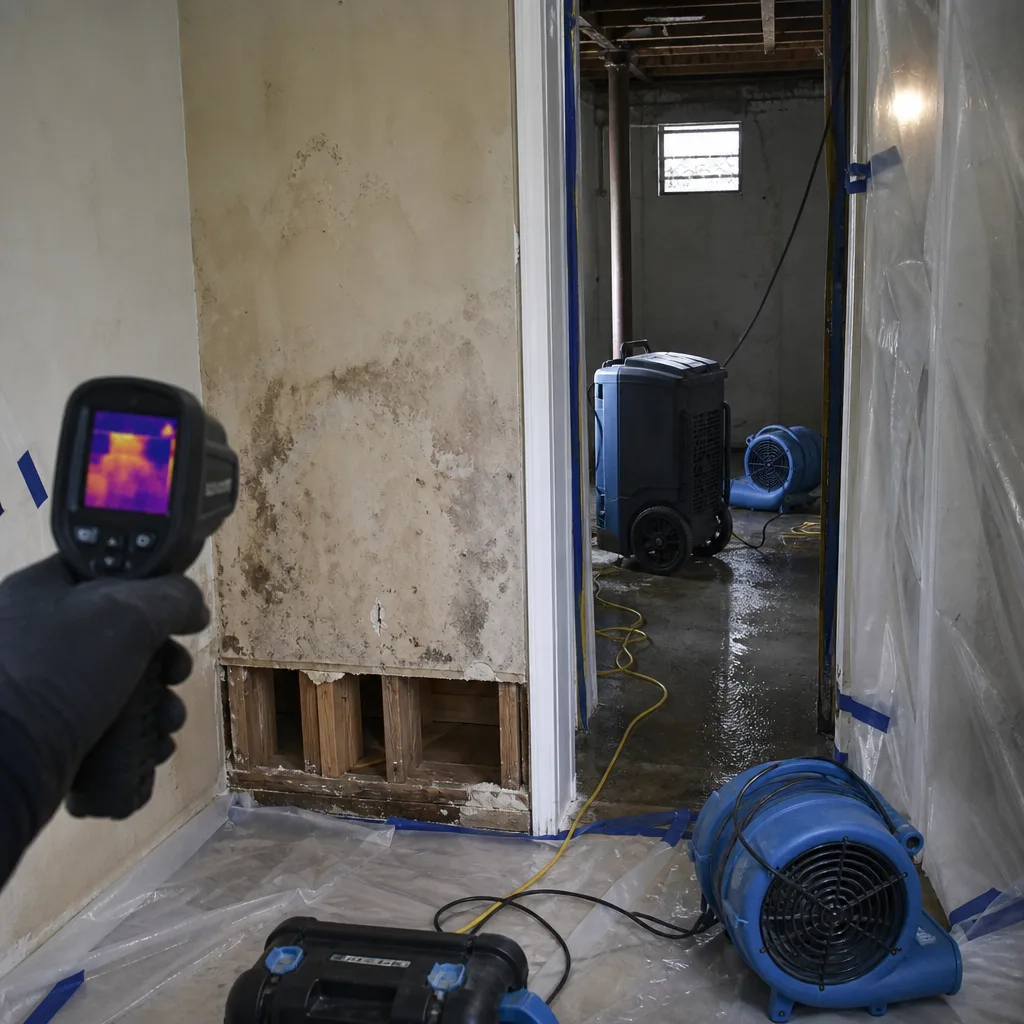 Before
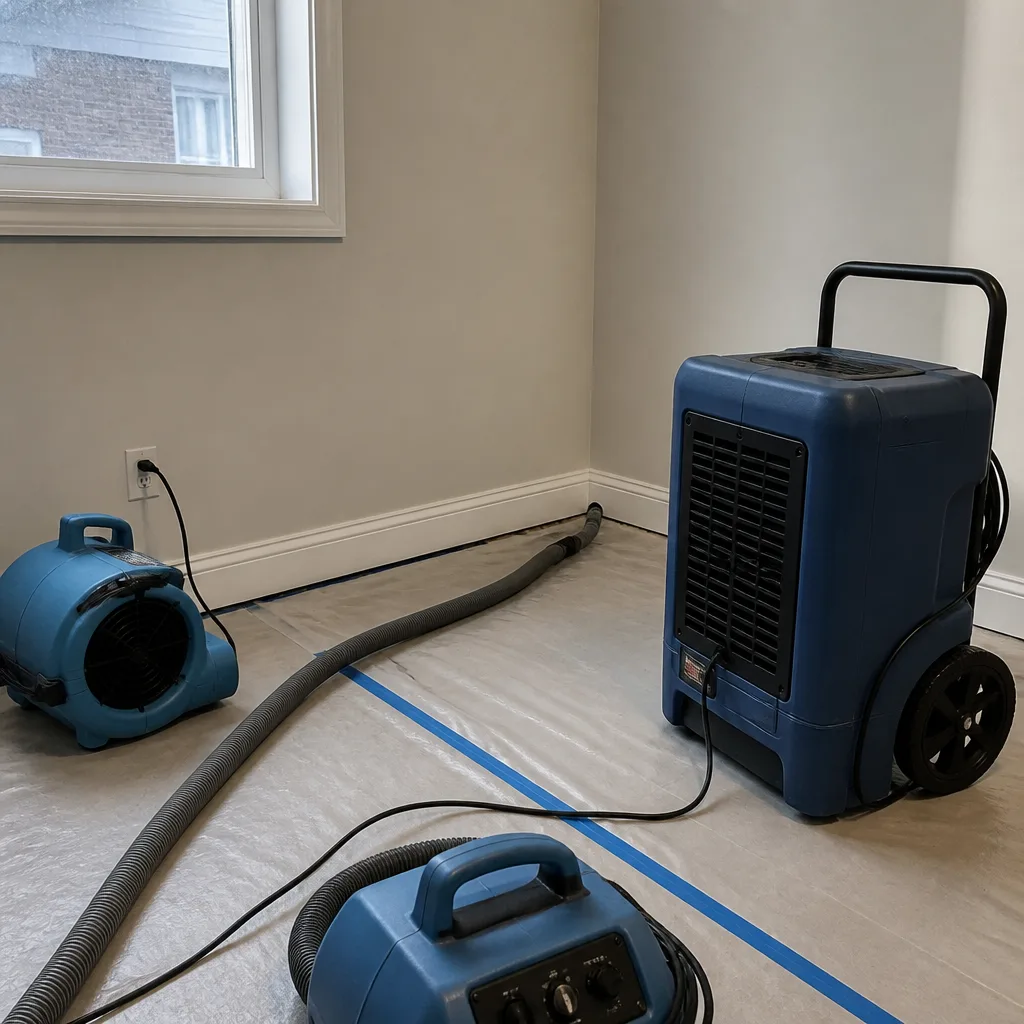 After
After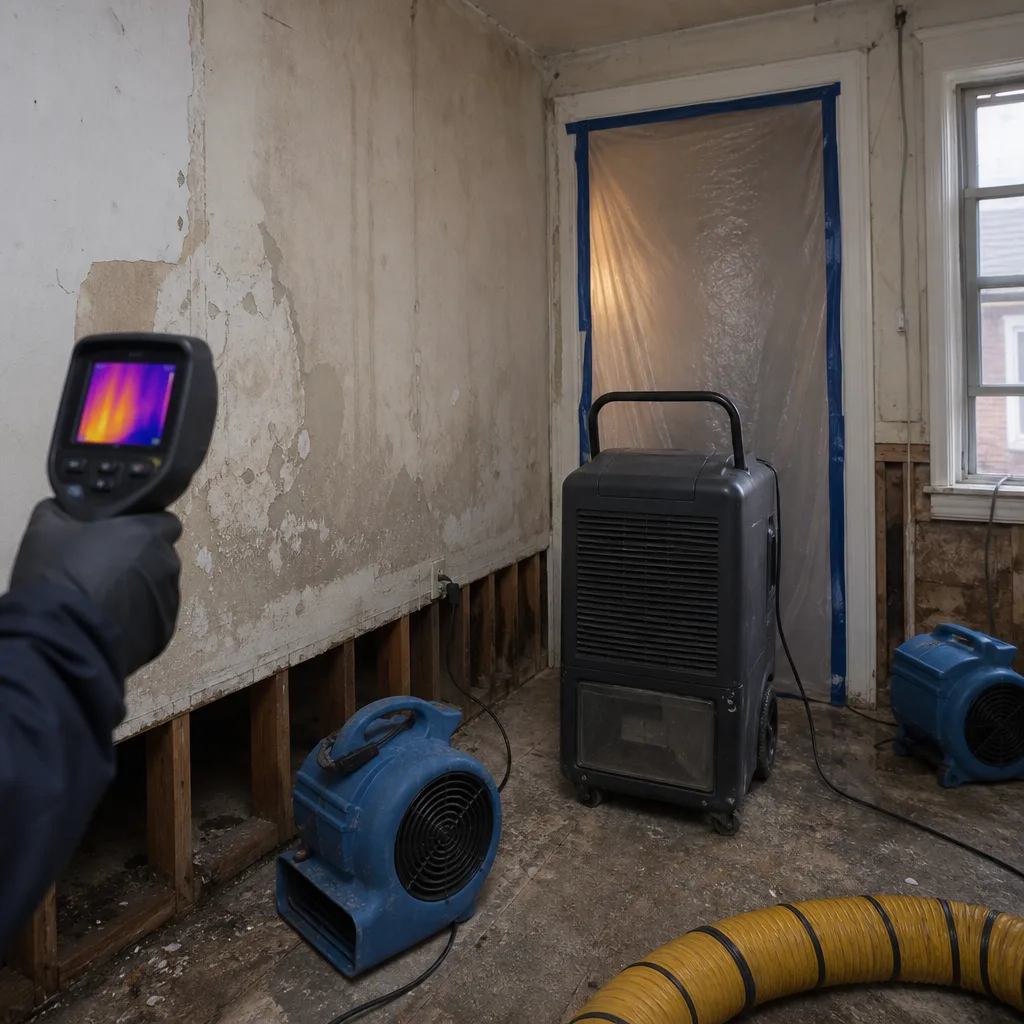 Before
 After
AfterDamage Restoration Cost Breakdown: The Jersey City Homeowner’s Reference for 2026
Two restoration quotes for the same water job in Jersey City can land $8,000 apart, and neither number tells you which contractor is playing straight. The cheaper one might have quietly dropped antimicrobial treatment. The pricier one might be padding equipment days you don’t need. You can’t know until you read the line items. This guide decodes those line items. If you’re staring at a flooded basement in The Heights or smoke damage in a Paulus Hook walk-up, here’s what the numbers actually mean in 2026, what insurance will and won’t cover, and how to compare scopes in Jersey City without getting played.
Quick Answer
Water damage restoration in Jersey City typically runs $1,200 to $8,500 depending on the square footage and water category, mold remediation averages $1,800 to $7,000, and fire/smoke restoration ranges from $3,500 to $35,000. The final number depends on hidden factors most homeowners never see until the bill arrives: Xactimate line items, pre-1980 asbestos testing, brownstone stair access, and how your adjuster applies depreciation. We’ll walk you through each one so you can read a quote like the actual work plan it is.
Table of Contents
- What Xactimate Is and Why It Controls Every Jersey City Restoration Quote
- Water Damage Costs in Jersey City: Category 1, 2, and 3 in Real Numbers
- Mold Remediation in Jersey City: What You’ll Actually Pay in 2026
- Fire and Smoke Damage: The Cost Range Nobody Quotes over the Phone
- Jersey City Cost Factors That Don’t Apply Anywhere Else
- What Insurance Actually Pays (and the Gap That Catches Homeowners Off Guard)
- How the 90-Day Done Right Promise Works as Cost Protection
- How to Compare Two Jersey City Quotes Line by Line
- Common Mistakes to Avoid
- When to Call a Professional
- Frequently Asked Questions
- The Bottom Line
What Xactimate Is and Why It Controls Every Jersey City Restoration Quote
Xactimate is pricing software used by insurance companies and restoration contractors to estimate property damage. It produces line items, each with a code, a quantity, a unit, and a dollar amount based on your local market. When you get a restoration quote in Jersey City, that seven-page document with codes like “WTR DRY” and “ANTIMIC” is almost certainly a Xactimate export. It matters because your adjuster is using the same software. When the contractor’s version and the adjuster’s version disagree about square footage or drying days, that’s where $8,000 discrepancies come from. The software isn’t the problem. How the contractor chooses to fill it in is the whole ballgame.
We’ve sat with dozens of Jersey City homeowners across a kitchen table, translating a competitor’s Xactimate scope after the original contractor walked away. In our experience, the overwhelming majority of quote gaps come down to three choices: how many days of drying equipment are budgeted, whether antimicrobial treatment and HEPA vacuuming are included, and whether demolition includes haul-off or leaves debris in your yard for the city to cite. None of these are secrets. They’re just buried in line items most people never read.
One thing to know: Xactimate isn’t a static price list. It’s updated monthly by zip code. Jersey City’s labor rates run higher than the national median because of dense urban access. What costs $2,100 to dry in a ranch house in western Morris County might cost $3,400 in a second-floor Journal Square condo where every piece of equipment has to come up a flight of stairs. The software accounts for that, but only if the contractor enters the access details correctly. A lazy scope entry produces an artificially low number, and you’d never know until the supplement lands after the fact.
Water Damage Costs in Jersey City: Category 1, 2, and 3 in Real Numbers
The biggest variable in any water damage job is the water category. Category 1 is clean water from a supply line. Category 2 is grey water with some contamination. Category 3 is black water, meaning sewage or flood water. In Jersey City, a Category 1 leak from a burst supply line behind a dishwasher will cost far less than a Category 3 backup from a combined sewer overflow during a summer storm. Here’s what we actually see in 2026, by category and square footage.
Category 1: Clean Water
- Under 150 sq ft: $1,200 to $2,400. This is a small laundry room or half bath. Extraction, containment, 2-3 days of drying, one follow-up visit.
- 150-500 sq ft: $2,500 to $4,800. A full kitchen or basement floor. Longer drying time, anti-microbial treatment, possible baseboard removal.
- 500-1,000 sq ft: $4,200 to $7,000. Finished basement with drywall destruction and replacement. Equipment runs 4-6 days with daily monitoring.
Category 2: Grey Water
- Under 150 sq ft: $1,800 to $3,800. Source matters: a dishwasher overflow with food waste is different from a washing machine leak. Antimicrobial required. Porous materials like carpet pad get replaced.
- 150-500 sq ft: $3,500 to $6,600. Carpet removal, disposal, subfloor drying, possible lower drywall cuts.
- 500-1,000 sq ft: $5,500 to $10,000. Full room tear-out and rebuild prep. Drying times stretch to 7-10 days with containment chambers running throughout.
Category 3: Black Water
- Under 150 sq ft: $3,000 to $6,000. Sewage backup in a small bathroom. Full removal of affected flooring and wallboard, heavy antimicrobial treatment, PPE protocols, waste hauled as biohazard material.
- 150-500 sq ft: $6,000 to $12,000. A basement hit with sewage from a main line backup. Everything porous goes. Concrete gets treated and sealed. Drying takes 5-10 days after the tear-out.
- 500-1,000+ sq ft: $10,000 to $25,000. This is a major event. High-velocity water in the ground floor of a brownstone, combined sewer overflows in the Heights, or foundation seepage after a nor’easter. This is full mitigation plus rebuild prep.
These ranges are for mitigation only: stopping the loss, drying the structure, and preventing secondary mold. They don’t include repair or rebuild of the destroyed materials. In Jersey City, where much of the housing stock dates to before 1940, older lathe and plaster walls dry differently than gypsum board, so drying time and cost go higher than the software’s default assumptions. A contractor who has never worked on an old brownstone will underbid the drying days and then come back asking for more money. We work on these structures every week, and the difference shows in the moisture log.
For a deep dive on water work specifically, see our full page: Water Damage Restoration in Jersey City.
Mold Remediation in Jersey City: What You’ll Actually Pay in 2026
Mold remediation in Jersey City runs from $1,800 for a contained closet to $15,000 for a large basement or multi-room problem. The national numbers you see online skew low because they assume a framed single-family house with drywall. Jersey City has wood-frame and masonry alike, but the kicker is humidity. The city’s proximity to the Hudson and Newark Bay, combined with old foundations and absent vapor barriers, creates the exact conditions mold thrives in. We take moisture readings every single day on these jobs and hand the homeowner the full log when we’re done. In a city built before modern waterproofing standards, moisture moves through old brick and stone in ways drywall-era contractors never account for.
Typical mold remediation cost drivers:
- Containment: $400 to $1,200. The affected area is sealed with plastic sheeting and negative air pressure so spores don’t spread through the house during removal.
- HEPA vacuuming and air scrubbing: $300 to $900 per room. Air scrubbers run for days after removal, not hours.
- Material removal: $25 to $60 per square foot for drywall and insulation. Old plaster costs more because removal generates more dust and requires careful disposal. Pre-1980 buildings also trigger asbestos testing, which we cover below.
- Antimicrobial treatment: $250 to $900 depending on square footage and whether wood framing needs treatment versus just hard surfaces.
- Post-remediation clearance testing: $300 to $700. A third-party environmental firm takes air samples to confirm spore counts have returned to normal. We recommend this on every job. A contractor who doesn’t mention clearance testing is leaving you without proof the work was done right.
The honest price range isn’t the question. The question is what’s included in the quote. A “cheap” mold job that skips clearance testing saves you $500 today and leaves you with no documentation when you sell the house. A remediation that doesn’t address the moisture source will have the mold back in six months. That’s why we focus on finding and fixing the water intrusion first, then treating the mold. Remediation without fixing the source is a subscription service, not a repair.
Read our dedicated guide here: Mold Remediation in Jersey City.
Fire and Smoke Damage: The Cost Range Nobody Quotes over the Phone
Fire restoration in Jersey City spans $3,500 for a contained kitchen grease fire to $35,000 or more for a multi-room event with structural damage. No honest contractor will give you a firm number over the phone, and you should be suspicious of anyone who does. Smoke damage is the part that surprises people. A small fire can produce smoke that travels through a shared brownstone wall or a finished attic and destroys clothing, furniture, and air quality throughout the building. The physical burn area might be 100 square feet, but the smoke-affected area can be the entire third floor.
Fire and smoke restoration line items you’ll see:
- Board-up and tarping: $500 to $1,200. Emergency securing of the opening on day one.
- Water extraction from firefighting: $800 to $3,000. The water used to put out the fire causes its own damage and needs its own drying plan.
- Soot removal: $2,000 to $8,000 depending on materials. Soot bonds to porous surfaces. Dry sponges, HEPA vacuuming, and chemical cleaning are all line items.
- Odor removal: $1,500 to $6,000. Thermal fogging or ozone treatment neutralizes smoke molecules that have penetrated walls and framing. In a building with shared walls, this can’t be skipped.
- Content cleaning and pack-out: $1,000 to $8,000. Clothes, furniture, dishes, bedding. Soft goods get ozone treatment off-site. Hard goods get ultrasonically cleaned.
- Structural rebuild: quoted separately after mitigation. This is a remodel, not an emergency job, and it’s scoped and priced in writing like one.
Jersey City’s older housing stock adds a complication: many brownstones and row houses predate electrical codes, and a fire reveals old wiring that has to be brought up to current standards as part of the rebuild. That’s not a restoration cost exactly, but it lands in the final scope. A contractor who does fire restoration in Jersey City needs to know when to flag code conditions, because your adjuster’s Xactimate scope won’t include it automatically. Read more on our Fire & Smoke Damage Restoration in Jersey City page.
Jersey City Cost Factors That Don’t Apply Anywhere Else
National cost guides are written for tract homes with attached garages and drywall interiors. Jersey City is a different animal. Here are the local factors that move the numbers in ways you won’t find on a generic “average cost of water damage” article, and when to spot Damage Restoration Warning Signs: A Jersey City Homeowner’s Reference Guide.
- Asbestos testing in pre-1980 construction. Federal and New Jersey regulations require testing before disturbing materials in buildings built before 1980. Much of Jersey City’s housing stock dates to the early 1900s. If your vermiculite insulation, old floor tile, or plaster contains asbestos, remediation doesn’t start until an abatement firm clears it. Testing costs $300 to $1,200. Abatement adds thousands and changes the entire schedule. A contractor who doesn’t raise this question before demolition starts is cutting corners in a way that can get you fined.
- Disposal fees. Jersey City waste disposal is more expensive than surrounding counties, and contaminated materials from Category 3 water or fire can’t go in regular construction dumpsters. Biohazard and asbestos waste have their own transportation and tipping fees. For a large basement tear-out, disposal alone can run $800 to $2,500. It’s a line item that never shows up in the initial quote from a contractor trying to look cheap.
- Narrow brownstone access. In the Heights, Paulus Hook, and downtown brownstone blocks, you can’t park a box truck in the driveway because there isn’t one. Equipment moves up narrow stairwells, through tight door frames, and across rooms where furniture can’t be shifted. Labor hours climb. The Xactimate labor rate for Hudson County reflects some of this, but a contractor who hasn’t walked the building will underbid the access time and then either ask for more money or rush the job.
- Shared walls and HOAs. In buildings with common walls, water moves laterally. Your downstairs neighbor’s leaking pipe becomes your ceiling problem. Restoration work in one unit often requires access to another, and the HOA or building management gets involved. Coordination time adds up, and in some cases the building’s master policy comes into play alongside your own.
- Combined sewer overflows. During heavy summer storms, Jersey City’s aging combined sewer system backs up in low-lying areas like Paulus Hook and the waterfront. That’s Category 3 water entering basements. The damage isn’t just water; it’s sewage. The cleanup protocol, disposal, and pricing are entirely different from a broken supply line.
Wade’s been working these buildings since 2007 and knows which pre-war construction types hold water differently, which streets have the worst sewer backup history, and which buildings have HOA rules that affect access. That local knowledge shows up in the scope from day one, not as a supplement after the fact.
What Insurance Actually Pays (and the Gap That Catches Homeowners Off Guard)
The single biggest surprise in restoration is the gap between what the contractor quotes and what the insurance check covers. In Jersey City, where property values run high and building materials are expensive, homeowners often assume their policy covers everything. It doesn’t. Here’s what insurance actually pays in 2026, and where you get stuck with the difference.
Insurance pays based on replacement cost value, minus depreciation, minus your deductible. Depreciation is the amount your insurer says your damaged materials were worth before the loss, based on age and condition. If your 15-year-old basement carpet had a 20-year life, you’re getting back 25% of the carpet cost, not 100%. On a large loss, depreciation can carve $4,000 to $12,000 out of the settlement. You can often recover depreciation by submitting proof that you actually replaced the items, but many homeowners never do it because nobody explains the process.
The second gap is what the adjuster’s Xactimate scope omits. Adjusters write conservative scopes. Contractors who know the local market write realistic ones. When we deal with the adjuster directly, which we do on every job, the communication is between two people who speak the same software language. You’re never stuck transcribing technical phone calls between a contractor and an insurance desk. That’s where supplements come from: the contractor submits documentation for line items the adjuster missed, and the adjuster approves them because the evidence is there. A contractor who won’t talk to your adjuster is leaving money on the table, and that money comes out of your pocket.
The third gap is your deductible. Standard policies carry a $500 to $2,500 deductible, and in flood zones the flood policy deductible can be $5,000 or more. That’s your cost to absorb before insurance pays a dime. None of this is a reason to avoid filing a claim. It’s a reason to understand the mechanics before you sign anything. Wade deals with adjusters directly on every water, fire, and mold job, and he walks you through the settlement line by line before any work goes forward.
How the 90-Day Done Right Promise Works as Cost Protection
Every restoration contractor promises quality. Very few put it in writing with a specific window and a specific name attached. Our Wade’s Restoration home business runs on a different model. Every water, fire, and mold job comes with the 90-Day Done Right Promise, stamped in writing: if it’s not done right, we make it right, and the fix costs you nothing.
Here’s what that actually means for your wallet. Restoration problems rarely show up on the last day of the job. Mold can reappear after an incomplete drying job. A dehumidifier that got pulled too early leaves hidden moisture in a wall cavity, and six weeks later you smell it. A section of flooring that wasn’t properly treated starts warping. These failures reveal themselves within the first 90 days, which is exactly why the promise window is 90 days and not 30.
When you’re comparing quotes, ask the other contractor what their written warranty says. If there’s no written warranty, or it’s for 30 days, you’re taking on the risk that a bad drying job becomes your $4,000 mold problem. Our promise shifts that risk back to us. One call brings Wade back, and he handles it. The promise isn’t a marketing gimmick; it’s the reason we document every job with daily moisture readings and a full log at the end. If the numbers show the structure dried correctly, we can prove it. If something failed, we fix it. Either way, you’re not left arguing with a call center in another state.
How to Compare Two Jersey City Quotes Line by Line
When two restoration quotes in Jersey City come back $8,000 apart, the way to compare them isn’t to read the total. It’s to read the scope. Here’s the exact process, step by step.
- Check the water category. Did both contractors classify the water the same way? If one quote says Category 2 and the other says Category 3, the cheaper one may have misclassified the loss. A Category 3 job priced as Category 2 means insufficient antimicrobial treatment and improper disposal. That’s not savings; that’s exposure.
- Count the drying days. Look for the equipment rental line items: air movers, dehumidifiers, and the number of days they’re budgeted. In Jersey City’s older masonry buildings, drying takes longer than the Xactimate default. A quote with three days of drying for a finished basement in a brownstone is an underbid that will become a supplement later, or worse, a mold problem.
- Look for the antimicrobial and HEPA lines. If they’re absent, the quote is incomplete. Category 2 and 3 water both require antimicrobial treatment. HEPA vacuuming and air scrubbing are standard on mold jobs. A contractor who drops these to look cheap isn’t doing you a favor.
- Check disposal. Is haul-off included? In Jersey City, dumping contaminated materials is expensive. A quote that leaves disposal out will add $800 to $2,500 later, and the city doesn’t accept biohazard waste in regular containers.
- Verify the equipment brands. Not all drying equipment is equal. Professional-grade gear from Phoenix, XPOWER, and B-Air moves air and dries structures dramatically faster than big-box store fans. Ask what equipment they’re running. If they can’t answer, that’s a flag.
- Ask about asbestos testing for any pre-1980 building. If the quote doesn’t mention it and your building was constructed before 1980, the testing is required. A missing testing line means either the contractor doesn’t know local regulations or they’re planning to skip a legally required step. Neither is acceptable.
- Confirm who talks to your adjuster. If the answer isn’t a direct “we handle it,” you’re agreeing to be the middleman for a technical process you shouldn’t have to manage. That’s not a price difference; that’s a service difference. We communicate with your adjuster directly, which is how supplements get approved without you stuck on hold.
Two honest restoration scopes in Jersey City shouldn’t be dramatically far apart. When they are, one of them is missing work. Reading the line items, not the bottom number, tells you which one.
Common Mistakes to Avoid
- Comparing totals instead of scopes. The $8,000 cheaper quote almost always has missing line items. Read down to the work description before you make a decision. In Jersey City, where asbestos, disposal, and shared-wall access add real costs, a quote that looks drastically cheaper is usually leaving something legally or structurally necessary out.
- Filing the wrong insurance claim. Sewer backup from a combined sewer overflow is not always covered under standard homeowners policies, and in some cases requires a separate endorsement. Discovering this after the work starts is expensive. Wade deals with adjusters directly and flags coverage questions before the first fan gets plugged in.
- Assuming all drying equipment is equal. A box fan from Home Depot doesn’t dry a plaster wall behind a cabinet. Professional-grade equipment from Dri-Eaz, Phoenix, XPOWER, B-Air, and Injectidry is engineered for structural drying. The humidity in a Jersey City basement doesn’t care what your quote said; the wall either dries or it doesn’t.
- Waiting to call after a water loss. Mold starts forming in 24 to 48 hours. In Jersey City’s humid climate, that window is often shorter. A homeowner who waits four days to call after a basement flood in a Paulus Hook row house has already gone from a Category 1 drying job to a Category 2 or 3 remediation, and the price follows.
- Accepting a quote without a written scope. In this trade, a verbal estimate is a placeholder. A written scope before work starts is what protects you from price creep at the end. We put the scope in writing and agree to it before we touch anything.
- Not asking about clearance testing on mold jobs. The remediation itself is half the job. Proving the air is clean afterward is the other half. A mold quote without a clearance testing line item leaves you without documentation when you eventually sell.
When to Call a Professional
Call immediately when water is rising, a pipe has burst, sewage is backing up, or smoke is still moving through the house. These are the hours where speed changes the final cost. Call before you call your insurance company, because a restoration contractor can start extraction now while you wait on hold for a claim number. Call when you smell dampness you can’t locate, when you see discoloration spreading across a ceiling, or when a past water problem still smells like a basement. Mold doesn’t announce itself loudly. By the time you smell it, it’s been there a while.
Wade’s Restoration offers free estimates in Jersey City. Call (201) 903-9581, and Wade himself answers. If it’s an emergency, he can have extraction running inside the hour.
Frequently Asked Questions
Water damage restoration in Jersey City ranges from $1,200 for a small Category 1 clean water leak to $25,000 or more for Category 3 sewage or flood damage across a large area. The average mid-range job, like a finished basement with Category 2 water, lands between $3,500 and $6,600 for mitigation alone, before any rebuild work. Call (201) 903-9581 for a free written estimate on your specific loss.
Insurance covers water damage if the loss is sudden and accidental, like a burst supply line or a fire suppression system discharge. Gradual leaks, long-term seepage, and some sewer backups are commonly excluded or require a separate endorsement. Your actual payout is reduced by depreciation and your deductible, and many Jersey City homeowners get less back than their contractor’s quote because the adjuster’s scope omits legitimate line items. Wade deals with your adjuster directly to close that gap.
Wade answers his own phone, 24/7, and can have extraction equipment running inside an hour for most Jersey City locations. Speed matters because mold starts forming within 24 to 48 hours, and in Jersey City’s humid climate the window is often tighter. Every hour of standing water pushes the job toward a higher category and a higher price. Call (201) 903-9581 the moment you see water.
That depends on where the mold is and how much moisture is behind it. Surface mold on non-porous tile or glass can sometimes be cleaned, but mold on drywall, insulation, or wood framing usually requires removal of the affected material. If the moisture source is still active, any cleaning is temporary. The only way to know is an assessment, and we don’t charge for the trip within our own county. Ask anyone on your street who’s had a mold problem; they’ll tell you the same thing.
Xactimate is the pricing software used by virtually every insurance company and restoration contractor in the United States. It generates line items for every task, from water extraction to HEPA vacuuming, priced by local zip code. Your adjuster uses it, your contractor uses it, and when the two scopes disagree, the difference comes out of your pocket unless someone knows how to document and submit a supplement. We handle that communication directly so you don’t have to learn the software.
Yes. Wade deals with your adjuster directly on every water, fire, and mold restoration job. You’re never stuck relaying technical information between two sides. We document every step, including daily moisture readings, and hand you the full log when the job is done. That documentation is what gets legitimate supplements approved, and it’s part of every job we do in Jersey City.
The Bottom Line
Restoration pricing in Jersey City isn’t a mystery. It’s a scope, written in software language, that either includes the necessary work or doesn’t. The $8,000 gap between two quotes is almost never about greed or generosity. It’s about classification, drying days, antimicrobials, disposal, asbestos testing, and access. Read the scope. Ask the questions. Demand a written promise. If you’re comparing quotes and something doesn’t add up, call Wade at (201) 903-9581 for a free second opinion. He’s been working in Jersey City since 2007, his name is on the truck, and he’ll be there himself.
Written by Wade Ferris, Owner at Wade’s Restoration, serving Jersey City since 2007.