
Last updated August 26, 2026
Free visual inspection and a written scope of work before any mitigation begins - photos, moisture readings, and drying logs go in your claim file
The scope we write is the scope we bill. Anything new gets shown to you, in writing, before we touch it.
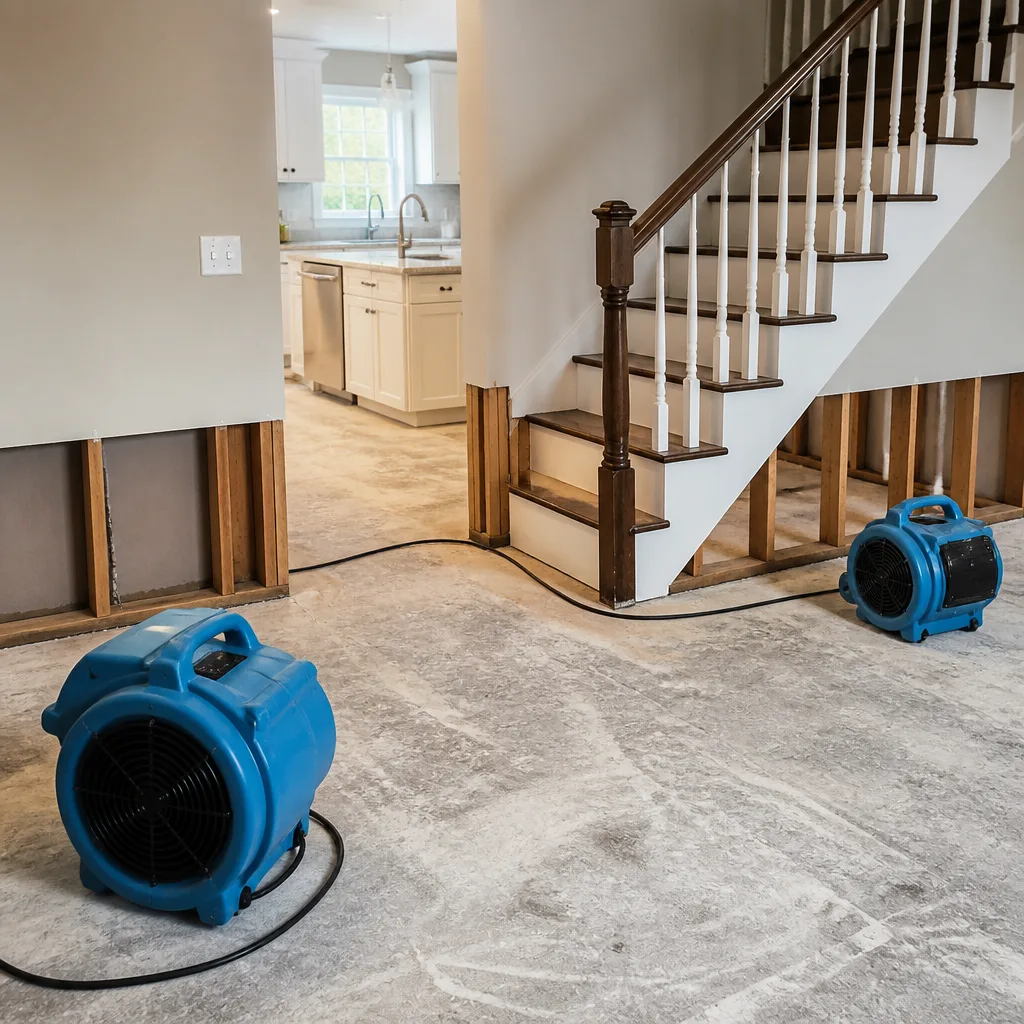
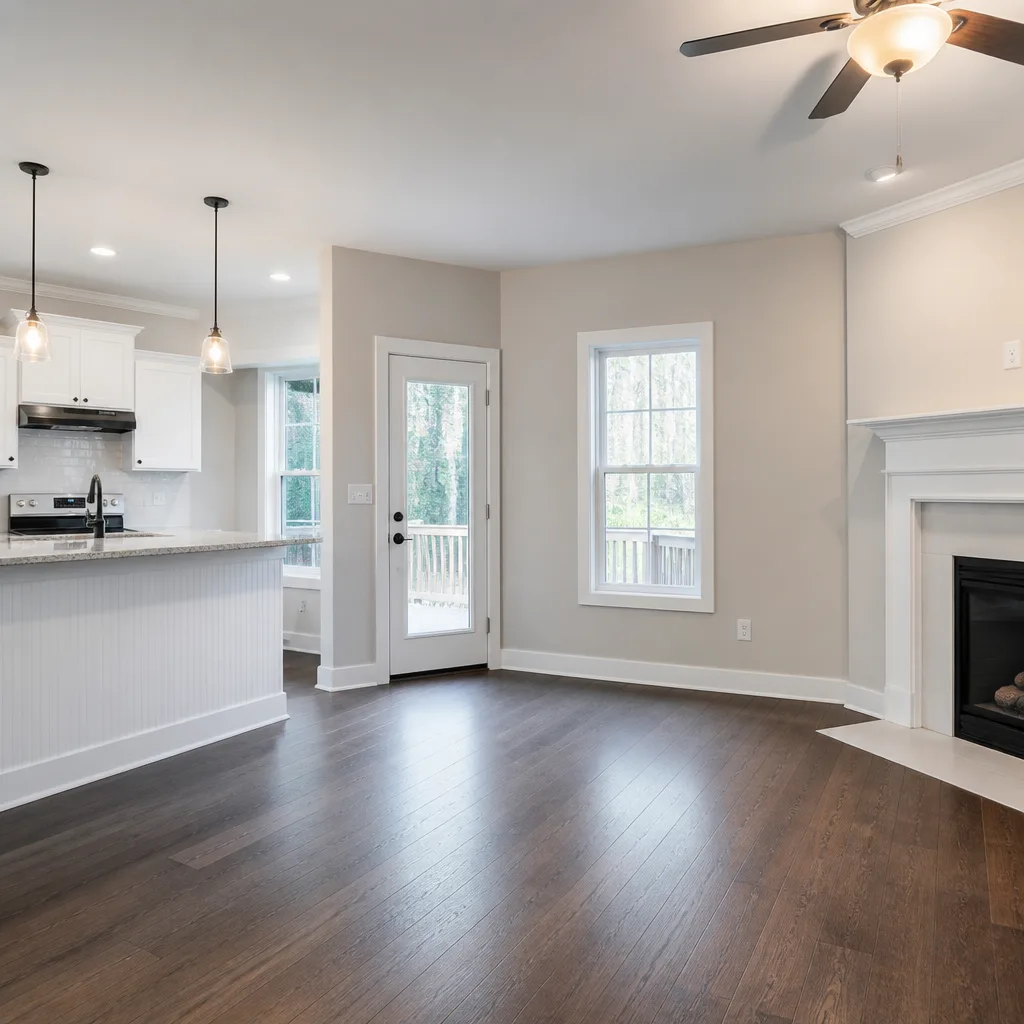
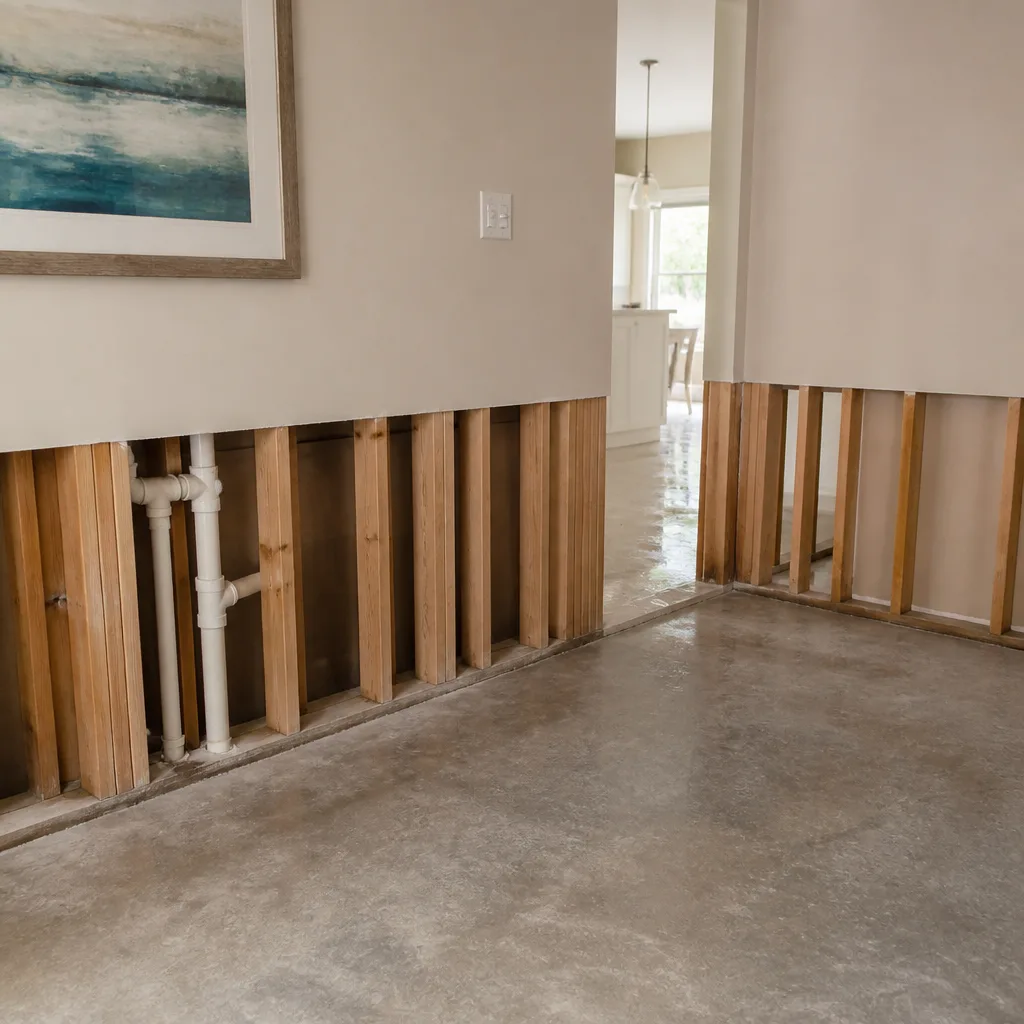
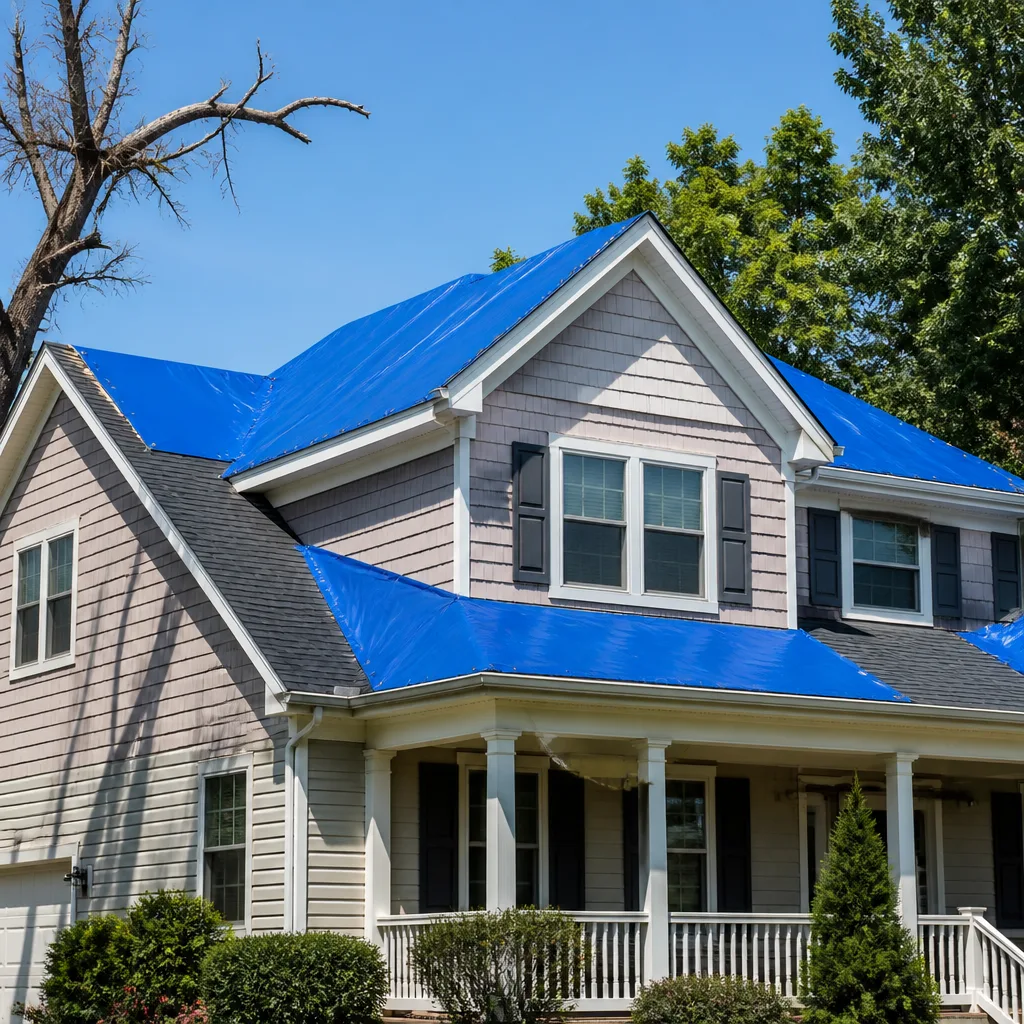
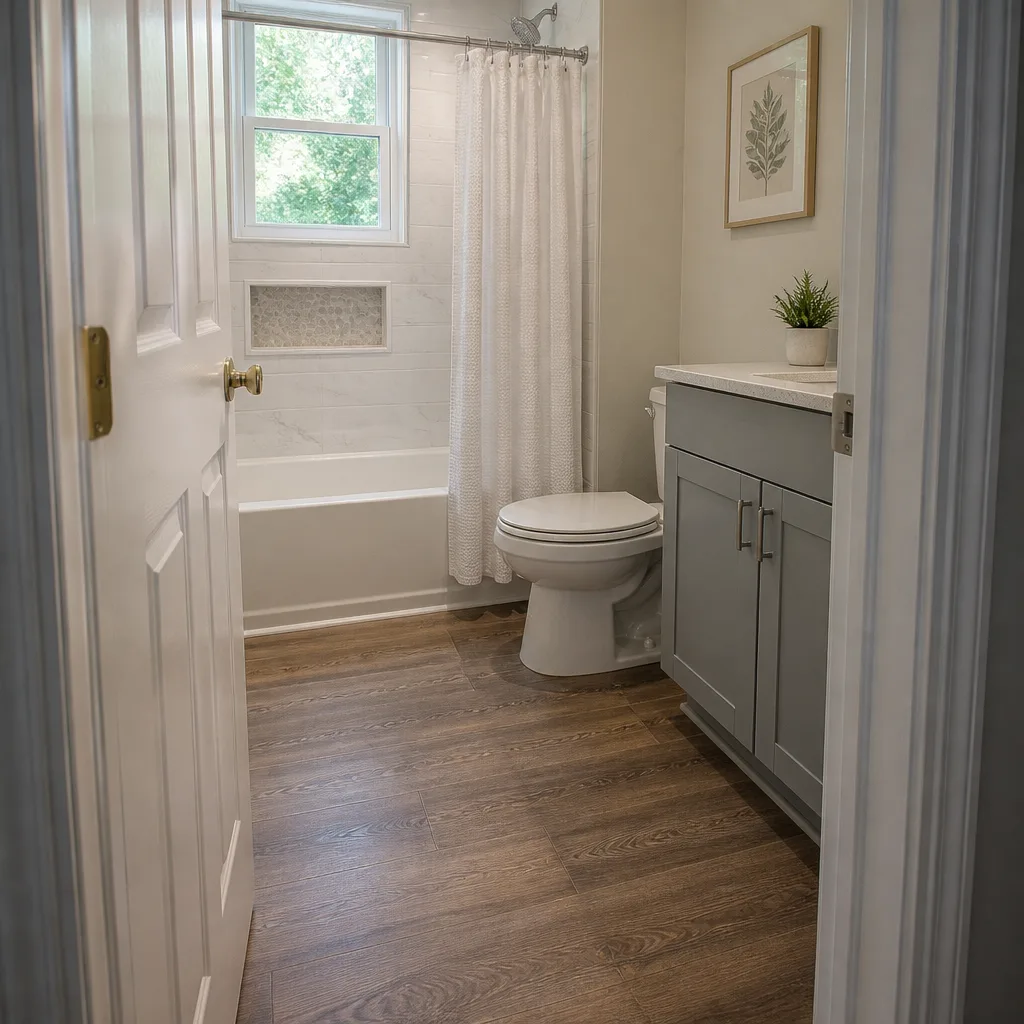
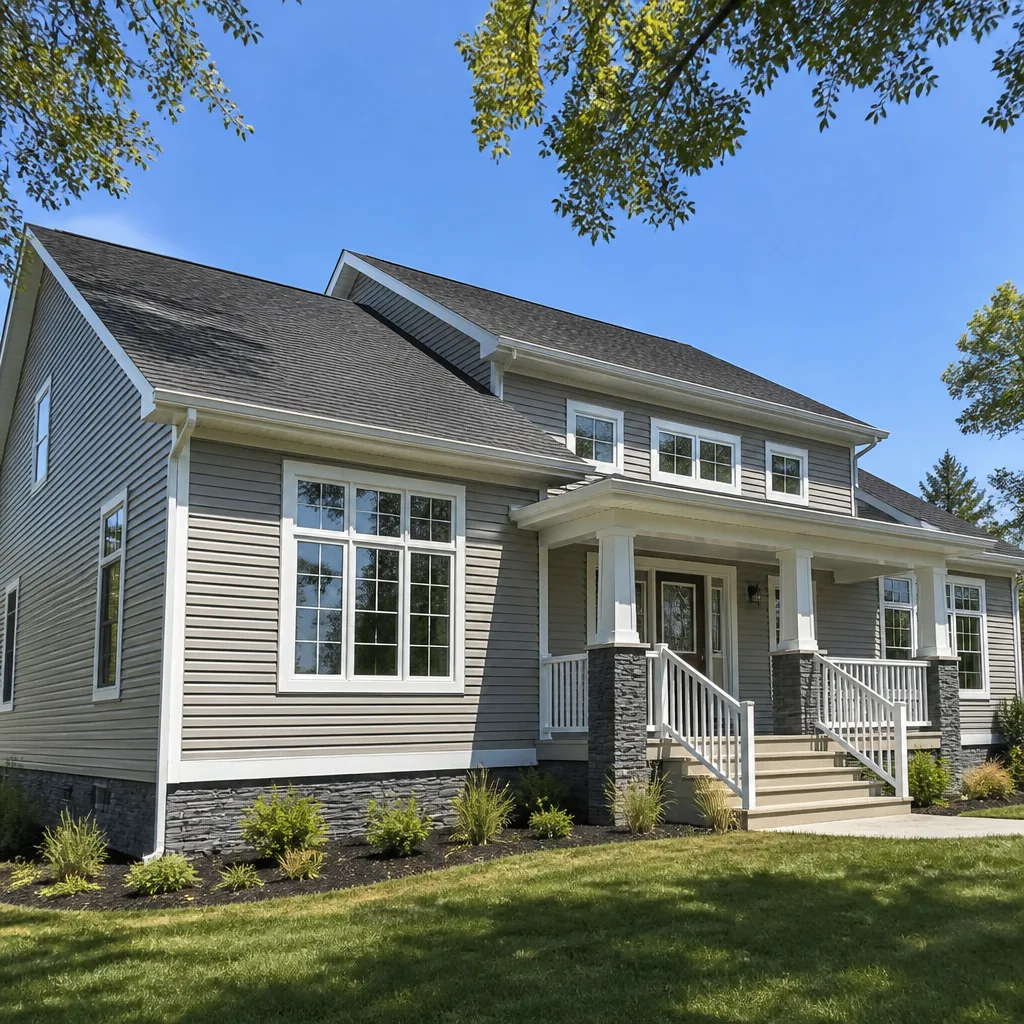
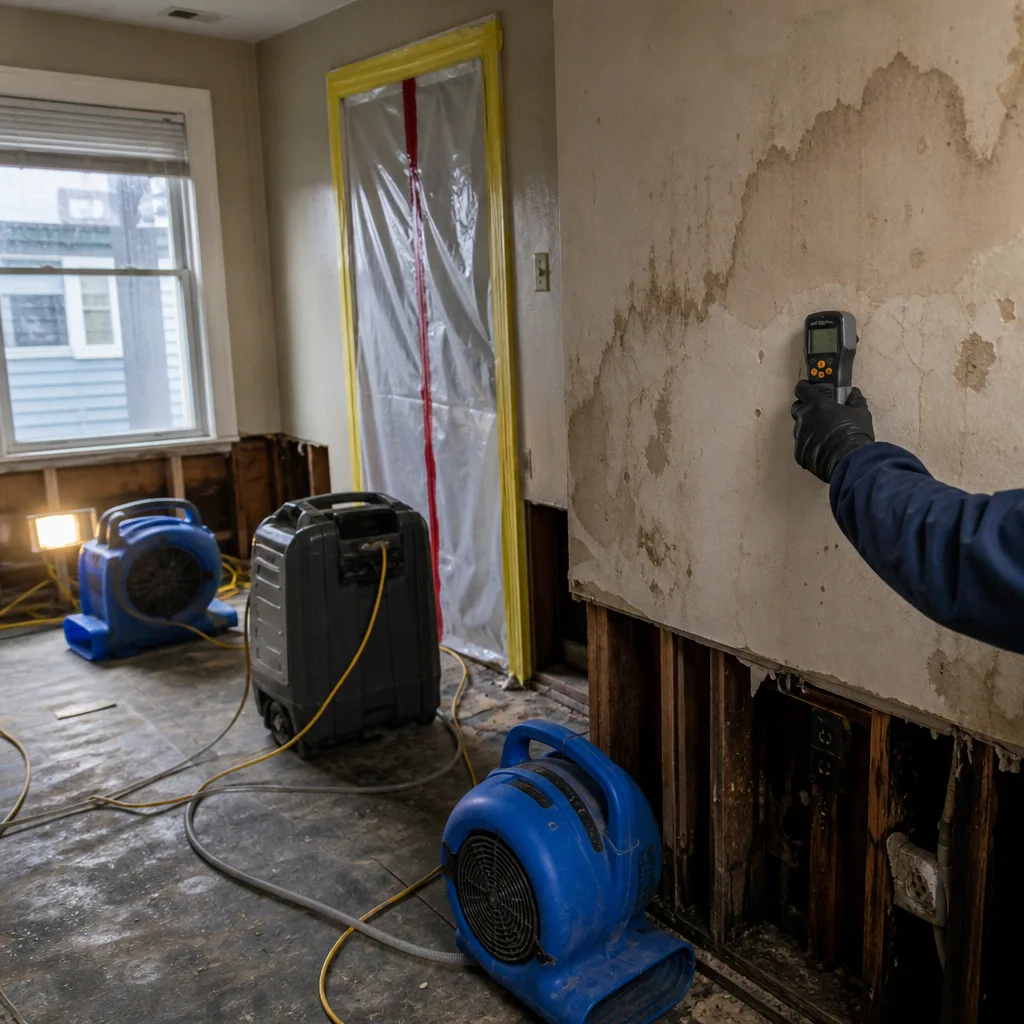 Before
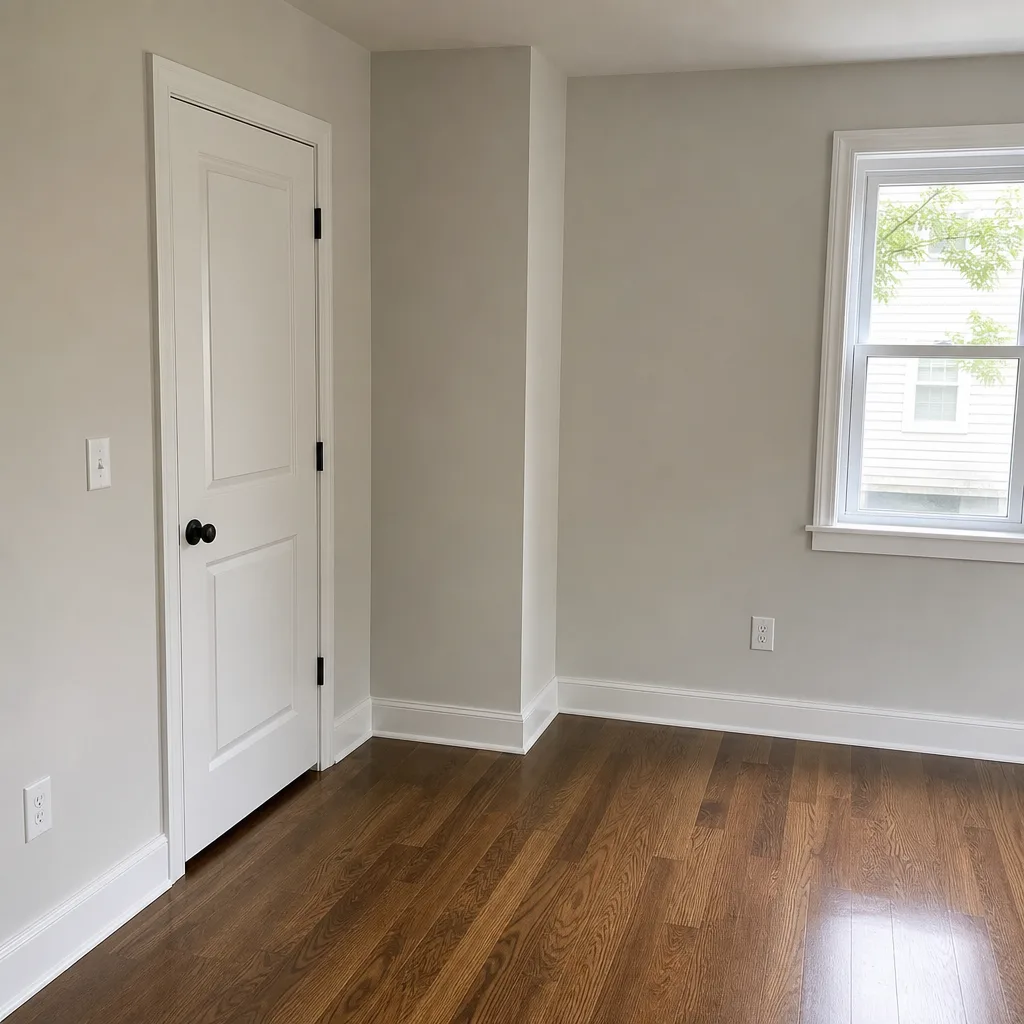 After
After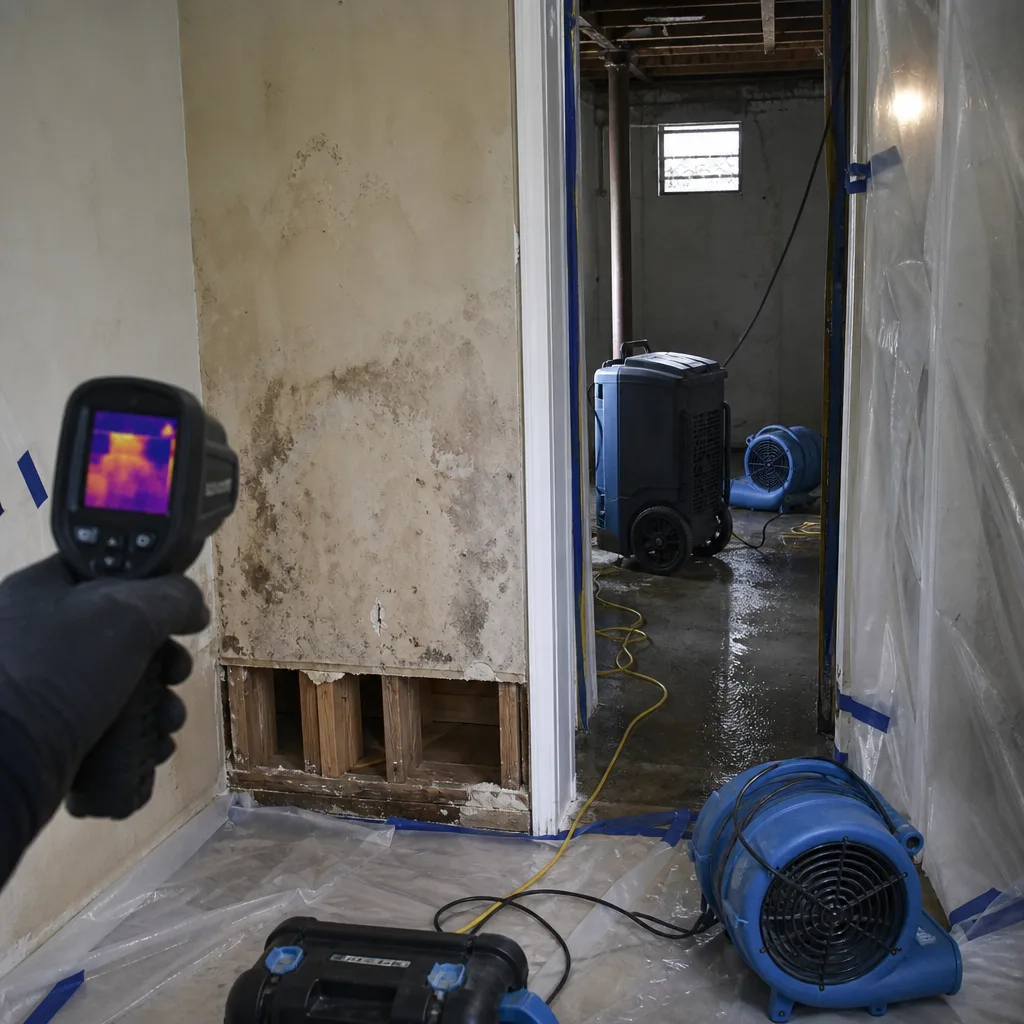 Before
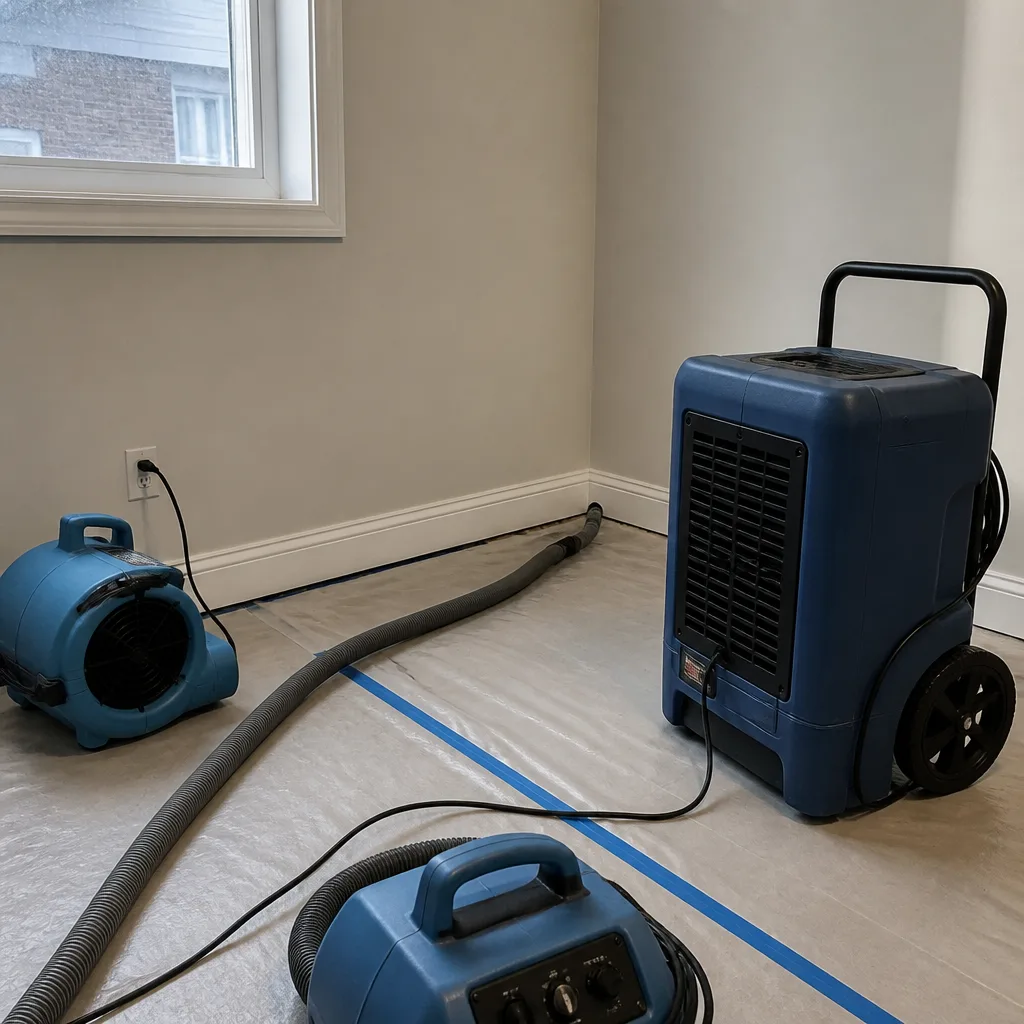 After
After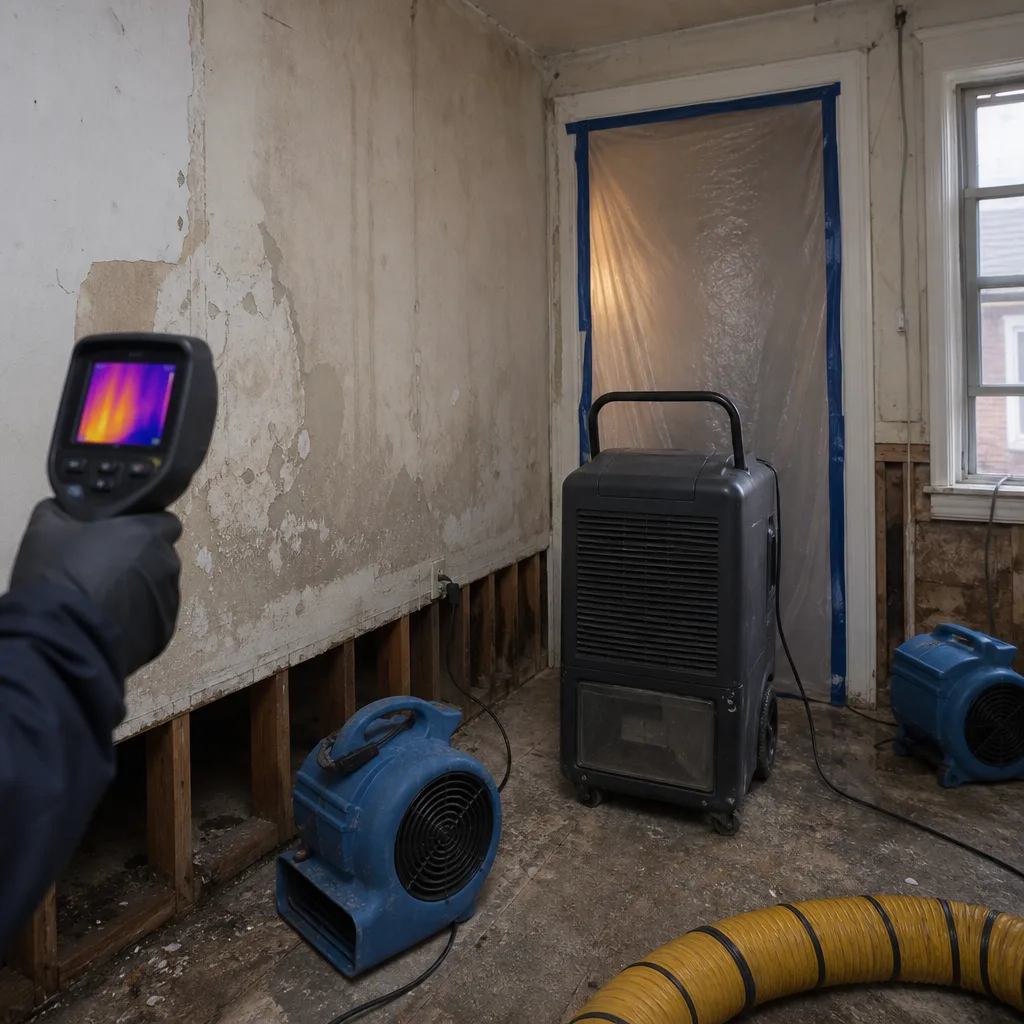 Before
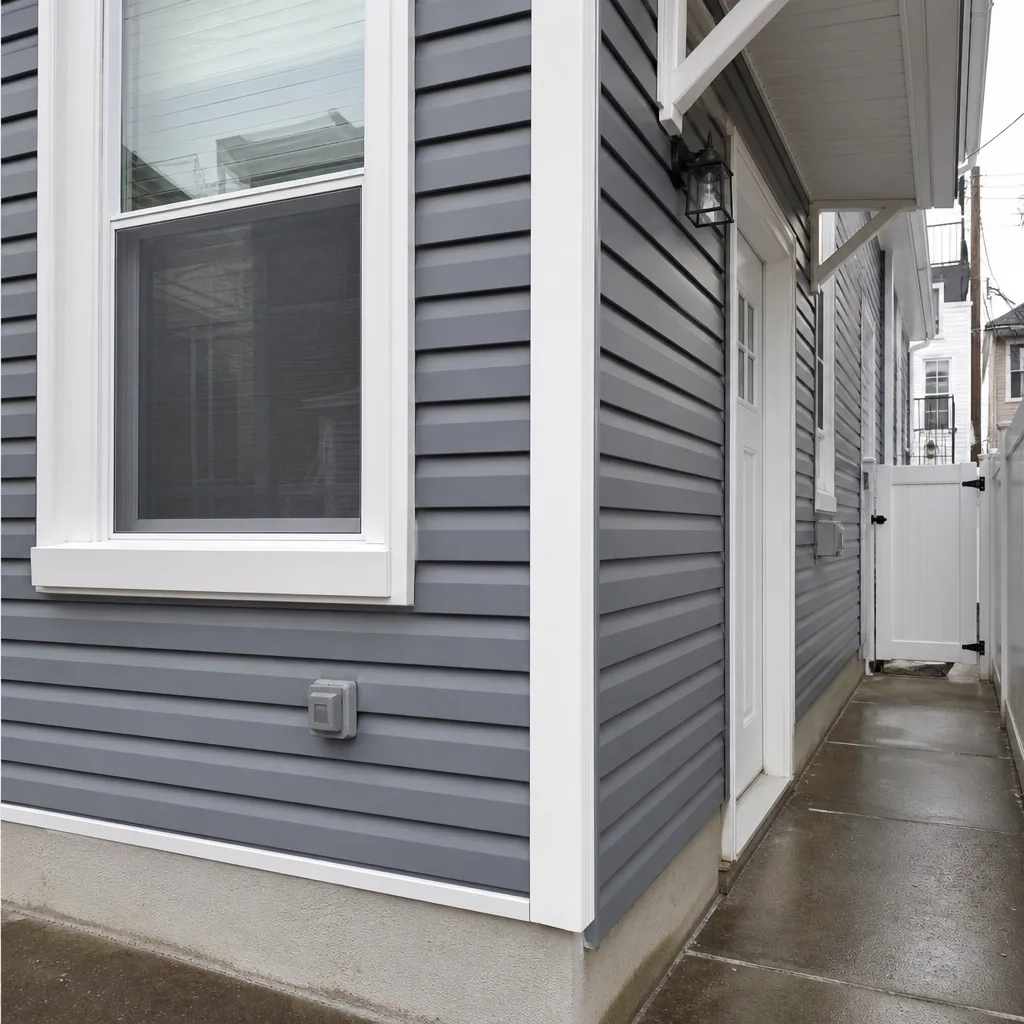 After
AfterDamage Restoration Permits, Codes & Inspections in NJ: What You Need to Know
If a contractor tells you a permit “isn’t necessary” for the scope of your restoration job, ask them to put that in writing. Watch how fast the conversation changes. In 18 years of restoration work across Jersey City and Hudson County, we’ve seen the same pattern repeat itself: a homeowner takes a contractor at his word, the work gets done without paperwork, and two years later the insurance company cites unpermitted modifications as grounds to deny a water-damage claim that had nothing to do with the original repair. This guide walks you through exactly which restoration jobs in New Jersey trigger permit requirements under the Uniform Construction Code, how Jersey City’s inspection process actually works, and what unpermitted work means for your insurance, your mortgage, and your ability to sell the house later. For related reading, see our Damage Restoration Warning Signs: A Jersey City Homeowner’s Reference Guide.
Quick Answer
In New Jersey, restoration work that involves structural repair, electrical replacement, HVAC replacement, or plumbing alterations requires a permit under the state’s Uniform Construction Code - regardless of whether it’s repair or new construction. In Jersey City, the Construction Code Official enforces these requirements through the Building Department, and unpermitted work can void future insurance claims, complicate a home sale, and stay attached to the property title. The contractor performing the work is legally responsible for pulling permits, not the homeowner.
Table of Contents
- When a Restoration Job Actually Requires a Permit in NJ
- How Jersey City Inspections Work During a Restoration
- What Unpermitted Work Does to Your Insurance Coverage
- Buying or Selling a Home With Unpermitted Restoration Work in Hudson County
- Who Pulls the Permit: The Contractor’s Legal Obligation
- NJ-Specific Codes That Apply to Restoration Work
- Common Mistakes to Avoid
- When to Call a Professional
- Frequently Asked Questions
- The Bottom Line
Before we get into the weeds, one thing matters more than anything else: the permit isn’t your job. New Jersey law puts the responsibility for pulling permits squarely on the contractor doing the work. When a restoration company tells you to pull it yourself, that’s the first red flag that something is off. We’ll get to that in a minute, but first, let’s figure out which jobs actually need one.
When a Restoration Job Actually Requires a Permit in NJ
The New Jersey Uniform Construction Code, adopted under the state’s Uniform Construction Code Act, requires permits for repair, renovation, alteration, and reconstruction work that falls within the regulated areas: building, electrical, fire protection, plumbing, and mechanical/HVAC. The key word is “alteration.” A permit is triggered when you’re changing the structure, the systems, or the use of a building - not when you’re cleaning, drying, or replacing like-for-like cosmetic materials.
Here’s the practical breakdown for restoration work specifically:
Work That Requires a Permit in New Jersey
- Structural repairs: Replacing load-bearing walls, floor joists, roof rafters, foundation sections, or any structural framing after fire or water damage.
- Electrical work: Replacing wiring, panels, or running new circuits. After a fire, any electrical work that involves more than swapping a fixture needs an electrical permit.
- Plumbing alterations: Moving drain lines, replacing supply piping, or relocating fixtures. Sewage cleanup that requires pipe replacement absolutely needs a plumbing permit.
- HVAC replacement: Replacing a furnace, boiler, or air handler - including after smoke contamination destroys a unit.
- Fire protection systems: Any work on sprinklers, alarms, or suppression systems.
Work That Does NOT Require a Permit
- Water extraction and drying using equipment like Dri-Eaz, Phoenix, or XPOWER dehumidifiers and air movers.
- Mold remediation that involves cleaning, containment, and removal of non-structural materials like drywall (if structural framing is not disturbed).
- Cosmetic replacement: painting, trim work, replacing like-for-like flooring, or swapping out cabinets.
- Like-for-like fixture replacement: a new toilet in the same location, a new outlet in the same box.
The line gets blurry in practice. We’ve had jobs in Jersey City where a “simple mold job” turned into requiring a permit because the drywall removal exposed rotted studs that needed sistering. That’s structural. The homeowner didn’t know it until we opened the wall, and the Building Department treated it as construction. A contractor who knows the code sees that coming. One who doesn’t, or who doesn’t want to deal with the Building Department, tells you it’s “just some drywall repair.”
How Jersey City Inspections Work During a Restoration
Jersey City runs its own construction code enforcement through the Department of Housing, Economic Development, and Commerce, specifically the Division of Construction Code. Unlike smaller municipalities that contract with county or state inspectors, Jersey City inspects its own work. That means the inspection timeline is local, the inspectors are local, and the rules about how quickly an inspection gets scheduled depend on who submits the paperwork and when.
Here’s what you need to know if you’re in the middle of a restoration and a permit is required:
The Inspection Process in Jersey City, Step by Step
- Permit application filed by the contractor. This is submitted to the Jersey City Building Department with construction plans, a description of work, and payment of the permit fee. Most restoration permits fall under the “alteration” or “repair” category and are reviewed faster than new construction.
- Permit review and approval. Depending on the scope, review can take anywhere from a day to two weeks. Small electrical or plumbing permits often get approved the same week. Structural permits take longer because they need plan review.
- Work begins. The contractor performs the restoration work, and the permit is posted at the property. No inspection happens until the contractor calls for one.
- Rough inspection. For structural, electrical, or plumbing work, an inspector comes out after the work is framed or roughed in but before it’s covered by drywall or finish materials. This is the inspection that matters most, because once the wall is closed, the inspector can’t see inside.
- Final inspection. After the work is completed, a final inspection closes out the permit. The inspection record becomes part of the property file at the Building Department.
Expedited Inspections When the Weather Is Working Against You
Jersey City gets Nor’easters and summer storms that leave a house open to the elements mid-repair. We’ve had jobs where a section of roof or exterior wall was torn out for drying, and the weather turned. The Building Department does accommodate expedited inspection requests for weather-sensitive situations, but you have to ask. A contractor who has worked in Jersey City long enough knows which inspectors cover which neighborhoods and can call field inspectors directly. If you’re a homeowner trying to navigate this yourself, you may wait days. That’s not a knock on the Department - it’s a staffing reality. The system responds to people who know the system.
What Unpermitted Work Does to Your Insurance Coverage
Here’s the part nobody tells you until a claim gets denied. Most standard New Jersey homeowner’s policies include language that excludes coverage for “loss caused by or resulting from faulty, inadequate, or defective” work, including construction, repair, or remodeling performed without the required permits. The exact wording varies by carrier, but the principle is consistent: if you file a claim for water damage and the adjuster discovers that a previous restoration job included electrical or plumbing work done without a permit, the insurer can deny the claim on the basis that the unpermitted work contributed to the loss.
Even if the unpermitted work had nothing to do with the current claim, the insurer can use it to non-renew your policy or to raise your premium. We’ve seen it happen in Jersey City more than once: a homeowner had an unpermitted basement renovation from a prior owner, filed a claim after a sewer backup, and the adjuster flagged the unpermitted work during the inspection. The claim got tied up in subrogation for months, and the homeowner was left without a kitchen for the better part of a year.
The specific policy language you should look for is in the “Concealment or Fraud” section and the “Duties After Loss” section. Both contain clauses that give the insurer broad latitude to deny coverage if they determine the property condition did not match what was disclosed when the policy was issued. An unpermitted renovation changes the risk profile of the home, and insurers argue they never agreed to cover that.
One more thing: the claim denial doesn’t just affect the current claim. Once an unpermitted condition is documented in a claim file, it’s attached to the property’s insurance history via the Comprehensive Loss Underwriting Exchange. That follows the property, not just the homeowner. When you try to get new coverage, carriers will see the prior denial and either decline or price the policy accordingly.
Buying or Selling a Home With Unpermitted Restoration Work in Hudson County
Unpermitted work becomes a title problem when the house changes hands. In Hudson County, the standard real estate contract for the sale of a property requires the seller to disclose all known improvements, alterations, and repairs, including whether permits were obtained. The New Jersey Seller’s Property Condition Disclosure Statement - the form every seller fills out in a residential transaction - has a specific section asking whether any work was done without the required permits. A seller who lies on that form has committed fraud, and the buyer has a cause of action after closing if the truth surfaces later.
If you’re the buyer, here’s what happens when you discover unpermitted restoration work before closing:
- Your lender may refuse to fund the loan. Fannie Mae and Freddie Mac guidelines require appraisers to flag any observable unpermitted additions or alterations. If the appraiser flags the work, underwriting can condition the loan on the seller obtaining permits retroactively or completing a permit closeout with the local building department. Retroactive permits in Jersey City are possible, but they require the work to meet current code, which may mean opening walls or making corrections.
- Your title insurance may exclude the unpermitted work. Title insurers don’t cover building code violations. If the unpermitted work becomes a problem later - say the city issues a fine or requires corrective work - your title policy won’t help.
- Your property taxes may be reassessed. In Jersey City, finished basements, additions, and other improvements that increase square footage or add livable space trigger a property tax reassessment. The tax assessor doesn’t care whether the work was permitted; the assessment happens regardless, and retroactive tax bills are a real risk for buyers who inherit unpermitted improvements.
If you’re the seller, unpermitted restoration work can kill a deal at the title search stage. The buyer’s attorney does an open permit search with the Jersey City Building Department. If there’s an open or expired permit on file - or worse, work that was clearly done without any permit on record - the attorney will demand it be remedied before closing. That may mean paying fines, hiring a contractor to correct the work, and delaying your closing by weeks.
Who Pulls the Permit: The Contractor’s Legal Obligation
New Jersey’s Administrative Code is clear: the contractor performing the work must obtain the permit. The regulation, N.J.A.C. 5:23-2.15, states that the person “who carries out the work” is responsible for applying for the permit and for the work complying with code. A homeowner pulling a permit for work performed by a restoration contractor is doing something the state explicitly assigns to the contractor.
Why would a contractor ask you to pull the permit yourself? Three common reasons:
- The contractor is not licensed. New Jersey requires home improvement contractors to be registered with the Division of Consumer Affairs. If someone can’t pull a permit, it’s often because they’re not properly registered, which means you have no consumer protection if the work fails.
- The contractor wants to avoid inspection. A permit triggers inspection. An inspection can mean a failed inspection, which means rework at the contractor’s expense. A contractor who wants you to avoid permits is avoiding accountability.
- The contractor is uninsured. Many insurance policies require contractors to comply with all applicable building codes and permit requirements. An unpermitted job can void the contractor’s own liability coverage, leaving you with no recourse if something goes wrong.
The practical answer: if a restoration contractor tells you a permit isn’t needed for work that involves electrical, plumbing, structural, or HVAC changes, ask them to put it in writing. A legitimate contractor will have no problem doing that, because they know the code and they know when a permit is and isn’t required. A contractor who refuses to put it in writing is telling you everything you need to know. Wade Ferris at Wade’s Restoration home has been through this conversation hundreds of times in Jersey City, and the answer is always the same: if the code says permit, the permit gets pulled.
NJ-Specific Codes That Apply to Restoration Work
New Jersey has several state-specific provisions that affect restoration work and that most generic online guides miss entirely. Here are the ones that matter for a homeowner in Jersey City:
New Jersey Rehabilitation Subcode
New Jersey is one of the few states that maintains a dedicated Rehabilitation Subcode. It was adopted specifically to make it easier and less expensive to renovate or repair existing buildings - including older housing stock like the brownstones and row houses throughout Jersey City. The subcode applies to work in existing buildings and allows for some flexibility in how existing conditions are treated, rather than requiring every repair to bring the entire building up to new construction standards. The permit is still required, but the compliance path is more practical.
Flood Hazard Area Rules
Jersey City has significant flood exposure along the Hudson River and in low-lying neighborhoods like Country Village, Country Bergen Hill, and sections of Greenville. If your restoration work involves substantial repairs - generally defined as repairs that cost more than 50% of the building’s pre-damage market value - and the building is in a designated flood hazard area, New Jersey’s Flood Hazard Area Control Act rules may require the building to be brought into compliance with current flood elevation standards. This is a substantial issue for water and storm damage restoration near the waterfront. The fix can involve elevating mechanical equipment, installing flood vents, or in severe cases, elevating the structure.
Lead Paint Requirements
Any disturbance of painted surfaces in a pre-1978 building triggers the EPA’s Renovation, Repair and Painting Rule. Jersey City’s housing stock is heavy with pre-1978 buildings, so if your restoration involves cutting into walls, removing trim, or sanding painted surfaces, federal law requires the contractor to be lead-safe certified and to follow containment and cleanup protocols. This applies regardless of whether a permit is required.
Asbestos Notification
If restoration work involves demolition of materials that may contain asbestos - floor tiles, pipe insulation, popcorn ceilings, drywall compound in older buildings - New Jersey requires a 10-day notification to the Department of Labor and Workforce Development before demolition begins. This is a separate requirement from the building permit and is often missed by contractors who don’t do commercial-level work regularly. Fire damage restoration in older Jersey City buildings frequently triggers asbestos concerns because burned materials often include older insulation or tile.
Common Mistakes to Avoid
- Letting the contractor convince you a permit “slows things down.” A permit for an electrical swap or plumbing repair in Jersey City can be approved the same week. The delay argument works because homeowners don’t know the timelines, and contractors exploit that.
- Allowing work to begin before the permit is actually in hand. New Jersey code requires the permit to be issued before work starts. Starting early means the work is unpermitted, even if the application was filed. We’ve seen homeowners accept “the permit’s in process” as equivalent to “the permit’s approved.” It isn’t.
- Paying a contractor in full before the final inspection passes. The final inspection is your quality guarantee from the municipality. If you pay before it passes, you lose any leverage to get corrections made.
- Ignoring the open permit when you refinance. Lenders check for open permits during a refinance. An open restoration permit from three years ago will surface and can delay or kill a refinance.
- Assuming water extraction and drying require a permit. They don’t, which means a water damage restoration company doing extraction and drying doesn’t need to pull a permit for that work. That’s normal. What requires a permit is the repair that follows: replacing damaged electrical outlets, cutting out and replacing drywall if framing is involved, or rebuilding a wall that was structurally compromised.
- Hiring a contractor who wants to do everything “cash, no paperwork” to save money. In Hudson County, unpermitted work gets discovered. The open permit search in a sale is standard, the insurer’s inspection is standard, and the property tax assessor’s periodic review is standard. The savings evaporate the first time someone files a claim or the property changes hands.
- Trusting a verbal price without a written scope that includes the permit status. If the work is permitted, the permit number goes on the contract. If the work doesn’t need a permit, the contract should say why. Either way, it’s in writing before a single wall is opened.
When to Call a Professional
Any time your restoration involves electrical wiring, plumbing pipe replacement, structural framing, or HVAC equipment replacement, you need a contractor who knows New Jersey code and has pulled permits in Jersey City before. The inspection process, the local amendments, and the Flood Hazard Area rules are not things you want to navigate for the first time mid-emergency. You also want someone who deals directly with insurance adjusters, because the permit and inspection record is exactly what an adjuster asks to see when processing a claim. Water Damage Restoration in Jersey City by a team that documents every moisture reading and keeps permit paperwork in order makes the claim process smoother. Wade’s Restoration offers free estimates in Jersey City - call (201) 903-9581.
Frequently Asked Questions
Mold remediation itself does not require a permit under the Uniform Construction Code, but any structural repair, electrical work, or plumbing replacement performed as part of the remediation does. If the remediation involves removing drywall and the framing is intact, no permit is needed. If the drywall removal exposes structural damage that must be repaired, a building permit is required for the structural work. Mold Remediation in Jersey City often touches on structural issues in older homes, which is why a permit and inspection are the standard. Call (201) 903-9581 to discuss your specific situation.
Simple electrical and plumbing permits in Jersey City are often approved within the same week, sometimes within a day or two. Structural permits that require plan review may take one to two weeks. The schedule depends on the Building Department’s workload and the completeness of the application. A contractor with local experience can usually file an application that doesn’t get bounced back for corrections.
Yes. Insurance adjusters in New Jersey routinely pull open permit records and compare the work history against the claim. If the current claim involves a system that was previously worked on without a permit, the insurer can use that to reduce or deny the claim. Photo documentation and a clean permit record make the claims process measurably smoother. If you’re dealing with fire damage, Fire & Smoke Damage Restoration in Jersey City requires careful documentation of all electrical and structural work for exactly this reason. Call (201) 903-9581 if you need help before filing.
The permit fee is part of the project cost and is typically listed as a line item in the contractor’s written estimate. The contractor pulls the permit in their name as the licensed contractor of record, but the fee is paid by the homeowner as part of the project. A written scope should show the permit fee as a specific line item, not lumped into an ambiguous “miscellaneous” category.
You can file a claim against the seller for failing to disclose material defects on the Seller’s Property Condition Disclosure Statement, particularly if the work was performed by the seller during their ownership. If the work predates the seller, your options are more limited. In Jersey City, you can request a permit closeout or retroactive permit, but the work must meet current code, which may require corrective work. A real estate attorney in Hudson County can advise on the specific facts.
New Jersey allows a homeowner to perform electrical and plumbing work on their own single-family owner-occupied residence, but the permit is still required, and the work must be inspected and pass code. The permit application is filed by the homeowner, and the homeowner is responsible for meeting code. Most homeowners find that tricky after a restoration because the standards for fire-rated assemblies, grounding, and plumbing venting are specific. A licensed contractor through Wade’s Restoration home handles this as a matter of course. Call (201) 903-9581 for a free estimate in Jersey City.
The Bottom Line
Permits are not a bureaucratic nuisance in New Jersey. They’re the record that proves your restoration work was done correctly, which protects you when you file an insurance claim, refinance your mortgage, or sell your home. In Jersey City, the Building Department is responsive when you know how to work with it, and unpermitted work is nearly impossible to hide forever. The contractor doing the work should be the one pulling the permit. If they won’t, find someone who will. Wade Ferris has been pulling permits in Jersey City since 2007 and answers his own phone at (201) 903-9581.
Written by Wade Ferris, Owner at Wade’s Restoration, serving Jersey City since 2007. Explore more guides & resources on our blog.