
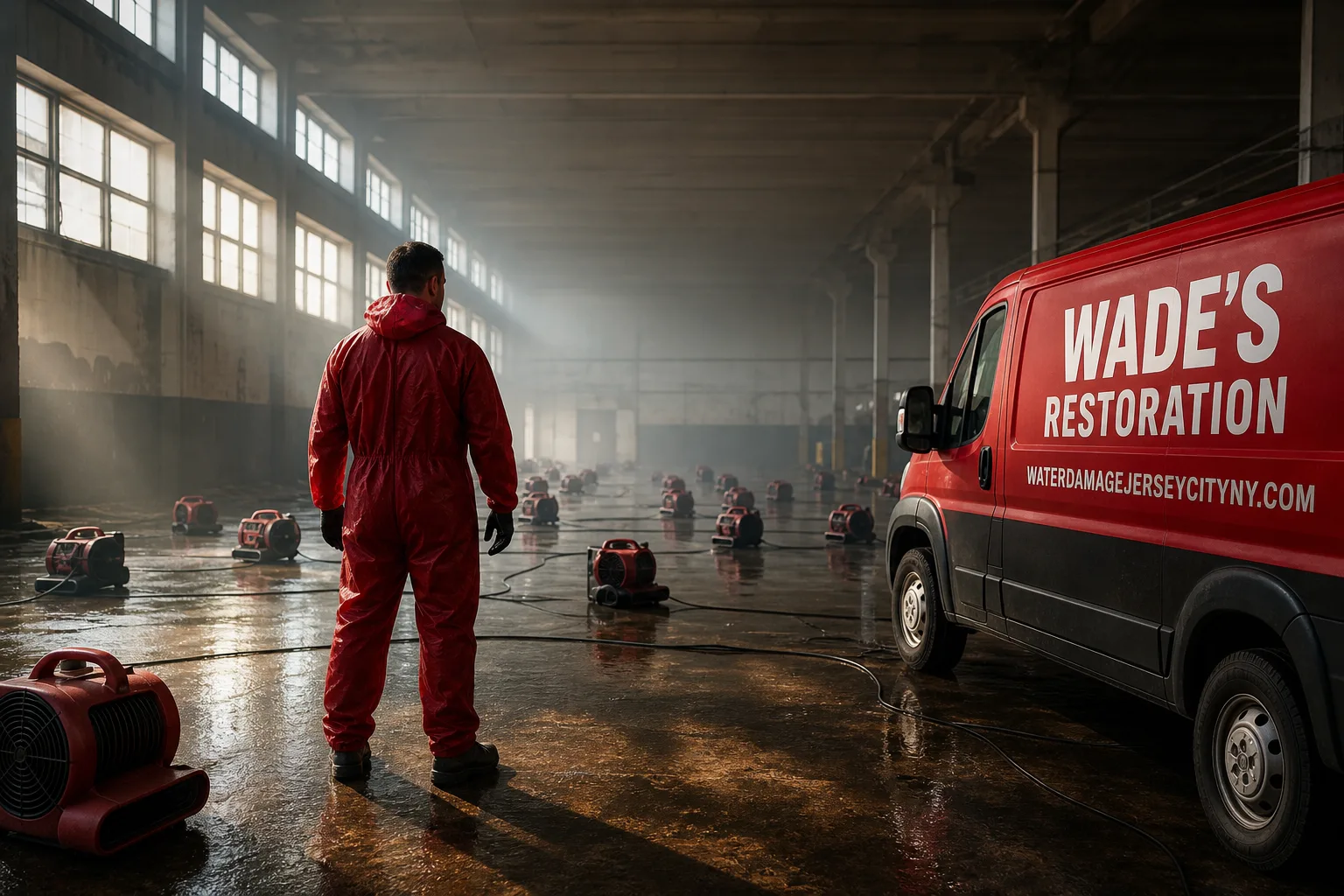
Free visual inspection and a written scope of work before any mitigation begins - photos, moisture readings, and drying logs go in your claim file
The scope we write is the scope we bill. Anything new gets shown to you, in writing, before we touch it.
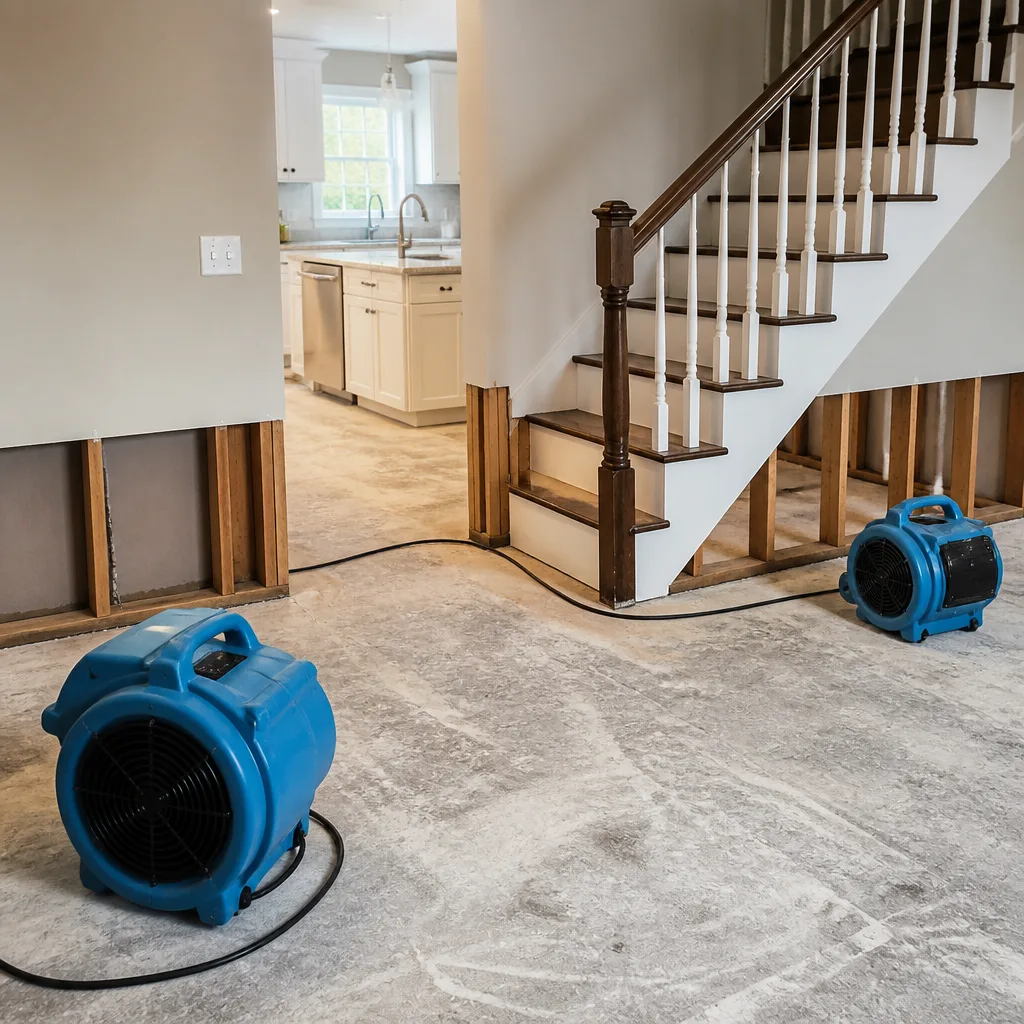
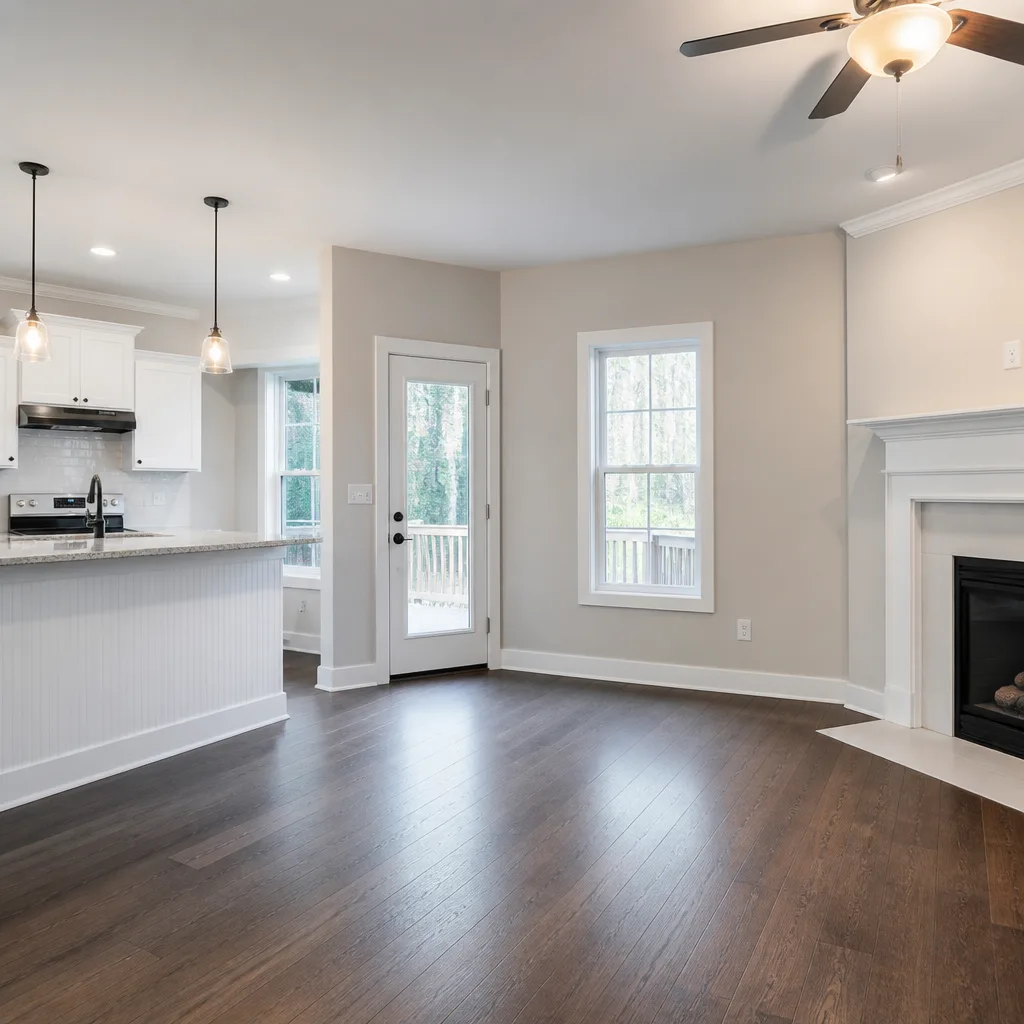
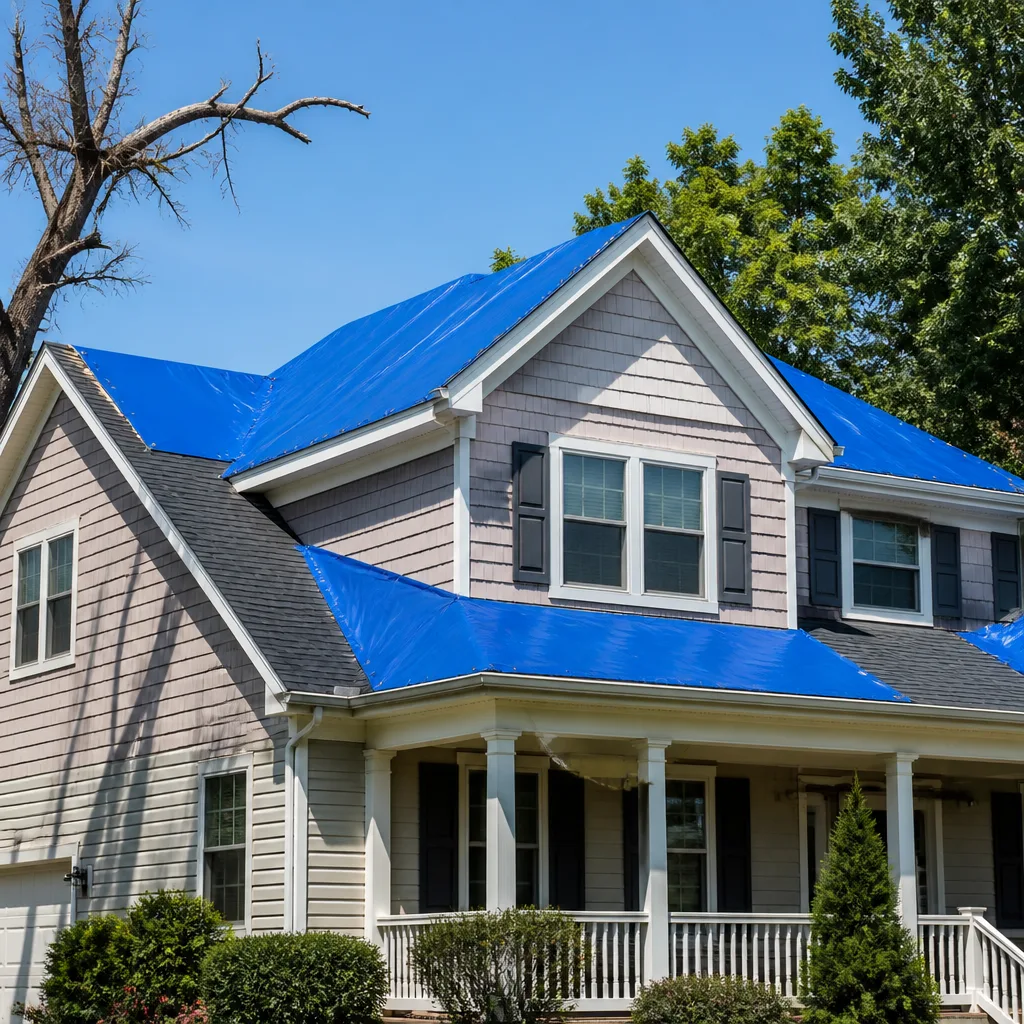
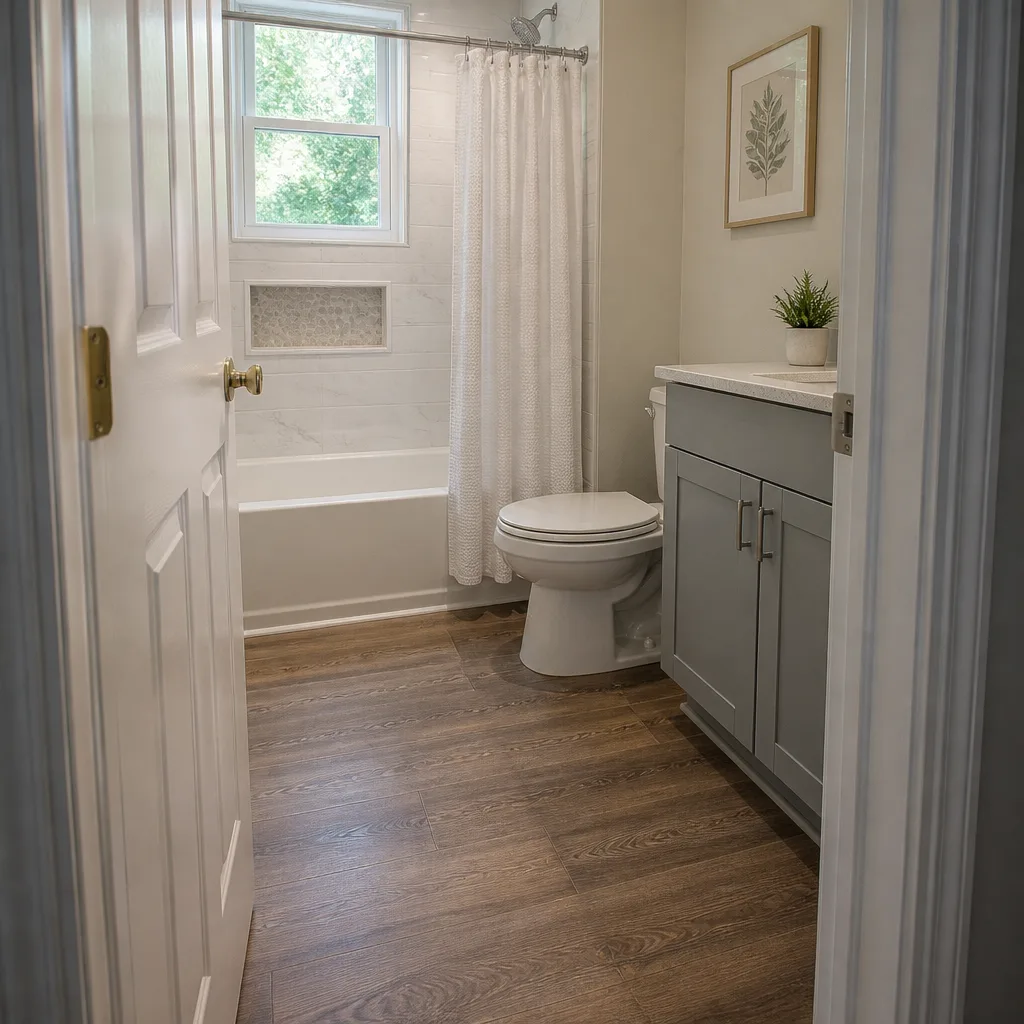
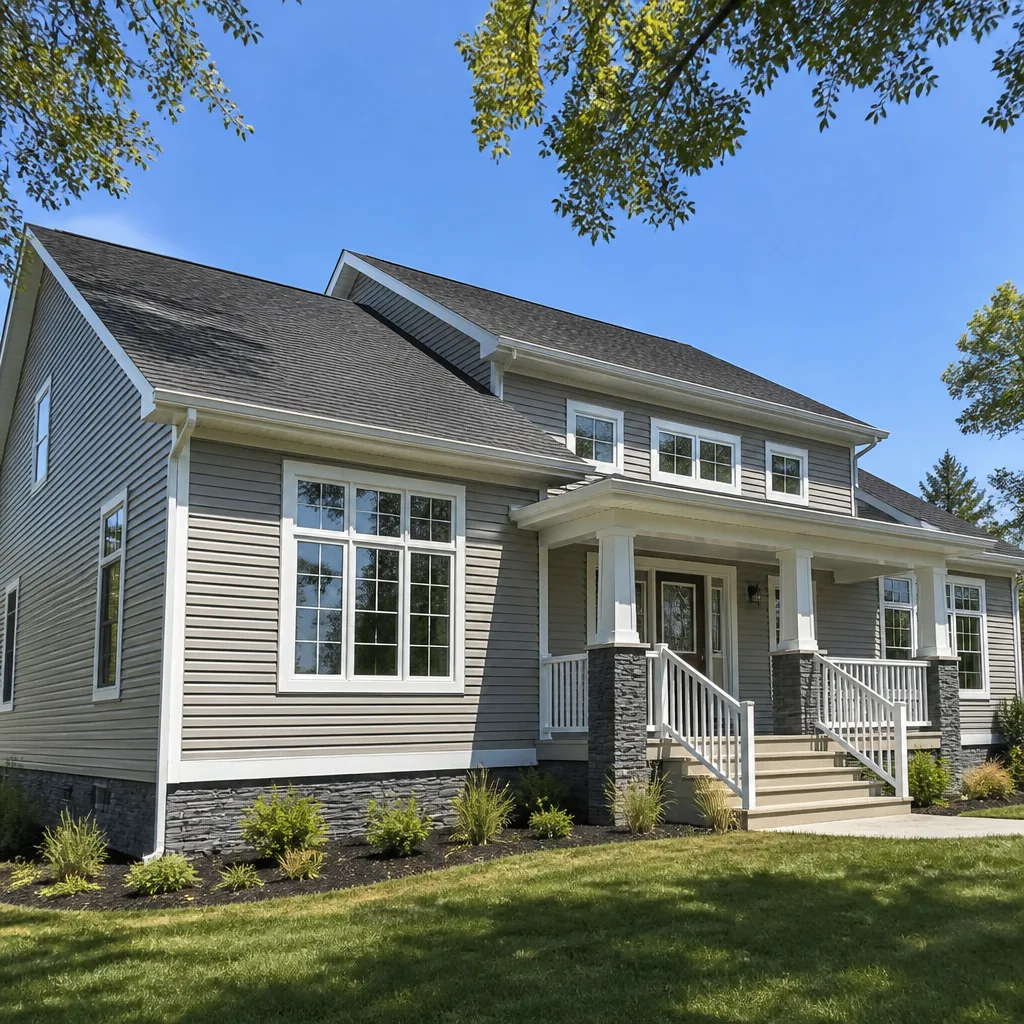
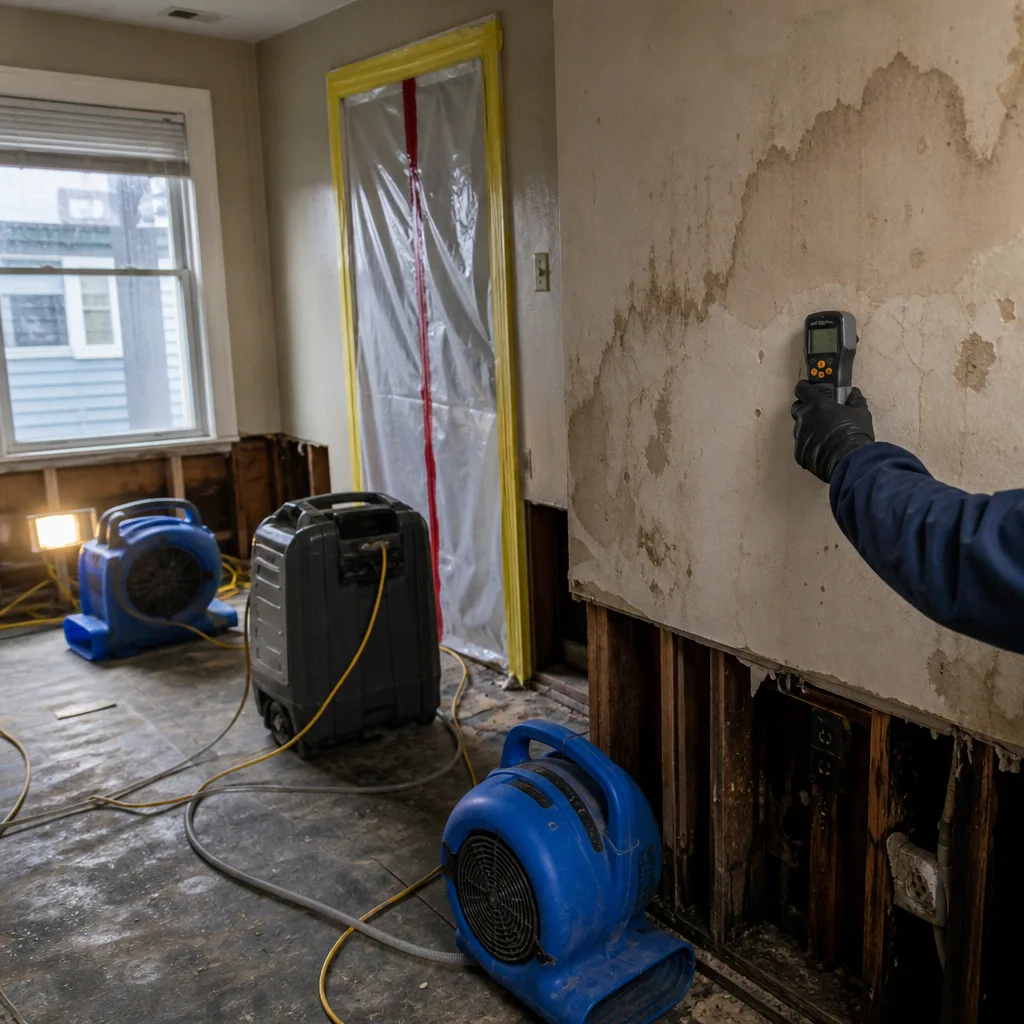 Before
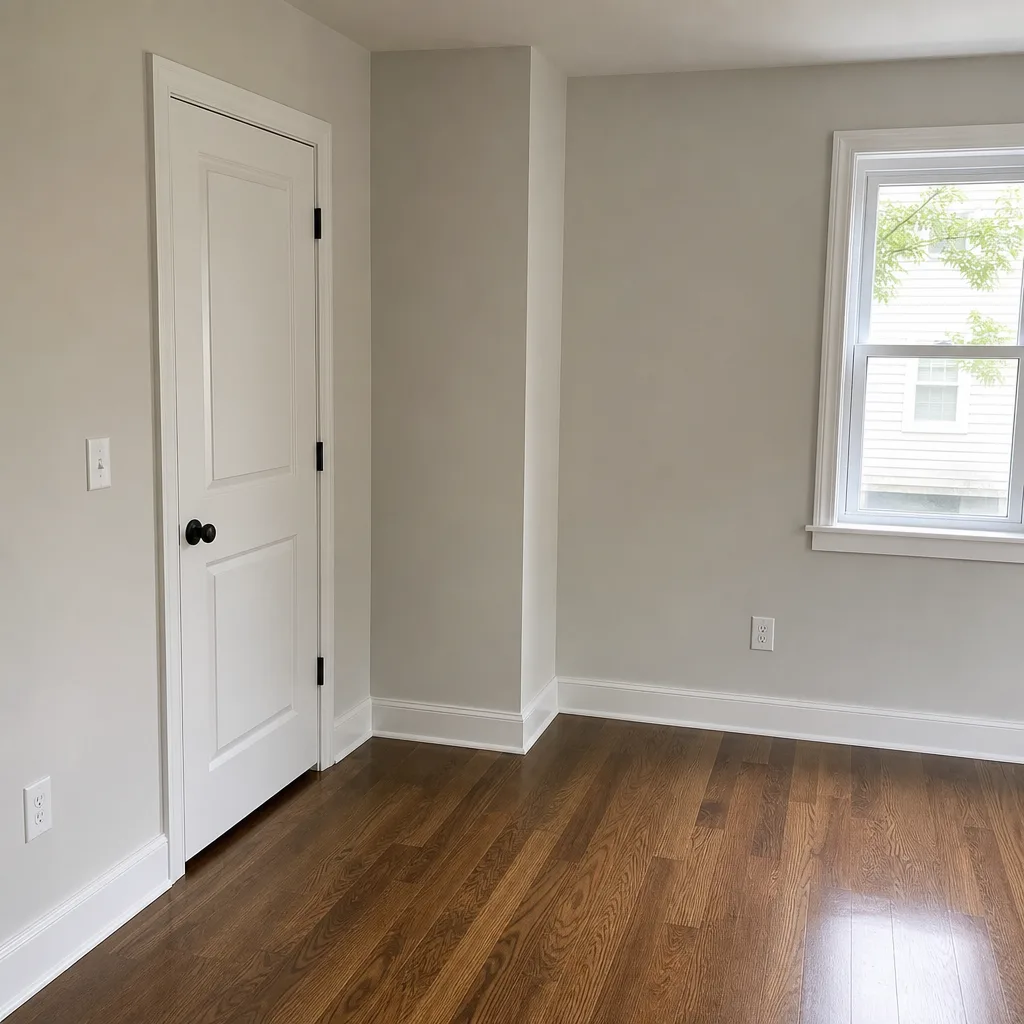 After
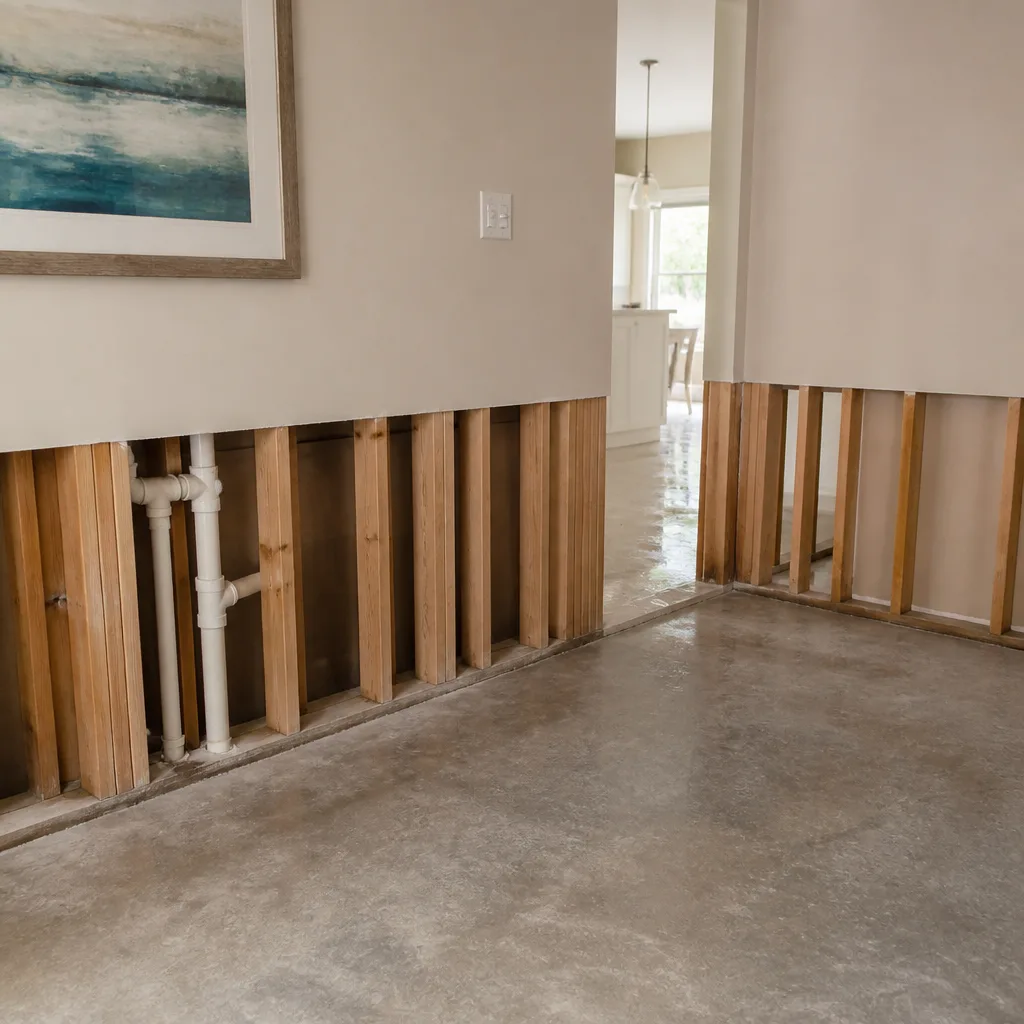
After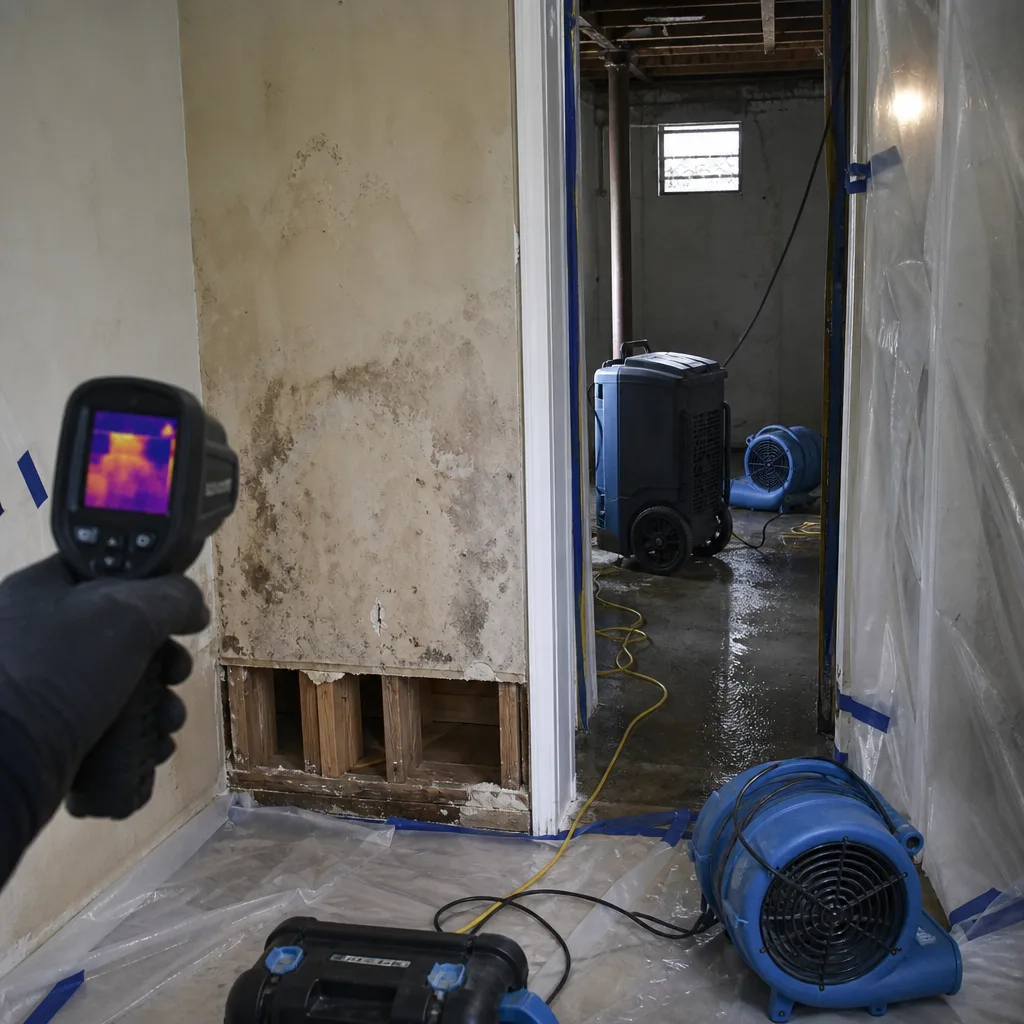 Before
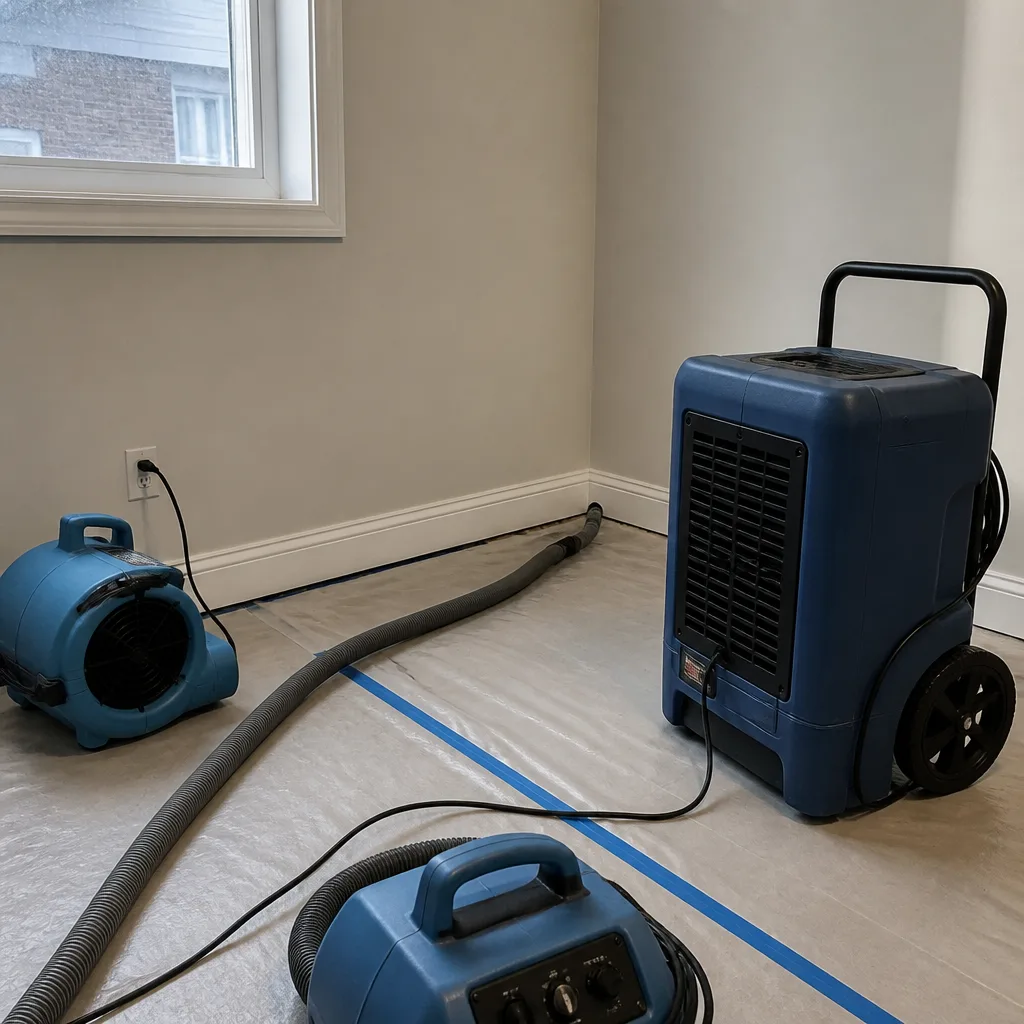 After
After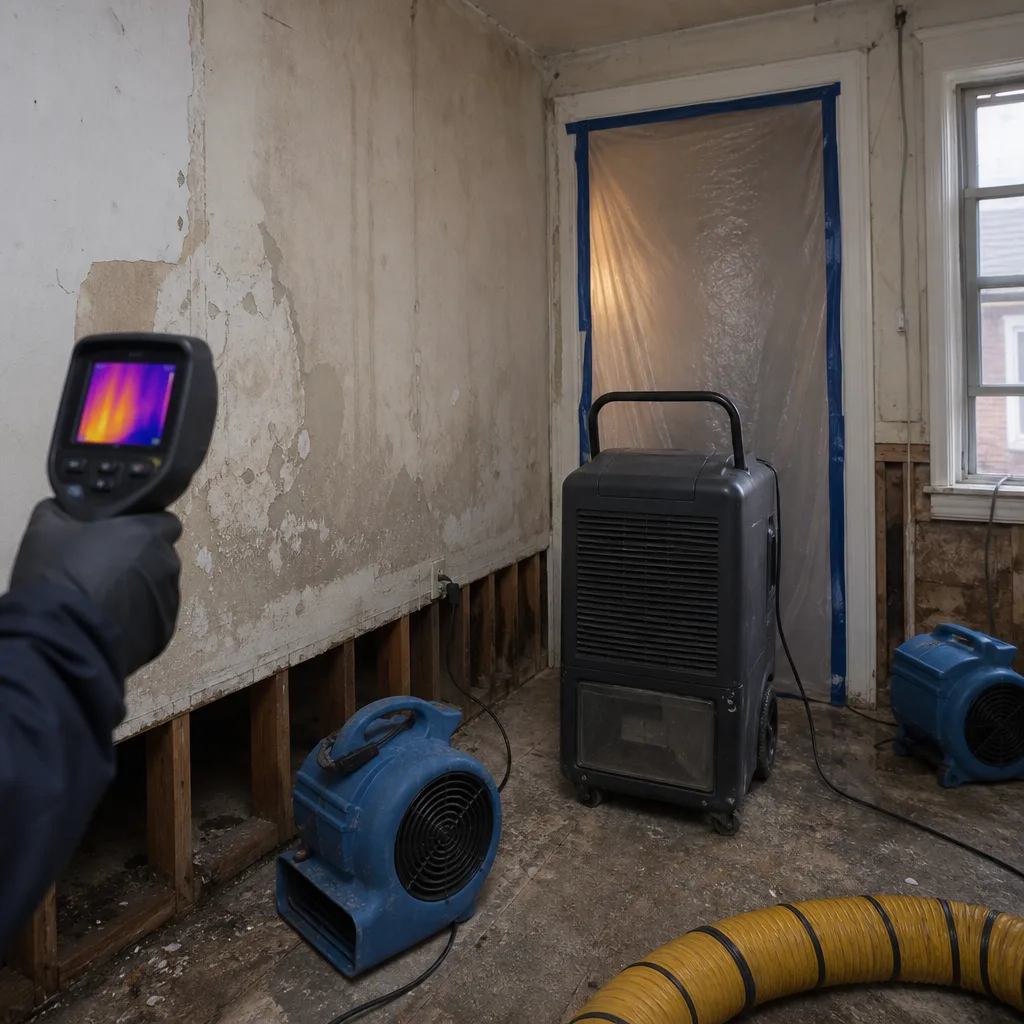 Before
 After
After24/7 Emergency Storm & Disaster Restoration in Long Island City
When a nor’easter tears a roof membrane off a converted warehouse on 44th Drive or wind-driven rain pushes through a high-rise window seal, the first hour decides how much you lose. Call (201) 903-9581 and Wade Ferris answers live, 24 hours a day. Not an answering service. Not a callback queue. We head out to Long Island City immediately, because standing water in a 1920s loft conversion or a blown-out window in a glass tower on Center Boulevard gets worse every minute. The first visit is free. We look, we tell you what’s actually wrong, and we hand you a written scope before anything goes further.
The storm damage we see in Long Island City runs a specific pattern: wind-load failures on old steel-framed warehouse windows, water driven through aging caulk and mortar joints, and floodwater pushing up from Newtown Creek-adjacent ground floors. Each one demands a different first response. We’re on the road inside the hour with the right equipment for whichever one you’re facing.
Understanding Storm & Disaster Restoration Severity in Long Island City Properties
Storm water in Long Island City isn’t just water. It’s Category 1, 2, or 3, and the designation changes everything about how we dry, clean, and rebuild your property.
Category 1 is clean water, rainwater that came straight through a roof tear before touching anything else. Category 2 is gray water, rain that picked up contaminants from roof debris, flooded mechanical rooms, or backed-up drains. Category 3 is black water: storm surge, Newtown Creek overflow, or combined sewer backup carrying industrial pollutants and raw sewage. In the Dutch Kills and Hunters Point sections of Long Island City, a ground-floor flood after heavy rain is almost always Category 3, because the neighborhood’s elevation and proximity to one of the most contaminated waterways in the country means the water didn’t just fall from the sky, it rose from the ground.
That distinction drives the entire restoration sequence. Category 3 water requires containment, HEPA air scrubbing, removal of saturated drywall and insulation, and antimicrobial treatment before any structural drying begins. In pre-war industrial conversions, there’s another step that stops everything cold: asbestos testing. Those 1910s and 1920s factory floors almost always have vinyl-asbestos composite tile beneath the polished concrete overlay. You don’t run air movers over a soaked asbestos-containing floor until testing clears it or abatement removes it. Skip that step and you own an NYC DEP stop-work order and a much bigger liability than the storm ever created.
Why Long Island City Property Owners Choose Wade’s Restoration
- Fast response, real commitment: Wade heads out to Long Island City within 45 minutes of your call, storms excepted when the whole city is hurting, and phones you back with an arrival window.
- A live person answers, every time: Wade answers his own phone at 3 AM. Not a recorded message. Not a scheduling service. Him. Ask anyone on your street who’s called.
- IICRC-certified crews: Our WRT and FSRT-certified team handles storm water extraction, structural drying, and fire-damage restoration. We don’t send whoever’s free; we send the people trained for your specific loss.
- Free visual inspection: We walk the property, show you exactly what the storm did, and hand you a written scope before you commit to a dollar. No charge for that, ever.
- Direct insurance billing: We bill your carrier directly and talk to the adjuster ourselves. You never have to carry the claim file back and forth.
- One team, start to finish: Extraction, drying, board-up, tarping, debris removal, and reconstruction. One crew. One point of contact. One written promise.
Our Storm & Disaster Restoration Process
Inspection & Assessment
We arrive, walk the damage with you, and map every affected surface. Thermal imaging and hygrometers get us a moisture map before we touch a single thing. That map drives the entire job.
Extraction & Stabilization
Standing water or wind-broken openings come first. We extract what we can reach, then shore up what the wind opened: board-up on broken glass, tarping on damaged roofs, temporary barriers where the envelope is breached.
Asbestos & Contamination Check
In a pre-war Long Island City loft or converted warehouse, we stop here and test. Soaked subfloor over 9×9 tile, pipe insulation that got wet, transite panels behind a wall we need to open. Testing in, clearance in hand, then we dry. This step is not optional in most of this neighborhood.
Drying & Dehumidification
Dri-Eaz dehumidifiers and XPOWER air movers go in, positioned off the moisture map. We log readings every single day, and you get the full log at the end. Almost nobody in this trade hands that over.
Cleaning & Sanitization
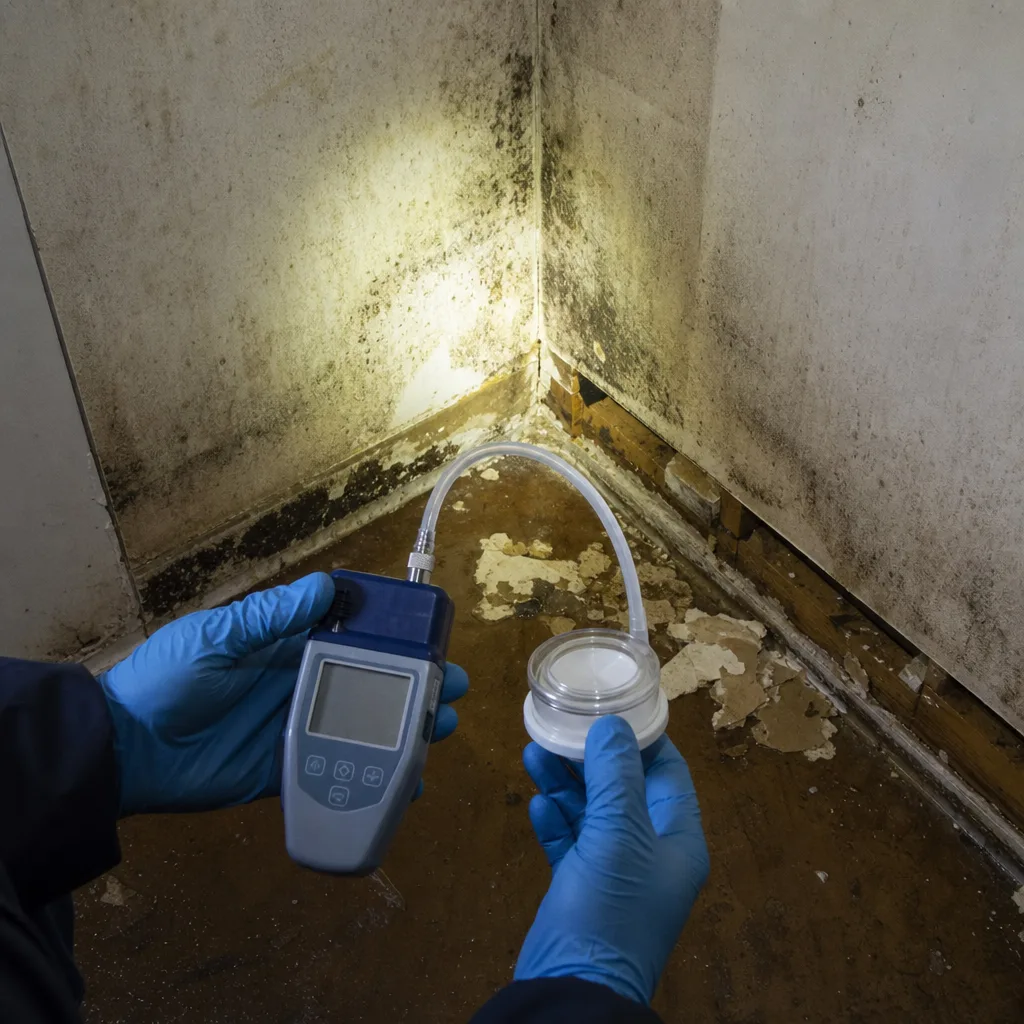
Category 3 jobs get containment and HEPA scrubbing before we treat surfaces with our Sanitization Services in Long Island City. Stormwater from the Newtown Creek corridor is contaminated, and treating it like clean rain is how you get clearance failure later.
Wind & Structural Repair
We rebuild what the storm took: wind-rated door replacements, panel repairs on glass towers, roof section repairs, and interior Reconstruction & Cleanup - Long Island City. Every repair is scoped in writing before the work starts.
Need Emergency Storm & Disaster Restoration in Long Island City Now?
Crews minutes away, answering live 24 hours a day. The sooner we start, the less it costs.
Working With Your Insurance Company
Most Long Island City storm claims are covered, but the paperwork makes or breaks them. We start documenting in the first hour: photos of every affected room, moisture readings, and a line-item scope that matches industry-standard estimating software your carrier recognizes. Then Wade talks to the adjuster directly. You don’t get stuck as the middleman between two people who speak different languages. We coordinate the inspection, walk the adjuster through what we found, and push back when the first offer doesn’t cover what the storm actually did. On a Newtown Creek flood claim, the Category 3 classification is the difference between a cleaning and a full drywall replacement. We document that case from the start.
What We Provide Your Insurer
- Photos of all damage, room by room, from the first hour
- Daily moisture readings and drying logs for the full job
- A detailed, line-item scope of work with current Long Island City market rates
- Documentation of asbestos testing and clearance where required
- Direct coordination with your carrier, from first call to final invoice
Built for Long Island City’s Loss Calendar
Long Island City gets hit on a schedule, and the damage type shifts with the seasons. January and February bring deep freezes that burst supply lines in unheated mechanical rooms and against exposed brick walls in pre-war buildings. March moves into nor’easter season, where wind-driven rain finds every aging seal on every converted warehouse facade, and the East River side of the neighborhood takes the brunt. Summer thunderstorms dump inches of rain in an hour, and since LIC sits at low elevation inside FEMA Flood Zone AE, that rain backs up through combined sewers into basements and ground-floor units faster than any sump pump can keep up. September and October bring the remnants of tropical systems, and Hunters Point and Dutch Kills see the worst of the storm surge. Every one of those events lands on our board with a different first response, and we run the calendar accordingly.
Storm & Disaster Restoration Across Long Island City’s Neighborhoods
Hunters Point, the waterfront strip along the East River, takes nor’easter wind load directly. Glass towers on Center Boulevard and converted lofts on 44th Drive lose window seals and roof membrane sections first, and board-up there has to meet wind-load ratings a mid-rise in the interior never faces. Dutch Kills, wrapped around the creek side, floods first when the combined sewer backs up, and the water is always Category 3, always requiring full containment and decontamination. The Court Square corridor, dense with 1920s commercial-to-residential conversions, has the highest concentration of asbestos-containing flooring and pipe insulation in the neighborhood, which means almost every storm water job there pauses for testing before drying. Queens Plaza, with its mix of older brick walkups and newer rental towers, sees more wind-driven window damage than flood, and the older buildings hide the same pre-war materials inside. It’s a neighborhood-by-neighborhood playbook, and our Storm & Disaster Restoration team knows which page we’re on when we pass the sign.
Specialized Storm & Disaster Restoration Services We Offer in Long Island City
Storm Damage Cleanup
We remove storm debris, saturated materials, and wind-blown glass, then set up containment where Biohazard & Crime Scene Cleanup - Long Island City is needed. In the Newtown Creek corridor, debris removal means treating everything as potentially contaminated until proven otherwise.
Flood Damage Restoration
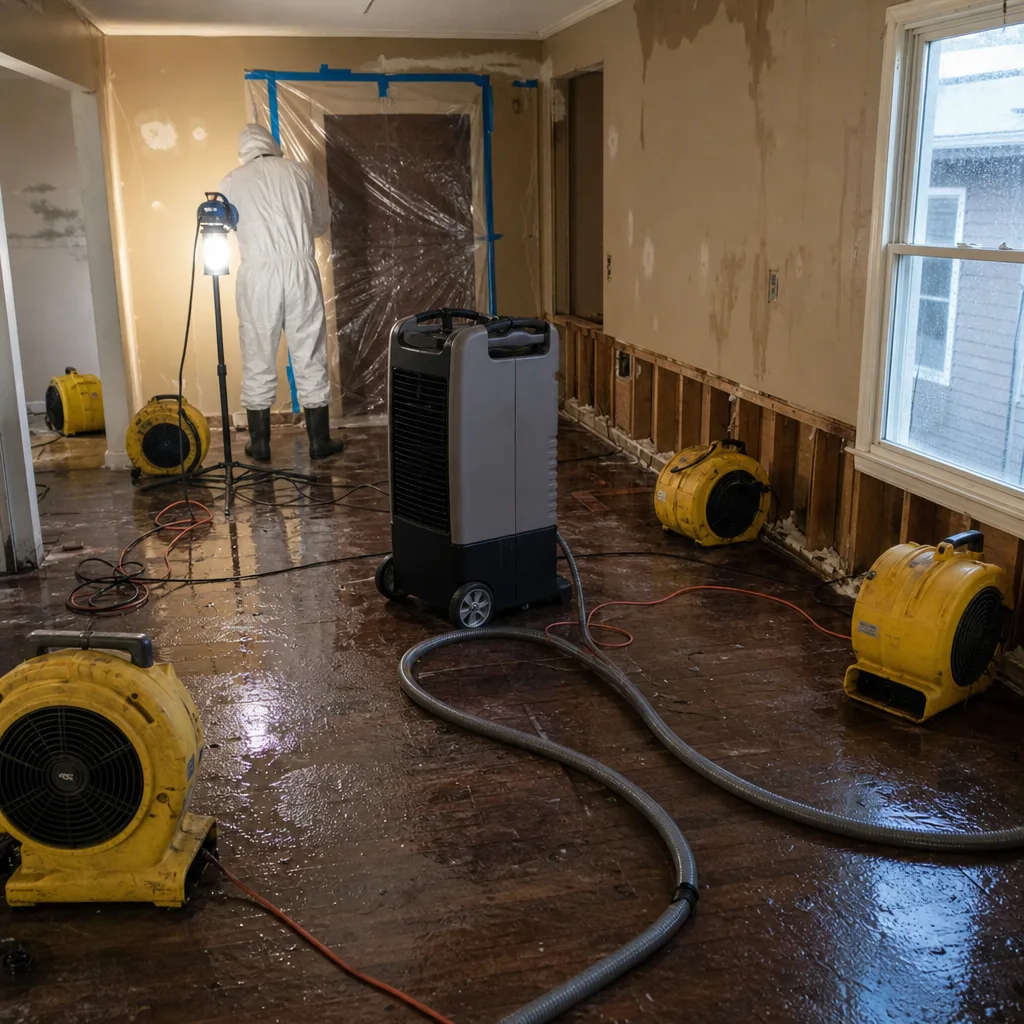
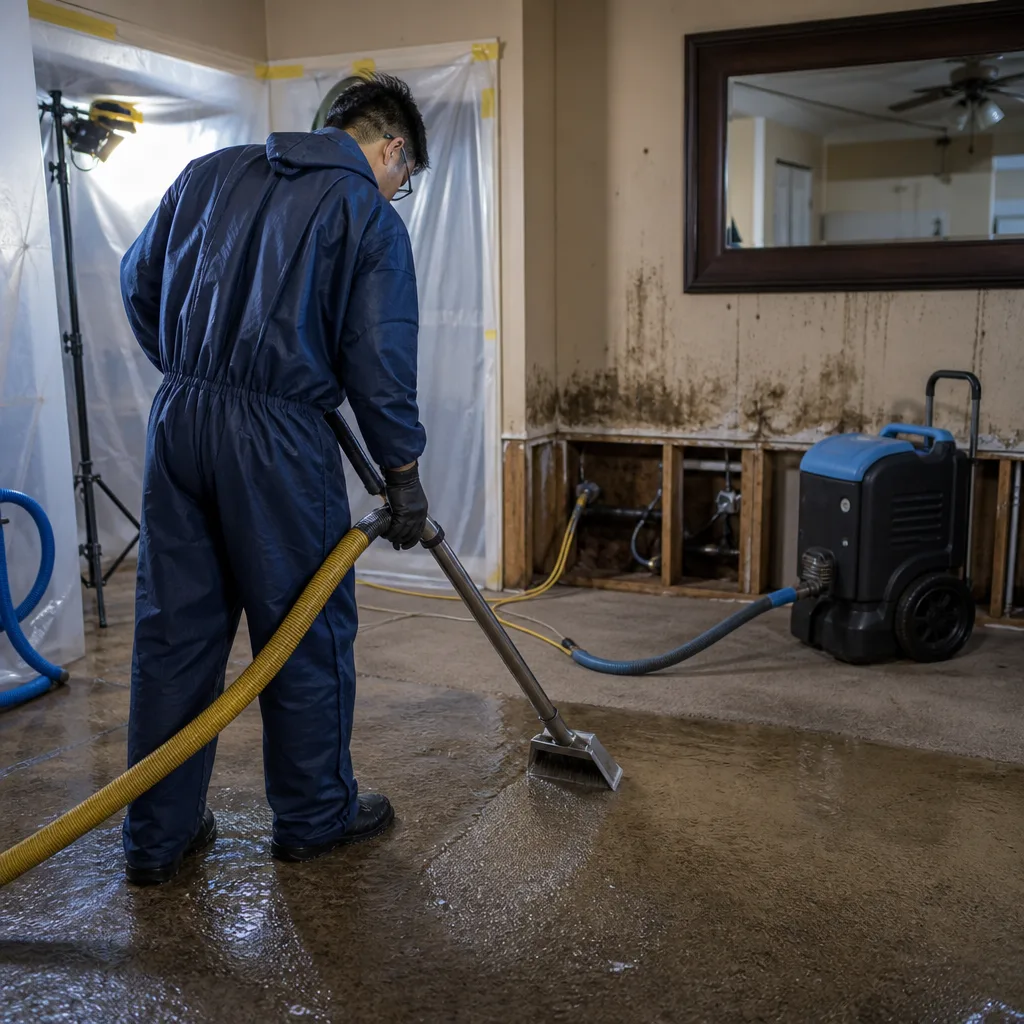
Ground-floor and basement flooding in Long Island City is almost always Category 3. We extract, remove affected drywall and insulation, treat the cavity, and dry to a clearance standard, not just a “feels dry” standard.
Emergency Board-Up
Board-up on a 1930s steel-framed warehouse window isn’t the same as on a wood-frame house. We use wind-rated fastening patterns for the structure we’re securing, so panels don’t blow out during the next gust front. That’s not the cheap plywood-and-nails approach; it’s the one that holds.
Roof Tarping
Storm-damaged roof membranes on converted industrial buildings need tarping rated for the wind speeds the East River waterfront sees in a nor’easter. We anchor tarps to hold in 60 mph gusts, not just fair weather.
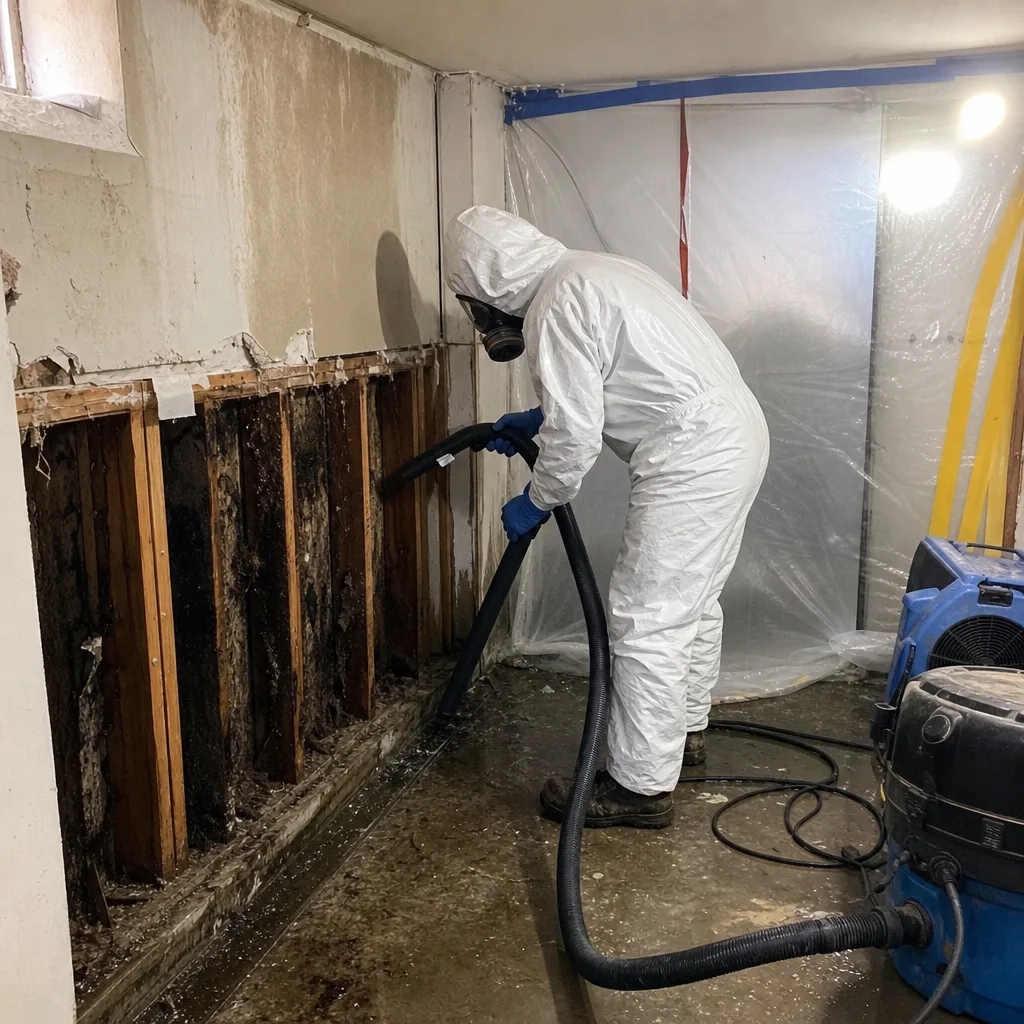
Debris Removal
Wind and flood leave everything from broken glass to soaked insulation. We remove it, sort it for disposal requirements, and document what came out for your claim.
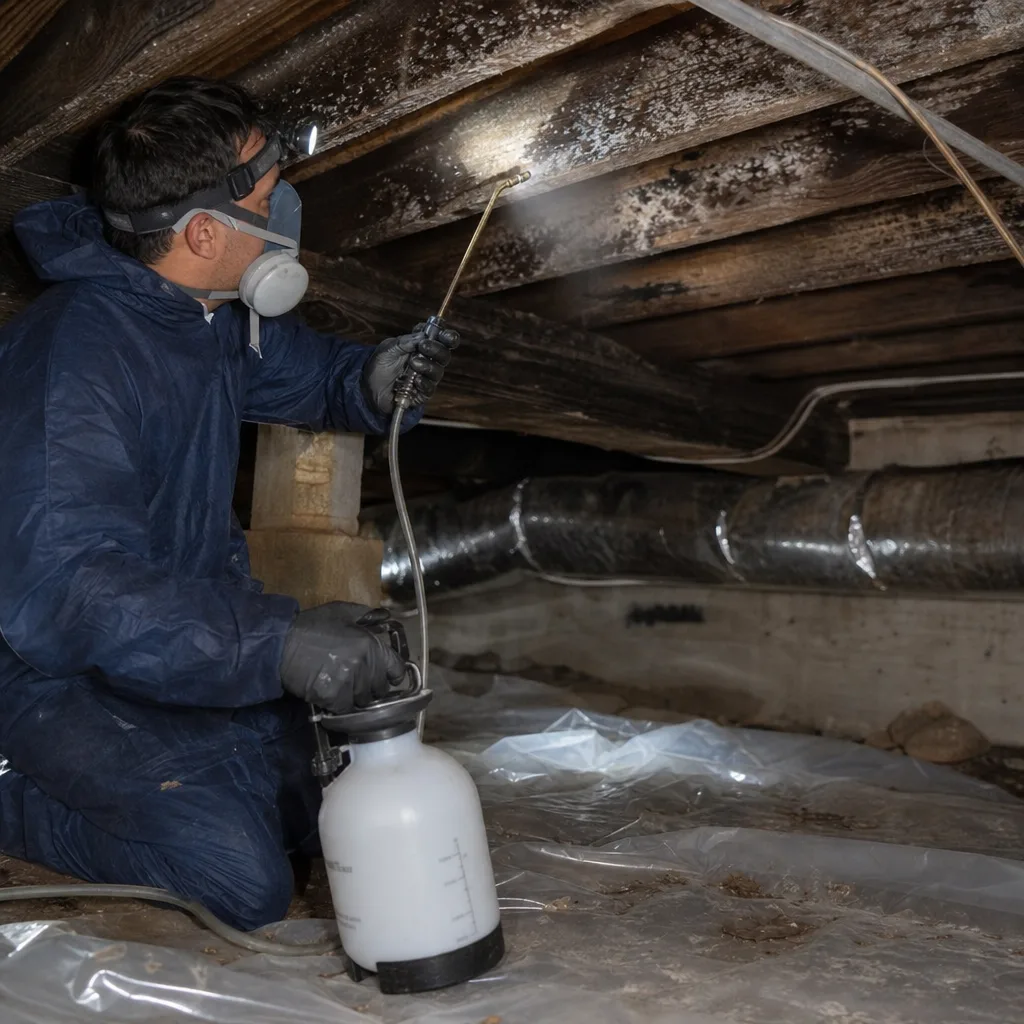
Wind-Rated Door & Window Repair
Post-storm door and window replacement in Long Island City should meet NYC wind-load requirements for the exposure zone. We repair and replace with wind-rated assemblies, because the next storm is coming whether you’re ready or not.
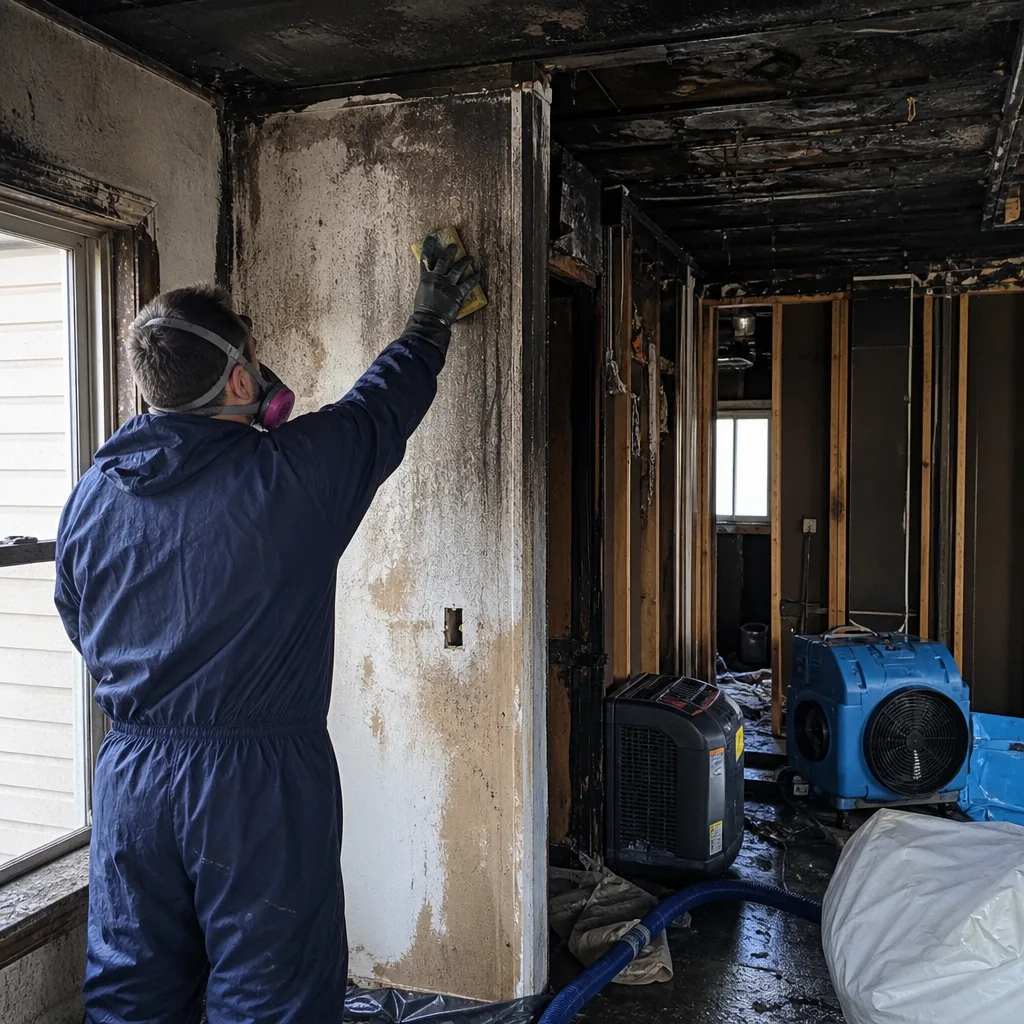
What happens when you call
- 1
A real person answersNo phone trees - you reach a local pro.
- 2
You get an upfront price rangeHonest numbers before anyone is dispatched.
- 3
A background-checked tech heads outLicensed & insured, dispatched right away.
- 4
You approve before work beginsNothing starts until you say go.
Storm & Disaster Restoration Costs in Long Island City, NY
Storm cleanup and water extraction in Long Island City typically runs $2,000 to $6,000 for moderate single-unit damage, before reconstruction. Bear in mind those figures are pre-insurance; after your deductible, the out-of-pocket amount is often much lower. Emergency board-up on a ground-floor commercial glazing storefront in Court Square runs $800 to $2,500 depending on opening size and wind-load requirements. Roof tarping for a typical converted warehouse section runs $1,200 to $3,500. Full Category 3 flood restoration, where the Newtown Creek corridor is involved, regularly lands in the $8,000 to $20,000 range once containment, abatement, material removal, drying, and reconstruction are all on the ticket. Asbestos testing adds $500 to $1,500 upfront, but skipping it costs far more if the DEP finds out. The free visual inspection gives you a hard line-item scope, so you know what you’re signing before you sign it.
Long Island City Storm & Disaster Restoration Questions, Answered
Why do I need asbestos testing before drying out my Long Island City loft after a storm flood?
Because most 1910s-1930s factory-to-loft conversions in Long Island City have vinyl-asbestos floor tile beneath the polished concrete overlay, and running air movers over wet asbestos-containing material can release fibers into the air. NYC DEP and EPA rules require testing and clearance before structural drying starts in these buildings. We stop, test, and call the abatement sub if needed, before the first air mover goes on.
Is floodwater from Newtown Creek considered Category 3 water for restoration purposes?
Yes. Newtown Creek is a federal Superfund site, and floodwater from it or from the combined sewer that backs up in that corridor is Category 3 black water, carrying industrial pollutants and sewage. That means full containment, HEPA air scrubbing, saturated material removal, and antimicrobial treatment, not just extraction and drying.
What wind rating should my emergency board-up meet on a high-rise glass tower in LIC?
Board-up on a high-rise in the Hunters Point waterfront exposure zone needs to meet the wind-load requirements for that building’s NYC wind zone, typically 110 mph or higher depending on height and exposure. Standard residential board-up won’t hold on a 30-story tower facing the East River. We fasten for the actual exposure, not the average.
How quickly can mold start on wet drywall after a storm in Long Island City, and does the cause matter?
Mold can begin colonizing saturated drywall within 24 to 48 hours in Long Island City’s summer conditions, faster if the water is Category 3 and already carrying organic material. The cause matters because Category 3 floodwater from the creek corridor introduces industrial contaminants that accelerate degradation and make remediation more extensive than clean rainwater on the same drywall.
Do I need a permit for post-storm wind damage repair on my LIC converted warehouse?
Most structural repairs on converted warehouse buildings in Long Island City require NYC Department of Buildings permits, especially if you’re replacing wind-rated door assemblies or repairing load-bearing sections. We pull the permits as part of the scope, and the work gets inspected, so you don’t end up with an unpermitted repair that fails at closing.
How fast can you actually get to Long Island City when a storm hits?
Wade heads out within 45 minutes of your call in all but the worst citywide events, when we’re triaging by severity. Call (201) 903-9581 and you’ll get a live answer and a real arrival window, not an automated “we’ll be there soon.”
Will my insurance cover storm damage restoration in Long Island City?
Most homeowner and condo policies cover storm-related water and wind damage, but flood from the East River or Newtown Creek usually requires separate flood insurance. We document everything from the first hour and talk to your adjuster directly, so the claim file tells the full story. Call us for a free inspection and we’ll tell you what you’re dealing with before you file.
What should I do in the first 30 minutes after storm damage in Long Island City?
Shut off power if water is contacting electrical, move valuables out of the water path, and call us at (201) 903-9581. Don’t run fans or open wall cavities if the water could be Category 3 from the creek corridor. And don’t throw anything away until we’ve documented it for your claim.
Serving Long Island City, NY - Our Local Coverage Area
We’re based in the Long Island City area and know this community well. Use the map below to see our service coverage - if you’re nearby, we can almost certainly help.
We Also Serve Cities Near Long Island City
Our crews work throughout western Queens and the surrounding area, including Astoria, Sunnyside, Woodside, Maspeth, Greenpoint, and the Williamsburg waterfront. If you’re on the edge of Long Island City and the storm hit just over the line, call us anyway. We’ll tell you straight whether we can get there or point you to someone who can.
Written by Wade Ferris, Owner at Wade’s Restoration. Serving Long Island City with 24/7 storm and disaster response, since 2007.