

Free visual inspection and a written scope of work before any mitigation begins - photos, moisture readings, and drying logs go in your claim file
The scope we write is the scope we bill. Anything new gets shown to you, in writing, before we touch it.
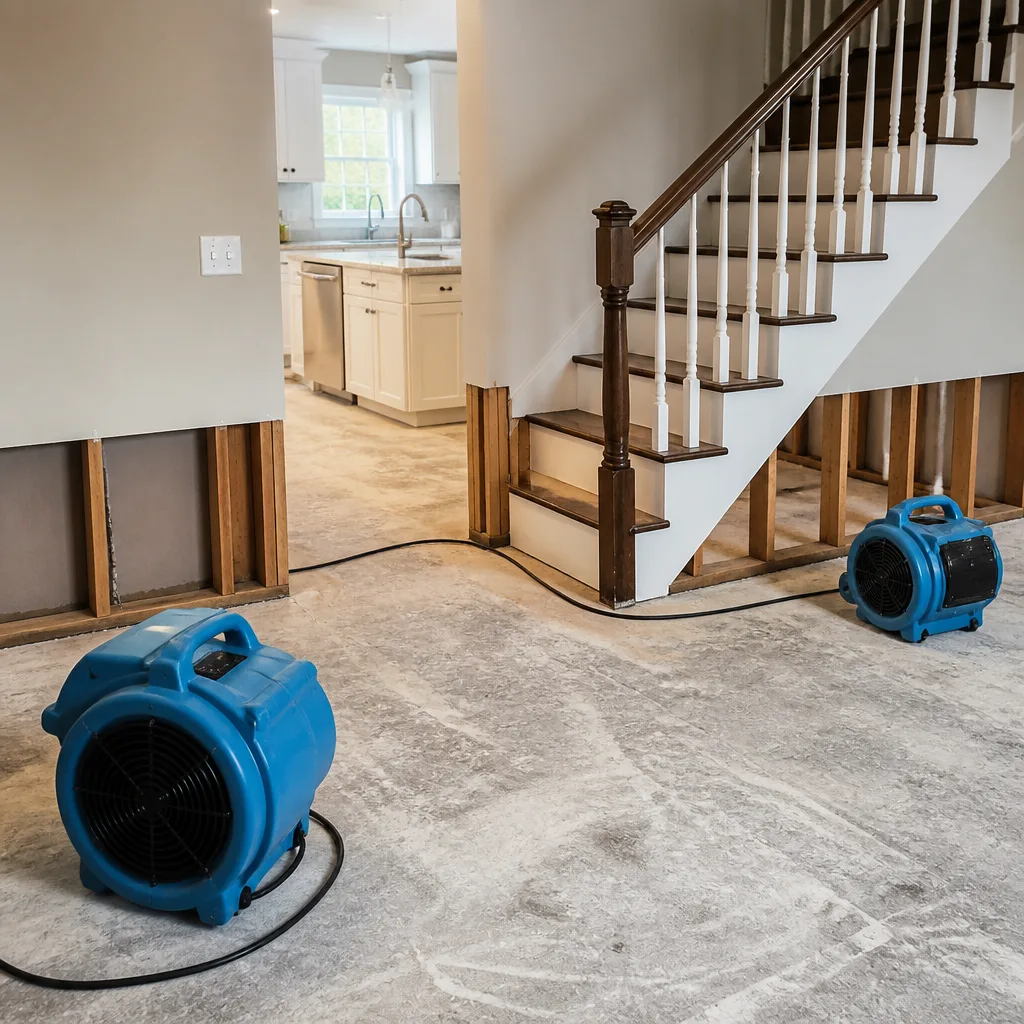
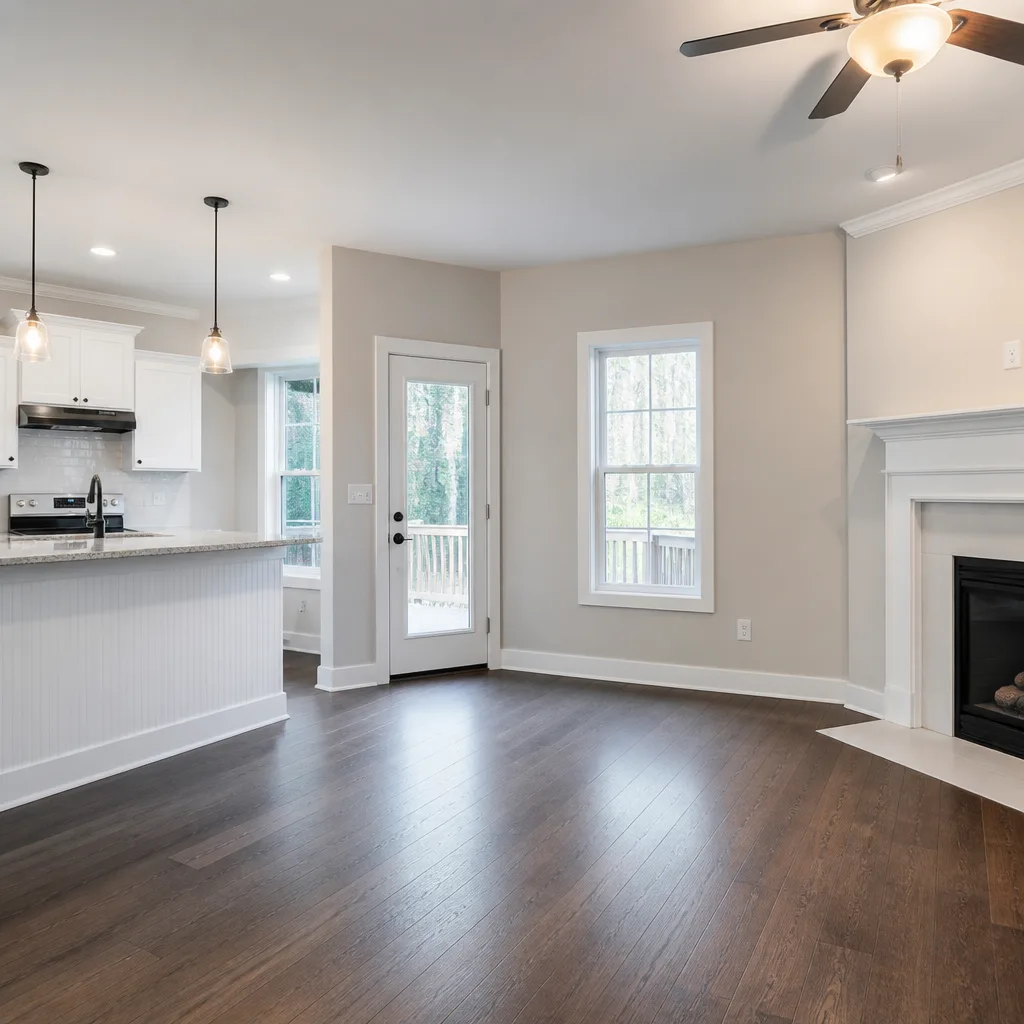
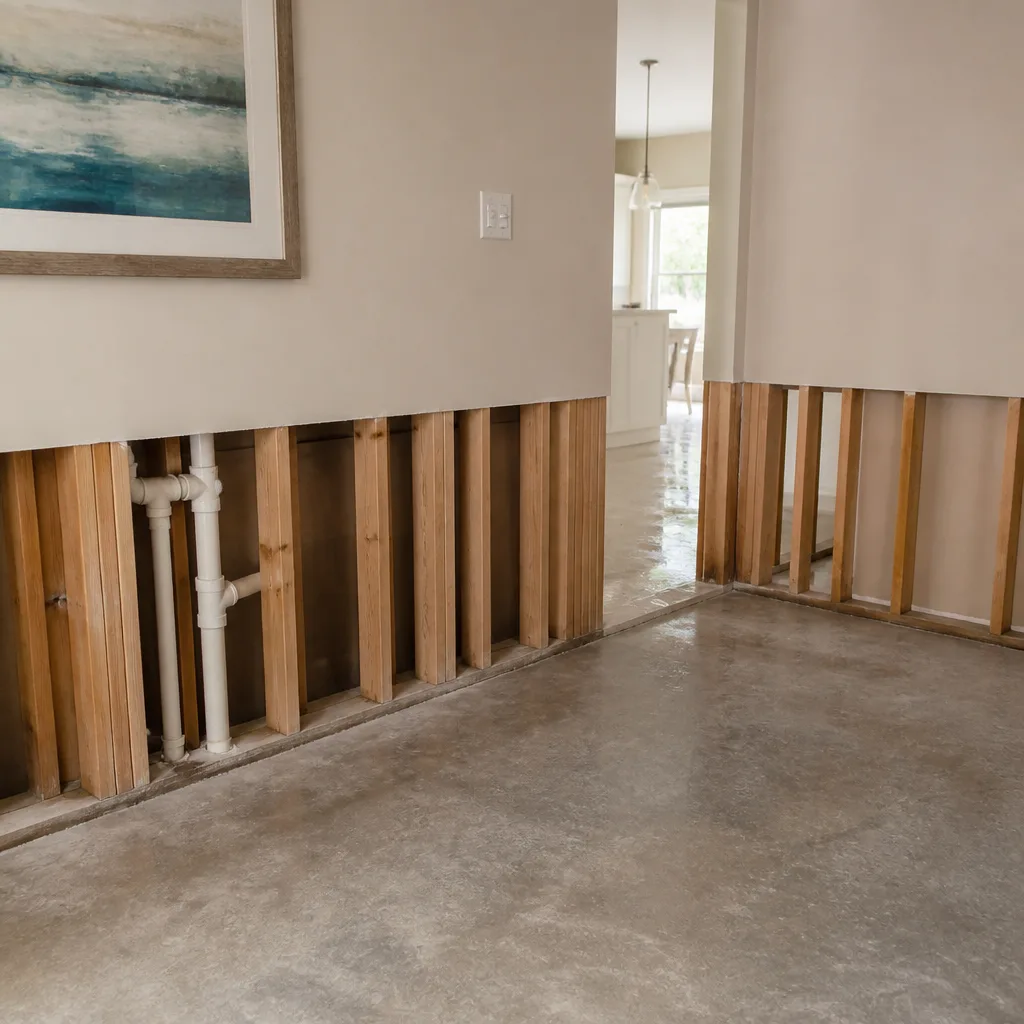
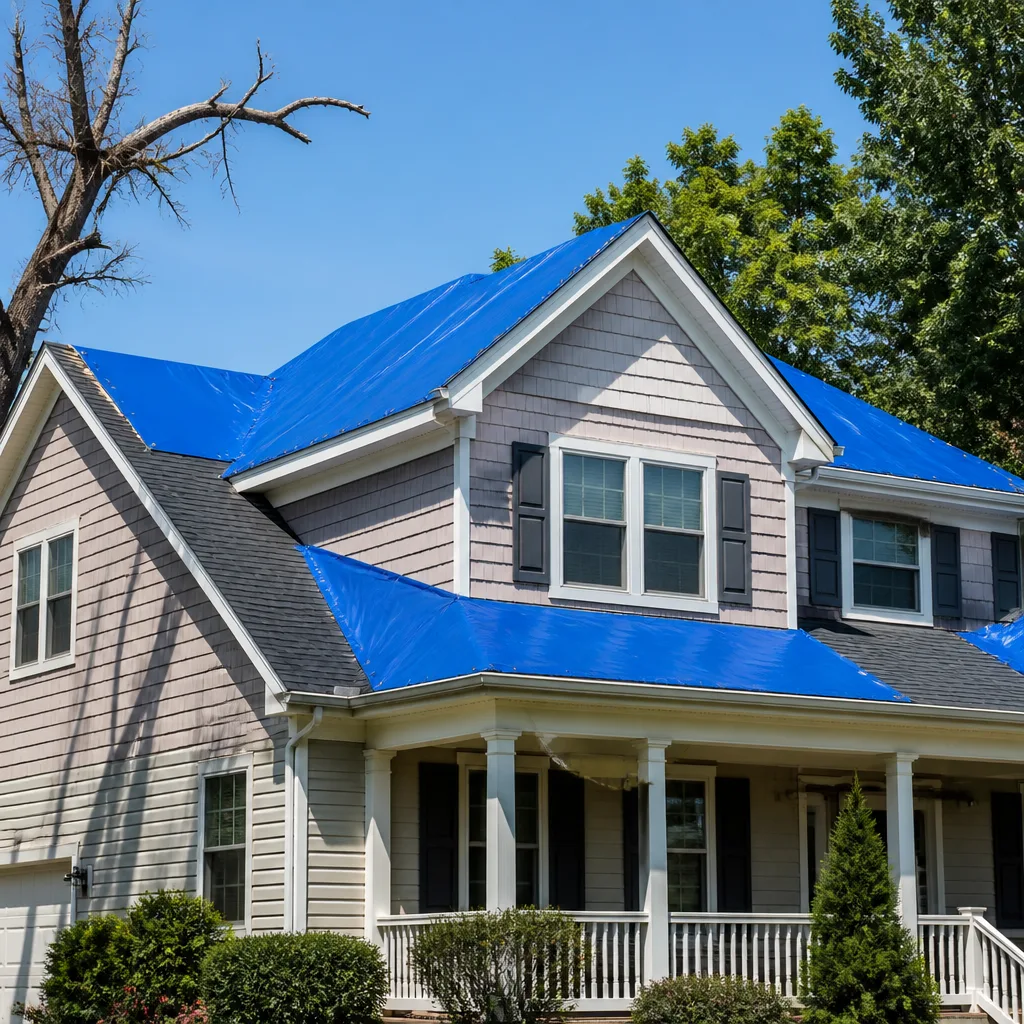

 Before
 After
After Before
 After
After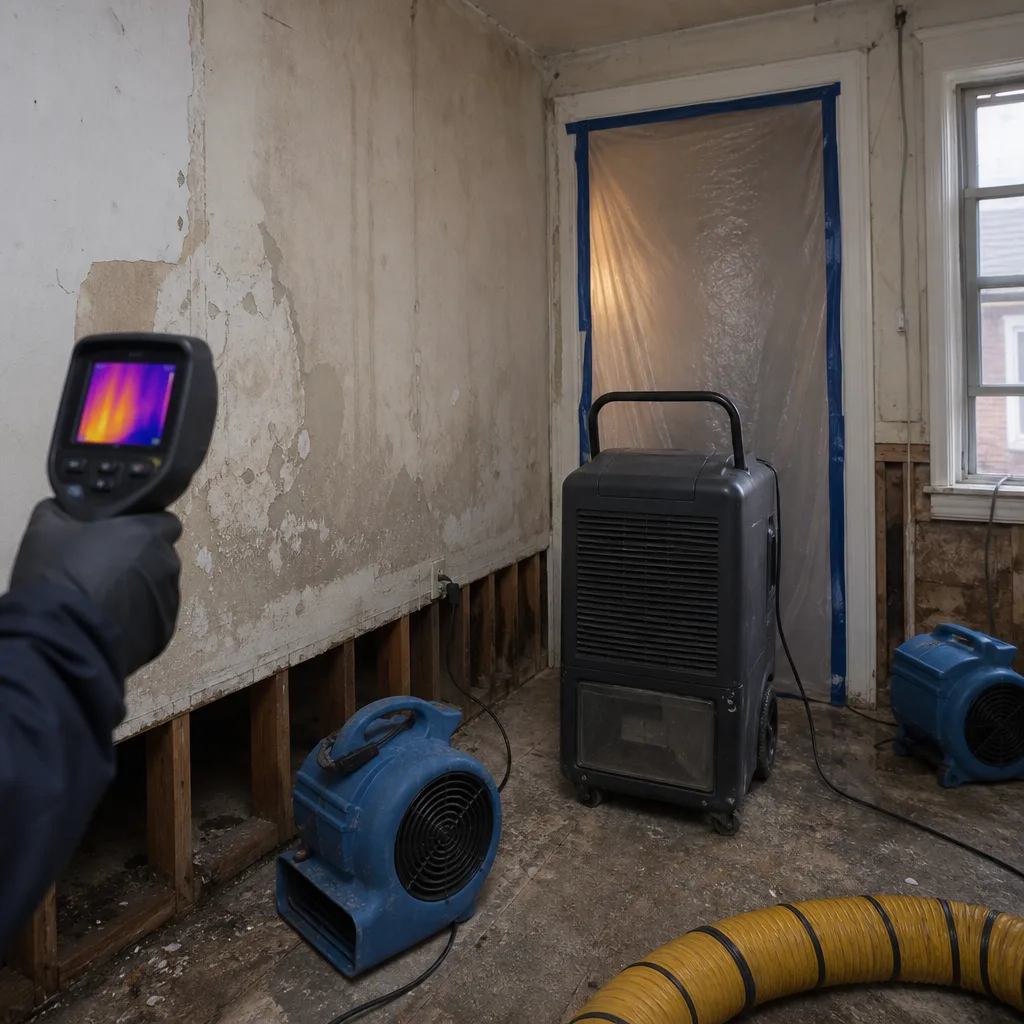 Before
 After
After24/7 Emergency Storm & Disaster Restoration in Hoboken
Storm damage in Hoboken doesn’t wait for business hours, and neither do we. When a nor’easter pushes Hudson River surge up through the storm drains on Washington Street or a summer cloudburst sends Category 3 water into garden units near 14th and Willow, you need someone who answers the phone and gets moving. Call (201) 903-9581 any hour, day or night. A real person picks up, every time. Our Storm & Disaster Restoration crew serves the whole Hoboken area and can have extraction equipment running inside the hour in most parts of town. That first hour matters because water in Hoboken’s attached brick row houses doesn’t just sit on the floor. It wicks into old mortar, crawls up plaster walls, and starts feeding mold in the dark behind baseboards. Wade Ferris heads out himself on storm calls. He’s seen what Sandy did to this city, what Ida did again, and he’ll tell you straight what your building needs and what it doesn’t.
Understanding Storm & Disaster Restoration Severity in Hoboken Properties
Hoboken’s building stock changes how flood and storm damage behaves. Nearly all of it is late-19th to early-20th century attached brick and brownstone construction, three to five stories, with basement and garden-level units that sit at or below street grade. When those spaces flood, the water is rarely clean. The combined sewer system here backs up during heavy rain, mixing storm surge with raw sewage and pushing it into the same basement spaces that flooded last year and the year before. We classify that as Category 3 water, the most dangerous kind, and it requires full biohazard containment, not just extraction. The old unreinforced brick party walls between attached row houses are another variable. They act like a sponge. Water wicks laterally from one unit into the shared wall, travels up through the mortar joints, and stays there at high moisture content for days or weeks. Standard drying timelines that work in modern wood-frame construction don’t hold up here. We run Injectidry panels directly into those brick walls and take moisture readings every single day until the numbers confirm the structure is actually dry, not just the surface. Thermal imaging and hygrometers map the hidden pockets. You can’t skip this step in Hoboken. The city’s dense attached housing means your neighbor’s wet wall might be wetting yours.
Why Hoboken Property Owners Choose Wade’s Restoration
- 45-minute response commitment for storm-related water intrusion anywhere in Hoboken, from the downtown core on up to the 14th Street corridor.
- 24/7 live answer from a real person. No voicemail tree, no answering service, no call center. Wade answers his own phone.
- IICRC-certified crews trained in WRT water damage and ASD structural drying, equipped with Dri-Eaz and Phoenix gear that gets the job done right the first time.
- Free visual inspection so you know exactly what’s needed before any work is authorized. A written scope of work before equipment goes in, on every job.
- Direct insurance billing and a documentation package that makes adjusters stop asking questions: photos, moisture logs, line-item scope, the works.
- One team from extraction to reconstruction. Same crew, same accountability, no handoffs between a water company and a builder.
Our Storm & Disaster Restoration Process
Inspection & Assessment
We arrive, walk the entire affected area with you, and take initial moisture readings with thermal imaging and hygrometers. For Hoboken basement and garden unit floods, we assume Category 3 contamination until proven otherwise. You get a written scope and clear numbers before any work begins.
Extraction & Stabilization
Submersible pumps and truck-mounted extraction units pull standing water from floors, crawl spaces, and utility areas. For wind damage, we install emergency board-up and roof tarping to stop additional water entry and secure the building envelope.
Drying & Dehumidification
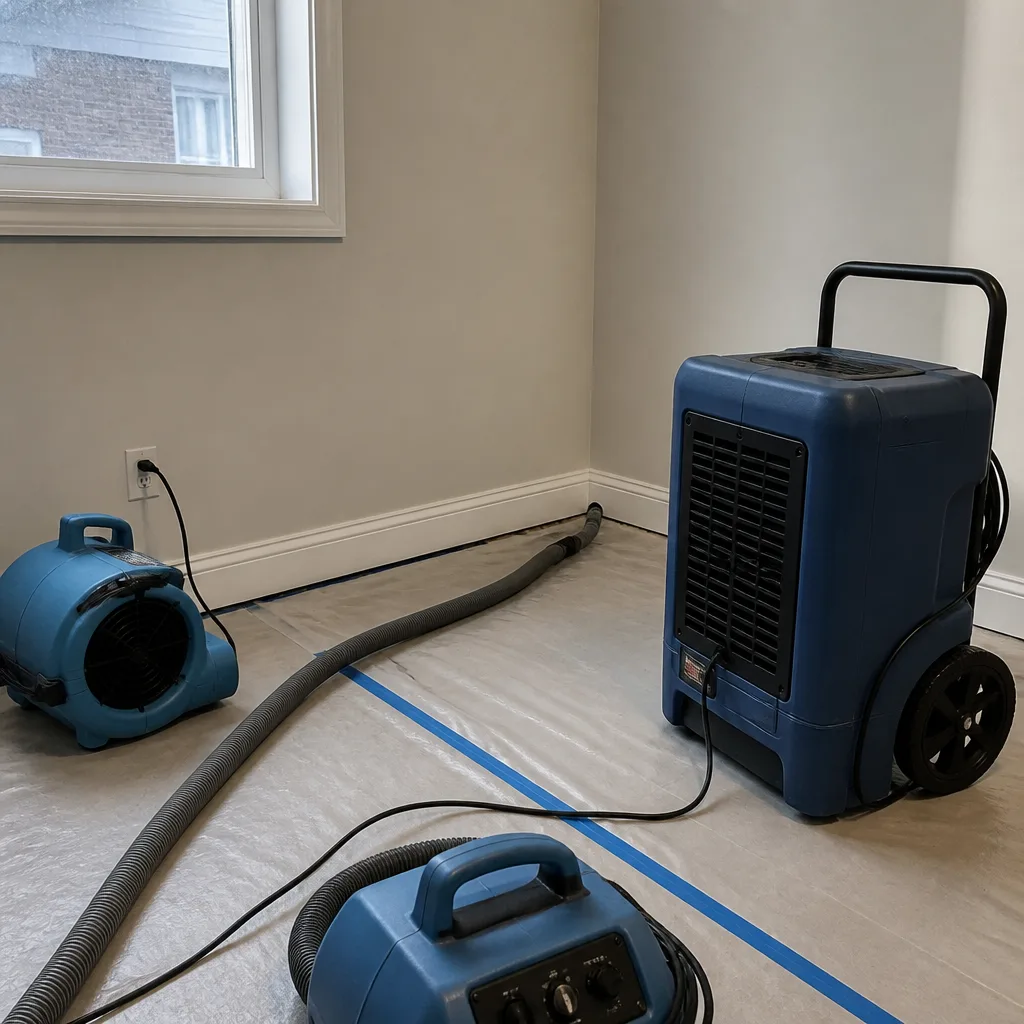
Commercial air movers and Phoenix dehumidifiers run continuously, while Injectidry panels target the old brick party walls that hold moisture for weeks. Wade takes moisture readings every day and hands you the full log at the end.
Cleaning & Sanitization
Floodwater from Hoboken streets often carries sewage, which means antimicrobial treatment and our Sanitization Services in Hoboken treat every affected surface. Contaminated porous materials get removed and replaced, not painted over. HEPA air scrubbers run throughout to clear the air.
Specialty Treatment: Sewage & Category 3
For any job involving backed-up combined sewers, we set up full containment with negative air pressure before disturbing contaminated materials. This protects you and the rest of your building. Clearance testing confirms the space is safe before we move to Biohazard & Crime Scene Cleanup in Hoboken and rebuilding.
Repairs & Restoration
From drywall replacement in garden units around Church Square Park to full kitchen rebuilds in brownstones along Bloomfield Street, one crew takes you from wet mess to finished space through Reconstruction & Cleanup - Hoboken. The 90-Day Done Right Promise backs the entire scope in writing.
Need Emergency Storm & Disaster Restoration in Hoboken Now?
Crews minutes away, answering live 24 hours a day. The sooner we start, the less it costs.
Working With Your Insurance Company
Storm and flood claims in Hoboken are not the same as a burst supply line in a single-family home. Adjusters know about the city’s flood history, and they scrutinize every line item. That’s why our documentation starts in the first hour. We photograph every room from every angle, log moisture readings daily, and write a line-item scope that uses industry-standard estimating software your carrier recognizes. Wade talks directly with your adjuster, so you’re never stuck relaying messages between two sides. He has done it this way since 2007, and it works. If your adjuster questions a line item, Wade has the drying logs and photo evidence to back it up. For buildings that have been through multiple floods, that documentation history becomes the difference between a full settlement and a fight.
What We Provide Your Insurer
- Thorough documentation of the loss
- Photos of all damage, room by room
- Moisture readings and drying logs
- A detailed, line-item scope of work
- Direct coordination with your carrier
Built for Hoboken’s Loss Calendar
Hoboken’s storm damage season doesn’t follow the same rhythm as the rest of New Jersey. The city’s position on the Hudson means nor’easters from October through April push surge directly into the street-level drains, backing the combined sewer system into basements. Summer thunderstorms bring the same effect in a concentrated burst, with flash flooding on low-lying blocks before the overwhelmed system can catch up. January freezes burst supply lines in unheated garden units and basements of pre-war brownstones. Spring thaw adds groundwater seepage through old foundation brick that has shifted over 120 years of freeze-thaw cycles. Then there are the tropical systems, Ida being the most recent lesson: a storm that wasn’t even a hurricane pushed enough water into the bowl that garden apartments near 14th and Willow had water to the ceiling. If you own property in Hoboken, you’re not asking if water will come. You’re asking when. Wade’s Restoration is built for that reality, not for the dry-slab subdivisions where most national franchises learned their trade.
Storm & Disaster Restoration Across Hoboken’s Neighborhoods
Response times and loss patterns shift block by block in Hoboken. The low-lying western wards near the ShopRite and up toward the 14th Street corridor sit in the deepest part of the bowl. Our crews starting a basement job there assume sewage contamination on every single call, because those streets have backed up in virtually every storm since Sandy. The brownstone blocks between Washington Street and the river, around Stevens Institute and down toward the PATH station, see more facade and roof damage from wind-driven storm surge, plus first-floor entry water when waves top the bulkheads. Garden and basement units in the older row houses off First and Second Streets flood repeatedly, building after building, and many owners have learned the hard way about skipping structural drying. Around Church Square Park and the midtown blocks, the pattern is more mixed: some basements stay dry in moderate storms but flood badly in the big ones, which lulls owners into a false sense of safety until a nor’easter sits over the city for two days. Wherever you are in Hoboken, the response route here is short and direct, which means we get to you before the water has time to do its worst damage.
Specialized Storm & Disaster Restoration Services We Offer in Hoboken
Flood Damage Restoration
This is the core of storm work in Hoboken. Hudson River surge and backed-up combined sewers put Category 3 water into basements and garden units across the city, and our extraction and drying protocols are built for exactly that. We pull the water, set containment, run Injectidry into the brick, log moisture daily, and bring the unit back to dry, safe, rebuildable condition. No shortcuts on the drying phase, ever.
Storm Damage Cleanup
After wind and water have moved through, there’s debris, damaged materials, and sometimes standing pools of contaminated water in places you can’t reach with a shop vac. Our crews remove all storm debris, cut away unsalvageable drywall and insulation, and sanitize every surface. For Hoboken’s attached row houses, this includes checking the party wall cavities for water that traveled from a neighboring unit.
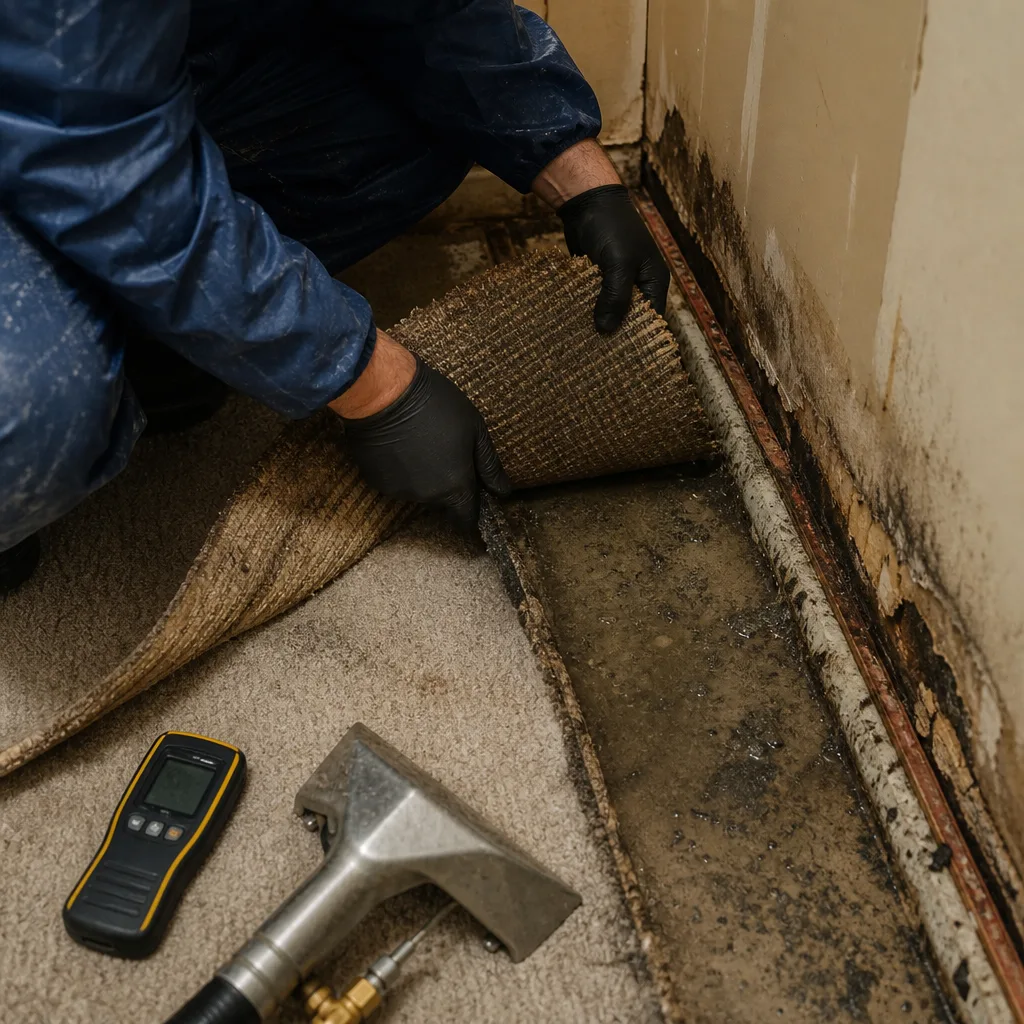
Emergency Board-Up
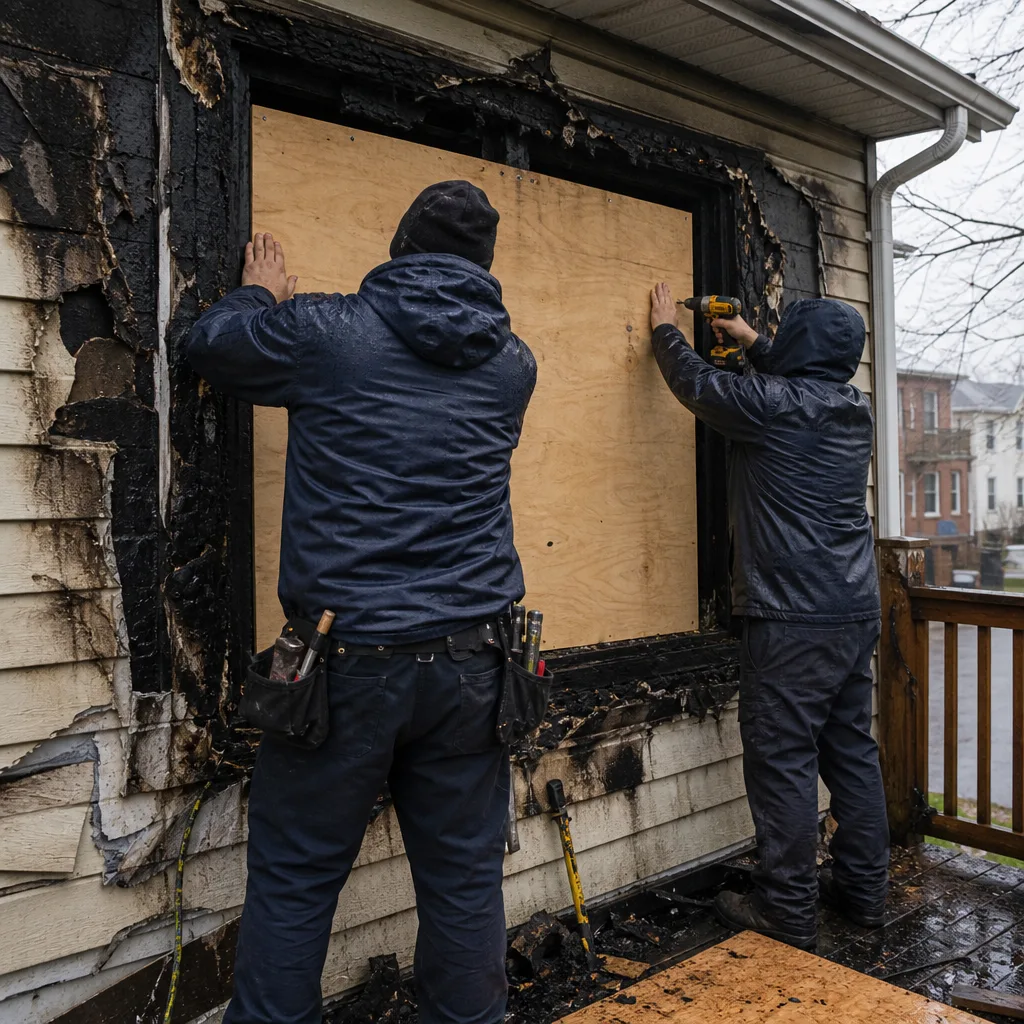
Broken windows from wind-thrown debris and damaged doors from surge pressure leave your building open to weather and unwanted entry. We board up immediately using proper plywood and fastening systems that protect the building and stay secure until permanent repairs happen. For buildings in Hoboken’s historic districts, we take care not to cause additional damage to original millwork and masonry.
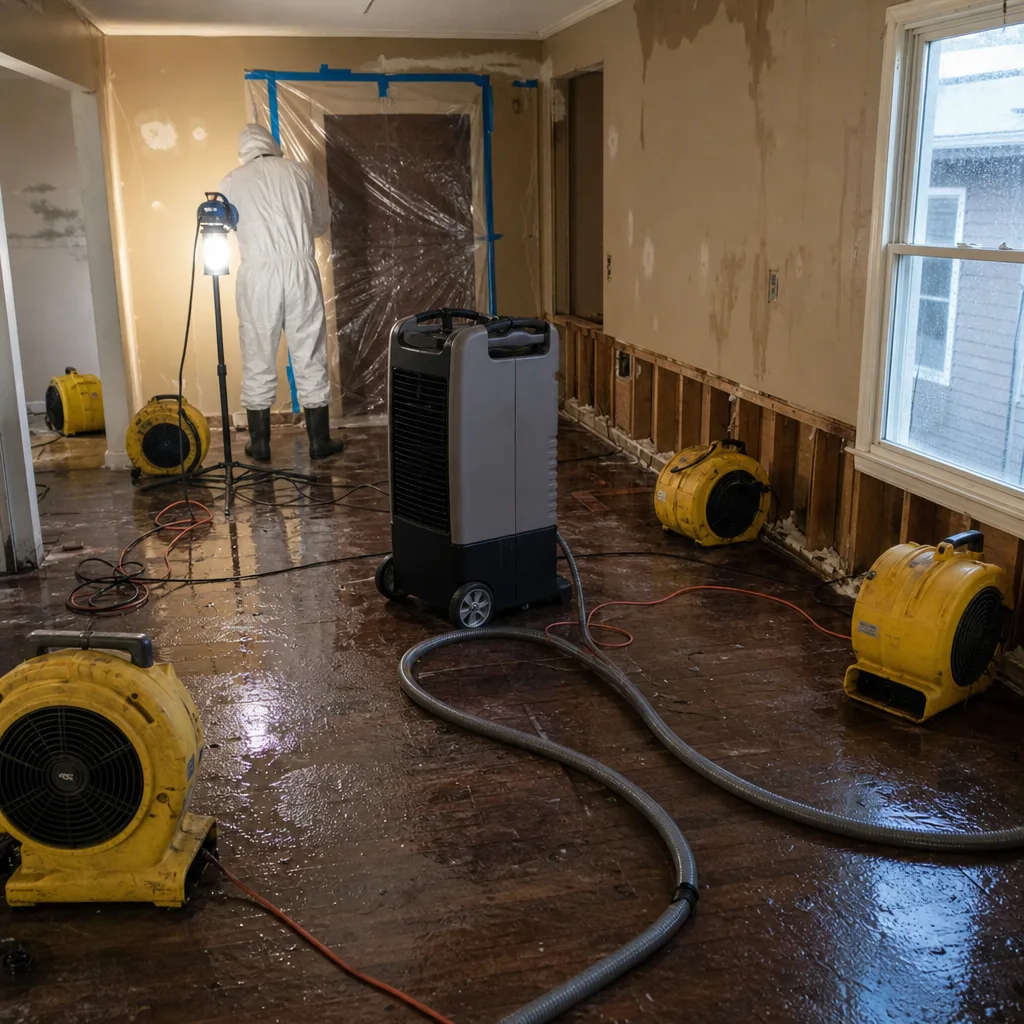
Roof Tarping
Wind damage to flat membrane roofs and old slate roofs is common during nor’easters. We install heavy-duty tarping to stop active water intrusion, using fastening methods that hold through the next storm. Temporary, but done right, so your interior stops getting wet while you work through the insurance claim.
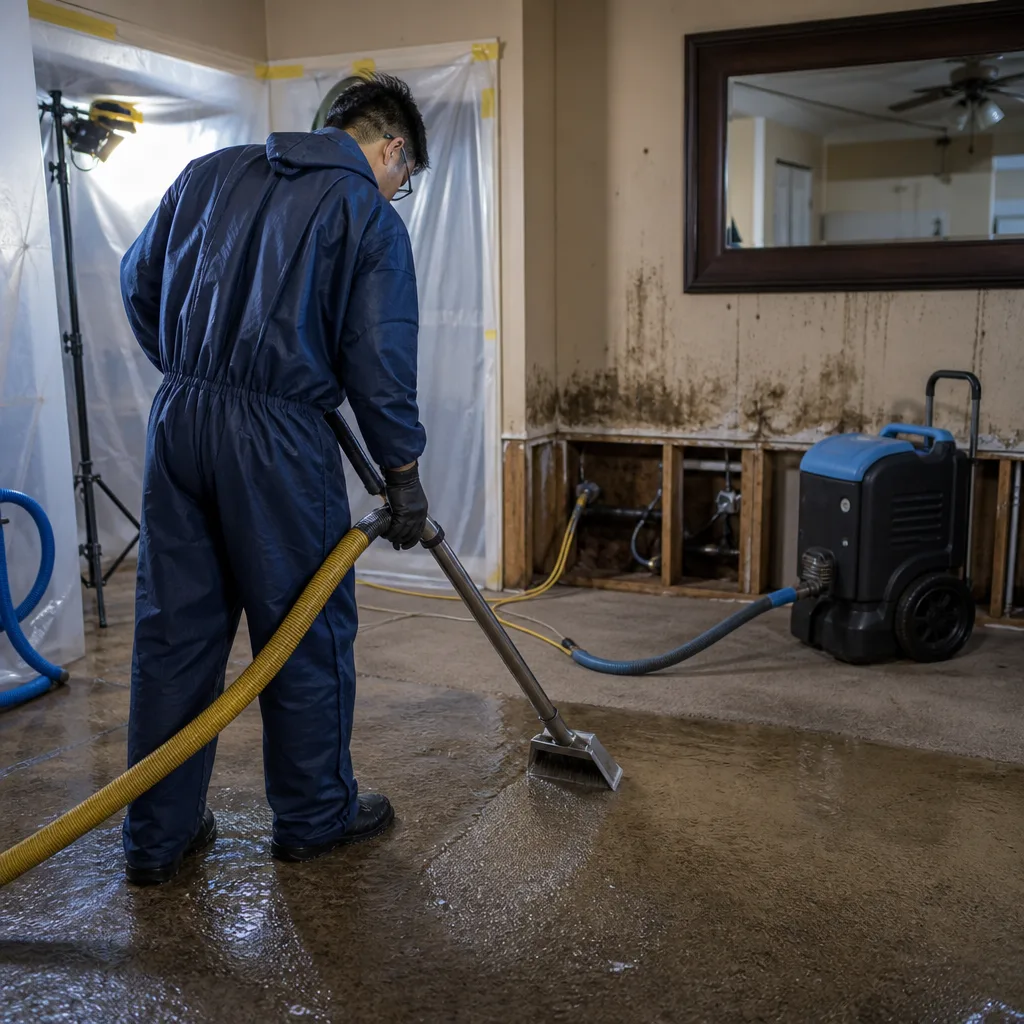
Debris Removal
Tree limbs, blown-in building materials, ruined contents, and storm trash all have to go before drying and rebuilding can start. We handle full debris removal and disposal, including Category 3 contaminated materials that require proper handling under New Jersey waste rules. One call, one crew, done.
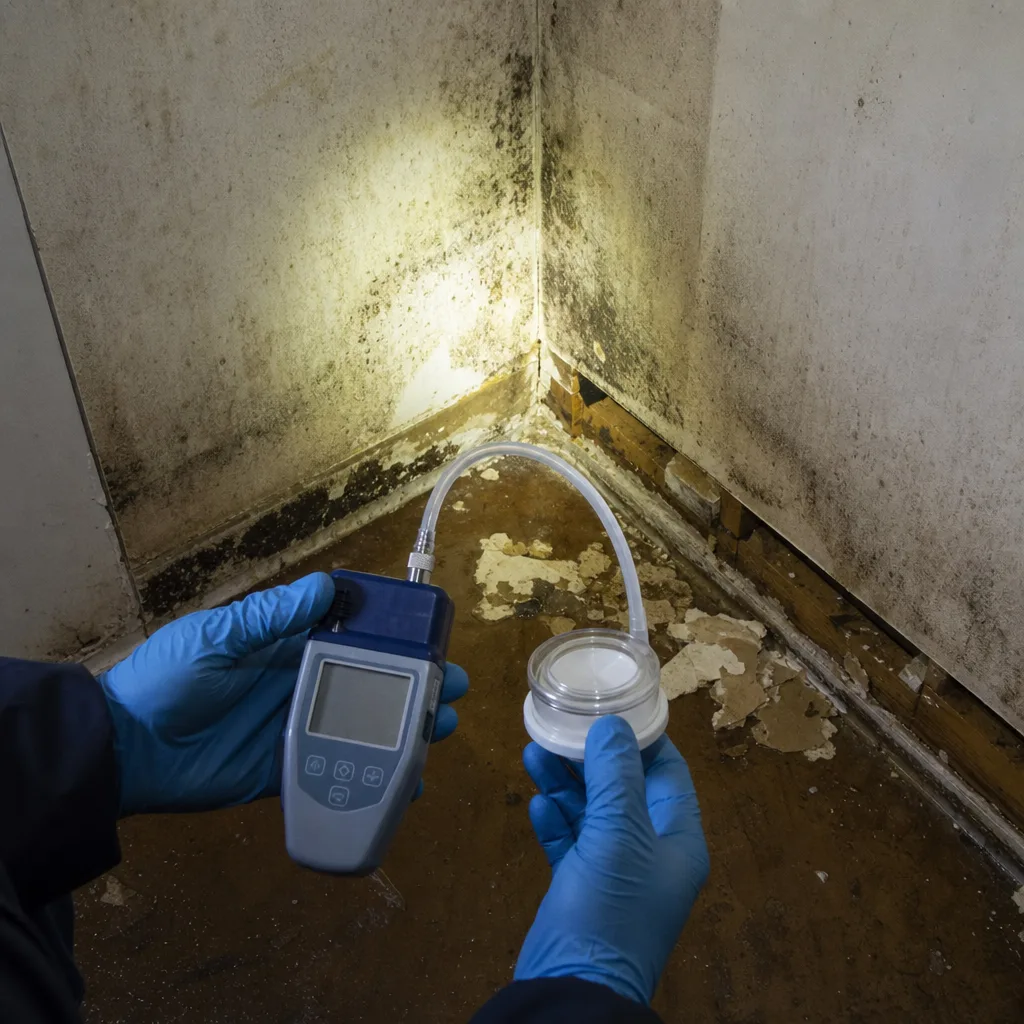
What happens when you call
- 1
A real person answersNo phone trees - you reach a local pro.
- 2
You get an upfront price rangeHonest numbers before anyone is dispatched.
- 3
A background-checked tech heads outLicensed & insured, dispatched right away.
- 4
You approve before work beginsNothing starts until you say go.
Storm & Disaster Restoration Costs in Hoboken, NJ
Storm restoration pricing in Hoboken runs higher than most of New Jersey, and there’s a plain reason: the buildings are older, the spaces are tighter, and the drying takes longer. A typical garden-unit flood cleanup with Category 3 sewage backup runs $4,500 to $12,000 depending on square footage and how high the water reached. Emergency board-up for a single window runs $250 to $500, while a full storefront or multi-window board-up after a bad nor’easter can hit $1,500 to $3,000. Roof tarping on a brownstone runs $800 to $2,000 depending on roof access and slope. The big variable is always structural drying time. Old brick party walls don’t give up moisture quickly, and every extra day of dehumidifier runtime adds cost. The honest path is a free inspection, a written scope with real numbers, and a decision you make with full information. Our free second opinion offer applies to any written estimate you’ve received from another company. No charge for that.
We Also Serve Cities Near Hoboken
Beyond Hoboken, our storm restoration crews regularly work in Storm & Disaster Restoration service areas nearby, including Union City, Weehawken, Jersey City, and North Bergen. Same response times, same documentation, same direct access to Wade.
Serving Hoboken, NJ - Our Local Coverage Area
We’re based in the Hoboken area and know this community well. Use the map below to see our service coverage - if you’re nearby, we can almost certainly help.
Hoboken Storm & Disaster Restoration Questions, Answered
Why do Hoboken basement floods require sewage cleanup even when the water looks clear?
Because Hoboken’s combined sewer system means storm surge and rainfall push raw sewage up through the same drains that handle the storm water. In the deepest parts of the bowl, we assume Category 3 sewage contamination on every basement flood and run full biohazard protocols until testing says otherwise. Clear-looking water from a Hoboken street is not clean water. If you had a flood and someone just extracted and left, call (201) 903-9581 for a free second opinion on whether the space was actually sanitized.
How long does structural drying take in an old Hoboken row house after a flood?
Longer than you think. The old brick party walls between attached row houses wick water deep into the mortar and hold it for days or weeks. We typically run Injectidry panels and commercial dehumidifiers for seven to fourteen days in Hoboken brownstones, sometimes longer when moisture readings stay above 20% in the brick. Wade takes readings every day and hands you the log, so you see the numbers drop toward dry, not just take someone’s word for it.
Can I skip the drying process and go straight to rebuilding my basement after a flood?
You can, and many Hoboken building owners have, and then they call us back six months later for mold behind the new drywall. Our crews saw this exact cycle after Sandy and Ida. Water trapped in old brick and framing keeps feeding mold even after the surface looks dry. The 90-Day Done Right Promise exists because Wade refuses to rebuild over a wet structure. Skipping drying doesn’t save money. It adds a second, more expensive job.
Why does my Hoboken basement flood every time it rains, even if the storm isn’t severe?
Hoboken sits in a natural bowl, lower in the center than at its perimeter, pressed against the Hudson River. Rain has nowhere to drain, the combined sewer system backs up, and the low-lying blocks flood. The 14th Street corridor and western wards are the worst. Short of major infrastructure changes, the practical answer for property owners is professional mitigation after every event, proper drying every time, and documentation that makes the next insurance claim smoother. Call (201) 903-9581 and Wade will explain what your specific block tends to experience.
What emergency services do you offer right after a storm in Hoboken?
Emergency board-up for broken windows and doors, roof tarping for wind damage, full flood extraction, sewage cleanup and Category 3 sanitization, storm debris removal, and structural drying. Everything starts with a free inspection so you know the scope and cost before work begins. No charge to assess the damage, and no trip charge inside our own service area.
How fast can you actually get to my Hoboken building after I call?
In most parts of Hoboken, we can have a crew on site within 45 minutes. That includes the downtown blocks near the PATH, Stevens area, uptown around 14th Street, and everywhere in between. Wade answers the phone directly and routes the nearest available crew. For a flooded basement during a storm, that speed is what keeps a $5,000 cleanup from becoming a $25,000 rebuild.
Will my insurance cover storm and flood restoration in Hoboken?
Most HO-3 policies cover wind-driven rain damage and some sewer backups, but flood insurance is separate and governed by FEMA rules. We document everything from the first hour with photos, moisture logs, and line-item scopes, and Wade communicates directly with your adjuster. Our direct insurance billing means you aren’t floating the whole bill waiting for a check. Every job in Hoboken gets the full documentation package because the city’s flood history makes adjusters ask harder questions.
What should I do in the first 30 minutes after my Hoboken basement floods?
First, don’t walk through the water barefoot or without rubber boots; in Hoboken, assume sewage is present. Shut off power to the affected area if you can do so safely from a dry location. Move valuables and documents higher. Then call (201) 903-9581. Don’t wait until morning and don’t try to shop-vac it yourself. The sooner extraction starts, the less water works into the brick and framing. Wade will walk you through the immediate steps while he’s already on the road.
Storm damage in Hoboken is not a one-time event for most property owners. The bowl topography, the combined sewers, and the old attached brick buildings mean water comes back. The only real defense is a restoration company that treats every flood as if it’s the one that matters, documents everything, and answers the phone when the next storm hits. Call (201) 903-9581 for a free estimate or a second opinion on work already done. Wade Ferris has been restoring this area since 2007, and he still answers his own phone.
Written by Wade Ferris, Owner at Wade’s Restoration, serving Hoboken with storm and disaster restoration since 2007.