

Free visual inspection and a written scope of work before any mitigation begins - photos, moisture readings, and drying logs go in your claim file
The scope we write is the scope we bill. Anything new gets shown to you, in writing, before we touch it.
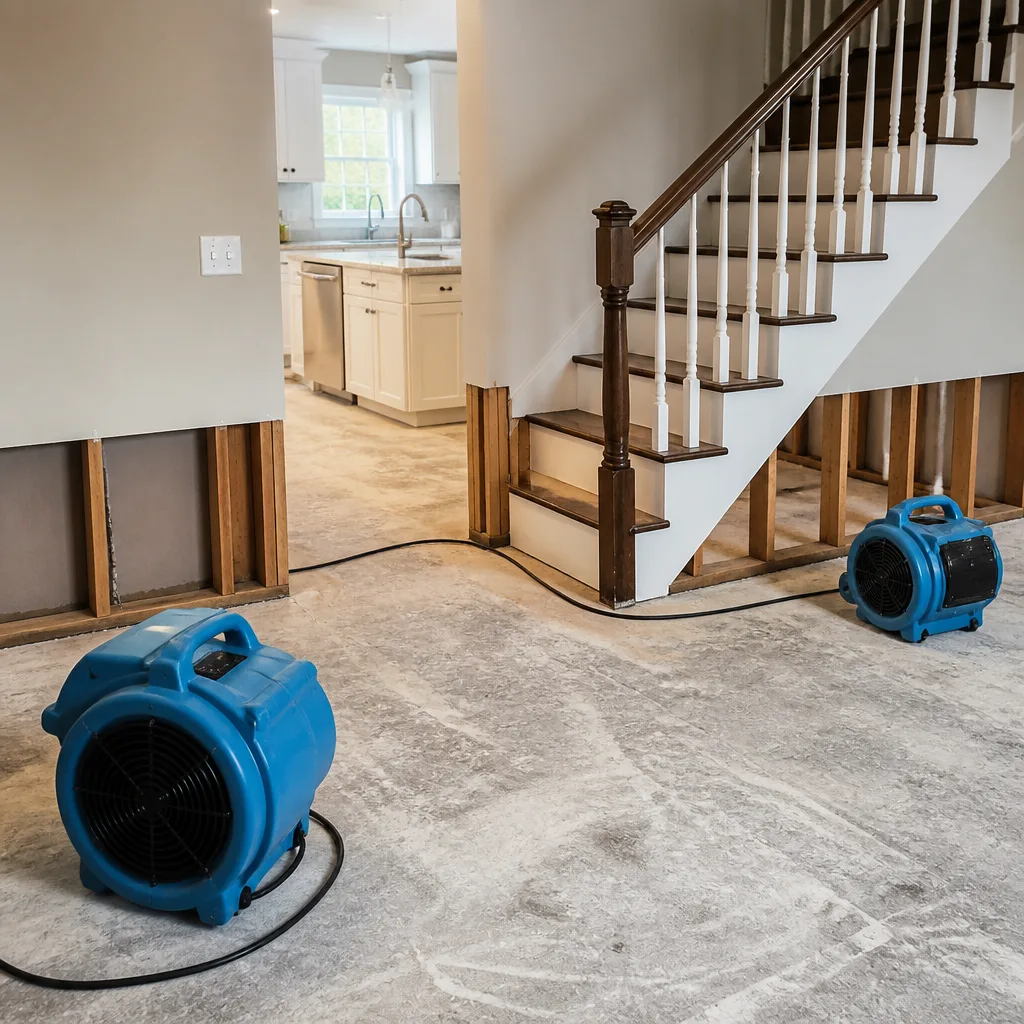
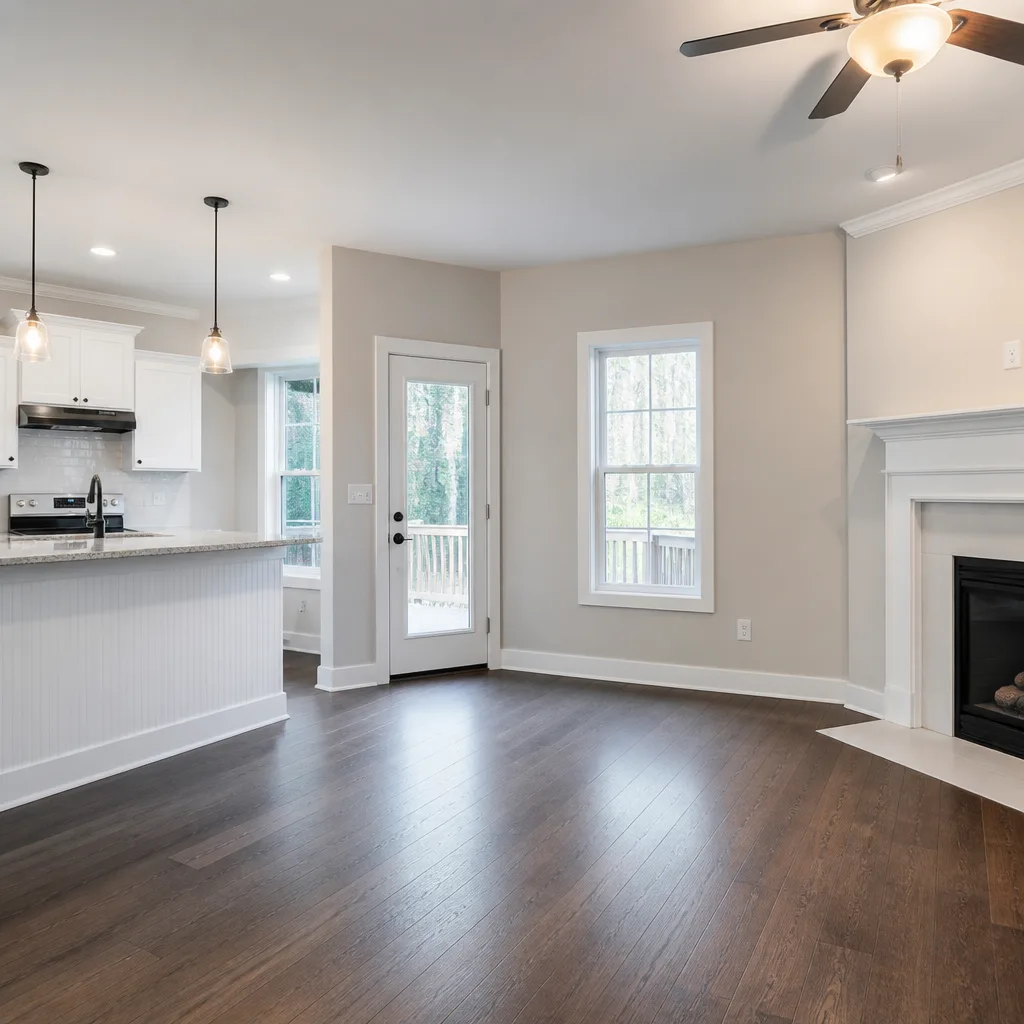
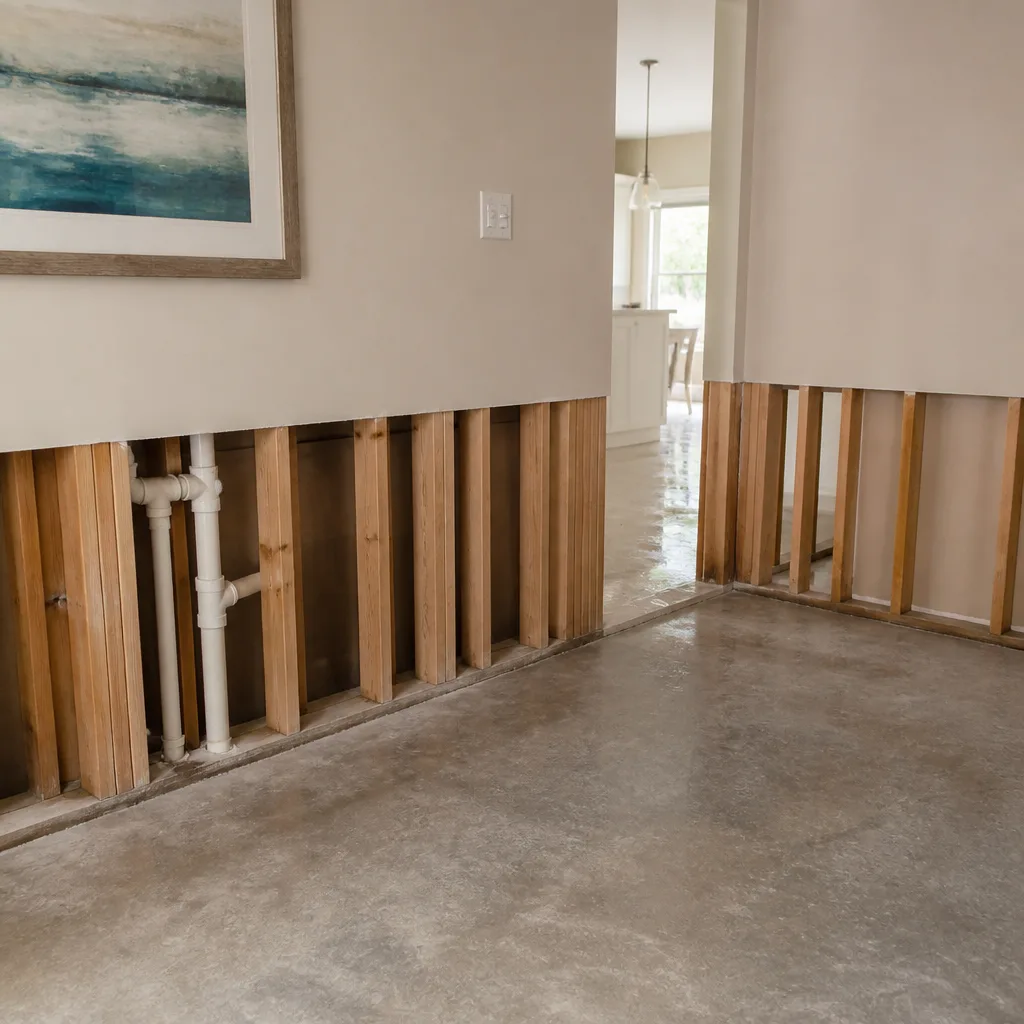
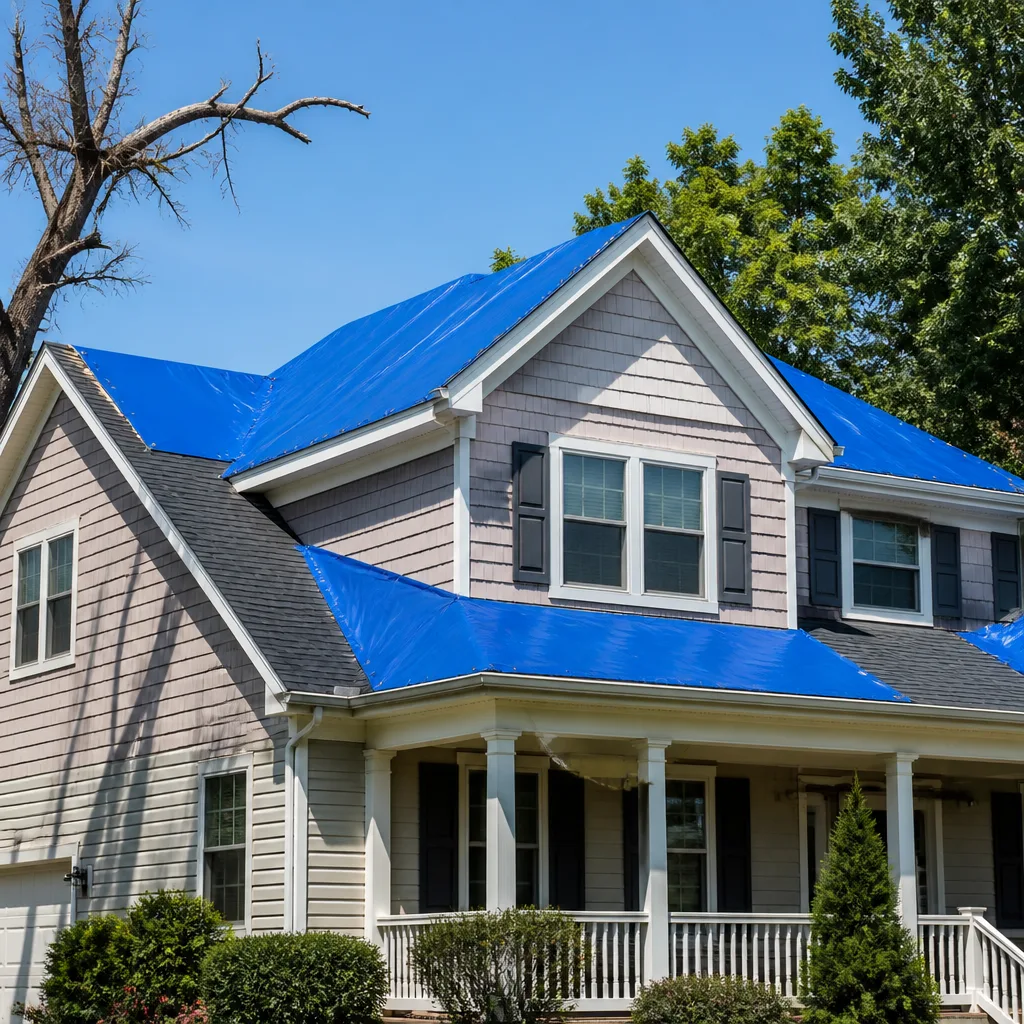
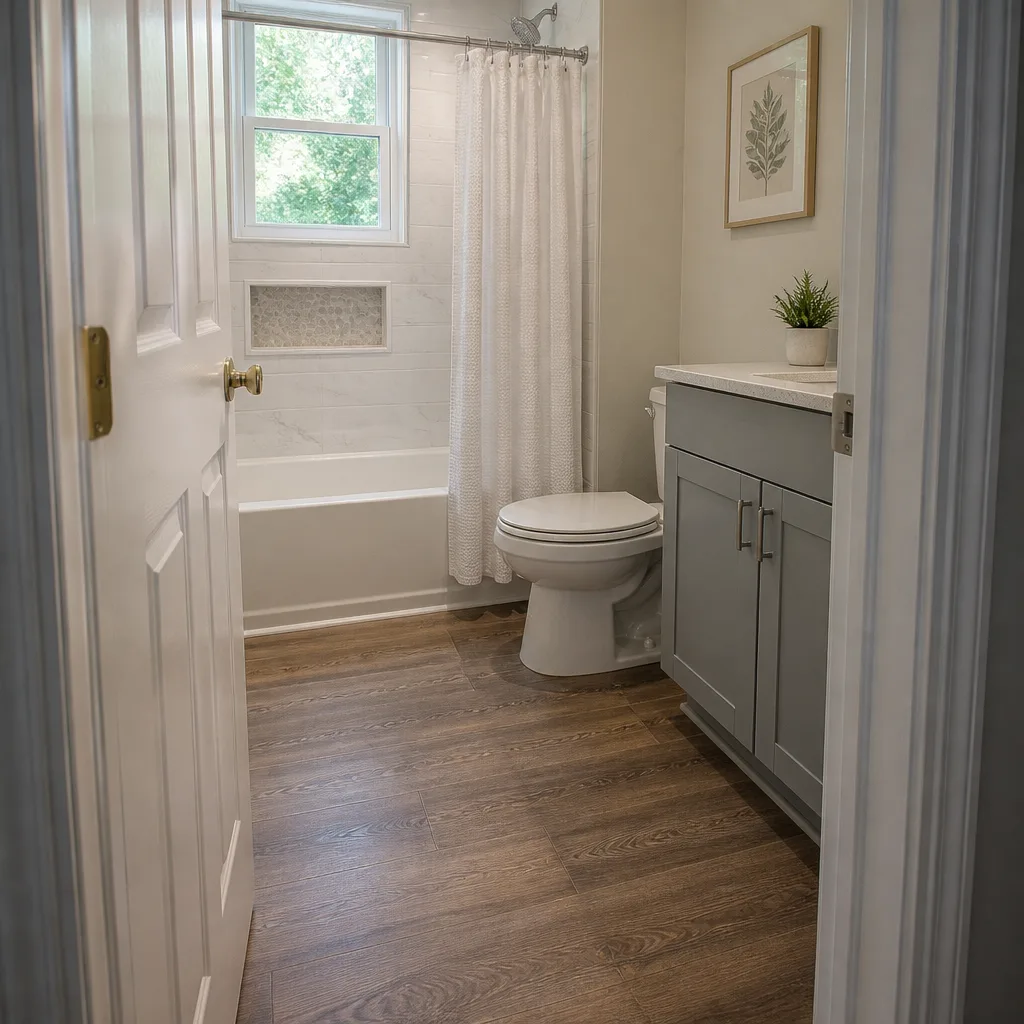
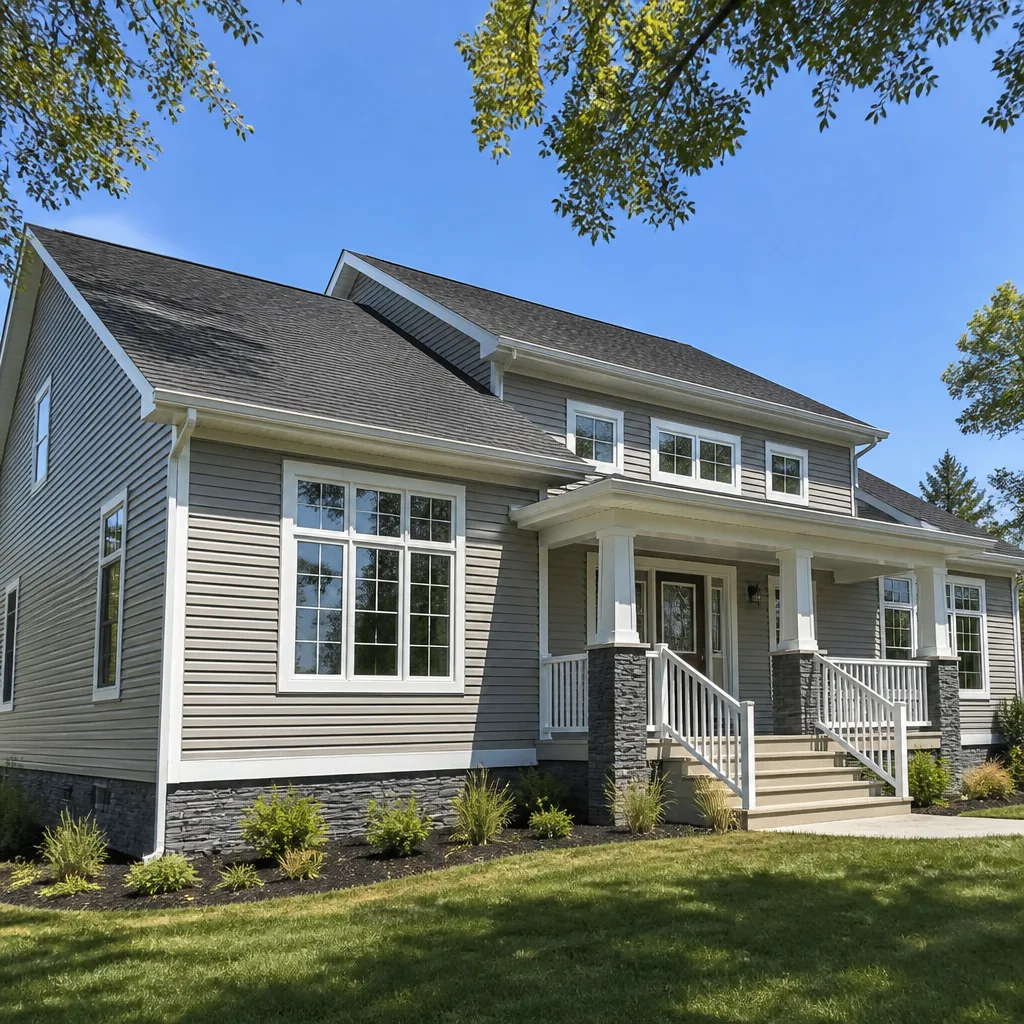
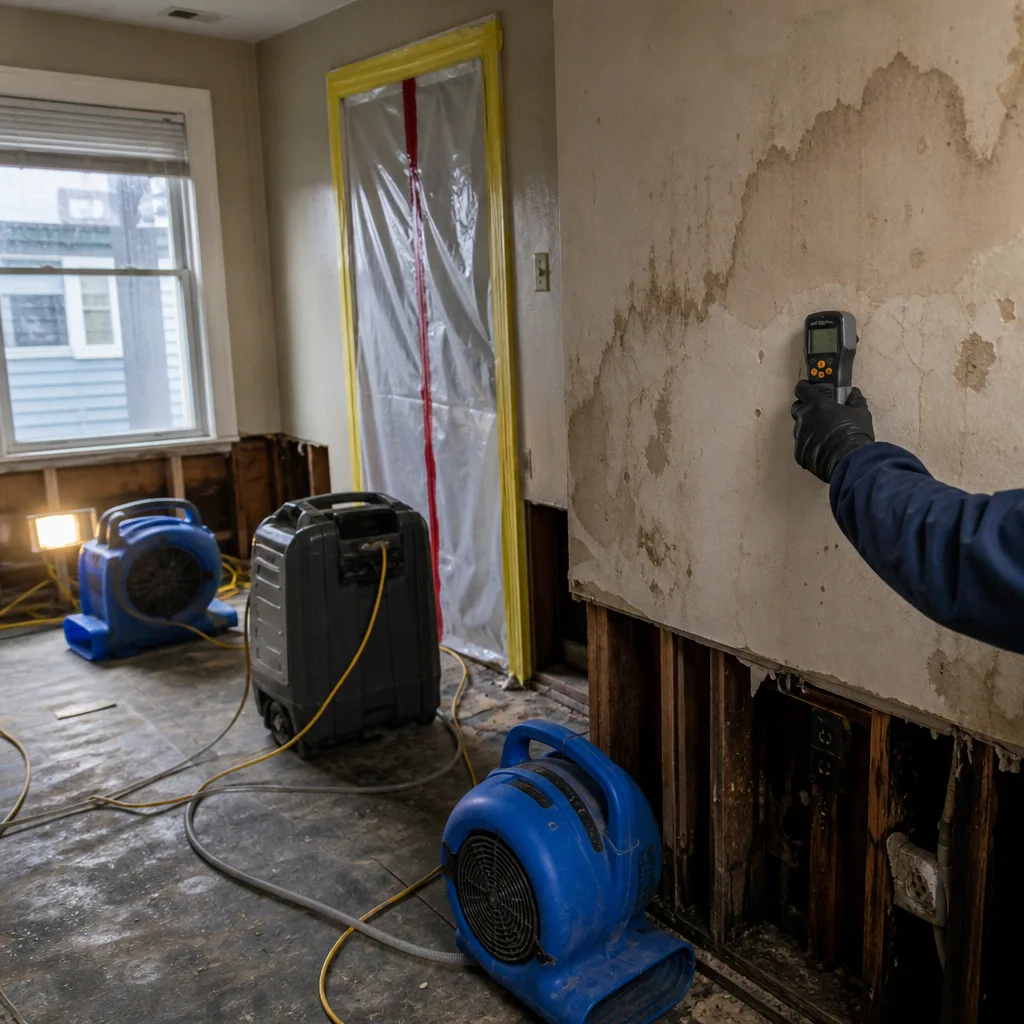 Before
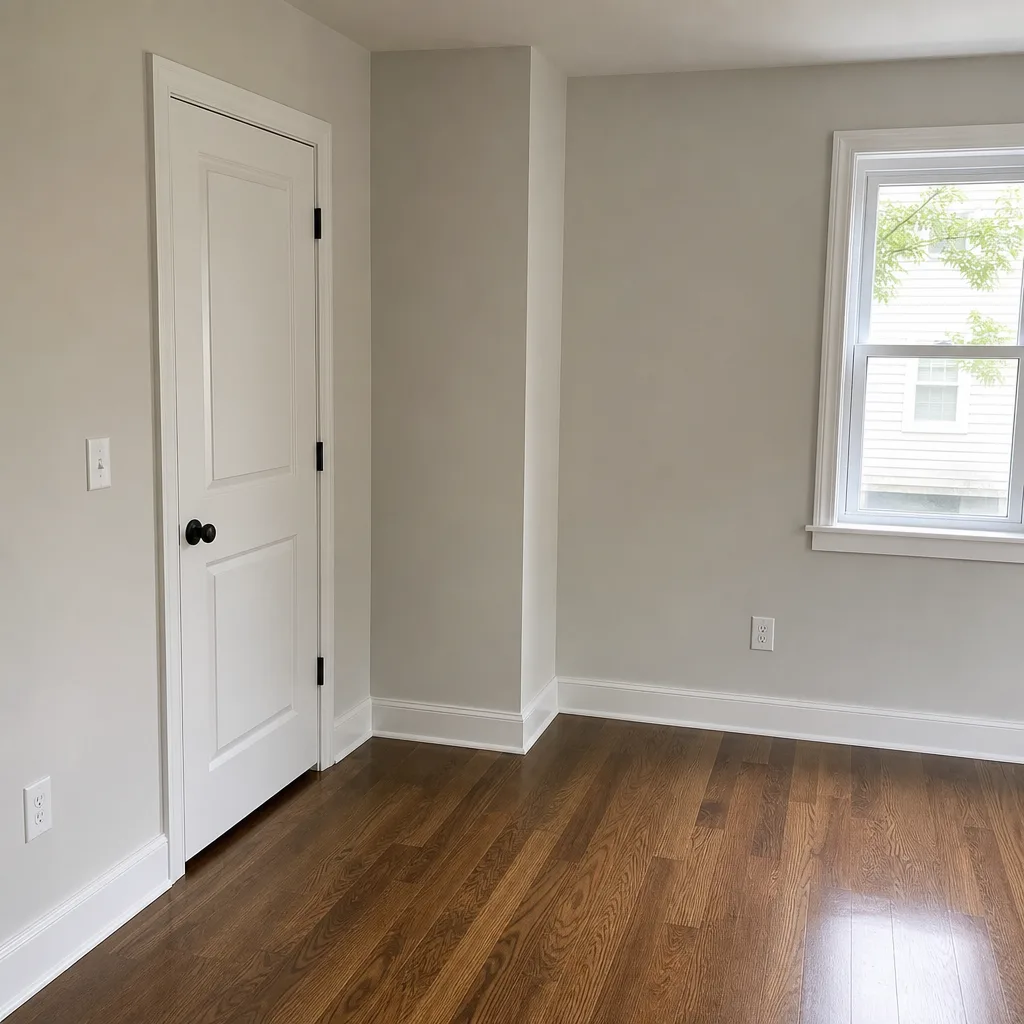 After
After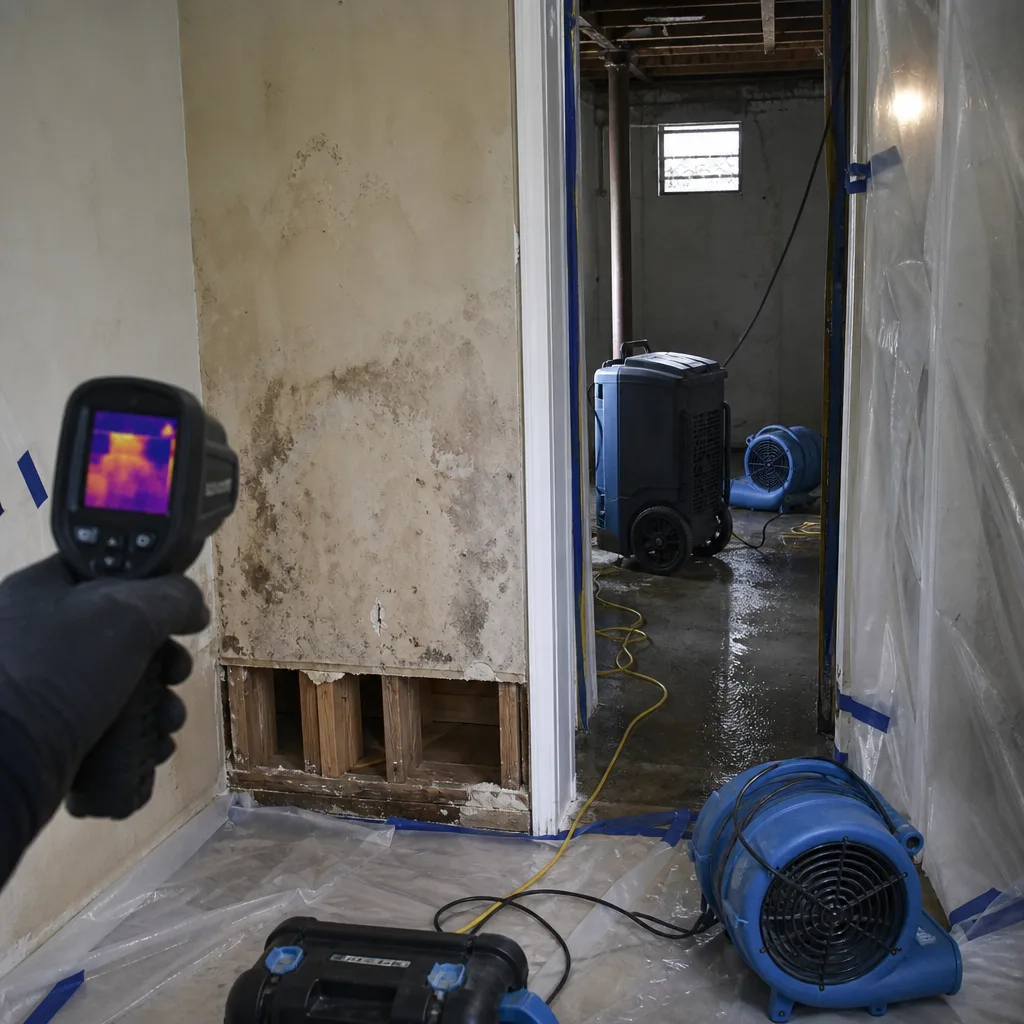 Before
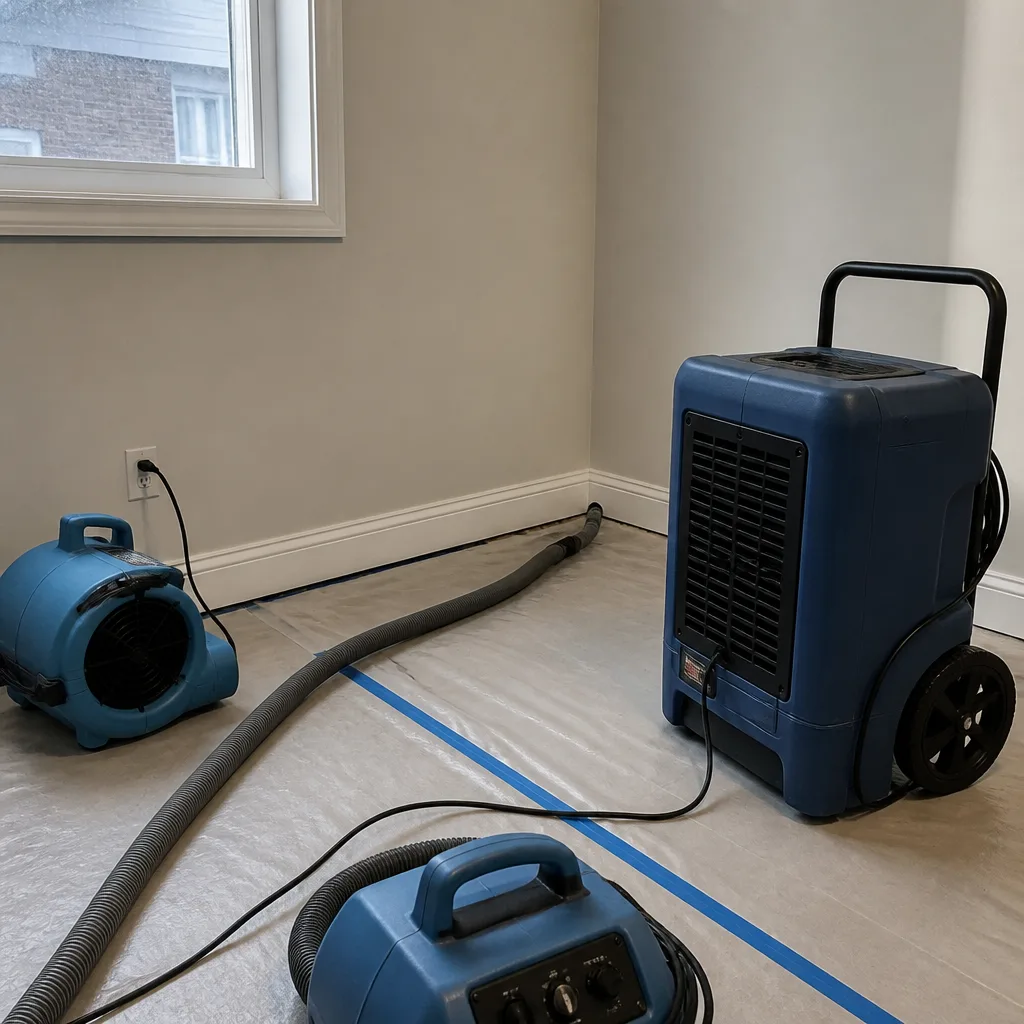 After
After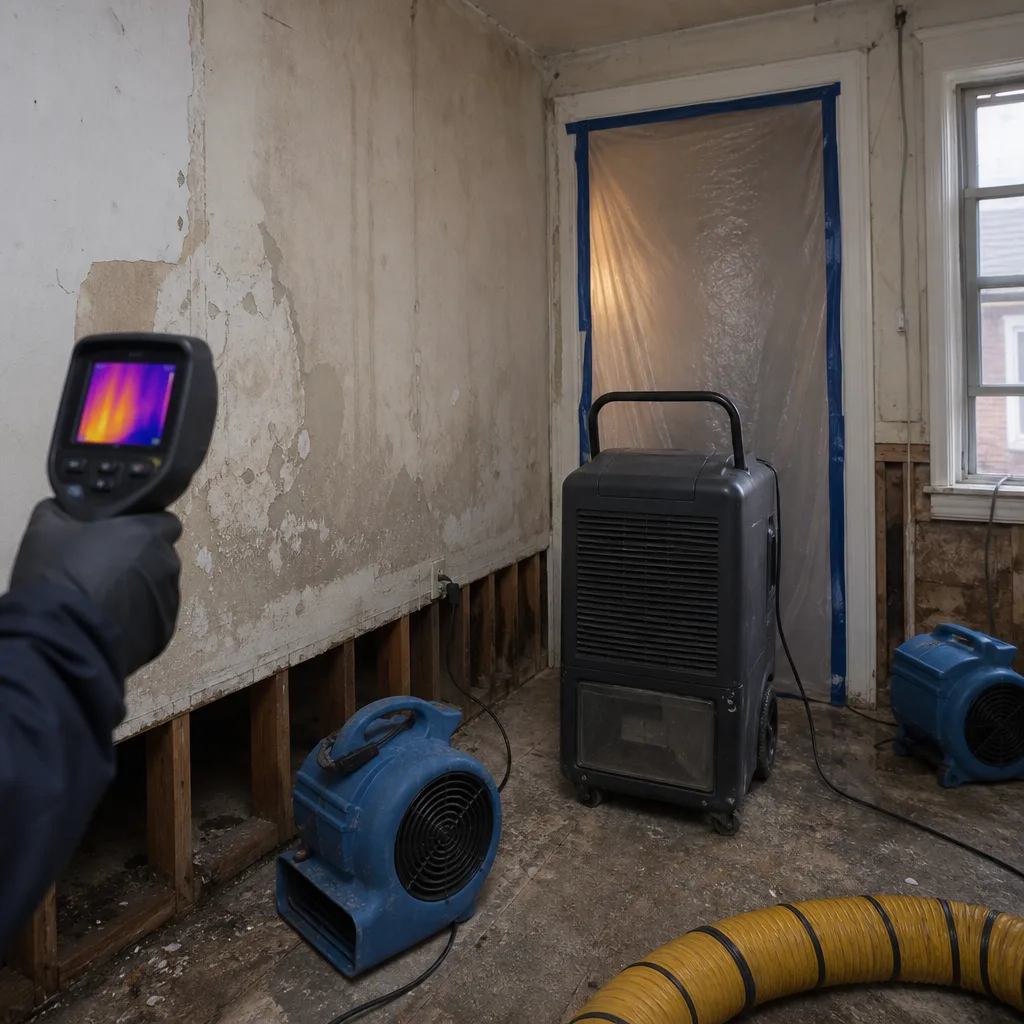 Before
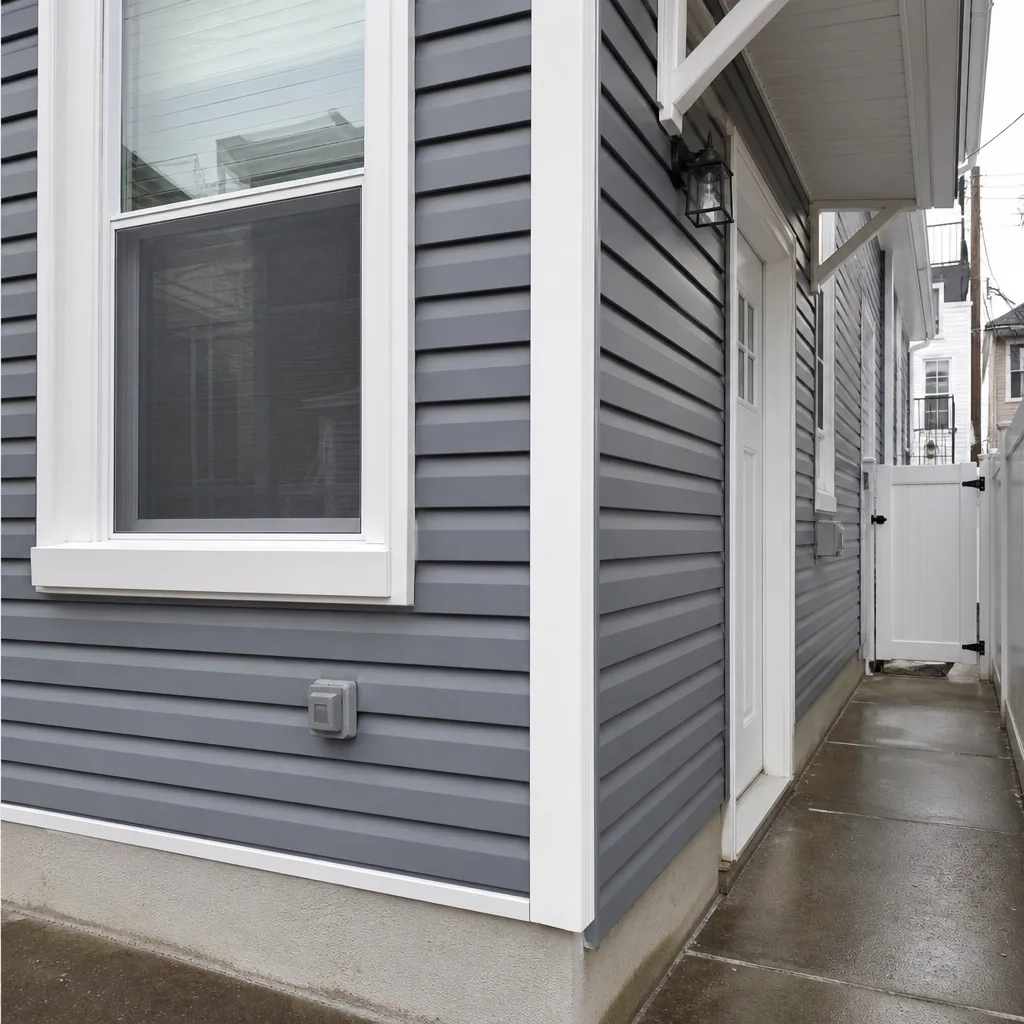 After
After24/7 Emergency Storm & Disaster Restoration in Harrison
When a nor’easter pushes the Passaic over its banks or a summer squall drops four inches of rain on Harrison in an afternoon, the damage begins before the water recedes. Wade’s Restoration answers live at (201) 903-9581, any hour, and Wade heads out himself with extraction crews running inside 45 minutes for Harrison callers. The first hour determines whether you’re drying a basement or gutting one. A free visual inspection comes with every call, no trip charge inside the county.
Understanding Storm & Disaster Restoration Severity in Harrison Properties
Floodwater in Harrison is rarely clean water. If the Passaic overflows into your basement, that’s Category 3 black water, and it carries sediment, sewage, and EPA-designated contaminants from the lower Passaic River Superfund corridor. Treating it like clean groundwater will leave pathogen-laden mud inside your walls. In the 2-3 story brick row homes and two-family houses built between 1900 and 1945 along Harrison’s residential blocks, water moves differently than in modern construction. Thick plaster over brick absorbs moisture deep, old cast-iron drains crack under hydrostatic pressure, and unventilated basements reach mold-friendly humidity within 48 hours even after visible water is pumped out. Moisture mapping, not guesswork, tells us where the water actually went. We use Dri-Eaz moisture meters and thermal imaging to log readings off brick foundation walls, subflooring, and the bottom two feet of drywall, because hidden pockets in pre-1940 row homes are where mold takes hold.
Why Harrison Property Owners Choose Wade’s Restoration
- 45-minute response to Harrison calls. Wade answers his own phone and has extraction equipment heading toward you within the hour, not the next morning.
- A live person answers, 24/7. No voicemail, no answering service. You’ll hear Wade’s voice at 3 a.m. if that’s when the storm hits.
- IICRC-certified crews on every job. Our techs hold WRT (water restoration), FSRT (fire & smoke), and AMRT (applied microbial remediation) certifications, and the work follows those standards.
- Free visual inspection, no county trip charge. We’ll look at the damage, tell you what we found, and give you a written scope before any work starts.
- Direct insurance billing. We document the loss, deal with your adjuster directly, and handle the paperwork so you’re not the one relaying information between two sides.
- One team from extraction to reconstruction. The same people who pump the water also rebuild the wall. No hand-offs to a subcontractor who never saw the original damage.
Our Storm & Disaster Restoration Process
Inspection & Assessment
We arrive, walk the property, and determine water category, contamination source, and structural impact. Thermal imaging and moisture meters map how far water traveled through walls and flooring. You get a written scope before equipment comes off the truck.
Extraction & Stabilization
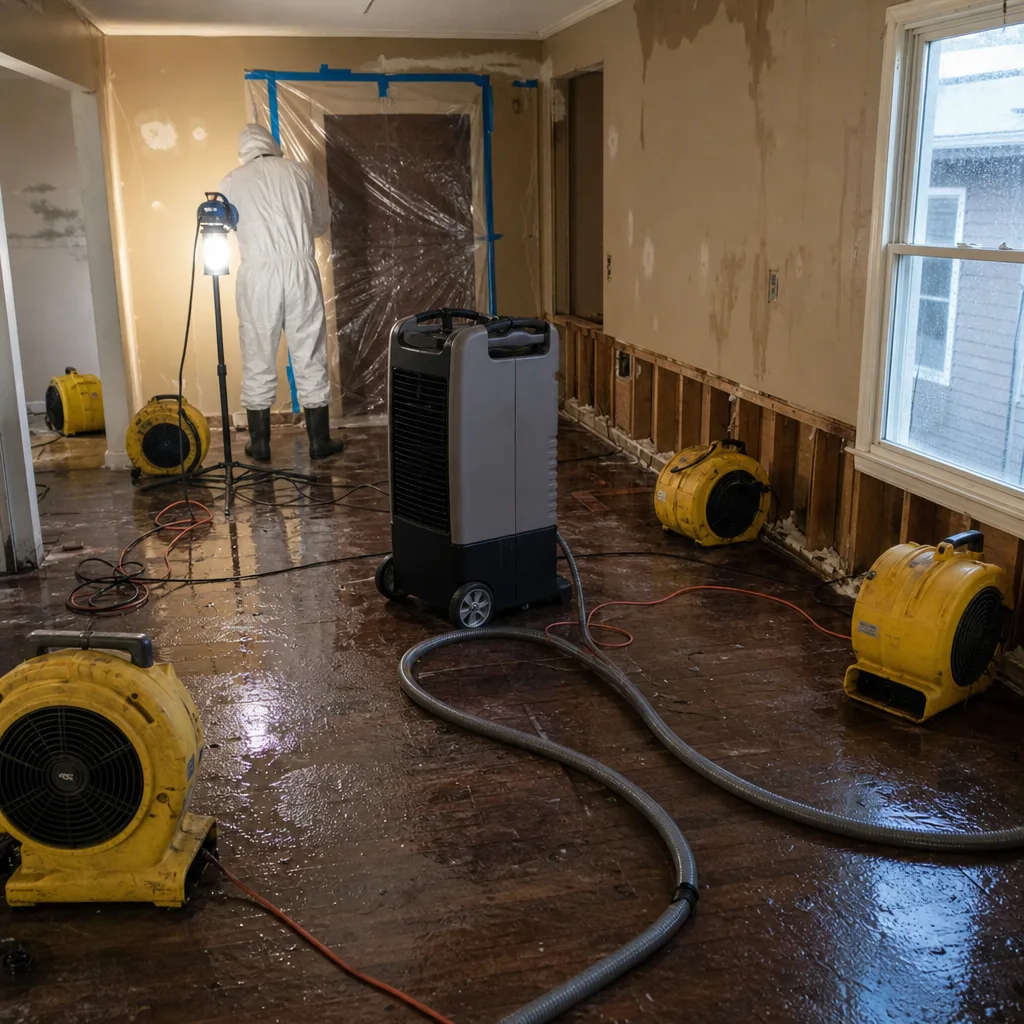
Dri-Eaz submersible pumps and truck-mounted extraction units pull standing water from basements, crawl spaces, and wall cavities. If wind damage opened your roof or windows, we board up and tarp immediately to stop further water intrusion.
Drying & Dehumidification
Air movers and Phoenix dehumidifiers run continuously, pulling moisture from brick, plaster, framing, and subfloor. We take moisture readings every single day and hand you the full log when the job ends, so you can see what actually happened inside your walls.
Cleaning & Sanitization
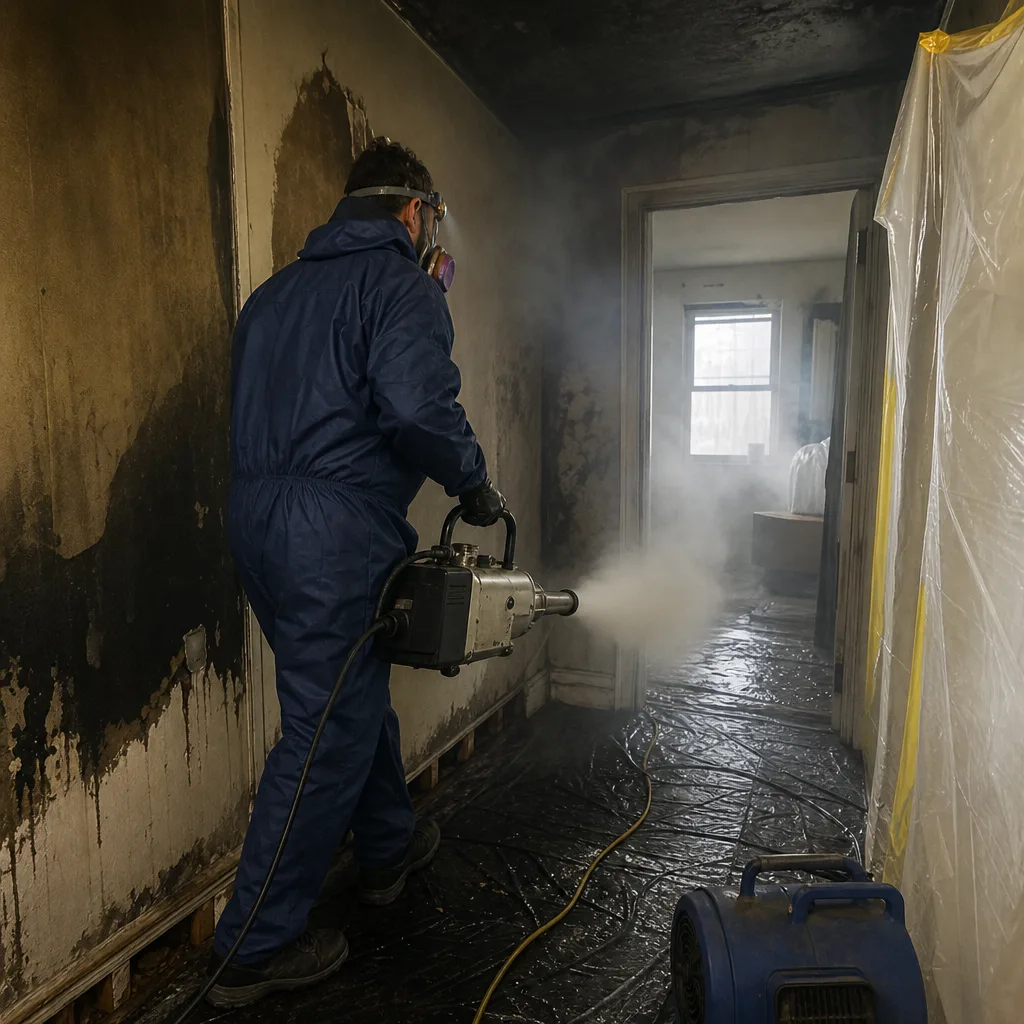
Category 3 floodwater from the Passaic requires antimicrobial treatment on every affected surface. We cut contaminated drywall to two feet above the water line, remove compromised insulation, and treat remaining framing and masonry.
Containment & Air Scrubbing
For flood and storm jobs carrying river sediment or mold, we set containment barriers and run HEPA air scrubbers. This keeps contaminants from spreading into living spaces during demolition and drying.
Repairs & Restoration
From replacing drywall and flooring to rebuilding basement stairs and refinishing walls, the same team carries the job through. Every water, fire, and mold restoration job carries Wade’s 90-Day Done Right Promise in writing.
Need Emergency Storm & Disaster Restoration in Harrison Now?
Crews minutes away, answering live 24 hours a day. The sooner we start, the less it costs.
Working With Your Insurance Company
Harrison homeowners sitting inside the FEMA-mapped Passaic River flood zone already know the stakes: carriers scrutinize flood claims, and documentation gaps get claims reduced or denied. Wade Ferris has handled adjuster relationships since 2007, and he treats the paperwork as part of the job, not a favor. We photograph every room, log moisture readings daily, and produce a line-item scope of work written in the format your carrier expects. Then Wade talks to your adjuster directly, so you’re never the one translating between our crew and an insurance desk. When floodwater carries the Superfund contamination profile, that documentation matters even more, because structural drying and pack-out for contaminated materials both need written justification. Free second opinion on any written estimate, too, if another company already put numbers in front of you.
What We Provide Your Insurer
- Thorough documentation of the loss
- Photos of all damage, room by room
- Moisture readings and drying logs
- A detailed, line-item scope of work
- Direct coordination with your carrier
Built for Harrison’s Loss Calendar
Storm and flood damage in Harrison is a seasonal rhythm, not a random event. January and February deep freezes burst supply lines in unheated basements of the pre-war row homes along Harrison Avenue, sending clean water through floor joists before anyone notices. March and April snowmelt saturates the already-high water table in the Passaic valley, and basement seepage shows up as seep-through on brick foundation walls. Summer brings intense thunderstorms that dump water faster than Harrison’s aging storm drains can carry it, backing up through floor drains and into subgrade basements. Nor’easters in the fall push the Passaic over its banks the way Hurricane Irene did in 2011, filling entire blocks with river water. Around the Harrison PATH station redevelopment, property managers deal with flooded elevator pits and subgrade electrical vaults in new mid-rise buildings sitting squarely inside the flood zone. Wade’s Restoration has seen the full cycle enough times to know what each season does to these buildings.
Storm & Disaster Restoration Across Harrison’s Neighborhoods
Response routes and building types matter. Downtown Harrison, around Frank E. Rodgers Boulevard, mixes old storefront apartments with newer mid-rise construction, and ground-floor commercial spaces there flood through entryways and utility rooms. The blocks east of the PATH station, by the river side of town, hold some of Harrison’s oldest row homes, and those basements sit at or below the Passaic’s high-water line during any significant rain event. Over near Hamilton Street and the surrounding residential grid, tight-set brick two-families from the 1920s and 1930s share party walls, so water moves laterally between neighbors, not just vertically through a single house. The riverfront blocks along the Passaic’s western bank sit lowest, and they’re the first to see water when the river backs up. Each area needs a different approach, but they all need the same fast response when the water is rising.
Specialized Storm & Disaster Restoration Services We Offer in Harrison
Flood Damage Restoration
Passaic River overflow in Harrison means Category 3 black water, period. We treat it as a hazmat scenario from the first hour: full containment, antimicrobial protocols, contaminated material removal to two feet above the water line, and environmental documentation for your carrier. It’s the same protocol you’d want for any Superfund-adjacent water source, because that’s what the lower Passaic carries.
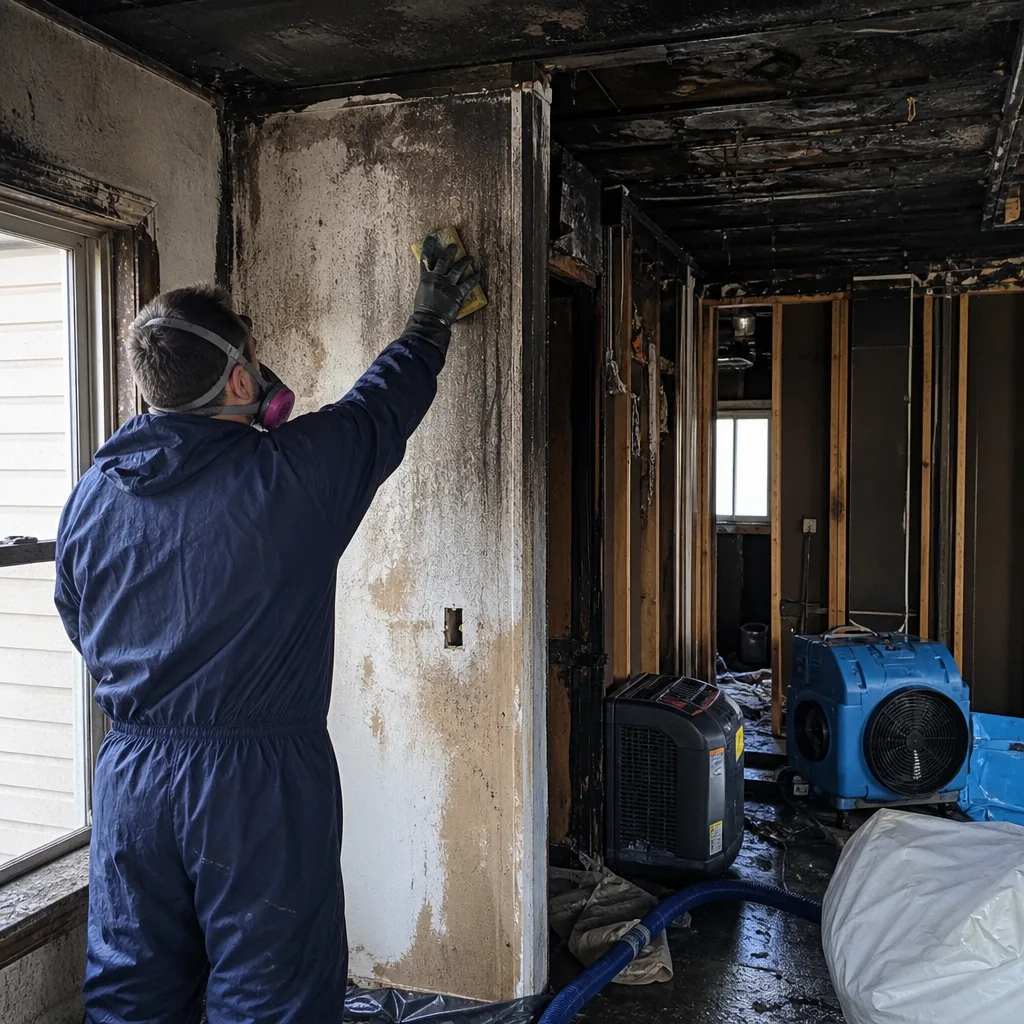
Storm Damage Cleanup
After wind rips shingles off a Harrison row home or a tree limb punches through a second-floor window, the damage isn’t done when the storm passes. Rain follows the opening, debris carries into living spaces, and exposed framing starts wicking moisture. Our crew clears debris, removes water-logged materials, and gets the property stable enough to assess honestly.
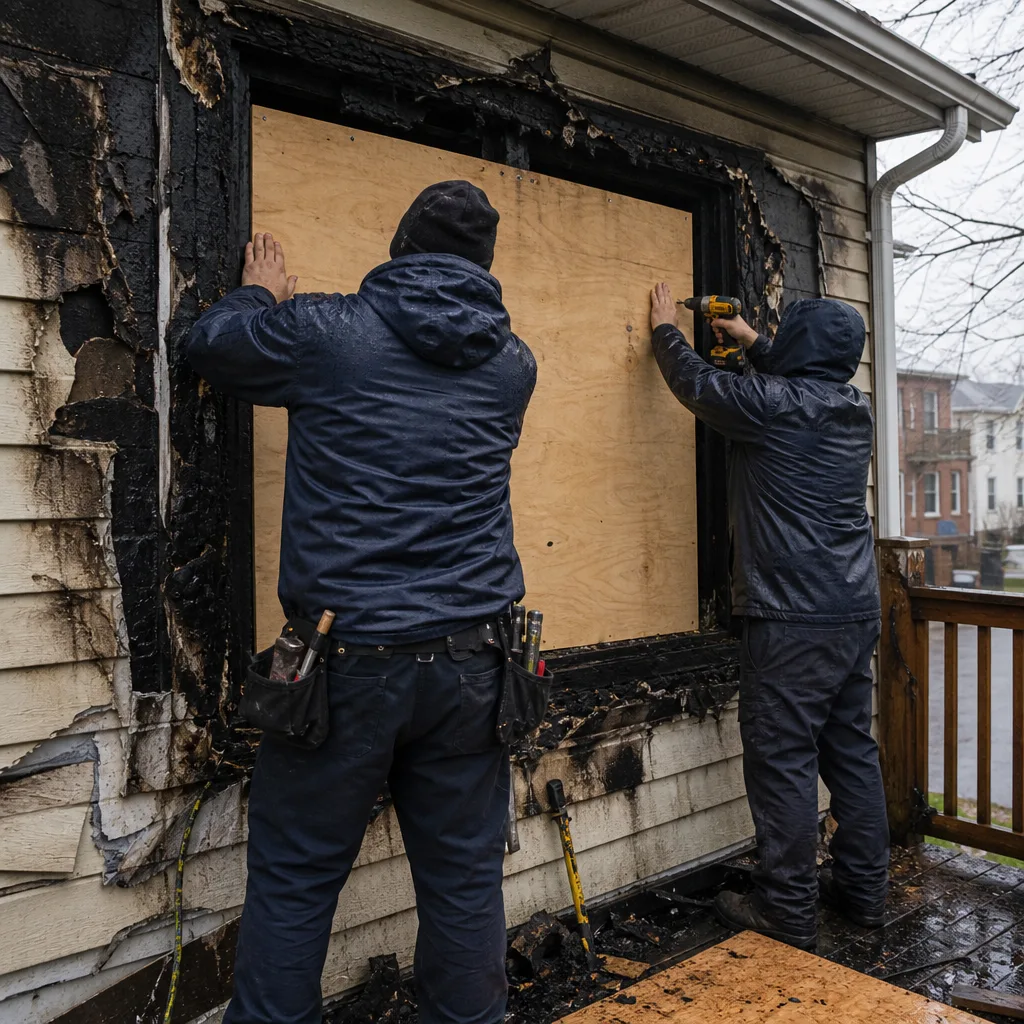
Emergency Board-Up
A broken window or compromised door in an empty Harrison two-family is an open invitation for the next storm, and for anyone passing by. We board up and tarp within hours of your call, not days. On Harrison’s dense blocks, one open house becomes the neighborhood’s problem, and we treat that seriously.
Roof Tarping
Nor’easter winds rip roof membranes off flat and low-slope rowhouse roofs every year in Harrison. A properly secured tarp stops water pouring through the gap until roofing repairs can be scheduled. We’ll tarp it tight, document the failure, and keep it watertight through the next weather cycle.
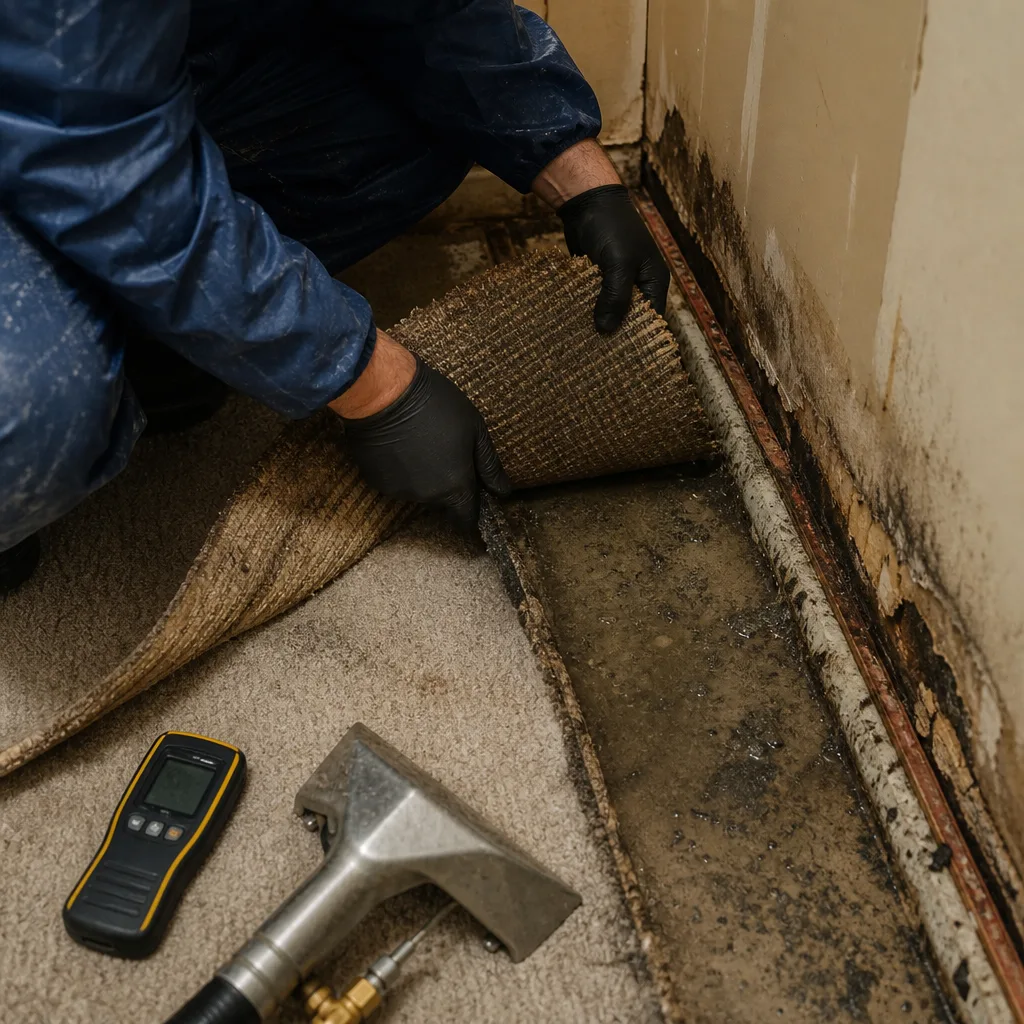
Debris Removal
Storm debris in Harrison means more than fallen branches. It means waterlogged drywall, compromised insulation, ruined furniture, and sludge that the Passaic dragged in. We haul it out, separate what can be cleaned from what has to go, and keep the work area safe for whoever is still living in the house.
What happens when you call
- 1
A real person answersNo phone trees - you reach a local pro.
- 2
You get an upfront price rangeHonest numbers before anyone is dispatched.
- 3
A background-checked tech heads outLicensed & insured, dispatched right away.
- 4
You approve before work beginsNothing starts until you say go.
Storm & Disaster Restoration Costs in Harrison, NJ
Flood damage restoration in Harrison generally runs from $3,500 to $12,000 for a typical row-home basement flood, depending on how high the water rose and whether the source was clean groundwater or Passaic black water. Storm damage cleanup after a wind event, with debris removal and board-up, typically lands between $800 and $3,200. Emergency board-up alone runs $350 to $900, and roof tarping on a Harrison rowhouse runs $450 to $1,200 depending on roof access and membrane type. Full structural drying and antimicrobial treatment after a Category 3 flood pushes toward the upper end of the flood range. What moves the number: water category, square footage affected, how long the water sat, and whether framing, flooring, or built-ins need replacement. Insurance covers most storm and flood losses when documentation is solid. Call (201) 903-9581 and we’ll give you a free visual inspection and a firm written scope before anything gets billed.
We Also Serve Cities Near Harrison
Neighboring flood-prone communities share the same Passaic valley risks. We serve Kearny, Jersey City, Secaucus, and Bayonne with the same 45-minute response and the same free visual inspection policy.
Serving Harrison, NJ - Our Local Coverage Area
We’re based in the Harrison area and know this community well. Use the map below to see our service coverage - if you’re nearby, we can almost certainly help.
Harrison Storm & Disaster Restoration Questions, Answered
How does Harrison’s location on the lower Passaic change the scope of work after a flood?
Harrison sits directly on the lower Passaic River, inside a Superfund corridor, so any river overbank event must be treated as Category 3 black-water contamination. The water carries EPA-designated contaminants, which means full antimicrobial treatment, containment, and environmental documentation are required, not optional. A basement flood a few miles inland would never trigger that protocol. Call (201) 903-9581 and we’ll walk you through what your specific situation needs.
What parts of a pre-1940 Harrison row home are most likely to fail after a storm?
Brick foundation walls wick moisture upward through old mortar joints, and thick plaster over brick hides water that modern drywall would reveal. Cast-iron sewer lines crack under hydrostatic pressure when the water table rises. Wood floor joists embedded directly into masonry pockets rot where they meet the foundation. And unventilated basements with old coal-chute openings let water pour in through deteriorating seals.
Do we need to apply antimicrobial treatment after a Passaic flood in Harrison?
Yes. Passaic floodwater isn’t clean rainwater. It carries sewage, river sediment, and EPA-listed contaminants from the lower Passaic River Superfund corridor. Skipping antimicrobial treatment means leaving viable pathogens inside wall cavities and under floors. We apply treatment as standard on any Harrison flood job sourced from river overflow.
How do you handle moisture readings in thick plaster and brick walls in Harrison row homes?
We take readings at multiple depths, not just on the surface. Plaster and brick dry unevenly, and a surface reading that looks dry can hide a saturated masonry core. We drill small probe holes where needed, log readings daily, and hand you the full moisture log at the end of the job. That’s a Wade’s Restoration practice almost nobody else in the trade does.
Can you do partial structural drying in a Harrison basement that floods every year, or does everything have to come out?
Partial drying works when contamination levels allow it, and we’ll tell you straight if it doesn’t. Brick foundation walls can usually be dried in place with air movement and dehumidification. Waterlogged drywall and insulation from a Category 3 flood cannot, and that material gets cut to two feet above the water line. We’ll show you the moisture readings so you can see why the line was drawn where it was. Get a free second opinion on any written estimate before you commit.
How fast can you get to a Harrison house during a storm event?
Wade answers his own phone 24/7, and he can have extraction crews running inside 45 minutes for Harrison callers. During nor’easters when the whole town is calling, response stretches based on call order, but Harrison jobs get priority because of the flood-zone severity. Call (201) 903-9581 the moment water appears.
Will my insurance cover storm and flood restoration in Harrison?
Storm damage from wind, falling trees, or burst pipes is typically covered by standard homeowners policies. Flood from river overflow generally requires a separate NFIP or private flood policy, which most Harrison homeowners in the FEMA zone already carry. We document everything from the first hour, deal with your adjuster directly, and write scopes of work in the format your carrier expects. That documentation is what gets claims approved.
What should I do in the first 30 minutes after floodwater enters my Harrison basement?
First, make sure the electricity is off to any affected area. Second, call (201) 903-9581. Do not wade through Passaic floodwater in bare skin, it’s contaminated. Move valuables you can reach safely, photograph the water line if possible, and stay out of the basement. Let the crew handle extraction.
Harrison’s flood risk isn’t hypothetical. The Passaic has been here longer than the row homes, and it comes back. When it does, call a neighbor who knows this river. Call (201) 903-9581 for a free estimate, any hour.
Written by Wade Ferris, Owner at Wade’s Restoration, serving Harrison since 2007.