
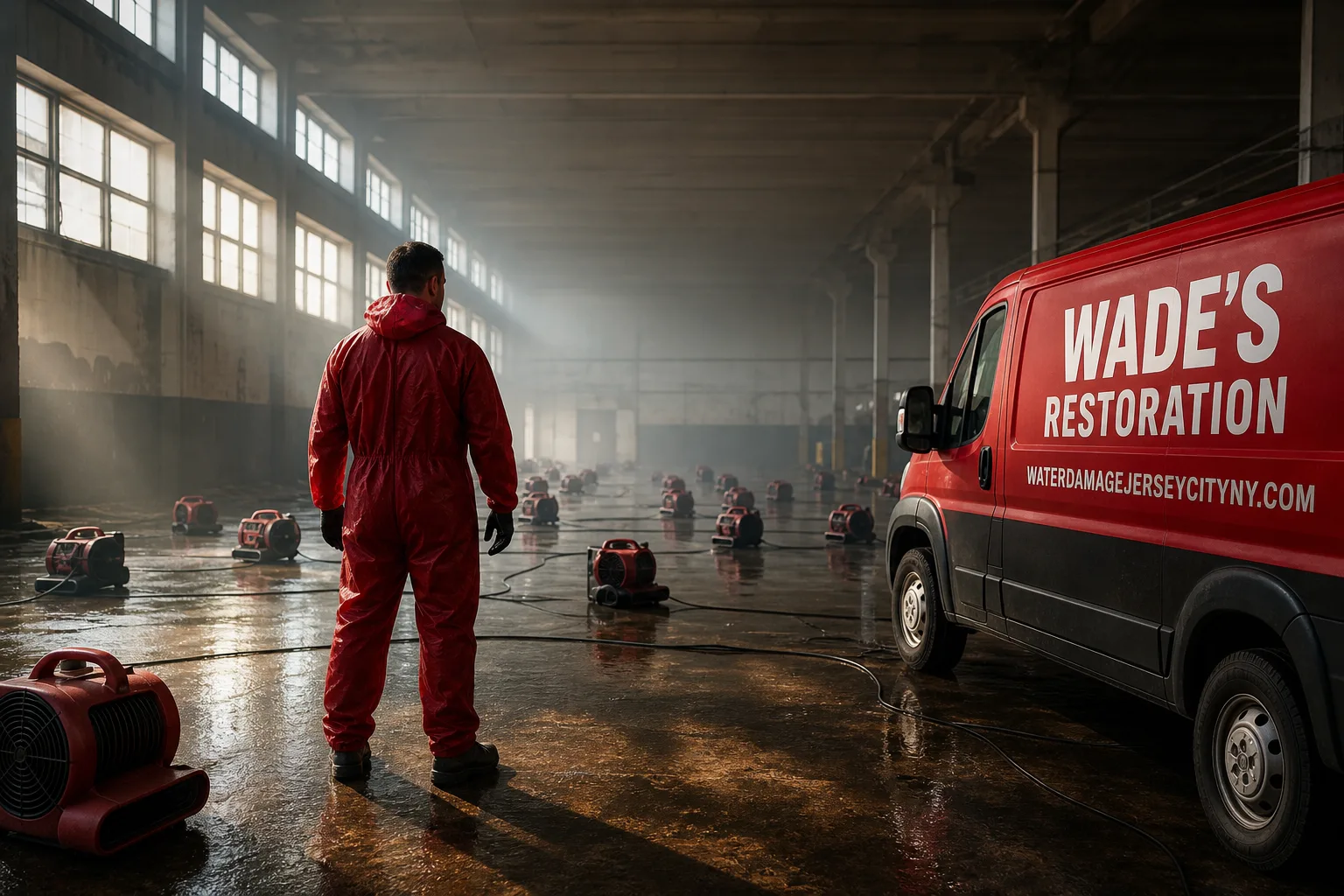
Free visual inspection and a written scope of work before any mitigation begins - photos, moisture readings, and drying logs go in your claim file
The scope we write is the scope we bill. Anything new gets shown to you, in writing, before we touch it.
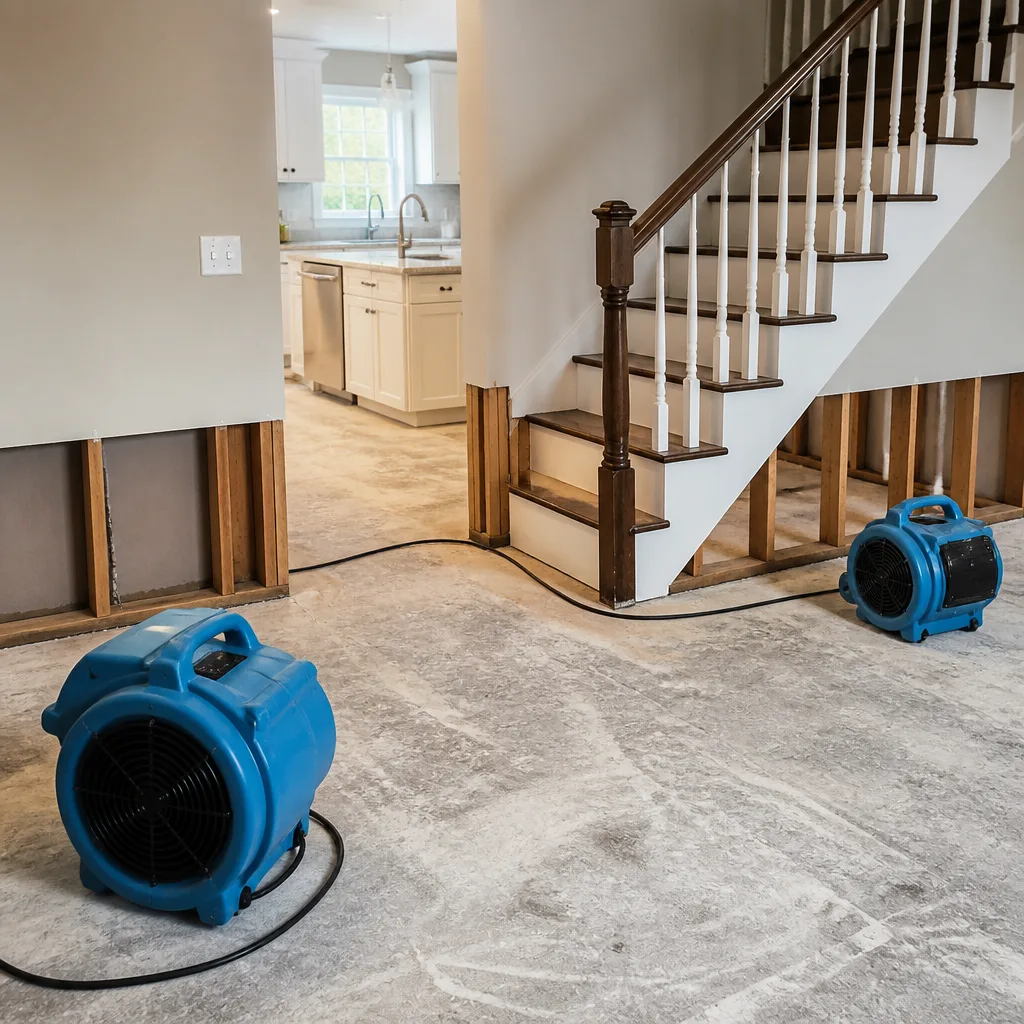
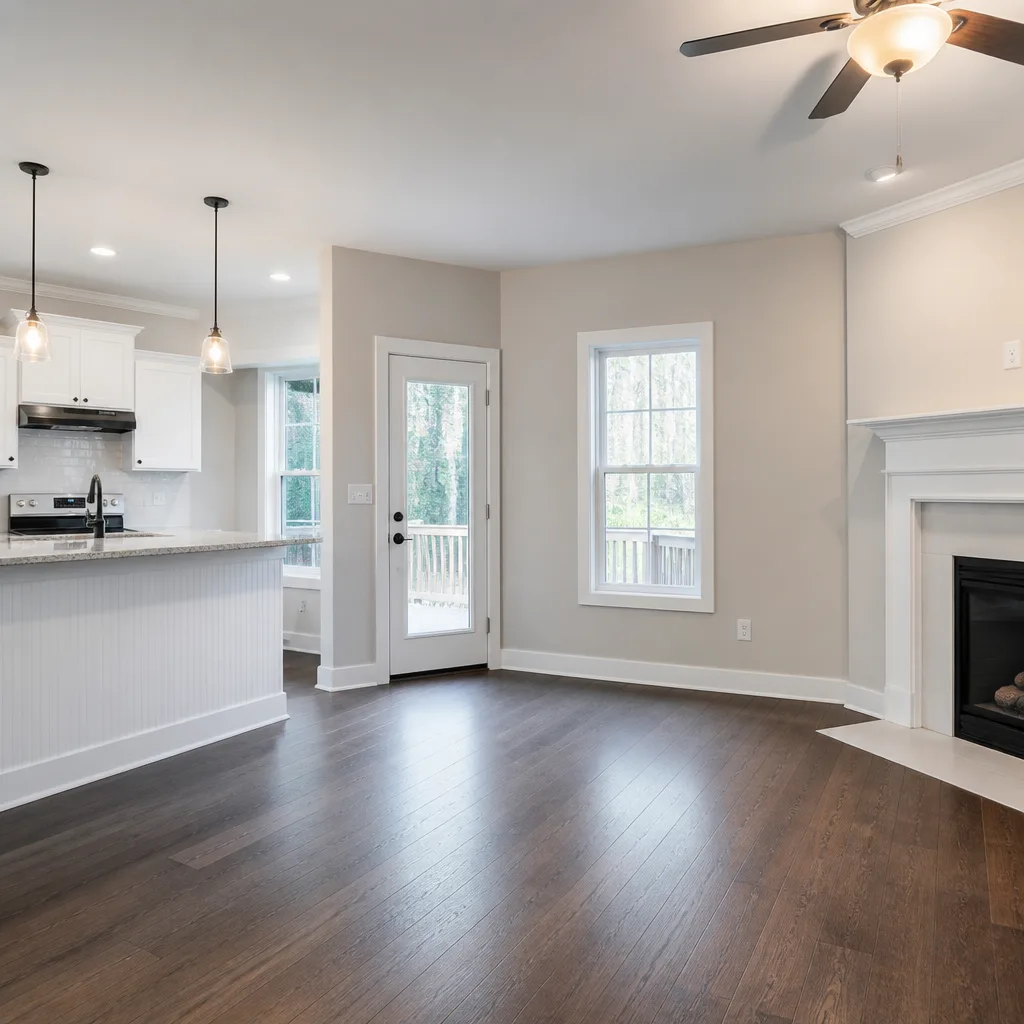
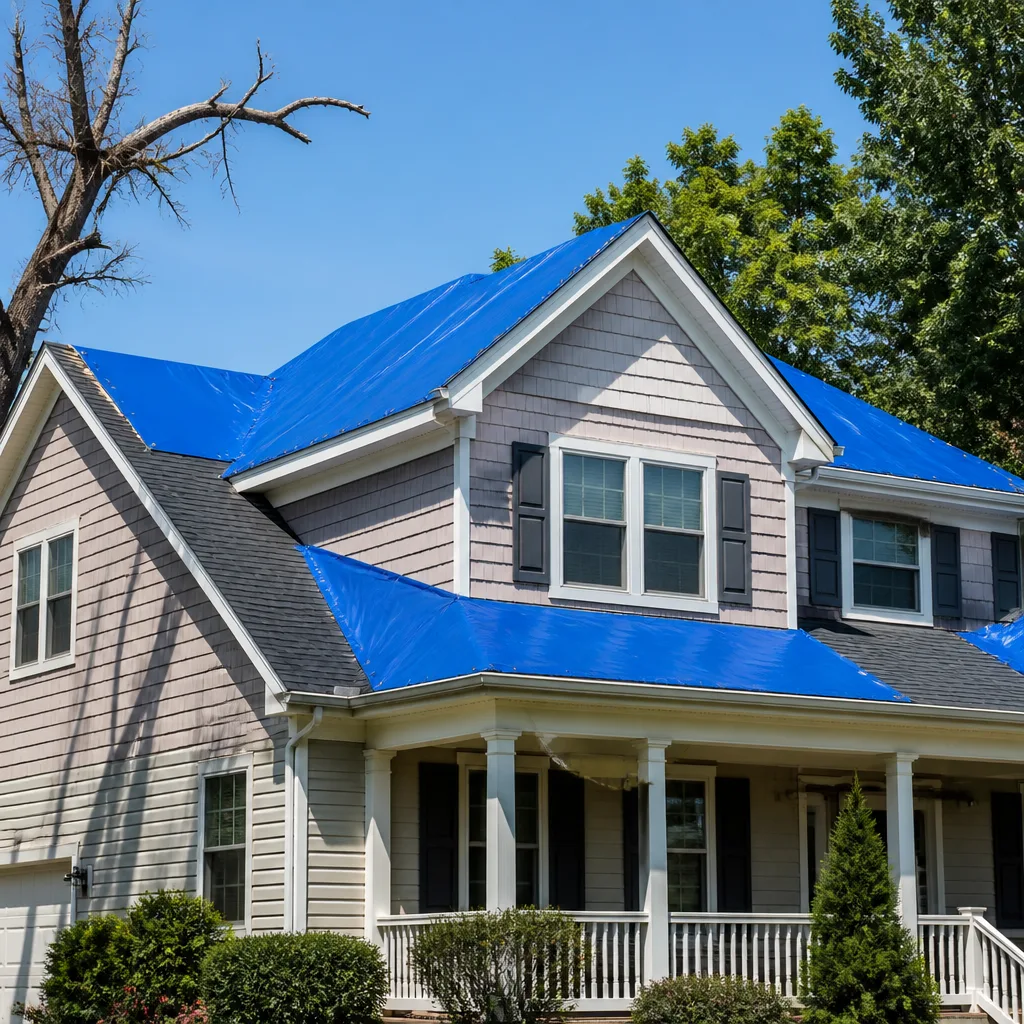
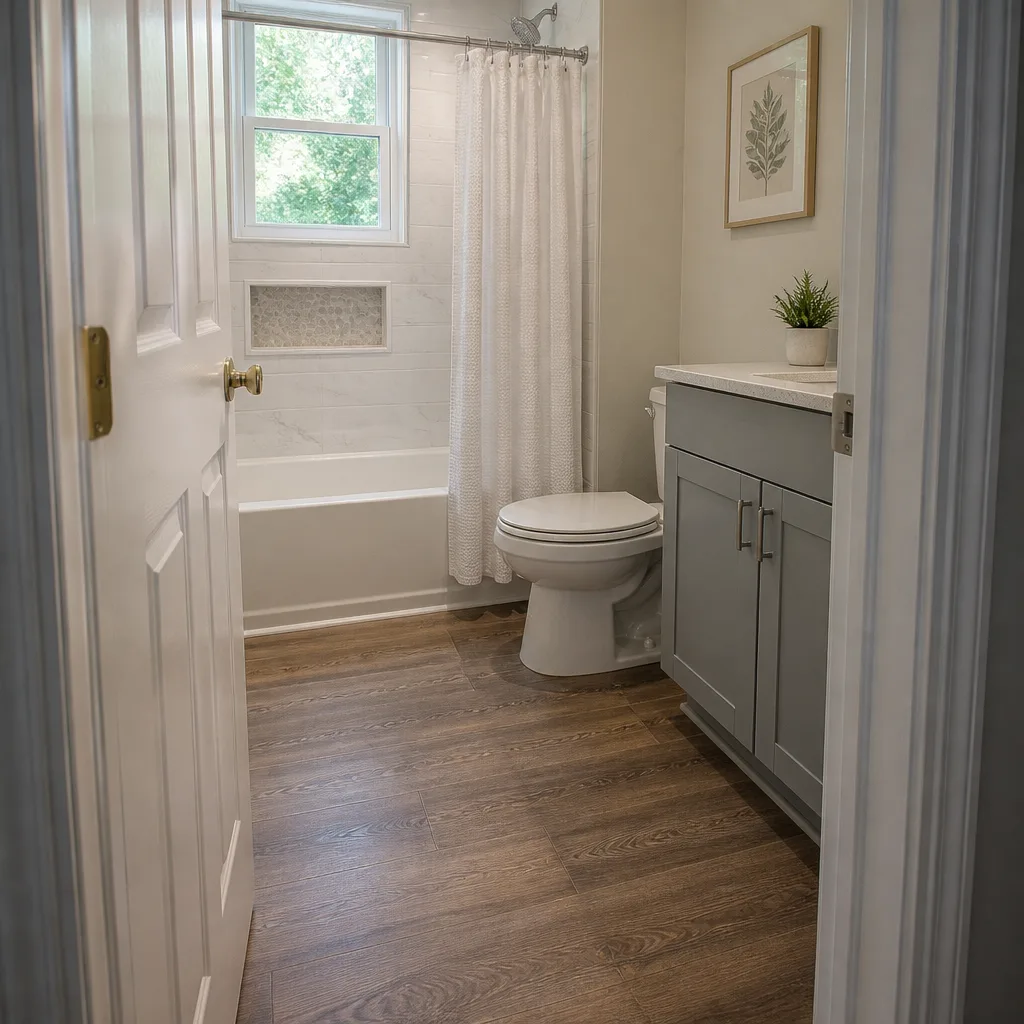
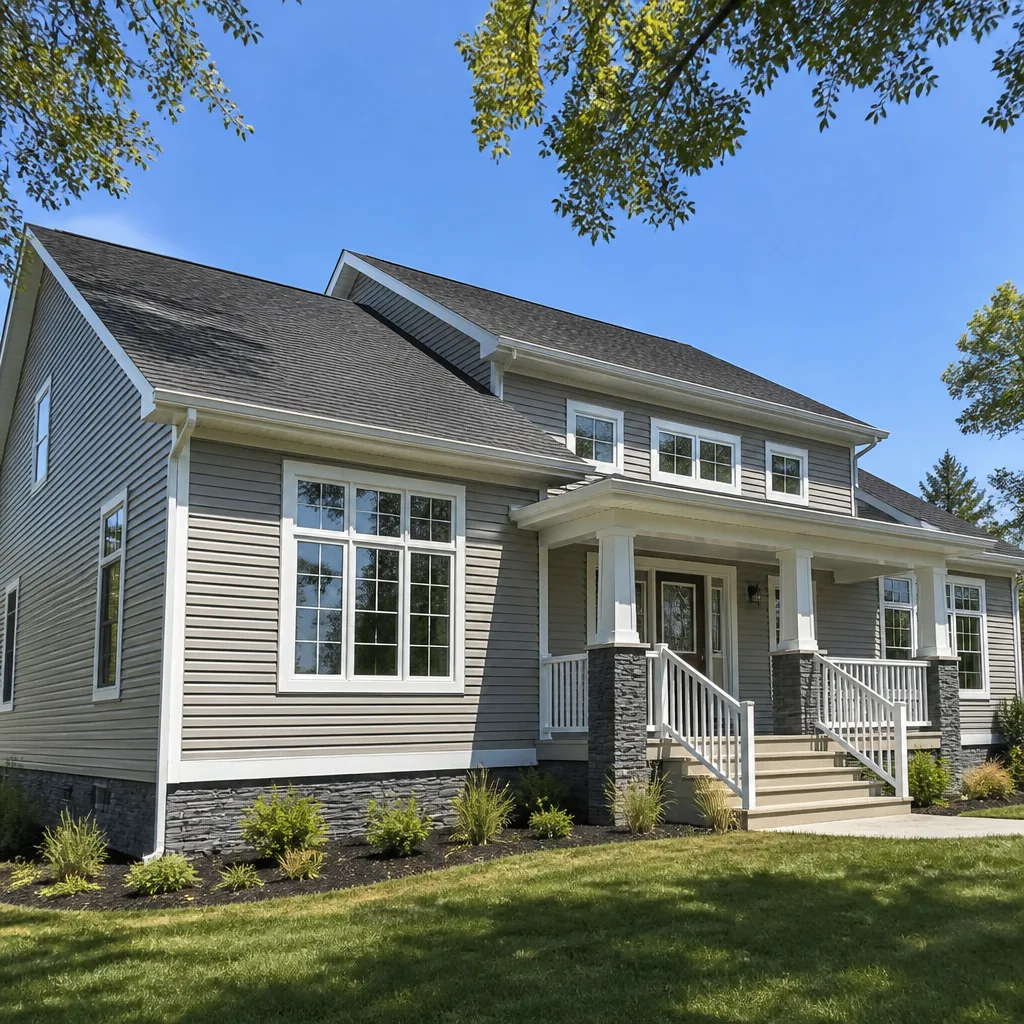
 Before
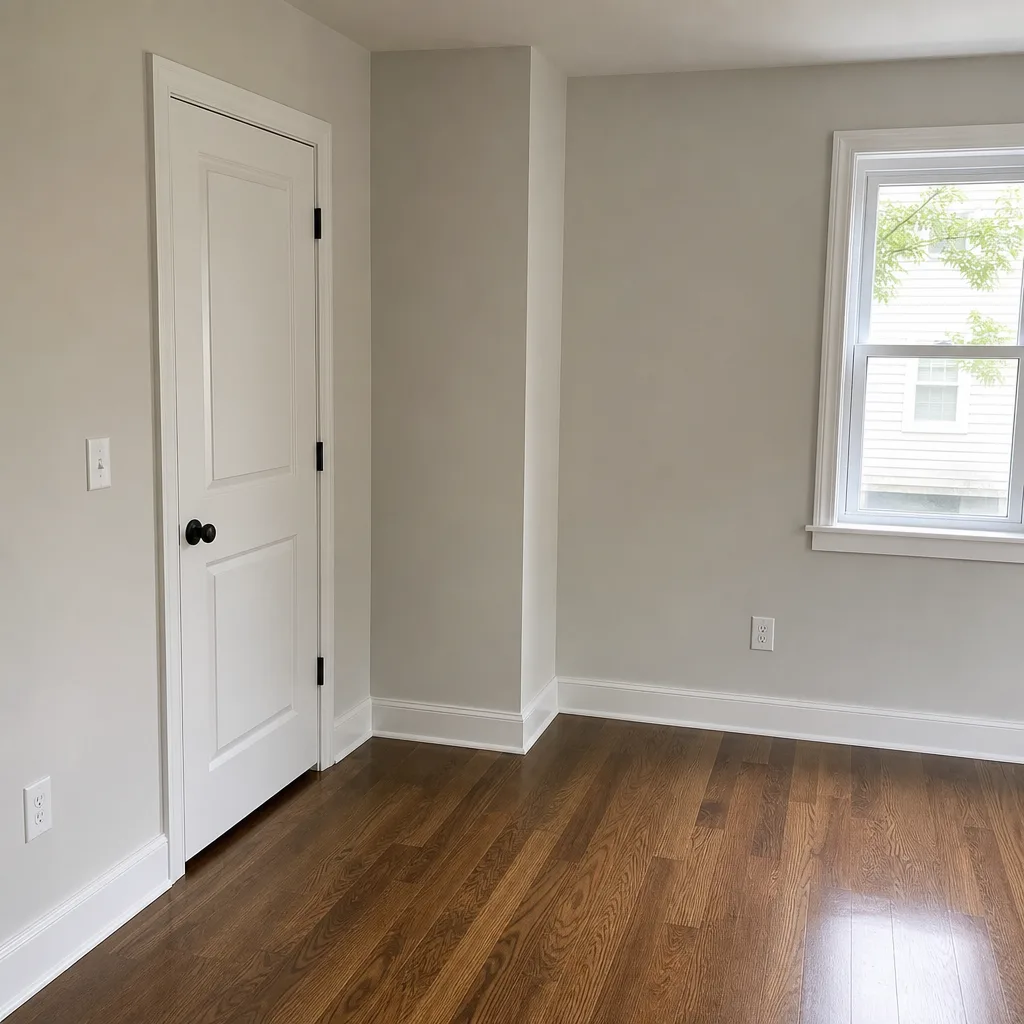 After
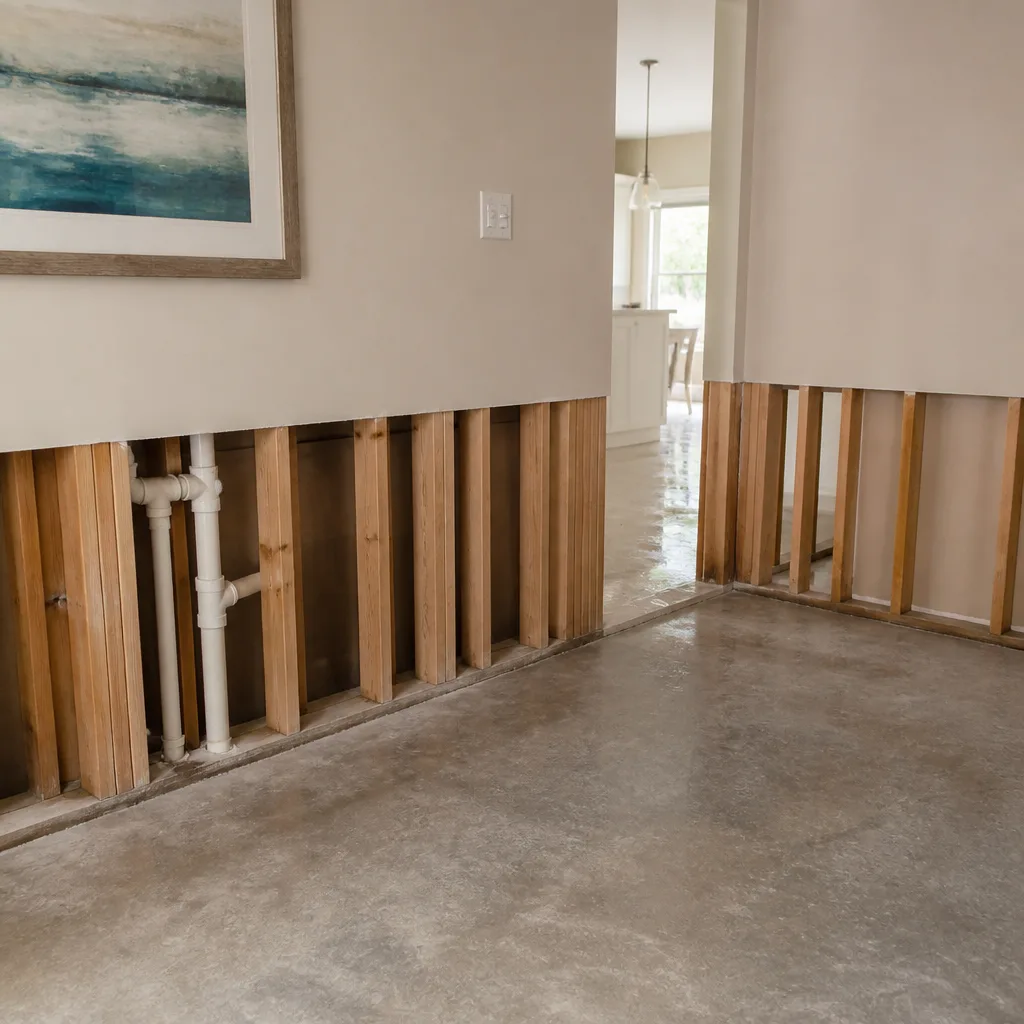
After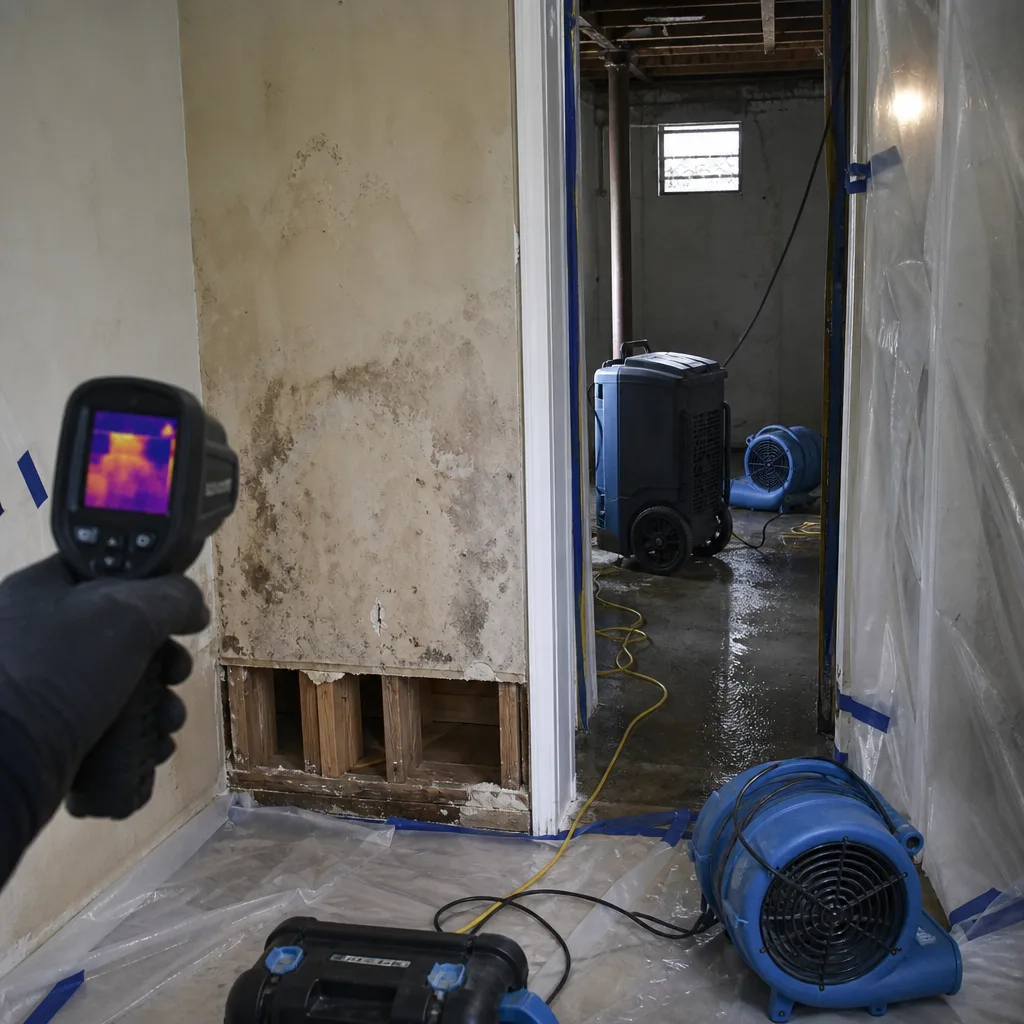 Before
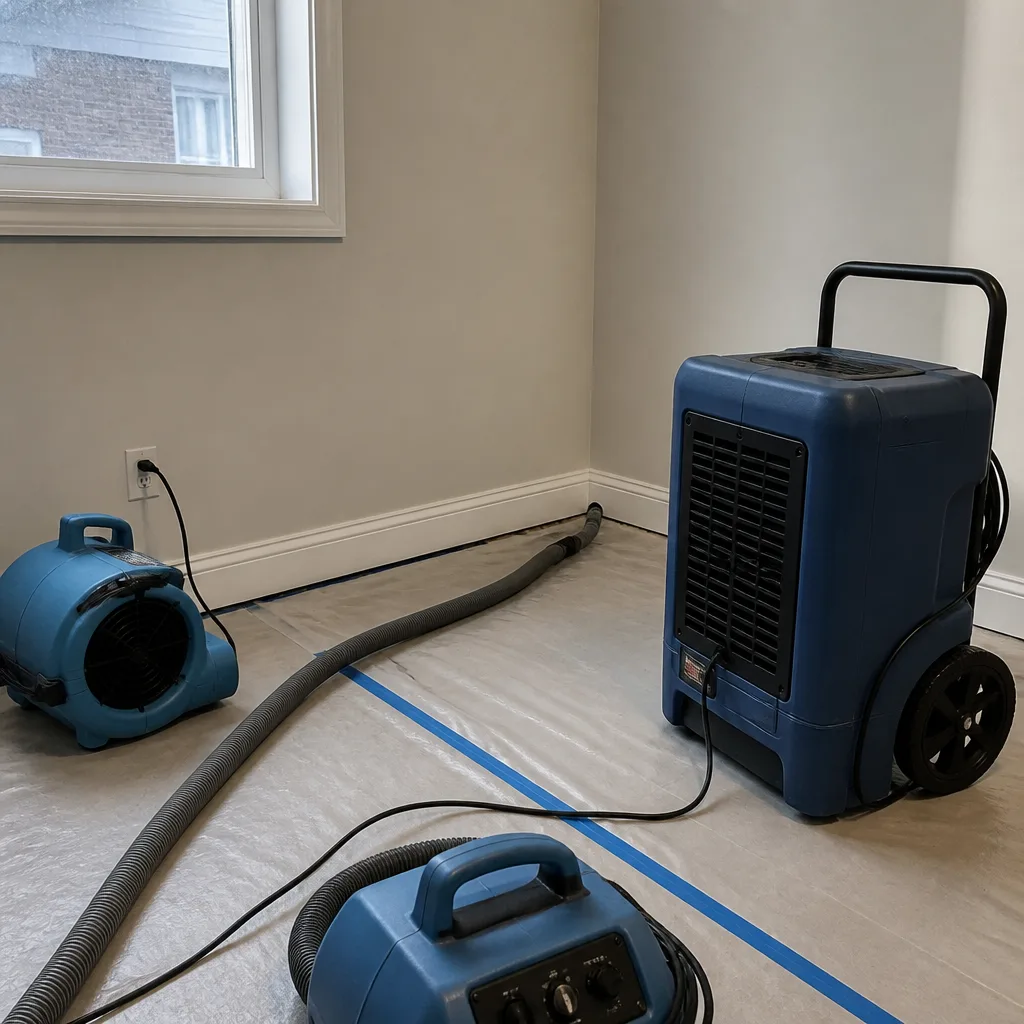 After
After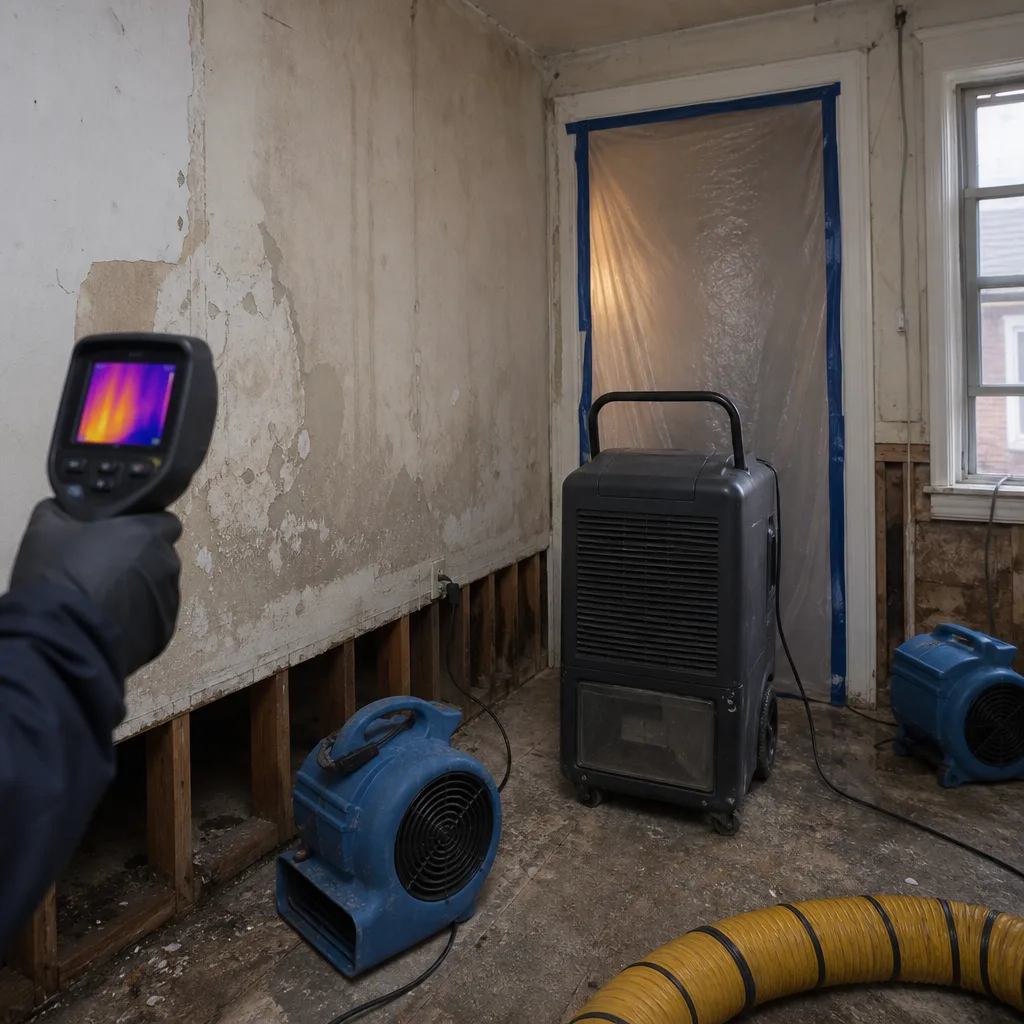 Before
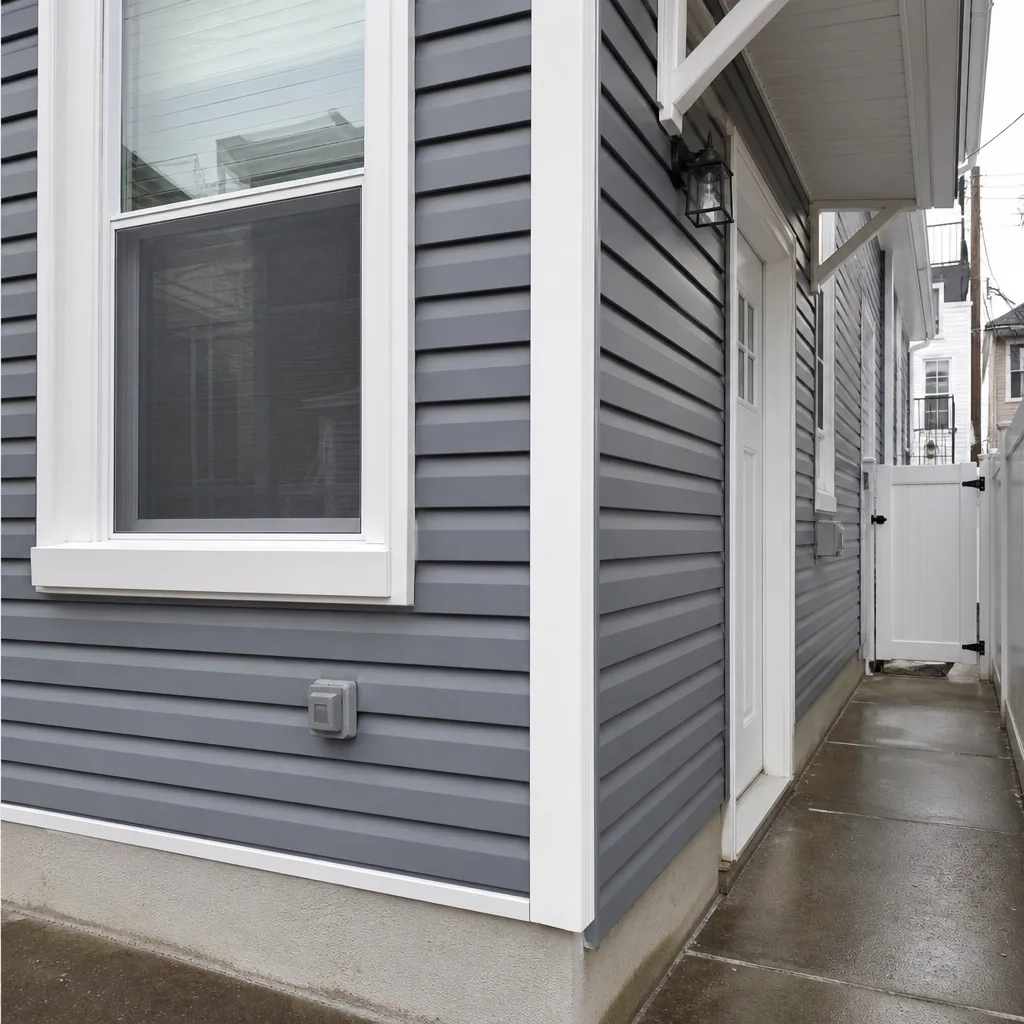 After
After24/7 Emergency Sewage Cleanup in Harrison
Sewage backing up into a Harrison basement is a hazmat situation, not just a messy cleanup. The biggest mistake we see is homeowners waiting until morning, thinking a mop and bleach will handle it. They won’t. Raw sewage carries bacteria, viruses, and parasites that get into every porous surface it touches, and in Harrison’s tightly packed row homes, the contamination doesn’t stay in your house for long. Call (201) 903-9581 right now and Wade’s crew can be on site in Harrison within 45 minutes. Wade answers his own phone, day or night, and he’ll tell you straight what you’re dealing with and what it’ll take to fix it.
Understanding Sewage Cleanup Severity in Harrison Properties
In restoration, we classify water three ways. Category 1 is clean, like a burst supply line. Category 2 is gray water with some contamination, like a washing machine overflow. Category 3 is black water, meaning raw sewage, river overflow, or anything carrying human waste or industrial contaminants. Every sewage backup is Category 3 by definition. But Harrison adds a layer most towns don’t face: when the Passaic River overflows into basements here, it’s not just sewer water. It’s river water carrying decades of EPA-designated industrial contamination from the lower Passaic Superfund corridor. That means environmental documentation and specialized remediation protocols are legally and medically necessary, not optional. In a 1920s brick row home with a below-grade basement, Category 3 water saturates lath and plaster, wicks up into joists, and forces its way into every cavity in the floor system. Without professional extraction, antimicrobial treatment, and controlled drying, you’re looking at mold colonization in 24 to 48 hours and persistent odor that never really goes away.
Why Harrison Property Owners Choose Wade’s Restoration
- Live answer, 24/7. Not a call center. Not a voicemail. Wade Ferris picks up his own phone and has been doing so since 2007.
- 45-minute response commitment. We run crews out of the metro office into Harrison and the surrounding Hudson County towns, and we head out the moment you confirm the address.
- IICRC-certified crews. Our people carry WRT, FSRT, and AMRT certifications. That’s water damage, fire and smoke, and applied microbial remediation, the exact credentials sewage work demands.
- Free visual inspection. We’ll come look, tell you what’s actually needed, and put a number on it before we start. No obligation, no pressure.
- Direct insurance billing. We send the documentation straight to your carrier and handle the adjuster conversation ourselves.
- One team, start to finish. Extraction, drying, sanitizing, and the repairs after. You’re not juggling five subcontractors from the New York metro area.
Wade started this company in 2007 after watching too many outfits quote one price in the driveway and a different one after the wall came open. He publishes his name and license number on the truck. He’ll run into you at the ShopRite on Bergen Street or walking near West Hudson Park. That’s the point. The name on the truck is the guy who answers the phone.
Our Sewage Cleanup Process
Inspection & Assessment
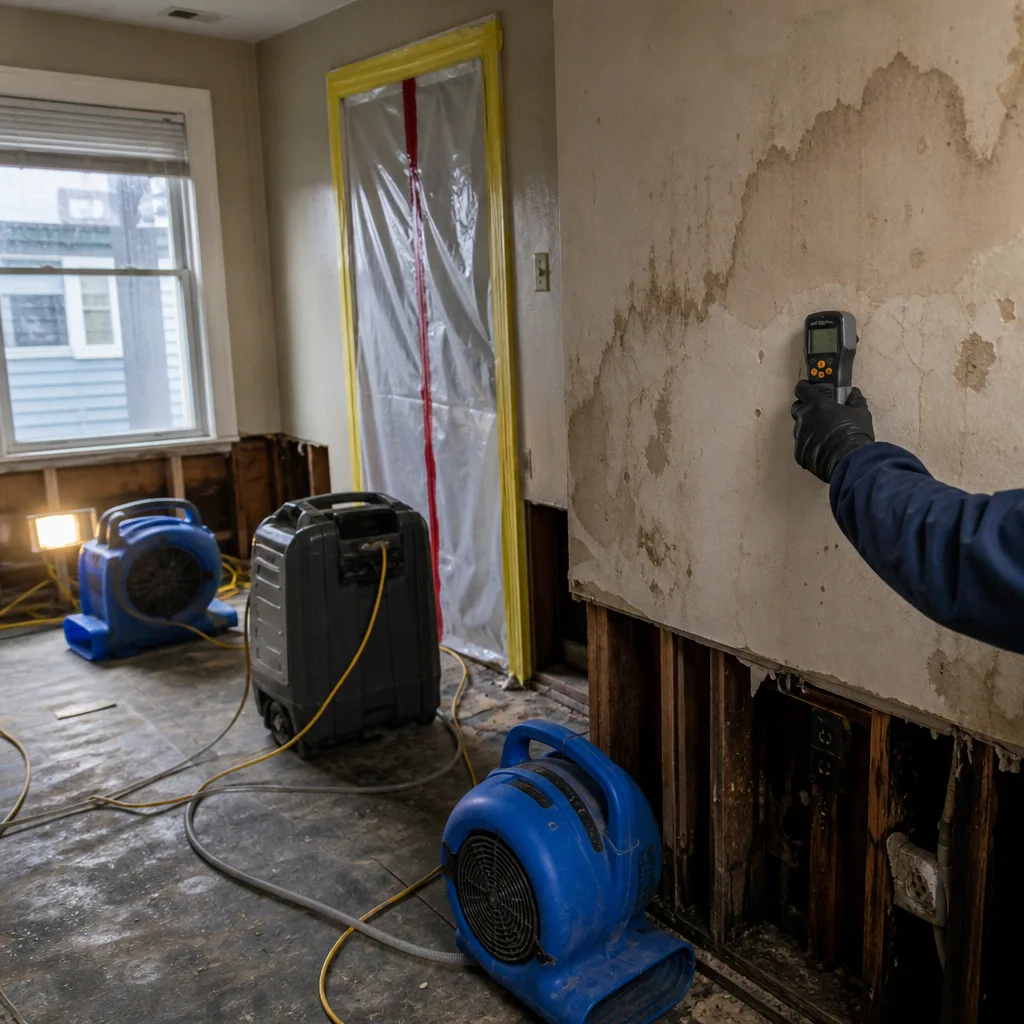
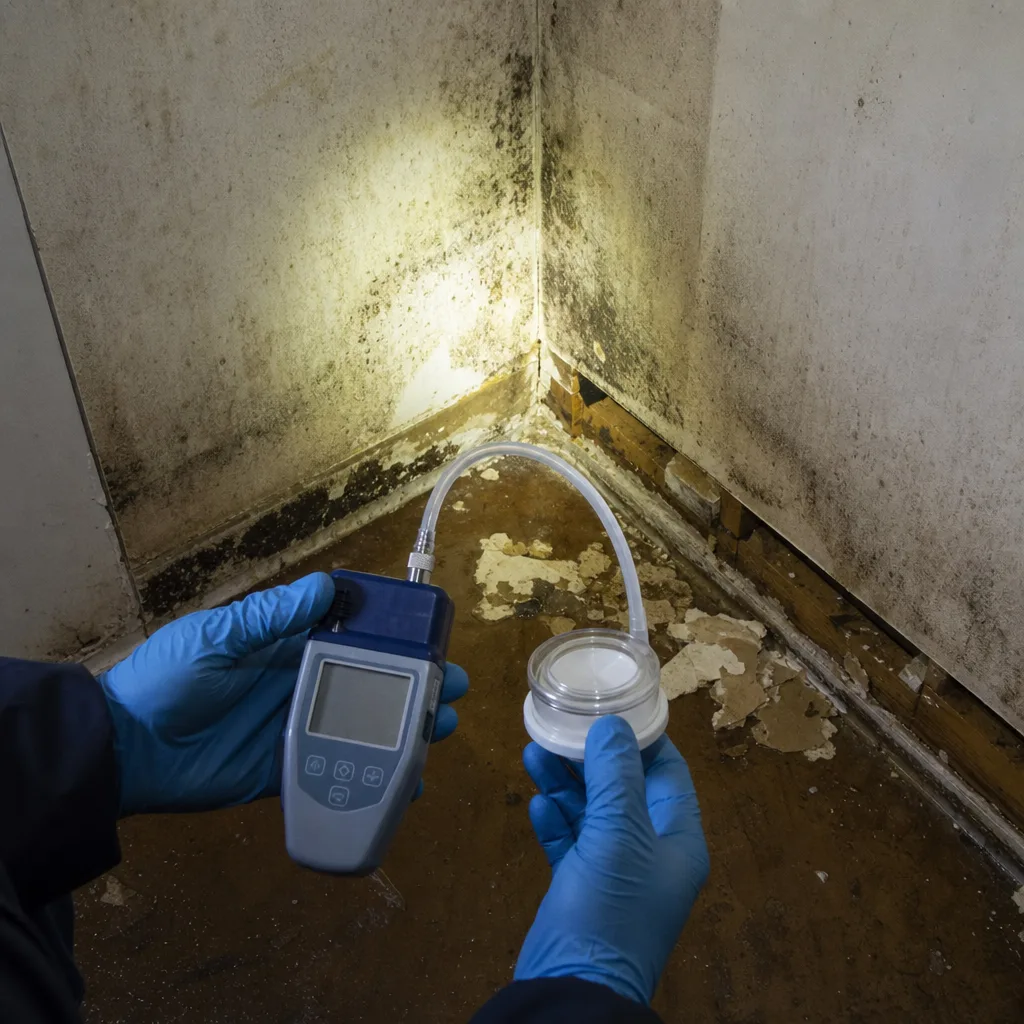
We start with moisture mapping and a visual inspection of the affected area, including the path the water traveled before it pooled. In Harrison basements, that means checking the foundation walls, the floor slab, and any built-in cabinetry or finish materials.
Extraction & Stabilization
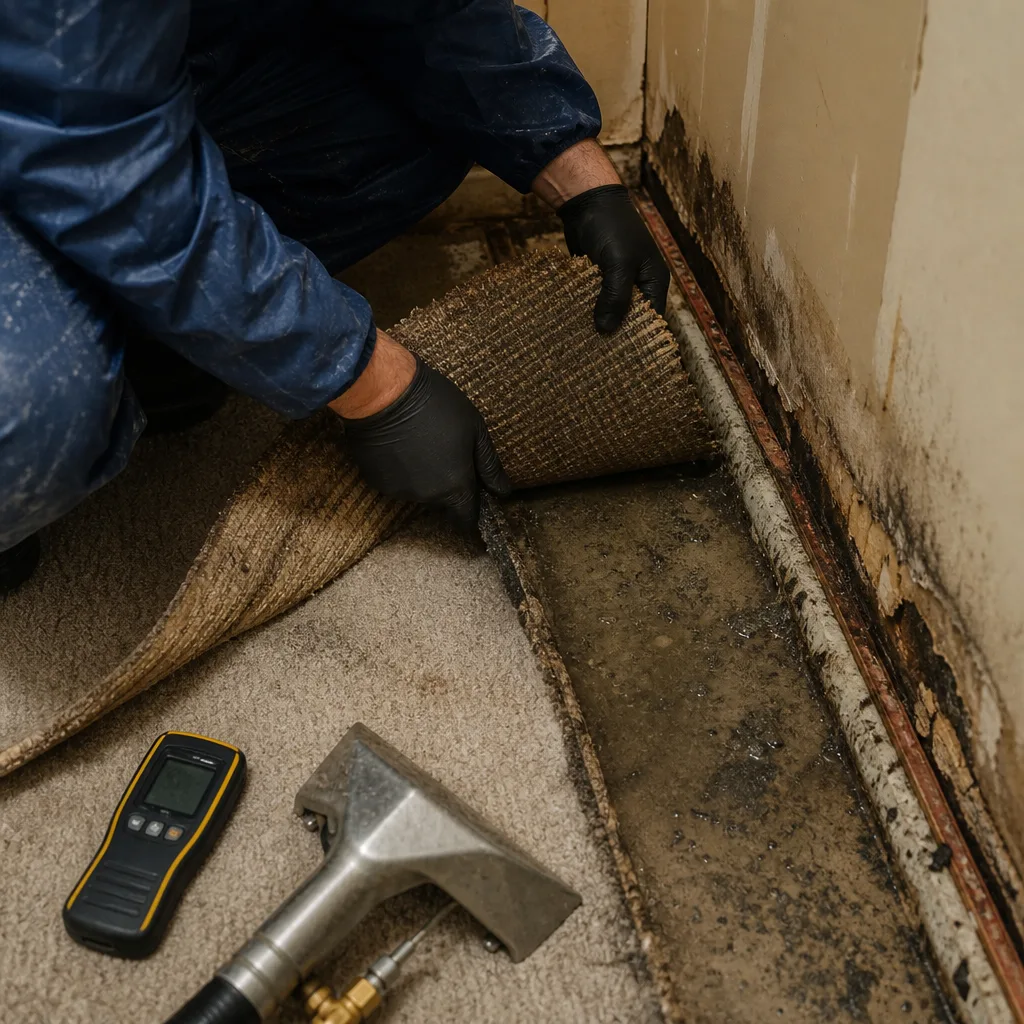
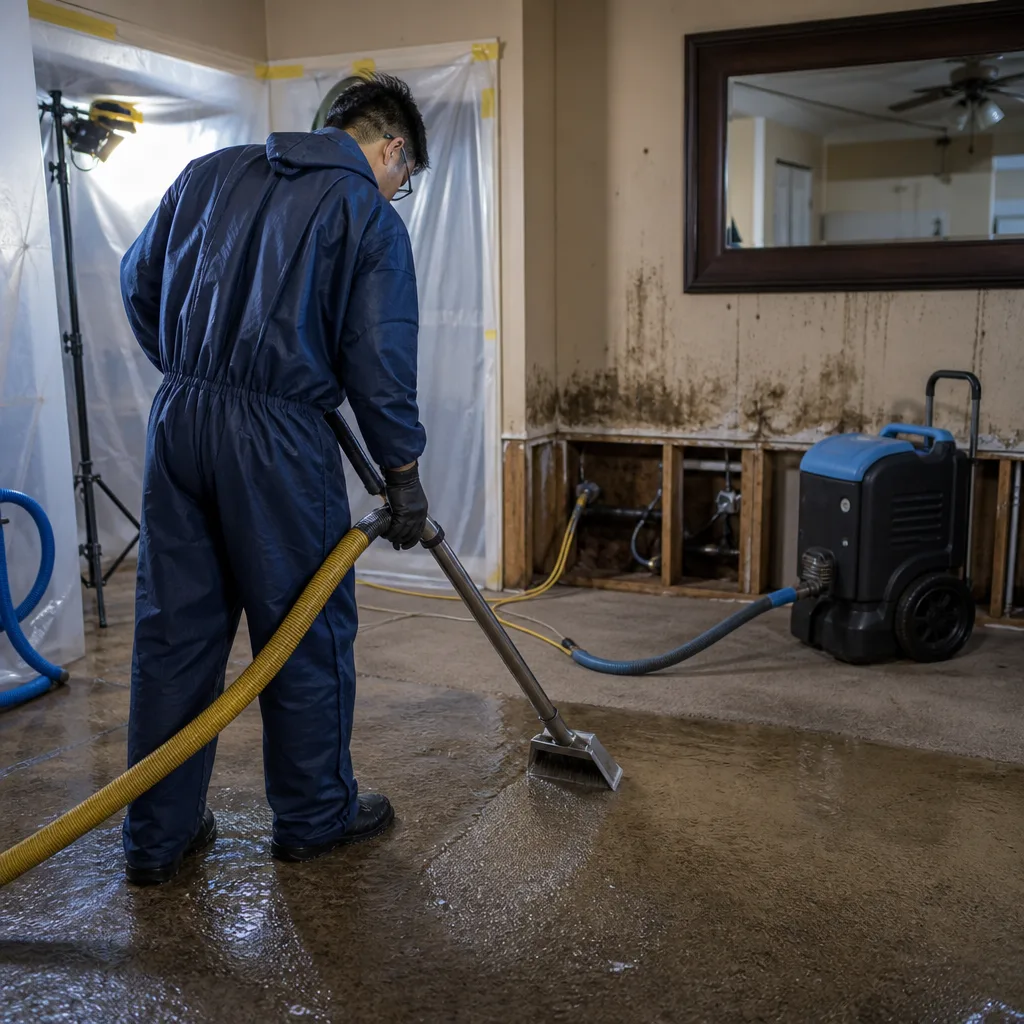
For black water, we extract with Dri-Eaz pumps sized to the volume. We also remove saturated carpet, padding, and drywall that’s been contaminated. Textiles and porous materials hit by Category 3 water can’t be cleaned to a safe standard, so they come out and get bagged for disposal.
Drying & Dehumidification
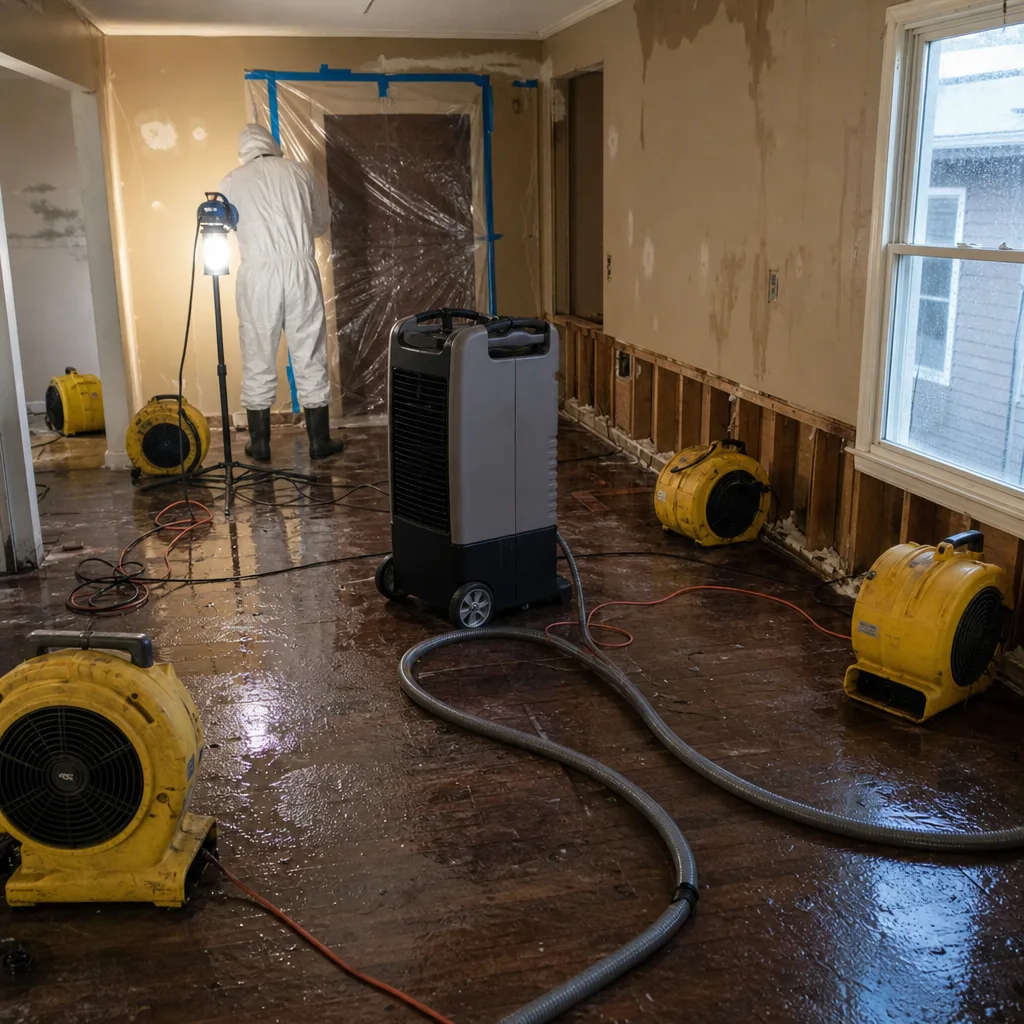
We set Phoenix air movers and dehumidifiers, and we take moisture readings every single day. You get the full log at the end of the job. No one else in this trade hands over their drying logs, and we’ve been doing it since day one because it forces accountability.
Cleaning & Sanitization
After drying, we apply EPA-registered antimicrobial treatments to all affected framing, subfloor, and masonry. We also run HEPA air scrubbers to capture airborne contaminants stirred up during the work, not just after the fact.
Specialty Treatment for Sewage Contamination
For Passaic River overflows here in Harrison, we document everything for environmental reporting: the source of the water, the scope of contamination, the treatment we applied, and the disposal manifest. That documentation matters when your insurance carrier or a future buyer asks what happened in the basement.
Repairs & Restoration
Once the space is dry and sanitized, we rebuild. That could mean new drywall, baseboards, flooring, or subfloor sections. In Harrison’s older row homes, this often includes addressing foundation waterproofing so the next storm doesn’t put you right back where you started.
Need Emergency Sewage Cleanup in Harrison Now?
Crews minutes away, answering live 24 hours a day. The sooner we start, the less it costs.
Working With Your Insurance Company
Here’s the part most homeowners dread: the adjuster. We handle it, and we do it from the first hour on site. That means photographing the loss before anything moves, mapping the moisture with hygrometer readings, and writing a line-item scope that matches how carriers in New Jersey actually process claims. When the Passaic floods, Harrison homeowners are often filing alongside dozens of neighbors, and adjusters get stretched thin. A claim file with complete documentation from minute one gets approved faster than one held together with cell phone photos and guesswork. Wade deals with the adjuster directly. You’re never the one stuck relaying information between two sides, and you still get the moisture log and the full written scope to keep for your own records.
What We Provide Your Insurer
- Thorough documentation of the loss
- Photos of all damage, room by room
- Moisture readings and drying logs
- A detailed, line-item scope of work
- Direct coordination with your carrier
Built for Harrison’s Loss Calendar
Harrison floods on a calendar. Most towns worry about sewage backup as an occasional plumbing failure. Here, it’s seasonal. Nor’easters in late fall and winter push the Passaic over its banks and into the basements of the row homes along Harrison Avenue, Cleveland Avenue, and the streets running east toward the river. Summer thunderstorms hit hard and fast; the town’s dense pavement and aging combined sewer lines back up when the system can’t handle the runoff. A January deep freeze cracks cast-iron waste lines in unheated crawl spaces, and the first thaw sends sewage seeping through foundation cracks. When you live in a town built on a flood plain inside a Superfund corridor, a sewage backup isn’t an if, it’s a when. That’s why running Sewage Cleanup as a true 24/7 operation matters, and why we stock enough Dri-Eaz and XPOWER equipment to run multiple jobs in Hudson County on the same night.
Sewage Cleanup Across Harrison’s Neighborhoods
Harrison is small, a square mile and change, but the job changes block to block. In the row homes along Harrison Avenue between Frank E. Rodgers Boulevard and the Passaic, basements sit low and close to the water table, and river overflow moves fast through the crawl spaces and party walls. Down near the PATH station, the new construction tells a different story: mid-rise apartment buildings with below-grade parking garages, elevator pits, and electrical vaults that flood when the river tops its banks. The property managers there need the same Category 3 protocols, but with the added headache of common-area liability, fire suppression systems, and shutting down elevators until the pit is pumped and sanitized. Over in the streets off Hamilton Street and Cleveland Avenue, the older two-family houses often have combined sewer laterals that predate the town’s modern stormwater separation, so a heavy rain backs waste up through floor drains even when the river stays put. We’ve run sewage calls in every corner of Harrison, from the blocks around West Hudson Park to the redevelopment parcels near Red Bull Arena, and the pattern is consistent: the water finds the lowest point, and the lowest point is always someone’s basement.
Specialized Sewage Cleanup Services We Offer in Harrison
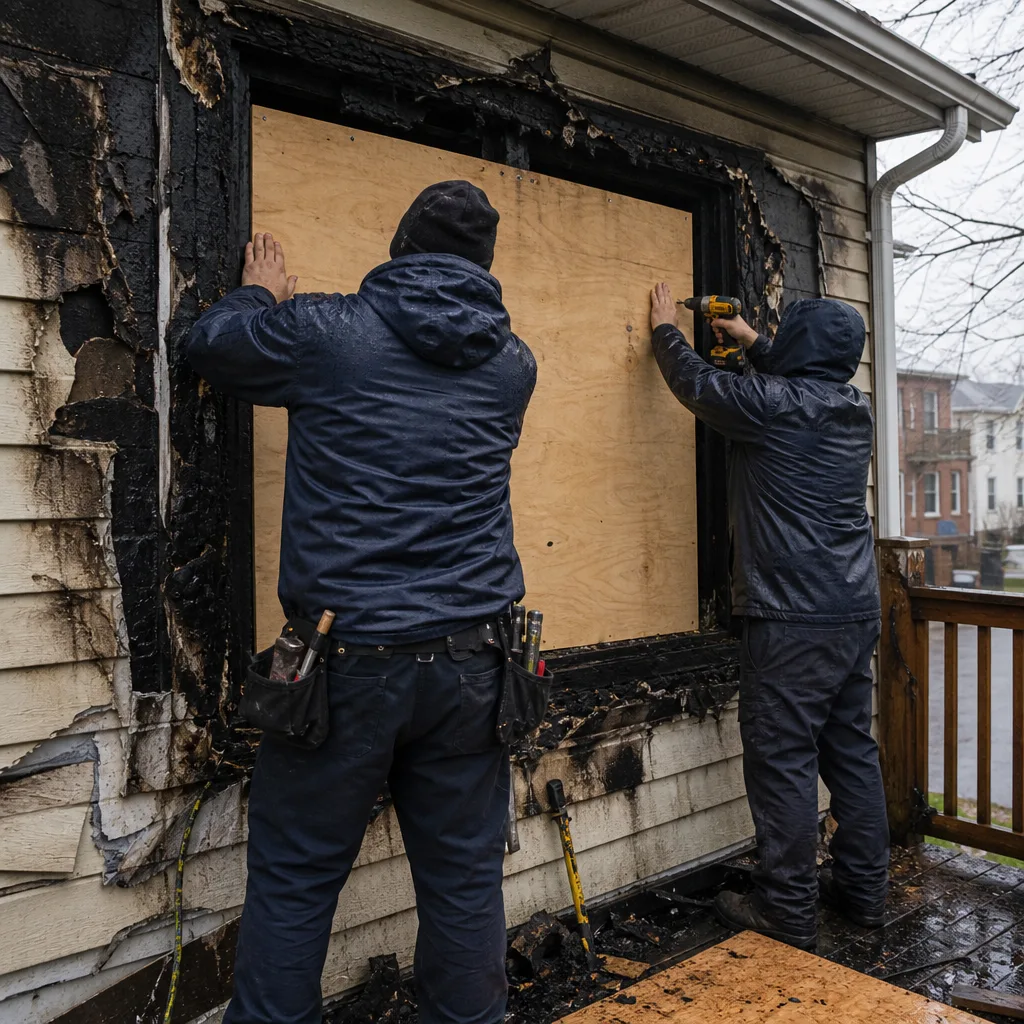
Black Water Extraction
This is the emergency response piece. When the Passaic backs up into a Harrison basement, we pump the water out with Dri-Eaz extraction equipment, remove saturated materials, and set containment so the contamination doesn’t travel up into the living space. For river water here specifically, we document everything as a Superfund-adjacent Category 3 event, which protects you down the road if questions ever come up about what the basement was exposed to.
Sanitization & Disinfection
Once the water’s out and the space is dry, we apply EPA-registered antimicrobials to every surface the Category 3 water touched. That includes framing, concrete, masonry, and even the bottom few feet of wall cavities. A mop and bleach won’t do this. Bleach doesn’t penetrate porous surfaces and it doesn’t kill everything sewage carries. We use professional-grade treatments applied with proper PPE, and we run HEPA air scrubbers during and after to pull airborne contaminants out of the air you’re breathing.
Crawl Space Sewage Removal
Harrison’s older homes don’t have big basements, they have tight crawl spaces. When a waste line breaks under a 1920s house off Cleveland Avenue, the sewage pools in a 3-foot-high dirt crawl space. Most companies won’t touch those jobs. We do. It means, gloves, Tyvek suits, respirators, and pumping the contamination out by hand. We don’t subcontract it. Wade’s crew does the work.
Toilet Overflow Cleanup
A backed-up toilet can flood a bathroom and the rooms below it in minutes. We extract, remove contaminated flooring and drywall as needed, sanitize, dry, and repair. In Harrison two-family houses, a toilet overflow on the second floor often means ceiling damage in the first-floor unit below, which means coordinating with both households. We’ve done it hundreds of times.
Septic Failure Cleanup
Most of Harrison is on municipal sewer, but a few older properties near the town’s edges still have aging septic systems. When a septic system fails, the cleanup is the same category of work: extract, remove contaminated material, sanitize, dry, and document. The difference is the source, and we verify where the waste came from so the fix addresses the right problem.
What happens when you call
- 1
A real person answersNo phone trees - you reach a local pro.
- 2
You get an upfront price rangeHonest numbers before anyone is dispatched.
- 3
A background-checked tech heads outLicensed & insured, dispatched right away.
- 4
You approve before work beginsNothing starts until you say go.
Sewage Cleanup Costs in Harrison, NJ
Here are straight numbers for Harrison. Toilet overflow cleanup with extraction and drying typically runs $1,200 to $3,500 depending on how far the water traveled. A full basement sewage backup with Category 3 protocols, removal of contaminated drywall and flooring, antimicrobial treatment, and structural drying usually lands between $4,500 and $9,000. Passaic River flood events with hazmat documentation, containment, and larger extraction volumes start around $6,000 and climb from there. Crawl space sewage removal runs $2,500 to $5,000 depending on access and contamination depth. What moves the price is square footage, how long the water sat before we arrived, and whether finish materials like flooring and drywall have to come out. Insurance often covers the bulk of these costs, especially for river backup events that affect entire blocks at once. The best path to a firm number is a free visual inspection; we come out, look at what actually happened, and put a written scope and price in front of you before we touch anything. Call (201) 903-9581 and we’ll send someone over. No trip charge inside the county.
We Also Serve Cities Near Harrison
If you’re in Harrison or any of the surrounding towns, Wade’s Restoration covers the whole area. We run calls in Kearny, Jersey City, Secaucus, and Bayonne every week, often several in the same night during a storm. Same 45-minute response, same live answer, same owner standing behind the work.
Serving Harrison, NJ - Our Local Coverage Area
We’re based in the Harrison area and know this community well. Use the map below to see our service coverage - if you’re nearby, we can almost certainly help.
Harrison Sewage Cleanup Questions, Answered
Why does sewage cleanup in Harrison require different protocols than in neighboring Newark or Kearny?
Because Harrison sits directly on the lower Passaic River, which is an EPA-designated Superfund corridor. When the river overflows into Harrison basements, the water carries industrial contaminants on top of sewage, so every riverine flood here has to be treated as a documented Category 3 hazmat event. Newark and Kearny have different flood profiles and different contamination sources, but Harrison’s river water specifically triggers environmental reporting requirements that wouldn’t come up a few miles inland. It’s not bureaucratic, it’s a health and liability issue. Call (201) 903-9581 if you’ve had river water in your basement and we’ll walk you through what documentation you need.
How quickly can mold start growing in a Harrison basement after a sewage flood?
Within 24 to 48 hours under the right conditions, and Harrison basements almost always provide the right conditions: dark, humid, poorly ventilated, and full of organic material from the sewage itself. That’s why speed matters more than anything else on a sewage call. The faster we extract and set drying equipment, the less material has to be torn out. Call (201) 903-9581 the moment you see sewage, not the next morning.
Do I need to throw out everything in my Harrison basement after a Passaic River backup?
Anything porous that absorbed the water has to go: carpet, padding, upholstered furniture, cardboard boxes, drywall that wicked moisture, and most clothing or fabric stored at floor level. Non-porous items like metal tools, sealed plastic bins, and some furniture can often be cleaned and saved. When river water from the Passaic is involved, we’re more conservative about what we try to save because the contamination load is higher. We’ll walk through the basement with you item by item before anything goes in a dumpster.
What about sewage cleanup in Harrison’s new mid-rise buildings near the PATH station?
The new construction around the PATH station has below-grade parking, elevator pits, and utility vaults that flood when the river rises. Those jobs require the same Category 3 hazmat protocols as a row home basement, plus coordination with building management, fire suppression systems, and elevator contractors. We work directly with Harrison property managers on those jobs and have standing relationships with the building staff, so the cleanup moves fast without tangling up the building’s operations.
Will my Harrison homeowner’s insurance cover Passaic River sewage backup?
Depends on your policy. Standard homeowners policies cover sudden and accidental water damage from inside the home, like a burst pipe or a toilet backup, but flood damage from river overflow usually requires a separate flood insurance policy, often through FEMA’s NFIP. Sewage backup coverage is typically an add-on endorsement. We document every job from the first hour so you have a clear record of what happened and what it cost, and we work with your adjuster directly. Call (201) 903-9581 and we’ll help you sort out what your policy actually covers.
How fast can someone actually get here?
We commit to 45 minutes or less for emergency sewage calls in Harrison. Wade answers his own phone 24 hours a day, and the crew’s on the road the moment you confirm the address. Most nights we’re at your door inside half an hour.
How long does drying and remediation take after a sewage cleanup?
Most Harrison sewage jobs take three to five days for extraction, drying, and sanitization, though a Passaic River flood event with heavy contamination can run a week or more. The repairs after that depend on what had to be removed. We give you a written timeline after the initial inspection, and we hand you the full moisture log at the end so you can see the numbers yourself.
Can we stay in the home during sewage cleanup?
If the contamination is contained to the basement and we can seal it off from the living space, sometimes yes. But in Harrison row homes where the only bathroom is on the main floor and the sewage backed up through the drain lines, you’re usually better off staying elsewhere for a few nights. We’ll tell you straight after the inspection, and we’ll document everything for your insurance so the additional living expense claim is supported.
Written by Wade Ferris, Owner at Wade’s Restoration, serving Harrison and the surrounding Hudson County area since 2007.