
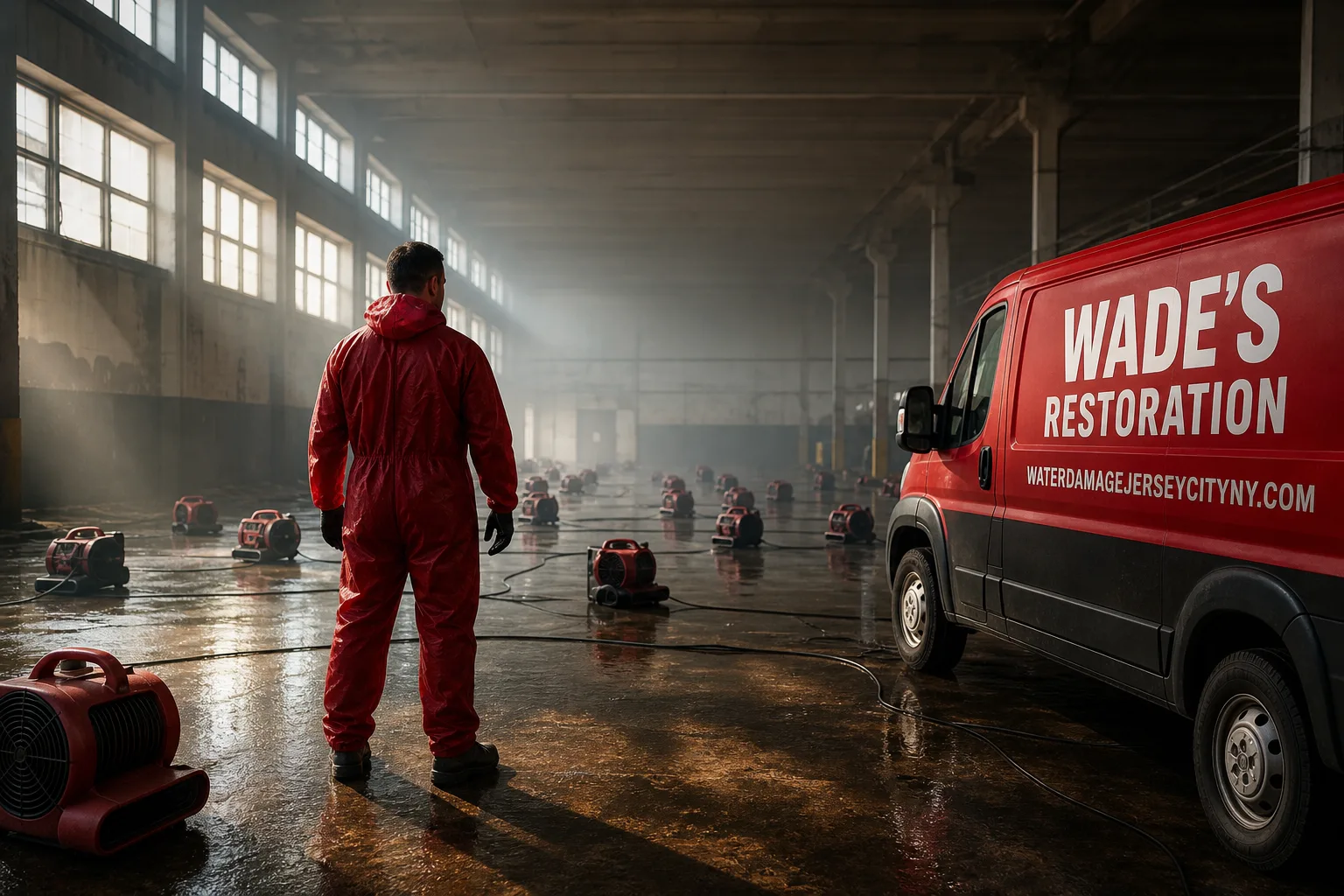
Free visual inspection and a written scope of work before any mitigation begins - photos, moisture readings, and drying logs go in your claim file
The scope we write is the scope we bill. Anything new gets shown to you, in writing, before we touch it.
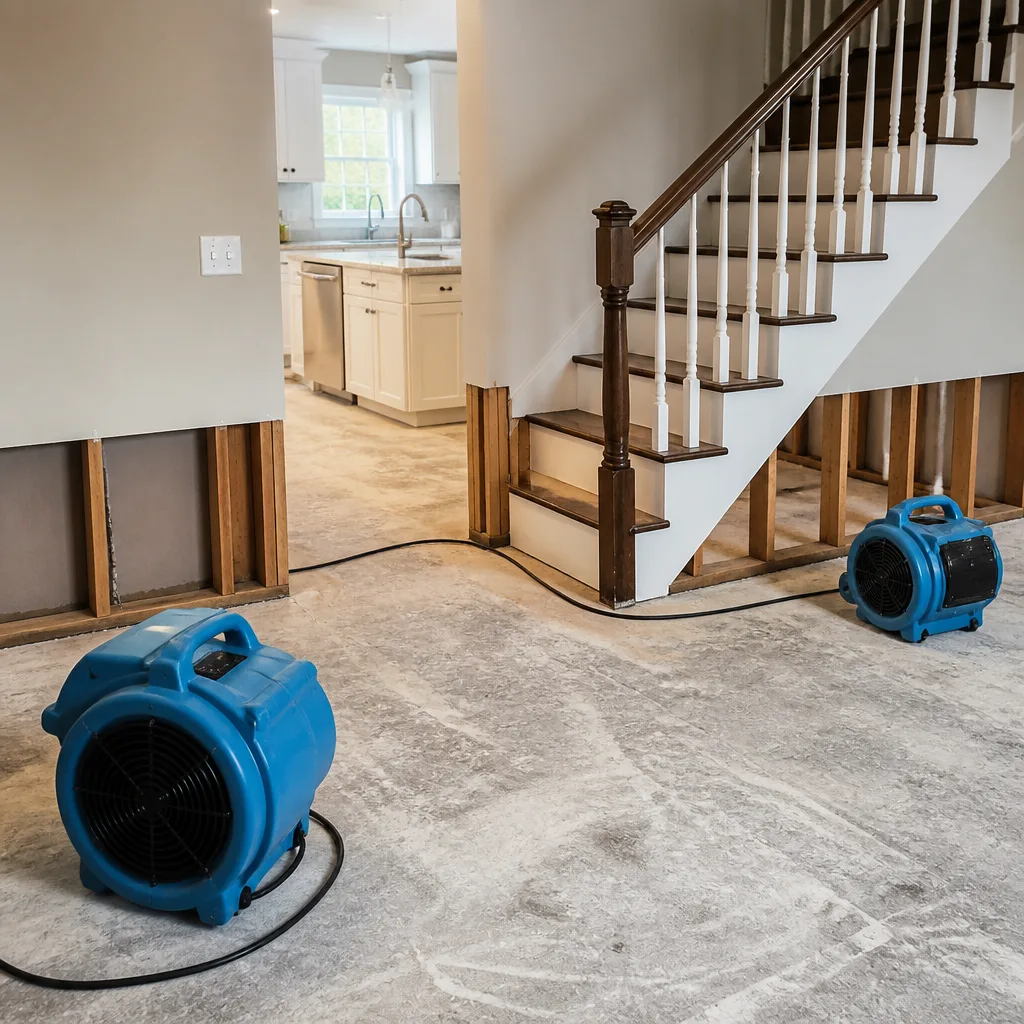
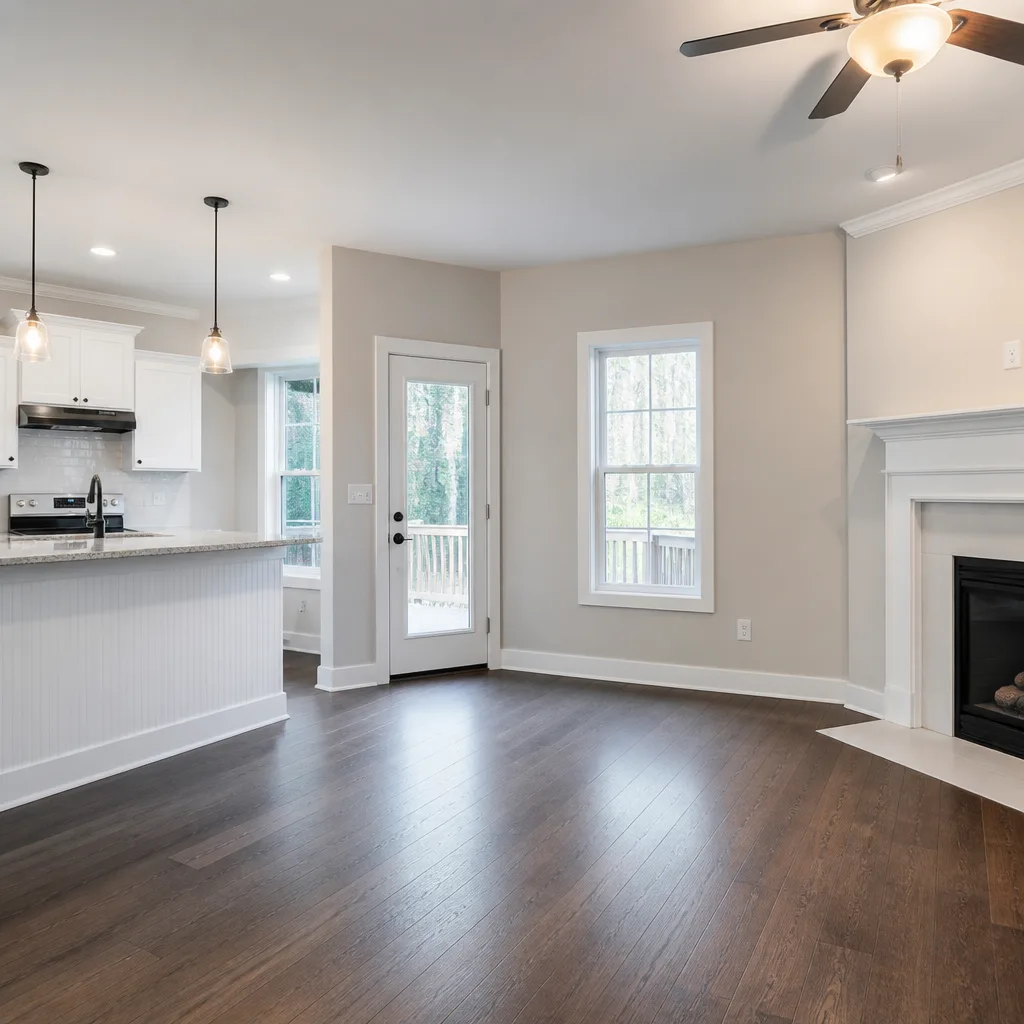
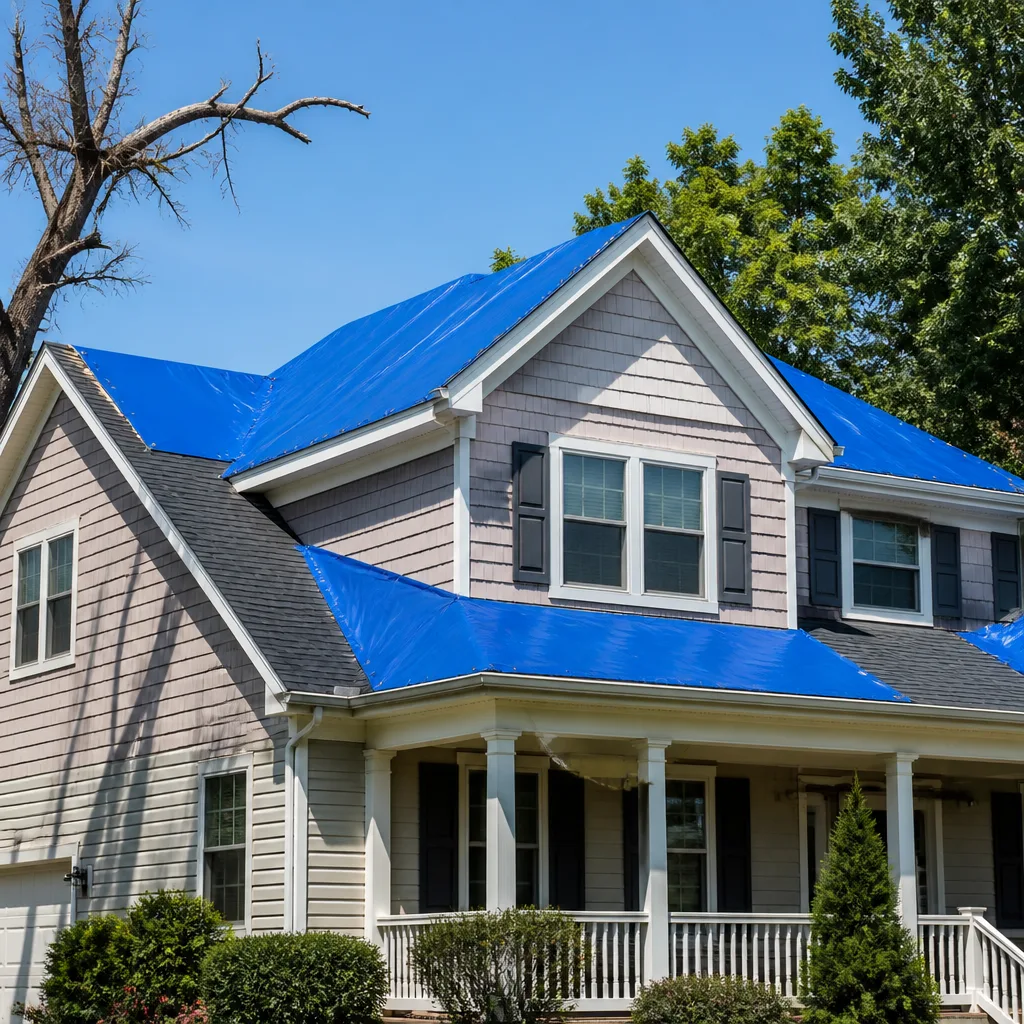
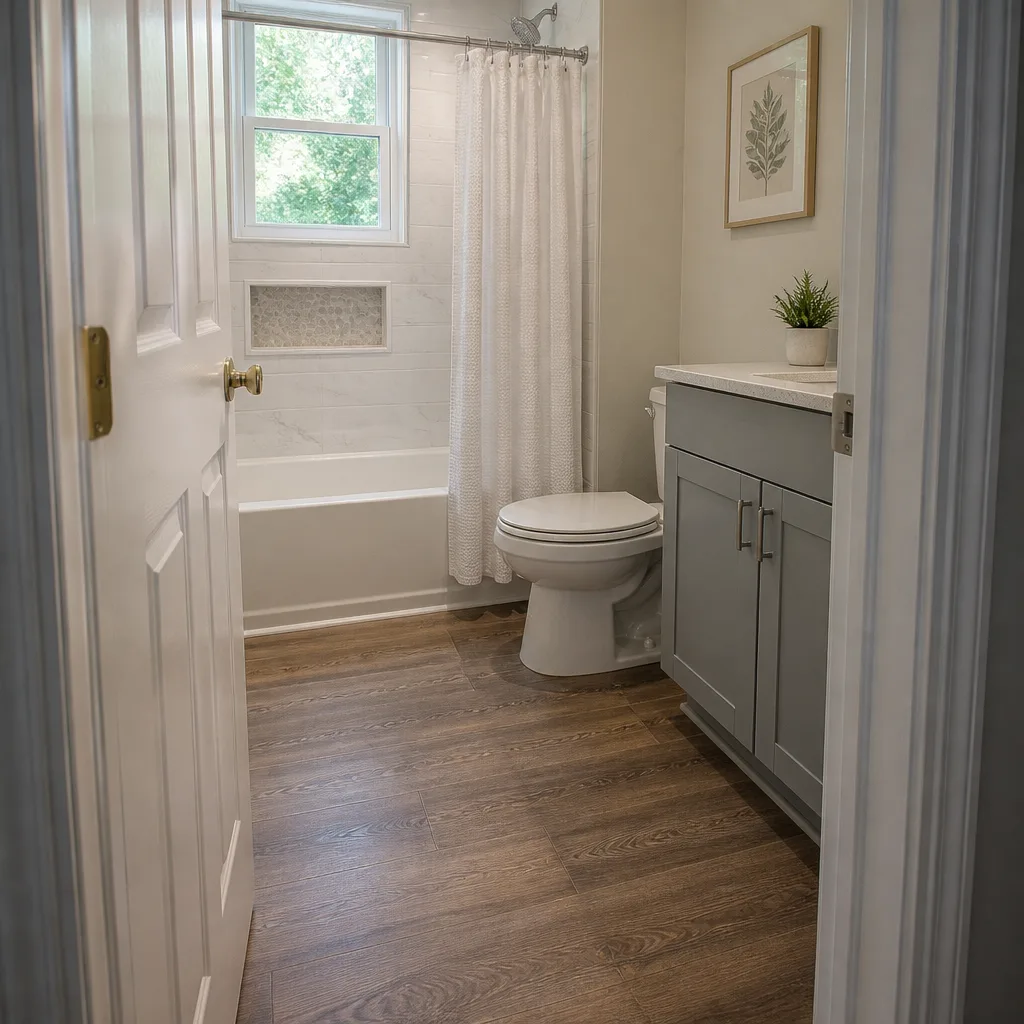
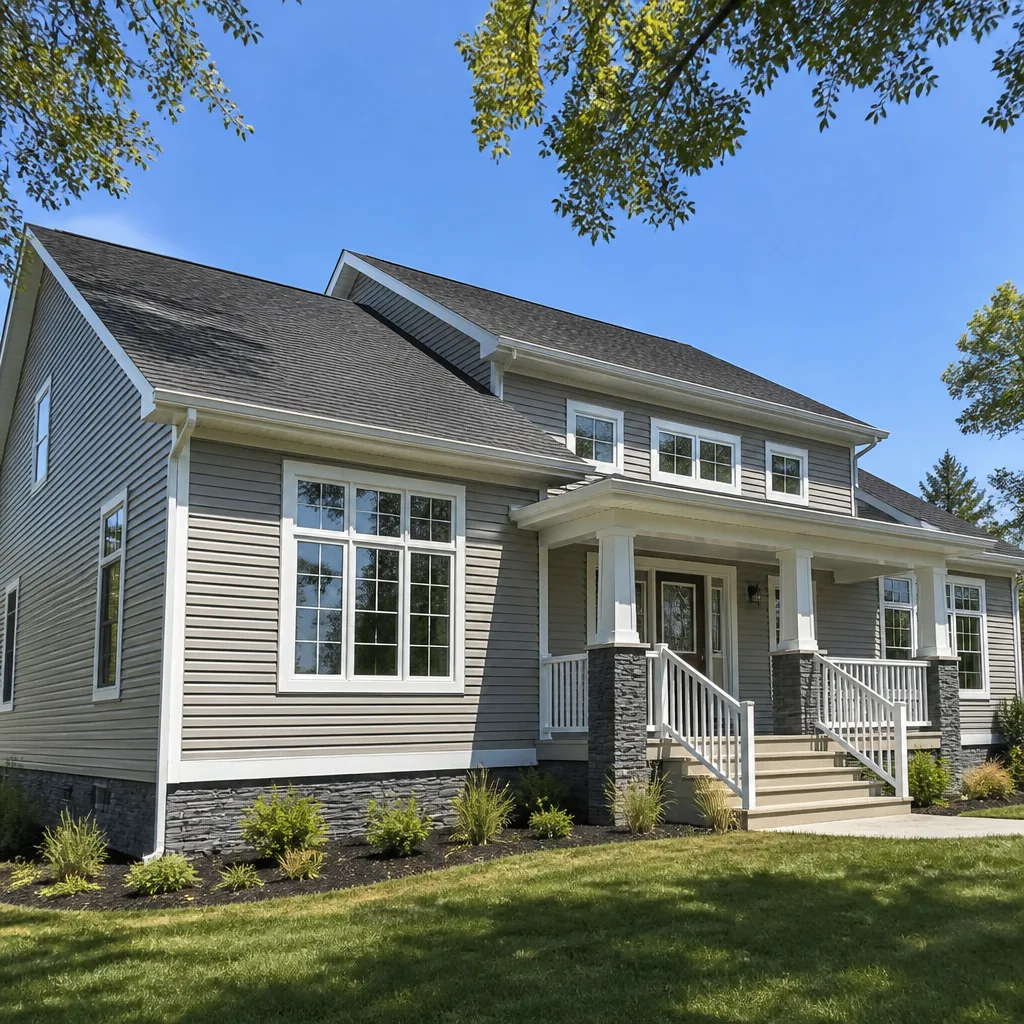
 Before
 After
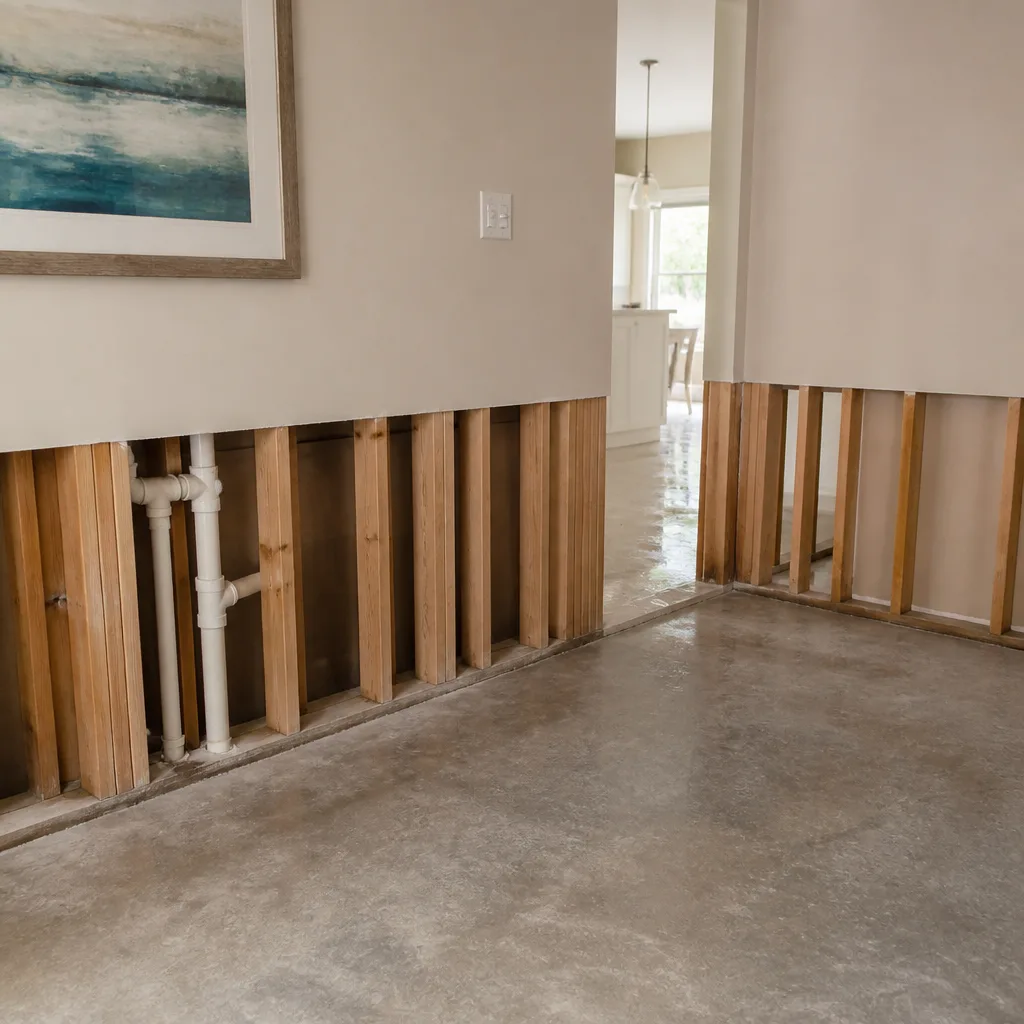
After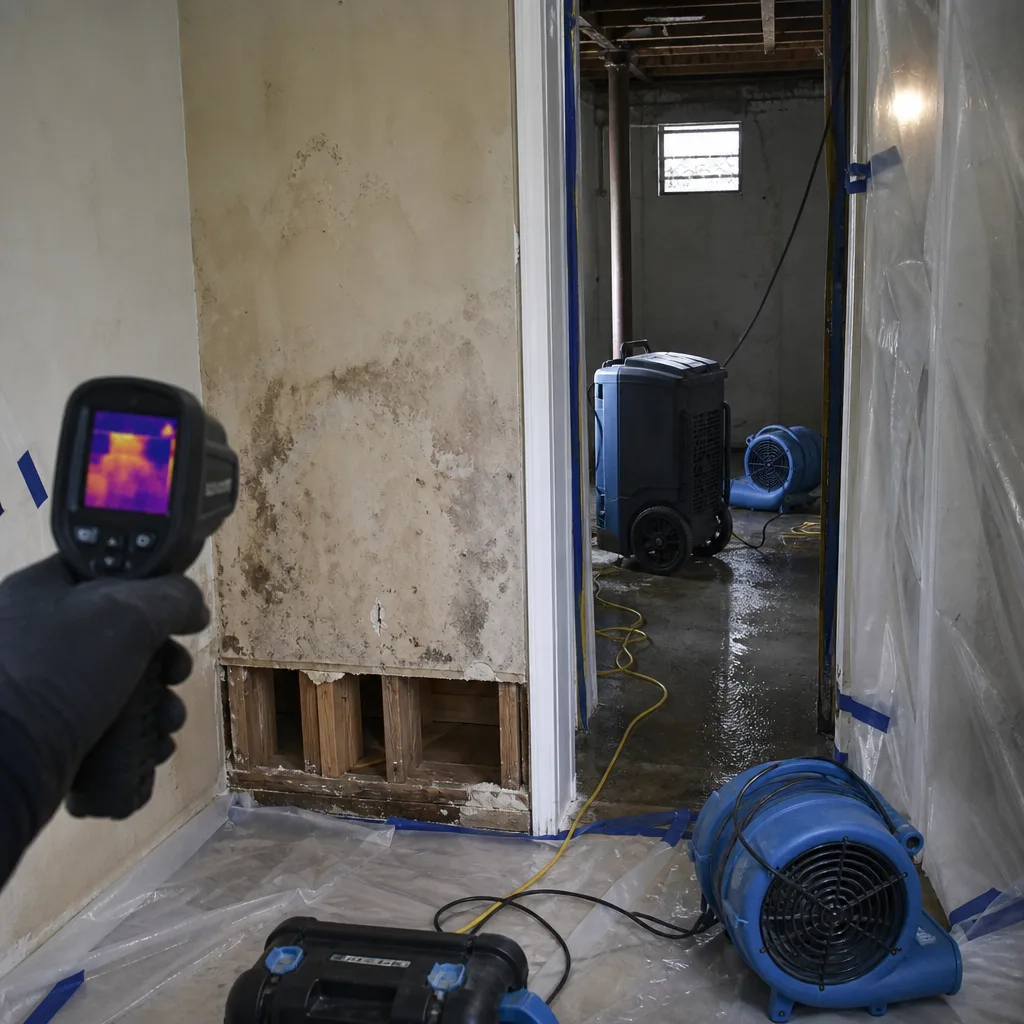 Before
 After
After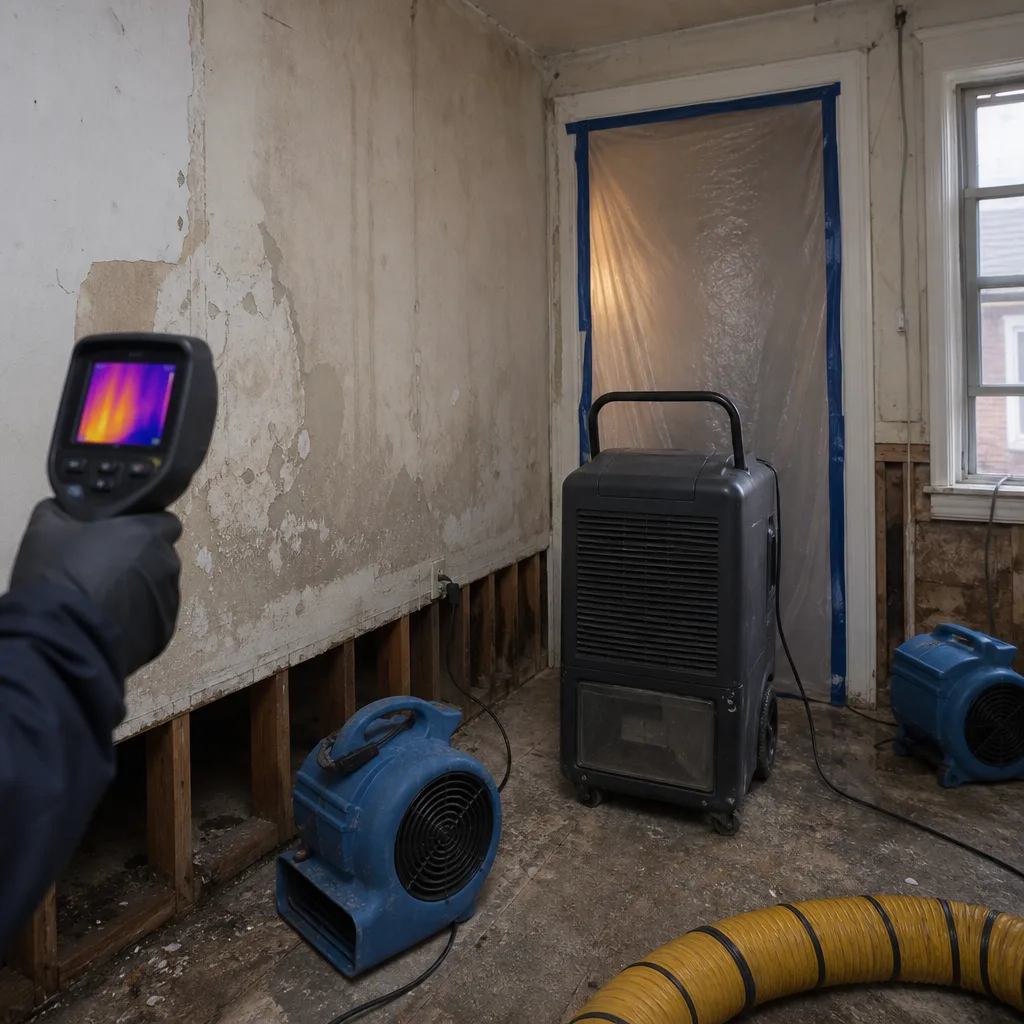 Before
 After
After24/7 Emergency Reconstruction & Cleanup in Long Island City
A pipe bursts in a converted Hunter’s Point loft at 2 a.m. Water is running across a polished concrete floor that’s hiding a 1920s factory subfloor. You need someone on the phone now, and you need someone who knows what’s under that floor before a single fan gets plugged in. That’s exactly what we do. Call (201) 903-9581 and you’ll talk to a live person, 24 hours a day. Wade Ferris himself answers the phone most nights, and his crews can be inside a Long Island City building within the hour. The first hour decides whether you’re looking at a cleanup or a full reconstruction. Don’t wait.
Understanding Reconstruction & Cleanup Severity in Long Island City Properties
Long Island City’s building stock splits into two very different animals. The first is the early-20th-century industrial and warehouse fabric along the East River and Newtown Creek, converted over the last two decades into residential lofts and mixed-use buildings. The second is the post-2010 glass high-rise wave around Court Square and Queens Plaza. Each failure mode is different. In a converted factory loft, a supply-line break above a poured concrete overlay usually means category 2 water sitting on top, wicking down into a legacy floor assembly that almost certainly contains vinyl-asbestos tile. In the new towers, you’re dealing with engineered systems under pressure, shared risers, and neighbors below. Severity is not just about how much water. It’s about what the water touched, what’s beneath it, and whether we’re performing Water Damage Restoration in Long Island City or abating. Moisture mapping with thermal imaging tells us which one we’re in before we touch a panel.
Why Long Island City Property Owners Choose Wade’s Restoration
- 45-minute response commitment. When you call from Hunters Point, Dutch Kills, or the Queens Plaza corridor, Wade’s crew is already on the road. We don’t queue you behind a call center.
- 24/7 live answer, always a real person. No voicemail, no answering service, no “press 2 for emergencies.” Wade answers his own phone, including at midnight during a nor’easter.
- IICRC-certified crews. Our field leads carry WRT (Water Restoration Technician) and FSRT (Fire & Smoke Restoration Technician) certifications, plus AMRT for mold. The paper matters less than the judgment, but we have both.
- Free visual inspection. Wade comes out, walks the damage, and tells you straight what you’re dealing with. No charge for that. Ever.
- Direct insurance billing. We bill your carrier directly, and we hand you documentation they actually accept the first time.
- One team from extraction to reconstruction. The same crew that pulls water on day one is the crew that hangs drywall and sands the floor at the end. No hand-offs, no re-explaining the job to a stranger.
Our Reconstruction & Cleanup Process
Inspection & Assessment
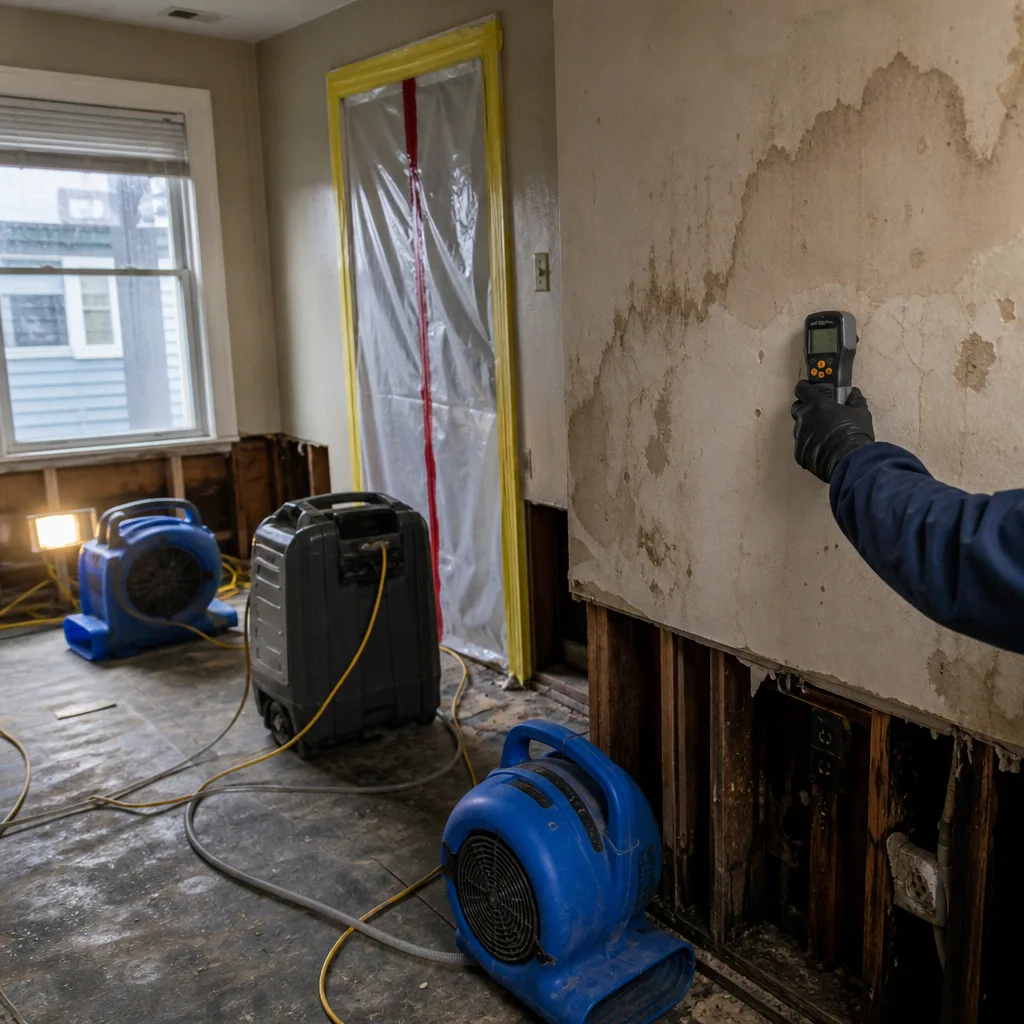
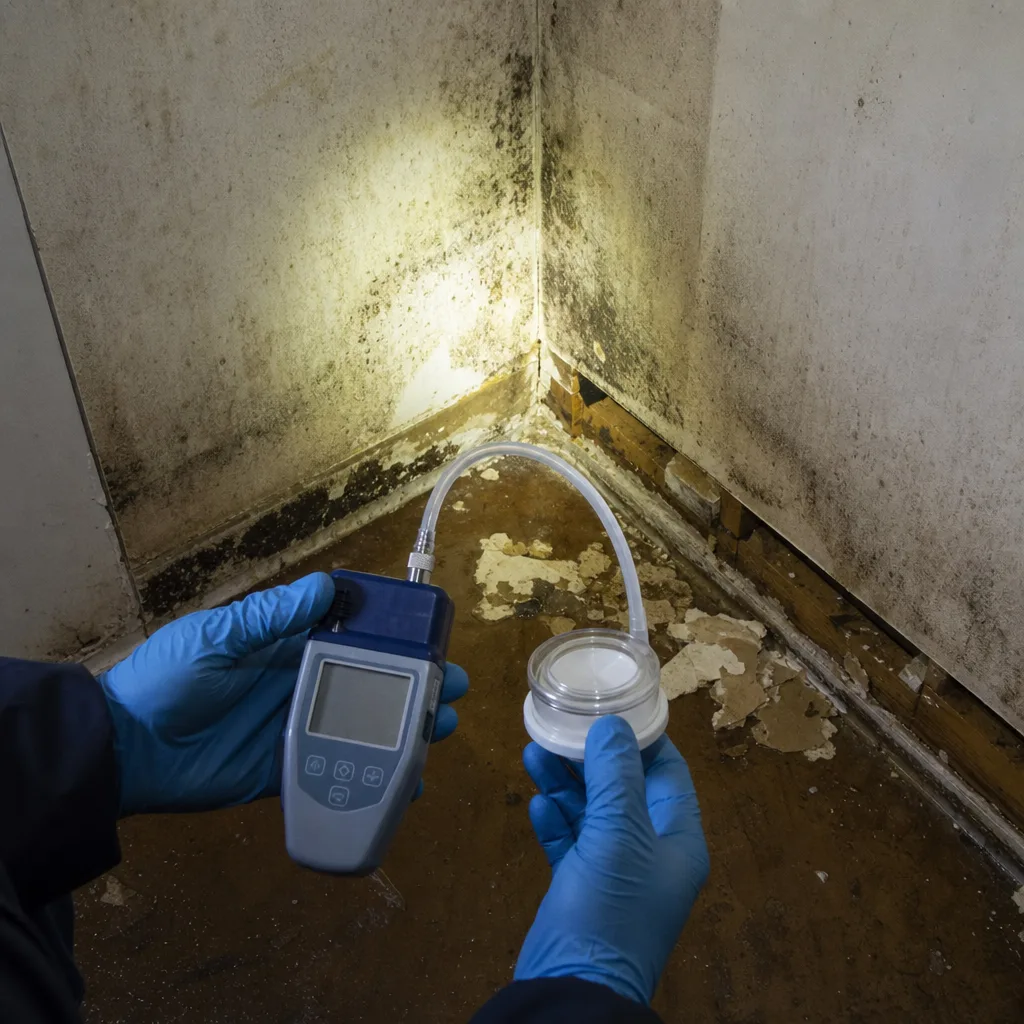
We arrive, walk the property, and run thermal imaging and moisture meters to map exactly where water or soot has traveled. In Long Island City’s pre-war buildings, this is also where we flag the likelihood of asbestos-containing materials before any demolition begins.
Extraction & Stabilization
Submersible pumps and truck-mounted extraction units remove standing water down to the substrate. If the loss is along the Newtown Creek corridor, the water gets classified and treated as potentially contaminated before it’s extracted.
Drying & Dehumidification
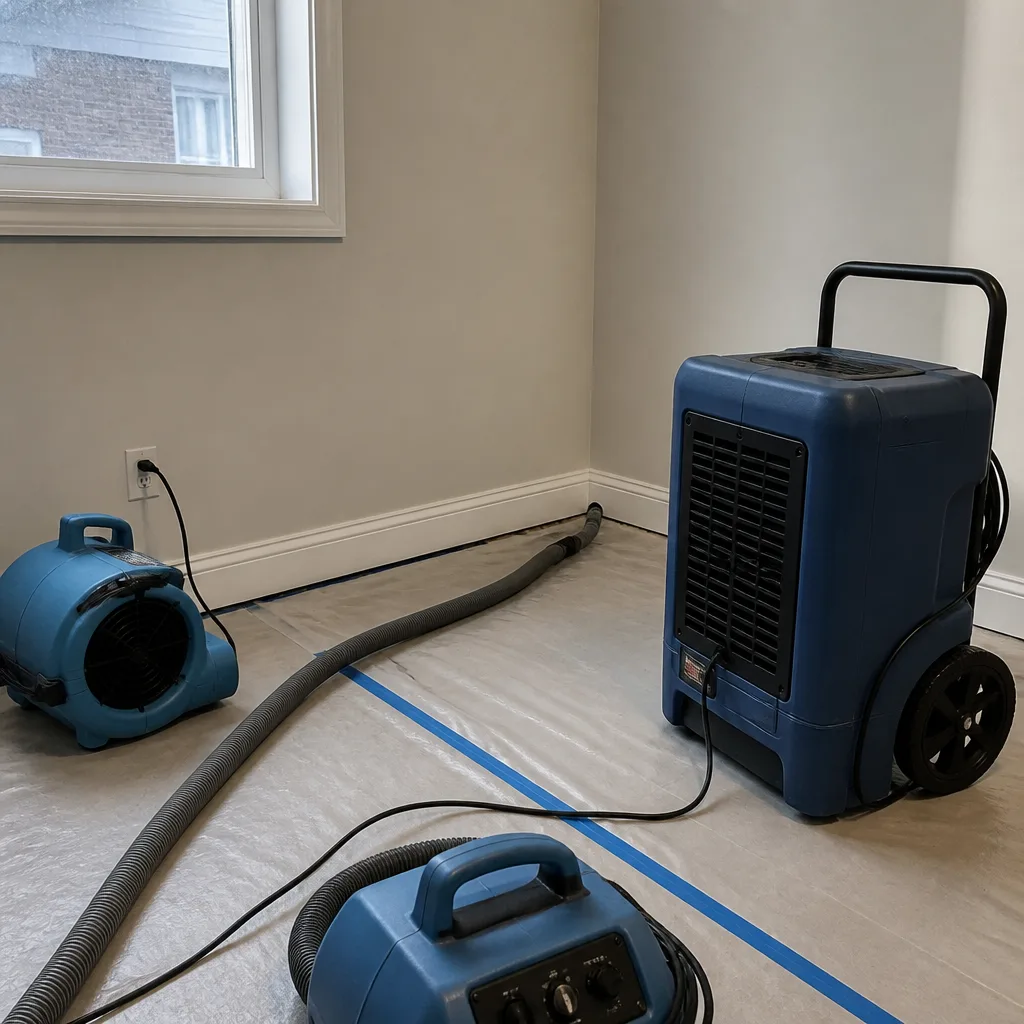
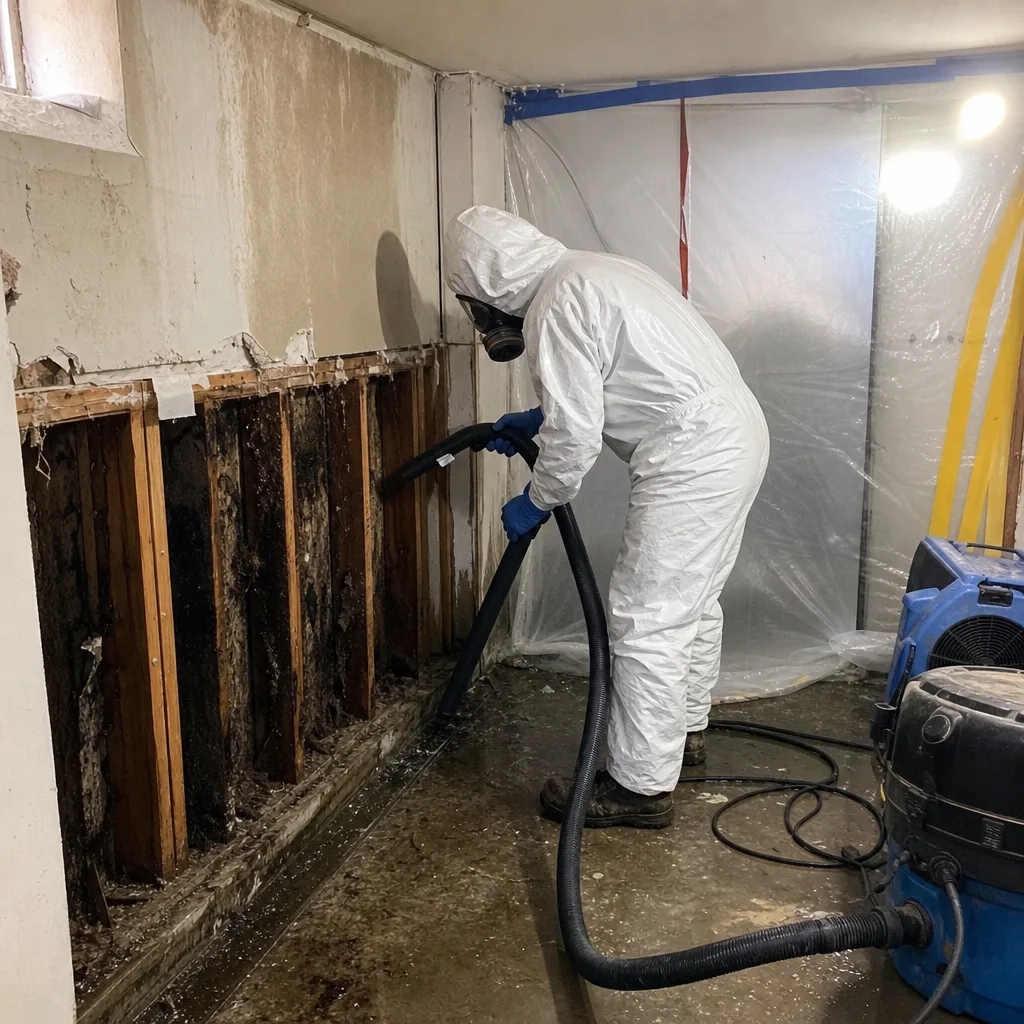
Air movers and dehumidifiers go on only after the substrate has been cleared. In a converted loft where the subfloor is suspect, we set up containment and hold drying until testing comes back. Daily moisture readings are logged and handed to you at the end.
Cleaning & Sanitization
HEPA air scrubbers run continuously during cleanup. We use antimicrobial treatments rated for the specific contamination level, not a one-size-fits-all chemical that a national outfit sprays everywhere.
Legacy Material Handling
In Long Island City specifically, Mold Remediation - Long Island City and abatement are not optional. If the subfloor is vinyl-asbestos tile, or the pipe insulation is suspect, we bring in a licensed abatement sub before reconstruction starts. You cannot dry over it, and you cannot cover it up. You can only handle it correctly.
Repairs & Restoration
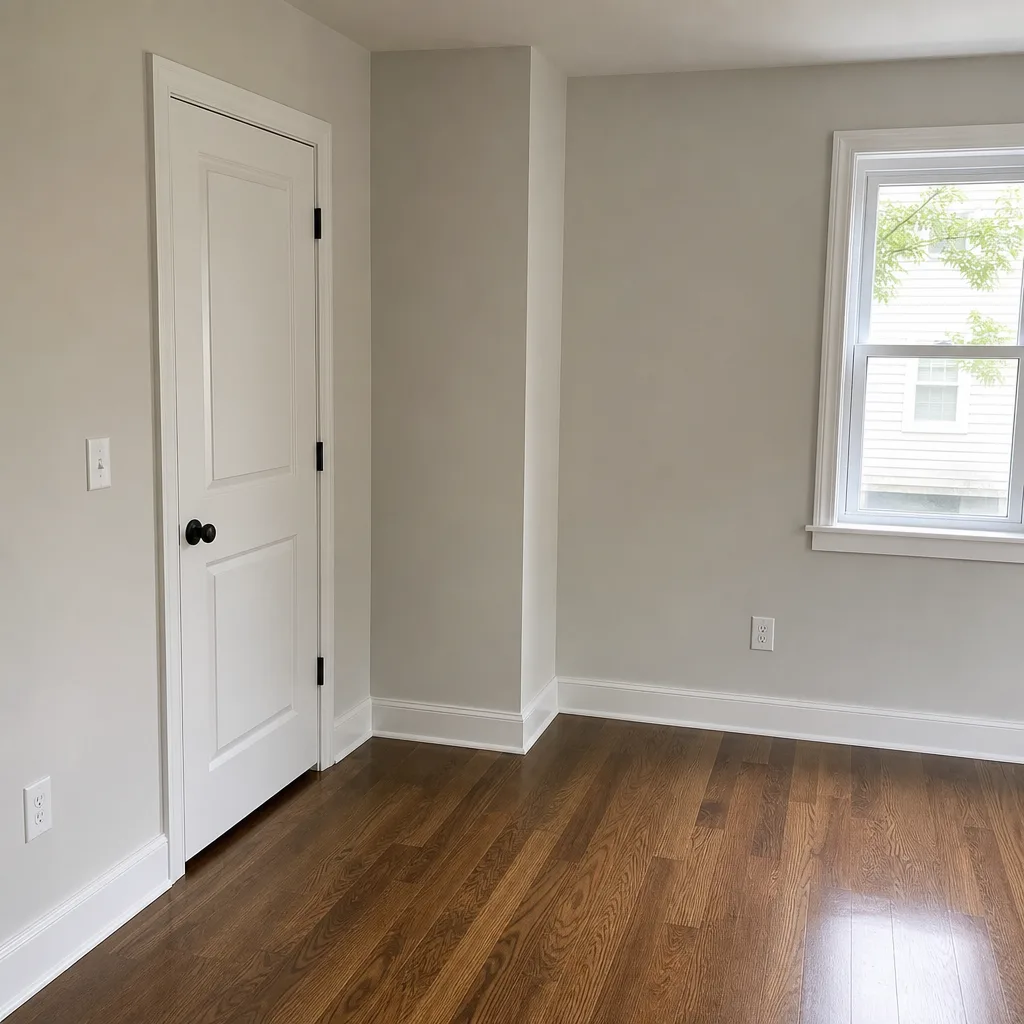
Drywall, flooring, paint, trim, custom finishes, and full reconstruction back to pre-loss condition. The job is not done until the space looks like the loss never happened, and the moisture log says it never will again.
Need Emergency Reconstruction & Cleanup in Long Island City Now?
Crews minutes away, answering live 24 hours a day. The sooner we start, the less it costs.
Working With Your Insurance Company
Most Long Island City condo and co-op policies have provisions that make a water, fire, or contamination loss more complicated than a single-family claim. We handle the documentation from the first hour, because we know what adjusters in the New York City market need to approve a claim without three rounds of back-and-forth. Wade talks to your adjuster directly, not through a call center in another state. You should never have to be the one relaying technical information between two sides. That is our job.
What We Provide Your Insurer
- Thorough documentation of the loss
- Photos of all damage, room by room
- Moisture readings and drying logs
- A detailed, line-item scope of work
- Direct coordination with your carrier
Built for Long Island City’s Loss Calendar
Long Island City’s position at the western tip of Queens, sitting low along the East River, means large sections of the neighborhood fall inside FEMA Flood Zone AE. Hurricane Sandy put that on the map in 2012 when subway stations and ground-floor units took on water. But the everyday loss calendar is less dramatic and just as destructive. January deep freezes burst supply lines in pre-war buildings where pipes run through unheated masonry chases. Spring thaw and heavy rain back up NYC’s combined sewer system into basement levels around Court Square and Dutch Kills. Summer thunderstorms overwhelm roof drains on flat-roofed warehouse conversions. And nor’easters push water up against the waterfront at Hunters Point. Every season has a specific failure mode in Long Island City, and we plan the crews around it.
Reconstruction & Cleanup Across Long Island City’s Neighborhoods
Response time matters, and it changes block by block. Hunters Point South, with its newer glass towers and underground garages, is where we see sump-pump failures and mechanical-room losses. Dutch Kills, the old industrial wedge east of 21st Street with its converted factories and remaining auto-body shops, is where legacy asbestos and chemical contamination show up most often in our moisture tests. Court Square and Queens Plaza, dense with new residential towers built after 2010, see shared-riser supply breaks that flood units three floors below the source. Queensbridge, the large public housing development along 21st Street, has its own patterns tied to the age of the plumbing risers. And the blocks around Newtown Creek, from Borden Avenue down to the creek itself, handle flood events differently because the water itself is different there. A crew that knows these routes, knows which buildings trigger testing protocols, and knows the maintenance staff at the big co-ops, moves faster than one reading off a nav screen.
One true local insight drives everything we do here. In Long Island City, any water loss below grade or along the Newtown Creek corridor is not a routine dry-out. Because of the creek’s Superfund status and the neighborhood’s converted industrial lofts, restoration crews must classify the water and test for asbestos before a single air mover gets plugged in. That is not a preference. It is the standard that protects the health of the people living in the unit, and the liability of everyone touching the work. A national franchise crew that just rolled over the Queensboro Bridge might miss it. We do not.
Specialized Reconstruction & Cleanup Services We Offer in Long Island City
Full-Service Reconstruction
When the demolition is done, the dumpster is gone, and the insurance check has cleared, someone has to put the unit back together. We do the framing, the drywall, the tile, the finish carpentry, the paint, and the flooring. In Long Island City’s converted lofts, that often means matching original brick, restoring steel columns, and working around exposed timber beams. In new towers, it means hand-matching the developer’s finish spec. Our Reconstruction & Cleanup team handles both.
Contents Restoration & Pack-Out
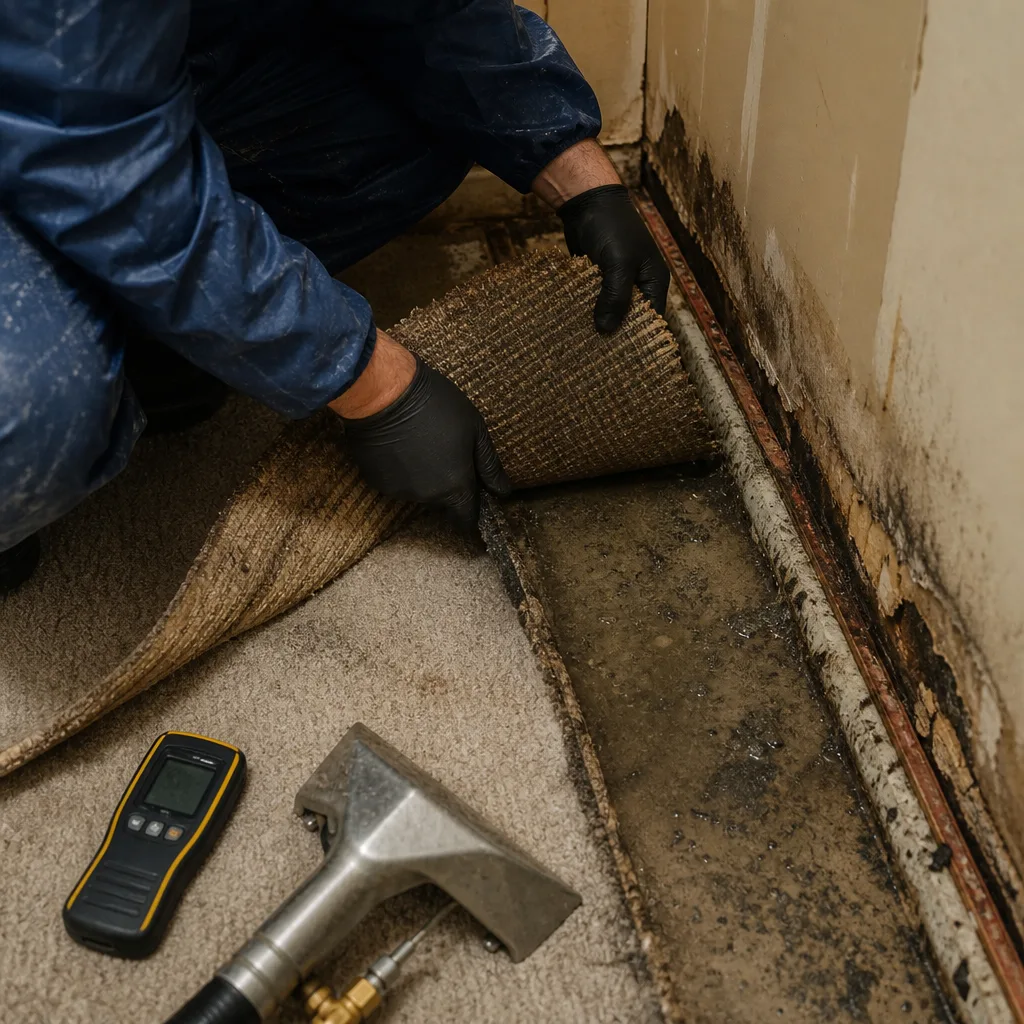
Furniture, rugs, electronics, clothing, art. If the unit is gutted, everything has to go somewhere. We do full pack-out, inventory, cleaning, and storage, then return everything when the rebuild is done. Contents restoration in a Long Island City loft means handling things like original factory light fixtures that cannot be replaced at Home Depot. We clean them, we document them, we store them properly.
Insurance Claim Documentation
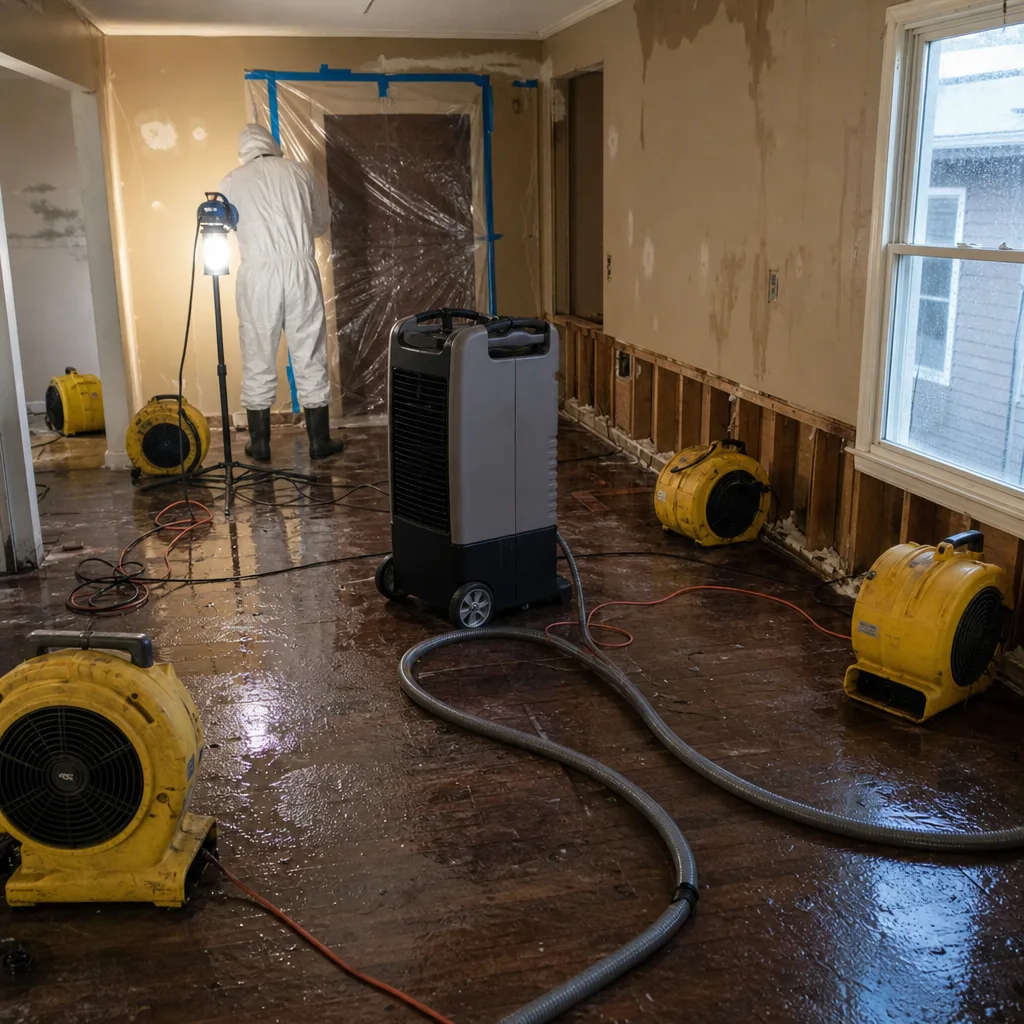
This is the service that separates a smooth rebuild from a six-month fight with a carrier. From the first hour, we photograph everything, log every moisture reading, itemize every line. Wade deals with your adjuster directly, so you never have to explain to a claims rep why the unit needs abatement before drying. In Long Island City, where Superfund-related water events and legacy asbestos change the entire scope, good documentation is the only thing that gets the claim paid correctly.
Drywall & Flooring Repair
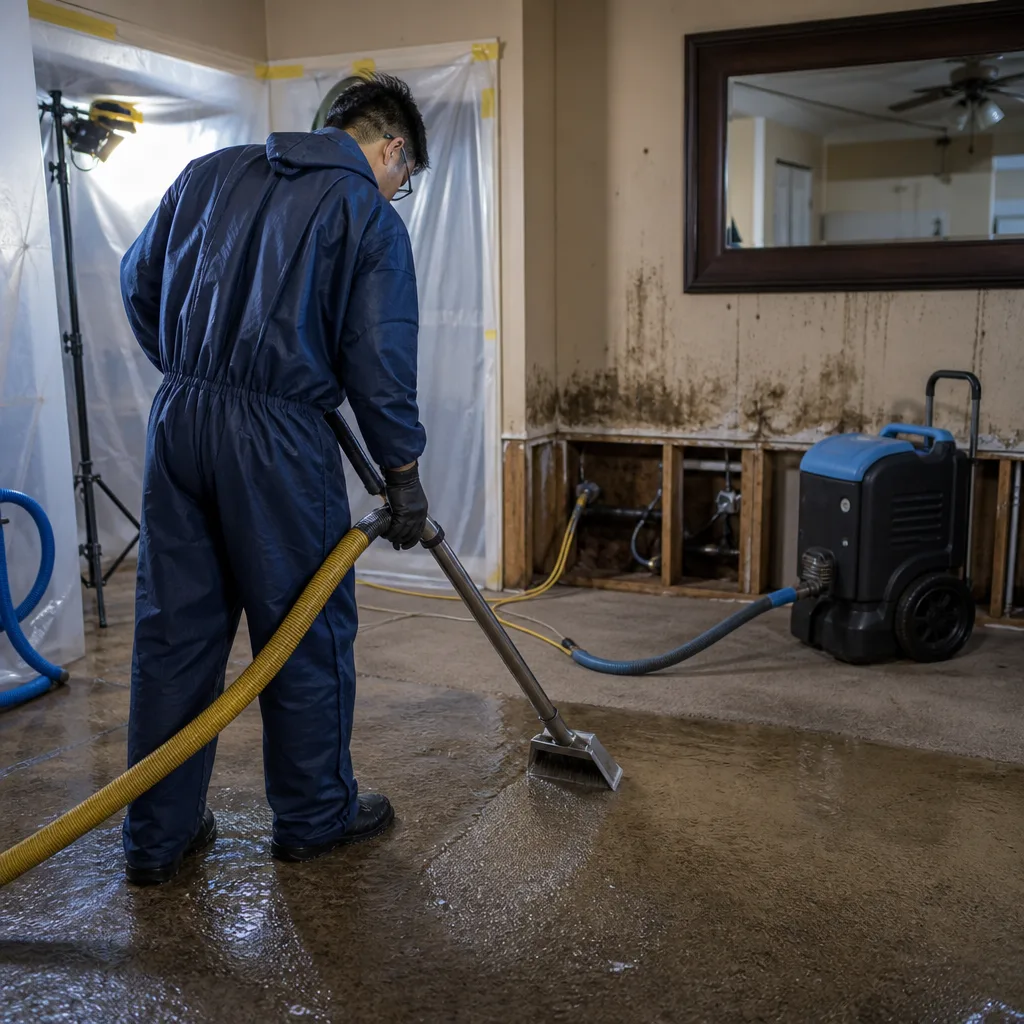
We hang, tape, finish, and match texture on drywall. We install, refinish, and replace flooring systems ranging from porcelain tile to engineered hardwood. In LIC’s converted industrial buildings, flooring work frequently involves exposing and handling the original substrate, so our sequence is always: test, contain, remove or encapsulate, then rebuild.
Post-Construction Cleanup
After any reconstruction job, the dust is everywhere. HEPA-filtered final cleaning, surface decontamination, HVAC register cleaning, and disposal of all construction debris. We leave the unit ready to live in, not just ready to photograph.
What happens when you call
- 1
A real person answersNo phone trees - you reach a local pro.
- 2
You get an upfront price rangeHonest numbers before anyone is dispatched.
- 3
A background-checked tech heads outLicensed & insured, dispatched right away.
- 4
You approve before work beginsNothing starts until you say go.
Reconstruction & Cleanup Costs in Long Island City, NY
An honest number for Long Island City reconstruction and cleanup work runs $8 to $25 per square foot for the cleanup and remediation portion, with full reconstruction landing between $45 and $110 per square foot depending on finishes. A simple category 1 water extraction in a one-bedroom loft might run $3,500 to $6,500. A Newtown Creek-adjacent basement flood with category 3 industrial contamination and asbestos testing could push past $30,000 before reconstruction even begins. Drywall and flooring repair for a single room typically runs $2,800 to $8,000 once the space is dry and cleared. The variables in Long Island City are specific: building age, subfloor composition, contamination classification, and whether an abatement sub is required. The free inspection gives you a firm written scope before any work starts, so you know exactly what you’re approving.
We Also Serve Cities Near Long Island City
Our crews run regular routes into Astoria, Sunnyside, Woodside, Greenpoint, Maspeth, and the wider western Queens area. If you’re on the edge of Long Island City, call us. We’ll tell you straight whether it’s our territory.
Long Island City Reconstruction & Cleanup Questions, Answered
Why does my Long Island City condo association require asbestos testing before any drywall or flooring repair, even for a small pipe leak?
Because the building’s original construction materials are suspect. In the 1910s-1930s factory and warehouse buildings that dominate Long Island City’s converted-loft stock, vinyl-asbestos floor tile, transite panels, and asbestos pipe insulation were standard. NYC Local Law and EPA rules require testing before any work that could disturb those materials, even if the leak itself looks small. The association is not being difficult; they’re protecting the building from liability and the residents from exposure. We handle the testing sequence and coordinate with the abatement sub so the repair does not stall.
How do you handle basement flooding from Newtown Creek backups compared to a normal sewer backup a mile inland?
We treat it as a higher contamination class and a more intensive job. A typical sewer backup in, say, Woodside is category 3 water, following standard sewage protocols. A Newtown Creek backup introduces industrial pollutants from a federal Superfund site into the equation. We classify the water as Class C contamination and adjust the decontamination protocol upward accordingly: more aggressive antimicrobial treatment, additional containment, more HEPA air scrubbing, and full PPE during extraction. The insurance documentation also gets more detailed because the claim is different.
What does ‘pre-loss condition’ mean for an LIC loft with original concrete and legacy flooring?
It means returning the space to its condition immediately before the loss occurred, but safely. If the original concrete floor sits over vinyl-asbestos tile, the insurance obligation is not to recreate the asbestos tile. It is to restore the finished surface to a safe, functional, and visually equivalent condition. In practice, that usually means removing the legacy material under containment, sealing the substrate, and installing a new finished floor that matches what you had before the water loss. We document every step so the insurer can see exactly why the replacement was scoped that way.
Can you dry in place my hardwood floors after a category 2 water release in a converted warehouse?
Sometimes. The better answer for Long Island City is: it depends on what is under the hardwood. In a converted warehouse loft, the visible hardwood often sits over a poured concrete overlay, and beneath that is the original factory floor assembly, which may be transite panels or vinyl-asbestos tile. If the water only affected the top layer of the hardwood and the substrate is not suspect, drying in place with injectidry panels and careful monitoring is possible. If the water wicked down to the legacy material, we stop drying in place and move to containment and removal. Drying in place over unknown substrate is how you get hidden mold growth within 48 hours, and we will not do that to you.
How quickly can mold start on wet drywall in an LIC loft with no heat in winter?
Within 24 to 48 hours, even in a cold unit. Mold spores do not need warmth to germinate; they need moisture and a food source, and drywall paper is a food source. An unheated Long Island City loft in January with a burst pipe is actually a higher mold risk than a heated space in summer, because the drying timeline is longer and the temperature never reaches a point that interrupts spore activity. Speed of extraction and drying is the entire ballgame. Waiting a day to call is how a $4,000 cleanup becomes a $25,000 mold remediation and rebuild. Call (201) 903-9581 immediately.
How fast can someone actually get to my Long Island City unit?
Within 45 minutes to an hour for most of the neighborhood during normal conditions. From Hunters Point to Dutch Kills to Queens Plaza, our crews stage locally. During a major storm event covering all of western Queens, response times stretch, but we answer the phone live and tell you honestly when Wade or his lead tech will arrive. You are never waiting on a call center to dispatch a subcontractor from New Jersey.
Will insurance cover the full reconstruction, including the asbestos abatement?
In many cases, yes, if the abatement is required to complete the restoration and the cause of loss is covered. The key is documentation. The insurer needs to see why the abatement was triggered by the covered loss, and that requires proper testing, a clear scope, and photos. We provide that from the first hour. Wade deals with the adjuster directly, using the moisture log, test results, and itemized line items to argue the claim. Nobody can guarantee an outcome, but we stack the documentation so the carrier has no honest basis to deny the abatement portion.
Do I really need full remediation, or can I just clean it myself?
For a category 2 or 3 water loss in Long Island City, you need professional remediation. Cleaning surface water with towels and a fan does nothing for moisture trapped in wall cavities, under floating floors, or in the subfloor assembly. In a converted industrial loft, the subfloor is the whole risk. Air movement without substrate testing can spread contamination and trigger secondary damage that doubles the eventual cost. A free visual inspection tells you exactly what you’re dealing with. If it turns out to be something minor, Wade will tell you that plainly and charge you nothing for the visit.
Serving Long Island City, NY - Our Local Coverage Area
We’re based in the Long Island City area and know this community well. Use the map below to see our service coverage - if you’re nearby, we can almost certainly help.
The Long Island City Difference
Here is what nobody from out of town understands until they’re waist-deep in it. Long Island City is not a normal neighborhood for water, fire, or contamination loss. The housing stock is a collision between the 1920s and the 2020s. The water line runs along a Superfund creek. The condo board will stop you at the door if the work isn’t sequenced correctly. In the Dutch Kills section, a pipe burst in a converted 1920s warehouse loft looked like a standard category 2 water extraction, until our moisture mapping showed the water had wicked under the poured-concrete overlay and hit the original vinyl-asbestos tile floor. We stopped structural drying, set up containment, and brought in the abatement sub to remove the legacy flooring before our techs could run dehumidification and restore the unit to pre-loss condition. That is the job. That is the sequence. That is the difference between a company that advertises nationwide and a local owner-operator who has been doing this since 2007. Wade Ferris publishes his name, his license number, and his cell phone number. Ask anyone on your street. To wade is what you do through a flooded basement at two in the morning, and it happens to be his name.
Call (201) 903-9581 for a free estimate. Wade answers. We send the crew. We handle the rest.
Written by Wade Ferris, Owner at Wade’s Restoration, serving Long Island City and western Queens since 2007.