
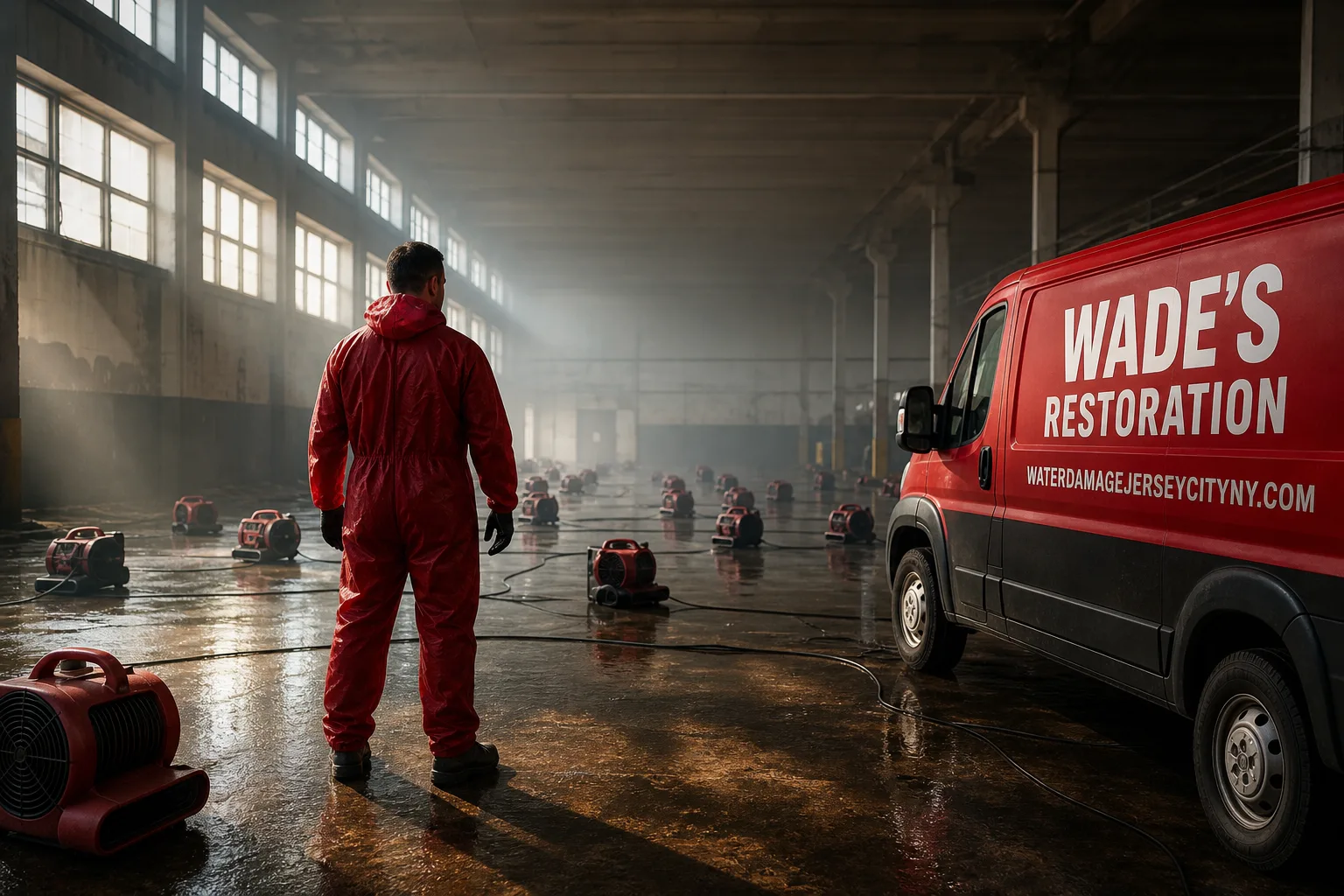
Free visual inspection and a written scope of work before any mitigation begins - photos, moisture readings, and drying logs go in your claim file
The scope we write is the scope we bill. Anything new gets shown to you, in writing, before we touch it.
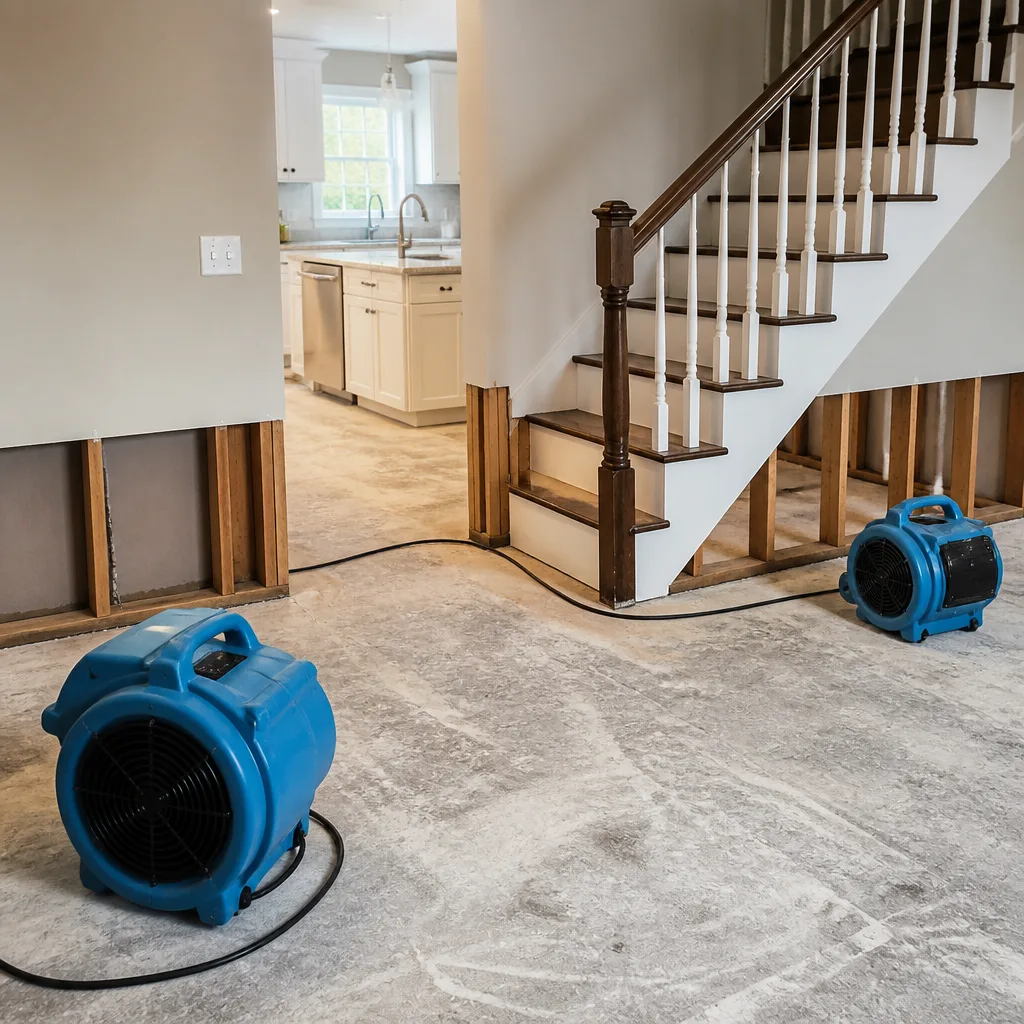
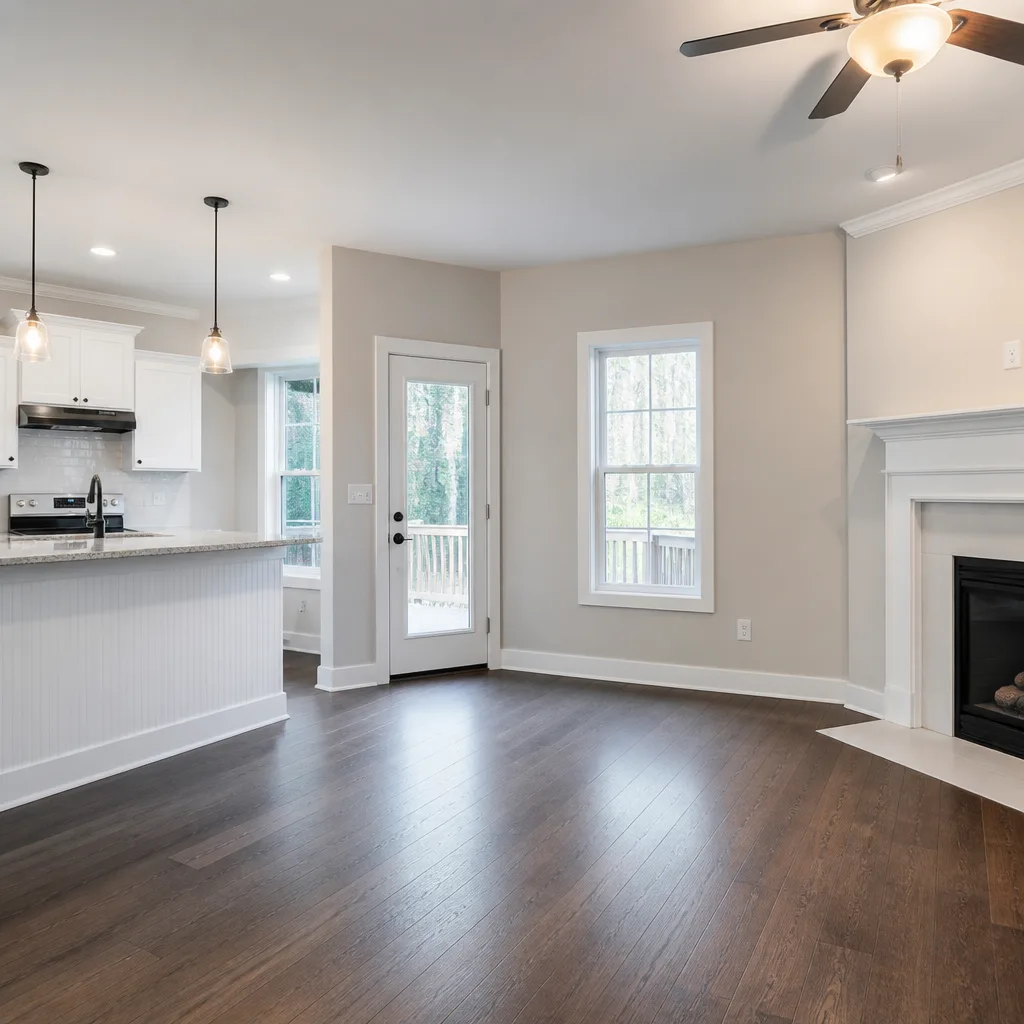
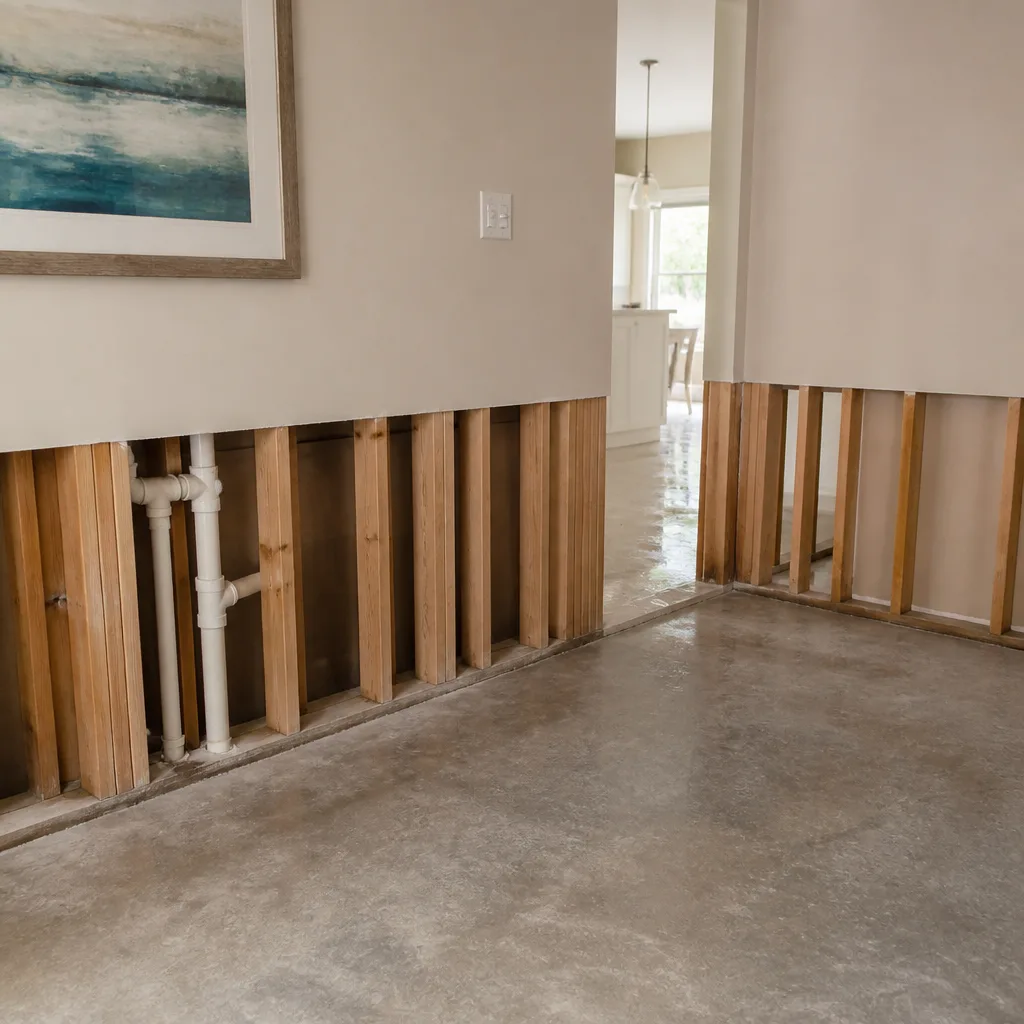
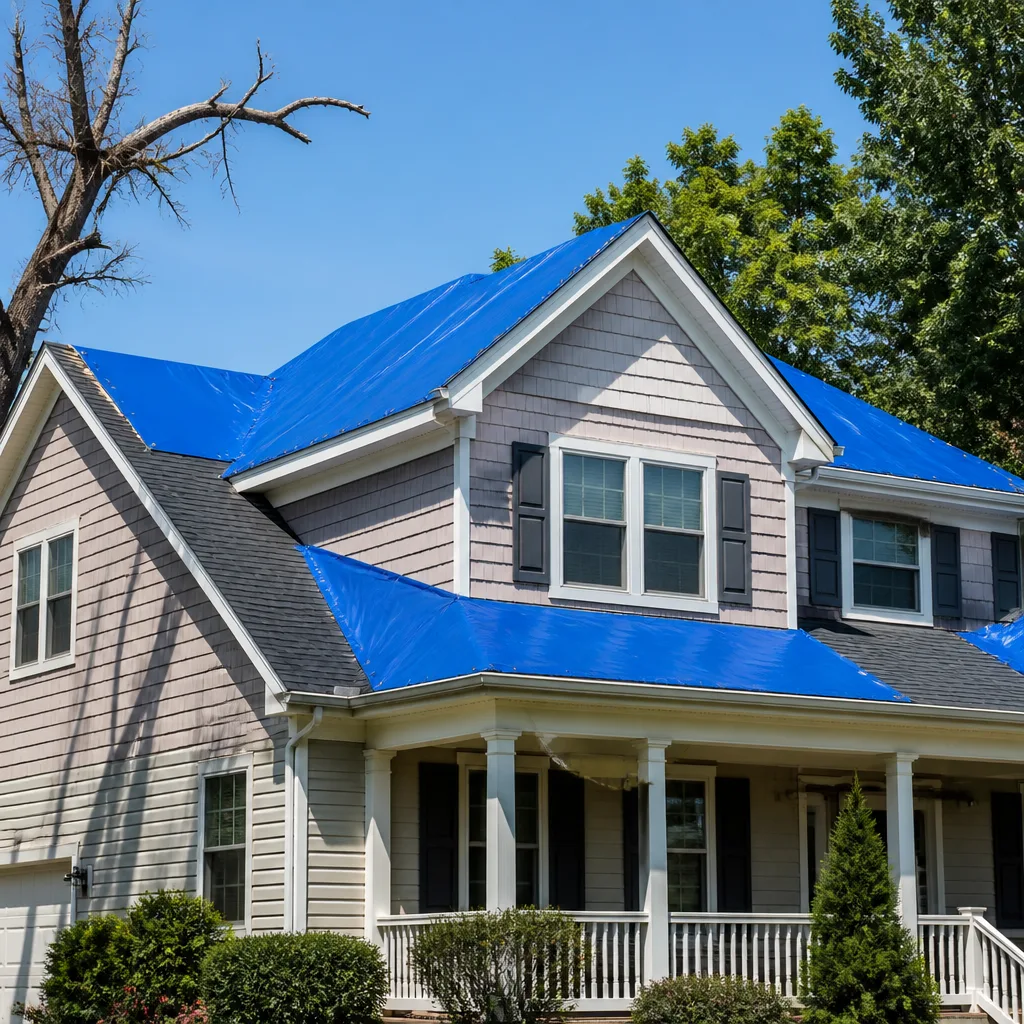
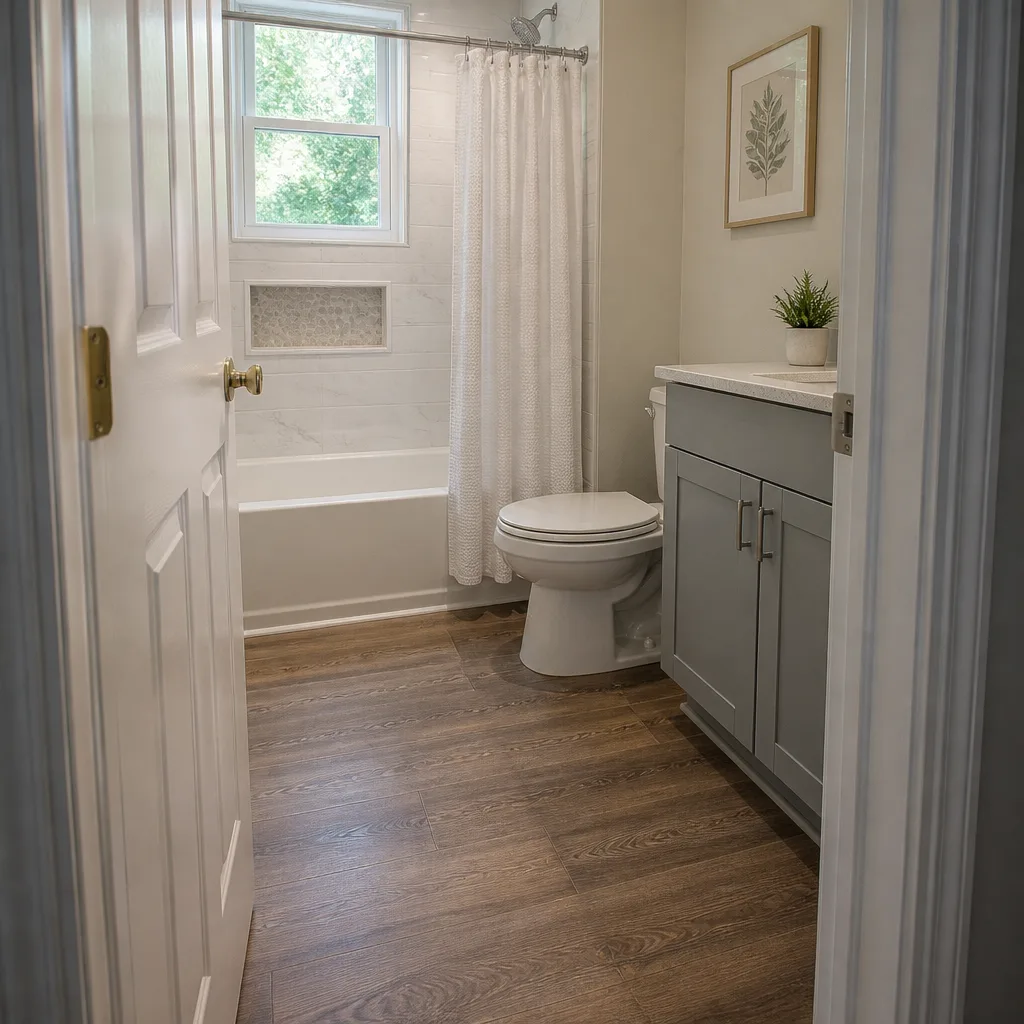
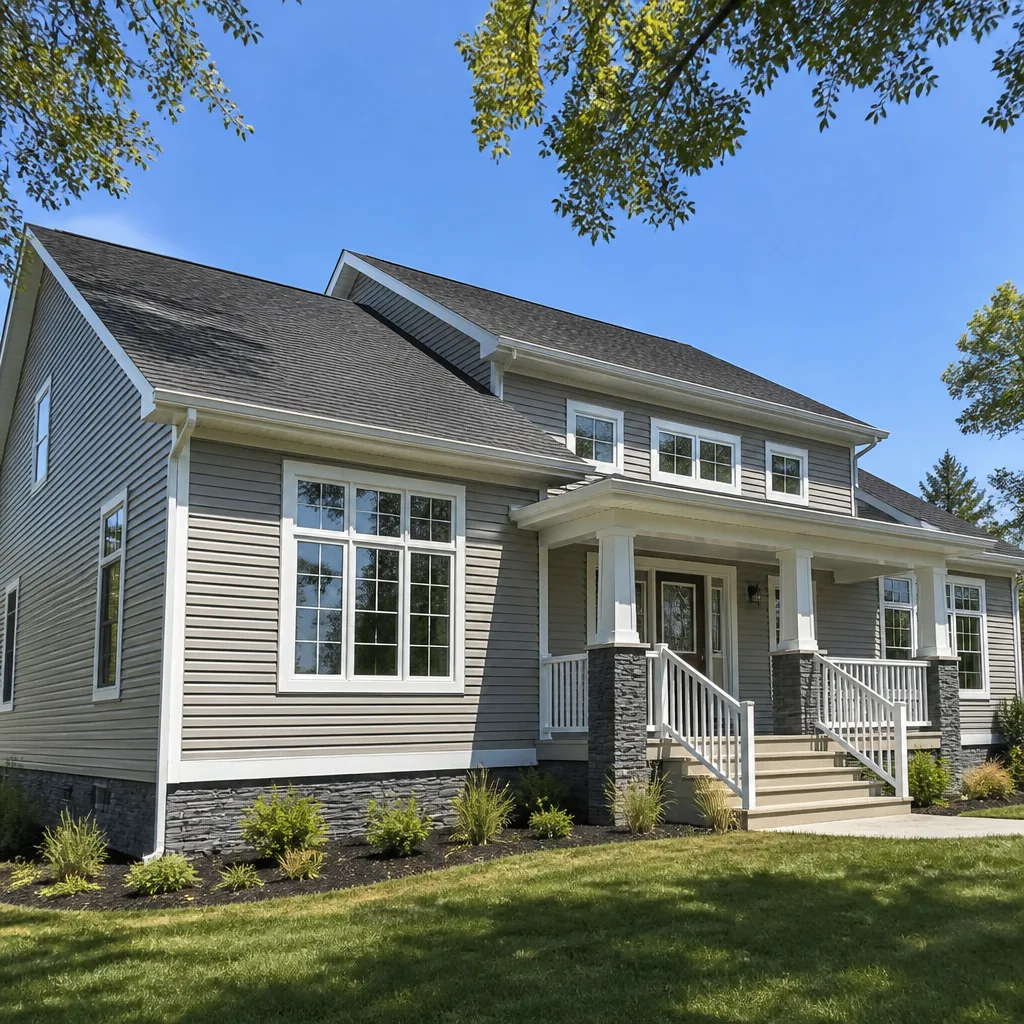
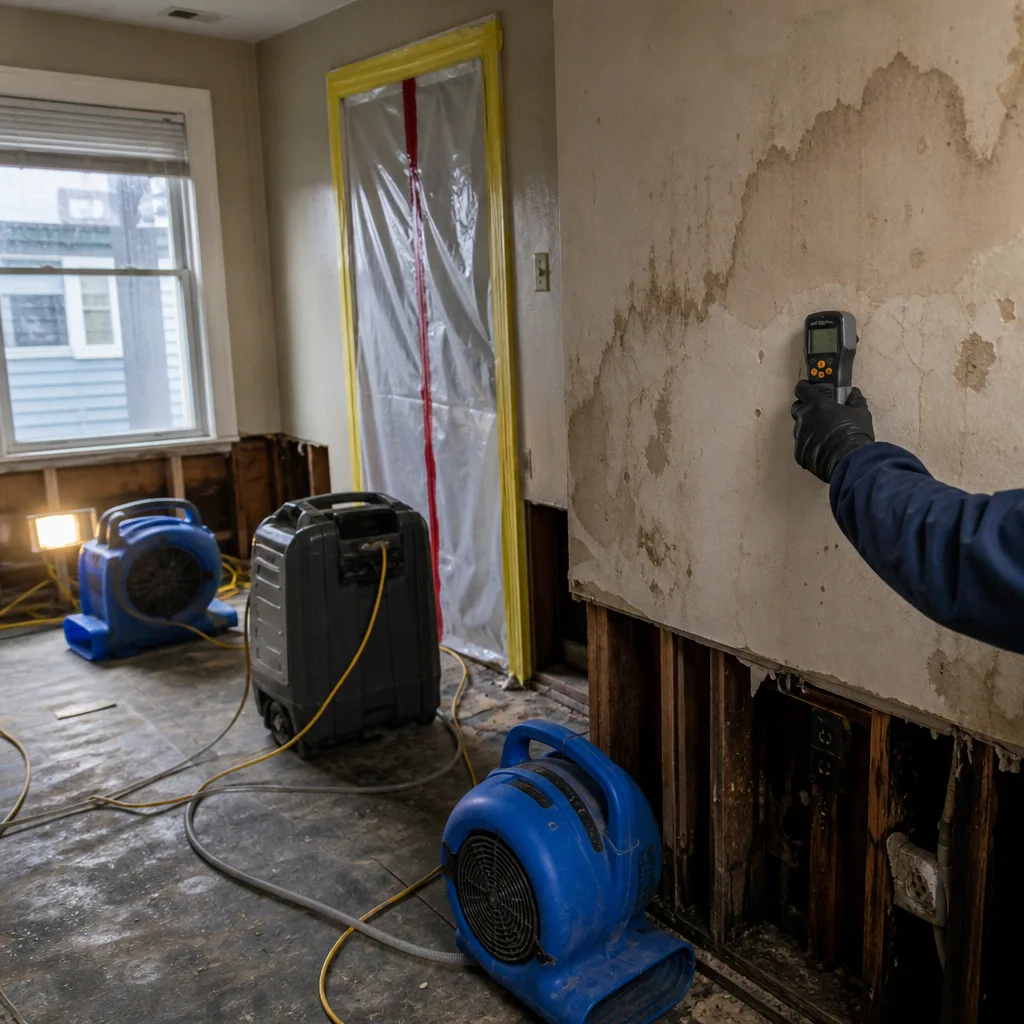 Before
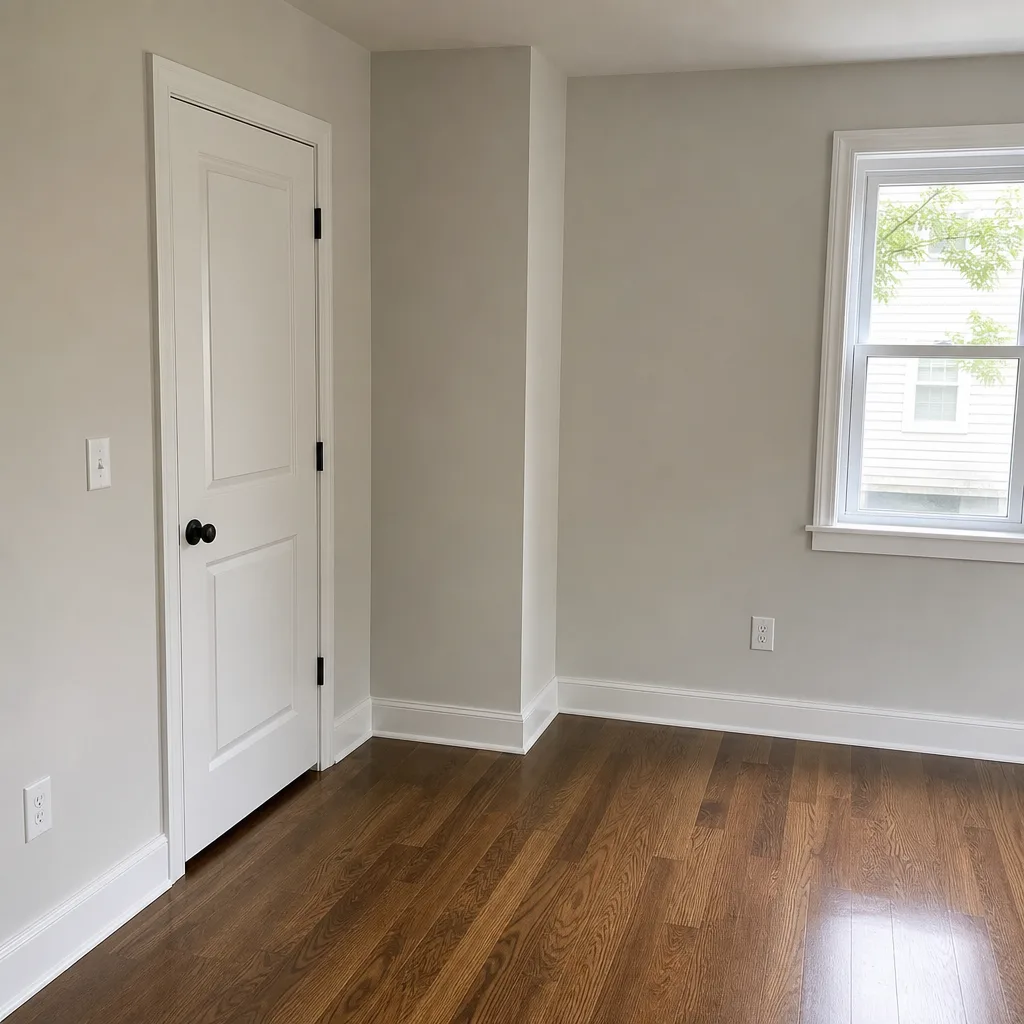 After
After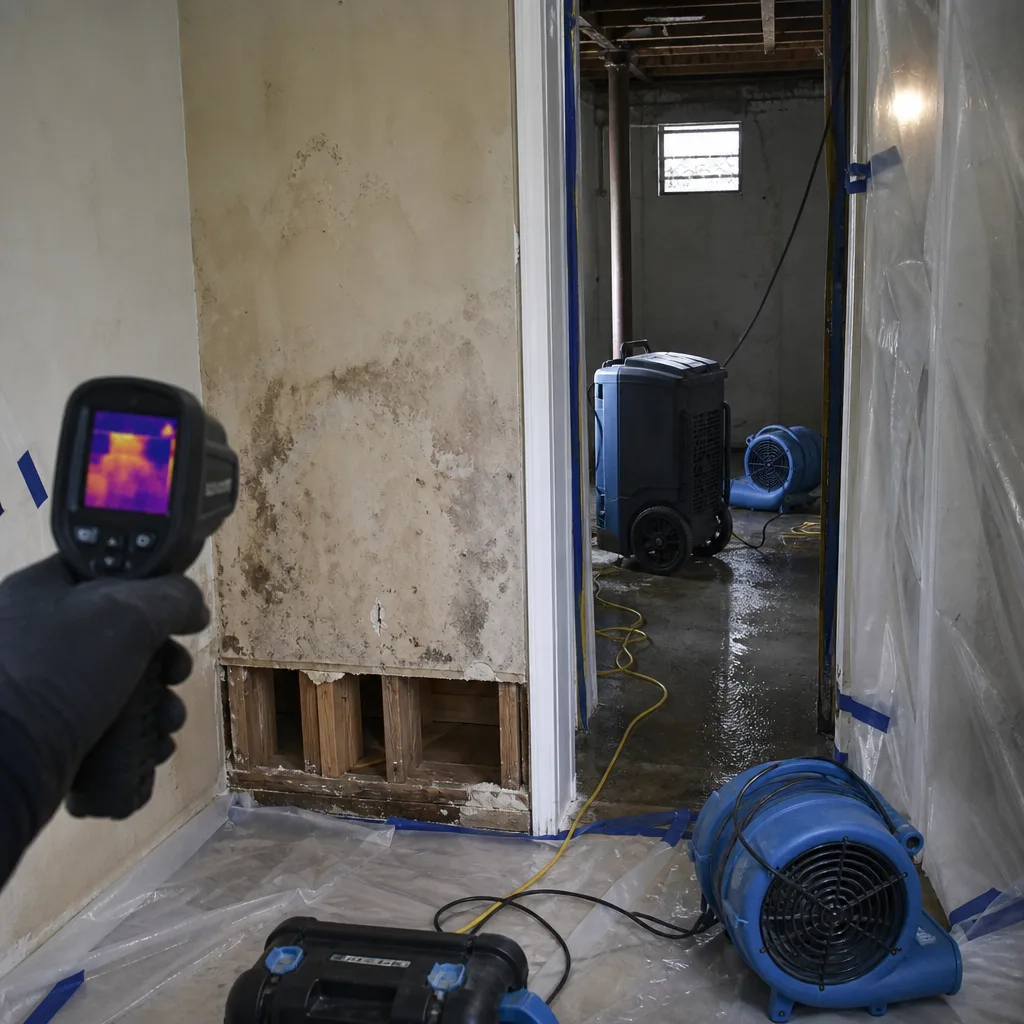 Before
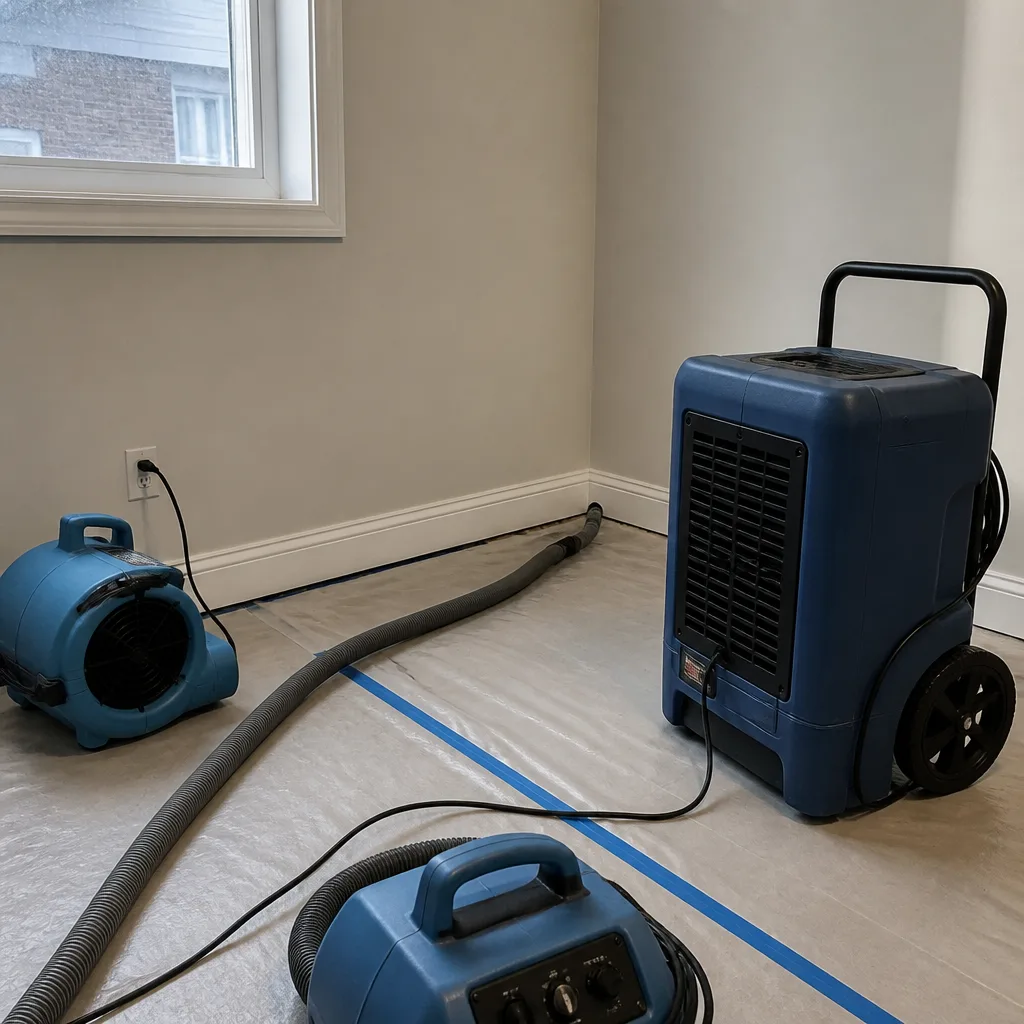 After
After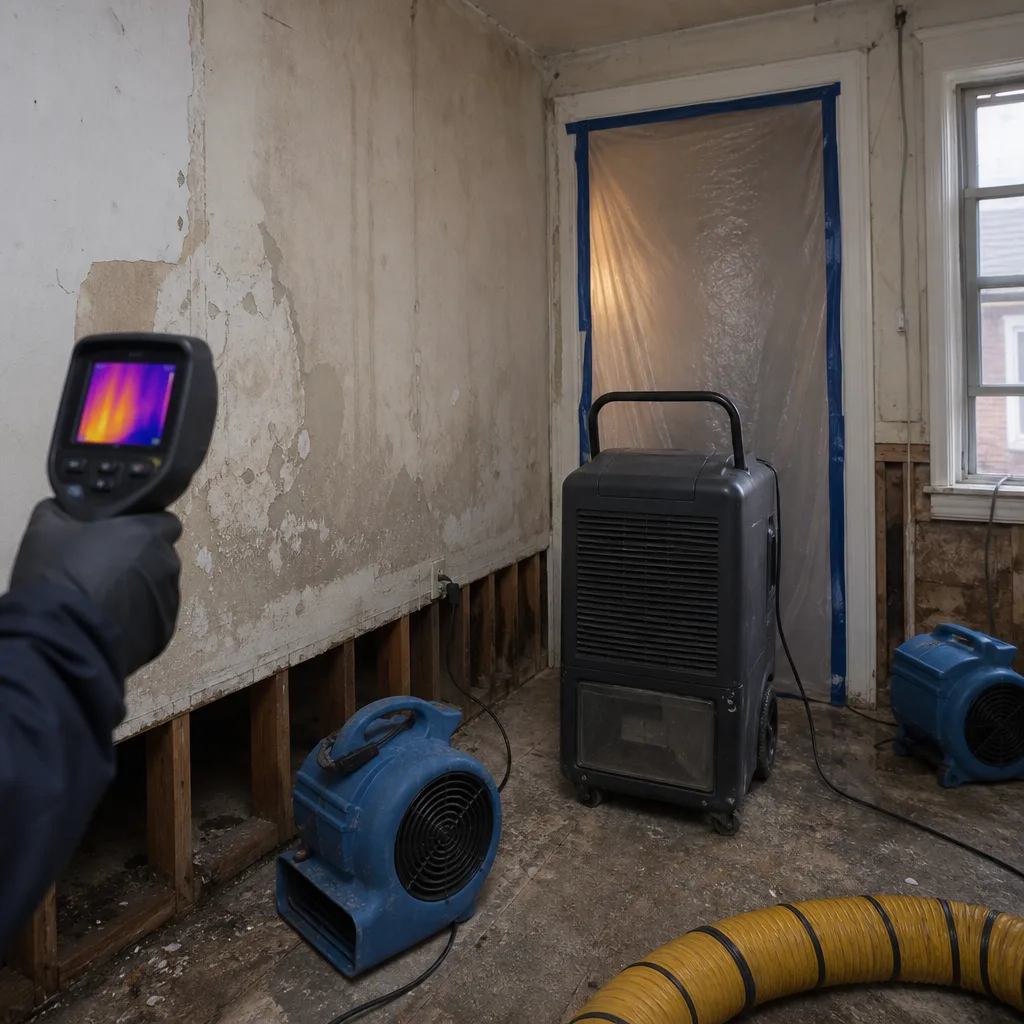 Before
 After
After24/7 Emergency Reconstruction & Cleanup in Jersey City
Jersey City Commercial Restoration means two things happen at once after a flood, fire, or sewer backup: damaged materials come out, and the rebuilding plan starts the same day. That’s the only affordable way to do it, because wet drywall and soaked flooring don’t wait for a convenient Tuesday. Call (201) 903-9581 and you’ll talk to a real person who can have Wade’s crew at your door in Jersey City inside the hour. The first hour after a water event determines whether you’re looking at drying or demolition. We’ll do a free visual inspection, tell you straight what needs to go and what can be saved, and put the scope in writing before a single sheet of drywall comes down.
Understanding Reconstruction & Cleanup Severity in Jersey City Properties
Reconstruction and cleanup in Jersey City splits into water categories that dictate everything downstream. Category 1 is clean water from a burst supply line; Category 2 carries contaminants from washing machines or sump failures; Category 3 is grossly contaminated, including sewage and storm surge off Upper New York Bay. Your Jersey City brownstone basement with a rubble-stone foundation absorbs Category 2 water differently than a waterfront high-rise’s concrete parking level absorbs Category 3 surge. We map moisture through finished walls with thermal imaging and hygrometers before cutting anything, because a century-old row house in Hamilton Park hides water migration paths that a five-year-old stud wall never will. Soot severity after a kitchen fire follows similar logic: protein soot from burned food etches lacquer in hours, while synthetic soot from plastics leaves a sticky residue that spreads through forced-air systems and demands HEPA air scrubbing around the clock. The severity question isn’t how bad it looks. It’s what the water or soot is doing inside walls built before indoor plumbing was standard.
Why Jersey City Property Owners Choose Wade’s Restoration
- A live person answers at 2 a.m. Not a call center, not a voicemail that says someone will get back to you. Wade Ferris answers his own phone.
- One crew from first cut to final coat. The people who tear out your flooded drywall are the same people who hang and finish the new drywall. No handoffs, no gaps.
- IICRC-certified technicians who hold WRT, FSRT, and AMRT certifications and run Dri-Eaz dehumidifiers, Phoenix air movers, and XPOWER axial fans the way they were designed to be run.
- Free visual inspection, no trip charge inside our own county. Wade comes out, looks at the damage, and tells you what he’d do. There’s a free second opinion on any written estimate you already have.
- Direct insurance billing. Wade talks to your adjuster, sends the documentation, and takes that part off your plate entirely.
- 90-Day Done Right Promise, in writing. If the reconstruction isn’t done right, Wade makes it right. It’s on every contract.
Our Reconstruction & Cleanup Process
Inspection & Assessment
Wade walks the property with a moisture meter, thermal camera, and eyes that have seen seventeen years of Jersey City basements. He maps the full loss before any material moves.
Extraction & Stabilization
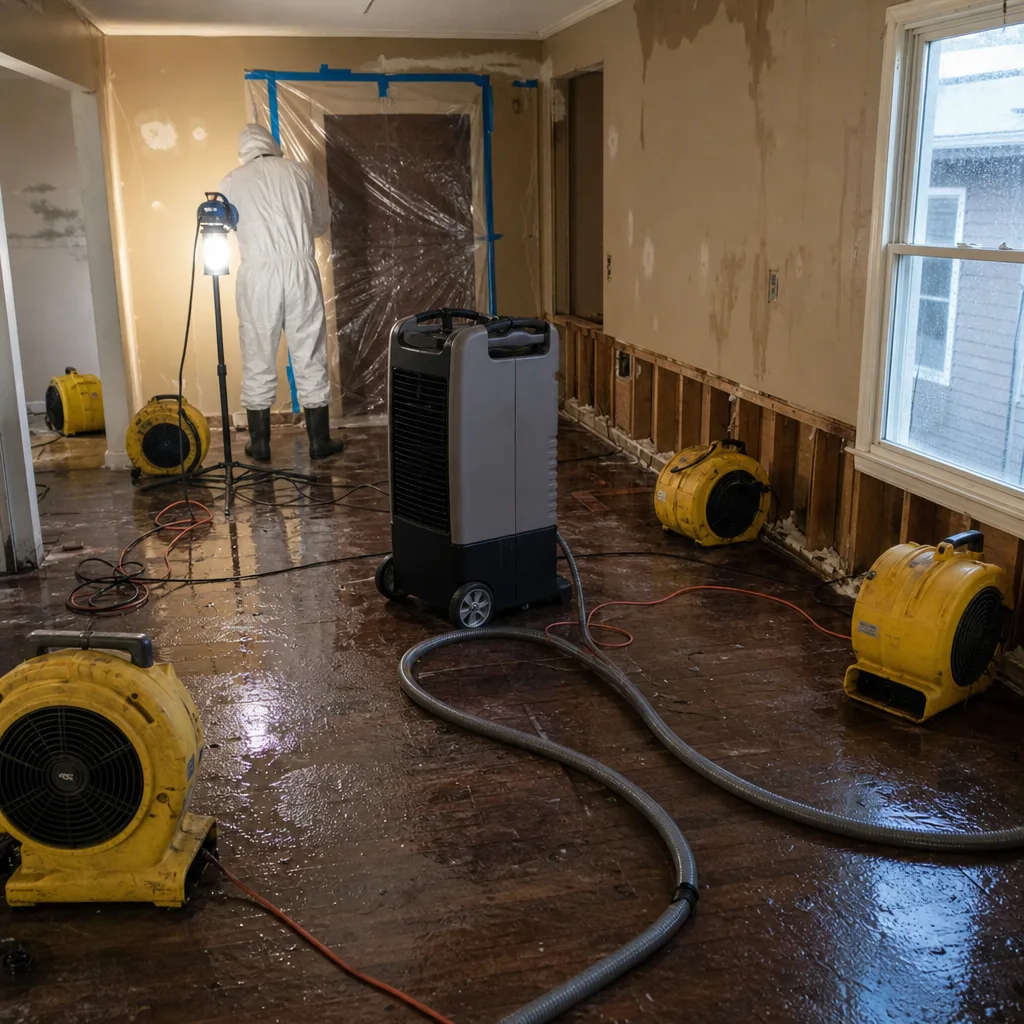
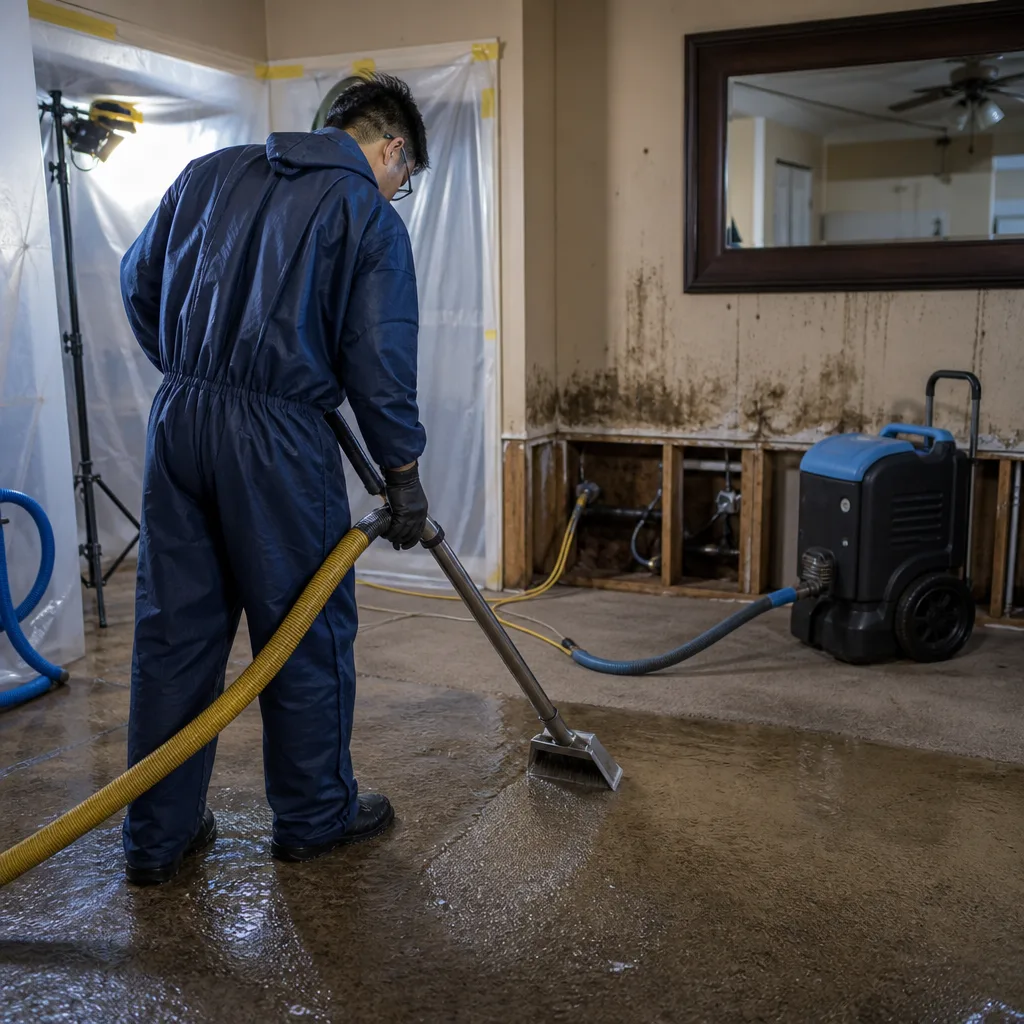
Standing water comes out with truck-mounted and portable extraction units. Unstable drywall, insulation, and flooring are cut back to dry, sound material. The goal here is stopping the damage from spreading.
Drying & Dehumidification
Dri-Eaz dehumidifiers and Phoenix air movers run continuously, with daily moisture readings Wade hands you at the end of the job. No guesswork about when the walls are actually dry.
Cleaning & Sanitization
Surfaces get antimicrobial treatment where water category demands it. Soot and smoke residue get HEPA vacuumed and chemically sponged before primer ever touches a stud.
Corrosion & Hardware Assessment
Before any rebuilding starts, we check every garage-door spring, hinge, roller, and opener chain for salt-air corrosion from the Bayfront air. Rusted hardware gets replaced with galvanized or stainless units first.
Repairs & Restoration
New drywall hung, taped, sanded, primed. Flooring replaced. Trim reinstalled. Paint touched out. You walk back into a house, not a construction site with a note on the counter.
Need Emergency Reconstruction & Cleanup in Jersey City Now?
Crews minutes away, answering live 24 hours a day. The sooner we start, the less it costs.
Working With Your Insurance Company
Insurance claims for reconstruction and cleanup in Jersey City move faster when the adjuster receives a claim file that reads like it was built by someone who’s been doing this since 2007. Wade’s Restoration documents from the first hour: photos room by room, moisture readings day by day, a line-item scope of work with quantities and materials, and direct adjuster communication that keeps you out of the middle. You shouldn’t be the one faxing a drying log to your carrier. We handle it. Your insurer gets everything they need to approve the claim quickly, and you get a reconstruction timeline you can plan your life around.
What We Provide Your Insurer
- Thorough documentation of the loss
- Photos of all damage, room by room
- Moisture readings and drying logs
- A detailed, line-item scope of work
- Direct coordination with your carrier
Built for Jersey City’s Loss Calendar
Jersey City’s loss calendar runs on the Hudson’s clock. January and February bring deep freezes that split supply lines in uninsulated exterior walls of Heights row houses, flooding first-floor units while occupants are at work and making Water Damage Restoration - Jersey City crews busy. March through April throws thaw cycles at the city’s limestone and brownstone facades, opening mortar joints that funnel snowmelt into century-old wall cavities. July and August thunderstorms dump an inch of rain in forty minutes onto streets built over filled marshland that drains slower than the storm arrives, sending water through original coal-cellar openings in Journal Square. September through November is nor’easter season, when storm surge off Upper New York Bay pushes Category 3 water into Bayfront garages and below-grade mechanical spaces. Every season in Jersey City creates a specific failure pattern. We plan for all of them because we’ve worked all of them.
Reconstruction & Cleanup Across Jersey City’s Neighborhoods
The Heights and Journal Square row houses are our most common calls for below-grade water intrusion after heavy rain. Those original coal-cellar openings still exist at street level, and they were never built to keep out modern runoff volumes. Hamilton Park and Van Vorst Park brownstones bring a different set of problems: plaster over brick walls that wick water upward from soaked basement foundations, leaving paint bubbling on the parlor floor by the time anyone notices. Bergen-Lafayette, where many homes sit closer to the filled-marshland substrate, sees chronic hydrostatic pressure against rubble-stone foundations that produces damp drywall and buckled flooring even after the visible water is gone. The Exchange Place and Newport waterfront towers present shared-mechanical water events where a breach on one floor migrates through riser chases and damages units three floors away. Each neighborhood in Jersey City has its own version of the same problem, and a crew that knows the difference gets the reconstruction right the first time.
Specialized Reconstruction & Cleanup Services We Offer in Jersey City
Full-Service Reconstruction
Everything from a single flooded room to a whole-floor rebuild. We demo to sound material, dry what remains, and rebuild to pre-loss condition or better. In Jersey City’s older housing stock, that often means matching plaster profiles, installing closer to original trim details, and working around structural quirks that only exist in buildings over a hundred years old.
Drywall & Flooring Repair
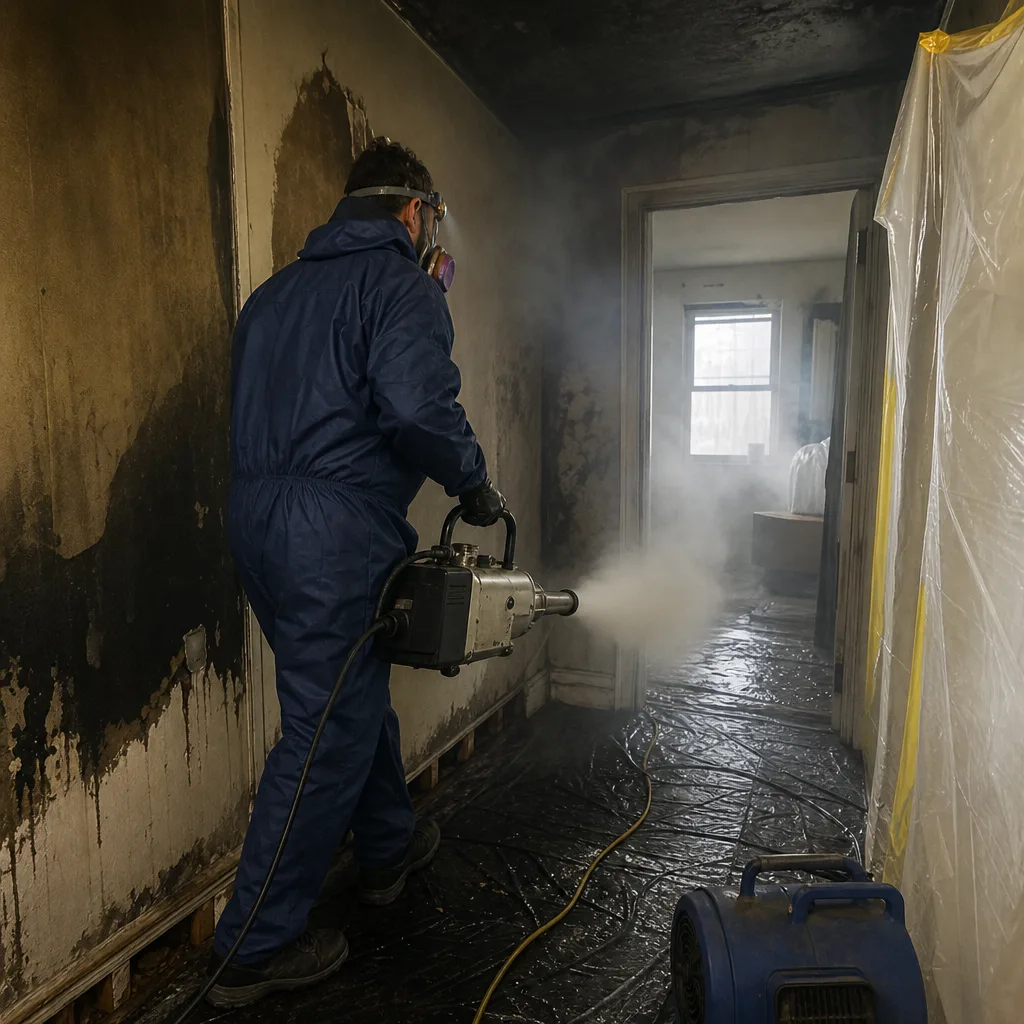
Salt-soaked drywall in a Bayfront garage and water-warped oak in a Van Vorst Park parlor both come out and get replaced. We cut straight lines, hang, tape, and finish drywall so the patch disappears into the original wall. Flooring gets matched for species, width, and finish, or replaced entirely when the damage runs wall to wall.
Contents Restoration & Pack-Out
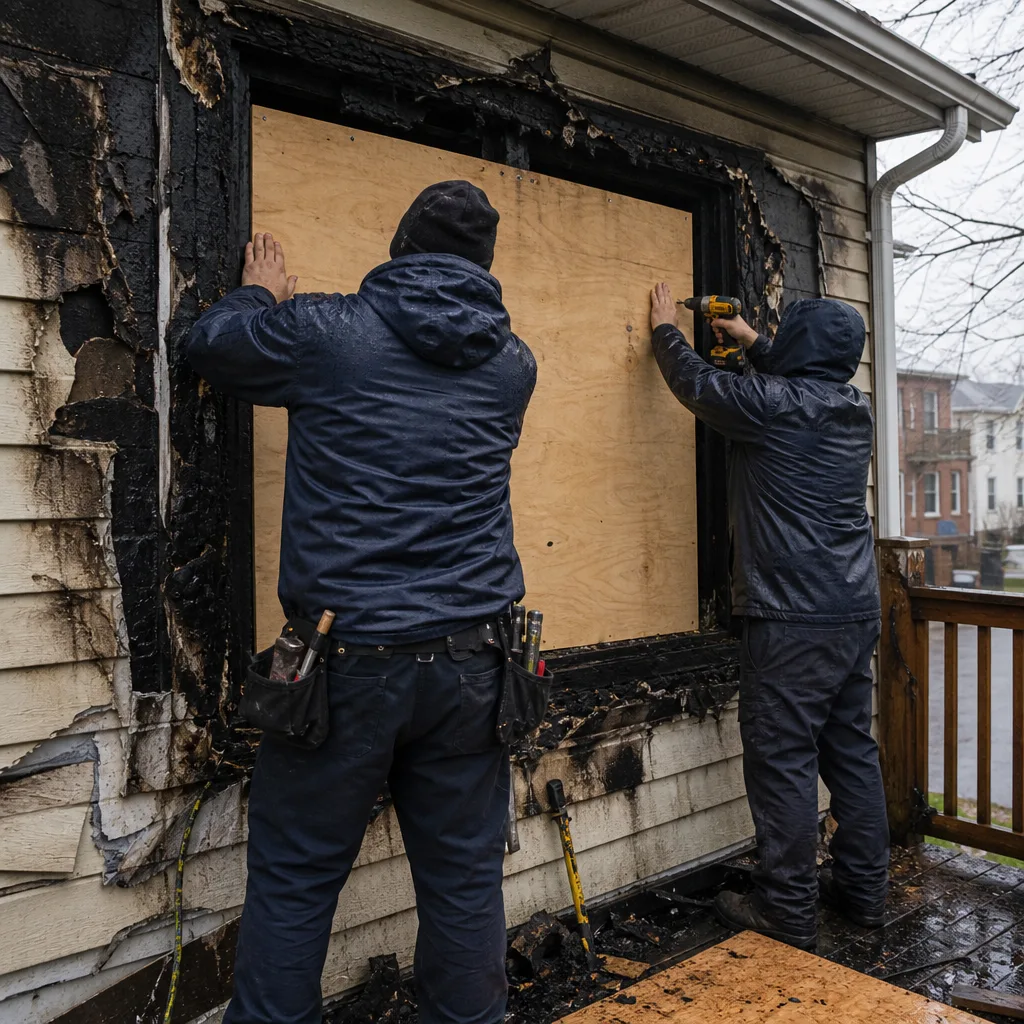
Furniture, clothing, files, and keepsakes get inventoried, packed, and restored off-site when the job requires it. We clean, deodorize, and store contents until reconstruction is done, then bring everything back. In Jersey City apartments where square footage is tight, pack-out often makes the difference between a three-week rebuild and a three-month one.
Carpet & Upholstery Cleaning
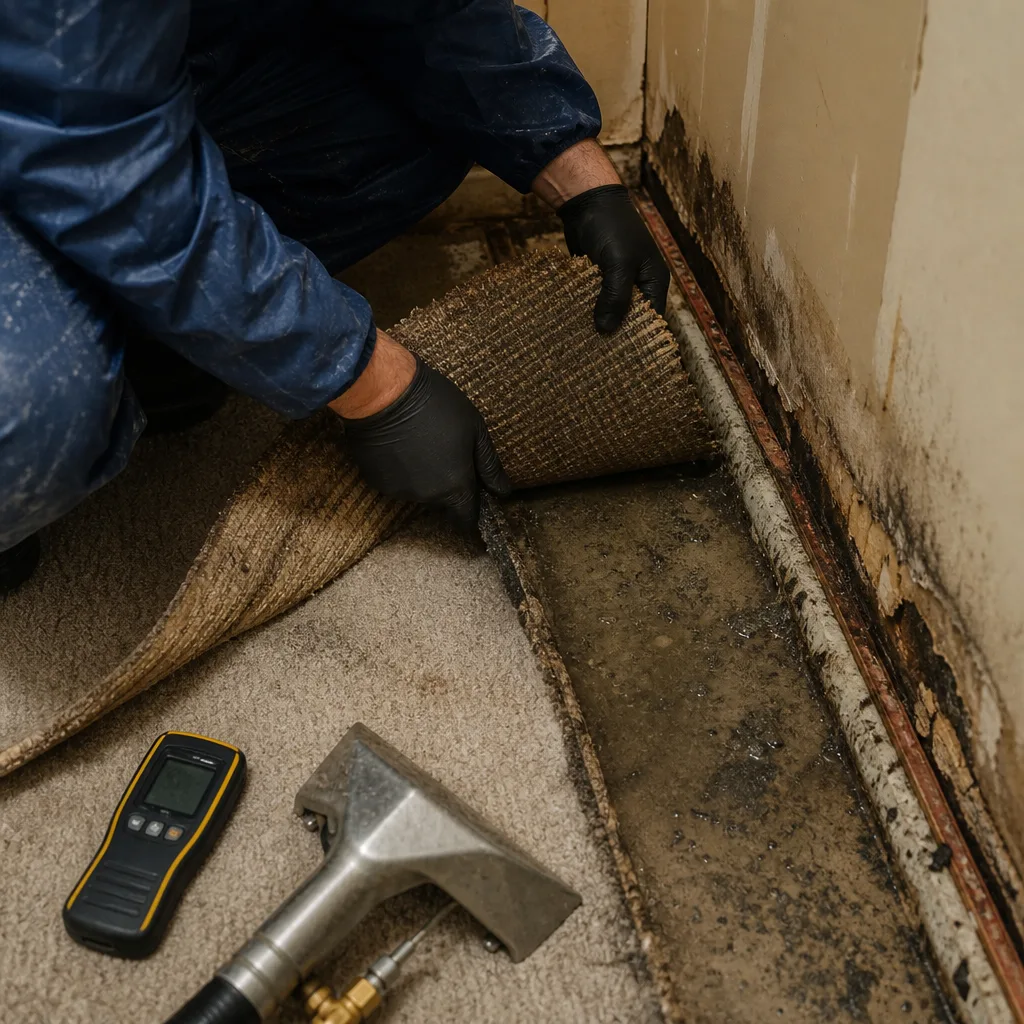
Category 1 water events sometimes only need deep extraction and cleaning, not replacement. We run truck-mounted hot-water extraction on carpets and clean upholstery in place. The question is always whether the pad underneath is contaminated. In Jersey City’s humid summers, damp carpet pad in a closed-up apartment grows mold fast, so we check before we clean or call for Mold Remediation in Jersey City.
Post-Construction Cleanup
Drywall dust, sawdust, and construction debris are our job, not yours. After reconstruction wraps, we run HEPA air scrubbers to pull dust out of the air, clean every surface, and leave the place move-in ready. You get the keys back to a clean house, not a weekend of sweeping.
What happens when you call
- 1
A real person answersNo phone trees - you reach a local pro.
- 2
You get an upfront price rangeHonest numbers before anyone is dispatched.
- 3
A background-checked tech heads outLicensed & insured, dispatched right away.
- 4
You approve before work beginsNothing starts until you say go.
Reconstruction & Cleanup Costs in Jersey City, NJ
Reconstruction and cleanup in Jersey City runs on honest numbers. A single-room Category 1 water cleanup with drywall cut and drying typically lands between $1,200 and $3,500. A basement Category 3 sewage or storm-surge job with full demo, sanitization, and rebuilding runs $8,000 to $25,000 and up depending on square footage and what finishes you had before the loss. A full garage-door hardware replacement after salt-air corrosion, including galvanized torsion spring, stainless fasteners, and nylon rollers, adds $350 to $900 before drywall work even begins. Insurance covers most Category 2 and 3 events, minus your deductible. The free visual inspection is how you get a firm scope and a real number instead of a phone estimate. Call (201) 903-9581 and Wade will walk the property and tell you exactly what he sees and what it costs to fix. Senior and veteran discounts apply to every job, and the second opinion on any written estimate is free.
We Also Serve Cities Near Jersey City
If you’re across the city line, we serve the surrounding Hudson County area too: Hoboken, Union City, Weehawken, and Harrison. Same crew, same 24/7 live answer, same 90-Day Done Right Promise.
Jersey City Reconstruction & Cleanup Questions, Answered
How fast can you get to my Jersey City property?
Inside the hour in most Jersey City neighborhoods. Wade’s crew is based in the metro area and doesn’t have to fight tunnel traffic from a distant suburb, so the drive to the Heights, Greenville, or Bergen-Lafayette is short. Call (201) 903-9581 and a live person gives you a real ETA.
Will insurance cover my reconstruction and cleanup?
Most Category 2 and Category 3 water events, fires, and storm-surge losses are covered under standard homeowner or condo policies, minus your deductible. We document everything from the first hour, bill your carrier directly, and talk to your adjuster so you don’t have to.
Can you just clean and dry, or do I need full reconstruction?
It depends on water category, how long the water sat, and where it migrated. Category 1 water on tile often just needs extraction and drying. Category 3 water in drywall means cut and replace. The free visual inspection tells you which one you’re dealing with before anyone starts cutting.
How much does reconstruction and cleanup cost compared to other nearby cities?
Jersey City runs comparable to Hoboken and slightly higher than Union City or Weehawken, mostly because the housing stock is older and more multi-family, which adds complexity to access and demolition. A typical Category 2 basement job here falls between $8,000 and $25,000 depending on finishes.
How long does drying and reconstruction take?
Drying runs 3 to 5 days for most Category 1 and 2 events, with daily moisture readings to confirm. Full reconstruction after demo adds 1 to 3 weeks depending on scope. Your written scope includes a timeline, and Wade sticks to it because the 90-Day Done Right Promise means he’s coming back if it’s not right.
Can we stay in the home during reconstruction?
Often yes for a single-room job, especially if containment is set up properly. For Category 3 sewage or storm-surge work across multiple rooms, no. We’ll tell you straight on the first visit, and if pack-out is needed, we handle moving and storing your contents while you’re out.
What certifications does Wade’s Restoration hold?
Wade’s Restoration is IICRC-certified with WRT (Water Damage Restoration Technician), FSRT (Fire & Smoke Restoration Technician), and AMRT (Applied Microbial Remediation Technician) credentials on the crew. The company is also RIA-affiliated and IFA-recognized, which means the work meets the highest industry standards.
What should I do in the first 30 minutes after a flood or fire in Jersey City?
Shut off power to affected areas if it’s safe to reach the panel. Don’t walk through standing water that could be energized or contaminated. Call (201) 903-9581. Take photos on your phone of everything you can see. Move small valuables to higher ground if it’s safe. Then wait for Wade. The first 30 minutes set the scope, and a fast response saves money.
How Salt Air Changes Reconstruction in Jersey City
Jersey City’s coastal salt air corrodes garage-door springs, hinges, rollers, tracks, fasteners, and opener chains two to three times faster than inland. That means the sequence of work on a flood or storm job here is different. Before we cut a single sheet of drywall in a flooded Jersey City garage, we check the door hardware. A torsion spring corroded by months of salt-laden air off Upper New York Bay is a failure waiting to happen, and if it snaps after we’ve rebuilt the space above it, you’ve got a new loss on top of the old one. So we replace failed torsion springs with galvanized or powder-coated units, swap in stainless hardware, and upgrade to nylon rollers before the drywall and flooring work begins. Nobody in inland Union City or Weehawken has to think about this the same way, but in Bayfront, Greenville, and anywhere else close to the water, it’s the first item on our reconstruction checklist. Reconstruction & Cleanup in Jersey City isn’t just about replacing what got wet. It’s about making sure what didn’t get wet holds up to the salt air for the next twenty years.
What We See in Jersey City Garages After a Nor’easter
After a nor’easter pushed saltwater into a Bergen-Lafayette row house’s garage, our crew found the door tracks seized with rust and the torsion spring snapped at the anchor bracket, a failure pattern we see weekly near the Bayfront. We stripped the corroded hardware, installed a galvanized spring and stainless fasteners, then moved inside to remove Category 2 water-damaged drywall and run structural drying with Dri-Eaz dehumidifiers and air movers until moisture readings matched the pre-loss condition. That’s the order every time: hardware first, then the room. Because a garage door that won’t close in November is a security problem, a heat-loss problem, and an invitation for every local raccoon to move in. Salt air did that damage, and if we don’t address it up front, your reconstruction will start failing the day we leave.
Serving Jersey City, NJ - Our Local Coverage Area
We’re based in the Jersey City area and know this community well. Use the map below to see our service coverage - if you’re nearby, we can almost certainly help.
Coal-Cellars, Marshland, and the Jersey City Basement Reality
Two things make Jersey City basements fundamentally different from the rest of Hudson County. First, the original coal-cellar openings in Heights and Journal Square row houses were never designed for modern waterproofing. They sit at street level, below the finished floor, and during any significant rain event they become direct flood inlets that channel runoff into below-grade spaces before any sump pump can respond. Our crews keep pre-cut plywood bulkhead covers in the trucks as a standard first-response tool for exactly this reason. Second, the filled-marshland substrate in Greenville and Bayfront drains poorly and creates persistent hydrostatic pressure against rubble-stone foundations. That pressure doesn’t disappear when the standing water is extracted. It keeps pushing moisture through century-old masonry long after the storm has passed, which is why moisture mapping matters more in Jersey City than almost anywhere else we work. You can’t rebuild drywall over a foundation that’s still wet, and the only way to know is to take readings every day and watch the trend.
Written by Wade Ferris, Owner at Wade’s Restoration, serving Jersey City since 2007.