
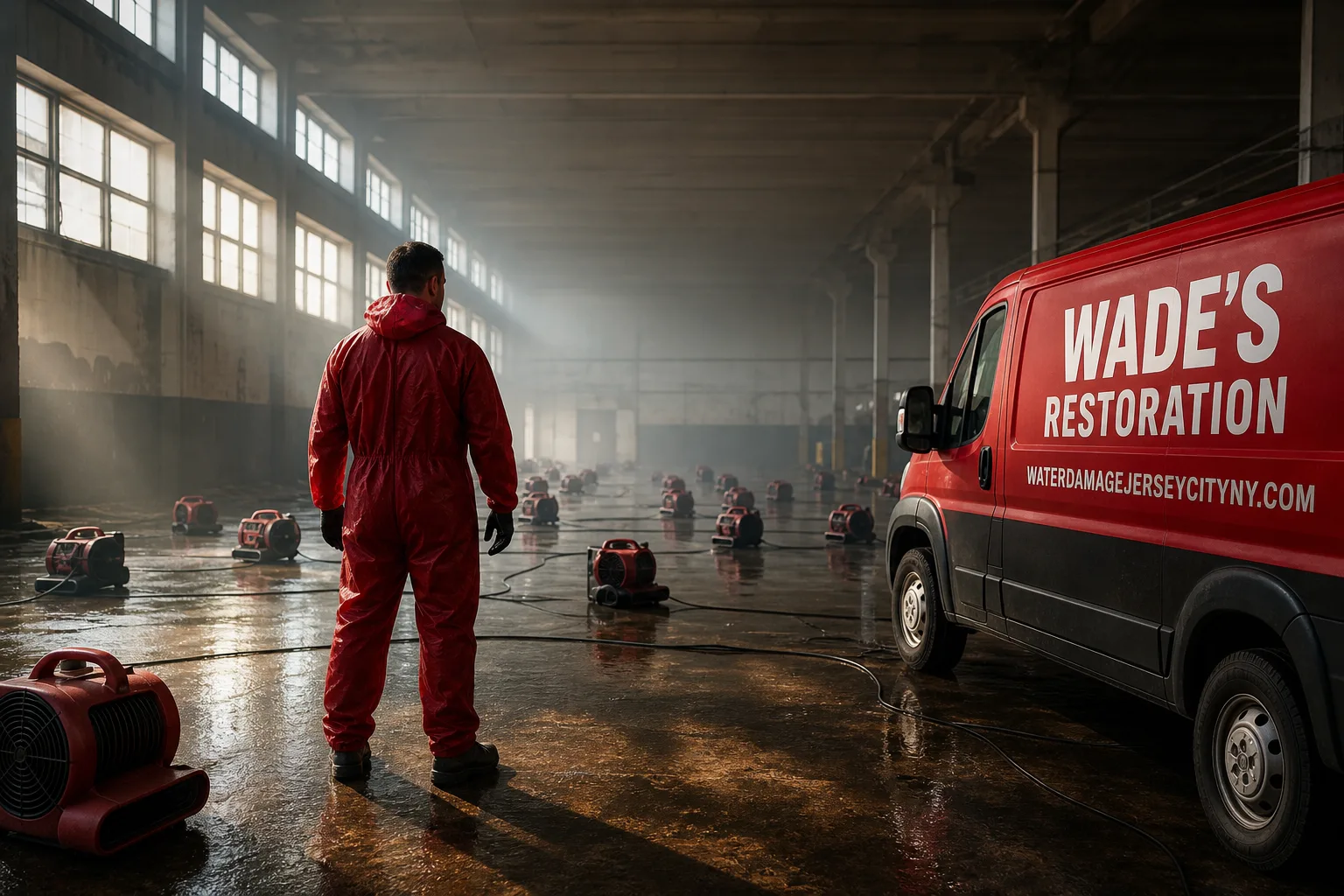
Free visual inspection and a written scope of work before any mitigation begins - photos, moisture readings, and drying logs go in your claim file
The scope we write is the scope we bill. Anything new gets shown to you, in writing, before we touch it.
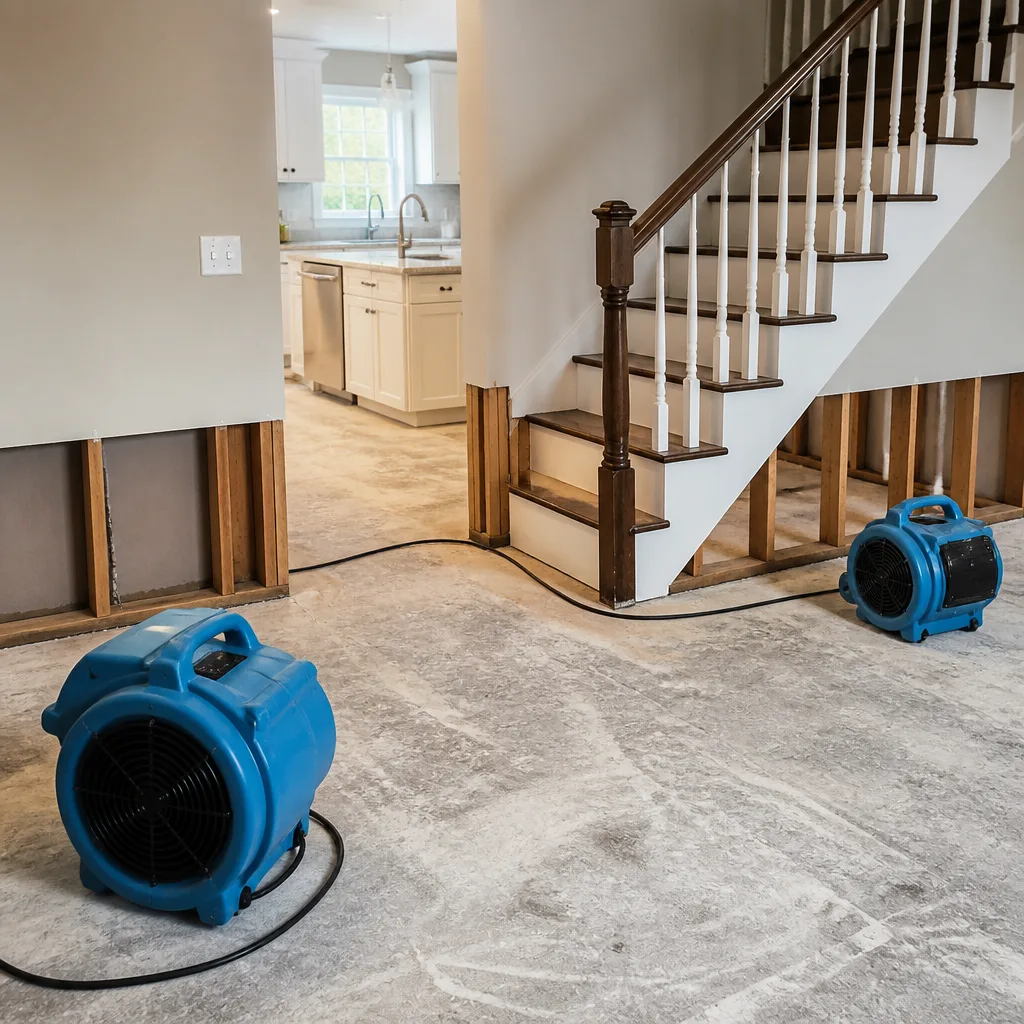
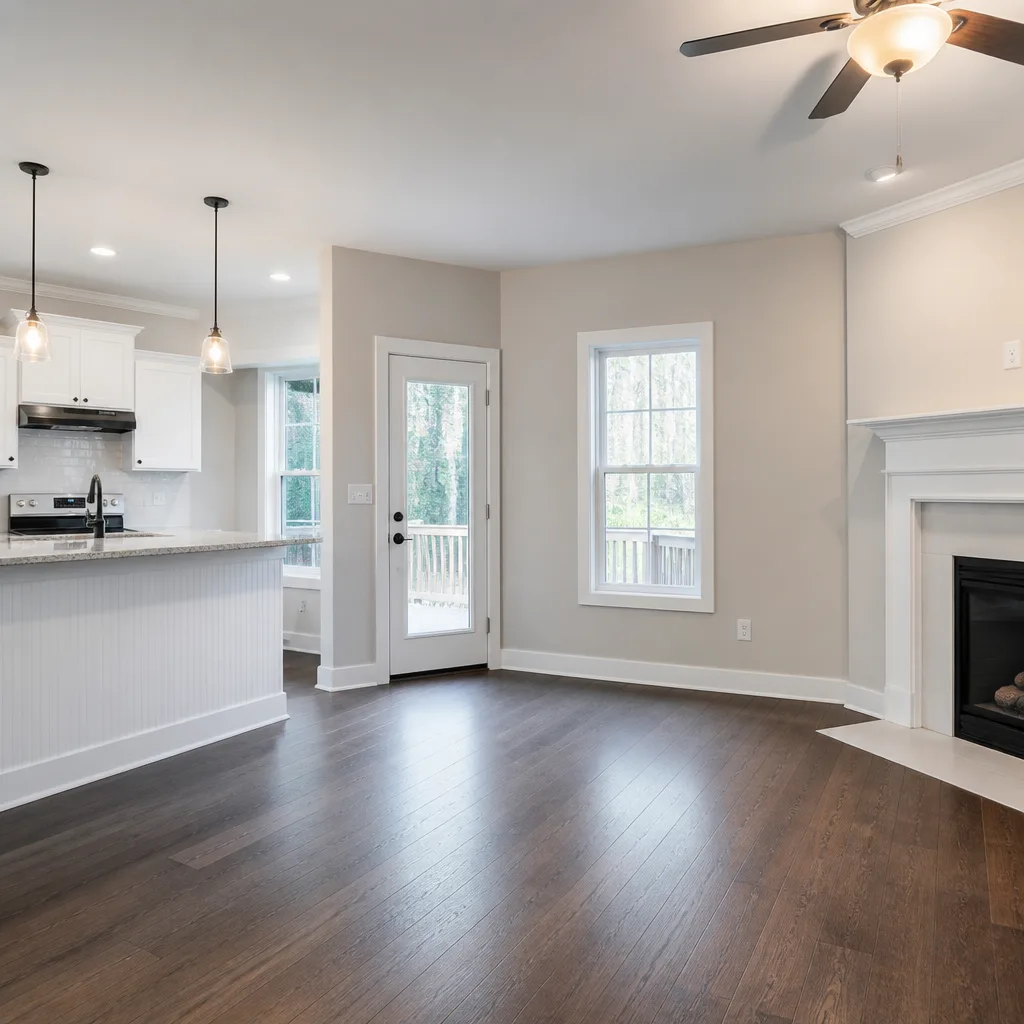
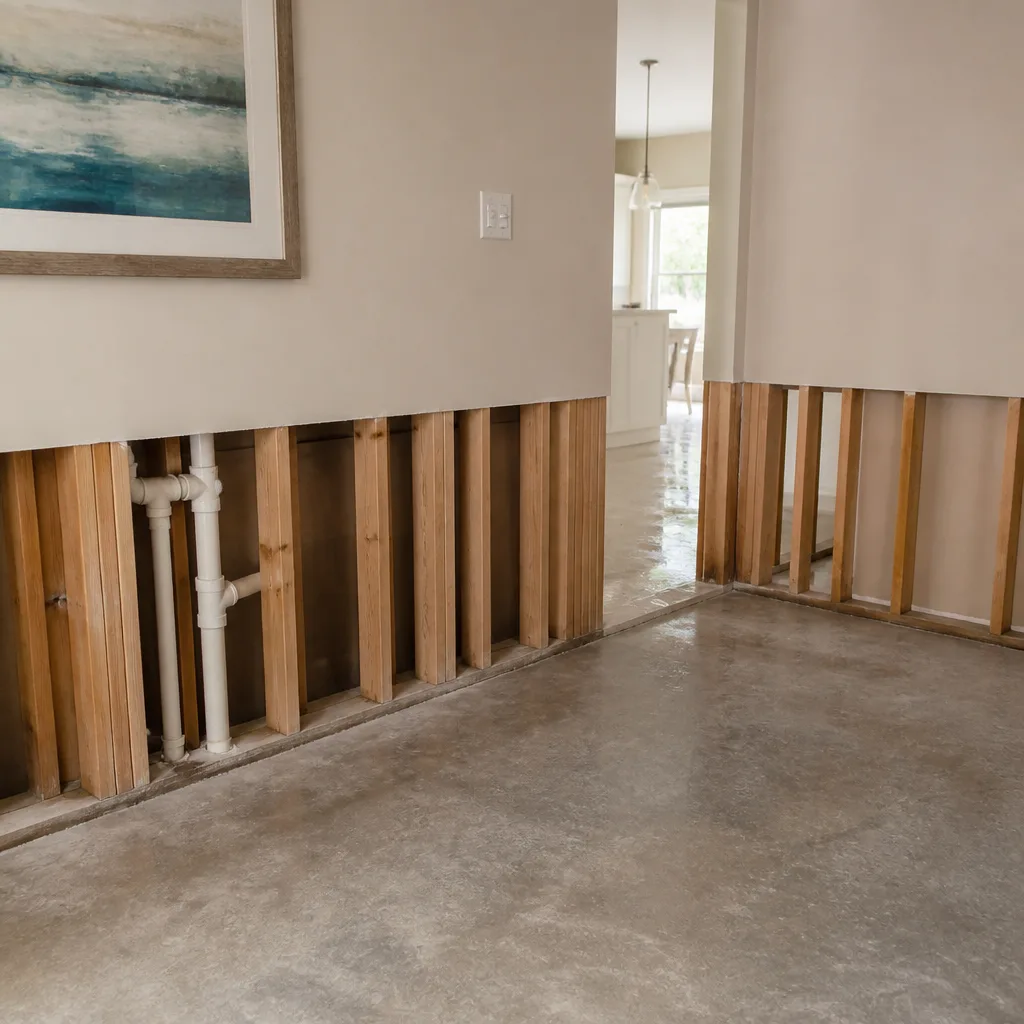
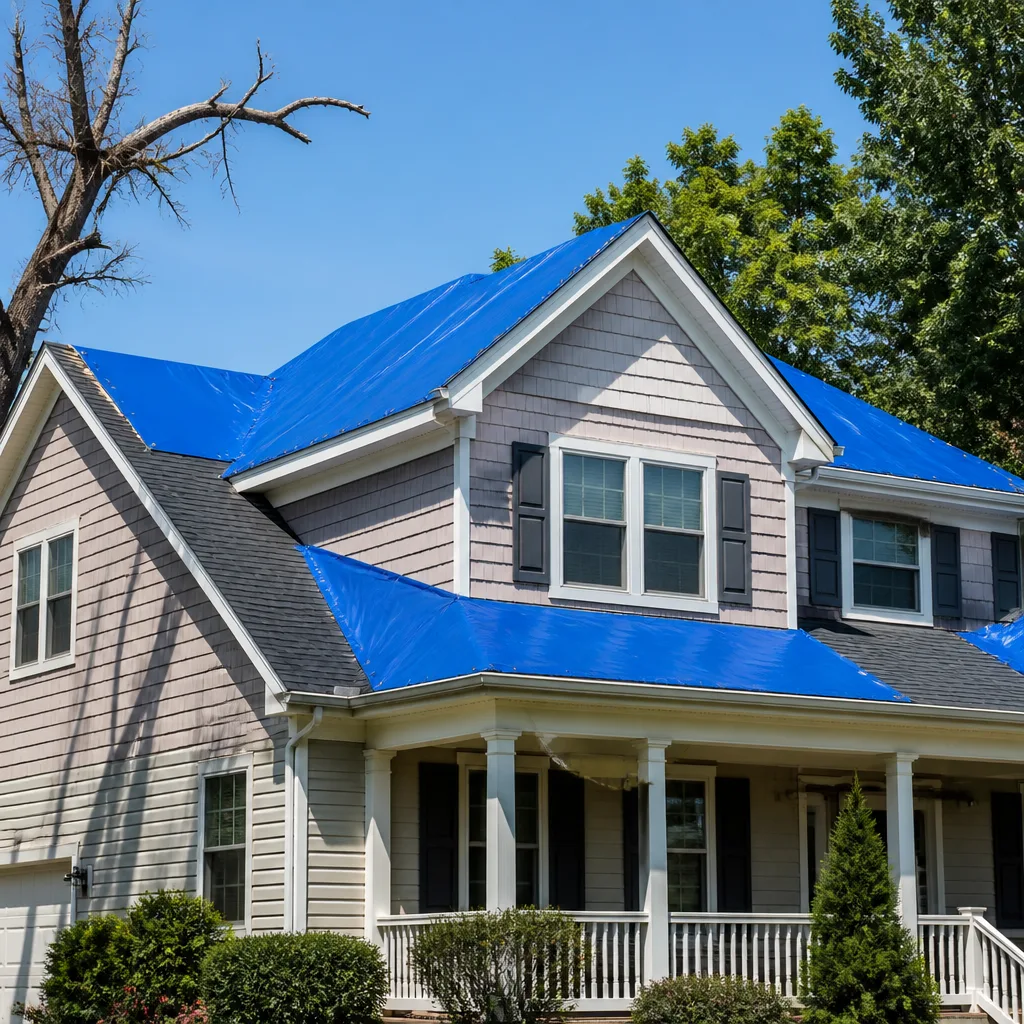
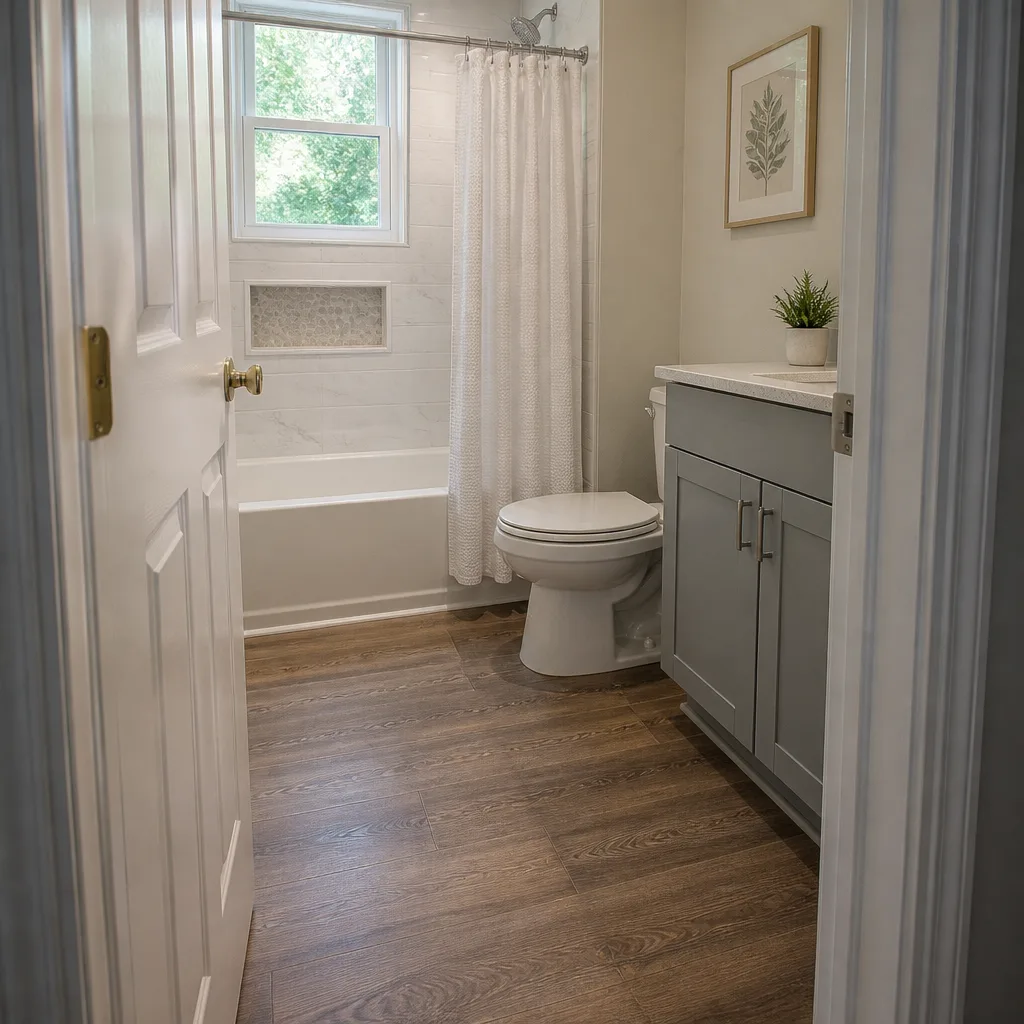
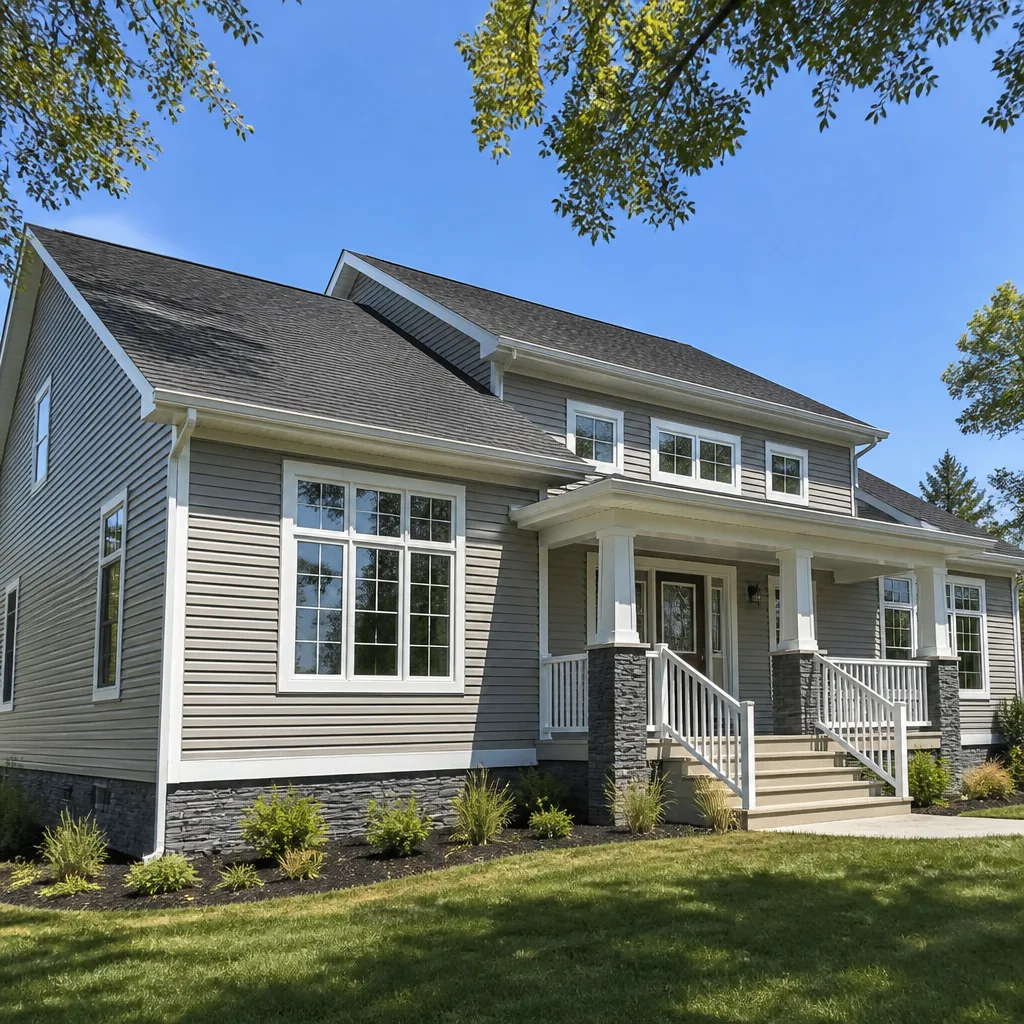
 Before
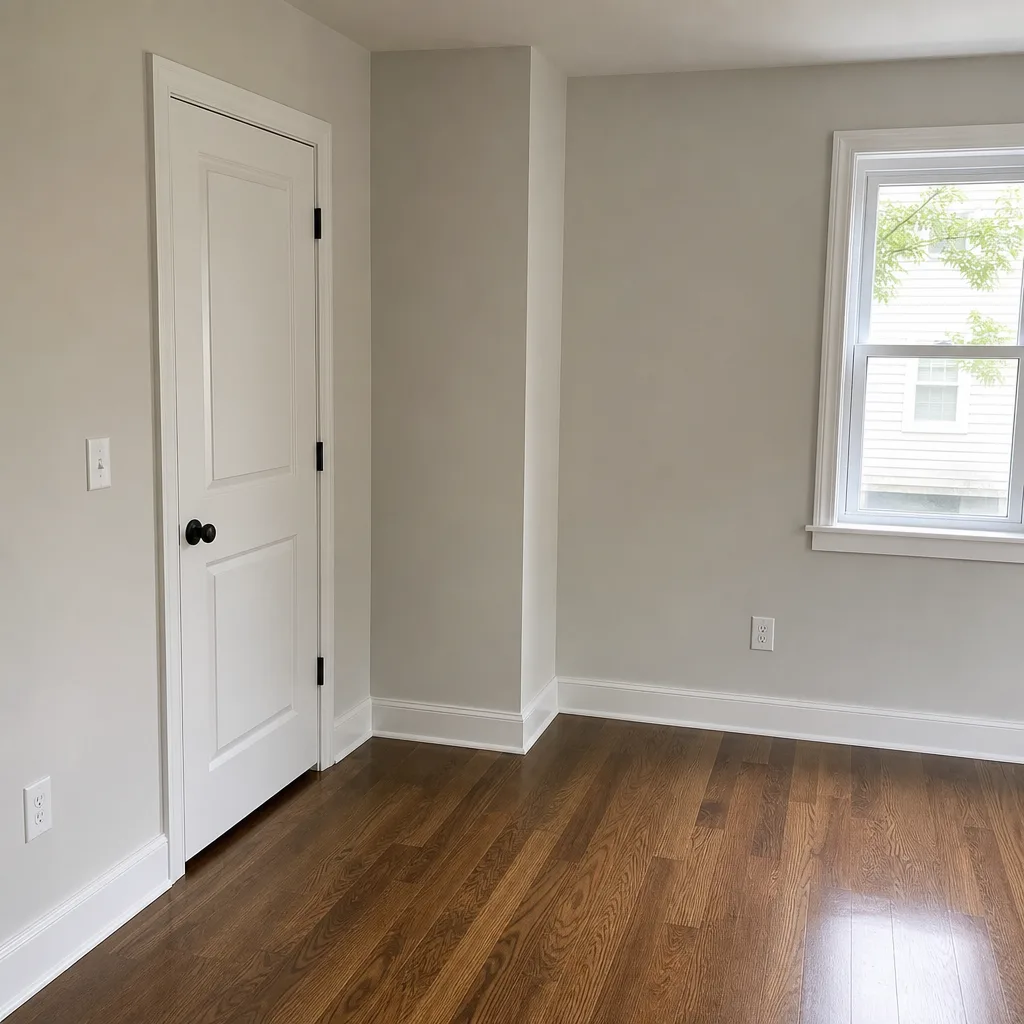 After
After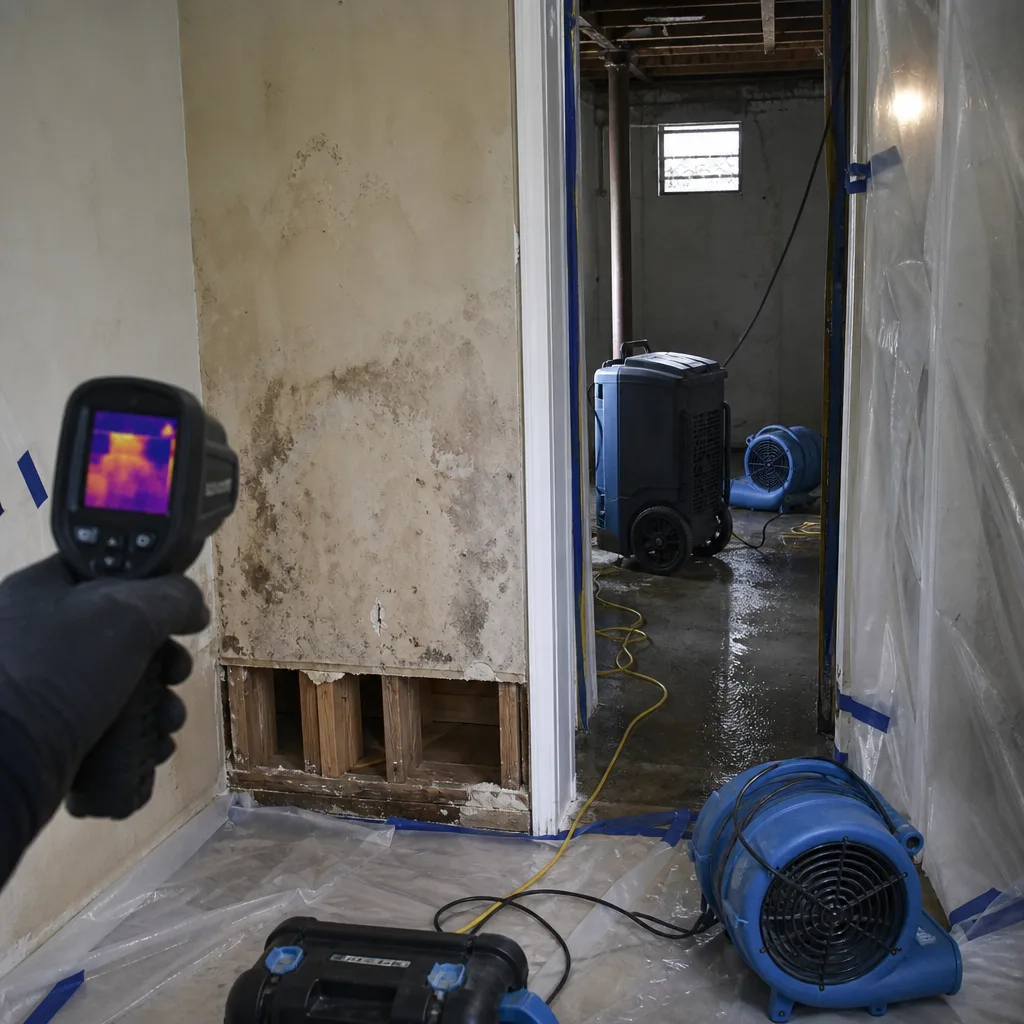 Before
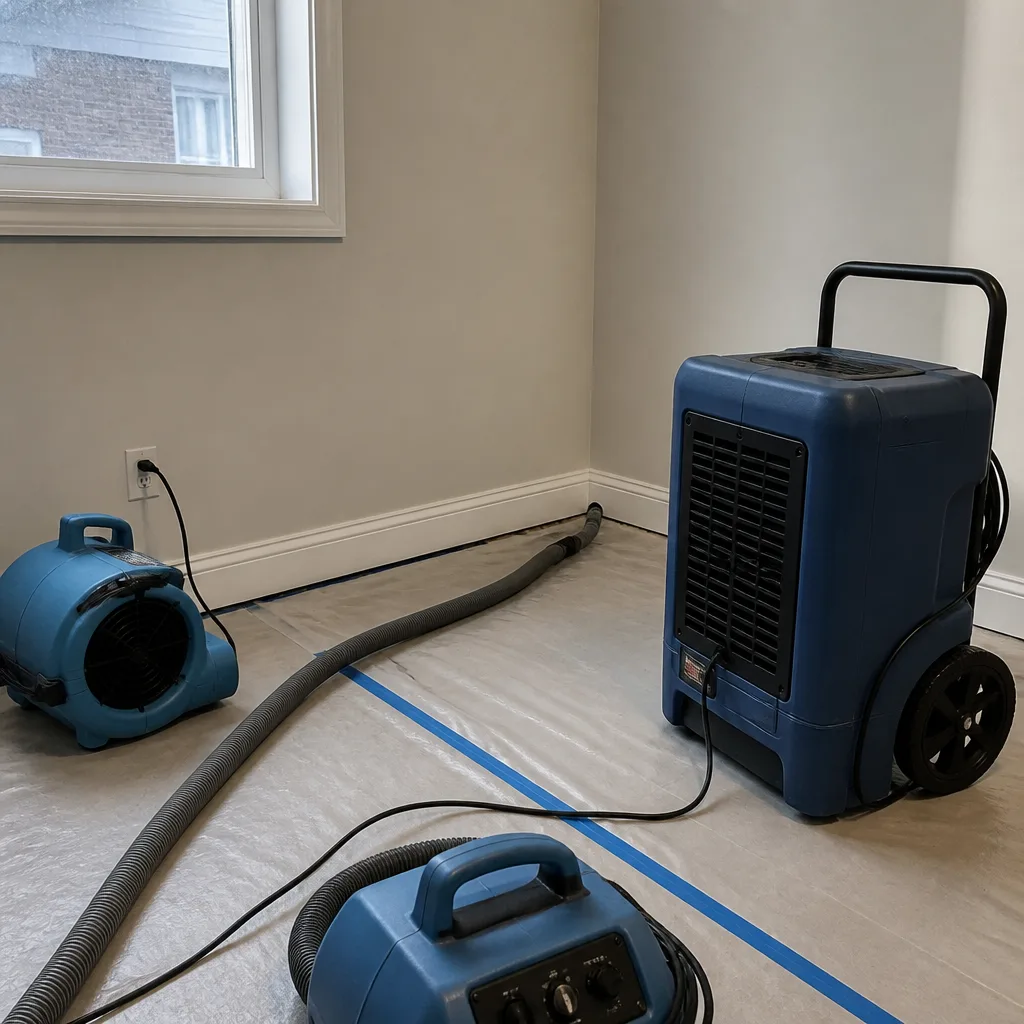 After
After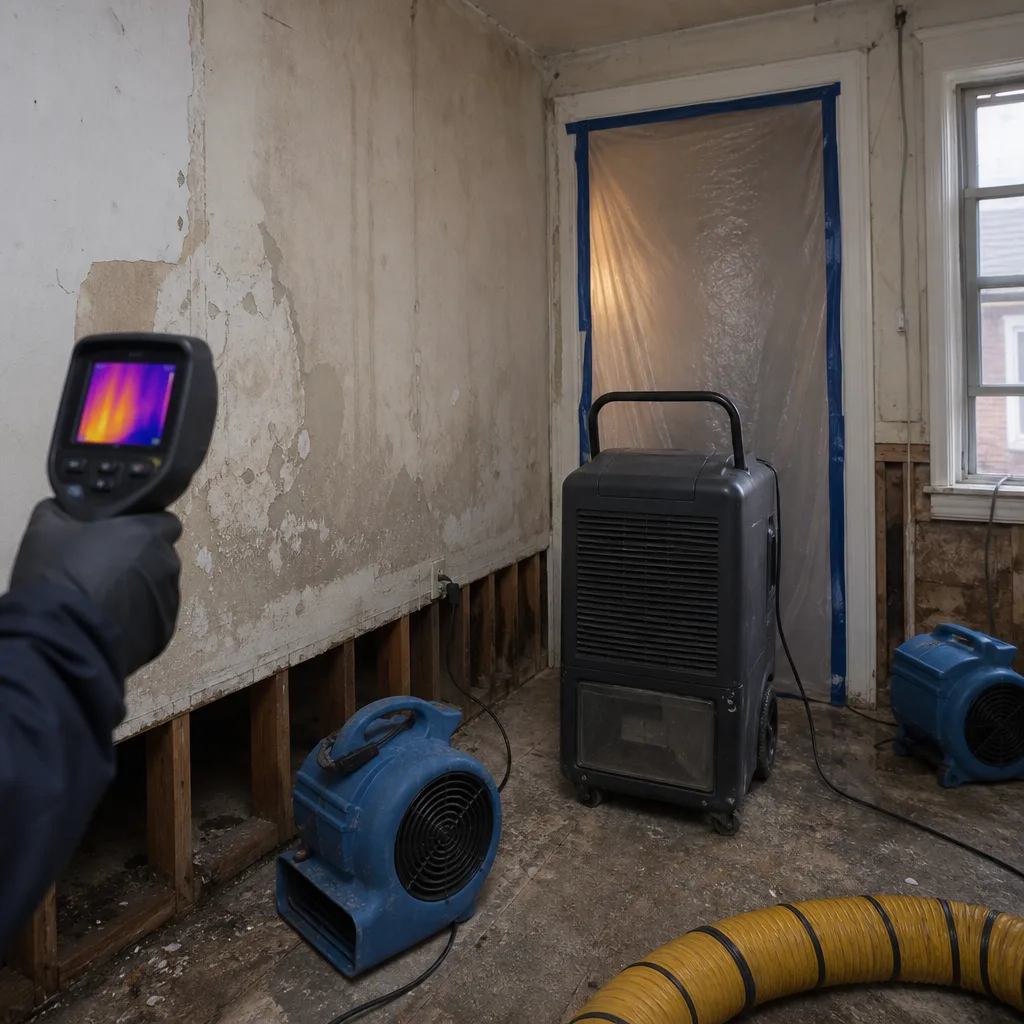 Before
 After
After24/7 Emergency Mold Remediation in Midtown Manhattan
Mold remediation in Midtown Manhattan typically runs $1,800-$4,500 for a contained one-room job and $8,000-$25,000+ when water has cascaded through multiple floors of a high-rise. We answer the phone at (201) 903-9581 around the clock, and Wade heads out himself for the first look, often inside the hour. The first 24 hours matter because mold colonizes wet drywall and ceiling tiles that fast, especially in a pre-war building where the HVAC is shared and spores move between floors before anyone notices. Call before the super slaps a coat of paint over it. You’ll get a straight answer and a free visual inspection, no charge for that.
Understanding Mold Remediation Severity in Midtown Manhattan Properties
Not every mold job is the same, and in Midtown Manhattan the building itself dictates what you’re dealing with. A small leak behind a bathroom vanity in a co-op on West 57th is a Category 1 water loss: clean water, contained, a day or two of drying and we’re done. But a sprinkler discharge on the 18th floor of a pre-war tower on Madison Avenue becomes Category 3 water by the time it reaches the 12th floor, because it’s picked up decades of dust, pipe scale, and whatever was in the ceiling cavities along the way. That changes the containment protocol, the antimicrobial treatment, and whether we need third-party clearance testing before the space goes back to use. Midtown’s pre-war stock from the 1920s through the 1940s carries original cast-iron risers, galvanized branch lines, and steam-radiator distribution systems that have been absorbing moisture for eighty-plus years. When those fail, mold doesn’t just sit on the surface; it gets into plaster keys, lath, and the dead-air space behind built-in cabinetry. Severity comes down to three things: how long the water sat, what it flowed through, and whether the affected area shares air with neighbors. In a Midtown high-rise, it almost always does, which means containment is non-negotiable from hour one.
Why Midtown Manhattan Property Owners Choose Wade’s Restoration
- A real person answers, 24/7. Not an answering service. Wade answers his own phone. You’ll talk to the man whose name is on the truck, and he’ll tell you honestly whether you need a crew tonight or just a dehumidifier and a follow-up reading.
- 45-minute response commitment inside Midtown. We’re staged from the New York City office, so when you call about a musty smell off Lexington Avenue or water staining below a roof drain, someone is on the way fast.
- IICRC-certified crews, AMRT specifically. Applied Microbial Remediation Technician is the mold credential. Every lead on a mold job carries it, and Wade runs containment and negative air himself on the nasty ones.
- Free visual inspection, no charge for that. Before any invoice exists, you get eyes on the problem and a straight conversation about whether remediation is even necessary or if you’re looking at a humidity-control fix.
- Direct insurance billing and adjuster coordination. Wade deals with the adjuster directly, so you’re not the one shuttling phone calls and emails between your carrier and a restoration outfit that won’t document what they actually did.
- One team from first look to final clearance. The same people who set containment run the air scrubbers, do the demolition, rebuild the drywall, and hand you the post-remediation verification report. No handoffs to a third party you’ve never met.
Our Mold Remediation Process
Inspection & Assessment
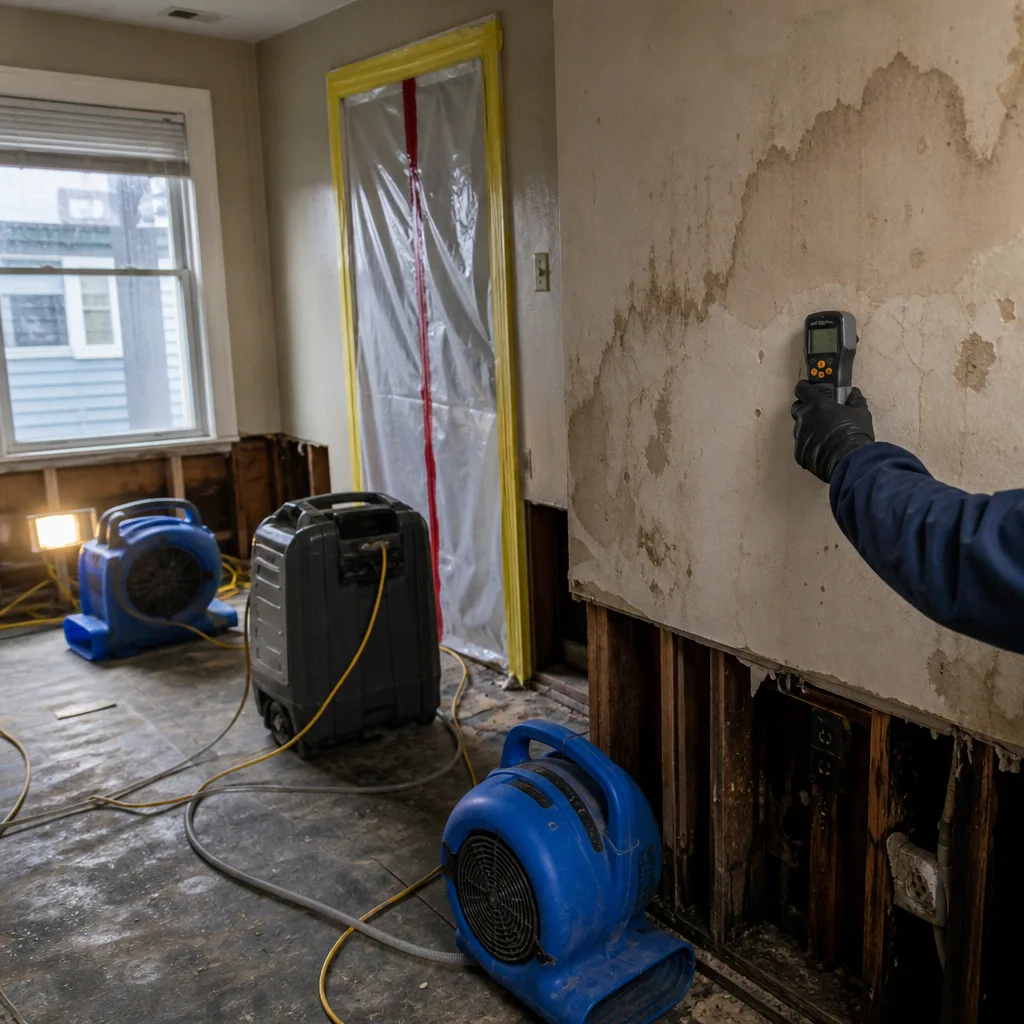
We start with thermal imaging and a moisture meter, not a scare tactic. Wade maps the wet areas, takes baseline humidity readings, and tells you what you’re actually looking at. In a Midtown high-rise, that means checking the unit above and the corridor outside, because the water rarely stops at your walls.
Containment & Stabilization
Before any drywall comes out, we set up containment barriers and negative air pressure with HEPA-filtered air scrubbers. In a building with shared HVAC on Park Avenue, this is the step that keeps your neighbor’s office from becoming your problem. We also shut down or isolate the affected air handlers.
Drying & Dehumidification
This is where the daily moisture logs come in. Wade takes readings every single day and you get the full log at the end, not a vague “we dried it.” We run Dri-Eaz dehumidifiers and XPOWER air movers sized to the cubic footage, not a generic rental fleet. In Midtown’s pre-war buildings, drying the plaster and lath is a slower process than drywall, and rushing it just moves the mold problem six months down the road.
Cleaning & Antimicrobial Treatment
Moldy drywall comes out. Mold on salvageable framing gets HEPA-vacuumed, wire-brushed, and treated with an EPA-registered antimicrobial. We’re not doing the “spray it with bleach and paint over it” routine that leaves spores alive behind the baseboard.
Air Quality Restoration
After the bulk remediation, we run the HEPA scrubbers and clean the HVAC registers, duct runs, and any surfaces that took airborne spore deposition. In a high-rise, this often means coordinating with building management to access common returns and filter banks.
Clearance Testing & Repairs
We schedule third-party clearance testing when the job calls for it, independent of our own work. Then we put the space back together: drywall, trim, paint, flooring, whatever was removed. One team from start to finish, one name on the truck.
Need Emergency Mold Remediation in Midtown Manhattan Now?
Crews minutes away, answering live 24 hours a day. The sooner we start, the less it costs.
Working With Your Insurance Company
Mold claims in Midtown Manhattan turn on documentation. Carriers want to know when the water event happened, what you did about it, and whether the remediation followed IICRC standards. Here’s what we do from the first hour: we photograph everything, we log every moisture reading, and we write a line-item scope that matches the carrier’s own estimating software. Wade talks to the adjuster directly, so the person who saw the damage is the person explaining it, not a billing department. That’s the difference between getting a contained kitchen leak covered and fighting an adjuster over a $14,000 multi-floor mold loss in a Times Square office building.
What We Provide Your Insurer
- Thorough documentation of the loss
- Photos of all damage, room by room
- Moisture readings and drying logs
- A detailed, line-item scope of work
- Direct coordination with your carrier
Built for Midtown Manhattan’s Loss Calendar
Midtown Manhattan’s mold season tracks two things: the freeze-thaw cycle and the district steam system. Late January and February bring the deep freezes that split supply lines and roof-level piping on flat-roof towers across the 10016, 10017, and 10022 ZIP codes. When that water comes down through 20 floors of a pre-war building on Lexington Avenue, the mold clock starts in every unit it passes through, and by the time the leak is found, you’re often looking at 48 hours of colonization already underway. Spring thaw brings the below-grade seepage, as aging waterproofing on pre-war foundations gives way and soaks basement-level mechanical rooms and electrical switchgear. Summer’s convective storms overwhelm the same below-grade spaces faster than the drains can handle, and a single nor’easter in the fall can drive water through facade penetrations around windows and roof drains for days. Then there’s the Steam System, which is a Midtown-specific threat: Con Edison operates the largest district steam network in the United States right beneath this neighborhood’s streets, and a main failure can push superheated steam into connected basements, carrying legacy asbestos debris along with it. That’s not a water job. It’s a hazmat job with a mold problem attached.
Mold Remediation Across Midtown Manhattan’s Neighborhoods
Midtown Manhattan isn’t one neighborhood; it’s a stack of them, and each block carries different risks. Along the Lexington Avenue and Grand Central corridor, every below-grade mold job gets treated as a potential asbestos situation because of the Con Edison steam infrastructure. The 2007 steam pipe explosion at 41st Street and Lex is the standing warning: superheated steam and legacy debris forced into building basements, and any remediation there means checking for asbestos before containment goes up. Over toward Times Square and the Theater District, the buildings are a mix of converted pre-war factories and modern glass towers, many with rooftop mechanical rooms that leak into the top floors first. The multi-floor water cascade is the signature Midtown loss: one sprinkler discharge on a high floor sends water through chase walls, elevator shafts, and electrical closets for 15 to 25 floors, and every one of those floors has its own mold problem by the time anyone notices the ceiling stain. Working these jobs means coordinating freight elevator windows, building management protocols, and commercial tenant business hours. You cannot run negative air through a law office’s conference room at 2 PM on a Tuesday; you do it at 2 AM, and that scheduling is part of why Midtown mold remediation costs what it costs.
Specialized Mold Remediation Services We Offer in Midtown Manhattan
Mold Inspection & Testing
In a Midtown co-op or office, you don’t guess. We use thermal imaging to find the water source that’s feeding the mold, then collect air and surface samples if the situation calls for lab confirmation. A visual inspection on West 52nd Street found a roof drain leak that had been wicking through the party wall for two years, and the mold was 14 feet away from the visible stain. Moisture mapping matters more than sampling in most cases.
Black Mold Remediation
Black mold, Stachybotrys, whatever you want to call it, gets treated with the same containment-first protocol as any other mold, plus a higher level of scrutiny on clearance. In a high-rise, black mold means full-area containment, negative air, HEPA scrubbing, and air clearance testing before the space reopens. We’ve handled it in the sub-basement storage rooms of pre-war towers along Madison Avenue where years of steam-pipe sweating created the conditions, and the fix required addressing the humidity source, not just the mold.
Air Quality Restoration
After mold removal, the air in a Midtown office or apartment still carries spore levels that will re-colonize the first damp surface they find. We run HEPA scrubbers sized to the cubic footage, clean the HVAC registers and filter banks, and verify with post-remediation air sampling. In a commercial building with shared air handlers, this step is what protects the tenants three floors up from whatever happened in the basement.
Crawl Space Treatment
Midtown’s crawl spaces hide under the pre-war commercial buildings, often with decades of slow pipe weeping and no ventilation. We treat the framing, install or repair vapor barriers, and run dehumidification until the space holds below 60% relative humidity. It’s slow work in tight space, but it’s the difference between a one-time job and a recurring mold problem.
What happens when you call
- 1
A real person answersNo phone trees - you reach a local pro.
- 2
You get an upfront price rangeHonest numbers before anyone is dispatched.
- 3
A background-checked tech heads outLicensed & insured, dispatched right away.
- 4
You approve before work beginsNothing starts until you say go.
Mold Remediation Costs in Midtown Manhattan, NY
Straight numbers, because you deserve them. A contained one-room mold job in Midtown Manhattan runs $1,800-$4,500, including containment, demo, treatment, drying, and rebuild. A high-rise cascade from a sprinkler discharge that affected 10-plus floors typically lands between $8,000 and $25,000 per affected unit once you factor in freight elevator fees, after-hours labor, and clearance testing. Steam-line contamination jobs with asbestos abatement are a different animal entirely; those run $15,000-$60,000+ because you’re doing licensed abatement and mold remediation simultaneously. What moves the price: square footage, whether plaster needs to come out or can be saved, ceiling height, whether the HVAC is shared, and whether the building requires third-party clearance testing. Insurance covers sudden and accidental water events with mold remediation when documented properly; slow leaks and humidity problems are usually out of pocket. The free visual inspection is how you get a real number instead of a phone quote. Call (201) 903-9581 and Wade will tell you what you’re dealing with, no charge for that.
We Also Serve Cities Near Midtown Manhattan
If you’re in the Financial District, Lower Manhattan, Long Island City, or Midtown West, we handle mold remediation there too. Same crew, same 24/7 live answer, same free visual inspection. The response time stretches a bit depending on traffic, but the work doesn’t change.
Serving Midtown Manhattan, NY - Our Local Coverage Area
We’re based in the Midtown Manhattan area and know this community well. Use the map below to see our service coverage - if you’re nearby, we can almost certainly help.
Midtown Manhattan Mold Remediation Questions, Answered
How do you handle mold remediation in a Midtown high-rise without disrupting neighboring offices?
We schedule containment and demo work around the building’s quiet hours, typically nights and weekends, and we coordinate freight elevator windows with building management. Negative air and HEPA scrubbers keep spores from migrating through shared HVAC, and we isolate the affected air handlers before any drywall comes out. Your neighbors won’t smell anything, and they won’t see anything but a sealed door.
What’s the difference between cleaning up mold from a burst pipe vs. a steam line break in Midtown?
A burst pipe is Category 1 or 2 water, depending on how long it sat, and we treat it with standard containment and drying. A steam line break, especially one tied to Con Edison’s district system, is a hazmat situation first: the steam can carry legacy asbestos debris into your basement, so we perform licensed abatement before mold remediation ever starts. Steam jobs also run hotter and wetter, so the drying phase takes longer and the humidity control matters more.
Can you remediate mold in a pre-war building with original plaster walls without tearing them out?
Sometimes. If the plaster is solid and the mold is surface-level, we HEPA-vacuum, treat with antimicrobial, and dry the wall cavity through small access holes rather than full demo. If the plaster keys are failing or the mold is behind the lath, the plaster has to come out, and we do that carefully, section by section, preserving what we can. In a pre-war Midtown co-op, the plaster is part of the building’s value; we don’t remove it unless it’s necessary.
Do you provide air quality restoration after mold removal in Midtown offices?
Yes. After the source removal and cleaning, we run HEPA air scrubbers sized to the cubic footage, clean the register runs and filter banks, and take post-remediation air samples. In a commercial building with shared air handlers, this is not optional; it’s the step that keeps a basement mold job from becoming a fifth-floor air quality complaint.
How quickly can you start mold remediation in a Midtown commercial building?
Usually within hours of the call. Wade answers his phone at (201) 903-9581, and for a commercial building with an active water loss, he heads out immediately to assess. Containment can go up the same day if the building management approves access. The delay on commercial jobs is rarely us; it’s waiting on the building’s insurance carrier or management office to sign off.
Will my insurance cover mold remediation in Midtown Manhattan?
If the mold came from a sudden and accidental water event, like a burst pipe or sprinkler discharge, most policies cover it. If it came from a slow leak, condensation, or a humidity problem, that’s typically a maintenance issue and it’s out of pocket. The single thing that makes the difference on coverage is documentation, and we document everything from the first hour. Wade deals with the adjuster directly.
How long does mold remediation take in a Midtown apartment or office?
A contained single-room job usually takes three to five days from containment to clearance. A multi-floor high-rise cascade can take two to four weeks because of the drying time, the demo scope, and the scheduling constraints around commercial tenants and freight elevators. We’ll give you a written timeline in the scope before we start, and we hold to it.
What should I do in the first 30 minutes after I find mold in my Midtown property?
Call us at (201) 903-9581 first, before you touch anything. Don’t run the HVAC, don’t open the walls, and don’t spray bleach on it; bleach drives moisture deeper and the spores go airborne. Close the door to the affected room if you can, and if you have a dehumidifier, run it. Other than that, leave it alone and let Wade look at it. The first hour is free.
Mold remediation in Midtown Manhattan is our business, and we treat your building like we live down the block. Whether you’re in a pre-war co-op off Fifth Avenue, a commercial loft near Bryant Park, or a ground-floor retail space on 34th Street, we’ll inspect for free, tell you straight what’s needed, and handle your insurance from first call to final clearance. Call Wade at (201) 903-9581 now, or reach out through our Mold Remediation page to see the full scope of what we do across Midtown Manhattan. 90-Day Done Right Promise on every mold job, in writing.
Written by Wade Ferris, Owner at Wade’s Restoration, serving Midtown Manhattan since 2007.