
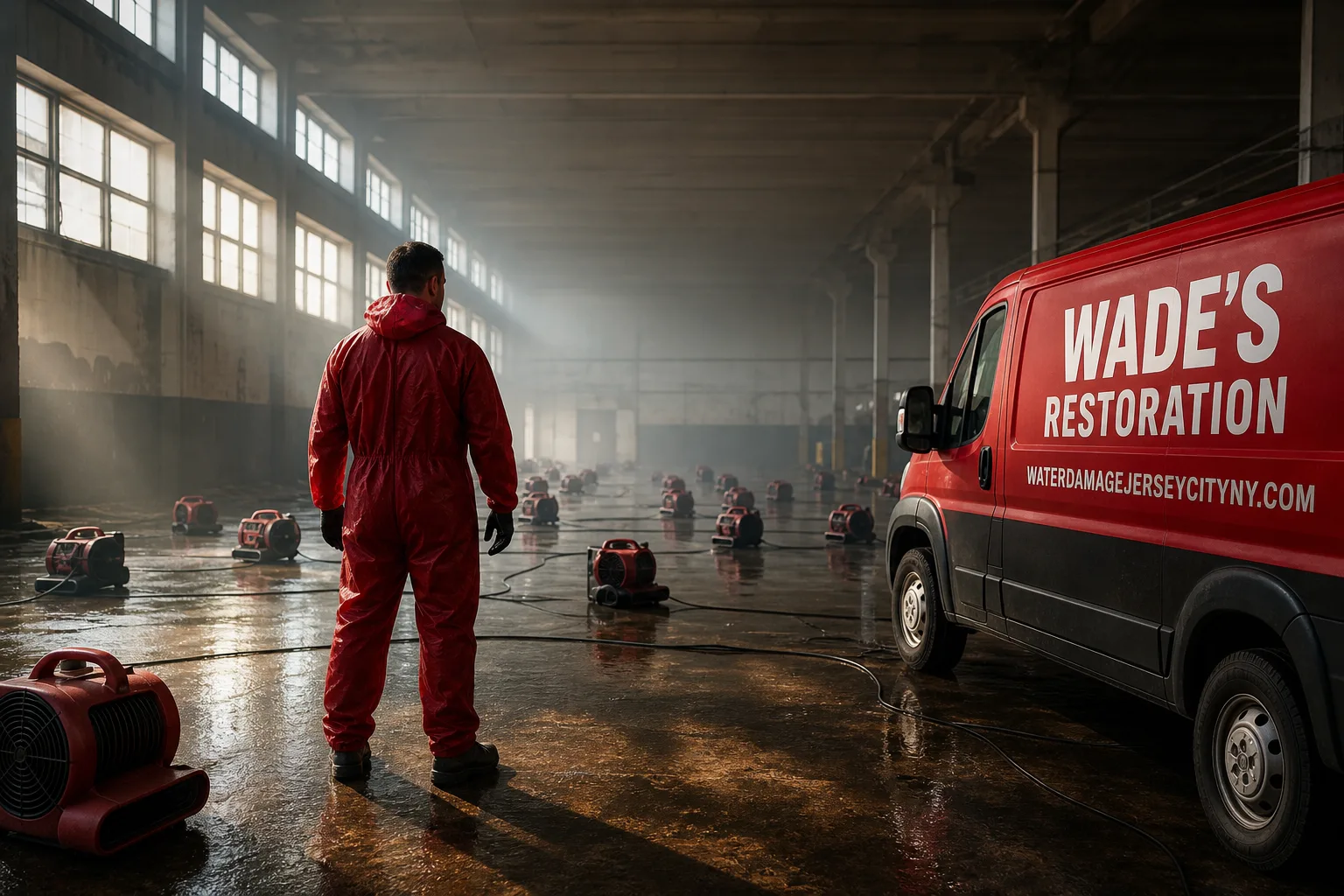
Free visual inspection and a written scope of work before any mitigation begins - photos, moisture readings, and drying logs go in your claim file
The scope we write is the scope we bill. Anything new gets shown to you, in writing, before we touch it.
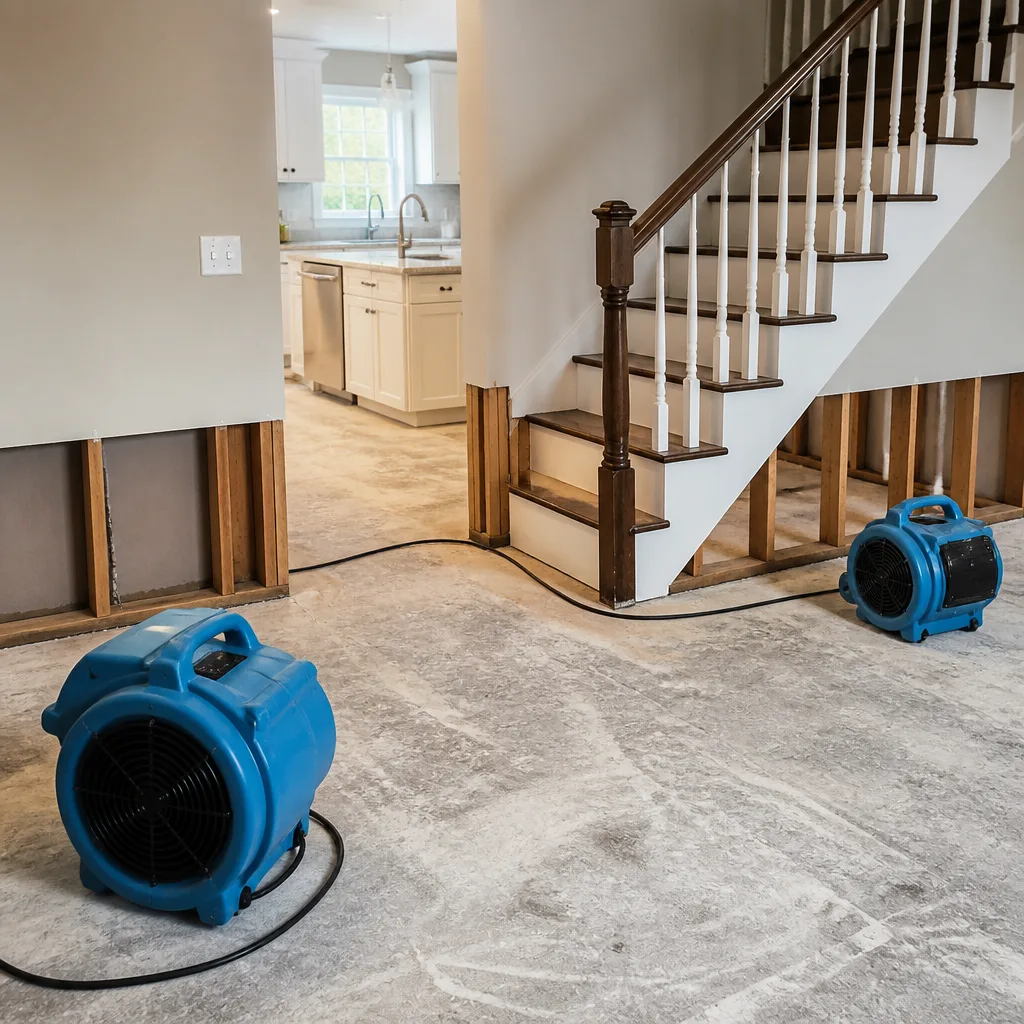
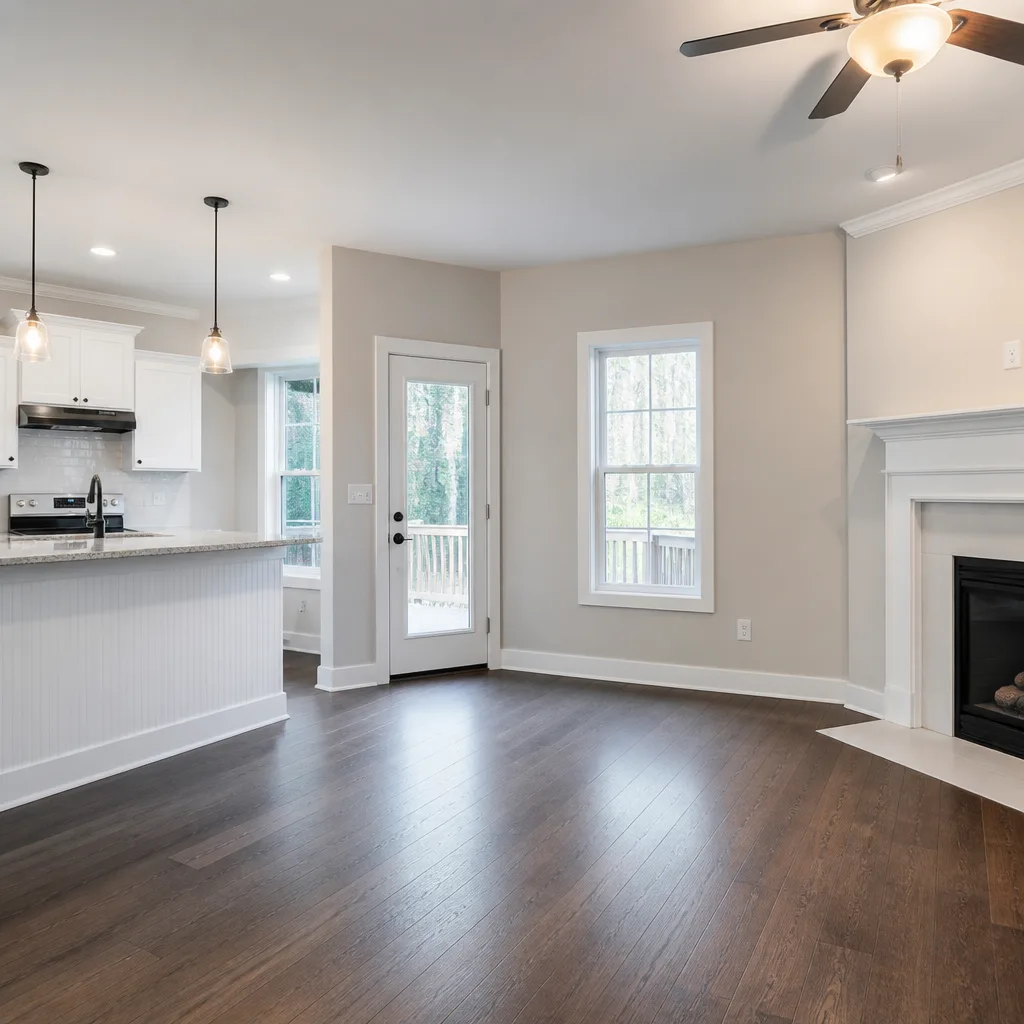
 Before
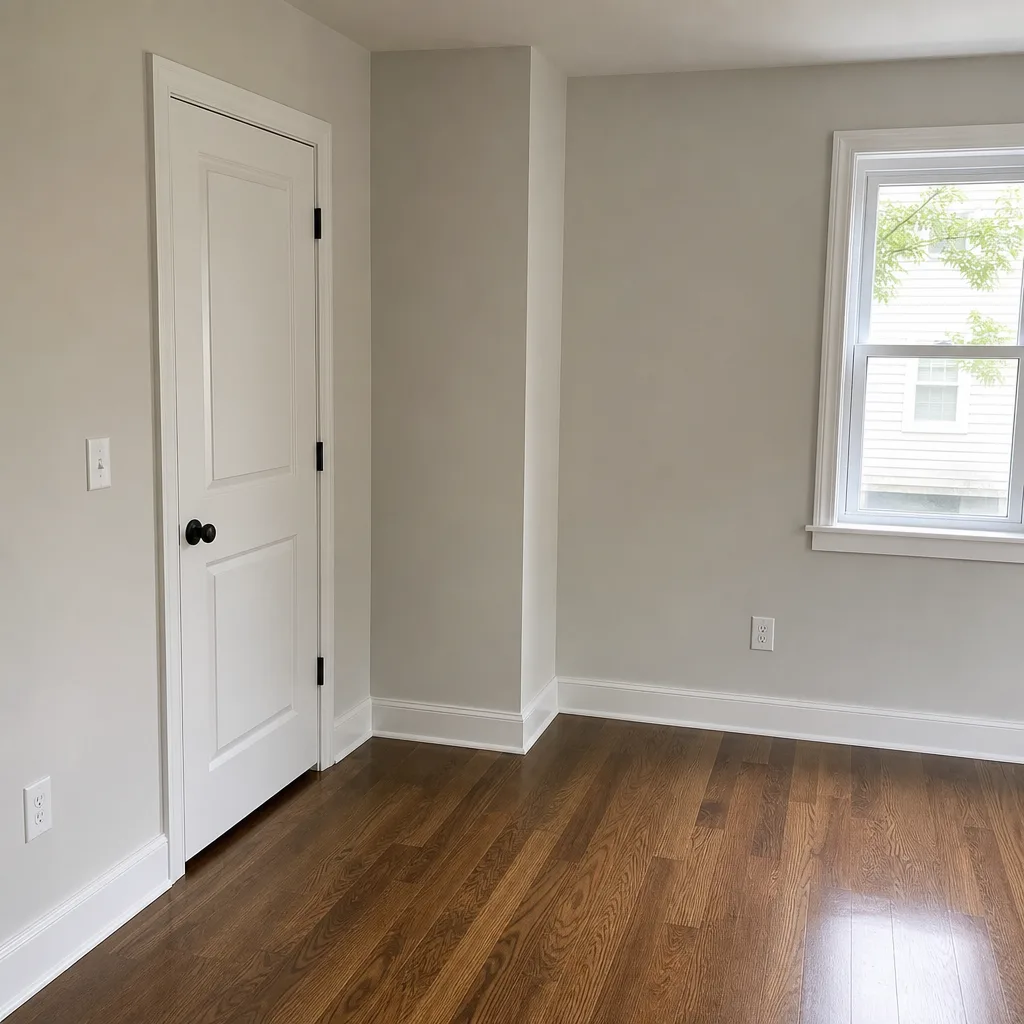 After
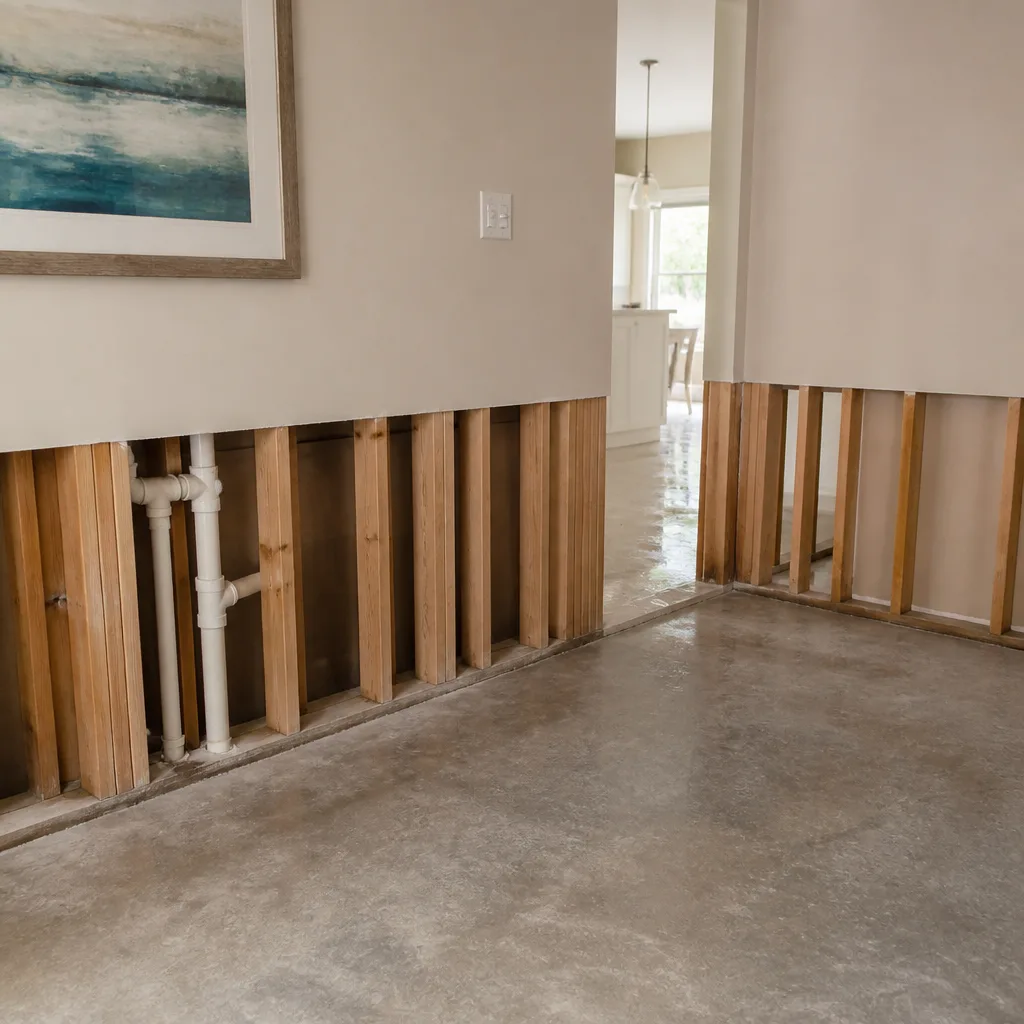
After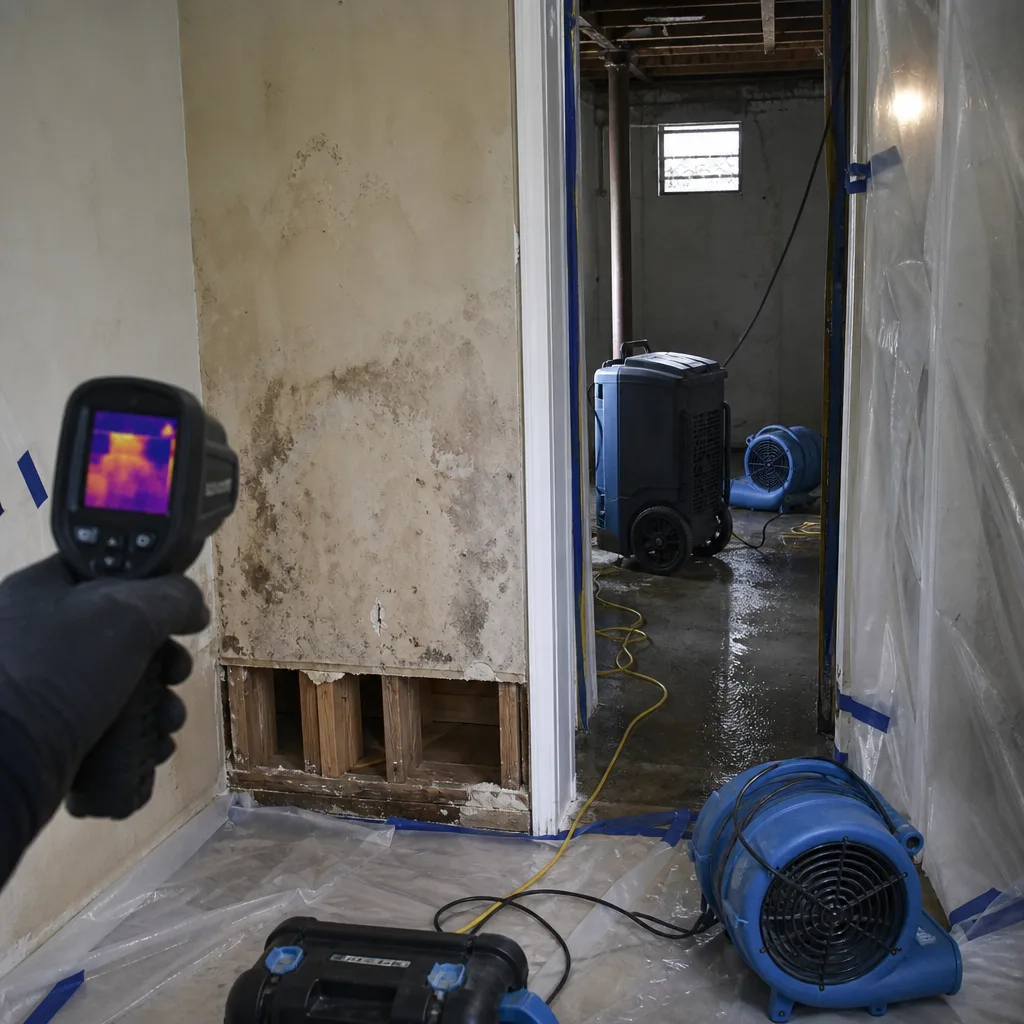 Before
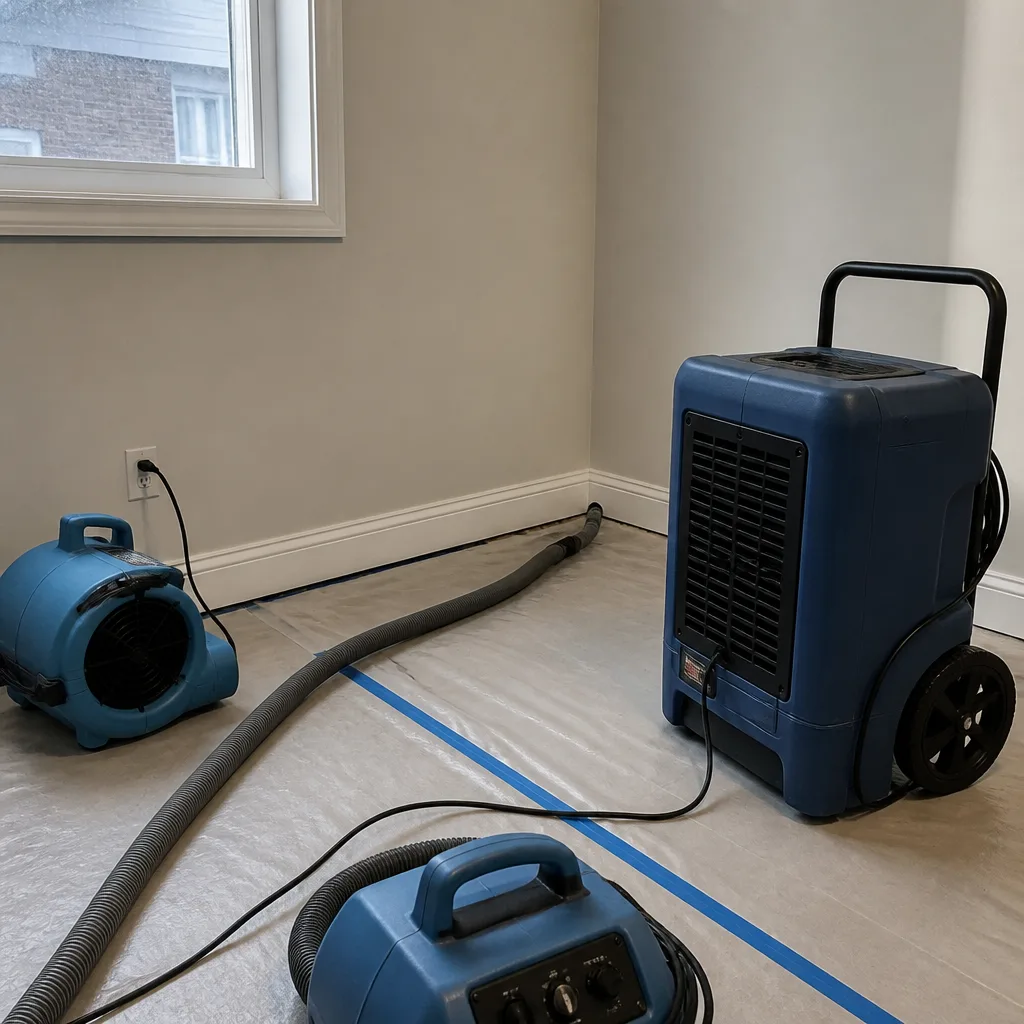 After
After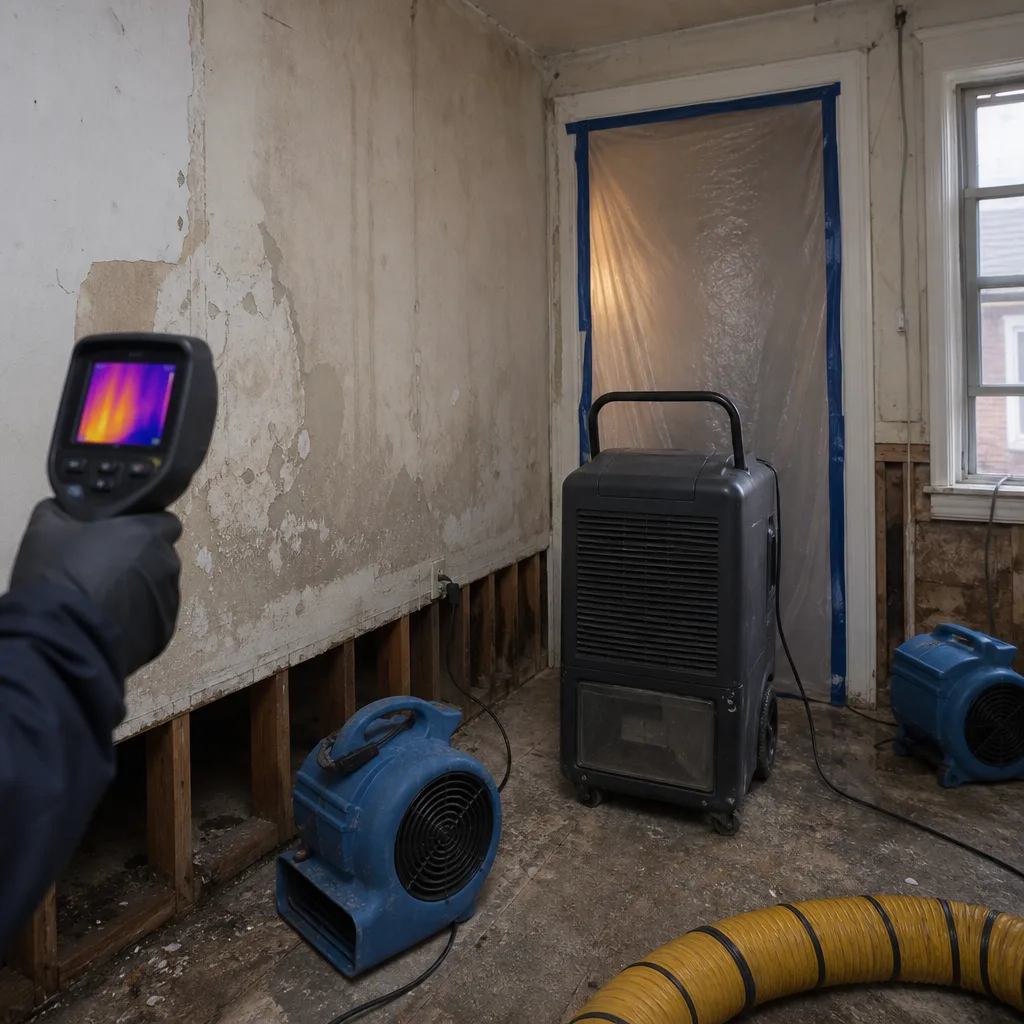 Before
 After
After24/7 Emergency Fire & Smoke Damage Restoration in Kearny
A kitchen fire in a Kearny two-family row house doesn’t wait for business hours, and neither do we. Call (201) 903-9581 and a live person answers. Not a voicemail tree, not a call center. Wade himself picks up, and he can have a crew heading toward Kearny inside 45 minutes. The first hour after a fire matters more than most people realize. Soot is acidic and starts etching chrome fixtures, appliance surfaces, and glass within hours. Smoke keeps migrating through wall chases and floor cavities long after the flames are out. Every hour of delay means more surface that has to be cleaned, more contents that have to be packed out, and a longer total bill on the back end. We offer a free visual inspection for any fire loss in Kearny, and we’ll tell you straight what needs to happen now versus what can wait. Nobody on our team gets paid to oversell you.
Understanding Fire & Smoke Damage Restoration Severity in Kearny Properties
Fire damage in Kearny rarely presents as a single, clean problem. Most of the housing stock here is early-to-mid 20th century two- and three-family attached row houses with balloon-frame construction. That means open wall chases running from basement to attic, which act like flues for smoke. A fire in a first-floor kitchen pushes soot into the upstairs unit through those chases in minutes, not hours. We classify soot residue by type: dry protein soot from a stove fire, oily fuel-oil soot from a furnace puffback, and wet acidic soot from burning plastics and synthetics. Each requires a different cleaning chemistry and a different aggression level on surfaces. Kearny’s older homes also have plaster over wood lath in many rooms, which behaves very differently from modern drywall when you’re cleaning smoke-embedded walls. Plaster is porous and holds odor, but it’s also often salvageable with the right sponge-cleaning and sealing approach. Drywall, especially after water from a suppression system or fire hose, usually has to come out at the cut line and be replaced. And here’s the part most restoration crews miss in this town: the wall cavities in a Kearny basement apartment are often already damp from the Passaic River flooding cycle or storm-sewer backups before the fire ever started. Soot removal over a hidden mold colony is a failure waiting to happen, and it’s one we specifically check for on every fire job here.
Why Kearny Property Owners Choose Wade’s Restoration
- 45-minute response commitment to Kearny. When smoke is still settling into fabric and furniture, speed isn’t a convenience. It’s the difference between cleaning a sofa and replacing it.
- 24/7 live answer, always a real person. Wade answers his own phone. If he’s on a job, someone on his crew who knows the work answers. You never talk to a script.
- IICRC-certified fire and smoke technicians. Our crews carry FSRT (Fire & Smoke Restoration Technician) certification, with WRT (Water Restoration Technician) training because fire jobs always involve water from suppression.
- Free visual inspection, plain talk. Before any work starts, someone walks the property with you and writes down what they see. That written scope is yours to keep, whether or not you hire us.
- Direct insurance billing and adjuster coordination. We document everything from the first hour, send the line-item scope to your carrier, and deal with the adjuster so you’re not the one stuck relaying information.
- One team from board-up to finish. The same crew that tarped your roof at 2 a.m. is the crew that runs dehumidifiers, packs out your contents, and hangs the final drywall. No handoffs, no lost details.
Our Fire & Smoke Damage Restoration Process
Inspection & Assessment
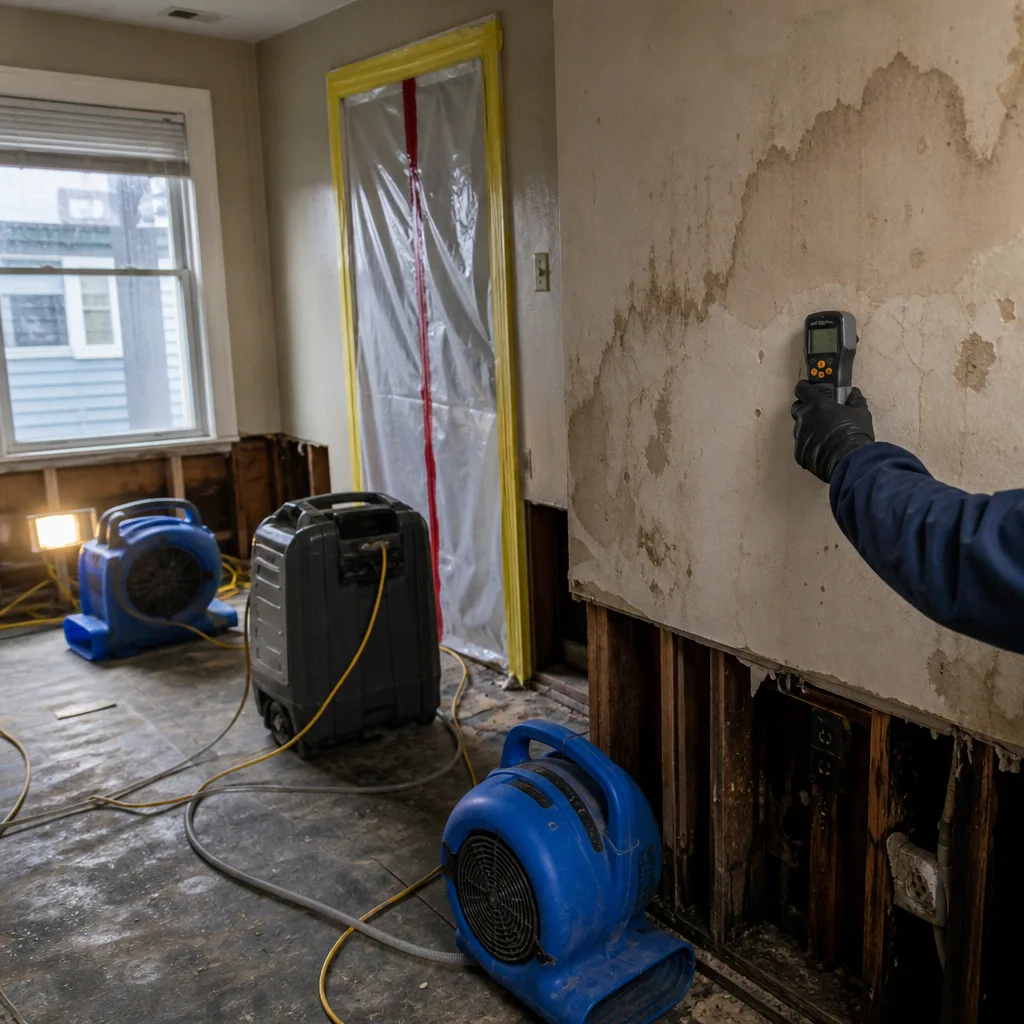
We walk the entire structure, from the fire room through the wall chases and into the neighboring attached unit if applicable. We map soot distribution, take moisture readings in wall cavities and joists, and photograph everything before anything is moved. For Kearny homes, this includes checking for pre-existing water damage in basement apartments and finished lower units.
Emergency Board-Up & Stabilization
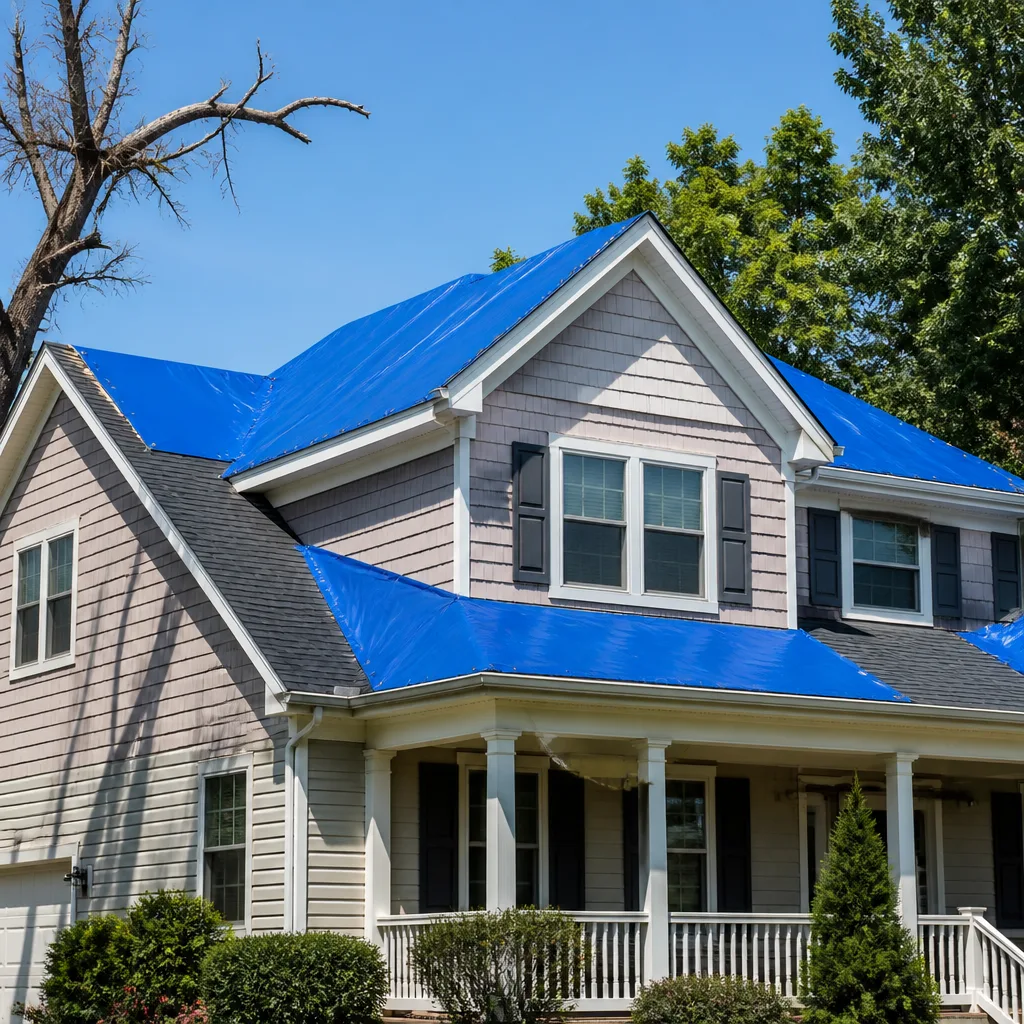
Broken windows get covered, damaged roofs get tarped, and compromised sections get temporary support. We secure entry points so the property isn’t open to weather, vandals, or animals at 3 a.m. This is also where we start shutting down HVAC systems so soot stops circulating through the building.
Water Removal & Structural Drying
Fire suppression water and hose water soaked into wood, drywall, and insulation. We extract standing water, then deploy Dri-Eaz dehumidifiers and XPOWER air movers with daily moisture readings. In a Kearny row house, drying often competes with hidden moisture from prior flood events, so we track moisture content until it’s stable, not just until the surface feels dry.
Smoke & Soot Removal
We clean surfaces with the appropriate chemistry for the soot type present. This includes dry-chem sponge cleaning on plaster and painted surfaces, HEPA vacuuming on porous materials, and hand-cleaning of contents that can be saved. Our team is trained in odor removal and deodorization using thermal fogging and hydroxyl generators where needed.
Contents Cleaning & Pack-Out
Items that can be restored get cleaned on site or packed out to our facility for detailed work. We inventory everything with photos before it leaves the property, so you know exactly what went where and when it’s coming back. This matters when an insurance claim is involved.
Repairs & Restoration
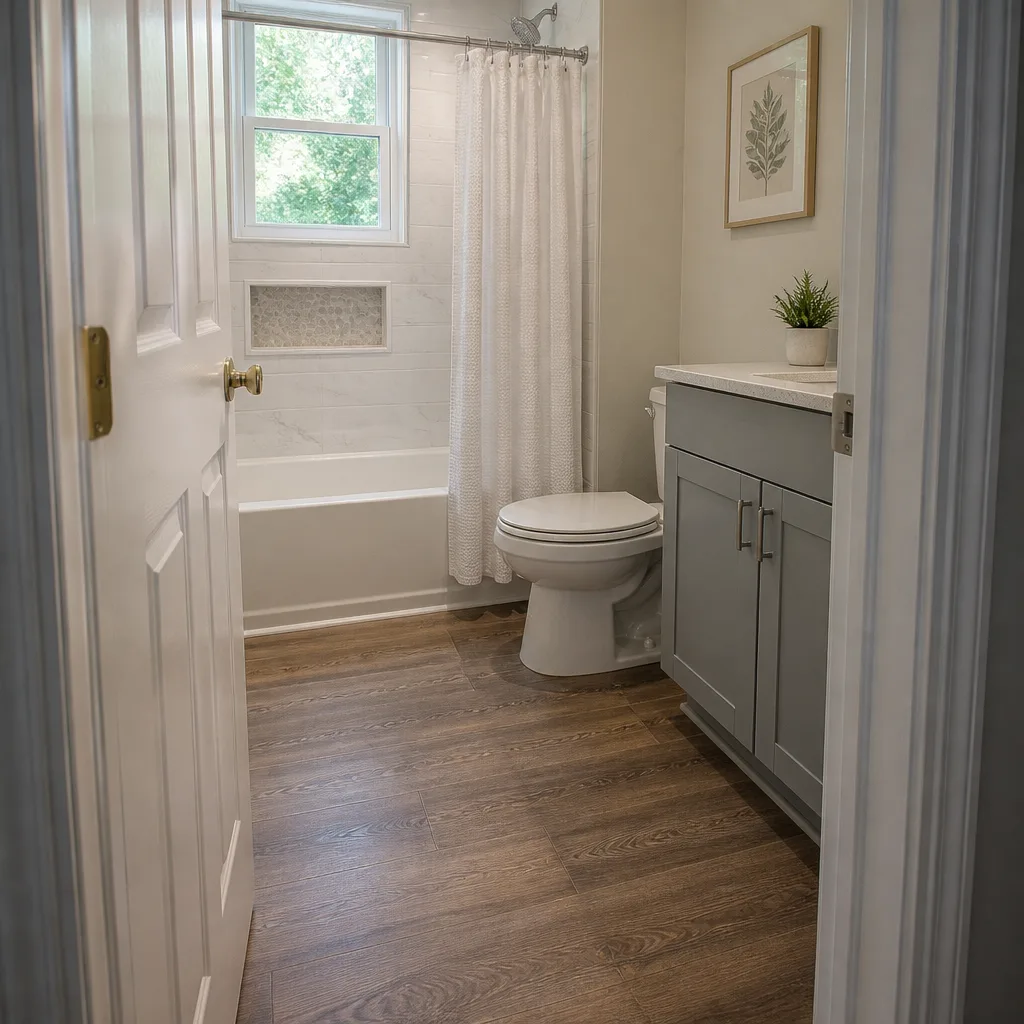
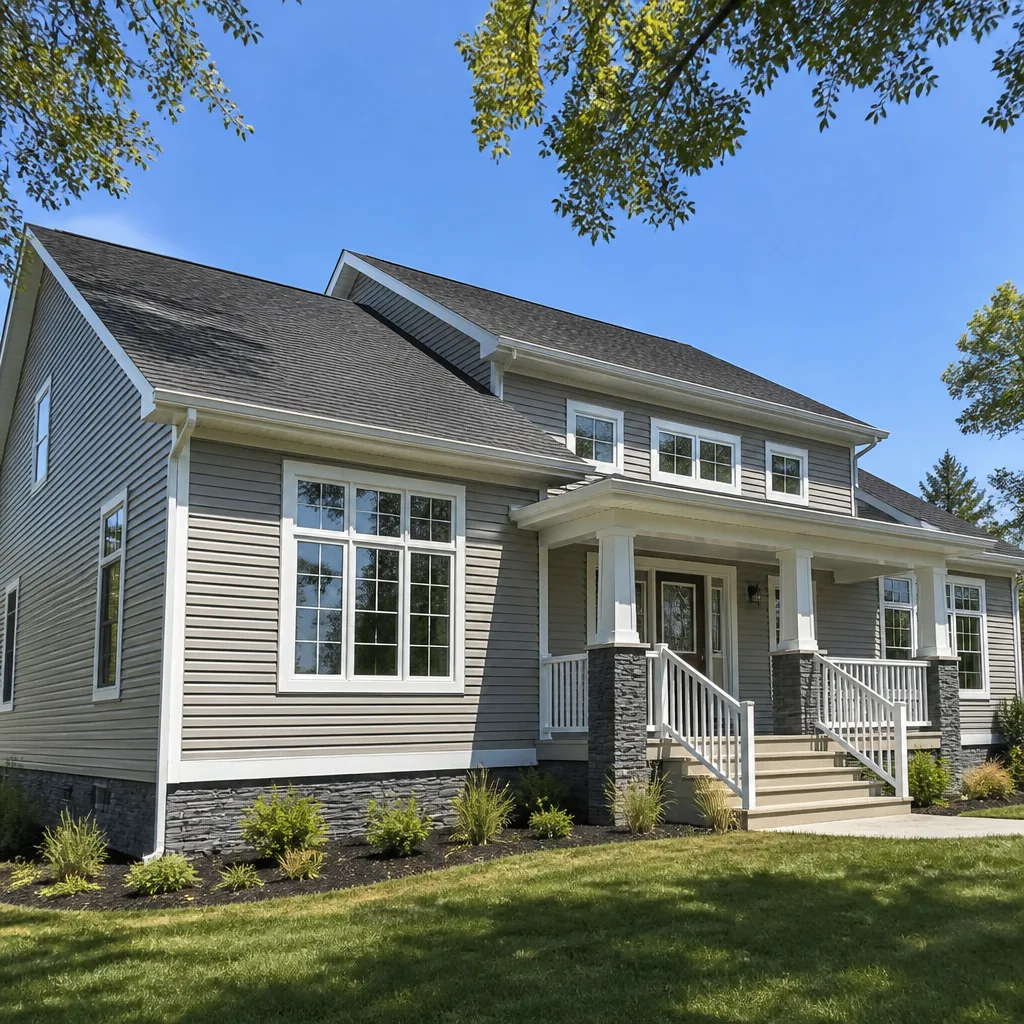
The final phase is structural repair: drywall replacement, trim, paint, flooring, and fixtures. We handle the full rebuild so there’s one accountable party from the first board-up through the last coat of paint. And like every fire job we do, it’s covered by our 90-Day Done Right Promise, in writing.
Need Emergency Fire & Smoke Damage Restoration in Kearny Now?
Crews minutes away, answering live 24 hours a day. The sooner we start, the less it costs.
Working With Your Insurance Company
Insurance claims after a fire in Kearny get complicated fast, especially in attached row houses where the damage crosses property lines and the neighbor’s policy sometimes gets pulled in. We’ve handled hundreds of these. What your adjuster needs is documentation from the first hour: photos of every affected room, moisture readings before and during drying, a line-item scope of work with square footage and quantities, and receipts for every piece of equipment we run. We provide all of that as a matter of routine, not as a special accommodation. Wade deals with the adjuster directly. You shouldn’t be the one trying to explain the difference between smoke damage and fire damage to someone on a phone in another state. Our estimates are written to industry standards that insurance carriers recognize, and we’ll walk you through what’s covered, what’s not, and what your options are for the gap. Direct billing is available on most claims, and if your carrier sends out their own estimator, we’ll be there when they walk the property so nothing gets missed.
What We Provide Your Insurer
- Thorough documentation of the loss
- Photos of all damage, room by room
- Moisture readings and drying logs
- A detailed, line-item scope of work
- Direct coordination with your carrier
Built for Kearny’s Loss Calendar
Kearny sits low, between the Passaic and Hackensack rivers, on ground that was filled wetland before anyone built houses on it. That geography shapes the fire restoration calendar here in ways that don’t apply in most of Hudson County. Winter brings frozen pipes that burst in unheated basement utility rooms, soaking the same floor joists that carry the kitchen above. Spring brings the thaw and the first basement seepage through aging foundation walls. Summer thunderstorms dump water faster than the storm sewer system can push it out, and basement apartments in two-family homes on Kearny Avenue and along the Passaic side flood in an afternoon. A fall nor’easter pushes tidal backflow up from Newark Bay and the rivers rise. A fire on top of any of that means the structural wood we need to dry after suppression water is already carrying moisture from the season’s previous event. That’s why our fire restoration process in Kearny always starts with moisture mapping, even when the job looks like a dry smoke cleanup. The loss calendar in this town means you’re never dealing with fire alone.
Fire & Smoke Damage Restoration Across Kearny’s Neighborhoods
The housing stock changes block by block in Kearny, and the fire restoration approach changes with it. Along Kearny Avenue, the main commercial corridor running through the center of town, we see a lot of mixed-use buildings where a restaurant or shop fire sends smoke into the apartments above. Those jobs require coordination with business owners, tenants, and often the health department before anyone reopens. In the numbered streets between Kearny Avenue and the Passaic River, the two-family row houses are tight to the property line, and smoke pushed through shared wall cavities means we’re often setting up containment in a neighbor’s unit while cleaning the primary fire unit. The Arlington section tends toward larger single-family homes on wider lots with attached garages, where garage and shed fires require different board-up approaches and more exterior work. Up in the Schuyler Avenue corridor on the west side, older wood-frame construction means fire spreads through wall assemblies faster, and the exterior repairs get more involved. South Kearny, near the Meadowlands and the old industrial stretches, has a mix of larger properties and some newer construction, but the water table is high and the flood exposure is real. Every neighborhood has its own rhythm, and after 18 years of driving these streets, we know them without looking at a map.
Specialized Fire & Smoke Damage Restoration Services We Offer in Kearny
Smoke & Soot Removal
Soot from a Kearny kitchen fire doesn’t just sit on surfaces it gets pushed into wall cavities, behind baseboards, and into the fibers of every curtain and rug in adjacent rooms. We use HEPA vacuums, chemically appropriate sponges, and thermal fogging to pull smoke particles out of the air and off surfaces. On attached row houses, we set up negative air pressure before we start so soot doesn’t migrate from the fire unit into the attached neighbor’s living room while we work. That step alone saves a lot of cross-unit complaints and secondary claims.
Emergency Board-Up & Tarping
A fire doesn’t wait for your insurance adjuster to call back. Broken windows, damaged roofs, and forced entry points need to be secured the same night. We board up window openings, tarp damaged roof sections, and make sure the structure is stable enough for the next steps. In Kearny, that work often happens on a street where the next row house is six feet away, so we’re careful to secure everything tight and neat. A flapping tarp at 2 a.m. wakes up a whole block.
Contents Cleaning & Pack-Out
Not everything in a fire-damaged Kearny home is destroyed. Furniture, clothing, cookware, and personal items can often be cleaned, deodorized, and restored. We inventory every item before it leaves the property, photograph it, and keep the list current until it comes back. When a basement apartment floods after a fire and contents have to be moved out anyway, having the pack-out happen at the same time saves a second mobilization. We clean what can be saved, tell you straight what can’t, and store the rest until the rebuild is done.
What happens when you call
- 1
A real person answersNo phone trees - you reach a local pro.
- 2
You get an upfront price rangeHonest numbers before anyone is dispatched.
- 3
A background-checked tech heads outLicensed & insured, dispatched right away.
- 4
You approve before work beginsNothing starts until you say go.
Fire & Smoke Damage Restoration Costs in Kearny, NJ
Fire damage restoration in Kearny typically runs anywhere from $2,500 to $35,000 depending on scope. A small kitchen fire with smoke cleanup in a single room usually lands between $2,500 and $8,000. A full-floor fire in a two-family row house with smoke throughout, contents pack-out, structural drying, and rebuild work commonly ranges from $15,000 to $45,000. Emergency board-up and tarping alone runs $500 to $1,800 depending on how many openings and what kind of roof access is involved. Soot and smoke odor removal on an attached neighbor’s unit runs $1,000 to $6,000 depending on square footage and how far the smoke traveled. The variables that move the price: how much water came in from fire suppression, whether the wall cavities were already damp from prior flooding in the basement, how many rooms need drywall removal, and whether plaster walls can be saved. We give a free visual inspection and a written scope of work before anything starts, so the number on the estimate is the number you’re working with. Insurance covers the bulk of most fire losses in Kearny, but for out-of-pocket work, we’ll tell you what’s urgent and what can be phased.
We Also Serve Cities Near Kearny
Our Fire & Smoke Damage Restoration crews also cover Kearny‘s neighbors: Harrison, Jersey City, Secaucus, and Union City. If you’re in any of those towns and need a live answer now, call (201) 903-9581.
Kearny Fire & Smoke Damage Restoration Questions, Answered
Why does fire damage restoration in Kearny often require treating mold that isn’t visible?
Because Kearny sits in the Passaic River flood plain, and many homes here carry hidden moisture from prior flood events long before a fire ever starts. We routinely find mold already fruiting inside wall cavities and behind baseboards in basement apartments that flooded months ago, then got re-saturated by fire suppression water. If you clean soot off the surface and leave that mold in the wall, it blooms back through the fresh paint within months. Our moisture mapping catches it early, and we include mold remediation in the scope when it’s present, because skipping it turns a completed fire job into a mold call in six months.
How do you keep smoke odor from a Kearny row house fire from spreading into my neighbor’s attached unit?
By setting up negative air pressure and containment before we start any demolition or cleaning work. In attached row houses on Kearny Avenue and the numbered streets, smoke travels through shared wall chases and open floor cavities between units. If we start pulling damaged drywall without containment, the soot and odor get pushed into the neighbor’s unit and now you have two claims and an angry neighbor. We seal the work area, run HEPA air scrubbers creating negative pressure, and keep the fire unit under isolation until the smoke source is removed and the area is cleaned. That protects both units and keeps the scope from spreading.
What should I do if my Kearny basement apartment had water damage before a fire and the restoration company only listed fire cleanup?
Stop them and ask for moisture testing before anything else happens. In Kearny basement apartments, storm-sewer backups and river flooding often leave wood framing at 20-30% moisture content, which is mold territory. A fire restoration scope that only covers soot cleanup and drywall replacement is treating half the problem. The right approach is to take moisture readings in the same wall cavities that got soaked by fire suppression water, document the pre-existing damage for the insurance claim, and include structural drying and antimicrobial treatment in the same scope as the fire work. Otherwise you’re paying to paint over a mold problem.
Do you replace drywall after a fire, or can Kearny’s older plaster walls be saved?
Both, depending on the wall. Plaster over wood lath, which is common in Kearny homes built before 1950, is often salvageable after smoke exposure because it’s thick and dense. We clean it with dry-chem sponges, seal it, and repaint. But plaster that got soaked by fire suppression water or that’s already crumbling from decades of dampness usually has to come out in the damaged sections. Drywall is much less forgiving: once it’s saturated or heavily soot-embedded, it gets cut out and replaced. We’ll tell you which walls are worth saving and which ones are fighting you.
How long does a typical fire and smoke damage job take in a Kearny two-family home when there’s also water damage?
Most full-scope fire jobs in Kearny two-family homes, where there’s smoke damage in multiple rooms plus water from suppression and pre-existing dampness in the basement, run 10 to 21 days from board-up to final paint. A smaller kitchen fire with contained smoke can be done in 5 to 8 days. The biggest variable is drying time. If the joists were already carrying moisture from an earlier flood, structural drying extends the schedule because wood releases that water slowly. We’ll give you a written timeline after the first inspection, and we update it as moisture readings come down.
How fast can someone actually get to my Kearny property after I call?
Within 45 minutes in most cases. Wade or a crew member is usually already somewhere in the Kearny area, and we run an emergency rotation that keeps someone close. Call (201) 903-9581 and you’ll talk to a person who knows the streets and can tell you when to expect us. We don’t put you on hold, and we don’t hand you off to a dispatch center in another state.
Why does a fire job in Kearny cost more than one in a neighboring town?
Because Kearny’s housing stock is older and attached. Row houses mean containment is mandatory on both sides, and shared wall cavities often extend the smoke cleaning into two units rather than one. Basement apartments with prior flood exposure add moisture mapping, drying time, and sometimes mold remediation that wouldn’t be needed in a newer single-family home. The cost reflects the layered conditions of the property, not a markup. We’ll show you the line items and explain each one before you commit to anything.
What should I do in the first 30 minutes after a fire in my Kearny home?
Get everyone out, call 911, and once the fire department says it’s safe, call us at (201) 903-9581. Don’t touch anything. Soot smears into surfaces when you wipe it, and walking through it grinds it into the carpet padding. Don’t run the HVAC system; it circulates soot into rooms the fire never touched. Don’t plug anything in near water. Take photos from doorways if you can, but don’t go poking around damaged areas. We handle the board-up, the inspection, and the first call to your insurance carrier.
Serving Kearny, NJ - Our Local Coverage Area
We’re based in the Kearny area and know this community well. Use the map below to see our service coverage - if you’re nearby, we can almost certainly help.
Why Fire Restoration in Kearny Is Never Just About Fire
The single biggest mistake restoration crews make in Kearny is treating a fire job like a dry event. Here’s what the big franchises don’t understand about this town: the Passaic River flood plain means your walls were already wet. A kitchen fire on the first floor of a two-family row house on the numbered streets often sits directly above a basement apartment that flooded during the last heavy storm, or the one before that. The joists under that kitchen floor are carrying 25% moisture content before the fire truck ever sprays a drop of water. Then the fire happens, the suppression water comes down, and now you have charred framing sitting on top of waterlogged wood with mold already colonizing the cavities. If a crew comes in, cleans the soot, swaps the drywall, and calls it done, they’ve built a shell over a biological problem. Six months later the homeowner smells something musty behind the fresh paint and calls us anyway. That’s the pattern we see over and over, and it’s specifically why our Fire & Smoke Damage Restoration process in Kearny starts with moisture mapping every single time, regardless of what the visible damage looks like. We were called to a two-family row house on Kearny Avenue after a kitchen fire. Smoke had pushed into the basement apartment, but our moisture mapping showed the ceiling joists were already at 30% moisture content from a storm-sewer backup before the fire. We ran containment and structural drying with Dri-Eaz dehumidifiers and XPOWER air movers for five days, then sealed the charred framing and applied antimicrobial treatment before any pack-out. That’s the job done right, and it’s covered by our 90-Day Done Right Promise in writing.
If your home in Kearny has had a fire, or a neighbor’s fire has pushed smoke into your attached unit, call (201) 903-9581. Wade will answer, ask you what happened, and tell you honestly what the next step should be. No charge for the call, no charge for the visual inspection, and a senior and veteran discount of 10% is always on the table. The first hour after a fire is the cheapest hour. Use it.
Written by Wade Ferris, Owner at Wade’s Restoration, serving Kearny fire and smoke damage restoration since 2007.