
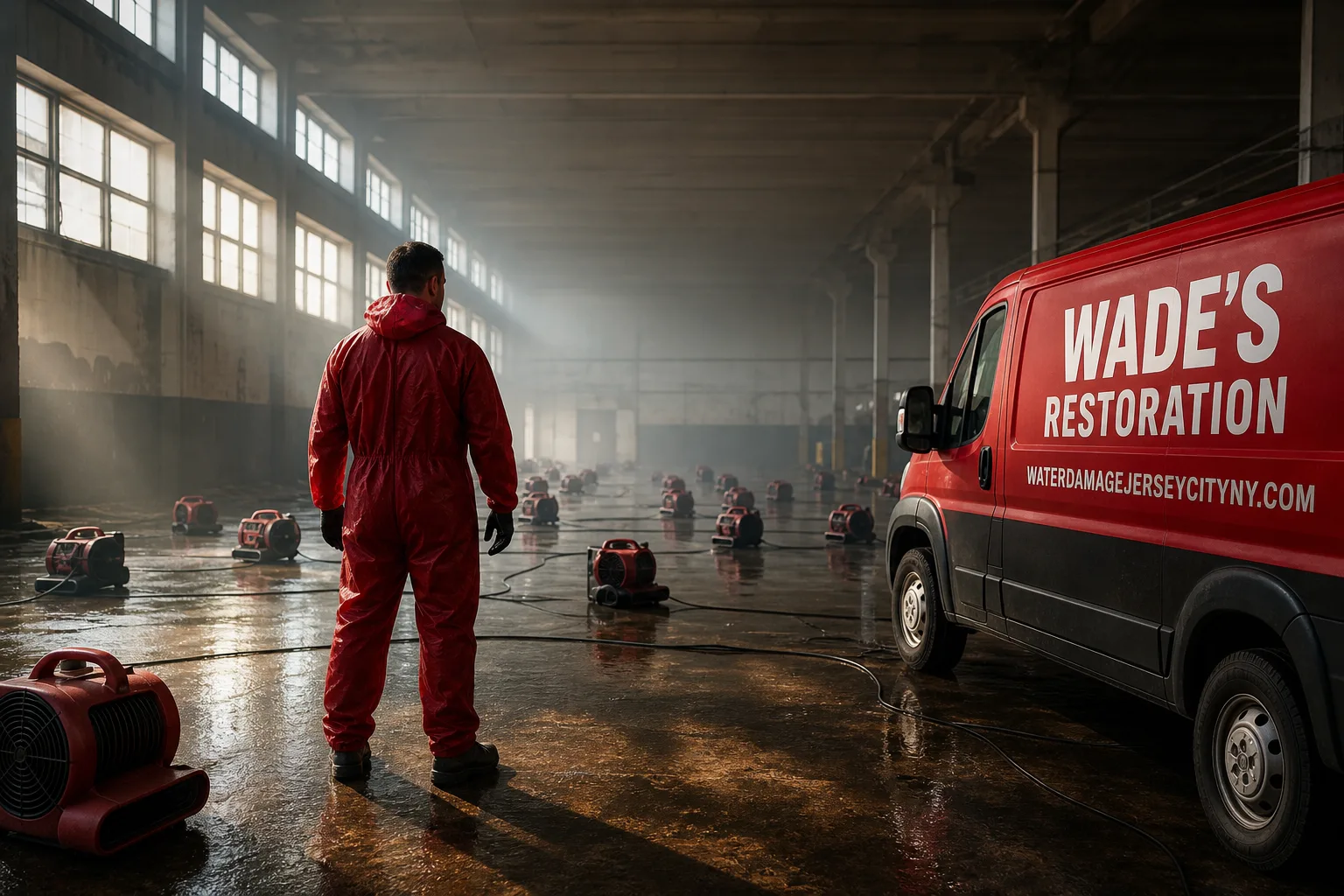
Free visual inspection and a written scope of work before any mitigation begins - photos, moisture readings, and drying logs go in your claim file
The scope we write is the scope we bill. Anything new gets shown to you, in writing, before we touch it.
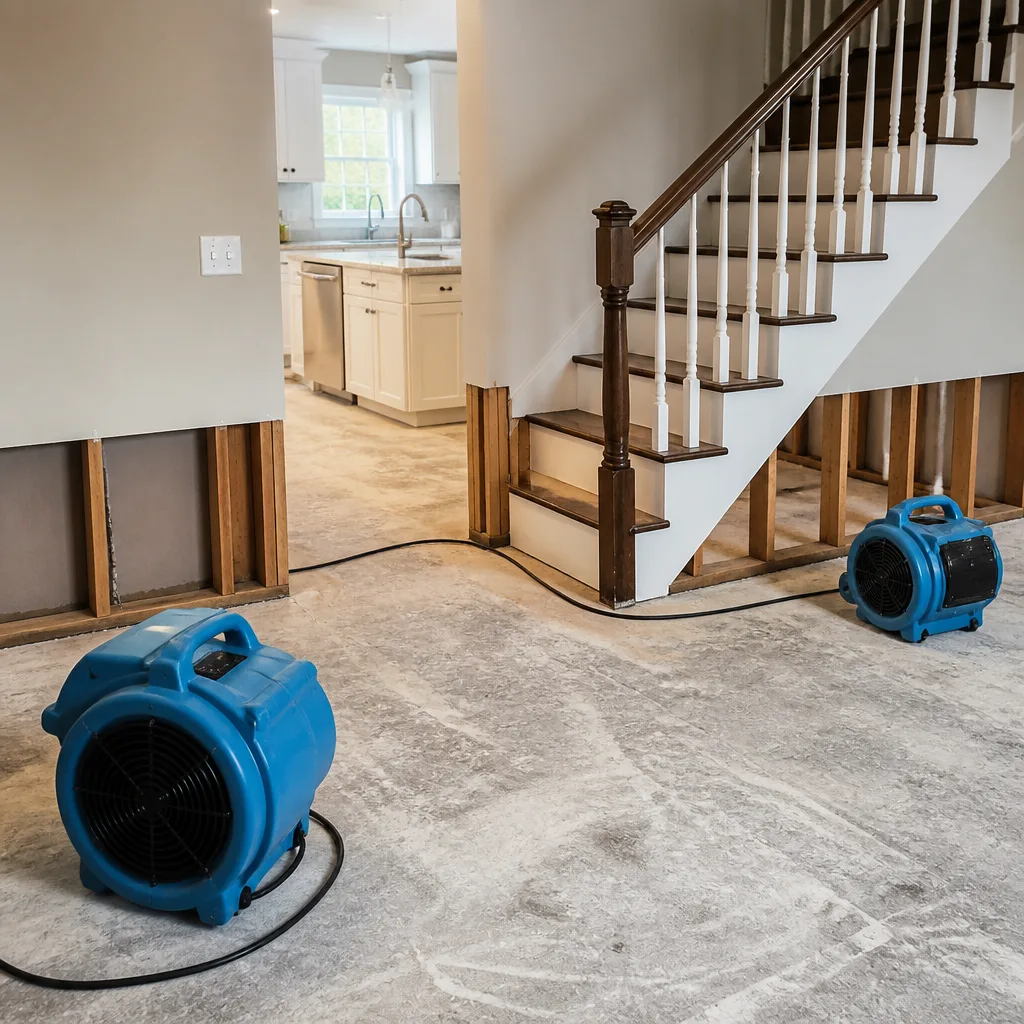
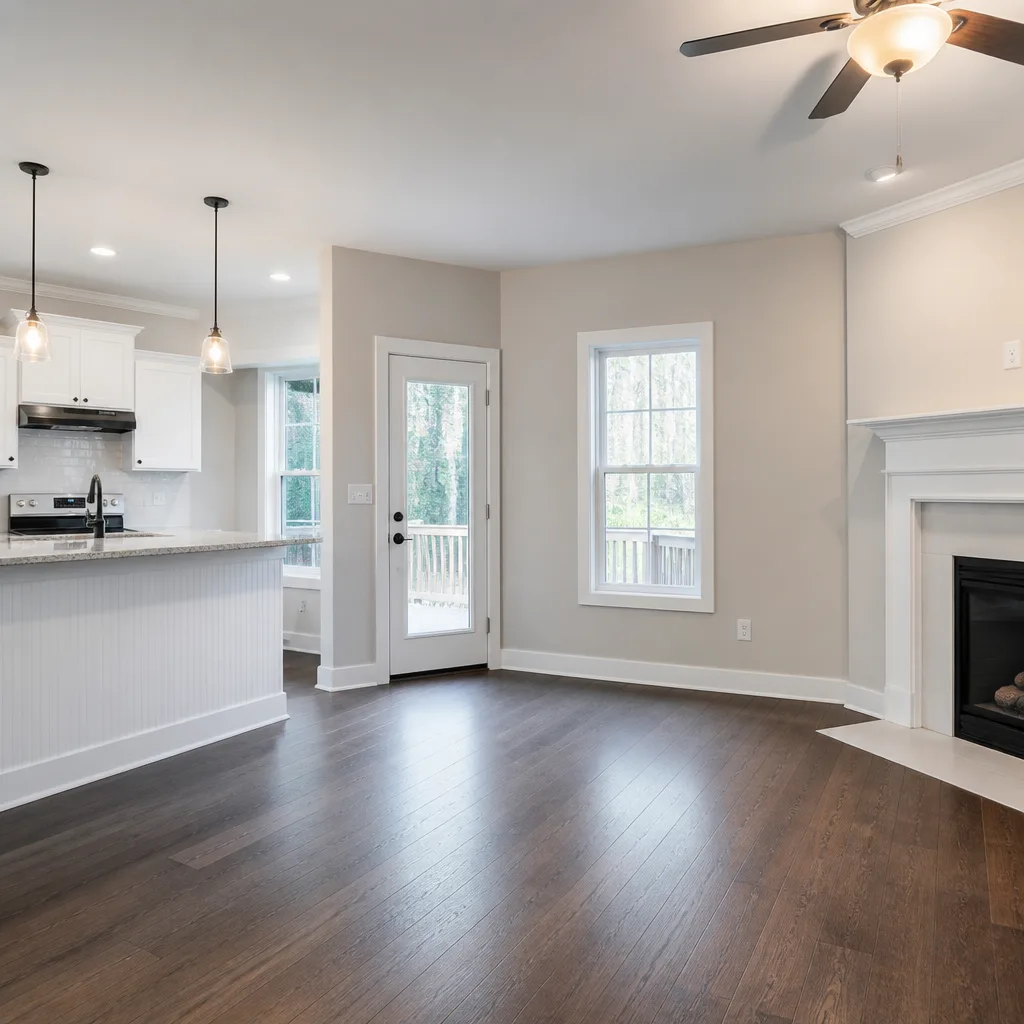
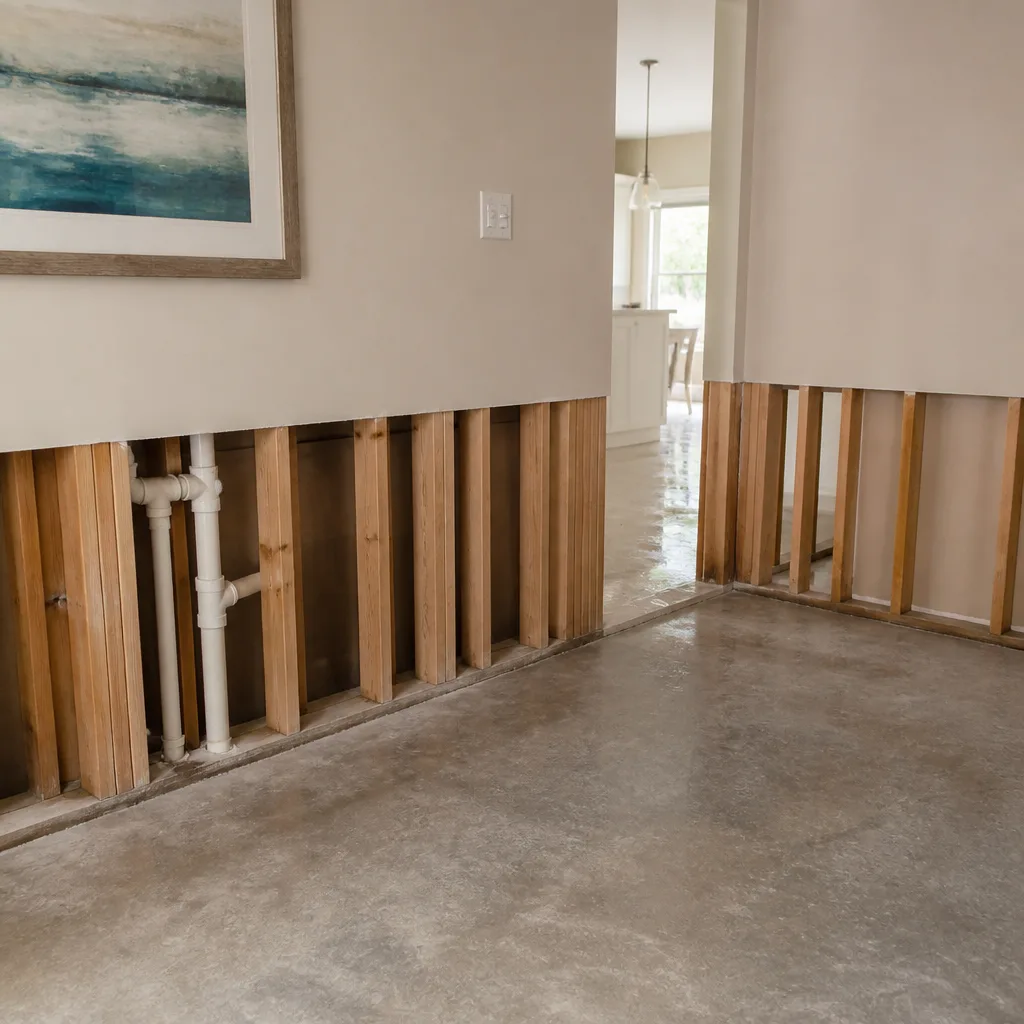
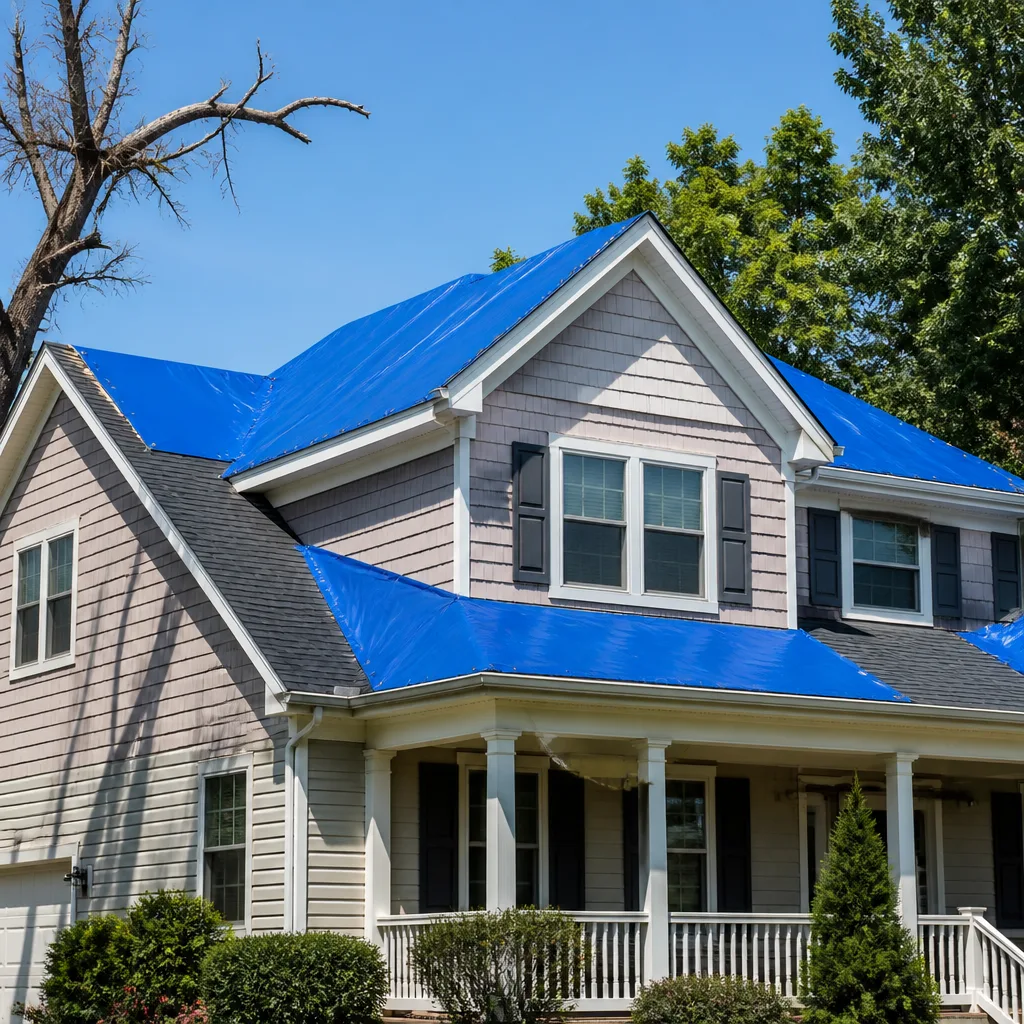
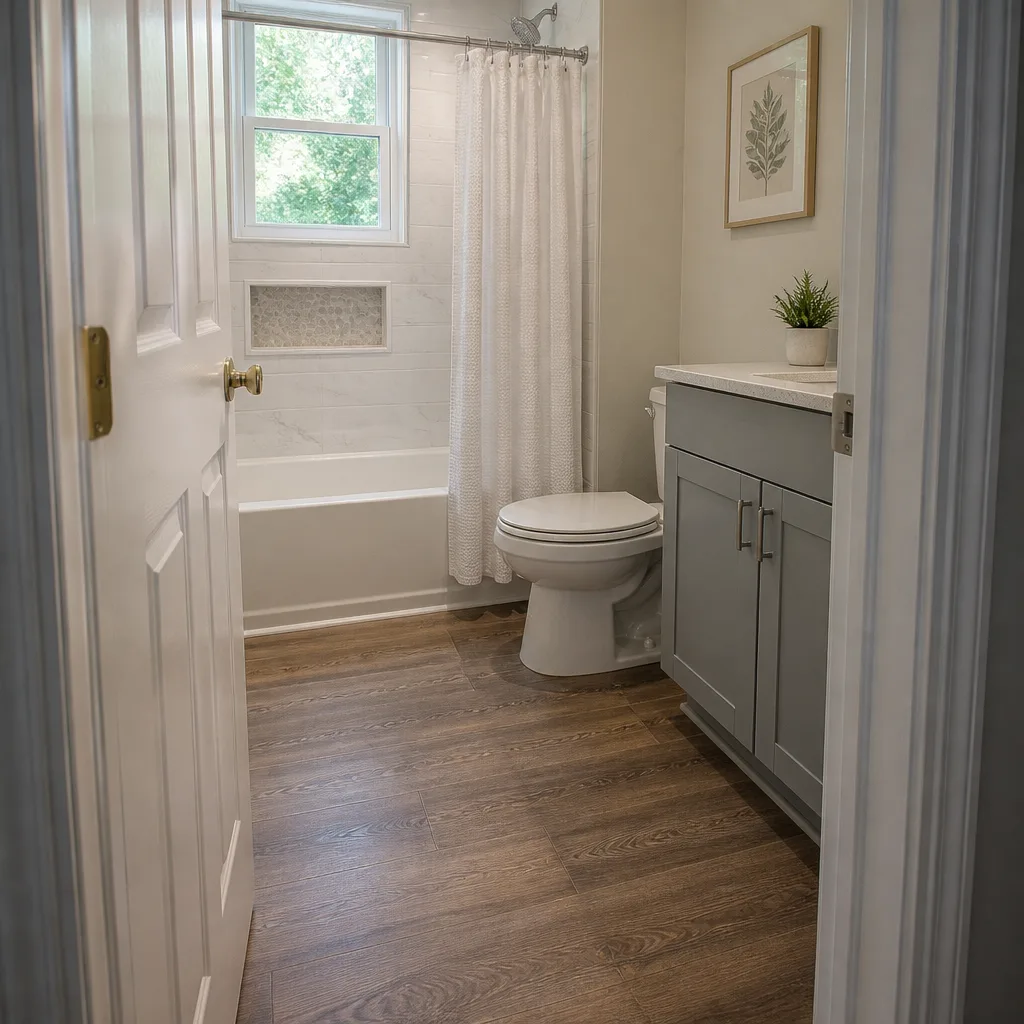
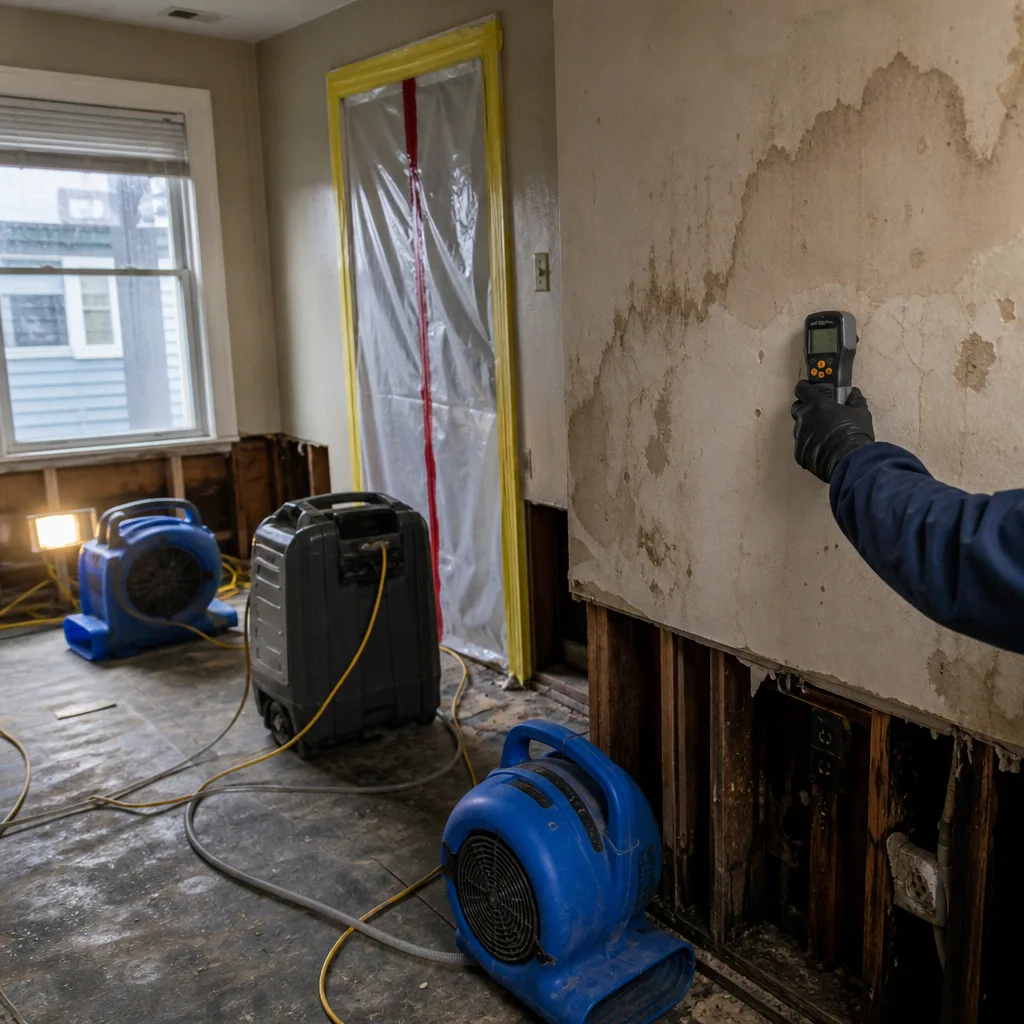 Before
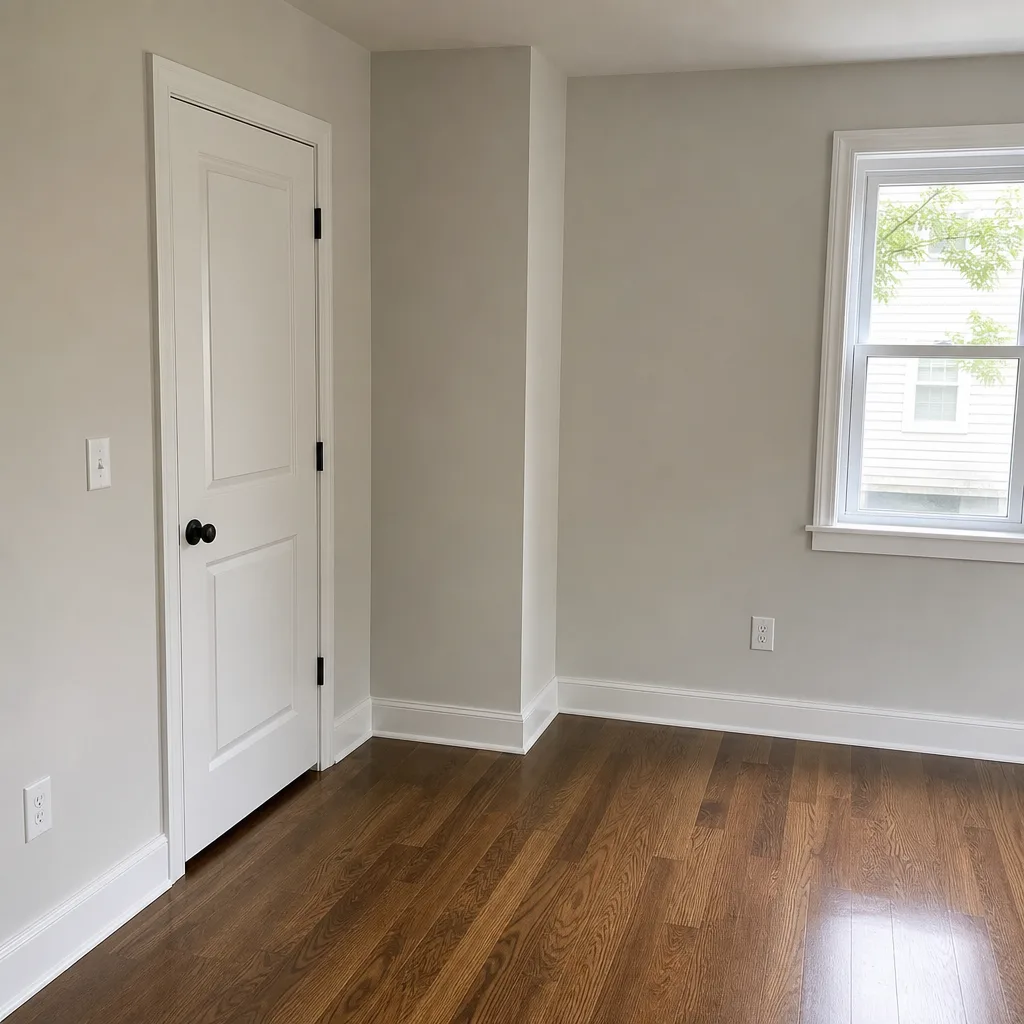 After
After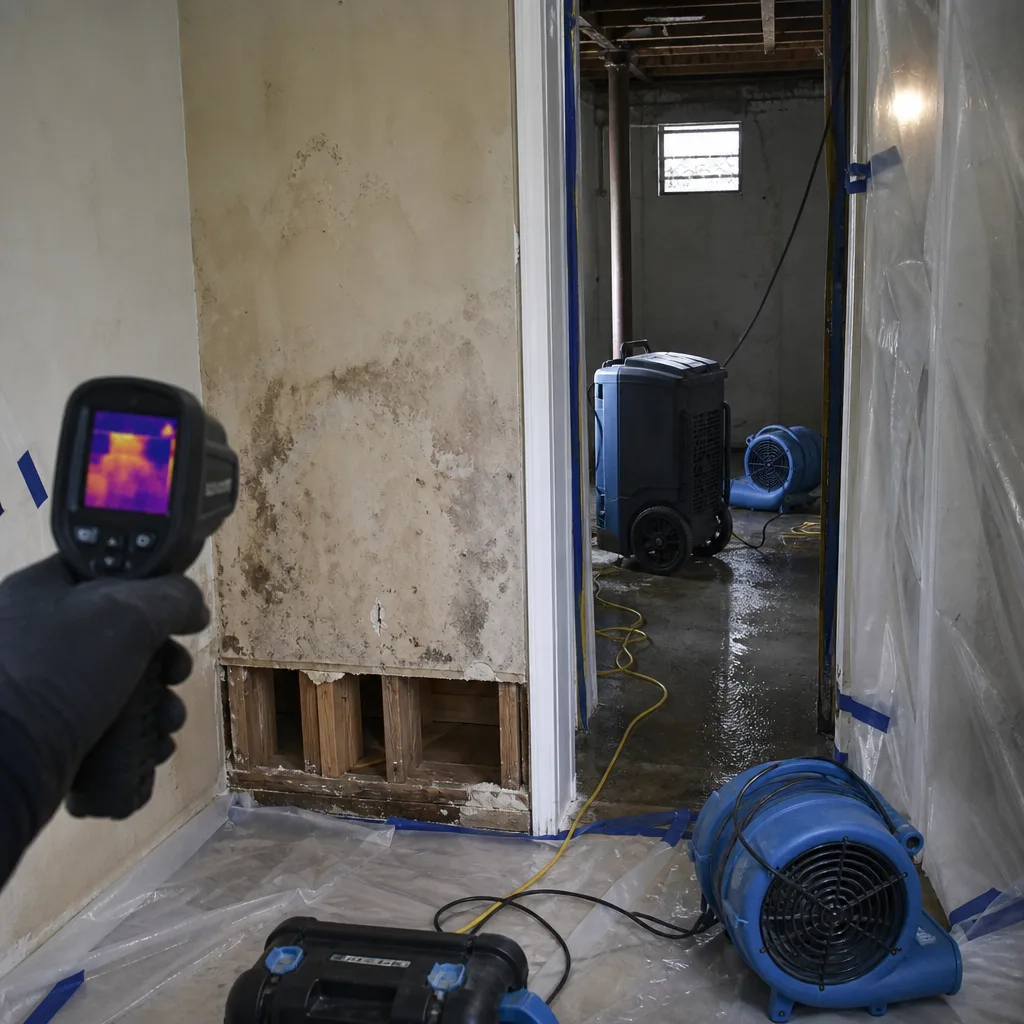 Before
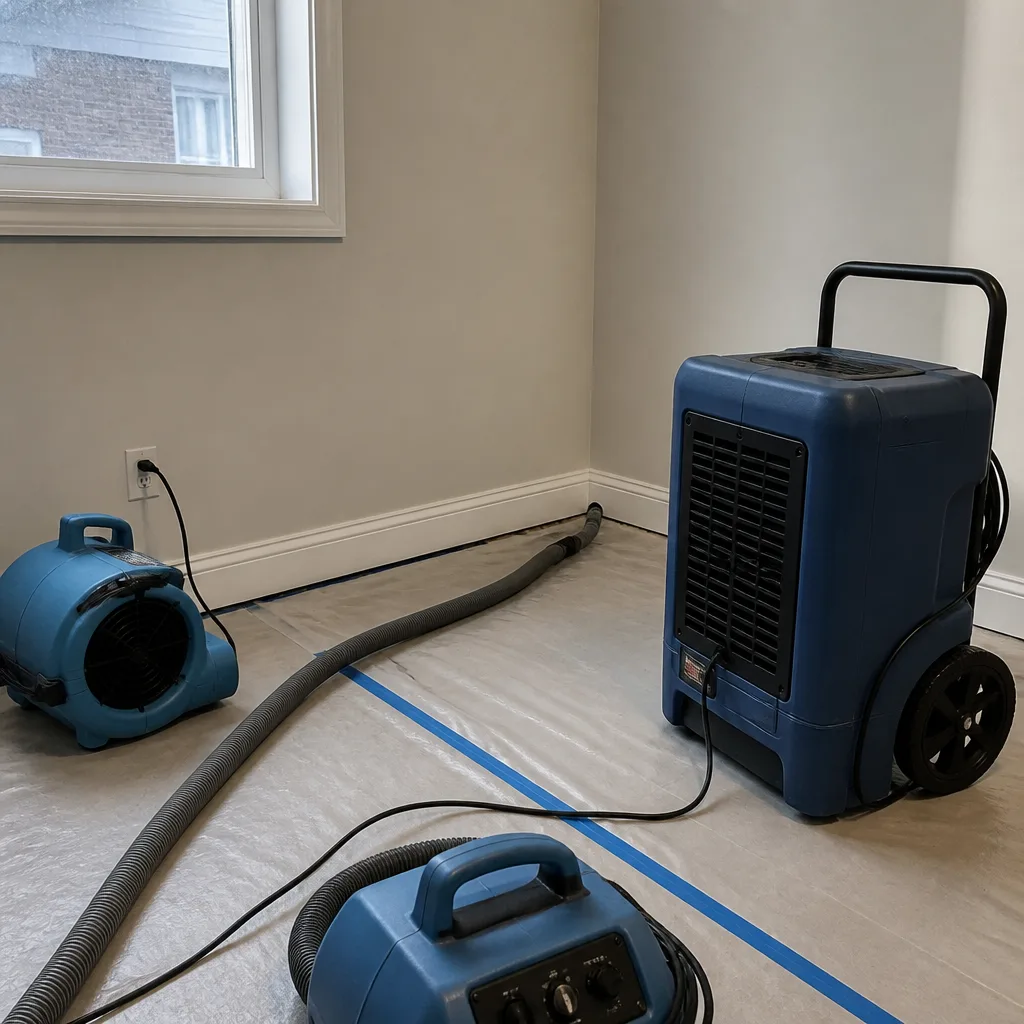 After
After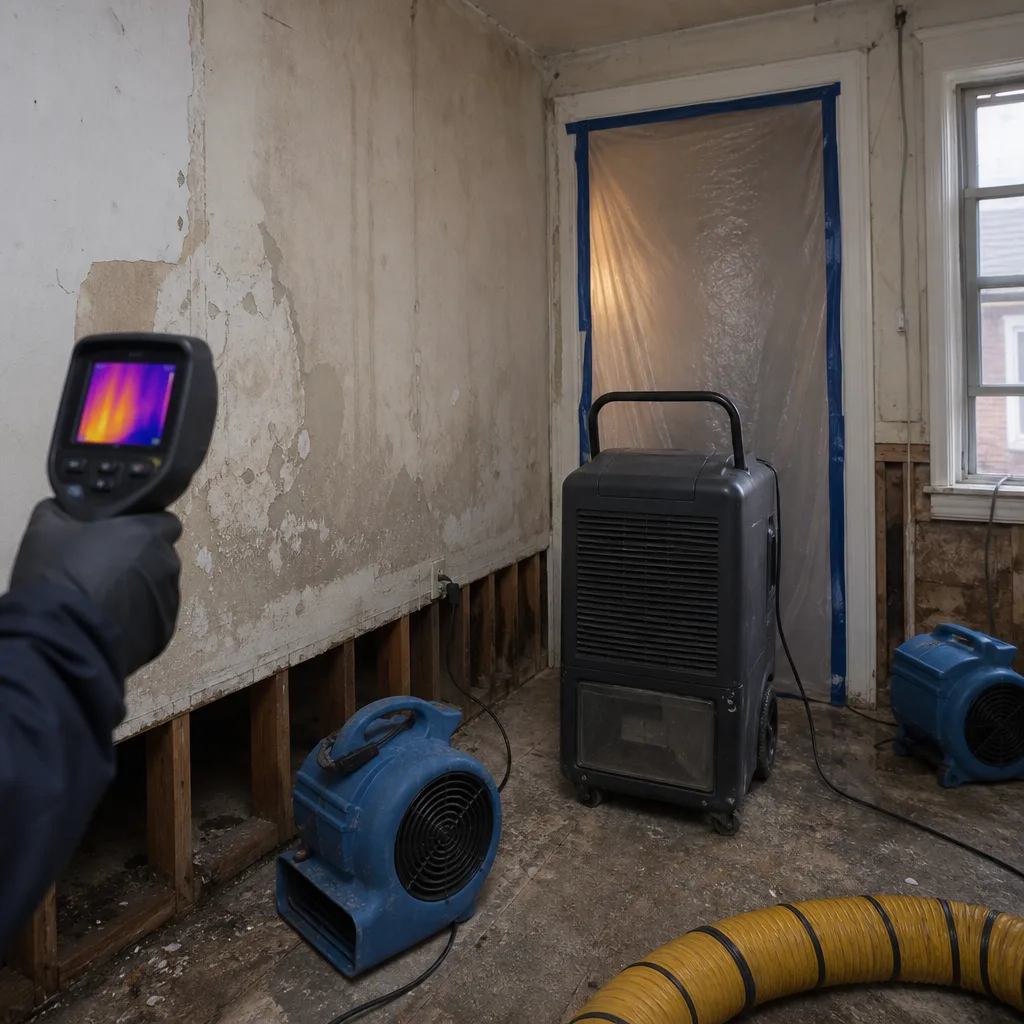 Before
 After
After24/7 Emergency Biohazard & Crime Scene Cleanup in Long Island City
When a biohazard situation happens in a Long Island City loft or tower, someone has to make the call, and that call should reach a real person. Crime scene and trauma cleanup can’t wait until business hours. Blood-borne pathogens, bodily fluids, and decomposition fluids start breaking down immediately, and the damage spreads with every hour that passes. Wade Ferris answers his own phone at (201) 903-9581, 24 hours a day, and he can have a certified crew moving toward your building inside the hour. The first call is a free visual inspection, so you know what you’re dealing with before any work begins.
Understanding Biohazard & Crime Scene Cleanup Severity in Long Island City Properties
Biohazard cleanup in Long Island City carries a different weight than it does in most neighborhoods because of what these buildings are and where they sit. Blood, bodily fluids, and decomposition create porous-surface contamination that moves through materials differently depending on what those materials are. In a 1920s converted factory loft, that means open-pore brick, timber framing, and original subfloor layers that may have been there for a century. These materials wick fluids downward and outward in ways that newer construction does not, and the contamination pathway is simply deeper. In the glass high-rise towers built after 2010, the opposite problem occurs: tight building envelopes trap airborne pathogens and odor, so containment and negative air pressure become non-negotiable before any cleaning starts. Add proximity to Newtown Creek, and the risk profile changes again: standing water from a flood or sewer backup in southern and eastern Long Island City is routinely Category 3, meaning it carries industrial pollutants and sewage, not just stormwater. Any biohazard event layered on top of that water requires full decontamination protocol: containment barriers, antimicrobial treatment, and disposal of affected materials through regulated channels.
Why Long Island City Property Owners Choose Wade’s Restoration
- 45-minute response commitment: Wade dispatches a crew toward any Long Island City address inside 45 minutes, and he is usually the first one on site with a moisture meter and a plan.
- Live answer, 24/7: No answering service, no voicemail tree. When you call (201) 903-9581 at 3 a.m., a person picks up, and often it’s Wade himself.
- IICRC-certified crews: Our technicians hold WRT and AMRT certifications and follow the same protocols on a Dutch Kills loft as they would on a hospital corridor.
- Free visual inspection: Before any work is authorized, Wade walks the scene and tells you what you’re actually dealing with. No charge for that.
- Direct insurance billing: We document everything from the first hour, submit directly to your carrier, and coordinate with your adjuster so you’re not stuck in the middle.
- One team from start to rebuild: The same crew that handles the biohazard cleanup stays through structural drying, sanitization, and reconstruction. Nobody hands you off to a stranger.
Our Biohazard & Crime Scene Cleanup Process
Inspection & Assessment
Wade arrives and traces the full scope of contamination, including what’s hidden in subfloor and wall cavities. In older Long Island City buildings, that starts with identifying original materials before anyone disturbs them. Thermal imaging and hygrometers tell us where fluids have migrated that the eye can’t see.
Containment & Stabilization
We seal the affected area with polyethylene containment and establish negative air pressure so pathogens and odors don’t move through the rest of the unit or the building. If the loss involves standing Category 3 water from a sewer backup or flood near Newtown Creek, extraction happens inside the containment zone.
Structural Drying & Dehumidification
High-capacity air movers and LGR dehumidifiers pull moisture from brick, timber, and concrete. In pre-war lofts, drying cycles run longer because century-old materials hold water differently than modern drywall. Daily moisture readings track the progress with hard numbers.
Cleaning, Sanitization & Deodorization
All contaminated materials are removed and disposed of according to state and federal biohazard regulations. Affected surfaces receive antimicrobial treatment as part of our Sanitization Services - Long Island City, and HEPA air scrubbers run continuously to remove airborne particulates and odor at the molecular level.
Specialty Biohazard Treatment
Depending on the scene, this includes blood-borne pathogen remediation, decomposition fluid extraction from porous surfaces, odor neutralization using hydroxyl generators, and-where a water event is involved-Water Damage Restoration - Long Island City with Category 3 decontamination protocols specific to Long Island City’s Superfund-adjacent flood zone.
Repairs & Restoration
Once the area tests clean, we rebuild through our Commercial Restoration in Long Island City: subfloor replacement, drywall, paint, finish work. The same team handles it from first response to final walkthrough, with the 90-Day Done Right Promise in writing on every contract.
Need Emergency Biohazard & Crime Scene Cleanup in Long Island City Now?
Crews minutes away, answering live 24 hours a day. The sooner we start, the less it costs.
Working With Your Insurance Company
Most biohazard and crime scene cleanups in Long Island City are at least partially covered by homeowners or condo insurance, but the claim has to be documented from the first hour to get full value. We photograph every affected area before and during cleanup, log moisture readings daily, and produce a line-item scope of work that your carrier can process without weeks of back-and-forth. Wade talks to adjusters directly, so you’re never the one relaying technical information between two parties. If the adjuster has questions about a torn-out subfloor in a Vernon Boulevard condo or a contaminated wall cavity in a Court Square tower, we answer them with documentation, not guesswork.
What We Provide Your Insurer
- Thorough documentation of the loss from first response onward
- Photos of all damage, room by room, before anything is disturbed
- Daily moisture readings and drying logs for every affected area
- A detailed, line-item scope of work with materials and labor separated
- Direct coordination with your adjuster and carrier, start to settlement
Built for Long Island City’s Loss Calendar
Long Island City’s emergency calendar runs on weather, infrastructure age, and geography. January and February bring deep freezes that burst supply lines in unheated stairwells and utility closets, turning studio units in pre-war buildings into Category 1 losses that migrate into original flooring. Spring thaw does the same for exposed rooftop pipes on converted factory buildings along 44th Drive and Hunters Point. Summer thunderstorms stress NYC’s combined sewer system, and in low-lying pockets near the East River, basement backups are common, bringing Category 3 water into spaces where biohazard incidents compound the contamination. Nor’easters in fall and early winter push the same system to capacity. And in any season, the human tragedies of a dense city, unattended deaths, crime scenes, hoarding situations, and infectious disease outbreaks, require cleanup that meets NYC Department of Health standards and OSHA blood-borne pathogen rules. We built our response pattern around this calendar, and it’s why our Biohazard & Crime Scene Cleanup team keeps extraction equipment and containment materials staged for the neighborhood year-round.
Biohazard & Crime Scene Cleanup Across Long Island City’s Neighborhoods
Response routes look different depending on where you are in Long Island City. In Hunters Point, the post-2010 glass towers along Center Boulevard have tight loading dock access and service elevators, which we factor into every dispatch, because moving containment equipment through a residential lobby requires coordination with building management. The old industrial core around Dutch Kills and Court Square is a different job altogether: converted warehouses with original timber columns, freight elevators that date to the 1920s, and subfloor layers that predate modern code. In those units, the biohazard cleanup sequence nearly always includes asbestos testing before any pack-out or demolition, because the original floors are frequently vinyl-asbestos tile under a developer’s polished overlay. Along Vernon Boulevard, the mixed-use buildings and older co-ops present tight unit layouts where odor containment inside the affected unit is the difference between a contained job and a building-wide complaint. And near the Queensboro Bridge approach, street-level commercial units with basement storage regularly see the intersection of flood water and biohazard after a heavy rain. Same city page, different playbook every time we serve Long Island City.
Specialized Biohazard & Crime Scene Cleanup Services We Offer in Long Island City
Crime Scene Cleanup
Crime scene cleanup in Long Island City means responding after the police release the scene. We work in converted lofts, high-rise condos, and commercial spaces, removing blood and bodily fluids from whatever materials those spaces contain. In pre-war buildings, that often means pulling subfloor layers and treating timber framing beneath, not just mopping the surface.
Trauma & Unattended Death Cleanup
An unattended death in a Long Island City apartment is not a rare event in a dense neighborhood with many residents living alone. Decomposition fluids migrate through flooring, into subfloor, and up wall cavities. We contain the area, remove affected materials, run hydroxyl treatment for odor, and restore the unit so families and landlords aren’t left with a space nobody can enter.
Hoarding Cleanup
Hoarding situations in Long Island City lofts are complicated by the building itself. Piles of belongings resting on original 1920s flooring can hide moisture damage, pest activity, and structural issues underneath. We work with compassion, sort salvageable items where possible, and haul away what can’t be saved, then deep-clean and deodorize the empty space so the unit can be used again.
Blood & Bodily Fluid Cleanup
Blood is a biohazard because it can carry hepatitis B, hepatitis C, and HIV, and in New York State, cleanup must follow specific disposal and disinfection protocols. We treat every blood scene as though it carries a pathogen, using hospital-grade disinfectants and full PPE, no shortcuts. Our Biohazard & Crime Scene Cleanup crew handles everything from small accidents to full trauma events.
Infectious Disease Disinfection
After a confirmed illness in a Long Island City home or business, whether it’s norovirus, MRSA, COVID, or something else, full-surface disinfection with EPA-registered products and fogging where appropriate is the standard. We follow the same protocols for high-touch surfaces in offices along Jackson Avenue as we do for residential units, with a written report of what was treated and with what.
What happens when you call
- 1
A real person answersNo phone trees - you reach a local pro.
- 2
You get an upfront price rangeHonest numbers before anyone is dispatched.
- 3
A background-checked tech heads outLicensed & insured, dispatched right away.
- 4
You approve before work beginsNothing starts until you say go.
Biohazard & Crime Scene Cleanup Costs in Long Island City, NY
Biohazard cleanup in Long Island City runs higher than the national average because of the building stock and the disposal requirements that come with it. A small blood cleanup in a bathroom typically runs $800 to $1,500. A full trauma scene with subfloor removal and structural drying in a pre-war loft runs $5,000 to $15,000 depending on the extent of contamination migration. Hoarding cleanup ranges from $3,000 to $25,000 based on volume, hazards, and the square footage affected. Unattended death cleanup in a converted factory unit with original flooring usually lands between $6,000 and $18,000 once you account for asbestos testing, containment, material removal, dumpster fees, and regulated biohazard disposal. The free visual inspection is the quickest path to an exact number: Wade walks the scene, tells you what has to come out and what can be saved, and hands you a written scope before anything gets touched. Insurance commonly covers most of this when the event is covered by your policy, and we bill carriers directly.
We Also Serve Cities Near Long Island City
Our crews cover the surrounding Queens neighborhoods and nearby Brooklyn and Manhattan districts: Astoria, Sunnyside, Woodside, Maspeth, Greenpoint, Williamsburg, and Midtown East. If you’re uncertain whether you’re in our service area, call (201) 903-9581 and ask. The answer is usually yes, and if it isn’t, Wade will tell you who to call.
Serving Long Island City, NY - Our Local Coverage Area
We’re based in the Long Island City area and know this community well. Use the map below to see our service coverage - if you’re nearby, we can almost certainly help.
Long Island City Biohazard & Crime Scene Cleanup Questions, Answered
Does a crime scene cleanup in a Long Island City loft require asbestos testing before work begins?
Yes, in most pre-1960 converted factory and warehouse buildings in Long Island City, breaking into original flooring, wall cavities, or pipe insulation requires asbestos testing before any cleanup crew can disturb those materials. If the unit has the original vinyl-asbestos tile beneath a newer overlay, which is common in Dutch Kills and Court Square lofts, we test first, then abate or coordinate with a licensed abatement contractor before blood or bodily fluid cleanup proceeds. Skipping that step can create a legal liability far larger than the cleanup itself. Call (201) 903-9581 and we’ll walk you through what applies to your specific building.
How does being near Newtown Creek change a death cleanup versus a standard Manhattan apartment?
If the unit also took on water, the water itself is often Category 3 in the low-lying sections of Long Island City near Newtown Creek, meaning it contains industrial pollutants from a federal Superfund site, not just stormwater or sewage. When a biohazard event occurs in a flooded unit, the contamination layer is compounded: we’re treating blood and bodily fluids on surfaces that have also been saturated with industrial contaminants. That requires full decontamination protocol with sealed containment and regulated disposal, not just a standard water-damage dry-out. Our team has handled this exact intersection more times than we can count, and we treat it as a hazmat event from minute one.
What if the unattended death was in a basement that flooded during Sandy?
Basements in Long Island City that flooded during Sandy were exposed to East River water mixed with sewer overflow and, in many cases, Newtown Creek contamination. If an unattended death occurred later in that same basement, the existing moisture history matters: the concrete and masonry may have absorbed contaminants years ago, and decomposition fluids from the body now present a new contamination layer on top. We map moisture, test what we can, and treat the full space as a Category 3 biohazard zone unless testing proves otherwise. The scope usually includes masonry treatment, not just surface cleaning, and we document everything for your insurer.
How do you handle odor remediation after a hoarding cleanup in a pre-war LIC loft?
Hoarding odor in a 1920s Long Island City loft rarely responds to surface cleaning alone, because the original brick and timber have absorbed years of airborne particulates, ammonia, and decomposition. We run hydroxyl generators and ozone in sequence, sometimes for days, with HEPA air scrubbers moving air continuously. Where materials can’t be brought back, we replace them, but in a pre-war loft, that means matching plaster profiles, moldings, and original flooring, which our reconstruction crew handles in-house. The goal is that you walk in and smell nothing, not perfume masking something.
Do I need special permission from my condo board for trauma cleanup in a Long Island City high-rise?
Most Long Island City condo and co-op boards require notification and often an access plan before any restoration crew brings equipment through common areas, service elevators, or loading docks. We handle that communication directly: we’ll confirm the building’s requirements, provide our insurance certificates and IICRC credentials, and coordinate access times so the work doesn’t snarl on a technicality. In the glass towers along Center Boulevard, this is routine, and we’ve done it enough to make it painless for you. If your board has specific contractor insurance thresholds, we’ll provide certificates same day.
How fast can someone actually get here for a biohazard emergency in Long Island City?
Wade commits to a 45-minute response for any Long Island City address, and in practice, we’re often faster because we have crews staged in Queens. The first person on site brings PPE, initial containment materials, and a camera to document the scene before anything is disturbed. For a trauma or unattended death scene, that documentation matters, both for your insurance claim and because there are legal realities about a death scene that require that the scene remain undisturbed until cleared. Call (201) 903-9581 and tell us what happened. We’ll tell you what to do, or not do, in the next 30 minutes.
Is biohazard cleanup covered by homeowner’s insurance in New York?
Most Long Island City homeowners, condo, and co-op policies cover crime scene and trauma cleanup under the property damage and mitigation provisions, especially when the event is the result of a covered peril. Unattended death cleanup is often covered as part of the broader loss. The key is that the claim be documented properly from the first hour, with photos, containment records, and a line-item scope. We submit all of that directly to your carrier and deal with the adjuster ourselves, so you’re not on the phone explaining technical details you shouldn’t have to know. If you want us to review your policy language before work begins, call and ask.
What should I do in the first 30 minutes after discovering a biohazard situation?
Do not enter the affected area. Close the door if you can do so without stepping into the space, keep children and pets away, and do not attempt to clean anything. Blood and bodily fluids can carry blood-borne pathogens, and decomposition creates airborne risks. If there is standing water from a backup or flood, treat it as contaminated. Then call (201) 903-9581. Wade will talk you through what’s happening, what to avoid, and what we’ll do when we arrive, which will be inside the hour. The first 30 minutes are about not making it worse. The next hour is about making it right.
We responded to a trauma cleanup in a converted warehouse loft in the Dutch Kills corridor, and before our techs could begin blood and bodily fluid cleanup, we had to stop and coordinate asbestos testing on the original 1920s factory floor, vinyl-asbestos tile beneath a polished concrete overlay. Containment and negative air had to go up before any structural drying or antimicrobial treatment could start after the water extraction. That’s the reality of biohazard work in Long Island City’s converted factories and Superfund-adjacent flood zone, and it’s exactly the kind of thing a national chain won’t tell you until it’s too late. We tell you upfront, because we’re the ones who have to live with the result, and so are you.
Written by Wade Ferris, Owner at Wade’s Restoration, serving Long Island City and surrounding Queens neighborhoods.